Line Of Duty Sparks More Than 300 Complaints Over Hastings’ ‘Oddball’ Comment

The BBC received more than 300 complaints over a scene in a recent episode of Line Of Duty, in which a character with Down’s syndrome was referred to as “the local oddball”.

In the first episode of the current series of the police drama, Superintendent Ted Hastings was heard questioning whether Terry Boyle, a disabled character, could have been involved in a murder.

During the scene, Adrian Dunbar’s character said: “[Carl]’s much more likely to be the gunman than the local oddball, that’s for sure.”

This comment was called out by many viewers at the time, particularly as the episode aired on World Down Syndrome Day, with a BBC spokesperson insisting that Hastings’ remark was not in reference to Terry Boyle’s disability.

BBC

Adrian Dunbar’s character made the remark during the series premiere last month

It’s now been reported (via Metro) that 323 complained to the BBC’s Executive Complaints Unit (ECU) about the scene in question.

Responding to these complaints, a post on the ECU’s website said: “Superintendent Ted Hastings’ comments were not in reference to the character Terry Boyle’s disability – Ted Hastings had never met Terry Boyle.

“Hastings was looking only at the evidence against Boyle, namely the press cuttings of Gail Vella found in his flat.”

BBC/World Productions/Steffan Hill

Tommy Jessop portrays Terry Boyle in Line Of Duty

They added: “The word ‘oddball’ means an eccentric person and has no meaning or connotation of disability and Hastings was referring to the stalker/obsessed fan theory of Gail Vella’s murder.”

Line Of Duty creator Jed Mercurio previously tweeted on the subject: “‘Oddball’ has no connotation for learning difficulties. It describes a loner, an eccentric.”

Line Of Duty continues on Sunday night at 9pm on BBC One.

Share Button

BBC Issues Response After Coverage Of Prince Philip’s Death Sparks Record Number Of Complaints

The BBC has issued a response after receiving a record number of complaints about its coverage of Prince Philip’s death.

Last week, both BBC One and BBC Two cleared their schedules in the wake of the Duke Of Edinburgh’s death to devote the airtime to reports about the news, and reflections on his life.

Since then, it was reported that more than 100,000 people had complained to the corporation’s Executive Complaints Unit (ECU) – a record for complaints in British television history.

The BBC has now confirmed this to be the case, stating on Thursday the overall number of complaints stood at 109,741.

Max Mumby/Indigo via Getty Images

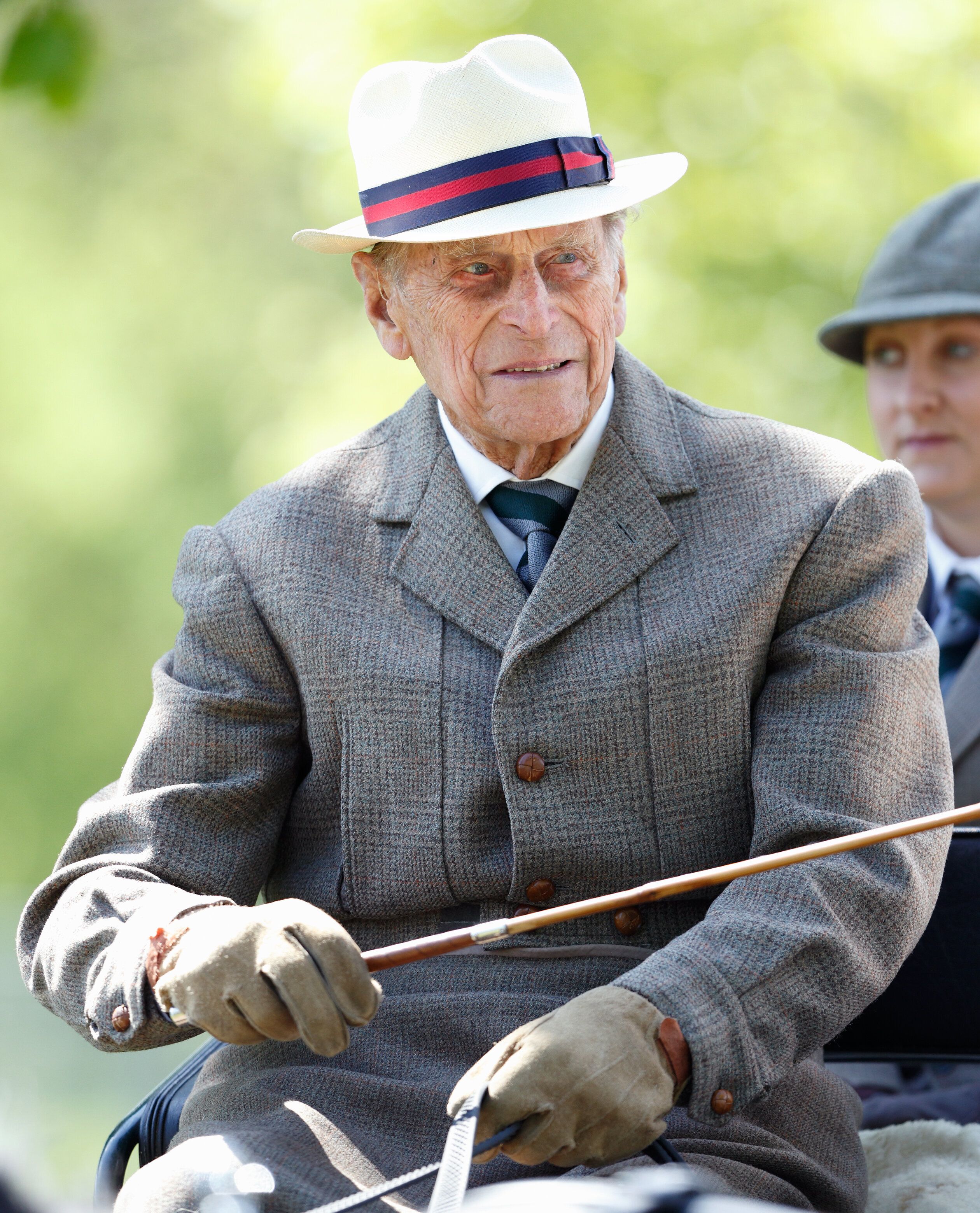
Prince Philip photographed in 2016

Responding to these complaints, a spokesperson said: “The passing of HRH The Prince Philip, Duke of Edinburgh was a significant event which generated a lot of interest both nationally and internationally.

“We acknowledge some viewers were unhappy with the level of coverage given and impact this had on the billed TV and radio schedules.

“We do not make such changes without careful consideration and the decisions made reflect the role the BBC plays as the national broadcaster during moments of national significance.

“We are grateful for all feedback and we always listen to the response from our audiences.”

It has now been confirmed that the BBC plans to devote around six hours of coverage to the Duke of Edinburgh’s funeral this weekend, with broadcaster Huw Edwards leading most of it.

Mark Cuthbert via Getty Images

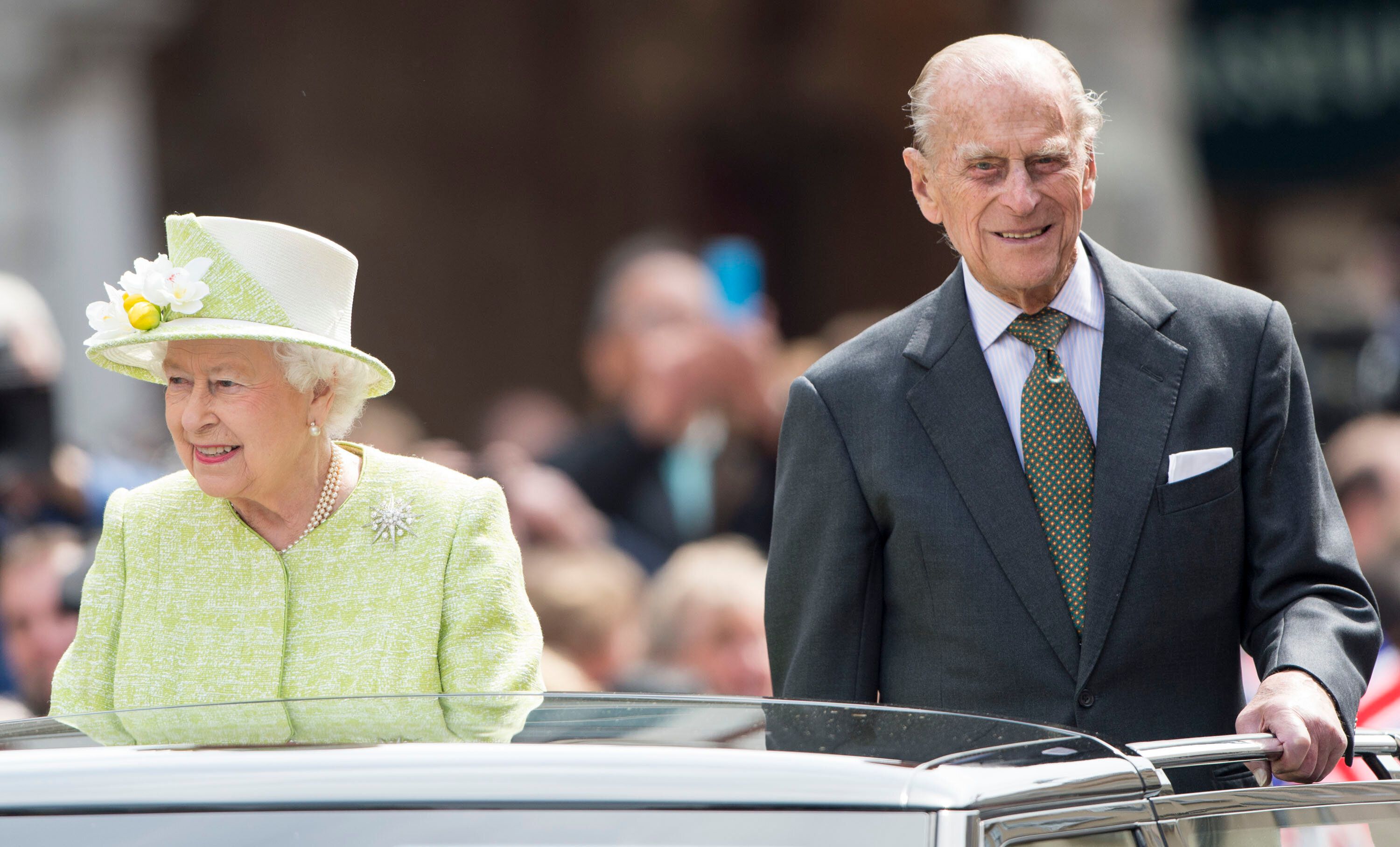
Prince Philip pictured with Queen Elizabeth II during her 90th birthday celebrations

The number of complaints about the coverage of Prince Philip’s death beats the previous high of 63,000 sparked by the BBC’s screening of Jerry Springer: The Musical in 2005.

Three years later, Russell Brand and Jonathan Ross’ prank call to actor Andrew Sachs on the former’s Radio 2 show, drew 42,000 complaints.

Share Button

Jennifer Lopez And Fiancé Alex Rodriguez Call Off Engagement Weeks After Denying Split

Jennifer Lopez has announced that she and fiancé Alex Rodriguez are going their separate ways after four years together.

The pair began dating in 2017 and announced that they were engaged in 2019.

However, on Thursday morning, the Jenny From The Block singer confirmed that she and Alex had decided to call off their engagement, just weeks after denying that they had split.

In a joint statement given to US broadcaster NBC’s The Today Show, the former couple said: “We have realised we are better as friends and look forward to remaining so.

“We will continue to work together and support each other on our shared businesses and projects.”

They added: “We wish the best for each other and one another’s children. Out of respect for them, the only other comment we have to say is thank-you to everyone who has sent kind words and support.”

Gilbert Carrasquillo via Getty Images

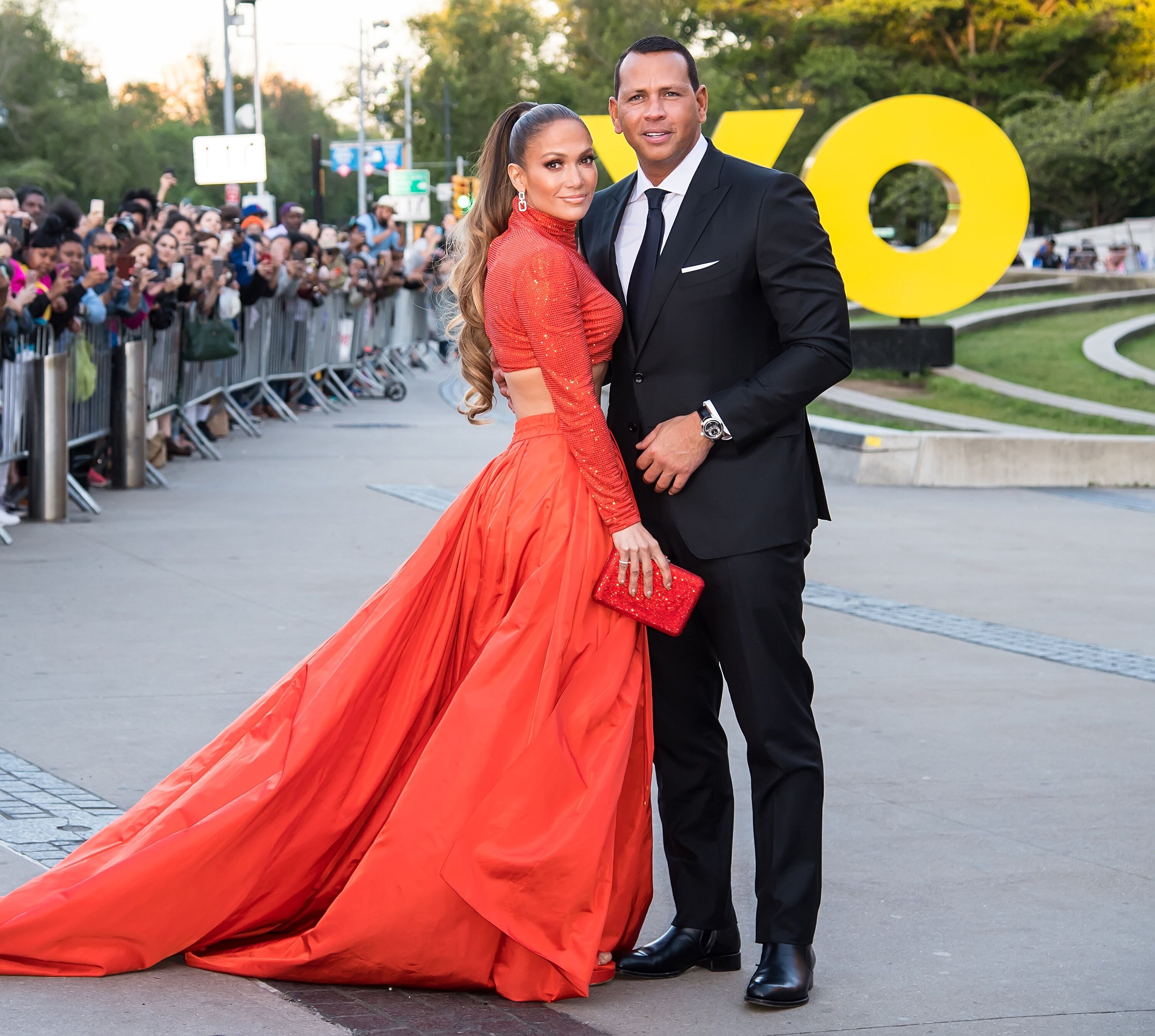
Jennifer Lopez and Alex Rodriguez pictured in 2019

It was first rumoured that J-Lo and A-Rod had called it quits last month, and while they insisted at the time that these stories were “inaccurate”, they also said in a statement they were “working through some things”.

Jennifer has been married three times, including to fellow singer Marc Anthony – with whom she has 13-year-old twins, Max and Emme – for 10 years.

She was previously married to Ojani Noa and former back-up dancer Cris Judd, and got engaged to actor Ben Affleck in 2002, but they split a year later.

Meanwhile, Alex has two teenage daughters with his ex-wife, Cynthia Scurtis, to whom he was married for six years.

Share Button

Former Minnesota Police Officer To Be Charged In Death Of Daunte Wright

A Minneapolis-area police officer was arrested on Wednesday after she shot and killed Daunte Wright, 20, last weekend during a traffic stop, officials said. 

Washington County attorney Pete Orput said he plans to charge former Brooklyn Center officer Kim Potter with second-degree manslaughter. He is expected to release more information later on Wednesday. The case was sent to the office to avoid a conflict of interest with the Hennepin County Attorney’s Office, which works closely with Brooklyn Center police on criminal cases, as first reported by KSTP-TV on Tuesday.

Potter will be booked into Hennepin County Jail.

Potter fatally shot Wright on Sunday after pulling him over for a traffic violation. During a struggle captured on now-released bodycam video, she drew her service weapon and repeatedly yelled “Taser!” before shooting a single bullet in Wright’s chest. 

Potter offered her resignation in a letter to city officials on Tuesday, saying it was “in the best interest of the community, the department, and my fellow officers if I resign immediately”. She had worked for the department for 26 years.

Brooklyn Center Police chief Tim Gannon also stepped down on Tuesday. He said at a news conference the previous day that he thought Potter accidentally shot Wright with her firearm when she meant to use her Taser.

On Monday, the Brooklyn Center City Council voted to fire city manager Curt Boganey, who was in charge of police personnel, and put mayor Mike Elliott in charge of the police department. Elliott said on Tuesday that he had asked Minnesota governor Tim Walz to reassign Wright’s case to “ensure transparency and to continue building trust in our community”.

The police killing of Wright occurred while, several miles away in downtown Minneapolis, the trial continued for former police officer Derek Chauvin. He has been charged in the May 2020 death of George Floyd, a Black man.

Wright’s death has rekindled protests against racial injustice and police brutality that flared last summer after Floyd’s death.

Lydia O’Connor contributed to this report. 

Share Button

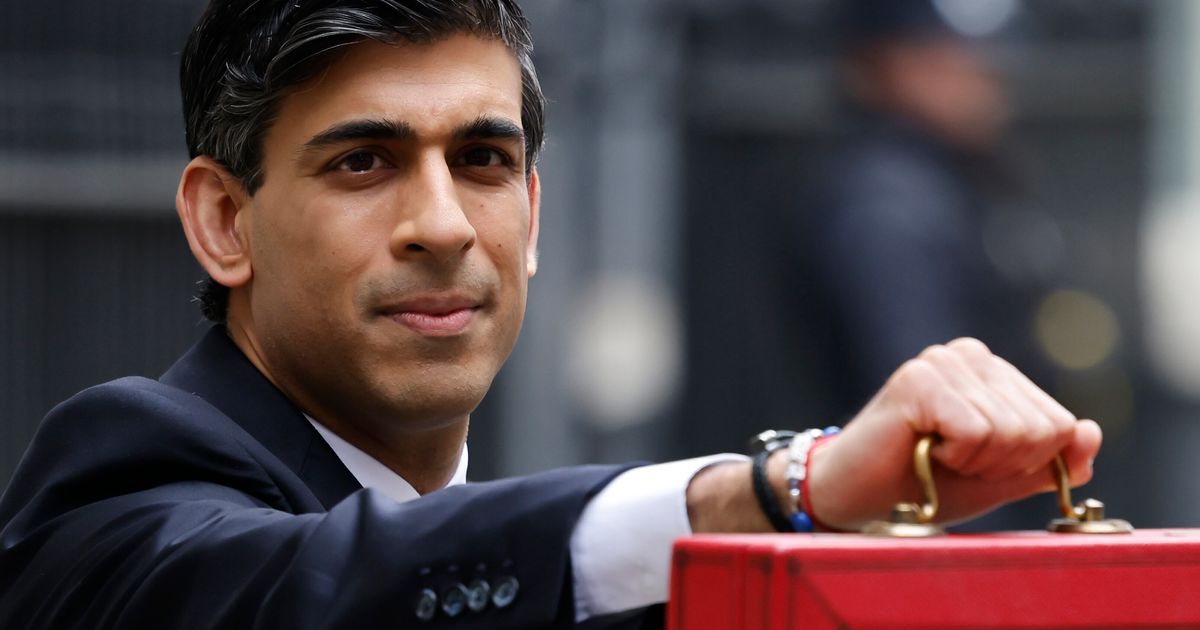
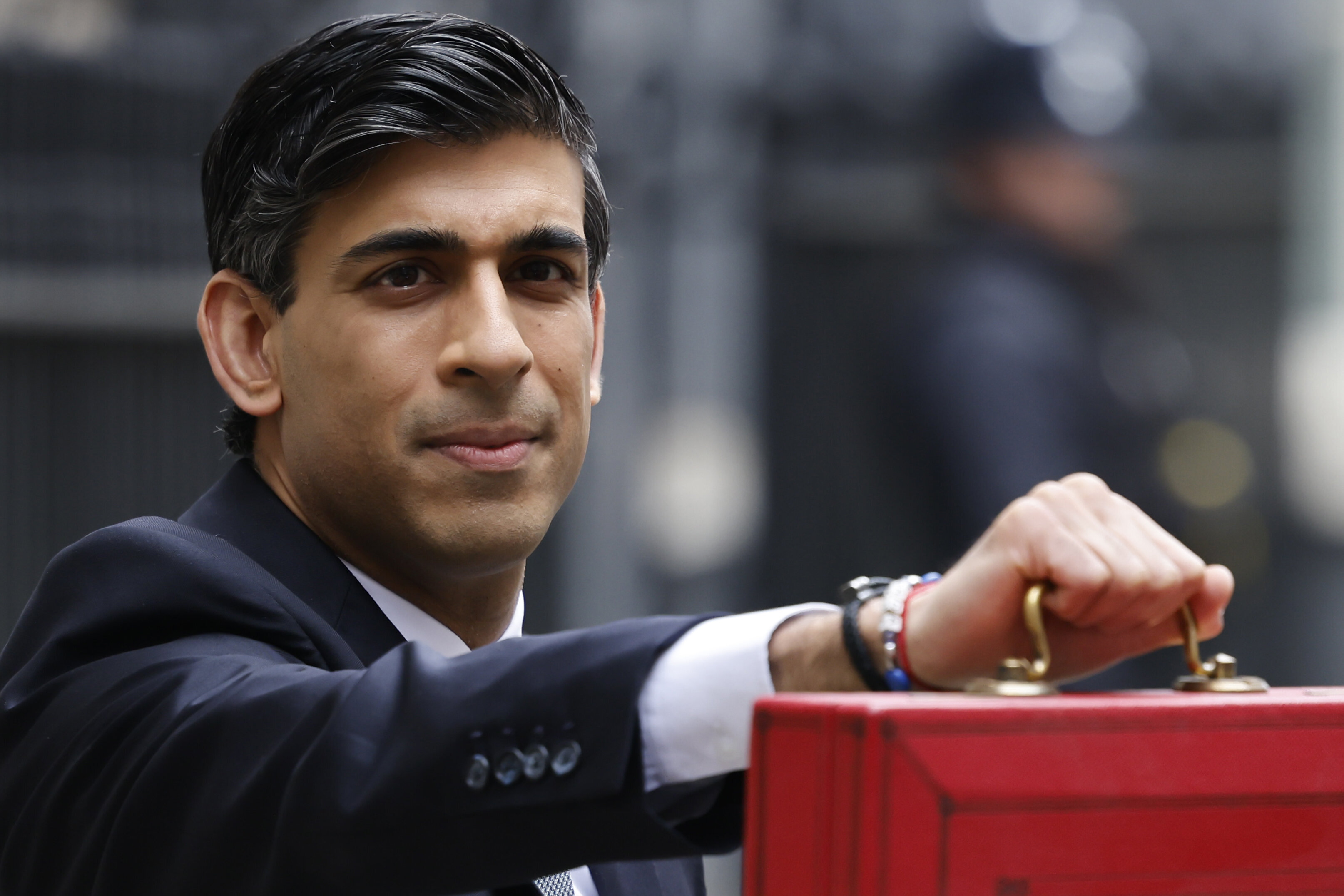
Rishi Sunak’s Role In Greensill Lobbying Scandal To Be Probed By MPs

Rishi Sunak’s role in the Greensill lobbying scandal will be investigated by MPs.

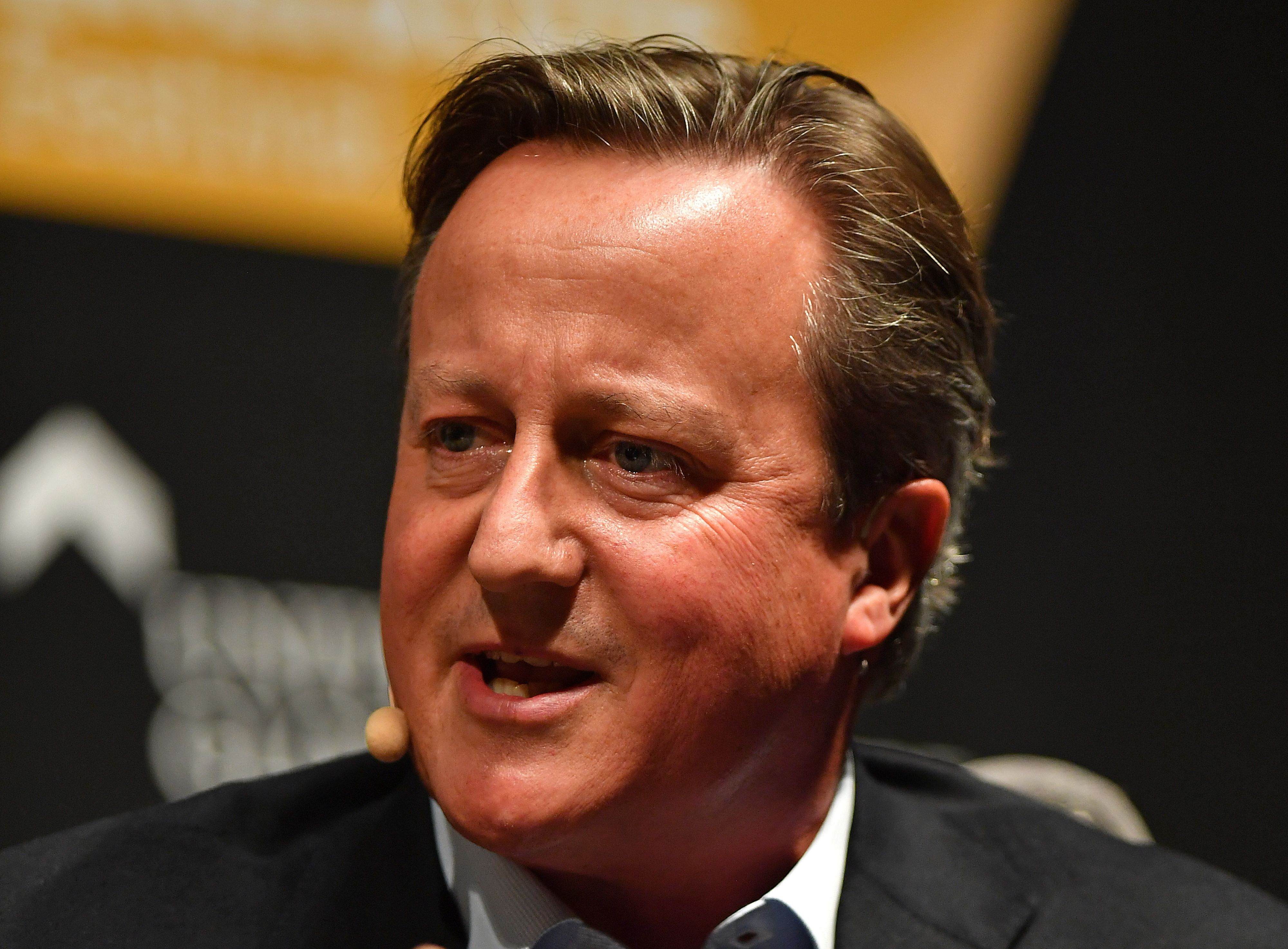
The cross-party Commons Treasury committee will examine the response by the chancellor and his team to lobbying from David Cameron, who tried to secure Covid rescue funding for Greensill Capital.

The former prime minister, who was working as an adviser to the firm, last year repeatedly sent text messages to Sunak to try to secure support through the government’s Covid Corporate Financing Facility (CCFF).

It came as Commons public administration committee chair William Wraggg said Cameron’s activities were “tasteless, slapdash and unbecoming”, and said his group of MPs would also be “giving these matters proper consideration”, suggesting a separate inquiry could be launched.

Text messages released last week following a Freedom of Information request revealed Sunak eventually rebuffed Cameron’s demands, but only after he “pushed” officials to explore an alternative plan that could have helped Greensill.

Greensill has now collapsed into insolvency, rendering Cameron’s reported millions of share options worthless.

The Treasury committee said its inquiry would “focus on the regulatory lessons from the failure of Greensill Capital and the appropriateness of [the] Treasury’s response to lobbying in relation to Greensill Capital”.

Conservative MP Mel Stride, who chairs the committee, said: “The Treasury committee had previously decided to carefully consider these issues as part of its regular and upcoming evidence sessions with HM Treasury and its associated bodies, including the Financial Conduct Authority and Bank of England.

“In addition to this, we have now decided to take a closer look by launching an inquiry to investigate the issues that fall within our remit. We will publish further details when we launch the inquiry officially next week.”

Earlier, Tory MPs voted down Labour plans to set up a wider-ranging new committee to investigate the Greensill scandal, and the wider lobbying rules.

Shadow Cabinet Office minister Rachel Reeves argued a bigger probe was needed and that Boris Johnson’s proposed review was “wholly inadequate” as it was being led by a “good friend” of the Tory government in City lawyer Nigel Boardman.

It came after Keir Starmer said the row over Cameron’s lobbying marked the “return of Tory sleaze”.

The Labour leader said financier Lex Greensill was brought into the government as an adviser by Cameron, before then hiring the former prime minister to act as a lobbyist contacting Cabinet ministers including Sunak and health secretary Matt Hancock.

The row has intensified this week after it emerged that the former head of civil service procurement, Bill Crothers, became an adviser to Greensill Capital while still working as a civil servant, in a move approved by the Cabinet Office.

Responding at PMQs, Johnson said he shared the “widespread concern about some of the stuff that we’re reading at the moment”.

“I do think it is a good idea in principle that top civil servants should be able to engage with business and should have experience of the private sector,” Johnson said.

“When I look at the accounts I’m reading to date, it’s not clear that those boundaries had been properly understood and I’ve asked for a proper independent review of the arrangements that we have to be conducted by Nigel Boardman, and he will be reporting in June.”

Downing Street meanwhile defended Boardman, describing him as a “distinguished legal expert”.

“He was asked to lead this review independently. He has been asked to do it thoroughly and promptly and we trust him to do that,” Johnson’s official spokesperson told reporters.

Share Button

Line Of Duty: Martin Compston Has A Serious Warning About Episode 5 Of Series 6

If you thought Line Of Duty was going to let up after the shocking developments of the last episode, think again. 

Martin Compston has issued a warning to fans about the next instalment, which suggests it’s going to be even more dramatic than the last. 

The actor, who plays DI Steve Arnott in the hit BBC cop show, has said fans will “need therapy” by the end of Sunday night. 

Martin took to Instagram to share a picture of waistcoat-lover Arnott running in full police gear, adding the caption: “Episode 5 kicks off as stores re-open and there’s a sale on waistcoats.

“In all seriousness though if you thought Ep 4 ended on a cliffhanger, you’ll need therapy by the end of Ep5 (sic).”

Spoiler pictures from the episode have suggested Arnott will be attending a raid with MIT boss DCI Joanne Davidson.

BBC/World Productions/Steffan Hill

A still taken from Sunday night’s episode

Last Sunday night’s episode saw the return of some other faces from Line Of Duty’s complicated past when slimy solicitor Jimmy Lakewell was revealed to have spoken to journalist Gail Vella about police corruption prior to her murder.

Screen Grab/BBC/World Productions

DCS Carmichael also returns to Line Of Duty in episode five

Bosses have hinted she could be about to take control after Hastings was forced into retirement, following Chief Constable Philip Osborne’s plan to cut numbers in Central Police’s anti-corruption units.

Meanwhile, the show’s creator Jed Mercurio has praised the “outstanding detective work” by some of the show’s viewers after a scene featuring a previously unannounced actor was accidentally leaked.

Their character will also be making their debut during Sunday night’s episode. 

Line Of Duty continues on Sunday at 9pm on BBC One. 

Share Button

Keir Starmer Blasts Shadow Cabinet ‘Cowards’ Who Brief Against His Staff

Stefan RousseauPA

Labour leader Sir Keir Starmer

Keir Starmer has angrily rounded on “cowards” who brief against his staff and warned shadow ministers that they should quit if they’re unhappy with his leadership team.

The Labour leader told the weekly meeting of Labour’s shadow cabinet that he was appalled by recent criticism of his aides, saying those responsible should “either stop now or have the guts to get out” of his frontbench team.

In a rare flash of anger, Starmer said that if anyone wanted to criticise his leadership they should direct that at him rather than act like “cowards who attack my staff”.

Most of his shadow ministers strongly welcomed Starmer’s words, although one insider said that there was “stony silence” from some on the Zoom call meeting.

Among those who then spoke up to strongly support his approach were shadow home secretary Nick Thomas-Symonds, shadow culture secretary Jo Stevens and shadow work and pensions secretary Jonathan Reynolds.

Shadow transport secretary Jim McMahon, shadow communities secretary Steve Reed and shadow housing secretary Thangam Debbonaire stressed just how damaging such briefing was to the party particularly in an election period.

Unnamed shadow ministers have in recent weeks criticised Starmer’s aides, including his chief of staff Morgan McSweeney, policy chief Claire Ainsley and political director Jenny Chapman, blaming them for Labour’s caution or its reliance on focus groups of former “Red Wall” voters.
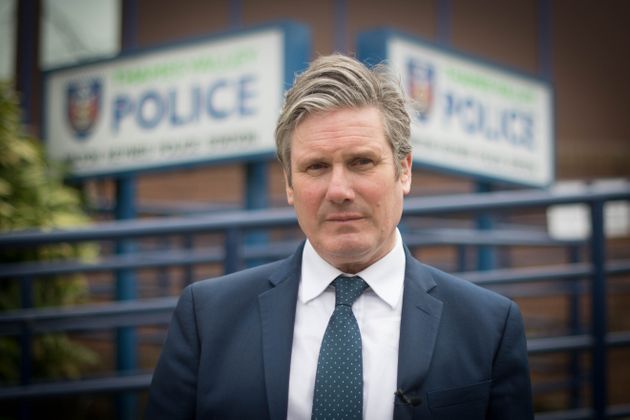
Starmer is also understood to be furious at recent briefings against frontbenchers Anneliese Dodds and Rachel Reeves.

“We’ve got a vital set of elections next month and this stuff just shouldn’t be happening. It’s deeply disloyal,” one of those on the call told HuffPost UK.

The May elections are Starmer’s first electoral test since he became leader a year ago, and he faces the added challenge of Labour defending its once safe seat of Hartlepool in a by-election.

The Labour leader has campaigned on crime and policing, council tax hikes and the planned 1% nurses pay rise in the run-up to the May 6 polling day.

Covid restrictions and the week-long pause to mark the passing of Prince Philip have derailed the party’s hopes to get reaching more voters directly.

While Starmer has pointed out the party’s poll ratings have suffered from a “vaccine bounce” for Boris Johnson and the Tories, some MPs believe he needs to do more to set out his plans for a future Labour government.

Share Button

Greensill Scandal: Whitehall Chief Under David Cameron Took Job With Finance Firm

Since 2018, Greensill has filed for insolvency after failing to secure support through the government’s Covid corporate financing facility. Its collapse threatens thousands of jobs in Liberty Steel.

In a letter to the cabinet secretary Simon Case, shadow chancellor Anneliese Dodds and Reeves called for a “full, transparent and thorough investigation” into Greensill’s links with the Conservative government.

“The irresponsible behaviour of Greensill Capital and its almost unparalleled access to the heart of government raises serious questions about what kind of businesses the government is engaging with,” they said.

The latest claims came after Labour said it had been handed a business card dating from Greensill’s time working as an adviser in the Cabinet Office, describing him as a senior adviser in the prime minister’s office.

The card, which was said to have been given to an industry figure in 2012 shortly after Greensill became an unpaid adviser on supply chain finance issues, included a Downing Street telephone number and email address.

After he left office, Cameron became an adviser to Greensill Capital, and reportedly personally lobbied chancellor Rishi Sunak for cash support for the firm through the Covid Corporate Financing Facility.

He took the job two years after leaving No 10 and therefore it did not require the approval of Acoba.

Asked about Cameron’s approach, Sunak told ITV News: “I think it’s important that, whoever people are, whether they’re prime ministers or anyone else, that they follow the rules and the guidelines that we have in place for lobbying.

“We have the rules in place for good reason. And I think whoever you are, it’s important processes are appropriately followed.”

Prime minister Boris Johnson, meanwhile, has failed to back a parliamentary inquiry into government links with Greensill but has committed to a review of how the company was able to secure government contracts. 

The independent probe will be led by lawyer Nigel Boardman. 

Johnson told broadcasters on Tuesday, it will be given the “maximum possible access” to those involved.

“I’ve asked Nigel Boardman to have a look at this whole issue of supply chain finance and given him pretty much carte blanche to ask anybody whatever he needs to find out,” Johnson said. 

“I would like it to be done quickly, but I want him to have the maximum possible access so we can all understand exactly what has happened, and that will of course be presented to parliament in due course.”

Share Button

Rushed Vaccine Passports Would Do More Harm Than Good

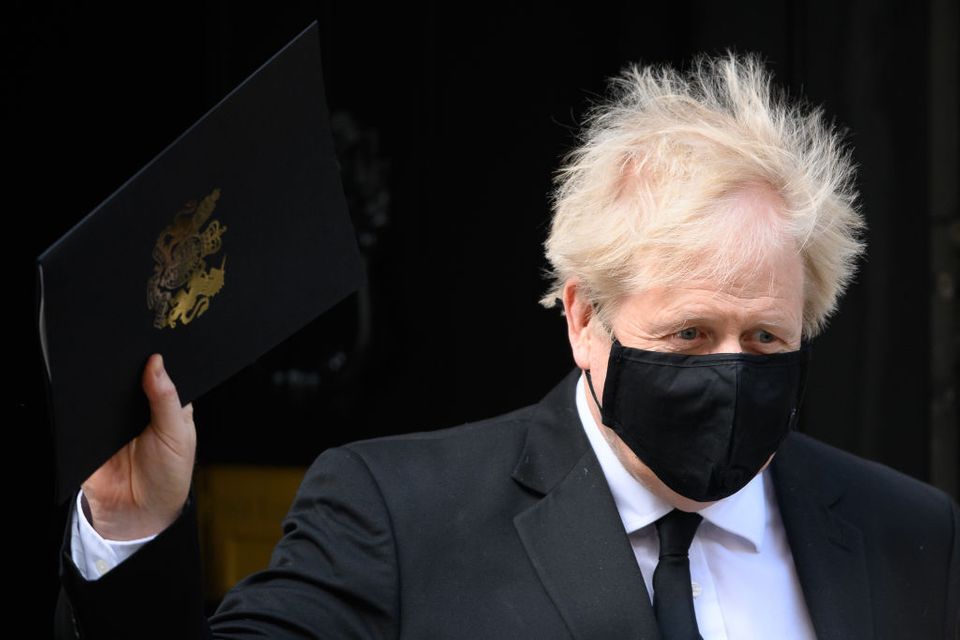
With drinkers huddled around makeshift heaters outside pubs trying to enjoy the latest taste of freedom, the biggest item in Boris Johnson’s in-tray as he considers the next stages of the government’s lockdown exit roadmap is the vexed question of Covid passports. 

A government review is ongoing. It will not report until June, but two weeks ago Johnson came out in favour of their domestic use. Covid passports are already set to become a feature of international travel, given disparities in infection rates and vaccination schedules around the world. 

The prime minister said passports would be piloted at mass events, including football matches and concerts; they could be used in theatres and nightclubs; and he would not rule them out in shops, bars, restaurants and, yes, pubs. 

Johnson faces opposition across parliament, while scientists, business owners, civil liberties groups and others have all voiced concerns. Yet when pressed on his rationale, he has been evasive. 

No one should expect the prime minister to be able to present the exact workings of a future system – the whole point of the review and the pilots is to look at options. But in the coming weeks, a crucial phase in the vaccine rollout and lifting of lockdown, he will need some better answers. A new Institute for Government report sets out eight questions that the government needs to address, from what problem passports could solve to where and how they could feasibly work.
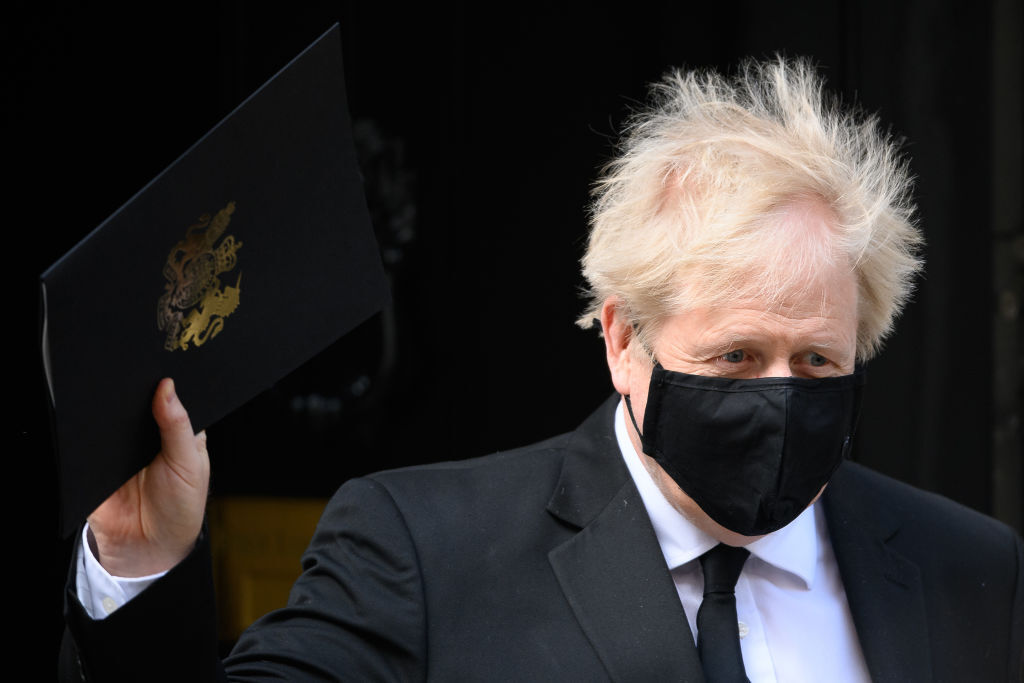
Johnson may understandably be keen to avoid another broken promise. But a rushed or poorly thought through passport scheme could spread the virus and harm vaccine confidence

Johnson’s main rationale is that he view Covid passports as the only way to meet his target of removing social distancing measures entirely by 21 June. Scientific advisers are against this following major outbreaks in Europe, with modelling suggesting a third wave in the UK remains likely. A delay to the full easing of restrictions would allow further progress on vaccination, they argue, while there are also calls to tighten the border quarantine. 

The prime minister may understandably be keen to avoid another broken promise. But a rushed or poorly thought through passport scheme could spread the virus and harm vaccine confidence. 

First there is the question of enforcement. Large sports and music venues, which already have security and scan tickets on entry, may be able to implement a scheme. Piloting them in these venues and developing some capability makes sense as an insurance policy given the uncertainties ahead, including the threat of vaccine-resistant variants.  

But pubs and theatres have warned that they lack the capability and resources to do so. Ministers may think that reduced social distancing offers a sufficient incentive. Yet cash-strapped venues may end up operating without social distancing or proper enforcement – the worst of all worlds. It is hard to see how the government could check that all pubs in the land were complying.

The experience of the NHS contact tracing app – four months late and beset with problems – does not inspire confidence

Israel’s “green pass” is frequently cited in government documents, but the closer you look the less of a model it appears. True, the pass has been widely adopted, but bars and cafes have enforced it weakly, with many complaining of additional costs. Israeli venues are also still following social distancing measures, and (unlike in the UK) the government hasn’t announced any plans to change this. 

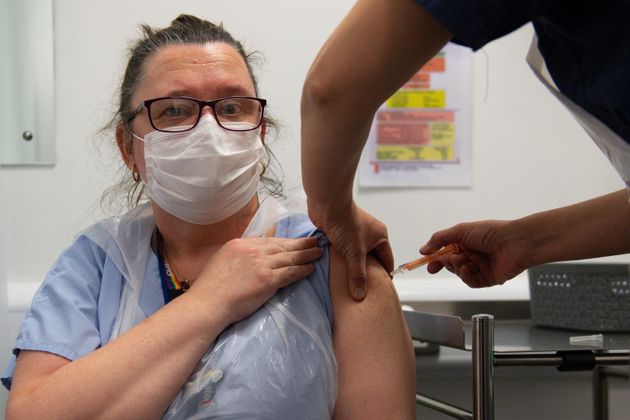
Next is technology. Developing an app that integrates vaccine status, PCR tests and rapid tests securely while protecting privacy and guarding against fraud would be a major challenge. The experience of the NHS contact tracing app – four months late and beset with problems – does not inspire confidence. There are questions, too, about the role of testing: the government may have a surplus of rapid tests, but their suitability as a “test and release” measure is unclear.

The government will also need to think very carefully about vaccine confidence and the risk of exclusion. Some passport proponents argue requiring passes for bars or clubs would incentivise the young to get vaccinated. Perhaps, but threatening exclusion from core activities also appears to reduce confidence among those least likely to take the vaccine, who often lack trust in government. This has happened in Israel and could happen here, where uptake already varies across groups. Vaccine confidence already faces a stern test following evidence of a link between the Oxford/AstraZeneca vaccine and incredibly rare blood clotting.  

Covid passports could have real benefits in helping countries bridge the gap between lockdowns and the “new normal”. Examining what is possible is sensible. But there is a risk of the government seeing them as another “moonshot” or a shortcut back to normality while glossing over the major difficulties and risks involved. Without more compelling answers, it will be hard for parliament – or the public – to have confidence in its plan. 

Tom Sasse is an associate director at the Institute for Government and co-author of Covid Passports: Questions for the Government. Follow him on Twitter at @tom_sasse

Share Button

Two Thirds Of Agency Nursing Staff Still Waiting For Second Covid Jab

GEOFF CADDICK via AFP via Getty Images

A nurse fills a syringe with the Moderna Covid-19 vaccine at a vaccination centre in Llanelli, South Wales.

Nursing staff working outside the NHS are half as likely to have received a full coronavirus vaccine dose as their NHS colleagues, a new study reveals.

Just under a third of agency staff have been given both of their jabs, compared with two-thirds of permanent staff, according to the survey by the Royal College of Nursing (RCN) of 20,000 members.

It also found that 5.6% of agency nursing professionals (one in 18) have not been offered a single dose of a Covid-19 vaccine, compared with only 1.3% of permanent staff (one in 77).

Frontline health and social care workers, who are second on the Joint Committee on Vaccination and Immunisation (JCVI) priority list alongside people aged 80 and over, should have all received an invitation to receive a second dose of a Covid-19 vaccine by now.

Vaccinations for people in the top two priority groups began in December. People next on the list, those aged over 75, were invited from early January. On February 14, the government said it had offered all 15m people in the top four priority groups their first dose.

Latest figures published by the government show more than 7.4m people have received their second dose and more than 32m people have received a first dose. More than 32m doses should be enough to cover everyone in the UK over the age of 50, all health and care workers and those with pre-existing conditions.

But the survey revealed that as of April 6, only 94% of nursing staff have actually received at least one dose of a vaccine and 62% had received both doses.

Nearly half (46%) of nursing staff outside of the NHS, including permanent employees in non-NHS settings such as care homes, were still waiting for their second jab, compared to just under 24% of those working in the NHS.

The most worrying finding was that about one in 50 members reported having not been offered a vaccine at all. Those included nursing staff who work in hospitals, care homes and in the community, the RCN said. 

The results were an improvement from a previous survey conducted in February, which found “a concerning disparity” between vaccination rates among NHS and non-NHS staff, with non-NHS staff accounting for 70% of the nursing staff who had yet to be vaccinated.

JACOB KING via POOL/AFP via Getty Images

A nurse is given the Oxford/AstraZeneca Covid-19 vaccine in Coventry on January 7.

Nursing staff not working directly for the NHS include professionals who are employed by agencies, or who work in local communities, in care homes and people’s own homes with some of the most vulnerable people in society.

Tthe RCN said more still needed to be done to ensure all nursing staff are given their jabs. “The gap has narrowed significantly yet those outside the NHS are still behind their NHS colleagues when it comes to receiving their second jab,” it warned.

The union has called on the government to ensure vaccines are offered to all nursing staff to stop them from “slipping through the net”.

Jude Diggins, RCN director of nursing, policy and public affairs, said: “The gap between NHS and non-NHS staff having their first dose has closed but there remains more work to be done to ensure all nursing staff, whatever setting they work in, are given the protection they need.

“Every effort must be made to prevent nursing staff from slipping through the net. Their safety has to be the government’s top concern and that cannot be compromised.”

The government must make sure people who should have already received their vaccinations do so “without delay”, Labour said following the RCN survey.

Shadow health minister Justin Madders said: “As restrictions begin to ease ministers must do all they can to ensure that those who should have received the vaccination already are given this without delay. 

“This should include targeted work to drive up vaccinations in all who work in the NHS, including agency and bank staff.” 

In response to HuffPost UK’s request to explain why some nursing staff have yet to be invited for vaccination, a DHSC spokesperson claimed: “We have visited every eligible care home in England, offered vaccines to all staff, and continue to work closely with the care sector, independent healthcare providers and local leaders, to maximise vaccination numbers and save thousands of lives.

“The vaccines are safe and effective and we want everyone to take up the offer of a jab when they’re called forward.”

They added: “Our vaccination programme is the biggest in NHS history, and so far our heroic health and care staff have helped administer more than 39m vaccines.”

Share Button