The Royal Family Is Looking For Someone To Manage Its Social Media

HuffPost is part of Oath. Oath and our partners need your consent to access your device and use your data (including location) to understand your interests, and provide and measure personalised ads. Oath will also provide you with personalised ads on partner products. Learn more.

Select ‘OK’ to continue and allow Oath and our partners to use your data, or select ‘Manage options’ to view your choices.

Share Button

What are the benefits and uses of stinging nettle?

Stinging nettle is a popular herbal remedy with many uses, ranging from reducing arthritis pain to treating seasonal allergies. What are the benefits of stinging nettle, and what does the research say?

Stinging nettle has a range of uses, and many people find it to be an effective remedy. The herb is generally safe to use, but it can cause side effects in some people.

There is limited research to suggest that stinging nettle is an effective remedy. Researchers need to do more studies before they can confirm the health benefits of stinging nettle.

This article will take a look at what the research says about the benefits and uses of stinging nettle. It will also discuss potential side effects and how to use the herb.

What is stinging nettle?

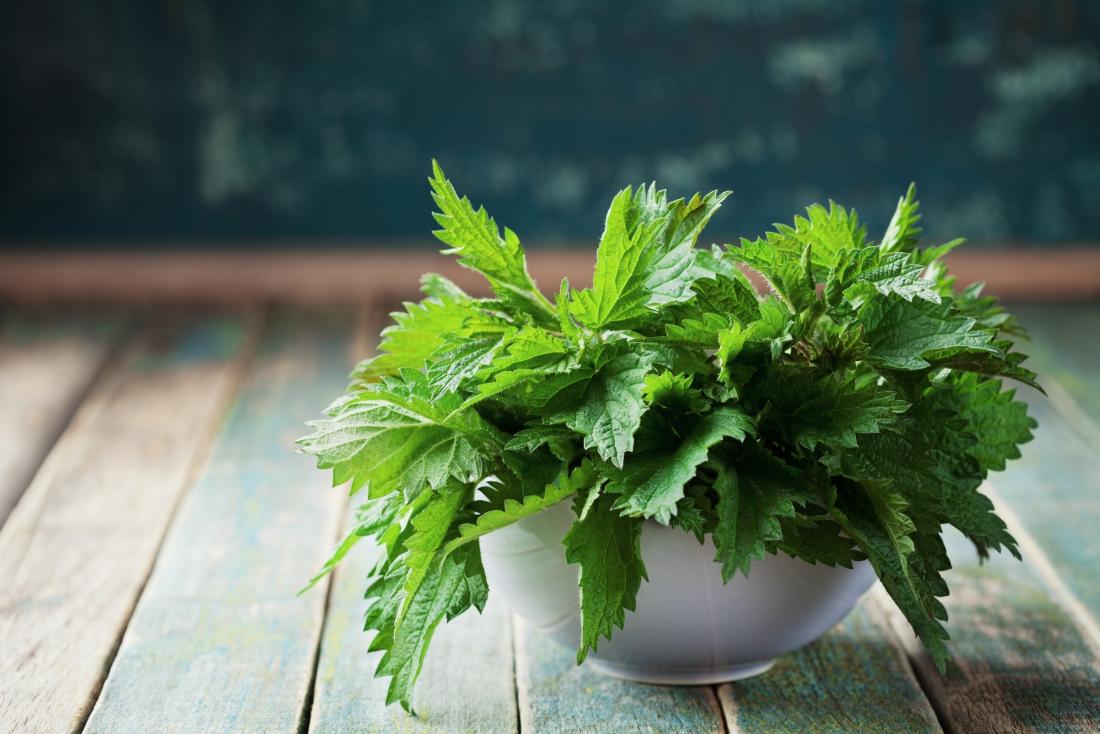
Stinging nettle leaves in a bowl on rustic table.
Stinging nettle has a long history of use as a medicinal aid.

Stinging nettle, or Urtica dioica, is a common plant that grows in the United States, Canada, and Europe. It primarily grows in damp, fertile soil.

The nettle has sharp hairs on its leaves. These hairs contain chemicals, such as formic acid and histamine, that can irritate the skin and cause stinging, itching, and redness.

Stinging nettle hairs also contain a range of other chemicals that can affect humans, including acetylcholine and serotonin.

Ancient civilizations used stinging nettles to treat various ailments. For example, Ancient Egyptians used stinging nettle infusions to treat arthritis. Some people still use stinging nettle as a medicinal aid today.

Below, we cover the alleged health benefits of stinging nettle.

Relieving arthritis

One of the most popular uses of stinging nettle is treating arthritis symptoms. According to the Arthritis Foundation, some people claim that the nettle can reduce inflammation, help improve osteoarthritis (OA) pain, and ease gout.

Researchers have investigated the following properties of stinging nettle:

Stinging nettle hairs contain several chemicals that have pain-relieving and anti-inflammatory properties. This means that stinging nettle could help reduce pain and inflammation in conditions such as arthritis.

In a randomized controlled trial (RCT) from 2009, researchers gave 81 people with OA either a supplement that contained fish oil, vitamin E, and stinging nettle or a placebo.

Over a period of 3 months, people who took the supplement reported fewer symptoms and less frequent use of their anti-inflammatory medications than those in the placebo group. However, there is a need for more recent studies in humans.

The results of a 2016 mouse study suggested that a herbal gel containing Urtica dioica had pain-relieving and anti-edema effects without irritating the skin.

People who use stinging nettles either take capsules or apply a cream that contains stinging nettles to their affected joints.

Because of its anti-inflammatory effects, which have let to its current uses in conditions such as arthritis and allergies, researchers hope that stinging nettle could also have uses in other inflammatory conditions, such as irritable bowel syndrome.

Reducing seasonal allergies

Stinging nettle may help treat seasonal allergies.

Stinging nettle is a popular treatment for seasonal allergies. Scientists are not yet sure how it has this effect, though some suggest it is because the nettle can reduce allergy-related inflammation in the body.

Seasonal allergies occur when a substance such as pollen triggers the body to produce histamine. Histamine is what causes the characteristic symptoms of allergies, such as inflammation, itching, and hives.

The current evidence for how effective stinging nettle is for relieving allergies is mixed.

According to some research, stinging nettle may disrupt the allergy process by inhibiting the body’s histamine production and related inflammation.

However, in an RCT from 2017, researchers found that stinging nettle extract and a placebo pill both reduced symptom severity. The authors concluded that more research is needed.

The National Centers for Complementary and Integrative Health (NCCIH) indicate that there is currently not enough evidence to suggest that stinging nettle can help treat allergies.

The NCCIH also report that other home remedies for allergies, such as capsaicin, quercetin, spirulina, and Pycnogenol, do not have enough solid evidence behind them to prove their effectiveness.

Treating benign prostatic hyperplasia

Benign prostatic hyperplasia (BPH) is a noncancerous growth of the prostate gland in men. The condition can cause a range of symptoms, mostly involving urinary processes.

Stinging nettle may help slow the growth of the prostate in people with BPH by affecting hormone levels or interacting with cells in the prostate.

Some studies have found that stinging nettle can reduce the symptoms of BPH. For example, in one RCT from 2013, researchers gave people either stinging nettles or a placebo for 8 weeks. They found a significant reduction in symptoms for people taking stinging nettles but not those taking the placebo.

However, there is not currently enough research in humans to determine whether stinging nettle can help treat the symptoms of BPH. That said, future studies may uncover other ways to use it.

A person should see a doctor if they suspect prostate problems, so the doctor can rule out or treat any serious issues.

Managing diabetes

There is some early evidence to suggest that stinging nettle could also help with the treatment of diabetes. However, much of this research is limited to animals.

In another RCT from 2013, people with type 2 diabetes took 500-milligram (mg) capsules of stinging nettle extract or a placebo every 8 hours along with their usual treatment. After 3 months, the stinging nettle extract had a positive effect on blood glucose levels.

Other studies have had similar results.

These findings are promising, but researchers need to conduct more studies in humans to determine whether stinging nettle could be a useful addition to traditional diabetes treatments.

Where can I find stinging nettle?

Stinging nettle grows throughout the U.S. It grows in damp soil, such as near lakes or in open forests. It can also grow at roadsides or in fields.

When foraging for the plant, make sure to correctly identify it to be sure it is stinging nettle and not a similar-looking plant. A person can usually tell by looking at its leaf shape and structure.

People can also purchase stinging nettle products that use the stems, leaves, and roots of the plant in health food stores and online. When purchasing remedies over the internet, be sure to check the reviews and find reputable brands.

The following products are available to buy online:

How to use

Nettle herbal tea
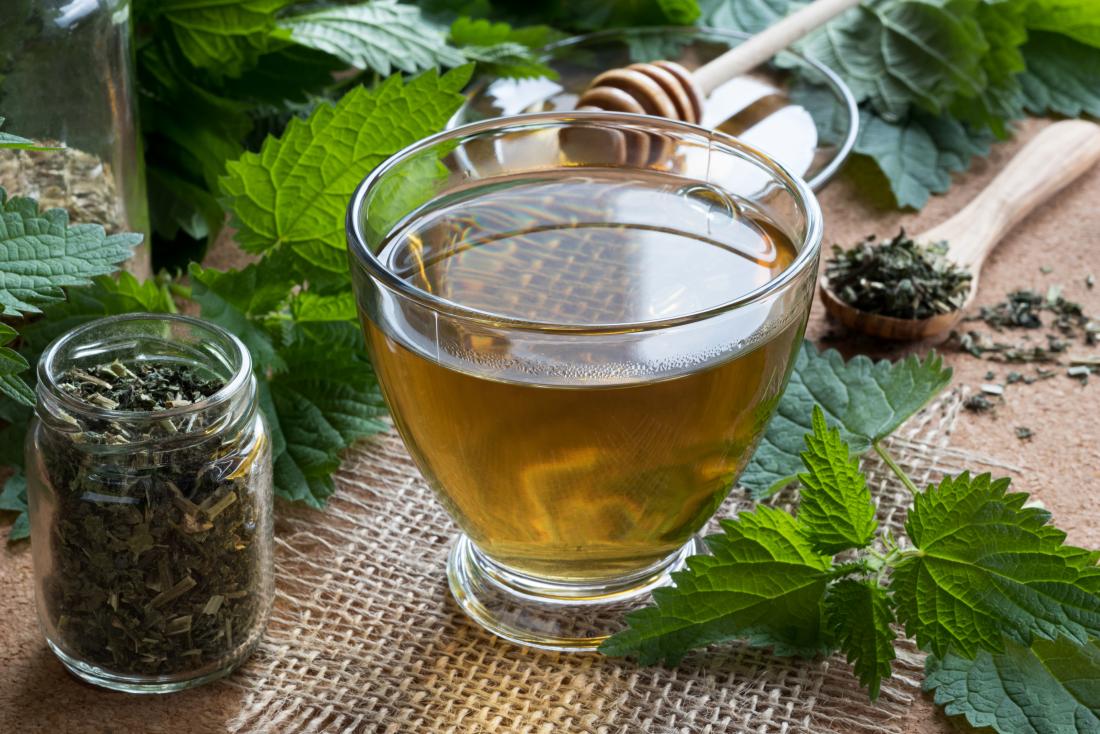
Drinking nettle tea is an easy way to benefit from the herbal remedy.

The method of taking stinging nettle will vary depending on its intended use.

For example, the Arthritis Foundation suggest taking up to 1,300 mg of stinging nettle as a tea, capsule, tablet, tincture, or extract. Otherwise, people can take 1–4 mg per day as a tincture, or they can apply creams directly to the skin.

Many research studies have used a capsule or extract of stinging nettle, but there are no official guidelines as of yet.

The Food and Drug Administration (FDA) do not regulate the ingredients, strengths, and claims of herbal remedies or supplements. This includes stinging nettle products.

People should therefore use such products with caution.

Side effects

Stinging nettle is a safe herb to consume in moderate amounts. However, side effects can include:

  • stomach problems
  • urinary issues
  • sweating
  • hives or rashes
  • diarrhea

There is no official safety information for pregnant women or children. For this reason, both groups should avoid using stinging nettle.

It is always important to consult a doctor before using any herbal remedy to treat a medical condition.

Possible drug interactions

Stinging nettle may also interact with certain medicines, including:

Summary

Stinging nettle could have a range of health benefits. There is some evidence to suggest that the herb may be useful in treating arthritis.

However, there is much weaker evidence to support claims behind its use in treating other conditions, such as allergies and BPH.

Stinging nettle is usually safe, but it can cause some side effects. It is important to consult a doctor before using stinging nettle to treat any condition, as it may interact with medications.

Share Button

Andrea Leadsom Resigns From Cabinet Over Theresa May’s Brexit Plan

HuffPost is part of Oath. Oath and our partners need your consent to access your device and use your data (including location) to understand your interests, and provide and measure personalised ads. Oath will also provide you with personalised ads on partner products. Learn more.

Select ‘OK’ to continue and allow Oath and our partners to use your data, or select ‘Manage options’ to view your choices.

Share Button

Health benefits of peppermint tea

Peppermint is a minty herb native to Europe and Asia. For hundreds of years, people have used peppermint both as a flavoring and for its medicinal properties.

Peppermint is an ingredient in a variety of modern products, including toothpastes, candies, and teas.

Many people drink peppermint tea because they enjoy the taste, but it may also have a number of potential health benefits.

Although there is not much research on peppermint tea itself, researchers have studied some of the oils and other compounds in peppermint leaves, such as menthone, limonene, and menthol.

In this article, we explore some of the potential health benefits of peppermint tea. We also cover how to make fresh peppermint tea at home and risks and considerations.

Fresher breath

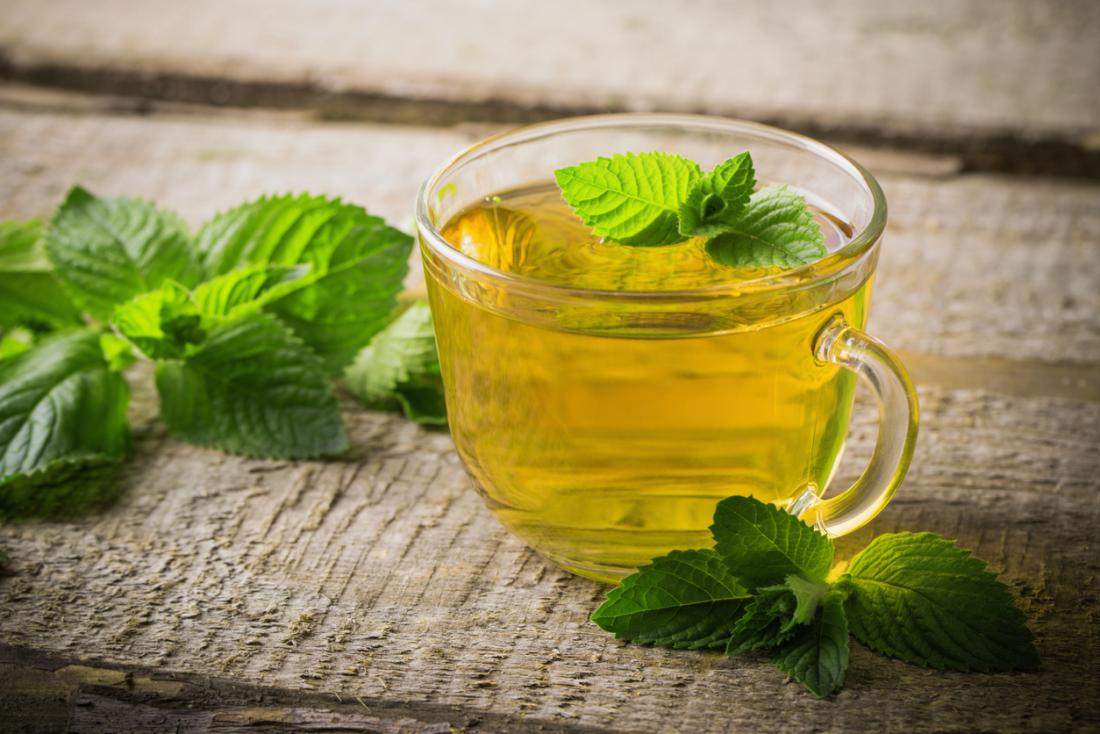
peppermint tea
Peppermint tea may have antibacterial properties.

Peppermint is a popular flavoring due to its clean, pleasant smell and taste. Drinking peppermint tea can help freshen a person’s breath, and it may also have other benefits for fighting bad breath.

For example, a small study from 2017 found that gargling a blend of peppermint, lemon, and tea tree oils helped improved bad breath in participants following spine surgery.

One 2015 review suggests that peppermint oil has antibacterial properties that may help reduce the bacteria that cause plaque and gum disease.

Relief from tension headaches

One 2016 study suggested that topical peppermint oil can help alleviate pain and relax muscles.

Menthol has a cooling sensation that may help ease tension or migraine headache pain when a person applies peppermint oil to the forehead or temples.

It is possible that the aroma from peppermint tea may have a similar effect.

Reduced nasal congestion

Another 2016 study suggested that vapors from essential oils, such as peppermint oil, have antibacterial properties that may help alleviate some types of upper respiratory infection.

Inhaling steam and vapors can be helpful for easing nasal congestion from colds and other upper respiratory infections.

Some people find that the vapors from peppermint tea, which contains menthol, also help.

Better digestion

People have long used peppermint as a remedy for digestive issues, such as an upset stomach, bloating, and gas.

One 2017 systematic review found evidence suggesting that taking peppermint oil capsules can help reduce pain in children with a functional abdominal pain disorder.

It is possible that drinking peppermint tea may have a similar effect.

Less painful menstrual cramps

Peppermint tea may help treat menstrual cramps.

Peppermint oil may also help reduce the severity of menstrual cramping, or dysmenorrhea.

One 2016 study investigated the effectiveness of peppermint oil in 127 young women with dysmenorrhea. According to the results of the study, peppermint oil capsules were as effective at relieving menstrual pain as mefenamic acid, which is a type of nonsteroidal anti-inflammatory drug.

People may also wish to try drinking peppermint tea as a home remedy for menstrual cramping.

More energy

The oils in peppermint may also help alleviate symptoms of fatigue and boost energy levels.

In a 2018 study involving 24 people, peppermint oil capsules reduced mental fatigue and improved cognitive functioning compared with a placebo. However, the study was very small, so further research will be necessary to confirm the findings.

Antibacterial properties

Some research has suggested that essential oils from peppermint may help kill harmful bacteria.

For example, one 2018 study found that peppermint oils helped reduce the growth of bacteria such as Escherichia coli, Listeria, and Salmonella in pineapple juice.

However, the peppermint oils were less effective at reducing bacteria when the researchers added them to mango juice.

Also, one 2015 review found evidence to suggest that peppermint oil can help reduce harmful bacteria in the mouth, while one 2013 review concluded that menthol has antibacterial and antifungal properties.

Homemade peppermint tea

Peppermint tea bags are widely available in many health and grocery stores. However, people can quickly make fresh peppermint tea at home using only peppermint leaves and hot water.

To make peppermint tea at home:

  1. Add 2 cups of water to a pot.
  2. Bring the water to the boil, then turn off the heat.
  3. Add around four or five torn peppermint leaves to the water.
  4. Cover the pot and let the leaves steep for 5 minutes, or according to taste.
  5. Strain the tea into a mug.

A range of peppermint teas are also available to buy online.

How much to drink

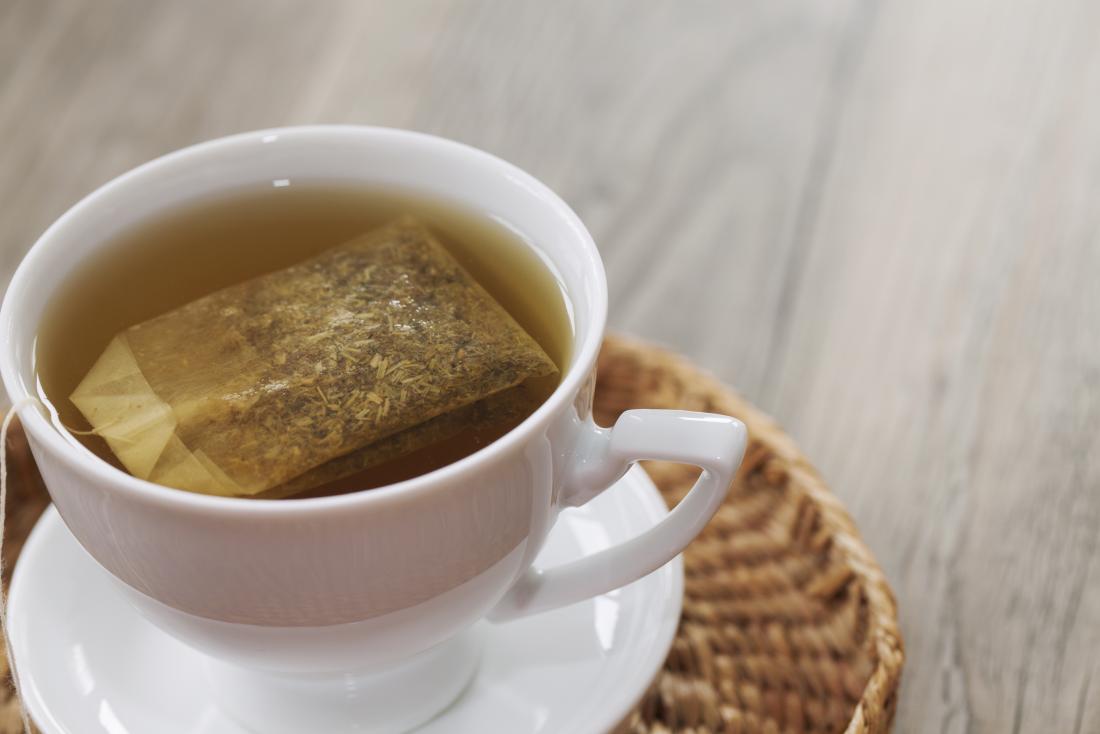
herbal tea bag in mug
It is safe to drink peppermint tea multiple times a day.

A person can drink peppermint tea throughout the day.

Peppermint tea is naturally caffeine-free, which means that it will not keep a person awake at night.

Peppermint tea also contains zero calories, which can make it a great alternative to soda, fruit juices, and other sugary drinks.

However, flavoring the tea with sugar, honey, or cream will add calories to the drink.

Risks and considerations

Peppermint tea is generally very safe for people of all ages to consume. However, some people find that drinking peppermint tea can trigger or worsen symptoms of heartburn and gastroesophageal reflux disease (GERD).

People who are allergic to peppermint or any of the chemicals in peppermint should not drink peppermint tea.

Summary

Peppermint tea is a popular herbal tea that is naturally calorie- and caffeine-free.

Some research has suggested that the oils in peppermint may have a number of other health benefits, such as fresher breath, better digestion, and reduced pain from headaches. Peppermint tea also has antibacterial properties.

However, there has been little conclusive research into the specific health benefits of drinking peppermint tea.

Although peppermint tea is generally very safe, some people with GERD find that drinking it can trigger or worsen their symptoms.

Share Button

Bentonite clay: 11 benefits and uses

Bentonite clay is a natural clay with a fine, soft texture. It forms a paste when mixed with water. Some people use this paste for medical or cosmetic benefits, such as treating rashes and acne or as a hair mask.

People have used bentonite clay to remove impurities on the skin, such as oils, and toxins from the body for thousands of years.

Bentonite clay is present in many skin products, but some people also add it to foods or drinks with the aim of relieving digestive issues or removing toxins from the body.

Many studies have looked at the health benefits of bentonite clay, though most of this research has used animal or cell models. More research is needed before scientists will know the true benefits and risks of bentonite clay in humans.

In this article, we will look at the research behind 11 potential health benefits of bentonite clay, along with potential risks.

How does bentonite clay work?
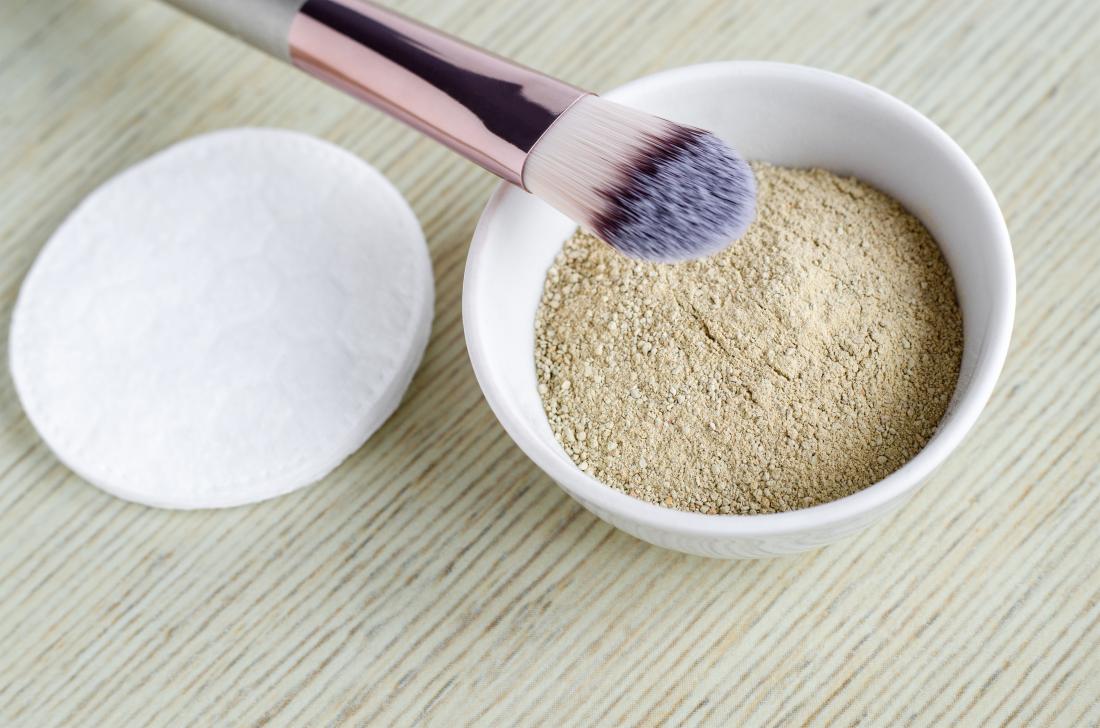
bentonite clay in a pot
Bentonite clay can remove toxins from the body and help treat oily skin.

Scientists believe that bentonite clay works by adsorbing oils and dirt from the skin.

The theory is that bentonite clay adsorbs materials by sticking to their molecules or ions. As the clay leaves the body, it takes the toxin or other molecules with it.

When a person uses it on the skin, bentonite clay may have the power to adsorb oils and bacteria. When they consume the clay, it may adsorb toxins or other unwanted substances from the digestive tract.

Bentonite clay contains natural minerals such as calcium, magnesium, and iron, which may provide additional benefits.

Bentonite clay forms from volcanic ash. It gets its name from Fort Benton in Wyoming, where it occurs in large amounts. People can also find this clay in other places where volcanic ash has settled into the ground. Montmorillonite clay, named after Montmorillon in France, is the same type of clay.

The following list looks at the benefits of bentonite clay and what the research says.

1. Removing toxins from the body

Some people ingest bentonite clay with the aim of removing toxins from the body. This may be one of its most well studied benefits.

Various studies suggest that bentonite clay may reduce the effects of toxins.

For example, a study on chicks found that bentonite clay reduced the effects of a toxin called aflatoxin B1, which comes from certain types of mold. Chicks that received a concentrated bentonite clay product had fewer toxic effects than those who did not receive the clay.

Another study looked at the effects of montmorillonite clay, which is very similar to bentonite clay, on reducing toxins in children in Ghana, West Africa. In the study area, aflatoxins in homemade nutritional supplements are linked with poor growth and related disabilities.

The researchers found that children who received a calcium montmorillonite clay product each day for 2 weeks had fewer signs of aflatoxins in their urine than those who did not receive it.

In a small-scale animal study, rats consumed wastewater that contained cyanide. Researchers gave some of the rats various amounts of bentonite clay or a placebo. Those that received the most clay had the lowest amount of the toxin in their bodies after 3 weeks.

Scientists need to conduct more research before they can confirm that bentonite clay is safe and effective for use in humans.

How to use

Mix up to 1 teaspoon (tsp) of bentonite clay with 6–8 ounces (oz) of purified water and drink once per day.

People can buy bentonite clay powder in drug stores or choose from many brands online. Be sure to choose a form of clay that the manufacturer has labeled as edible.

Take bentonite clay at least 2 hours before or after taking any medications. Because it can adsorb other molecules, bentonite clay may bind to some medications and reduce their effectiveness.

2. Treating oily skin and acne

Bentonite clay’s adsorbent power may be helpful in treating acne breakouts and oily skin. The clay can help remove sebum, or oil, from the skin’s surface, and it may also have a calming effect on inflamed breakouts.

Using a clay face mask can help remove impurities from the skin to treat acne or reduce the risk of pimples and skin infections.

How to use

Many commercial facial masks contain clays because of their clarifying effect on the skin. Some skin care masks contain bentonite, but a person can also make their own bentonite mask at home.

Mix bentonite clay powder with water to make a thick paste. Apply to the areas of skin that are prone to oil or acne. Leave the mask on for 20 minutes and rinse thoroughly. Repeat two or three times per week.

Otherwise, people can choose from a range of premade bentonite clay face masks online.

3. Detoxifying the skin

Some people use bentonite clay to cleanse specific parts of their body. Learn more about using bentonite clay in an armpit detox and a foot detox here.

4. Treating poison ivy

Many people are allergic to urushiol, the oil that poison ivy plants produce. When their skin comes into contact with poison ivy, they may develop the characteristic rash as an allergic reaction.

A poison ivy rash can cause redness, irritation, and severe itching. A study from 1995 found that bentonite clay can treat poison ivy rash and speed up healing following an allergic reaction.

How to use

Wash the skin with soap and water as soon as possible after touching poison ivy. Use dish soap or a soap designed to remove oils to help remove the urushiol from the skin.

Mix bentonite clay with water to form a paste and apply it to the affected area. Cover with a clean bandage or gauze pad. Repeat several times per day until the rash is gone.

5. Aiding weight loss

girl taking a supplement
Some studies suggest that bentonite clay supplements may help aid weight loss.

Bentonite clay may be a helpful supplement for people who are trying to lose weight.

One study in rats found that ingesting a montmorillonite clay product helped reduce weight gain among those eating a high-fat diet.

Although some traditional healing methods have used clay products for many years, there are better ways to lose weight. Reducing calorie intake and increasing physical activity levels are still the best choices.

6. Relieving constipation

Because bentonite clay can stick to toxins, it may be helpful for regulating a person’s digestive tract.

One review of the benefits of bentonite clay has suggested that the clay may help some people who have irritable bowel syndrome with constipation. This use of bentonite clay merits more research but shows promise.

7. Treating diarrhea

Some research suggests that adsorbent clays such as bentonite may help alleviate virus-related digestive issues, such as diarrhea.

For example, rotavirus can cause severe diarrhea and spreads easily from person to person. One study found that an adsorbent clay called diosmectite helped stop rotavirus from replicating.

Another study found that clay minerals adsorbed rotavirus in cows.

If diarrhea does not subside after treatment with clay products, a person should continue to drink plenty of fluids, try more common approaches to treating diarrhea, and contact their doctor.

How to use

For virus-related mild diarrhea, take 1 tsp of bentonite clay mixed in water no more than twice per day. If diarrhea persists, see a doctor.

8. Treating diaper rash

Bentonite clay was effective in treating diaper rash in one study.

Around 93% of the infants who received the clay had improved rashes within 6 hours, with 90% completely healed in 3 days. Another study had similar positive results.

How to use

Mix a small amount of bentonite clay with water to make a paste and apply it directly to the rash.

Alternatively, mix the clay with shea butter, coconut oil, or zinc oxide cream. Do not shake the powder directly on to the baby’s skin, as they may inhale some of it.

Keep the mixture in a clean glass container with a plastic, silicone, or glass lid. Do not use metal lids, as the clay may adsorb some of the metal’s properties over time.

Always speak to a doctor before trying any new remedy in a baby or child.

9. Providing sun protection

The Food and Drug Administration (FDA) have not approved bentonite cream as a sunscreen ingredient. However, one study suggests that the clay can protect the skin from harmful ultraviolet rays.

For this reason, people may wish to use it alongside FDA-approved sunscreens.

10. Removing lead and other heavy metals

Excessive exposure to heavy metals such as lead can cause health problems. Children’s brains are especially sensitive to lead, and it can cause learning disabilities and other issues.

Avoiding exposure to lead and getting tested for lead exposure are the best ways to prevent lead poisoning. According to some research, bentonite clay may be helpful in removing some lead from the body.

Bentonite clay has a negative charge, meaning that it can bind to positively charged metals such as lead. One study found that bentonite clay was effective at removing lead from wastewater.

How to use

Ask a doctor before giving bentonite clay to a child. If a doctor approves it, give half a teaspoon mixed well with water once per day.

11. Lowering cholesterol

High cholesterol is a leading cause of heart disease. High cholesterol causes fats to build up in the blood vessels, which can lead to heart attack and stroke.

A study in rats found that a bentonite clay product increased the amount of cholesterol excreted in their stool.

How to use

People receiving treatment for high cholesterol should talk to their doctor before using bentonite clay or other natural remedies. Bentonite clay should not replace medical treatment for high cholesterol or heart disease.

Mix 1 tsp of bentonite clay with purified water and drink once per day.

Risks

Woman reading the label of supplements
A person should choose a reputable brand or source of bentonite clay.

Studies have not found serious side effects of using bentonite clay in recommended amounts. However, because it is a natural product, there is a risk of contamination.

Bentonite clay comes from the earth, where it may collect heavy metals, pesticides, or other substances.

The FDA do not regulate bentonite clay products. As such, it can be difficult to know whether the product contains only the ingredients on the label. In fact, experts have found that some bentonite clay products may contain heavy metals.

In 2016, the FDA warned consumers not to use a certain type of bentonite clay due to it having high lead levels.

If a person wants to use bentonite clay, they should look for a product labeled as safe for internal use from a reputable brand or source. They may also wish to have a doctor check their blood lead levels to be sure that they are not exposed to lead from bentonite clay.

Drink plenty of water throughout the day while using bentonite clay. This will help flush the clay from the digestive tract and prevent constipation.

Before using bentonite clay or any natural remedy on the skin, do a skin test for allergies. Apply a small amount of the product to the area inside the elbow and wait for 24 hours. If no reaction occurs, proceed with using the product.

Summary

Bentonite clay is an ancient remedy that could hold promise as a treatment for various health conditions. It has a low risk of side effects when a person uses it in moderate amounts.

As with any natural remedy, people with health conditions should talk with their doctor before using bentonite clay to be sure that it is safe.

Share Button

MPs Investigate Claims Universal Credit Leads To ‘Survival Sex’ Work

HuffPost is part of Oath. Oath and our partners need your consent to access your device and use your data (including location) to understand your interests, and provide and measure personalised ads. Oath will also provide you with personalised ads on partner products. Learn more.

Select ‘OK’ to continue and allow Oath and our partners to use your data, or select ‘Manage options’ to view your choices.

Share Button

Plastic Straws, Stirrers And Cotton Buds To Be Banned In England From 2020

HuffPost is part of Oath. Oath and our partners need your consent to access your device and use your data (including location) to understand your interests, and provide and measure personalised ads. Oath will also provide you with personalised ads on partner products. Learn more.

Select ‘OK’ to continue and allow Oath and our partners to use your data, or select ‘Manage options’ to view your choices.

Share Button

Women Less Likely To Be Resuscitated If They Have A Heart Attack In Public

HuffPost is part of Oath. Oath and our partners need your consent to access your device and use your data (including location) to understand your interests, and provide and measure personalised ads. Oath will also provide you with personalised ads on partner products. Learn more.

Select ‘OK’ to continue and allow Oath and our partners to use your data, or select ‘Manage options’ to view your choices.

Share Button

What are the health benefits of lemons vs. limes?

Lemons and limes are types of citrus fruit with very similar nutritional profiles and health benefits. However, there are also some differences between them.

Lemons come from a small evergreen tree native to South Asia.

Several types of citrus tree can produce limes, such as the key lime tree, which is native to Southeast Asia.

This article will discuss the similarities and differences between these fruits, including their health benefits, nutritional contents, and uses.

Health benefits

Lemons and limes
Lemons and limes contain lots of vitamin C, flavonoids, and antioxidants.

Both lemons and limes have a long history of use in traditional medicine. They each contain antioxidants, vitamins, and minerals and provide a range of health benefits.

People also make claims about the health benefits of lemon water and the potential benefits of drinking lime juice.

Lemons and limes have several shared health benefits because they share the following properties:

They contain lots of vitamin C

Both lemons and limes are high in vitamin C, an important antioxidant that helps protect cells from damage.

Vitamin C also helps the body absorb iron from foods and supports the immune system.

The body also uses vitamin C in the production of collagen, an important substance for healing wounds.

They contain flavonoids

Lemons and limes both contain flavonoids. Flavonoids are phytochemicals that may have several health benefits, such as for heart disease and metabolic disorders.

Animal and cell studies have suggested that flavonoids have anti-inflammatory, antidiabetic, cancer-fighting, and neuroprotective properties. However, more research is needed to fully understand their effects in humans.

Research into flavonoids is still in its early stages, but the initial findings are promising.

They contain antioxidants

Along with vitamin C, lemons and limes also contain other antioxidants.

Antioxidants help protect the body from cell damage, which appears to play a role in a range of chronic health conditions, such as diabetes, cancer, and dementia.

It is possible that antioxidants also help prevent these conditions from developing. However, again, research into this area is ongoing.

They may aid weight loss over time

Some sources claim that consuming lemon, or lemon-based products, can help with weight loss. For example, lemon water is a mixture of fresh lemon juice and water and is a part of some weight loss diets.

However, there is currently no scientific evidence to prove that lemon, or any lemon-based product, can result in weight loss above what adequate hydration promotes. Learn more about the lemon detox diet here.

Lemons can form part of a healthful diet that eventually leads to weight loss, but this is likely to be as a result of a reduced calorie intake, regular exercise, and other more substantial lifestyle improvements.

Nutrition

Lemons and limes share a similar nutritional profile, as we detail in the table below. These nutrients reflect what is present in a whole lemon or lime, not in the juice.

1 lemon, 84 g 1 lime, 67 g
Macronutrients
Calories 24.4 20.1
Protein 0.92 g 0.47 g
Fat 0.25 g 0.13 g
Carbohydrates (total) 7.83 g 7.06 g
Sugars 2.1 g 1.13 g
Fiber 2.35 g 1.88 g
Vitamins and minerals
Calcium 21.8 mg 22.1 mg
Potassium 116 mg 68.3 mg
Vitamin C 44.5 mg 19.5 mg
Folate 9.24 mcg 5.36 mcg

The nutritional benefits of lemons and limes are the same. Although lemons have slightly more of some vitamins and minerals, the difference is too small to have any effect.

Acidity

Both lemons and limes are high in citric acid. This means that they are acidic compared with many other foods.

Lemons and limes have very similar citric acid content, though lemons may have slightly more on average:

  • Lemon juice contains around 48 grams of citric acid per liter (g/L).
  • Lime juice contains around 45.8 g/L.

Uses

Lemon rind
Lemon and lime rinds are popular in cooking.

Many foods and drinks contain lemons or limes due to their strong, sour flavours. This might be in the form of premade or freshly squeezed juice, or as chunks or slices of the fruit.

The fruits’ rinds have unique bitter flavors that make them popular in cooking. For example, people can use the juice or peel from both fruits for flavoring sauces, marinades, and salad dressings.

Also, lemon and thyme is a good combination for marinating chicken and fish. Lime works well with garlic, as well as with chilli powder for marinating meats.

Lemons and limes are good additions to many hot or cold drinks. For example, a person can add chunks of lemon or lime to water to make citrus water, or they can use lemon or lime to flavor teas.

Due to their high acidity, these citrus fruits are also effective at killing bacteria. Because of this, a range of citrus-based cleaning products are available, from bleaches to surface cleaners.

Also, some studies have shown that the essential oil of lemon and other citrus fruits can enhance mental state through inhalation and aromatherapy, exert antimicrobial properties, and reduce skin inflammation through the topical application of the peel.

Risks

Consuming lemons or limes in moderate amounts is generally safe. However, the fruits can cause a stinging pain when in contact with open wounds, such as a cut lip or a mouth ulcer.

Their high acidity also means that they may worsen heartburn or digestive issues in people with gastroesophageal reflux disease (GERD).

In large amounts, citric fruits can erode tooth enamel and cause cavities over time.

When using cleaning products that contain citrus or other irritating chemicals, use gloves and avoid contact with the skin.

Summary

Lemons and limes are citric fruits with very similar nutritional profiles. They are rich in vitamin C and contain other antioxidants and flavonoids that are beneficial to health.

Both fruits are common ingredients in a variety of foods and drinks. Their acidity also makes them good for use in cleaning products.

Both fruits are safe to consume in moderate amounts, but they can cause minor issues in some people, such as worsening the symptoms of GERD due to their acidity.

Share Button

What are the benefits of cocoa butter?

Cocoa butter is a popular home remedy that people use to promote healthy skin. What does the research say about the benefits of cocoa butter?

People have used cocoa butter for its health benefits for hundreds of years. Research suggests that cocoa butter can improve the skin, and it may have anti-inflammatory and antioxidant effects.

The research into these benefits is, however, limited. Most studies focus on cocoa powder, which has specific properties that could promote skin health. Little research has looked at whether these benefits extend to cocoa butter.

This article will discuss the benefits of cocoa butter, its uses, and possible side effects.

What is cocoa butter?

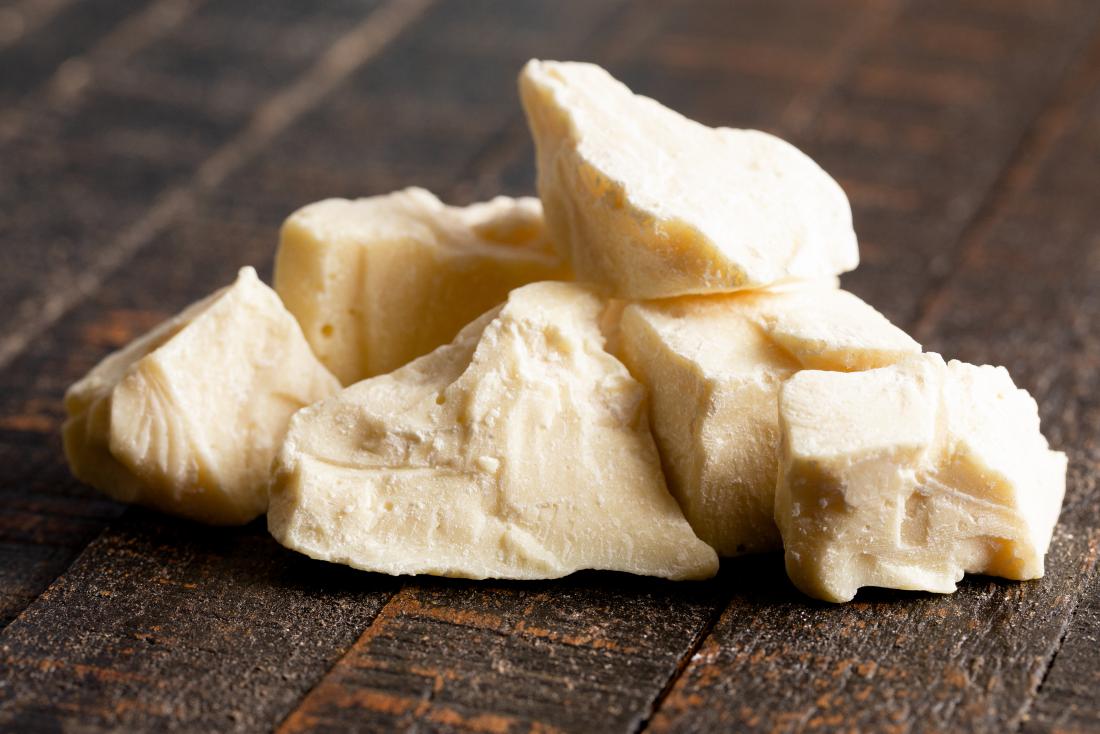
chunks of cocoa butter on wooden surface
Cocoa butter can improve the skin and may have other health benefits.

Cocoa butter is a type of vegetable fat that comes from cocoa beans. Manufacturers extract creamy cocoa butter from the beans by fermenting, drying, roasting, and then pressing them. They turn the remaining portion into cocoa powder.

Cocoa butter is a common active ingredient in lotions, creams, and lip balms. According to some historical sources, people have been consuming or using cocoa in other ways since 460 AD.

In more recent times, researchers have found that cocoa has several healthful properties, including anti-inflammatory and antioxidant effects.

Many of these properties are due to substances that cocoa powder contains, such as catechin. Cocoa butter may also have healthful benefits.

Cocoa butter is also a primary ingredient in chocolate. Chocolate is made up of cocoa butter and cocoa powder, often with milk and sugar.

Benefits of cocoa butter

The following sections will explore the evidence for the benefits of cocoa butter.

1. Boosting skin health

Many skin care products contain cocoa butter, including moisturizers and anti-aging creams. These products claim to have several benefits for skin health, such as alleviating dry skin and improving skin elasticity.

Cocoa contains several antioxidants called polyphenols, which are a group of plant-derived chemicals with a range of potential health benefits. These polyphenols may have benefits for good skin health, such as reducing inflammation and protecting the skin from sun damage.

These polyphenols are primarily in cocoa powder, not necessarily in cocoa butter.

Despite being an active ingredient in many skin care products, there is little direct evidence that cocoa butter effectively improves skin health.

One cell study suggests that cocoa polyphenols improved skin elasticity and skin aging and suggested that cocoa butter may enhance these effects. However, this was a small-scale study, and scientists need to carry out more research before they know the exact effects of cocoa butter on the skin.

2. Moisturizing the skin

Cocoa butter is a core ingredient in many skin moisturizers. Some people use pure cocoa butter to help relieve dry skin.

Like other natural moisturizers, such as coconut oil, cocoa butter is mostly made up of fatty acids. These fats may help form a protective layer on the skin, preventing moisture from escaping, and therefore stopping the skin from drying out.

Some people also use cocoa butter to relieve skin dryness from common skin conditions, such as eczema and psoriasis. While this works for some people, there is no scientific evidence that it will work for everyone.

3. Preventing stretch marks

Many people believe that cocoa butter can prevent stretch marks from developing, especially during pregnancy.

Some doctors and midwives may advise the use of cocoa butter during pregnancy to reduce the risk of stretch marks, but there is no evidence that using cocoa butter will achieve this.

One review reports that several studies failed to find any evidence that cocoa butter prevents stretch marks during pregnancy. They add that there is also no evidence that any topical cream prevents stretch marks.

Stretch marks are a natural part of pregnancy, and many will fade over time.

Cocoa butter nutrition

Pure cocoa butter is edible. However, it contains a mixture of monounsaturated and saturated fats and few nutrients.

According to the United States Department of Agriculture (USDA), one tablespoon (tbs) or 13.6 grams (g) of cocoa butter has the following nutritional values:

Cocoa butter also contains small amounts of vitamin E and vitamin K.

Are there any side effects?

woman with jar of moisturiser to use on feet
Cocoa butter moisturizers may include other ingredients that could irritate the skin.

Cocoa butter is safe for use on the skin. Pure cocoa butter does not contain any ingredients that are likely to cause problems in most people.

People can eat pure cocoa butter but should not ingest cocoa butter products designed for the skin.

As with many skin care products, cocoa butter formulations may contain other ingredients that could irritate the skin. Always check the label for potential irritants.

Summary

Cocoa butter is a type of fat that comes from the processing of cocoa beans. It is the primary ingredient of chocolate, and many people use it as a topical treatment for its potential skin benefits.

Cocoa butter could help to promote skin health and moisturize the skin. Though many people find cocoa butter beneficial, there is currently little to no scientific evidence that supports these claims. More research in this area may provide some evidence for the benefits of cocoa butter in the future.

Many popular skin care products contain cocoa butter as an active ingredient. People can purchase these products in drug stores or supermarkets or choose between brands online.

Share Button