A Stunned Cyprus Grapples With Mounting Evidence Of A Serial Killer In Its Midst

HuffPost is part of Oath. Oath and our partners need your consent to access your device and use your data (including location) to understand your interests, and provide and measure personalised ads. Oath will also provide you with personalised ads on partner products. Learn more.

Select ‘OK’ to continue and allow Oath and our partners to use your data, or select ‘Manage options’ to view your choices.

Share Button

Police Release Image Of Car As Hunt Continues For Man Who Abducted And Raped Two Women

HuffPost is part of Oath. Oath and our partners need your consent to access your device and use your data (including location) to understand your interests, and provide and measure personalised ads. Oath will also provide you with personalised ads on partner products. Learn more.

Select ‘OK’ to continue and allow Oath and our partners to use your data, or select ‘Manage options’ to view your choices.

Share Button

How much exercise do you need?

Mayo Clinic does not endorse companies or products. Advertising revenue supports our not-for-profit mission.

Advertising & Sponsorship

Mayo Clinic Marketplace

Check out these best-sellers and special offers on books and newsletters from Mayo Clinic.

Share Button

Poo Tube: Number Of ‘Soiling Incidents’ On London Underground Lines Revealed

HuffPost is part of Oath. Oath and our partners need your consent to access your device and use your data (including location) to understand your interests, and provide and measure personalised ads. Oath will also provide you with personalised ads on partner products. Learn more.

Select ‘OK’ to continue and allow Oath and our partners to use your data, or select ‘Manage options’ to view your choices.

Share Button

The Least Accurate Fitness Trackers For Distance, According To Which?

HuffPost is part of Oath. Oath and our partners need your consent to access your device and use your data (including location) to understand your interests, and provide and measure personalised ads. Oath will also provide you with personalised ads on partner products. Learn more.

Select ‘OK’ to continue and allow Oath and our partners to use your data, or select ‘Manage options’ to view your choices.

Share Button

Nearly 90 MPs And MEPs Demand Labour Backs Second Referendum In Euro-Elections

HuffPost is part of Oath. Oath and our partners need your consent to access your device and use your data (including location) to understand your interests, and provide and measure personalised ads. Oath will also provide you with personalised ads on partner products. Learn more.

Select ‘OK’ to continue and allow Oath and our partners to use your data, or select ‘Manage options’ to view your choices.

Share Button

What are the benefits of neem?

Neem is a natural herb that comes from the neem tree, other names for which include Azadirachta indica and Indian lilac.

The extract comes from the seeds of the tree and has many different traditional uses. Neem is known for its pesticidal and insecticidal properties, but people also use it in hair and dental products.

In this article, learn about the benefits of neem, as well as whether it is safe to use.

Benefits

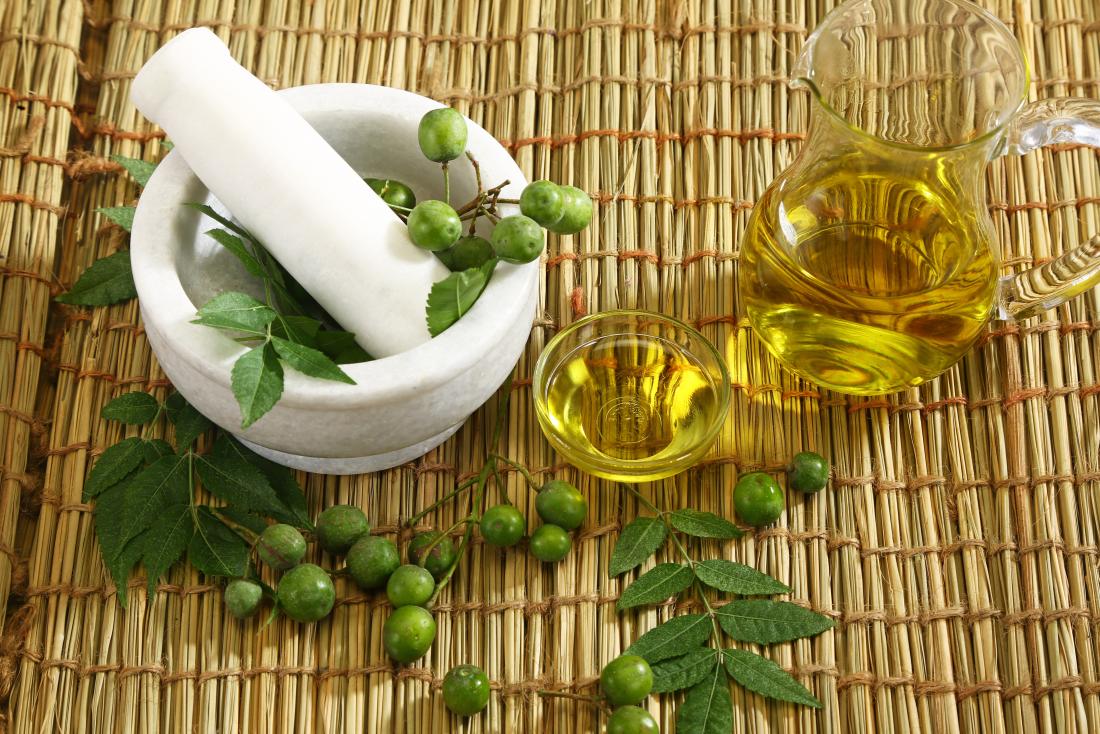
Neem plant and essential oil
Neem is a popular ingredient in natural hair and dental products.

Neem oil is a common pest repellant, effective against sand fleas and mosquitoes. Other forms of neem can help control termites and repel moths.

Some manufacturers add neem to animal shampoos to repel ticks and fleas. They may also add it to cattle feed or grain to repel pests and parasites.

Neem is a strong antioxidant, neutralizing free radicals that may influence the development of some conditions. It is also a strong anti-inflammatory agent.

Neem has antimicrobial effects and may be effective against several types of bacteria, viruses, and fungi.

As neem is effective against mosquitoes, it may also have anti-malarial properties. Malaria is a parasite that some mosquitoes carry. It causes around 219 million illnesses and 435,000 deaths worldwide each year.

Uses

People most frequently use neem in hair and skin care products. Some people take neem extract capsules, but there is not currently enough research to say whether they have any medical benefits.

The oil is yellow or brown and smells of garlic or sulfur. If ingested, it has a strong bitter taste.

Little research is available on neem’s effect on hair health, but anecdotal evidence suggests that it may be helpful for:

  • Dandruff: Neem is a popular ingredient in several anti-dandruff shampoos. Although there has been no research to support its use, neem is an anti-inflammatory and an anti-microbial, which may help reduce the symptoms associated with dandruff.
  • Lice: The results of a small study indicated that neem is an effective anti-lice and anti-nit agent. The study only tested 12 children with lice, but all were completely lice- and nit-free after treatment with a neem-based shampoo. No lice were present for 7–10 days after treatment, and there were no side effects.

Dental products, including mouthwashes, toothpastes, and tooth powders, can also contain neem. Neem can reduce pain from toothache and improve dental health by cleaning the teeth and gums and alleviating gingivitis.

How to use

Manufacturers sometimes add neem to hair products, such as shampoos and styling gels. Some people also make their own hair care products by adding neem oil directly into their regular shampoo.

It is also possible to apply a neem oil directly to the hair to help control frizz.

For dental health, people can chew on neem twigs to help clean the teeth or relieve tooth pain.

Risks

Medicinal neem leaves with fruits close up
Some people may experience an allergic reaction to neem.

Although experts generally consider neem safe for use, it is possible for someone to have an allergy or sensitivity to it.

Before using neem for the first time, consider doing a patch test. To do a patch test, rub a few drops of neem onto a patch of skin on the inner forearm.

Wait 24 hours, then look at the site to see whether a reaction has occurred. Any signs of discoloration, swelling, itching, or discomfort indicate that a person may be sensitive to the oil and should avoid using it again.

In general, children are more sensitive to pesticides such as neem oil, though there is no research directly on the effects of neem in children.

It is best to speak to a doctor before using any alternative medication on a child or during pregnancy.

Summary

Neem products come from all parts of the Indian lilac tree. In the past, people have used neem as a natural remedy for a variety of illnesses.

Now, many people use neem as a natural pesticide. Some use it to support their hair and dental health.

Neem is usually safe to use as a cosmetic product, but people should do a test patch first and speak to a doctor before using neem products on a child.

Neem products are available in some natural health stores and online.

Share Button

What are the health benefits of buckwheat?

Buckwheat is a highly nutritious whole grain that many people consider to be a superfood. Among its health benefits, buckwheat may improve heart health, promote weight loss, and help manage diabetes.

Buckwheat is a good source of protein, fiber, and energy. Buckwheat does not contain gluten, so for people with celiac disease or gluten intolerances, buckwheat and buckwheat flour are excellent dietary alternatives.

This article will discuss the nutrition, health benefits, and side effects of buckwheat.

What is buckwheat?
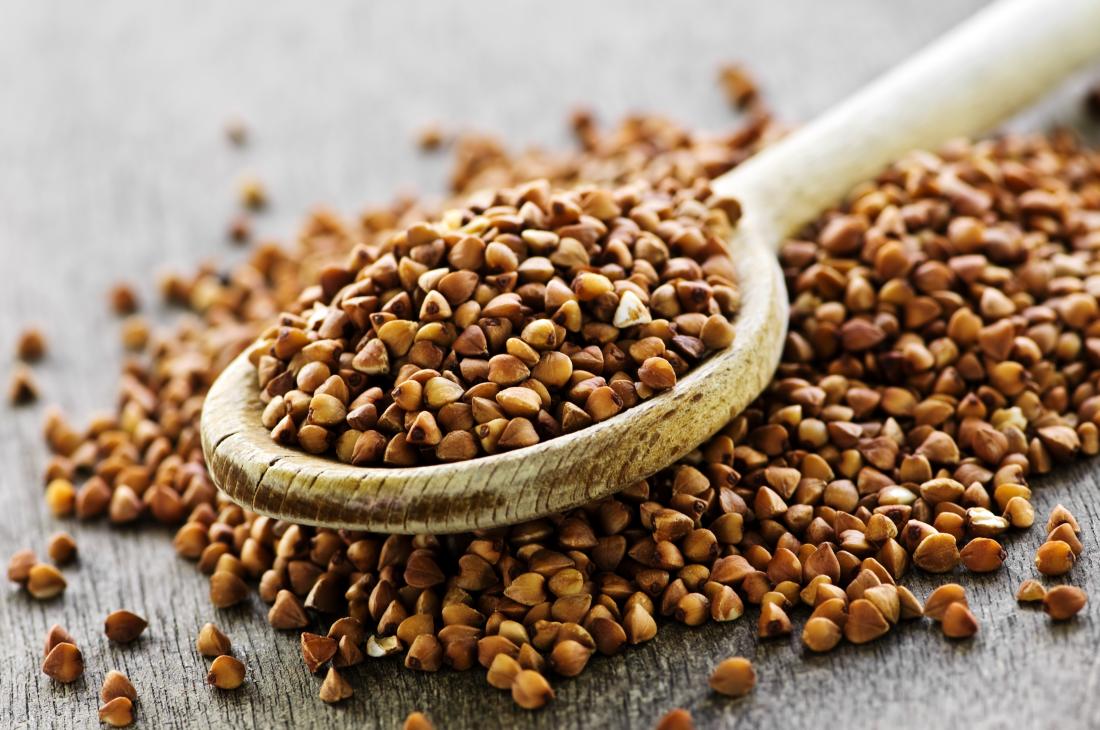
Dried buckwheat grains on a wooden spoon
Buckwheat is a whole grain that is similar to quinoa.

Buckwheat is a wheat crop that grows throughout the United States. It is a pseudocereal as it shares many similar properties to cereals but does not come from grass as most other cereals do. Quinoa is another example of a pseudocereal.

Buckwheat is an ingredient in many everyday food products, such as breakfast foods, flour, and noodles. Farmers also use it for livestock feed.

Nutrition

Buckwheat contains a variety of healthful nutrients. It is a good source of protein, fiber, and healthful complex carbohydrates.

One cup, or 168 grams (g), of roasted, cooked buckwheat groats (hulled seeds) contains the following nutrients:

  • 5.68 g of protein
  • 1.04 g of fat
  • 33.5 g of carbohydrate
  • 4.5 g of fiber
  • 148 milligrams (mg) of potassium
  • 118 mg of phosphorous
  • 86 mg of magnesium
  • 12 mg of calcium
  • 1.34 mg of iron

Buckwheat also contains vitamins, including:

  • thiamin
  • riboflavin
  • niacin
  • folate
  • vitamin K
  • vitamin B-6

Health benefits

The following sections look at the evidence for possible health benefits of adding buckwheat to the diet.

1. Boosting heart health
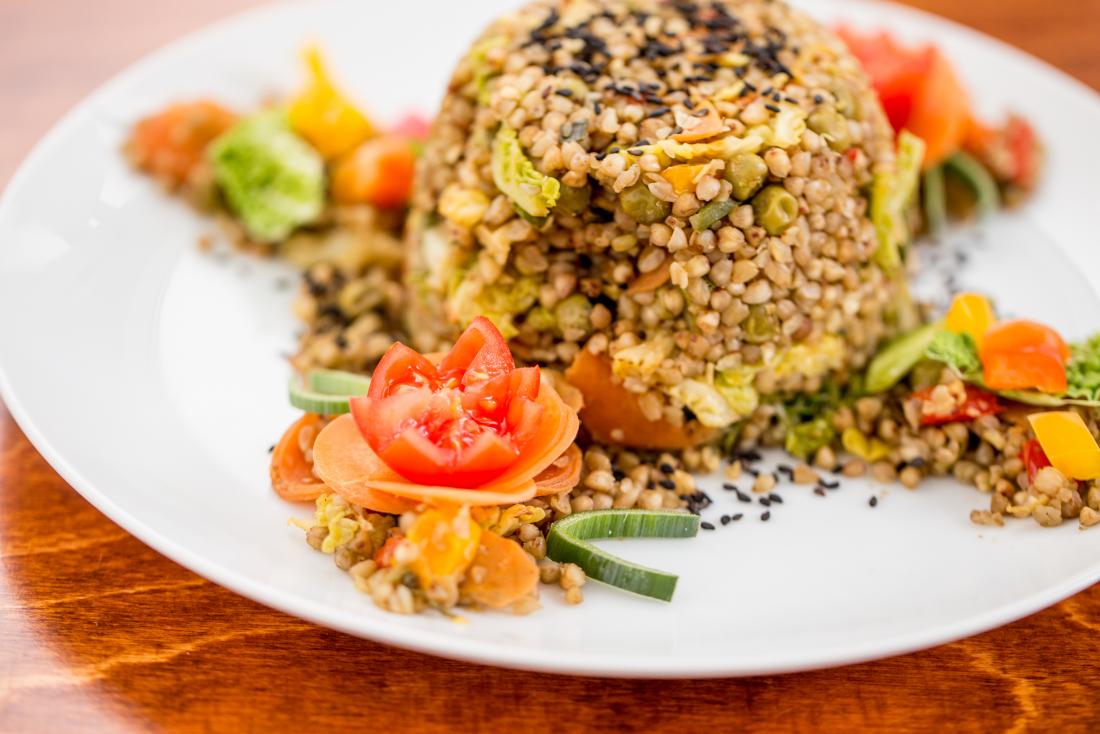
Buckwheat whole grain and vegetable meal.
Buckwheat is rich in fiber.

As a whole grain, buckwheat could have benefits for heart health.

The American Heart Association (AHA) recommend that at least half the grains in a person’s diet should be whole grains. Whole grain foods contain nutrients that are important for heart health, including fiber and niacin.

A 2015 systematic review found a link between diets that were higher in whole grain foods and a lower risk of heart disease. Animal studies have found that buckwheat may lower blood pressure, which can also improve heart health.

People who follow gluten-free diets may consume lower intakes of whole grains, which means they miss out on the health benefits they provide. Including buckwheat into the diet as an alternative to whole grains that contain gluten can deliver these benefits.

Buckwheat is a good source of fiber. According to the AHA, dietary fiber helps improve blood cholesterol levels, which, in turn, reduces the risk of heart disease, diabetes, stroke, and obesity.

2. Improving digestion

Buckwheat is rich in fiber. Dietary fiber is a type of plant-based carbohydrate that the body cannot break down during digestion.

Fiber supports the intestines in digesting food efficiently and helps food move through the digestive tract. It may also have other benefits, such as encouraging weight loss and preventing cardiovascular disease.

One cup of buckwheat also contains 1.58 mg of the recommended 14 to 16 mg of niacin for adults. Niacin, or vitamin B-3, is essential for converting carbohydrates, fats, and proteins into energy for the body’s cells to use.

Being a good source of fiber and niacin makes buckwheat a good choice for digestive health.

3. Weight management

Buckwheat is also a good option for weight management.

Satiety is the feeling of fullness after a meal. It is an important concept in preventing weight gain or promoting weight loss. Foods that increase satiety can offset hunger for more extended periods and may reduce the total number of calories a person consumes during a day.

Buckwheat is high in protein. Research has found that high-protein foods are essential for weight management because they lead to greater satiety with fewer calories than other types of food.

Including buckwheat in a healthful diet could lead to greater satiety and help with weight management. However, scientists will need to do further research into the effect of buckwheat and other whole grains to confirm this.

4. Managing diabetes

As a whole grain, buckwheat is a source of complex carbohydrate. This form of carbohydrate can help people manage their blood glucose levels.

The body takes longer to break down complex carbohydrates than simple carbohydrates. This slows down digestion and helps keep blood sugar levels stable for longer. White bread is an example of a simple carbohydrate.

According to the American Diabetes Association, whole grain foods are a good source of carbohydrate. These foods are an excellent source of energy and can provide fiber and minerals.

Animal research has found that buckwheat had a positive effect on insulin and blood glucose in mice with diabetes on a high-glucose diet. However, it is unclear whether these findings extend to humans with diabetes.

Side effects

Buckwheat is generally safe to consume and should not cause side effects in most people.

It is possible for buckwheat to cause a reaction in people with buckwheat allergies. They may experience symptoms, such as swelling in the mouth, or hives, when consuming buckwheat. However, reports of buckwheat allergies are uncommon in the U.S.

Healthful ways to eat buckwheat
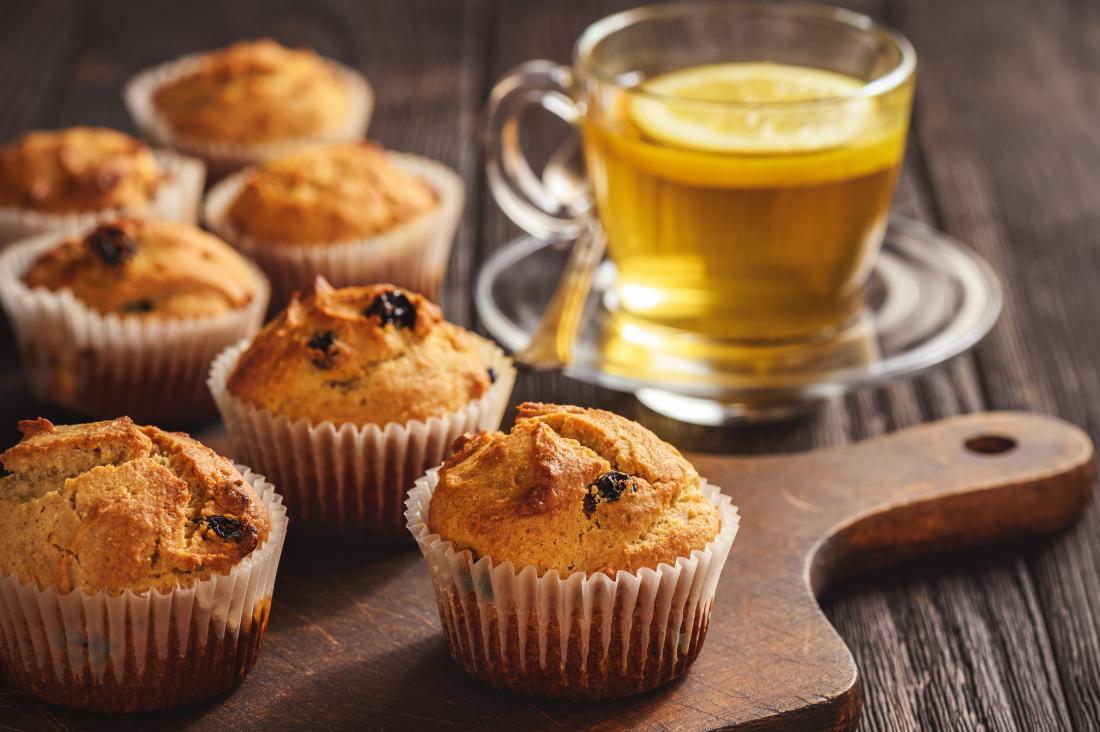
Gluten free buckwheat muffins on chopping board with herbal tea.
A person avoiding gluten can use buckwheat flour when baking.

Buckwheat is easy to incorporate into a healthy diet. People can buy buckwheat groats in health stores or choose between brands online. Buckwheat flour is also available in stores and online for making bread, pancakes, and baked goods.

People can eat raw buckwheat groats after soaking and draining the raw groats to make them easier to digest. Otherwise, boil the groats in water before adding them to salads, sides, or mains.

To add buckwheat into the diet, try the following recipe ideas:

Breakfast

Buckwheat porridge is a healthful alternative to standard breakfast cereals, or try making pancakes with buckwheat flour, which go well with berries.

Lunch

Buckwheat groats make an excellent addition to a salad. Boil the buckwheat groats in salted water before adding to the salad.

Dinner

To include buckwheat in a stir-fry, mix the groats with egg, then fry them over a medium heat for a few minutes before adding other ingredients.

Dessert

Buckwheat muffins are a tasty, gluten-free option for dessert.

Summary

Buckwheat is a healthful and diverse food product. A range of foods, from cereal to pancakes, contain buckwheat.

Buckwheat has an excellent nutritional profile, with a high protein content. It may have benefits for heart health and digestion. It could also make a great addition to the diets of people with diabetes, or those trying to manage their weight.

Share Button

This Sunday Spain Will Decide Between Left And Right In Nail-Biting Elections

HuffPost is part of Oath. Oath and our partners need your consent to access your device and use your data (including location) to understand your interests, and provide and measure personalised ads. Oath will also provide you with personalised ads on partner products. Learn more.

Select ‘OK’ to continue and allow Oath and our partners to use your data, or select ‘Manage options’ to view your choices.

Share Button

Cyberflashing: Facebook Messenger Will Now Protect Under 18s From Strangers

HuffPost is part of Oath. Oath and our partners need your consent to access your device and use your data (including location) to understand your interests, and provide and measure personalised ads. Oath will also provide you with personalised ads on partner products. Learn more.

Select ‘OK’ to continue and allow Oath and our partners to use your data, or select ‘Manage options’ to view your choices.

Share Button