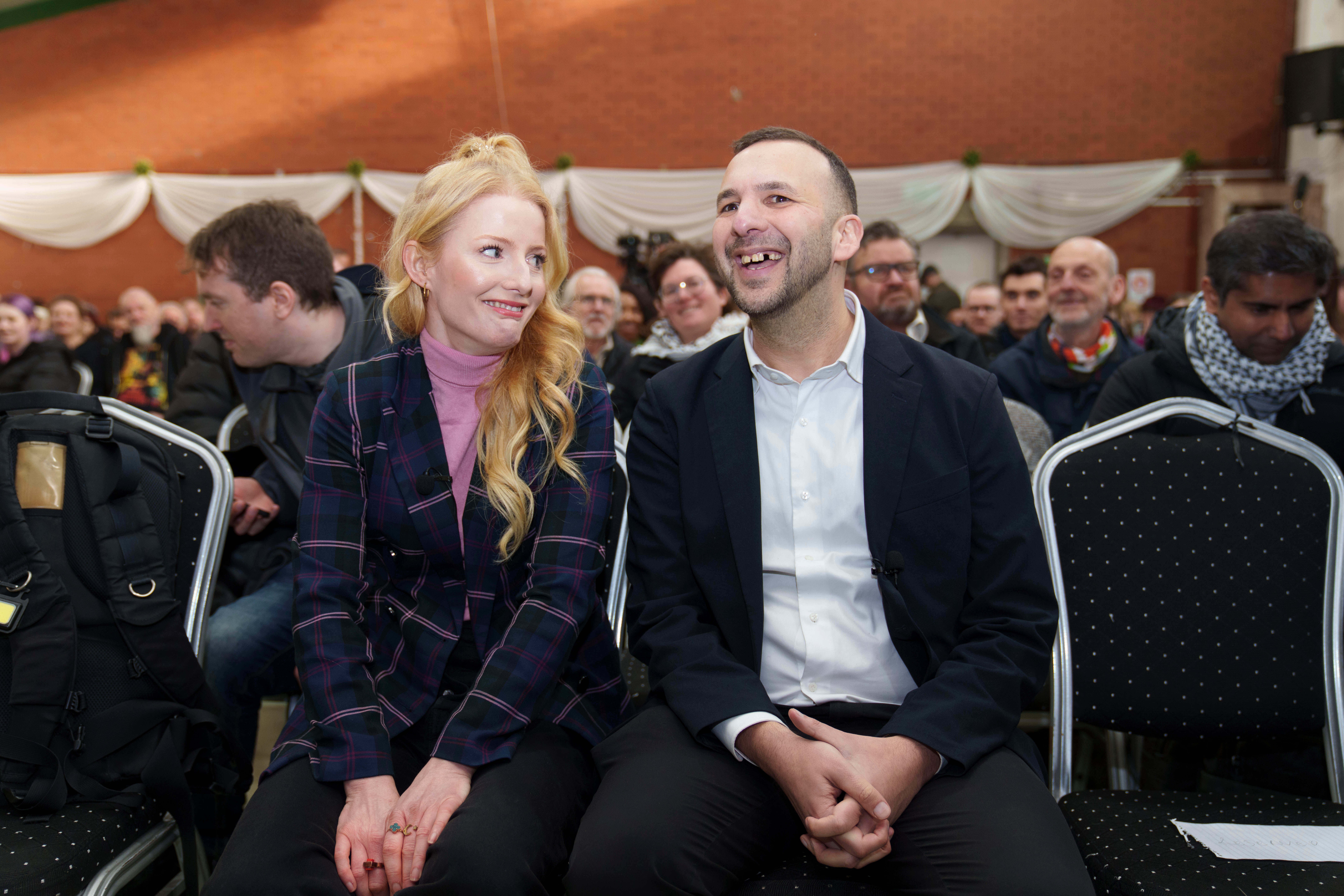
Exclusive: Green Party Frontrunner Zack Polanski On Trying To Make It From Outside ‘Dull’ Westminster

Zack Polanski has become something of an internet phenomenon of late.

Despite being the deputy Green leader since 2022 and a member of the London Assembly since 2021, he was definitely not among the most well-known politicians, even within his own party.

But something changed in May when, after years of membership, he announced he was running to lead the Greens on a socialist ticket, as an “eco-populist”.

Although the party has not officially declared how many members it has, leaked figures suggest the membership grew by 8,000 in the weeks after his declaration – taking them to at least 65,000.

Rumours of potential defections from disillusioned Labour MPs have even been swirling, although any concrete details have been kept under wraps.

He told HuffPost UK he’s slowly drawing in voters from across the political spectrum – including Tories – and winning back old supporters, including those who helped establish the precursor to the Greens, the Ecology Party.

Green sources also say Polanski was already very popular within the party when he decided to throw his hat into the ring earlier this year, and he had reportedly been encouraged to put himself forward for leadership for some time.

He’s since gone viral with his proposals to introduce bold leadership and break through the malaise around Westminster politics.

But his campaign hit a small snag this week.

Hours before we spoke, former Labour leader Jeremy Corbyn and ex-Labour MP Zarah Sultana announced they were launching a new party on the left and invited everyone to join, for free.

By Friday, the group claimed to have nearly 230,000 sign-ups – eclipsing the so-called “Polanski surge” within the Greens. But Polanski did not seem too concerned.

“I’ve read their statement and I can’t see a single thing in there that’s not Green Party policy or doesn’t align already with the Green Party,” he said.

He then suggested those two MPs should just join the party with those values that already exists – the Greens.

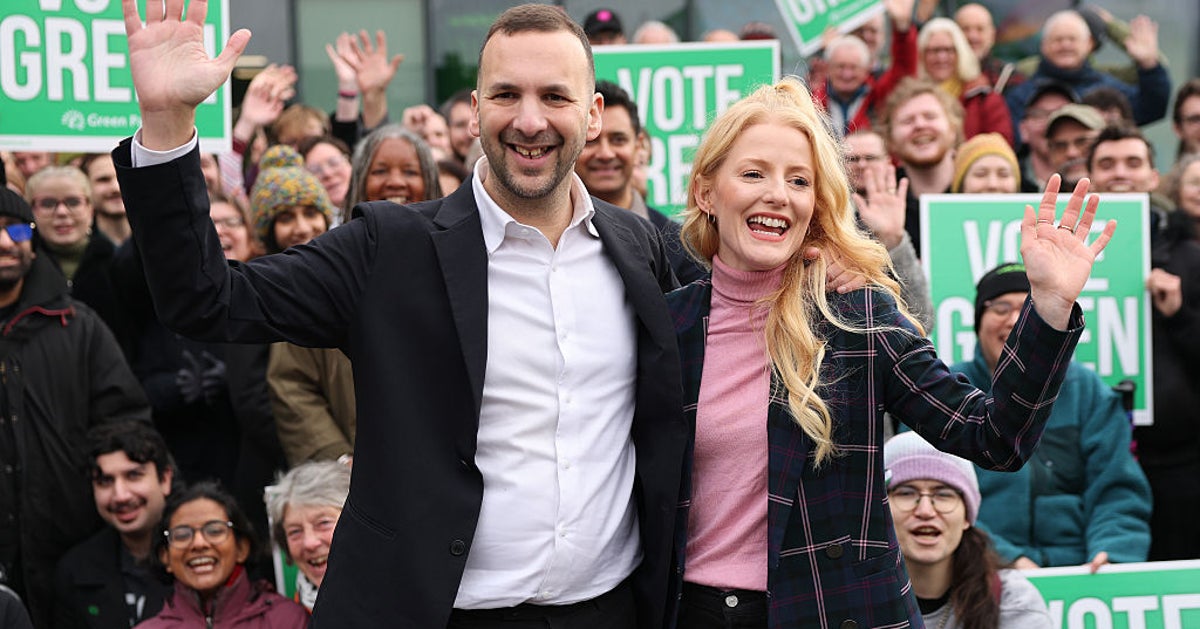
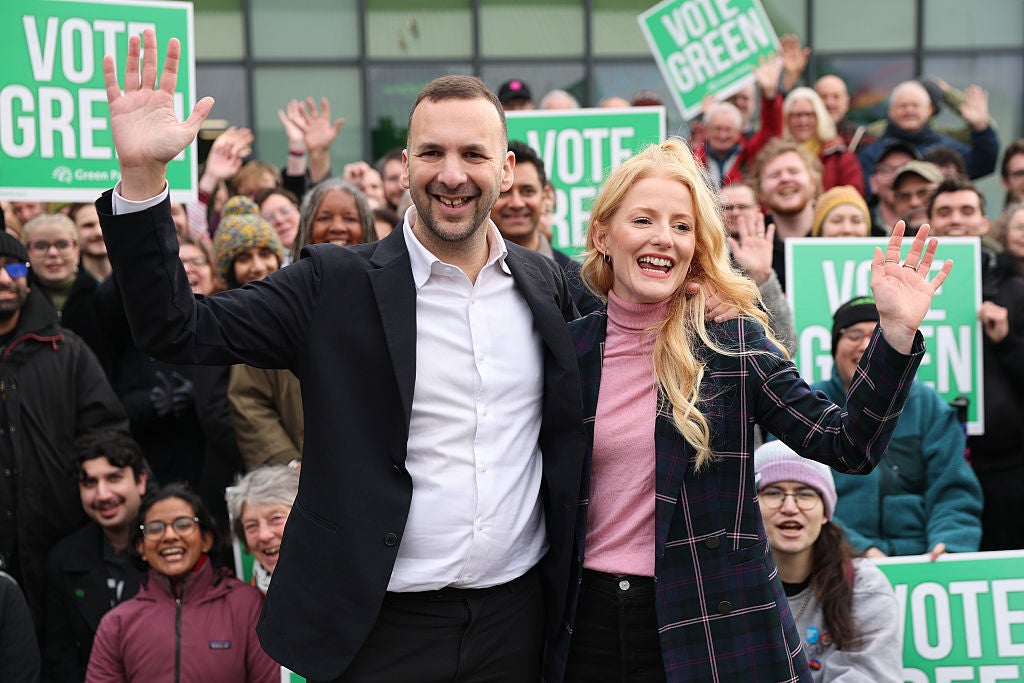
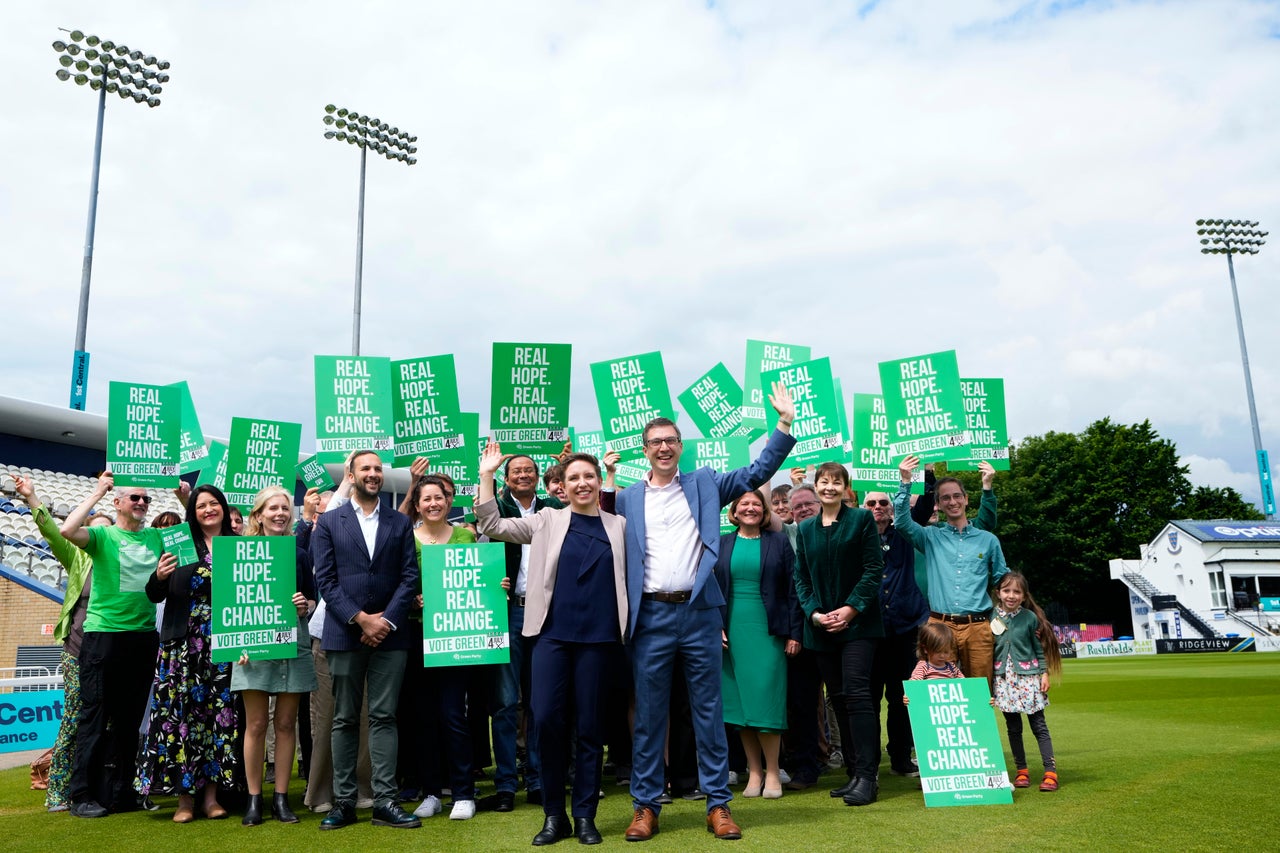
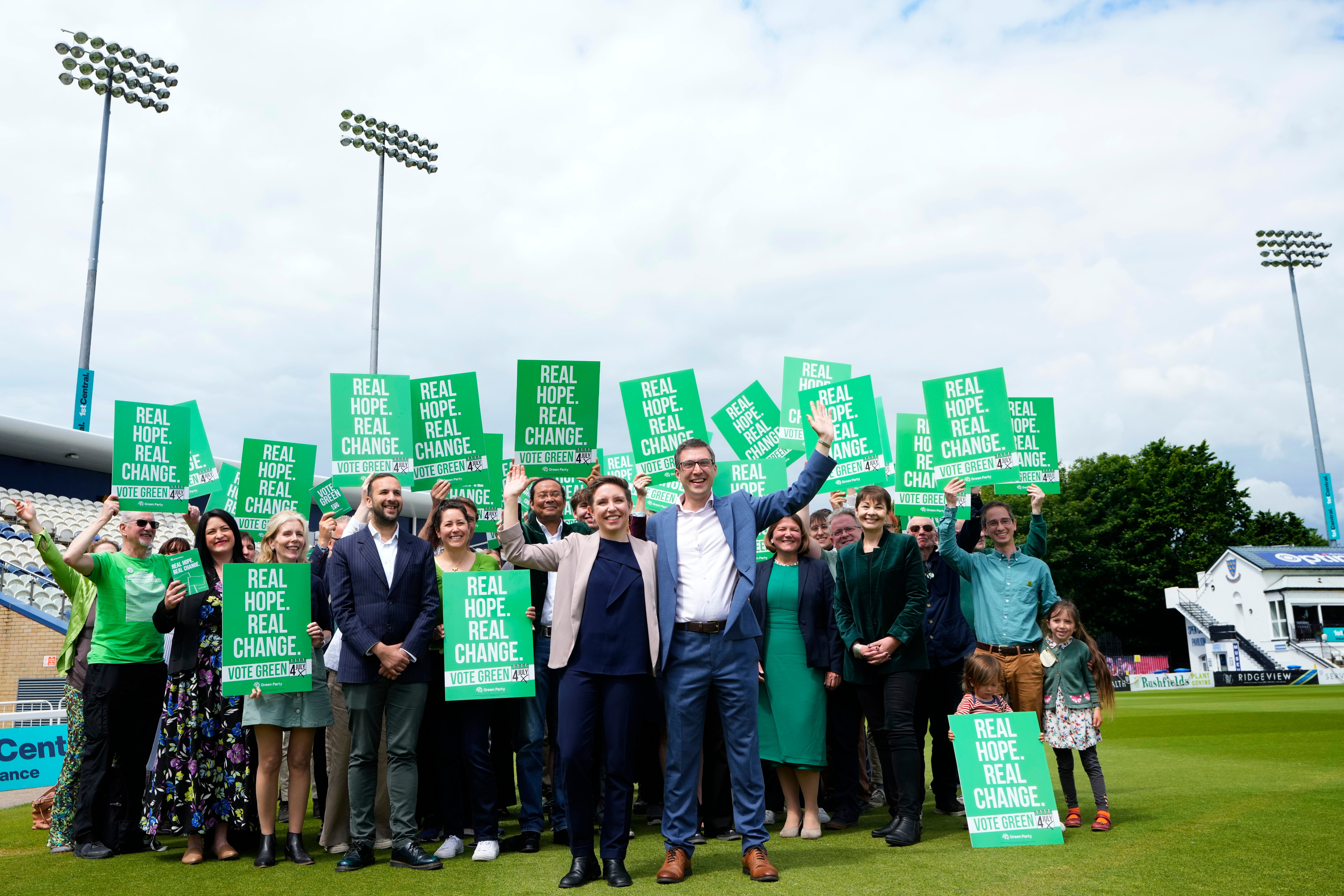
Green Party co-leaders Adrian Ramsay and Carla Denyer pose with supporters at their General Election Manifesto launch - Real Hope, Real Change, at Sussex County Cricket Ground in Hove, June 12, 2024.
Green Party co-leaders Adrian Ramsay and Carla Denyer pose with supporters at their General Election Manifesto launch – Real Hope, Real Change, at Sussex County Cricket Ground in Hove, June 12, 2024.

via Associated Press

He also warned that one downside of running a party very democratically – members get to choose the name of Corbyn’s new group – is that it ends up operating rather slowly and so may take a while to get off the ground.

That criticism of acting in a rather glacial pace is often pitched at the Greens, from insiders and outsiders alike.

Corbyn’s party would have one advantage over the Greens if Polanski wins the leadership contest: its leader would be an MP in the Commons.

Polanski does not see that as a major sticking point in this leadership race though, even as his opponents, running on a joint ticket, both have seats.

He said Westminster is “dull” and it’s actually a “huge positive” to be able to tour the country to spread their message without being tethered to a constituency.

“I find it intensely frustrating that this Labour government get described as the sensibles or the adults in the room”

Although, of course, the politician said he would love to be an MP and will be standing at the next general election – but he still insisted: “Westminster is an important place for scrutiny, for accountability and for democracy. It’s a very dull place, not a place for storytelling.”

“I think we need at the top of the party a communicator who can speak to the country, who can excite, and inspire people,” he said. “And I think parliament at this core, is not an exciting, inspiring place, and that is no criticism of our MPs or indeed any MPs.”

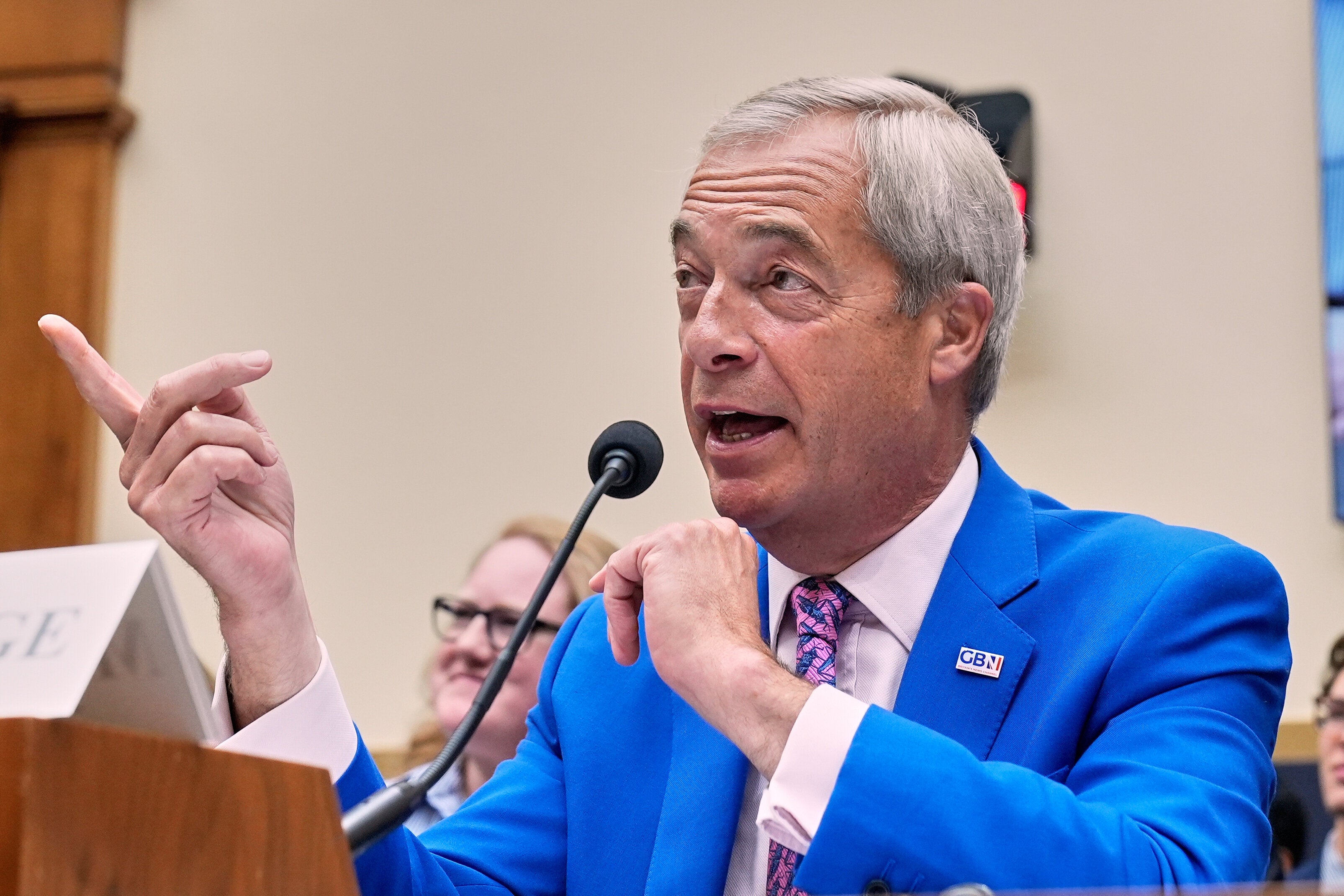
What about Nigel Farage, the leader of Reform UK, whose party has gone from strength to strength and now dominates the polls after they got five MPs elected last year?

Polanski said he thinks Farage was having more of an impact before he became an MP.

“It’s very much more difficult for him now to criticise the establishment when it’s very clear that he’s at the heart of that establishment,” Polanski said.

When it’s pointed out that Farage has an avenue to hold Starmer to account now he’s in the Commons, he said: “I don’t think I’ve seen any clip of Farage holding Starmer to account.”

He also claimed Farage is a millionaire who is “pretending to serve working class communities but actually serving billionaires”.

“I think Reform have got real problems ahead of them in terms of where their donations come from and the people who are supporting them, who have not been exposed yet to the transparency of that,” he said.

Despite his words of criticism for the Clacton MP, it’s hard to deny that the two are indirectly tethered as both are seen as populists – although Polanski calls himself an “eco-populist”.

And, according to the London Assembly member, Farage’s anti-immigration stance and support for nationalisation does not reflect populism.

“I don’t believe Farage is a populist. I don’t think we should cede these words to the right,” he said. “Populism, for me, is about the 99% versus the 1%. Farage is protecting that 1%.”

Starmer, of course, is his main political target though.

“I think the number one goal is to make the Labour Party more scared of losing vote seats to a Green Party than to Reform,” he said.

Pointing to their welfare cuts, Polanski said: “I find it intensely frustrating that this Labour government get described as the sensibles or the adults in the room when the consequences of their decisions are literally killing people and despite the fact that all the evidence is pointing to what they are doing is creating more inequality in society.”

Of course, this is a criticism levelled at Starmer across the board – that Labour is just not making the right decisions at the right time, particularly over Gaza.

But the Greens are not fully aligned, either.

Insiders fear the party is not doing enough to seize the pro-Palestine vote, which could go to Corbyn’s group instead, while old tropes that the Greens are “too white” continue.

However, Polanski said: “People of colour are voting for us, as polling showed last week.”

He said the Asian vote has increased by around 17% for the Green Party, pointing to FocalData stats.

He added: “So I think the kind of old tropes about the Green Party just aren’t true anymore.”

HuffPost UK was unable to find that particular data.

Polanski has also been at the centre of some negative coverage online, sparking speculation that not everything is as rosy within the Greens as previously indicated.

The Greens’ current co-leader MP Adrian Ramsay, who is running against Polanski with Green MP Ellie Chowns, was asked if he liked his opponent during a joint debate on LBC after all of their agitated televised exchanges.

Ramsay refused to say initially, even as Polanski insisted he likes Ramsay.

Polanski told HuffPost UK that he was “upset” at Ramsay’s response.

He said: “I was… upset last night when he refused to say that he liked me. He did eventually get there.

“I also shrug my shoulders and say, that doesn’t matter. We work perfectly well together. These are professional relationships, and I like him.”

But he notably added: “But, you know, I’m a human being. And if someone doesn’t like you, then, yeah… that was… it was bizarre.”

Ramsay – and Chowns – are promising to be “insurgents” in politics, too, just in a different way to Polanski.

Chowns previously told HuffPost UK that Farage relies on “complete distraction politics”, adding: “I really don’t think that we win Green power by aping Donald Trump or Farage in any way.”

While the Greens may have just four MPs in parliament right now, there’s no denying that public appetite for something a little different is growing.

But which direction will the Greens end up moving towards: headline-grabbing populist tactics, or sticking to slow-and steady establishment strategies?

Only the members can decide – but it’s clear results it could create a ripple across Westminster.

Share Button

Jeremy Corbyn’s New Group Sounds Very Much Like Another Party Which Is Rising On The Left

Jeremy Corbyn has just announced he is launching a brand new left-wing party – but it already sounds very similar to the Green Party’s proposals.

Together with fellow former Labour MP Zarah Sultana, the ex-Labour leader promised a “new kind of political party” which “belongs to you”.

They said they would call for a wealth tax, champion an NHS which is free from privatisation, stand up for Palestine and challenge the fossil fuel giants “putting their profits before our planet”.

These policies are not dissimilar to those backed by the Green Party, which many former Labour supporters, now disillusioned, have flocked to over the last year.

That could therefore put the two parties at odds with one another.

Zack Polanski, the frontrunner in the ongoing Greens’ leadership race and the party’s current deputy, told HuffPost UK shortly after Corbyn’s announcement it is clear the parties have plenty in common.

He noted: “I’ve read the statement and I can’t see a single thing in there that’s not Green Party policy or doesn’t align already with the Green Party.”

He said: “I really like Jeremy and Zarah both as people and also as politicians. I’m supportive of anything they’re setting up.”

But the London Assembly member also made it clear they would be “welcome” in the Greens, which he called a “movement for change”.

He said: “I think it’s a positive thing that they’ve recognised that the Labour Party as a vehicle of progressive change that utterly collapsed, and it’s time to abandon it. They’ve not left the Labour Party, but Labour Party has left them.”

However, he noted that – unlike Corbyn’s new group – the Greens do not need to have a conference in the autumn to decide their name.

“Maybe that conference should decide actually, the Green party exists and is doing really well,” Polanski said, pointing to the nearly two million votes they secured in the general election. “It kind of makes sense to join the Green Party.”

Corbyn’s team has been contacted for comment.

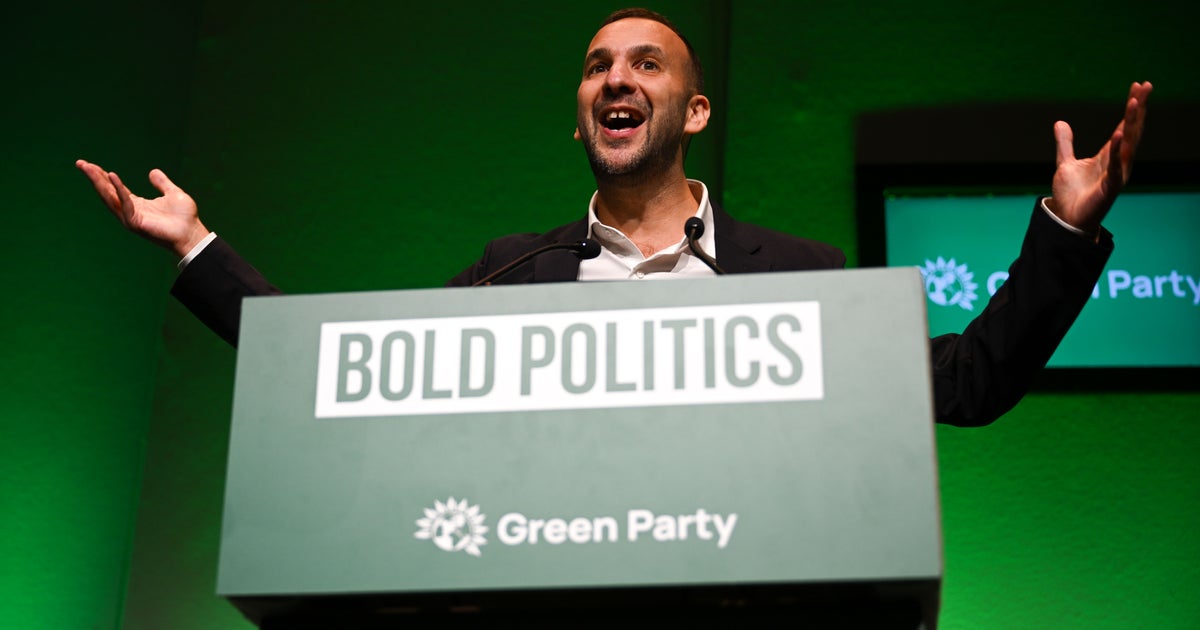
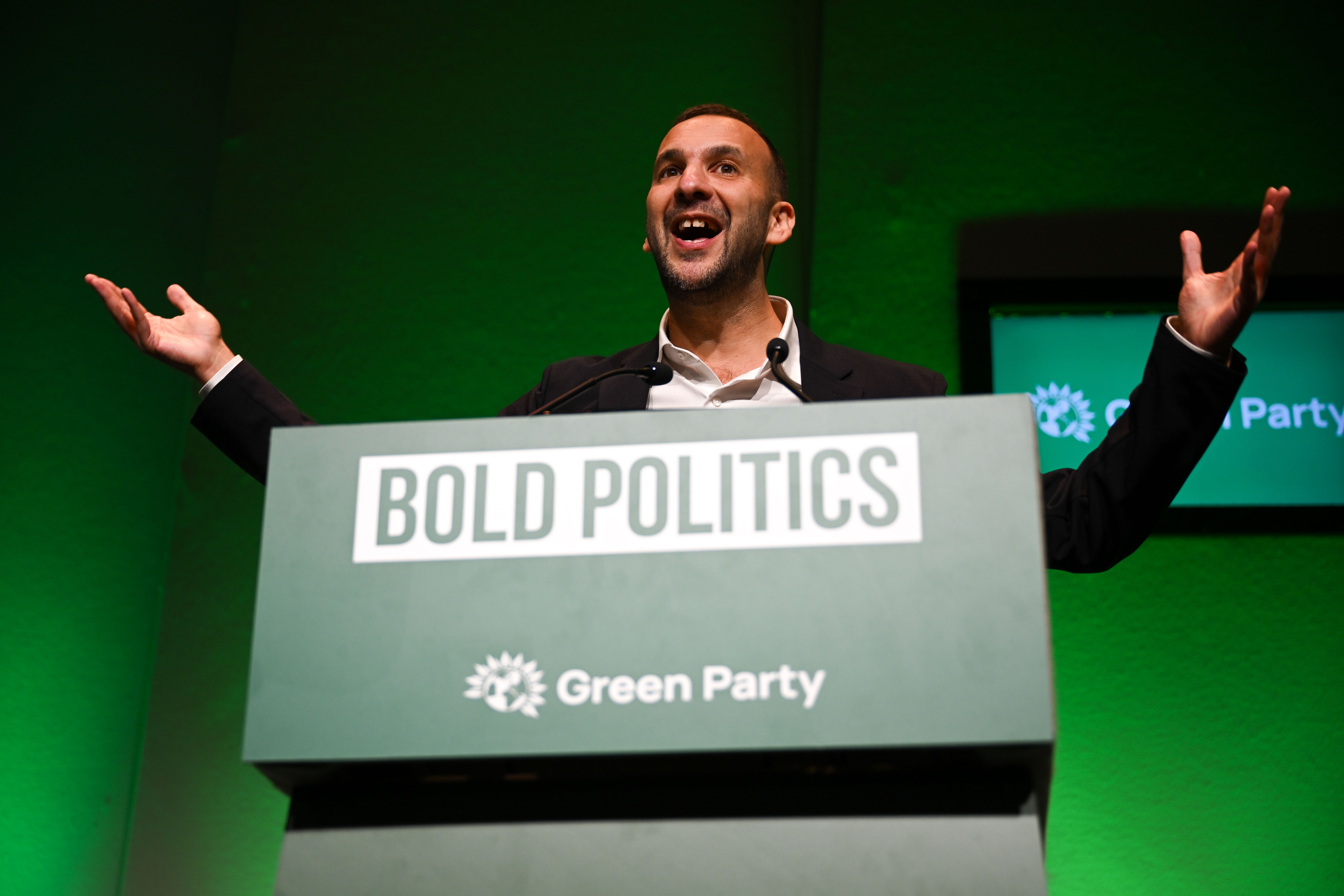
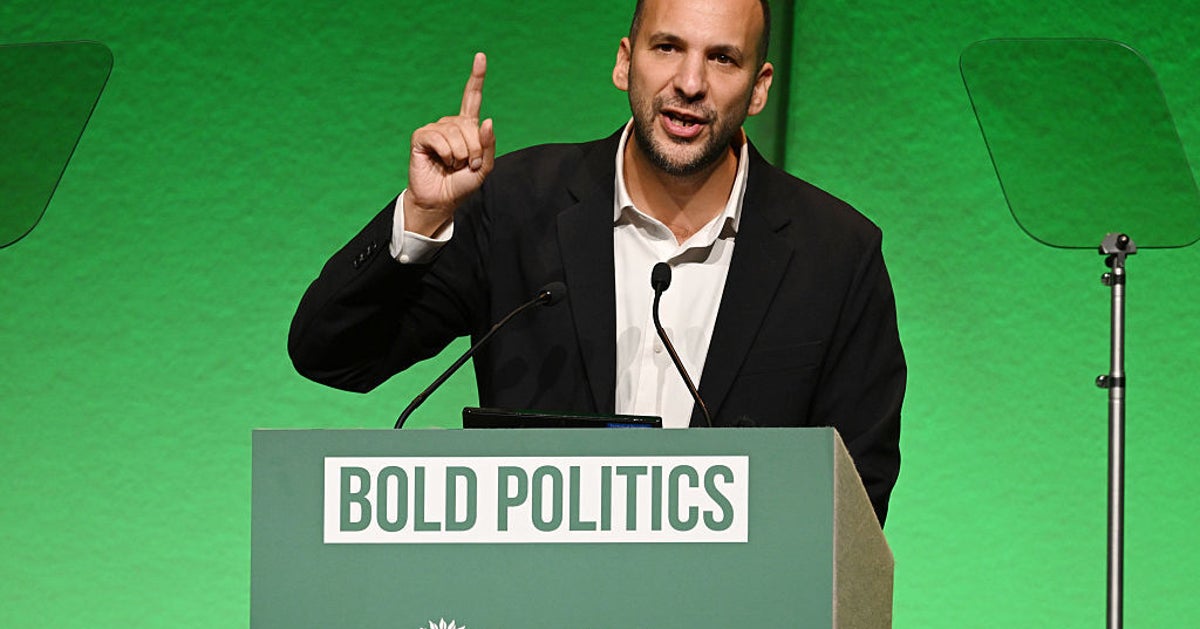
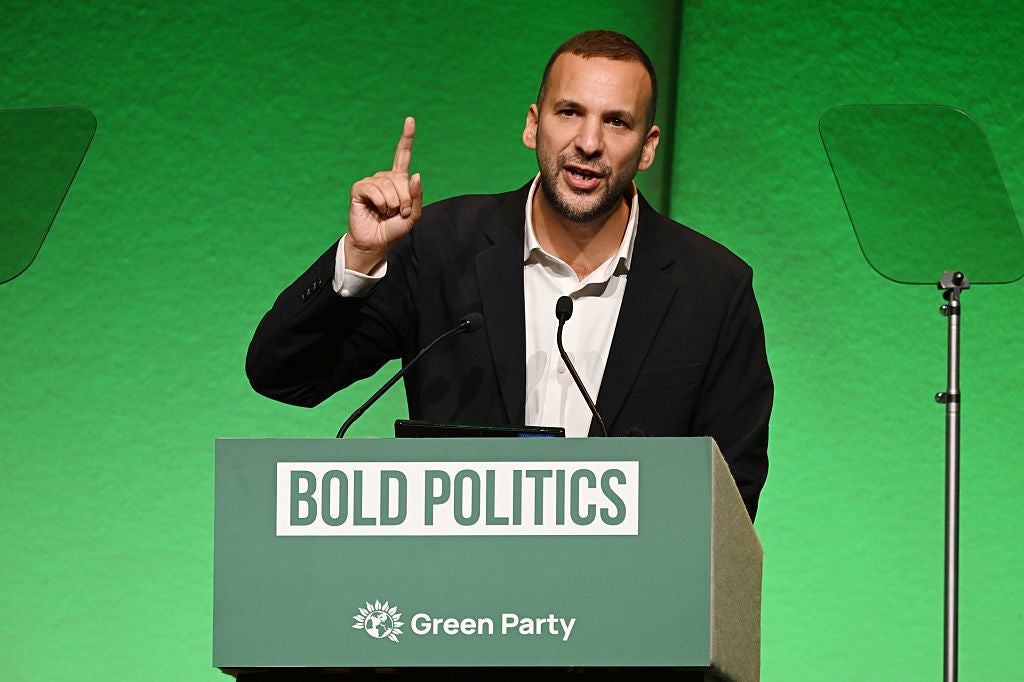
Zack Polanski, deputy leader of the Green Party, at the Green Party autumn conference in Manchester, UK, on Friday, Sept. 6, 2024

Bloomberg via Bloomberg via Getty Images

Corbyn and Sultana’s new group appears to still be nameless. They have only offered up a link for supportive members of the public to sign up to a mysterious site called yourparty.uk, leading many to assume that is its moniker – although Sultana has since denied that.

Amid all that confusion, as Polanski pointed out, his plans to bring eco-populism to the Green Party are clear. He added: “I have a very clear left-wing socialist green ticket.”

However, Polanski also reiterated that he would be willing to work with anyone who wants to take on Westminster and stop Reform UK.

He said it came down to challenging the government, pointing out how suspended Labour backbencher John McDonnell said it was about intellectual coalitions rather than electoral coalitions.

He said Sultana and Corbyn “are embedded in green values environmental justice, social justice, racial justice, and economic justice.”

“Rather than creating purity tests about having narrow focuses for parties, I think Green Party can be that bold movement and that broad church,” Polanski said.

Asked if he was concerned Corbyn would overshadow him in the Greens, he said, “I think there is something to that.”

However, he said he imagines the former Labour leader, like the US’s Bernie Sanders, wants to look for “future leaders and movements”.

But he continued: “We just don’t have time to waste, I really mean it with deep respect for anyone who wants to get together and have a conference and decide a party name and governance structures, all of that takes too long and time is not a luxury we have.”

That approach is pretty different from Green MPs Ellie Chowns and current co-leader Adrian Ramsay, who are running on a joint ticket to oppose Polanski.

Chowns admitted that much of their statement “could have been taken straight from the Green Party manifesto,” but, she claimed: “There is only a passing glance to the climate crisis.

“Any party that does not have climate and environment front and centre is part of the old politics, not the new.”

Chowns pointed to the number of people who moved from Labour to the Greens and said “our door is very much open for anyone who aligns with core Green values”.

Adrian Ramsay, who is standing on a co-leadership ticket with Chowns, said: “It remains to be seen what this new party will amount to, but this development underlines how crucial it is for the Green Party to keep its distinctive identity, with our clear focus on both social and environmental justice.

“Turning the party into a Jeremy Corbyn support act would be a huge mistake.”

Share Button

Government Must Seize Unprecedented Chance To Halt Economic Decline Triggered By Brexit, MP Warns

Imagine checking your watch every hour to find the country a million pounds poorer.

This isn’t some distant economics lesson; it’s real families stretched by higher bills, businesses crippled by red tape, and young people denied the chance to study and work across Europe.

With the upcoming UK-EU summit on May 19, the government has an unprecedented opportunity to halt this decline. It’s not enough to tweak the edges of our broken arrangements—we need a bold reset that rebuilds the partnership we lost. Britain needs real action, not another round of half-measures masquerading as breakthroughs.

First, the summit must set in motion negotiations for the closest possible trading relationship with the EU, with re-entry to the Customs Union as a vital first step. Frictionless trade would rescue our factories, farms, and workers from the suffocating barriers that have driven up costs, delayed deliveries, and pushed investment overseas. It would restore the supply chains that once kept our industries competitive, and give businesses the certainty they need to innovate and export goods.

“We were sold a pup with Brexit, and we can’t pretend otherwise”

Equally vital is restoring freedom of movement, starting with youth mobility. Re-joining the Erasmus programme and establishing a youth visa system similar to that already in place for Aussies will allow students and young people to live, learn, and launch their careers across Europe. These are not luxuries; they are lifelines for ambition, cultural exchange, and shared prosperity that will shape Britain’s future and strengthen ties between neighbours.

The government must also push for realignment of our defence and security cooperation. From cyber-attacks to pandemics to regional flashpoints such as recent tensions between India and Pakistan, we know that conflicts hundreds or thousands of miles away can have immediate repercussions here at home. Our safety depends on shared intelligence, coordinated diplomacy, and joint development efforts.

Defence is not just about bombs and guns; it’s about human security, conflict prevention and the reconstruction that follows. Strengthening security cooperation with Europe means standing shoulder to shoulder to face current and future challenges; not only Putin’s war on Europe’s border, but also biosecurity threats, cyber-warfare, and climate change.

Talking of climate change, there’s an obvious quick win we need to see from the summit. The EU’s Carbon Border Adjustment Mechanism began combatting carbon leakage in 2023, with full implementation planned for 2026, while our own scheme doesn’t come into effect until 2027, and with far greater exemptions than the EU’s scheme to boot. If we continue to lag behind, British businesses will face unfair competition, and our world-leading climate commitments will unravel. Aligning with Europe on these carbon tariffs is essential for protecting jobs, fostering clean-tech innovation and safeguarding the planet for future generations.

These goals are practical and achievable right now if the government chooses to make them key priorities. But even if all are agreed, we will still be worse off than we were before Brexit.

The Green Party’s policy is that the UK should re-join the EU as soon as the domestic political situation is favourable. And it’s clear that a majority of Brits feel the same. For two years, every poll has shown that more than half of Britons believe leaving the EU was a mistake. We were sold a pup with Brexit, and we can’t pretend otherwise.

“We can choose cooperation over isolation, ambition over decline, and hope over fear”

As a former Member of the European Parliament, I’ve seen Europe’s collaborative institutions deliver stability, opportunity and shared progress. At this summit, we should have the guts to admit that leaving was a mistake, and our best future lies together with Europe.

It’s clear that others – Trump, anyone? – are no substitute for the closest possible relationship with our next-door neighbours and biggest trading partners. So let’s shout it from the rooftops: the question is not whether we should rejoin, it’s when. I call on the Prime Minister to seize this moment to kick-start discussions on what rejoining the EU would involve – recognising that the world has changed significantly since Brexit, and that there is a consistent public majority in the UK in support of EU membership. Britain’s future belongs in Europe, and our ambition should be as boundless as the opportunities we once embraced together.

Rejoining the EU will demand political courage and a clear roadmap: forging new alliances, meeting accession criteria, and rallying member-state support. But leadership has never been about playing it safe. It’s about confronting harsh truths, delivering for ordinary people, and envisioning a future that reflects our highest ideals.

This summit can be the pivot from regret to renewal. We can choose cooperation over isolation, ambition over decline, and hope over fear. We can harness the power of collective progress to tackle climate breakdown, defend democracy, and build economies that work for all.

Britain deserves better than economic contraction, trade barriers, and broken promises. Our best days lie not in standing apart, but in standing shoulder to shoulder with our European neighbours. This is the moment to renew, rebuild, and set out a path to rejoining—the public is ready, and the time is now.

Share Button

9 Key Takeaways From A Very Eventful Election Night

Labour won by a landslide while the Tories had some of their worst ever results – but this election also painted a very complex picture for Westminster.

Five independents were elected, while the rise of the Liberal Democrats, Reform UK and the Green Party show that last night was not just a tale of two parties.

Here’s a look at all the main stories from overnight.

1. Huge Labour victory

With a couple more seats still to be counted, the party took a whopping 412 seats, only six fewer than it did when Tony Blair was the helm in his famous landslide of 1997.

That works out to a gain of at least 211 seats compared to the 2019 general election.

It means a comfortable majority is ahead for Keir Starmer, as Labour were the largest party in England, Scotland and Wales.

The so-called “red wall” in the North of England was completely restored, too.

However, it’s not all plain sailing – Starmer comes to office on the smallest share of the vote of any winning party in UK history as the votes were widespread across many constituencies but not particularly high in number in any seats.

Only 33.7% of voters backed the supposedly reformed Labour, just 1.6% higher than his predecessor Jeremy Corbyn secured in 2019 when he famously lost.

That seems to reflect the general sentiment that support for Labour was more of an anti-Tory tactic rather than an endorsement of Starmer and his party.

Labour leader and incoming Prime Minister Sir Keir Starmer and wife Victoria enter 10 Downing Street

Carl Court via Getty Images

2. Drop in Muslim support for Labour

The party’s flip-flopping over the Israel-Hamas war in Gaza has had a profound effect on its Muslim supporters.

In constituencies with a large Muslim demographic, support declined by around 23 points to 39%.

But this gave way to the rise of the independents, like ousted Labour leader Jeremy Corbyn who was re-elected into his constituency of Islington North.

In fact five pro-Gaza independent candidates were elected in total, outnumbering the total Reform UK candidates.

3. Worst Tory defeat in history

Rishi Sunak may have comfortably held onto his seat in North Yorkshire, but he was easily the biggest loser of the night.

He led the Conservative Party into its worst electoral defeat ever seen, losing 250 seats.

The Tories secured just 121 constituencies as the party’s vote share fell by 19.9 percentage points to 23.7%.

For comparison, John Major’s Conservatives won 30% of the vote share when they endured a huge defeat in 1997.

They will now have zero seats in Wales, and only one in the North East of England and one in the North West.

Many previously “safe” Tory seats were lost overnight, including four of the five constituencies were the last five Conservative leaders were elected.

David Cameron’s Witney went to the Lib Dems as did Theresa May’s Maidenhead.

Meanwhile Boris Johnson’s Uxbridge and South Ruislip, and Liz Truss’s South West Norfolk both went red for Labour.

The share of the vote particularly fell in areas where high numbers backed leaving the EU.

The dramatic night means there’s likely to be a brutal battle to shape the party now, as Tories struggle to decide whether to pull it further right or into the centre.

Outgoing Conservative Prime Minister Rishi Sunal

Christopher Furlong via Getty Images

4. Best Lib Dem result since 1923

The party has secured 71 seats – a whopping increase compared to the 2019 election, where they had only eight, and beating their 2005 record of 62.

They’ve won both new seats and old constituencies back – and ousted four cabinet ministers – albeit on just 12% of the vote share.

The Lib Dems also secured constituencies once held by former PMs David Cameron and Theresa May in their campaign where they targeted Tory areas.

It’s a far cry from the 2019 result when the party leader Jo Swinson unexpectedly lost her seat.

Liberal Democrat leader Sir Ed Davey is greeted by supporters

Gareth Fuller – PA Images via Getty Images

5. SNP in chaos

The Nationalists, who have completely dominated Scottish politics since 2014, secured just nine seats in a major blow to the project for independence.

That’s a drop of 38 representatives in Westminster, with many of their seats going to Labour and a handful going to both the Lib Dems and the Tories.

The SNP’s share of the vote has therefore fallen by 15 points – while Labour’s has increased by 17 in Scotland.

But it’s not a complete wipeout, considering the party still commanding a minority government in the Scottish parliament in Holyrood.

Yet, those seats could soon be at risk in the 2026 devolved election, depending on how Labour’s first few years in parliament goes.

Labour will also have to grapple with the increase of independence supporters among their voters.

6. Reform get a foothold in the Commons

The populist party took votes from the collapse of the Conservative support in many places, secured its first four elected MPs ever.

Party leader Nigel Farage won a seat for the first time (after seven failed attempts over the years) and Tory defector Lee Anderson – the party’s first ever representative in the Commons – was re-elected.

Reform chair Richard Tice and Rupert Lowe were elected, too.

Considering how quickly Reform has managed to gather support – Farage only entered the race two weeks after the election was called – the populists claim they will be able to put serious pressure on Labour in the next five years.

Farage has previously said he wants his party to be the main opposition to Keir Starmer’s party by the time of the next election, and last night said: “We’re coming for Labour, be in no doubt about that.”

7. Green Party get most MPs ever

With four MPs in Bristol Central, Waveney Valley, North Herefordshire and Brighton Pavilion, the Greens had their best set of results ever.

Until now, the party has only ever held the East Sussex constituency of Brighton Pavilion, giving them just one seat in parliament.

But last night, the party’s co-leader Carla Denyer overturned Labour’s shadow culture secretary Thangam Debbonaire with a 10,000 majority.

The other co-leader Adrian Ramsay defeated a 22,000 Tory majority in Waveney Valley, with a swing to the Greens of 32.1%.

Overall, it is expected to take 7% of the overall vote share – more than double what it secured in the 2019 election.

Green Party co-leader Carla Denyer after casting her vote in the 2024 General Election at Redland Park United Reformed Church in Bristol.

Jonathan Brady – PA Images via Getty Images

8. Sinn Fein hold on

The Republican party held onto its seven seats in Westminster, although it does not take them in protest to Northern Ireland being part of the UK.

It means most of the NI seats in Westminster will remain empty.

Sinn Fein is already the largest in local government and in the devolved government of Stormont.

And while the Democratic Unionist Party lost three of its eight seats, with supporters moving to other unionist parties, there was not a noteworthy shift in the vote share between Unionists and Nationalists.

9. Fall in overall voter turnout

This was the second lowest turnout ever recorded with only 60% of the electorate turning up, rivalled only by the 59% seen in 2001.

That suggests apathy and frustration may be more prevalent among the electorate than politicians realise.

Share Button

5 Key Takeaways From The Local Election Results

Most of the results are now in and the parties are now conducting their post-mortems of the “super Thursday” local elections.

The Tories were the big winners in England, gaining control of 13 councils and adding 240 councillors, at the time of writing when 140 of 143 councils had declared.

Labour meanwhile had a terrible election, losing control of eight councils as the party shed 318 councillors, prompting Keir Starmer to embark on a shadow cabinet reshuffle.

But with elections of metro mayors across England, and for the Scottish and Welsh parliaments also taking place, the full picture is more complex.

With the help of YouGov’s Patrick English and Tory polling expert Lord Hayward, here are the five key things you need to know:

1. Labour turmoil in the ‘red wall’

Owen Humphreys – PA Images via Getty Images

Boris Johnson in front of a giant inflatable of himself as he meets and newly elected Tory MP Jill Mortimer at Jacksons Wharf in Hartlepool

There were bitter recriminations in Labour after it lost a slew of council seats and the crunch by-election in the so-called “red wall” seat of Hartlepool, which the party had held since the constituency’s inception in the 1970s.

Labour also lost control Durham, the county of the miners’ gala and a previous bastion of support for the party, and endured “staggeringly bad” losses in the likes of Rotherham, according to Hayward.

English says these losses to the Tories in working class Leave-voting areas are a continuation of the realignment of British politics that followed the Brexit vote in 2016.

And they are a stinging indictment of Starmer’s strategy to win back ex-Labour Brexit supporters who deserted the party for the Tories en masse in the 2019 general election and handed Boris Johnson a huge parliamentary majority.

The Labour leader is now facing an internal battle for Labour’s future, as he prepares to embark on a shadow cabinet reshuffle to refresh his top team amid a backlash over the sacking of his deputy Angela Rayner from her party chair job.

Plenty are now also asking whether Labour can ever recover, or whether the party is finished as an electoral force.

2. Glimmers of hope?

Hollie Adams via Getty Images

Starmer leaves home on Saturday morning

There were small glimmers of hope for Labour, with the party performing well in Wales where it secured an effective majority and “stemmed the tide of Leave voters flooding away to the Conservatives”, according to English.

The party also did well in so-called “blue wall” traditionally Tory seats, but which voted Remain in 2016 and are now beginning to turn to Labour.

Starmer is likely to be pleased with Labour taking the West of England and Cambridgeshire and Peterborough mayoralties.

And there were signs of a “Brighton effect” stretching out across the south coast as Labour took a swathe of seats on Worthing council, according to Hayward.

Starmer’s party even won a county council seat from the Tories in Chipping Norton, in the affluent Cotswold area where former prime minister David Cameron lives.

Labour can at least begin making up ground on the Tories thanks to these types of university-educated, Remain voters, as voters continue to turn British politics on its head.

But “in terms of the mathematics there are not enough blue wall areas to gain a majority in a general election, absolutely not”, English says.

“If Keir Starmer is looking for silver linings, he got beaten 5-2,” the pollster adds.

“Okay, you got hammered, but you scored two goals.”

3. Green surge

Labour supporters may want to look away now, because they have another problem with the Greens enjoying a good day across England.

The party has 14 seats on Bristol council, with the city still counting remaining areas, helped push Sheffield into no overall control following the long-running tree-felling row, and has done well in the suburban home counties.

Hayward says this is “a problem” for Labour as the Greens are “showing signs of being able to do well in towns and cities as the alternative [to Labour]”.

English meanwhile talks of a “pincer movement” with Labour losing seats to both the Greens and the Liberal Democrats.

But the Greens are also appealing to different kinds of voters, and have taken more seats from the Tories than Labour, according to English.

“They are winning seats off everyone all over the country, including in places where Labour couldn’t even dream of winning,” he says.

“And they are building these coalitions of voters who are very different types.

“It would be really daft to think that they are just young, hippy, liberal voters and old tree huggers who vote for them, it’s not.”

4. High profile Tory mayors dig in

Ian Forsyth via Getty Images

Re-elected Tees Valley mayor Ben Houchen with health secretary Matt Hancock

While Labour looked set to win 11 of the 13 mayoralties being contested in cities and metropolitan regions across England, the party’s heavy defeats in former strongholds in the West Midlands and Tees Valley provided more evidence of the Brexit alignment.

Andy Street was re-elected in the West Midlands with more than 48% of the vote, embarrassing Labour challenger Liam Byrne, who suggested he could win easily.

And Ben Houchen’s thumping victory in Tees Valley with 73% of the vote inspired Johnson to reportedly leave a voice note for the current toast of the Tory Party saying: “You’re just showing off now with that majority”.

English says: “Is it because the Conservatives are flooding money into these places so the mayors can campaign on it?
“Or you could flip it around, and the Conservatives would say that’s just evidence the mayors have done a bloody good job, securing money for their areas.

“There are general incumbency effects as well – once you’ve got a mayor in there and they have done a good job, they are going to get rewarded.”

5. Scottish independence

Perhaps the most significant result of them all was north of the border, where Nicola Sturgeon’s SNP fell just short of the overall majority that would have made her calls for a second independence referendum even more difficult to ignore.

However, there is a majority in Holyrood for another referendum, thanks to the pro-independence Greens picking up eight seats to add to the SNP’s 64.

In response, there are signs that the UK government’s position on a referendum may be softening slightly.

Cabinet Office minister Michael Gove made clear on Sunday that now was not the time for an independence vote, with the UK recovering from coronavirus.

But he pointedly refused to say the Westminster government would go to the Supreme Court to block referendum legislation from Holyrood, and stopped short of an outright rejection of another vote in an interview with ITV Scotland.

Share Button