6 Signs An Oncologist Says Under-50s Should Never Ignore

Between the ’90s and late 2010s, early-onset cancer diagnoses – those given to people aged between 25 and 49 – rose by 22%.

About 90% of cancers still affect those over 50. But, Dr Jiri Kubes, radiation oncologist and medical director at the Proton Therapy Centre in Prague, said: “We are seeing far more younger patients than we would have expected a decade ago.

“The issue isn’t just that cancers are appearing earlier – it’s that symptoms are often subtle, and many people don’t think cancer is something that could affect them at this age.”

Here, he shared the signs people under 50 should look out for.

What symptoms should people under 50 check for?

Dr Kubes said “persistent changes are what matter”.

“Ongoing digestive issues, unexplained weight loss, unusual lumps, changes in bowel habits or fatigue that doesn’t improve should never be ignored – even in your 20s or 30s.”

He added that often, persistence can matter more than severity: “If something lasts weeks rather than days, it deserves attention.”

He warned to keep an eye out for:

  1. Persistent changes in bowel habits

  2. Unexplained weight loss

  3. Ongoing fatigue that doesn’t improve with rest

  4. Lumps or swelling that doesn’t go away

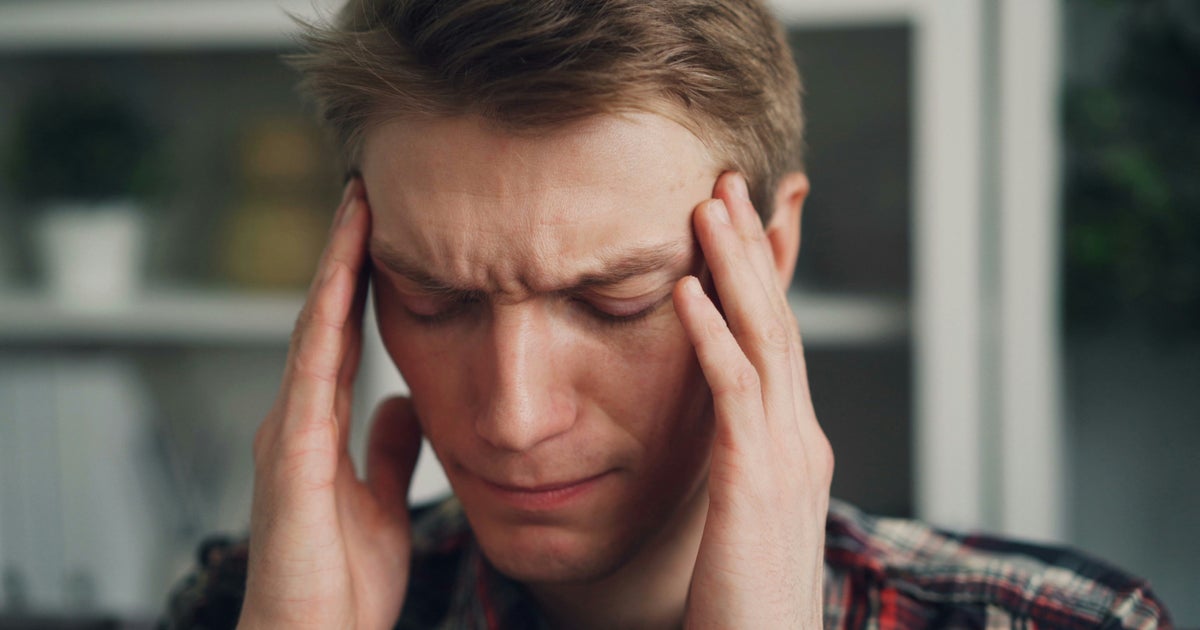
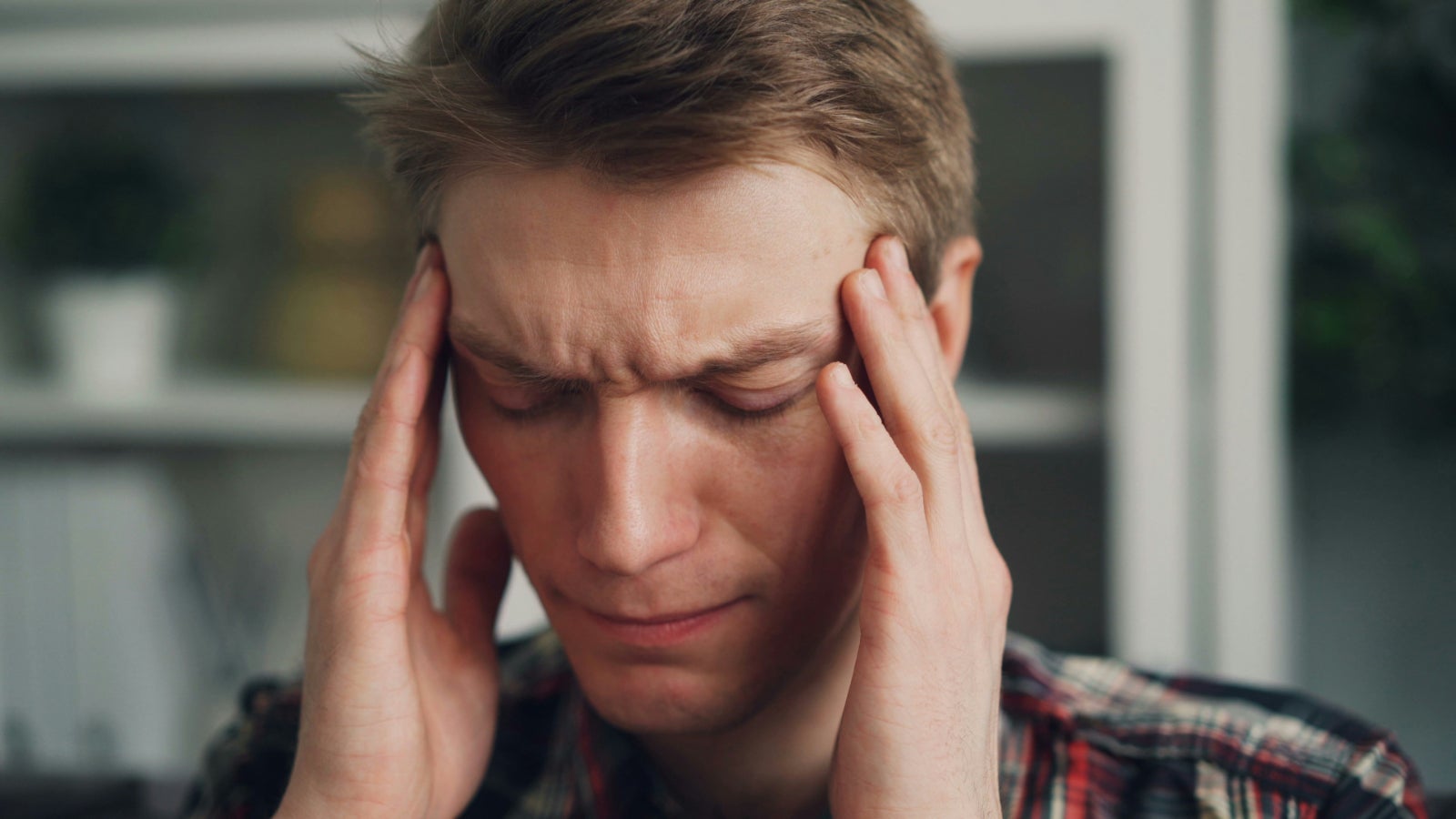
  5. Frequent headaches or neurological changes

  6. Unusual bleeding or pain that persists.

Dr Kubes added: “Many early cancers are painless. Waiting for pain before acting is one of the biggest mistakes people make.”

Why might some cancers be developing sooner?

We don’t know for sure. But Dr Kubes said modern life has changed “dramatically”.

“Sedentary behaviour, poor sleep, ultra-processed foods, obesity and chronic inflammation are all being studied as possible contributors,” he explained.

But, he added, the point isn’t to create panic. “The goal is awareness, not fear,” he stated.

“When cancers are detected early, treatment is usually simpler, more effective and far less disruptive to quality of life… that’s especially important for younger patients who have decades of life ahead of them.”

What should I do if I think I have one of these symptoms?

Dr Kubes said it’s a good idea to trust your instincts if you feel something is off.

“If something feels wrong and it doesn’t go away, get it checked… being proactive is not overreacting. Early action saves lives.”

After all, he added, early detection is key: “Cancer is no longer just an older person’s disease – but early detection means outcomes have never been better.”

Share Button

The 3-Minute Home Test A Surgeon Says Could Save Your Life

October is Breast Cancer Awareness month. And on their page about the topic, the World Health Organisation (WHO) said the first pillar of the WHO’s Global Breast Cancer Initiative is to “empower individuals and communities to recognise symptoms and seek care early”.

Still, research has shown that women checking their breasts has dropped from 49% in 2022 to just 45% in 2024.

That’s a shame, breast cancer surgeon Dr Cihan Uras from Acıbadem Hospitals said, explaing that: “Breast cancer is the most common cancer among women worldwide… when it’s detected early, survival rates are very high.

“The best thing you can do for yourself is to be familiar with your own body and notice changes quickly. A self-check takes only three minutes,” the surgeon added.

How should I check my breasts at home?

Speaking to HuffPost UK, Dr Uras said the check, which should be done once a month, involves three steps.

These are:

1) Look in the mirror

To begin your test, the surgeon advised, stand topless in front of a mirror for one minute.

“Stand with your shoulders straight, with your hands on your hips, and look in the mirror for any noticeable differences. As you do this more often, these differences will be easier to spot,” he advised.

“Initial signs that you should be looking for include dimpling of the skin, any redness, rashes or changes to the nipple, particularly inversion or discharge.”

2) Raise your arms

This should take 30 seconds, Dr Uras told us.

“As you’re in the mirror, raise your arms above your head. Look for any changes in contour, any swelling that’s arisen, or any pulling of the skin,” the expert advised.

The move helps because it stretches the skin over your breasts.

“This makes subtle changes more visible, especially puckering or pulling of the skin that may not be very noticeable when your arms are by your side. It can also help reveal differences in movement between the two sides.”

3) Feel your breasts while standing and lying down

This should take about a minute and a half (90 seconds) all-in.

“While lying down, use the flat of your fingertips around your breasts to feel in circular motions,” the surgeon stated.

“Make sure that you cover the whole breast from the top to the bottom, as well as side to side. Don’t forget to go right up to your armpit area too. Apply different pressures; light, medium and firm, to ensure you’re feeling all layers of the breast tissue.

“You should be feeling around for any thickened areas, any tenderness that feels unusual to you, not to be confused with pushing down too hard, and of course any lumps.”

What should I do if I notice any changes?

If you do feel something a little different, don’t “panic straight away, as most are not cancer,” Dr Uras said.

But do get it checked as soon as possible, just in case.

“The chances are, you would’ve spotted it early, especially if you’re doing this every month, and your doctor can begin any treatment sooner rather than later,” the surgeon ended.

“The best time to do these checks is a few days after your period ends, when you’re less likely to experience tender breasts due to your cycle. For women who no longer get periods, picking the same time each month will just help you get into a better routine.”

Share Button

This Nail Change Could Be A Sign Of Lung Issues

Darker streaks in your nails, horizontal ridges, and half-white, half-pink or brown nails with a clear line between the colours can all signify health issues.

And it turns out you can spot psoriasis on your nails, too.

So perhaps it shouldn’t be shocking that your nails can also show issues with your lungs and heart through another change to the area.

Cleveland Clinic writes that “nail clubbing” is most often linked to cardiovascular and pulmonary conditions, “like lung cancer, lung infections, interstitial lung disease, cystic fibrosis or cardiovascular disease”.

However, it can have other causes, like Crohn’s disease and liver conditions. It can sometimes simply be a genetic variant that isn’t anything to worry about.

What is “nail clubbing”?

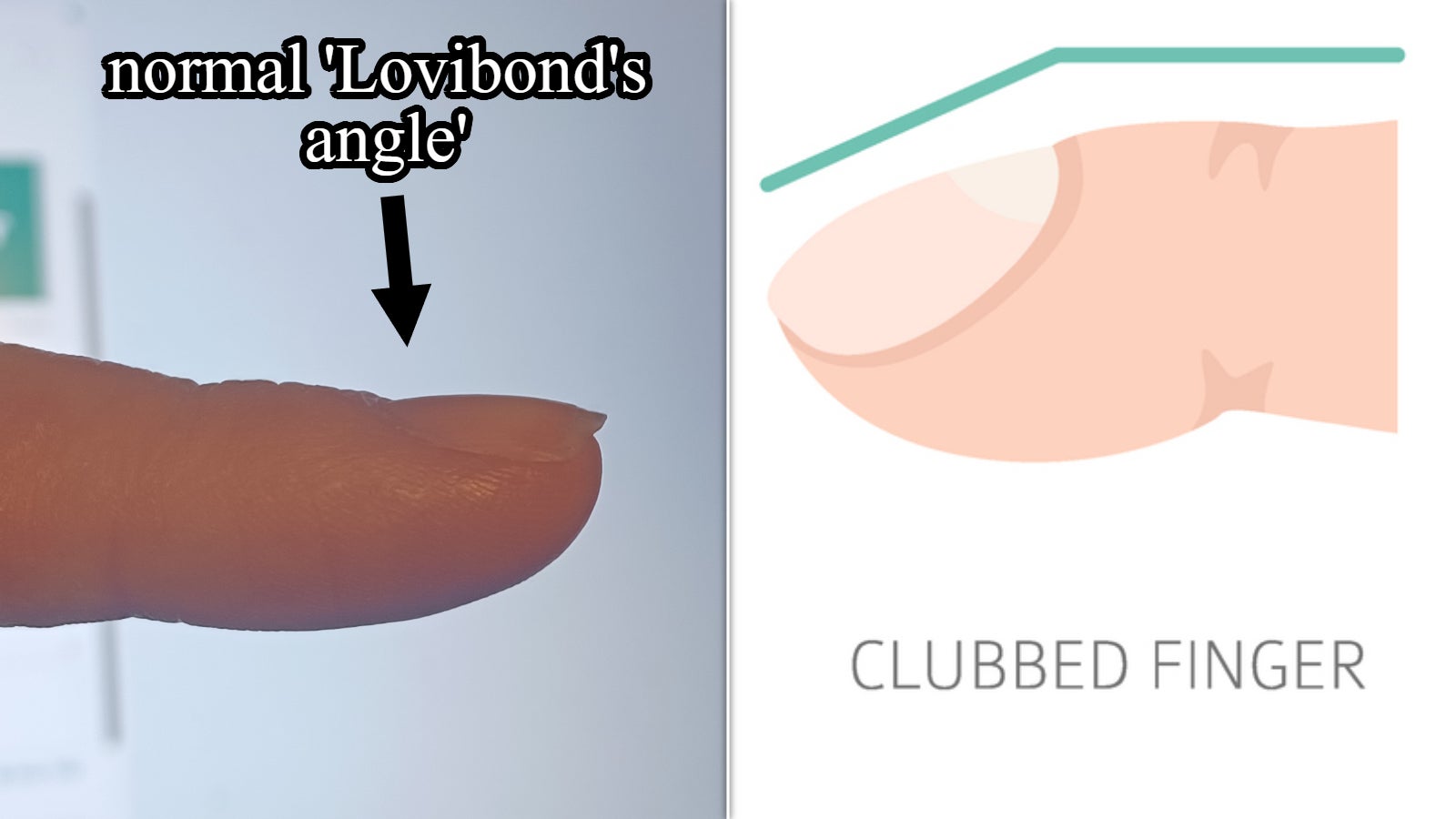
Nail clubbing can start gradually, but it ends with your fingernails curving over rounded fingertips.

The nail looks wider and more bulging ― a bit like an inverted spoon ― and feels softer and “spongier”.

Your nails might feel warm and look red. Before the “clubbing” fully takes place, you might notice your nails widening at the top and beginning to wrap around your fingertips.

It often begins in your thumb and forefinger before spreading to other nails, but it can affect any nail or a few nails at once.

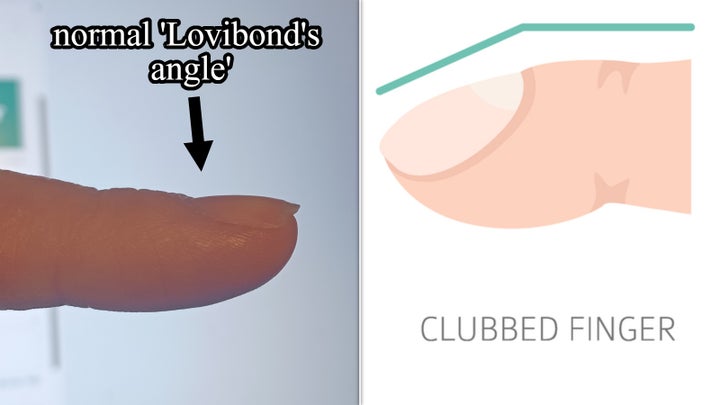
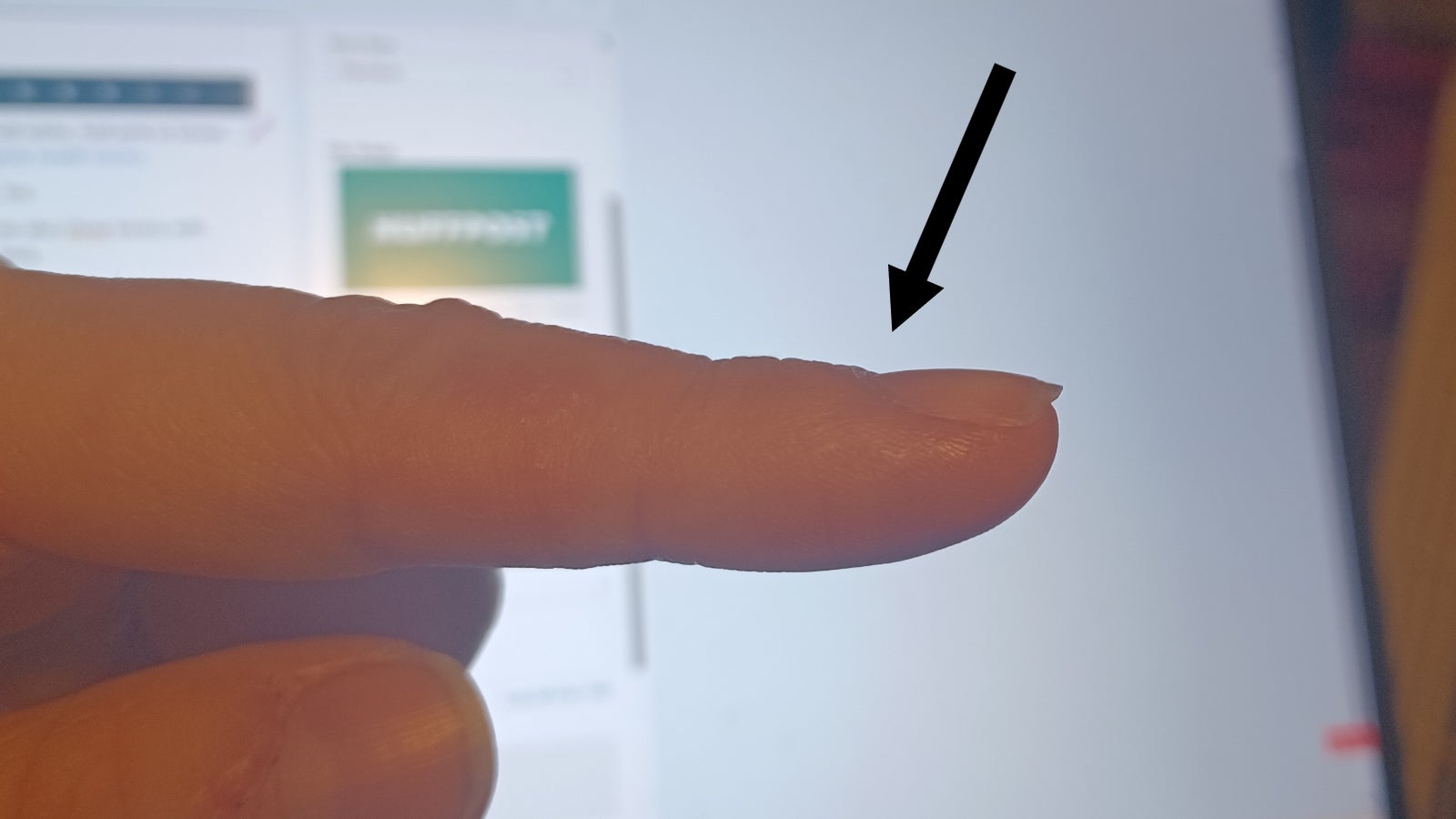
In the early stages, you might want to look out for the “Lovibond angle” sign.

The Lovibond angle is the small dent at the bottom of your nail that you can see from the side. But per the Cleveland Clinic, “In the early stages of nail clubbing, your nail and nail bed look flat from the side”.

And Mount Sinai adds that nails in the early stages of clubbing “may seem to ‘float’ instead of being firmly attached” to your nail bed.

Normal Lovibond's angle vs clubbed fingernail

Amy Glover / HuffPost UK / Getty images

Normal Lovibond’s angle vs clubbed fingernail

When should I see a doctor about suspected clubbed nails?

The change “can be a sign of many serious, long-term conditions,” the NHS says.

It is linked to “heart and lung diseases that reduce the amount of oxygen in the blood,” Mount Sinai added. Sometimes, this includes lung cancer.

So if you notice changes that suggest clubbing, speak to a doctor as soon as you can.

The condition may be harmless, but it’s improtant to get it checked out anyway.

Share Button

Your Meal Deal Might Be Raising Your Risk Of Lung Cancer, Study Warns

Eating ultra-processed food (UPFs) has already been linked to 32 harmful effects to health, including a raised risk of type 2 diabetes, heart disease and early death.

Now, another study has linked a higher intake of ultra-processed food to an increased risk of lung cancer.

Lung cancer is the most common cancer in the world. It’s the third most common cancer in the UK, with around 49,000 people diagnosed each year.

Previous research has noted a “significant association” between intake of UPF and the risk of several cancers, including colorectal, breast and pancreatic cancer.

Here’s what you need to know about the latest study.

First up, what is ultra-processed food?

Ultra-processed food typically undergoes multiple processing steps and contains long lists of additives and preservatives. It’s often ready-to-eat or heat.

Examples include ham, mass-produced bread, cereal, crisps and biscuits.

It’s thought more than half of the typical British daily diet is made up of ultra-processed food. But not all of these foods are terrible news – yoghurt and high-fibre cereals, for instance, can form a part of a healthy diet.

There is however a clear link emerging between negative health outcomes and diets high in UPF.

The Food Standards Agency (FSA) noted “we still don’t know whether it is because these foods are unhealthy because of how they are made, or if it’s because a large majority of processed foods are high in calories, saturated fat, salt and sugar”.

UPF intake also increases the risk of weight gain, overweight and obesity, which is the second biggest cause of cancer in the UK.

As high consumption has already been linked to a heightened risk of several health conditions, researchers wanted to know if this might also include lung cancer.

What did the new lung cancer study find?

Researchers used data from the US Prostate, Lung, Colorectal and Ovarian (PLCO) Cancer Screening Trials, involving 155,000 participants aged 55–74.

Cancer diagnoses were tracked until the end of 2009 and cancer deaths until the end of 2018.

Some 101,732 people (50,187 men and 51,545 women; average age 62) who completed a Food Frequency questionnaire on their dietary habits on entry to the trials were included in the study.

Foods were categorised as: unprocessed or minimally-processed; containing processed culinary ingredients; processed; and ultra-processed.

The three types of UPF that featured the most were lunch meat (11%), diet or caffeinated soft drinks (just over 7%) and decaffeinated soft drinks (nearly 7%).

Over a period of 12 years, 1,706 new cases of lung cancer were diagnosed, including 1,473 (86%) cases of non-small cell lung cancer and 233 (14%) of small cell lung cancer.

After accounting for factors including smoking and overall diet quality, researchers discovered participants who ate a diet high in UPF were 41% more likely to be diagnosed with lung cancer than those who ate the least UPF.

Specifically, they were 37% more likely to be diagnosed with non-small cell lung cancer and 44% more likely to be diagnosed with small cell lung cancer. The findings were shared in the respiratory journal, Thorax.

The study has major limitations

The study is observational, so no firm conclusions can be drawn about cause and effect.

The researchers also acknowledged they weren’t able to factor in smoking intensity (worth noting given smoking is the main cause of lung cancer) and dietary information was collected once, so couldn’t account for changes over time.

In response to the study, Professor Sam Hare, consultant chest radiologist at the Royal Free London NHS Trust, said: “A quarter of lung cancer cases occur in non-smokers so we do need research exploring whether other factors are associated with lung cancer. We also know immunity is linked to cancer biology so it is a good idea to do research into factors like diet.”

Yet he said more work is needed to establish direct causation between UPFs and lung cancer.

“Crucially, whilst the study does make some adjustments for smoking status, the amount of smoking is not factored in, which is known to be directly related to lung cancer development,” he said.

“Dietary habits also change considerably over the course of such long term studies. As such, it is difficult to directly conclude that lung cancer is related to the level of UPF consumption alone given it was only declared at the start of the study.”

Professor Tom Sanders, an expert in nutrition at King’s College London, also noted the smoking link, and added: “Unhealthy diets often go hand in hand with smoking habit and low socioeconomic status. But there appears to be no plausible mechanism to explain why ultra-processed food should affect risk of lung cancer.”

Should you cut out UPFs?

The study’s researchers suggested limiting consumption of ultra-processed food may help curb the global toll of lung cancer.

Supermarkets are home to thousands of UPF products, which can make it really hard to know where to turn during your weekly food shop. Often, these are the most affordable products, too.

The British Heart Foundation previously advised: “Instead of trying to completely cut out these foods, think about the balance in your diet.

“Make sure that there are minimally processed foods in there too – eat fruit and vegetables with your meals and drink water instead of sugary drinks – and try to fit in time over the week for home cooking.”

Whole grains, fruit, and vegetables could help protect against cancer, so it’s certainly worth trying to add more of these to your trolley if you can.

Share Button

JD Vance Uses Biden’s Cancer Diagnosis To Criticize His Job As President

Vice President JD Vance responded on Monday to Joe Biden’s new cancer diagnosis by criticising the former president’s performance in the White House and furthering claims that those close to the Democrat hid his poor health from the public.

Speaking to reporters on Air Force 2, the vice president first wished for Biden to make “the right recovery,” saying the 82-year-old’s diagnosis “sounds pretty serious.”

Vance essentially ended his empathy there, accusing Biden of doing a bad job leading the country and pinning his capacity to serve as president on his poor health.

“I will say, whether the right time to have this conversation is now or at some point in the future, we really do need to be honest about whether the former president was capable of doing the job,” Vance said.

“You can separate the desire for him to have the right health outcome with a recognition that, whether it was doctors or whether there were staffers around the former president, I don’t think he was able to do a good job for the American people.”

“And that’s not politics. That’s not because I disagreed with him on policy,” he continued. “That’s because I don’t think that he was in good enough health.”

<div class="js-react-hydrator" data-component-name="Twitter" data-component-id="8618" data-component-props="{"itemType":"rich","index":9,"contentIndexByType":2,"contentListType":"embed","code":"

.@VP JD Vance on former President Biden’s cancer diagnosis: \"We really do need to be honest about whether the former president was capable of doing the job…I don’t think that he was in good enough health. In some ways, I blame him less than I blame the people around him.\" pic.twitter.com/0DYOd2mu4G

— CSPAN (@cspan) May 19, 2025

","type":"rich","meta":{"author":"CSPAN","author_url":"https://twitter.com/cspan","cache_age":86400,"description":".@VP JD Vance on former President Biden’s cancer diagnosis: \"We really do need to be honest about whether the former president was capable of doing the job…I don’t think that he was in good enough health. In some ways, I blame him less than I blame the people around him.\" pic.twitter.com/0DYOd2mu4G— CSPAN (@cspan) May 19, 2025\n\n\n","options":{"_hide_media":{"label":"Hide photos, videos, and cards","value":false},"_maxwidth":{"label":"Adjust width","placeholder":"220-550, in px","value":""},"_theme":{"value":"","values":{"dark":"Use dark theme"}}},"provider_name":"Twitter","thumbnail_height":360,"thumbnail_url":"https://pbs.twimg.com/media/GrUSFIsXUAA72dI.jpg:large","thumbnail_width":640,"title":"CSPAN on Twitter / X","type":"rich","url":"https://twitter.com/cspan/status/1924464313164533932","version":"1.0"},"flags":[],"enhancements":{},"fullBleed":false,"options":{"theme":"news","device":"desktop","editionInfo":{"id":"uk","name":"U.K.","link":"https://www.huffingtonpost.co.uk","locale":"en_GB"},"originalEdition":"uk","isMapi":false,"isAmp":false,"isAdsFree":false,"isVideoEntry":false,"isEntry":true,"isMt":false,"entryId":"682ba0bbe4b0f527e57aa9c8","entryPermalink":"https://www.huffingtonpost.co.uk/entry/jd-vance-uses-bidens-cancer-diagnosis-to-criticize-his-job-as-president_uk_682ba0bbe4b0f527e57aa9c8","entryTagsList":"cancer,joe-biden,jd-vance,@us_huffpost_now,@widget-imported","sectionSlug":"politics","deptSlug":null,"sectionRedirectUrl":null,"subcategories":"","isWide":false,"isShopping":false,"headerOverride":null,"noVideoAds":false,"disableFloat":false,"isNative":false,"commercialVideo":{"provider":"custom","site_and_category":"uk.politics","package":null},"isHighline":false,"vidibleConfigValues":{"cid":"60afc140cf94592c45d7390c","disabledWithMapiEntries":false,"overrides":{"all":"60b8e525cdd90620331baaf4"},"whitelisted":["56c5f12ee4b03a39c93c9439","56c6056ee4b01f2b7e1b5f35","59bfee7f9e451049f87f550b","5acccbaac269d609ef44c529","570278d2e4b070ff77b98217","57027b4be4b070ff77b98d5c","56fe95c4e4b0041c4242016b","570279cfe4b06d08e3629954","5ba9e8821c2e65639162ccf1","5bcd9904821576674bc55ced","5d076ca127f25f504327c72e","5b35266b158f855373e28256","5ebac2e8abddfb04f877dff2","60b8e525cdd90620331baaf4","60b64354b171b7444beaff4d","60d0d8e09340d7032ad0fb1a","60d0d90f9340d7032ad0fbeb","60d0d9949340d7032ad0fed3","60d0d9f99340d7032ad10113","60d0daa69340d7032ad104cf","60d0de02b627221e9d819408"],"playlists":{"default":"57bc306888d2ff1a7f6b5579","news":"56c6dbcee4b04edee8beb49c","politics":"56c6dbcee4b04edee8beb49c","entertainment":"56c6e7f2e4b0983aa64c60fc","tech":"56c6f70ae4b043c5bdcaebf9","parents":"56cc65c2e4b0239099455b42","lifestyle":"56cc66a9e4b01f81ef94e98c"},"playerUpdates":{"56c6056ee4b01f2b7e1b5f35":"60b8e525cdd90620331baaf4","56c5f12ee4b03a39c93c9439":"60d0d8e09340d7032ad0fb1a","59bfee7f9e451049f87f550b":"60d0d90f9340d7032ad0fbeb","5acccbaac269d609ef44c529":"60d0d9949340d7032ad0fed3","5bcd9904821576674bc55ced":"60d0d9f99340d7032ad10113","5d076ca127f25f504327c72e":"60d0daa69340d7032ad104cf","5ebac2e8abddfb04f877dff2":"60d0de02b627221e9d819408"}},"connatixConfigValues":{"defaultPlayer":"16b0ecc6-802c-4120-845f-e90629812c4d","clickToPlayPlayer":"823ac03a-0f7e-4bcb-8521-a5b091ae948d","videoPagePlayer":"05041ada-93f7-4e86-9208-e03a5b19311b","defaultPlaylist":"2e062669-71b4-41df-b17a-df6b1616bc8f"},"topConnatixThumnbailSrc":"https://img.connatix.com/1c953232-ea3a-4e7f-8b7d-a7867a6b748d/1_th.jpg?crop=629:354,smart&width=629&height=354&format=jpeg&quality=60&fit=crop","customAmpComponents":[],"ampAssetsUrl":"https://amp.assets.huffpost.com","videoTraits":null,"positionInUnitCounts":{"buzz_head":{"count":0},"buzz_body":{"count":0},"buzz_bottom":{"count":0}},"positionInSubUnitCounts":{"article_body":{"count":20},"blog_summary":{"count":0},"before_you_go_content":{"count":0}},"connatixCountsHelper":{"count":1},"buzzfeedTracking":{"context_page_id":"682ba0bbe4b0f527e57aa9c8","context_page_type":"buzz","destination":"huffpost","mode":"desktop","page_edition":"en-uk"},"tags":[{"name":"cancer","slug":"cancer","links":{"relativeLink":"news/cancer","permalink":"https://www.huffingtonpost.co.uk/news/cancer","mobileWebLink":"https://www.huffingtonpost.co.uk/news/cancer"},"relegenceSubjectId":978380,"url":"https://www.huffingtonpost.co.uk/news/cancer/"},{"name":"Joe Biden ","slug":"joe-biden","links":{"relativeLink":"news/joe-biden","permalink":"https://www.huffingtonpost.co.uk/news/joe-biden","mobileWebLink":"https://www.huffingtonpost.co.uk/news/joe-biden"},"relegenceId":3519431,"section":{"title":"News","slug":"news"},"topic":{"title":"2020 US Election","slug":"2020-us-election","overridesSectionLabel":false},"url":"https://www.huffingtonpost.co.uk/news/2020-us-election/"},{"name":"jd vance","slug":"jd-vance","links":{"relativeLink":"news/jd-vance","permalink":"https://www.huffingtonpost.co.uk/news/jd-vance","mobileWebLink":"https://www.huffingtonpost.co.uk/news/jd-vance"},"url":"https://www.huffingtonpost.co.uk/news/jd-vance/"}],"isLiveblogLive":null,"isLiveblog":false,"cetUnit":"buzz_body","bodyAds":["

\r\n\r\n HPGam.cmd.push(function(){\r\n\t\treturn HPGam.render(\"inline-1\", \"entry_paragraph_1\", false, false);\r\n });\r\n\r\n","

\r\n\r\n HPGam.cmd.push(function(){\r\n\t\treturn HPGam.render(\"inline\", \"entry_paragraph_2\", false, false);\r\n });\r\n\r\n","

\r\n\r\n HPGam.cmd.push(function(){\r\n\t\treturn HPGam.render(\"inline-2\", \"entry_paragraph_3\", false, false);\r\n });\r\n\r\n","

\r\n\r\n HPGam.cmd.push(function(){\r\n\t\treturn HPGam.render(\"inline-infinite\", \"repeating_dynamic_display\", false, false);\r\n });\r\n\r\n"],"adCount":0},"isCollectionEmbed":false}”>

.@VP JD Vance on former President Biden’s cancer diagnosis: “We really do need to be honest about whether the former president was capable of doing the job…I don’t think that he was in good enough health. In some ways, I blame him less than I blame the people around him.” pic.twitter.com/0DYOd2mu4G

— CSPAN (@cspan) May 19, 2025

Biden was diagnosed on Friday with an aggressive form of prostate cancer, which his office said has metastasised to his bones. Doctors diagnosed him after finding a prostate nodule while looking into the former president’s urinary issues earlier this year.

The Democrat’s age and health came front and centre last year after his concerning presidential debate performance while seeking re-election. Biden eventually stepped down to allow Vice President Kamala Harris to run in his place with just months until the election. Harris lost to Donald Trump, leading many Democrats to blame Biden’s initial persistence for their party’s loss.

Biden recently faced renewed bipartisan concerns regarding his health amid the upcoming release of “Original Sin,” a book by CNN’s Jake Tapper and Axios’ Alex Thompson that claims Biden aides intentionally hid the extent of his physical and cognitive decline from the public.

The allegations have led Republicans like Donald Trump Jr. — and apparently Vance — to baselessly accuse Biden and those close to him of hiding his cancer while he was still president. Trump Jr. faced backlash earlier on Monday for spreading, without evidence, a conspiracy that Biden was likely diagnosed while in the White House and that his wife, Jill Biden, helped keep it from the public.

“In some ways I blame him less than I blame the people around him. And why didn’t the American people have a better sense of his health picture? Why didn’t the American people have more accurate information about what he was actually dealing with?” said Vance, who serves as vice president to the man whose cognitive health has repeatedly come into question due to the 78-year-old’s frequent and incoherent ramblings, his memory issues and his impulsivity with respect to major political decisions.

“This is serious stuff. This is the guy who carries around the nuclear football for the world’s largest nuclear arsenal,” Vance continued. “This is not child’s play, and we can pray for good health, but also recognise that if you’re not in good enough health to do the job, you shouldn’t be doing the job.”

Cancers that have spread to other parts of the body are normally difficult to treat — but because Biden’s cancer appears hormone-sensitive, according to his office, he may be able to treat it by depriving the tumors of hormones. Doctors have said that, while metastasised prostate cancer is incurable, men receiving such treatment can expect to live for an average of five more years.

Share Button