
Between the ’90s and late 2010s, early-onset cancer diagnoses – those given to people aged between 25 and 49 – rose by 22%.
About 90% of cancers still affect those over 50. But, Dr Jiri Kubes, radiation oncologist and medical director at the Proton Therapy Centre in Prague, said: “We are seeing far more younger patients than we would have expected a decade ago.
Advertisement
“The issue isn’t just that cancers are appearing earlier – it’s that symptoms are often subtle, and many people don’t think cancer is something that could affect them at this age.”
Here, he shared the signs people under 50 should look out for.
What symptoms should people under 50 check for?
Dr Kubes said “persistent changes are what matter”.
“Ongoing digestive issues, unexplained weight loss, unusual lumps, changes in bowel habits or fatigue that doesn’t improve should never be ignored – even in your 20s or 30s.”
He added that often, persistence can matter more than severity: “If something lasts weeks rather than days, it deserves attention.”
Advertisement
He warned to keep an eye out for:
-
Persistent changes in bowel habits
-
Unexplained weight loss
-
Ongoing fatigue that doesn’t improve with rest
-
Lumps or swelling that doesn’t go away
-
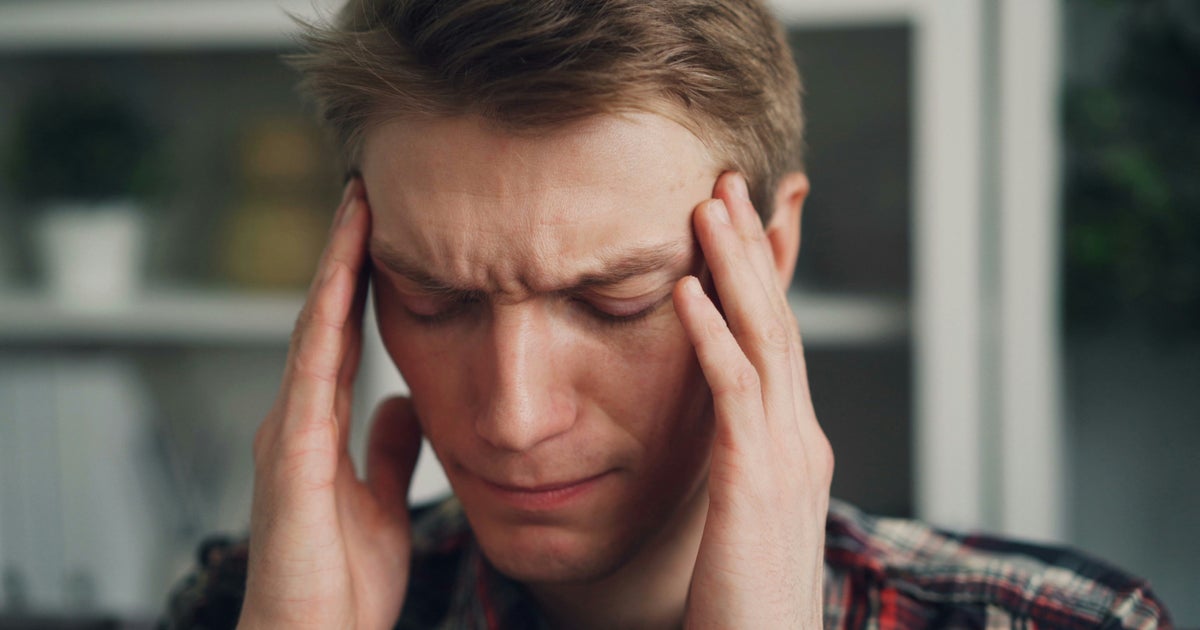
Frequent headaches or neurological changes
-
Unusual bleeding or pain that persists.
Dr Kubes added: “Many early cancers are painless. Waiting for pain before acting is one of the biggest mistakes people make.”
Advertisement
Why might some cancers be developing sooner?
We don’t know for sure. But Dr Kubes said modern life has changed “dramatically”.
“Sedentary behaviour, poor sleep, ultra-processed foods, obesity and chronic inflammation are all being studied as possible contributors,” he explained.
But, he added, the point isn’t to create panic. “The goal is awareness, not fear,” he stated.
“When cancers are detected early, treatment is usually simpler, more effective and far less disruptive to quality of life… that’s especially important for younger patients who have decades of life ahead of them.”
What should I do if I think I have one of these symptoms?
Dr Kubes said it’s a good idea to trust your instincts if you feel something is off.
“If something feels wrong and it doesn’t go away, get it checked… being proactive is not overreacting. Early action saves lives.”
Advertisement
After all, he added, early detection is key: “Cancer is no longer just an older person’s disease – but early detection means outcomes have never been better.”

 Rehabilitation medicine is one of the best-kept secrets in healthcare. Although the specialty is as old as America’s Civil War, few people are familiar with its history and purpose. Born out of compassion for wounded soldiers in desperate need of societal re-entry and meaningful employment, “physical reconstruction” programs were developed to provide everything from adaptive equipment to family training, labor alternatives and psychological support for veterans.