12 Things Millennials Do That Stress Out Gen Zers

Every generation has its quirks. Millennials and Gen Zers may only be a small number of years apart, but culturally, they often feel worlds away.

From the way they communicate to the way they approach work, life and even pop fandoms, their styles can clash ― sometimes in ways that really irritate each other.

We asked Gen Zers to share the millennial behaviours that frustrate and stress them out. Of course, many of these habits vary across individuals within the same generation, but certain tendencies and patterns still emerge. Here’s what they had to say:

1. Ominous Punctuation

“For me, a main millennial ‘ick’ is the dot-dot-dot or period of doom. Getting a ‘Sure…’ or ‘Thanks.’ makes it feel like I’m in trouble.” ― Ethan Hillis, TikTok creator

2. Over-Emphasis On Appearances

“They have a need to make everything aesthetic. Gen Z is very guilty of this as well, however, I think that millennials grew up with the rise of social media. Rather than listening to their favourite artist at a music festival or sharing a drink with friends at brunch, I think they’re more prone to focus on getting a good Instagram or Snapchat story. This just fuels what it means to live vicariously through social media, rather than in the moment.” ― Madeline Kerestman, TikTok creator

3. Passive-Aggressive Lingo

“The passive-aggressive work lingo. ‘Per my last email,’ ‘gentle nudge,’ ‘circling back’ … all of it stresses me out instantly.” ― Hillis

4. Getting Competitive Around Generations

“Making conversations about economic problems millennial vs. Gen Z instead of realising we’re all struggling, and different times had their own unique problems.” ― Ayana Williams, digital marketer

“Why is this a competition? Why are we battling between generations? I feel like millennials are constantly comparing their generation and saying things like, ‘Oh you guys have it so easy. Back in my day …’ I think millennials went through a really difficult period, so they might have a lot of resentment toward our generation. But in reality, I feel like Gen Zers are going through a lot of different challenges that the previous generation didn’t go through too.” ― Lavinia Gabriele, high growth startup manager and member of The Z Suite

5. Lack Of Boundaries

“I’ve noticed that a lot of millennials don’t have a lot of boundaries at work ― whether it’s that your work hours are not well defined and you’re supposed to be on at all times, or it’s asking personal questions. Millennials are a lot more open with their thoughts, and I think it’s a little bit stressful when they ask really personal questions about your life when maybe I don’t want you to know about it.” ― Gabriele

"Millennials are a lot more open with their thoughts, and I think it’s a little bit stressful when they ask really personal questions about your life when maybe I don’t want you to know about it," said Lavinia Gabriele, a gen Z high-growth startup manager.

We Are via Getty Images

“Millennials are a lot more open with their thoughts, and I think it’s a little bit stressful when they ask really personal questions about your life when maybe I don’t want you to know about it,” said Lavinia Gabriele, a gen Z high-growth startup manager.

6. Inability To Relax Until Things Are Fully Completed

“I feel that sometimes there is a very strong hustle culture where millennials feel they are always ‘in the trenches’ and life is about surviving rather than experiencing. Of course, Gen Zers are ambitious as well. But when there’s a big challenge or new project at work, I do observe that the millennials on my team are like, ‘Oh, my god. How do we survive through this?’ ― while the Gen Zs are a bit more relaxed and moving through it. It doesn’t mean we don’t care. We’re still going to power through. And I have friends and cousins who are millennials that tend to get really stressed out about planning certain things. Until the plan has reached a certain stage of being completed, they’re super stressed out.” ― Angel Aileen, member of The Z Suite who works in a tech forward beauty company

7. Withholding Validation And Information

“I think because Gen Zs grew up in a world of social media, we’re conditioned to get dopamine rewards constantly. So at a workplace, how that shows up is if we do work, we really want to feel recognised. Everyone has their different ways of feeling recognised or rewarded. But if they don’t get that, they feel very down. They want to feel seen, so getting a sense of reward or recognition makes a huge difference in the workplace. And millennials don’t necessarily realise that. But I really notice millennials who recognise and appreciate their Gen Z employees have better team dynamics. It’s similar with sharing information because Gen Zers like to see the whole picture of their job. If millennials share the big picture of what we’re all working on, then it’ll feel more like we’re all working toward the same goal and contributing to the puzzle. Gen Zers are happier when they feel a bigger sense of purpose in their work.” ― Aileen

8. Overwhelming Communication

“Slack novels. A whole LinkedIn-style essay in a quick chat app? I can’t.” ― Hillis

“With their communication style over text, they send like a lot of emojis, like a million emojis. And they’ll screenshot a meme and text it to you, instead of sending it to you directly in the app. And then the meme isn’t that funny…” ― Gabriele

9. Assuming Gen Zers Don’t Get References

“Not recognising some of us are Gen Zennials and very much remember late 90s/early 2000s references and going outside to play.” ― Williams

10. The Millennial Pause

“The millennial pause at the start of videos. They can just cut that part out.” ― Williams

11. Work-Life Balance Overload

“They lean a little too far into the ‘work-life balance’ mindset. As a med student myself, I am all about maintaining a ‘work hard, play hard’ mentality. I value hard work and believe that while it’s incredibly important to maintain a healthy balance, it should never be used as a way to do the bare minimum. I think the millennial generation introduced this mentality and took it to another level, which has normalised using ‘boundaries’ as an excuse to cut corners.” ― Kerestman

12. Taylor Swift Obsession

“This is 100% a personal preference, and I know I might get some backlash for this! For some reason, I feel like I associate the millennial generation with the ‘Swiftie’ fanbase. Taylor Swift is iconic and such a talented artist. However, I think her fans take it to an unnecessarily intense level, and I just don’t understand the hype.” ― Kerestman

Answers have been edited and condensed for clarity.

Share Button

Why Do Millennials Feel Compelled To Write ‘Lol’ After Everything?

When did “lol” become the equivalent of a punctuation mark for millennials?

Nick Russell, a millennial from Memphis, Tennessee, tacks “lol” onto texts to sidestep potentially awkward or loaded conversation.

“It’s the difference between texting ‘I think I love you’ to a crush versus ‘I think I love you, lol,‘” Russell said. “In the latter case, I could always rely on the old ‘just kidding!’”

“It helps lighten the internal tension I could be feeling about whatever I’m sending,” he added.

Rebecca Reynoso, a millennial from Chicago, deploys a breezy “lol” at the end of her work texts and chats to take the edge off any message. It’s a way to quickly establish tone; a “lol” tells her co-workers she’s “approachable” and “non-threatening.”

“It’s like a tension-breaking mechanism,” she told HuffPost.

It defuses the potential for hostility in personal relationships, too. “Could you wash the dishes, lol” to your spouse or roommate sounds a lot better than a coarse, curtly communicated, “Could you wash the dishes.” (If you hadn’t noticed, millennials and younger generations have killed off the question mark.)

“’Lol’ has been around for so long that its meaning evolved, like a Pokémon. And yet, it clearly belongs to the digital realm that some people still find confusing.”

– Daria Bahtina, a linguistics lecturer at the University of California, Los Angeles

Alex Liggett, a millennial from Pittsburgh, likens millennials’ “lol” overuse to “a scream at the state of the world.”

“My default mode is to feel that what I have to say isn’t important, so it’s also sort of a great eraser,” he said. “But I’ve transitioned to ‘haha’ instead of ‘lol’ because I read that ‘lol’ is millennial-coded.”

Let Gen Z and Gen Alpha scoff at “lol” all they want. Most millennials say if you want to take their “lol,” you’ll have to pry it from their cold, dead hands.

“Tone is just so hard to convey through text otherwise,” said Kashif Pasta, a director and writer who’s a millennial.

Too many emojis in texts can make you look unhinged. But you also don’t want to look like an ice queen. Even a simple, straightforward period at the end of a sentence feels too stern, Pasta said.

“In real-life conversations, we’d smile, subtly chuckle or laugh in moments that aren’t technically funny at all,” he said. “With ‘lol,’ we’re just going, ‘Hey … you’re safe.’”

The way Pasta sees it, millennials, those born between 1981 and 1996, are like the pilot generation for text and online messaging, having gone from an internet-free existence to an internet-centric one — and “lol” has been with them for most of that shift.

“We’re the exact right age to think of email as a proxy for physical mail and texting as a proxy for phone calls or in-person conversations,” he said. “We learned to text on T9 phones with texts that cost money and had character limits, so space was at a premium and we had to convey context as efficiently as possible.”

Here’s why linguists think millennials can’t stop ‘lol’-ing

Daria Bahtina, a linguistics lecturer at the University of California, Los Angeles, thinks “lol” is a true linguistic chameleon ― and used a truly millennial comparison to make her point.

“It’s been around for so long that its meaning evolved, like a Pokémon,” Bahtina told HuffPost. “And yet ‘lol’ clearly belongs to the digital realm that some people still find confusing.”

It started out as “laugh out loud,” but it’s long since transmogrified into a mark of humility and self-deprecation: “Don’t take this — or me — too seriously. I sure don’t.”

“For millennials, it’s a way to either make a neutral message warmer and more casual or a way to make a more negative message polite,” Bahtina said. “It’s like hedging or minimising a request with ‘no biggie if you disagree.’”

Interestingly, every once in a while, "lol" is explicitly passive-aggressive.

Images By Tang Ming Tung via Getty Images

Interestingly, every once in a while, “lol” is explicitly passive-aggressive.

In more academic terms, “lol” is what linguists like to call a discourse marker, said Anna-Marie Sprenger, a Ph.D. candidate in linguistics at the University of Chicago.

“A discourse marker is a little word or phrase that helps organise a thought or a chunk of conversation in a way that indicates the sort of ‘flavour’ of how the speaker or writer wants that bit of language interpreted by their interlocutor,” Sprenger told HuffPost.

In the English language, these can be cute interjections: “oh,” “well,” “so,” “you know” and “I mean.”

Interestingly, every once in a while, “lol” is explicitly passive-aggressive.

“For one project at UCLA, students observed that there’s been a mild increase of ‘lol’ as passive aggression,” Bahtina said. “They noticed more passive-aggressive tweets carrying ‘lol’ at the end rather than at the beginning or end of a sentence.”

Here’s why therapists think millennials cling so hard to ‘lol’

Now that we’ve gotten the linguistic breakdown, let’s delve deeper into the millennial psyche: What does it mean for a generation to feel so obligated to be self-deprecating and good-humoured all the time? Are they OK?

“I think using ‘lol’ after a sentence is a way to laugh things off when you fear burdening others, which is such a prominent worry of our generation,” said Lindsey Gallop, a therapist at CZ Therapy Group in Denver.

Jordan Kurtz, also at CZ Therapy Group, looks at “lol” as a way to get some distance between yourself and any knotty emotional content. Vulnerability is scary, especially over text.

“It’s the difference between ‘I’m having a hard day today’ and ‘I’m having a hard day today, lol,’” Kurtz said. “With the former, personal struggle is allowed to have gravity.”

Maya Nehru, a millennial marriage and family therapist in Los Angeles, said she’s noticed two common, generational themes that might be driving “lol” overuse: the fear of loss and the anxiety around being judged and culturally cast off.

“We millennials have lived through a period of enormous change and disruption on many levels. It’s what defines us, and with change comes loss to some degree,” Nehru said. “Perhaps adding ‘lol’ to texts is the millennial’s way of protecting themselves from potential loss ― maybe we’re trying to save face.”

Plus, millennials have grown up alongside social media, where criticism and judgment are rampant and the potential to be dragged is ever present.

“I think the ‘lol’ is a behaviour that subconsciously eases our anxiety around being liked, belonging and maintaining our sense of self,” Nehru said.

"I think the 'lol' is a behaviour that subconsciously eases our anxiety around being liked, belonging and maintaining our sense of self," Maya Nehru said. She is a marriage and family therapist in Los Angeles who primarily works with millennials.

Luis Alvarez via Getty Images

“I think the ‘lol’ is a behaviour that subconsciously eases our anxiety around being liked, belonging and maintaining our sense of self,” Maya Nehru said. She is a marriage and family therapist in Los Angeles who primarily works with millennials.

Women are probably more likely to use it, too, said Kelly McKenna, a therapist in New York City.

“Many millennials, especially women, are constantly worrying about other people’s feelings and trying to manage other people’s reactions to anything they say or do,” she said. “By adding ‘lol,’ it helps lighten the mood and hopefully reduces the risk you might upset someone by communicating assertively.”

Whatever the reasons for the “lol” reflex, linguists say it’s impressive how much heavy lifting those three little letters do.

Earlier generations might have considered digital communication as a “lean media” — insufficient for conveying the depth of our thoughts and feelings and lacking the warmth of face-to-face communications ― but Bahtina said that millennials “have long defied this notion.”

“Younger generations are so adept at using a dynamic mix of punctuation, capitalization, creative respellings, special symbols, abbreviations and emojis,” she said. “Millennials found a way to transport the richness of human expression into the realm of texts and tweets, crafting a language that is just as expressive and nuanced as face-to-face conversation.”

Share Button

Why Millennials Are So Into Collecting Things

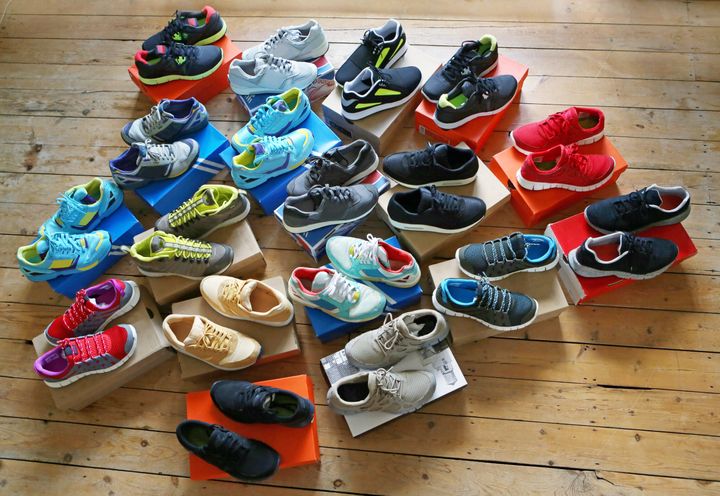
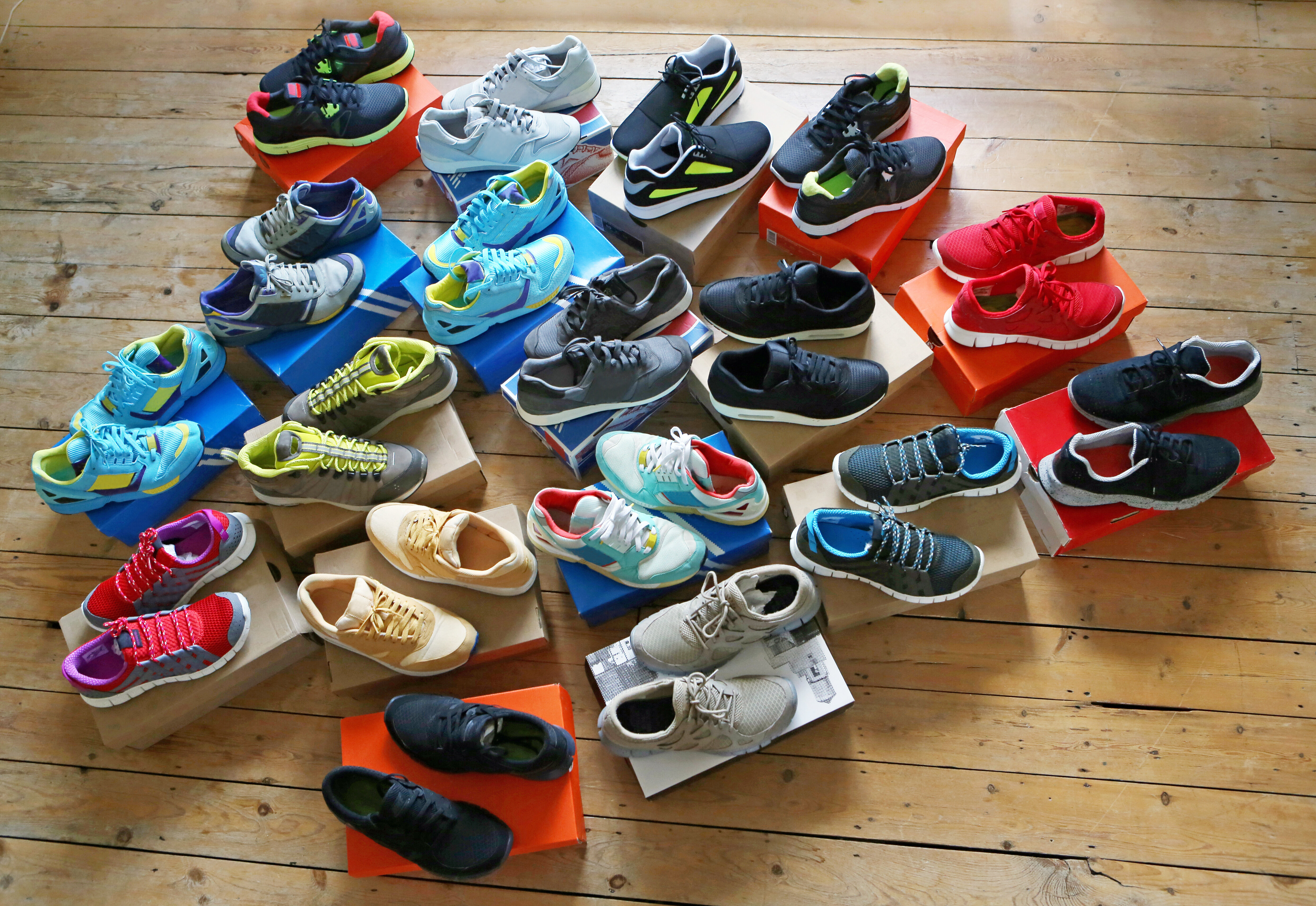
Fancy sneakers, baseball cards, comic books – there are many items people love to collect.

A Morning Consult survey from earlier this year suggested that millennials in particular are fans of collecting physical objects, as well as digital collectibles like NFTs (non-fungible tokens). Gen Xers were the second highest percentage of respondents who collect things. The survey also polled Gen Zers and baby boomers.

Of course, hobbyists have been collecting things like coins, stamps and books for generations. But is there something about collecting that might appeal especially to today’s young adults? HuffPost asked mental health experts to break down some of the potential factors.

There’s a sense of nostalgia and connection to childhood

“One of the reasons people collect is for the sake of nostalgia, or connection with something meaningful to them,” says Rachel Thomasian, a licensed therapist and owner of Playa Vista Counseling in Los Angeles. “Whether it’s art or dolls, there can be a connection to items. Often collecting helps people connect to their childhoods or a special time or person in their lives.”

In the early stages of the Covid-19 pandemic, many of us took a renewed interest in things we did as kids. For millennials, this meant tie-dying, doing puzzles and playing video games, among other things.

“A lot of people turned to ways to reconnect with their childhood,” says Jocelyn McDonnell, a licensed clinical professional counsellor and member of the cognitive behavioural therapy team at the Family Institute at Northwestern University. “Many millennials collected things as a hobby growing up – like Pokémon cards and sports cards. I think some people have re-looked at these hobbies for the first time during the pandemic.”

Collecting fosters feelings of accomplishment and power

“For some, there is a thrill and sense of accomplishment that comes along with acquiring an entire collection,” Thomasian says. “For us millennials, I can’t help but wonder if growing up with the catchphrase ‘collect them all’ and during a time when we sought to complete a collection of McDonald’s toys has something to do with our tendency to collect.”

She also pointed to the financial challenges millennials face with stagnant wages, rising debt and increased housing and healthcare costs that have become their reality.

“I bet there is a sense of accomplishment that comes from being able to buy and collect things that is deprived of most millennials,” Thomasian says. “Previous generations were able to buy homes more easily and feel pride in that, but when that doesn’t feel as much of an option, people can seek that same feeling from other items.”

McDonnell similarly notes that collecting can offer a feeling of power and achievement.

“Ask someone who’s really into collecting what they’re gaining from it – enjoyment, fun and maybe it’s a status symbol in some ways,” she says. “It’s the idea that ‘Maybe I can pay for this rare card now, but I couldn’t when I was 10.’”

There’s a feeling of hope in building a collection

Collecting can help millennials reconnect with the simpler and in some ways happier times of their youth. But it can also offer a sense of hope and promise for the future.

“Many millennials are weathering the effects of the second recession of their short working lives, which has had a very specific impact on their conceptualization of what paths their lives were supposed to take,” said Jenny Maenpaa, a New York-based psychotherapist.

A lot of millennials entered the workforce in a shaky economy that limited their earning potential, and may have found themselves in a similar position during the pandemic – but with more responsibilities like children and ageing parents. As a result, it makes sense they might turn to something from a more hopeful time.

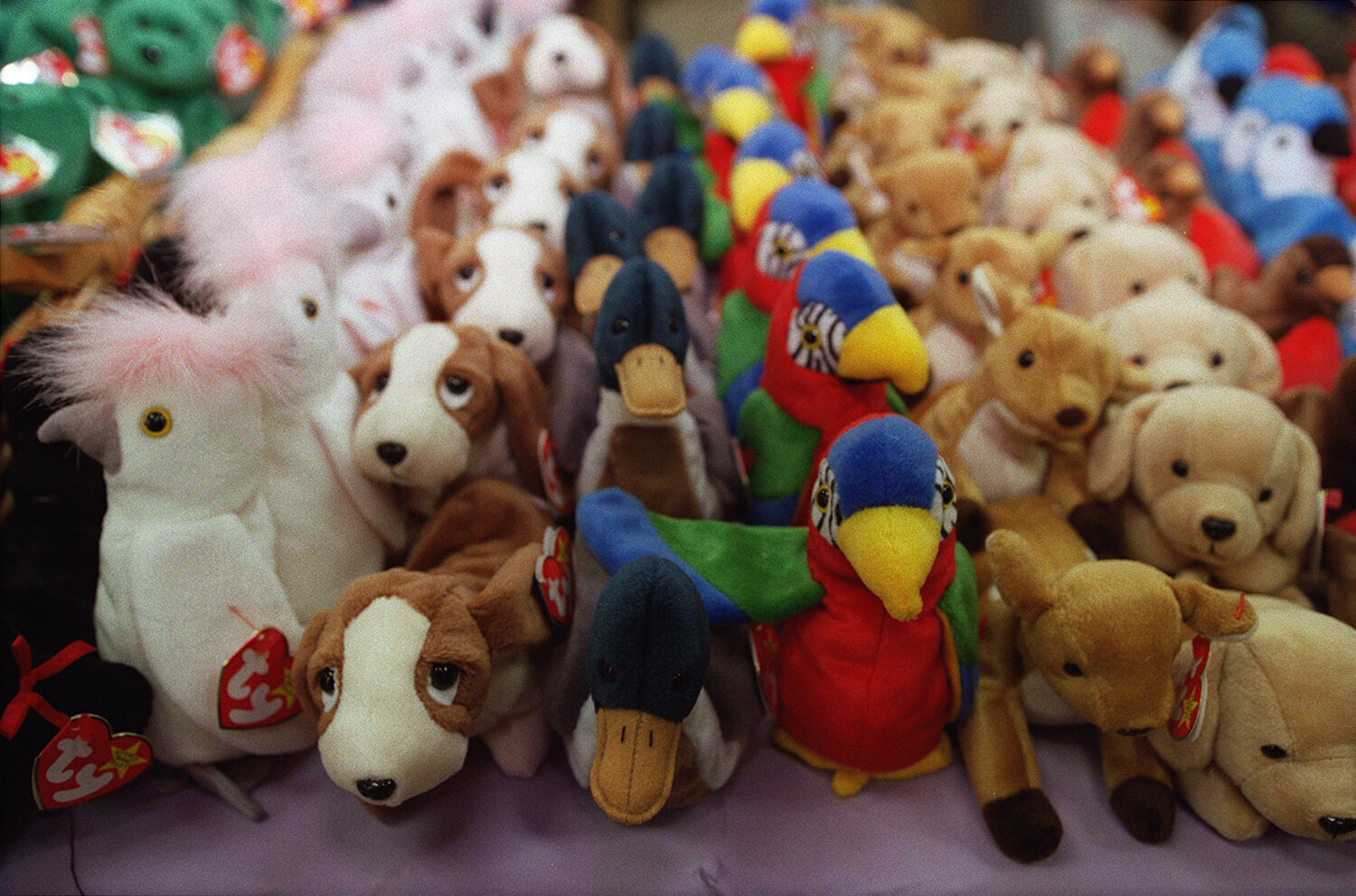
“For many millennials, who grew up collecting POGS and Beanie Babies, the idea of collecting something tangible is comforting and represents a time when they felt more hope for the future and none of the existential dread that grips many today,” Maenpaa says. “Collecting items also implies that you still believe you will have a home to fill someday with things that matter to you, even if you aren’t in that position today and have no idea how you’re going to get there.”

There's a sense of accomplishment in curating a collection of items you love.

Richard Newstead via Getty Images

There’s a sense of accomplishment in curating a collection of items you love.

People are seeking comfort and control

“We all have an instinct to possess. It makes us more comfortable and secure,” says Shirley Mueller, an adjunct associate professor of neurology at Indiana University and the author of Inside the Head of a Collector: Neuropsychological Forces at Play.

A sense of security is something many of us have been craving amid the uncertainty of the pandemic. We need tangible rewards and proof that we have some power and agency in our lives.

“So much is out of our control during Covid that the little dopamine hit of collecting another item is especially rewarding and in our control,” says Rachel Kazez, a Chicago-based therapist and the founder of All Along, a resource to help people find therapy and understand mental health.

Indeed, the act of locating and procuring something for a collection can activate the pleasure centre of the brain, so this hobby can provide a feeling of comfort and stability.

“As a therapist I see more people collecting things as a way to comfort or self-soothe,” says Kati Morton, a licensed marriage and family therapist in Santa Monica, California. “Having things they love around them can help them feel more at home, or remind them of happier times. I have even had a few patients collect things as a way to always have ‘home’ with them because they moved a lot as children.”

Between 9/11, the financial crisis and the pandemic, millennials experienced a lot of stress and uncertainty during particularly formative years.

“The trauma and stress millennials have gone through during key times in their life makes them more likely to collect things as a way to self-soothe or comfort themselves,” Morton says.

Collecting can help people connect with others.

“Collecting objects might be for fun, because it is part of an interest or to fit in and be seen to be part of a ‘tribe,’” says Noel McDermott, a London-based psychotherapist. “Consuming is a core activity in our culture and overproduction of things is a feature of our times. Whereas collecting in the past was the preserve of the wealthy and idle few, it is much more widespread now.”

McDermott pointed to the large social media communities and groups of people who follow influencers who focus on particular collections or items. Being “in the know” and up to date with the latest trends can feel good, especially in the age of FOMO.

“I think millennials collect for both a sense of individuality and community,” says Meg Gitlin, a psychotherapist in New York and the voice behind the therapy insight Instagram City Therapist. “This may seem paradoxical but I think both are true. Many collectors are involved in larger groups with the same interests, but there’s also something ‘special’ about claiming ownership over something that’s hard to find and fully understand.”

She also believes that living through the major shift into the digital world and internet age might have something to do with millennials’ interest in collecting items.

“I would imagine that for people like me, collecting is a way to preserve an attachment to meaning in the physical world,” Gitlin says.

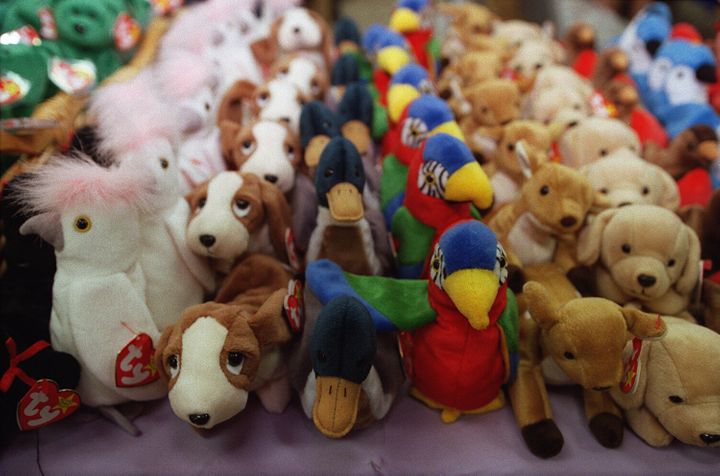
There are still online communities dedicated to selling and collecting Beanie Babies.

San Francisco Chronicle/Hearst Newspapers via Getty Images via Getty Images

There are still online communities dedicated to selling and collecting Beanie Babies.

It’s a form of self-expression

As Gitlin noted, collecting can be about both communal connection and individual expression.

“Objects are an extension of ourselves,” Mueller says. “What we choose represents us. They define us as people and are a form of self-expression. Collecting in a specific area is the ultimate self-expression.”

Collecting vintage postcards might be a way to show your interest in history, travel and art. What you collect is a reflection of what you prioritise in your discretionary spending. Your interest in collecting could also be about a specific childhood trauma or defining experience.

“For some, it can be filling an emotional void,” says Gina Moffa, a psychotherapist in New York. “For any reason, the key is having an emotional attachment to the items and putting individualised meaning upon them. The key is in knowing and understanding which of these categories one may fall into when looking at the need to collect.”

They might be investing in the future

“Collecting can be a great way to make and keep memories,” said Kathryn Smerling, a New York-based psychotherapist. “However, people are also collecting to resell. It’s also entrepreneurial, not necessarily to hold on to things.”

Indeed, millennials have witnessed the ways collectibles can grow in value over time – including our own childhood toys like American Girl dolls and Beanie Babies. Collecting items can therefore feel like a form of investing.

“Our internet savvy leads us to up the ante on the search and gives us the skills to scour the ins and outs of the internet for the item we are collecting,” Gitlin says. “Additionally, I think our generation has seen how collectors’ items have gone up in value exponentially. We are able to enter the market for ourselves and buy something that could potentially (and likely) triple or quadruple in value.”

And now the investment includes digital collections as well – whether it’s cryptocurrency or NFTs.

“Digitally savvy, millennials as a group are in a unique position right now with collecting,” says Sue Varma, a psychiatrist in New York. “For the most part, millennials are not intimidated by geographic boundaries – in the art world or elsewhere – making their access to collectibles that much larger. In fact, they are leaning more towards the online art viewing and Instagram-only art collections.”

In addition to investing in potential financial growth, she notes that collecting can be a way to invest in yourself and your day-to-day happiness.

“Because of the pandemic, more millennials are spending a lot more time in their homes,” Varma says. “And they are willing to spend on art, sports memorabilia and collectibles to make their homes more welcoming.”

Share Button