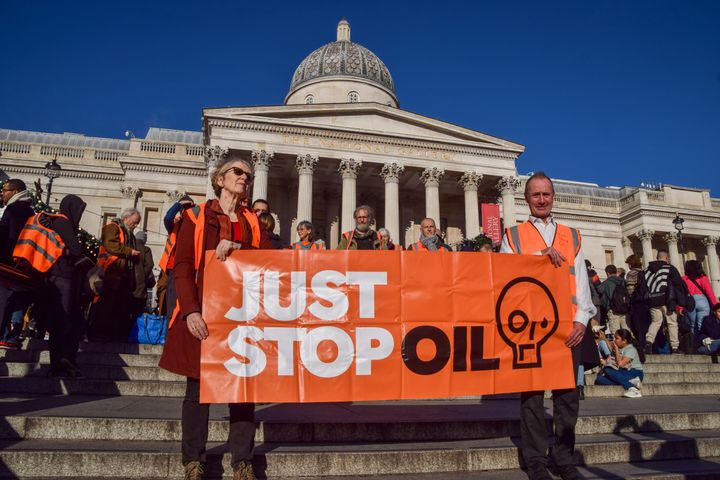
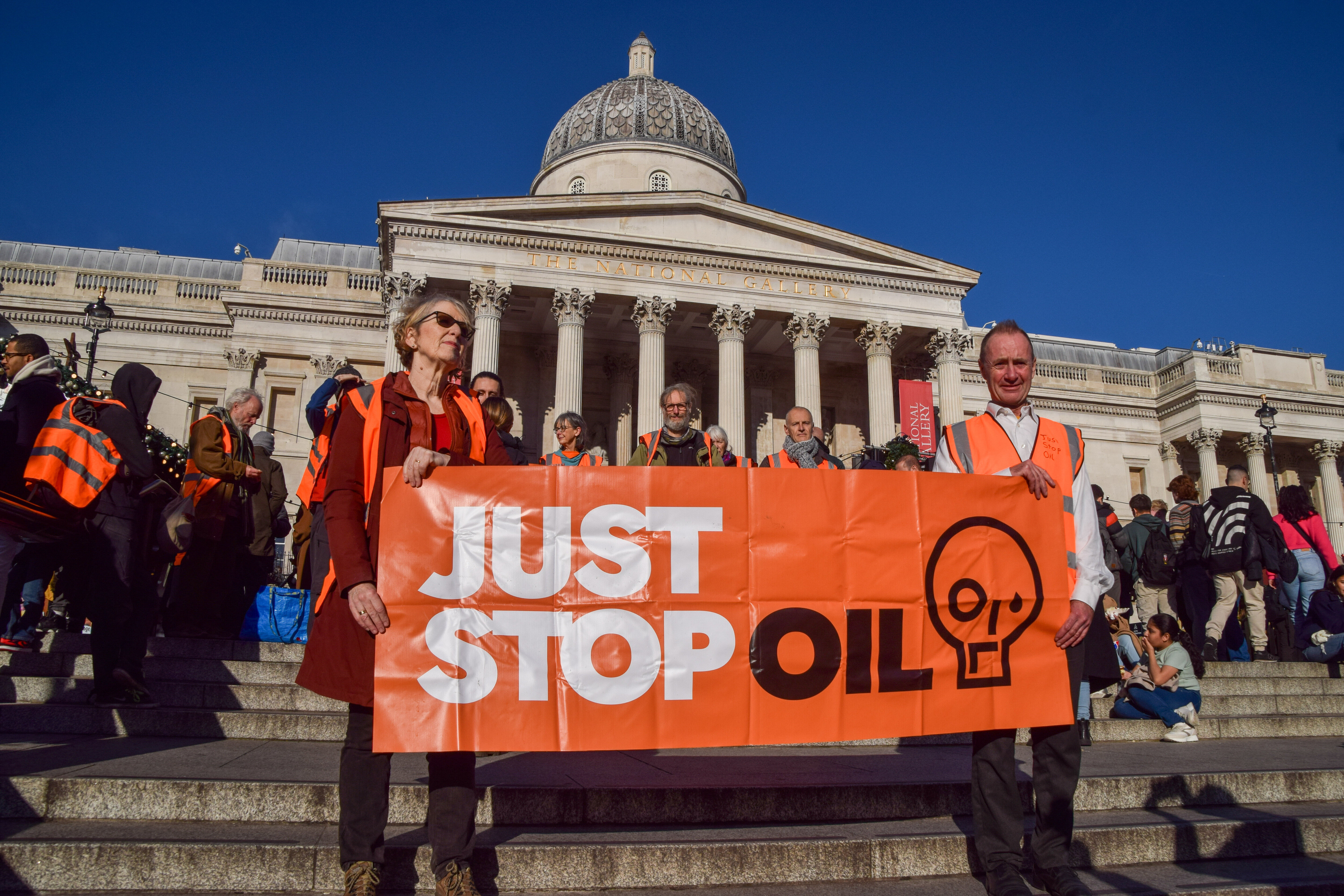
Rishi Sunak’s Pivot On Green Policies Has Created A Storm Of Disbelief Online

Rishi Sunak’s sudden U-turn on the UK’s climate pledges has caused deep alarm on social media – not least because of the policies he said he plans to “stop”.

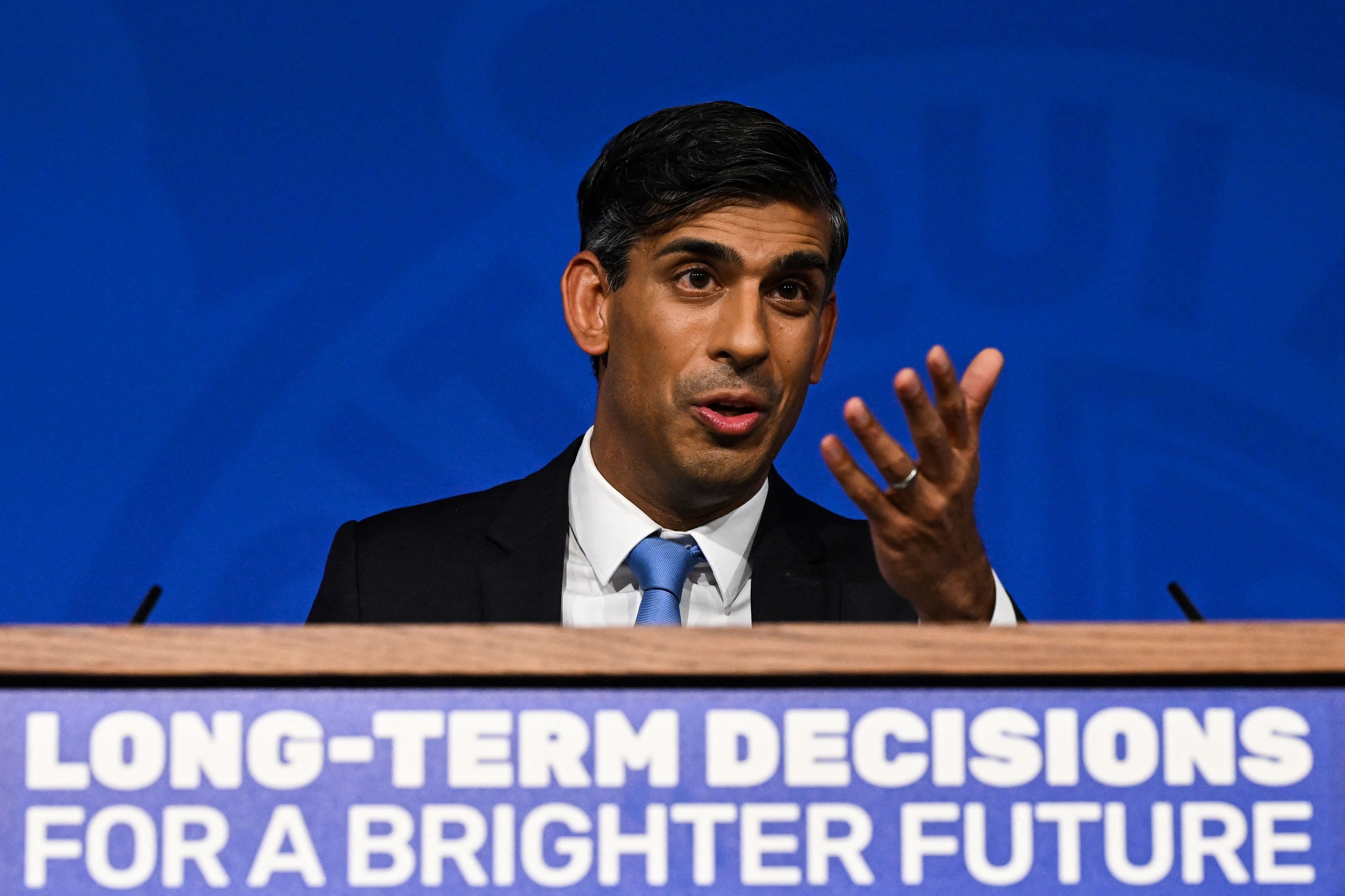
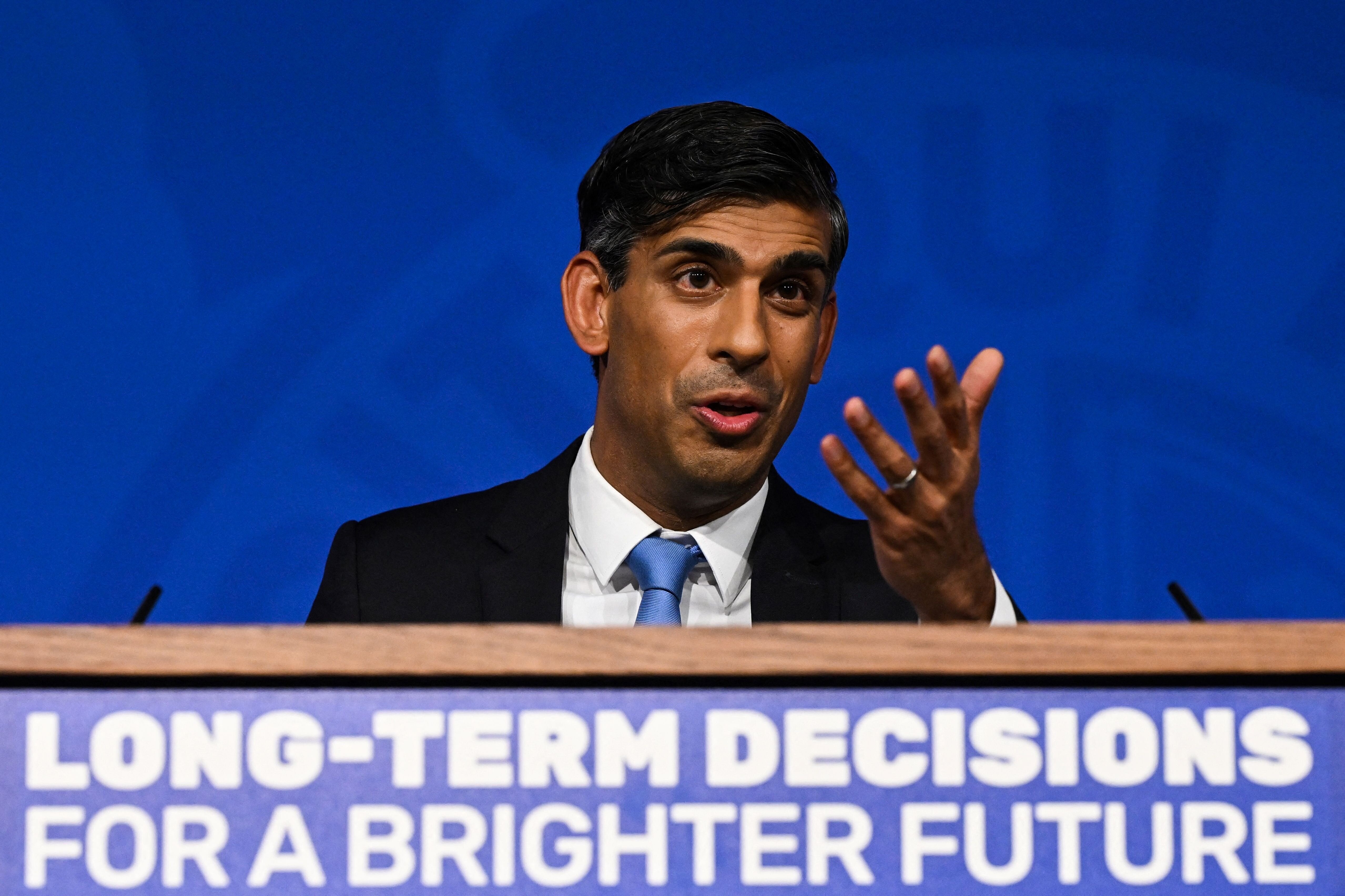
The prime minister called a last-minute conference on Wednesday afternoon – just after parliament went on recess – to announce he was pivoting to a more “pragmatic, proportionate and realistic” approach to net zero by 2050.

He promised: “We will never impose unnecessary and heavy-handed measures on you, the British people.

“We will still meet our international commitments and hit net zero by 2050.”

In a post on X (formerly Twitter), he listed five policies which he planned to “stop”: taxes on eating meat, new taxes to discourage flying, sorting your rubbish into seven different bins, compulsory car sharing and expensive insulation upgrades.

He did also announce five new policies which he would be pushing for – including lifting the ban on onshore wind and new carbon capture storage – but that did not get as much engagement as his first post.

That’s probably because the policies he plans on stopping are not well-known government strategies.

Readers even added a community note to the post, which read: “Taxes on meat and flying had already been repeatedly ruled out by the government.

“There is no proposal to require people to have seven bins, or for ‘compulsory’ car sharing.

“The announced changes on insulation only stand to benefit private landlords.”

So, you can imagine the kind of reactions that followed across X…

Even his lectern was mocked for contrasting with the contents of his speech.

Share Button

So THAT’S Why Our Summer Has Come So Late This Year

Wondering why it’s suddenly so warm this week? You’re not alone.

While pretty much everyone loves a bit of sunshine and a bit of warmth, it’s hard not to feel a bit suspicious about the fact that it’s hotter now than it’s been for weeks.

And, although it was (alarmingly) the hottest Northern Hemisphere summer ever recorded, according to the World Meteorological Organisation, the UK was overcast and grey for much of August.

So why has it suddenly all changed?

Well, it comes down to a weather phenomenon called an omega block.

While yes, climate change is, of course, exacerbating these weather conditions, and the UK does regularly experience warm Septembers, the omega block is what is directly behind the 30C weather we’re enjoying right now.

What you need to know about an omega block

This is a weather block which is shaped much like the Greek letter of omega (Ω).

Weather front usually bring rain from west to east across the UK, propelled by the jet stream, the strong winds high above the Earth.

However, a block (like an omega) can disrupt this.

As the Met Office explained: “This just means that a big area of high pressure is remaining almost stationary over the same area for a long time.

“The high pressure can stop weather fronts moving past it, so that they skirt around the edges, or stay where they are for an extended period.”

At the moment, high pressure just to the east of the UK and centred over Scandinavia means hot and humid air from the south can sweep in and hover over the country.

Higher pressure means warmer and more settled conditions normally.

But, the block means there’s more unsettled weather on either side of the UK.

At the moment, there’s a tropical storm looming in the North Atlantic and storms in Europe, which has pushed the jet stream down – causing the omega shape.

Blocks can also create a heat dome, where high pressure stops it hot air from escaping, meaning it sinks, warming the ground, and in turn heating up the environment.

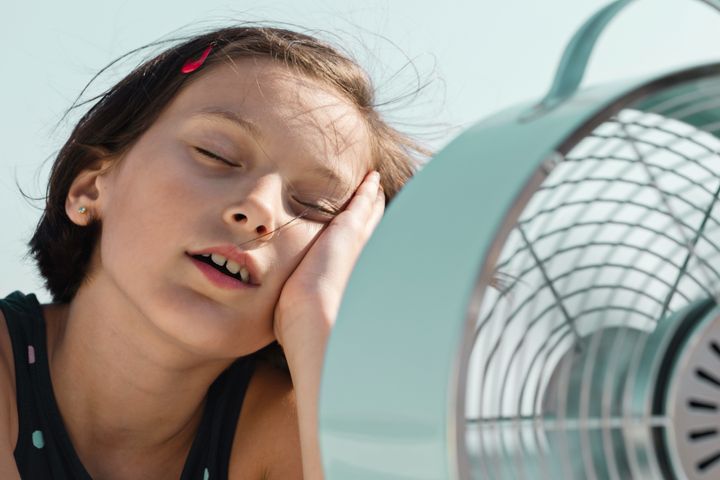
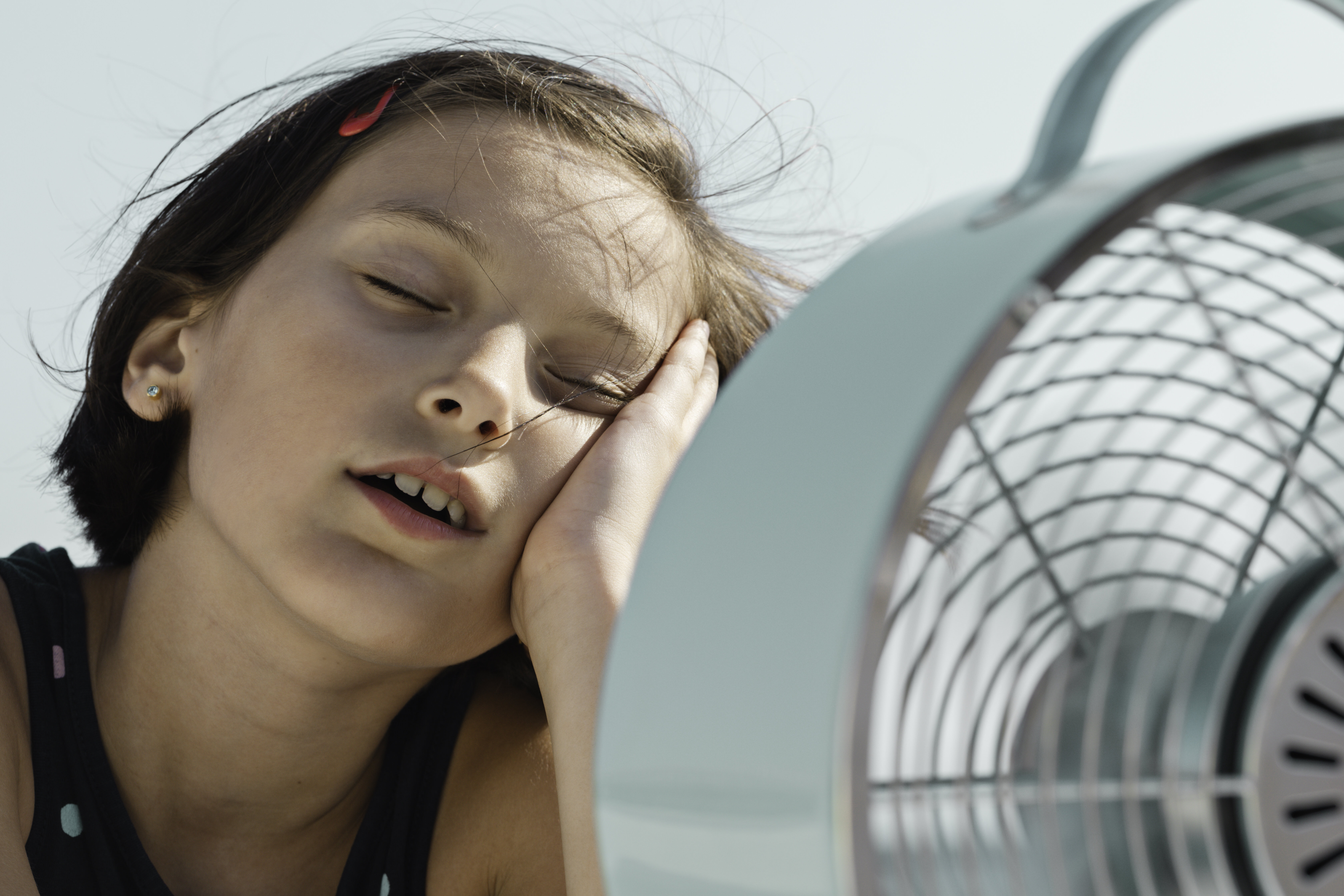
Overheated little child is sitting in front of electric fan trying to cool down.

simarik via Getty Images

Overheated little child is sitting in front of electric fan trying to cool down.

The block could linger for an indefinite amount of time

Weather blocks can hang about for anywhere between a few days to a few months. Once they’re established, they’re pretty hard to move.

The Met Office noted: “Exceptionally they can persist for months around mid-summer, like in 1976, or mid-winter, like in 1963.”

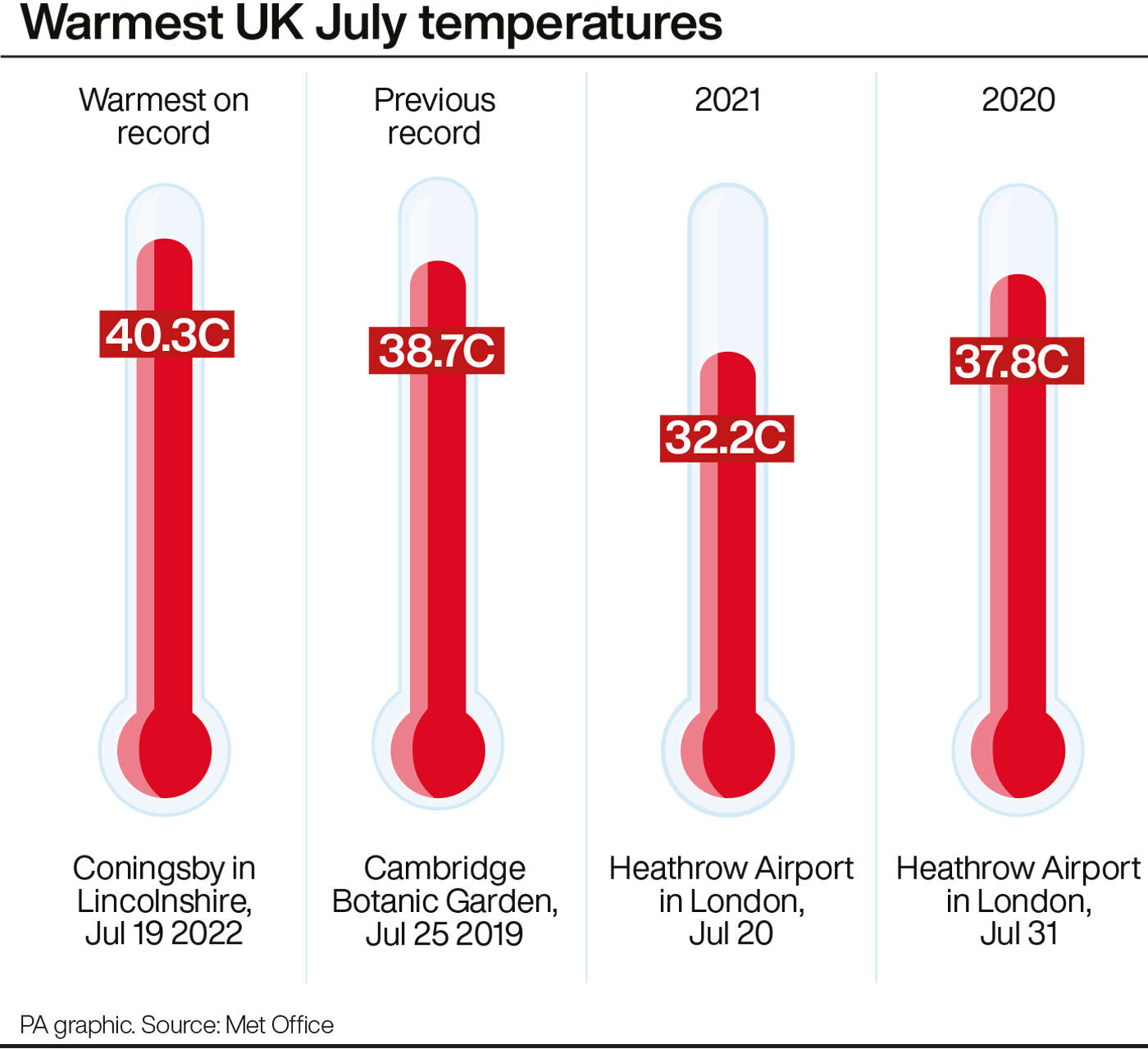
The UK is no stranger to having a warm September, although it’s only gone above 30C a few times. So far this year, the highest temperature is 32.2C – and forecasters expect it stay above 20C at night in many areas.

But thundery downpours will move in from the west on Wednesday, according to Sky News.

Why we might be experiencing more of these in the years to come

Sky weather producer Kirsty McCabe told Sky News that blocked weather patterns “seem to be happening more frequently in recent decades, and that could be linked to the effects of climate change on the jet stream.”

She added that the jet stream which flows over the UK may be changing because there’s less of a temperature contrast between the Earth’s equator and the Arctic.

The jet stream is driven by temperature difference. If the stream flow breaks, an area “can become separated and almost break off, taking low pressure with it and weakening its west to east movement’, the Met Office said.

Share Button

Tropical Storm Hilary Threatens California With ‘Life-Threatening’ Flooding

Tens of thousands were without power in Southern California on Sunday night after Tropical Storm Hilary brought damaging winds and the threat of “life-threatening flooding” to the region, prompting warnings across the state and as far north as Oregon and Idaho.

The centre of the storm made landfall in Southern California near Palm Springs on Sunday night after passing through Mexico. Emergency officials urged residents across the state to stay indoors and off flooded roads, and schools in Los Angeles and San Diego cancelled classes on Monday.

“THIS IS LIFE THREATENING FLOODING!!!!!!” the Los Angeles office of the National Weather Service wrote on Sunday night. The agency declared a flash flood warning for parts of Los Angeles and Ventura counties into early Monday morning.

“You do not want to be out driving around, trying to cross flooded roads on vehicle or on foot,” Michael Brennan, the director of the National Hurricane Center, said during a news briefing, per The Associated Press. “Rainfall flooding has been the biggest killer in tropical storms and hurricanes in the United States in the past 10 years, and you don’t want to become a statistic.”

Maximum sustained winds were near 45 mph, but weather officials expected the storm to weaken into a post-tropical cyclone by early Monday. Large parts of California and Nevada were expected to see 3 to 6 inches of rain, with some areas experiencing up to 10 inches in total.

The intensity of the storm and the fact that a hurricane was heading toward California at all has already sparked concerns from climate scientists who have long warned such events will only become more frequent and more severe as climate change continues. It’s too soon to say if Hilary was made more severe by our warmer world, but researchers released a shocking report in 2020 that found climate change is already making hurricanes stronger.

Share Button

Liz Truss’s ‘Risible’ Response To The Pakistan Floods Has Been Criticised By A Commons Committee

Liz Truss’s response to the Pakistan floods has been described as “risible” by a Commons committee.

In a letter to the foreign secretary, international development committee chair Sarah Champion said she was “embarrassed” by the UK’s pledge to provide up to £1.5 million in aid to the country.

The Labour MP said: “Even if the full £1.5 million were delivered, it would amount to less than 5p for each person affected.

“Furthermore, that pathetically small sum will be subtracted from “existing support to Pakistan”.

“The UK government’s risible response to this humanitarian disaster arguably amounts to nothing.”

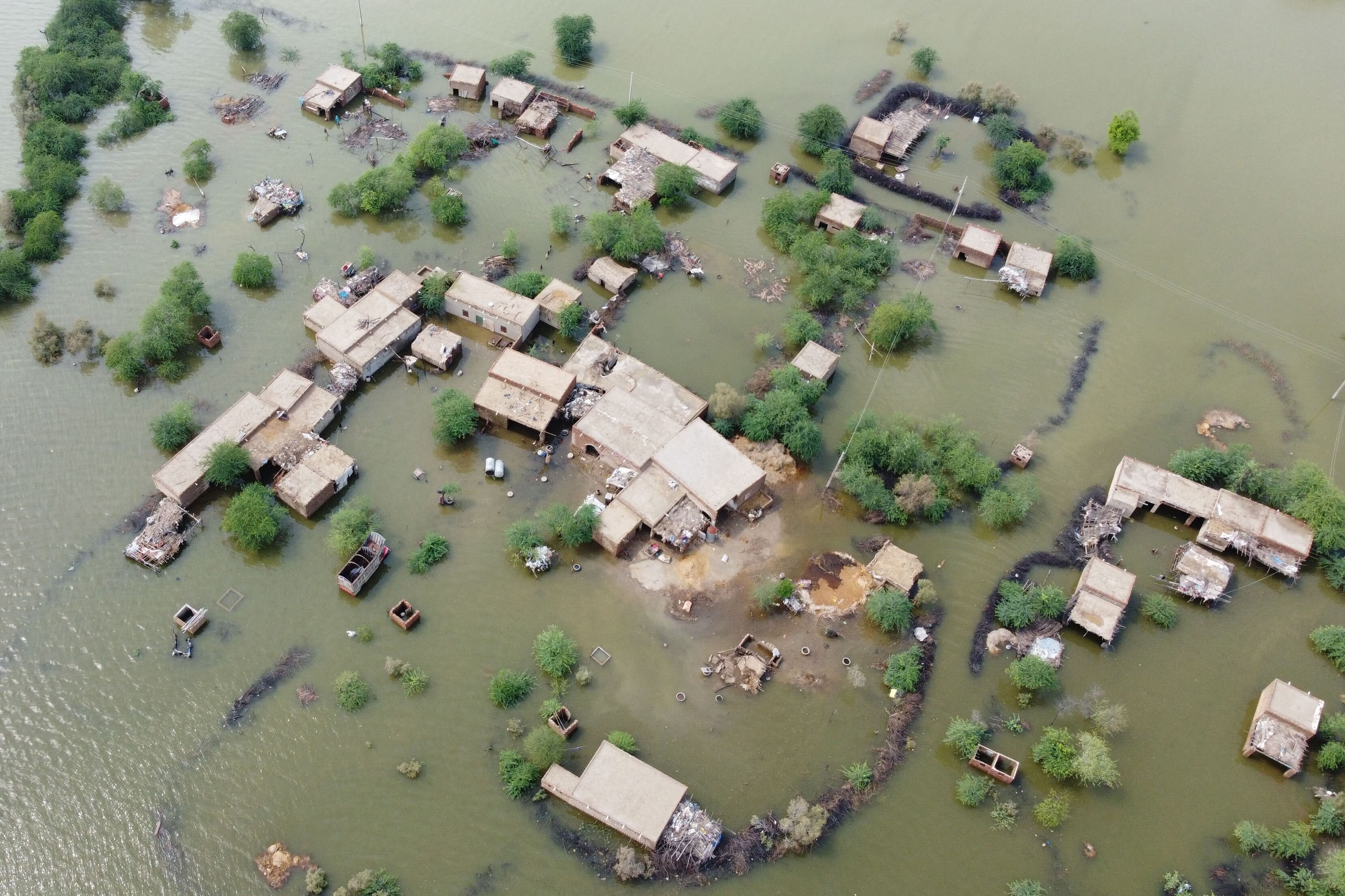
Devastating floods have swept across Pakistan in recent weeks, causing more than 1,000 deaths and affecting around 33 million people.

The heavy rains have caused a historic level of devastation, isolating villages and trapping many in mountainous areas.

It is the most rain Pakistan has seen in a decade, leaving one-third of the country underwater and around 1,860 miles of road reportedly washed away.

“It’s all one big ocean, there’s no dry land to pump the water out,” Pakistan’s climate minister Sherry Rehman said.

Champion accused the government of adopting “a policy of sustained indifference to Pakistan” in recent years.

She added: “Parliament returns from summer recess on Monday 5 September.

“Bearing in mind the humanitarian and economic catastrophe, I earnestly counsel you to make a statement to parliament at the first available opportunity to deliver your latest assessment of the extent and effect of the flooding and to explain how you plan to support our friends and allies in Pakistan.”

Further complicating the situation is the fact that Truss is expected to be named the new Tory leader on Monday and confirmed as prime minister the following day.

The Foreign Office has been contacted for comment.

Share Button

First A Heatwave, Now Floods – What’s Going On With The UK’s Climate?

British weather has definitely taken a more terrifying turn over the last few months in particular – but just what is causing these sudden fluxes in the climate?

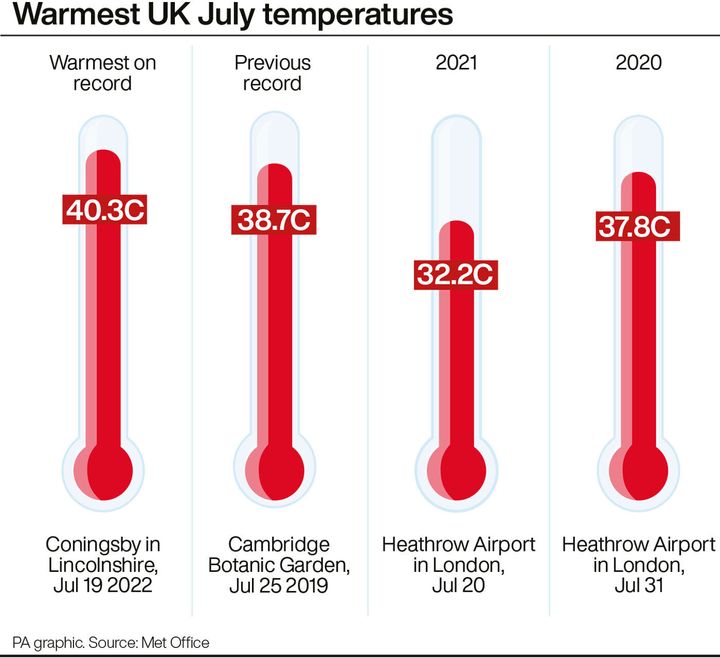
A record-breaking heatwave in July saw the temperature reach an astonishing high of 40.3C, while a longer, albeit slightly cooler, heatwave swept over the UK just a month later.

Now, there are forecasts of rain and thunderstorms which could cause further disruption, with flood alerts issued across multiple regions.

While this is obviously caused by the climate crisis, here’s everything you need to know to understand how it is really affecting our day to day lives.

PA Graphics via PA Graphics/Press Association Images

What caused the hot weather?

The extreme weather which spread across the UK in July was caused by a surge in continental air and August’s heatwave has been caused by a “stubborn area of high pressure sat over the UK”, a Met Office spokesperson told HuffPost UK.

A heat-health alert from the UK Health Security Agency is also still in place until 9am on Tuesday.

The heatwaves have made the UK so dry, that an official drought was declared in eight areas of England on Friday by the National Drought Group.

Welsh Water, Southern Water, and South East Water have brought in hosepipe bans too, while Yorkshire Water and Thames Water are planning to bring them in soon.

The Met Office also believes, despite the coming rain, this summer will be remembered as a particularly dry one.

The chair of the National Fire Chiefs Council, (NFCC) Mark Hardingham said: “I can’t remember a summer like this and I’ve been in the fire service 32 years. We are not going to see temperatures as hot as we saw three weeks ago but that doesn’t matter because the ground couldn’t get any drier than it already is.”

Will there be rain?

Not just rain, but storms too. Locations in Northern Ireland and Scotland are already seeing thundery skies, meaning the Met Office has issued some yellow thunderstorm warnings. Storms are expected to hit the south by Wednesday.

Three days of heavy rain are expected in total, potentially accompanied by hail, sweeping in an eastern direction across the country.

The Met Office expects to see at leat 50mm of rain in two or three-hour periods in a few regions, putting low-lying roads and areas next to sloping fields at risk.

But, the rain recorded from the rest of the summer in parts of southern and central England is less than a quarter of what is usually expected in a British summer.

By Thursday, high pressure will have pushed into the UK and so it will stay mostly dry.

Is this rain good or bad?

Well, there hasn’t been substantial rainfall since June in many southern regions.

But there are fears that the intense dry spell – lasting several weeks now – means the land is too dry to absorb the rainwater.

There could therefore be flash flooding, but the rain will do little to ease drought conditions. The thunder could could cause power cuts too.

However, rain does still reduce the threat of wildfires which have strained UK fire services over recent months.

The Met Office’s Dan Stroud said what we really need is “an extended period of light rain, an average or slightly above average autumn”, along with a winter where constant light rain recharges the ground.

Discussing the upcoming downpour, Stroud said: “It will help a little but to be honest really, it’s almost the wrong kind of rain. What we’re likely to see is some heavy, intense downpours.

“With the ground baked so dry, it’s very difficult for the ground to actually absorb the water very quickly… so what tends to happen in these circumstances is the water runs off, and we can potentially get some surface run-off issues, so some flash floods.”

Why is our weather changing so quickly?

Short answer: climate change.

In terms of why this week in particular seems so dramatic, meteorologist Stroud said the drastic changes stem from an alteration in air pressure.

Stroud said: “We’ve had a number of days now where we’ve had clear, strong skies and strong sunshine which has heated up the ground.

“We’ve had high pressure dominating, now we’re having low pressure dominate, so the air is becoming more unstable.

“As we’ve had some very high ground temperatures, it doesn’t actually take too much for the air to become even more unstable and for thundery showers to develop quickly.”

Is this a one-time thing?

Probably not. The climate crisis is not going anywhere, and is actually getting worse, as our atmosphere continues to heat up.

Temperatures are expected to decrease to a more normal level in August, but that doesn’t mean we can’t expect similarly searing heat next summer.

As professor Hannah Cloke, a natural hazards researcher at the University of Reading told the i newspaper: “With average temperatures rising across the UK, we have to shift the definition of what ‘particularly hot’ is, otherwise that definitely becomes increasingly meaningless.”

She said the UK needs to change how we define a heatwave, as rising greenhouse gas emissions mean higher temperatures are more common now than they were over the last two decades.

Share Button

Sadiq Khan Accuses Tory Leadership Candidates Of ‘Ignoring’ Climate Change

Sadiq Khan today accused the Tory leadership candidates of “ignoring” climate change as Britain sizzles in record temperatures.

The mayor of London said the country needed a “brave generation of politicians” in parliament, in an interview with HuffPost UK.

“This heatwave is directly linked with the consequences of climate change,” Khan said as the UK hit its hottest temperature on record of 40.2C at Heathrow.

“So rather than tiptoeing around this issue and ignoring it, as those running to be the Tory leader have done, we should be talking about it more with a sense of urgency.”

The criticism falls as the Tory leadership debate has focused on tax cuts and culture war issues, rather than the climate.

Cabinet minister Alok Sharma, who led last year’s landmark Cop26 UN climate summit, intervened in the Tory leadership race, suggesting to The Observer he might resign if the incoming PM fails to commit to a strong agenda on the climate crisis.

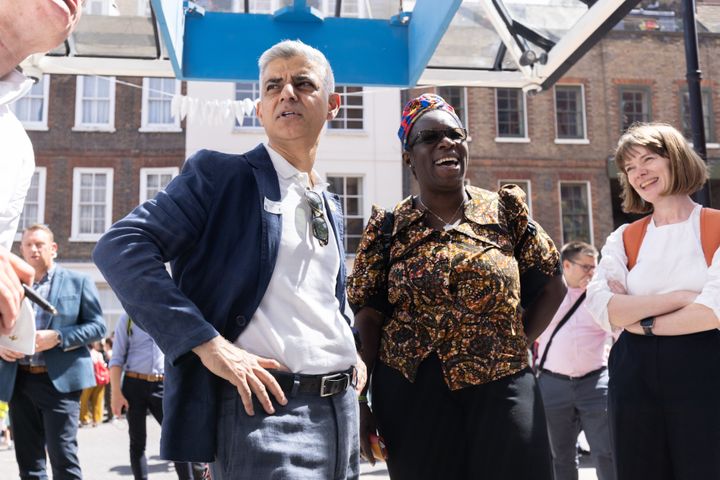
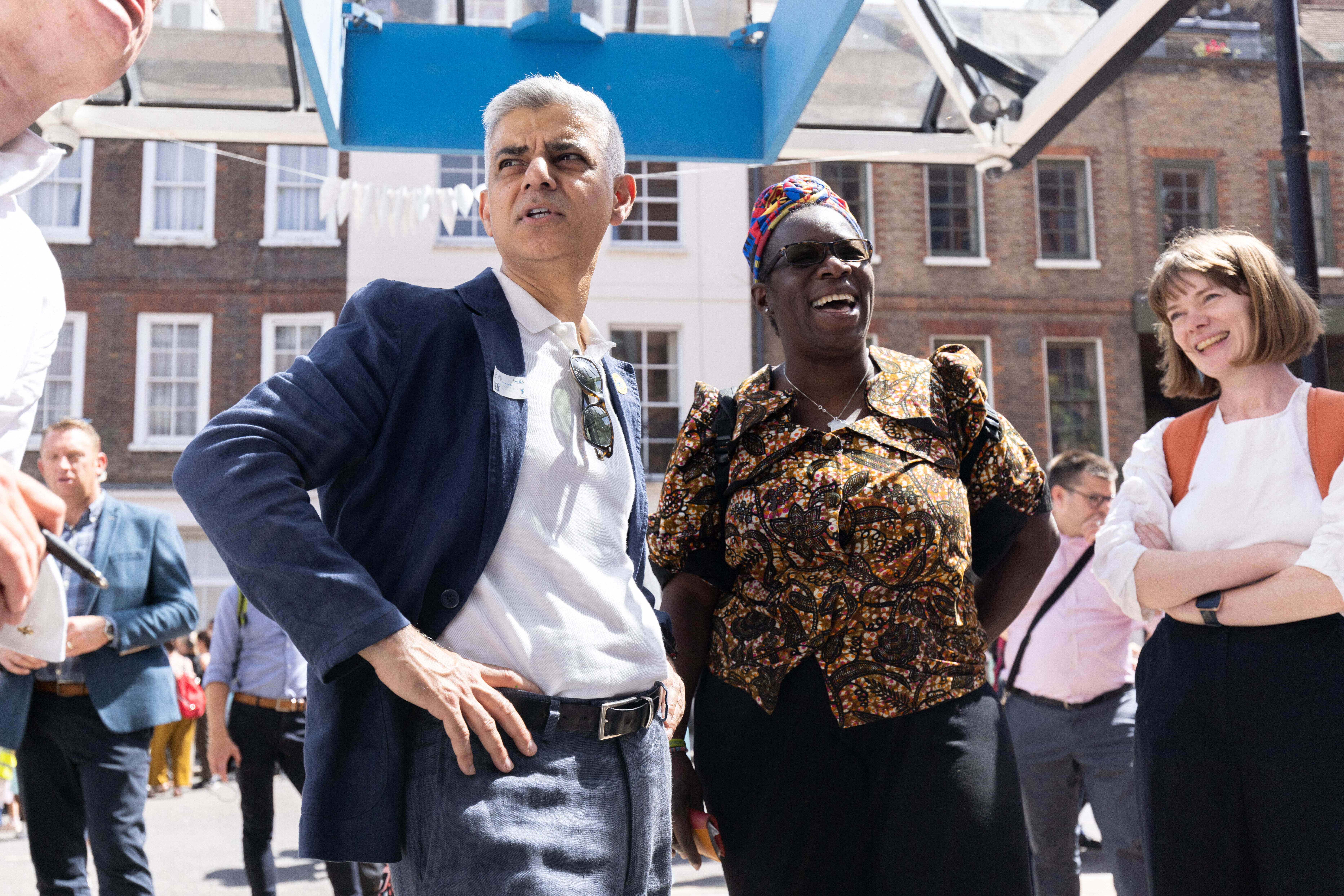
Mayor of London Sadiq Khan with Rosamund adoo-kissi-debrah, CEO of the Ella Roberta Family Foundation.

James Manning – PA Images via Getty Images

Meanwhile, Conservative MP Chris Skidmore has suggested Tory party members care little about hitting “net zero” carbon emissions by 2050 “because 90 per cent of them will be dead”.

Skidmore admitted a survey which put the climate emergency at the bottom of the list for the people who will choose the next prime minister is “rather depressing” in the Independent.

Leadership candidate Kemi Badenoch has previously branded the 2050 net zero commitment “unilateral economic disarmament” and vowed to axe it if elected.

At a hustings event on Monday she appeared to reverse her view before performing another U-turn on TalkTV that evening suggesting there were “circumstances” she would delay it. The three other remaining leadership candidates have all backed net zero.

Rosamund Adoo-Kissi-Debrah, whose daughter Ella was nine years old when she suffered a fatal asthma attack in 2013 linked to severe air pollution, has also criticised Conservative leadership hopefuls for dismissing green issues.

Khan added: “I break down politicians into three areas: climate change deniers, climate change delayers and climate change doers.

“And this heatwave should make us all want to be climate change doers, rather than delayers or deniers.”

He added: “This heatwave, caused by climate change, should be a wake up call for all of us – including those running to be the leader of the Conservative Party.

“It’s heartbreaking, in my view, to see the Tories being in denial about this issue.

“I mean, just to think about one of the candidates talking about 2060, 2070, the other candidates being lukewarm at best about the issue of tackling climate change. That is not the sort of leadership we need.”

He added: “It was Conservative politicians in the 1950s during the Great Smog who made the brave decision to close down power stations in the centre of our cities – think of Battersea Power station, think of the Tate Modern, because then you could see the poison.

“The problem is you can’t see the invisible killer, but you can feel the heat.

“What we want to see is a brave generation of politicians in parliament now, tackling climate change and air quality.”

The mayor made the comments as he hosted a climate solutions summit in London’s City Hall.

A woman use portable fan as heatwave hits London, United Kingdom on July 18, 2022.

Anadolu Agency via Getty Images

Transport for London released figures that show the expansion of Khan’s ultra-low emission zone appears to have reduced toxic air levels in the suburbs.

They found that roadside levels of nitrogen dioxide in central London were now 44 per cent lower than they would have been had the Ulez not been introduced.

However, the Evening Standard suggested the bulk of the benefits were attributable to the original central London zone which launched in April 2019.

Share Button

Scientists Find World’s Largest Plant In Australia And It’s 4,500 Years Old

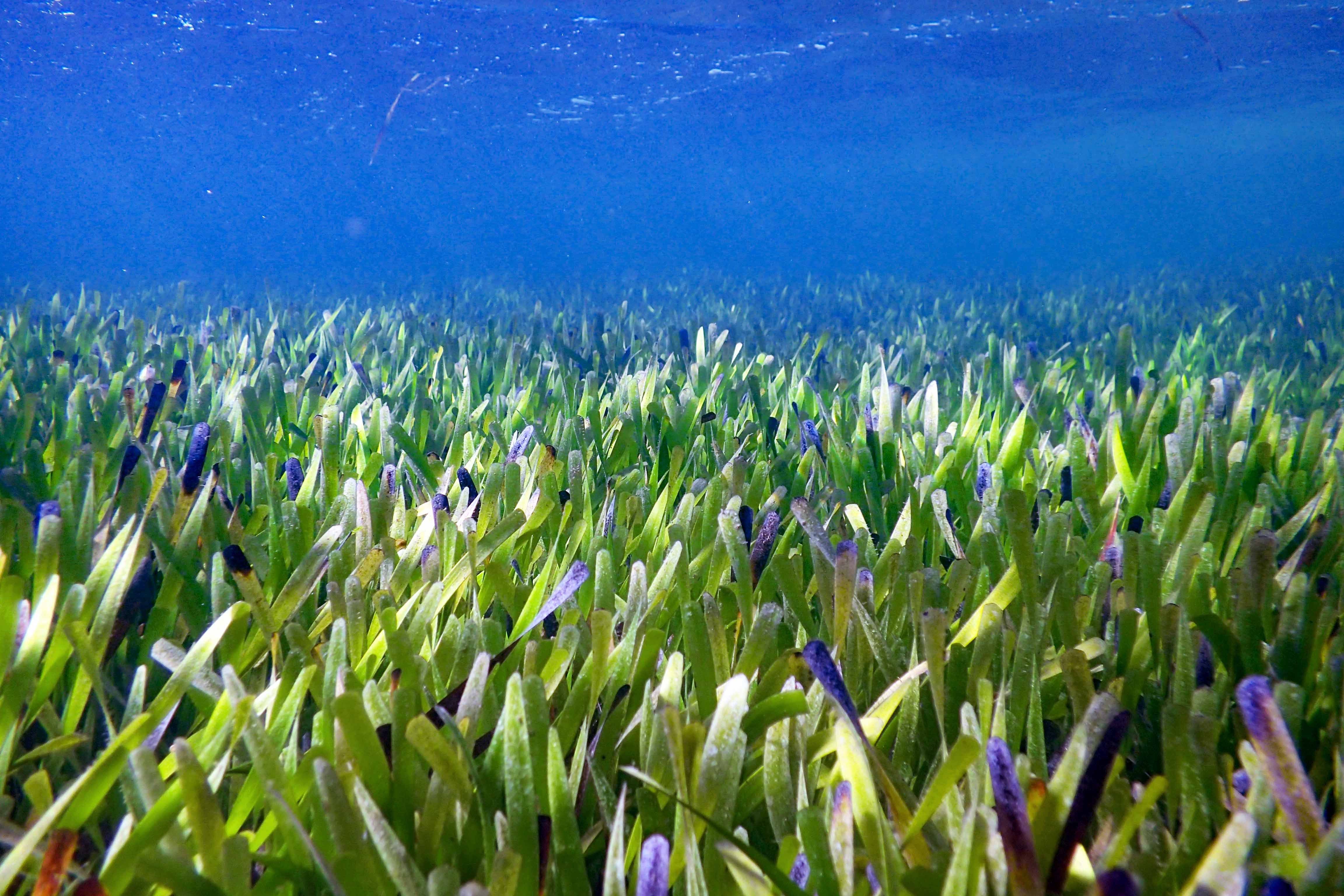
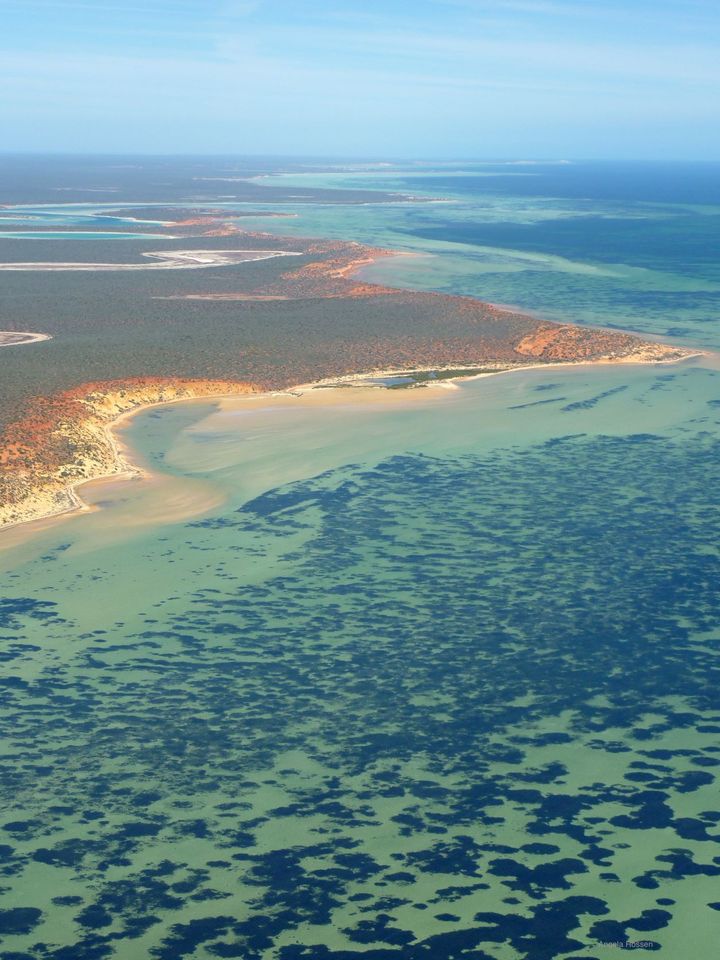
Researchers have made a startling discovery beneath the waters off Western Australia. A meadow of sea grass stretching more than 110 miles long was actually a single plant that had spent the past 4,500 years cloning itself to carpet an area three times larger than Manhattan.

The findings, published Wednesday in the Proceedings of the Royal Society B, make the colony of Posidonia australis, or ribbon weed, the largest known plant on Earth, scientists said.

Elizabeth Sinclair, a senior research fellow at the University of Western Australia and a lead author of the study, said her team has been testing seagrass meadows around Australia for genetic diversity for years to see how they respond to climate change. When her team visited an area known as Shark Bay, a relatively pristine landscape untouched by development, they went beneath the waves to collect samples of seagrass to see what types of plants were growing across the ocean floor.

The answer was one.

“It’s quite bizarre when you think about it, there’s this plant in one end of the bay and then you move 100 kilometres down to the other end and it’s the same plant,” Sinclair said.

Scientists say the meadow of ribbon weed is all genetically identical after cloning itself to cover an area three times larger than Manhattan.

Rachel Austin/University of Western Australia

Her team hypothesised that thousands of years ago, a single seagrass seedling landed in the bay. It was particularly suited to survive in different oceanic environments due to its unusual genome.

Most comparable plant offspring contain 50% of each parent’s genes. But Posidonia australis has 100% from each parent, making it a polyploid, meaning it has double the usual number of chromosomes.

“Polyploid plants often reside in places with extreme environmental conditions, are often sterile, but can continue to grow if left undisturbed, and this giant seagrass has done just that,” Sinclair said in a statement. “Even without successful flowering and seed production, it appears to be really resilient, experiencing a wide range of temperatures and salinities plus extreme high light conditions, which together would typically be highly stressful for most plants.”

The ribbon weed has slowly grown through a series of runners — like a normal turf lawn — to stretch nearly 80 square miles. The researchers estimate its age at about 4,500 years, based on the species’ size and growth rate.

Like other delicate oceanic structures, namely corals, seagrass meadows are susceptible to climate change. A severe heat wave in 2010 and 2011 sparked widespread damage to the Shark Bay meadows, killing about a third of the seagrasses. Underwater meadows are also home to many different species and serve a key role in an area’s biodiversity.

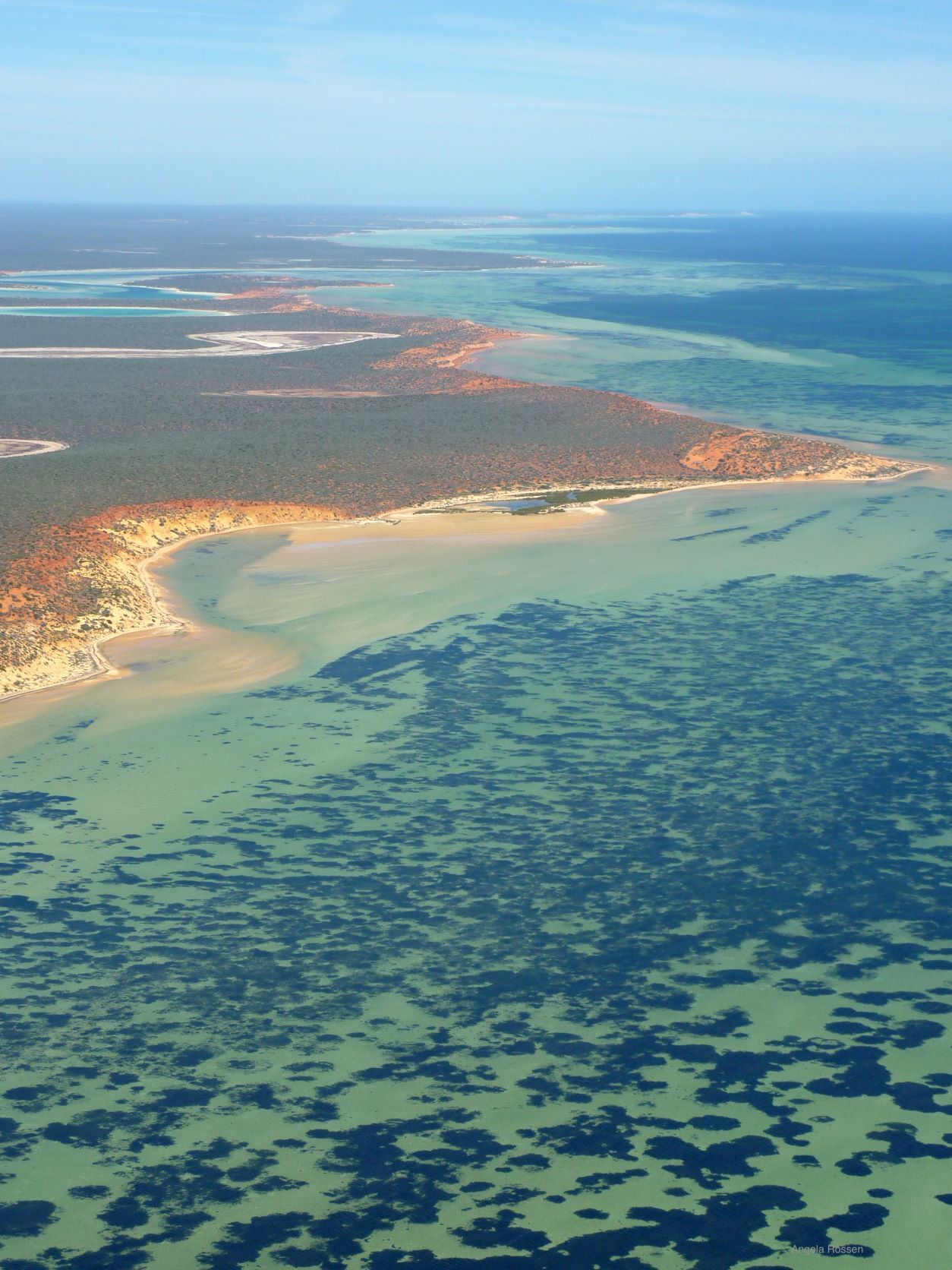
An aerial view of the seagrass meadow in Shark Bay.

Angela Rossen // University of Western Australia

“You lose a plant that creates this whole environment and you lose all the biodiversity that goes with it,” Sinclair said, adding that the 2010-2011 event had calamitous effects. “The turtles were going hungry, the dolphins weren’t getting enough fish, the whole network is connected.”

Although the ribbon weed has already begun to recover and spread since that event, Sinclair cautioned that climate change still poses a threat to region.

She also noted that it was “scary” how researchers had only just discovered the remarkable colony hiding beneath the waves, noting climate change could rip such species away before humans had a chance to discover them.

“It’s scary because we might lose it before we find out about it,” Sinclair said. “It might be gone before we even know.”

Share Button

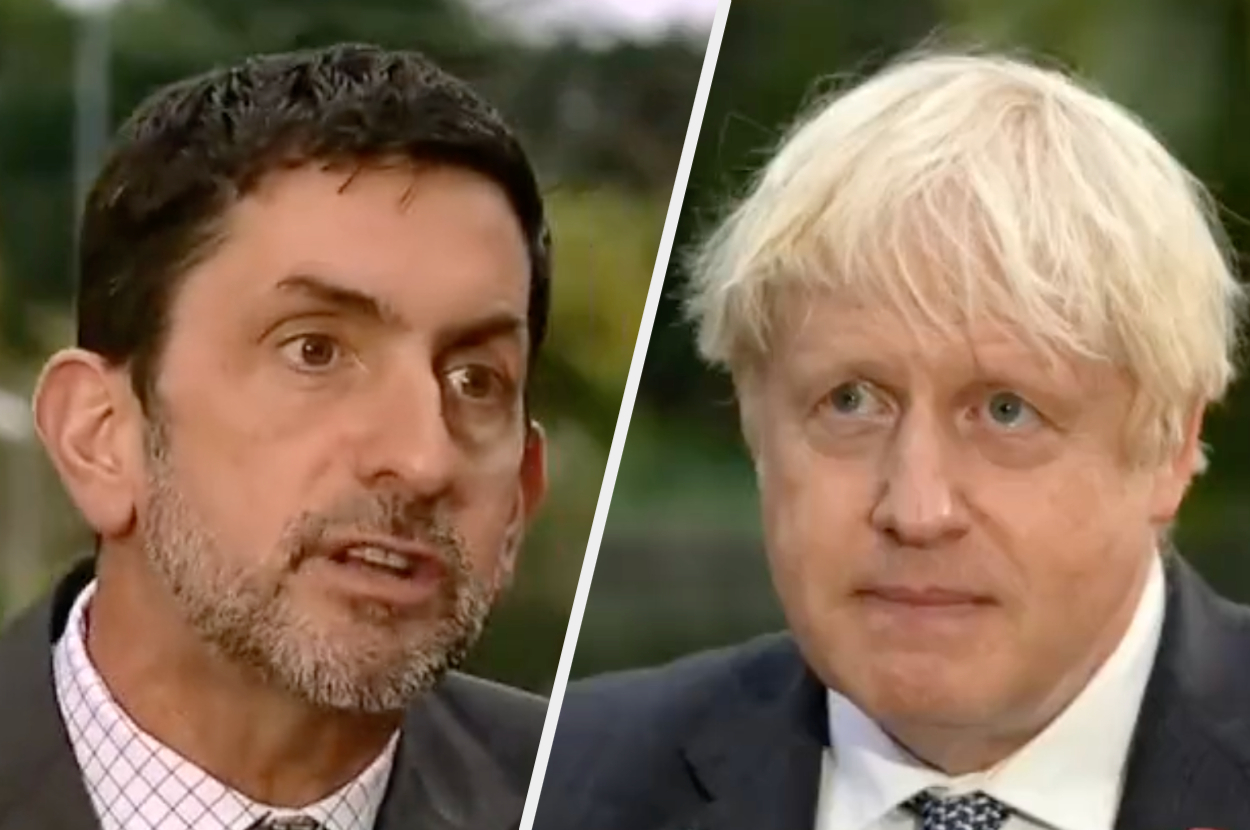
BBC Journalist Tells Boris Johnson He Looks ‘Weaselly’ After Dodging UK Coal Mines Question

BBC Breakfast

BBC’s climate editor Justin Rowlatt interviewing Boris Johnson

Boris Johnson was torn apart – and dubbed “a little bit weaselly” – for his mixed messaging around opening a new coal mine in the UK by a BBC journalist.

As he was being interviewed in Glasgow on the first morning of COP26, the UN’s climate summit, the prime minister was under the spotlight for not putting a stop to a new mine in Cumbria for coking coal.

The mine was approved to open until 2049 by Cumbria County Council in October last year but this decision was suspended by authority in February amid backlash.

The BBC’s climate editor Justin Rowlatt pointed out: “You’re going to the developing world and saying phase out coal, at the same time as not ruling out a new coal mine in Britain.

“We started the industrial revolution – we should close the mines.

“Why don’t you just say we’re just not going to open this coal mine?

“The Chinese will just says ‘we can’t take this guy seriously’.”

Rowlatt was referring to the UK’s efforts to get China to reduce its CO2 emissions, as it is one of the top CO2 emitting nations in the world.

The prime minister replied by claiming 80% of UK power came from coal when he was a child; now it’s just 1%.

“What everybody says is incontrovertible is the progress the UK has already made,” Johnson added.

Rowlatt then pointed out: “I’m sorry to bang on about coal, but it makes you look a little bit weaselly not answering the coal question.”

Johnson hit back and said, “Sorry, I’ve answered the coal question”.

Rowlatt continued pushing him to answer his query “directly” and answer “yes or no” to opening more coal mines.

The prime minister replied: “I’m not in favour of more coal. But it’s not a decision for me, it’s a decision for local planning authorities.”

Climate experts have been hoping that world leaders would promise not to produce any new coal at COP26, but it remains unclear how many will commit to such a pledge.

Rowlatt also skewered Johnson over his personal environmental decisions and his repeated claim that the UK is a world-leading nation when it comes to tackling the climate crisis.

The BBC journalist pointed out: “A couple of weeks before the holiday starts you go on holiday to Marbella – is that world leadership?”

Johnson swerved the question by directing it back to last week’s budget announcement that air passenger duty for domestic flights would be cut.

He said: “I think that on the issue of short-haul flights – we are increasing the taxation on long-haul flights which account for 96% of emissions.”

Rowlatt then pointed out: “You decreased it on short-haul flights, the ones which there are alternatives for, and increased it on long-haul flights so you did nothing.”

“It’s very difficult, I hear you, but it’s very difficult,” Johnson admitted.

World leaders have faced further criticism as there have been an estimated 400 flights arriving in Glasgow solely for the climate crisis crunch talks.

Hundreds also chose to buy last minute plane tickets to Glasgow on Sunday night after severe problems with the rail network delayed passengers.

Share Button

COP26: Alok Sharma Dodges Questions On Cambo Oil Field Saying ‘I Have No Power’

WPA Pool via Getty Images

The UK has come under intense scrutiny over its position towards the Cambo oil field, which is situated to the west of the Shetland Islands and is thought to hold 800million barrels of oil.

Cop26 president Alok Sharma has sought to distance himself from the government’s support of the new Cambo oil field, saying he has “no power” to halt the development.

Sharma ducked a number of questions over whether the UK could claim moral authority over the summit in Glasgow given the UK’s support for the Cambo oil field, which lies west of the Shetland Islands.

A report by the International Energy Agency (IEA) recently stated that no new oil or gas establishments could be set up after this year if the UK was to achieve its net zero target.

But Sharma pushed back against the report’s findings and said the UK had decarbonised faster than any other G20 nation.

Asked by Andrew Marr whether giving the oil field the green light sent the right message to the rest of the world during the climate gathering in Glasgow, Sharma said: “You know, we as a country have decarbonised our economy faster than any other G20 nation over the past years.

“And in terms of oil and gas, we’ve been very clear: we’ve said that in terms of granting any future licences, there will be a climate compatibility checkpoint, and any licences that are granted will have to be compatible with our legal requirement to be net zero by 2050.”

Asked about the IEA’s recommendation to stop any future oil and gas fields, and whether he could stop it, Sharma responded: “Well, it is not as you say in my power, my role here is to bring together consensus amongst almost 200 countries.

“The IEA report also makes clear that, even in a net zero scenario, there is some element of oil and gas in that.”

But Marr pushed further: “I ask again — does allowing the Cambo oil and gas field off Shetland to go ahead now set a good example around the world?

Sharma replied: “That is something that is being considered. There was a consultation inquiry around all of that.

“I’m not going to go into that particular issue. When there is an announcement, an agreement, of course I’d be very happy to come and talk to you.”

The UK has come under intense scrutiny over its position towards the Cambo oil field, which is thought to hold 800million barrels of oil.

The government has sought to defend its interest in the site on the grounds that even as the world moves away from fossil fuels, there will still be an ongoing demand for oil and gas in the coming years.

But climate activists and critics have said the government’s stance towards the oil field sends the wrong message to the rest of the world and to developing nations who will find it costly to decarbonise.

And on Saturday, Sharma was heckled as a “hypocrite” by youth activists while giving a speech at the COY26 youth conference.

Marr went on to say: “The chair of the climate change committee, Lord Deben, says of the oil field one you do that, once you allow that to go ahead, ‘you set an example that will be quoted throughout the world as showing such a development is acceptable’.

“And yet you’re not prepared to stop it.”

Mr Sharma replied: “That’s not my decision, that’s not my role.”

Share Button

Earthshot: Who Are The Winners And How Do They Plan To Save The Planet?

Saving the planet from the harsh effects of climate change is everyone’s job. And now, the Earthshot prize is here to reward those creating the most innovative solutions.

Created by the Duke of Cambridge, the awards present a £1 million prize to five projects working to combat the climate crisis.

The inaugural event took place on Sunday, attended by celebrities who did not fly to the event in London, and who were asked to consider the environment when choosing an outfit.

In a pre-recorded video for the ceremony, Prince William said: “We are alive in the most consequential time in human history. The actions we choose or choose not to take in the next 10 years will determine the fate of the planet for the next thousand.

“A decade doesn’t seem long, but humankind has an outstanding record of being able to solve the unsolvable. The future is ours to determine. And if we set our minds to it, nothing is impossible.”

The winners – decided by judges David Attenborough, Cate Blanchett and singer Shakira – were chosen from five different categories, from a shortlist of 15 entrees.

The Earthshot prize was started by the Duke of Cambridge.

Samir Hussein via Getty Images

The Earthshot prize was started by the Duke of Cambridge.

The 2021 EarthShot winners

Protect and Restore Nature:

  • The Republic of Costa Rica: Costa Rica is working on a scheme to pay local citizens to restore natural ecosystems which has led to reviving their rainforest.

Clean our Air:

  • Takachar, India: Farmers who burn agricultural waste can cause huge air pollution, so a portable machine has been created to turn the waste into fertiliser.

Revive our Oceans:

  • Coral Vita, Bahamas: Coral reefs are beautiful to look at but they are dying out. So two best friends from the Bahamas developed special tanks which restore the world’s diminishing reefs, growing coral up to 50 times faster than they would grow naturally.

Build a Waste-Free World:

  • The City of Milan Food Waste Hubs, Italy: Food poverty is real around the world, while waste is a huge problem. The city of Milan has found a way around it, collecting unused food and giving it to the poor. This scheme has dramatically cut waste while also tackling hunger.

Fix our Climate:

  • AEM Electrolyser, Thailand/Germany/Italy: Hydrogen is usually produced by burning fossil fuels. But a new design in Thailand is using renewable energy to make hydrogen by splitting wanter into hydrogen and oxygen.

The Duchess of Cambridge recycled an old outfit for the awards, while humanitarian and actress Emma Watson sported a dress made out of 10 different outfits from Oxfam.

The stage was also erected without using any plastic while the music was powered by 60 cyclists pedalling on bikes.

The award got its name after being inspired by former US president JFK’s project ‘Moonshot’ to get a man on the moon within the decade.

Emma Watson wore a dress made out of ten Oxfam outfits.

Neil Mockford via Getty Images

Emma Watson wore a dress made out of ten Oxfam outfits.

Prince William hopes that with the launch of the prize, more young people will be interested in getting involved in climate action.

He tweeted: “I want to say something to all the young people watching tonight: For too long, we haven’t done enough to protect the planet for your future. But Earthshot is for you. In the next 10 years we are going to act. We are going to find the solutions to repair our planet.”

The ceremony took place just two weeks before the COP26 UN Climate Change summit happening in Glasgow with world leaders.

Share Button