Boris Johnson’s In A Holding Pattern On Covid, But Is Keir Starmer Too?

You’re reading The Waugh Zone, our daily politics briefing. Sign up now to get it by email in the evening.

Just six days ago, Matt Hancock’s name was mud, his reputation ground into the dirt by Dominic Cummings’ onslaught. Today, the health secretary returned to his bouncy ways as he seized on the news that the UK reported not a single death from Covid for the first time since last July. “The vaccines are clearly working,” he said.

Yet while it may look to some as if Hancock has gone from zero to hero in less than a week, he himself added a note of caution about “cases continuing to rise”. Although in Bolton there is early evidence of levelling off of cases of the ‘Indian’ variant, nearby Blackburn, Rossendale, Ribble Valley and Hyndburn are all seeing spikes.

Although case numbers are low overall, it’s no wonder many in government are concerned. Week on week, cases have gone up more than 31% and, crucially, hospitalisations by more than 23%. That’s two of the lights on the government’s dashboard flashing red, just as the zero deaths figure is flashing a healthy green (down 10% on the week). Given the lags we are all by now familiar with, those deaths may not stay zero in coming weeks.

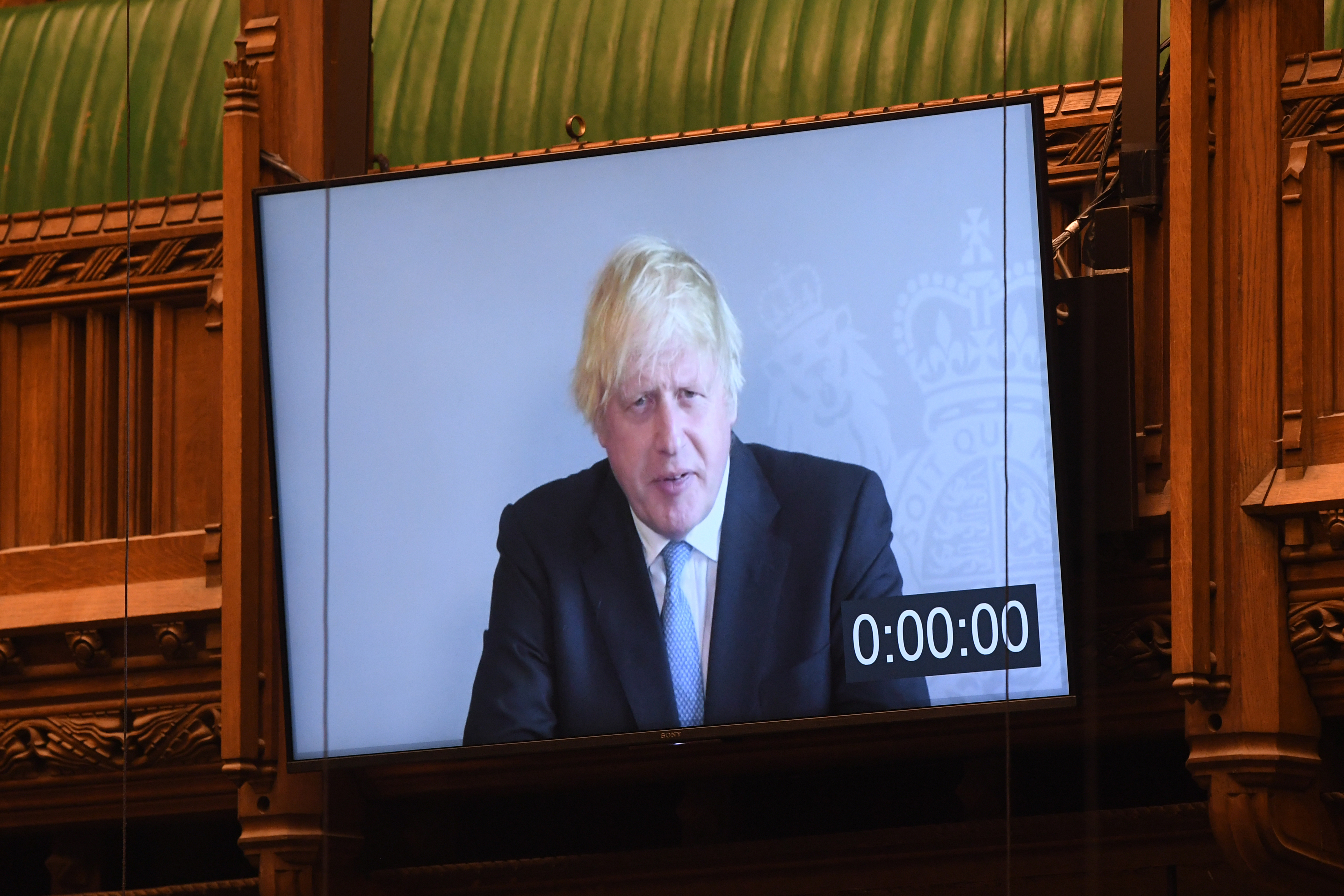
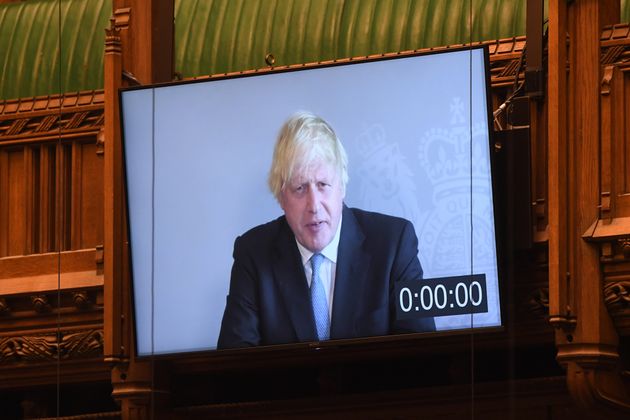
Despite the concern, Boris Johnson is not worried enough to give anyone an update on whether his planned June 21 unlocking will go ahead as planned. In our Lobby briefing today, we learned he didn’t even brief his spokesman beforehand. All the spokesman would do was point us towards the PM’s cake-and-eat-it words on the pandemic last Thursday (the “current” data didn’t suggest any need for delay “but we may need to wait”).

The problem with relying on the PM’s words from five days ago is that, well, a week is a very long time in Covid politics. Johnson got married on Saturday and spent Sunday and Monday on a “mini-moon” – a phrase that sounds like a brief display of his buttocks, but is a very short honeymoon, apparently (though perhaps it means both). It all feels a bit like the early pandemic, when his marital concerns (a divorce then, a wedding now) mean Covid is on the backburner.

And in many ways, it feels as if the government machine is not very interested in saying much about Covid for the rest of this week. Grant Shapps has his travel update on Thursday but few expect much change. Michael Gove’s reviews of covid certification and social distancing look either dead on arrival or delayed to June 14. Jonathan Van-Tam said two weeks ago we would have a “ranging shot” of the transmissibility of the Indian variant by last week. It looks like that estimate may not materialise this week either.

With the Commons in recess, there seems to be a generalised holding pattern going on, in political and policy terms. The public seemed to have more of a sense of urgency about Covid than the PM this weekend, with thousands of young people queuing for their jab outside Twickenham stadium when they could have just packed the pubs.

But the virus doesn’t take a parliamentary recess or a bank holiday break. The rise in case numbers is concerning the most even-handed of scientists. The Bank of England hoped for a V-shaped economic recovery this year, but some current graph projections look worryingly V-shaped on Covid cases. Scotland and England are on the same trajectory, though Wales (which has 10% more people given first doses) is not.

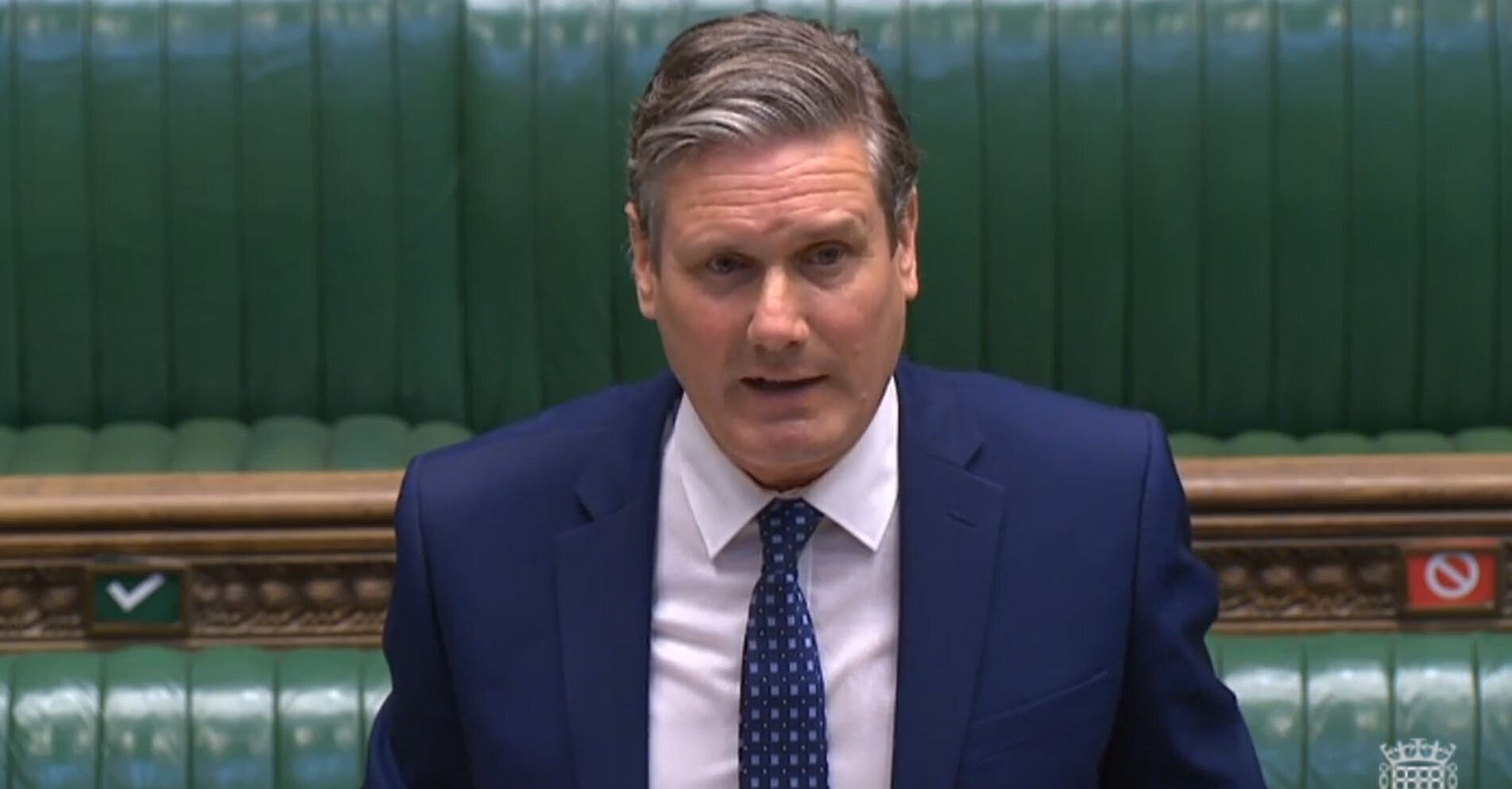
The uncertainty is perhaps why Nicola Sturgeon essentially paused her own roadmap today. While the public have not been told any updates on the Indian/delta variant’s transmissibility, maybe Sturgeon has? I understand Keir Starmer is currently holding off calling for any delay to the June 21 unlocking date, until after he gets a private briefing from Sage.

Starmer’s main problem is that no matter what he says, or how correctly he calls it, the public may not be listening. “Keir’s first 16 months have been the politics of the pandemic, and his next eight months may be the politics of the pandemic. It’s very, very difficult,” one insider says. More than anything Labour says or does, Starmer’s team are acutely aware that the Batley and Spen by-election next month could reflect vaccine jab numbers, whether voters can order a drink at the bar and where they can go on holiday.

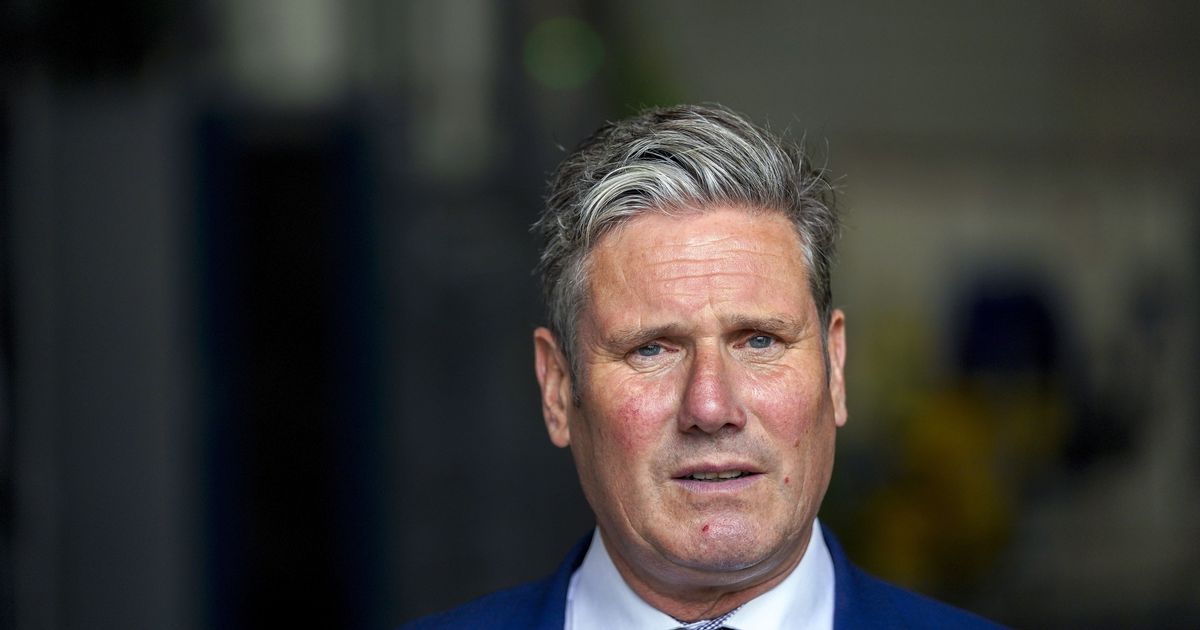
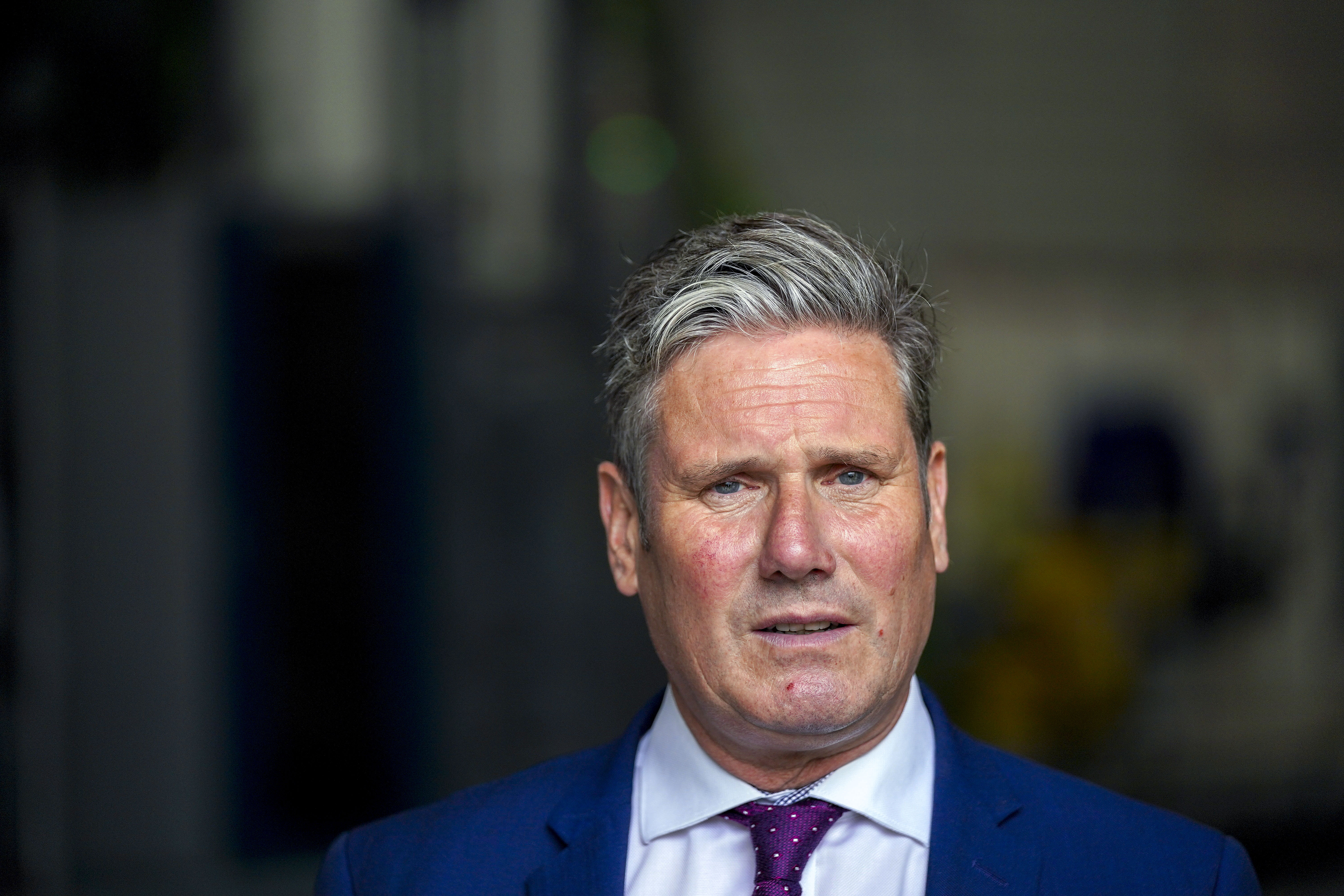
In the meantime, what Starmer can hope to do is show the public what kind of man he is, as well as what kind of politician. His latest Piers Morgan’s Life Stories interview on ITV tonight shows him choking back tears as he talks about his disabled mum, his strained relationship with his dad, and the death of his wife’s mother. The New Statesman had some fascinating polling last week that 37% of voters say they just don’t know enough about him to make a judgement yet. His team see that as a huge opportunity, not a weakness, and believe interviews like this could shift that dial.

Picking a popular ITV programme was a smart move for Starmer because he needs to reassure a key demographic that he’s a walking, talking human being. Moreover, Labour’s lingering problems with working class voters were highlighted not just in Hartlepool but in London on May 6. While Sadiq Khan made gains with some upper middle class voters, this fascinating breakdown by Lewis Baston points to swings towards the Tories in key council estate areas in deprived parts of the city.

Like many working class kids who went on to do things their parents never dreamed of, he’s clearly uncomfortable with any idea he would exploit his private life for public consumption. Yet in many ways, Starmer embodies the aspiration story (dad a factory worker, son highest prosecutor in the land) that Labour needs to reconnect with voters it has lost.

While the Covid narrative dominates all our lives, Starmer has to keep reminding us he’ll be ready for the moment the conversation moves on to something else. With politics more volatile than ever, it’s even possible he too could move from zero to hero if he can use this May’s election defeats to show a sense of urgency for change.

Share Button

Piers Morgan To Grill Keir Starmer In Special Episode Of Life Stories

Piers Morgan has announced he’s set to interview Labour leader Keir Starmer as part of a special episode of his ITV talk show Life Stories.

The hour-long interview is set to be filmed next month, and will cover the leader of the opposition’s childhood and career in law, as well as the past year of leading the Labour party in lockdown.

Following the announcement, Piers said: “It’s very unusual for party political leaders to submit themselves to such lengthy personal interviews and I am delighted that Sir Keir has agreed to talk to me about his fascinating life.

“It promises to be a memorable and very revealing Life Stories show.”

ITV’s head of entertainment, Katie Rawcliffe said the forthcoming interview “promises to be a real treat for our ITV audience.”

There’s no official airdate for Starmer’s episode of Life Stories yet, but ITV has said it will air “in the coming months”

Starmer’s interview will be the first with a party leader on Piers’ show since the broadcaster interviewed Gordon Brown when he was prime minister in 2010.

House of Commons – PA Images via Getty Images

Keir Starmer

Share Button

Why Union Boss Elections Are As Crucial As ‘Red Wall’ Votes For Keir Starmer

Aaron Chown – PA Images via Getty Images

Howard Beckett, assistant general secretary of Unite, is among those vying to replace Len McCluskey

This is a breaking news story and will be updated. Follow HuffPost UK on Twitter, Facebook and Instagram.

Bob Crow, the late boss of the RMT transport union, was undoubtedly a controversial figure. 

London commuters late for work due to seemingly endless Tube strikes would curse his name. Politicians and journalists who clashed with the left-wing firebrand would call him a “dinosaur” or, owing to his whopping £142,000 salary, a “champagne socialist”. 

But when Crow died suddenly in 2014, it was notable how tributes came from not just those sympathetic to left-wing politics but from across the political spectrum. 

Even Boris Johnson, then the Tory mayor of London, recognised Crow “fought tirelessly” for better pay and conditions and that he thought his former foe “a man of character”.

Obviously, no self-respecting union leader would want to be seen getting too cosy with Conservative politicians. 

But how Crow was regarded in the political sphere stands in sharp contrast to Howard Beckett, one of the candidates to replace Len McCluskey as general secretary of Unite. 

Keir Starmer moved to suspend him from the Labour Party for saying home secretary Priti Patel, a British-born minister of Indian heritage, “should be deported”. 

Beckett apologised to Patel but remained defiant during an interview with Sky News on Friday, refusing to withdraw from the Unite race and saying his suspension was “completely inappropriate”. 

He added he did not “literally” mean the minister should be deported and was “sorry if” that was not clear to those that read his hastily-deleted tweet. 

While the assistant general secretary claimed he had not been informed of a suspension, Labour sources insist an email was sent and his union informed. 

Unite, meanwhile, does not appear to have taken any action, telling HuffPost UK he “has correctly and unreservedly apologised”, while offering no further comment. 

Beckett’s is the just the latest in a long line of bad headlines and divisive interventions from union chiefs in the seven years since Crow’s death. 

And many of them have targeted not the Conservatives, but Labour. 

McCluskey accused former deputy leader Tom Watson “sharpening his knife looking for a back to stab” and said Starmer faces the “dustbin of history” if he does not change direction. 

The FBU’s Matt Wrack has hit out at Starmer for “watering down” policies and Labour MPs for undermining former leader Jeremy Corbyn.

TSSA boss Manuel Cortes repeatedly went public to hit out at Corbyn for Labour’s “Brexit fudge” when the party was in turmoil over its policy on a second referendum in 2018.  

Former GMB general secretary Tim Roache stood down last year citing ill health and has faced claims of impropriety, which he denies. Separately, an independent report found the union to be institutionally sexist. 

In the minds of voters, all this friendly fire points to more left-wing division and Labour leaders not in control of their party’s agenda. 

Fresh elections this year for the leadership of Unite and GMB follow Christina McAnea’s election as the first female general secretary of Unison in January. 

With Peter Mandelson calling for union reform, these races are just as  important for Starmer’s Labour Party, if not more, than any parliamentary by-election. 

A new era of Labour blood-letting and a “war of the roses” between MPs and the union movement splashed across every newspaper is not likely to boost the electoral hopes of Corbyn’s successor.

Though said to be “McCluskey’s right hand man”, Beckett is unlikely to emerge victorious in the Unite race, however. Some believe he may struggle to even make the ballot.

The contest is between Steve Turner, a figure who prefers to keep his powder dry until behind closed doors, and moderate Gerard Coyne, who pointedly told HuffPost UK that Unite can no longer be Starmer’s “backseat driver”.  

Whoever leads a union affiliated to Labour will have a voice and a platform. But, as Crow proved, how they use that influence will be their legacy. 

Share Button

‘Time For Blair’ Is Trending And Everyone Knew What To Do

With the Labour Party in turmoil following the loss of the Hartlepool by-election and the subsequent botched shadow cabinet reshuffle, questions are being asked about the leadership of Keir Starmer.

Does the former Director of Public Prosecutions have the charisma to match Boris Johnson? Could anyone realistically do better against a government spending lots of money and successfully vaccinating its population against a deadly pandemic?

As many wrestle these questions and more, one man has an answer: Time for Blair. 

That’s the simple solution proposed by Andrew Adonis, the former Labour Cabinet minister in the 2000s who now sits in the House of Lords.

The proposition on its surface is pretty simple: bring back the man who steered Labour to a hat-trick of general elections, a man with a proven track record of success. 

And he boiled it down to just three words. And used it again.

The polls, however, don’t quite see it that way, with Andy Burnham and Jeremy Corbyn regarded as better placed than TB.

But the argument seemed lost on most who engaged with the idea on Twitter, and there seemed to be three directions to take it.

The most popular was to reference Blair’s foreign policy, and implicit in all of them was the war in Iraq. 

A second was to apply the maxim to the more trivial moments in life. 

Or deliberately get confused about which famous Blair is being referenced.

Share Button

Starmer Warned Ducking Brexit ‘Not Viable Strategy’ As Pro-EU Campaign Launched

Leon Neal via Getty Images

Labour Party leader Keir Starmer 

Keir Starmer has been warned Labour cannot duck challenging Boris Johnson over Brexit as pro-EU campaigners launched a new platform to monitor damage to the economy. 

Brexit Spotlight will track how withdrawal from the EU hits the UK, from the loss of workers’ rights and free movement, to science funding, jobs and new regulations. 

The initiative by Another Europe Is Possible is aimed at pressuring politicians on the left into backing closer ties with Europe in future. 

After Leave voters in seats across the midlands and north backed Boris Johnson at the 2019 general election, Labour MPs voted for the Conservatives’ trade deal with Brussels in December. 

Starmer has since said rejoining the EU was “not realistic” and there was no scope for “major renegotiation” of the government’s deal. 

But pro-EU Labour members, most of whom backed Starmer in the Labour leadership election, are thought to be increasingly frustrated at the party’s approach and want to see Johnson’s deal scrutinised. 

The new site will monitor Brexit’s impact “in real time” and also focus on the environment, exports and human rights, as well as feature exclusive investigations and research. 

Laura Parker, a member of Another Europe is Possible’s national committee and a former national coordinator of Momentum, told HuffPost UK: “The fallout from Brexit is going to dominate our politics for decades to come, and if last week’s elections demonstrated anything, it was that refusing to talk about the issue is not a viable strategy – for Labour or for anyone else.

“Places like Hartlepool voted Tory because they have been neglected for decades and then sold a lie about immigration being to blame rather than this deliberate, chronic under-investment.

“English nationalism is the force which Boris Johnson will use to mobilise his new voter base; Labour and the wider progressive left must learn to put forward a positive alternative.”

Gareth Fuller – PA Images via Getty Images

Another Europe is Possible organiser Michael Chessum addressing protesters in central London

The Office for Budget Responsibility said in March that Brexit was likely to shrink the UK economy by 4% over the next 15 years. 

Labour MP Nadia Whittome said the party should respond to Johnson’s “levelling up” agenda by referencing Brexit’s impact.

She said: “The real effects of leaving the EU have only just begun to be felt. The government wants to use Brexit to create a race to the bottom on rights and living standards, destroying decades of progress to benefit the super-rich and giant corporations. 

“Attacks on workers’ rights and environmental standards will hurt all of us, regardless of whether we voted Leave or Remain, as will job losses and toxic trade deals which bring down our food standards.” 

There were signs Labour was willing to task the government to task on Brexit, however, with new shadow chancellor Rachel Reeves telling ministers on Thursday voters “haven’t heard a word still about this government’s vision of how we will become global leaders in manufacturing and industry outside of the European Union”. 

She said: “They are lacking in ambition, and they are in denial about what businesses need to thrive in a new environment.”

Michael Chessum, Another Europe is Possible’s national organiser, said: “Brexit is already an unfolding disaster – and not just for the people who opposed it. Farmers, fishers and exporters are already facing ruin, and as the process continues so will many of the people who voted Leave. 

“This project is about exposing that reality in real time, so that the effects of Brexit are not just a series of disconnected shocks, and building a case for a much closer relationship with Europe in the future with regulatory alignment and free movement at its heart.”

Share Button

Keir Starmer’s Commons Aide Carolyn Harris Quits Amid Briefing Row

Ben Birchall – PA Images via Getty Images

Carolyn Harris

Keir Starmer’s parliamentary aide has quit amid claims that she spread groundless rumours about fellow MPs’ private lives.

Carolyn Harris resigned from her post of parliamentary private secretary (PPS) after a formal complaint was made by a senior MP about her conduct, HuffPost UK has been told.

The departure of the Swansea East MP, who is also deputy leader of the Welsh Labour Party, was seen as the latest fallout from a bitter briefing war over Starmer’s shadow cabinet reshuffle and his decision to “sack” deputy leader Angela Rayner as party chair and campaigns chief.

In a statement issued by Starmer’s office, she said: “It has been the proudest moment of my career to co-chair the campaign that saw Keir Starmer elected as Labour leader, and to serve as his PPS for the past year.

“Stepping back from this role is the right thing at this moment, coming as it does after some trying personal times and an ever-increasing workload as deputy leader of Welsh Labour. I have enjoyed every minute, and look forward to supporting Keir the best way I can in the months ahead.”

It is understood that Harris, who has made no secret of her combative approach to the leader’s critics within the party, sparked a backlash with recent briefings about shadow cabinet ministers’ alleged disloyalty and about MPs’ personal lives.

The Times, which first broke the news that she was stepping down, alleged that Harris had spread “salacious rumours” about colleagues.

One frontbencher told HuffPost UK: “She’s been stirring it about shadow cabinet members, among the PLP, for weeks. She’s been spreading it about in the [Commons] tea room, everywhere. And she’s finally been caught red handed this weekend.”

“The job of PPS is to be the ears and eyes of the leader, not the mouth,” one senior MP said. “She was playing too high a profile role, throwing her weight around, interfering rather than feeding back what the PLP felt. Listen, assess, report, that’s the job.”

Another said: “It felt like Keir wasn’t fully aware of what she was up to, or at least I hope he wasn’t. It would be much worse if he sanctioned it.”

Starmer is now on the hunt for a new PPS. “We need to stop thinking of PPSs as some new intaker, and maybe appoint someone who’s been around a bit,” one backbencher said. “Amiable, clubbable, friends with everybody, that’s what you want.”

Relations between the Labour leader and his deputy soured badly on Saturday night when she learned from the Sunday Times of a plan to fire her from her campaigns role.

At one point, Rayner was tempted to go public with her anger at being apparently made a scapegoat for Labour’s poor local elections performance in parts of England.

Starmer used the Queen’s Speech debate in the Commons to joke about his recent showdown with Rayner over her move to a new role, saying a “black belt” in martial arts would be useful for “the next shadow cabinet meeting”.

Boris Johnson jibed that Rayner, whose authority in the party was enhanced by several new roles including shadow first secretary of state, was a “lioness” who was likely to become hungrier “the more titles he feeds her”.

Sitting opposite, she gestured that she had her eyes on the Tory leader, and later wrote on Twitter: “The only title I’m hungry for, Boris Johnson, is Deputy Prime Minister.”

Share Button

5 Key Takeaways From The Local Election Results

Most of the results are now in and the parties are now conducting their post-mortems of the “super Thursday” local elections.

The Tories were the big winners in England, gaining control of 13 councils and adding 240 councillors, at the time of writing when 140 of 143 councils had declared.

Labour meanwhile had a terrible election, losing control of eight councils as the party shed 318 councillors, prompting Keir Starmer to embark on a shadow cabinet reshuffle.

But with elections of metro mayors across England, and for the Scottish and Welsh parliaments also taking place, the full picture is more complex.

With the help of YouGov’s Patrick English and Tory polling expert Lord Hayward, here are the five key things you need to know:

1. Labour turmoil in the ‘red wall’

Owen Humphreys – PA Images via Getty Images

Boris Johnson in front of a giant inflatable of himself as he meets and newly elected Tory MP Jill Mortimer at Jacksons Wharf in Hartlepool

There were bitter recriminations in Labour after it lost a slew of council seats and the crunch by-election in the so-called “red wall” seat of Hartlepool, which the party had held since the constituency’s inception in the 1970s.

Labour also lost control Durham, the county of the miners’ gala and a previous bastion of support for the party, and endured “staggeringly bad” losses in the likes of Rotherham, according to Hayward.

English says these losses to the Tories in working class Leave-voting areas are a continuation of the realignment of British politics that followed the Brexit vote in 2016.

And they are a stinging indictment of Starmer’s strategy to win back ex-Labour Brexit supporters who deserted the party for the Tories en masse in the 2019 general election and handed Boris Johnson a huge parliamentary majority.

The Labour leader is now facing an internal battle for Labour’s future, as he prepares to embark on a shadow cabinet reshuffle to refresh his top team amid a backlash over the sacking of his deputy Angela Rayner from her party chair job.

Plenty are now also asking whether Labour can ever recover, or whether the party is finished as an electoral force.

2. Glimmers of hope?

Hollie Adams via Getty Images

Starmer leaves home on Saturday morning

There were small glimmers of hope for Labour, with the party performing well in Wales where it secured an effective majority and “stemmed the tide of Leave voters flooding away to the Conservatives”, according to English.

The party also did well in so-called “blue wall” traditionally Tory seats, but which voted Remain in 2016 and are now beginning to turn to Labour.

Starmer is likely to be pleased with Labour taking the West of England and Cambridgeshire and Peterborough mayoralties.

And there were signs of a “Brighton effect” stretching out across the south coast as Labour took a swathe of seats on Worthing council, according to Hayward.

Starmer’s party even won a county council seat from the Tories in Chipping Norton, in the affluent Cotswold area where former prime minister David Cameron lives.

Labour can at least begin making up ground on the Tories thanks to these types of university-educated, Remain voters, as voters continue to turn British politics on its head.

But “in terms of the mathematics there are not enough blue wall areas to gain a majority in a general election, absolutely not”, English says.

“If Keir Starmer is looking for silver linings, he got beaten 5-2,” the pollster adds.

“Okay, you got hammered, but you scored two goals.”

3. Green surge

Labour supporters may want to look away now, because they have another problem with the Greens enjoying a good day across England.

The party has 14 seats on Bristol council, with the city still counting remaining areas, helped push Sheffield into no overall control following the long-running tree-felling row, and has done well in the suburban home counties.

Hayward says this is “a problem” for Labour as the Greens are “showing signs of being able to do well in towns and cities as the alternative [to Labour]”.

English meanwhile talks of a “pincer movement” with Labour losing seats to both the Greens and the Liberal Democrats.

But the Greens are also appealing to different kinds of voters, and have taken more seats from the Tories than Labour, according to English.

“They are winning seats off everyone all over the country, including in places where Labour couldn’t even dream of winning,” he says.

“And they are building these coalitions of voters who are very different types.

“It would be really daft to think that they are just young, hippy, liberal voters and old tree huggers who vote for them, it’s not.”

4. High profile Tory mayors dig in

Ian Forsyth via Getty Images

Re-elected Tees Valley mayor Ben Houchen with health secretary Matt Hancock

While Labour looked set to win 11 of the 13 mayoralties being contested in cities and metropolitan regions across England, the party’s heavy defeats in former strongholds in the West Midlands and Tees Valley provided more evidence of the Brexit alignment.

Andy Street was re-elected in the West Midlands with more than 48% of the vote, embarrassing Labour challenger Liam Byrne, who suggested he could win easily.

And Ben Houchen’s thumping victory in Tees Valley with 73% of the vote inspired Johnson to reportedly leave a voice note for the current toast of the Tory Party saying: “You’re just showing off now with that majority”.

English says: “Is it because the Conservatives are flooding money into these places so the mayors can campaign on it?
“Or you could flip it around, and the Conservatives would say that’s just evidence the mayors have done a bloody good job, securing money for their areas.

“There are general incumbency effects as well – once you’ve got a mayor in there and they have done a good job, they are going to get rewarded.”

5. Scottish independence

Perhaps the most significant result of them all was north of the border, where Nicola Sturgeon’s SNP fell just short of the overall majority that would have made her calls for a second independence referendum even more difficult to ignore.

However, there is a majority in Holyrood for another referendum, thanks to the pro-independence Greens picking up eight seats to add to the SNP’s 64.

In response, there are signs that the UK government’s position on a referendum may be softening slightly.

Cabinet Office minister Michael Gove made clear on Sunday that now was not the time for an independence vote, with the UK recovering from coronavirus.

But he pointedly refused to say the Westminster government would go to the Supreme Court to block referendum legislation from Holyrood, and stopped short of an outright rejection of another vote in an interview with ITV Scotland.

Share Button

Keir Starmer To Reshuffle Labour Shadow Cabinet On Sunday

Keir Starmer was reshuffling his shadow cabinet on Sunday as the fallout from Labour’s dismal election results continued.

Starmer has already removed deputy leader Angela Rayner as party chair and campaigns coordinator, after Labour lost control of a host of councils and the “red wall” parliamentary seat of Hartlepool for the first time since its inception in the 1970s.

The Labour leader has faced a backlash from senior figures for apparently sacking Rayner.

Allies insist she has been offered another job in the shadow cabinet but they could not say what it would be, with Starmer in the process of reshuffling his top team on Sunday.

Reports suggest shadow communities secretary Steve Reed could be in line to replace Rayner. 

Ian Murray, the shadow secretary for Scotland, and MP Chris Bryant have also been tipped for promotion. 

Shadow chancellor Anneliese Dodds is meanwhile among those reported to be in line for a demotion. 

There has also been criticism from some sections of the party of Starmer’s key aide Jenny Chapman, the former MP for Darlington.

Speaking to Times Radio on Sunday, Murray insisted Rayner had not been sacked and that Starmer wants to move her to a “much more prominent role” so Labour can benefit from her “authentic voice”.

But after headlines that Rayner had been sacked sparked outrage from some in the party, Murray admitted: “Communications over the last 24 hours have not been top-quality.” 

Pool via Getty Images

Starmer and Rayner on the campaign trail on Wednesday in Birmingham

Greater Manchester mayor Andy Burnham, who has signalled he is ready to take over from Starmer if asked, said of Rayner’s sacking: “I can’t support this.

“This is straightforwardly wrong if it’s true.”

Members of former leader Jeremy Corbyn’s team, who come from the left of the party, were among those to criticise the move to “scapegoat” the deputy leader.

Former shadow home secretary Diane Abbott called it “baffling” while John McDonnell labelled it a “huge mistake”.

McDonnell, a former shadow chancellor, told the BBC’s Andrew Marr Show: “When the leader of the party on Friday said he takes responsibility for the election result in Hartlepool in particular and then scapegoats Angela Rayner, I think many of us feel that is unfair, particularly as we all know actually that Keir’s style of leadership is that his office controls everything.

“It is very centralised and he controlled the campaign.”

In a further sign of the splits in the party, Labour grandee Lord Peter Mandelson urged Starmer to dilute the influence of party members and “hard left factions” linked to train unions.

He said Starmer was set to embark on a “serious review” of Labour policy.

“I also believe that he needs to to look at how the party is organised, how it represents the genuine grassroots of the party and reflects the genuine views and values of Labour voters across the country in all the nations and the regions of the country,” Mandelson told Times Radio

“The idea that the Labour Party and its policies and its outlook can be driven disproportionately frankly by a mixture of grassroots members in London and the south-east and the sort of hard left factions that are attached to trade unions – that has got to go, we have got to change.

“Party reform therefore I think is an essential part of what Keir has got to take on next.”

As well as undertaking a reshuffle, Starmer has hired Gordon Brown’s former chief pollster Deborah Mattinson – who has written a book about why Labour lost the so-called “red wall” at the 2019 general election – as director of strategy.

Share Button

Angela Rayner Sacked As Party Chair And Campaigns Chief By Keir Starmer

Jacob King – PA Images via Getty Images

Deputy Leader of the Labour Party Angela Rayner

Angela Rayner has been sacked by Keir Starmer as the Labour Party’s chair and campaigns co-ordinator, Labour sources have confirmed. 

Starmer’s shock decision to strip his deputy leader of both strategic roles came after Labour lost a slew of council seats and the key ‘red wall’ seat of Hartlepool.

It is understood Rayner will be offered a different job. The demotion does not affect Rayner’s role as deputy leader, which is elected. 

A Labour source said: “Keir said he was taking full responsibility for the result of the elections – and he said we need to change.

“That means change how we run our campaigns in the future. Angela will continue to play a senior role in Keir’s team.”

Reports suggest shadow communities secretary Steve Reed could be in line to replace Rayner. 

Ian Murray, the shadow secretary for Scotland, and MP Chris Bryant have also been tipped for promotion. 

Stefan Rousseau – PA Images via Getty Images

Labour leader Sir Keir Starmer leaving his north London home following the result in the Hartlepool parliamentary by-election. Picture date: Friday May 7, 2021. (Photo by Stefan Rousseau/PA Images via Getty Images)

Removing Rayner from her campaign roles has divided opinion among activists and MPs. 

One former Labour staffer: “This Angela decision is probably one of the stupidest political decisions a leaders office has made in a very long time.” 

Others said Starmer was avoiding blame for defeat, with former shadow chancellor John McDonnell calling the move “a cowardly avoidance of responsibility”. 

Another Labour source took aim at Jenny Chapman, Starmer’s political director. 

“It’s absolutely crazy,” they said. “This sacking isn’t about Angela. It’s all about Jenny.”

But one Labour MP told HuffPost UK they backed the decision

They said: “I’m delighted Keir’s done this. She needs to take her share of the blame for the campaign she was in charge of. What was the slogan of our campaign? There wasn’t one.

“Her presentations to the Parliamentary Labour Party on the campaign updates were streams of consciousness. She’s also been making life difficult for David Evans [party general secretary]. It had to stop.”

This is a breaking news story and will be updated. Follow HuffPost UK on Twitter here, and on Facebook here.

Share Button

Labour Reshuffle: Who Might Be In And Out Of Keir Starmer’s Top Team

As the results came in, the pattern was clear and, for Labour activists, painfully familiar. 

Keir Starmer, the man elected to stop the bleed in the party’s so-called red wall, was instead presiding over yet more red ruin

Boris Johnson’s Conservatives had not only captured the totemic Westminster seat of Hartlepool – a Labour constituency since its inception – but a slew of English council seats from County Durham to Dudley were turning from red to blue.

Despite a scramble to manage expectations by Labour HQ, there could be no glossing over the fact these were terrible results, with Starmer rejected by much of its previous working-class base. 

Starmer did not quell speculation he will embark on a reshuffle in response to the drubbing, telling reporters on Friday his party has “lost the trust of working people” and he will do “whatever it takes” to restore it. 

So, who might he look to in order to shake things up? Here are some of the options. 

On The Way Up 

Stefan Rousseau – PA Images via Getty Images

Labour’s shadow schools minister Wes Streeting could be in line for a promotion

Wes Streeting 

Viewed as a rising star hungry to do battle with the Tory benches, the shadow schools minister grew up in a council flat in Stepney and went on to study at Cambridge. 

A moderate and vocal critic of Jeremy Corbyn’s leadership, Streeting has become a close ally of Starmer’s in recent months, repeatedly taking to the airwaves to defend the party’s new direction.

As the country recovers from coronavirus, Labour may see the Tories as vulnerable on social mobility and the widening opportunity gap between rich and poor. 

It is for this reason, many tip Streeting to take the education brief from Kate Green, who some feel has failed to land blows on Gavin Williamson despite the A-Levels fiasco and a series of cuts.  

“Wes would be Gavin Williamson’s worst nightmare,” said one Labour source. 

It is also possible, however, that Streeting’s confident media performances could be placed in a more strategic role, such as shadowing Michael Gove’s Cabinet Office role.  

His previous support for the People’s Vote campaign could hamper his chances, however, with Starmer keen to draw a line under Brexit. 

LEON NEAL via Getty Images

Rachel Reeves, Shadow Chancellor of the Duchy of Lancaster, who spearheaded the Tory sleaze drive is tipped for a big job

Rachel Reeves 

Widely tipped to replace Anneliese Dodds as shadow chancellor, Leeds West MP Reeves is one of the few shadow ministers with previous frontbench experience. 

Seen as on the right of the party, Reeves served in Ed Miliband’s shadow cabinet and is seen as having won trust and respect among those the left by leading the campaign against “Tory sleaze”.  

Though still controversial with some in her party because of past comments on benefits, her frequent media appearances are testament to Starmer’s faith in her abilities. 

A former economist for the Bank of England and British Embassy in Washington, Reeves is not thought to have any competition if Starmer is searching for a new face to take on Rishi Sunak at the despatch box. 

Yui MokPA

Jess Phillips could be in line for a promotion 

Jess Phillips  

One of Starmer’s most high-profile frontbenchers, the shadow domestic violence minister led party calls for action after Sarah Everard’s murder. 

The Birmingham Yardley MP has a forthright style and, though Starmer may view her as something of a loose cannon, he is said to highly prize her work campaigning on homelessness, domestic killings and violence against women. 

Phillips, who was the moderates’ candidate for leadership when Corbyn stepped down, is also a strong communicator, both online and on broadcast, and comfortable with the “red wall” voters Starmer fears the party has lost touch with. 

The 39-year-old has previously voiced an ambition to be home secretary, which is a brief Starmer may consider for her, but possible alternatives may be shadow equalities secretary. 

She may also be considered for the role of shadow employment rights secretary should Starmer wish to move Corbyn ally Andy McDonald.

On the way out? 

Ian Forsyth via Getty Images

Anneliese Dodds, shadow chancellor of the exchequer, is thought not to have landed any blows on Rishi Sunak

Anneliese Dodds

Starmer’s choice for shadow chancellor, the most important appointment for any leader, has attracted regular criticism. 

Her allies point out her difficult task in facing Rishi Sunak while the occupant of Number 11 has handed out huge sums of cash via the furlough scheme and other Covid support. 

But many feel Dodds has failed to nail her opponent when he was weak on free school meals cuts, the Eat Out To Help Out debacle and the Greensill Capital scandal. 

Prevaricating over whether Labour would back a wealth tax and hiring a former advisor of John McDonnell’s also fanned concerns about whether she was suitable. 

Demoting his own pick for such a crucial job would inevitably invite criticism of Starmer’s judgement, however, and Dodds is well-liked and viewed as knowledgeable among MPs. 

But, equally, if Starmer refused to consider a move, he may face the charge of tinkering around the edges. 

House of Commons – PA Images via Getty Images

Shadow health secretary Jonathan Ashworth is a solid media performer but is connected to Jeremy Corbyn’s era in power 

Jonathan Ashworth

The shadow health secretary has been in post since 2016 and was appointed by Corbyn, despite not sharing the former leader’s left-wing outlook. 

Sources have suggested Starmer is keen for a reset on health policy, especially as the NHS is traditionally Labour’s strongest campaign issue and Johnson’s approach to social care may soon be a key dividing line. 

Others have underlined that sacking Ashworth, whose current knowledge of the brief is likely to be unrivalled, during the pandemic would be a misstep. 

Questions over whether Ashworth has briefed against Starmer and his staff to journalists have been swirling, however. 

“He is acting like he has already lost his job,” said one source. 

Liz Kendall, Justin Madders, Rosena Allin-Khan and Lucy Powell are among the names touted as his replacement. 

Danny Lawson – PA Images via Getty Images

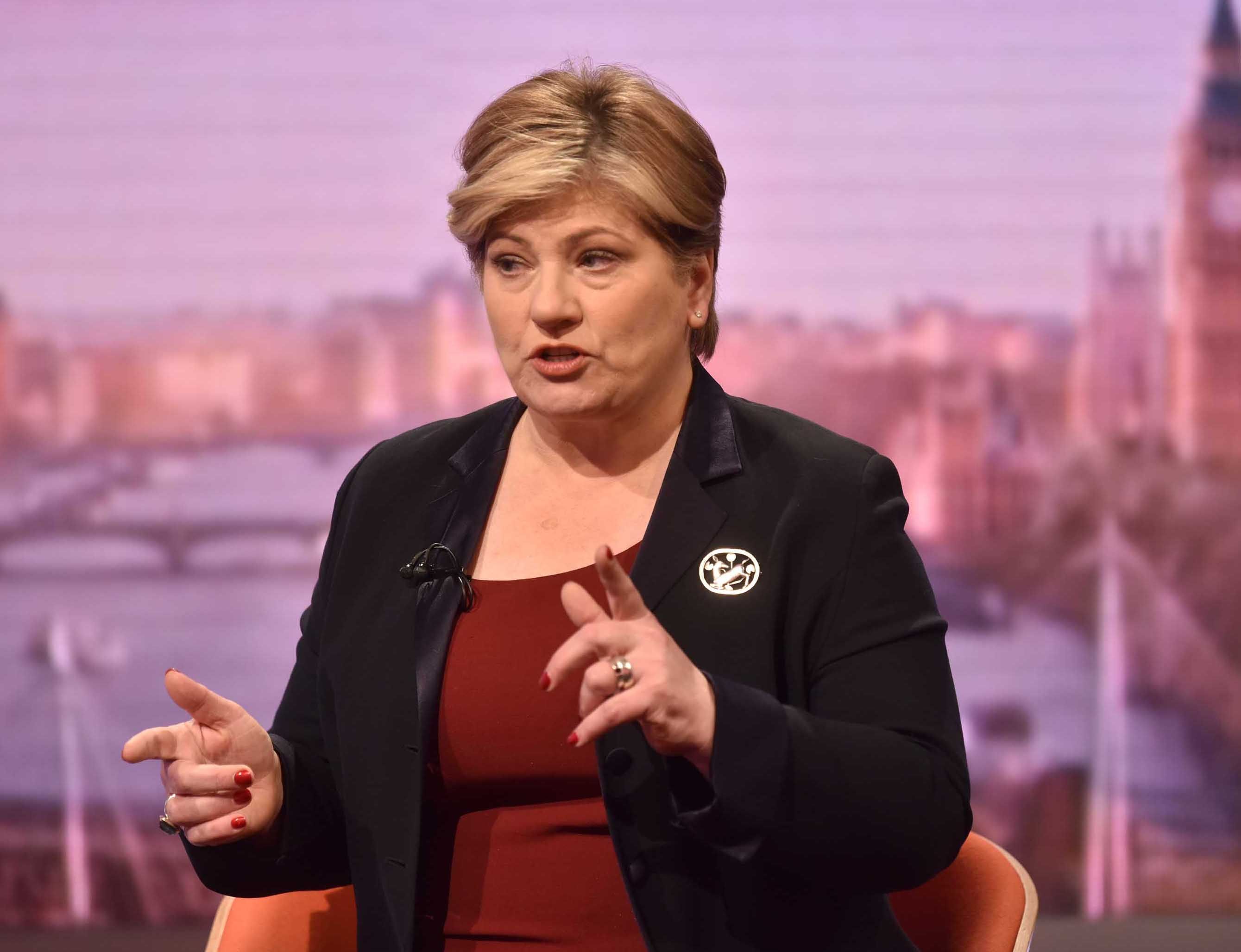
Emily Thornberry during the Labour leadership hustings

Emily Thornberry

Relations between the shadow trade secretary and Starmer are thought to have been rocky in recent months. 

Starmer demoted his leadership rival from her role as shadow foreign secretary last year and there are suggestions he could go further. 

Despite her combative scrutiny of Liz Truss, Thornberry has been increasingly sidelined in recent months, rarely, if ever, appearing on the media. 

Her previous comments about the St George’s flag are also seen by Starmer’s allies as undermining the party’s attempts to appear more patriotic. 

It is possible she is offered an alternative role as shadow leader of the Commons, should long-serving Valerie Vaz wish to move on, but it’s not clear Thornberry would accept. 

Starmer might consider bringing in a well-known “big beast” as her replacement, such as former shadow foreign secretary Hilary Benn. 

What else could Starmer do?

Ian Forsyth via Getty Images

Lisa Nandy

Starmer will be desperate to show working class voters he is listening and may look to boost the role of Wigan MP and shadow foreign secretary Lisa Nandy. 

Her policy work on reviving the party’s offer to towns is highly rated and sources say he is keen for her to be seen on broadcast media more often. 

A sideways move to the Home Office role, replacing Nick Thomas-Symonds, to shadow Priti Patel may be on the cards. 

It would see Nandy front and centre of efforts to make the party credible on issues like crime and immigration, something vital to securing support in the red wall. 

Deputy leader Angela Rayner’s role as elections chief has also been questioned, with some saying she lacks experience of marginal battles. 

Others lay the blame for defeats at the door of former Darlington MP Jenny Chapman, Starmer’s campaign chief, though the leader is said to remain loyal to her.

Ian Murray, who is helping Anas Sarwar to lead a resurgence in Scotland, and Chris Bryant, whose local party has ousted Plaid Cymru’s former leader Leanne Wood in the Rhondda in the Welsh assembly elections, are said to have strong cases for expanded attacking roles. 

Aaron Chown – PA Images via Getty Images

Steve Reed, shadow communities secretary

Should Rachel Reeves’ potential elevation to shadow chancellor create a vacancy as shadow minister for the Cabinet Office, Starmer will need a strategic brain. 

He may choose one of his key allies, such as Steve Reed or Bridget Phillipson, to battle Michael Gove. Rayner may also be approached. 

It is a high-profile spot that entails building on the success Reeves has had scrutinising Johnson’s rule-breaking in the wake of the cash for curtains scandal and questions over PPE contracts. 

It is not clear whether Marsha de Cordova’s position as shadow equalities minister is safe, despite fears about the optics of removing a black, disabled woman from his top team. Flo Eshalomi and Taiwo Owatemi could be options that allow Starmer to demonstrate a clear break with the Corbyn era. 

Starmer may also choose to stamp his authority on the Parliamentary Labour Party by removing long-serving chief whip Nick Brown, potentially to make way for Alan Campbell. 

Others in line for promotion include Sarah Jones, who is currently shadow policing minister, and Chi Onwurah, who has long been tipped for shadow business secretary. It is unlikely, however, that Ed Miliband will relinquish his climate change responsibilities ahead of the COP 26 conference.

Alison McGovern, shadow sports minister and Wirral MP, and Alex Norris may be asked to step up if Starmer’s reshuffle is wide-ranging. 

Share Button