Ask A GP: What Is ‘Superflu’, And How Can I Tell It From ‘Normal’ Flu?

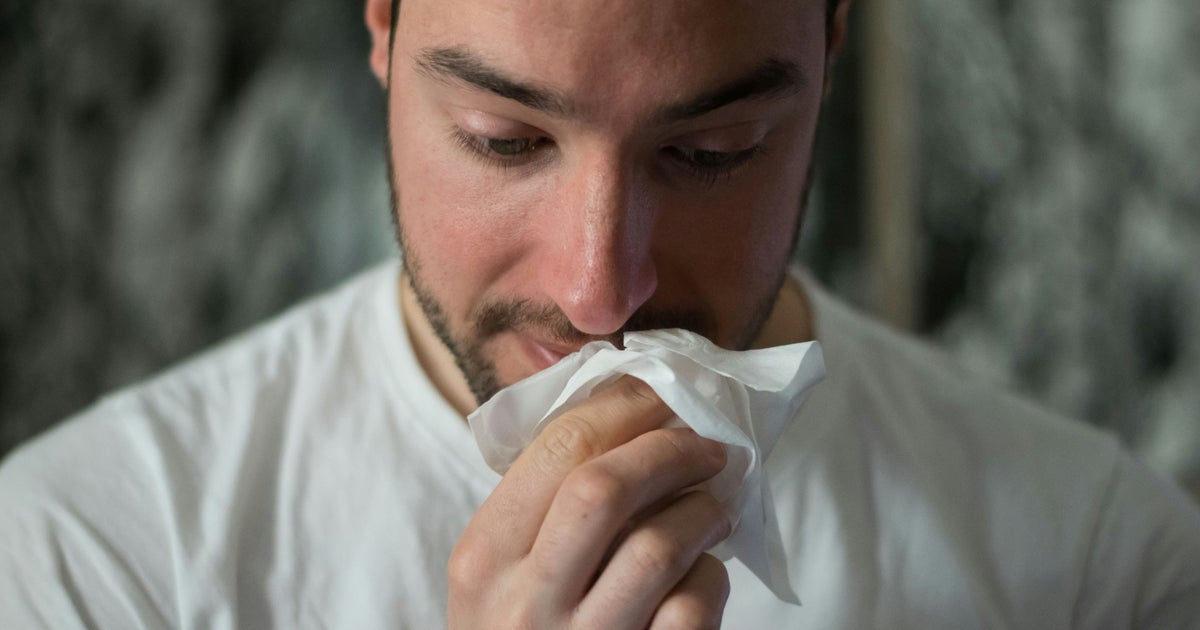
Though the influenza H3N2 strain, a variant of the flu currently making headlines, has sometimes been termed a “superflu,” Dr Suzanne Wylie, GP and medical adviser for IQdoctor, told HuffPost UK that “the term ‘superflu’ isn’t a recognised medical diagnosis.”

Instead, she said, it usually describes, “A combination of genuine influenza, circulating Covid-19 variants, RSV, and other viral illnesses that overlap in symptoms and timing.

“This can make the overall picture feel more intense and prolonged than a typical flu season.”

This is not to say, however, that the NHS is not experiencing an extraordinarily busy flu season (they are), or that patients are not “experiencing symptoms that persist longer than usual”.

Here, the GP shared how to spot “normal” flu from what some might term a “superflu,” as well as why influenza might be so rife right now.

How can I tell a “normal” flu from a “superflu”?

Dr Wylie explained that her definition of what some might term a “superflu” is “co-infection with more than one virus, or catching a second virus before fully recovering from the first”.

In that context, she explained, “true influenza tends to come on very suddenly, often within the space of a few hours.

“High fever, profound fatigue, muscle aches, headaches, a dry cough and a sense of being completely ‘wiped out’ are characteristic. People often describe being unable to get out of bed or perform basic tasks.”

She added, “What’s sometimes labelled this year as ‘superflu’ is essentially this classic influenza picture, but with the added complication that many individuals are experiencing symptoms that persist longer than usual, lingering coughs, extended fatigue, and a slower return to normal activity.”

And, the GP said, many cases of what people believe to be flu are actually a bad cold or another respiratory infection. These “develop more gradually” than flu, “with runny noses, sore throats, congestion and milder fevers.”

You will typically still be able to function somewhat with a cold, she continued.

“The distinction can blur, especially when multiple viruses are circulating, but influenza tends to be more abrupt and systemically draining.”

Why is flu so bad this winter?

“Immunity in the population fluctuates year to year, depending on which strains have circulated previously and how closely the current strains match the [flu] vaccine,” she explained.

“If the circulating strain is one the community has not been exposed to recently, or if vaccine uptake has been lower, more people are left susceptible, leading to higher case numbers and more severe symptoms.”

The BBC notes that many people have not been exposed to the mutated H3N2 strain much in the past few years.

This is partly, Dr Wylie said, “the after-effects of the pandemic: reduced exposure to seasonal viruses over several years means people’s baseline immunity to common respiratory pathogens may be lower than it once was.”

And increased strain on healthcare may mean that people are waiting longer to get help for the flu, meaning they’re worse off by the time they’re seen, she added.

“Environmental and behavioural factors also play a role: winter gatherings, indoor living, and schools acting as hubs for virus transmission all contribute to a more intense season,” she continued.

“Many patients are also experiencing simultaneous stresses, poor sleep or chronic conditions that can make any viral illness feel harder to shake off.”

So, “the combination of genuine influenza, overlapping viruses, reduced background immunity and a challenging winter has created the sense of a particularly tough respiratory season.”

And while Dr Wylie is sceptical of the use of the word “superflu,” she advised: “If someone is unsure whether their symptoms are typical of a cold, flu or something more serious, it’s always sensible to seek medical advice, especially if symptoms are severe, prolonged or worsening.”
Share Button

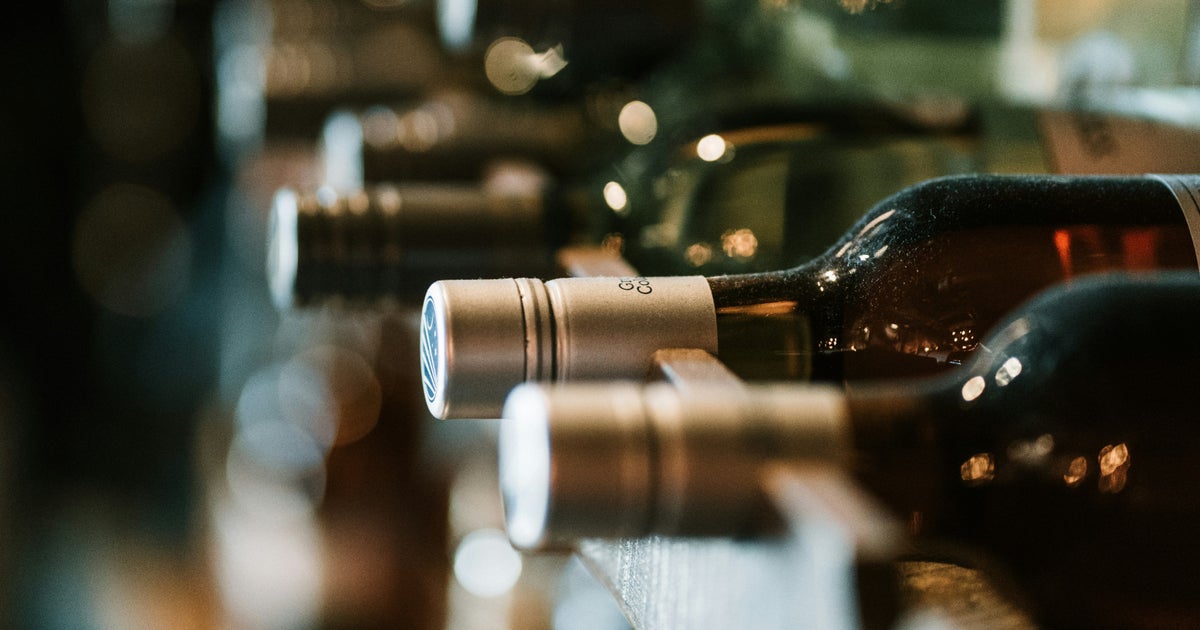
Let’s Settle It: Are Corked Wines Really ‘Better’ Than Screw Tops?

There are some wine “rules” that I, a non-expert, always believed all experts stood by – things like never putting ice in white wine and using the exact right glass for each drink.

Luckily, Lauren Denyer, a WSET School London wine educator, previously disabused me of those notions. Speaking to HuffPost UK, she said: “There is a certain amount of pretension that can come with wine, which can be very off-putting and often incorrect”.

But does that extend to what I thought was wine’s cardinal rule? In other words, are corked bottles always better than screw-top kinds?

Here’s what Lee Issacs, a WSET Educator Development Manager who previously taught us how to read a wine bottle, had to say on the topic.

Are corked wines always better?

Seeking closure on a challenging life experience can often end with one needing a glass or two of wine,” the expert told us.

But, he explained, “Closure in wine… refers to how the bottle has been sealed”.

Wines can be closed by a variety of corks, including natural, synthetic, grainy, and even Champagne-specific types. They can also be closed with screw caps and, more rarely, crown caps.

“Thankfully,” Issacs said, “the days of people being judgmental and wary of screwcaps are almost completely behind us. The type of closure does not reflect the overall quality of the wine.”

In fact, the wine educator thinks even canned versions can hold their own these days.

“The days of canned wine just being a vehicle for any old naff alcohol” are gone, he wrote.

“As consumers globally look to moderate their alcohol intake, wine in cans are a
great option.”

Why do different wines have different closures?

I was surprised to hear from Isaacs previously that “Most wines are made to be consumed without the need for ageing, and a good rule to follow is if the wine is particularly cheap and more than a year old, it may be a bit past it”.

That’s partly why screw caps are quite common.

“Screwcap wines tend to be designed for younger, fresher drinking, with cork stoppers still the choice for wines aiming to change and develop over time in bottle,” the pro advised.

“If nothing else, a screwcap bottle is easy to reseal and stick in the fridge to keep [for] the next day… and there’s no need for a corkscrew.”

Share Button

Does ‘Vabbing’ Actually Make You Irresistible To Men? I Asked A Sexologist

Ever heard of vabbing? No?

Well, nor had I until this morning (how I cherish my life before then).

Turns out the phrase refers to a social media phenomenon (it would be inaccurate to call it a trend, as most people seem appalled by it) that involves wiping vaginal secretions on your pulse points. Yes, really.

In a now-deleted TikTok video, a site user said: “I swear if you vab, you will attract people, like a date, a one-night stand. Or you’ll just get free drinks all night.”

“Elle Woods should have been teaching vabbing instead of the bend and snap – it’s more effective,” the TikToker added.

It’s important to stress that the practice, which is a portmanteau of “vagina” and “dabbing”, really hasn’t taken off – it seems to be more of a point of viral outrage than an actual trend.

Still, I thought I’d speak to sexologist, therapist, and author at Passionerad Sofie Roos about whether the original controversial clip had any merit whatsoever.

And?

Kind of, but not really, the expert said.

“A study published in 2020 found that heterosexual men can smell women’s sexual arousal, and one part of that is the vaginal secretions, especially the lubrication that’s produced when [women are] turned on,” the sexologist explained.

So, there might be a real appeal in the scent – but not in the context of “vabbing,” Roos reckons.

“Research published in Science Direct 2006 finds that female pheromones are very dependent on the social context to work, so wearing vaginal secretions as a perfume in any not-so-sexually-loaded situation will most likely have a disgusting effect,” she shared.

“In my opinion… it’s better to use a good-smelling perfume of high quality” if you want to attract a date, Roos continued.

Smelling of, er, secretions is just “unhygienic” in the wrong context.

Pheromones may actually matter, though

Obviously, there’s no need to “vab.” But speaking to TIME, Noam Sobel, a professor in neurobiology and smell expert, said that our partner’s BO might have more of a say in how much we fancy them than we realise.

“The underlying theory is that you somehow select immune compatibility in a mate” through scent, he told the publication.

Still, Gary Beauchamp, president of the Monell Chemical Senses Centre, told TIME that it’s hard to work out how much, say, sweat actually influences our attraction.

“There are so many things going on with humans, in terms of how you select somebody you want to be with or get married to or have children with… isolating the odour part to it has been very, very difficult.”

It’s far safer to bet that doing something like “vabbing” is a turn-off, don’t you think?

Share Button

You Ask, Experts Answer: ‘How Do I Turn Down A Promotion?’

Gen Z isn’t keen on middle management gigs, Forbes says – a phenomenon it calls “conscious unbossing”.

For more and more young people, the publication explains, the added stress, hours, and responsibility aren’t worth what is all too often a meagre pay rise.

A Reddit post shared to r/work suggests the (quite sound) logic isn’t just a generational thing, either.

Poster u/city-lights77 wanted to know how they should politely say they are not interested in a promotion they’ve been told they need to “fight for”.

They explained that their manager is looking to fill a departing colleague’s role and had offered the job to them (even though they had not applied for it) but only on the grounds that they “proved” themselves.

“Frankly, I’m not interested in the slightest. I don’t want the job, and the menial pay raise (less than £3k a year) wouldn’t be nearly worth the added stress that I know accompanies the job,” the site user said.

Well, u/city-lights77, we’ve got your back ― we spoke to Dr Heather Lamb, a workplace wellbeing expert, about how to handle the situation.

How can I tell when to turn a promotion down?

If you’re worried that turning down a promotion might make you seem unambitious in the eyes of your boss, Dr Lamb says you shouldn’t be.

“Saying no to a promotion that doesn’t align with your values, your wallet, or your life? That’s not a lack of ambition. That’s wisdom,” she said.

And if you’re not sure whether the career boost will actually lead you in the right direction, she said there’s a simple measure.

“A promotion should be a win, not just more work with a fancy title,” the expert told HuffPost UK.

“If saying ‘yes’ means more stress, longer hours, and little to no financial gain, then it’s okay to take a step back and ask, ‘Is this worth it?’.”

How do I reject a promotion without burning professional bridges at my workplace?

The other worry is that you might come across as uninterested in your job, or disrespectful of your boss’ offer.

To “clearly and graciously” share your feelings without shutting any doors, Dr Lamb has offered a helpful script: “I’m so appreciative of this opportunity, and I appreciate the confidence you have in me. Right now, I’m trying to make sure my next career step is the right one – professionally and financially. I’d like to keep the door open for the perfect opportunity in the future.’”

She said: “That way, you’re not shutting anything down — you’re just setting your own terms. And that, my friend, is power.”

By thanking your boss and reaffirming your commitment to your career, the pro said you can keep the possibility of future advancement “on your terms”.

“The right opportunity will arise, and when it does, you will know that it is truly a step ahead,” she added.

Share Button