What Experts Think Of The Showering In The Dark Before Bed Trend

A new wellness trend has hit social media – and while it’s usually tempting to approach these trends with a healthy dose of skepticism, this one might actually be worth trying.

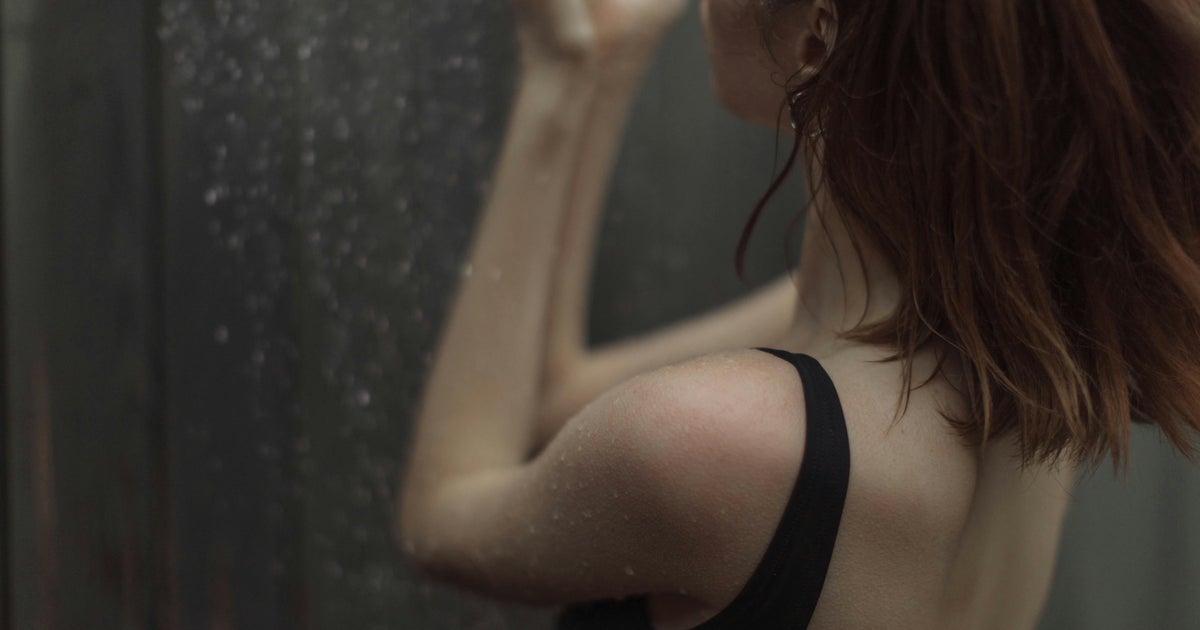
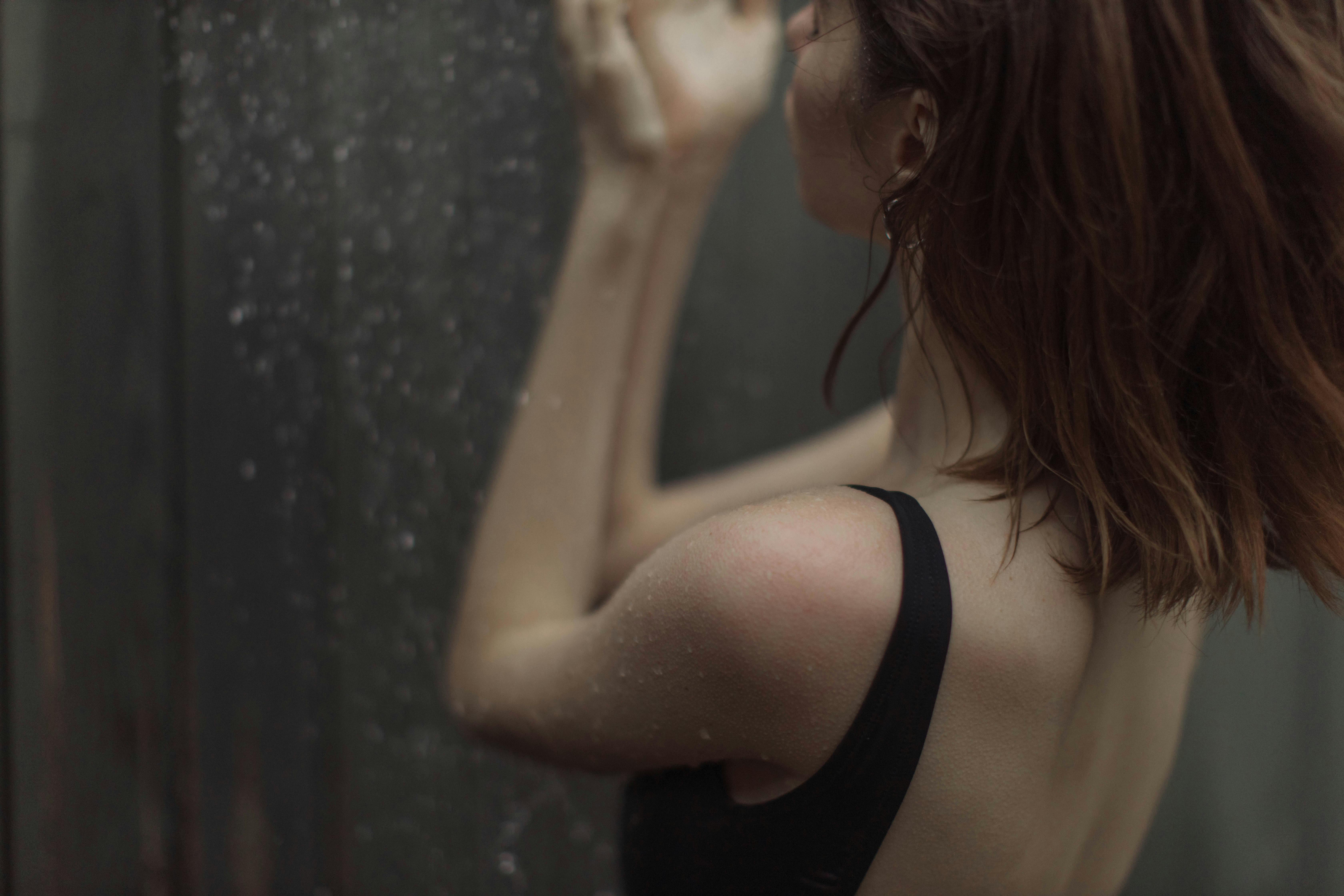
It’s called ‘dark showering’ and it’s exactly what it sounds like: showering in the dark, not long before you wind down for the night. A cosy nighttime routine that puts you into a restful mindset and could, in theory, help you get a good night’s sleep.

It doesn’t have to be pitch black, and dimming the lights could be enough (or even just leaving your hallway light on and the bathroom door ajar), but it does appear to feel good for some people.

As @Emgilly on TikTok said: “One way I reset my nervous system as a [Stay At Home Mom] is by taking a shower in the dark. Try it, it works.”

Why might showering in the dark work?

First things first, we know that dimming the lights can help us tell our bodies it’s time to sleep.

Writing for The Conversation, Timothy Hearn, a lecturer in Bioinformatics, said: “Bright light in the evening signals to the brain’s internal body clock that it is still daytime. This delays the release of melatonin, a hormone that helps regulate sleep and is often described as the body’s ‘darkness signal’.

“In a laboratory study of 116 adults, typical room lighting between dusk and bedtime reduced early night melatonin levels by about 70% compared with very dim light. Exposure to room light before bed also shortened the total duration of melatonin release by about 90 minutes. Participants reported feeling more alert.”

Then there’s the warm water element. Just like parents use bathtime as a sleep cue for their kids, having a warm shower can work in a similar way. But why does it work?

The Sleep Foundation explains: “Body temperature plays an important role in the sleep-wake cycle, and human bodies naturally experience a decrease in core body temperature before nightly sleep.

“Scientists have found that by impacting this natural temperature regulation process, showers and baths can affect sleep.”

It’s been dubbed the “warm bath effect” – and one analysis found taking a shower or bath in water that’s around 40-degrees Celsius can improve sleep quality.

HuffPost UK spoke exclusively to Archie MacDonald, director of Highland Soap Co., who also believes scent plays a “huge role” in how we experience relaxation.

“When you shower in low light, fragrance becomes more noticeable because your senses aren’t competing with visual stimulation,” he said.

“Certain essential oils, like lavender and patchouli, are known to help calm the nervous system and reduce feelings of stress, which is why scent-led rituals can have such a powerful effect on mood and wellbeing.

“A dark shower allows that sensory experience to come to the foreground, turning an everyday routine into something more restorative.”

For the best results, sleep physician Dr David Rosen recommends having a warm shower at least one hour before bed.

Why are dark showers so popular suddenly?

MacDonald suggested the trend is gaining popularity because people are increasingly aware of how overstimulation, screens and busy schedules affect them, and they’re looking for simple ways to unwind that fit into daily life.

“Dark showering doesn’t require extra time or space, but it creates a clear shift from day to night through scent and atmosphere,” he added.

“That focus on small, intentional rituals reflects a wider move towards protecting wellbeing in achievable, sustainable ways.”

It’s got to be worth a try, right?

Share Button

Sick Of Waiting For A Wedding, Single People Are ‘Solo Honeymooning’

I’m going to be honest: I find travelling with other people pretty draining.

There’s the compromise. There’s constantly being “on”. There’s the horrifying prospect of someone you love seeing you at your post-airport worst, and the nightmarish possibility of being expected to talk on a plane.

So I’ll admit I’m sympathetic with TikTok’s “solo honeymoon” trend, which cuts arguments, different itineraries, and “active vs resting” holiday discrepancies completely out of the question.

Instead, “solo honeymooners” – often single people who are sick of waiting ’til they find a spouse to enjoy their dream honeymoon – are taking matters into their own hands.

Here, experts from TrustedHousesitters shared how to achieve the perfect one.

What is a “solo honeymoon”?

It’s basically booking a holiday by yourself, but the term seems to have helped some TikTokers to navigate the feelings and motives behind solo travel.

In one video, an app user said she’s calling her trip to Bali a solo honeymoon because “while I’m not married to a human being, I am kind of married to my work”.

She decided to give herself a break after closing an important business project.

Yet another person said they were “travelling to a honeymoon destination as a very single person” because “you don’t have to wait until you’re in a relationship to go somewhere”.

He added, “I never thought I’d be here single, but here I am”.

“Let’s normalise single people taking themselves on a honeymoon,” a separate video stated.

Commenters often said they wish they’d felt OK doing something like that sooner. “I should’ve done this after I finished my master’s degree,” an app user wrote: “You have no idea how you have encouraged me to do let go of the fear and do this,” another stated.

And in response to a TikToker’s video about taking a safari trip for her “solo honeymoon,” a commenter wrote, “This was my honeymoon idea, and now I’m like F it I need to go.”

How can I plan a “solo honeymoon”?

Trusted Housesitter advised people seeking a “solo honeymoon” to consider the following:

  1. Checking flight times: “For those who love sitting back for a long time with a book, make the most of the solo flying time and travel long haul, but if you’re a little more on the nervous side, choose a shorter, familiar route to start your me-moon stress-free.”
  2. Checking the area’s safety: “Make sure to research ahead and make sure where you head to has good contact points.”
  3. Planning activities in advance: “Many activities are designed for couples or groups. So make sure you won’t face extra costs, and don’t be deterred if something is marketed primarily to pairs or groups; you can still participate and enjoy the experience.”
  4. Not worrying about others’ expectations: “Plan activities that support your own well-being. Whether it’s spa treatments, meditation sessions, hiking, or simply time to read and reflect, tailor your itinerary around what makes you feel recharged and happy.”
  5. Choosing accommodation carefully: “Think about the type of place you want to stay and whether it will enhance your self-care.”
Share Button

An Expert Has Shared Their Comments On The Chinese Hot Water Trend

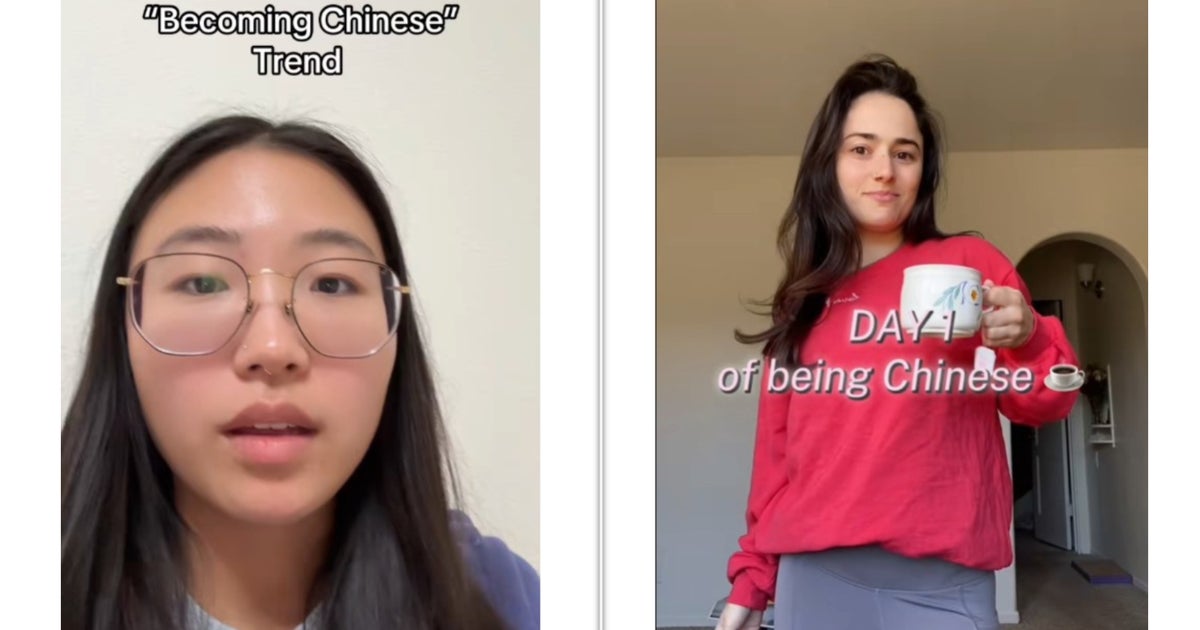
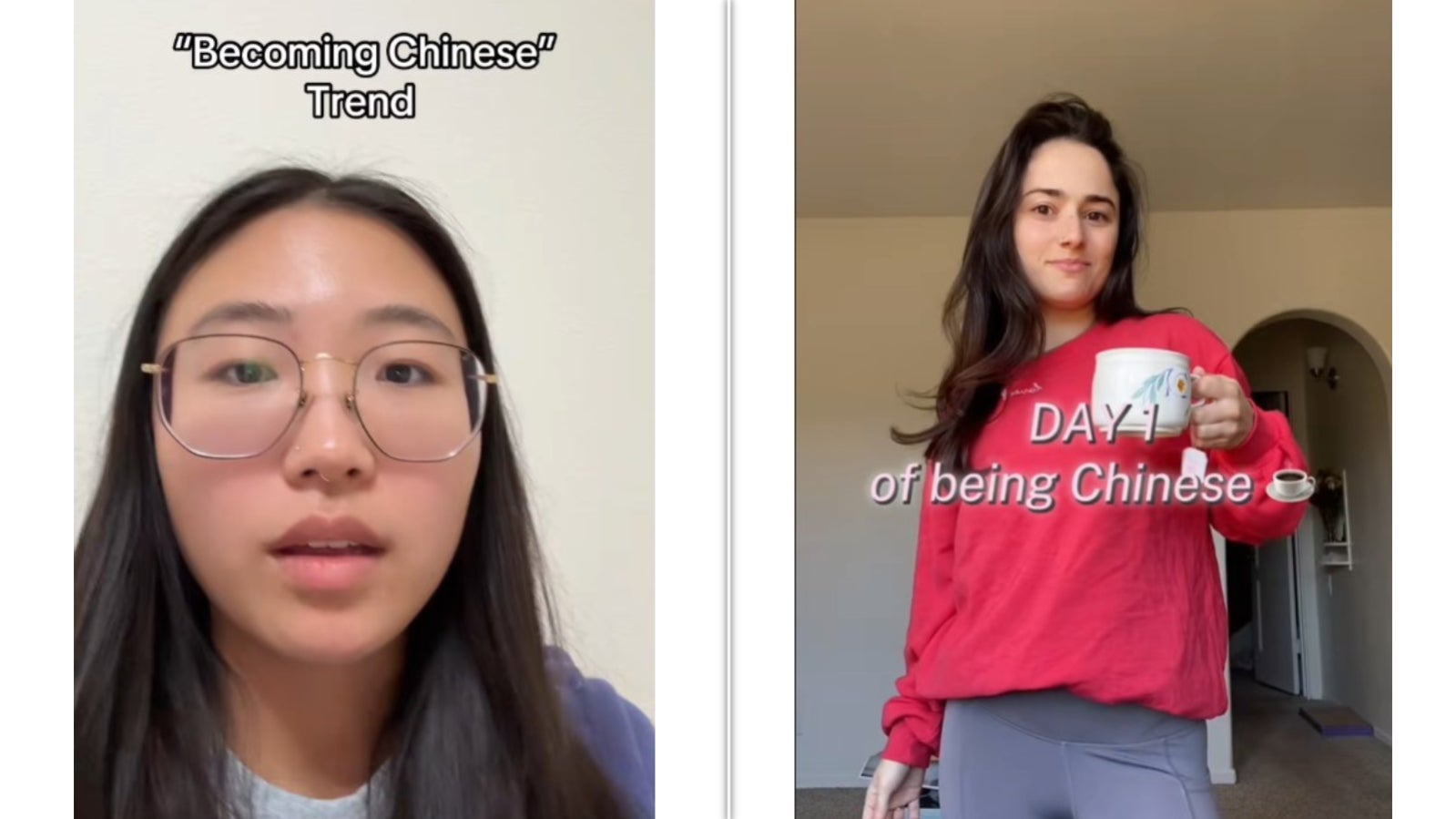
TikTok users are ‘becoming Chinese’ this month by embracing traditional cultural habits to level up their modern beauty and wellness routines. If you haven’t heard of this, you may need to get working on your algorithm as there have been 3.2 million views of this topic on the clock app.

The practice that they’re all racing to take part in is formally known as Yang Sheng (meaning “nourishing life”) and users are joking that they are ‘turning Chinese’ by taking part. The most common practice, and the one that has gone wild in the app is drinking hot water before bed which promises glowing skin and a healthier body.

The trend focuses on removing “internal dampness” and aiding digestion by moving away from iced drinks in favour of thermal flasks. That’s right. Iced coffees are finally out of fashion. I never thought I’d see the day, either.

But, does it work? And how does introducing this to your night time routine affect your sleep? To answer this, nutritionists and sleep experts at Mattress Online explain the benefits and potential drawbacks of this practice.

Does the Chinese hot water trend work?

Helen Ruckledge, Registered Nutritionist at Mattress Online advises: “There is no consistent research that suggests hot water aids digestion or reduces bloating more than cold water. It is certainly not the case that hot water speeds up the metabolism or makes you wake up with a flat stomach.

Hydration is fundamental to many aspects of health. For example, it is well established that being dehydrated can increase your risk of constipation.”

Ruckledge assures that whatever works best for you when it comes to drinking water is what you should stick to, saying: “The key to hydration is to drink water in whichever way you enjoy the most, to encourage you to drink plenty. There is certainly no research to suggest that cold water is detrimental. Many people find it more refreshing when cold.

“Others find hot drinks comforting and prefer drinking water hot. Just a cautionary note, if you opt for hot, do boil the water and cool it rather than taking it out of a hot tap. And of course, ensure the water is not scalding hot when you drink it.”

As for whether drinking hot water before bed helps us to sleep…

Hannah Shore, Head of Sleep Science at Mattress Online says: “Drinking a cup of hot water before bed probably won’t directly affect your sleep; however, it could have some benefits. Taking the time to sit and drink a hot cup of water could be the perfect thing to build into your wind-down routine.”

She emphasises that the habit of slowing down before bed with a hot drink may be more beneficial than the drink itself, saying: “As adults, we often forget the importance of a wind-down routine, which should help relax the mind and body, prompting us that it’s time for sleep.

“In turn, if this is done in the right environment, it can prompt the body to create sleep-promoting hormones, such as melatonin, helping you to drift off to sleep more easily.”

Stay hydrated and rested wherever possible, basically.

Share Button

WTF Is ‘Brothy Rice’, The Food Trend All Over Your Feeds?

If you’ve 1) been online recently and 2) love to find recipes on social media, chances are you’ve heard of “brothy rice”.

Though the techniques, ingredients, and recipes used in viral “brothy rice” videos are centuries old, the new term has done what many a catchy title has before it: turned an established food into a viral online hit.

This video, for instance, which sees a poster spoon ladles of creamy sauce over fluffy rice, chicken, and pak choi, has amassed millions of views.

Multiple creators have questioned the recipes’ sudden popularity, with one TikToker pointing out that variants of the dish have existed in Asia “since the dawn of time… it’s not a new thing”.

Another said: “Am I the only one who already… had brothy fucking rice?”

Here, Ashley Bennett, the head chef at Southeast Asian-inspired restaurant Ka Pao, shares why “brothy rice” is having such a moment, as well as how to perfect it at home.

What is brothy rice?

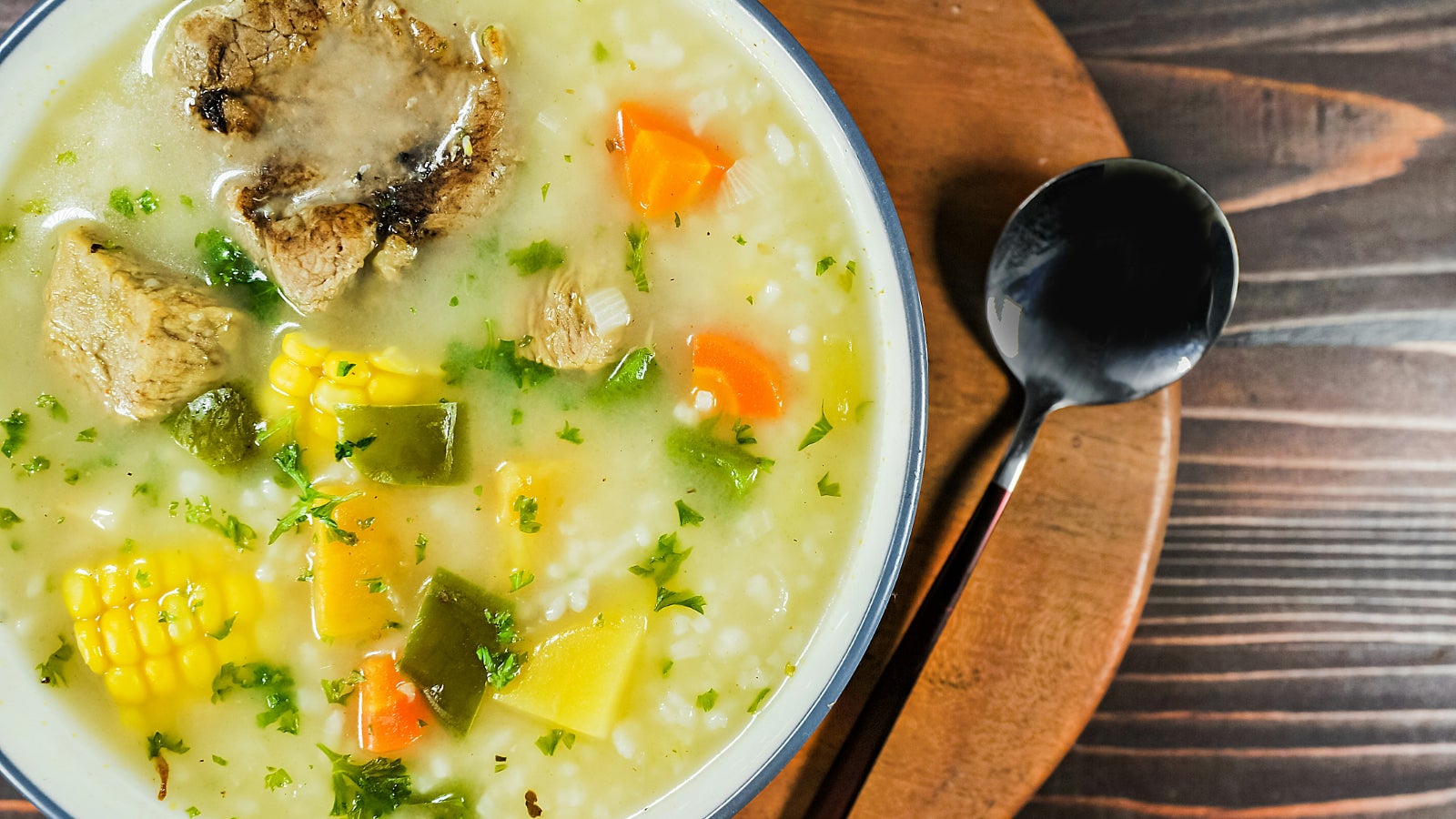
It’s more or less what it sounds like: any dish that involves pouring some form of broth, or stew, or sauce over rice, veggies, and/or meat.

It is, Bennett reminds us, not new. “Although the name feels modern, the idea is very old,” she explained.

“Rice served with broth or soup has been part of everyday eating across Asia and beyond for centuries. Variations exist in many cultures as food that is filling, gentle and practical, often eaten for comfort or recovery rather than show.”

Why has brothy rice gone so viral?

The meals are often simple, delicious, filling, and fast (I use a New York Times version about twice a week, because it takes next to no prep time). They are often healthy too.

“Brothy rice feels right for how people want to eat at the moment. It is comforting without being heavy and works with the reality of home cooking, where meals need to be flexible and low effort,” Bennett said.

“It suits batch cooking, leftovers and simple ingredients, and it feels genuinely nourishing, which makes it especially appealing in winter.”

How can I make the best “brothy rice”?

Whether you’ve been making the meals that inspired “brothy rice” for years or have found new recipes through the trend, Bennett has some advice.

“The most important thing is to treat the rice and the broth separately. Properly cooked rice gives structure, while a well-made broth brings depth and balance.

“Taking time with the stock and adjusting seasoning at the end makes all the difference, especially adding a little acidity to lift the flavour,” the chef said.

Want a professional-level finish? “Restaurants tend to put more care into their stock and are more confident about seasoning right up until the last moment,” she ended.

“They also think about how the dish finishes, adding freshness or texture so it feels complete. Those small touches are easy to recreate at home and instantly elevate the bowl.”

Share Button

I Love ‘Fibremaxxing’ – But Does A Dietitian Think It’s A Good Idea?

You probably shouldn’t stick to the social media-beloved carnivore diet, heart health experts say – it may end up raising your “bad” LDL cholesterol.

But what about “fibremaxxing,” a recent TikTok obsession which sees some creators eat more fibre in their breakfast than most people eat in an entire day?

I’ve been on the fibre bandwagon for a long time. It’s linked to lower bowel cancer, dementia, and heart disease risk, but 90% of us fail to hit the recommended 30g a day.

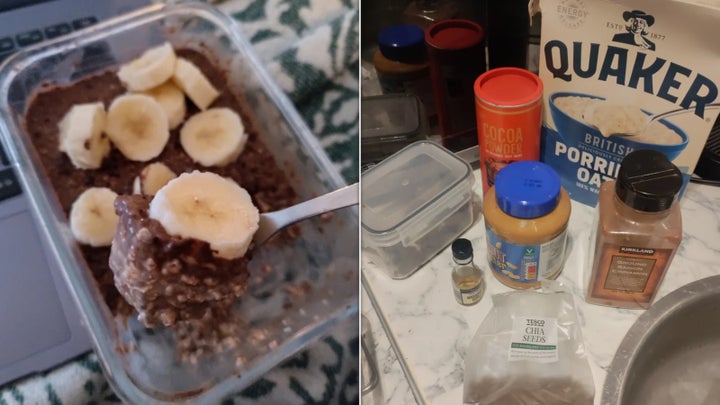
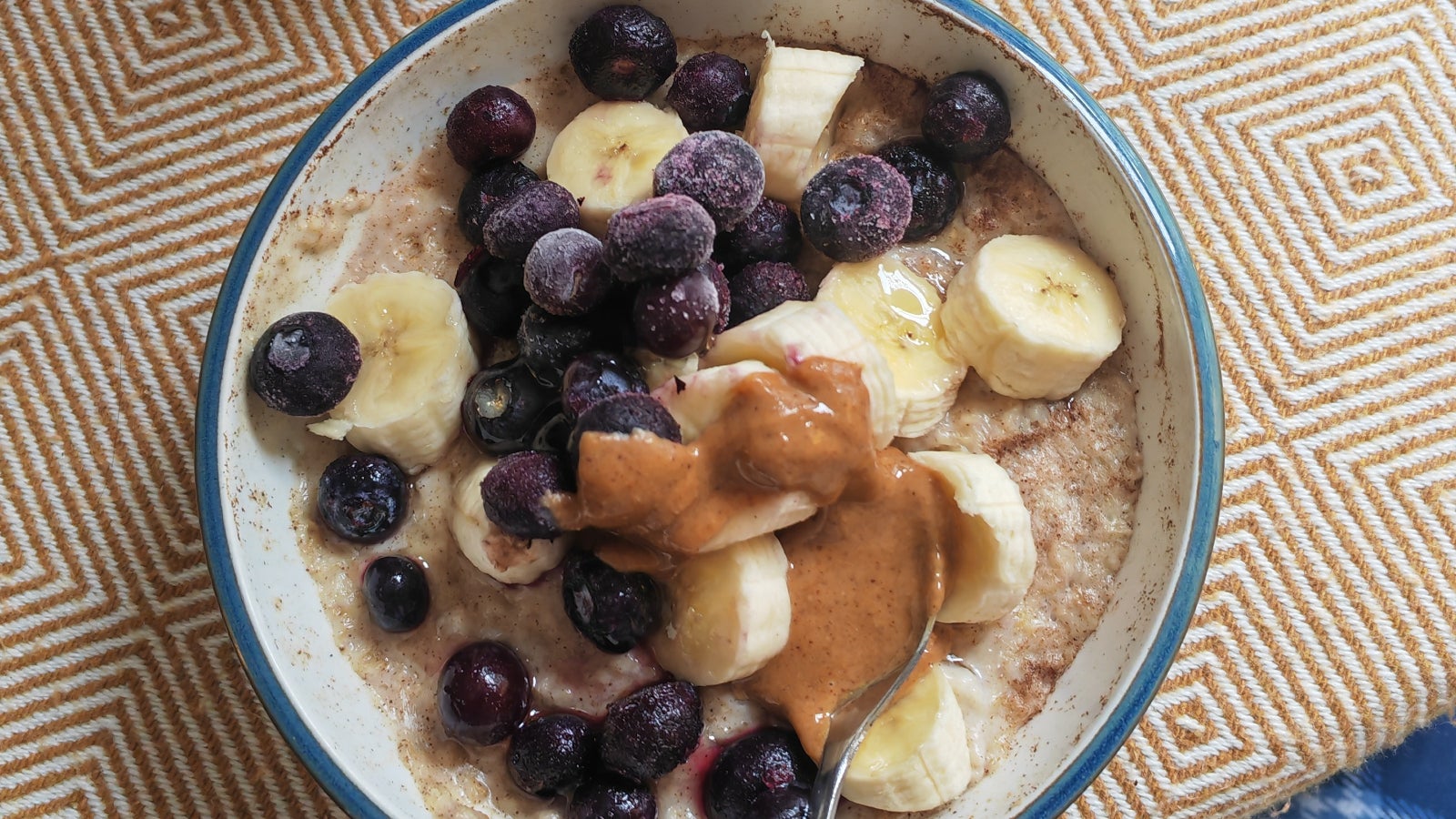
Those stats have encouraged me to get 24g of the nutrient in before dinner and devise a breakfast recipe that contains half your daily intake (I suppose I, too, am a fibremaxxer).

Am I in the right, though? Though many of us lack the crucial carb, can “fibremaxxing” go too far?

My "fibremaxxed" breakfast

Amy Glover / HuffPost UK

My “fibremaxxed” breakfast

Most of us really could benefit from “fibremaxxing”

Registered dietitian Brea Lofton from Lumen shared that “most adults in Western countries really consume far less fibre than the general recommendation.”

On average, she said, adults hit 20-15g a day (as little as half the recommended amount).

“The gap in fibre can contribute to higher risks of cardiometabolic diseases, like type 2 diabetes, obesity, and even heart disease,” the dietitian added.

Oats, brown rice, legumes, beans, wholegrain versions of foods like pasta and bread, and fruits and veggies can all provide a fibre boost.

But the expert gave a word of caution; you should up your intake slowly, particularly if you didn’t eat much fibre before “maxxing” it.

Too much too soon can lead to “bloating, gas, cramping, constipation or diarrhoea, and nutrient malabsorption,” Lofton said.

“Diarrhoea and constipation can occur depending on the type of fibre, in addition to how much water an individual is drinking, and malabsorption can occur when consuming excessive amounts of fibre over a significant span of time.”

This might be especially noticeable for those boosting their fibre through fortified food or supplements, which she suggested “may not provide the same microbial benefits as whole foods.”

Upping your fibre isn’t for everyone, either

Though in general, more of us should eat more fibre, Lofton stated that older people, those with IBS, people in the post-surgery period, and chronically ill individuals might want to consult a doctor before eating more fibre.

Feelings of fullness when you haven’t eaten much, a bloated, gassy, or “upset” stomach can all reveal you’re doing too much, too soon.

This happens because “the extra bulk and water absorption properties of fibre can cause intestinal muscles to contract more than usual, sometimes leading to cramping or discomfort,” regardless of your health status.

“The overall message is that fibre is foundational, but more isn’t always better,” Lofton concluded.

Share Button

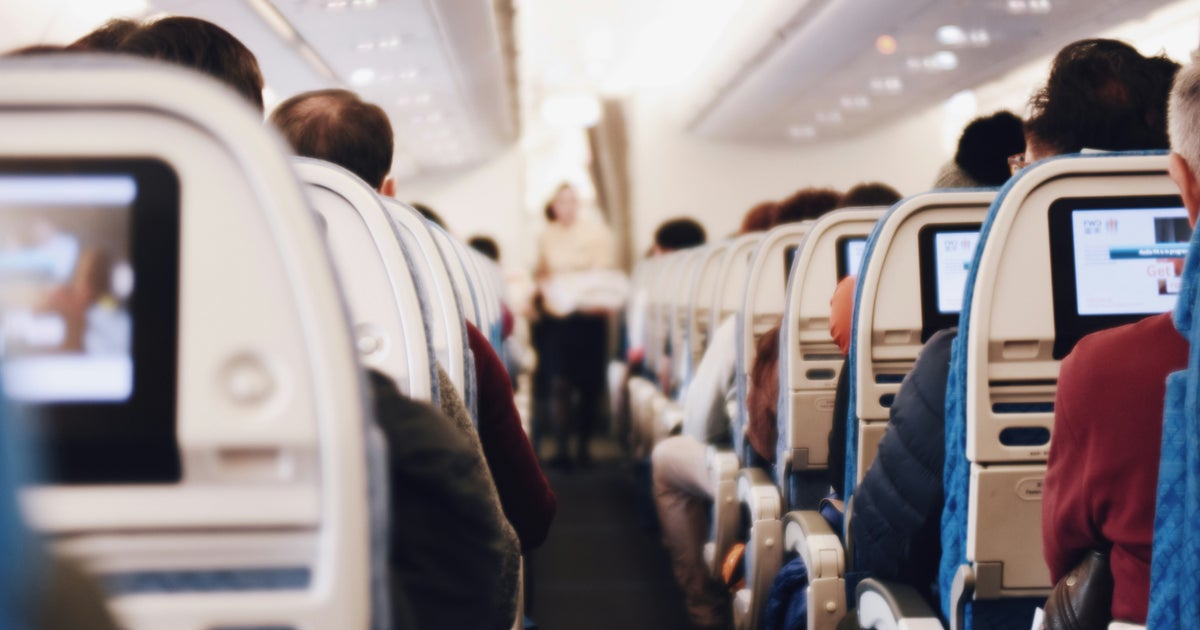
Patrick Warburton is Right – ‘Raw Dogging’ Flights Is Masochistic

Taking to TikTok, Patrick Warburton joked he was “concerned” for what he sees as his involvement in the “raw dogging” flight trend.

The actor said his Seinfeld character Puddy’s refusal of in-flight distractions on the show was “responsible” for the phenomenon, which sees flyers eschew things like headphones and even drinks for a truly “present” flight.

“My concern is that somebody’s gonna get hurt,” the actor, who also voices Joe Swanson in Family Guy and Kronk in The Emperor’s New Groove, quipped.

“If you go into this thing blindly… not reading, not watching something, you’d better be OK with what’s going on up here,” he continued, tapping his noggin.

“I’m not,” he added.

Well, Patrick, nor am I. Are we simply mentally weak – or is the trend (as I suspect) just a bit pointlessly unbearable?

“They’re idiots”

Speaking to the BBC about the trend, which footballer Erling Haaland partook in with “no phone, no sleep, no water, no food,” Dr Gill Jenkins said that those “raw dogging” flights are “idiots.”

In a previous HuffPost UK interview, nutritionist Toby King said: “The trend requires you to sit still for hours at a time and not take in any food or liquids. This is a recipe for disaster that could have terrifying consequences.”

Those “consequences” involve blood clots and dehydration.

But let’s say you’re in fine fettle after an hours-long test of nerves and sanity.

What could you possibly gain from staring at the plastic back of a seat for four hours, I beg to know? What possible mental enrichment can come from hearing nothing but tannoy chimes and baby sobs as your pores dehydrate under fluorescent strip lights?

It’s not the only suffering-focused TikTok trend

Like 2024′s “winter arc” fitness trend (which, like “raw dogging” flights, seems to mostly involve men), the only point seems to be making a hard, annoying thing more difficult and painful.

In the case of the “winter arc,” participants gave up more than just their headphones – some swore off sex, masturbation, hair (yep, really), and socialising, dismissing them as distractions with “no purpose.”

I wish I could pose a grand theory of pointless viral pain and why it seems to afflict so many Gen Z men in particular, but aside from general mumblings about perceptions of masculinity, I can’t really say what this fondness for recreational agony is about.

All I can say is I won’t be taking part, ta very much.

Share Button

Yes, The Ice Bucket Challenge Is Back In 2025 – This Is Why

In news that will make many of us feel old, the Ice Bucket Challenge is back, over a decade since the first iteration in 2014.

We’ll try to not think about how much has happened in the world since then…

If you weren’t familiar, the Ice Bucket Challenge started in America to raise awareness of the condition ALS, which is the most common form of Motor Neurone Disease (MND).

The challenge involved pouring a bucket of ice water over yourself, nominating your friends to do the same and making a donation to an ALS charity.

On their website, the MND Association explains: “In the UK, the Ice Bucket Challenge hit over the August Bank Holiday weekend, and it wasn’t long before a surge of donations flooded into the [MND] Association’s JustGiving page, set-up by volunteers Paula and Robert Maguire. In just a few short days, the Ice Bucket Challenge raised £7.25million, changing the course of the Association’s work for good.

Now, with TikTok heavyweights like James Charles and Haley Kalil taking part, the challenge is having a resurgence.

Why is the Ice Bucket Challenge back?

Forbes explains: “The newest ice bucket challenge was created by students at the University of South Carolina’s Mental Illness Needs Discussion club, which first posted on Instagram about the challenge on March 31 and said the effort was to raise awareness and funds for mental health causes.”

Since then, the trend has raised $245,000 for US mental health charity Active Minds and over 20,000 people have used the tag #icebucketchallenge on TikTok.

The trend has come under some criticism from ALS advocates with Brooke Eby, an ALS advocate and sufferer stating that she is “fuming” watching “people steal the ALS ice bucket challenge for a different cause when ALS still doesn’t have a cure.”

However, the ALS Association posted on Instagram supporting the new take on the challenge saying: “The Ice Bucket Challenge is back! Mental health impacts everyone, including people affected by ALS.”

What are the symptoms of ALS?

The Motor Neurone Disease Association share that these are common early signs of the condition saying, “MND is a fatal, rapidly progressing disease that affects the brain and spinal cord”:

  • Muscle twitching
  • Tingling or pins and needles
  • Fatigue or extreme tirewdness
  • Tripping and one or both legs getting thinner
  • Dropping things due to weak or stiff hands
  • Slurred or faint speech
  • Swallowing difficulties
  • Breathing problems
  • Emotional outbursts
  • Changes to thinking and behaviour

The charity also adds that if you’re worried you may have the condition, you should speak to your GP.

MND Association provides support to people living with MND, carers, family members, health and social care professionals and anybody else affected by the condition.

Share Button

Dubai Chocolate Keeps Going Viral. So Why Hasn’t Anyone I Know Eaten It?

Don’t get me wrong, I completely understand the appeal of the viral Dubai chocolate bar.

Stuffed with pistachio cream and crunchy knafeh (crispy shredded phyllo pastry), the gooey, nutty delight feels like it’s been a social media staple for years now.

It looks delicious, and it’s meant to be so unbelievably popular that retailers Waitrose and Lidl have imposed two-per-person limits on their versions of “Dubai-style” bars.

So why don’t I know anyone who’s eaten one? I live in pretty central London next to loads of trendy food spots; I’d try the bar if I saw it on any shelves near me, but I haven’t.

Am I just too far into my 20s to know anyone cool enough to try the trend? Is the price tag (Lindt’s version will run you a tenner for 145g in Waitrose) too high for my cohort? Or is the UK’s fascination with the sweet mostly confined to our screens?

I asked as many people as I could about their experience with it; here’s what I found.

I struggled to find many people who’d actually eaten the bar in the UK

Most of the people I spoke to said they’d seen the bar more often in Europe and (duh) Dubai than they have in the UK.

Jelena Skene from PressFlow says that while she’s eaten one of the bars, she’s the only one she knows who has.

“I actually got one from my mother-in-law who went to Dubai,” she told us.

“She got it as a present (I love chocolate in any form) – she said it was incredibly hard to get because there are always queues so she ended up ordering one on Deliveroo!”

Meanwhile, Kristin Herman, a food editor at Academized, said “I’ve only got one colleague here in the UK who actually buys and eats the viral Dubai chocolate.”

But, she added, “I’ve noticed it’s more popular among my colleagues in Europe. Particularly in Germany. Over there it seems to have gained more traction.”

She agrees that the high price might be why it’s not “as mainstream” in the UK yet, though as she points out, “I do think people are eating it. It’s just circulating in different circles.”

A friend of mine thought the viral chocolate was actually from France, because that’s the only place she’d seen it in the wild.

Maybe the Lindt bar, and brands like it, will buck the trend – but as of now, I found it hard to find many people who’d actually eaten the tasty-looking dessert in the UK.

So… why?

It could just be down to taste. “Perhaps it’s a case when trends catch on at different speeds depending on the market,” Herman said.

I reckon part of the problem could lie in how the bar is made, too.

Something like a Hobnob or a Twix is pretty manufacturing-friendly; their base is usually made from inexpensive ingredients (oats, wheat, syrup) and is sturdy enough to withstand chocolate, caramel, and more.

But pistachios, which can take decades to mature, are undeniably pricey and labour-intensive; knafeh is delicate; the chocolate, which is expensive right now, must be tempered for that signature snap (no wonder Lindt’s bar cost a tenner).

Then, there’s the fact that the trend was an online one first.

Perhaps, because TikTok allows us to see crazes from around the world, I, a regular scroller, have simply gotten it into my head that everyone knows about Dubai chocolate.

Not so! UK friends without the app had to search the name online to find out what it is.

Only time will tell if the (honestly, quite gourmet) snack becomes popular enough to finally, finally break into my friend group’s cupboards…

Share Button

3 Influencers Explain Why They Still Use Beauty Filters, Even After Knowing Their Dangers

When the “Bold Glamour” filter on TikTok was created in early 2023, people were shocked by how seamless it looked, and that it wasn’t glitching like other face-altering filters. Despite everyone admiring its technological improvement, it led to an uproar online and offline, with celebrities like Katherine Heigl showing the shocking difference it made.

It’s been widely reported that filters on social media can create a disconnect between online and real life and lower one’s self-esteem. The issue doesn’t just affect teens — it can negatively affect anyone. The curation of social media leads many people to use filters in order to receive positive feedback, which then reinforces the belief that we should be relying on them, explained Natalie Buchwald, a therapist and founder of Manhattan Mental Health Counseling.

You can, of course, still use filters and have a healthy self-image, but experts advise considering the reasons you use filters in the first place.

“While occasional use of filters doesn’t inherently indicate low self-esteem, dependence on them can be problematic,” Buchwald said. “Maintaining a healthy self-image involves recognizing one’s intrinsic worth without relying on digital enhancements.”

Long-term exposure to a filtered image of yourself may create issues in your self-image, even leading to seeking cosmetic surgery to achieve that image of yourself. “Often called ‘Snapchat dysmorphia,’ it describes individuals seeking cosmetic surgery to replicate their filtered selfies. This can manifest in body insecurity and dysmorphia,” Buchwald added.

HuffPost spoke to three influencers who regularly use beauty filters to understand why and how these filters affect their self-esteem.

“I’m super open about beauty standards, filters and treatments on my page. I use beauty filters pretty often! Most of the time, while filming on TikTok I’m using one because of ease, and sometimes TikTok automatically puts them on your face.

“I prefer filters that don’t make me look like a completely different person. I try to remind myself that skin texture, blemishes, redness, undereye bags are all normal. Most things you see online are very unrealistic and you shouldn’t compare yourself to them.

“Filters did change how I saw myself. Social media is so unrealistic, so when you look at yourself in a mirror and you don’t have a smooth foundation filter on, it will look different. A few years back when the filters were heavier, I would wear a lot more makeup in real life to really smooth out my skin or contour my face, and I also ended up getting lip filler and Botox done because I was comparing myself to a filter that made my lips bigger or my skin smooth. Seeing myself with plumper lips or no wrinkles has influenced the treatments I’ve done. I still get minimal lip filler to this day. I’ve always been super transparent about getting procedures done online, even back then. Now I’m pretty confident in myself with or without makeup.

“Looking at the ‘perfect’ version of yourself can make you a bit critical of your natural features. Generally, being a content creator can make you critical about yourself and your appearance; with or without filters, I’m staring at my face all day long editing videos. This often will make you notice things most people probably don’t see.

“If social media removed beauty filters, it wouldn’t affect my content at all! I’m super open on my page, with and without filters, and always will be. I think I might put a little bit of makeup on before I film some of my content to make myself more presentable than I do now, but I would be totally fine with that. I think it would make social media a healthier space for everyone, including myself.”

“I use beauty filters occasionally when filming my TikTok videos, usually ones that enhance smoothness subtly without drastically changing my features. Without a filter, I feel just as confident. For me, it’s less about changing how I look and more about maintaining a particular style, visually.

“I wouldn’t say I’m addicted to using filters. They don’t necessarily make me criticize myself, but more aware of how different enhancements can affect one’s perception. I don’t rely on them to define my self-image.

“Filters can certainly influence beauty standards and make people more self-critical. I think that’s all a byproduct of being on social media. Unless people are openly mentioning they are using filters, it’s hard to tell. As consumers, we may assume these creators are like this in real life, too.

“Personally, using filters hasn’t influenced me to get cosmetic treatments, but I can see how constant exposure to ‘perfect’ images can create unrealistic expectations, which is why I make it known to my audience when I use beauty filters, rather than hide the fact that I am using them. I do have lip filler, and in hindsight, I may have been influenced by the ‘perfect’ images we see on social media.”

Stella Dadini, influencer and business owner

“I use filters that smooth out the skin very often. I initially started using them out of curiosity, and now it has become a habit — I do it automatically. Honestly, I have no issue with how I look without filters. The only reason I use light filters is because I used to have acne, and it used to bother me.

“I have created content without a filter many times, and I have no problem with that, nor does it make me uncomfortable.

“I wouldn’t say filters make me critical of my natural features, just that I liked how my skin looked without blemishes and acne marks when I had acne. Many women have been influenced by filters, trying to achieve this smooth image in real life. I know from some doctor friends that people ask to look like their filtered selves [via medical intervention]. However, that has never happened to me.”

What’s the best way to navigate filters?

Of course, users aren’t necessarily to blame; the platforms have to take responsibility, noted Buchwald. “Similar to how certain posts are highlighted as #Advertisement, the social media platforms need to demand users who edit their photos to add a similar #filtered tag to avoid skewing the public perception of what is normal.”

There may be some changes soon on that front, as TikTok is said to be banning face-altering filters like “Bold Glamour” for teen use, as these can have dramatic effects on the self-esteem of impressionable young people.

“Young people and parents saw the benefit in being authentic online and recognised the positive impact of belonging and connecting online,” wrote Christine Grahn, head of public policy and government relations for TikTok in Europe, in a recent newsroom statement.

Comparing yourself to online filtered images can trigger social comparison, explained Buchwald. “This can lead to feelings of inadequacy and diminished self-worth, as one’s unfiltered reality may not match the enhanced images presented online. It’s a competition where no one can win as there’s always ‘something else you can improve,’ which can be a very toxic mentality to have about your self-image.”

There are ways to combat negative self-image created by one’s online presence. Buchwald recommends a few different ways; seeking professional advice like therapy to foster self-acceptance, mindfulness practices and spending time in nature as a way to ground yourself and distance yourself from the bubble of the online world. Finally, avoid consuming content that makes you feel bad about yourself or even limit your social media usage until these feelings don’t consume you.

Interviews have been condensed and edited for clarity and length.

Help and support:

  • Mind, open Monday to Friday, 9am-6pm on 0300 123 3393.
  • Samaritans offers a listening service which is open 24 hours a day, on 116 123 (UK and ROI – this number is FREE to call and will not appear on your phone bill).
  • CALM (the Campaign Against Living Miserably) offer a helpline open 5pm-midnight, 365 days a year, on 0800 58 58 58, and a webchat service.
  • The Mix is a free support service for people under 25. Call 0808 808 4994 or email help@themix.org.uk
  • Rethink Mental Illness offers practical help through its advice line which can be reached on 0808 801 0525 (Monday to Friday 10am-4pm). More info can be found on rethink.org.
Share Button

Is Self-Diagnosing ADHD From TikTok So Bad? I Asked A Psychotherapist

A recent headline about ADHD (attention deficit hyperactivity disorder), which more and more UK adults have received treatment for over the past couple of years, said the condition is being “wildly overdiagnosed”.

The article’s author adds the condition “has become a scam” because so many people say they have it.

Some worry that apps like TikTok are giving people misinformation that leads them to inaccurately “self-diagnose” the condition, too.

But, perhaps down in part to long and highly variable NHS ADHD assessment wait times, ADHD UK says roughly two million cases are still undiagnosed in the UK.

So, we spoke to psychotherapist and founder of Philadelphia Talk Therapy Matt Sosnowsky about what he thinks about the increase in diagnoses, including self-diagnosis, from social media videos.

Sosnowsky doesn’t think regular people are mental health experts, but that’s not always the point

Sosnowsky says that he works with people of all ages, and says “very few clients” have a professional-level understanding of mental health diagnoses.

But they are, he told us, “the authority on how they feel and what they’re experiencing – which is critical.”

“Perhaps surprisingly, I’m not against folks using media and social media to get a sense of what might be troubling them,” the therapist added.

After all, he points out, “Mental illness remains disproportionately unrecognised and underdiagnosed” (2024 research from the UK Longitudinal Household Study found 12 times as many people in the ‘undiagnosed distress’ category than those considered ‘overdiagnosed’).

“Further, many mental health issues are quite subtle,” Sosnowsky adds.

“Pure ‘O’ OCD, for example, involves constant mental checking – a version of OCD different from what we see in movies, and not dissimilar to regular old rumination. Yet, I’ve had clients suffer from this for decades with absolutely no idea that they had a very treatable diagnosis.

“If seeing your own struggles mirrored back to you in a TikTok video prompts one [person] to seek help, that’s a win to me.”

That’s not to say actual diagnoses should be left to non-professionals, though

“Of course, the devil is in the details and moderation is key,” Sosnowsky said.

He doesn’t, for instance, think identifying with a social media clip amounts to a formal diagnosis or anything like it.

“If you suspect you have a diagnosis, that’s your cue to get it checked out with a professional,” he told HuffPost UK.

“In the interim, avoid jumping to conclusions or catastrophising as neither is likely to give you good data or the help you need.”

That’s not to say you should ignore any signs of ADHD you think are worth exploring completely, he writes.

“Instead, consider doing some light-touch research from responsible sources to educate yourself.

“Not only will this empower you, but it will improve your ability to convey concrete symptoms to your future therapist or psychiatrist.”

Help and support:

  • Mind, open Monday to Friday, 9am-6pm on 0300 123 3393.
  • Samaritans offers a listening service which is open 24 hours a day, on 116 123 (UK and ROI – this number is FREE to call and will not appear on your phone bill).
  • CALM (the Campaign Against Living Miserably) offer a helpline open 5pm-midnight, 365 days a year, on 0800 58 58 58, and a webchat service.
  • The Mix is a free support service for people under 25. Call 0808 808 4994 or email help@themix.org.uk
  • Rethink Mental Illness offers practical help through its advice line which can be reached on 0808 801 0525 (Monday to Friday 10am-4pm). More info can be found on rethink.org.
Share Button