What Youngest Siblings Bring Up The Most In Therapy

Youngest children are often thought of as the lucky ones – the babies of the family who skated through childhood with fewer rules, more freedom and all the attention.

But therapists who work with youngest siblings hear a very different story.

“The youngest child sits in a fascinating and often painful paradox,” Erin Pash, a licensed marriage and family therapist and founder of Pash Co., told HuffPost. “They grew up surrounded by people who loved them and people who consistently underestimated them.”

Although the youngest sibling may face different challenges compared to the forgotten middle child or the “parentified” eldest, their psychological wounds are no less valid. It’s also important to acknowledge the wide range of experiences that youngest siblings can have.

“The research on birth order and its impact on personality and mental health is pretty limited and quite mixed,” said Caitlyn Oscarson, a licensed marriage and family therapist.

“Birth order is only one piece of someone’s story. The family dynamics, relationships and life experiences, along with genetic dispositions, are likely much more important than simply being the youngest.”

Things like culture, parenting style and sibling age gaps can play an important role as well.

“I encourage people to use birth order as a starting point for curiosity rather than a diagnosis,” said Priya Tahim, a licensed professional counsellor and the founder of Kaur Counseling.

“The question isn’t, ’What does it mean to be the youngest?” but rather, “How did being the youngest shape the beliefs I developed about myself, my relationships, and my place in the world?” When we explore those questions in therapy, we often uncover patterns that no longer serve us and that’s where meaningful growth begins.”

There are some general themes that tend to emerge on that journey as well. Below, therapists share the most common issues youngest children bring up in therapy.

Not being taken seriously

“One of the most common themes I see is the struggle to be taken seriously,” said Altheresa Clark, a licensed clinical social worker and founder of Inspire4Purpose. “Many youngest siblings describe growing up being viewed as ‘the baby’ of the family, even well into adulthood. As a result, they often feel their opinions are dismissed or that they have to work harder to prove they are capable, responsible and independent.”

She added that many youngest children feel underestimated, as though their family can only view them through the lens of who they were as a child.

“If your older siblings changed your diapers and wiped away your spit up, it may be hard for them to truly picture you now as a full-fledged adult,” said Natalie Moore, a licensed marriage and family therapist. “Even if you’re competent in professional and personal areas of your life, your older siblings or parents may still treat you as though you’re ‘still figuring it out’ or that you need extra help – even if you don’t.”

Family patterns and roles are well-established by the time the youngest child arrives.

“Youngest children are often the last to be consulted, the last to be believed and the last to have their emotional experiences validated,” Pash said. “That early experience of not mattering as much becomes a deeply internalised belief that follows them into adulthood, their relationships and their workplaces.”

Chronic comparison to older siblings

“Growing up in the shadow of older siblings creates a relentless internal measuring stick,” Pash said. “Youngest children often spend enormous psychological energy either trying to differentiate themselves from their siblings or quietly wondering if they’ll ever measure up. Both directions are exhausting. Therapy often uncovers how much of their identity was built in reaction to who came before them, rather than from the inside out.”

From academic and career success to relationships and life milestones, older siblings can set a standard of measurement that makes it difficult to chart your own path.

“Many youngest siblings describe feeling pressure to live up to their older siblings’ accomplishments or, conversely, feeling responsible for ‘doing better’ after an older sibling’s disappointments,” Tahim said. “While these comparisons are often unconscious and rarely come from a place of harm, they can still have a lasting emotional impact. Over time, this can contribute to perfectionism, people-pleasing, self-doubt or a persistent feeling that they have something to prove.”

Furthermore, this dynamic of comparison can minimise the satisfaction and joy of personal achievement.

“There will always be someone who got there first – whether it’s a milestone, a graduation or just age itself,” said Chloë Bean, a licensed marriage and family therapist. “When every milestone has already been reached by someone else, youngest children can struggle to feel a sense of ownership over their own accomplishments.”

The myth of the carefree ‘fun one’

“The myth that youngest children are carefree is perhaps the cruelest one because it’s so cheerfully delivered,” Pash said.

“People say it like it’s a gift. What they don’t see is that ‘carefree’ is often the mask that gets assigned when no one is paying close enough attention to the care that’s actually needed. The youngest child learned early that the family’s emotional bandwidth was already stretched, so they adapted. They became easy. They became fun. They made people laugh.”

Underneath that mask, however, there might be a child managing big feelings alone because asking for help felt like too much of an imposition. In this sense, being fun or easygoing is more of a survival strategy than a personality trait.

“Behind the ‘fun one’ label, there can be anxiety, people-pleasing, perfectionism or a fear that if they stop keeping the peace, they’ll disappoint those around them,” Tahim said.

Thus, many youngest siblings opt to “go with the flow” and give off an appearance of “floating through life,” despite the emotional weight they actually carry but don’t necessarily have the skills to identify and communicate.
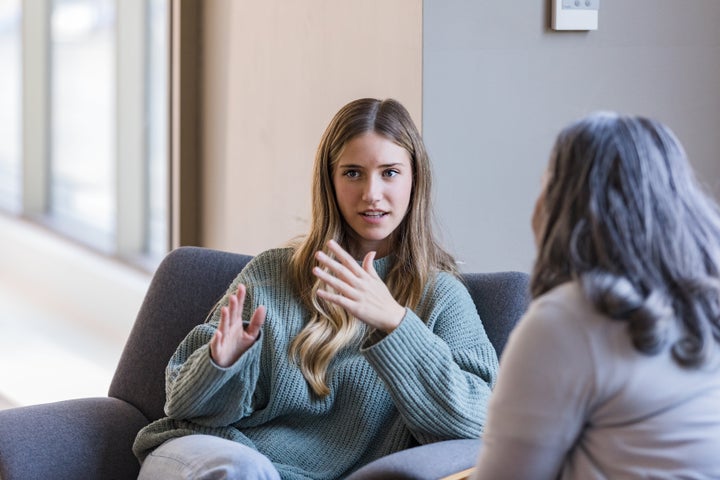
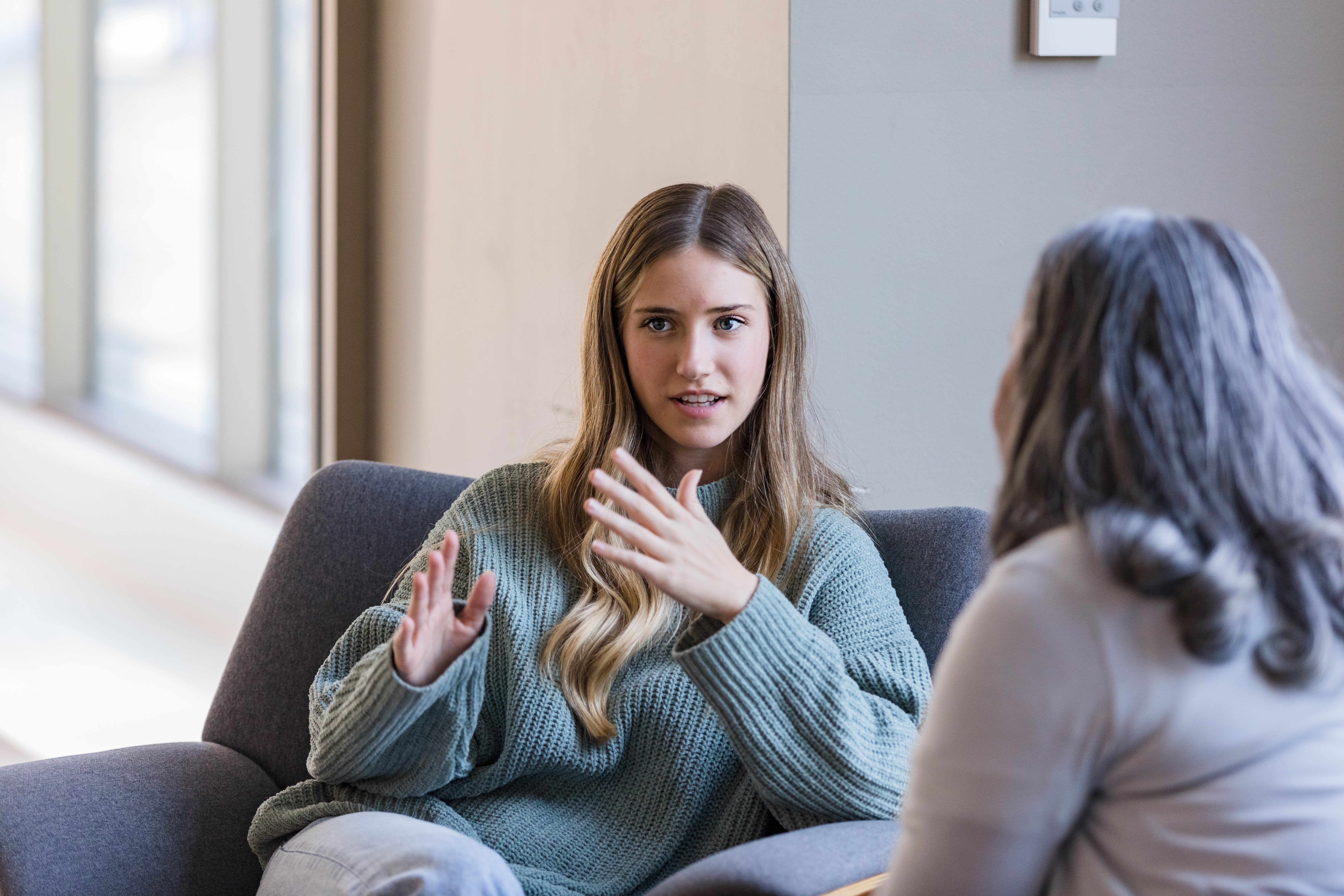
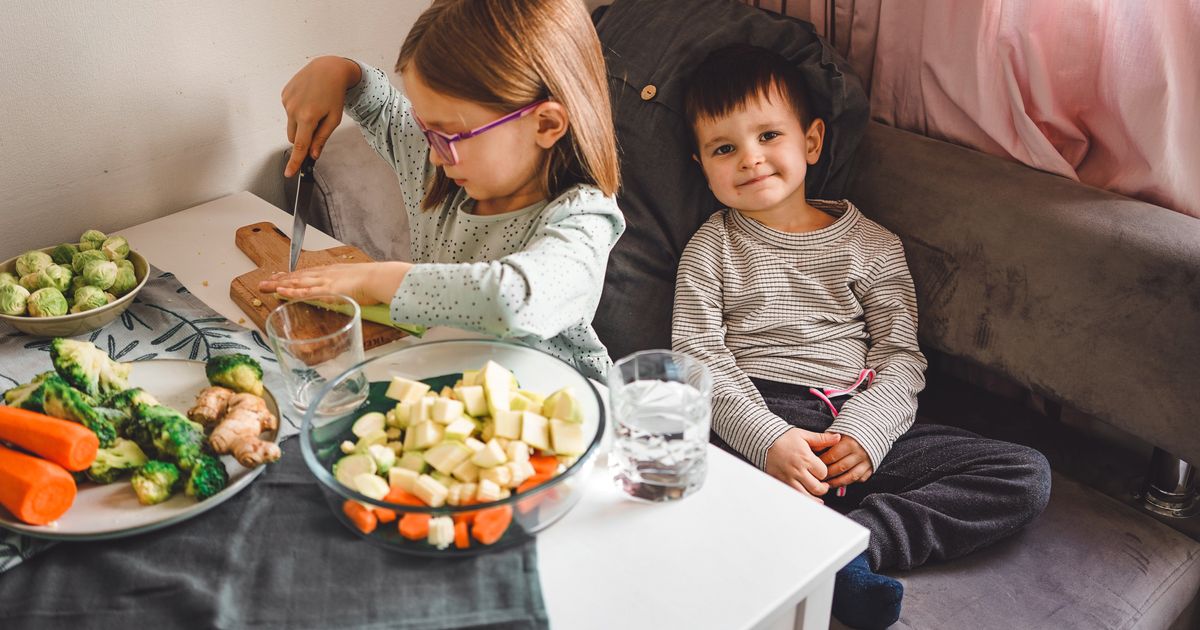
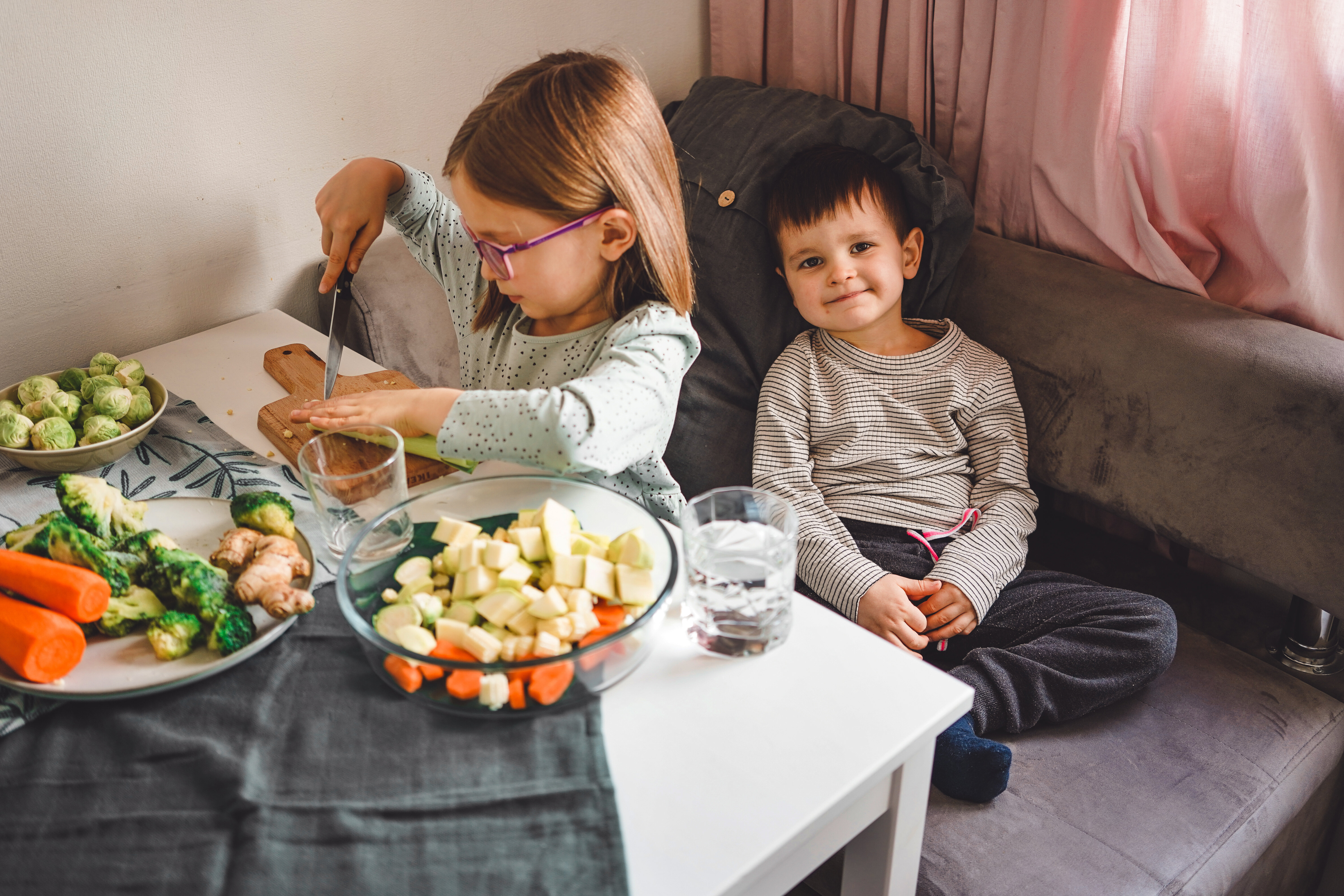
A common theme among youngest siblings is wanting to be taken seriously as an adult.

SDI Productions via Getty Images

A common theme among youngest siblings is wanting to be taken seriously as an adult.

The ‘spoiled’ and ‘favourite’ labels

“The ‘favourite’ label carries its own particular sting,” Pash said. “Many youngest children tell me they felt simultaneously favoured and overlooked, given treats and flexibility while being denied depth and seriousness. Being the favourite doesn’t mean being the most important. It often just means being the most manageable.”

The youngest sibling might experience less strict versions of their parents and have fewer responsibilities, but that comes at a cost.

“The idea that the youngest sibling is always spoiled or the favourite is often much more complicated than people realise,” Clark said. “Many of my clients describe feeling overlooked rather than overindulged. Others explain that while they may have had certain freedoms growing up, those freedoms also came with assumptions that they didn’t need as much guidance or emotional support because their parents were more experienced by that point.”

And don’t forget the burden of an older sibling’s jealousy or resentment – which can create additional pressure to prove your worth and chip away at self-confidence.

“Maybe the older sibling envied the youngest’s freedom, slack and less rules,” Bean said. “The younger sibling grew up resented simply for existing and splitting the parents’ attention. This is common because the youngest sibling had no say in the family structure they were born into, but they absorb the blame for it. Children internalise that kind of resentment as ‘something is wrong with me’ way before they understand where it actually comes from.”

Difficulty setting boundaries

“Because older siblings or parents may have been accustomed to looking after them, youngest siblings sometimes struggle to separate their own identity from family expectations,” Clark said. “This can show up in people-pleasing, avoiding conflict or feeling guilty when making decisions that differ from what their family wants.”

As they get older, youngest children may struggle with taking up space, expressing needs and setting (and enforcing) boundaries.

“Learning that their needs are legitimate – not an inconvenience – is frequently the central work,” Pash said. “The family peacekeeper often becomes an adult who struggles to say no.”

They might feel particularly deferential to older siblings who took on a caretaking role in their childhood.

“You may find that when discussing personal stressors or decisions, that they jump in with advice or opinions even if you didn’t ask for them,” Moore said. “This can cause friction between siblings, where it’s more appropriate to have a peer-to-peer relationship, versus one with a parental-style hierarchy.”

Mabel Yiu, a licensed marriage and family therapist and founder of the Women’s Therapy Institute, pointed to another dynamic that can stem from difficulty setting boundaries and asserting needs.

“Some youngest often feel they don’t have the power to say no or the safety to express anger as a kid, so they develop conflict-avoidant behaviours such as passive aggression as adult,” she explained. “Some behaviours include saying yes but not doing the thing, backhanded comments or sarcasm. In those situations, the work is around building tolerance for discomfort, expressing ‘no’ or anger in a meaningful way and discerning the humor and anger in sarcasm.”

Learned helplessness

“When older siblings, parents and even extended family consistently swoop in to solve your problems, tie your shoes and finish your sentences, you don’t develop the same tolerance for discomfort and struggle that builds confidence,” Pash said.

“Many youngest children arrive in adulthood with a quiet but persistent belief that they can’t fully trust themselves because they were rarely given the chance to find out.”

It’s a kind of learned helplessness that leads to adults who second-guess themselves, defer to others, struggle with confidence in their own judgment and feel extreme anxiety around being wrong.

“When you’re the youngest sibling, your older siblings are likely to be more developmentally advanced in almost every area,” Moore said. “As an adult, this seems obvious – of course an 8-year-old is better at jump rope than a 5-year-old. But young children don’t necessarily understand that it’s not that their older sibling is ‘better’ at everything than them inherently, it’s just that they’ve had more time to develop their skills and talents.”

As a result, they may feel chronically behind and incapable.

“Because early childhood experiences shape our adult lives to a great degree, a youngest sibling could maintain this ‘trying to catch up’ internal blueprint long after it’s no longer relevant,” Moore added.

Feeling overlooked and unseen

While youngest children are often assumed to be the centre of attention, many carry a quieter wound – a feeling of having been overlooked in ways that are hard to articulate.

“By the time they were born, their parents had already raised the older kids, so the youngest one tends to receive less attention, fewer photos, fewer ‘first-times’ that anyone made a fuss over,” Bean said.

“Youngest siblings can also feel left behind, like the caboose of the whole train. The rest of the family shares memories the youngest was never part of, and that shared history is something they can never catch up to. If the household was chaotic as they were growing up, or if the parents were spread thin, the youngest one learned to regulate by staying small, agreeable and low-maintenance.”
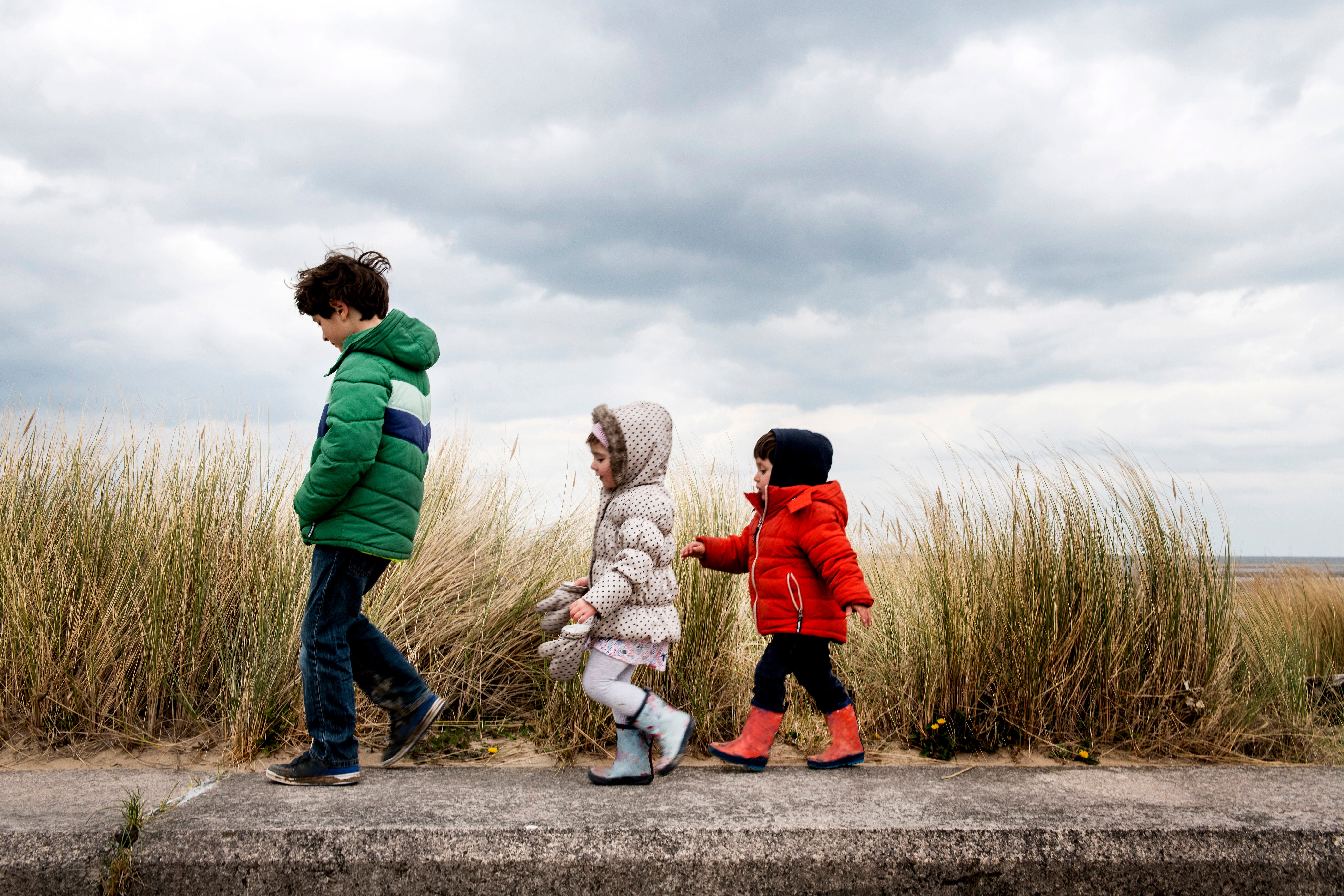
Youngest siblings can struggle to establish a strong sense of self.

Bonfanti Diego via Getty Images

Youngest siblings can struggle to establish a strong sense of self.

Yiu explained that youngest children may feel less important or like they were given the most tired and least structured version of their parents.

“Novelty fades with each child, which shows up as less documentation, not less love,” she noted. “Reframing this as a lack of novelty rather than a lack of importance tends to take the sting out of it. Knowing this intellectually doesn’t always undo the feeling, and part of the work is sitting with the fact that something can be true and still hurt.”

Pash described a related paradox of “invisibility within visibility.”

“The youngest child often walks into therapy half-convinced they don’t have a real reason to be there,” she said. “They weren’t abused, they weren’t neglected in the obvious ways, and someone always thought they were delightful. But delight is not the same as being known. Warmth is not the same as being witnessed and genuinely understood.”

A need for a stronger sense of self

“At the core, most youngest children are working toward the same thing – being taken seriously by others, and eventually by themselves,” Pash said. “More specifically, this often looks like developing a self that belongs to them. So much of the youngest child’s identity was shaped by reaction – to older siblings, to parents’ exhaustion and distraction, to family narratives already in motion before they could speak.”

This leaves the youngest siblings wondering who they really are when they aren’t performing the role they were born into.

“They might want to develop a stronger sense of identity, be taken more seriously and taking themselves more seriously, maybe limiting unsolicited advice from other family members and changing the baby role dynamic with their parents and siblings,” said licensed clinical marriage and family therapist Robin Hamilton.

Learning self-reliance and understanding their own personal values are key goals as well.

“Some younger siblings may struggle with trusting their intuition because they grew up hearing, ‘You don’t really understand’ or ‘You’re too young to know what’s going on,’” Oscarson said.

With time and effort, however, youngest children can cultivate that stronger sense of self and instinct.

“They can work on increasing confidence in their own decisions, communicating boundaries more effectively, trusting their voice and recognising that they do not need external validation to prove their competence,” Clark said. “Many are learning to embrace adulthood without feeling like they have to continually convince others that they are capable.”

Share Button

How To Raise Kids Who Actually Like Each Other

Sitting between his two older sisters, Rhys Tsiang, a 16-year-old from New Jersey, said, “They kind of just feel like I’m with my friends when I’m with them.”

The three siblings ― Rhys, Kobie Tsiang, 22, and Nori Tsiang, 20 ― often hang out together in Kobie’s bedroom, which she described as “our communal space.”

“I have a TV in here,” Kobie Tsiang said. “We’ll all come in here. We’ll talk, we’ll walk in without knocking, often. I’d say that we’re pretty close. I’d say that we hang out pretty regularly and probably more than other siblings do in general.”

The Tsiang siblings told HuffPost that they feel closer now than earlier in their lives, when they faced some of the typical sibling conflicts and resentments.

“I did find my younger brother to be slightly annoying,” Nori Tsiang admitted, speaking of her 11-year-old self. Today, the pair often spend time hanging out together with mutual friends.

“I don’t think we were that close when we were younger. I think it’s changed a lot, though,” Rhys said.

Having the space to build their own authentic relationships with each other, as well as having regular time to spend together, such as on annual family vacations, has helped shape the bond the siblings share today.

Building sibling dynamics can be difficult when you’re a parent. But there are steps you can take to ensure that your children have a strong relationship with one another.

We asked a couple of experts what parents can do to raise siblings who actually like each other.

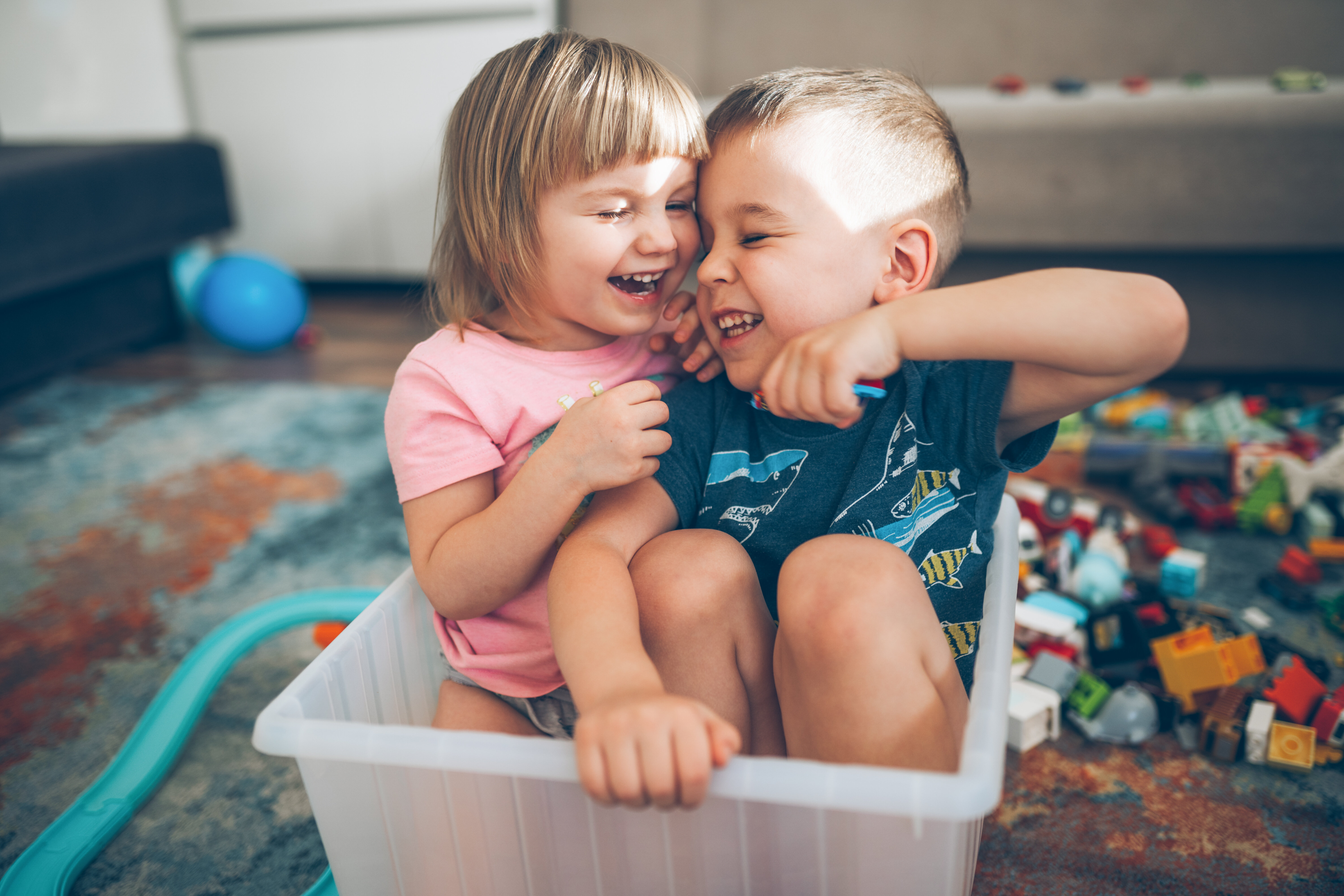
Even kids who like each other will experience conflict sometimes.

Anastasiia Sienotova via Getty Images

Even kids who like each other will experience conflict sometimes.

Don’t confuse a good relationship with a conflict-free one

Liking someone doesn’t mean that you don’t ever fight with them.

“Expecting your kids to like each other is a reasonable goal. I think that’s different from expecting them to not fight with each other,” psychologist Janine Domingues of the Child Mind Institute told HuffPost.

Instead of worrying that your kids’ conflicts will damage their relationship, focus on helping them find a way to resolve the problem at hand. You don’t need to worry that a fight today will ruin their chances of being close to one another later in life.

Topsie VandenBosch, a 35-year-old from Los Angeles, said she and her 26-year-old sister, Pjay Togunde, had “sisterly fights and disagreements” while growing up. As they matured and became adults, their nine-year age gap became less of a divide, and VandenBosch now describes her little sister as “one of my best friends and my rock.”

Togunde agreed.

“My relationship with Topsie now is solid,” she told HuffPost.

Set high expectations

If you expect your children to get along with one another, they’re actually more likely to do so, Laura Markham, a psychologist and the author of several parenting books, told HuffPost.

“If you expect them not to get along, like if you had problematic relationships with your siblings, they are more likely to have more problems,” Markham said. “If you hold it as a family value that we’re family, we can get mad at each other, we can fight — we always work things out. We protect each other and support each other. That will be the value that kids learn about siblings.”

Markham said it’s important to not bring your own baggage from your sibling relationships to your kids, neither assuming that things will be bad nor trying to replicate a relationship you feel is perfect. In addition, you need to cultivate a strong relationship with each of your children individually.

“The research on this is that if you, the parent, have a positive relationship with each child, they’re much more likely to have a positive relationship with each other,” she said.

Kids need reassurance that you love and accept them just as much as their siblings — even when they’re being difficult.

“The most important thing you can do is really work on your relationship with each child, so that each child feels like no matter how much love you give their sibling, there’s more than enough for them,” Markham said.

One way to do this is to schedule special one-on-one time with each child, even if it’s only for five or 10 minutes. Children relish having your full attention.

Also, remember that the way you treat your children is likely the way they will learn to treat each other.

“If your discipline runs to the authoritarian style, you will see your kids be meaner to each other,” Markham said, and you may overhear them repeating phrases you’ve said, like, “Do what I say right now.”

But if you work on setting limits in a more collaborative way, your kids are more likely to follow suit.

“Your model around how problems get solved will communicate itself to your kids,” Markham said.

Praise the kind of behaviour you want to see

It’s easy to get caught up in stopping fights and unkind behaviours, but don’t forget to praise your kids when they display the kind of behaviour you want to see more of.

Domingues called this “label praising,” where you name the positive behaviour and give it your praise.

“Whether they’re playing nicely with each other or sharing together, or if they’re older and just watching something together or interacting together in a way that fosters good sibling togetherness, it’s really being able to praise that and sort of shout that out,” Domingues said.

With a young child, this might sound like, “Thank you for sharing your toy with your sister. That was wonderful of you to do,” she continued.

With an older child, you might say, “I really loved how you spent some time just talking to your sister. I think she really loved that,” or “Thanks so much for driving your brother to school this morning. It helps me, and I think he really loves it when you do that,” Domingues said. In these examples, not only is the parent praising the behaviour but also noting its positive impact on the sibling.

“The research shows that the more positive interactions kids have when they’re growing up together, the better their relationship with each other as adults,” psychologist Laura Markham told HuffPost.

kate_sept2004 via Getty Images

“The research shows that the more positive interactions kids have when they’re growing up together, the better their relationship with each other as adults,” psychologist Laura Markham told HuffPost.

Set up family routines that encourage closeness

“Having family traditions has a multitude of benefits,” Domingues said. This can include the traditional family dinner, but it could also be a special Sunday morning breakfast if that’s what works for your family schedule-wise.

“Start early and start young, so it’s baked into things that they actually look forward to and want to continue to do,” Domingues said.

Markham gave the example of having an older sibling read a bedtime story to a younger sibling every night. Her own children, she said, found that the activity they liked to do together was sword fighting.

The Tsiang siblings recalled family vacations to the Jersey Shore, where, without their friends around, they would do things like play volleyball together.

“The research shows that the more positive interactions kids have when they’re growing up together, the better their relationship with each other as adults,” Markham said, while noting that this does not mean they won’t fight sometimes.

VandenBosch and Togunde credit their parents for encouraging them to spend time together and stay in touch.

“On a typical Friday night, they would prefer for me to usually hang out with my sisters in the house or go see them at college rather than spend time with friends from school,” Togunde said.

“They consistently encourage us to call or text each other often,” she continued. “If I were to tell them that I went two weeks without talking to my sisters, they would be disappointed.”

Give kids space to express their feelings about having siblings

While there are some kids that simply rub each other the wrong way from the get-go, Markham said the most frequent reason she sees siblings don’t get along is because parents “don’t understand how to help the older child with the feelings that come up.”

Knowing that such feelings of jealousy are practically universal, parents may assume that they’ll subside in due time, but this may not be the case. And when they linger, it can sour the sibling dynamic.

“It’s really important to make sure that the older kid has the opportunity not just to spend one-on-one time with you but to tell you how they feel. If you notice that they’re not telling you, but they seem to be handling the new baby a little roughly or climbing on the table to get attention or whatever, you can say, ‘It must be hard sometimes to be the big sister,’” Markham said.

“What you can do is listen and acknowledge,” she continued, noting that parents may avoid the topic because it makes them feel defensive or guilty. But she has seen how allowing kids to have their feelings and talk about them can be an effective way to manage behaviour issues.

This doesn’t mean that you allow an older child to say cruel or unkind things to their sibling, but they can express this anger and jealousy when talking to you.

When one sibling says something negative about the other to you, you can use “part of” language to both validate their feelings and reaffirm your faith that their bond will be strong. Markham suggested using phrases such as, “I know part of you sometimes wishes that even though part of you loves your brother, part of you wishes that you could be an only sibling.”

With a parent’s support, kids can overcome periods of jealousy or not feeling close to each other.

As they look forward to graduations and the beginnings of their careers, the Tsiang siblings plan on remaining a presence in each other’s lives. Kobie and Nori Tsiang intend to even move into their first apartment together one day.

“Me and her are definitely going to stick together, and Rhys will still be around,” Kobie Tsiang said. “Our big American dream is to buy a plot of land somewhere rural and build a bunch of little houses for us and our family.”

Share Button

Here’s What Science Says About Your Birth Order And Personality

Has anyone ever come up to you and said “you must be the youngest in your family, I can tell” or “you’re definitely the eldest daughter”?

Your birth order might actually have a part to play in the way your personality is shaped, but the question is, to what extent?

Dr Julia Rohrer, a personality psychologist at the University of Leipzig spoke to the Science Weekly Podcast to explain how siblings shape the personalities we have.

She explained her own situation saying that she has a younger half sibling which would biologically make her the first born, but she also grew up with an older cousin and they were raised together.

Talking about how birth order might impact someone, she said: “The most influential one more recently is Frank Sulloway’s niche theory.

“It’s an evolutionary inspired idea that within the family the siblings are competing for resources, but also they must get along as they share genes so they have shared interests and so on.

“So the idea is that it’s a bit like it’s in the animal kingdom that there are different ways to specialise. So the first borns specialise in being like a surrogate parent, they are the big and the bossy ones.

“The younger siblings must find their other niches so that’s why they are more creative as they have to explore to find out how they fit into the family context.”

Alongside this, it was recently found by the University of California, Los Angeles-led research team that, in certain instances, first-born daughters tend to mature earlier, enabling them to help their mother rear younger siblings.

A University of California, Los Angeles-led research team found that, in certain instances, first-born daughters tend to mature earlier, enabling them to help their mother rear younger siblings.

Other studies suggest that there is some later-in-life payoff for highly responsible eldest girls.

A 2014 study found that eldest daughters are the most likely to succeed out of any sibling type, while a 2012 study found that those who are eldest-born are more likely to hold leadership roles.

So, there you have it — not only can birth impact your role in the family, it can also have an effect on your adult life.

Share Button

Kind Strangers Track Down Discontinued Toy For Disabled Teen

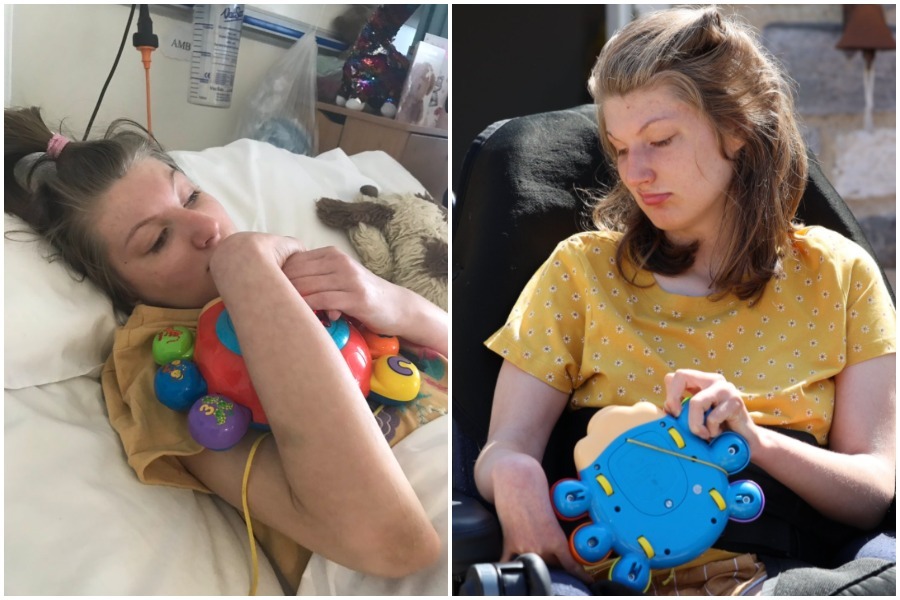
A teenager has been blown away by the kindness of strangers, who’ve rallied together to track down a discontinued toy her disabled sister loves to bits.

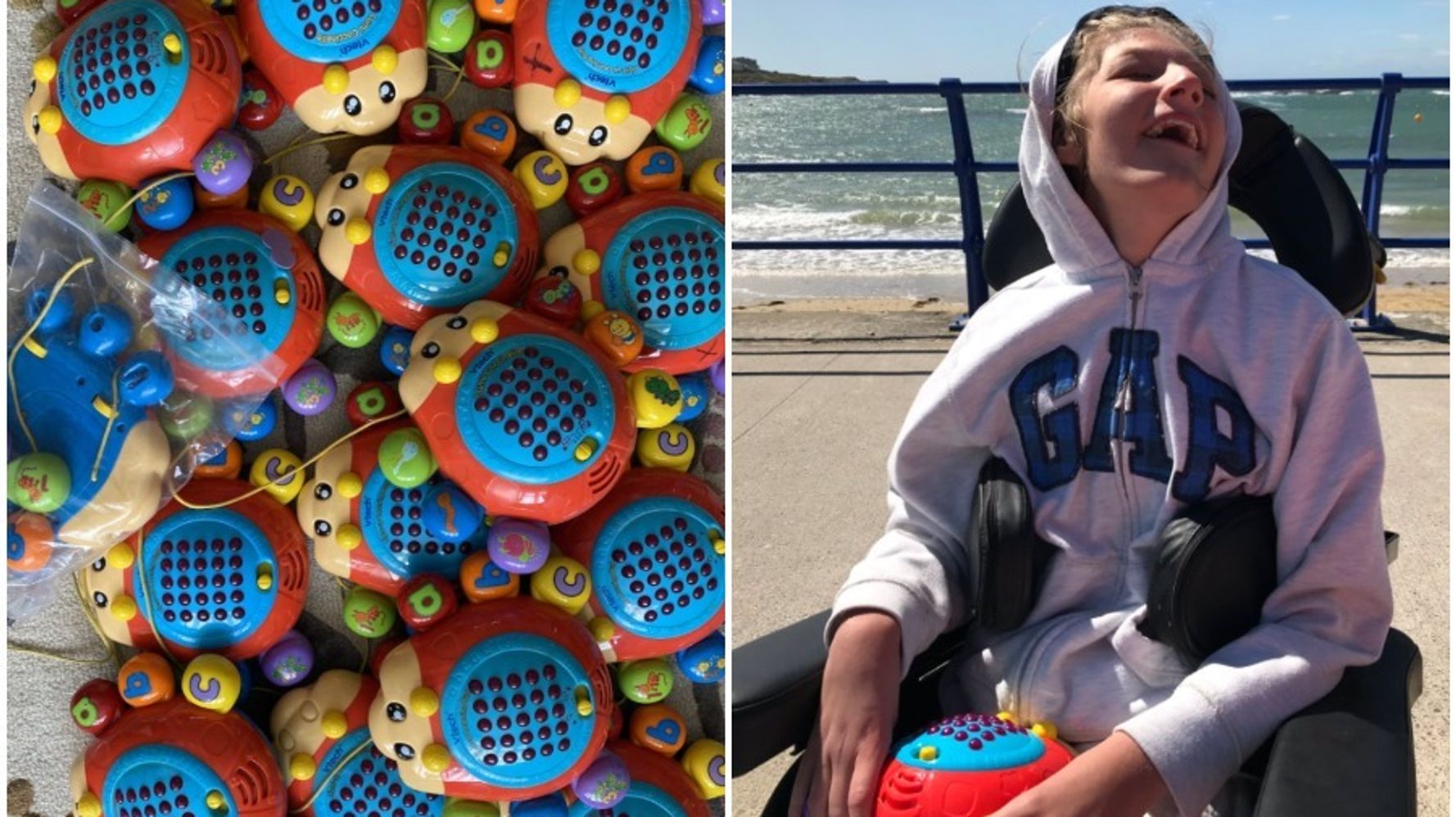
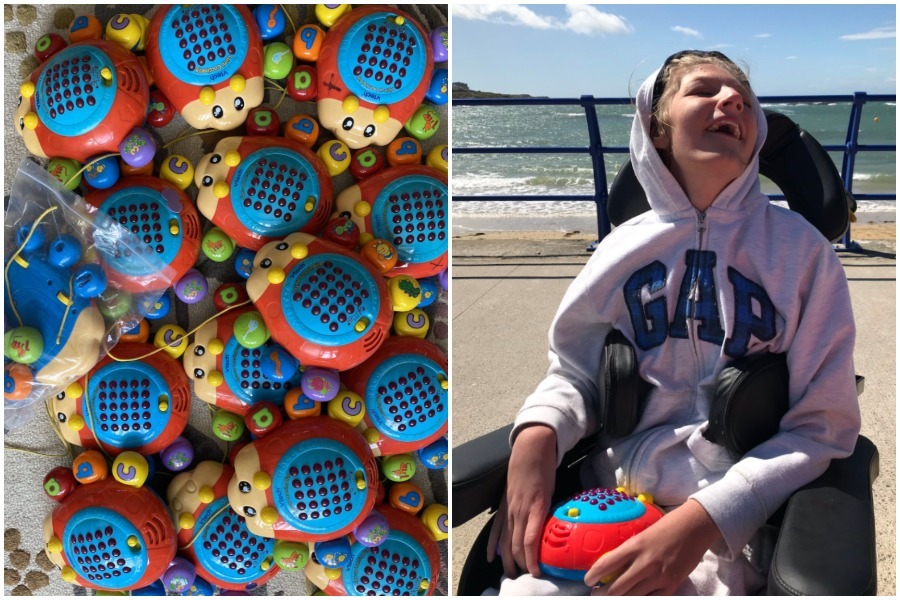
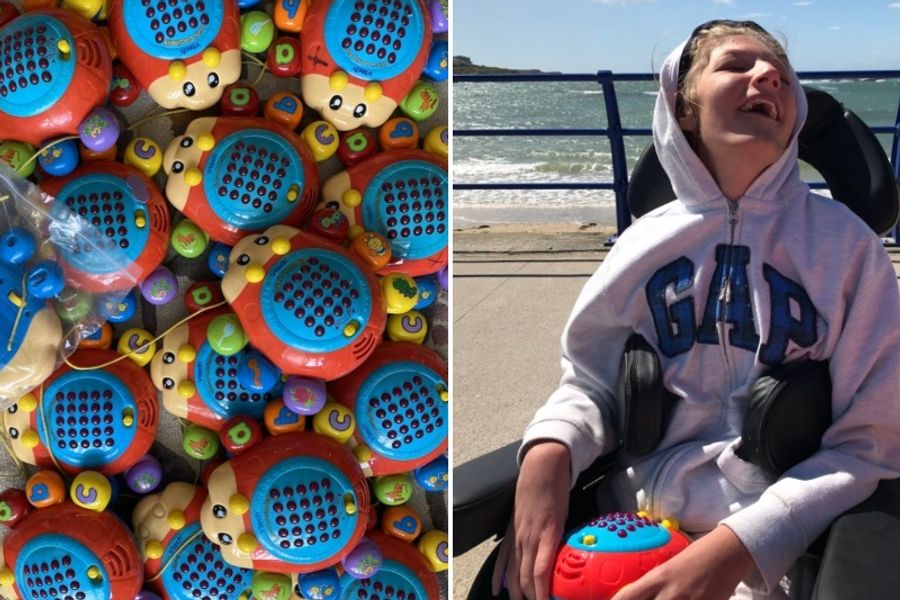
Josie Wheel, 18, from Coventry, tweeted to ask if anyone had access to a Vtech Light Up Learning Bug, which has been her 15-year-old sister’s favourite toy since her second birthday. Her sister, Rosie, has Profound Multiple Learning Difficulties, or PMLD, and Josie says she’s grown to rely on her beloved toy.

“Rosie loves everything about her ladybug – it fulfils all her sensory needs as it’s tactile, has flashing lights, and sings songs,” Josie Wheel tells HuffPost UK.

“Ladybug is her whole life, it goes on holiday with her, to hospital, she has one at school. It is the first thing she wants when she wakes up and the last thing she has before she goes to bed.”

Wheel asked for those who have a working toy to get in touch and was quickly contacted by people around the world. “Countless people” have offered to try to fix Rosie’s broken toys, while others have been bombarding Vtech with emails to see if they can do anything to help.

People in the UK have located toys from local sellers and strangers from countries including Malta, Spain and France have helped to translate messages from sellers abroad.

“The offers have been so crazy!” says Wheel. “It feels pretty surreal because we had no idea that this would take off as much as it has. We have searched for her ladybug before and it’s never had this kind of reach! It’s so amazing to see so many people offer to help in so many ways.”

Share Button