Punch The Monkey’s Plush: Why Animals, Including Humans, Love ‘Cuddle Therapy’

Primate expertise provided by Dr Luke Duncan, a postdoctoral research fellow, primatologist, and part of the University of Warwick’s ApeTank. Therapy comment by relationship therapist and author at Passionerad, Sofie Roos.

If you’re 1) on social media and 2) have something resembling a heart, chances are it’s been broken by the Japanese macaque, Punch, from Ichikawa City Zoo in Japan.

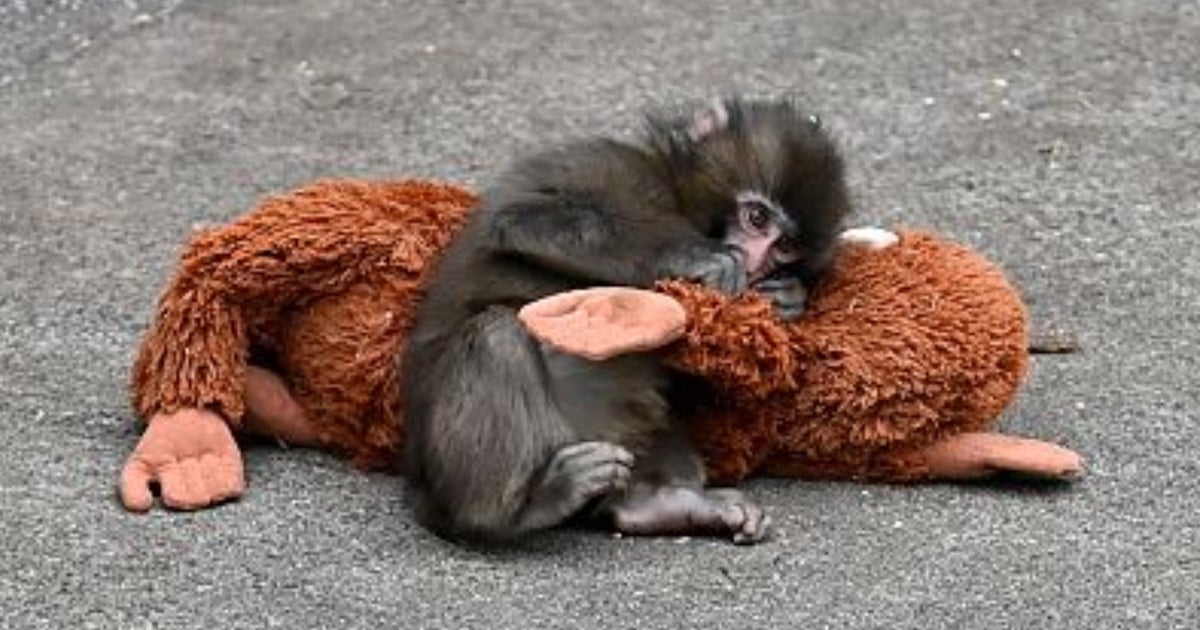
The adorable monkey, whose mother abandoned him, has gone viral for clutching an IKEA orangutan plush to help manage his feelings of abandonment (the burnt orange stuffed toy has since sold out in multiple stores).

But why do animals, including humans, so often turn to stuffed toys in our times of need, or as a more everyday source of comfort?

One study suggests that dogs can become almost “addicted” to their toys, which another paper says may boost their welfare. Over a third of adults sleep with a plush every night.

Here, we spoke to primate expert Dr Luke Duncan and therapist Sofie Roos about the “cuddle therapy” a variety of species can get from stuffed toys.

Emotional support plushes are pretty common among adults, and could be helpful for distressed animals

Punch’s toy orangutan was given to him to help him handle the loss of his parent. According to Dr Duncan, that move makes sense.

“Young primates are biologically programmed to cling to their mother ― it’s a normal and essential part of emotional and psychological development,” he told us.

“Harry Harlow’s foundational research in the 1950s and 1960s showed that infant rhesus monkeys overwhelmingly preferred a soft cloth surrogate over a wire one that provided milk, demonstrating that tactile comfort is a powerful driver of attachment behaviour in infants.”

So, while the goal should always be to provide a “safe, living social partner of the same species,” in a pinch, “A soft surrogate, in the form of a plush toy, can… provide meaningful comfort for an orphaned infant primate.

“While a plush toy cannot replace a real mother, it may help alleviate distress in the short term.”

And Roos said that while humans – and almost certainly other animals – know our toys aren’t really alive, they can “work as a ‘transition object’, which… stands as a symbol for safety when an important person is no longer with us”.

Among adults, she added, stuffed toy use offers a kind of “cuddle therapy”, which provides a combination of physical touch and pressure that a lot of animals find soothing.

“Physical touch, [even] from an object, can make our body calm and feel safe.”

Then, there’s the fact that, generally, toys don’t leave us.

“For people who lose someone important, and have wounds connected to abandonment and an insecure attachment, the cuddly toy can give a feeling of not being completely alone, which for some becomes a saviour,” the therapist said.

“We’re born with a… need to… belong, and this need stays with us until the day we die. A stuffed animal doesn’t get any less good at giving us this just because we grow older.”

Perhaps that’s why 44% of adults hold on to their childhood toys.

The therapist doesn’t think it’s that different to using meditation apps

Lots of animals, including humans, “are born social, and seek closeness, warmth and touch. A cuddle toy can work as a complement to give that safety, care and attachment we so strongly seek, especially if we feel lonely,” said Roos.

This is not unlike what may be happening with Punch: Dr Duncan shared, “Physical contact with a soft object can help regulate [primate] stress responses and provide a sense of security during a vulnerable period”.

Roos continued, “Many also connect the cuddle toy with childhood, a time most look back at as easier and more protected, where the stuffed animal can stand as a symbol for that time when we felt cared for, comforted and soothed in another way.”

In fact, the therapist doesn’t think relying on a stuffed toy for “cuddle therapy” is all that different to other forms of self-soothing.

“When looking at what the cuddle toy does for you, it’s not far away from what using mindfulness apps, yoga, stress balls or weighted blankets do – the stuffed animal is just less socially accepted, even though in my [opinion], it works better than many other more accepted methods of dealing with stress, loneliness, overthinking and anxiety.”
Share Button

Try This Kids’ Toy Organisation Trick Now For A Clutter-Free Christmas

I regret to inform you that Christmas is scarily close – a matter of weeks away.

While in theory that’s a good thing (peace and goodwill, mince pies, etc, etc), the reality is often pretty hectic.

The buying, decorating, planning, and endless cooking are one thing; the post-unwrapping living room carnage is another, especially if your kids don’t exactly embrace a minimalist lifestyle when it comes to their toys as it is.

Which is why some experts, like Max Wilson, co-founder of Pocket Storage, say trying a “toy rotation” now can help you come 25 December.

What is a “toy rotation”?

Organisation blogger Tidy Dad described a situation many parents will be familiar with: when he kept all of his kids’ toys in a single playroom, his daughter would “eventually move every toy from a bin onto the floor, leaving no room to play or to walk through the space”.

Since then, though, he adopted a “toy rotation” system: basically, he leaves the majority of his children’s toys in a kitchen pantry out of reach, swapping them out every couple of days so they can still enjoy some variety.

That way, there are never enough items in a single space to truly crowd the carpet.

Speaking to Homes & Gardens, Wilson said he’s a huge fan of the strategy.

“The secret to a stress-free Christmas morning is making space now… By implementing a strategic toy rotation… you instantly clear physical space, curb impulse buying, and make room for the new gifts without feeling overwhelmed.”

He recommended getting going in November. But with vanishingly few days left in the month as of the time of writing, we reckon “ASAP” is the second-best start date.

How often should I swap out toys in a “toy rotation”?

Wilson said it’s a good idea to change the “curated” toys you have out every few weeks.

Life With Less Mess said that, depending on how many toys you have out at any given time, anything from once a week to once or twice a month could work.

They added that you might get some cues from your child or children when it’s time to change the rotation, too – they might start fighting over toys, leaving them on the floor, and/or seeming bored.

When this happens, the organisation site advised, “either involve your kids or wait until they’re gone or sleeping and surprise them with a ‘new’ space”.

If you can, try placing toys in labelled containers – this’ll make packing and unpacking a lot easier.

Share Button

LEGO Launches New Toys Representing Children With Hidden Disabilities

Over 10 million people in the UK are living with hidden disabilities.

Hidden disabilities encompass both physical and mental conditions, including autism, mental health disorders, diabetes, chronic pain and dementia, just to name a few.


This week, the world’s first toys featuring the Sunflower Lanyard were announced, by The LEGO Group in partnership with the Hidden Disabilities Sunflower Lanyard Scheme which has been involved in the development of the new toys. The Sunflower Lanyard is a discreet symbol that indicates the wearer has a hidden disability and may require additional support.

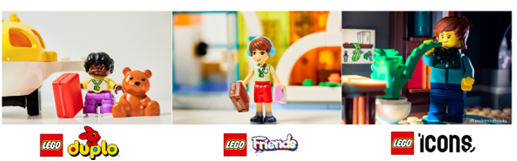
The LEGO ranges which will each feature a character wearing the sunflower lanyard is Duplo, for pre-school kids, LEGO Friends, for 6-12 year olds and LEGO Icons- a range for adults.

Duplo, for pre-school kids, LEGO Friends, for 6-12 year olds and LEGO Icons- a range for adults.

The LEGO Group

Duplo, for pre-school kids, LEGO Friends, for 6-12 year olds and LEGO Icons- a range for adults.

Speaking about these figures, Paul White, CEO at Hidden Disabilities Sunflower
says: “Across the globe, 1 in every 6 person lives with some form of disability and 80% of them have a disability that is non-visible.

“HD Sunflower is excited to partner with the LEGO Group on raising awareness and acceptance across their fan and colleague base and can’t wait to see the impact that this will create.”

“People can wear their lanyards with pride”

HuffPost UK spoke with Tasha Sorhaindo, mum to Jayden and Sunflower user with Systemic Lupus and dilated cardiomyopathy about the difference these toys could make.

Jayden, who is a teen with Long QT Wave Syndrome, a life-threatening heart condition with no visible signs, said: “I feel like [these toys] will mean that people can wear their lanyards with pride.

“I didn’t wear mine until my mum started wearing her own and I thought, ‘you know what? I have a hidden disability, why should I hide it? Why shouldn’t I be seen and heard?’”

She added that normalising these will help people like her, as well as giving those with hidden disabilities the freedom to not have to disclose their disability if they’re not comfortable.

Her mum, Tasha, who also has Long QT Wave Syndrome added: “The more awareness that’s raised, [people] will already know that wearing the lanyard means that somebody is clearly struggling with something, they have a disability.

“I just feel like this collaboration is huge, it will break down barriers… there’s a lot of opportunities for schools to jump on this and hold assemblies to inform children.”

“A significant step in normalising hidden disabilities”

Martin Moxness, autistic adult Sunflower lanyard user and Hidden Disabilities Sunflower Ambassador with ADHD and Tourette syndrome, says about the work: “Seeing the Sunflower lanyard in LEGO sets is a significant step in normalising hidden disabilities. As a child, this would have been life-changing and would have made me feel seen and accepted.

“Even as an adult, it’s deeply meaningful to see such representation in an iconic product. This initiative is a milestone for the entire community and empowers individuals of all ages, inspiring creativity, fostering connection, and promoting inclusion.”

The collection will be released on June 1st, 2025.

Share Button

Stop Leaving Marmalade Sandwiches For The Queen, Says Royal Parks

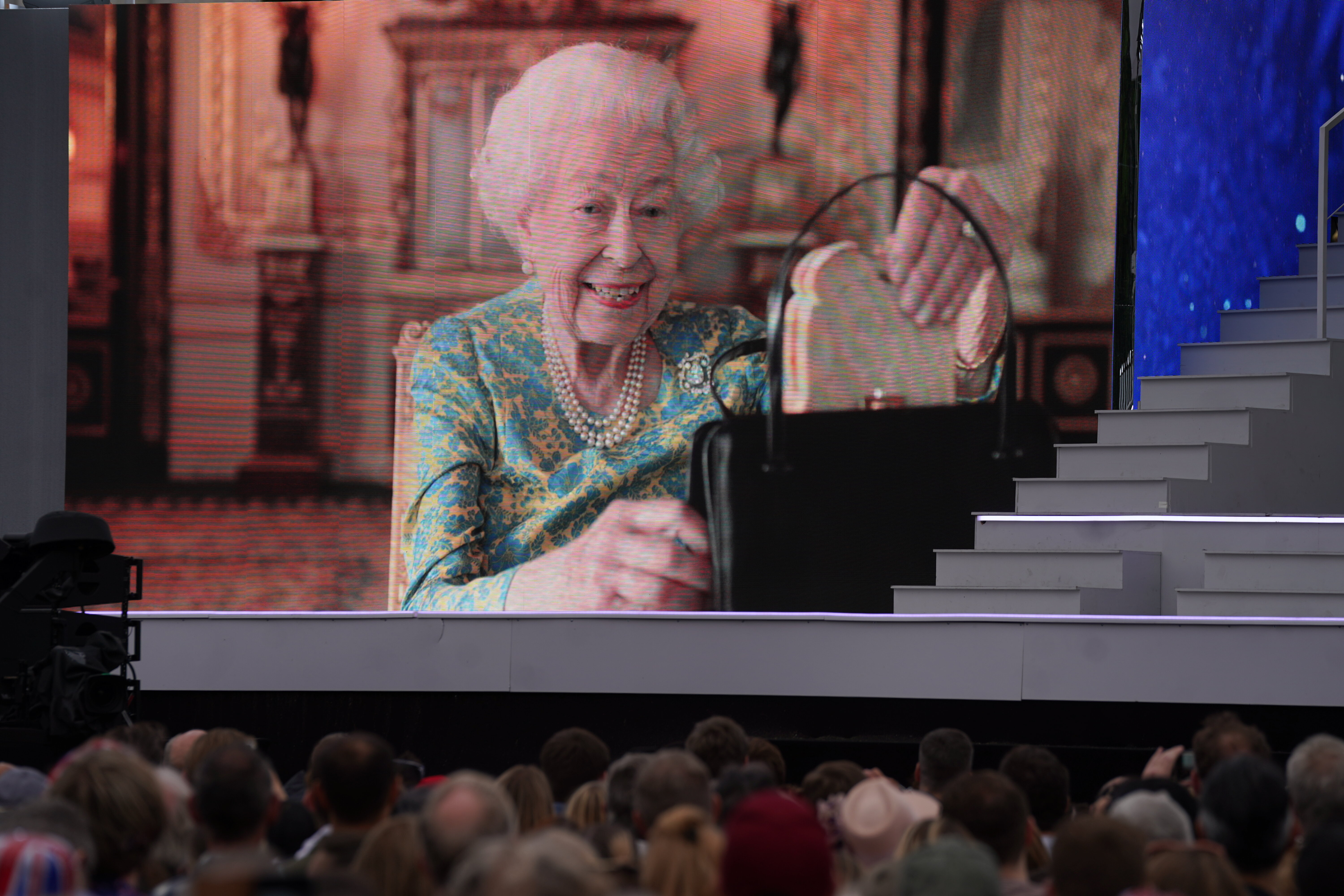
It was the Queen’s final starring role of her Platinum Jubilee celebrations and now her iconic double act with Paddington Bear is living on in tributes paid after her death.

The monarch’s two-minute skit with the famous bear from Peru – another British icon – was widely judged a highlight of the Platinum Party at the Palace in June.

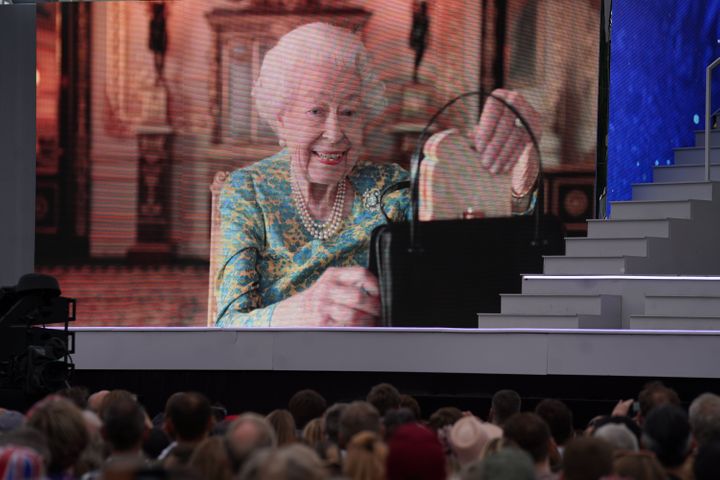
The pair were seen sitting down together for a spot of tea, with Paddington swigging straight from the spout, before offering the Queen a bite of his marmalade sandwich, the one he keeps handy, he told her, “just in case”.

“So do I,” the Queen replied, before opening her famous black handbag to reveal the very same. “I keep mine in here,” she said. “For later.”

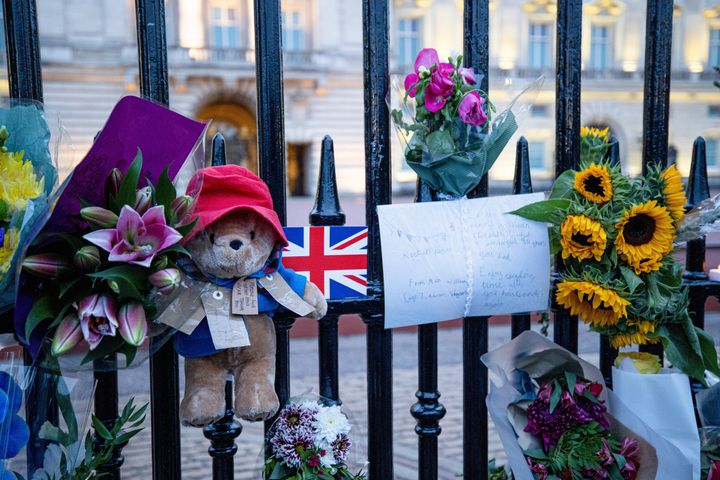
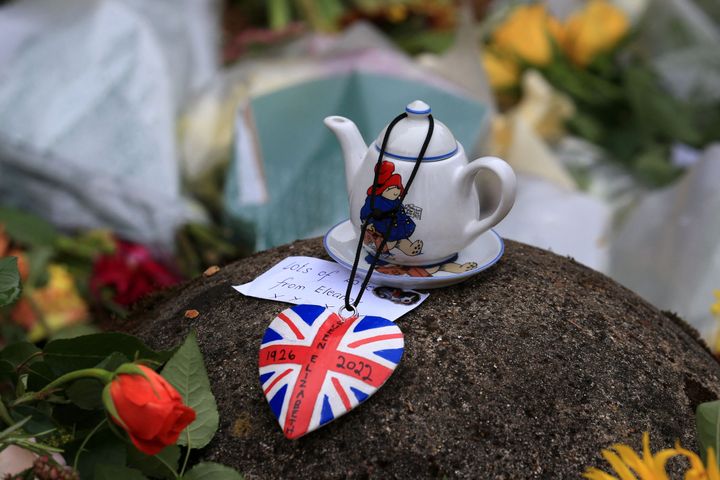
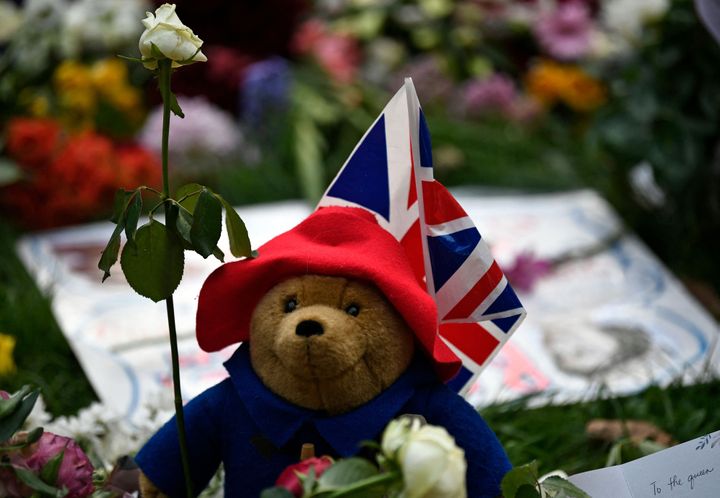
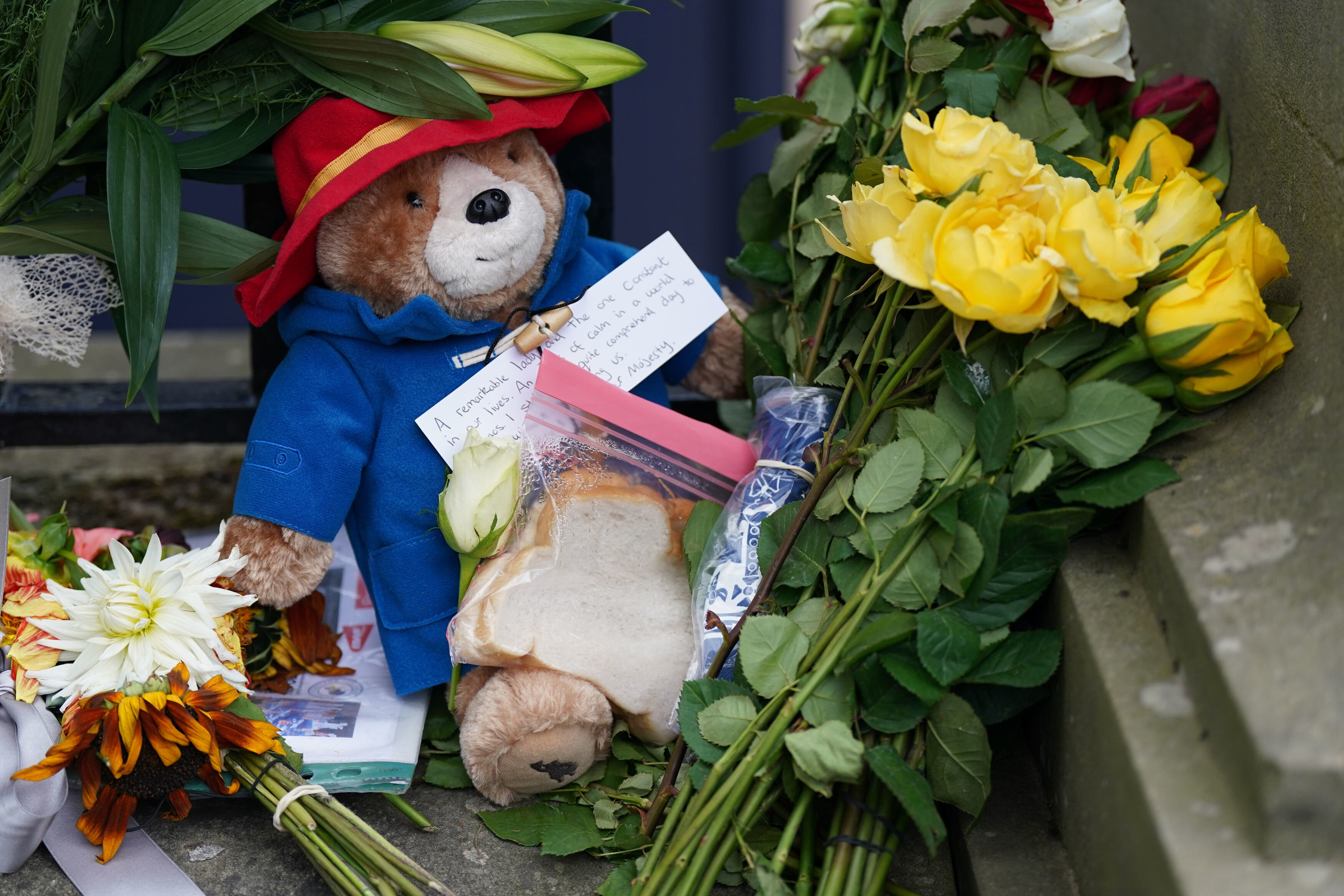
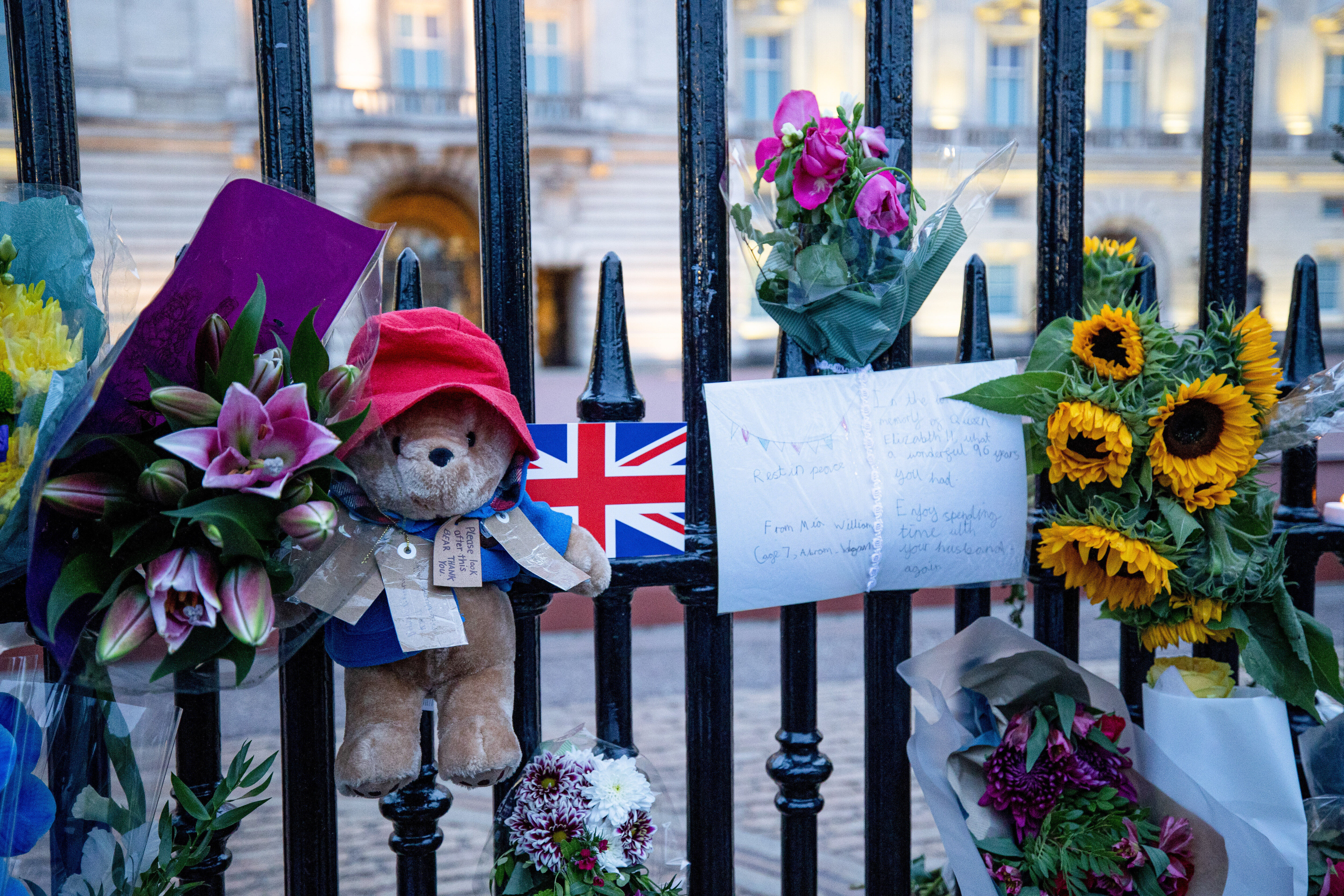
Now, mourners are leaving sandwich bags, bears and other bits of Paddington memorabilia outside Buckingham Palace, Windsor Castle, Sandringham, Holyroodehouse and other royal residences around the country.

A Paddington bear with messages and flowers hangs at the gate of Buckingham Palace in London.

SOPA Images via Getty Images

A Paddington bear with messages and flowers hangs at the gate of Buckingham Palace in London.
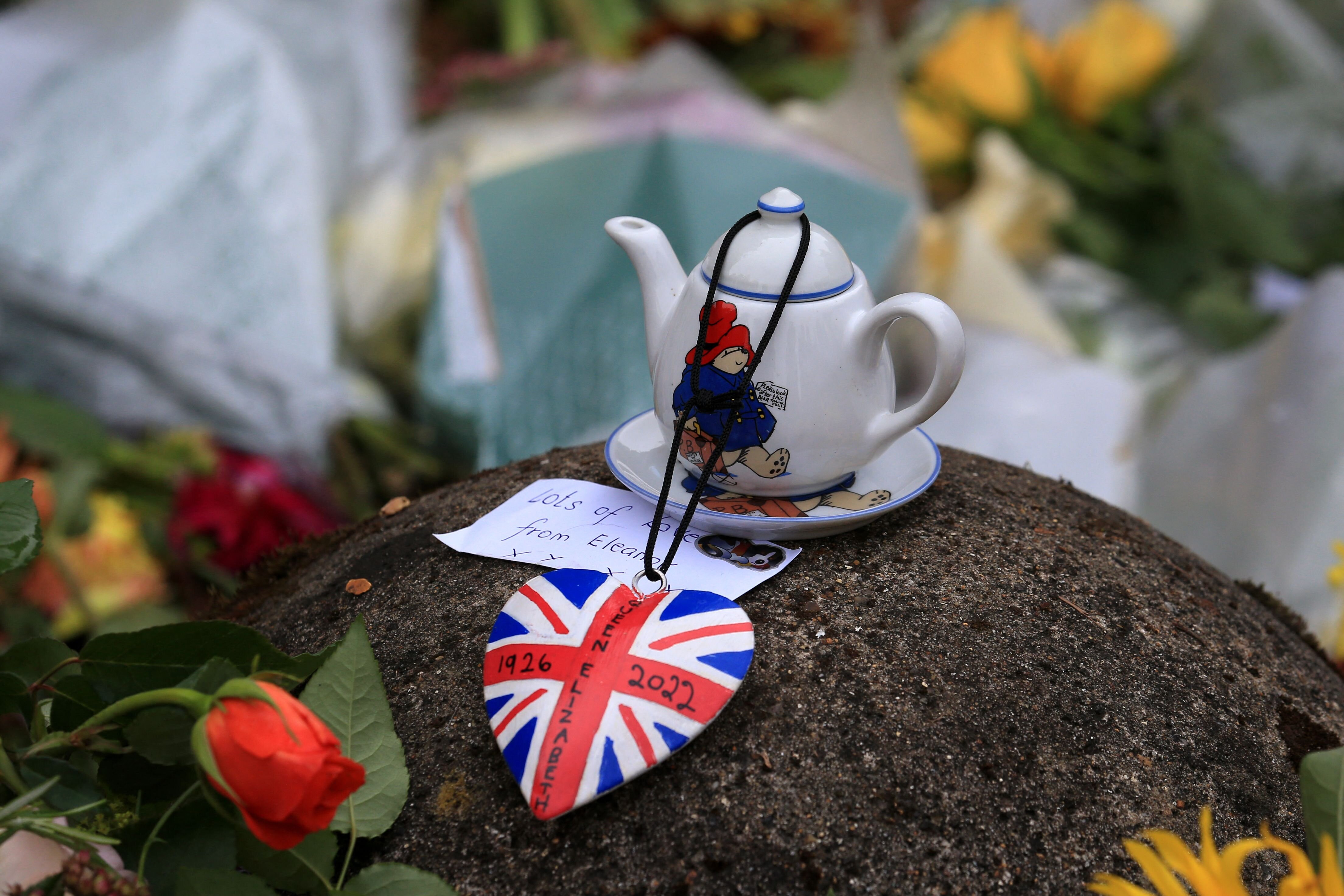
A Paddington Bear teapot is seen with floral tributes left outside the Sandringham Estate in Norfolk

LINDSEY PARNABY via Getty Images

A Paddington Bear teapot is seen with floral tributes left outside the Sandringham Estate in Norfolk
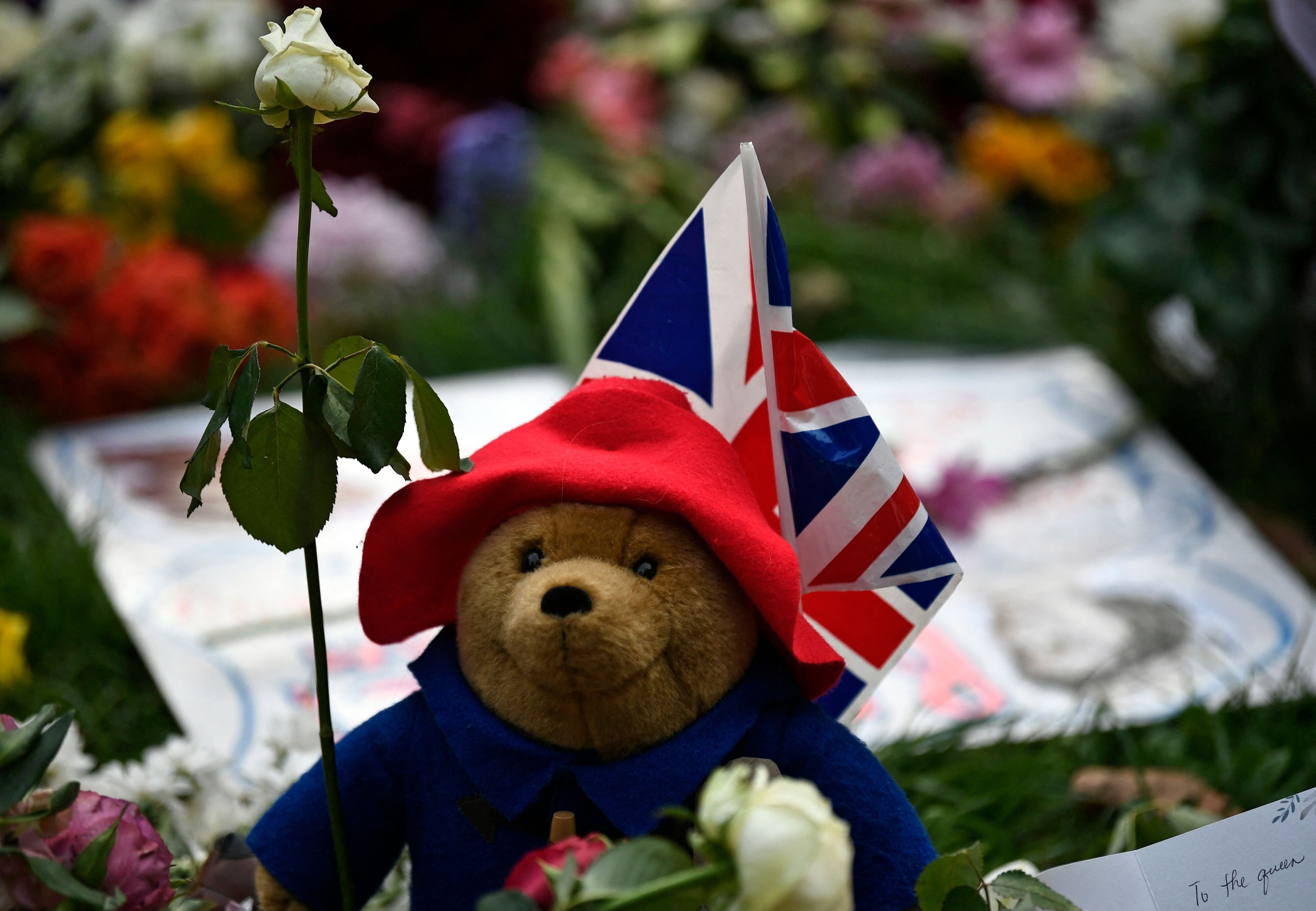
Another Paddington Bear teddy in Green Park, near Buckingham Palace.

STEPHANE DE SAKUTIN via Getty Images

Another Paddington Bear teddy in Green Park, near Buckingham Palace.

One well-wisher even handed a Paddington Bear directly to Prince William during his unexpected public walkabout with his wife and the Duke and Duchess of Sussex outside Windsor Castle on Saturday afternoon.

In fact, there are so many Paddingtons and sandwich bags piling up outside royal residences that The Royal Parks, which operates Green Park and St James’s Park, as well as six other royal parklands around London, has asked the public to stick to leaving flowers instead.

“The Royal Parks are suggesting that there are enough Paddingtons and marmalade sandwiches in the parks at the moment,” a BBC Breakfast presenter said outside Buckingham Palace on Monday morning.

“So please feel free to bring flowers, but maybe don’t bring anymore Paddingtons or marmalade sandwiches for now.”

The message echoed guidance issued on the Royal Parks website regarding floral tributes to the Queen.

“We would prefer visitors not to bring non-floral objects/artefacts such as teddy bears or balloons,” it reads. “Cards and labels will, however, be accepted and will be periodically removed by The Royal Parks’ staff and contractors for storage offsite. This process will be carried out with discretion and sensitivity.”

On Twitter, many commented on the very British nature of the situation.

But others have suggested that people’s time and money could be spent elsewhere, especially given the current cost of living crisis.

“Give a marmalade sandwich to a homeless person, donate the money you would’ve spent on a Paddington doll to a charity,” tweeted barrister and commentator Rupert Myers.

Meanwhile, author Frank Cottrell-Boyce, who co-wrote Paddington’s Platinum Jubilee skit and also had a hand in the Queen’s unexpected cameo with James Bond at the Olympic Opening Ceremony in 2012, has been reflecting on why the meeting captured public imagination.

“It used to be said that millions of people had dreams in which they had tea with the Queen,” he wrote in the Observer. “Even our dream life is going to have to change. Watching her have tea with Paddington will have to do instead.”

Some have questioned whether the real Queen even starred in the skit, Cottrell-Boyce added.

“A conspiracy theory went round that the establishment had employed Paddington’s producers… to create a deep fake queen,” he added. “No one seemed to question the reality of the bear.”

The late Queen having tea with Paddington during the Platinum Party at the Palace.

Victoria Jones – PA Images via Getty Images

The late Queen having tea with Paddington during the Platinum Party at the Palace.
Share Button

Kind Strangers Track Down Discontinued Toy For Disabled Teen

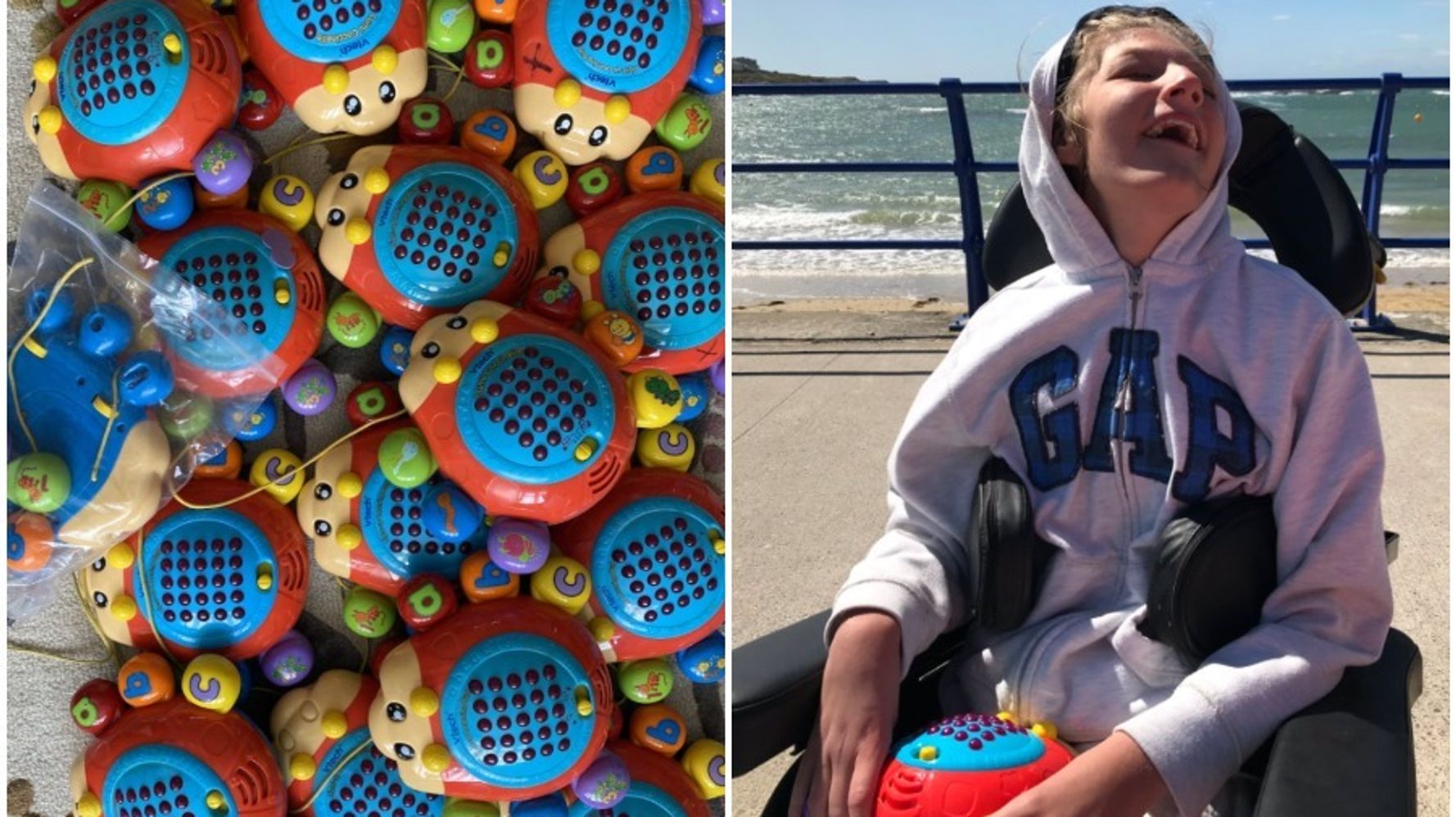
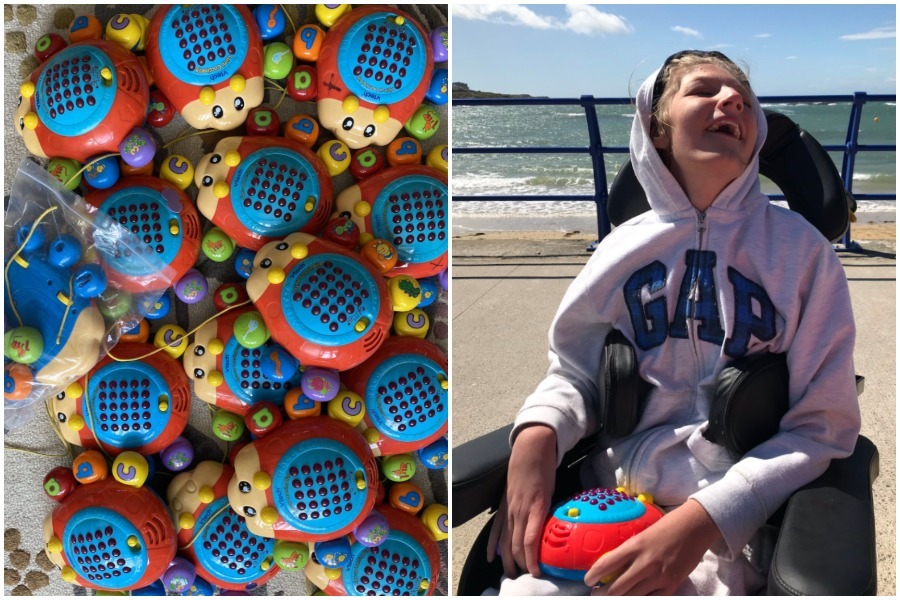
A teenager has been blown away by the kindness of strangers, who’ve rallied together to track down a discontinued toy her disabled sister loves to bits.

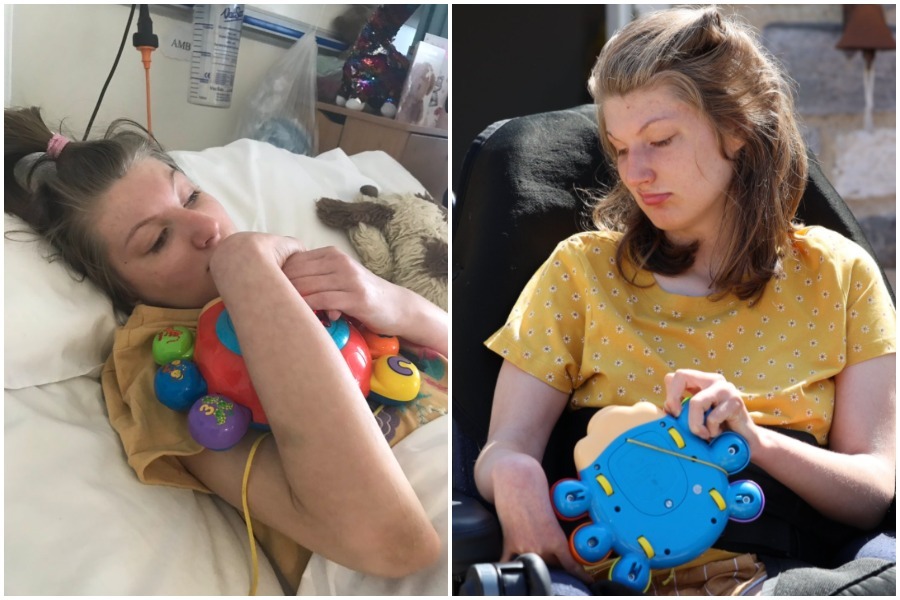
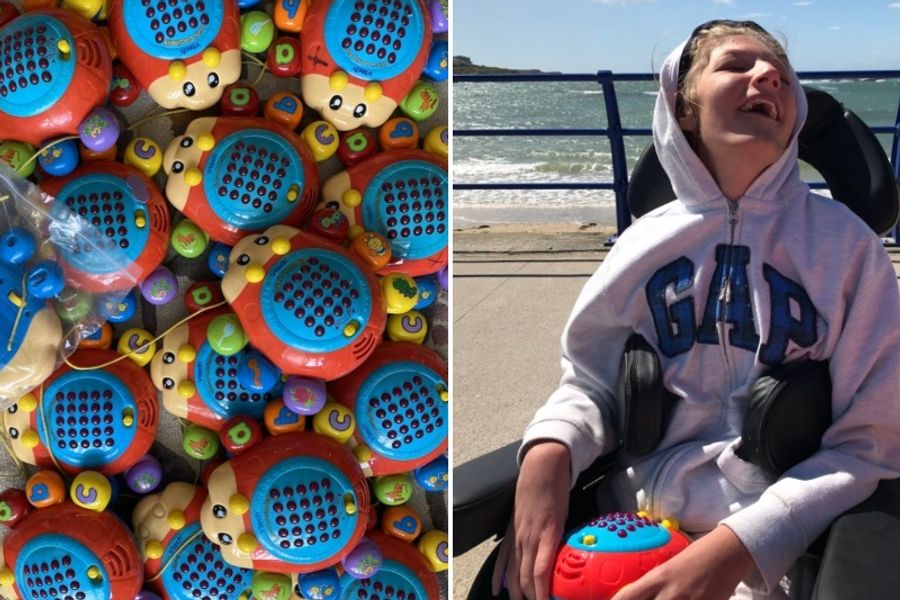
Josie Wheel, 18, from Coventry, tweeted to ask if anyone had access to a Vtech Light Up Learning Bug, which has been her 15-year-old sister’s favourite toy since her second birthday. Her sister, Rosie, has Profound Multiple Learning Difficulties, or PMLD, and Josie says she’s grown to rely on her beloved toy.

“Rosie loves everything about her ladybug – it fulfils all her sensory needs as it’s tactile, has flashing lights, and sings songs,” Josie Wheel tells HuffPost UK.

“Ladybug is her whole life, it goes on holiday with her, to hospital, she has one at school. It is the first thing she wants when she wakes up and the last thing she has before she goes to bed.”

Wheel asked for those who have a working toy to get in touch and was quickly contacted by people around the world. “Countless people” have offered to try to fix Rosie’s broken toys, while others have been bombarding Vtech with emails to see if they can do anything to help.

People in the UK have located toys from local sellers and strangers from countries including Malta, Spain and France have helped to translate messages from sellers abroad.

“The offers have been so crazy!” says Wheel. “It feels pretty surreal because we had no idea that this would take off as much as it has. We have searched for her ladybug before and it’s never had this kind of reach! It’s so amazing to see so many people offer to help in so many ways.”

Share Button