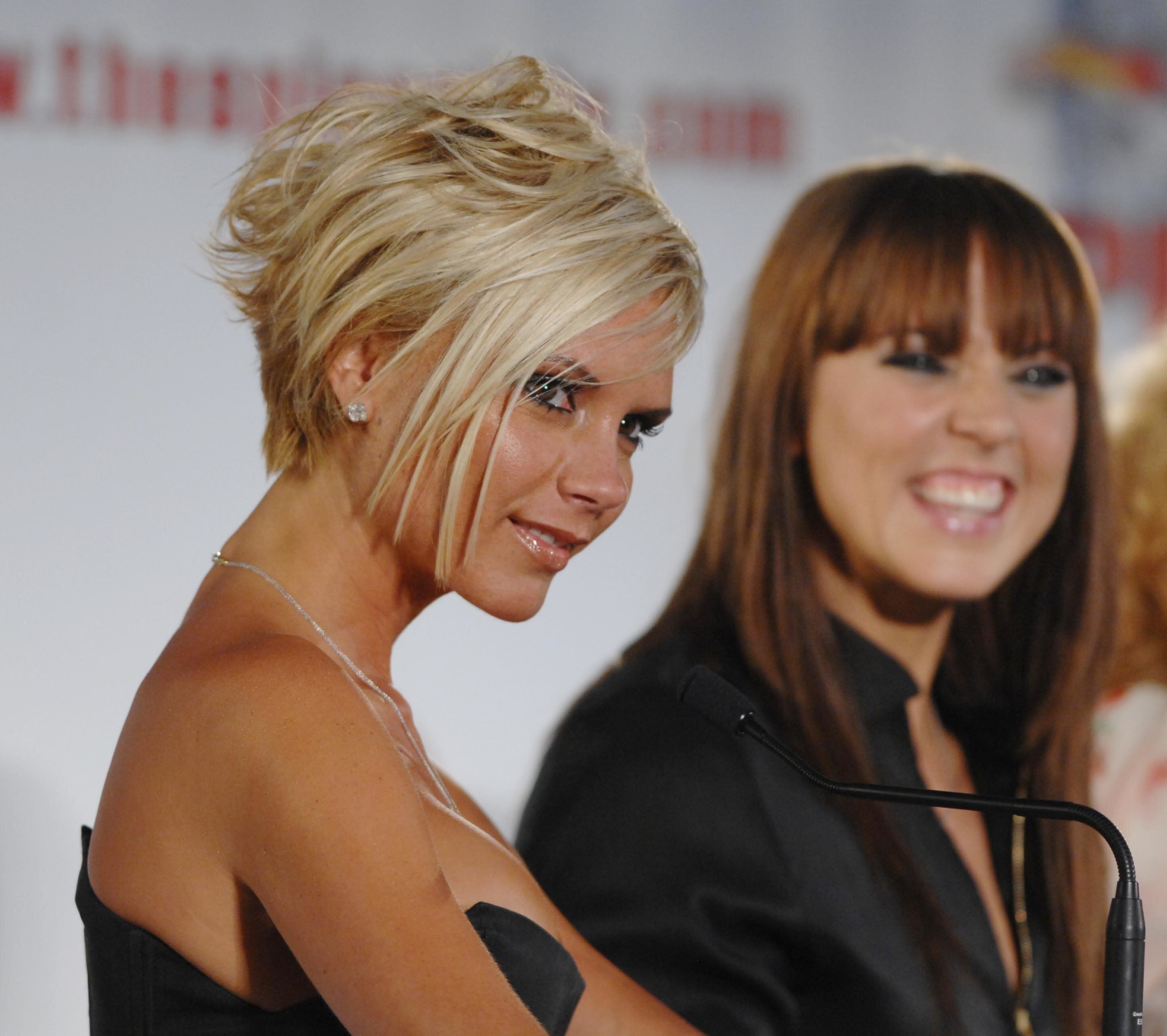
King Charles III Leads Vigil Of The Princes Over Queen’s Coffin For Final Time

King Charles III, accompanied by his three siblings – Princess Anne, Prince Andrew and Prince Edward – took part in the vigil of the princes this evening at Westminster Hall.

The 15-minute long ceremony involved Queen Elizabeth II’s four children standing guard around her coffin at Westminster Hall where the Queen has been lying-in-state since Wednesday evening.

Notably, all four were in military uniform, including Prince Andrew who reportedly received a special exception to allow him to wear his for the vigil. Earlier in the week, he wore a morning suit while marching behind his mother’s coffin, reflecting the fact that he was stripped of all his military titles and royal patronages back in 2019.

Prince Harry, who will participate in a vigil with the Queen’s other grandchildren on Saturday evening, will also appear in military uniform after receiving an exception from Buckingham Palace. He too wore a suit earlier in the week while his brother, Prince William, was in military uniform as they accompanied the Queen’s coffin from Buckingham Palace to Westminster Hall. Prince Harry lost his military titles in 2020 after giving up his senior royal status and moving to California with his wife, Meghan Markle, the Duchess of Sussex.

The Queen will remain lying-in-state until her funeral on September 19th, which has been declared a bank holiday. Hundreds of thousands of mourners have been queueing to visit Westminster Hall and see the monarch lying-in-state since Wednesday. The queue itself has spawned rolling coverage and memes, becoming an historic event in its own right.

Share Button

Novel analysis shows the experience of reward increases connectivity between the default mode network and other brain regions

Researchers have reported findings that add to our knowledge of how human behavior may be shaped by the default mode network, a specific network of brain regions with both resting and task-related states. The article, “Reward enhances connectivity between the ventral striatum and the default mode network,” was epublished on June 18, 2022, in NeuroImage. The authors are Ekaterina Dobryakova, PhD, of Kessler Foundation and David V. Smith, PhD, of Temple University.

The default mode network (DMN), which comprises the posterior medial cortex, medial prefrontal cortex, and lateral temporal-parietal regions, has been shown to be engaged in several task-related behaviors. Studies show that DMN activity increases during inward-directed thought and decreases during externally directed tasks requiring focused attention. Despite evidence for a role for the DMN in shaping behavior, little is known about how task-related changes in the DMN influence connectivity with other brain regions. For example, while some observations indicate an indirect relationship between the DMN and the striatum, how the DMN and striatum interact during tasks remains unclear.

To further explore the functions of the DMN, Drs. Dobryakova and Smith applied a novel analysis to the reward task, using behavioral and neuroimaging data from 495 randomly selected individuals in the Human Connectome Project, an open access database of healthy participants. The goals of this network-based psycho-physiological interaction analysis were twofold, according to Dr. Dobryakova, a senior research scientist in the Foundation’s Center for Traumatic Brain Injury Research. “First, to test the effects of reward on connectivity between the DMN and the striatum; and second, whether such connectivity is associated with behavioral and personality characteristics relevant to reward processing,” she explained.

In line with other studies, during the task, they observed decreased activation of the DMN and relative increased activation of other networks. “Most notably, we found that the experience of reward enhanced connectivity between the DMN and the ventral striatum,” Dr. Dobryakova reported, “an effect specific to the DMN. We were also surprised that the strength of this connectivity correlated with personality characteristics relating to openness,” she added.

Greater understanding of the workings of the healthy brain will influence future research and care for individuals with neuropsychiatric syndromes. “Improving our understanding of the interaction of the DMN with other brain networks has the potential to aid clinical research into better treatments for common syndromes such as depression, substance abuse, and schizophrenia,” Dr. Dobryakova concluded.

This research was supported by grants from the National Institutes of Health grants R21-MH113917 (DVS), R03-DA046733 (DVS), RF1-AG067011 (DVS), R01-NS121107 (ED).

Story Source:

Materials provided by Kessler Foundation. Note: Content may be edited for style and length.

Share Button

Even smartest AI models don’t match human visual processing

Deep convolutional neural networks (DCNNs) don’t see objects the way humans do — using configural shape perception — and that could be dangerous in real-world AI applications, says Professor James Elder, co-author of a York University study published today.

Published in the Cell Press journal iScience, Deep learning models fail to capture the configural nature of human shape perception is a collaborative study by Elder, who holds the York Research Chair in Human and Computer Vision and is Co-Director of York’s Centre for AI & Society, and Assistant Psychology Professor Nicholas Baker at Loyola College in Chicago, a former VISTA postdoctoral fellow at York.

The study employed novel visual stimuli called “Frankensteins” to explore how the human brain and DCNNs process holistic, configural object properties.

“Frankensteins are simply objects that have been taken apart and put back together the wrong way around,” says Elder. “As a result, they have all the right local features, but in the wrong places.”

The investigators found that while the human visual system is confused by Frankensteins, DCNNs are not — revealing an insensitivity to configural object properties.

“Our results explain why deep AI models fail under certain conditions and point to the need to consider tasks beyond object recognition in order to understand visual processing in the brain,” Elder says. “These deep models tend to take ‘shortcuts’ when solving complex recognition tasks. While these shortcuts may work in many cases, they can be dangerous in some of the real-world AI applications we are currently working on with our industry and government partners,” Elder points out.

One such application is traffic video safety systems: “The objects in a busy traffic scene — the vehicles, bicycles and pedestrians — obstruct each other and arrive at the eye of a driver as a jumble of disconnected fragments,” explains Elder. “The brain needs to correctly group those fragments to identify the correct categories and locations of the objects. An AI system for traffic safety monitoring that is only able to perceive the fragments individually will fail at this task, potentially misunderstanding risks to vulnerable road users.”

According to the researchers, modifications to training and architecture aimed at making networks more brain-like did not lead to configural processing, and none of the networks were able to accurately predict trial-by-trial human object judgements. “We speculate that to match human configural sensitivity, networks must be trained to solve broader range of object tasks beyond category recognition,” notes Elder.

Story Source:

Materials provided by York University. Note: Content may be edited for style and length.

Share Button

Durham Police Beergate Probe Cost Taxpayers £101,000

The investigation into whether Keir Starmer and Angela Rayner broke Covid laws cost taxpayers £101,000, it has emerged.

A team of nine officers from Durham Constabulary’s major crime team – who normally work on cases like serious sexual assaults and murders – worked a total of 3,203 hours on the so-called “beergate” probe.

The Labour leader and his deputy were eventually cleared in July.

Durham Constabularly initially dismissed claims that Starmer had breached anti-Covid laws by eating a curry and drinking beer with Labour staff in the constituency office of City of Durham MP Mary Foy on April 30, 2021.

But they re-opened their investigation earlier this year under pressure from the Conservatives.

Starmer had said he was “confident no rules were broken” and that there was “no equivalence” between the accusations levied at him and the partygate scandal that contributed to Boris Johnson’s downfall.

In a major political gamble, both he and Rayner stated that they would stand down from their posts if they received fixed penalty notices from the police.

Durham Constabulary said their investigation found that the event was “reasonably necessary work” and therefore allowed under the rules.

A Freedom of Information request by the NationalWorld website revealed the cost to the public purse of the police probe.

The nine officers involved in the investigation were a detective superintendent, a detective inspector, a detective sergeant and six detective constables. Two other police staff members also took part.

In a statement after he was cleared, Starmer said: “I’ve always said no rules were broken when I was in Durham.

“The police have completed their investigation and agreed: there is no case to answer.

“For me, this was always a matter of principle. Honesty and integrity matter. You will always get that from me.”

Share Button

New test can ID patients at risk of severe COVID-19, study finds

A genomic test being developed by a Charlottesville, Va., company can predict a patient’s risk of developing severe COVID-19, new research from UVA Health suggests. That information could help doctors identify patients at high risk for poor outcomes and quickly begin tailored treatment.

The approach proved more than 90% accurate at predicting outcomes among more than two dozen patients in the intensive care unit at UVA and 100 patients from publicly available data generated at Duke and Harvard. The test, called CovGENE, analyzes genes expressed in a person’s blood to determine whether they may experience a severe disease course with increased risk of death.

“We have come far in the prevention and treatment of COVID-19 in the past two years. Regardless, we still struggle to identify patients at highest risk for severe disease. Our study uses a gene-analysis approach to identify an immune cell signature, distinct from other respiratory illnesses, that correlates with worse outcomes,” said researcher Alexandra Kadl, MD, of UVA Health’s Division of Pulmonary and Critical Care Medicine. “This knowledge has the potential to help evaluate patients’ immune profile with commonly, readily available assays to identify patients at risk for bad outcomes who would benefit from closer monitoring and advanced therapies to aid their recovery.”

Predicting COVID-19 Severity

Based on the promising results of the UVA research, CovGENE’s developer, AMPEL Biosolutions, is seeking to partner with a diagnostic testing company or pharmaceutical company to bring the approach to market as a simple PCR-based blood test.

“This unique collaboration with our colleagues from the University of Virginia has provided an easy and novel means to assess an individual patient’s response to the SARS-CoV-2 virus and predict the clinical outcome,” said Peter Lipsky, MD, AMPEL’s CEO, chief medical officer and co-founder. “Now that this unique approach has been validated, we look forward to its rapid development as a precision-medicine tool that can improve the outcome of patients with COVID-19 and reduce the number of hospitalizations, especially the most vulnerable.”

AMPEL Biosolutions aims to use genomic data to improve healthcare for patients. The company develops gene expression tests for blood or tissue samples to assist doctors in clinical decision-making.

Company co-founder Amrie Grammer, PhD, is an alumna of UVA, having received both her bachelor’s and master’s degree there.

Findings Published

The researchers have published their findings in the journal Frontiers in Immunology. The team consisted of Andrea R. Daamen, Prathyusha Bachali, Catherine A. Bonham, Lindsay Somerville, Jeffrey M. Sturek, Amrie Grammer, Alexandra Kadl and Peter Lipsky. Daamen, Bachali, Grammer and Lipsky are employed by AMPEL BioSolutions.

The work was supported by the National Institutes of Health’s National Heart Lung Blood Institute, grant K23 HL143135; the National Institute of Allergy and Infectious Diseases, grant 1R21AI160334; the COVID-19 Rapid Response Initiative by UVA’s Global Infectious Disease Institute; and The RILITE Foundation.

Story Source:

Materials provided by University of Virginia Health System. Note: Content may be edited for style and length.

Share Button

COVID-19: One in three infected but unvaccinated persons no longer have detectable antibodies one year after the infection

A prospective seroprevalence study in the Catalan population underlines the need to get vaccinated despite having been infected, and confirms that hybrid immunity (vaccination plus infection) is more robust and long-lasting. The study, co-led by the Barcelona Institute for Global supported by the Daniel Bravo Andreu Foundation (FDBA), has been published in BMC Medicine.

Both infection and vaccination against SARS-CoV-2 contribute to building a population’s immunity to the virus — an important factor for deciding when and to whom booster shots should be offered. Although immunity against a pathogen is more than antibodies, the easiest strategy for assessing population immunity is to perform seroepidemiological studies (i.e., quantifying virus-specific antibodies in a given population group).

“Most of the serological studies performed after COVID-19 vaccination focused on specific groups such as healthcare workers, did not distinguish between people with or without previous infection, or did not have clinical and immunological data of the infection,” explains Manolis Kogevinas, ISGlobal researcher and senior co-author of the study together with Carlota Dobaño, also researcher at ISGlobal.

In this study, the research team performed a second measurement in a population-based cohort from Catalonia (COVICAT study — GCAT cohort) six months after the start of the vaccination campaign (the first one was just after the first confinement), to monitor the level and type of antibodies against five viral antigens (the whole Spike (S) protein, the RBD receptor binding domain, the S2 fragment, the full nucleocaspid (N) protein, or the N-terminal fragment). They also used information from a questionnaire and health records to identify potential factors that determine the magnitude and duration of the antibody response in unvaccinated, vaccinated, or vaccinated and infected persons. A total of 1,076 people, aged 43 to 72 years, were included in the analysis.

The results yielded three main conclusions: First, that in 36% of infected but unvaccinated persons, antibodies were no longer detectable almost a year after the infection, particularly in those older than 60 years and smokers.

Second, that vaccination induced significantly higher antibody levels in people who had a prior infection, as compared to those without prior infection; and that these levels were strongly associated with the magnitude of the response during the infection. “Our data underscore the importance of vaccinating people even if they have been previously infected, and confirm that hybrid immunity is superior and more durable. This means that people who have been vaccinated but have not been infected would need a booster earlier than those who have,” points out Marianna Karachaliou, first author of the study together with Gemma Moncunill.

Third, the factor most strongly associated with the level of antibodies is the type of vaccine — Moderna’s Spikevax generated the highest levels of antibodies. Other factors also appear to play a role: people older than 60 or with mental illness had lower antibody levels post-vaccination. “The association between mental health and antibody responses requires further investigation, but it is known that people with disorders such as depression, chronic stress or schizophrenia have a lower response to vaccination in general,” explains Dobaño.

Among those vaccinated, only 2.1% had no antibodies at the time of testing and approximately 1% had a breakthrough infection. “However, it should be noted that this study was done before the Omicron variant became dominant,” warns Kogevinas.

Share Button

The physics of the premature lung: Why mechanical ventilation can harm preterm lungs

In Germany, about ten per cent of all children are born before the 37th week of pregnancy and are thus considered premature. Many of these premature babies require help with breathing due to their underdeveloped lungs. However, clinical practice shows that mechanical ventilation can cause irreversible damage to the lungs, although the exact causes are not yet known. In an interdisciplinary study, physicists and physicians at Leipzig University have now shown that increased pressure on the lung tissue, as caused by mechanical ventilation, poses the risk of overstretching the tissue, even with small amounts of air, and disrupting cell function during gas exchange.

They have just published the results of their study in the journal Frontiers in Bioengineering and Biotechnology. During normal breathing, the diaphragm descends below the lungs with each breath. This causes the lungs to expand inside the chest, creating a negative pressure, or vacuum, in the lungs. To compensate for this negative pressure, air automatically flows into the lungs and the person breathes in. Mechanical ventilation involves pumping air into the lungs through a tube. The lungs then expand due to this positive pressure. “We assume that this positive pressure causes a slight compression of the lung tissue, whereas during normal breathing the lung is ‘pulled’ from the outside in order to create the expansion,” explains physicist Professor Mareike Zink, who conducted the interdisciplinary study on the physics of the premature lung together with her colleague Dr Mandy Laube from the neonatology research laboratory at the Faculty of Medicine.

“In our experiments, we studied foetal lung tissue under tensile and compressive stress to explore differences in tissue mechanics in the premature lung,” Mareike Zink reports. The experiments showed that the lung tissue deformed completely elastically under tension, as occurs during normal breathing. When subjected to pressure, however — as occurs with mechanical ventilation — viscoelastic deformation of the lungs was observed. This means that although the tissue returns to its original state after deformation, at the molecular level, there are already structural changes that indicate irreversible tissue damage.

“Furthermore, our results show that lung cell function is impaired under pressure. Even low pressure, as is common in mechanical ventilation, can result in structural units on the cell surface, which are important in the transport of molecules and water, for example, no longer being able to perform their function,” explains Mandy Laube.

The two scientists draw the following conclusion: for some premature infants, mechanical ventilation is the only treatment to ensure survival. Nevertheless, there is a risk of complications due to the altered mechanical properties of premature lungs compared to adults. Future therapeutic strategies should therefore consider the influence of physical forces on tissues and cells, and limit pressure increases in the lungs so as to minimise the risk of damage. “Since it has also been observed in ventilated Covid-19 patients that mechanical ventilation may result in further lung damage, we postulate that here, too, the damaged lung can be more easily overstretched by the positive pressure and that lung cell function stops or changes more quickly under increased pressure,” Mareike Zink concludes.

Story Source:

Materials provided by Universität Leipzig. Original written by Susann Huster. Note: Content may be edited for style and length.
Share Button

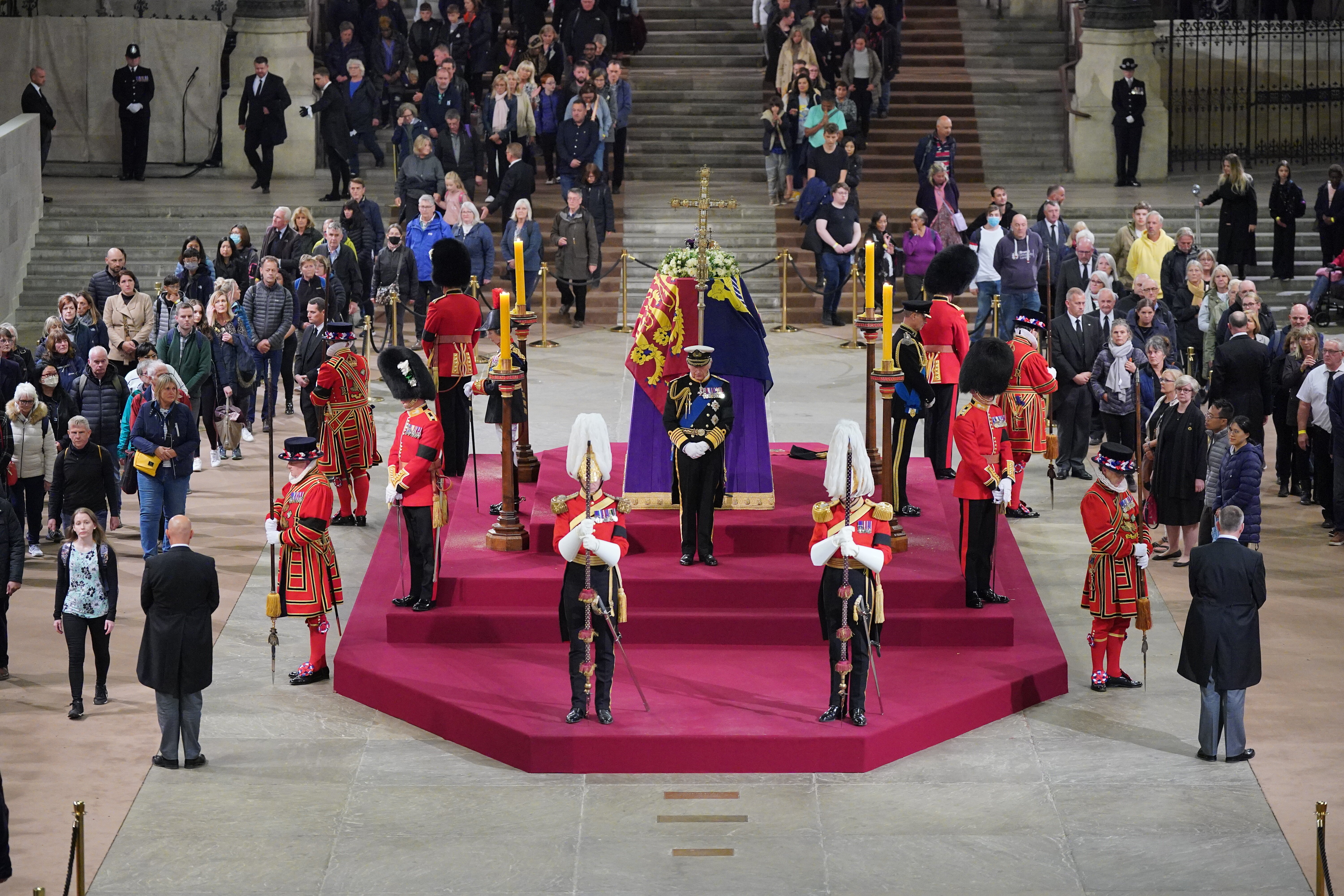
Victoria Beckham Won’t Thank Melanie C For Sharing This Hilarious Drunken Spice Girls Tale

Many of us have done stuff after one too many drinks that we’d rather forget about, so Victoria Beckham might want to look away now.

Melanie C has shared one particularly boozy memory from the Spice Girls’ early days that is the very definition of The Fear, for Victoria at least.

In her new autobiography, Who I Am, Mel recalls celebrating the day the girl group signed their record deal in the mid-90s when Victoria had one too many and ended up throwing her underwear out of a taxi window on the way to a posh London restaurant.

Melanie C
Melanie C

Karwai Tang via Getty Images

“By the time we arrived, the taxi was a wreck; there was lipstick, champagne and flowers all over it. Somehow, Victoria’s knickers ended up being chucked out of the window…” Mel writes.

Sporty Spice adds that their manager Simon Fuller had to pay the London cabbie £50 to cover the mess and the girls’ “terrible behaviour”.

Mel continued: “We steamed into this incredibly posh restaurant, stinking of booze and ciggies, and crashed onto the table. The other diners were not amused.

“By this point, Victoria was so drunk she pretty much fell asleep face down in her dinner. She was still knickerless!”

Victoria Beckham and Melanie C in the Spice Girls days.

Rune Hellestad – Corbis via Getty Images

Mel, who was in the group alongside Victoria, Geri Horner, Emma Bunton and Mel B, also shared how Robbie Williams broke her heart after he “led” her on..

“Robbie did behave badly — he led me on and then abruptly dropped me at a time when I was incredibly vulnerable,” Mel revealed.

“I don’t have any bad feelings towards him now, but he did break my heart a bit. I was hurt and I was humiliated.

“It was somebody I had admired, and he pursued me and then treated me badly.”

Who I Am is out now.

Share Button

Bigger breakfasts better for controlling appetite, study suggests

People in a trial eating nearly half their daily calories at breakfast were less hungry during the day.

Share Button

Eddie Butler, ‘Iconic’ Voice Of Rugby, Dies Aged 65

Tributes have poured in to former Wales captain and “iconic” rugby commentator Eddie Butler, who has died aged 65.

The 16-cap Wales number eight died in his sleep on a charity trek on the Inca Trail in Peru.

Former England hooker and Butler’s BBC colleague Brian Moore offered a touching social media farewell.

“I am devastated by this news,” Moore tweeted.

“Ed, I’m sorry I never told you how much I admired you as a broadcaster and as a man. Well, it wasn’t like that between us, was it.

“Condolences to Sue and your family. Sport has lost an iconic voice.

“I have lost a very dear friend. Goodbye Edward.”

Butler rose to prominence with Pontypool in the 1970s, representing Wales between 1980 and 1984.

He toured New Zealand with the British and Irish Lions in 1983, before forging a highly respected career as a commentator and broadcaster.

His coverage of the Olympics – specifically his distinct voiceovers of montages of the games – developed cult status.

“The Prostate Cymru charity is devastated by the passing of its much loved ambassador Eddie Butler,” read a statement announcing the news.

“Eddie was the voice of Wales and we were honoured to have him as part of our charity. We will cherish the many memories we have of him.

“Over the last week Eddie once again showed his generosity and steadfast commitment to good causes by joining 25 Prostate Cymru fundraisers, including his daughter Nell, on the Inca Trail Trek to Machu Picchu.

“In the early hours of Thursday, September 15, Ed passed away peacefully in his sleep at Ecoinka base camp in the Peruvian Andes.

“He leaves behind his wife Susan and six children, who are very much in our thoughts.”

Butler represented Cambridge University from 1976 to 1978 while studying French and Spanish at Fitzwilliam College.

The imposing back-row forward made his Wales debut in the 18-9 win over France in January 1980.

After rugby Butler enjoyed a short stint as a teacher, then worked for a property development company – before finding another niche in broadcasting.

Butler moved on from stints with national newspapers to excel for the BBC in commentary on rugby, but also adding colour to major sporting events.

Former Wales international Sam Warburton said: “Stunned at the news and passing of Eddie Butler. Thoughts with his family.

“What an amazing contribution to rugby and broadcasting. A privilege to have played and co-commentated with his voice. RIP Eddie.”

Welsh Rugby Union chairman Rob Butcher insisted his country owed Butler a sizeable debt for his contribution to the sport.

“For many Eddie was the voice of Welsh rugby and he will be sorely missed by supporters around the globe as well as his friends throughout the game and here at the WRU,” said Butcher.

“He proudly represented his country as a player, was a mainstay in press boxes around the world long after he retired from the game and has been prolific in the way in which he has served Welsh rugby in both the written and spoken word over decades.

“Our thoughts and prayers go to his family, who we also know well and cherish, and his close friends and colleagues at this incredibly difficult time.

“He was a unique individual on the game in Wales owes him a debt of gratitude for his contributions both on and off the pitch.”

The BBC director general Tim Davie also paid tribute to a “wonderful wordsmith” who voiced some of rugby’s most vital moments.

“Everyone at BBC Sport is shocked and saddened by this very sad news,” said Davie.

“Eddie was a brilliantly gifted commentator, writer and reporter whose passion for the game of rugby union shone through every broadcast.

“A wonderful wordsmith with a rich, iconic voice, he provided the definitive soundtrack to some of the greatest moments in rugby’s history.

“He will be much missed by all of us, our thoughts are with his family at this sad time.”

TV presenter Monty Don also paid tribute to Butler.

“Shocked and deeply saddened to hear of the death of Eddie Butler,” he said. “I have known Eddie since he was a gangly 18 year old star player at University.

“A wonderful rugby player, became a superb commentator and a fine man.”

Share Button