Study identifies DNA signatures linked to heart disease

A new study identifies DNA signatures associated with risk for cardiovascular disease, a discovery that could lead to opportunities for clinical intervention years before symptoms manifest. Based on analyses of data from five large heart cohort studies of diverse populations, the findings are published in the journal JAMA Cardiology.

“The science is rapidly advancing in the area of epigenetics — modifications to our DNA that are often environmentally driven and have the potential to serve as early warning sign for disease,” says Ana Navas-Acien, MD, PhD, the study’s first author and professor of environmental health sciences at Columbia University Mailman School of Public Health. “In this study, we harness the country’s best clinical data on heart disease from diverse populations to begin to unlock the specific epigenetic changes involved the complex biology that leads to disease. Ultimately, we hope the research will allow us to identify and prevent disease before the worst damage takes place, although developing appropriate DNA methylation tests is still years away.”

The researchers began their analysis with data from the Strong Heart Study, the largest study of cardiovascular disease in American Indians, conducted in partnership with communities across the Great Plains and the Southwest since 1988. They analyzed blood samples to identify specific locations on DNA where methylation activity was associated with incidents of coronary heart disease, including heart attack and coronary deaths (methylation can change the activity of a DNA segment without changing the genetic sequence).

“The use of high-dimensional statistical methods allowed us to study methylation in hundreds of thousands specific locations in the DNA at the same time” says Arce Domingo-Relloso, MSc, data scientist and study co-author leading the statistical analyses for this project.

The researchers then took the same approach with four other major heart disease cohorts: Atherosclerosis Risk in Communities (divided into Black and white cohorts due to differences in timing and laboratory methods), Framingham Heart Study, and Women’s Health Initiative. In all, they examined more than 400,000 DNA locations and 1,894 coronary heart disease events.

In the initial analysis of Strong Heart data, they identified 506 epigenetic marks linked to cardiovascular risk. Of these, 33 were also linked to cardiovascular risk in three or more of the other cohorts, although some of these sites were associated with higher risk of disease in one cohort but with lower risk of disease in other cohorts. Among the 33 methylation sites are those previously linked to cardiovascular risk and smoking, as well as novel sites that the researchers say are worthy of future investigation. Further analysis of the commonalities between the 33 marks found that many of them are connected with EGFR gene, which is involved in cell growth and cell survival.

“The overlap of these methylation sites across diverse cohorts supports the idea of interconnected biological pathways for cardiovascular risk,” says Yuling Hong, MD, PhD, chief of the epidemiology branch within the Division of Cardiovascular Sciences at the National Heart, Lung, and Blood Institute. “The more we understand about early risk for cardiovascular disease the better we may be able to prevent illness, particularly in populations such as American Indians with relatively high risk for heart disease.”

The study’s senior author is Shelley A. Cole, PhD, of the Texas Biomedical Research Institute. A full list of authors is available on the journal’s article page.

The Strong Heart Study was supported by grants for the National Heart, Lung, and Blood Institute (NHLBI) (contract numbers: 75N92019D00027, 75N92019D00028, 75N92019D00029, 75N92019D00030) and previous grants (HL090863, HL109315, HL109301, HL109284, HL109282, HL109319) and cooperative agreements (HL41642, HL41652, HL41654, HL65520, HL65521) and by the National Institute of Environmental Health Sciences (ES021367, ES025216, ES010349, ES009089). The Framingham Heart Study acknowledges the support of contracts NO1-HC-25195, HHSN268201500001I and 75N92019D00031 from the NHLBI and grant supplement HL092577-06S1 for this research. The Women’s Health Initiative is funded by the NHLBI, National Institutes of Health (NIH), and U.S. Department of Health and Human Services (HHS) through contracts N268201600018C, N268201600001C, N268201600002C, N268201600003C, and N268201600004C. The Atherosclerosis Risk in Communities study has been funded in whole or in part with funds from the NHLBI, NIH, HHS (contract numbers HHSN268201700001I, HHSN268201700002I, N268201700003I, N268201700004I, N268201700005I). Funding was also supported by 5RC2HL102419 and NS087541. Investigator-specific funding is available on the journal’s article page. Navas-Acien and several other authors receive funding from the NHLBI and NIEHS.


Share Button

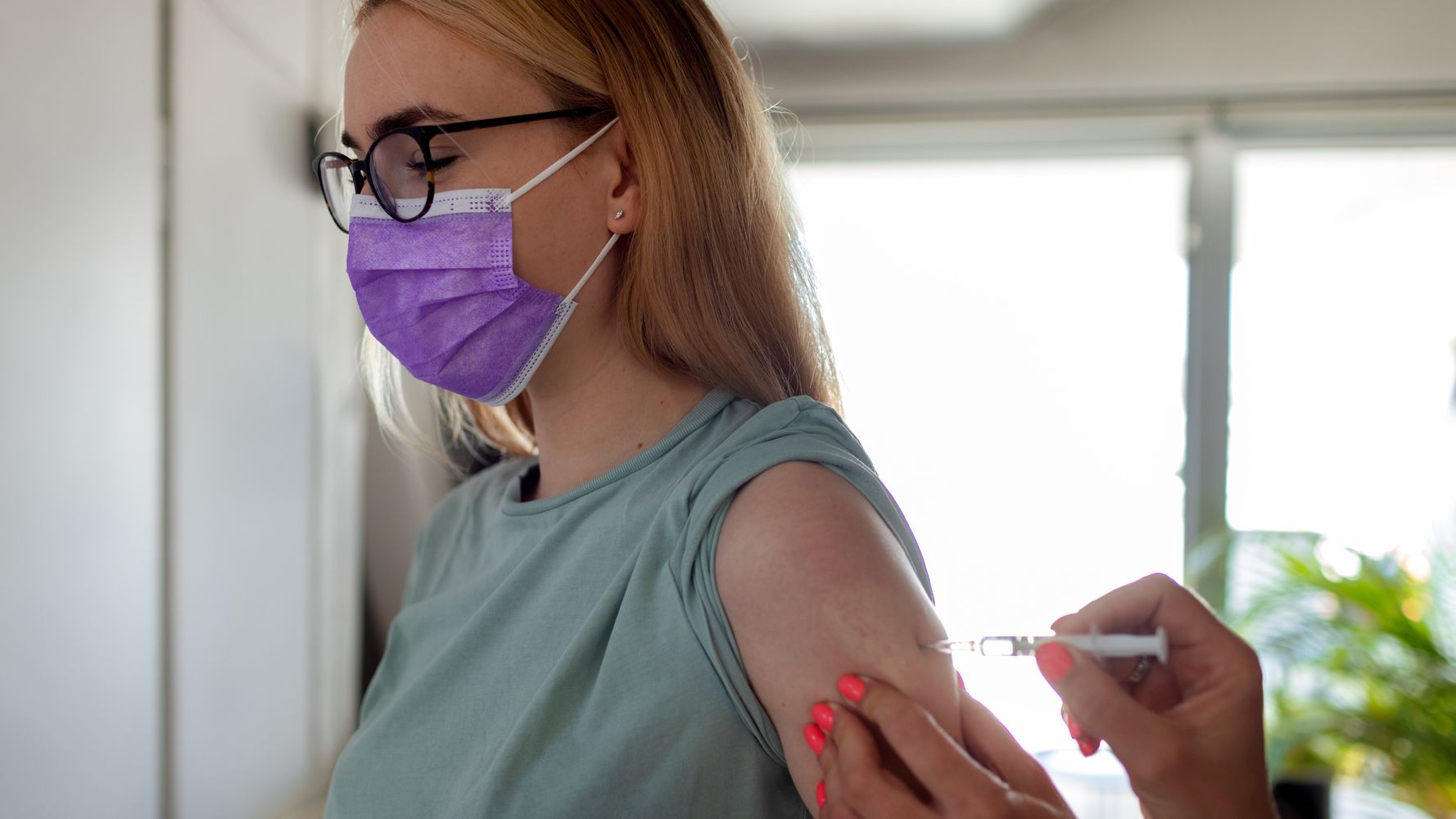
Covid vaccine set to be offered to 16 and 17-year-olds

More than one million teenagers would be included in a new rollout if ministers accept expert advice.

Share Button

China Covid: China targets school students to control case surge

Authorities in China are scrambling to control the spread of the virus by ramping up testing and vaccinations.

Share Button

Why This Is The Moment To Make Your Family ‘Mission Statement’

The past year and a half has been long, hard and logistically bonkers for families with young kids at home.

While the pandemic certainly isn’t over, many parents do feel a huge sense of relief as we inch closer to what looks like (for now, at least) a more typical school year. Groups such as the American Academy of Pediatrics and Centers for Disease Control and Prevention have called for kids around the country to return to the classroom. At the same time, many parents who haven’t already returned to the office for work will likely do so to some degree this fall.

Although being able to slide back into old routines might feel pretty darn glorious, economist and parenting guru Emily Oster suggests that doing so without pausing to consider your family’s “big picture” is a mistake.

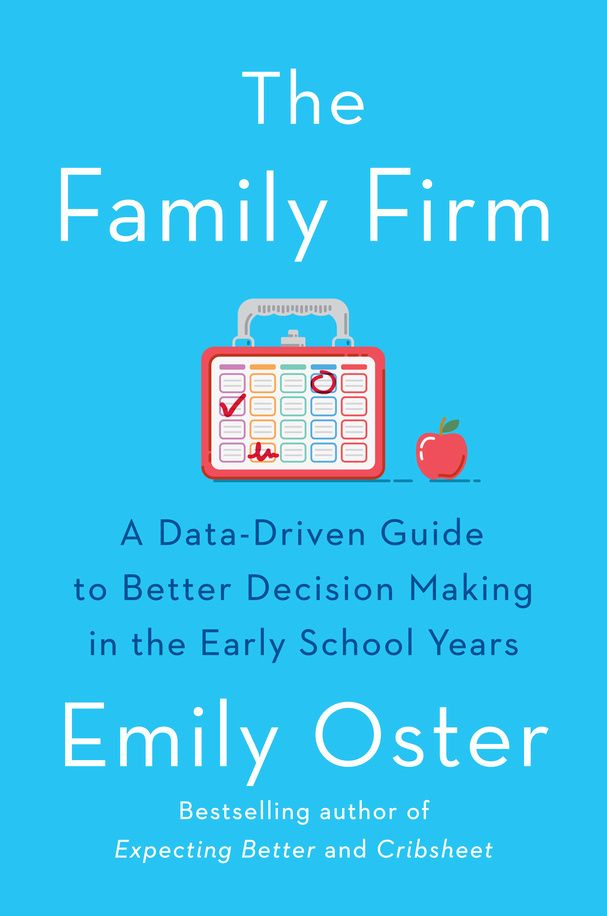
Oster’s new book, The Family Firm: A Data-Driven Guide to Better Decision Making in the Early School Years, provides a framework for parents of 5- to 12-year-olds when it comes to making decisions on everything from nutrition to when kids should get their first phones. She believes this is a moment when many families would benefit from creating mission statements – and she’s got a practical guide for what they should entail.

Emily Oster's new book urges families to make mission statements.

Emily Oster’s new book urges families to make mission statements.

“With all of the terrible things that have gone on over the past 18 months, there is an opportunity, as we move out of this, to have important conversations even in families where routines have been long established,” the author told HuffPost. “What are the things we were doing before that we want to go back to? What are the things we were doing before that we think, ‘You know what? Actually, I didn’t miss that.’ It is a real opportunity for that kind of reflection to happen.”

What your family mission statement should include

The purpose of a family mission statement is really to help you and whoever else you parent with articulate your big, high-level values. But Oster doesn’t see it as simply a lofty expression of ideals. Instead, it’s a practical document that will help your family sort through parenting decisions every day.

“When I talk about creating the family Big Picture, I’m talking about these overall principles,” Oster writes in “The Family Firm.” “But I’m also talking about confronting, ‘What does Thursday night look like?’”

To start, everyone who is a parenting stakeholder in your family should get a piece of paper. Write down an overarching family mission statement in a single sentence. Next, jot down three main goals for your children.

“Big life goals,” Oster writes in her book. “Not like, ‘Use a fork better,’ even if you desperately, desperately want that.”

After that, it’s time to think about yourself. What are three priorities you want to make sure you get time for? Write those down.

Then, list three activities that are must-dos for your family on most weekdays. Oster’s, for example, include eating at least one meal with the kids, getting some work done and being around for bedtime.

Finally, list three activities you think of as must-dos on the weekend. Sports? Spending time with family? Religious activities?

“There’s an important distinction between woo-woo, kind of big-picture family mission statements and really diving into some of these specifics,” she told HuffPost.

Why it’s worth it

Oster wrote her book The Family Firm before the pandemic, though she has, of course, become a go-to (if controversial) resource for many families over the last year and a half.

While her new book does not address Covid-19 or its impact on families and family decision-making, Oster said she thinks family mission statements are more important than ever in this moment of profound transition for so many parents and kids. (In non-Covid times, she suggests creating a mission statement around the time your child starts school and revisiting it as they get older.)

“The idea of the mission statement is really to surface your most important priorities to everyone in the family, and I think the reason that is really important is often, in families, those things go unsaid,” Oster said. “We have this idea that we all love each other, so of course we kind of agree on our family’s mission. Sometimes, that’s actually not true.”

If you are co-parenting with somebody else, you might find that what you’ve written down during this exercise looks pretty different, especially if you’re both emerging from the pandemic with new values and priorities. Don’t let that frighten you, Oster said, adding that what you really don’t want is to be acting on different priorities without having talked about them first and realising they’re different.

“The value of putting out our views, even if they lead to disagreements, is that it gives us an opportunity to talk about why we disagree,” she said. Once you’ve got some clarity around your own parenting priorities, you’re able to have a clearer, calmer discussion about the ways in which you can come together.

“We are pretty conflict averse, for reasonable reasons, in a way that we’re not always at work,” Oster said. “But I see this as bringing the potential conflict forward, but bringing it into a quieter moment where we’re not mad.”

Share Button

Taxis and Takeaways: Are Covid Vaccine Incentives Going To Work?

Car services such as Uber and Bolt and food delivery apps UberEats and Deliveroo are among those offering incentives for young people to get jabbed.

As the vaccine rollout continues, the government is doing everything it can to coax young people into getting the Covid-19 jab – and if that means offering discounted taxi rides and takeaways, Westminster says: whatever it takes.

Uber has said it’s reminding all users in August to get vaccinated, offering discounts on rides and meal delivery for doing so. Deliveroo will also offer vouchers, while Bolt is offering “free ride credit” to vaccination centres.

The Department of Health said more partnerships would be released “in due course”, while some local charities and councils have also started offering free taxis to help people get to vaccination centres.

The government remains concerned about the current Covid vaccine uptake among young people. The latest figures suggest 68% of 18 to 29-year-olds in England have had the first jab, compared to 88.6% of all UK adults.

Thanking the businesses supporting this vaccine drive, health secretary Sajid Javid then addressed young people directly, saying on Sunday: “Please go out and take advantage of the discounts.

“The lifesaving vaccines not only protect you, your loved ones and your community, but they are helping to bring us back together by allowing you to get back to doing the things you’ve missed.”

What do young people make of the scheme? We spoke to them to find out.

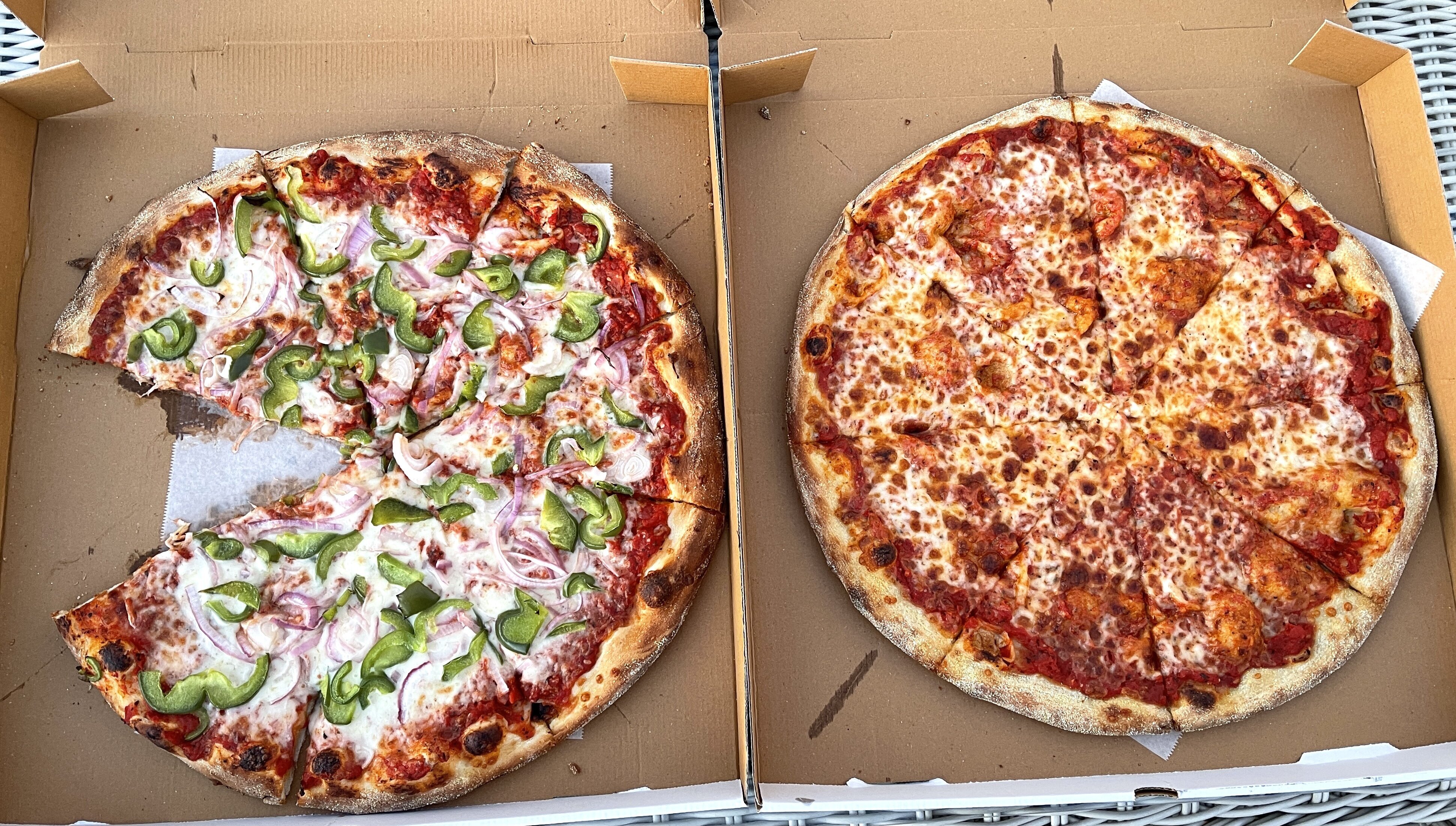
Abi Howe, 20, a student from Kent doesn’t think free pizza is enough to entice young people to get the vaccine. “It’s a childish and immature approach,” she tells HuffPost UK. “Hesitancy from young people is higher than the general population and that isn’t going to be eased by bribery, which suggests [the reason is] young people just aren’t bothered.”

Howe has already received her vaccination, but said that if she weren’t already vaccinated ,the discounts wouldn’t encourage her to get jabbed, nor has she seen any information as to whether incentives will be applied retroactively.

“I think young people have sacrificed a lot and this hasn’t been recognised,” she says. “Instead, they’ve been blamed for a rise in cases and now criticised for vaccine caution without proper information which might ease their worries.”

““It’s awful, tone-deaf and reeks of people putting graffiti on a leaflet, thinking, ‘yes, that will attract the kids’.””

– Chadwick, 29

Ada Enechi, a 27-year-old producer from east London was happy to bag her free meal after a first dose of the vaccine, which up until now she’d not got round to booking. In fact, she got jabbed and fed in the same place: a festival-like tent that has been set up near her house. Once vaccinated, she says, you get your free food and a drink, and it’s all accompanied by live music.

It sounds like a party, but freelancer and fellow Londoner Chadwick, 29, who preferred not to give his surname, thinks these incentives are a terrible idea.

“It’s awful, tone-deaf and reeks of people putting graffiti on a leaflet thinking, ‘yes, that will attract the kids’. If you have any respect for young people you would acknowledge the complexity of our existence,” he tells HuffPost UK.

Chadwick believes the vaccine is too important for such tactics and advises people seek out information about its safety, while avoiding scaremongering.

That message might resonate with Deborah Ajulo, 24, a sustainability coordinator from London, who has worries about the vaccine, as she believes scientists need several years to really understand a vaccine.

“Deals like this make me even more sceptical and push me further away from wanting to get the vaccine,” she tells HuffPost UK. “It feels like there is another agenda. This to me is not desperation, but it feels like they are trying to exclude people to peer-pressure them into getting the vaccine.”

She adds: “The government has treated young people like we’re ignorant and don’t understand what is going on. They’ve blamed young people for lockdowns and Covid spreading. I think they’ve just found it easier to blame us, rather than themselves for their lack of competency.”

Share Button

Third Vaccine Dose May Protect Those With Autoimmune Diseases

People who suffer from an autoimmune disease may benefit from a third dose of the Covid vaccine to protect them from breakthrough infections, a new study suggests.

The vaccine programme is still rolling out in the UK – over 88% of adults have had their first dose and over 72% are now fully vaccinated with two doses.

Currently, two doses of the vaccine provides 90% protection against hospitalisation against the Delta variant. The latest data from Public Health England and Cambridge University shows that around 60,000 deaths and 52,600 hospitalisations have been prevented by vaccines up to July 23.

However, autoimmune diseases often require treatment that dampens the immune system leaving the immunocompromised still vulnerable to Covid and prompting growing calls for them to get a third dose of the vaccine

Previously medical professionals have been unsure whether Covid vaccines would work on immunocompromised people who take B-cell-depleting drugs, such as rituximab to treat rheumatoid arthritis.

However, a pre-print study from the Medical University of Vienna found patients taking rituximab were still able to develop a humoral and cellular immune response – including the antibody production necessary to fight Covid-19.

As Michael Bonelli, senior author of the Vienna study, explains: “B cells constitute an important cell population for the development of antibodies. We were able to show that more than 50% of patients receiving B-cell-depleting treatment with rituximab still develop antibodies to SARS-CoV-2 [Covid-19], and that there is potentially additional protection via a cellular immune response.”

This underscores the importance of vaccinating immunosuppressed patients against Covid, Bonelli said, while his colleague Daniel Aletaha, head of the university’s division of rheumatology, said they also showed that a third vaccination is sometimes needed for people with autoimmune disease.

“The findings from this study formed the basis for a now completed randomised booster vaccination study, which investigated whether the group of patients receiving rituximab treatment who were unable to produce antibodies following standard vaccination can develop humoral or cellular immunity if given a third vaccination with an mRNA vaccine [such a Pfizer] again or a third vaccination with a vector vaccine [such as AstraZeneca],” Aletaha said.

The findings come as many people remain concerned the UK government’s final easing of restrictions in England on July 19 – dubbed ‘Freedom Day’ by some – came before the nation was fully vaccinated, leaving those who have previously shielded from the virus susceptible to infection.

A third dose of the vaccine would differ from the autumn booster jab that has been suggested for the wider British public by the Joint Committee on Vaccination and Immunisation (JCVI)

According to the JCVI’s interim plan, this booster could be offered as early as September to those living in residential care homes for older adults, all adults aged 70 years or over, adults aged 16 years and over who are considered clinically extremely vulnerable, and frontline health and social care workers.

In the meantime, the researches behind the Vienna study hope their findings will feed into the creation of guidelines for a Covid vaccination strategy for immunosuppressed patients.

A follow-on study will extend the rituximab study to all patients with immunosuppression and different indications from the fields of rheumatology, neurology, haematology and transplantation, they added.

Share Button

Long-lasting Covid-19 symptoms rare in children

Children who become ill with coronavirus mostly recover in less than a week, research suggests.

Share Button

Early molten moon’s deep secrets

Shortly after it formed, the Moon was covered in a global ocean of molten rock (magma). As the magma ocean cooled and solidified, dense minerals sank to form the mantle layer, while less-dense minerals floated to form the surface crust. Later intense bombardment by massive asteroids and comets punched through the crust, blasting out pieces of mantle and scattering them across the lunar surface.

Recently, a pair of NASA studies identified the most likely locations to find pieces of mantle on the surface, providing a map for future lunar sample return missions such as those under NASA’s Artemis program. If collected and analyzed, these fragments from deep within the Moon can provide a better understanding of how the Moon, the Earth, and many other solar system worlds evolved.

“This is the most up-to-date evaluation of the evolution of the lunar interior, synthesizing numerous recent developments to paint a new picture of the history of the mantle and how and where it may have been exposed on the lunar surface,” said Daniel Moriarty of NASA’s Goddard Space Flight Center, Greenbelt, Maryland and the University of Maryland, College Park.

Magma oceans evolve as they cool down and dense materials sink while light materials rise. The formation of magma oceans and their evolution are thought to be common processes among rocky planets and moons throughout our solar system and beyond. Earth’s Moon is the most accessible and well-preserved body to study these fundamental processes.

“Understanding these processes in more detail will have implications for important follow-up questions: How does this early heating affect the distribution of water and atmospheric gases of a planet? Does water stick around, or is it all boiled away? What are the implications for early habitability and the genesis of life?” adds Moriarty, lead author of the papers, published August 3 in Nature Communications and January 2021 in the Journal of Geophysical Research.

Large rocky objects such as planets, moons, and large asteroids can form magma oceans with the heat generated as they grow. Our solar system formed from a cloud of gas and dust that collapsed under its own gravity. As this happened, dust grains smacked into each other and stuck together, and over time this process snowballed into larger and larger conglomerations, eventually forming asteroid and planet-sized bodies. These collisions generated a tremendous amount of heat. Also, the building blocks of our solar system contained a variety of radioactive elements, which released heat as they decayed. In larger objects, both processes can release enough heat to form magma oceans.

However, the details of how magma oceans evolve as they cool and how the various minerals in them crystalize are uncertain, which affects what scientists think mantle rocks may look like and where they could be found on the surface.

“The bottom line is that the evolution of the lunar mantle is more complicated than originally thought,” said Moriarty. “Some minerals that crystallize and sink early are less dense than minerals that crystallize and sink later. This leads to an unstable situation with light material near the bottom of the mantle trying to rise while heavier material closer to the top descends. This process, called ‘gravitational overturn’, does not proceed in a neat and orderly fashion, but becomes messy, with lots of mixing and unexpected stragglers left behind.”

The team reviewed the most recent laboratory experiments, lunar sample analysis, and geophysical and geochemical models to develop their new understanding of how the lunar mantle evolved as it cooled and solidified. They used this new understanding as a lens to interpret recent observations of the lunar surface from NASA’s Lunar Prospector and Lunar Reconnaissance Orbiter spacecraft, and NASA’s Moon Mineralogy Mapper instrument on board India’s Chandrayaan-I spacecraft. The team generated a map of likely mantle locations using Moon Mineralogy Mapper data to assess mineral composition and abundance, integrated with Lunar Prospector observations of elemental abundances, including markers of the last remaining liquid at the end of lunar magma ocean crystallization, and imagery and topography data from Lunar Reconnaissance Orbiter.

At around 1,600 miles (about 2,600 kilometers) across, the South Pole — Aitken basin is the largest confirmed impact structure on the Moon, and therefore is associated with the deepest depth of excavation of all lunar basins, so it’s the most likely place to find pieces of mantle, according to the team.

For years, scientists have been puzzled by a radioactive anomaly in the northwest quadrant of the South Pole — Aitken Basin on the lunar farside. The team’s analysis demonstrates that the composition of this anomaly is consistent with the “sludge” that forms in the uppermost mantle at the very end of magma ocean crystallization. Because this sludge is very dense, scientists have previously assumed that it should completely sink into the lower mantle early in lunar history.

“However, our more nuanced understanding from recent models and experiments indicates that some of this sludge gets trapped in the upper mantle, and later excavated by this vast impact basin,” said Moriarty. “Therefore, this northwest region of the South Pole — Aitken Basin is the best location to access excavated mantle materials currently on the lunar surface. Interestingly, some of these materials may also be present around the proposed Artemis and VIPER landing sites around the lunar South Pole.”

Share Button

How landscapes of fear affect the songbirds in our backyards

A team of researchers headquartered at the University of Massachusetts Amherst has recently discovered that fear plays an important, unrecognized role in the underdevelopment, and increased vulnerability, of backyard songbirds.

Scientists have long known that urban songbirds face a host of increased challenges, from habitat loss to altered food sources and a larger population of predators, such as skunks, rats, squirrels and, especially, house cats, compared to their rural cousins. In particular, urban nestlings weigh significantly less than those born in the country and have a decreased chance of surviving to adulthood, as a result. New research, published in the journal Ecosphere, helps to tease out exactly why.

Part of the difficulty in figuring out why urban nestlings struggle is due to what biologists call the “predation paradox:” though there are increased numbers of predators in urban areas, there is actually a lower per-capita rate of predation. “The key,” says Aaron Grade, the paper’s lead author who completed this research as a graduate student in UMass Amherst’s program in organismic and evolutionary biology, “has been hiding in plain sight. We haven’t been paying enough attention to fear itself.”

To arrive at this conclusion, Grade, along with his co-authors Susannah B. Lerman, research ecologist at the USDA Forest Service Northern Research Station; and Paige S. Warren, professor in the department of environmental conservation at UMass Amherst; built 38 nest boxes for house wrens and placed them in participants’ backyards. The participants lived in a variety of landscapes, all in the Connecticut River Valley of Massachusetts, from the urban (Springfield, with a population density of 4,775 people per square mile), to low-density suburban (Amherst, 1,445 people per square mile) to the rural (Whately, 72 people per square mile).

Grade and his colleagues then played the cries of screech owls and Cooper’s hawks, both of which feed upon house wrens in Massachusetts, from speakers installed in each participant’s yard. “The participants were wonderful,” says Grade. “They put up with this noise in their backyards and were very invested in the experiment.” The nestlings in each box were then weighed every three days until they left the nest.

The authors discovered that, due to a variety of ‘urban effects,’ including availability of food, habitat loss and predation, urban nestlings all weighed about 10% less than the rural nestlings — an expected finding that is consistent with previous studies showing the effects of urban development on wildlife. But the authors also discovered that all the nestlings, both rural and urban, subjected to the owl and hawk cries saw a 10% decrease in weight as well.

“This is a largely unexplored component of human/wildlife interaction,” says Grade. “Birds are very in-tune with what’s going on, and if they see, or in this case hear, a predator, they’ll change their behavior.” For instance, the parent birds might spend less time finding food for their nestlings to avoid predation. “These landscapes of fear,” says Grade, “can have a greater effect on behavior and survival than the actual predator itself.”

In general, hobbyist birders should avoid using recordings of predators because they can cause unintended responses and undue stress in birds, as Grade’s research shows. These experiments were carried out with approval by the UMass Institutional Animal Care and Use Committee and followed best practices for playback experiments to reduce any potential harm.

This research was funded by the University of Massachusetts Amherst Graduate School; the Manomet Center for Conservation Sciences; the Blodget Fund for Ornithological Studies; the Animal Behavior Society; the American Ornithological Society; and the National Science Foundation.

Share Button

‘Hey, do you have a second?’— The upside of workplace interruptions

If you work in an office environment, it’s a common occurrence: You’re right in the middle of a project and a co-worker stops by to ask for help with a task or to share a photo of their new puppy.

When this happens, don’t sigh at being distracted. A new study finds that these interruptions are beneficial to a sense of belonging and can counterbalance negatives such as lost productivity.

According to the study, which predominantly took place at the University of Cincinnati and soon will appear in the print edition of the Journal of Applied Psychology, while there were downsides to interruptions at work, like raising levels of stress and lowering people’s energy, there was also an upside: Employees felt more like they “belonged” and that eventually led to higher job satisfaction.

“If the past year of social distancing and isolation has shown us anything, it is that humans are social beings who have an inherent need for interacting with others,” says the study’s lead author Harshad Puranik, PhD, an assistant professor in the Department of Managerial Studies at University of Illinois at Chicago.

In the study, the team surveyed 111 full-time employees twice a day for three weeks. They asked participants about their experience at work (since the beginning of the day for lunchtime surveys and since lunch for the end of workday surveys), including work interruptions, how mentally drained they felt, their sense of belonging and overall job satisfaction. The researchers found that while work interruptions can take a toll on interrupted employees’ mental resources, thereby reducing job satisfaction, social interaction with an interrupter can also help boost employees’ level of belonging, which was associated with increased job satisfaction.

What previous research has not considered, Puranik says, is that apart from their task-based aspect, work interruptions by others also involve a social component — the social interaction with the interrupter. “Our study revealed that by providing this avenue for social interaction with one’s colleagues, work interruptions led to a greater sense of belonging. This sense of belonging, in turn, led to higher job satisfaction.”

The bulk of the study was conducted as part of Puranik’s UC doctoral thesis, with two former UC faculty members at UC’s Carl H. Lindner College of Business: Joel Koopman, now at Texas A&M University, and Heather C. Vough, now with George Mason University.

“We find that interruptions can actually benefit individuals from an interpersonal perspective — people feel like they belong when others come and talk to them or ask them questions, even while being distracted from their tasks,” says Vough.

What was surprising, Vough says, is that “the sense of belongingness mitigated the negative effect of interruptions on job satisfaction. Thus, interruptions at work may have gotten a bad rap due to a failure to consider their human element.”

Since management historically has focused on ways to eliminate work interruptions, the study suggests alternatives to address interruptions, such as allowing employees more leeway in choosing when and where they work from and how they schedule their work.

Story Source:

Materials provided by University of Cincinnati. Note: Content may be edited for style and length.

Share Button