BMA Scotland says ministers went back on a pay agreement but Health Secretary Neil Gray says it is a “fair, affordable, equitable pay offer”.


BMA Scotland says ministers went back on a pay agreement but Health Secretary Neil Gray says it is a “fair, affordable, equitable pay offer”.
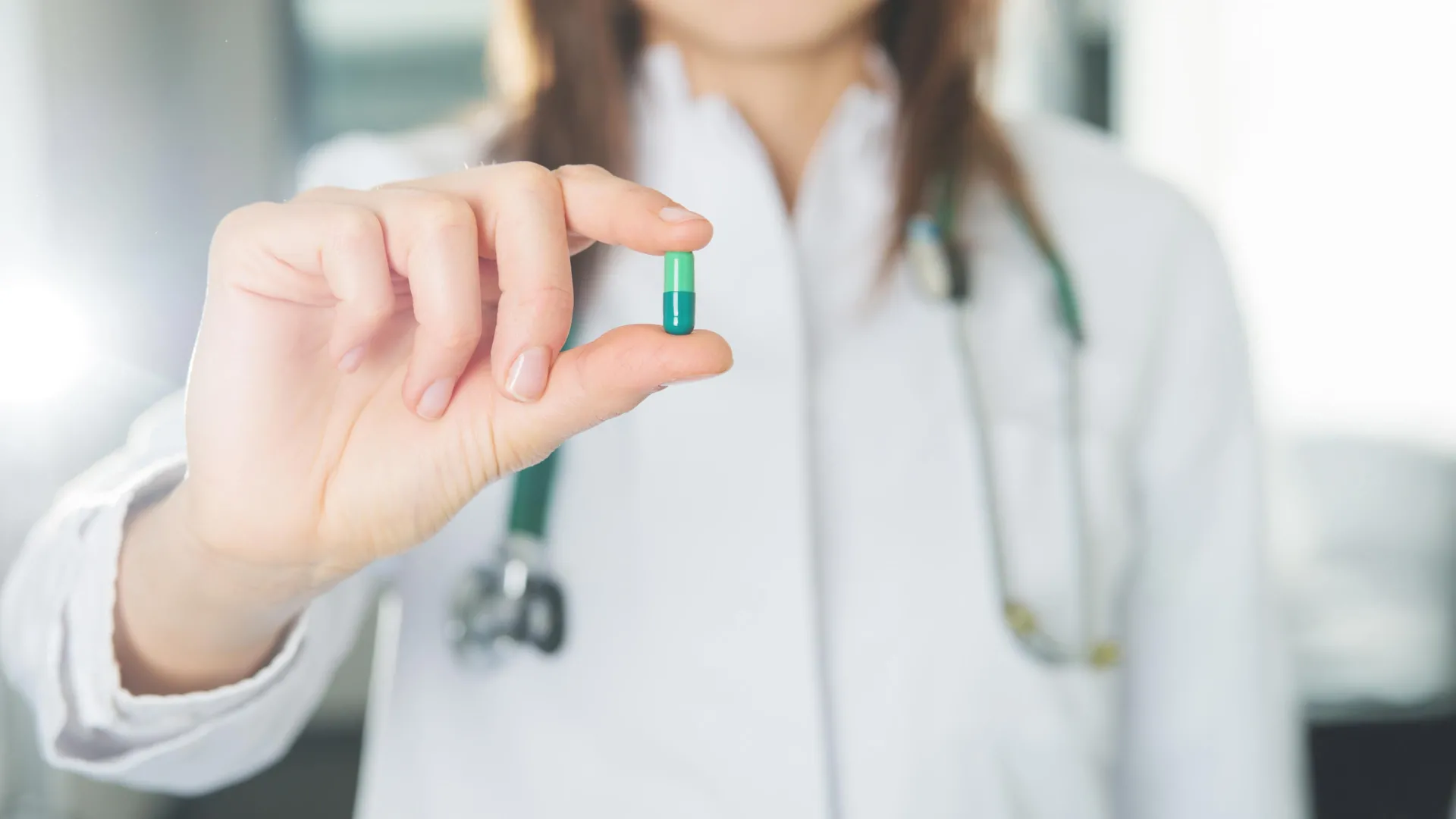
A new study in the journal Cell from the Chinese Academy of Sciences and Xuanwu Hospital Capital Medical University explains how exercise helps the body stay youthful. The researchers also highlight betaine — a metabolite produced in the kidney — as an oral compound that can imitate many of the rejuvenating effects normally linked to physical activity.
Betaine is a small molecule found in foods like beets and spinach, but the body also makes it on its own. In this study, it emerged as an important signal that helps coordinate the anti-aging benefits of long-term exercise.
How the Body Responds to Exercise
The research team followed 13 healthy men over six years to observe how the body reacts to both short-term and long-term exercise. Using multiomics tools that track genes, proteins, metabolites, and gut bacteria, the scientists compared the body at rest, after a single 5 km run, and after a 25-day running program.
Their results showed that the kidney plays a central role in managing the body’s response to exercise. During sustained training, the kidney produced large increases in betaine, which helped send protective, anti-aging signals throughout the body.
Solving the Exercise Paradox
The study also helps explain the “exercise paradox,” where a single intense workout causes stress but long-term training improves overall health. A short run triggered temporary inflammation and “metabolic chaos,” while regular training restored balance and strengthened the immune system.
Consistent exercise improved gut bacteria, boosted antioxidant defenses, and reversed age-related changes in T cells by stabilizing DNA and adjusting epigenetic marks such as reducing ETS1 expression. The kidney also increased its production of betaine through activity of the enzyme CHDH. Remarkably, giving betaine alone created many of the same benefits as training, including better metabolism, improved cognitive function, reduced depressive-like behavior in older mice, and lower inflammation across the body.
How Betaine Reduces Inflammation
The researchers found that betaine binds to and blocks TBK1, a kinase that drives inflammation. By suppressing TBK1 and its downstream IRF3/NF-κB pathways, betaine helps silence chronic inflammation, also known as “inflammaging.”
This mechanism ties together the exercise paradox: short-term activity triggers survival pathways (IL-6/corticosterone), while long-term training activates the kidney-betaine-TBK1 system that promotes youthfulness. Because betaine is considered safe and effective, it may be useful for people who cannot exercise regularly. “This redefines ‘exercise as medicine’,” says co-corresponding author Dr. Liu Guang-Hui. “This study gives us a fresh way to turn how our body works into something we can target with chemicals. It opens the door to geroprotective treatments that can tweak how multiple organs work together.”

When ultra-runners prepare for races that span hundreds of miles and last for days, they are not only challenging their determination and physical power. They are also exploring how far human physiology can be pushed. In a study published October 20 in the Cell Press journal Current Biology, researchers reported that even elite endurance athletes cannot consistently exceed an average “metabolic ceiling” equal to 2.5 times their basal metabolic rate (BMR) in daily energy use.
The metabolic ceiling refers to the upper limit of calories a person can burn in a sustained way. Earlier studies suggested that people might reach up to 10 times their BMR, which is the minimum amount of energy needed while resting, but only for short, intense periods.
“Every living thing has a metabolic ceiling, but exactly what that number is, and what constrains it, is the question,” says lead author and anthropologist Andrew Best of the Massachusetts College of Liberal Arts, who is also an endurance athlete.
“To find out, we asked, if we get a group of really competitive ultra-athletes, can they break this proposed metabolic ceiling?”
Tracking Energy Burn in Extreme Athletes
To explore that question, the research team monitored 14 ultra-runners, cyclists, and triathletes during both races and training blocks. Participants consumed water enriched with deuterium and oxygen-18, which are slightly heavier forms of hydrogen and oxygen. By following how quickly these isotopes left the body through urine, the scientists were able to determine how much carbon dioxide the athletes exhaled and, in turn, estimate total calorie expenditure.
In multi-day endurance events, several athletes temporarily reached energy burn levels six to seven times their BMR, which translated to roughly 7,000 to 8,000 calories per day. However, when the researchers averaged the athletes’ caloric output across much longer intervals (30 and 52 weeks), their energy use consistently fell back near the expected ceiling of about 2.4 times their BMR. According to the researchers, this pattern demonstrates that even the most highly trained athletes eventually hit a metabolic limit, and sustaining anything above that boundary is extremely difficult.
“If you go over the ceiling for short periods, that’s fine. You can make up for it later,” says Best. “But long term, it’s unsustainable because your body will start to break down its tissue, and you’ll shrink.”
How the Body Reallocates Energy Under Stress
The study also highlighted how the human body balances competing energy demands during extreme endurance efforts. As athletes directed more energy toward running, swimming, and cycling, they naturally reduced energy use in other areas without realizing it.
“Your brain has a really powerful influence on how much you fidget, how much you want to move, and how encouraged you are to take a nap,” says Best. “All these fatigues we feel save calories.”
The researchers noted that their findings reflect the physiology of the athletes who took part in the study. It is possible that unusually high-performing individuals who could exceed the identified ceiling were not included. While the results are important for understanding athletic performance, they also raise broader questions about how this metabolic cap might affect other biological processes.
A Limit Most People Will Never Reach
“For most of us, we’re never going to reach this metabolic ceiling,” says Best. “It takes running about 11 miles on average a day for a year to achieve 2.5 times BMR. Most people, including me, would get injured before any sort of energetic limit comes into play.”
This work was supported by funding from Duke University and a Massachusetts College of Liberal Arts Faculty Incentive Award.
Two mothers who experienced pelvic girdle pain say being aware of the risk will help people seek treatment.

It’s no understatement to say the past decade and particularly past five years have been rough. A global pandemic in which 7 million people died worldwide, the cost of living crisis, a terrifying rise in far-right politics and a devastating genocide against Palestinian people just to name a few.
Is it any wonder that according to leading mental health charity Mind, around 1 in 3 adults say that their mental health has declined compared to pre-pandemic levels?
Advertisement
Now, researchers from the Boston University have warned that this culmination of devastating news could soon result in a type of trauma that was previously unnamed.
The researchers warn that many of us will be experiencing “vicarious trauma”: distress from secondhand exposure to traumatic events through news, our screens, or from comforting those traumatised by these events.
One of the researchers, Laura Captari, a researcher and psychologist said in an interview with Futurity: “It’s not possible to bear witness to suffering, to tragedy, without it kicking up big existential questions, whether we hear about it in the news or we’re watching it on our screens.
Advertisement
″‘Am I safe? Who can I trust?’ What’s particularly challenging in today’s world is that we’re an increasingly polarised and fragmented society, and people engage with social media in all different ways.
“For some people, it can really strengthen their connections, but for other people, it can be pretty isolating.”
Professor Steven Sandage, a researcher and psychology professor adds: “A trauma response is a survival mechanism to turn on hypervigilance and alertness. For any of us that feel under threat and with serious trauma effects, it’s gotten stuck in place as a hypervigilant alarm response.
Advertisement
“We can expect that it’s going to be harder to reset that in environments where there’s lots of polarisation.”
Speaking on our exposure to violent imagery on social media, Captari says: “It’s not just about what any of us are exposed to, it’s also about our relationship to what we take in, our ability to make sense of it.
“Does it consume our minds in an obsessive way? People’s social proximity is going to impact their experience of seeing violence through social media.”
Advertisement
He adds that for those directly or indirectly involved, it will be more damaging to their nervous system to see these stories than those who are just spectators. He explains: “If they are part of that community [victimised by the violence] or hold an identity overlapping with the people impacted, that’s going to activate their nervous system.
“So if I identify as queer, and there’s a mass shooting at a queer club, that’s going to hit me differently than the student next to me in class who doesn’t have a queer identity.”
While many of us think of social media as escapism or even admit to just doomscrolling, the psychologists recommend a more mindful approach to our scrolling habits.
Advertisement
Captari recommends that when you’re opening social media apps, you ask yourself these questions: “What am I hoping for when I pull up social media? What needs am I trying to meet?
“Is it to connect, to zone out, to amuse myself, to stay up-to-date with what’s happening in the world? How are my mind and body reacting to what I’m seeing?”
He also advises against living online as many of us do, saying, “We also need connection with people in real space and time, connection with nature, movement, for caring for our nervous system.
Advertisement
“We as humans can have morbid curiosity and get stuck in a state of “freeze” when something terrible happens, just watching it on repeat, trying to wrap our heads around it.”
Sandage adds: “Young adults have some of the highest rates of mental health vulnerability, and some of the lowest rates of utilisation of mental health services. This happens in the midst of an awful lot of stress on young people.
“Sometimes young people, I think, feel, ‘I need to face what’s going on in the world,’ which is a courageous commitment to not avoid what’s happening. But if it’s happening in a context of isolation, with few relationships or resources in which to metabolise all that, it’s not a good recipe.”
Advertisement
Take care of yourself.


Marco Rubio has suggested the US does not have many other ways to sanction Russia after slapping penalties on two major oil giants in October.
Donald Trump’s most senior diplomat suggested he has been facing pressure from his counterparts to pile on the punishments for Russia over its invasion of Ukraine.
Advertisement
But he dashed any hopes of further sanctions when, just before a meeting of G7 foreign ministers on Thursday, he said: “Well, there’s not a lot left to sanction from our part, I mean, we hit their major oil companies, which is what everybody’s been asking for.”
The States did sanction Rosneft and Lukoil and their subsidiaries last month in the hope of damaging Russia’s war machine.
Exporting fossil fuels is the main way Russia funds its costly invasion of Ukraine, so western leaders have been trying to reduce its customer base.
Advertisement
Ukraine’s allies hope this will eventually force Vladimir Putin to the negotiating table after almost four years of war.
The EU has unveiled at least 19 packages of sanctions meant to hit the economy in that time while the UK has sanctioned nearly 500 shadow fleet vessels and almost 2,000 individuals linked to Russia.
It was an additional victory for Kyiv when Trump’s administration finally gave up on trying to befriend Russia and instead announced the sanctions last month.
Advertisement
The penalties come into full force on November 21, but many nations are still reliant on Russia’s cheap exports.
Several countries are already considering asking the US for exemptions – and Hungary has already secured one.
Even so, Rubio said: “Sanctions have to be enforced, so you know we don’t put sanctions and then not enforce them. We’re interested in enforcing them as well.”
Advertisement
He said that might include pursuing the Russian shadow fleet, where ships illegally carry oil around the world, more intently.
“Shadow fleet has come up because I do think there are things that the Europeans can do on shadow fleet since a lot of these are happening in areas much closer to them,” Rubio said.
However, Ukraine is insistent that there are plenty more ways for the US to punish Russia.
Sanctions envoy Vladslav Vlasiuk said: “Regarding Rubio’s statement, about exhausting sanctions options… there are absolutely more objective options out there. More oil majors, banks and fleet/infrastructure. And components and defence. And payments. And the Arctic.”
Advertisement
He added in a social media post: ”We continue to work with American partners and with the G7, and with others. There will be more sanctions.”
Russia has just shrugged off the sanctions so far, insisting it will never bow to American pressure.
Putin told Russian reporters last month: “No self-respecting country ever does anything under pressure.”
However, he admitted that new sanctions might cause “some losses”, before sneaking in a threat to Trump, saying the US president should “think about who his administration is really working for”.
Advertisement
There have been some claims – including from Trump himself – that one of Russia’s largest customers, India, might stop buying as much oil in the wake of Trump’s tariffs on the country.

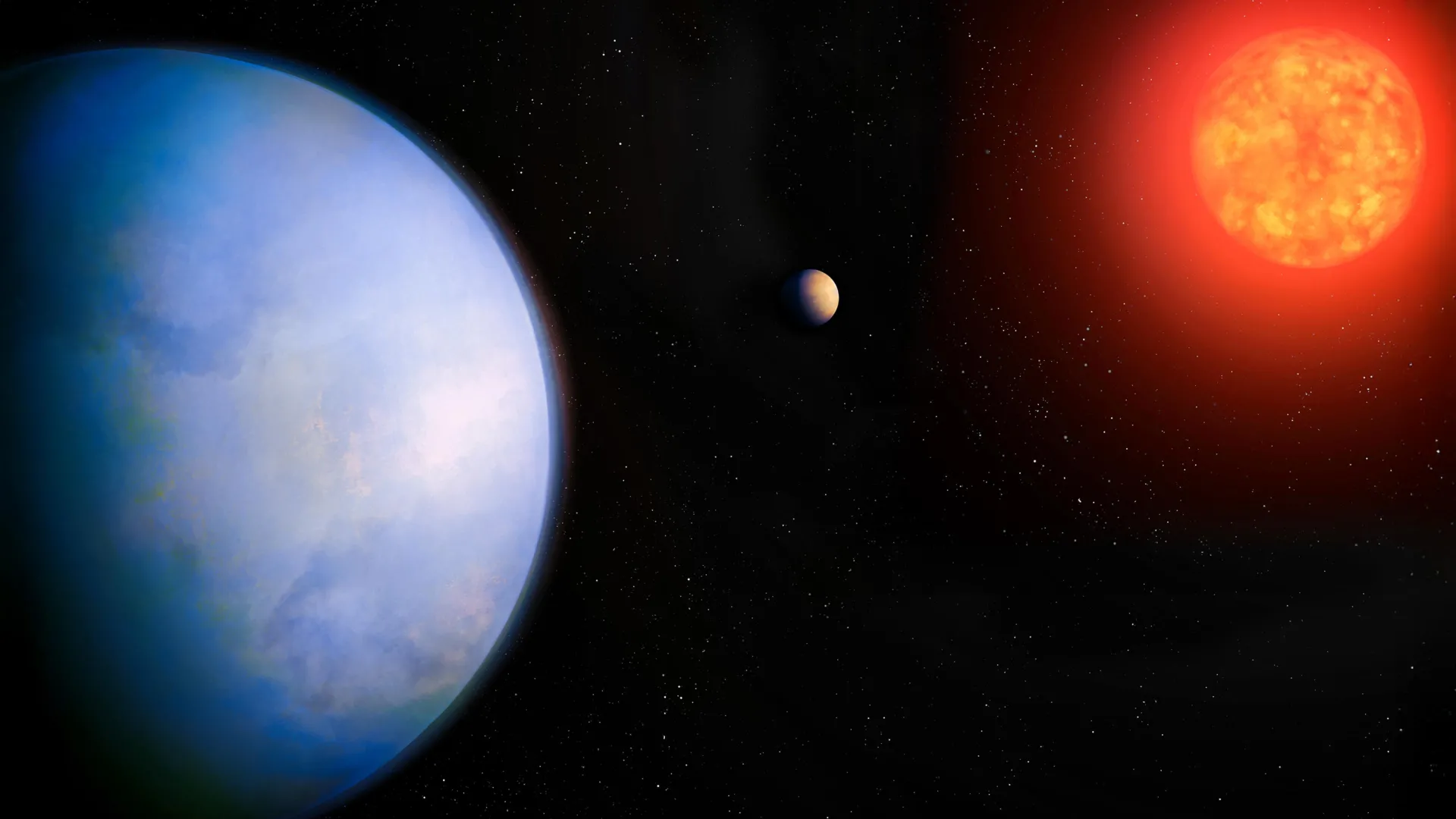
A possible “super-Earth” located less than 20 light-years from Earth is giving researchers renewed optimism in the search for planets that might host life. The newly identified world, GJ 251 c, earned its “super-Earth” label because current data indicate it is almost four times the mass of Earth and is likely a rocky planet.
“We look for these types of planets because they are our best chance at finding life elsewhere,” said Suvrath Mahadevan, the Verne M. Willaman Professor of Astronomy at Penn State and co-author of a recent paper in The Astronomical Journal. “The exoplanet is in the habitable or the ‘Goldilocks Zone,’ the right distance from its star that liquid water could exist on its surface, if it has the right atmosphere.”
Two Decades of Observations Lead to Breakthrough
For many years, astronomers searching for planets capable of hosting liquid water have developed ever more advanced telescopes and modeling tools to detect extremely faint variations in starlight. According to Mahadevan, this new result arose from more than 20 years of observations and represents one of the strongest opportunities yet to investigate a potentially habitable world.
The exoplanet was identified using data from the Habitable-Zone Planet Finder (HPF), a high-precision near-infrared spectrograph that functions as a sophisticated prism to separate starlight into its components. The HPF is installed on the Hobby-Eberly Telescope at the McDonald Observatory in Texas, and Penn State researchers led its design and construction to support the search for Earth-like planets orbiting nearby stars.
“We call it the Habitable Zone Planet Finder, because we are looking for worlds that are at the right distance from their star that liquid water could exist on their surface. This has been the central goal of that survey,” Mahadevan said. “This discovery represents one of the best candidates in the search for atmospheric signature of life elsewhere in the next five to ten years.”
Detecting a Subtle Stellar Wobble
Mahadevan and his team studied a large set of measurements collected worldwide over two decades. Their analysis focused on the small but measurable “wobble” of the host star, GJ 251, caused by gravitational pulls from orbiting planets. These motions appear as slight Doppler shifts in the star’s light.
They first refined measurements of a previously known inner planet, GJ 251 b, which completes an orbit every 14 days. By combining the long-term observations with new high-precision HPF data, the researchers detected a stronger signal repeating every 54 days, pointing to the presence of a more massive second planet. Additional confirmation came from the NEID spectrometer, another instrument built by Penn State researchers and operating at the Kitt Peak National Observatory in Arizona.
“We are at the cutting edge of technology and analysis methods with this system,” said Corey Beard, corresponding author of the paper, who carried out the research while earning his doctorate in astrophysics at the University of California, Irvine. “We need the next generation of telescopes to directly image this candidate, but what we also need is community investment.”
Overcoming Stellar Activity to Reveal Planetary Signals
One of the major difficulties in exoplanet detection is separating a planet’s signal from the star’s own magnetic activity, which Mahadevan compared to a form of stellar weather. Starspots and other surface features can mimic the periodic variations produced by orbiting planets, creating the illusion of a planetary presence. To distinguish between the two, the team used advanced modeling techniques that examine how signals behave across different colors of light.
“This is a hard game in terms of trying to beat down stellar activity as well as measuring its subtle signals, teasing out slight signals from what is essentially this frothing, magnetospheric cauldron of a star surface,” Mahadevan said.
He noted that detecting planets like GJ 251 c depends not only on sophisticated equipment but also on complex analysis and international teamwork. Such projects require long-term funding and coordination because meaningful discoveries can take decades to emerge.
Collaboration and Advanced Tools Enable Discovery
“This discovery is a great example of the power of multi-disciplinary research at Penn State,” said Eric Ford, distinguished professor of astronomy and astrophysics and director of research for Penn State’s Institute of Computational & Data Sciences (ICDS). “Mitigating stellar activity noise required not just cutting-edge instrumentation and telescope access, but also customizing the data science methods for the specific needs of this star and combination of instruments. The combination of exquisite data and state-of-the art statistical methods enabled our interdisciplinary team to transform data into an exciting discovery that paves the way for future observatories to search for evidence of life beyond our solar system.”
Although current technology cannot produce direct images of GJ 251 c, Mahadevan said that upcoming telescopes will be capable of examining the planet’s atmosphere, potentially revealing chemical traces of life.
Preparing for Next-Generation Telescopes
“We are always focused on the future,” he said. “Whether that’s making sure the next generation of students can engage in cutting-edge research or designing and building new technology to detect potentially habitable planets.”
GJ 251 c is situated in a position that future advanced telescopes will be able to study directly. Mahadevan and his students are already preparing for the era of 30-meter-class ground based telescopes, which will carry instruments capable of imaging rocky planets within their stars’ habitable zones.
“While we can’t yet confirm the presence of an atmosphere or life on GJ 251 c, the planet represents a promising target for future exploration,” Mahadevan said. “We made an exciting discovery, but there’s still much more to learn about this planet.”
The U.S. National Science Foundation, NASA and the Heising-Simons Foundation supported the Penn State aspects of this research.

Anxiety disorders affect roughly one in five people in the United States, making them among the most widespread mental health challenges. Although common, scientists still have many questions about how anxiety begins and is controlled within the brain. New research from the University of Utah has now pinpointed two unexpected groups of brain cells in mice that behave like “accelerators” and “brakes” for anxious behavior.
The team discovered that the cells responsible for adjusting anxiety levels are not neurons, which typically relay long-distance electrical signals and form circuits throughout the body. Instead, a specific class of immune cells known as microglia appears to play a central role in determining whether mice show anxious behavior. One subset of microglia increases anxiety responses, while another reduces them.
“This is a paradigm shift,” says Donn Van Deren, PhD, a postdoctoral research fellow at the University of Pennsylvania who carried out the work while at University of Utah Health. “It shows that when the brain’s immune system has a defect and is not healthy, it can result in very specific neuropsychiatric disorders.”
The findings are reported in Molecular Psychiatry.
Microglia Show a More Complex Role Than Expected
Earlier experiments had already suggested that microglia influence anxiety, but researchers initially believed that all microglia functioned in the same way. When they interfered with a particular subset known as Hoxb8 microglia, the mice began behaving as though they were anxious. However, when researchers blocked the activity of all microglia at once, including both Hoxb8 and non-Hoxb8 groups, the mice behaved normally.
These confusing results led the team to suspect that the two types of microglia might work in opposite directions. Hoxb8 microglia might help prevent anxiety, while non-Hoxb8 microglia might encourage it. To test this idea, they needed to examine each type of microglia on its own.
Testing the Brain’s Internal Anxiety Accelerator and Brake
To isolate each group, the researchers designed an unusual experiment that involved transplanting different types of microglia into mice that lacked microglia entirely.
Their tests showed that non-Hoxb8 microglia function like a gas pedal for anxiety. When the team transplanted only non-Hoxb8 microglia into the microglia-free mice, the animals displayed strong signs of anxiety. They groomed themselves repeatedly and avoided open spaces, behaviors that typically indicate heightened anxiety in mice. Without Hoxb8 microglia present, the anxiety “accelerator” remained active without any natural balancing force.
In contrast, Hoxb8 microglia acted like the braking system. Mice given only Hoxb8 microglia did not behave anxiously. Importantly, mice that received both microglial types also showed no signs of anxiety. Even though non-Hoxb8 cells encouraged anxious behavior, the presence of Hoxb8 cells neutralized those effects.
“These two populations of microglia have opposite roles,” says Mario Capecchi, PhD, distinguished professor of human genetics at University of Utah Health and senior author of the study. “Together, they set just the right levels of anxiety in response to what is happening in the mouse’s environment.”
Implications for Future Anxiety Treatments
According to the researchers, these results could reshape how scientists think about the biological roots of anxiety disorders and how they might be treated in the future. “Humans also have two populations of microglia that function similarly,” Capecchi explains. Despite this, nearly all current psychiatric medications target neurons rather than microglia.
Understanding how these immune cells influence anxiety could lead to therapies that intentionally enhance the braking effect or reduce the accelerator activity. “This knowledge will provide the means for patients who have lost their ability to control their levels of anxiety to regain it,” Capecchi says.
Van Deren adds a note of caution. “We’re far from the therapeutic side,” he says, “but in the future, one could probably target very specific immune cell populations in the brain and correct them through pharmacological or immunotherapeutic approaches. This would be a major shift in how to treat neuropsychiatric disorders.”
The study appears in Molecular Psychiatry under the title “Defective Hoxb8 microglia are causative for both chronic anxiety and pathological overgrooming in mice.”
The research was supported by the National Institutes of Health, including the National Institute of Mental Health (R01 MH093595), the Dauten Family Foundation, and the University of Utah Flow Cytometry Facility. The authors note that the content is solely their responsibility and does not necessarily represent the official views of the National Institutes of Health.
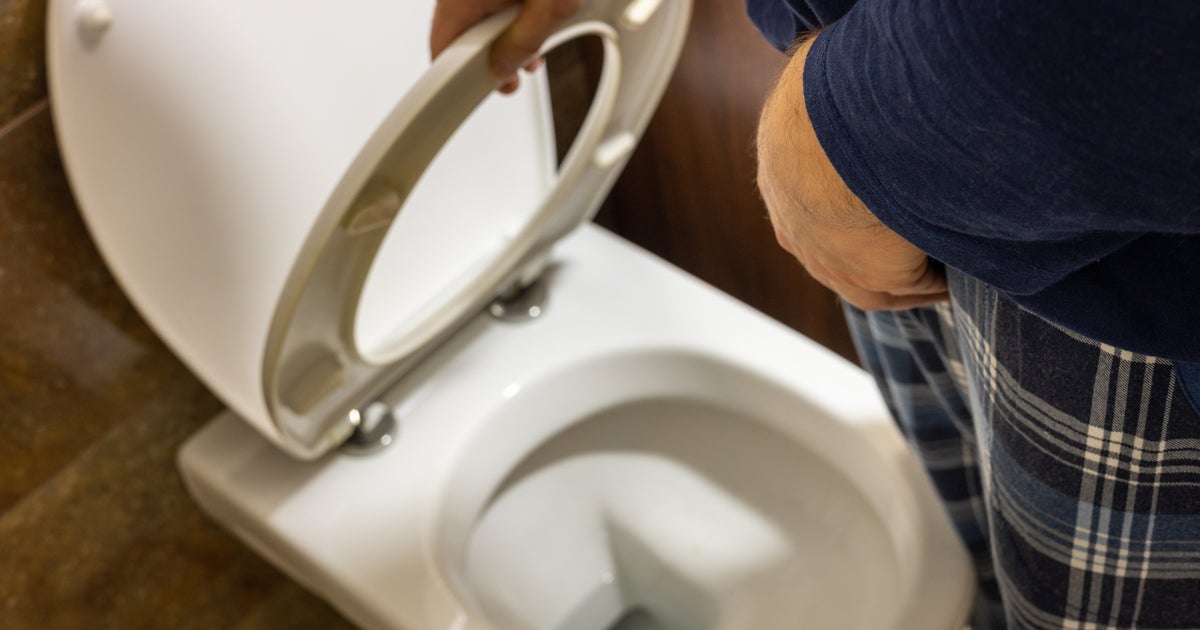
Waking up at 3am is a surprisingly common experience – and there are plenty of reasons why it might happen.
Advertisement
“During a typical night’s sleep, we go through multiple 90-minute cycles that include different stages of sleep, from light to deep and REM sleep,” the doctor said.
“Around 3am, most people are transitioning between cycles, and the sleep tends to be lighter at this point.”
This transition makes us “more susceptible to waking”, suggested the pro, especially if there are external disturbances such as noise, light, temperature changes or even the urge to use the toilet.
Advertisement
But if you find yourself waking up multiple times throughout the night to pee, including a 3am dash to the loo, did you know it could signal an issue with your breathing?
Nocturia, or nocturnal urinary frequency, is an issue characterised by needing to wee more than once throughout the night.
It can be caused by a range of factors, one of which is obstructed breathing.
In fact, according to the Sleep Foundation, nocturia occurs in up to half of people with obstructive sleep apnea (OSA).
Advertisement
For those who haven’t come across the medical condition before, OSA, which is thought to affect as many as 10 million people in the UK, involves “stop and start” breathing patterns during sleep.
Per the Sleep Foundation, “OSA affects the hormones that control urine production, leading to more frequent urination”.
In a post shared on Instagram, dentist Dr Mark Burhenne (@askthedentist) explained the mechanisms of this further: “When your airway collapses during sleep, you keep trying to breathe against a closed airway. This creates massive negative pressure in your chest that stretches your heart muscle.
Advertisement
“Your heart responds by releasing a hormone called ANP (atrial natriuretic peptide) that tells your kidneys to dump sodium and water.
“Normally during sleep, your brain releases ADH (antidiuretic hormone) that tells your kidneys to CONSERVE water – so you can sleep through the night without peeing. But ANP actively SUPPRESSES that protective ADH signal. So you’re not just making more urine – your body’s brake system gets shut off too.”
He concluded that this means your body is “both actively MAKING more urine” and “blocking the signal that would conserve water”.
Advertisement
Dr Burhenne recommended tracking your nighttime pee breaks, as once a night might be normal, but two or more times “is a red flag”.
If you are waking up two or more times to pee, he urges you to consider: “Do I snore? Wake up exhausted? Have a small/recessed jaw, crowded teeth, or a history of retractive orthodontics?”
And if this is the case, he recommends speaking to a professional.
Sleep apnoea can be serious if it’s not diagnosed and treated, warns the NHS.
Treatment typically involves wearing a CPAP machine to improve your breathing while you sleep.
Alternatively, you might be offered a mandibular advancement device (a gum shield-esque device to hold your airways open when you sleep) or surgery to help your breathing.
Advertisement
Exercising regularly, sleeping on your side, losing weight if you’re overweight and adopting good sleep hygiene habits might also help.
At the end of September, the backlog stood at 7.39 million in England.
