Reform UK Receive £36 Million From Crypto Billionaire Who Gave Farage £5m Gift

Reform UK has received a £36 million donation from a crypto billionaire who gave Nigel Farage a controversial £5m gift.

Christopher Harborne’s donation comes just hours after another crypto billionaire, Ben Delo, gave the party the same amount.

Thailand-based Harborne also gave Reform £9 million last August.

Writing in the Daily Telegraph, Harborne said the donation was “a philanthropic gift to our country” intended to help Reform prepare for government.

He said: “Whilst I have been making donations to Reform of around £1 million a month, Ben Delo told me he was going to make a record donation of £36 million.

“My competitive spirit inspired me to match it, so that is what I’ve done. And I hope others may join us.”

Farage said: “I am honoured and humbled that Ben Delo and Christopher Harborne have shown such confidence in Reform.

“Both men know that we are the only party that can turn the country around and win the next General Election – thanks to their generosity, we are now able to fight that election on a level playing field.”

The donation means Mr Harborne retains his position as Reform’s largest donor, having already given £9 million to the party last August.

The £5 million gift from Harborne to Farage is at the centre of an investigation by the parliamentary standards watchdog after the Reform leader failed to declare it in his register of interests.

In his Telegraph article announcing the donation, the billionaire said the UK needed a “profitable and dynamic economy” to be able to address the three “existential threats” of nuclear war, AI and climate change.

His donation comes a day after it was reported Delo had given £36 million to the party, saying it would ensure a “level playing field” between Reform and its opponents.

Delo, who moved back to the UK from Hong Kong in order to avoid a proposed cap on donations from overseas voters, was pardoned by US president Donald Trump last year after a conviction for violating the US Bank Secrecy Act.

The Telegraph reported he had intended to give Reform £1 million a month up until the next election, but was donating the money in a lump sum in case the government introduced a cap on all political donations.

MPs last week backed measures including a cap on overseas donations at £100,000 and a suspension of funding through cryptocurrency, but the draft legislation still needs to be passed by the House of Lords to become law.

Backbench calls for a cap on all donations have not been successful.

The twin donations offer Mr Farage’s party a boost after a summer dominated by scrutiny of Reform’s finances, including the launch of a criminal investigation into allegations it breached rules on political donations.

Reform UK denies any wrongdoing and has said it will co-operate fully with the probe.

Listen to Commons People, the podcast that makes politics easy. Every week, Kevin Schofield and Kate Nicholson unpack the week’s biggest stories to keep you informed. Join us for straightforward analysis of what’s going on at Westminster.

Share Button

Doctors Reveal Whether Eating With Your Non-Dominant Hand Has Brain Benefits

Without thinking about it, most people default to using their dominant hand when picking up a fork or mug, as they do when picking up a pen or pencil.

Recently, though, chatter on social media suggests that using your non-dominant hand (for example, using your left hand if you’re right-handed) when eating or doing other tasks can be a way to challenge your brain. In turn, this may lower your risk of dementia.

Research shows learning new skills is good for your cognition. But can simply eating with your non-dominant hand impact dementia?

Here’s what experts say:

Using your non-dominant hand isn’t going to lower your risk of developing dementia, but continually learning new skills can be good for your brain.

When it comes to using your non-dominant hand as a way to lower dementia risk, “the brass tacks is that there is no direct evidence,” said Dr David Gonzalez, a neuropsychologist at Rush University Medical Center in Chicago.

Dr Benjamin Rosenstein, an assistant professor at the University of Minnesota Medical School, agreed. “There’s no evidence that using your non-dominant hand for activity is going to help prevent dementia.”

But that doesn’t mean this habit is all bad. Staying engaged in hobbies and interests and learning new things can help lower dementia risk, Rosenstein noted, which is where this idea likely comes from.

Gonzalez said he appreciates the idea of challenging your brain.

“There is some literature suggesting that individuals who have more lifelong challenge, whether that is challenging work, more challenging or intellectually stimulating hobbies, or being an autodidact and just learning and going through things, that there does tend to be a lower risk for developing dementia later in life,” he said.

Gonzalez explained that the evidence for this is weaker than for other lifestyle changes that can lower dementia risk. (More on that in a second.) The impact that learning new things has on dementia risk is a little more mixed.

Learning one specific new hobby or skill won’t in itself help lower your chance of developing dementia, according to Rosenstein. Instead, “it’s more that if you are learning something new, you are keeping yourself [engaged],” Rosenstein added. “If you’re trying to learn something new, you’re staying engaged with things, you’re challenging yourself, you’re keeping yourself active.”

More than even the learning itself, staying engaged and keeping your brain active are good for cognition.

According to Gonzalez, trying something new is good for the brain, but you need to consider the “quality and quantity of mental activity to have some sort of neuroprotective benefit.”

“When we talk about quality, what I mean is sort of like Goldilocks’ principle of not too easy … but not too hard towards frustrating,” he said.

You want the “just right” amount of challenge and novelty.

“In this case, for someone who is right-hand-dominant trying to use their left hand for a task, there is a smidge of truth there,” Gonzalez said, because you are challenging your brain to a new task.

“But it’s less about using the hand itself because once you are able to use it for a task, it’s no longer a challenge,” Gonzalez added. Meaning, you may teach yourself this skill over several days, but once you master the skill, it’s no longer a mental challenge and no longer has a protective effect on the brain.

Doing something different once or a few times isn’t going to do much for your brain, either. Instead, it’s the continual dedication to trying a variety of new things, Gonzalez explained, whether a new language, recipe, sport, hobby or leveling up a home improvement project.

“Individuals for whom doing a variety of challenging things is most protective are doing a variety. They’re not just doing one thing,” he said.

A viral social media video claimed that eating with your non-dominant hand can help lower your dementia risk, but doctors say that isn’t entirely true.

Yagi Studio via Getty Images

A viral social media video claimed that eating with your non-dominant hand can help lower your dementia risk, but doctors say that isn’t entirely true.

To learn something new, the brain needs to make new connections. This is good for our cognition.

“Our brains, more than any other organ, are reciprocal,” Gonzalez said. “They respond to our worlds.”

Lifestyle habits can help lower your dementia risk

There isn’t one magic pill, food or activity that will prevent dementia. Instead, it’s “these whole entire practices that can be protective over time,” said Rosenstein, and can help lower your risk of developing the condition.

Again and again, the factors that protect your brain health as you age are regular exercise and a nutritious diet such as the Mediterranean-diet-inspired MIND diet or the DASH diet, which aims to lower blood pressure, Rosenstein said.

“If we’re thinking about midlife … protecting your heart health, so things like managing blood pressure, blood sugar, cholesterol, reducing smoking, trying to watch your weight,” Gonzalez said. Getting enough high-quality sleep is also important.

“And actually, we’re seeing a lot on social engagement. So individuals who are isolated or lonely … being disconnected from others or feeling disconnected is related to dementia, and the inverse of that, being connected, fostering connection, has been shown to help reduce that risk,” Gonzalez added.

If you are someone who wants to try out the non-dominant-hand eating habit, there is nothing wrong with that. But don’t let it be the only way you’re challenging your brain.

“What’s more important is approaching life with that zest, that curiosity and that spice,” Gonzalez said.

Be curious about new things; try new hobbies, make different crafts, learn an instrument, meet different people – all of these are great ways to keep your brain engaged as you age.

Share Button

The Aunts’ Iconic Style In Practical Magic Was Inspired By This Rock Legend

Now that we’re heading into cosy season, a lot of us are reaching for our favourite Halloween films such as Practical Magic and Hocus Pocus. Cosy, witchy vibes to get us in the mood for long, dark nights.

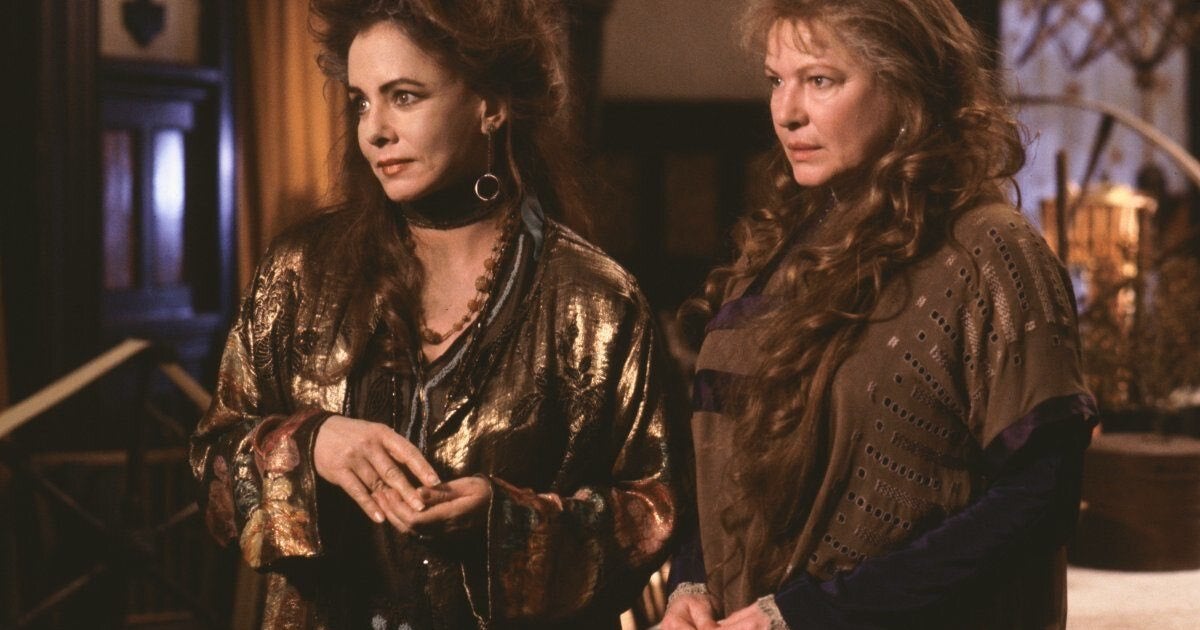
One thing that stands out in Practical Magic is the style. Particularly with the two aunts played by Stockard Channing and Dianne West Long – draping skirts, big sleeves and lots of layering with necklaces and shawls. For some of us, this is the definition of timeless.

Now, ahead of the long-awaited release of Practical Magic 2, we have learned where the inspiration for this style was found and, to be honest, it seems so obvious now that we know.

The inspiration behind the aunts’ style in Practical Magic

Back in 2020, Vulture spoke with Stockard Channing about Practical Magic and noted that the aunt’s style in Practical Magic seemed to mirror that of Fleetwood Mac’s Stevie Nicks.

Stockard said: “That very female, feminine thing — all those fabrics and floating things — that was especially [costume designer] Judianna Makovsky. Lots of beads and jewellery. Not as mobile as Stevie Nicks, probably. But that same sense of timelessness.”

Interestingly, Stevie Nicks did record a couple of songs for the Practical Magic soundtrack. “If You Ever Did Believe” was the lead single for the soundtrack in collaboration with Sheryl Crow.

Stevie also did a version of the Fleetwood Mac single “Crystal” for the film.

A match made in Heaven, really.

Practical Magic 2 is out in cinemas on Friday, 11th of September.

Share Button

Running costs of vaccine damage scheme more than double amount paid to victims

The cost of administration and medical checks has now topped £83m, according to new figures.

Share Button

Assisted dying: How laws differ around the world

About 400 million people have access to some form of assisted dying – what are the policies of other countries?

Share Button

Too much light at night may quietly reshape your heart

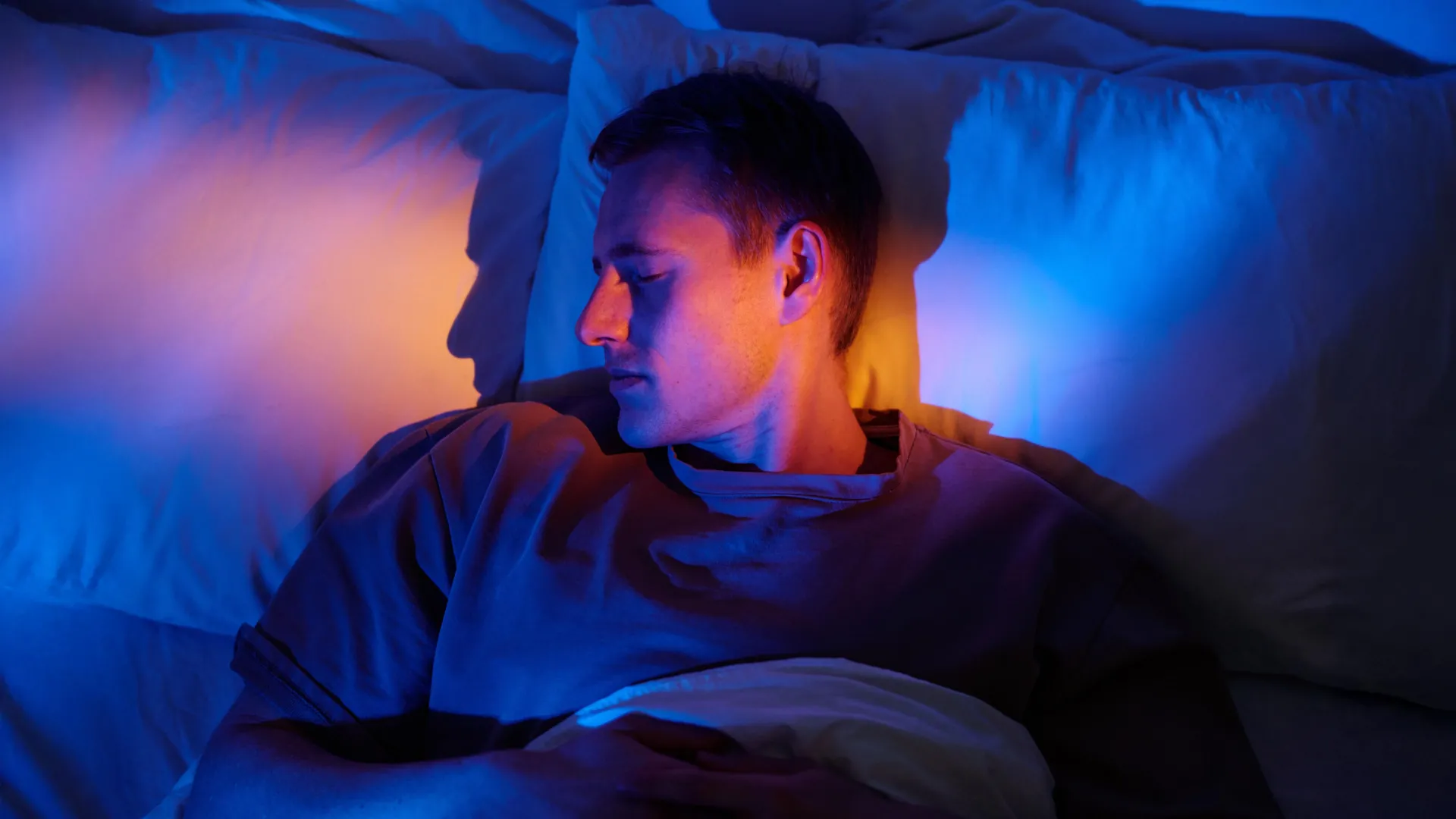
A study involving more than 11,000 people has found that exposure to light at night is associated with potentially harmful changes in both the structure and function of the heart. The findings were published September 9 in the European Heart Journal.

The research was led by Professor Lu Qi of Tulane University, New Orleans, USA. He said: “Previous observational studies have linked nighttime light exposure with a higher risk of cardiovascular disease, but little is known about the related cardiac structure and functional changes. We carried out this research to find out what happens to the heart over time when people are exposed to too much light at nighttime.”

Tracking Nighttime Light Exposure

The study included 11,071 participants from the UK Biobank. Each person wore a light sensor on their wrist for seven days, allowing researchers to measure how much light they were exposed to during the night.

Three years later, the participants underwent cardiac MRI scans. These detailed images allowed scientists to examine the structure of the heart as well as how effectively it was functioning.

The researchers then compared participants who experienced nighttime light levels above three lux with those who were exposed to almost no light at night.

Changes Found Inside the Heart

People exposed to higher levels of nighttime light showed thickening in the wall of the left ventricle (one of the chambers of the heart). As the wall became thicker, the amount of space inside the chamber was reduced.

The scans also revealed signs that the heart muscle was less able to flex normally during each heartbeat. Reduced flexibility can be an early sign that the heart is beginning to function less effectively. Changes were also detected in the right ventricles and left atria (two other chambers of the heart).

Professor Qi said: “This is the first study of its kind, and it shows that exposure to higher levels of light at nighttime is linked to cardiac remodeling. This is where the structure and function of the heart changes, and we typically see it in response to chronic stress or injury to the heart. It’s our body’s way of adapting to that stress, but ultimately it weakens the heart and can lead to heart failure.

“Light pollution has emerged as a new risk factor for cardiovascular disease. Our findings, together with evidence from other studies, suggest that reduction of nighttime light exposure should be considered as one of the potential strategies for preventing heart disease by clinicians and policy makers.”

Could Darker Bedrooms Help Protect the Heart?

The findings were accompanied by an editorial from Professor Thomas Münzel of University Medical Center Mainz, Germany, and colleagues. They argued that doctors may need to pay more attention to how much light their patients encounter at night, particularly among people already dealing with certain heart conditions.

They said: “It is time for clinicians, particularly those managing patients with heart failure or atrial fibrillation, to start asking about the sleep environment: how dark the bedroom is, whether the patient works night shifts, and how much screen use occurs after sunset. The advice is simple and inexpensive: blackout curtains, warm-coloured bedside lighting, and covering the small standby LEDs on household electronics. From a public health perspective, the implications are larger still. Light pollution is one of the few environmental hazards that cities can control directly and affordably. Shielded fixtures, warm-spectrum bulbs, and dimming or motion-activated streetlights are already available, energy-efficient, and climate-friendly.

“Ultimately, this study is more than an interesting observation. It provides a crucial link between what satellites already show us, i.e. a planet glowing ever brighter at night, and the clinical reality unfolding inside our chests: hearts that are becoming stiffer, weaker, and less efficient. The relationship is biologically coherent, the effect sizes are clinically meaningful, and the dose-response is unambiguous: more light, worse outcomes. The takeaway is clear, darkness deserves recognition as a vital sign, as essential to cardiovascular health as blood pressure control and clean air.”

Share Button

‘Game-changing’ suicide prevention charity expands

The charity provides safe spaces for men to talk about their emotions without being judged.

Share Button

Tiny nanolaser could cut computer energy use in half

The development of a nanolaser could mark an early step toward a future in which microchips communicate entirely with particles of light.

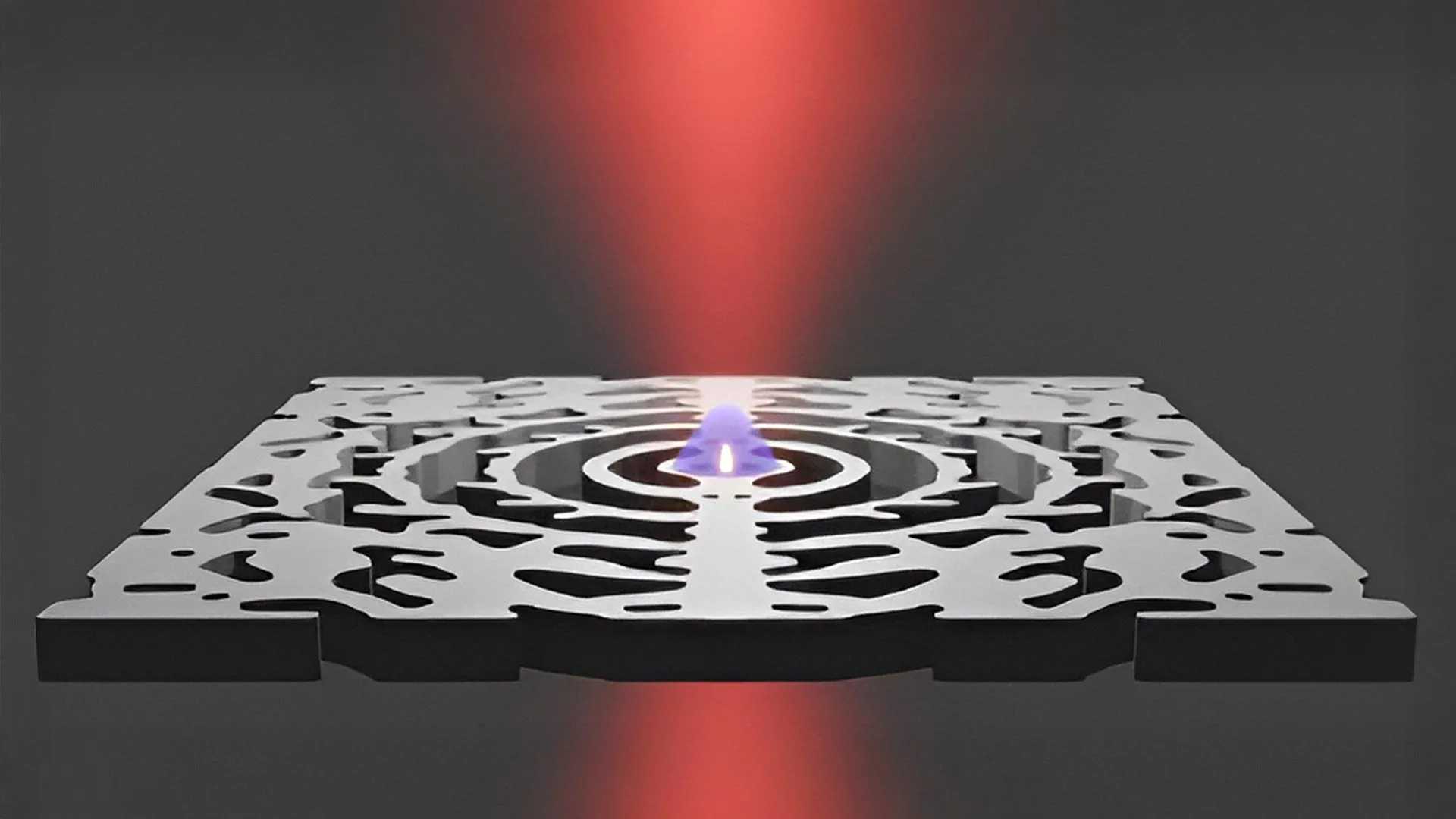
Researchers at DTU have created a tiny nanolaser that could eventually help make computers, smartphones, and data centers faster while using much less energy. The breakthrough was published in the scientific journalScience Advances.

In the future, thousands of these lasers could potentially be integrated onto a single microchip. Instead of moving information around a chip with electrical signals, devices could transmit data using photons, the particles that make up light.

“The nanolaser opens up the possibility of creating a new generation of components that combine high performance with minimal size. This could be in information technology, for example, where ultra-small and energy-efficient lasers can reduce energy consumption in computers, or in the development of sensors for the healthcare sector, where the nanolaser’s extreme light concentration can deliver high-resolution images and ultrasensitive biosensors,” says DTU professor Jesper Mørk.

Mørk co-authored the study with, among others, Drs. Meng Xiong and Yi Yu from DTU Electro.

Using Light Inside Computer Chips

Much of the internet already relies on light to carry information through fiber optic cables. Inside computers, however, data still moves through electronic circuits using electricity. That approach produces heat and can limit how quickly information can be transferred.

Nanolasers could bring optical communication directly onto microchips. By generating light signals efficiently inside the chip, they could allow information to move with very little energy loss, potentially making future devices faster, cooler, and more energy efficient.

Mørk estimates that using nanolasers in computers could reduce energy consumption by as much as half.

The compact DTU nanolaser is an important step toward that goal. Future chips designed around light-based communication would likely require thousands of extremely small, efficient lasers working together to transmit information across the chip.

Breaking the Size Limit for Lasers

The new nanolaser was created in DTU’s clean room facility, DTU Nanolab. According to Mørk, the device pushes beyond the conventional limit for how small a laser can be made.

At its core is a structure known as a nanocavity, which traps and concentrates light within an exceptionally tiny space. Until now, achieving such intense confinement at this scale had been considered extremely difficult.

When researchers shine a beam of light onto the device, both photons and electrons become concentrated in the same microscopic region. This interaction allows the laser to function at room temperature while requiring unusually little energy.

The light-trapping structure used in the nanolaser was originally developed by Professor Ole Sigmund’s group at DTU Construct.

Faster Devices and Lower Energy Use

The next major challenge is making the nanolaser operate using electrical power. If researchers can achieve that, the technology could have broad applications across computing, communications, and healthcare.

Computers and smartphones could potentially deliver greater performance while consuming less electricity. Data centers, which require enormous amounts of power, could also see substantial reductions in energy use, potentially leading to significant climate benefits.

In healthcare technology, the nanolaser’s ability to concentrate light into an extremely small area could support ultra-sensitive sensors and high-resolution imaging systems.

Researchers estimate that the remaining technical challenges could be solved within the next 5-10 years.

Share Button

Wasps are disappearing this summer, and scientists are worried

Summer can be lovely – until a wasp turns up. Whether they present as an irritating picnic visitor or an uninvited loft guest, common social wasps are as much a part of our summer as festivals, sun cream and the growing despair of how to entertain children who’ve forgotten how to be bored.

But summer 2026 is breaking the norm, and there don’t seem to be many wasps about. As a wasp biologist, I’ve noticed it acutely, because my students need wasps for their experiments, and we simply can’t find them.

A second sign that something is wrong is the absence of wasp stories in the media. Wasps tend to be more active in warmer weather. Their colonies grow faster and bigger, and they end up making news headlines by bothering humans. This time last year – also a warm spring and hot summer – the media airwaves were filled with “plagues of wasps” stories. Now, even professional pest-controllers tell me it’s a quiet year with very few requests to remove wasp nests.

Admittedly, these are anecdotes not data: the Big Wasp Survey – the only national wasp monitoring survey – is yet to start sampling this summer. But the signs are not good.

If data back this up, their absence worries me greatly because – love them or hate them – wasps are important in ecosystems as pest-controllers, pollinators and decomposers.

So what’s happening?

Spring started well for wasps. In the warm, dry spring a glut of glorious foundresses – new queens – emerged from hibernation to start their nests alone, carrying out all the nest building, egg laying, foraging and brood rearing. This nest-founding period is a risky time. If a new queen survives until her first brood emerges as adult workers, though, then the odds are in her favour as she no longer needs to undertake risky foraging.

But spring 2026 was strange: the warm, dry start should have been good. Warm, dry spring weather improves a nest’s chance of survival as it ensures a good nectar supply for the queen to develop her ovaries and good prey populations for her to feed the brood. But we experienced unprecedented heat for the time of year, punctuated by cold, damp days and followed by unexpectedly chilly nights.

Such weather extremes may have caused queens to abandon their nests or die, reducing the initial spring queen bounty to a more modest population.

Temperature tolerance

And then came the heatwave. And another. And another. Some insects may benefit from this. Wildlife charity Butterfly Conservation is hoping 2026 could be a “bumper summer of butterflies” because warm, dry days mean uninterrupted foraging, mating and egg-laying.

But all insects have a thermal tolerance called critical thermal maximum (CTmax). If their CTmax is exceeded, insects succumb to desiccation, muscle spasms and eventual stupor.

For honeybees, this is around 49°C – which might sound high, yet ground surfaces exceeded 50°C in the UK heatwaves this summer. But the temperature doesn’t need to reach an animal’s CTmax to affect their productivity and behaviour. For example, bumblebee cognition and foraging efficiency are impaired by heatwaves of 32°C.

Bumblebee Conservation Trust raised concerns that 2026 may exacerbate a declining trend in bumblebee populations as flowers wither and bees fail to forage effectively.

Wasps are thought to be quite resilient to extreme weather. They are one of the most successful invasive species around the globe. And as a social insect, their thermoregulation behavior (such as wing fanning to cool the larvae) and nest architecture (which has insulating envelopes surrounding the brood combs) may help buffer any environmental perturbations.

Insects also have waxy molecules called cuticular hydrocarbons that coat their exoskeletons protecting them from desiccation. Social wasp cuticular hydrocarbons change structure in response to heat, better protecting them from desiccation in excessive heat.

Their varied diets should also buffer them from imbalances in prey populations. However, their CTmax may be lower than other social insects – at around 45°C (113°F) – which may have made them especially vulnerable to the high ground temperatures of the 2026 heatwaves.

Why are the wasps so small?

There’s something else that I’ve noticed: the few wasps I’ve seen are rather small. The adult size of many insects is fixed during their development, depending on the quality and quantity of food they receive as larvae. Wasps don’t get bigger once they’ve pupated.

The first workers to emerge in spring are usually small because the queen is limited in how much food she can provide for them alone. But by early August, the foraging capacity of the colony has increased exponentially, brood are better fed and the emerging workers are substantially larger.

So why are we still seeing “spring-sized” wasps? It’s possible that limited diversity and abundance of prey may mean their nutrition is restricted. The problem may also be more directly linked to heat. Insect larvae reared at higher temperatures will develop faster and reach pupation at a smaller size.

Global warming is thought to explain the trend in social wasps shrinking in size over the last 100 years. We could be seeing this in real-time this year.

How can you help wasps?

Share your alfresco meal with a wasp. When it approaches, don’t flap it away. Watch to see what it wants. In the absence of wild prey, it might be desperate for some protein (your picnic ham) to feed her brood. In the absence of flowers for nectar, it might be in need of something sugary (some jam) for her own nutrition.

My research team would also like you to share your wasp observations with us, so that we can better understand these important insects. Snap a photo of her eating and submit your data to the Wasp Picnic Survey 2026: Ham or Jam?. Keep the observations coming all summer. The wasps (and wasp scientists) will thank you.The Conversation

Share Button

‘Like a hangover’: Why your partner’s snoring could be impacting your health

Sleeping next to a snorer could be having a negative effect on your health, experts tell the BBC.

Share Button