Gulf corals still suffering more than a decade after Deepwater Horizon oil spill, scientists report

Deep-water corals in the Gulf of Mexico are still struggling to recover from the devastating Deepwater Horizon oil spill in 2010, scientists report at the Ocean Sciences Meeting in New Orleans. Comparing images of more than 300 corals over 13 years — the longest time series of deep-sea corals to date — reveals that in some areas, coral health continues to decline to this day.

The spill slathered hundreds of miles of shoreline in oil, and a slick the size of Virginia coated the ocean surface. Over 87 days, 134 million gallons of oil spilled directly from the wellhead at a depth of 1520 meters (nearly 5000 feet) into the Gulf. While the spill was most visible at the surface, negative ecological impacts extended hundreds of meters into the ocean.

In a presentation on Tuesday, 20 February, scientists will show that deep-water corals remain damaged long after the spill. Over 13 years, these coral communities have had limited recovery — some even continuing to decline.

“We always knew that deep-sea organisms take a long time to recover, but this study really shows it,” said Fanny Girard, a marine biologist and conservationist at the University of Hawai’i at Mānoa who led the work. “Although in some cases coral health appeared to have improved, it was shocking to see that the most heavily impacted individuals are still struggling, and even deteriorating, a decade later.”

The findings can help guide deep-water restoration efforts following oil spills.

Delicate and damaged

A few months after the Deepwater Horizon well was capped, an interdisciplinary team of researchers surveyed the ocean floor 6 to 22 kilometers (3.7 to 13.7 miles) from the wellhead to record the damage. About 7 miles away and at 1,370 meters (4,495 feet) depth, they found a dense forest of tree-like Paramuricea corals that looked sickly.

“These corals were covered in a brown material,” Girard said. Testing showed the sludge contained traces of a combination of oil and chemical dispersants. A few months later, the researchers found two additional coral sites at 1,580 meters and 1,875 meters (4921 and 6233 feet, respectively) deep that were similarly damaged.

Deep-sea corals are suspension feeders and may have ingested contaminated particles, leading to the observed health impacts, the researchers said. Direct exposure to toxic chemicals contained in the mixture of oil and chemicals may have also damaged coral tissue. However, to date, scientists still do not exactly know how the oil and dispersant affected these vulnerable organisms.

Every year from 2010 to 2017, scientists visited those three sites to monitor damages, measure growth rates and note any recovery of the corals, as part of a large initiative aiming to better understand ecosystem impacts and improve our ability to respond to future oil spills. They used a remotely operated vehicle to take high-resolution photographs of corals at all three impacted sites and two far-removed reference sites, tracking more than 300 corals overall.

The researchers visited these sites again in 2022 and 2023 as part of the Habitat Assessment and Evaluation project, one of the projects funded through the Natural Resource Damage Assessment settlement. The images allowed the team to measure changes to coral health over time, including noting any breaks along the delicate branches of the coral caused by exposure to oil pollution.

Still suffering after all these years

The scientists found that even by 2022, the affected corals continued to show signs of stress and damage from the oil spill. The brown coating they had first observed was long gone, but upon closer inspection, the corals were weak and prone to breaking. The scarred spots where branches fell off were leaking mucus, and some corals whose skeletons were exposed had been colonized by other, parasitic coral species.

“Not only were some of these corals not recovering, but some of them seemed to be getting worse,” Girard said. She added that if the impacts are too heavy, ecosystems can struggle to recover at all, especially given the onslaught of climate change-related stressors like ocean acidification. “It’s really important to prevent damage in the first place, and the way to do that is through protection measures.”

Girard notes that their work is being used to inform restoration strategies, including trying to grow deep-sea corals for coral propagation from transplants, deploying artificial anchoring sites for recolonization or protecting the deepwater communities and letting nature heal itself. In the coming years, the team will continue to monitor to corals, looking for signs that they’re getting better — or worse.

Share Button

‘Total Tory Chaos’: James Cleverly Sacks Immigration Watchdog After Security Clash

Britain’s borders watchdog has been sacked after he claimed “high-risk” aircraft were entering the country without security checks.

David Neal, the independent chief inspector of borders and immigration, was told he had “lost the confidence” of home secretary James Cleverly.

He had previously accused the Home Office of failing to publish 15 critical reports he had carried out.

The most recent spat involved claims he made in the Daily Mail about private jets landing in the UK without being checked by border officials.

Neal, a former soldier, said: “I’ve been involved in protecting this country all my working life.

“It would untenable to see this scandal go unaddressed until the end of the year.

“There will be no-one in this position to investigate whether these serious problems at London City airport are prevalent at other airports around the country.′

He added: “This is a scandal, and incredibly dangerous for this country’s border security. There should now be a rapid independent inspection of general aviation across the country.”

The Home Office denied Neal’s claims, and tonight confirmed that he has been sacked.

A spokesperson said: “We have terminated the appointment of David Neal, the independent chief inspector of borders and immigration, after he breached the terms of appointment and lost the confidence of the home secretary.

“The planned recruitment process for the next Independent Chief Inspector of Borders and Immigration is in progress.”

Shadow home secretary Yvette Cooper said: “This is total Tory chaos on borders and immigration.

“A series of Conservative home secretaries have sought to bury uncomfortable truths revealed by the chief inspector about our broken borders, and shockingly they are still sitting on 15 unpublished reports stretching back to April last year. The home secretary must now publish those reports in full.

“The Conservatives have lost control of our borders, are seeking to hide the truth, and are putting border security at risk.”

Liberal Democrat home affairs spokesperson Alistair Carmichael said: “This is a desperate move from a Conservative government terrified of proper scrutiny of their record of failure on borders and immigration.

“Conservative ministers must publish these reports without delay

“From the failed Rwanda scheme to the broken asylum system, it’s no surprise this government is trying to cover up their failures.”

Share Button

Illegal abortion investigations rising, BBC told

The increase in police inquiries in England and Wales is unprecedented, an abortion provider says.

Share Button

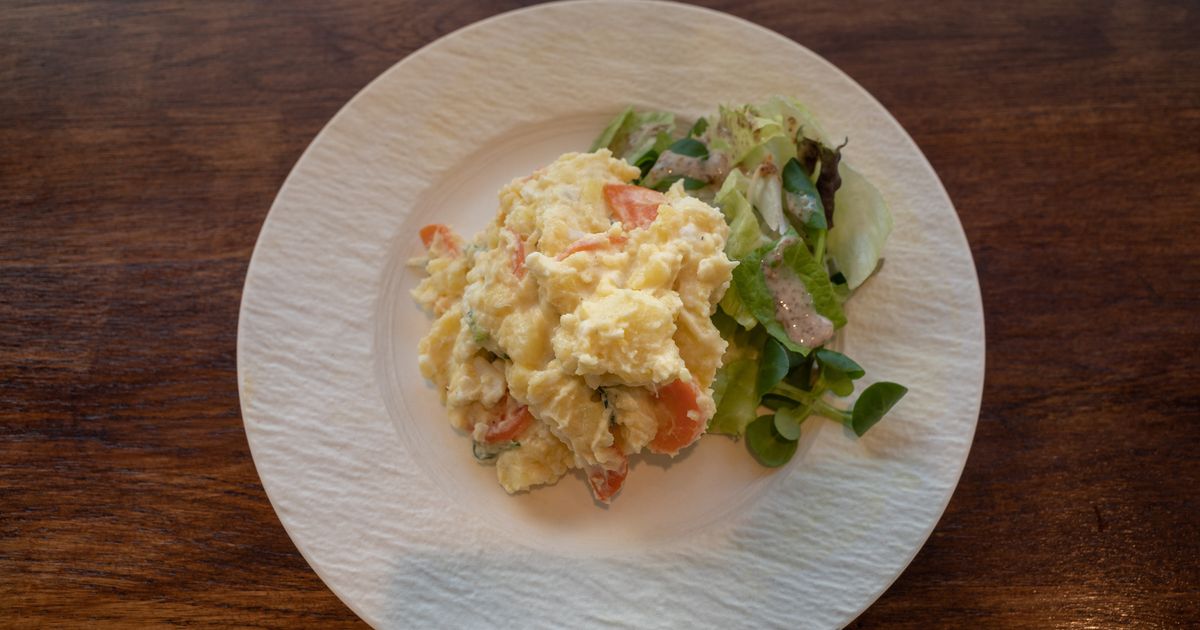
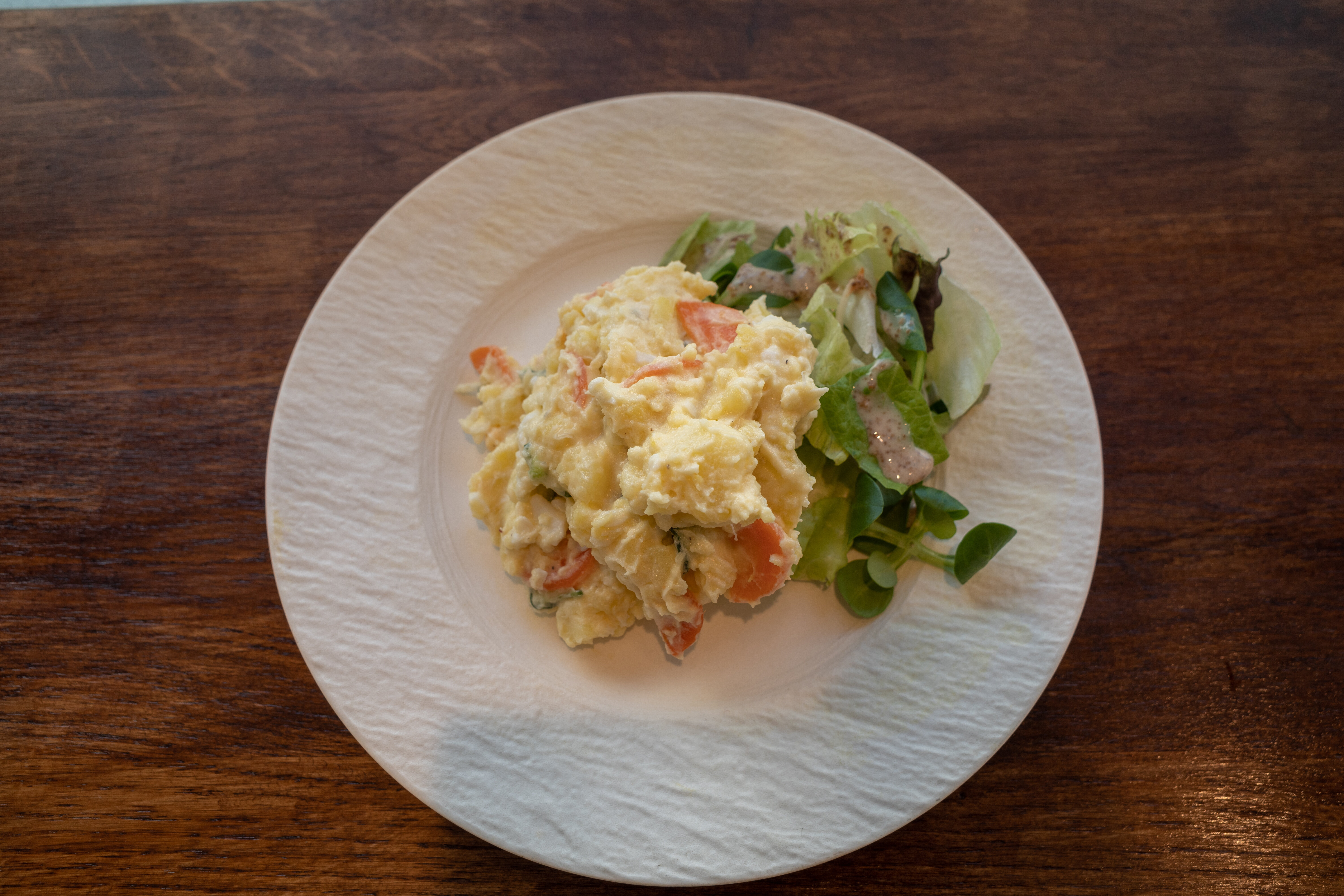
Mary Berry’s Genius Potato Salad Addition Transforms It Into A Main

I can stand some Irish stereotypes; actually, yes, we do all know each other (more or less). And yep, we love potatoes ― what sane person wouldn’t?

I like mine baked, fried, chipped, boiled, mashed, and, uh, be-saladed (?). But It wasn’t until I read Mary Berry’s version of the dish that I started eating it on its own for lunch.

That’s because the Cordon Bleu-trained chef adds tasty (and omega 3 and protein-rich) salmon and prawns to her dish, not only making it more delicious but also turning it into a more balanced meal.

In fact, the dish is so tasty that it’s earned a five-star rating on its BBC page ― having tried it myself, I can understand why.

The dish also contains radishes

The tasty addition of radishes to the dish adds a crisp and peppery bite to the meal, balancing out the mushy spuds and tender fish.

It holds up well during storage, too ― in fact, all of this recipe does. “The potato salad can be made a day in advance and stored in the fridge, adding the radish, freshly cooked salmon and the prawns up to four hours ahead,” the BBC’s page suggests.

In order to hold up longer against refrigeration, Mary Berry recommends using thicker, middle-cut salmon from the centre of the fish, rather than the tail.

The result is a delicious, balanced dish with loads of contrasting texture and complex flavours ― way, way better than your standard spud salad.

What’s the recipe, then?

You’ll need three middle-cut salmon fillets, each weighing 125 grams or four and a half ounces, with their skin left on. Additionally, the recipe calls for one lemon and 16 cooked tiger prawns.

For the potato salad, you’ll need 500 grams of baby new potatoes, four tablespoons of olive oil, three tablespoons of Dijon mustard, one tablespoon of caster sugar, and three tablespoons of white wine vinegar.

You’ll also require six tablespoons of mayonnaise, one bunch of thinly sliced spring onions, 150 grams of thinly sliced radishes, four finely chopped celery sticks, one small bunch of finely chopped flatleaf parsley, salt, and freshly ground black pepper. This makes enough for six people.

Preheat the oven to 180°C/160°C Fan/Gas Mark 4, and line a baking tray with kitchen foil.

To prep the salad, place the potatoes in a saucepan of salted water and bring them to a boil. Allow them to cook for approximately 15 minutes or until they are tender ― once they’re cooked, drain them and then slice ’em into quarters.

While the potatoes are cooking, place the salmon fillets skin-side down on the foil-lined baking tray. Squeeze half of the lemon juice over them and season them with salt and pepper. Cover the fillets with foil, seal to make a parcel, and bake for about 15 minutes or until just cooked. Once that’s done, remove them from the oven and let them cool before removing the skin.

For the salad, combine oil, mustard, sugar, and vinegar in a large bowl. Add the hot potatoes, season with salt and pepper, and set aside to cool. After that, you can mix in the mayonnaise, spring onions, radishes, and celery. Adjust the seasoning to your taste and add the remaining lemon juice.

Gently flake the cooked salmon into large pieces and stir it into the salad with the prawns and half of the chopped parsley, ensuring you don’t accidentally mash any spuds. Serve sprinkled with the remaining parsley.

Voila ― you’ve got an elite potato salad that’s bulky and balanced enough to count as a full meal (at least, I’ve eaten it for dinner with a baguette twice this week).

Enjoy!

Share Button

How Much Salt Is Too Much Salt When It Comes To Your Health?

Low-sodium soy sauce, soup and snacks dominate supermarket shelves, so it seems pretty obvious that a lot of Americans are aware that they need to lower their sodium intake. But to what extent is it really a problem?

Most people have no idea how much salt they’re eating every day, or how much is recommended (particularly for those with certain health conditions). And did you know that some people are actually encouraged to eat more salt?

We spoke with doctors to answer all of our saltiest questions.

First of all, we do need to eat a certain amount of sodium.

According to Dr. Columbus Batiste, the regional chief of cardiology with Kaiser Permanente in Southern California, “We need the right amount of salt to provide our bodies with important electrolytes that can regulate things like muscle contractions, fluid balance and nerve transmission.”

Dr. Rohan Khera, an assistant professor of cardiovascular medicine at the Yale School of Medicine, told HuffPost that salt is “needed for every single body cell, especially the more active heart and muscle tissues.”

Moreover, salt plays a role in ”sweating, normal cell function, metabolism, maintenance of body fluids, and keeping muscles and nerves working properly,” said Dr. John Higgins, a cardiologist with UTHealth Houston.

How much salt do healthy adults need?

Healthy adults only need 500 milligrams of salt per day (about a quarter-teaspoon of salt) to maintain healthy body function, according to cardiologist Dr. Nieca Goldberg, the medical director of Atria New York and a clinical associate professor of medicine at NYU Grossman School of Medicine.

Limiting salt intake to such a paltry amount isn’t realistic for many people, and that’s OK for most healthy adults, as long as they don’t overdo it. The American Heart Association recommends that healthy adults consume no more than 2,300 milligrams of salt per day and ideally no more than 1,500 milligrams, or about three-quarters of a teaspoon of salt per day.

However, most Americans eat far more than the recommended amount of salt, according to Goldberg. “The average American eats about 3,500 milligrams of sodium a day,” she said. “Seventy percent of that salt that consumed is from processed foods.”

Although the recommended maximum of salt may seem low for such an important nutrient, there is a good reason for these guidelines. Khera explained that “our body is built to preserve sodium, so we only have to supplement a little in our diet to ensure we are in good balance” — and too much salt is risky for some people.

What are the risks of eating too much salt?

Too much salt can be dangerous. This is true whether you add salt to your food or purchase processed foods made with salt.

According to Higgins, “A high-salt diet can contribute to high blood pressure, stroke, heart disease, osteoporosis, stomach cancer, kidney disease, renal stones and obesity.” Since too much salt can increase blood pressure, this has the ability to cause a heart attack or stroke, he added.

Your daily sodium intake involves a lot more than just the salt that you sprinkle on your food.

Peter Dazeley via Getty Images

Your daily sodium intake involves a lot more than just the salt that you sprinkle on your food.

Other risks of high salt intake include blood vessel damage and negative impacts on hormonal and inflammatory pathways, immune response, the gut microbiome and body fat metabolism, Batiste said. He added that the effects of consuming too much salt can lead to premature death.

Are we all at equal risk?

Not everyone needs to worry. Too much salt “may not be bad for everyone. It depends on the person’s health status,” Goldberg explained. “If you are healthy and have low blood pressure, salt may not be harmful,” she said.

If you aren’t sure whether you need to watch your salt intake, Goldberg recommended discussing your diet with your doctor.

How do you know if you should cut back on your salt intake?

High amounts of salt are dangerous for many people, however.

For those with high blood pressure “in the pre-hypertensive range or higher,” or with “heart failure or kidney disease,” Goldberg cautioned that “high salt intake may worsen your condition.”

Higgins said that patients with moderate to severe heart failure should limit their salt intake to under 2,000 milligrams, or about one teaspoon, a day. Those who have had a heart attack or stroke should consume under 1,000 milligrams, or about a half-teaspoon, per day.

Here are the best ways to lower salt intake.

Higgins recommended switching out table salt for an alternative like Morton Salt Substitute, which does not contain any sodium. Goldberg also recommended looking for lower-salt versions of foods that you already eat and becoming skilled at reading labels.

For those with high blood pressure, Higgins recommended eating fruits and vegetables high in potassium, which can lower blood pressure naturally. These include potatoes, tomatoes, spinach, raisins, lima beans, lentils, bananas, oranges, watermelon and cantaloupe.

Some people may actually need to eat more salt.

Although most people consume too much salt, some conditions require more salt. However, before increasing your salt intake, Khera emphasised that “these are specialised conditions that require specific expertise,” and that no one should increase their salt intake before having “explicit discussions with their doctor.” The following conditions may require adding salt to one’s diet:

Orthostatic hypotension. Khera explained that if people have low blood pressure when standing up, or orthostatic hypotension, they may need more salt. When a patient is diagnosed with this condition — one variation of which is postural orthostatic tachycardia syndrome — doctors “sometimes recommend salt to retain more fluid in the body and have fewer dizzy or loss-of-consciousness spells,” Khera said.

High-performance athletes. Khera explained that high-performance athletes may lose a lot of salt via sweat, especially if they are training or competing in hot climates. However, he noted that “this is rarely needed,” and that when it is, “modest increases are sufficient.”

Cystic fibrosis. Individuals with cystic fibrosis lose salt through their sweat more than those without the condition, Khera said. That means they “often require an increase in intake in salt,” although the amount of additional salt each person needs varies and is determined by their doctor.

Addison’s disease. According to Batiste, “People with Addison’s disease, a condition affecting the adrenal glands, may experience low levels of sodium.” Health care providers may recommend increased salt intake to maintain electrolyte balance.

Electrolyte abnormalities. Some electrolyte abnormalities, such as low blood sodium or hyponatremia, are treated with increased sodium intake. However, these conditions are sometimes treated with reduced fluid intake.

Dialysis. Some dialysis patients are instructed to increase sodium intake, Khera said.

Share Button

Footballer Tom Lockyer shows life-saving defibrillator in his chest

The Luton Town defender collapsed on the pitch after a cardiac arrest last December.

Share Button

Bowel cancer checks for anyone with inherited risk

Offering regular colonoscopies to people with Lynch syndrome at any age will save lives, NHS England says.

Share Button

‘Populist Idiocy’: Backlash Over Tory Boast About Crackdown On Overseas Care Workers

James Cleverly has faced a backlash after boasting about a Tory crackdown on overseas care workers.

In December, the home secretary announced a five-point plan to bring down the numbers of immigrants coming to the UK by 300,000 a year.

The strategy included banning overseas care workers from bringing dependents with them to the UK as the minimum income requirement for anyone wanting to move foreign family members with them was to be more than doubled to £38,700.

The new rules will come into effect from March 11. On Monday, Cleverly took to X (formerly Twitter) to highlight how the ban is moving forward.

He said: “Today in parliament we have laid an order to ban overseas care workers from bringing dependants. This is just one part of our plan to deliver the biggest-ever cut in migration.”

The government made the announcement as figures revealed that 672,000 more people entered the UK than left it in the 12 months to June.

The Tories’ 2019 general election manifesto pledged to bring the figure down to less than 229,000.

On X, Cleverly’s update received short shrift. SNP leader at Westminster, Stephen Flynn, said: “This will damage the care sector, the NHS and the economy. It is populist idiocy.”

Share Button

NI junior doctors vote for strike action over pay

The vote in favour of a strike could see junior doctors take part in a 24-hour walkout in March.

Share Button

Kemi Badenoch Accuses Ex-Post Office Chair Of Seeking ‘Revenge’ On Her For Sacking Him

Kemi Badenoch has accused Henry Staunton, the former Post Office chairman, of spreading “falsehoods” in order to get “revenge” on her for sacking him.

In a statement to the Commons on Monday, the business secretary hit back at claims made by Staunton in the Sunday Times.

He said a civil servant asked him to delay compensation payments to victims of the Horizon IT scandal to save the government money ahead of the election.

Staunton also said Badenoch told him he was being removed from his job in January because someone had to “take the rap” for the affair.

And he accused her of failing to apologise to him after he first found out he was losing his job from Sky News.

But Badenoch denied all three allegations made by Staunton, who she removed from his job in January.

She said there was “no evidence whatsoever” to back up his claim he had been asked to delay payments.

“The reality is my department has done everything it can to speed up compensation payments to victims,” she said.

The business secretary told MPs Staunton was dismissed not to “take the rap” but because there were “serious concerns about his behaviour”.

“While he was in post a formal investigation was launched into allegations regarding to Mr Staunton’s conduct – this included serious matters such as bullying,” she said.

And she said rather than failing to apologise for the way he found out he had lost his job she had been at “great pains to make my concerns about his conduct private”.

“He has chosen to spread a series of falsehoods, provide made up anecdotes to journalists and leak discussions held in confidence,” she said.

“I would hope most people reading the interview in yesterday’s Sunday Times will see it what it was – a blatant attempt to seek revenge following dismissal.”

Badenoch said a formal record of her phone call with Staunton made by officials – when she told him he was being sacked – would be published.

The Horizon IT scandal saw hundreds of Post Office workers wrongly accused of fraud. More than 4,000 people are in line to receive compensation.

The Post Office prosecuted more than 700 workers for fraud and false accounting based on data from its faulty Fujitsu computer system between 2000 and 2015.

Hundreds received criminal records, and had to do community service, wear electronic tags or serve jail time.

Share Button