Gas streamers feed triple baby stars

New observations and simulations of three spiral arms of gas feeding material to three protostars forming in a trinary system have clarified the formation of multi-star systems.

Most stars with a mass similar to the Sun form in multi-star systems together with other stars. So an understanding of multi-star system formation is important to an overall theory of star formation. However, the complexity and lack of high-resolution, high-sensitivity data left astronomers uncertain about the formation scenario. In particular, recent observations of protostars often reported structures called “streamers” of gas flows toward the protostars, but it has been unclear how these streamers form.

An international team led by Jeong-Eun Lee, a professor at Seoul National University, used the Atacama Large Millimeter/submillimeter Array (ALMA) to observe the trinary protostar system IRAS 04239+2436 located 460 light-years away in the constellation Taurus.

The team found that emissions from sulfur monoxide (SO) molecules trace three spiral arms around the three protostars forming in the system.

Comparison with simulations led by Tomoaki Matsumoto, a professor at Hosei University using the supercomputers “ATERUI” and “ATERUI II” in the Center for Computational Astrophysics at the National Astronomical Observatory of Japan (NAOJ) indicate that the three spiral arms are streamers feeding material to the three protostars. The combination of observations and simulations revealed, for the first time, how the streamers are created and contribute to the growth of the protostars at the center.

Video: https://youtu.be/_2d8p-NRuBc

Share Button

NHS to expand use of private sector to tackle waits

Ministers in England want to unlock spare capacity, but Labour accuse them of dither and delay.

Share Button

‘Doctors Said Our Baby Had Epilepsy – After Months Searching For Answers, We Finally Learned The Truth’

In My Story, readers share their unique, life-changing experiences. This week we hear from Richard Poulin, 40, who currently lives in Bangkok, Thailand.

My wife and I accepted new teaching jobs in Singapore. Before leaving America, we proudly showed our newborn daughter, Rylae-Ann, to family. All was right in the world, and we eagerly boarded a plane to begin our new life.

However, when Rylae-Ann was three months old, we saw signs that all was not right.

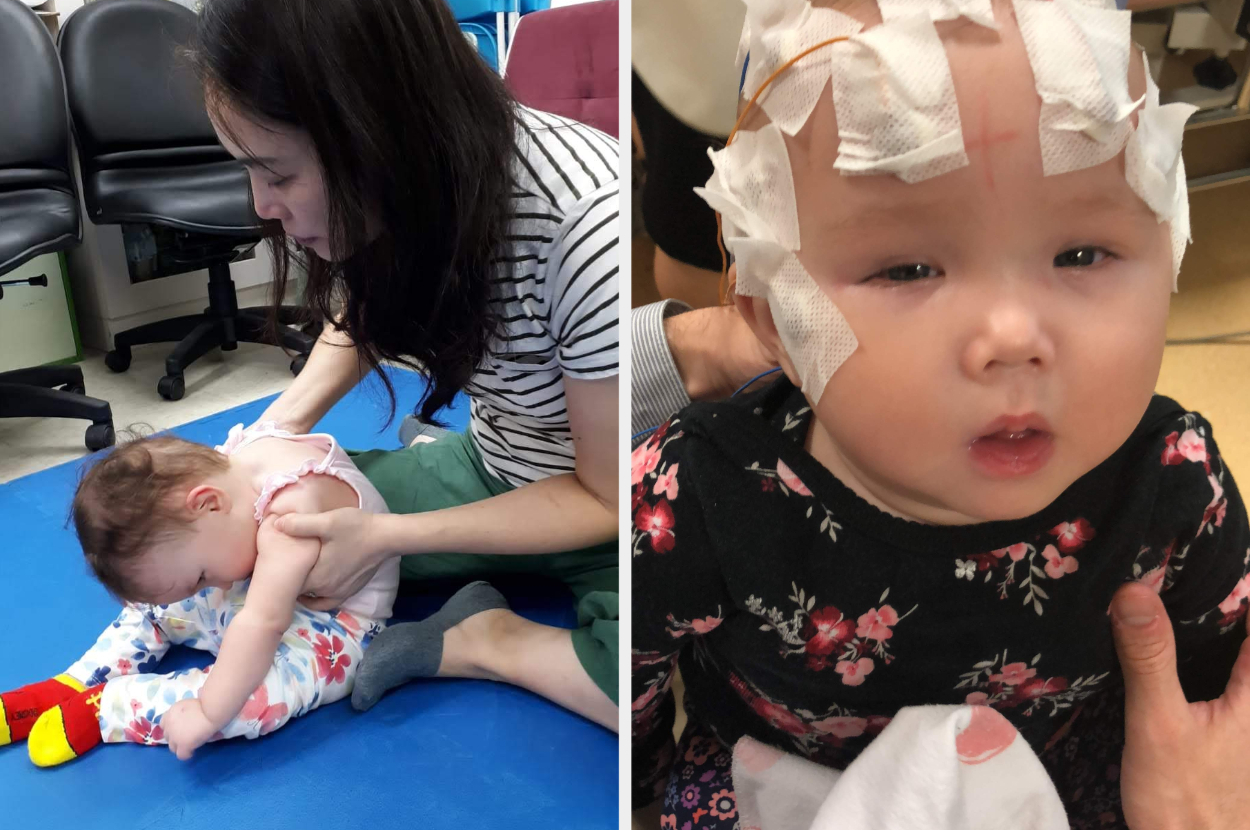
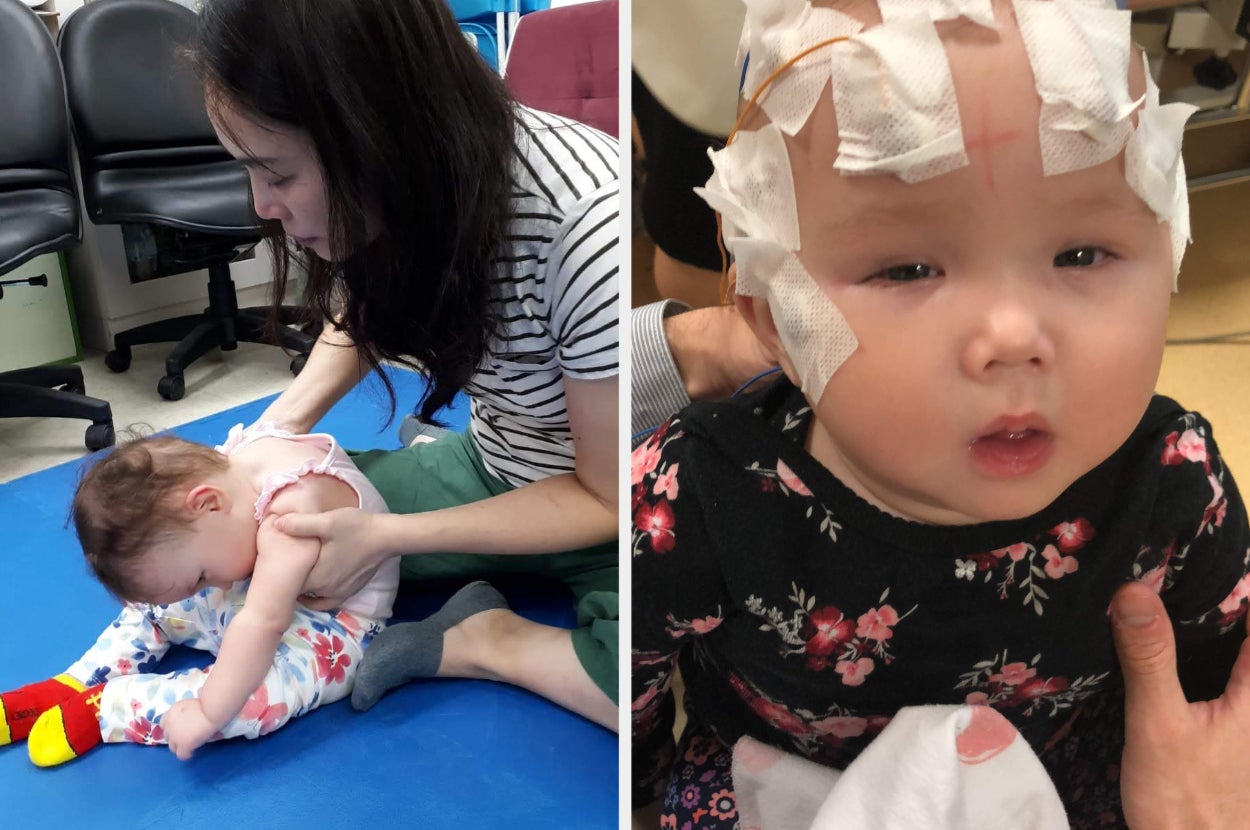
She was missing developmental milestones. We would play games to encourage her to reach out, do exercises to practice sitting independently, and give massages to coax her to engage her core muscles. But nothing seemed to work.

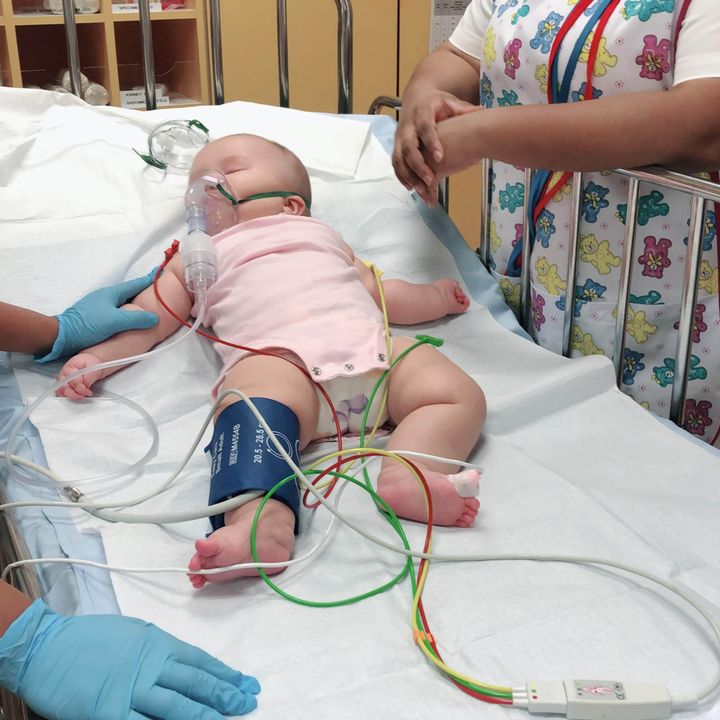
One day my wife, Judy, went to look for homes while I stayed back at the hotel with our daughter. During one of the sessions, Rylae-Ann tensed her arms and legs. Her eyes briefly crossed, and her tongue made a thrusting action.

Despite it lasting a few seconds, I was concerned. I attributed it to my pushing her too hard, causing muscle cramps. I tapered my eagerness for my daughter to progress.

The fleeting actions caused enough concern that I did some Googling. I did not dare tell Judy. I didn’t want her to start worrying.

I came across an article about a girl with a deadly ultra-rare disease. I admonished myself. I had become one of those parents who Googled symptoms and ended up with an obscure diagnosis for my daughter. I closed my laptop and tried to focus on my family’s new life in Singapore.

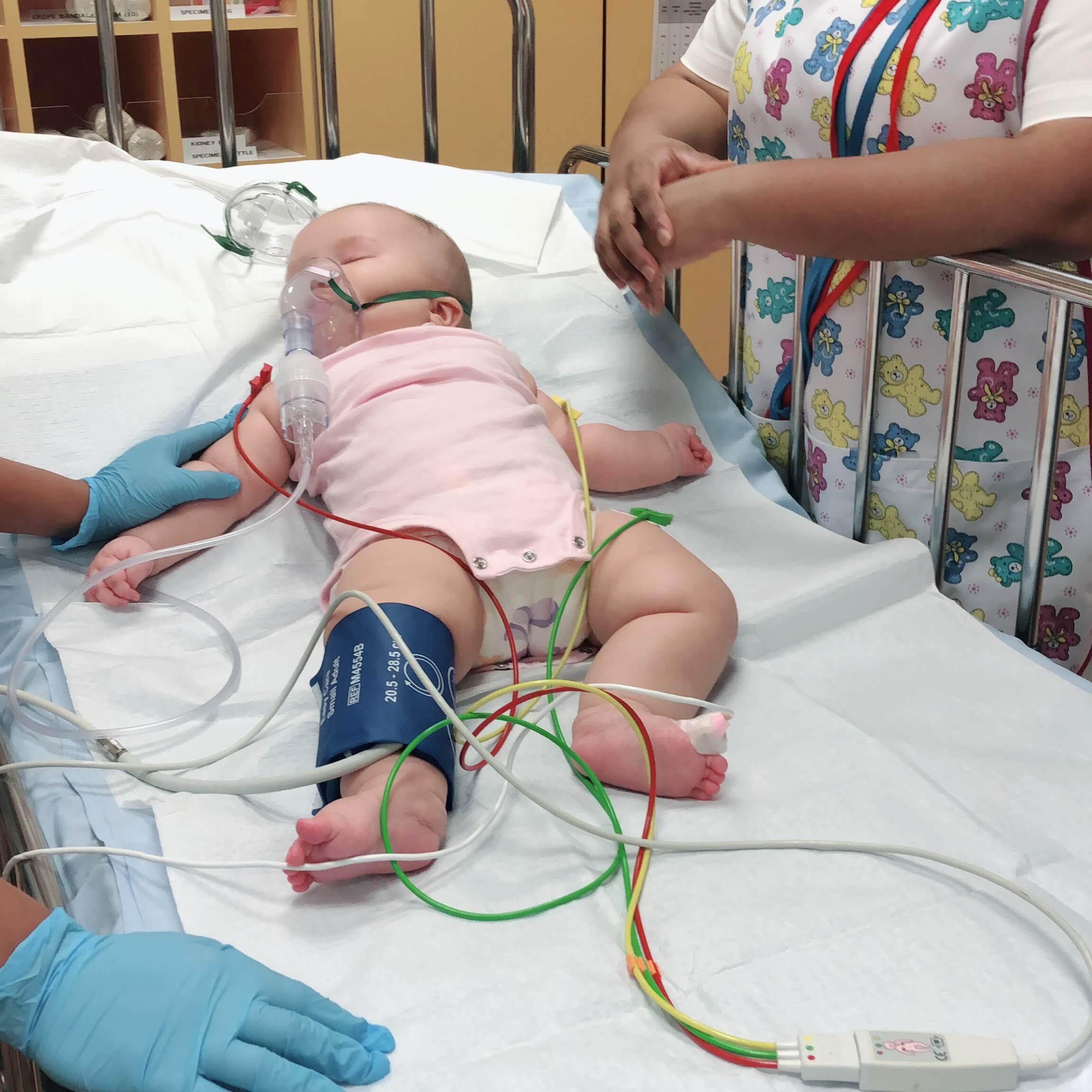
As the days passed, Rylae-Ann's parents realised she was missing developmental milestones.

Richard Poulin

As the days passed, Rylae-Ann’s parents realised she was missing developmental milestones.

Over the next few months, our lives began to unravel. The tensing of muscles in our daughter’s tiny limbs became more intense and lasted longer; it was the only time we ever saw any movement from her.

We began to refer to them as ‘spells’. These spells came every three days like clockwork. She had trouble staying asleep. When she was awake, she looked sleepy and constantly cried.

Rylae-Ann’s developmental milestones remained paused at the three-month mark. She couldn’t hold up her head, she did not reach out and grasp things, and her eyes remained tiny slits. The photographer commented on her sleepy look when we got her identification card.

We went to doctors who reassured us that babies develop at different rates. But as the spells’ intensity and duration grew, we could no longer sit idly by. We began visiting more doctors and researching.

One rainy night, the spell lasted longer and was more intense – we were filled with fear. We rushed out of the door to the car we’d booked on a ride-sharing app and headed to the nearest hospital. I willed all the lights to turn green while Judy cooed softly into Rylae-Ann’s ear. Once we arrived, the nurses did an assessment and put our daughter at the front of the triage line.

They gave our daughter diazepam for fear she would have another seizure. A doctor came and assigned an initial assessment of epilepsy. The doctors admitted Rylae-Ann, and we were separated from her for the first time.

Judy and I discussed the diagnosis when we returned home to get clothes and necessities. What the doctor was telling us didn’t seem right, mainly because we thought what the doctor saw as a seizure was something else due to its three-day cyclical nature.

After a barrage of tests, the doctors said she had epilepsy. They prescribed her medication, and we went home. But her symptoms did not improve. The medicine left her sleeping all day and she felt lifeless when we picked her up – we stopped the drug after a few days.

We continued to visit the doctor, trying to explain why we thought it wasn’t epilepsy. Despite genetic testing, blood tests, EEGs (which record brain activity), MRI, CSF (cerebrospinal fluid) tests, and more coming back normal or inconclusive, the doctors did not change their diagnosis, so we went to other doctors. We even travelled to other countries searching for answers.

As we collected second opinions, we improved our description and came armed with digital evidence. Doctors had different opinions, including epilepsy, dystonia, cerebral palsy, and other neurotransmitter disorders. However, no definitive answer came.

Our daughter was regularly admitted to emergency care during the onslaught of medical tests. We were always in the hospital, so much so, the nurses knew our daughter by name. Most were lung-related issues such as aspiration, pneumonia, and collapsed lung. But also, a typical childhood viral infection would cause her to be extremely weak to the point that the doctors required her to be in intensive care.

Answers never came. Instead, a random Facebook post about a child with similar symptoms caught the eye of Judy’s older brother. When Judy shared the article with me, it triggered a memory of a post I saw earlier.

The name AADC stuck with me because of its similarity to a classic rock band. I remember the article discussing the extremely rare disease, affecting around 130 people worldwide since 1990.

Rylae-Ann would often end up in intensive care.

Richard Poulin

Rylae-Ann would often end up in intensive care.

I explained how it was improbable. However, Judy pointed out that although it is an extremely rare genetic disorder, many of the children were from Taiwan, where her parents are from.

AADC deficiency is a rare disease that causes a mutation in the DDC gene. This gene instructs the body to produce the AADC enzyme, which is responsible for dopamine and serotonin.

Children with AADC deficiency have little or no dopamine and serotonin. Both are responsible for several critical bodily functions to sustain life and movement.

That night, alarms were going off in my head. I sat up in bed and went to work, reading research papers about the disease. The more I read, the more I knew our daughter had this. One glaring reality was that children with this disease die early in life due to the severity of the symptoms.

One of the reports talked about how a doctor in Taiwan had completed clinical trials for an experimental, innovative treatment. There was no word if the treatment was available, but I knew we had to visit this doctor.

Rylae-Ann struggled to sit upright or feed.

Richard Poulin

Rylae-Ann struggled to sit upright or feed.

Judy’s younger brother still lived in Taiwan, so we asked him to make an appointment as soon as possible. The next day he told us we had an appointment booked a week later, the day after Christmas.

We packed our bags and landed in Taiwan on Christmas day. That night, Judy and I sat at the park drinking a small bottle of vodka, trying to process how we went from cloud nine, to falling from a cliff, to Hell over six months. As the bottle’s contents disappeared, I promised my wife we would never have a Christmas like this again.

On the day of our appointment, we met the doctor who was surprised to receive patients thinking their child had a rare disease – and even more surprised at our knowledge of the disease.

After a short observation and using the information we provided, the doctor felt confident that our daughter did, in fact, have an aromatic L-amino decarboxylase (AADC) deficiency.

“The doctor felt confident that our daughter did, in fact, have an aromatic L-amino decarboxylase (AADC) deficiency.”

I asked if the treatment in the article was available. We held our breath. “No,” he replied. Tears welled. “But, there is another clinical trial recruiting. However, it is only available for Taiwanese.”

“She is Taiwanese!” we screamed. We had recently applied for her citizenship. Although Judy is Taiwanese, she never lived there. We grew up in Thailand, where Rylae-Ann was born. Rylae-Ann only had an American passport, but her Taiwanese passport would soon be ready.

She enrolled in the clinical trial for a new exploratory treatment known as gene therapy. However, she had to wait 11 months to begin treatment – another year of trying to keep her alive and healthy.

Yet with the mystery uncovered, we had more information on how to care for her.

The 11 months also gave us time to figure out the logistics of how our daughter would participate in the study. She would have to stay in Taiwan for six months, so we decided to have Judy’s mum and nanny remain in Taiwan for that period while Judy and I took turns flying back so we could continue earning money at our new jobs in Singapore.

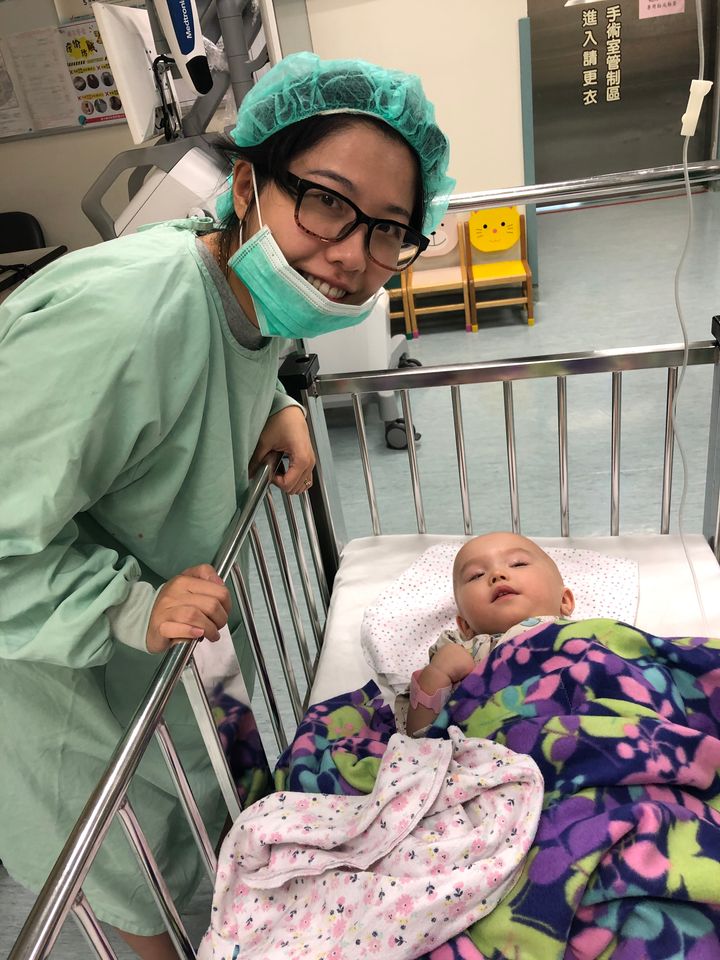
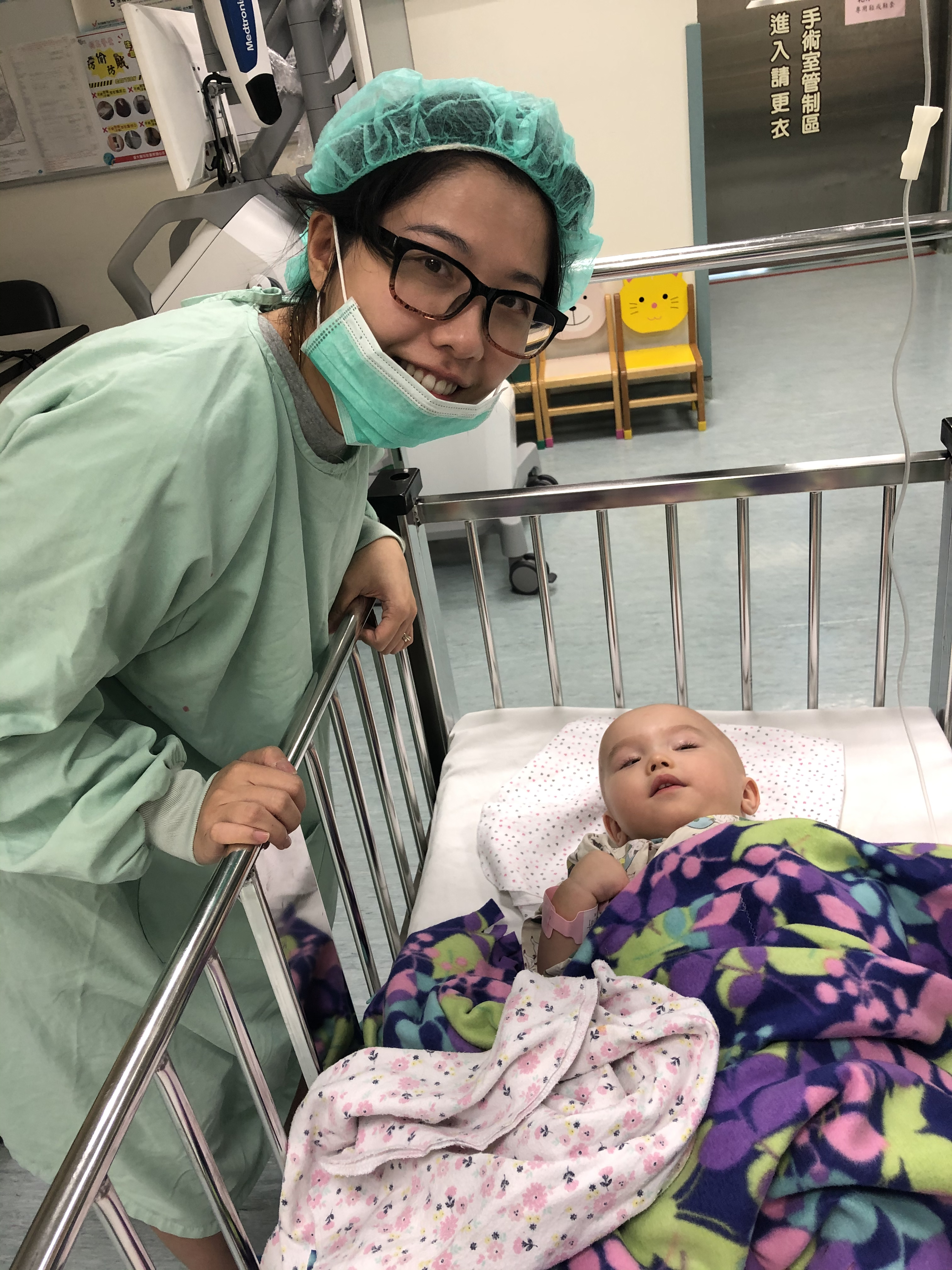
Judy and Rylae-Ann on the day of her surgery.

Richard Poulin

Judy and Rylae-Ann on the day of her surgery.

On 13 November, when Rylae-Ann was 18 months old, she underwent brain surgery for gene therapy. Family and friends asked us if we were worried. We weren’t. We had our backs against the wall and fought to keep our daughter alive.

While alive, she depended on us for everything. Managing work to pay the mounting health care bills was extremely difficult. There was no downtime or social life. I remember telling Judy that the lack of sleep was making me mad.

We felt blessed that our daughter would have an opportunity in life.

The surgery lasted several hours. It was Judy’s turn to be in Taiwan, so I waited for a video chat update.

The way we explain gene therapy to other parents is it involves injecting a shell of a virus into the brain. The virus normally goes unnoticed by the body, so it is able to bypass the body’s immune system. Researchers used this situation to inject good DNA into the virus. The virus then “infects” the good DNA in the body. In our daughter’s case, it was in the area of the brain where dopamine is produced.

The surgery was a success. A few days later, to Judy’s surprise, Rylae-Ann was discharged. We began physical therapy immediately.

The results came quickly. One month later, she sat up on her own. This was a huge milestone. Since then, she has continued to make progress. Every day we supported her, but we did it in a way where we could still make memories as a family.

Just over a year after gene therapy, our daughter was swimming, walking, running, and even riding a horse. Today, she is an independent child who continues to explore the world. Not only does our daughter have a chance to live, but we also have a chance to be parents.

Rylae-Ann has grown into an independent child who continues to explore the world.

Richard Poulin

Rylae-Ann has grown into an independent child who continues to explore the world.

Judy and Rich now use their spare time to help other families in the rare disease community and have launched a non-profit organisation called Teach RARE, where they work to raise awareness and teach caregivers how to combine educational activities with therapy goals.

To take part in HuffPost UK’s My Story series, email uklife@huffpost.com.

Share Button

6 Breastfeeding Positions (With Photos) To Try If You’re New To This Whole Shebang

If you choose to breastfeed, those first few weeks where you’re figuring out comfortable positions and how to get your baby to latch properly can be a real rollercoaster.

I remember sobbing on day four because feeding was so painful and my boobs were like boulders (not so much in size, but more in how full they were – it felt like they were filled with concrete).

My baby didn’t seem to be latching right either, the pinching sensations on my nipples were diabolical – so yeah, not a fun time for all involved.

Fast forward a week and – after some latching support from a midwife and health visitor – things were looking up. Well, aside from me routinely and explosively spraying my poor baby in the face with milk – we later learned I had an overactive letdown.

Finding a breastfeeding position that works for you can make such a huge difference, especially during those periods of cluster-feeding when you’re spending most of your time sat down with a baby glued to your boob.

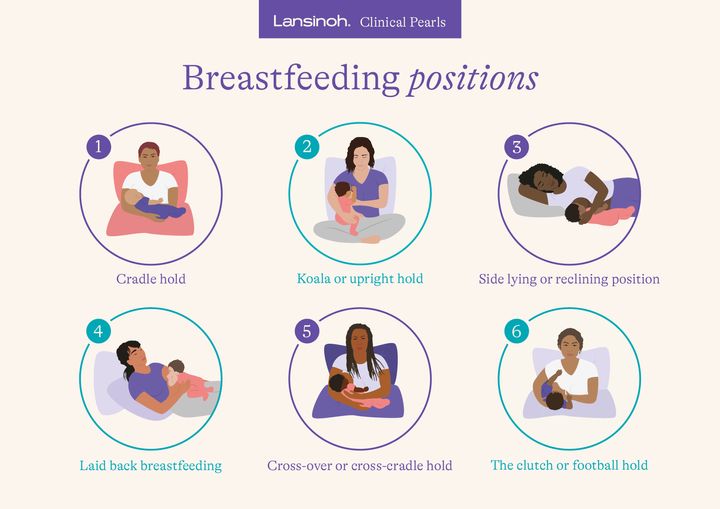
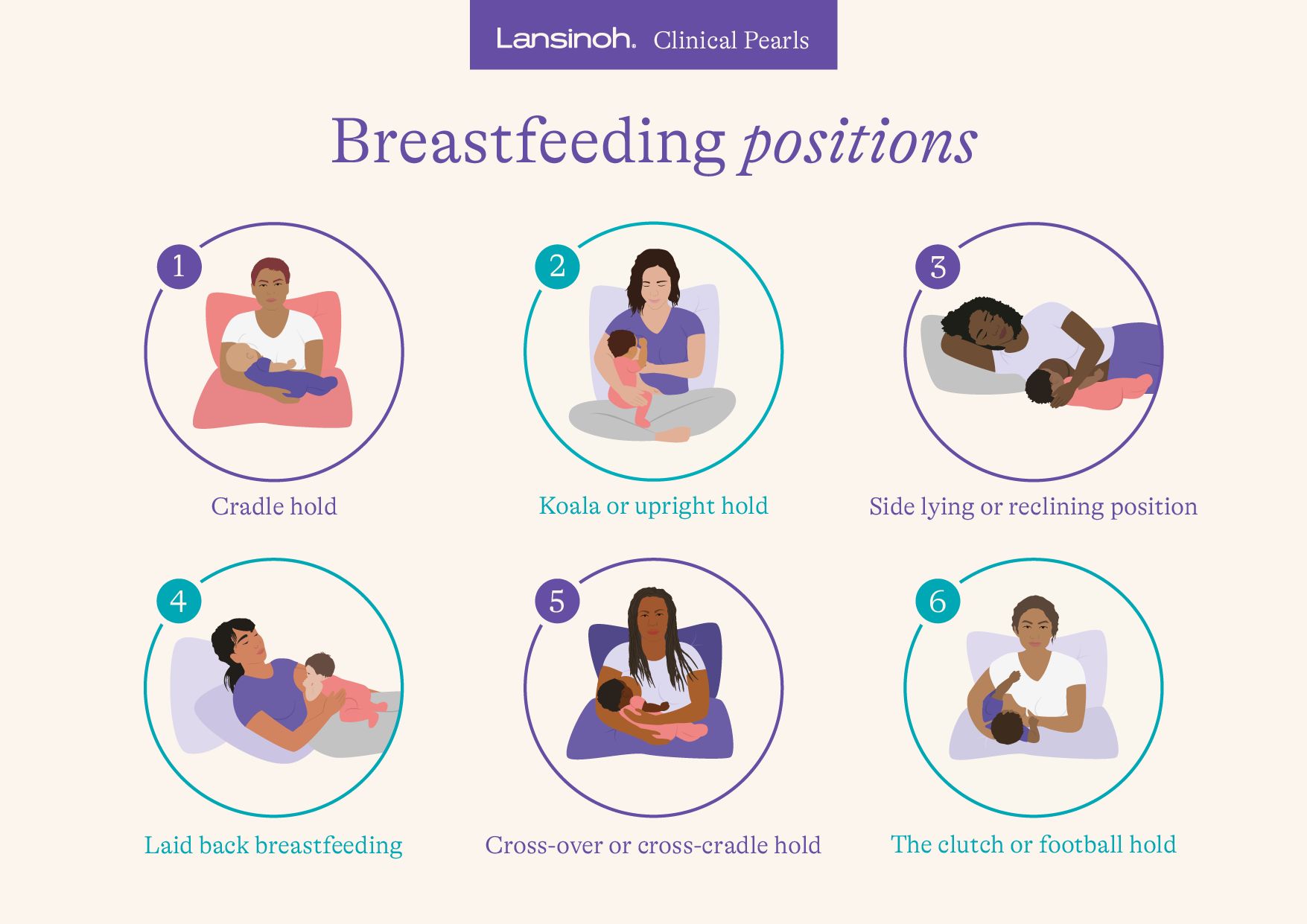
Here are some of the most commonly used breastfeeding positions – with supporting images and illustrations from Lansinoh – to help you on your way.

Breastfeeding positions illustrated.

1. Cradle hold

This is one of the most common positions for breastfeeding, however it might be uncomfortable for those who have had a caesarean, the NHS notes.

To do this position, sit in a comfy chair with arm rests or on a bed with cushions around you. Then, lie your baby across your lap, facing you. Their tummy should be facing yours.

Place your baby’s head on your forearm, with their nose towards your nipple. Your arms should be supporting their body. Meanwhile, place your baby’s lower arm under yours.

Check to make sure your baby’s ear, shoulder and hip are in a straight line.

A baby feeding in the cradle position.

Cathlin McCullough/Lansinoh

A baby feeding in the cradle position.

2. Cross-cradle hold

This is touted as a good position for those with smaller babies and newborns. It’s similar to cradle hold, except your arms switch roles – so your baby’s body is basically lying across the opposite forearm to the boob you’re feeding them from.

Your forearm will basically be supporting their back and spine, with your palm supporting their shoulder blades, and your fingers under their ears.

As breast pump experts at Medela explain: “Because your baby is fully supported on your opposite arm, you have more control over his positioning, and you can use your free hand to shape your breast.”

For a demonstration of how to do cross-cradle, check out this video from a postpartum nurse on TikTok (@thepostpartumnurse).

A baby feeding in the cross-cradle position.

Cathlin McCullough/Lansinoh

A baby feeding in the cross-cradle position.

3. Side-lying position

This is a great position to try if you’re breastfeeding in the night, or you’ve had a caesarean or difficult delivery.

First, lay down on your side with your baby facing you, so you’re lying tummy to tummy. Your baby’s ear, shoulder and hip should be in a straight line.

It might help to put some cushions or pillows behind you for support and the NHS recommends a rolled up baby blanket popped behind your baby to help support them, if they can’t quite stay on their side yet.

Tuck the arm you’re lying on under your head or pillow and use your free arm to support and guide your baby’s head to your breast.

Need a visual guide? Check out this handy video from lactation counsellor Grace (@latchingwithgrace) on how she gets comfortable in the side-lying position.

A baby feeding in the side-lying position.

4. Laid-back nursing

The laid-back position is pretty much what it says on the tin: you’re seated in a semi-reclined position – either on a sofa or bed. The position can be done by most mothers, however if you’ve had a C-section you might want to lie your baby across from you and away from your incision, the NHS suggests.

It’s also a great shout for those who have an overactive letdown (where the milk comes out forcefully) and, according to lactation counsellor Angela Das (@motherhooduntamed) it can also help them achieve a deeper latch.

To nail this position, lean back (but not flat) on your sofa or bed, propping yourself up with cushions so your back, shoulders and neck are supported.

Now, place your baby on your front so their tummy is resting on your tummy. For those who’ve had C-sections, this is the part where you would lay them to one side.

The NHS advises parents to be seated upright enough that they can look into their baby’s eyes, and to gently support their baby, guiding them to the nipple.

A baby feeding in the laid-back nursing position.

Cathlin McCullough/Lansinoh

A baby feeding in the laid-back nursing position.

5. Rugby ball hold

The rugby hold can feel a bit tricky to begin with, however it’s another good position for those who’ve had C-sections, as there’s no pressure on the incision area, as well as parents of twins.

To do this, you’ll need to sit in a chair with a cushion (or two) along your side. Then, position your baby (/babies) at your side, under your arm, with their hip close to your hip. Their upper body will be positioned along your forearm. The NHS suggests your baby’s nose should be level with your nipple.

Support your baby’s neck with the palm of your hand and gently guide them to your nipple.

Check out this video from midwife and lactation consultant Libby Cain (@libbyandco_nz) on how to do the rugby hold.

A baby feeding in the rugby position.

6. Koala hold

This position can be good for mothers who have older babies or an overactive letdown. It can also be done with newborns however they’ll need lots of support.

According to experts at Medela, this position can also be more comfortable for babies who have reflux, ear infections, tongue-tie or low muscle tone.

In this particular position, the baby will sit on your thigh, with their legs dangling either side. Their spine and head will be upright as they feed. For a demo of this nursing position, check out this video from lactation consultant Kathryn Stagg (@kathrynstaggibclc).

A baby feeding in the upright/koala position.

More support for people who are breastfeeding:

Share Button

Chance discovery helps fight against malaria

Scientists have found a strain of bacteria which they believe could prevent spread of the disease.

Share Button

Donald Trump Pleads Not Guilty, Again, This Time To Charges From His January 6 Coup Attempt

WASHINGTON — For the third time in four months, Donald Trump was dragged into a courtroom on Thursday and charged with felonies that could bring him years in prison, this time for his schemes to remain in power despite having lost the 2020 election that culminated in his violent January 6, 2021, coup attempt.

The former president, technically under arrest yet again while the judge set the conditions of his release, pleaded not guilty to four counts of conspiring to defraud the United States, conspiracy to obstruct an official proceeding, obstructing an official proceeding and unlawfully depriving voters of their civil rights.

Trump stated his name, his age, told the magistrate judge that he had not take any medication that would affect his ability to understand the proceedings, and then listened to her explain that he could face a cumulative 55 years if convicted on all four counts. He then stood and pleaded not guilty to all the charges.

Judge Moxila Upadhyaya then warned Trump not to speak about the case with other witnesses, before informing him that he would not be required to appear personally at his next court date, August 28. That hearing will be before the US District Judge Tanya Chutkan, who has earned a reputation for handing out stiff sentences to January 6 insurrections who have been convicted in her courtroom.

As he has for each of the previous indictments against him, Trump remained defiant and claimed prosecutors were only charging him to hurt his campaign. “I AM NOW GOING TO WASHINGTON, D.C., TO BE ARRESTED FOR HAVING CHALLENGED A CORRUPT, RIGGED, & STOLEN ELECTION. IT IS A GREAT HONOR, BECAUSE I AM BEING ARRESTED FOR YOU. MAKE AMERICA GREAT AGAIN!!!” he wrote on his social media platform early on Thursday afternoon.

The arraignment took place at the E Barrett Prettyman federal courthouse on Constitution Avenue, just eight blocks from the White House, where Trump is accused of having carried out crimes with at least six as-yet-unnamed co-conspirators, but whose identities likely include advisers such as lawyers Rudy Giuliani and John Eastman.

The courthouse is also just four blocks from the Capitol, where a mob of Trump’s followers, incited by a rally where he continued pushing his lies that the 2020 election had been “stolen” from him, assaulted police officers to enter the building in an attempt to stop the congressional ceremony to certify Democrat Joe Biden’s win.

Trump supporters wave flags outside the E. Barrett Prettyman U.S. District Court House ahead of Donald Trump's arrival on Aug. 3, 2023, ahead of his scheduled arraignment in Washington, D.C.
Trump supporters wave flags outside the E. Barrett Prettyman U.S. District Court House ahead of Donald Trump’s arrival on Aug. 3, 2023, ahead of his scheduled arraignment in Washington, D.C.

Chip Somodevilla via Getty Images

The conspiracy to defraud and obstruction charges are based on Trump’s plan to get Republicans in seven states Biden won to submit fake slates of electors to the National Archives and the US Senate, with the goal of using these forged certifications to coerce then-Vice President Mike Pence into awarding Trump a second term. The civil rights charge is based on the argument that Trump disenfranchised millions of voters in those states by attempting to have their votes nullified.

The new indictment, unsealed on Tuesday, follows another federal indictment in June that charged Trump with illegally retaining secret documents at this Florida country club and then trying to hide them from authorities seeking their return. He was also indicted in New York City in April for falsifying business records to conceal a $130,000 hush-money payment to a porn star in the days leading up to the 2016 election.

A fourth indictment against Trump is possible in Georgia, where the Atlanta-area district attorney is presenting evidence to a grand jury that Trump attempted to coerce state officials into overturning his loss to Biden in that state.

Trump would, if convicted in the cases to date, face decades in prison. But if he succeeds in regaining the White House in next year’s election, he would have the authority to end the federal prosecutions against him entirely and would likely be able to persuade state courts to suspend criminal cases against him for the duration of his presidency.

Despite all the criminal cases against Trump, though, his Republican rivals, with few exceptions, have been unwilling to criticise him for his actions that led to the charges, choosing instead to attack the prosecutions as politically motivated. Possibly as a result of this, Trump dominates the GOP field in polling for the 2024 nomination, with massive leads in national surveys and double-digit leads in the early-voting states.

Material from The Associated Press was used in this report.

This is a breaking news story and will be updated. Follow HuffPost UK on Twitter, Facebook and Instagram.

Share Button

New, simple and accessible method creates potency-increasing structure in drugs

Chemical structures called cyclopropanes can increase the potency and fine-tune the properties of many drugs, but traditional methods to create this structure only work with certain molecules and require highly reactive — potentially explosive — ingredients. Now, a team of researchers from Penn State has identified and demonstrated a safe, efficient and practical way to create cyclopropanes on a wide variety of molecules using a previously undescribed chemical process. With additional development, the new method — described in a paper publishing Aug. 4 in the journal Science — could transform how this important process occurs during drug development and creation.

Cyclopropanes are a key feature in many drugs currently approved by the U.S. Food and Drug Administration, including those used to treat COVID-19, asthma, hepatitis C, and HIV/AIDs. These structures can increase a drug’s potency, alter its ability to dissolve in the body, minimize its interactions with unintended targets, and otherwise fine-tune performance. Cyclopropanes are a ring of three connected carbon atoms, with one carbon attached to the rest of the drug molecule and the other two each attached to two hydrogen atoms.

“Cyclopropanes are an essential component of many drugs and adding them to drug candidates can be an important part of the drug discovery process,” said Ramesh Giri, professor of chemistry in the Eberly College of Science at Penn State and leader of the research team. “Previous efforts to improve the creation of cyclopropanes have focused on altering a mechanistic pathway devolved more than 60 years ago. We approached this from a different angle and identified a completely new pathway that is a simple, practical, and broadly applicable.”

The new method transforms a specific chemical structure on compounds called alkenes — used in the synthesis of many molecules — into cyclopropanes. The method takes advantage of “radical chemistry,” where intermediate steps of reactions leave some carbon atoms with unpaired electrons called free radicals that propel the reaction forward. This specific method uses visible light to initiate the reaction and uses common chemical ingredients, including oxygen.

Traditional methods to create cyclopropanes require highly reactive and difficult-to-acquire ingredients and must be conducted under controlled conditions, and the resulting compounds often have a very short shelf life. These unstable ingredients are critical to producing an intermediate compound in the process called a carbene — a highly reactive carbon atom with two unpaired electrons. The new method completely bypasses the carbene intermediate, producing the unpaired electrons one at a time as radicals.

“All of the ingredients used in this pathway are commercially available or easy to create in the lab and do not require any special safety precautions, and the end product can be stored for prolonged periods,” Giri said. “We can add all the ingredients together in one mixture while exposed to air with as little as 10% oxygen, and it proceeds in one step. The reaction is simple and safe enough that we are even planning to include it as part of an undergraduate chemistry lab.”

Another shortcoming of traditional methods is that they generally do not work with complex molecules. For this reason, cyclopropanes are typically installed early in the synthesis when the molecule is less complex, but following steps can cause the ring to open up, and later attempts to make derivatives of the molecule would require backtracking to those early steps. Using the new method, the researchers successfully transformed a variety of alkenes with a wide range of complexities into cyclopropanes, including pharmaceutically relevant compounds such as the steroid estrone, penicillin and vitamin B.

advertisement


“We explored the entire range of molecule complexity that people might encounter during drug synthesis,” Giri said. “In some cases, traditional methods might be able to develop the same end product but in many more steps. In other cases, traditional methods would be unable to create these products, because the starting alkenes are too sensitive or too complex. The new method is not only safer, more efficient and more practical, but has a wider range of applications than traditional methods.”

Some of the ingredients in the reaction can also be swapped out to add additional chemical groups to the final product to achieve various therapeutic goals. One of the reaction’s ingredients is as a type of compound called a methylene. There are hundreds of different methylenes that are commercially available, each with a specific chemical group that makes it a methylene as well as other groups that differ and could theoretically be added to the alkene as a cyclopropane Is created. The researchers demonstrated the breadth of the new method using 19 different methylene compounds.

“The idea of using a visible light-based reaction and radical chemistry to transform alkenes into cyclopropanes using methylenes at first seems counterintuitive, which is why it was so important for us to thoroughly demonstrate this new catalytic method,” Giri said. “The key insight was introducing oxygen into the reaction, which helps create a radical that then interacts with the alkene. My lab has been studying other reactions that use alkenes to create a radical and wondered if the same idea could be applied to creating cyclopropanes.”

Next, Giri and his lab plan to scale up the method so that it is industrially viable.

“With future development and scaling up, this method has the potential to transform the way alkenes are cyclopropanated, which could have important implications for drug discovery, development, and creation,” he said.

In addition to Giri, the research team at Penn State includes postdoctoral researcher Dhruba Poudel, postdoctoral researcher at the time of the research Amrit Pokhrel, postdoctoral researcher at the time of the research Raj Kumar Tak, and postdoctoral research Majji Shankar. The U.S. National Institute of General Medical Sciences and Penn State supported this research.

Share Button

Study finds a surprising new role for a major immune regulator

A signaling protein known as STING is a critical player in the human immune system, detecting signs of danger within cells and then activating a variety of defense mechanisms.

STING is primarily on the lookout for DNA, which can indicate either a foreign invader such as a virus or damage to the host tissue or cell. When STING detects that danger signal, it can turn on at least three different pathways — one leading to interferon production, one to non-canonical autophagy (involved in recycling cell components and clearing pathogens), and a third to formation of the inflammasome, a complex of proteins that activates inflammatory responses. The mechanism by which STING stimulates interferon production is well characterized, but it has not been understood how it activates the other two processes.

Now, a team of MIT and Harvard Medical School researchers has discovered how STING activates those two pathways. They found that STING has a surprising and previously unknown function: It can act as an ion channel that allows protons to leak out of an organelle known as the Golgi body. This makes it the first human immune sensor that can translate danger signals into ion flow.

“Arriving at this new idea that STING is a proton channel required connecting prior findings by other labs that either STING or proton flux could activate the inflammasome and non-canonical autophagy, which led us to hypothesize that STING initiates or mediates proton flux to trigger both downstream processes,” says Nir Hacohen, a member of the Broad Institute of MIT and Harvard, a professor of medicine at Massachusetts General Hospital and Harvard Medical School, and a senior author of the study.

“Because of its importance to host immunity, there is a great interest in developing drugs that can activate or suppress STING activity, and the discovery of STING’s ion channel activity will provide new ways to think about designing therapeutics to modulate STING,” says Darrell Irvine, the Underwood-Prescott Professor at MIT with appointments in the departments of Biological Engineering and of Materials Science and Engineering; a member of MIT’s Koch Institute for Integrative Cancer Research and the Ragon Institute of MGH, MIT, and Harvard; and a senior author of the study.

MIT biology PhD student Bingxu Liu and Rebecca Carlson PhD ’23, a recent graduate of the Medical Engineering and Medical Physics program through the Harvard-MIT Division of Health Sciences and Technology, are the lead authors of the paper, which appears today in Science. Paul Blainey, the Karl Van Tassel Associate Professor of Biological Engineering at MIT and a member of the Broad Institute and the Koch Institute, is also an author of the paper.

A surprising role

STING (short for stimulator of interferon genes) is considered one of the major factors that triggers the immune response in the context of infection, autoimmunity, and cancer. Drugs that activate STING have been developed and tested in clinical trials as cancer immunotherapy drugs that would help stimulate the immune system to destroy tumors.

advertisement


STING is a protein that can span membranes, and it is usually found embedded in the membrane of an organelle called the endoplasmic reticulum (ER). Once it detects DNA, it relocates to the Golgi body, where it begins to activate proteins that turn on genes required for interferon production.

“People know pretty well how STING induces interferon, but how STING induces autophagy and inflammasome formation has been an open debate in the field for the last 10 years,” Liu says.

Previous research has shown that both autophagy and formation of inflammasomes (large protein complexes that stimulate inflammation) can be provoked by protons leaking from cell organelles, which makes the inside of the cell more acidic. Because of that, the researchers wondered if STING might somehow induce proton leakage.

To explore this possibility, the researchers labeled the Golgi with a protein that fluoresces when the pH goes up. When they treated the cells with a molecule that activates STING, the Golgi became less acidic, meaning that it was losing protons. A genetic screen minimized the possibility of another ion channel controlling this ion flow, so the researchers hypothesized that STING itself was acting as a proton channel.

“In addition to its biological significance, this study is a notable example of the maturing functional genomics field, where pooled screening data are sufficiently reliable to set the direction of focused investigation — even from negative results, as was the case here,” Blainey says.

After running the structure of the STING protein through a computer model that can predict whether a given protein structure might contain a pore, the researchers found that the STING protein is predicted to contain a region that resembles a pore. Serendipitously, last year a company that was seeking STING agonists (molecules that activate STING) found a new molecule that was later shown by an academic group to bind in this precise location.

advertisement


The MIT/Harvard team hypothesized that the agonist, known as C53, blocks the putative pore. When C53 was added to cells , protons did not leak out of the Golgi, and downstream pathways activating autophagy and inflammasome formation were not turned on, even if STING was activated through other means. However, interferon activation, which goes through a different pathway, still occurred.

“For the first time, we were able to decouple these downstream processes, where we can activate interferon with C53, but inhibit those other two pathways leading to autophagy and inflammasome formation,” Carlson says. “In the context of inflammatory diseases where STING is overactivated, we can now start asking which of those molecular mechanisms is most important and contributes the most to the phenotype that we’re seeing.”

Selective control

In future studies, the researchers hope to use C53 to determine the relative importance of these three pathways and try to figure out which ones would be most useful to stimulate or to block to treat a variety of diseases.

The U.S. Food and Drug Administration has not approved any STING agonist thus far, although multiple clinical trials are currently underway. One potential reason that other STING agonists have not made it beyond clinical trials is that the treatment can result in unwanted cell death mediated by STING. Drugs that stimulate interferon production but not cell death or other inflammatory pathways could offer a way to overcome that obstacle, according to the MIT/Harvard team.

The researchers hope to explore whether STING might play a role in influencing the behavior of other cellular activities known to be controlled by ion channels. “Now that we know that STING is an ion channel, we can propose other effects that we think could occur based on this knowledge that STING does transport protons,” Carlson says.

The research was funded by the U.S. National Institutes of Health, the Howard Hughes Medical Institute, a Fannie and John Hertz Foundation Fellowship, a U.S. National Science Foundation Graduate Research Fellowship, a European Molecular Biology Organization Fellowship, and a Cancer Research Institute/Bristol Myers Squibb Fellowship.


Share Button

Winter storms over Labrador Sea influence Gulf Stream system

The Gulf Stream, which brings warm water from the Gulf of Mexico to Europe and keeps the climate mild, is only part of a larger system of oceanic currents called the Atlantic Meridional Overturning Circulation, or AMOC for short. It runs through the Atlantic like a giant climate machine: as warm water from the tropics is transported northwards at the surface, the current reverses in the North Atlantic — the water cools, becomes heavier and flows south at depth.

Where exactly these sinking processes take place is the subject of current research, and recent measurement programmes have located them to the east of Greenland. A team of scientists from the GEOMAR Helmholtz Centre for Ocean Research in Kiel, Germany, has now conducted a modelling study focusing on the Labrador Sea southwest of Greenland. In their study, now published in the journal Nature Communications, the researchers used complex computer simulations to show that fluctuations in the Labrador Sea can have a significant influence on the strength of sinking processes east of Greenland. An important link is a little-noticed system of deep currents that ensures rapid spreading of Labrador Sea water into the deep-sea basin between Greenland and Iceland.

“We oceanographers have long had our eyes on the Labrador Sea between Canada and Greenland,” says Professor Dr Claus Böning, who led the study. “Winter storms with icy air cool the ocean temperatures to such an extent that the surface water becomes heavier than the water below. The result is deep winter mixing of the water column, whereby the volume and density of the resulting water mass can vary greatly from year to year.”

In the model simulations of the past 60 years, the years 1990 to 1994 stood out, when the Labrador Sea cooled particularly strongly. “The unusually large volume of very dense Labrador Sea water that formed following extremely harsh winters led to significantly increased sinking between Greenland and Iceland in the following years,” explains Claus Böning. As a result, the model simulations calculated an increase in Atlantic overturning transport of more than 20%, peaking in the late 1990s. The measurements of the circulation in the North Atlantic, which have only been carried out continuously since 2004, would then fall exactly in the decay phase of the simulated transport maximum.

“According to our model results, the observed weakening of the Atlantic circulation during this period can therefore be interpreted, at least in part, as an aftereffect of the extreme Labrador Sea winters of the 1990s,” summarises Professor Dr Arne Biastoch, head of the Ocean Dynamics Research Unit at GEOMAR and co-author of the study. However, he clarifies: “Although we cannot yet say whether a longer-term weakening of the overturning is already occurring, all climate models predict a weakening as a result of human-induced climate change as ‘very likely’ for the future.

Ongoing observing programmes and further development of simulations are crucial for a better understanding of the key climate-relevant processes. And, of course, for future projections of the Gulf Stream system under climate change.

Share Button

Nose-picking health workers more likely to get Covid, study shows

The habit among health staff could contribute to virus spread in hospitals, researchers say.

Share Button