Immunotherapy may get a boost

T cells are usually very good at eliminating diseased cells. But they seem to fail when it comes to tumor cells. In JCI Insight, MDC teams led by Armin Rehm and Uta Höpken describe what inhibits this immune function, how they can release the brake and boost the immune response against cancer.

T cells are the immune system’s SWAT team. Their job is to constantly patrol the blood, lymphatic system, tissues, and organs. If they come across cells that are contaminated with or damaged by pathogens, they eliminate them. They can also recognize and destroy cancer cells. The problem, though, is that the tumor cells find ways of escaping this line of defense. Researchers around the world are working to prevent these evasive maneuvers and harness T cells for targeted immunotherapies against cancer.

The labs led by Dr. Armin Rehm and Dr. Uta Höpken at the Max Delbrück Center for Molecular Medicine in the Helmholtz Association (MDC) in Berlin have now identified a mechanism that tumor cells use to dodge the body’s immune response. “In many cases, tumor cells read the EBAG9 gene especially often. The cells then produce a protein that protects them. But EBAG9 also influences the cells of the immune system because T cells produce it too. In T cells, EBAG9 inhibits the secretion of enzymes that act as poison to kill tumor cells,” says Rehm. Writing in the journal JCI Insight, the researchers describe how they released this brake in mice: “We shut down the EBAG9 gene,” says co-lead author Dr. Anthea Wirges, who works in Rehm’s research group. “This meant we could stop EBAG9 being produced in the T cells and strengthen the immune response to cancer for the long term.”

EBAG9 disarms immune cells

Scientists already know that cancer cells can outwit immune cells. This knowledge led to the development of checkpoint inhibitors, a type of immunotherapy that is already in clinical use. Checkpoint inhibitors make it hard for the cancer cells to trick T cells into thinking they’re harmless. “But EBAG9 gives cancer cells another line of defense against our immune system,” says Rehm. “It disarms the immune cells and stops them from secreting substances that would harm the cancer cells.”

Rehm and Höpken have long suspected that EBAG9 inhibits T cells. In 2009, Rehm’s ream developed a mouse model in which the researchers switched off the EBAG9 gene. “The mice’s immune system worked better without EBAG9 and they were able fight infections much more effectively,” says Rehm. Höpken’s team then crossed the EBAG9-free mice with another genetically modified mouse model that spontaneously developed leukemia. “We observed these doubly modified mice over a long period of time,” says Höpken. “Their tumors developed much more slowly than in the mice with EBAG9.”

Cancer and infections trigger different immune responses

Wirges checked the effects of the EBAG9 gene on the T cells using single-cell RNA sequencing and bioinformatic methods. As well as confirming that EBAG9 inhibits the T cell response, the data also showed that the immune response to cancer differs from the one triggered by infections.

“Knowledge about how the immune system develops a ‘memory’ comes from infection models. It can’t be transferred 1:1 to tumors,” says Rehm. T cells recognize diseased or infected cells by the signaling molecules on their surface. When they detect these harmful structures, they differentiate into cytotoxic T cells and memory T cells. The cytotoxic T cells secrete proteins that punch holes in the target cell’s membrane so that they can penetrate it and kill it by poisoning. Infected tissue also produces inflammatory signaling molecules, such as cytokines, that summon more T cells and cause them to mature into memory T cells. The memory cells record the immune response so that the immune system doesn’t have to start from scratch every time the T cells detect a disease.

The idea: Create CAR T cells without an immune brake

Tumors don’t cause inflammation in their early stages. Previously, scientists assumed that this was because T cells can’t identify tumor cells very well. “Because they’re produced by the body, tumor cells have very few surface molecules that are identifiable as foreign,” says Höpken. But it seems as if these minimal differences are enough for the T cells to spot the tumor cells: When the researchers switched off EBAG9, the reaction was astonishing. “The uninhibited T cells eliminate tumor cells very early and very radically,” notes Rehm. This also creates lasting protection against tumor cells. “The stronger the initial T cell reaction, the better the subsequent T cell memory,” says Rehm.

“Based on these findings, we now want to develop CAR T cells without EBAG9 as an immunotherapy for leukemia,” says Wirges. CAR stands for chimeric antigen receptor — an artificial receptor that detects tumor cells and is integrated into the patient’s own T cells. When patients have a CAR T-cell infusion, it equips their body with cells capable of fighting the cancer. The MDC researchers expect the CAR T cells to be even more effective without EBAG9. Although it will be a while before the cells reach the clinical trial stage, it could well be worth the wait: “We aren’t just hoping that this therapy will result in more efficient treatments for leukemia and lymphoma. We’re hoping that it will cure them,” says Rehm.


Share Button

Proteomic study of 2,002 tumors identifies 11 pan-cancer molecular subtypes across 14 types of cancer

A new study that analyzed protein levels in 2,002 primary tumors from 14 tissue-based cancer types identified 11 distinct molecular subtypes, providing systematic knowledge that greatly expands a searchable online database that has become a go-to platform for cancer data analysis by users worldwide.

The University of Alabama at Birmingham Cancer Data analysis portal, or UALCAN, was developed and released to public use in 2017 as a user-friendly portal for pan-cancer omics data analysis, including transcriptomics, epigenetics and proteomics. UALCAN has had nearly 920,000 site visits from researchers in more than 100 countries, and it has been cited more than 2,750 times.

“UALCAN is an effort to distribute comprehensive cancer data to researchers and clinicians in a user-friendly format to make discoveries and find needles in the haystack,” said Sooryanarayana Varambally, Ph.D., professor in the UAB Department of Pathology Division of Molecular and Cellular Pathology and director of UAB’s Translational Oncologic Pathology Research program. “Cancer detection, diagnosis, treatment, cure and research need a global team effort, and making sense of the huge amount of data involved needs a way to analyze and interpret these data.”

Cancer is a complex disease, and its initiation, progression and metastasis, the spread to distant organs, involves dynamic molecular changes in each type of cancer. Individual cancer patients show variations apart from some of the common genomic events.

In the new study, Varambally worked with longtime collaborator Chad Creighton, Ph.D., Baylor College of Medicine, Houston, Texas. Creighton led the proteomic study, published in Nature Communications, “Proteogenomic characterization of 2002 human cancers reveals pan-cancer molecular subtypes and associated pathways.” This extends two early proteomics studies published in 2019 and 2021.

Previously the team performed RNA transcripts analysis, providing the data to researchers through UALCAN, to determine which pathways the myriad forms of cancer use to aid growth, spread and aggressiveness. With this recent study, the team performed and incorporated large-scale proteomics analysis. The data and results provide new ideas for further research and possible therapeutic interventions.

A proteome is the complement of proteins expressed in a cell or tissue, and these can be measured quantitatively through recent technological advances in mass-spectrometry. In cells, DNA makes mRNA, and mRNA makes protein, processes known as the central dogma of molecular biology. Proteins are major functional moieties of cells, crucial in cell metabolism, structure, growth, signaling and movement.

The cancer types represented in the UALCAN proteomic dataset include breast, colorectal, gastric, glioblastoma, head and neck, liver, lung adenocarcinoma, lung squamous, ovarian, pancreatic, pediatric brain, prostate, renal, and uterine cancers. The number of tumors in each cancer type in the study ranged from 76 to 230, with an average of 143. Intriguingly, the pan-cancer, proteome-based subtypes the current study found cut across tumor lineages.

The compendium proteomic dataset came from 17 individual studies. Corresponding multi-omics data were available for most of these tumors, including mRNA levels, DNA somatic small mutations and insertions/deletions, and DNA somatic copy number alterations.

In general, the researchers found the protein expression of genes across tumors broadly correlated with corresponding mRNA levels or copy number alterations. However, there were some notable exceptions.

They identified 11 distinct proteome-based pan-cancer subtypes — named s1 through s11 — that can provide insights into the deregulated pathways and processes in tumors that make them cancerous. Each subtype spanned multiple tissue-based cancer types, though subtype s11 was specific to brain tumors, spanning glioblastomas and pediatric brain tumors.

Each subtype expressed specific gene categories, some seen before in a previous, less comprehensive proteomic study. Three subtypes showed new gene categories: subtype s7 with “axon guidance” and “frizzled binding” genes, subtype s10 with “DNA repair” and “chromatin organization” genes, and subtype s11 with “synapse,” “dendrite” and “axon” genes.

At the DNA level, the study detailed differences among the proteome-based subtypes in overall copy number alterations of genes, and somatic mutations in subtypes associated with higher pathway activity, as inferred by proteome or transcriptome data.

“Our study results provide a framework for understanding the molecular landscape of cancers at the proteome level to integrate and compare the data with other molecular correlates of cancers,” Varambally said. “The associated datasets and gene-level associations represent a resource for the research community, including helping to identify gene candidates for functional studies and further develop candidates as diagnostic markers or therapeutic targets for specific subset of cancers.

“Furthermore, this study reinforces the notion that cancers should be comprehensively surveyed at the protein level, though expression profiling on tumors has historically been mostly limited to the RNA transcript level. Many of the analyses in this ever-evolving cancer data analysis platform are based on user or expert requests, and the team is indebted to the support and encouragement from the researchers who use this platform to make discoveries that make a difference in cancer research.”

Some of the large datasets for the UAB site are generated by consortiums like The Cancer Genome Atlas, or TCGA, and the Clinical Proteomic Tumor Analysis Consortium, or CPTAC, of the National Cancer Institute.

Precision targeting of cancer requires the identification of individual or subclass-specific genomic and molecular alterations. To help cancer researchers perform various data analyses for better understanding of these large datasets, Darshan Shimoga Chandrashekar, Ph.D., led the development of the UALCAN portal under the mentorship of Varambally. Updates to this continuously evolving portal were recently published in Neoplasia.

The UALCAN initiative and its continuous development involve contributions from a team of experts including bioinformaticians, computer scientists, statisticians, cancer biologists, pathologists and oncologists. “It is a team science approach to enable the global cancer research team to tackle cancer,” Varambally said.

Support came from National Institutes of Health grants CA125123 and CA118948 and United States Department of Defense grant W81XWH-19-1-0588.

Co-first authors of this study are Yiqun Zhang and Fengju Chen, Baylor College of Medicine, and Chandrashekar, UAB Department of Pathology Division of Molecular and Cellular Pathology.

Pathology is a department in the Marnix E. Heersink School of Medicine at UAB. Varambally is a senior scientist in the O’Neal Comprehensive Cancer Center and the Informatics Institute at UAB and is co-director of Cancer Biology Theme of Graduate Biomedical Sciences at UAB. He holds an adjunct position at the Michigan Center for Translational Pathology, the University of Michigan, Ann Arbor.

Share Button

The Earth moves far under our feet: A new study shows the inner core oscillates

USC scientists have found evidence that the Earth’s inner core oscillates, contradicting previously accepted models that suggested it consistently rotates at a faster rate than the planet’s surface.

Their study, published today in Science Advances, shows that the inner core changed direction in the six-year period from 1969-74, according to the analysis of seismic data. The scientists say their model of inner core movement also explains the variation in the length of day, which has been shown to oscillate persistently for the past several decades.

“From our findings, we can see the Earth’s surface shifts compared to its inner core, as people have asserted for 20 years,” said John E. Vidale, co-author of the study and Dean’s Professor of Earth Sciences at USC Dornsife College of Letters, Arts and Sciences. “However, our latest observations show that the inner core spun slightly slower from 1969-71 and then moved the other direction from 1971-74. We also note that the length of day grew and shrank as would be predicted.

“The coincidence of those two observations makes oscillation the likely interpretation.”

Analysis of atomic tests pinpoints rotation rate and direction

Our understanding of the inner core has expanded dramatically in the past 30 years. The inner core — a hot, dense ball of solid iron the size of Pluto — has been shown to move and/or change over decades. It’s also impossible to observe directly, meaning researchers struggle through indirect measurements to explain the pattern, speed and cause of the movement and changes.

Research published in 1996 was the first to propose the inner core rotates faster than the rest of the planet — also known as super-rotation — at roughly 1 degree per year. Subsequent findings from Vidale reinforced the idea that the inner core super-rotates, albeit at a slower rate.

Utilizing data from the Large Aperture Seismic Array (LASA), a U.S. Air Force facility in Montana, researcher Wei Wang and Vidale found the inner core rotated slower than previously predicted, approximately 0.1 degrees per year. The study analyzed waves generated from Soviet underground nuclear bomb tests from 1971-74 in the Arctic archipelago Novaya Zemlya using a novel beamforming technique developed by Vidale.

The new findings emerged when Wang and Vidale applied the same methodology to a pair of earlier atomic tests beneath Amchitka Island at the tip of the Alaskan archipelago — Milrow in 1969 and Cannikin in 1971. Measuring the compressional waves resulting from the nuclear explosions, they discovered the inner core had reversed direction, sub-rotating at least a tenth of a degree per year.

This latest study marked the first time the well-known six-year oscillation had been indicated through direct seismological observation.

“The idea the inner core oscillates was a model that was out there, but the community has been split on whether it was viable,” Vidale says. “We went into this expecting to see the same rotation direction and rate in the earlier pair of atomic tests, but instead we saw the opposite. We were quite surprised to find that it was moving in the other direction.”

Future research to dig deeper into why inner core formed

Vidale and Wang both noted future research would depend on finding sufficiently precise observations to compare against these results. By using seismological data from atomic tests in previous studies, they have been able to pinpoint the exact location and time of the very simple seismic event, says Wang. However, the Montana LASA closed in 1978 and the era of U.S. underground atomic testing is over, meaning that the researchers would need to rely on comparatively imprecise earthquake data, even with recent advances in instrumentation.

The study does support the speculation that the inner core oscillates based on variations in the length of day — plus or minus 0.2 seconds over six years — and geomagnetic fields, both of which match the theory in both amplitude and phase. Vidale says the findings provide a compelling theory for many questions posed by the research community.

“The inner core is not fixed — it’s moving under our feet, and it seems to going back and forth a couple of kilometers every six years,” Vidale said. “One of the questions we tried to answer is, does the inner core progressively move or is it mostly locked compared to everything else in the long term? We’re trying to understand how the inner core formed and how it moves over time — this is an important step in better understanding this process.”

Story Source:

Materials provided by University of Southern California. Original written by Paul McQuiston. Note: Content may be edited for style and length.

Share Button

IgG antibodies in breast milk help shape infants’ gut bacteria and immunity

Researchers have known for some time that maternal breast milk provides critical nutrients for newborns, and antibodies from mothers vaccinated against a specific disease-causing bacterium or virus can be transferred via breast milk to babies. Now a new preclinical study by Weill Cornell Medicine investigators shows that one specific set of antibodies that is induced naturally by gut beneficial bacteria can be transferred from mothers to infants through breast milk and help infants defend against infection-induced diarrheal illness. The study suggests boosting these “naturally-produced” antibodies in mothers might enhance infants’ immunity against bacterial pathogens that cause infectious gastrointestinal diseases.

In the study, published June 10 in Science Immunology, the team focused on a class of antibodies called IgG, which help rid the body of infectious bacteria and viruses. Little was known about how IgG antibodies that are naturally induced by gut bacteria influence infant gut immunity. So, the investigators used a mouse model to determine how these IgG antibodies are transferred from a mother’s blood to her breast milk and how they protect young mice from Citrobacter rodentium (equivalent to pathogenic E. coli in humans) that causes potentially dangerous intestinal infections.

“We found that these IgG antibodies were protective against gut infection in the babies and that we could enhance this protection,” said senior author Dr. Melody Zeng, an assistant professor of immunology in pediatrics within the Department of Pediatrics and a member of the Gale and Ira Drukier Institute for Children’s Research at Weill Cornell Medicine.

Just as antibodies against the SARS-CoV-2 virus are detected in the breast milk of women who had been vaccinated with mRNA vaccines for COVID-19, the researchers sought to confer extra protection against intestinal infections in infants by inducing IgG antibodies that could be transferred this way. They developed a vaccine using a component found in gut bacteria, then immunized female mice with it before they became pregnant.

“The same concept, in which vaccination enhances mothers’ IgG antibody levels and transfers this immunity to her babies, could protect human babies,” Dr. Zeng said. “This strategy could especially benefit premature babies, since they tend to be at much higher risk from diarrheal diseases.”

Such infections pose significant dangers for young children in general. Diarrheal illnesses are the second leading cause of death among children under five, according to the World Health Organization.

In their experiments, the researchers, including co-first authors Dr. Katherine Sanidad and Dr. Mohammed Amir, both postdoctoral associates in the Zeng lab, first demonstrated that when passed to infant mice through breast milk, IgG prevented disease-causing bacteria from attaching themselves to the lining of infants’ intestines, an early step in infection.

They also studied how IgG interacted with another set of microbes — beneficial bacteria that live in the gut — to facilitate healthy development of gut bacteria in infants. Scientists are finding that these microbes contribute to the development and function of the immune system. For instance, helpful bacteria train the immune system to recognize their pathogenic relatives.

This study uncovered long-term effects of these protective IgG antibodies too. Mice that never received IgG from their mothers developed abnormal microbial communities within their guts, which led to changes to their immune systems. Specifically, the researchers found an increase in gut immune cells that produce IL-17, a proinflammatory cytokine that is linked to inflammatory diseases. As adults, the IgG-deprived mice were more susceptible to abnormal inflammation associated with inflammatory bowel disorder.

“Our findings really underscore the benefits of breastfeeding, both immediately and for the long-term development of the immune system in the offspring,” Dr. Zeng said.

Dr. Melody Zeng is a consultant for Guidepoint.

Story Source:

Materials provided by Weill Cornell Medicine. Note: Content may be edited for style and length.

Share Button

One in 500 men carry extra sex chromosome, putting them at higher risk of several common diseases

Around one in 500 men could be carrying an extra X or Y chromosome — most of them unaware — putting them at increased risk of diseases such as type 2 diabetes, atherosclerosis and thrombosis, say researchers at the universities of Cambridge and Exeter.

In a study published in Genetics in Medicine, researchers analysed genetic data collected on over 200,000 UK men aged 40-70 from UK Biobank, a biomedical database and research resource containing anonymised genetic, lifestyle and health information from half a million UK participants. They found 356 men who carried either an extra X chromosome or an extra Y chromosome.

Sex chromosomes determine our biological sex. Men typically have one X and one Y chromosome, while women have two Xs. However, some men also have an extra X or Y chromosome — XXY or XYY.

Without a genetic test, it may not be immediately obvious. Men with extra X chromosomes are sometimes identified during investigations of delayed puberty and infertility; however, most are unaware that they have this condition. Men with an extra Y chromosome tend to be taller as boys and adults, but otherwise they have no distinctive physical features.

In today’s study, the researchers identified 213 men with an extra X chromosome and 143 men with an extra Y chromosome. As the participants in UK Biobank tend to be ‘healthier’ than the general population, this suggests that around one in 500 men may carry an extra X or Y chromosome.

Only a small minority of these men had a diagnosis of sex chromosome abnormality on their medical records or by self-report: fewer than one in four (23%) men with XXY and only one of the 143 XYY men (0.7%) had a known diagnosis.

By linking genetic data to routine health records, the team found that men with XXY have much higher chances of reproductive problems, including a three-fold higher risk of delayed puberty and a four-fold higher risk of being childless. These men also had significantly lower blood concentrations of testosterone, the natural male hormone. Men with XYY appeared to have a normal reproductive function.

Men with either XXY or XYY had higher risks of several other health conditions. They were three times more likely to have type 2 diabetes, six times more likely to develop venous thrombosis, three times as likely to experience pulmonary embolism, and four times more likely to suffer from chronic obstructive pulmonary disease (COPD).

The researchers say that it isn’t clear why an extra chromosome should increase the risk or why the risks were so similar irrespective of which sex chromosome was duplicated.

Yajie Zhao, a PhD student at the Medical Research Council (MRC) Epidemiology Unit at the University of Cambridge, the study’s first author, said: “Even though a significant number of men carry an extra sex chromosome, very few of them are likely to be aware of this. This extra chromosome means that they have substantially higher risks of a number of common metabolic, vascular, and respiratory diseases — diseases that may be preventable.”

Professor Ken Ong, also from the MRC Epidemiology Unit at Cambridge and joint senior author, added: “Genetic testing can detect chromosomal abnormalities fairly easily, so it might be helpful if XXY and XYY were more widely tested for in men who present to their doctor with a relevant health concern.

“We’d need more research to assess whether there is additional value in wider screening for unusual chromosomes in the general population, but this could potentially lead to early interventions to help them avoid the related diseases.”

Professor Anna Murray, at the University of Exeter, said: “Our study is important because it starts from the genetics and tells us about the potential health impacts of having an extra sex chromosome in an older population, without being biased by only testing men with certain features as has often been done in the past.”

Previous studies have found that around one in 1,000 females have an additional X chromosome, which can result in delayed language development and accelerated growth until puberty, as well as lower IQ levels compared to their peers.

The research was funded by the Medical Research Council.

Share Button

How crops can better survive floods

Extreme weather phenomena are on the rise worldwide, including frequent droughts and fires. Floods are also a clear consequence of climate change. For agriculture, a flooded field means major losses: about 15 percent of global crop losses are due to flooding. As part of a collaboration between Freiburg, Utrecht in the Netherlands, and other institutes, Junior Professor Dr. Sjon Hartman from the Cluster of Excellence CIBSS — Centre for Integrative Biological Signalling Studies at the University of Freiburg, has now discovered that a signaling molecule can make plants more resistant to flooding. The gaseous plant hormone ethylene causes the plant to switch on a kind of molecular emergency power system that helps it survive the lack of oxygen during flooding. The team had previously demonstrated that ethylene sends a signal to the plant that it is underwater. Pretreating the experimental plants with the hormone improved their chances of survival. The results, which appeared in the journal Plant Physiology, should help to combat waterlogging and flooding in agriculture and, for example, to develop resistant plant varieties.

Tracking the adaptations to wet conditions

Plant species differ greatly in their ability to survive periods of flooding or waterlogging. “In the case of potatoes, the roots die after two days due to a lack of oxygen. Rice plants are much more resistant, able to survive their entire lives in waterlogged paddy fields,” Hartman explains. The Arabidopsis thaliana, a model organism for plant research, can be used to study the genes and proteins that make up this adaptation. “Plants notice that they are surrounded by water because the gas ethylene, which all plant cells produce, can no longer escape into the air,” Hartman continues. The researchers showed this in previous studies at Utrecht University. Receptors throughout the plant subsequently respond to increased concentrations of the hormone.

Simulate flooding with oxygen deprivation

The team simulated flooding by placing Arabidopsis seedlings in a bell jar without light or oxygen. When the seedlings were previously exposed to ethylene gas, the root tip cells survived longer. The treated plants stopped root growth and switched energy production in the cells to oxygen-free metabolic processes. In addition, the ethylene caused the cells to be better protected against harmful oxygen radicals that accumulate in oxygen-deprived plants. This was revealed by analyses of gene activity and protein composition of the cells.

“Taken together, these rearrangements that ethylene triggers improve plant survival during and after flooding,” Hartman summarizes. “As we better understand these signaling pathways, we can learn to make crops more resilient to flooding to combat climate change.”

Story Source:

Materials provided by University of Freiburg. Note: Content may be edited for style and length.

Share Button

Despite dire warnings, monarch butterfly numbers are solid

Largely because of well-publicized, diminishing winter colonies in Mexico and California, monarch butterflies across North America have been long thought to be declining as a result of diminishing summer habitat. Previous butterfly research shows that the size of overwintering monarch colonies has fallen across several decades. But what is happening when monarchs breed in the summer was less clear.

In a new research study published in Global Change Biology, lead author Michael Crossley, assistant professor and agricultural entomologist at the University of Delaware, and his collaborators examined trends in breeding monarchs across their entire range, and found there are local regions of decline, but also regions of increase. When considering the entire species range, there was no overall decline, and in fact, even a slight increase in abundance.

“The whole reason that we did this research is because monarch colonies have been declining,” said Crossley. “Up until now, there were real fears that the monarch is in trouble.”

The study’s results suggest that population growth in summer is compensating for losses during the winter. Additionally, findings indicate that changing environmental variables have offsetting effects on deaths and reproduction.

North America’s three largest countries have more in common than playing the 2026 hosts of soccer’s biggest spectacle — the FIFA World Cup. The perception of the monarchs’ decline had prompted the U.S. Fish and Wildlife Service to determine if the species warrants a higher level of protection. Canada’s equivalent agency is strongly considering listing monarchs as an endangered species because of the declines in Mexico.

As the researchers analyzed the data, patterns emerged and were location specific. Portions of the U.S. Northeast and parts of the Midwest revealed population declines. The U.S. Southeast and Northwest were unchanged or increasing, yielding a slightly positive overall trend across the species range. Monarchs in Florida appear to be doing exceptionally well.

“Our question was, ‘Are monarchs declining across their breeding range?’ The key take home message was yes, monarchs are declining in some places, but increasing in other locations,” said Crossley, who conducts research and teaches in the UD Department of Entomology and Wildlife Ecology. “There is no consistent, long-term trend.”

So how is that possible? Near agricultural fields that use glyphosate, which is used in products such as Roundup, sites typically had fewer monarchs. This occurrence was especially evident in the upper Midwest — the corn and soy belt. The researchers also found positive effects of temperature, which is generally increasing faster in northern latitudes, which seems to be counterbalancing glyphosate effects.

“These two effects seem to cancel each other out, especially in the upper Midwest,” said Crossley.

Crossley contends that the different trends in these locations are related to the environment.

“For example, there are populations now that will overwinter in California, Florida or even southern Georgia because it’s become more feasible with increasing winter temperatures,” Crossley said. “We may see fewer migrants because monarchs are doing well, staying in Florida and not joining the migration.”

Since accelerating climate change may bring growing threats, Crossley cautioned against complacency.

The dataset that the researchers used was made possible by the North American Butterfly Association and thousands of citizen scientists — volunteers and butterfly enthusiasts — who collected butterfly counts for the past 25 years at more than 400 sites around the continent.

Another conclusion of the study is that other butterfly species are facing greater peril than monarchs. The authors argue that some of these butterflies — like Poweshiek skipperling (in the upper Midwest), Florida leafwing (in extreme southern Florida) and Hermes copper (in extreme southern California) — deserve more attention. Though monarchs are the most popular among the general public, they are far from the only type of butterfly. The North American Butterfly Association observes more than 450 species. Though it’s facing overall population declines, the monarch is doing comparatively well; 320 species face steeper population losses.

“It seems like breeding monarchs in North America are not in trouble despite winter colony declines,” said Crossley. “This could lead to several explanations about why a disconnect exists between numbers in the breeding range and numbers in overwintering sites.”

The grueling journey

The findings show that monarchs are breeding in strong numbers. Then the insects trek to places like Mexico to overwinter, but these colonies are generally shrinking in size. So, what is hindering the journey southward to the winter colonies? Study co-author Andy Davis of the University of Georgia has investigated parasites of monarchs and found that a protozoan parasite, Ophryocystis elektroscirrha (OE), is on the rise, and could affect the success of the fall migration. As Davis described, making that journey with parasites in tow is equivalent to running a marathon with the flu. And monarchs’ total mileage, which falls between 1,200 and 2,800 miles, far eclipses human’s 26.2-mile mark for a marathon.

“A lot of monarchs are not going to make that southward journey if they are infected,” said Crossley. “One way to reconcile the disconnect [between breeding numbers and overwinter numbers] is to say, well, maybe monarchs have an incredible ability to rebound every spring and summer from relatively small overwintering sizes. And the decline is occurring during this southward migration.”

Besides parasites, other factors are affecting monarchs’ migration. Climate change is making the journey south hotter and drier, making the extended trip more arduous for these small creatures. Additionally, many butterflies use certain valleys as their flyways, which are unfortunately along highways. Cars and trucks are simply running into the iconic insects, something Crossley points out could potentially be amended.

“For other types of species, officials reduce speed limits or reroute traffic during certain times of year, so these animals can cross the road,” said Crossley.

Finally, when you’re on a long trip, you always stop and grab a bite to eat, right? Monarchs feed on nectar. Loss of habitat and nectar resources mean more butterflies lack the energy to fly south. The average person can take action on their own and plant native, fall-blooming goldenrods, asters and perennial sunflowers to fuel the monarchs.

“We certainly can’t go wrong by making more insect habitats. Whether humans or animals, we could all use more,” Crossley said. “We can do that with native plants right in our own backyards.”

The paper was co-authored by the University of Georgia’s Davis and William Snyder; Timothy Meehan, of the National Audubon Society; Matthew Moran, of Hendrix College; and Jeffrey Glassberg, of Rice University and the North American Butterfly Association.

Share Button

Early signs that Covid may be rising in parts of the UK

Official estimates suggest there has been a small increase in infections in England and Northern Ireland.

Share Button

North East Ambulance: Family feel betrayed over fuel-stop admission

Peter Coates’ family is angry it has taken three years to learn the circumstances of the callout.

Share Button

Why ‘Super Worms’ Might Be The Answer To Our Plastic Waste

Worms are the last thing we want around us, but scientists reckon these special ‘superworms’ could actually be super helpful.

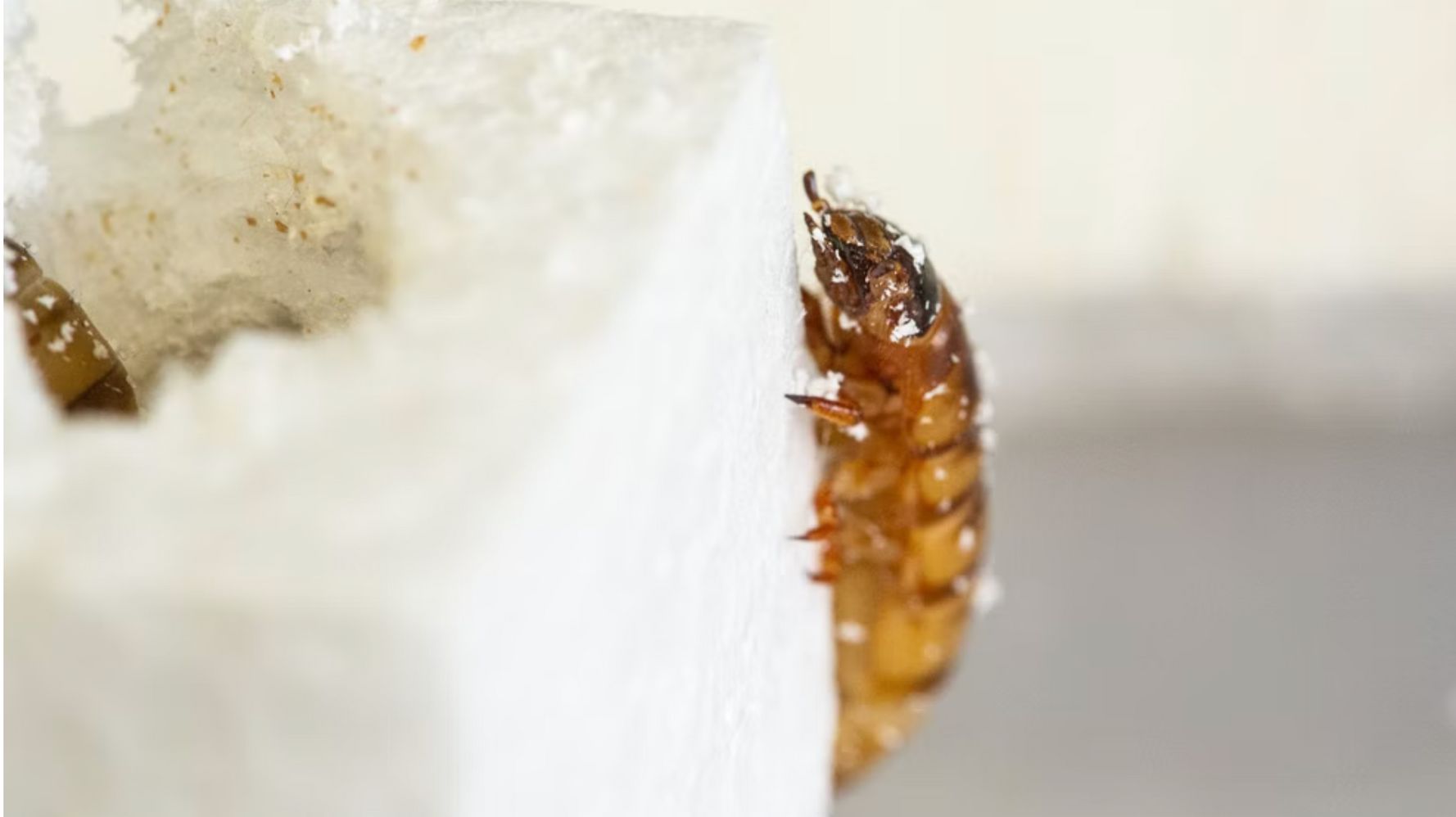
That’s because they have an amazing capacity to digest waste plastic. Think of what that could mean for our environmental woes – namely the amount of rubbish we throw out or attempt to recycle.

The larvae of the darkling beetle, dubbed superworms, are currently being used by people as food for pet reptiles.

But publishing their findings in the journal Microbial Genomics, scientists have found a new purpose for them, which could soon be available to customers.

Scientists at the University of Queensland in Australia say that the larvae, Zophobas morio, are able to break down polystyrene (found in lightweight plastics), at no harm to them.

In fact, these superworms can thrive on a diet of polystyrene. Dr Chris Rinke from the university’s School of Chemistry and Molecular Biosciences, said: “We found the superworms fed a diet of just polystyrene not only survived, but even had marginal weight gains.”

So how does it work, then? Dr Rinke says the creatures work away at the polystyrene and use it for energy.

“This suggests the worms can derive energy from the polystyrene, most likely with the help of their gut microbes,” he said.

“Superworms are like mini-recycling plants, shredding the polystyrene with their mouths and then feeding it to the bacteria in their gut.

“The breakdown products from this reaction can then be used by other microbes to create high-value compounds such as bioplastics.”

To get these results, the scientists fed the worms different diets over three weeks, with some eating bran (the outer layer of cereal grain), others fasting and some on polystyrene.

But don’t fret, this advancement doesn’t mean we’re going to get our individual worm plants to break down our plastic takeaway containers and such (think how chaotic that could be).

Instead, the scientists are looking to replicate the enzyme the creatures use so it can be reproduced at scale for recycling. Then, plastic would be mechanically shredded and treated with the enzyme to help degrade it.

Co-author of the research, PhD candidate Jiarui Sun, said further testing needs to be done as they intend to grow the gut bacteria in the lab and examine its breakdown of the plastic.

Sun added: “We can then look into how we can upscale this process to a level required for an entire recycling plant. Our team is very excited to push the science to make it happen.”

If we can prevent these plastic materials going to landfills with a little help from our wormy friends, then why not?

Share Button