Met Gala 2022: The Bridgerton Cast Members Who Understood The Assignment

The 2022 Met Gala’s “gilded glamour” theme is one that should be all too familiar to Bridgerton stars.

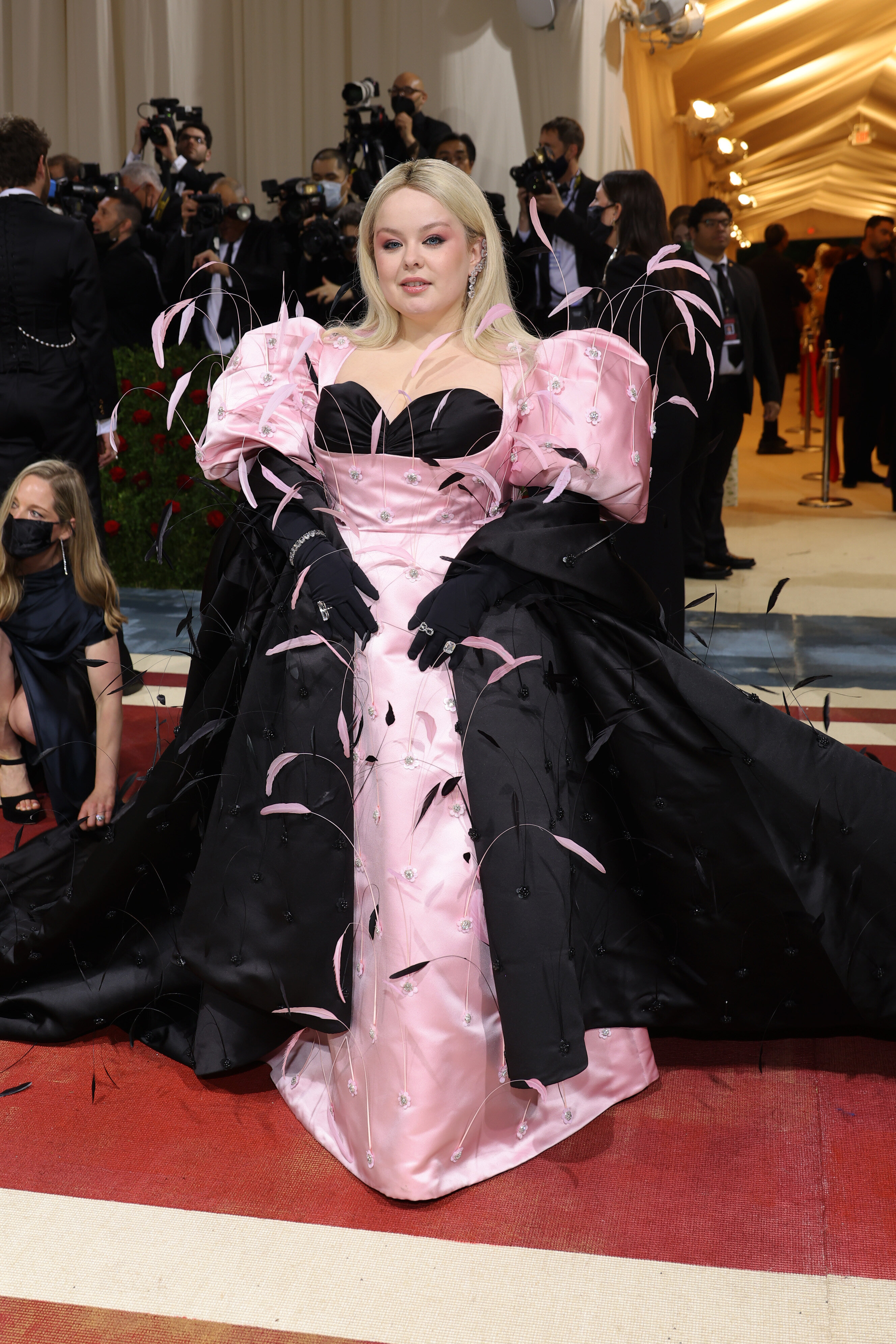
Nicola Coughlan, best known for playing Penelope Featherington on the hit Netflix series, channeled her character with a regal pink-and-black dress with puff sleeves and, most appropriately, *feathers.*

Meanwhile, Simone Ashley, who starred as Kate Sharma in Season 2 of the period series, wowed in a corset and skirt with statement sleeves.

Fans were disappointed, however, when the diamond of Season 1 failed to produce the splendor they’re used to seeing on her in the Regency-era drama. Phoebe Dynevor, aka Daphne Bridgerton, left some onlookers underwhelmed in a relatively muted black dress.

From dramatic puff sleeves to corsets, ruffles, lace floral prints and opulent jewelry, Shonda Rhimes’ adaptation of Julia Quinn’s novels has been filled with fashion statements.

Fans expected that to align with the theme of 2022′s Met Gala, which asked attendees to “embody the grandeur — and perhaps the dichotomy — of Gilded Age New York.”

The one Bridgerton character who really would have met the brief, sadly, did not make an appearance.

Share Button

Blake Lively’s Met Gala Dress Had A Surprise That Made The Crowd Roar

If anyone knows how to steal the show, it’s Blake Lively.

Lively, who’s co-chair of this year’s Met Gala alongside her husband Ryan Reynolds, ignited the red carpet with her arrival on Monday evening.

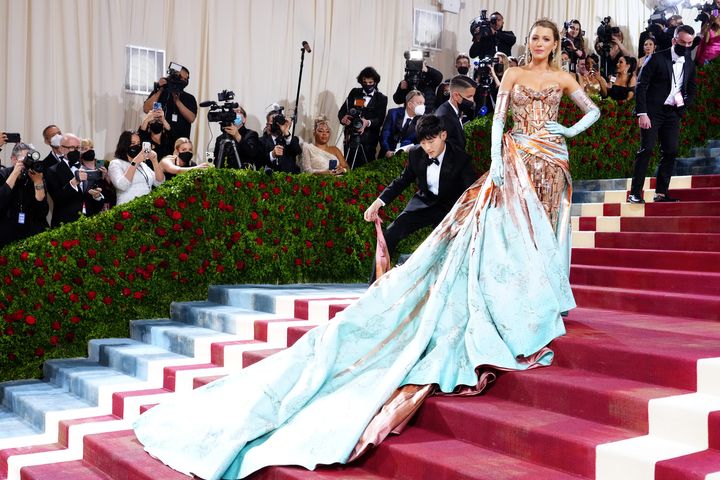
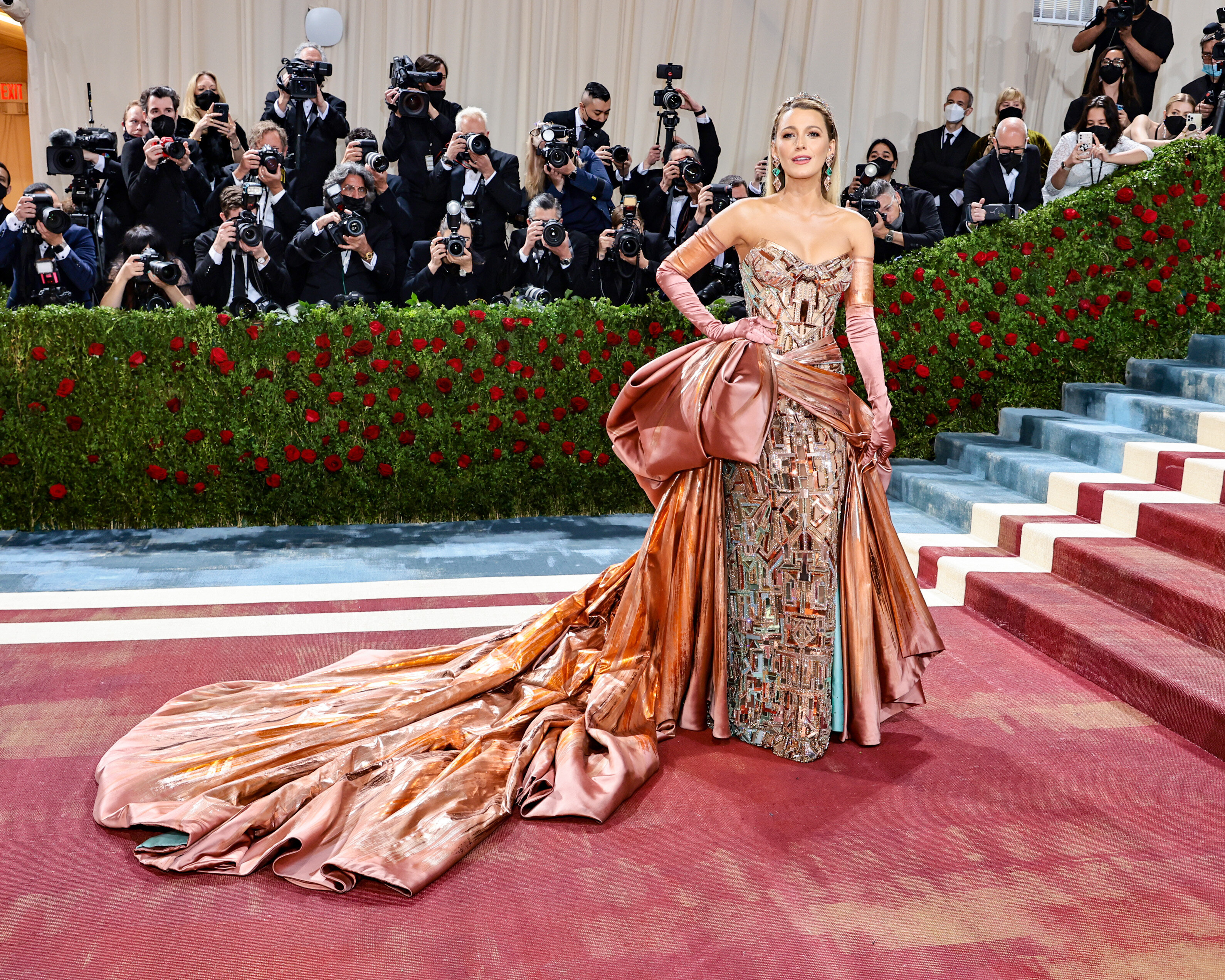
Donning a copper Atelier Versace gown, Blake and her assistants performed an unexpected switch-a-roo right in the middle of the carpet.

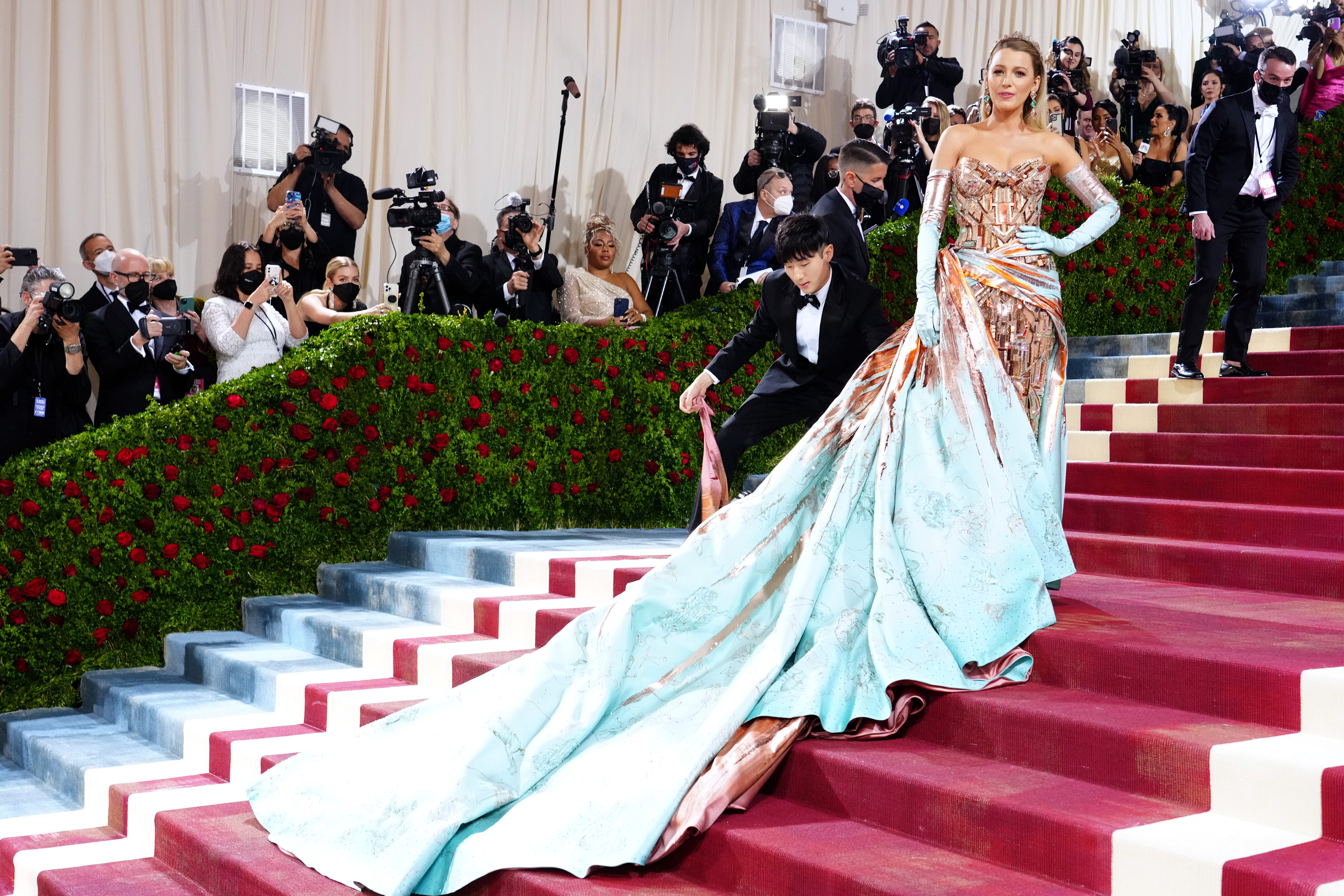
Her bow-embellished dress metamorphosed into an aqua blue showstopper as her assistants helped ‘unwrap’ it on the red carpet.

“I arrived copper and then, like New York City classic architecture, I patinaed,” the actor said of her unveiling.

Resembling iconic New York City landmarks like the Empire State Building, the dress was accessorised with a crown featuring seven spikes in a nod to the Statue of Liberty.

The Gossip Girl star said this year’s event was “especially nerve-wracking.” “Being one of the hosts, you really feel like you need to bring your A-game,” she said.

This year’s Met Gala theme was In America: An Anthology of Fashion, but Blake put her own twist on it by representing New York and focusing on the “architecture rather than just the fashion.”

The actor has dominated the Met Gala red carpet over the years, and she has yet to disappoint.

At the 2018 Gala, themed Heavenly Bodies: Fashion and the Catholic Imagination, she sported a crimson Versace gown with an embroidered bodice, an extra-long train and lots of bejeweled action. The entire ensemble took 600 hours to make by hand.

Share Button

Met Gala 2022 Red Carpet: See All The Best And Most WTF Looks

The Met Gala is here for 2022 — the biggest night in fashion— was back again on Monday evening.

Just eight short months after we kinda sorta saw Kim Kardashian in her infamous all-black look at the Met Gala in 2021.

Vogue’s annual fashion extravaganza at the Metropolitan Museum of Art has traditionally taken place during the first Monday in May. But thanks to Covid, last year’s fashion fete got bumped from spring to September. So if you thought you were partaking in the great pandemic tradition of questioning your sense of time, don’t worry. You’re fine.

But if you’re wondering about the theme of Monday night’s event, be prepared to be perplexed once more.

The theme this year was In America: An Anthology of Fashion, which is a sequel to last year’s theme, In America: A Lexicon of Fashion. People described the dress code as white-tie with an emphasis on “Gilded Glamour.”

The Gilded Age was a tumultuous period between the Civil War and the turn of the 20th century that was known for robber barons, drama and grandeur. It was also a time of social inequality, in which a small population of elite folks enjoyed oodles of wealth. Think: John D. Rockefeller, Cornelius Vanderbilt and J.P. Morgan — and Bertha Russell (Carrie Coon) and her fabulous, over-the-top hats in HBO’s The Gilded Age.

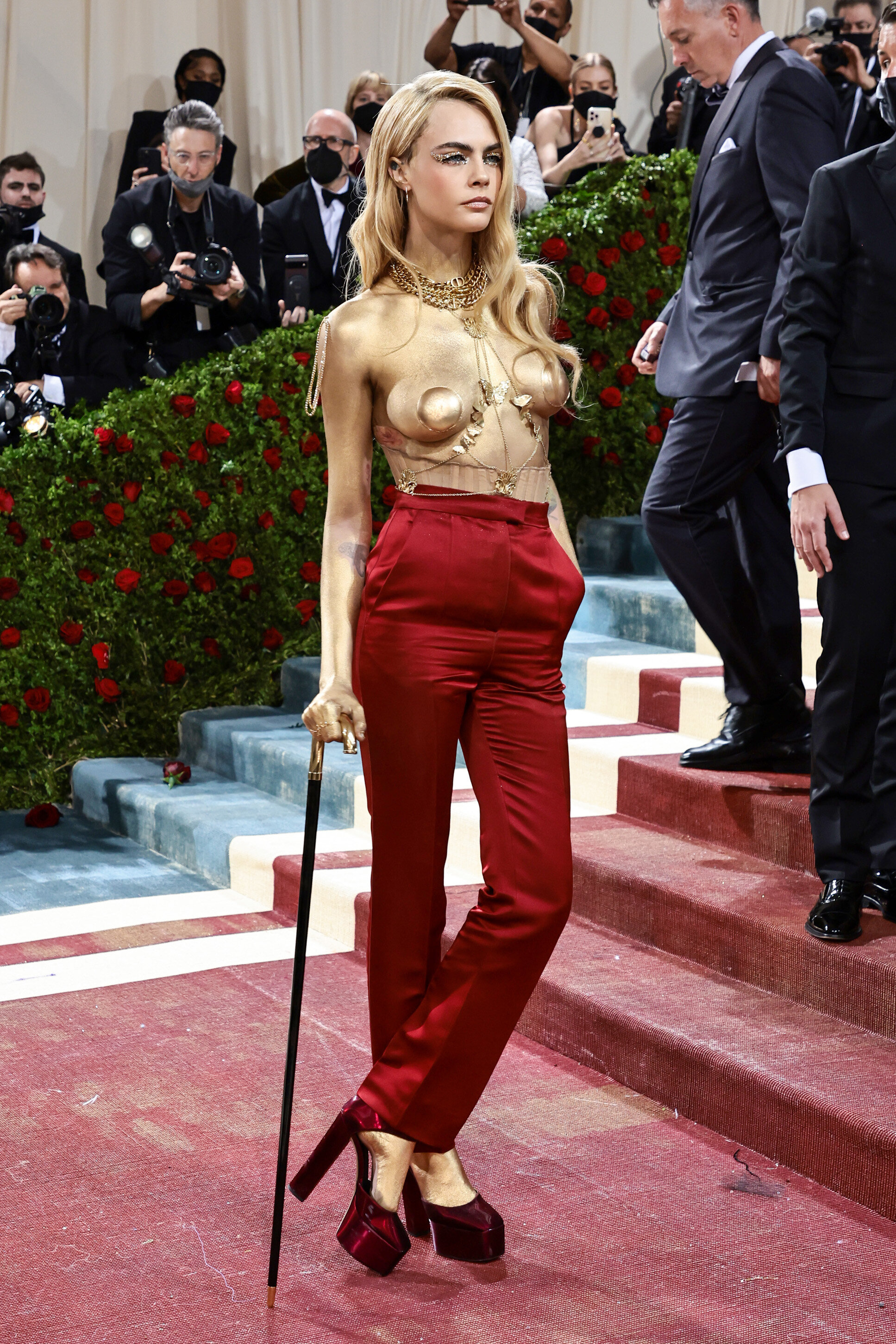
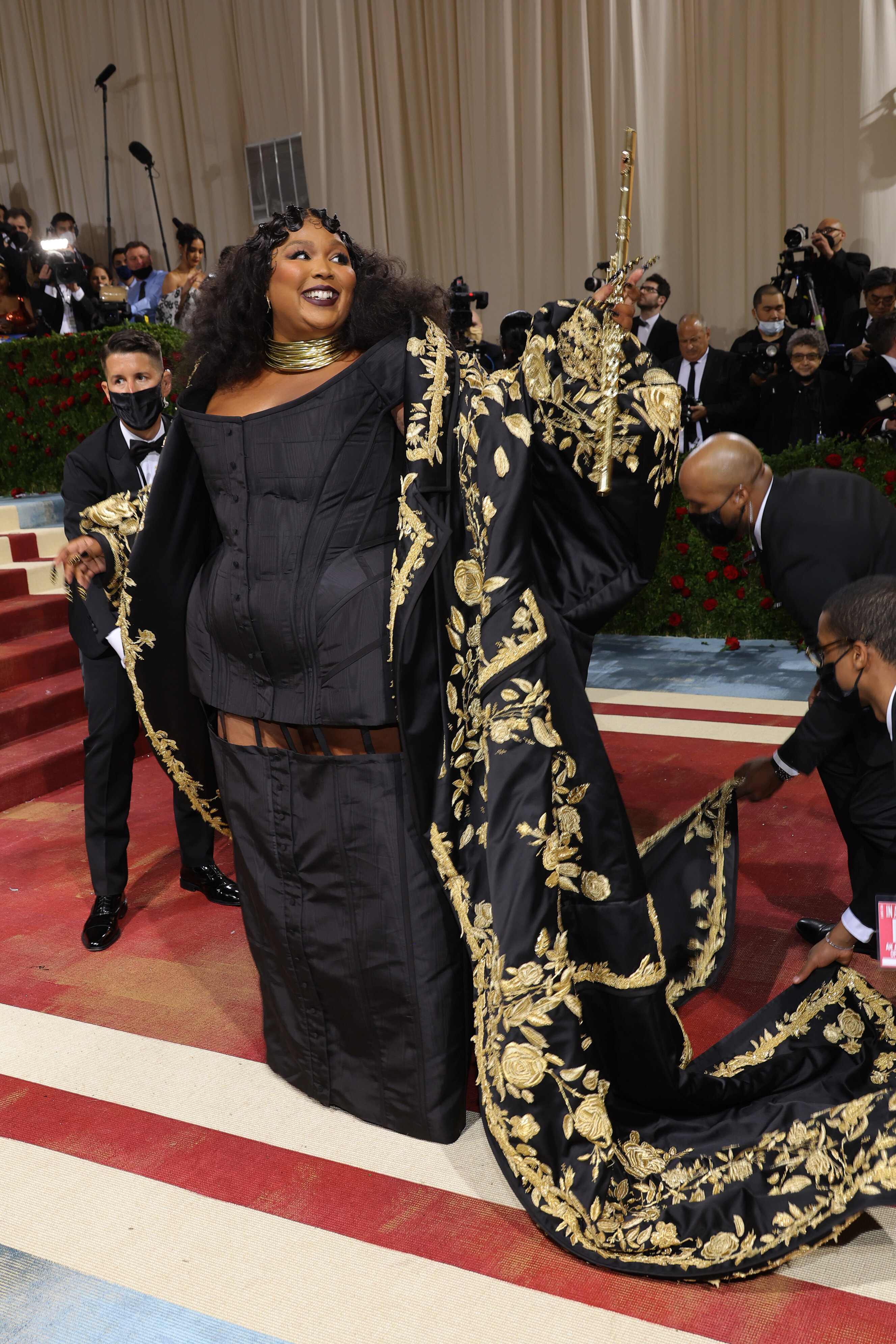
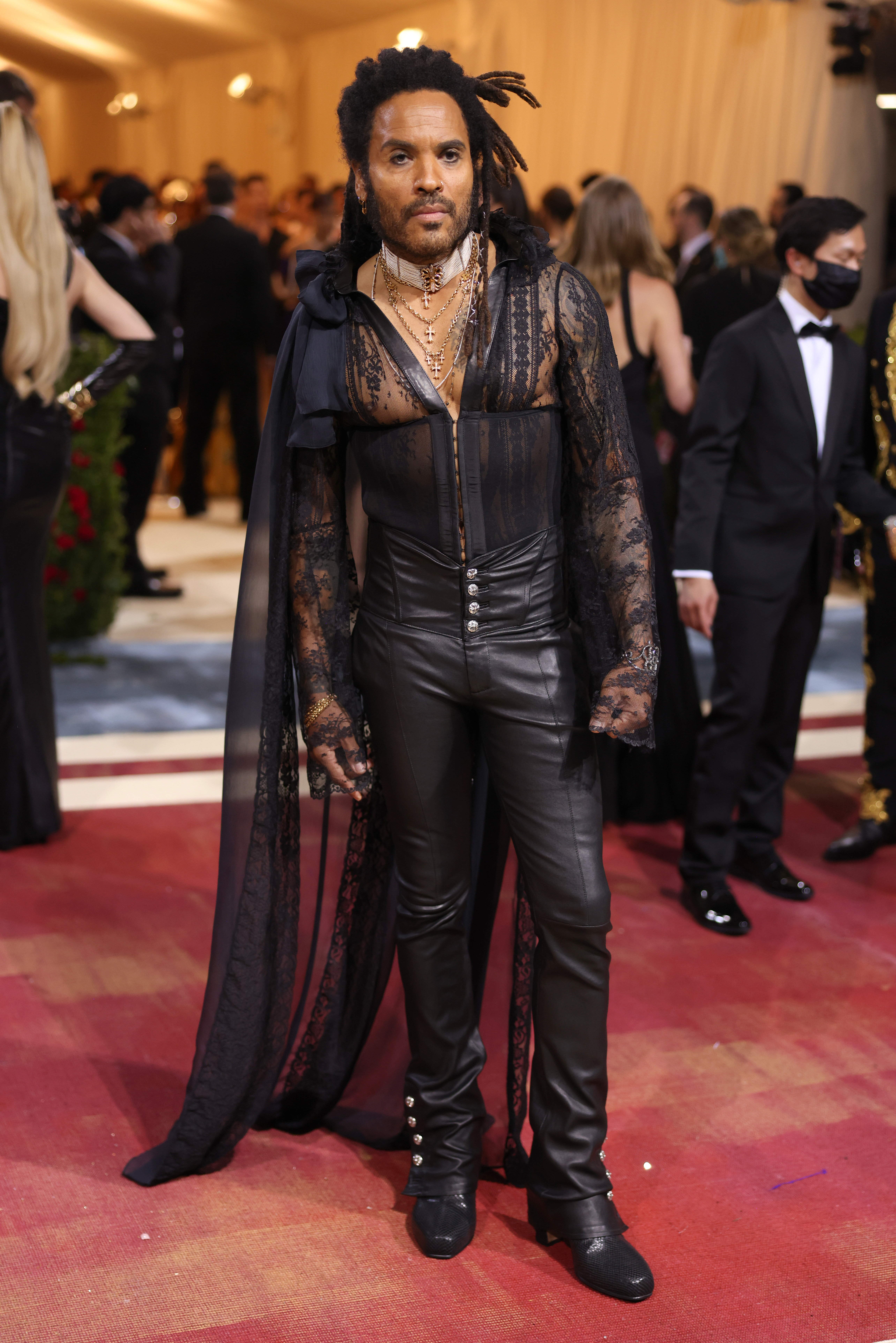
There weren’t a ton of hats at the 2022 Met Gala, but there were plenty of capes, bodices and dramatic colours, plus a pirate of two (we’re looking at you, Shawn Mendes and Lenny Kravitz) and what appeared to be, uh, gilded pasties (see: Cara Delevingne).

Kim Kardashian’s nod to America of yore was sporting the iconic dress Marilyn Monroe wore to sing Happy Birthday to President John F. Kennedy. The reality star didn’t quite nail Monroe’s signature hairdo, opting instead for a slicked-back look.

Kim Kardashian at the 2022 Met Gala.

Cindy Ord/MG22 via Getty Images

Sadly, both Zendaya and Rhianna kept true to their words and didn’t show up.

But, hey, plenty of other celebrities made an appearance in great, not-so-great and completely whacky outfits, so scroll on down and enjoy!

Pete Davidson and Kim Kardashian

Jamie McCarthy via Getty Images

Blake Lively

Jamie McCarthy via Getty Images

A large knot on the skirt of Lively’s dress unraveled to showcase a long blue train.

Jeff Kravitz via Getty Images

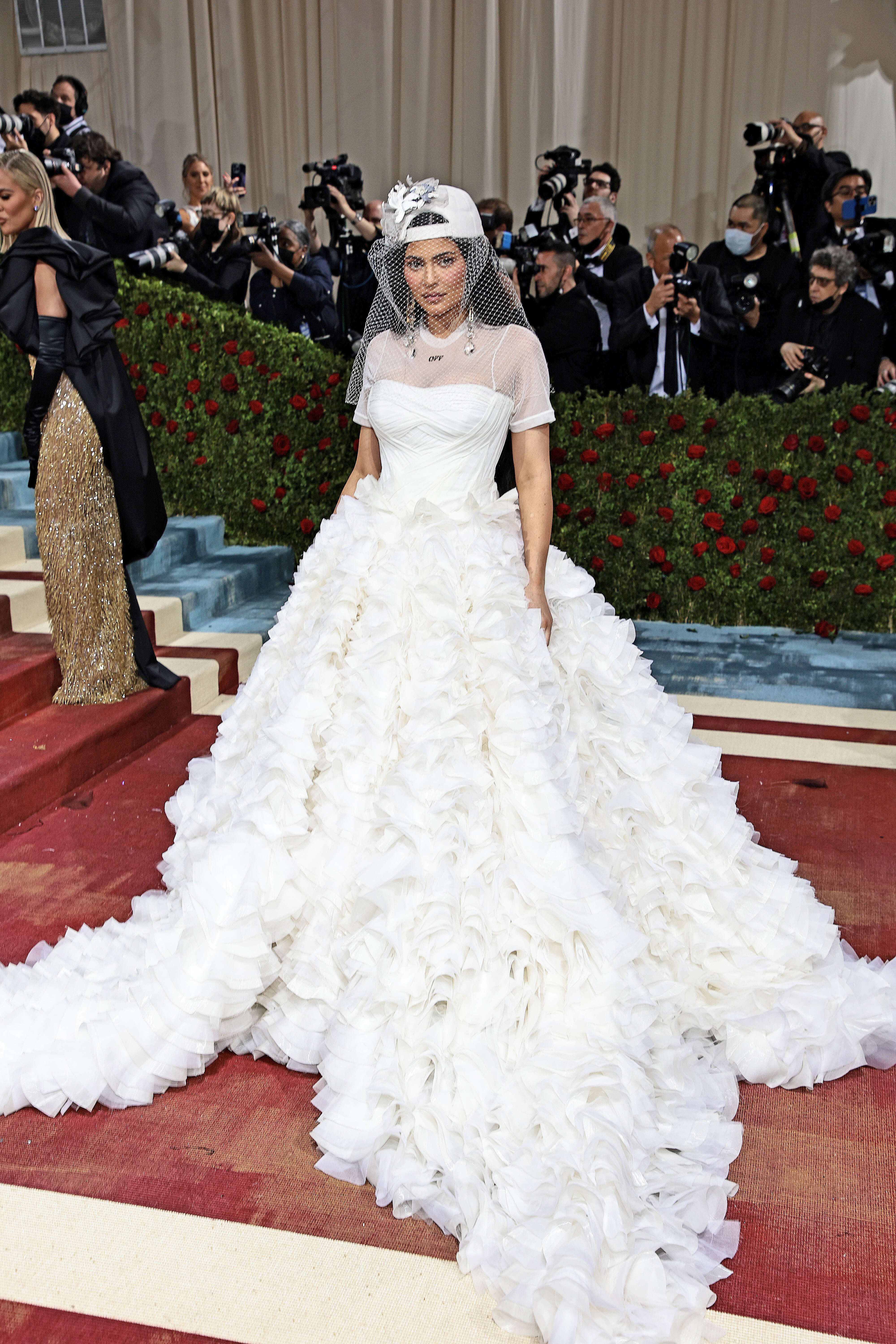
Kylie Jenner

Dimitrios Kambouris via Getty Images

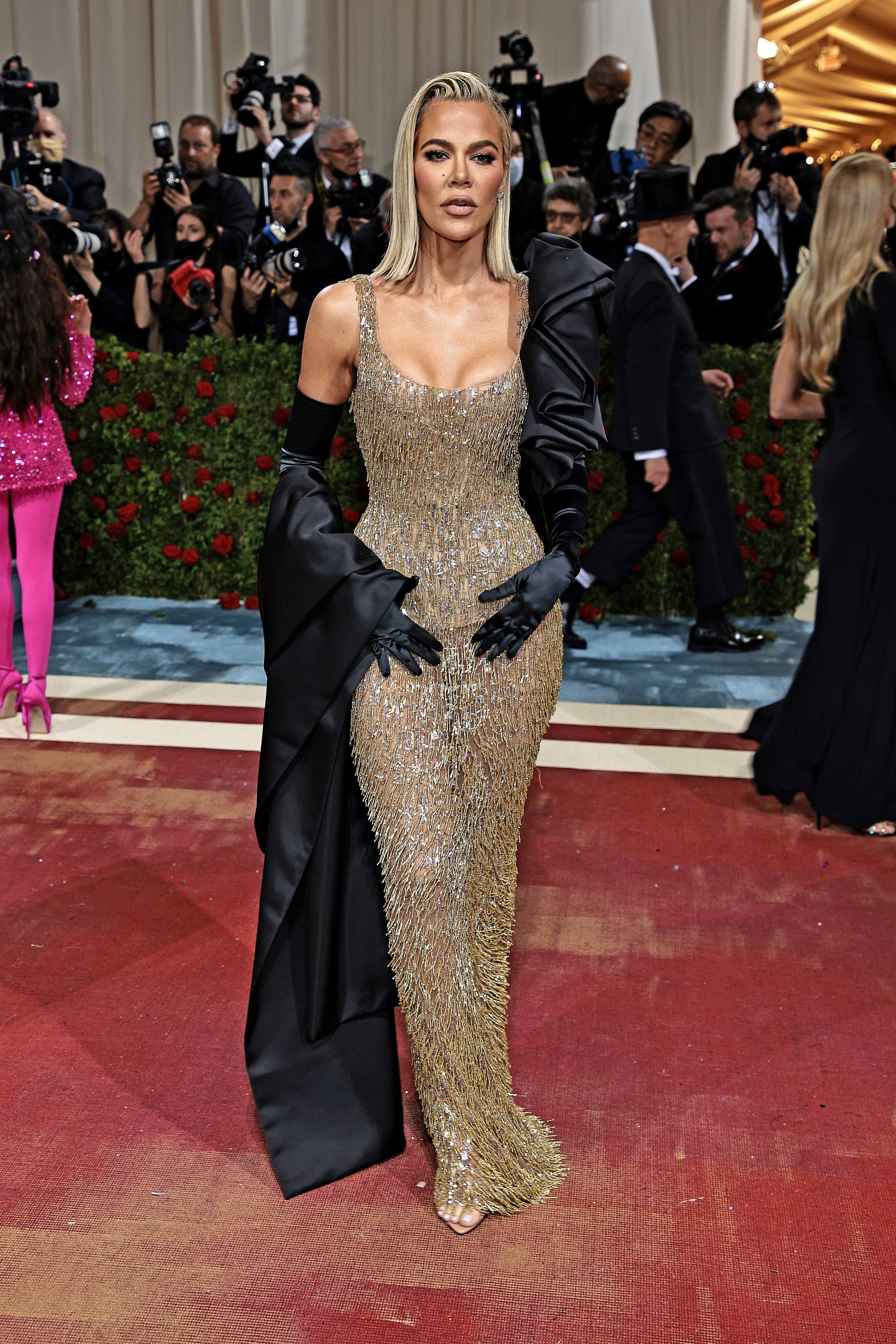
Khloé Kardashian

Dimitrios Kambouris via Getty Images

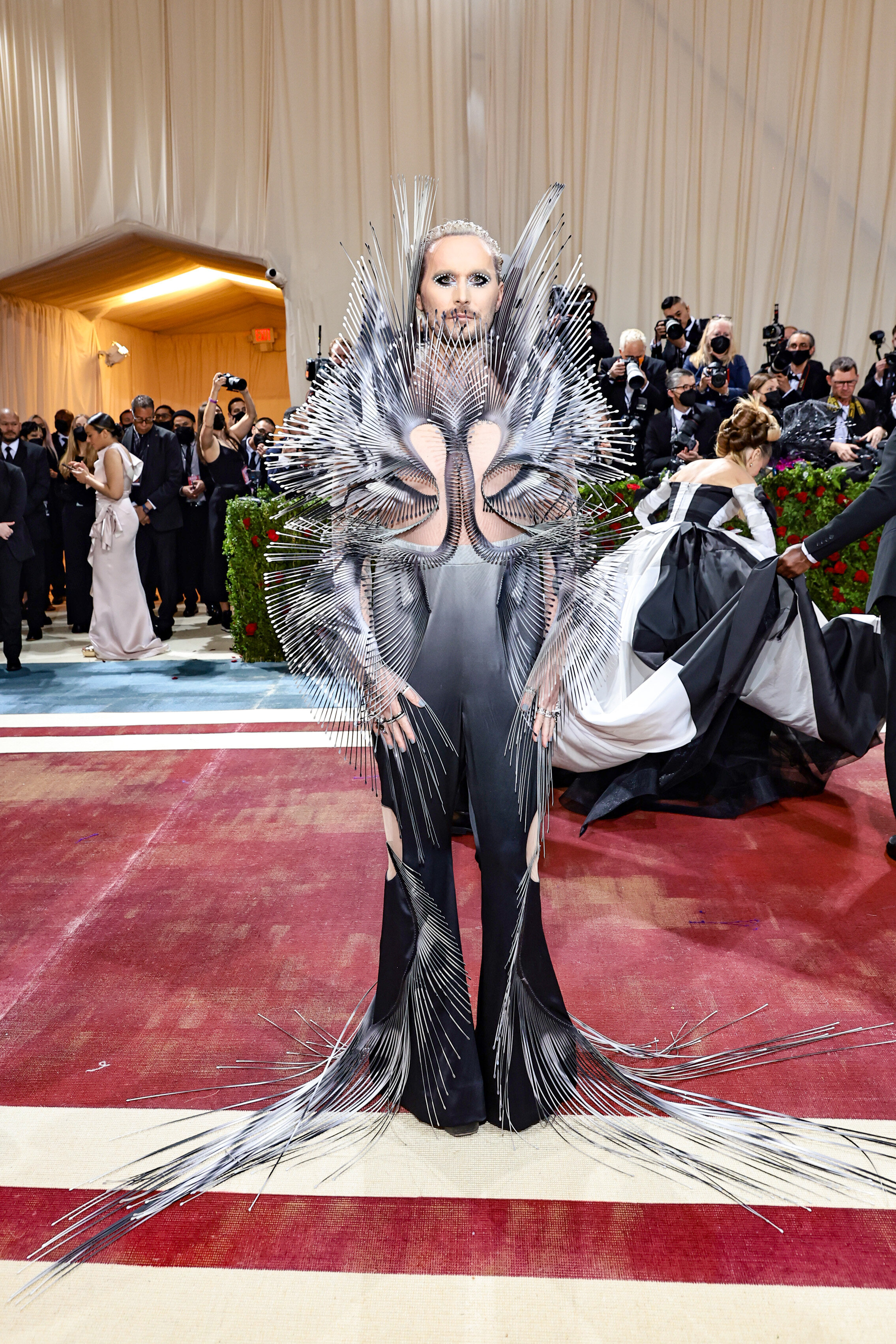
Fredrik Robertsson

Jamie McCarthy via Getty Images

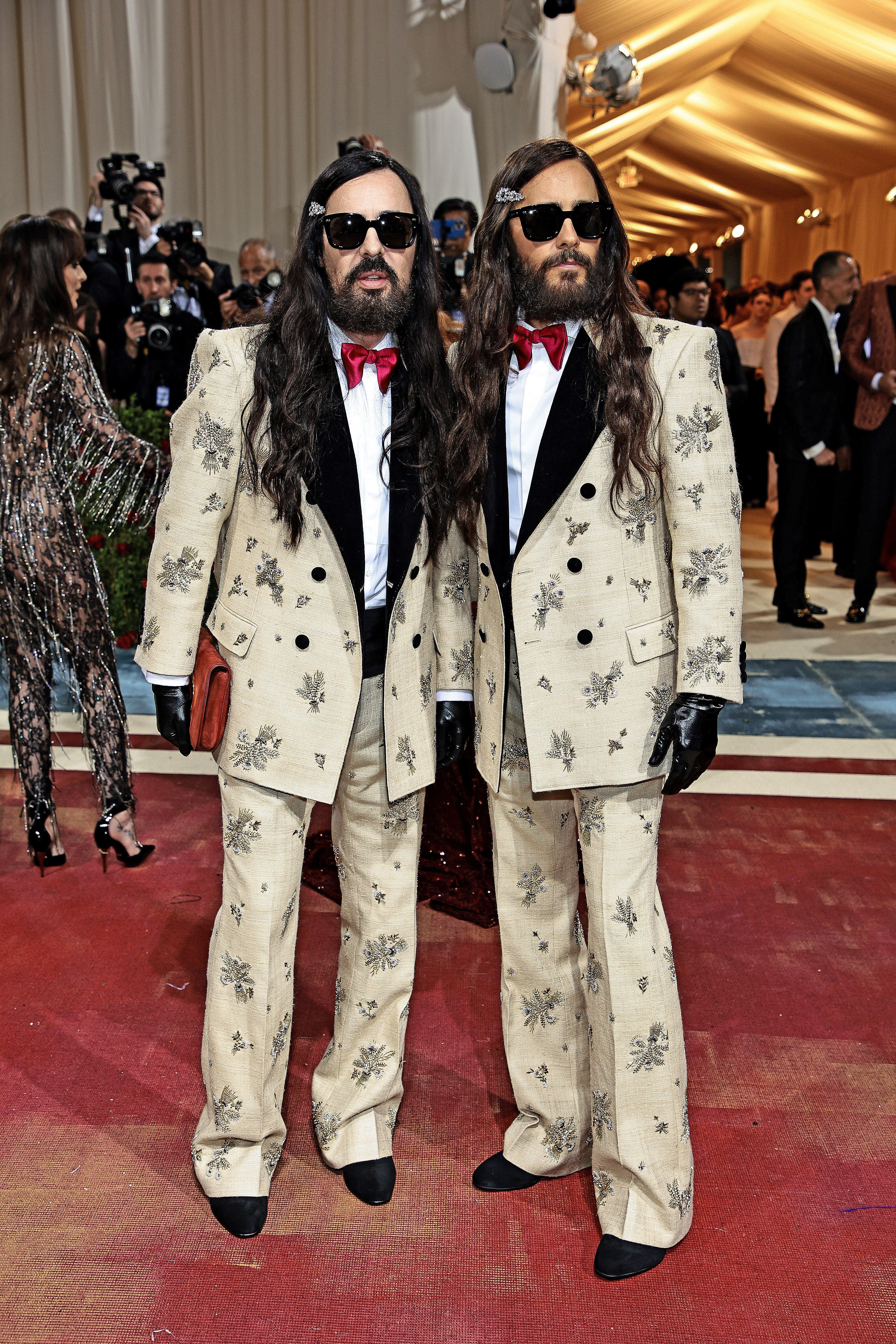
Alessandro Michele and Jared Leto

Dimitrios Kambouris via Getty Images

Cara Delevingne

Jamie McCarthy via Getty Images

Gabrielle Union and Dwyane Wade

NEW YORK, NEW YORK - MAY 02: Dwyane Wade and Gabrielle Union depart The Mark Hotel for 2022 Met Gala on May 02, 2022 in New York City. (Photo by Ilya S. Savenok/Getty Images for The Mark)
NEW YORK, NEW YORK – MAY 02: Dwyane Wade and Gabrielle Union depart The Mark Hotel for 2022 Met Gala on May 02, 2022 in New York City. (Photo by Ilya S. Savenok/Getty Images for The Mark)

Ilya S. Savenok via Getty Images

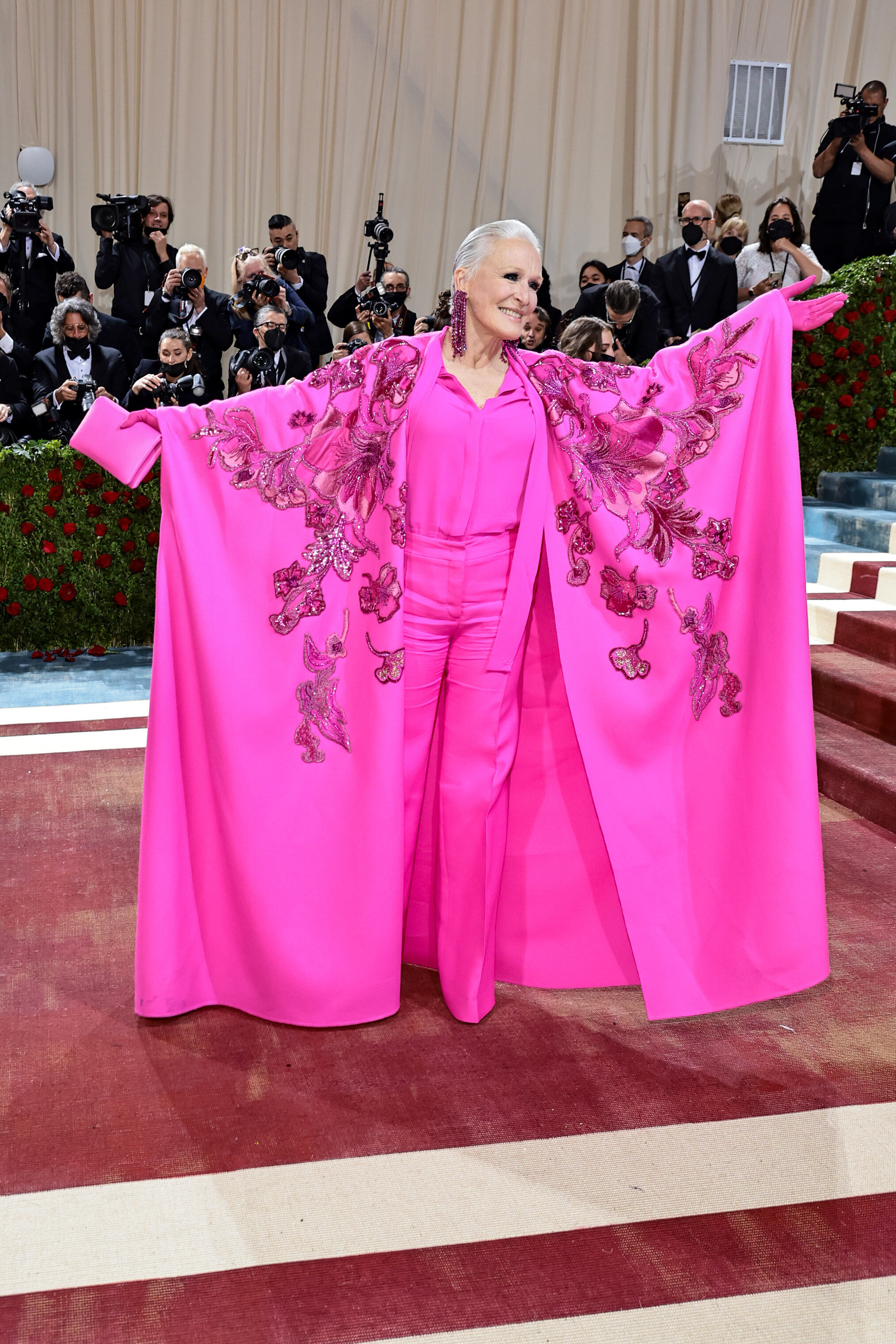
Glenn Close

Jamie McCarthy via Getty Images

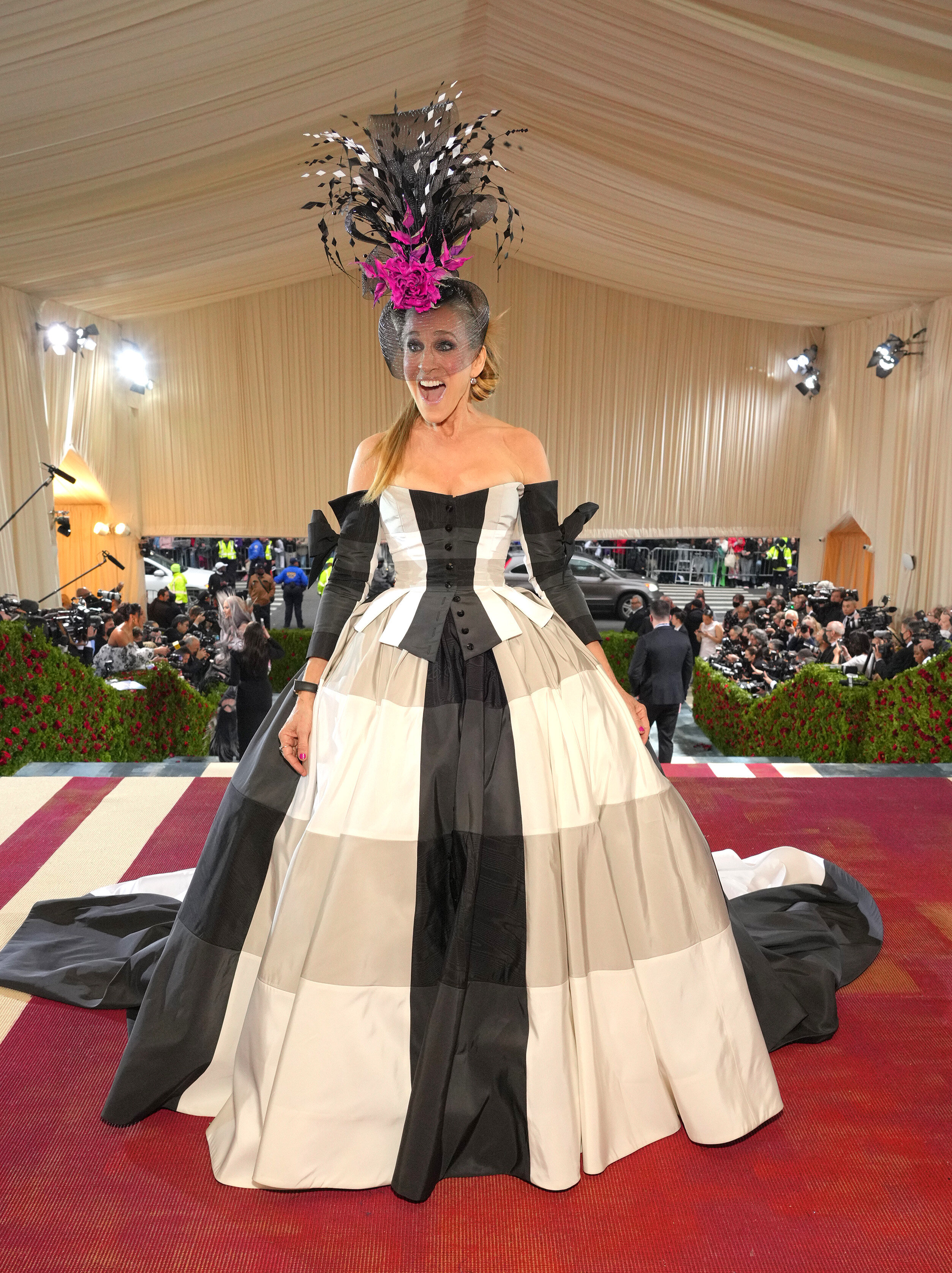
Sarah Jessica Parker

Kevin Mazur/MG22 via Getty Images

Mike Coppola via Getty Images

Billie Eilish

Mike Coppola via Getty Images

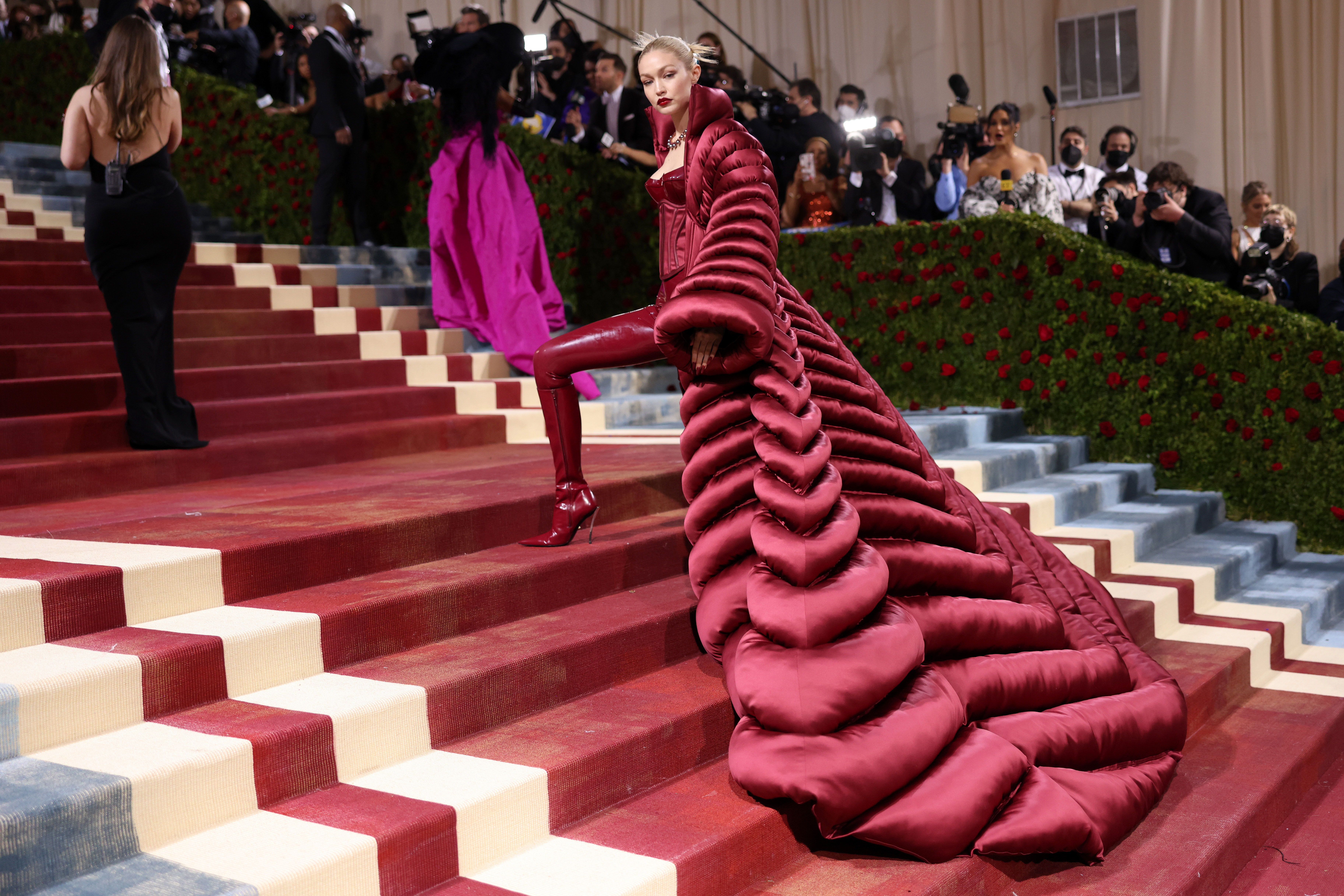
Gigi Hadid

John Shearer via Getty Images

Janelle Monáe

Mike Coppola via Getty Images

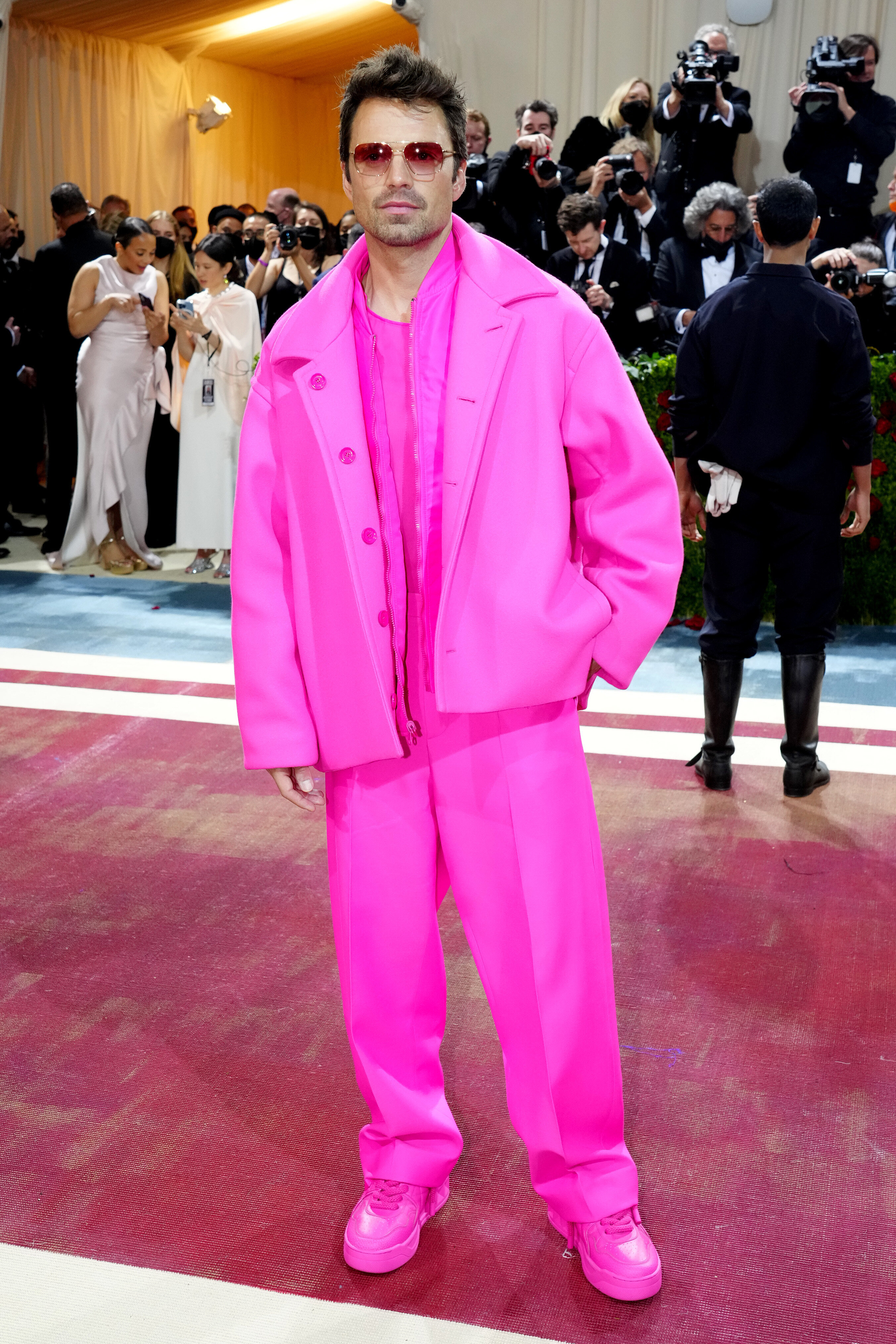
Sebastian Stan

Jeff Kravitz via Getty Images

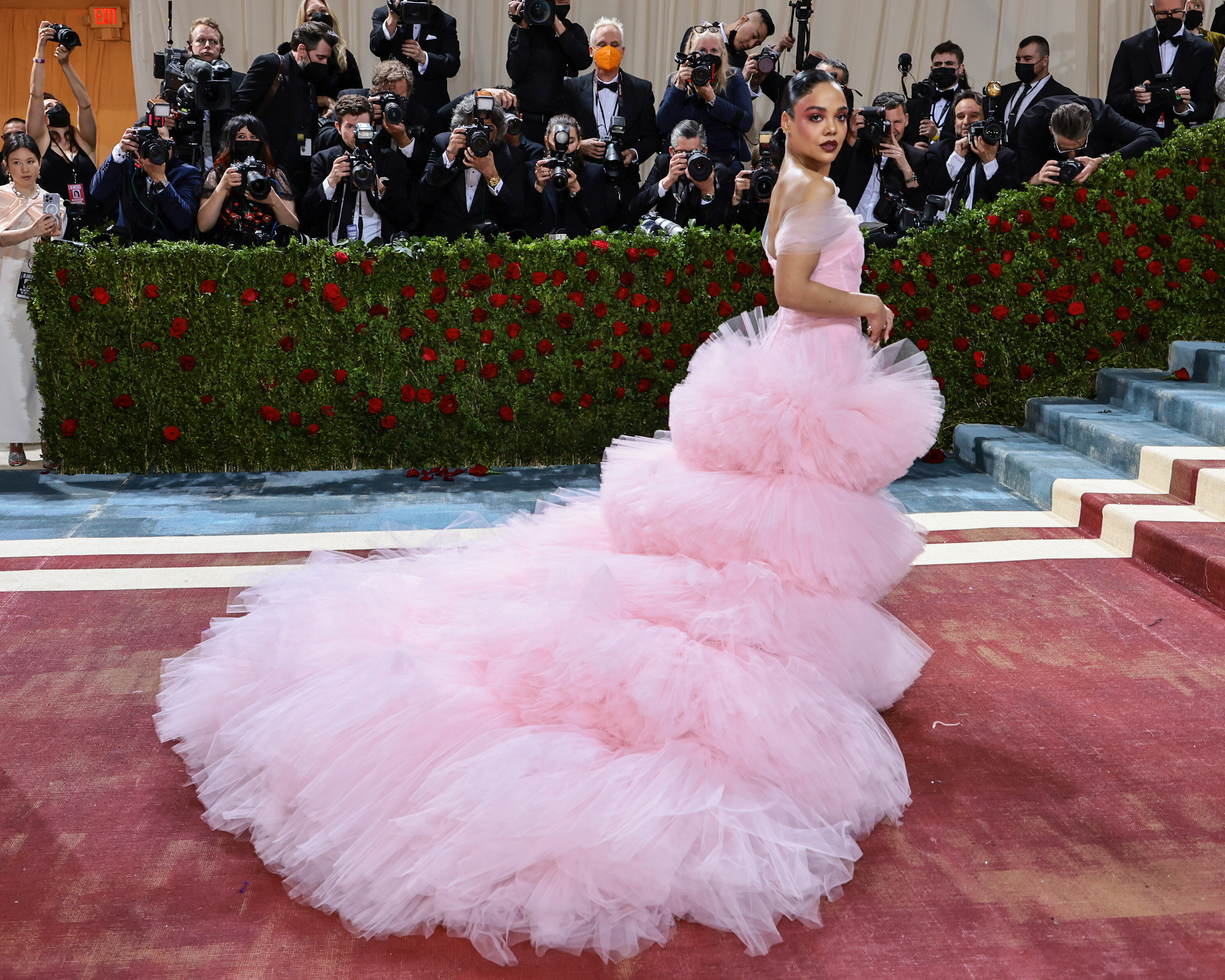
Tessa Thompson

Jamie McCarthy via Getty Images

Jessica Chastain

Kevin Mazur/MG22 via Getty Images

Kevin Mazur/MG22 via Getty Images

Megan Thee Stallion

Jamie McCarthy via Getty Images

Claire Danes

Dimitrios Kambouris via Getty Images

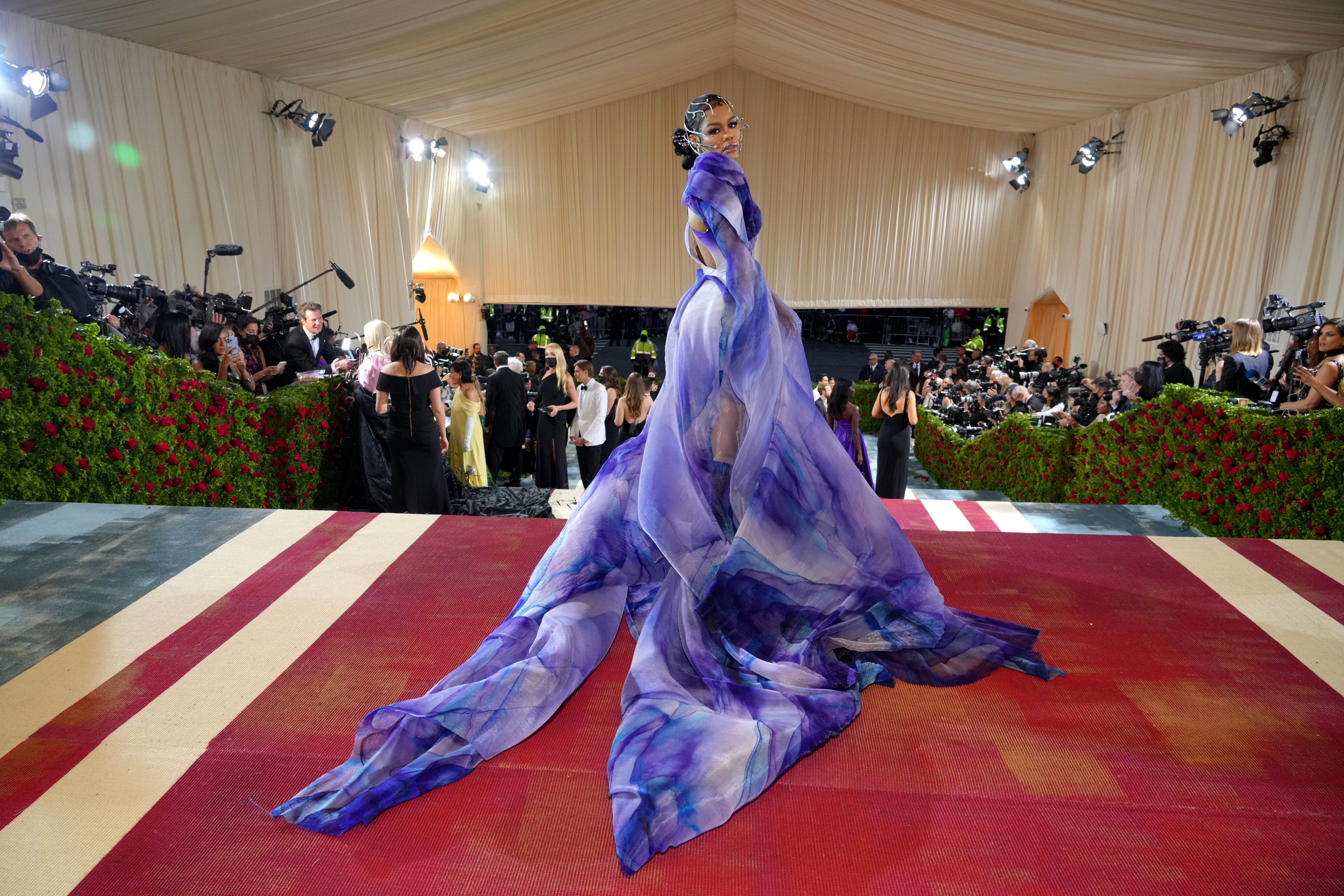
Teyana Taylor

Kevin Mazur/MG22 via Getty Images

Jamie McCarthy via Getty Images

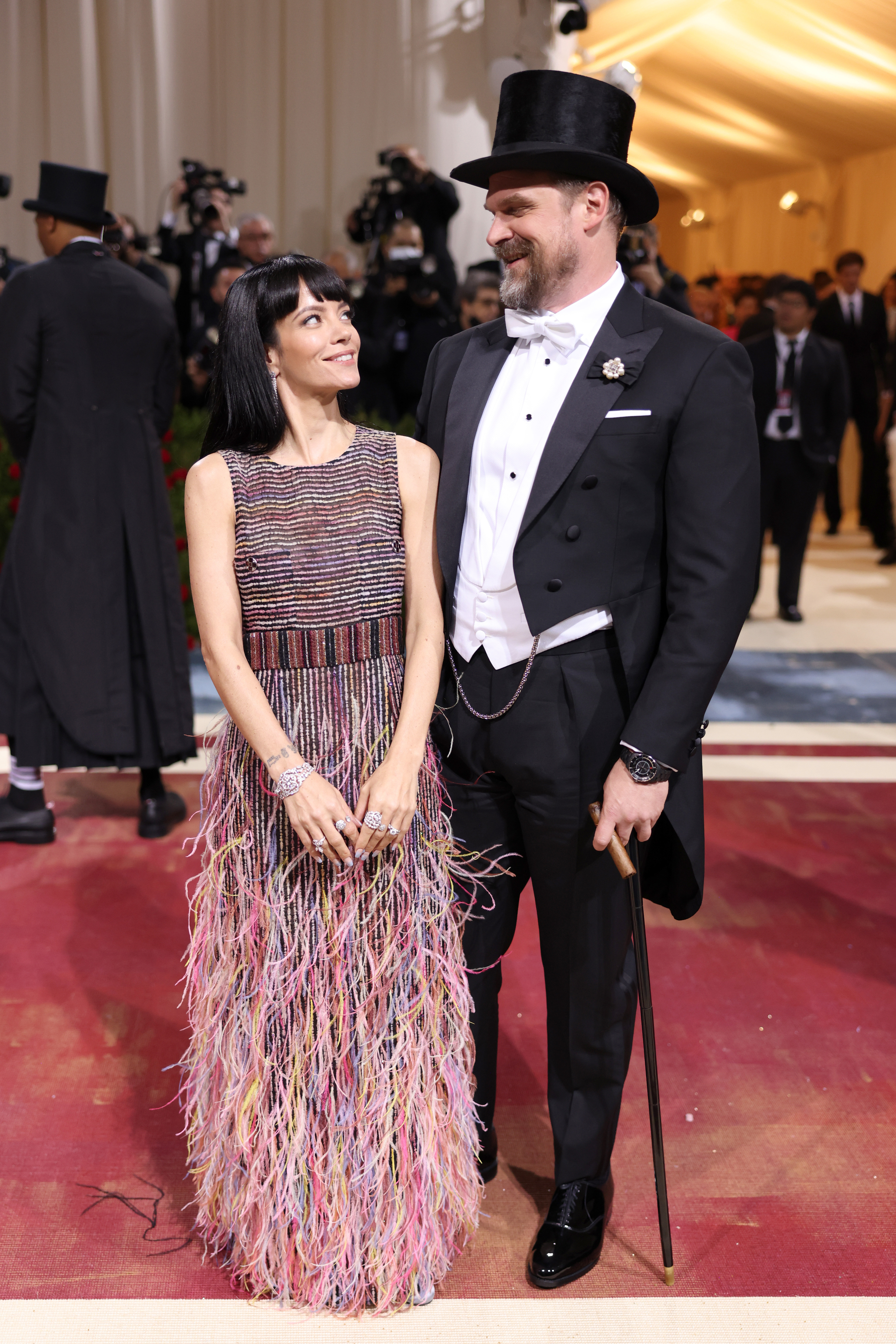
David Harbour and Lily Allen

John Shearer via Getty Images

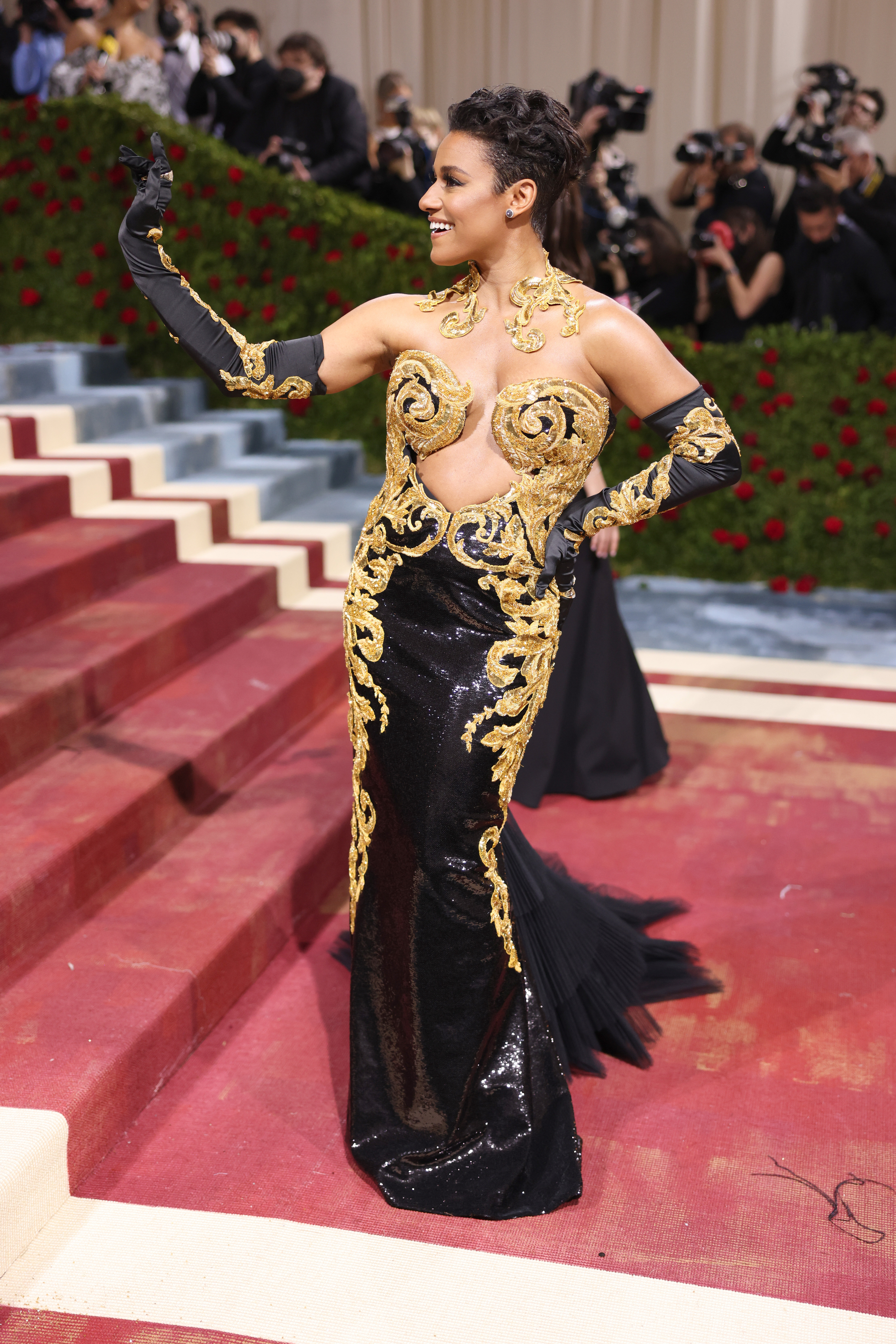
Ariana DeBose

John Shearer via Getty Images

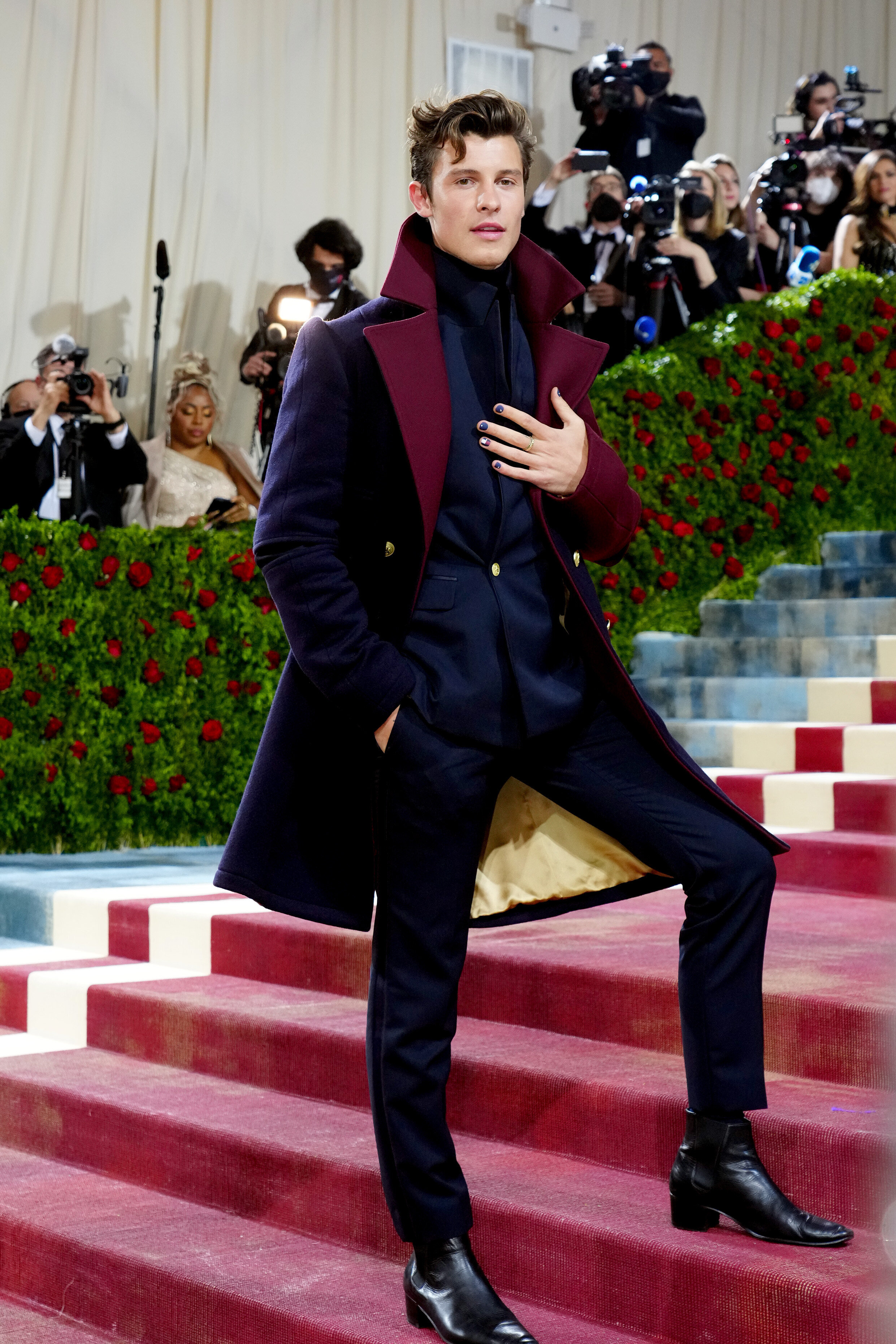
Shawn Mendes

Jeff Kravitz via Getty Images

Camila Cabello

Dimitrios Kambouris via Getty Images

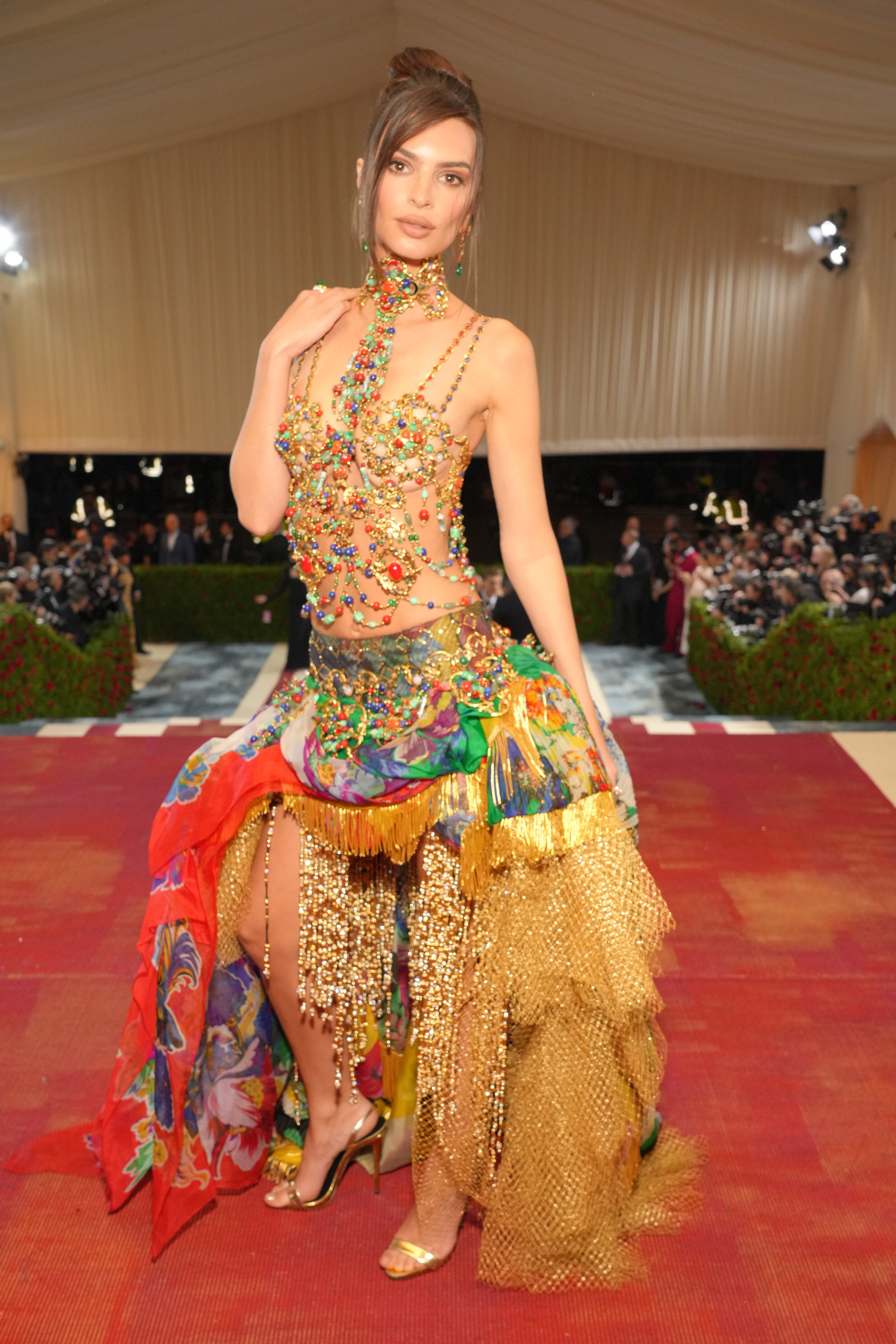
Emily Ratajkowski

Kevin Mazur/MG22 via Getty Images

Lena Waithe

Jamie McCarthy via Getty Images

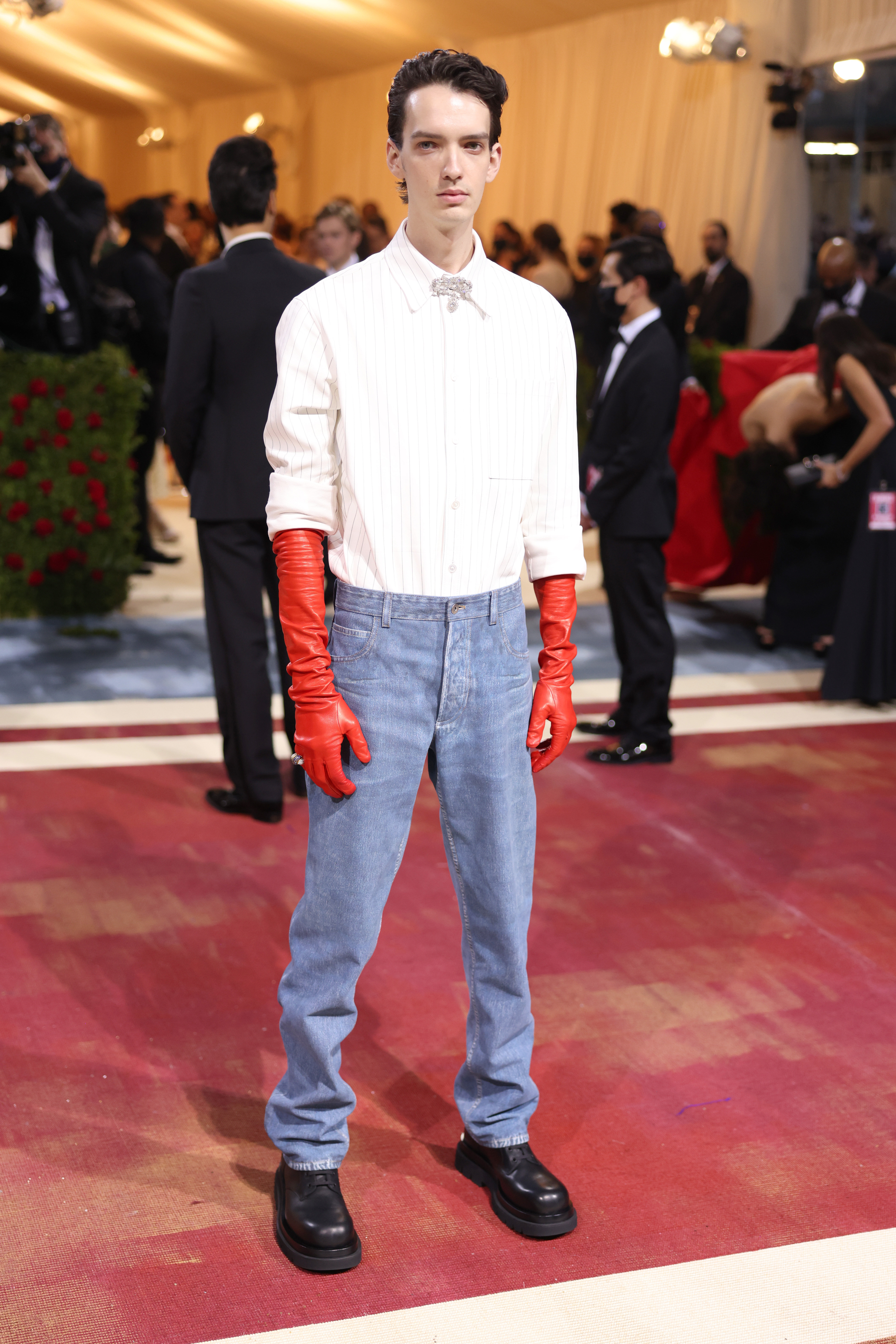
Kodi Smit-McPhee

John Shearer via Getty Images

Alicia Keys

Kevin Mazur/MG22 via Getty Images

Nicola Coughlan

Mike Coppola via Getty Images

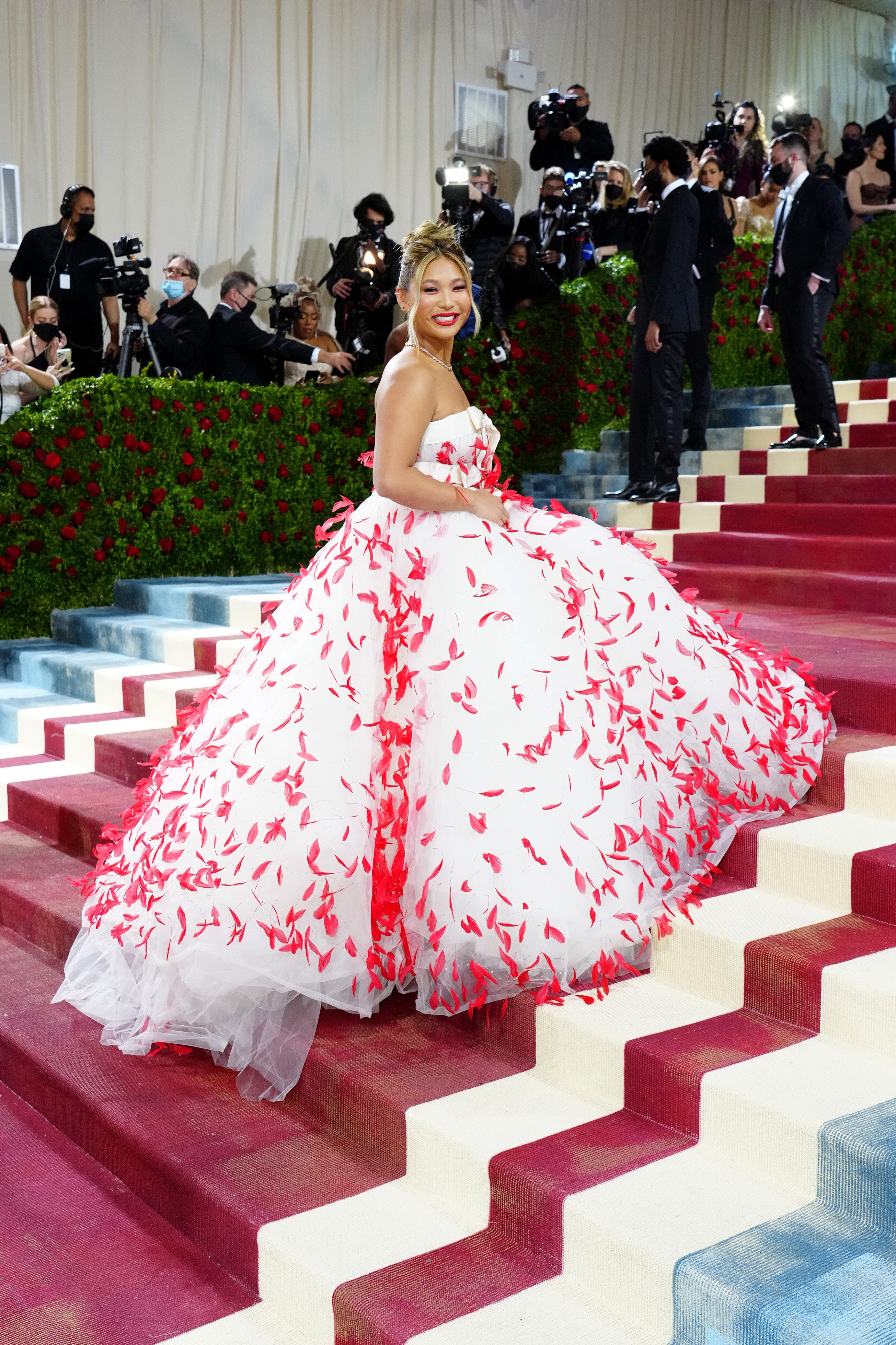
Chloe Bailey

Mike Coppola via Getty Images

Lenny Kravitz

John Shearer via Getty Images

John Shearer via Getty Images

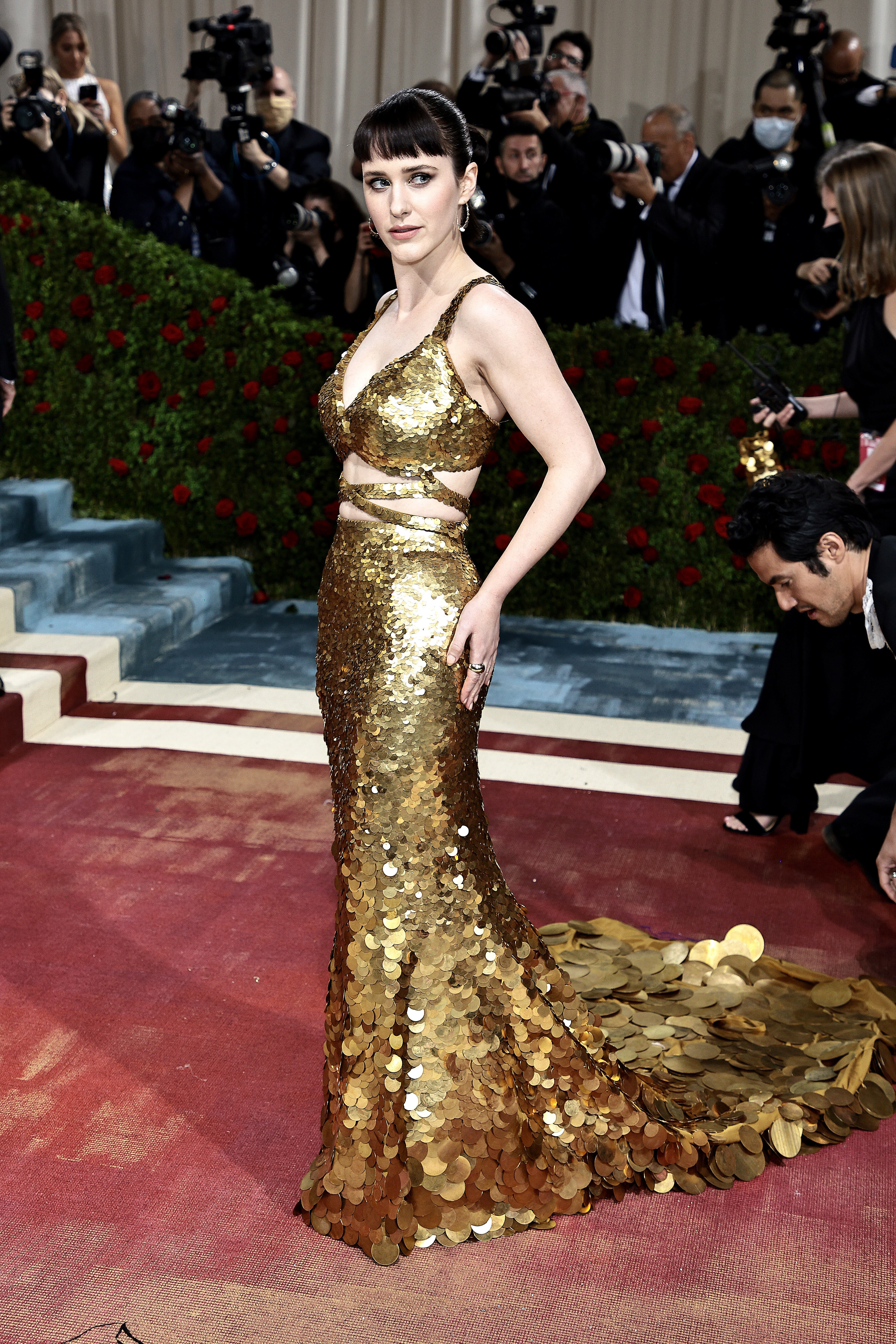
Rachel Brosnahan

Dimitrios Kambouris via Getty Images

Hillary Clinton

Mike Coppola via Getty Images

Joe Jonas and Sophie Turner

Dimitrios Kambouris via Getty Images

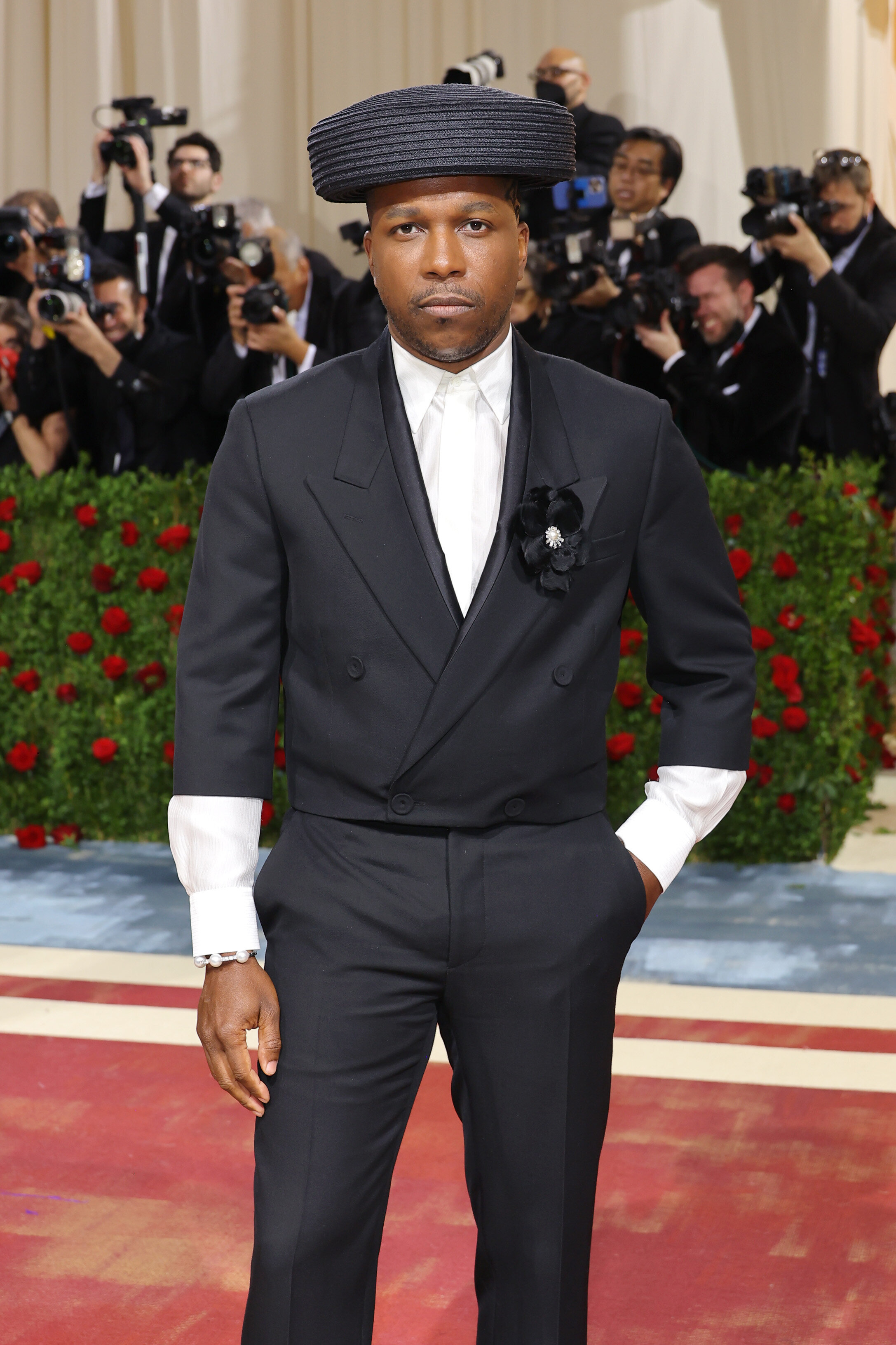
Leslie Odom Jr.

Mike Coppola via Getty Images

Vanessa Hudgens

Kevin Mazur/MG22 via Getty Images

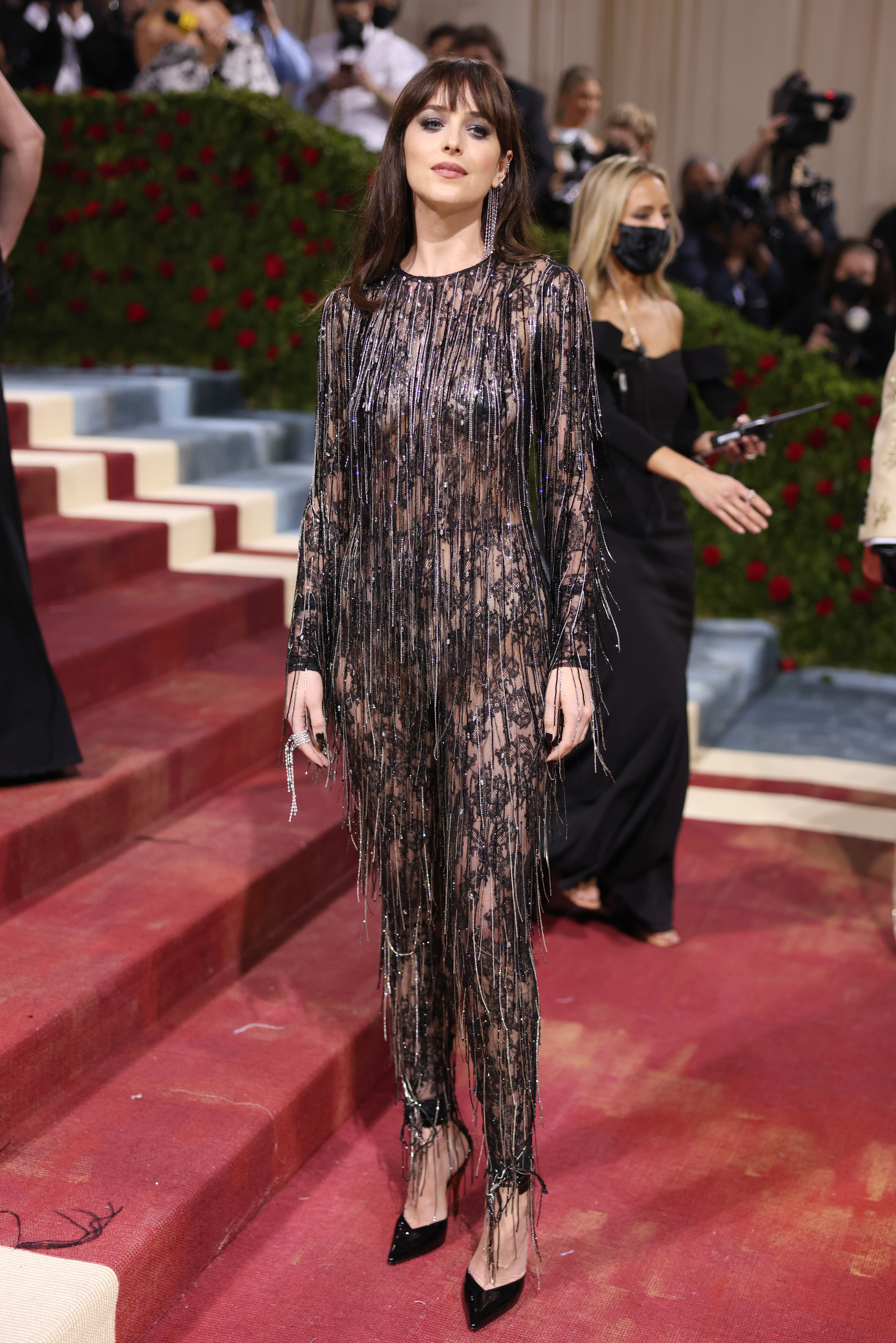
Dakota Johnson

John Shearer via Getty Images

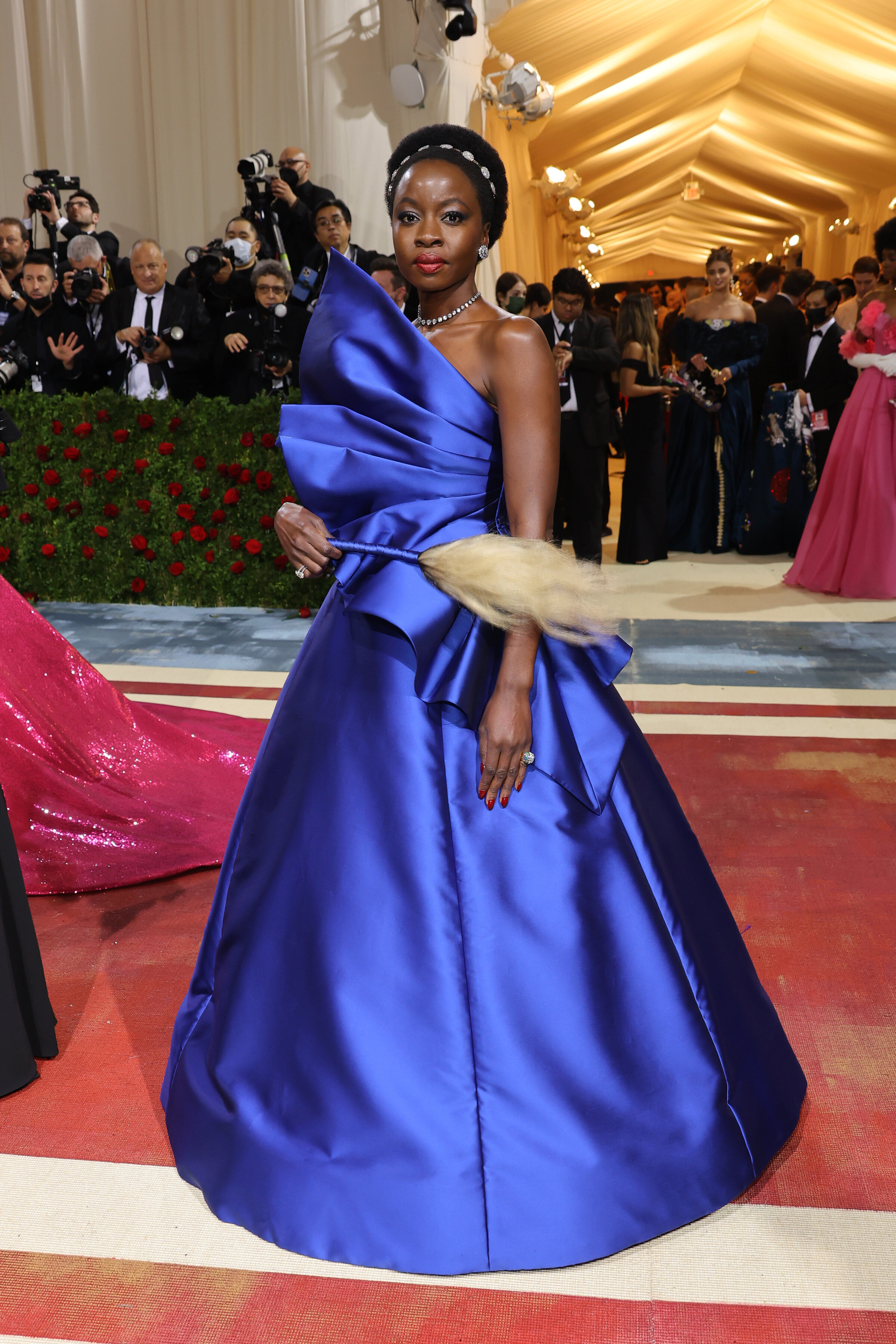
Danai Gurira

Mike Coppola via Getty Images

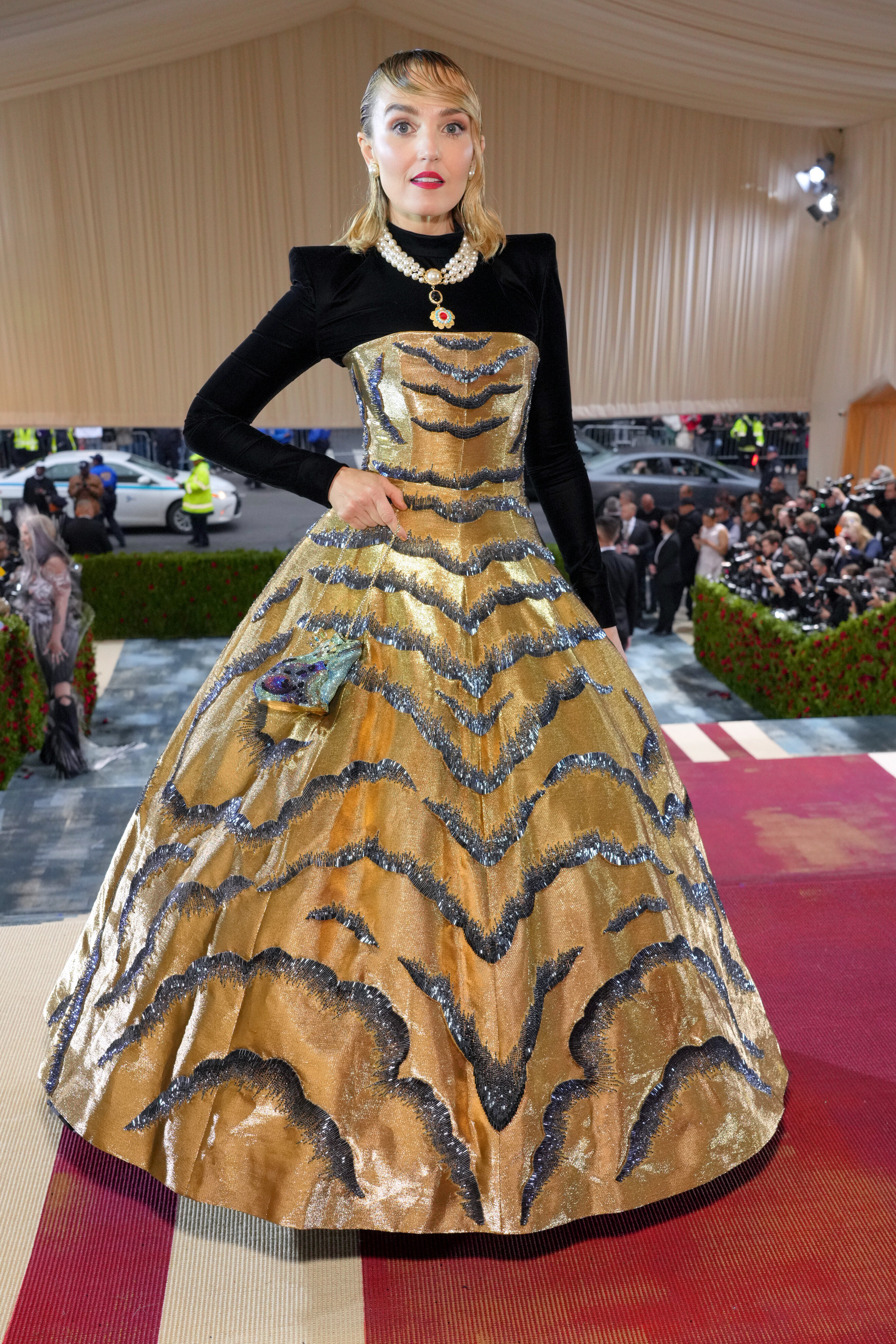
Chloe Fineman

Kevin Mazur/MG22 via Getty Images

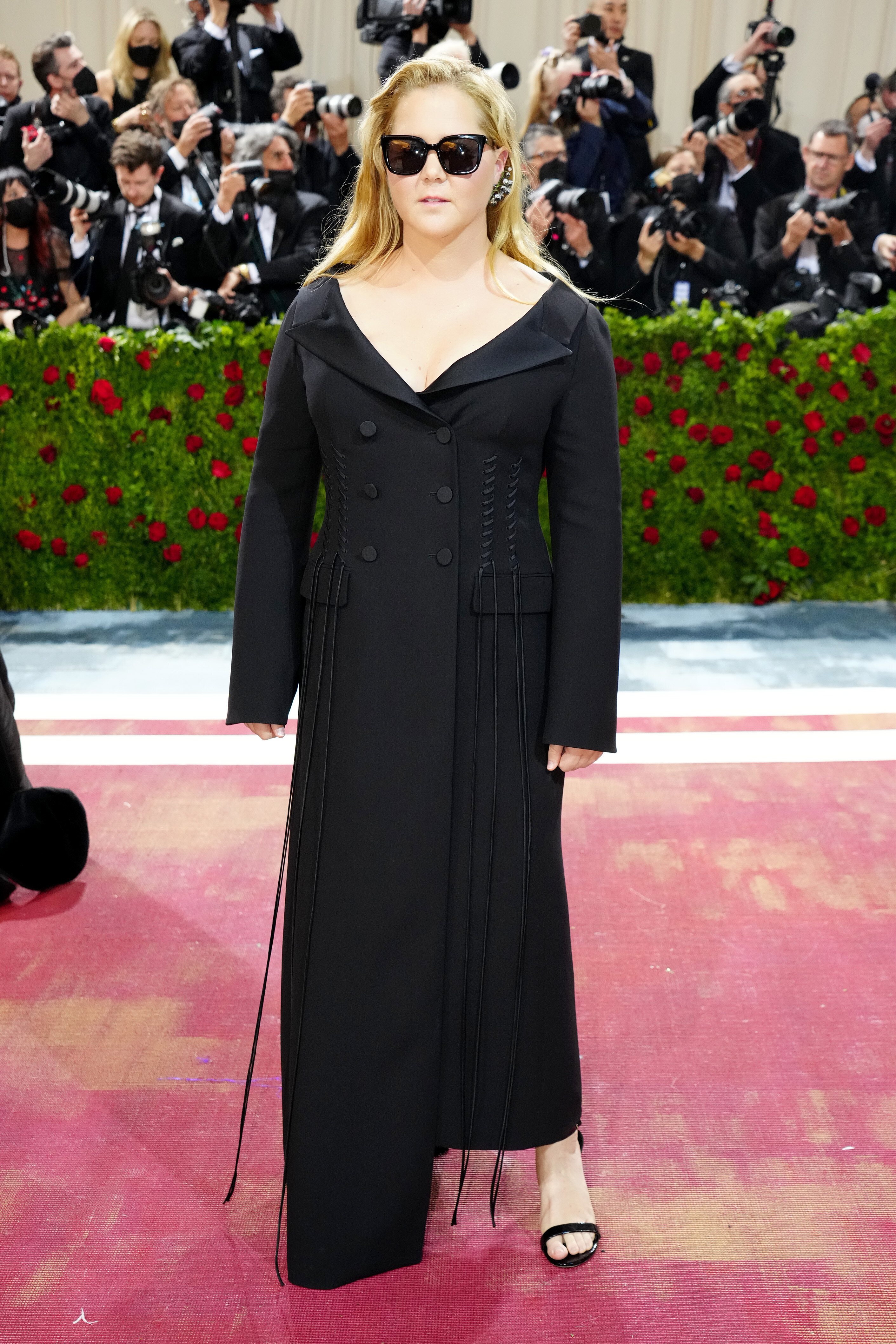
Amy Schumer

Jeff Kravitz via Getty Images

Mindy Kaling

Mike Coppola via Getty Images

Michelle Yeoh

Mike Coppola via Getty Images

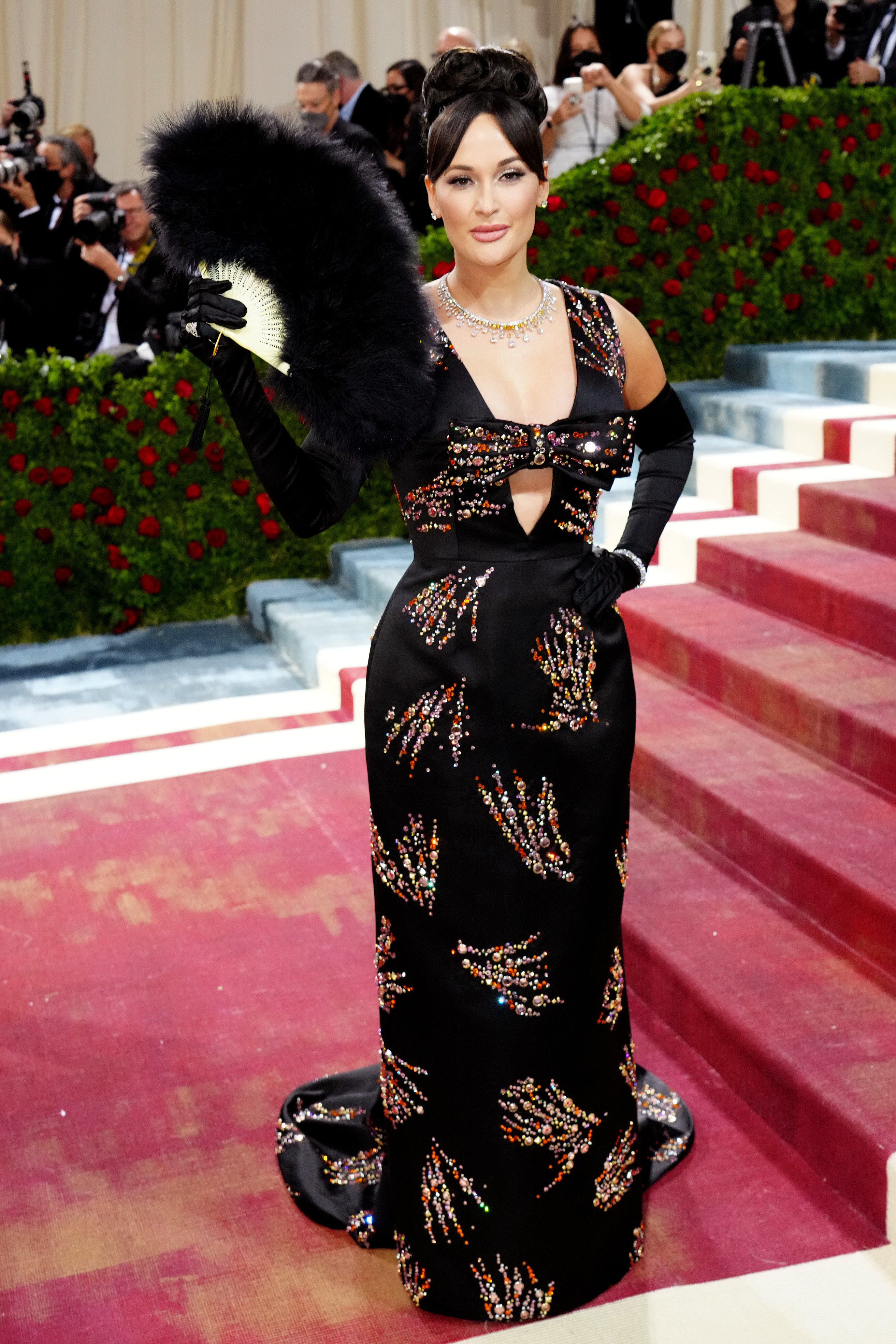
Kacey Musgraves

Jeff Kravitz via Getty Images

Jeff Kravitz via Getty Images

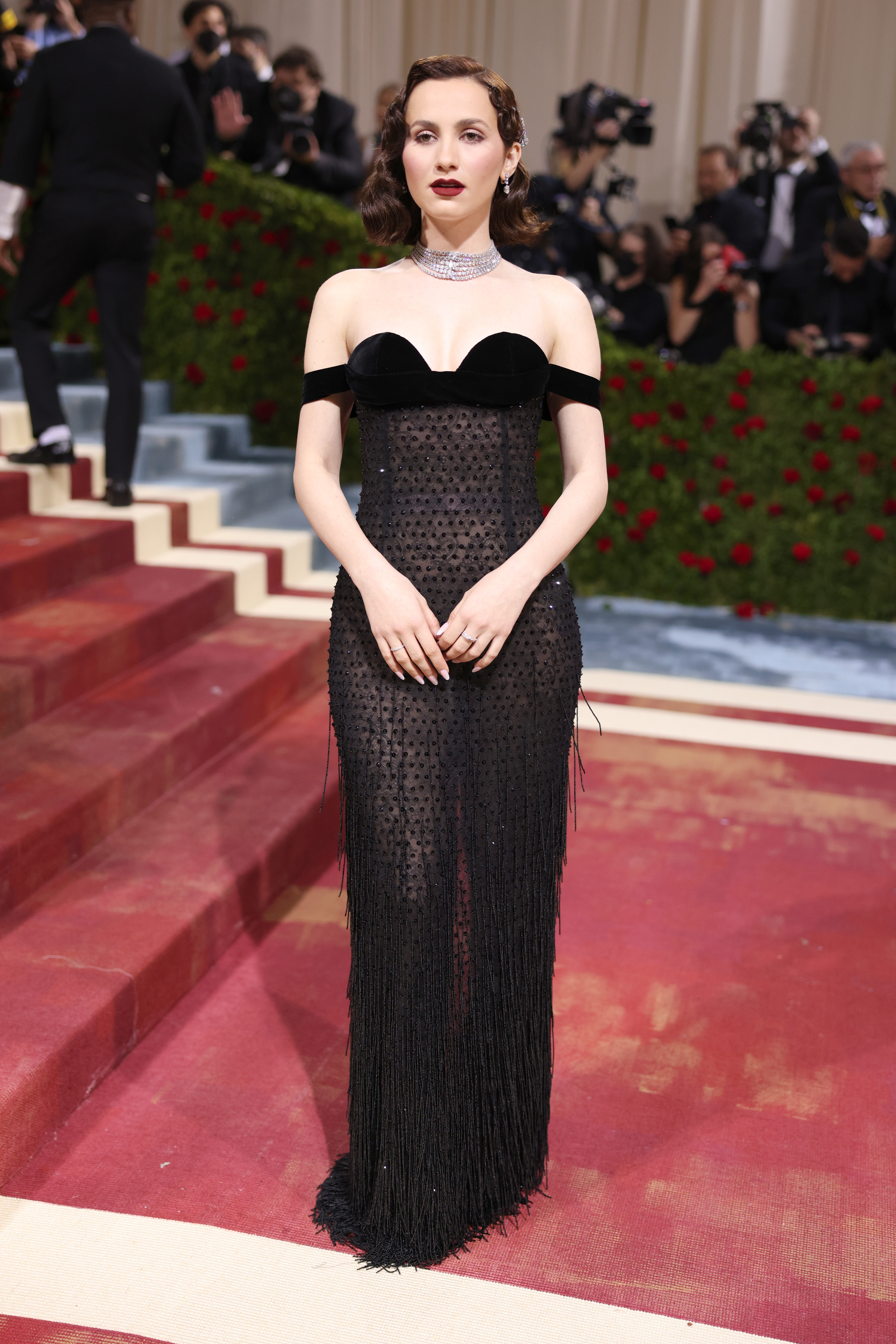
Maude Apatow

John Shearer via Getty Images

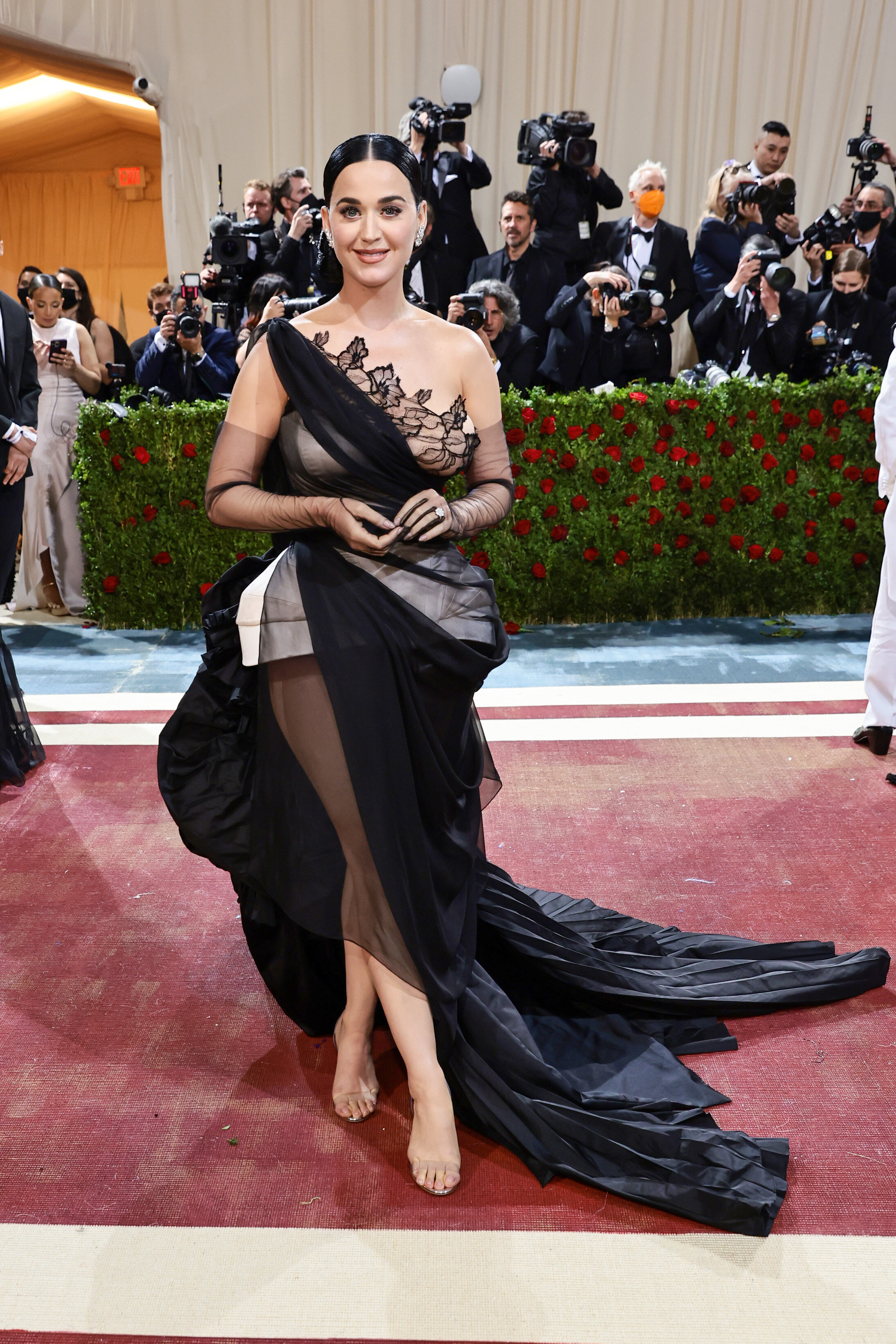
Katy Perry

Jamie McCarthy via Getty Images

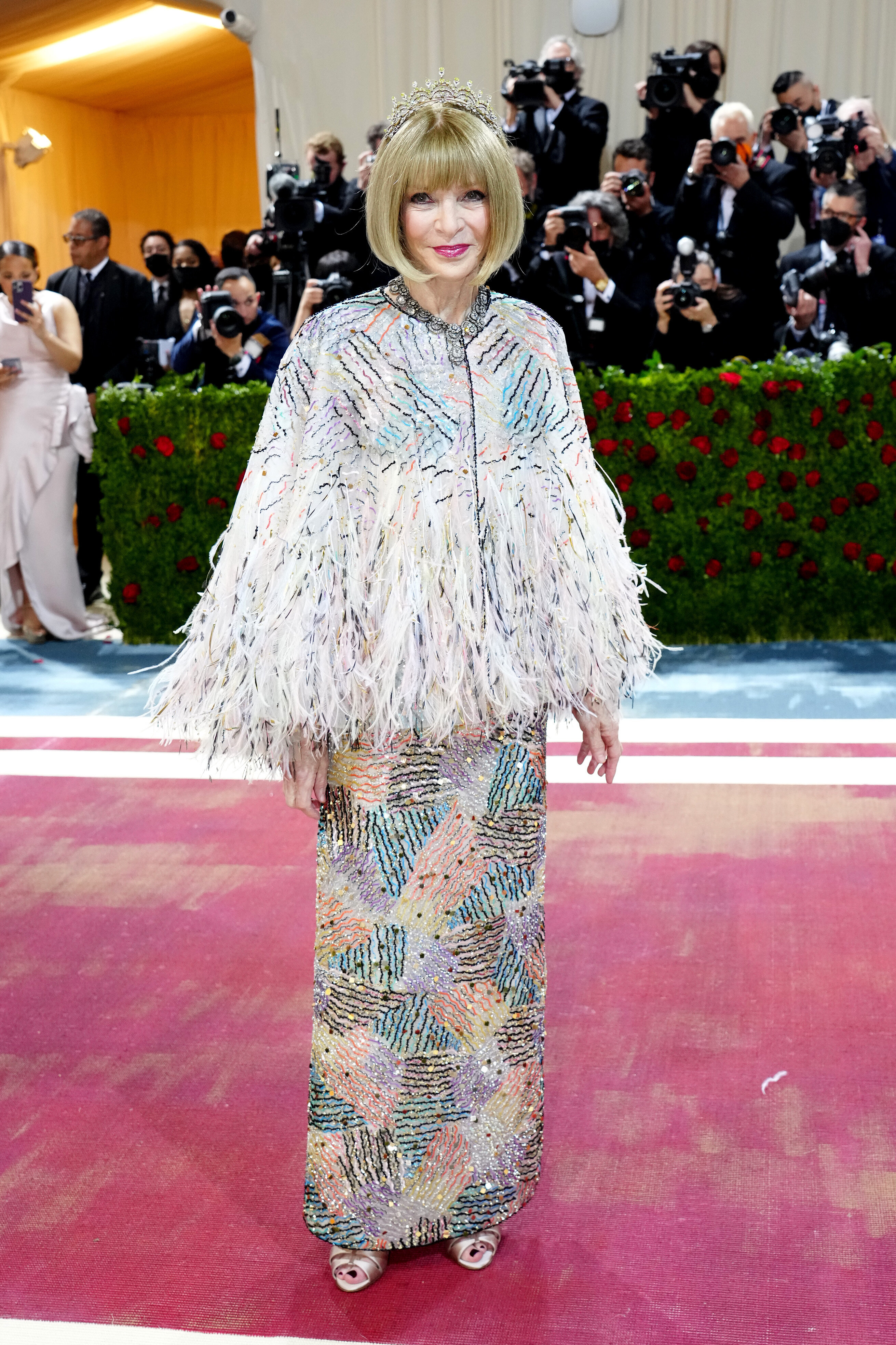
Anna Wintour

Jeff Kravitz via Getty Images

Kevin Mazur/MG22 via Getty Images

Chloë Grace Moretz

Jeff Kravitz via Getty Images

Vanessa Nadal and Lin-Manuel Miranda

John Shearer via Getty Images

Venus Williams

Mike Coppola via Getty Images

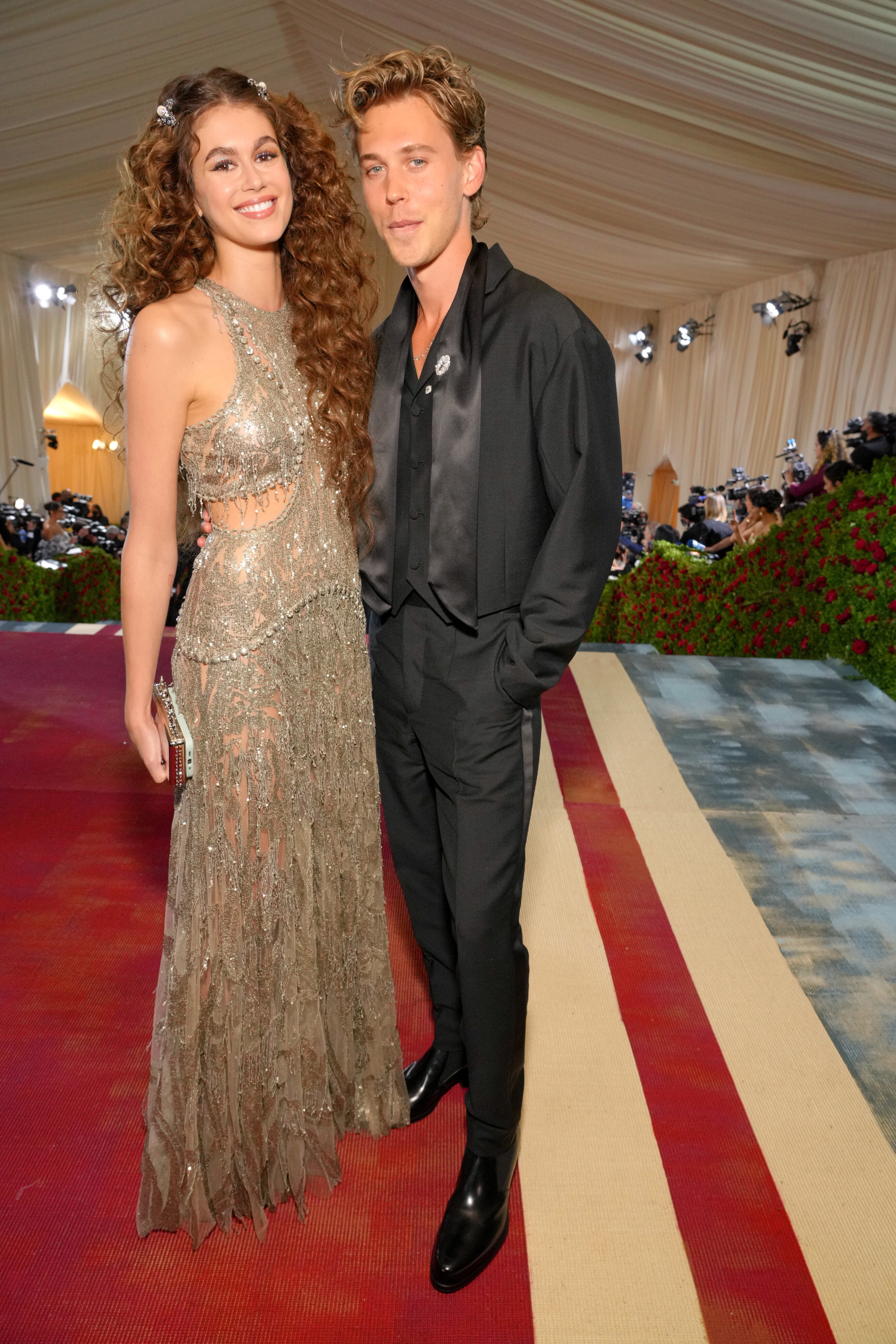
Kaia Gerber and Austin Butler

Kevin Mazur/MG22 via Getty Images

La La Anthony

Kevin Mazur/MG22 via Getty Images

Share Button

Conscious Growth Club Q&A Call: Year 6 (Video)

Today we hosted and recorded a live Q&A call for people who are interested in Conscious Growth Club, so they could ask me and other members any questions they have about it. I’m sharing the recording for the benefit of anyone who couldn’t attend the live call. Be sure to watch it soon (perhaps on 2x speed), since the deadline to join is May 3rd.

[embedded content]

I think this video will give you a clearer sense of what CGC is like inside, so you can make the right decision about whether you’d like to join us this year. Several members contributed their insights and suggestions as well.

Be sure to decide by the end of the day on May 3rd if you want to be a member of CGC this year. This is the only time of the year during which we open CGC for new members to join. Our next opening will be in April 2023.

So far 47 members have enrolled for CGC Year 6 now (49 if you include Rachelle and me). If history is any indication, there will be a lot of sign-ups coming through before the deadline, especially on May 3rd.

Learn more about Conscious Growth Club, and join us by May 3rd if you’re ready for a major year of growth.

Enjoy the video!

Share Button

Precipitation helped drive distribution of Alaska dinosaurs

Precipitation more than temperature influenced the distribution of herbivorous dinosaurs in what is now Alaska, according to new research published this month.

The finding, published April 2 in the journal Geosciences, discusses the distribution of hadrosaurids and ceratopsids — the megaherbivores of the Late Cretaceous Period, 100.5 million to 66 million years ago.

The work can help scientists project what the Arctic region might look like in the years ahead if the climate turns similarly warm and wet.

University of Alaska Fairbanks Geophysical Institute geology professor Paul McCarthy, who is also chair of the UAF Department of Geosciences, is co-author of the research paper written by Anthony Fiorillo of Southern Methodist University in Texas. McCarthy has been studying the region’s ancient past for many years.

“The reason we’ve been looking at Cretaceous environments up here is because Earth was in a greenhouse state at that point in time, and it offers the potential to provide analogs to what we might see, eventually, if global warming continues,” McCarthy said.

“We can’t simulate the rates of change, which are likely to have been totally different in the Cretaceous,” he said. “But we can simulate what an ice-free coast would look like and also see how rivers and floodplains would respond to spring snowmelt from the mountains if everything’s not frozen. And we can look at the distribution of plants and animals.”

McCarthy, a sedimentologist and a fossil soils specialist, led the analysis of the depositional environments and ancient soils of three rock formations: the fossil-rich Prince Creek Formation along the Colville River in northern Alaska, the Lower Cantwell Formation in the Central Alaska Range and the Chignik Formation on the Alaska Peninsula.

The three formations are close enough to one another on the geologic time scale to allow for a climate comparison, according to the research paper. They all contain Late Cretaceous rocks that were deposited approximately 83 million to 66 million years ago.

Fossilized plants and animals and ancient footprints get most of the public attention, but fossil soil has equally important information to offer through its preserved features, mineral composition and chemical makeup.

“We can look at microscopic features preserved in the fossil soil samples and relate that to modern soil types to get an idea of where they formed,” McCarthy said. “Are we looking at deserts? Are we looking at tropical rainforest or temperate forest? Or grasslands?”

“Fossil soil also preserves pollen grains that can tell us something about the composition of the local vegetation,” he said. “And it contains clay minerals, organic matter and the iron-carbonate mineral siderite, all of which can be used to determine precipitation and temperature using stable isotopic methods.”

From that, paleontologists can learn about the distribution of Alaska’s dinosaurs.

Through analysis at UAF and elsewhere, scientists studying the three Alaska formations found a correlation between the amount of precipitation and the distribution of hadrosaurids and ceratopsids. They also found a lesser correlation between temperature and the distribution of those two groups of dinosaurs.

Hadrosaurids, the duck-billed family of dinosaurs, preferred climates that were wetter and had a narrower annual temperature range. Adults weighed about 3 tons and reached about 30 feet in length. Their percentage dominance over the ceratopsids in the three studied formations increased in the more-favorable climate.

Ceratopsids, a family with beaks and horns, preferred a milder and drier climate but never became dominant in percentage over the hadrosaurids in the three formations. Triceratops is perhaps the best known ceratopsid, at a length of about 25 to 30 feet and weighing 4.5 to 5.5 tons.

The finding for greater influence of precipitation than temperature was based in part on prior research that looked at dinosaur teeth from the Prince Creek Formation, including teeth of hadrosaurids and ceratopsids. That study was led by Celina A. Suarez of the University of Arkansas and included work by McCarthy.

Results from that dental study, authors of the new paper write, suggest that ceratopsids preferred the drier, better-drained regions of the Late Cretaceous Arctic landscape and that hadrosaurids preferred wetter regions of the landscape.

Others involved in the Geosciences paper include Yoshitsugu Kobayashi of the Hokkaido University Museum at Hokkaido University in Japan and Marina B. Suarez of the University of Kansas.

Share Button

‘Resetting’ the injured brain offers clues for concussion treatment

New research in mice raises the prospects for development of post-concussion therapies that could ward off cognitive decline and depression, two common conditions among people who have experienced a moderate traumatic brain injury.

The study in mice clarified the role of specific immune cells in the brain that contribute to chronic inflammation. Using a technique called forced cell turnover, researchers eliminated these cells in the injured brains of mice for a week and then let them repopulate for two weeks.

“It’s almost like hitting the reset button,” said senior study author Jonathan Godbout, professor of neuroscience in The Ohio State University College of Medicine.

Compared to brain-injured mice recovering naturally, mice that were given the intervention showed less inflammation in the brain and fewer signs of thinking problems 30 days after the injury.

Though temporarily clearing away these cells, called microglia, in humans isn’t feasible, the findings shed light on pathways to target that could lower the brain’s overall inflammatory profile after a concussion, potentially reducing the risk for behavioral and cognitive problems long after the injury.

“In a moderate brain injury, if the CT scan doesn’t show damage, patients go home with a concussion protocol. Sometimes people come back weeks, months later with neuropsychiatric issues. It’s a huge problem affecting millions of people,” said Godbout, faculty director of Ohio State’s Chronic Brain Injury Program and assistant director of basic science in the Institute for Behavioral Medicine Research.

“How do you treat that? At least in mice, by turning over the microglia in the brain we had a very positive effect on their behavior, cognitive status and level of inflammation in the brain. Now we can focus on cellular pathways that generate chronic inflammation as a target.”

The research is published online in the Journal of Neuroscience.

About 85% of traumatic brain injuries are similar to the type of concussion examined in this study, involving dispersed impact to the head that causes brain tissue to bump against the skull. Previous research suggests that at least 75% of people who experience a moderate brain injury have long-term mental health and cognitive complications.

Godbout’s lab previously linked depressive symptoms in mice to microglia’s sustained “high alert” status after a head injury, which causes the cells to overreact to later challenges to the immune system and become excessively inflammatory. In a more recent study in mice, his team showed that forced turnover of microglia before a head injury could reduce later neuropsychiatric complications.

“That was a proof of principle to show that a lot of the inflammation, especially in the long term, is mediated by microglia,” he said. “But there is an acute phase of inflammation — you want to initiate that repair process. There’s a positive to that early inflammatory response in the brain or spinal cord. If it lasts a long time and doesn’t fully resolve, that’s when it’s dangerous.”

In this new study, researchers waited for seven days after the brain injury to force the turnover of microglia, giving the cells time to carry out their work promoting initial healing. An experimental drug that inhibits a protein that microglia in mice need for survival was added to their food for a week, resulting in depletion of over 95% of microglia in their brains.

After allowing 16 days for the microglia to repopulate, researchers compared the intervention mice to injured mice that recovered without the cell turnover treatment. The intervention mice performed better than control mice on tasks testing their memory and depressive symptoms.

Further analyses of injured brain tissue suggested the cell turnover reversed some injury-related damage to neurons, lowered overall inflammation and improved the brain’s ability to adapt to change. Researchers also injected mice with a molecule that triggers an immune response to mimic an infection, and found that sickness behavior was lower in the intervention mice.

Godbout said these combined findings suggest that the repopulating microglia returned in a less “primed” state of readiness, lowering chances for a lifetime of exaggerated inflammatory responses in the brain to any challenge to the immune system — that brain inflammation being the likely culprit behind the neuropsychiatric complications that follow a head injury.

“If microglia in the human brain don’t return to normal and chronic inflammation persists after a head injury, it’s not just a secondary brain injury that causes problems. Even getting a viral infection after concussion recovery can progress into a cognitive or behavioral issue or amplify some other part of behavior, like depression,” Godbout said. “There is a real connection between a head injury and mental health, and the risk doesn’t go away.

“Now we’re looking more closely at the pathways that cause changes in microglia, and targeting something specific in that pathway. That is a way forward.”

This work was supported by the National Institute of Neurological Disorders and Stroke, the National Institute on Aging, the National Institute of Dental and Craniofacial Research, an Ohio State University Presidential Fellowship and the Thailand Research Fund-Royal Golden Jubilee Program.

Co-authors include Chelsea Bray, Kristina Witcher, Dunni Adekunle-Adegbite, Michelle Ouvina, Mollie Witzel, Emma Hans, Zoe Tapp, Jonathan Packer, Ethan Goodman, Fangli Zhao, Shane O’Neil, John Sheridan, Olga Kokiko-Cochran and Candice Askwith, all of Ohio State, and Titikorn Chunchai and Siriporn Chattipakorn of Chiang Mai University in Thailand.

Share Button

Researchers develop powerful strategy for creating new-to-nature enzymes

Engineering enzymes to perform reactions not found in nature can address longstanding challenges in the world of synthetic chemistry, such as upgrading plant-based oils into useful biochemicals.

A team of researchers has developed a simple yet powerful strategy for creating new enzymes with novel reactivity that can produce valuable chemical compounds, building on their previous work using light to repurpose naturally occurring enzymes.

The study, published in Nature Catalysis, was led by Xiaoqiang Huang, a former postdoctoral researcher in the University of Illinois Urbana-Champaign’s Department of Chemical and Biomolecular Engineering (ChBE) and the Center for Advanced Bioenergy and Bioproducts Innovation (CABBI), a U.S. Department of Energy-funded Bioenergy Research Center. Huang, currently an Assistant Professor at the Nanjing University in China, carried out this work in the laboratory of ChBE Professor Huimin Zhao, CABBI’s Conversion Theme Leader and an affiliate of the Carl R. Woese Institute for Genomic Biology (IGB).

In the study, visible light was used to excite an engineered ketoreductase enzyme, enabling a new-to-nature biocatalytic reaction known as an asymmetric radical conjugate addition, which is extremely difficult to achieve by chemical catalysis.

Catalysts are substances used to speed up chemical reactions. In living organisms, protein molecules called enzymes catalyze reactions in a process called biocatalysis. Scientists have begun using biocatalysis to synthesize valuable compounds, as its high selectivity allows them to deploy enzymes to act on specific substrates and create target products. Another advantage is that enzymatic reactions are highly sustainable. They are relatively inexpensive, consume low levels of energy, and do minimal damage to the environment — as opposed to chemical catalysts, which typically require organic solvents, heat, and high pressure to function.

Still, enzymes are complicated to work with. They are normally limited to catalyzing reactions found in nature, meaning scientists often struggle to track down the perfect biocatalyst to meet their needs. Zhao’s lab has focused on steering biocatalysis with visible light, a process known as “photobiocatalysis,” to produce new enzyme reactivity. In a previous study, Zhao and Huang developed a visible light-induced reaction using an enzyme named ene-reductase (ER) as a biocatalyst to produce high yields of valuable chiral carbonyl compounds, which have potential applications for production of high value chemicals.

The new study builds on that work, using photobiocatalysis on a different enzyme family — nicotamide-dependent ketoreductases produced by bacteria — and a different chemical mechanism to produce another type of chiral carbonyl compounds known as α-chiral esters. Through the illumination and evolution of ketoreductase, the team achieved an enantioselective biocatalytic Giese-type radical conjugate addition to transform fatty acids to α-chiral esters, Zhao said.

Enantioselectivity is the degree to which an enantiomer — one of a pair of molecules that are mirror images of each other — is preferentially produced in a chemical reaction. Chirality is a fundamental feature of organic compounds, which greatly influences the properties of molecules, and its implications are enormous in many areas, including biology, medicine, and material science. For example, the diverse stereochemistry of organic molecules (the spatial arrangement of atoms and its effect on chemical reactions) not only significantly enhances the richness of the biological world, but also plays a profound role in many biological activities such as molecular communication, he said.

The findings offer practical applications for CABBI’s work to develop biofuels and biochemicals from crops like miscanthus, sorghum, and energycane instead of petroleum. The new biocatalytic transformation could use the fatty acids that CABBI is generating from those plants as starting materials to synthesize value-added bioproducts — such as ingredients for soaps or skin-care products — in an environmentally friendly way.

“Although we did not target a specific product for further application, this work provides a practical new method that could be potentially applied to upgrading fatty acids,” Zhao said. “Enzymes are the workhorses for biological synthesis of fuels and chemicals from renewable biomass.

“One of the major scientific changes in CABBI’s Conversion research, or bioenergy research in general, is the lack of known enzymes with the desired activity and substrate specificity for the synthesis of target fuels and chemicals. Therefore, there is an urgent need to develop new strategies to discover or engineer enzymes with desired activity or reactivity.”

Co-authors on the study included CABBI Postdoctoral Fellow Guangde Jiang of ChBE; CABBI’s Wesley Harrison, a Ph.D. candidate in ChBE and IGB; Jianqiang Feng and Binju Wang of Xiamen University, China; and Jiawen Cui, Xin Zang, and Jiahai Zhou of Shanghai Institute of Organic Chemistry, China. Zhou is also affiliated with the Chinese Academy of Sciences Shenzhen Institute of Advanced Technology, China.

Share Button

Amazon will pay US staff travel expenses for abortions and other treatments

The firm will reimburse travel costs for various treatments in the US, including abortion.

Share Button

Pitch-side brain scans aim to make sports safer

Brain-scanning technology is being used in the hope of finding ways to make contact sports safer.

Share Button

The Most Ridiculous Questions And Requests People Have Faced In Job Interviews

You’re reading Life-Work Balance, a series aiming to redirect our total devotion to work into prioritising our personal lives.

“How would you fit a giraffe into a fridge?” An asinine question in most settings, but especially peculiar during a job interview.

And yet, these kinds of ‘quirky’ and arbitrary lines of questioning seem to be commonplace during the interview process.

In an attempt to make people think ‘outside the box’ or on their feet, hiring managers are coming up with increasingly difficult (and frustrating) tasks and questions for interviewees.

And to make matters worse, many are leaving the applicants hanging once it comes to feedback or finding out the results of the conversation.

So, what does it say about their work culture when recruiting staff act like this when imbued with such powers?

For starters, if you’re being put in a difficult and tricky situation at the earliest stage of the job, then it might not be the best indication of the company’s treatment of employees. And it also means they have no regard to the preparation that applicants may have completed in anticipation of a more traditional interview.

After all, how does anyone answer how they’d put a giraffe in the fridge, or what words they’d have on their tombstone, or how they’d fare if locked in a room and asked to complete a challenge (all real requests)?

Here are some of the most ridiculous requests people have received:

It’s understandable that companies would try get creative with their asks, and indeed some are known for tough brainteasers that showcase the best of people, but most of us can agree that some questions are just a bit bizarre and show nothing about the person.

That’s what Hannah Langford, 31, from the North West, felt when she went for a job in law in Manchester.

She tells HuffPost: “I had a training contract interview at a law firm about 10 years ago and was asked two bizarre questions: ‘Why don’t polar bears eat penguins?’ and ‘How much water does it take to fill St Paul’s Cathedral?’.

“These questions made me doubt myself and I felt confused as to what answer was expected (i.e., was I expected to give an actual answer to the water question or was my thought process what they were interested in?).”

Langford ended up pivoting to a different sector altogether, deciding to work in charity.

Ramla*, 26, from London, can relate to navigating random questions that don’t relate to the job. “A charity that had many interview stages (and didn’t even give feedback after despite saying it would) had some interesting questions,” she recalls.

“One was about who’s your most problematic friend and why you are still friends with them. Another was about the last time you lost your temper.

“I’m not sure how far these questions really test someone’s values. No matter what you say, they’d have to take it with a pinch of salt because it’s an interview, not a chat with your best friend.

“These questions felt a bit like an interrogation. Surely what I’ve achieved and the places in which I’ve created transformative change should speak for itself – or at the very least, they could ask me directly about that?”

Unfortunately, eccentric questioning seems to be commonplace in the job interview space, when that time could be far better utilised talking about the things that bring us joy, what we’re passionate about, what we look forward to.

Because, truly, no one knows how to fit a giraffe into a fridge. And nor should they.

Life-Work Balance questions the status quo of work culture, its mental and physical impacts, and radically reimagines how we can change it to work for us.

HuffPost UK/ Isabella Carapella

Share Button