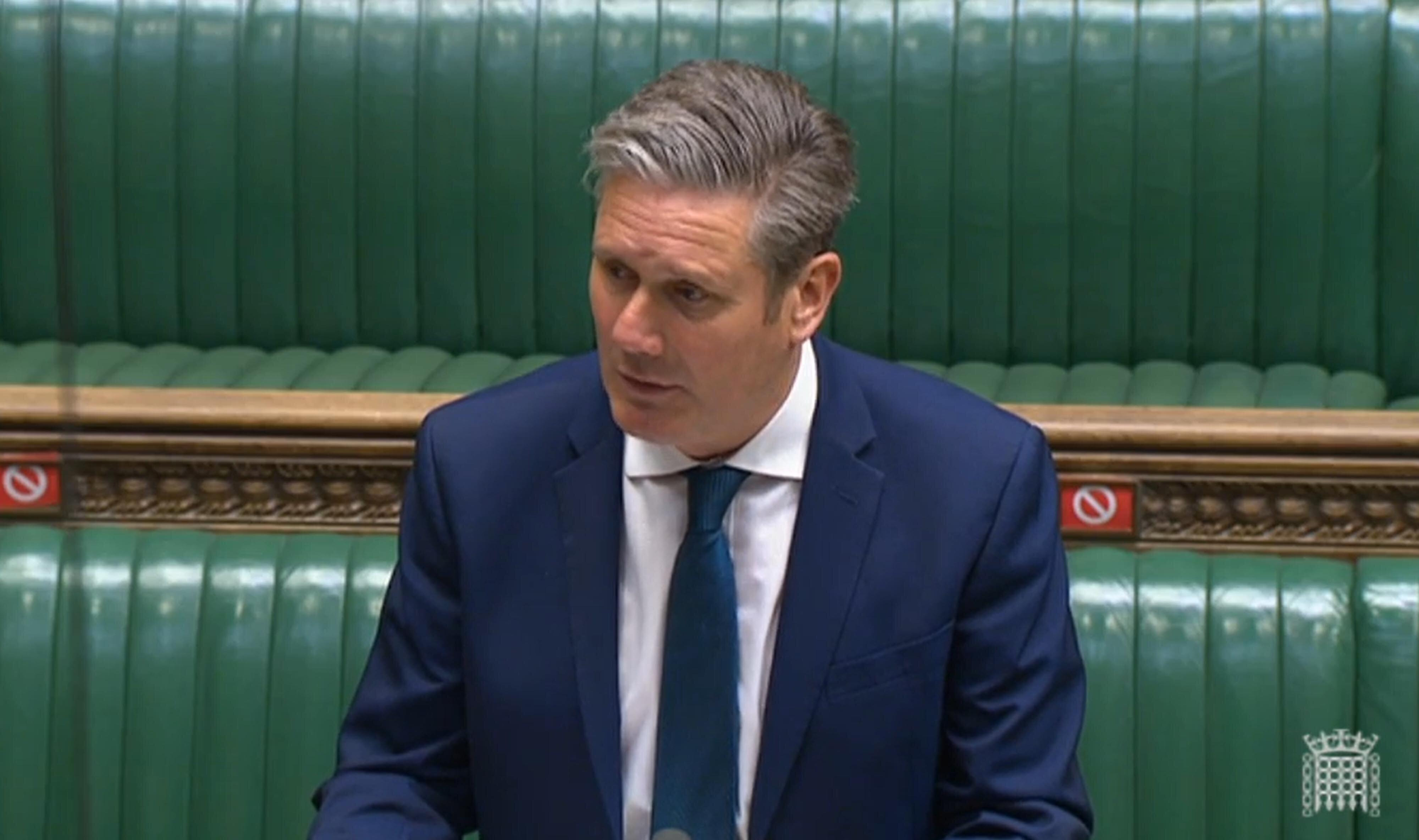
The hour-long interview is set to be filmed next month, and will cover the leader of the opposition’s childhood and career in law, as well as the past year of leading the Labour party in lockdown.
Following the announcement, Piers said: “It’s very unusual for party political leaders to submit themselves to such lengthy personal interviews and I am delighted that Sir Keir has agreed to talk to me about his fascinating life.
“It promises to be a memorable and very revealing Life Stories show.”
BREAKING: @Keir_Starmer has agreed to appear on my Life Stories show. We’re doing the interview next week, and it will air soon afterwards. Party leaders rarely submit themselves to such lengthy personal interviews so it should be a fascinating encounter. #LifeStoriespic.twitter.com/5JfUEPdJel
ITV’s head of entertainment, Katie Rawcliffe said the forthcoming interview “promises to be a real treat for our ITV audience.”
There’s no official airdate for Starmer’s episode of Life Stories yet, but ITV has said it will air “in the coming months”
Starmer’s interview will be the first with a party leader on Piers’ show since the broadcaster interviewed Gordon Brown when he was prime minister in 2010.
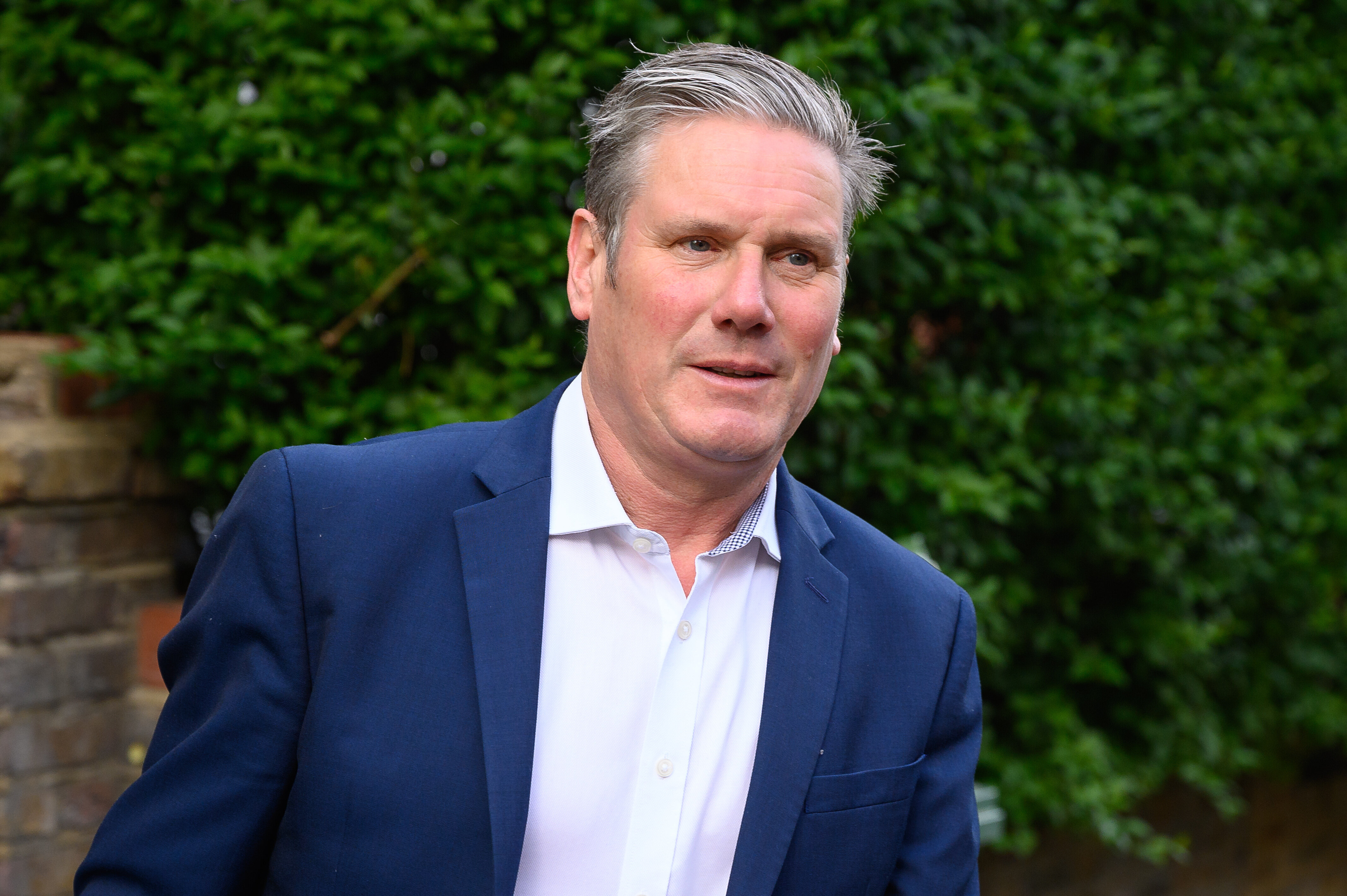
House of Commons – PA Images via Getty ImagesKeir Starmer
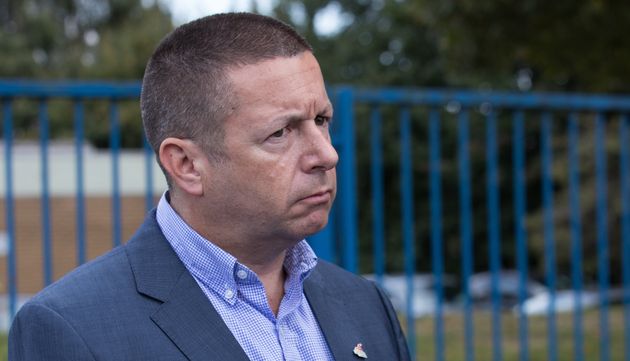
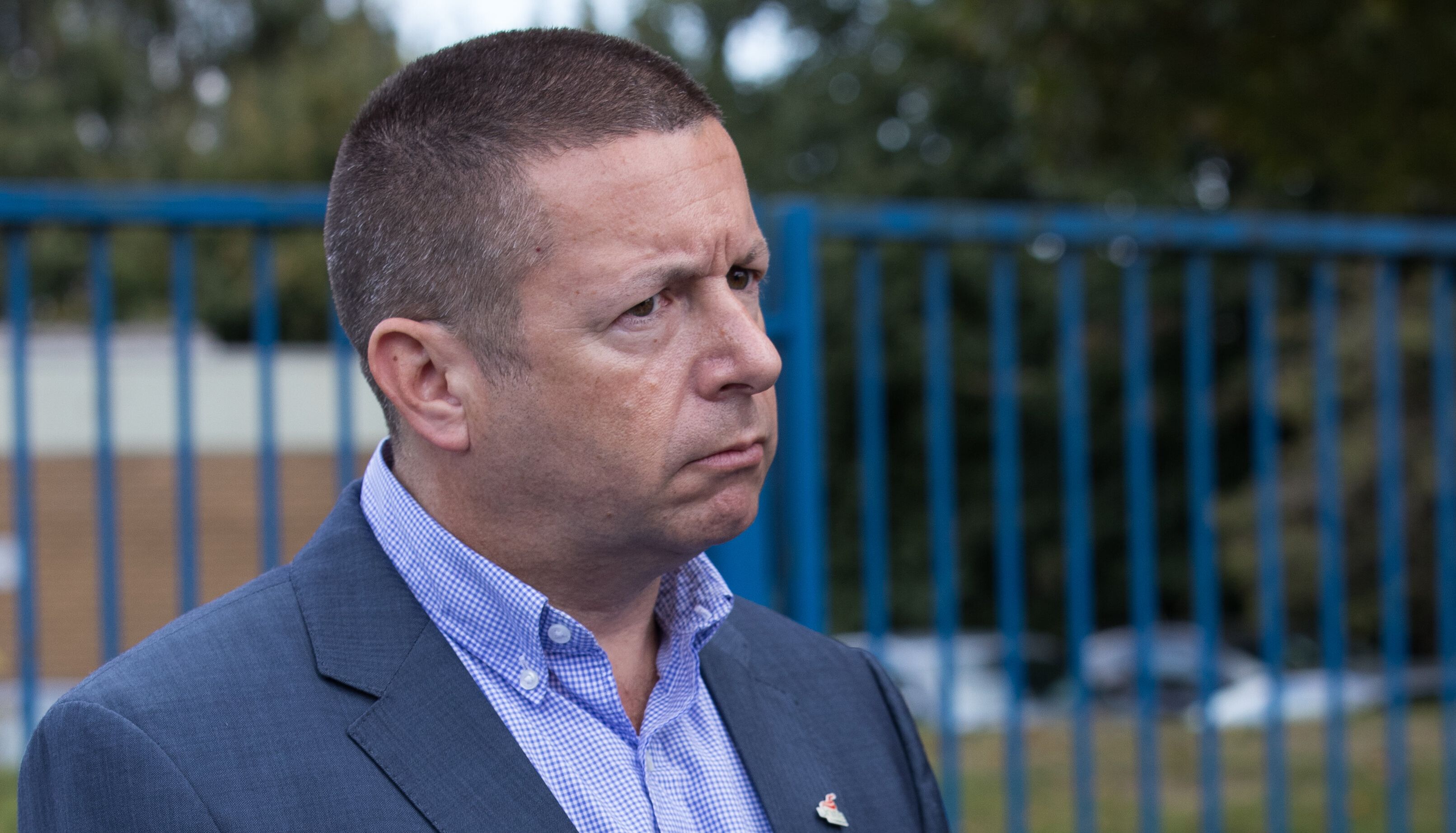
Aaron Chown – PA Images via Getty ImagesHoward Beckett, assistant general secretary of Unite, is among those vying to replace Len McCluskey
This is a breaking news story and will be updated. Follow HuffPost UK on Twitter, Facebook and Instagram.
Bob Crow, the late boss of the RMT transport union, was undoubtedly a controversial figure.
London commuters late for work due to seemingly endless Tube strikes would curse his name. Politicians and journalists who clashed with the left-wing firebrand would call him a “dinosaur” or, owing to his whopping £142,000 salary, a “champagne socialist”.
But when Crow died suddenly in 2014, it was notable how tributes came from not just those sympathetic to left-wing politics but from across the political spectrum.
Even Boris Johnson, then the Tory mayor of London, recognised Crow “fought tirelessly” for better pay and conditions and that he thought his former foe “a man of character”.
Obviously, no self-respecting union leader would want to be seen getting too cosy with Conservative politicians.
But how Crow was regarded in the political sphere stands in sharp contrast to Howard Beckett, one of the candidates to replace Len McCluskey as general secretary of Unite.
Keir Starmer moved to suspend him from the Labour Party for saying home secretary Priti Patel, a British-born minister of Indian heritage, “should be deported”.
Beckett apologised to Patel but remained defiant during an interview with Sky News on Friday, refusing to withdraw from the Unite race and saying his suspension was “completely inappropriate”.
He added he did not “literally” mean the minister should be deported and was “sorry if” that was not clear to those that read his hastily-deleted tweet.
While the assistant general secretary claimed he had not been informed of a suspension, Labour sources insist an email was sent and his union informed.
Unite, meanwhile, does not appear to have taken any action, telling HuffPost UK he “has correctly and unreservedly apologised”, while offering no further comment.
Beckett’s is the just the latest in a long line of bad headlines and divisive interventions from union chiefs in the seven years since Crow’s death.
And many of them have targeted not the Conservatives, but Labour.
McCluskey accused former deputy leader Tom Watson “sharpening his knife looking for a back to stab” and said Starmer faces the “dustbin of history” if he does not change direction.
The FBU’s Matt Wrack has hit out at Starmer for “watering down” policies and Labour MPs for undermining former leader Jeremy Corbyn.
TSSA boss Manuel Cortes repeatedly went public to hit out at Corbyn for Labour’s “Brexit fudge” when the party was in turmoil over its policy on a second referendum in 2018.
Former GMB general secretary Tim Roache stood down last year citing ill health and has faced claims of impropriety, which he denies. Separately, an independent report found the union to be institutionally sexist.
In the minds of voters, all this friendly fire points to more left-wing division and Labour leaders not in control of their party’s agenda.
Fresh elections this year for the leadership of Unite and GMB follow Christina McAnea’s election as the first female general secretary of Unison in January.
With Peter Mandelson calling for union reform, these races are just as important for Starmer’s Labour Party, if not more, than any parliamentary by-election.
A new era of Labour blood-letting and a “war of the roses” between MPs and the union movement splashed across every newspaper is not likely to boost the electoral hopes of Corbyn’s successor.
Though said to be “McCluskey’s right hand man”, Beckett is unlikely to emerge victorious in the Unite race, however. Some believe he may struggle to even make the ballot.
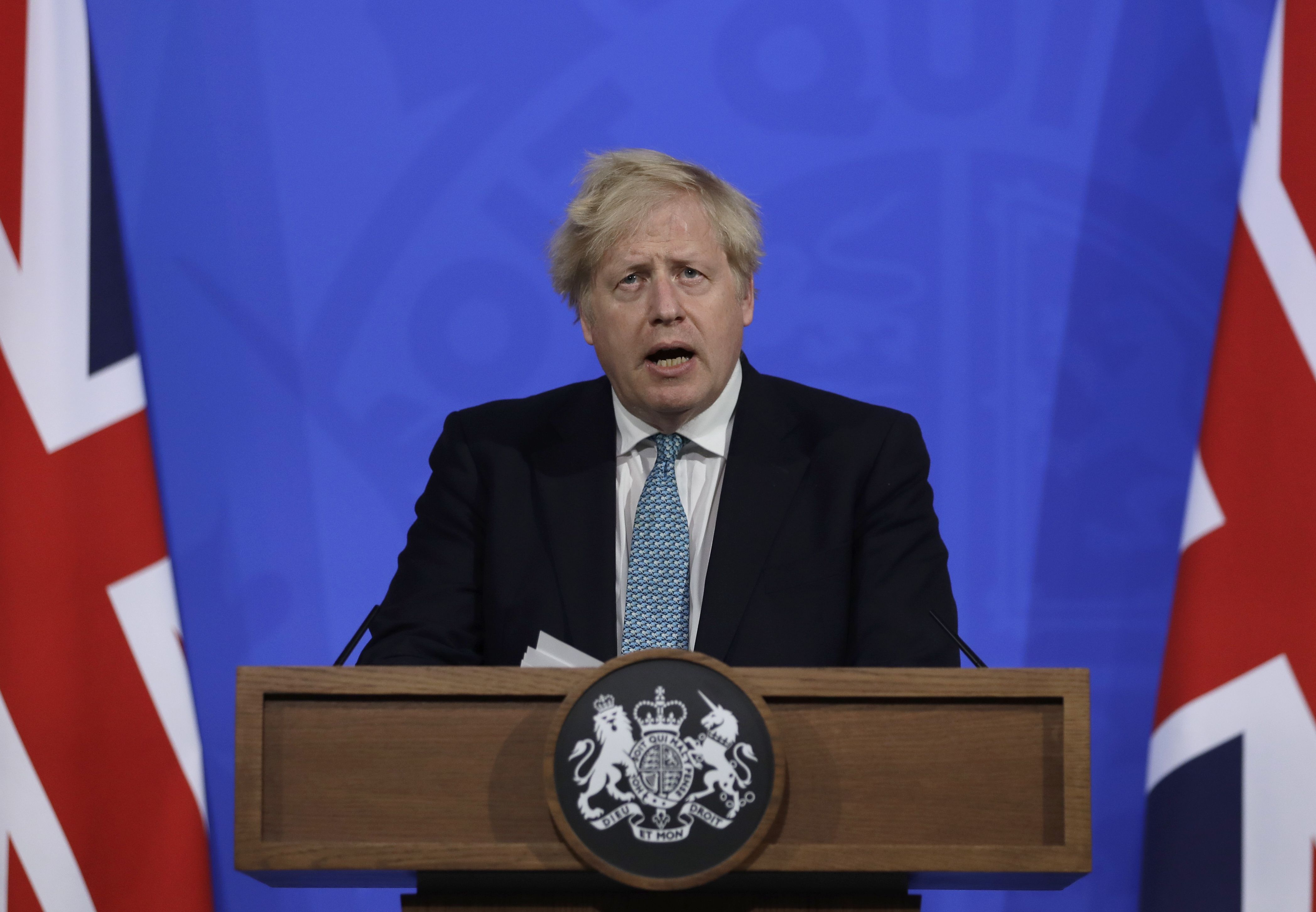
After cases of the Indian variant more than doubled in the past week, the prime minister told a Downing Street press conference on Friday that the four-step “road map” we will move to step three in England from Monday as planned – be he raised the possibility of altering the final stage.
The PM said: “But I have to level with you that this new variant could pose a serious disruption to our progress and could make it more difficult to move to step four in June.
“I must stress we will do whatever it takes to keep the public safe.”
At the briefing, chief medical officer Chris Whitty said there is “now confidence” that the India variant is “more transmissible” than the strain first discovered in Kent.
It is expected that the Indian variant will overtake Kent to become dominant in the UK, though there is currently no evidence to suggest vaccines do not work against it.
Johnson said that if the Indian variant proves to be “significantly more transmissible” than other Covid strains “we’re likely to face some hard choices”.
In recent days, the government has launched a series of measures in a bid to dampen any impact from the Indian variant.
The latest is people over 50 and the clinically vulnerable being offered their second dose of a Covid-19 vaccine eight weeks after the first – rather than 12.
The variant is now in at least 15 areas of England – including Bolton, Blackburn, London, Sefton and Nottingham – where councils and Public Health England officials are working to contain any clusters.
This includes surge testing, encouraging people to isolate if they test positive and longer opening hours at vaccination centres.
Johnson said that if the variant turned out to be much more transmissible than other variants, the country could face “hard choices” as he warned of the need to be “utterly realistic”.
He said: “This doesn’t mean that it’s impossible that we will be able to go ahead with step four, I don’t think that’s the case at all. But it does mean there is now the risk of disruption and delay to that ambition. And we have to be utterly realistic about that.”
Boris Johnson should “manage expectations” on how long it will take to complete his plan to “level up” left behind communities across the UK, a Tory MP has said.
Kevin Hollinrake, who is Michael Gove’s parliamentary private secretary, said the economic gap between the north and the south-east was comparable to the disparity between East and West Germany before reunification.
He told HuffPost UK’s Commons People podcast that, as in Germany, it would take 30 years to complete the levelling up agenda, which was front and centre in the Queen’s Speech this week but is still posing questions about how the prime minister sees it progressing and how its success can be measured.
Hollinrake suggested that average wages in different regions could be a reasonable measure of the success of levelling up, but warned that it was “dangerous measuring outcomes rather than opportunities”.
The Thirsk and Malton MP also stressed that levelling up was a “huge task” that could take decades to be completed.
Ian Forsyth via Getty ImagesJohnson visits Hartlepool, where the Tories toppled Labour in a by-election last week and a target area for ‘levelling up’ policies
He told Commons People: “Levelling up is really exciting, it’s a big ambition, it’s a huge task.
“The economy disparity between London and the south-east and the north-east in relative terms is as big as it was between East and West Germany prior to reunification – two-and-a-half times – a phenomenally big gap.
“So this is going to take three decades to resolve it, that’s what it took Germany and they haven’t narrowed it completely yet.
“It’s going to take three decades and – two trillion dollars Germany spent on narrowing that gap, we’ve got to be in it for the long haul.”
Hollinrake went on: “I think it’s important to manage expectations, that this isn’t going to happen overnight.
“There are some things you can do really quickly – so yes building a road, a railway or a railway station takes a while to have an economic effect.
“But other things can happen more quickly, such as relocation of civil service jobs – Treasury north coming to Darlington, Cabinet Office going to Glasgow, Michael Gove was there this week, you’ve got the UK Investment Bank coming to Leeds.
“So things can happen pretty quickly and that’s all there now, or just about being put in place now.
“Freeports as well, these tax-free zones will attract a lot of private sector investment.”
One of the quickest ways to deliver on levelling up would be reform of the tax system, Hollinrake suggested.
“There’s some things in-built in the tax system that aren’t particularly fair, council tax is one of them for example. There’s a proportionately higher burden on parts of the country,” he said.
“Very expensive properties in London for example pay a fraction of the council tax we pay in a much smaller house in the north, it just can’t be fair.
“There’s ways you can do things like that, I’m not going to pre-empt what the chancellor might do.
“Business rates I think again are due for reform.
“There are lots of different things we could do to make it a fair and more level playing field, which would then encourage investment in different parts of the country.”
Hollinrake suggested there may be value in measuring the success of levelling up by looking at average wages across regions.
But he stressed that ultimately the agenda’s success should be judged by how much it creates equality of opportunity across regions.
Asked how the success of levelling up should be measured, he said: “Average wages, for example, would be a good measure that we should use.
“But it’s very dangerous measuring outcomes rather than opportunities because clearly not everybody makes the best of their opportunities and it’s got to be about the individual as well as the state.
“In fact, it’s much more about the individual than the state.
“For me, you create a fair and level playing field, a stable framework that encourages investment, and things like infrastructure are really important to do that as well as the tax breaks, and then let people get on with it.”
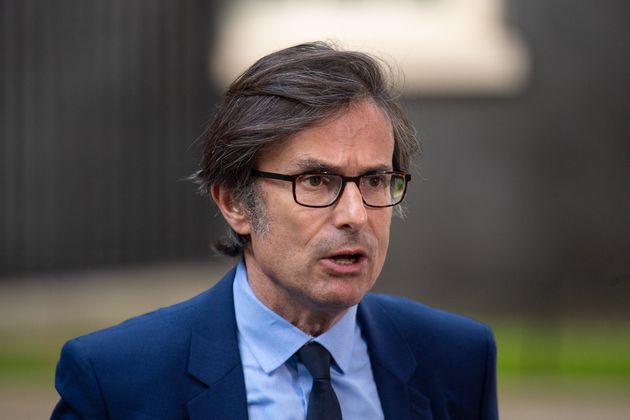
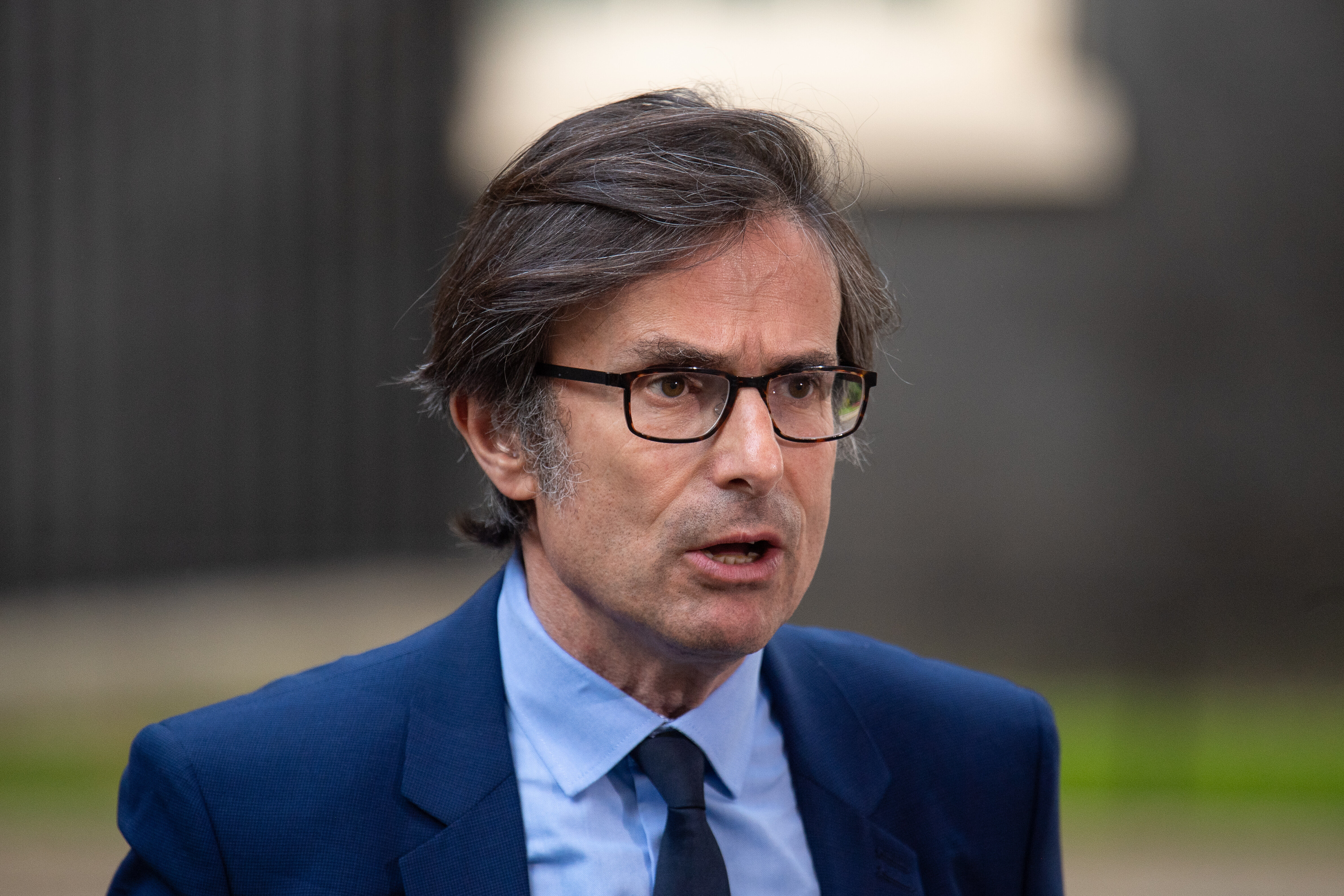
Dominic Lipinski – PA Images via Getty ImagesITV News political editor Robert Peston in Downing Street.
ITV News’ political editor Robert Peston has been told to go back to school after saying teachers did “not very much teaching” during lockdown.
The senior broadcast journalist made the eyebrow-raising claim in a series of tweets poring over official data on the economy, released on Wednesday.
He suggested that rising inflation was being driven, in part, by massive government spending to ensure the UK economy did not tank.
Peston went on to ponder whether the trend was underpinned by “the government paying teachers for not very much teaching, when lockdown closed schools”.
The other important way of looking at this is that output was surprisingly robust in the first three months of the year – since much of the so-called inflation was (eg) the phenomenon of the government paying teachers for not very much teaching, when lockdown closed schools
The journalist has 1.1m followers on Twitter, and what you might generously describe as taking his brain for a walk did not go down well on the social media platform.
Robert, I can guarantee that every single teacher in this country worked harder than you – a man, who as far as I can tell, is paid £750,000 a year to paraphrase WhatsApp messages he receives from Dominic Cummings.
Bob, I’m literally a fantasy author & I still do more research into what I write about than you seem to have done with this howler.
— A General Sense Of Foreboding (@Scriblit) May 12, 2021
WHOA. I know many teachers, and they worked twice as hard when schools were closed. They had to learn how to do online learning OVERNIGHT, keep track of vulnerable pupils, make online lessons interesting and engaging, etc etc etc. They went from 60-hour weeks to 100-hour ones.
— Margaret P Houston (@HoustonMargaret) May 12, 2021
On behalf of the nation’s teachers, who worked tirelessly to deliver education through lockdown, go to hell.
Are you FUCKING joking?? Seriously, not much teaching! My wife is teaching full days of live lessons and planning for those in school and those online, I don’t know any teachers who weren’t working their absolute arses off during the last year. Please rethink this statement
— Giles Paley-Phillips (@eliistender10) May 12, 2021
Teachers have never worked harder than through the pandemic, juggling teaching across hubs for key workers and online. Supporting students from a distance is extremely difficult.
It’s ignorant to suggest they were doing “nor very much teaching”.
How dare you @Peston ? You really need to rethink this slur on teachers who worked in ways you can’t even begin to imagine to support and teach young people. Shocking ignorance from you. https://t.co/zjZDKJTHCy
This is an outrageous misrepresentation of the work that teachers actually did during lockdown. They were teaching the children of key workers face to face, AND doing online teaching for children at home. And to a very high standard. I think an apology is in order @Peston
— Catherine Parrish (@Catheri63659074) May 12, 2021
Shocking thing to say – schools remained open. Staff managed direct & on line teaching, sorted out mess with vouchers & organised food deliveries, sourced IT. They are exhausted.
Even one of the ultimate Westminster insiders – Larry the Cat, or at least a Twitter account with 400,000-plus followers claiming to be the former Downing Street feline – could not come to his defence.
Robert, it’s not too late to delete this and apologise.
The broadcaster moved to clarify his comments as the backlash continued and the number of comments massively outstripped the retweets and likes – the dreaded ratio-ing.
Sorry. I know all teachers work incredibly hard whether locked down or not! I was not making a point about the amazing contribution they make whether locked down or not. But through no fault of their own, we know their productivity is impaired by lock down. If that was…
not so, there would have been no need to cancel exams or commission expensive catch up programmes. In other words the price of standardised educational outputs has risen significantly, we hope only temporarily
But there was a “don’t shoot the messenger” energy to his sort of mea culpa as he insisted teachers’ “productivity is impaired by lock down”.
The BBC’s former business editor was leaning into the strict economic definition of “productivity”, rather than displaying a more empathetic understanding of teachers being “productive” as they grappling with mass virtual learning and pastoral care that doubtless went above and beyond the call of duty.
The Guardian reported last year about “Britain’s teacher heroes” during lockdown, detailing how one teacher created his own YouTube character and another took students on virtual walks.
The words you were looking for were ‘sorry, I didn’t think that through, and I apologise profusely’.
Leon Neal via Getty ImagesLabour Party leader Keir Starmer
Keir Starmer has been warned Labour cannot duck challenging Boris Johnson over Brexit as pro-EU campaigners launched a new platform to monitor damage to the economy.
Brexit Spotlight will track how withdrawal from the EU hits the UK, from the loss of workers’ rights and free movement, to science funding, jobs and new regulations.
The initiative by Another Europe Is Possible is aimed at pressuring politicians on the left into backing closer ties with Europe in future.
After Leave voters in seats across the midlands and north backed Boris Johnson at the 2019 general election, Labour MPs voted for the Conservatives’ trade deal with Brussels in December.
Starmer has since said rejoining the EU was “not realistic” and there was no scope for “major renegotiation” of the government’s deal.
But pro-EU Labour members, most of whom backed Starmer in the Labour leadership election, are thought to be increasingly frustrated at the party’s approach and want to see Johnson’s deal scrutinised.
The new site will monitor Brexit’s impact “in real time” and also focus on the environment, exports and human rights, as well as feature exclusive investigations and research.
Laura Parker, a member of Another Europe is Possible’s national committee and a former national coordinator of Momentum, told HuffPost UK: “The fallout from Brexit is going to dominate our politics for decades to come, and if last week’s elections demonstrated anything, it was that refusing to talk about the issue is not a viable strategy – for Labour or for anyone else.
“Places like Hartlepool voted Tory because they have been neglected for decades and then sold a lie about immigration being to blame rather than this deliberate, chronic under-investment.
“English nationalism is the force which Boris Johnson will use to mobilise his new voter base; Labour and the wider progressive left must learn to put forward a positive alternative.”
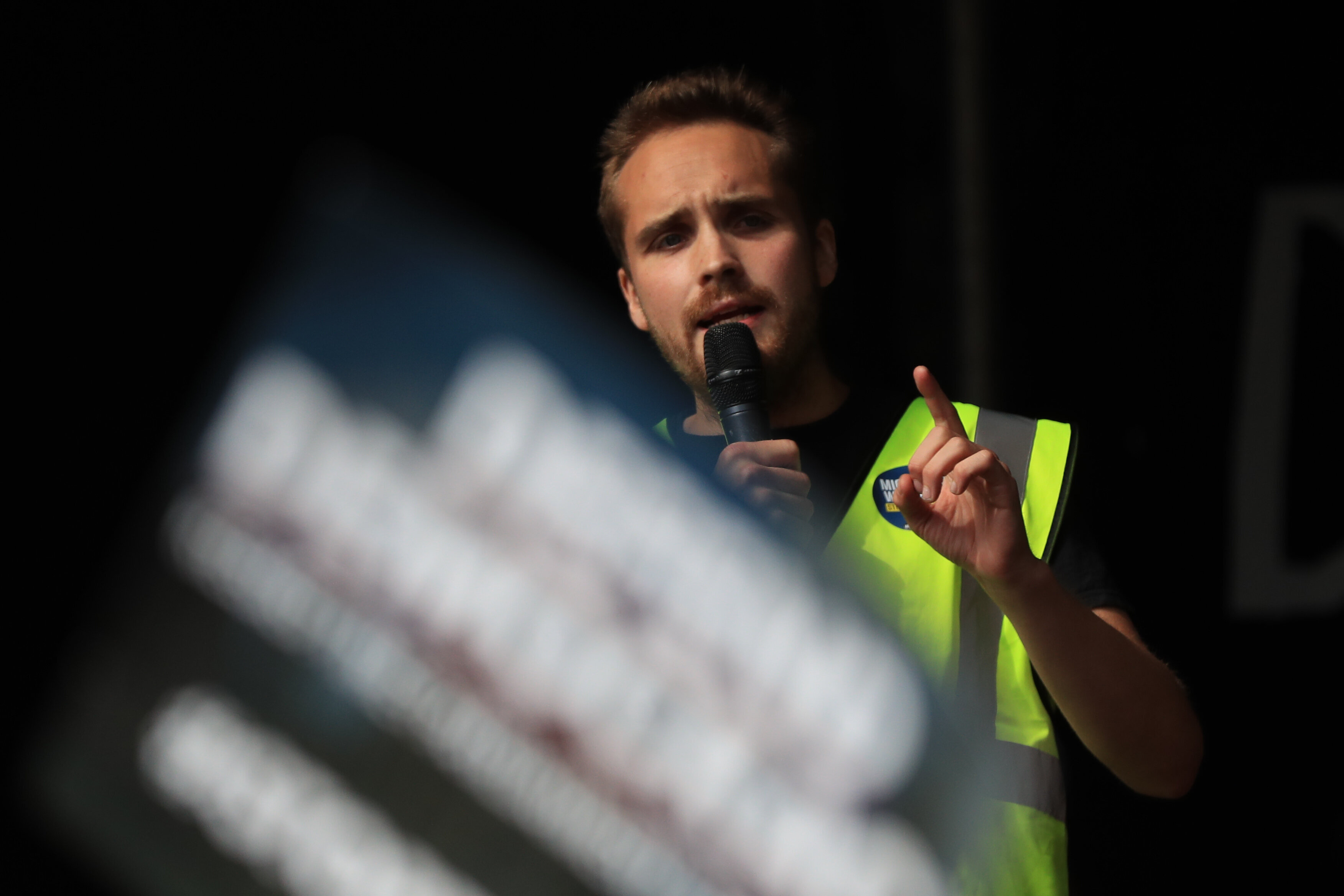
Gareth Fuller – PA Images via Getty ImagesAnother Europe is Possible organiser Michael Chessum addressing protesters in central London
Labour MP Nadia Whittome said the party should respond to Johnson’s “levelling up” agenda by referencing Brexit’s impact.
She said: “The real effects of leaving the EU have only just begun to be felt. The government wants to use Brexit to create a race to the bottom on rights and living standards, destroying decades of progress to benefit the super-rich and giant corporations.
“Attacks on workers’ rights and environmental standards will hurt all of us, regardless of whether we voted Leave or Remain, as will job losses and toxic trade deals which bring down our food standards.”
There were signs Labour was willing to task the government to task on Brexit, however, with new shadow chancellor Rachel Reeves telling ministers on Thursday voters “haven’t heard a word still about this government’s vision of how we will become global leaders in manufacturing and industry outside of the European Union”.
She said: “They are lacking in ambition, and they are in denial about what businesses need to thrive in a new environment.”
Michael Chessum, Another Europe is Possible’s national organiser, said: “Brexit is already an unfolding disaster – and not just for the people who opposed it. Farmers, fishers and exporters are already facing ruin, and as the process continues so will many of the people who voted Leave.
“This project is about exposing that reality in real time, so that the effects of Brexit are not just a series of disconnected shocks, and building a case for a much closer relationship with Europe in the future with regulatory alignment and free movement at its heart.”
Boris Johnson will apply to a county court to “strike out” a claim against him for a £535 unpaid debt because it is “totally without merit”, Downing Street has said.
Private Eye reported on Wednesday that the official register for county court judgments (CCJs) in England and Wales shows the prime minister was served with a notice of the judgment in October 26, 2020.
A search of the county court judgments database shows the “unsatisfied record” registered to Johnson at “10 Downing Street”.
The official court records do not state who the creditor is, nor the nature of the debt.
County court judgments can be issued if someone takes court action against an individual and they do not respond.
The judgment means the court has formally decided the money is owed, according to the government site.
But HuffPost UK understands that No.10 regards the claim as not genuine.
Responding later on Wednesday, a No.10 spokesperson said: “An application will be made for an order to set aside the default judgment, to strike out the claim and for a declaration that the claim is totally without merit.”
Ben Birchall – PA Images via Getty ImagesCarolyn Harris
Keir Starmer’s parliamentary aide has quit amid claims that she spread groundless rumours about fellow MPs’ private lives.
Carolyn Harris resigned from her post of parliamentary private secretary (PPS) after a formal complaint was made by a senior MP about her conduct, HuffPost UK has been told.
The departure of the Swansea East MP, who is also deputy leader of the Welsh Labour Party, was seen as the latest fallout from a bitter briefing war over Starmer’s shadow cabinet reshuffle and his decision to “sack” deputy leader Angela Rayner as party chair and campaigns chief.
In a statement issued by Starmer’s office, she said: “It has been the proudest moment of my career to co-chair the campaign that saw Keir Starmer elected as Labour leader, and to serve as his PPS for the past year.
“Stepping back from this role is the right thing at this moment, coming as it does after some trying personal times and an ever-increasing workload as deputy leader of Welsh Labour. I have enjoyed every minute, and look forward to supporting Keir the best way I can in the months ahead.”
It is understood that Harris, who has made no secret of her combative approach to the leader’s critics within the party, sparked a backlash with recent briefings about shadow cabinet ministers’ alleged disloyalty and about MPs’ personal lives.
The Times, which first broke the news that she was stepping down, alleged that Harris had spread “salacious rumours” about colleagues.
One frontbencher told HuffPost UK: “She’s been stirring it about shadow cabinet members, among the PLP, for weeks. She’s been spreading it about in the [Commons] tea room, everywhere. And she’s finally been caught red handed this weekend.”
“The job of PPS is to be the ears and eyes of the leader, not the mouth,” one senior MP said. “She was playing too high a profile role, throwing her weight around, interfering rather than feeding back what the PLP felt. Listen, assess, report, that’s the job.”
Another said: “It felt like Keir wasn’t fully aware of what she was up to, or at least I hope he wasn’t. It would be much worse if he sanctioned it.”
Starmer is now on the hunt for a new PPS. “We need to stop thinking of PPSs as some new intaker, and maybe appoint someone who’s been around a bit,” one backbencher said. “Amiable, clubbable, friends with everybody, that’s what you want.”
Relations between the Labour leader and his deputy soured badly on Saturday night when she learned from the Sunday Times of a plan to fire her from her campaigns role.
At one point, Rayner was tempted to go public with her anger at being apparently made a scapegoat for Labour’s poor local elections performance in parts of England.
Starmer used the Queen’s Speech debate in the Commons to joke about his recent showdown with Rayner over her move to a new role, saying a “black belt” in martial arts would be useful for “the next shadow cabinet meeting”.
Boris Johnson jibed that Rayner, whose authority in the party was enhanced by several new roles including shadow first secretary of state, was a “lioness” who was likely to become hungrier “the more titles he feeds her”.
Sitting opposite, she gestured that she had her eyes on the Tory leader, and later wrote on Twitter: “The only title I’m hungry for, Boris Johnson, is Deputy Prime Minister.”
Most of the results are now in and the parties are now conducting their post-mortems of the “super Thursday” local elections.
The Tories were the big winners in England, gaining control of 13 councils and adding 240 councillors, at the time of writing when 140 of 143 councils had declared.
Labour meanwhile had a terrible election, losing control of eight councils as the party shed 318 councillors, prompting Keir Starmer to embark on a shadow cabinet reshuffle.
But with elections of metro mayors across England, and for the Scottish and Welsh parliaments also taking place, the full picture is more complex.
With the help of YouGov’s Patrick English and Tory polling expert Lord Hayward, here are the five key things you need to know:
1. Labour turmoil in the ‘red wall’
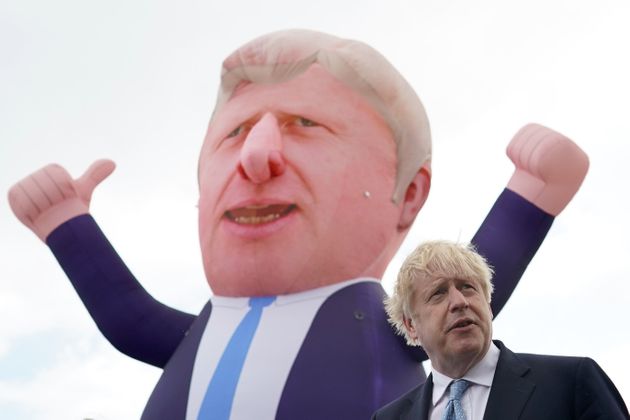
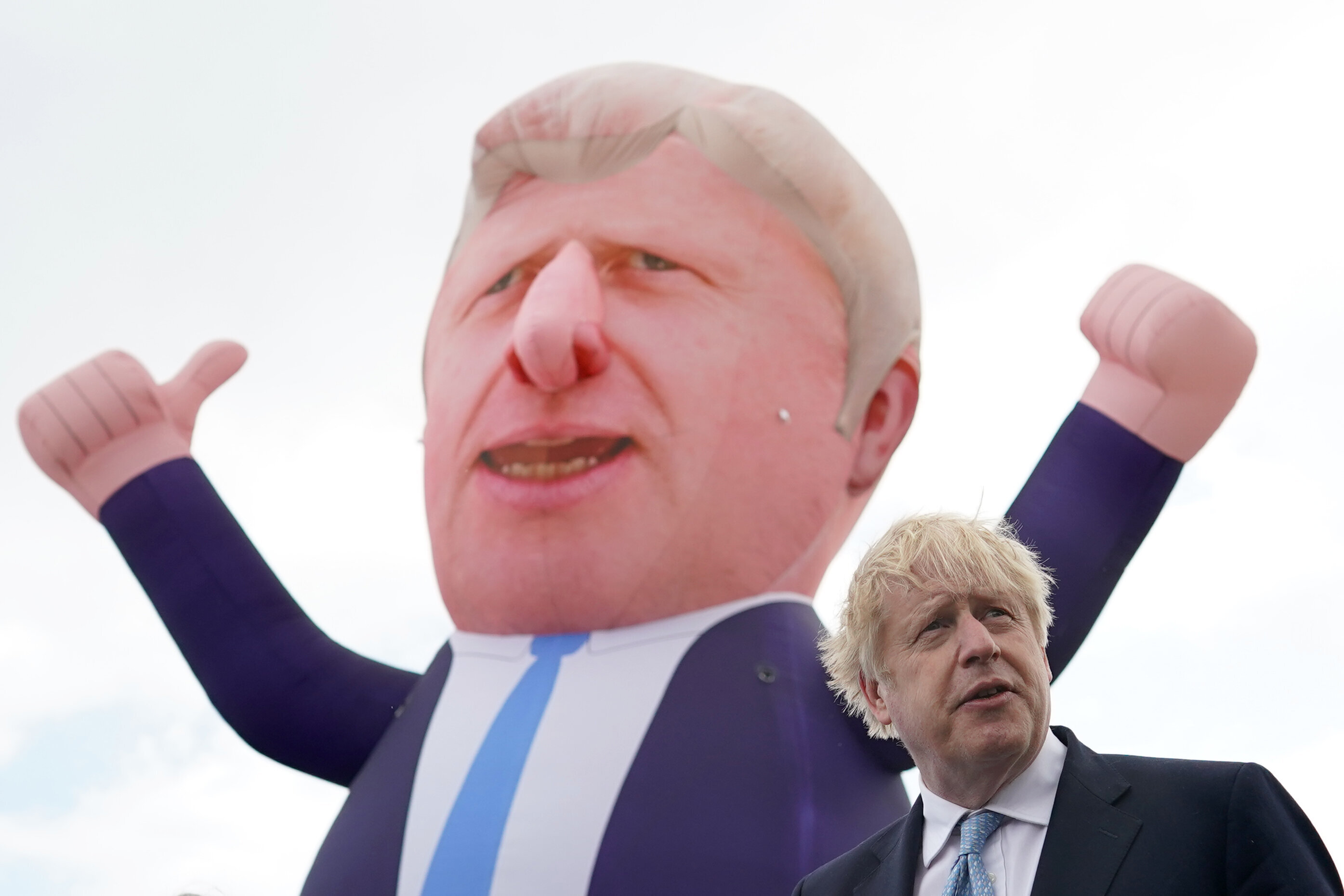
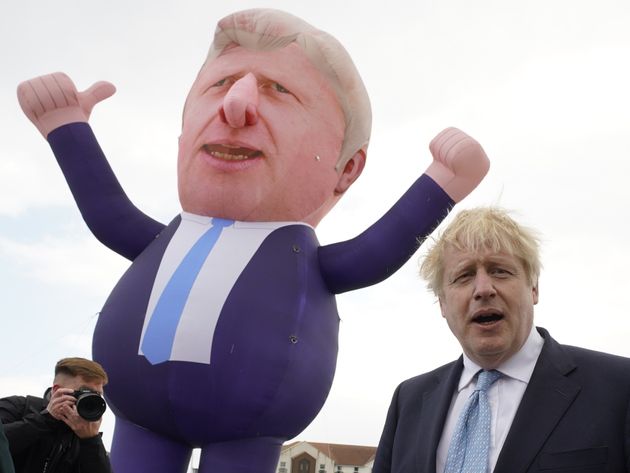
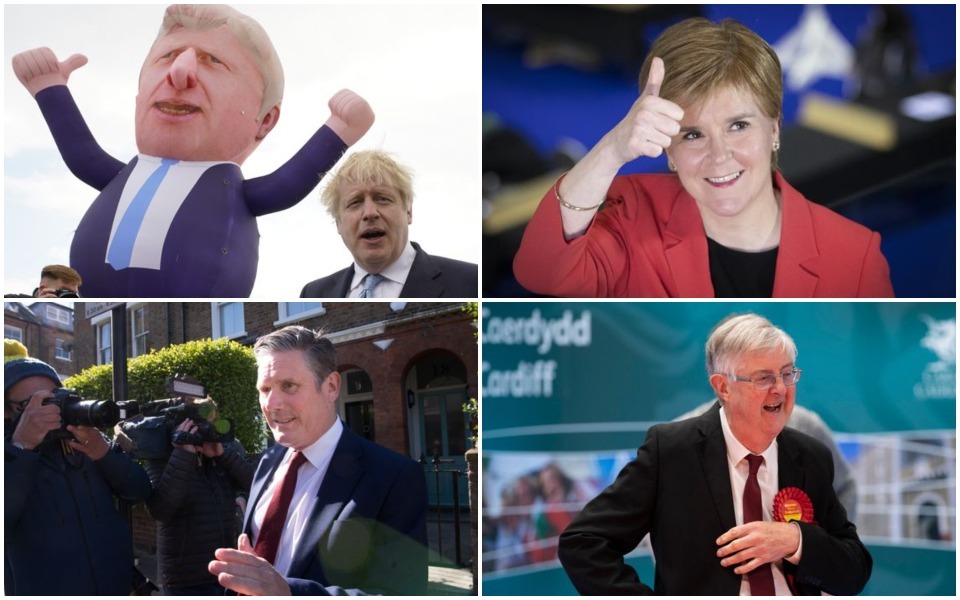
Owen Humphreys – PA Images via Getty ImagesBoris Johnson in front of a giant inflatable of himself as he meets and newly elected Tory MP Jill Mortimer at Jacksons Wharf in Hartlepool
There were bitter recriminations in Labour after it lost a slew of council seats and the crunch by-election in the so-called “red wall” seat of Hartlepool, which the party had held since the constituency’s inception in the 1970s.
Labour also lost control Durham, the county of the miners’ gala and a previous bastion of support for the party, and endured “staggeringly bad” losses in the likes of Rotherham, according to Hayward.
English says these losses to the Tories in working class Leave-voting areas are a continuation of the realignment of British politics that followed the Brexit vote in 2016.
And they are a stinging indictment of Starmer’s strategy to win back ex-Labour Brexit supporters who deserted the party for the Tories en masse in the 2019 general election and handed Boris Johnson a huge parliamentary majority.
The Labour leader is now facing an internal battle for Labour’s future, as he prepares to embark on a shadow cabinet reshuffle to refresh his top team amid a backlash over the sacking of his deputy Angela Rayner from her party chair job.
Plenty are now also asking whether Labour can ever recover, or whether the party is finished as an electoral force.
2. Glimmers of hope?
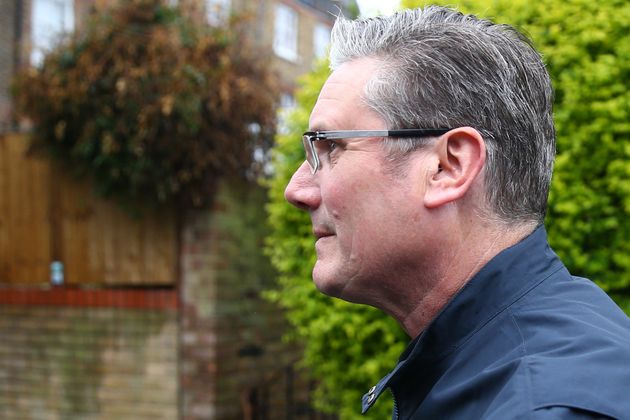
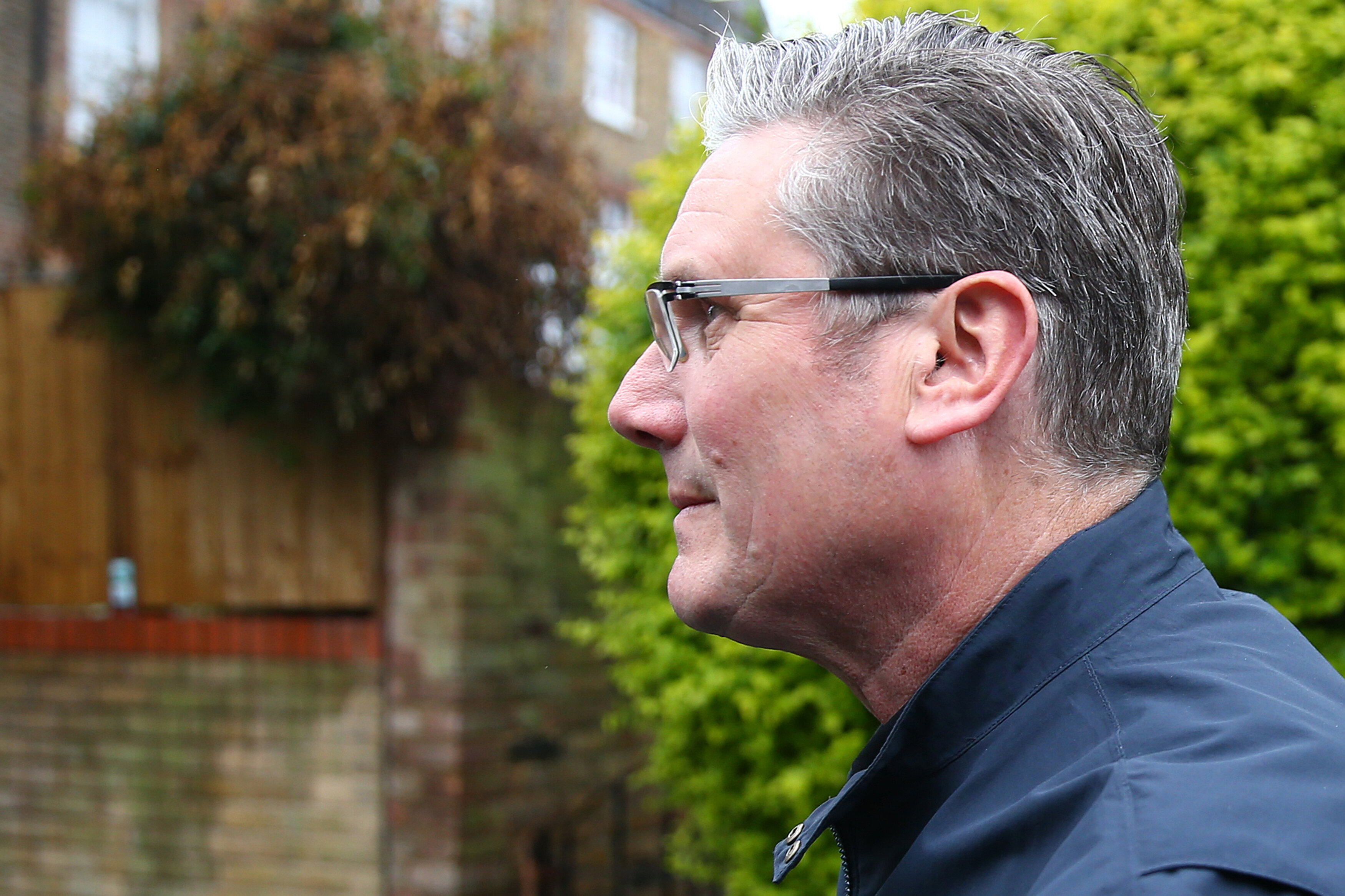
Hollie Adams via Getty ImagesStarmer leaves home on Saturday morning
There were small glimmers of hope for Labour, with the party performing well in Wales where it secured an effective majority and “stemmed the tide of Leave voters flooding away to the Conservatives”, according to English.
The party also did well in so-called “blue wall” traditionally Tory seats, but which voted Remain in 2016 and are now beginning to turn to Labour.
Starmer is likely to be pleased with Labour taking the West of England and Cambridgeshire and Peterborough mayoralties.
And there were signs of a “Brighton effect” stretching out across the south coast as Labour took a swathe of seats on Worthing council, according to Hayward.
Starmer’s party even won a county council seat from the Tories in Chipping Norton, in the affluent Cotswold area where former prime minister David Cameron lives.
Labour can at least begin making up ground on the Tories thanks to these types of university-educated, Remain voters, as voters continue to turn British politics on its head.
But “in terms of the mathematics there are not enough blue wall areas to gain a majority in a general election, absolutely not”, English says.
“If Keir Starmer is looking for silver linings, he got beaten 5-2,” the pollster adds.
“Okay, you got hammered, but you scored two goals.”
3. Green surge
💚 We’re seeing huge swings to the Greens all over the country.
🌍 It’s time for new and bold ideas. It’s time for change.
Labour supporters may want to look away now, because they have another problem with the Greens enjoying a good day across England.
The party has 14 seats on Bristol council, with the city still counting remaining areas, helped push Sheffield into no overall control following the long-running tree-felling row, and has done well in the suburban home counties.
Hayward says this is “a problem” for Labour as the Greens are “showing signs of being able to do well in towns and cities as the alternative [to Labour]”.
English meanwhile talks of a “pincer movement” with Labour losing seats to both the Greens and the Liberal Democrats.
But the Greens are also appealing to different kinds of voters, and have taken more seats from the Tories than Labour, according to English.
“They are winning seats off everyone all over the country, including in places where Labour couldn’t even dream of winning,” he says.
“And they are building these coalitions of voters who are very different types.
“It would be really daft to think that they are just young, hippy, liberal voters and old tree huggers who vote for them, it’s not.”
4. High profile Tory mayors dig in
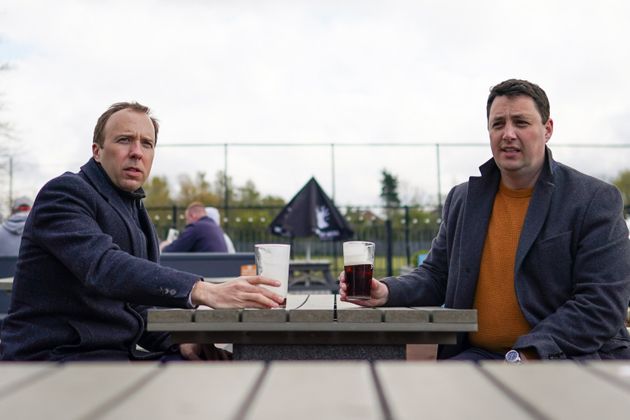
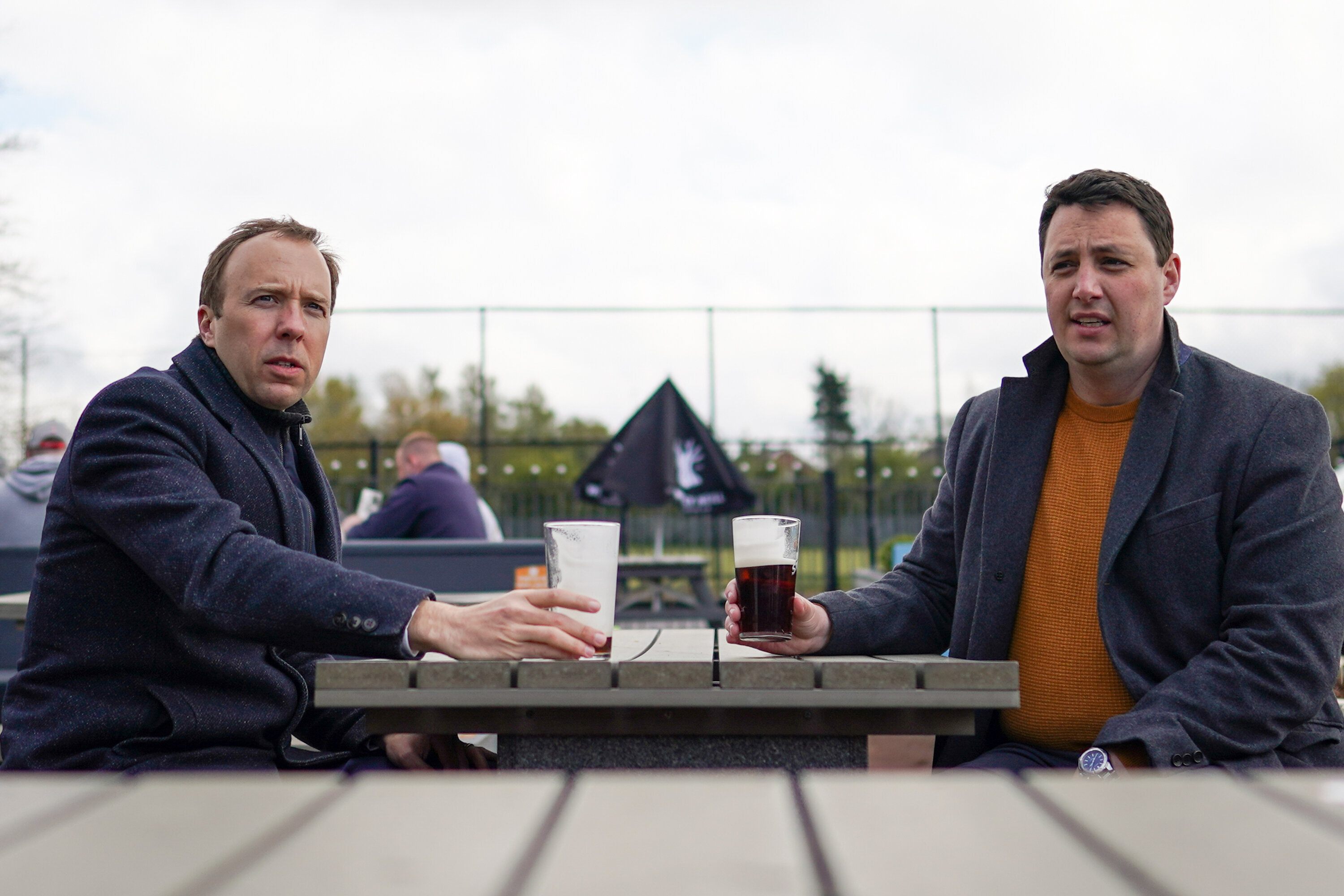
Ian Forsyth via Getty ImagesRe-elected Tees Valley mayor Ben Houchen with health secretary Matt Hancock
While Labour looked set to win 11 of the 13 mayoralties being contested in cities and metropolitan regions across England, the party’s heavy defeats in former strongholds in the West Midlands and Tees Valley provided more evidence of the Brexit alignment.
Andy Street was re-elected in the West Midlands with more than 48% of the vote, embarrassing Labour challenger Liam Byrne, who suggested he could win easily.
And Ben Houchen’s thumping victory in Tees Valley with 73% of the vote inspired Johnson to reportedly leave a voice note for the current toast of the Tory Party saying: “You’re just showing off now with that majority”.
English says: “Is it because the Conservatives are flooding money into these places so the mayors can campaign on it? “Or you could flip it around, and the Conservatives would say that’s just evidence the mayors have done a bloody good job, securing money for their areas.
“There are general incumbency effects as well – once you’ve got a mayor in there and they have done a good job, they are going to get rewarded.”
Perhaps the most significant result of them all was north of the border, where Nicola Sturgeon’s SNP fell just short of the overall majority that would have made her calls for a second independence referendum even more difficult to ignore.
However, there is a majority in Holyrood for another referendum, thanks to the pro-independence Greens picking up eight seats to add to the SNP’s 64.
In response, there are signs that the UK government’s position on a referendum may be softening slightly.
Cabinet Office minister Michael Gove made clear on Sunday that now was not the time for an independence vote, with the UK recovering from coronavirus.
But he pointedly refused to say the Westminster government would go to the Supreme Court to block referendum legislation from Holyrood, and stopped short of an outright rejection of another vote in an interview with ITV Scotland.
Starmer has already removed deputy leader Angela Rayner as party chair and campaigns coordinator, after Labour lost control of a host of councils and the “red wall” parliamentary seat of Hartlepool for the first time since its inception in the 1970s.
The Labour leader has faced a backlash from senior figures for apparently sacking Rayner.
Allies insist she has been offered another job in the shadow cabinet but they could not say what it would be, with Starmer in the process of reshuffling his top team on Sunday.
Reports suggest shadow communities secretary Steve Reed could be in line to replace Rayner.
Ian Murray, the shadow secretary for Scotland, and MP Chris Bryant have also been tipped for promotion.
Shadow chancellor Anneliese Dodds is meanwhile among those reported to be in line for a demotion.
There has also been criticism from some sections of the party of Starmer’s key aide Jenny Chapman, the former MP for Darlington.
Speaking to Times Radio on Sunday, Murray insisted Rayner had not been sacked and that Starmer wants to move her to a “much more prominent role” so Labour can benefit from her “authentic voice”.
But after headlines that Rayner had been sacked sparked outrage from some in the party, Murray admitted: “Communications over the last 24 hours have not been top-quality.”
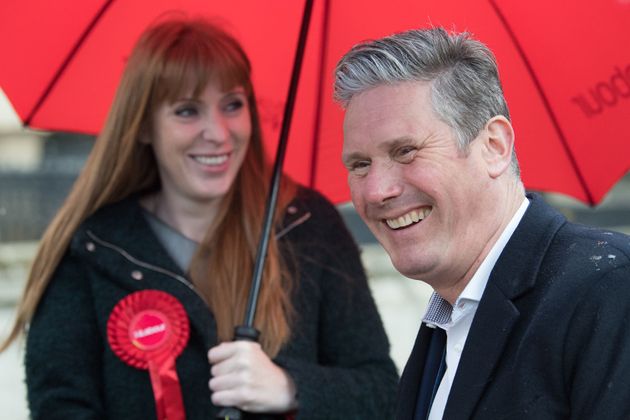
Pool via Getty ImagesStarmer and Rayner on the campaign trail on Wednesday in Birmingham
Greater Manchester mayor Andy Burnham, who has signalled he is ready to take over from Starmer if asked, said of Rayner’s sacking: “I can’t support this.
“This is straightforwardly wrong if it’s true.”
Members of former leader Jeremy Corbyn’s team, who come from the left of the party, were among those to criticise the move to “scapegoat” the deputy leader.
Former shadow home secretary Diane Abbott called it “baffling” while John McDonnell labelled it a “huge mistake”.
McDonnell, a former shadow chancellor, told the BBC’s Andrew Marr Show: “When the leader of the party on Friday said he takes responsibility for the election result in Hartlepool in particular and then scapegoats Angela Rayner, I think many of us feel that is unfair, particularly as we all know actually that Keir’s style of leadership is that his office controls everything.
“It is very centralised and he controlled the campaign.”
In a further sign of the splits in the party, Labour grandee Lord Peter Mandelson urged Starmer to dilute the influence of party members and “hard left factions” linked to train unions.
He said Starmer was set to embark on a “serious review” of Labour policy.
“I also believe that he needs to to look at how the party is organised, how it represents the genuine grassroots of the party and reflects the genuine views and values of Labour voters across the country in all the nations and the regions of the country,” Mandelson told Times Radio
“The idea that the Labour Party and its policies and its outlook can be driven disproportionately frankly by a mixture of grassroots members in London and the south-east and the sort of hard left factions that are attached to trade unions – that has got to go, we have got to change.
“Party reform therefore I think is an essential part of what Keir has got to take on next.”
As well as undertaking a reshuffle, Starmer has hired Gordon Brown’s former chief pollster Deborah Mattinson – who has written a book about why Labour lost the so-called “red wall” at the 2019 general election – as director of strategy.