Terry White’s sister is giving evidence to the Lampard Inquiry into mental health deaths.


Terry White’s sister is giving evidence to the Lampard Inquiry into mental health deaths.
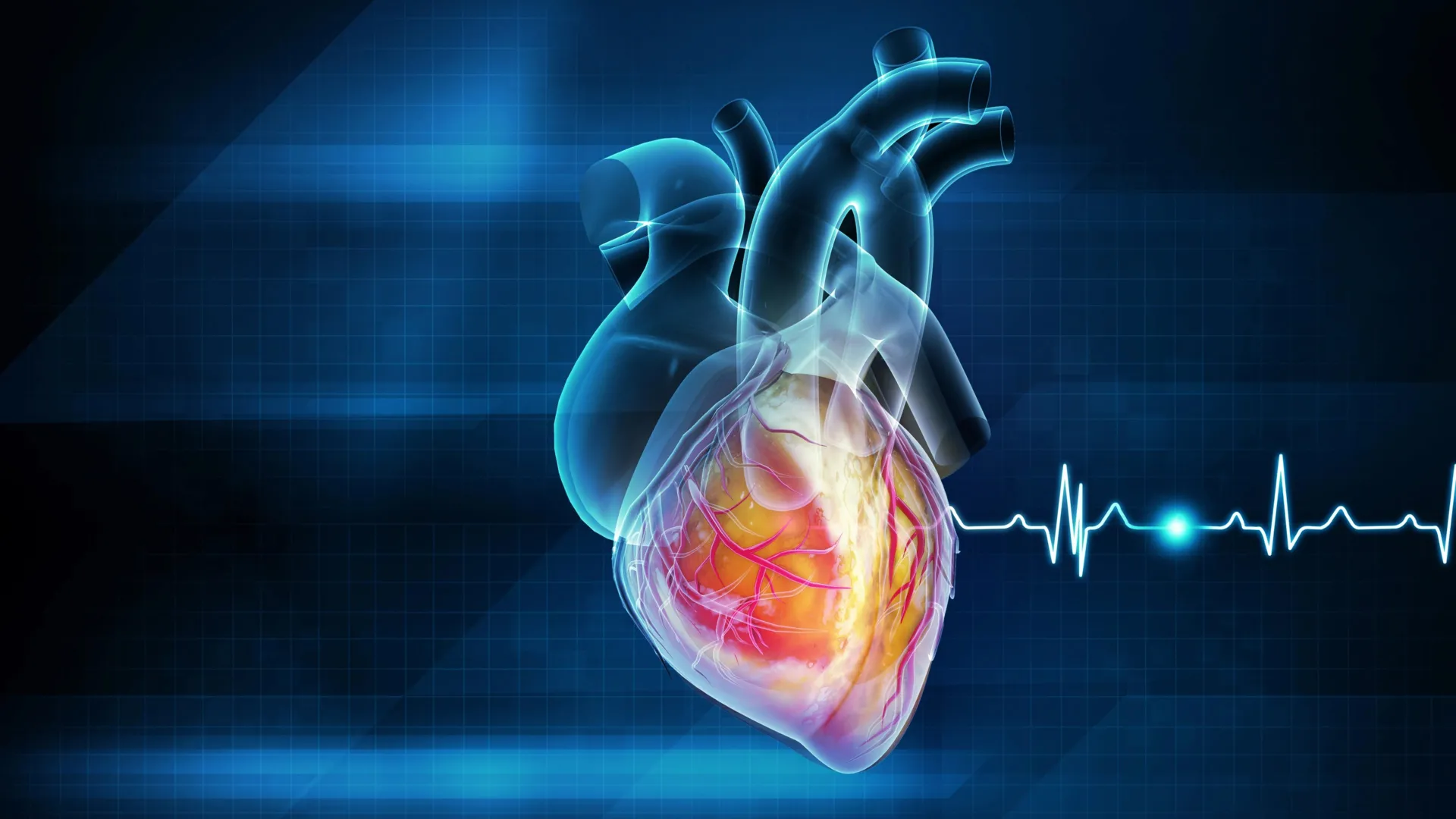
People who walk for 10-15 minutes at a time can reduce their risk of cardiovascular disease by up to two thirds compared to those who take only brief walks lasting less than five minutes. Even when covering the same total number of steps, longer, uninterrupted walks appear to provide greater benefits for the heart than short, scattered strolls throughout the day.
Study Finds Continuous Walking Improves Cardiovascular Health
An international team of researchers from the University of Sydney and the Universidad Europea in Spain discovered that sustained walking sessions offer stronger protection for heart health than fragmented activity. Their work, published in the Annals of Internal Medicine, explored how walking patterns affect the health of people who are generally inactive.
Among individuals averaging fewer than 8000 steps per day, those who concentrated their walking into one or two sessions lasting at least 10-15 minutes had a significantly lower risk of death and cardiovascular events (including heart attacks and strokes) than those whose steps came from many short bouts lasting under five minutes.
One or Two Steady Walks Can Make a Big Difference
Co-lead author Dr. Matthew Ahmadi, Deputy Director of the Mackenzie Wearables Research Hub and member of the Charles Perkins Centre at the University of Sydney, explained: “For the most inactive people, switching from brief walks here and there to longer continuous walks may come with some health benefits.
“There is a perception that health professionals have recommended walking 10,000 steps a day is the goal, but this isn’t necessary. Simply adding one or two longer walks per day, each lasting at least 10-15 minutes at a comfortable but steady pace, may have significant benefits — especially for people who don’t walk much.”
Tracking Step Patterns Over Time
The study involved 33,560 adults between the ages of 40 and 79 who typically walked fewer than 8000 steps a day and had no history of cardiovascular disease or cancer. Participants wore research-grade wristbands for one week to record both their step counts and how their steps were distributed throughout the day.
Researchers followed their health outcomes for about eight years and found striking differences in cardiovascular risk between those who walked in short versus longer bouts:
Why Step Patterns Matter
Senior author Professor Emmanuel Stamatakis, Director of the Mackenzie Wearables Research Hub and physical activity theme leader at the Charles Perkins Centre, noted: “We tend to place all the emphasis on the number of steps or the total amount of walking but neglect the crucial role of patterns, for example ‘how’ walking is done.
“This study shows that even people who are very physically inactive can maximize their heart health benefit by tweaking their walking patterns to walk for longer at a time, ideally for at least 10-15 minutes, when possible.”
Simple Changes, Big Results
Co-lead author Dr. Borja del Pozo from the Universidad Europea added: “Our research shows that simple changes can make all the difference to your health. If you walk a little, set aside some time to walk more often and in longer sessions. Such small changes can have a big impact.”
Jacqui Hunter died less than 24 hours after being told that her daughter had died in the womb.
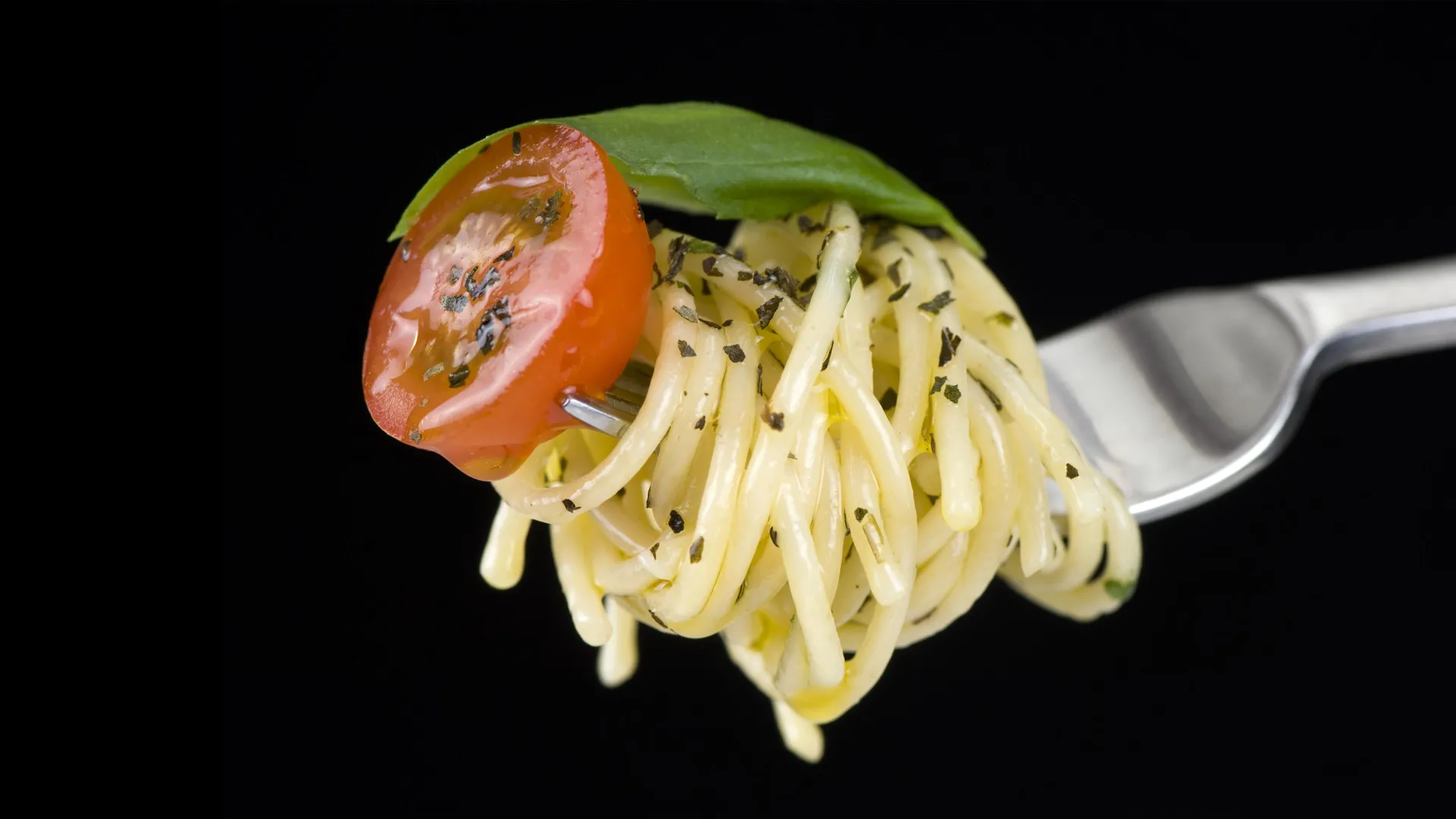
Why doesn’t spaghetti fall apart when it’s boiled? According to new scientific findings, the key is gluten. The amount of salt added to the cooking water also plays a surprisingly important part in keeping pasta firm and intact.
Studying Pasta at the Microscopic Level
Researchers used advanced scientific tools to analyze the inner structure of both regular and gluten-free spaghetti purchased straight from the store. Their observations revealed that gluten provides vital structural support during cooking, helping pasta maintain its texture and shape.
“We were able to show that the gluten in regular spaghetti acts as a safety net that preserves the starch. The gluten-free pasta, which contains an artificial matrix, only works optimally under exactly the right cooking conditions — otherwise the structure easily falls apart,” explains Andrea Scotti, senior lecturer in physical chemistry at Lund University.
To uncover these details, Scotti employed small-angle neutron scattering and X-ray techniques. These methods allowed the team to examine food on a microscopic scale (down to a billionth of a meter) and connect those molecular observations to everyday characteristics like texture, shelf life, and glycemic index.
Salt’s Surprising Role in Pasta Perfection
The researchers also discovered that the salt added to the pasta water influences the final outcome.
“Our results show that regular pasta has higher tolerance, or better structural resistance, to less optimal cooking conditions such as being cooked for too long or too much salt being added to the water. So, cooking pasta with the right amount of salt is not just a matter of taste — it also affects the microstructure of the pasta and thus the whole dining experience,” says Andrea Scotti.
Toward Better Gluten-Free Alternatives
Next, the research team plans to expand its work by examining more pasta varieties and production methods. They also aim to simulate digestion to understand how the pasta’s molecular structure changes once inside the human stomach.
“With demand for gluten-free alternatives increasing, we hope that our methods can help develop more durable and nutritious products that stand up to the demands placed on them by both the cooking process and by consumers,” adds Scotti.
This study was carried out in collaboration with Judith Houston, lead instrument scientist for the LoKI instrument at the European Spallation Source (ESS) in Lund, Sweden, along with scientists from the Institut Laue-Langevin in France and the Diamond Light Source and ISIS Neutron and Muon Source in the UK.
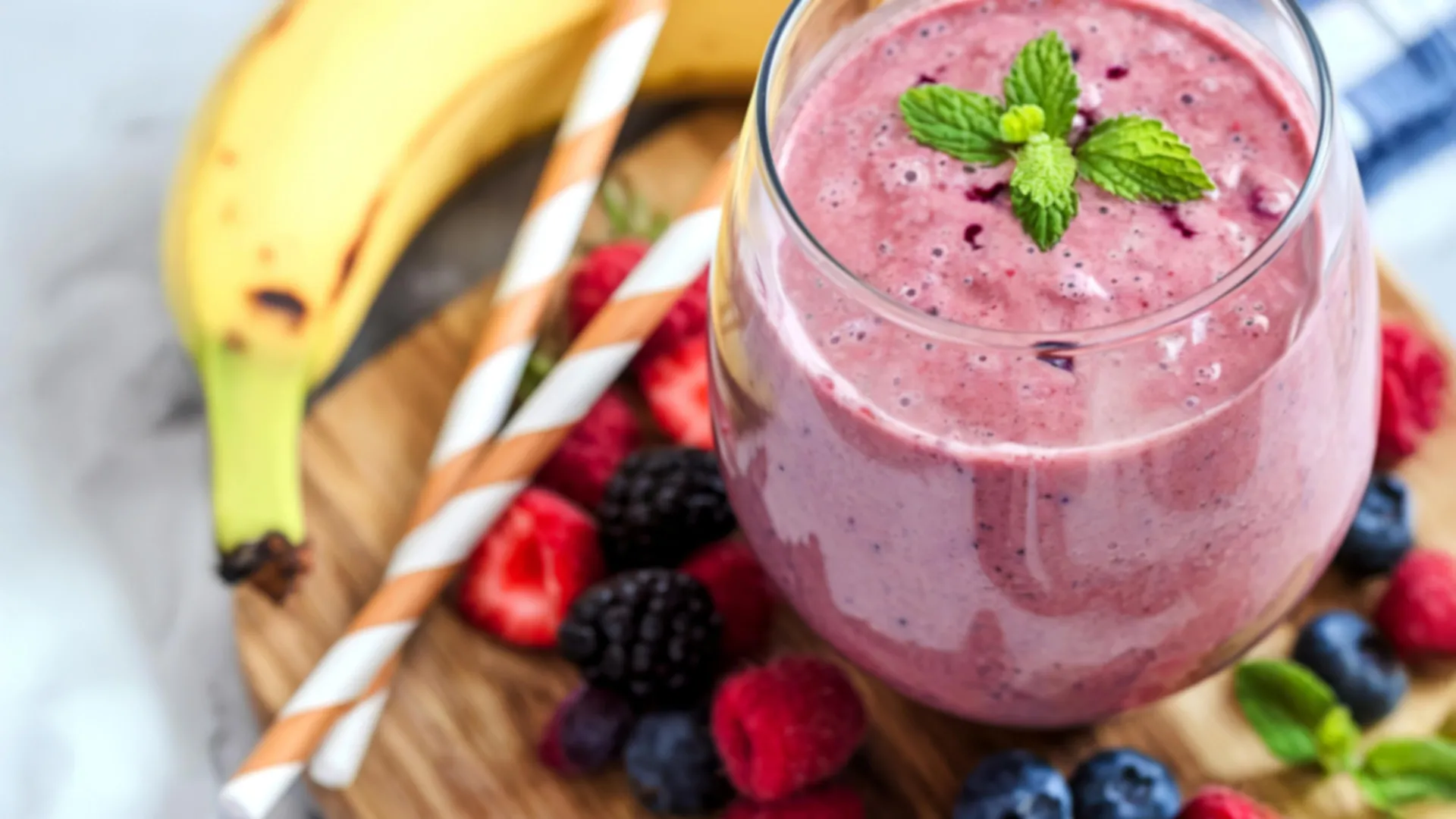
Smoothies are a quick and delicious way to load up on fruits and vegetables, but some ingredient combinations may not be as healthy as they seem. Scientists from the University of California, Davis, discovered that the types of fruits blended together can change how much nutrition your body actually absorbs.
Their research, published in the Royal Society of Chemistry’s journal Food and Function, examined how polyphenol oxidase (PPO) — an enzyme found naturally in many fruits and vegetables — affects the body’s ability to take in flavanols. These bioactive compounds are linked to improved heart and brain health and are abundant in foods like apples, pears, blueberries, blackberries, grapes, and cocoa (all popular smoothie ingredients).
Lead author Javier Ottaviani, director of the Core Laboratory of Mars Edge, part of Mars, Inc., and adjunct researcher at UC Davis, explained: “We sought to understand, on a very practical level, how a common food and food preparation like a banana-based smoothie could affect the availability of flavanols to be absorbed after intake.”
Anyone who has sliced an apple or peeled a banana has seen the fruit quickly turn brown. That browning occurs when PPO reacts with oxygen after the fruit is cut or bruised. The UC Davis team wanted to know if that same enzyme activity affects how much of these beneficial flavanols the body absorbs when fruits are blended together in smoothies.
Bananas vs. Berries: The Smoothie Showdown
To test this, participants consumed two different smoothies — one made with banana, which has high PPO activity, and another made with mixed berries, which have low PPO activity. They also took a flavanol capsule for comparison. Afterward, researchers measured flavanol levels in blood and urine samples.
The results were striking. People who drank the banana smoothie had 84% lower flavanol levels compared to those who took the control capsule.
“We were really surprised to see how quickly adding a single banana decreased the level of flavanols in the smoothie and the levels of flavanol absorbed in the body,” Ottaviani said. “This highlights how food preparation and combinations can affect the absorption of dietary compounds in foods.”
What Are Flavanols?
Flavanols are natural compounds found in foods like cocoa, berries, apples, and grapes. They’re part of a larger group of plant nutrients called polyphenols and are known for supporting heart and brain health. Research suggests that flavanols can help improve blood flow, support memory, and reduce inflammation when consumed regularly.
Choosing the Right Fruit Pairings
In 2022, the Academy of Nutrition and Dietetics recommended consuming 400 to 600 milligrams of flavanols each day for cardiometabolic health. Ottaviani noted that for people aiming to reach that target, it helps to pair flavanol-rich fruits such as berries with ingredients that have low PPO activity, like pineapple, oranges, mango, or yogurt.
Bananas are still a nutritious fruit, but Ottaviani advised that if you enjoy banana smoothies, it may be best not to mix them with flavanol-heavy foods like berries, grapes, or cocoa. The same principle applies to other foods with high PPO activity, including beet greens.
Ottaviani added that these findings could open the door to more studies on how food preparation affects nutrient absorption. For instance, tea is a major dietary source of flavanols, and the way it is brewed could alter how many of those compounds become available for the body to absorb.
“This is certainly an area that deserves more attention in the field of polyphenols and bioactive compounds in general,” said Ottaviani.
Jodi Ensunsa, Reedmond Fong, Jennifer Kimball and Alan Crozier, all affiliated with the UC Davis Department of Nutrition and researchers affiliated with the UC Davis Department of Internal Medicine, University of Reading, King Saud University and Mars, Inc. contributed to the research.
The study was funded by a research grant from Mars, Inc., which collaborates with researchers to study potential benefits of cocoa flavanols for human health.
Walking for at least 15 minutes without stopping is ideal, according to new research.
UK health officials are encouraging gay, bisexual and other men who have sex with men to be vaccinated.

Donald Trump’s Treasury secretary Scott Bessent hit out at the Kremlin after a Russian envoy tried to dismiss the impact of the US’s new sanctions on Moscow.
The White House implemented fresh sanctions against Russia for the first time last week, punishing its oil companies in the hope of pushing Vladimir Putin to end his war in Ukraine.
Advertisement
In a move much welcomed by his European allies who have also increased economic pressure on Moscow, Trump froze all US-based assets of Russia’s two largest oil firms – Rosneft and Lukoil.
The US also made it possible for secondary penalties on foreign institutions which could conduct transactions with entities on the blacklist.
It was a surprising move from the US president, considering he has often expressed sympathy for the Russian invasion of Ukraine even while calling for peace in the region.
Advertisement
US plans for a high-level summit with Putin in Budapest also broke down recently, and Trump has insisted he would not meet with Putin unless there was a clear plan for peace.
But Kremlin envoy Kirill Dmitriev – who plays a key part in the diplomacy between Moscow and Washington – told the US media that the new sanctions would not have much of an effect.
The head of the Russian Direct Investment Funds insisted: “No pressure works on Russia.”
So Bessent furiously hit back in an interview with CBS News on Sunday, saying: “Are you really going to publish what a Russian propagandist says?
Advertisement
“I mean, what else is he going to say?
“The Russian economy is a wartime economy. Growth is virtually zero.”
Bessent claimed the US can make a “substantial debt” in Putin’s profits and therefore impact his war machine.
When the new penalties were first announced last week, the Russian president described them as an “unfriendly act” – and said Moscow would not give in to economic pressure.
Russia continued to launch fresh missile and drone attacks across Ukraine over the weekend, too.
Putin claimed to have sucessfully tested a new nuclear-powered cruise missile on Sunday, too.
Meanwhile, news agency Reuters has recently reported that the Trump administration is already thinking about further sanctions unless Putin engages with peace talks.
Advertisement
The US president said Putin should focus on ending the war in Ukraine instead of testing a new nuclear-powered missile.
He said: “They know we have a nuclear submarine, the greatest in the world, right off their shores, so I mean, it doesn’t have to go 8,000 miles.”
Trump added: “I don’t think it’s an appropriate thing for Putin to be saying, either, by the way: You ought to get the war ended, the war that should have taken one week is now in … its fourth year, that’s what you ought to do instead of testing missiles.”
Advertisement


Gulp-inducing news for the newly-engaged – it turns out the average cost of a wedding in the UK is currently around £23,250.
Which, I’m sure, makes the roughly 20% of guests who don’t show up despite RSVP-ing yes quite a challenging issue to reckon with.
Advertisement
But if you’re put in that frustrating situation, what are you meant to do about it?
Well, Redditor u/KeyManufacturer9764 says his friend had a pretty simple solution: when the poster cancelled on his pal’s wedding, he asked for cold, hard cash.
We asked Zoe Burke, leading wedding expert at Hitched.co.uk, and founder of Etiquette Expert, Jo Hayes, what they thought of the move.
Advertisement
The Redditor, who introduced his friend to his now-wife, shared that he’d fully intended to attend and had booked a hotel.
But due to an “important work visitation” in France, he cancelled the wedding. In the comments, OP said he stated he wouldn’t be coming 12 hours before he’d have travelled, and 48 hours before the wedding itself.
“I know how insanely annoying it is with people cancelling, especially weddings late on, but I had no option for my future business, and [the work] will massively help me financially,” he continued.
Advertisement
He offered to send his wedding gift to his “disappointed” friend’s home address. And while sharing his details, the friend reportedly said: “By the way, as you’ll be missing the food, can you send the money to cover [your] empty spot, which is £95 per head”.
The poster said that the price is “taking the p*ss” for what he sees as a simple meal, and asked, “AITA if I question it or do I just send the money and stop complaining?”
Advertisement
Speaking to HuffPost UK, wedding expert Burke said: “I do think that it is valid to charge people who cancel at the very last minute”.
Despite the poster’s comment about the price of the meal “taking the piss”, she explained that “the average wedding guest costs couples £261, [so] it makes sense that they would want to recoup some of the costs – because they could have invited someone else if they’d had more notice”.
She continued, “It’s really poor etiquette, unless it’s a medical emergency or something that you know really cannot be avoided.
Advertisement
“It’s not just the fact you’re putting the couple out of pocket, but so many other things will be put out too; the table plan, the wedding favours, the personal touches that go along with being a guest at a wedding – it’s so much more than just not turning up for dinner.”
Etiquette expert Hayes agreed that “few people, with any level of decency, would pull out of a wedding with such late notice.”
Still, she said that in general – not in this specific case – “Bridal couples do well to have grace for their guests in such instances, and simply absorb the cost”.
Advertisement


Two PhD students from Sydney have helped restore the sharp vision of the world’s most powerful space observatory without ever leaving the ground. Louis Desdoigts, now a postdoctoral researcher at Leiden University in the Netherlands, and his colleague Max Charles celebrated their achievement with tattoos of the instrument they repaired inked on their arms — an enduring reminder of their contribution to space science.
A Groundbreaking Software Fix
Researchers at the University of Sydney developed an innovative software solution that corrected blurriness in images captured by NASA’s multi-billion-dollar James Webb Space Telescope (JWST). Their breakthrough restored the full precision of one of the telescope’s key instruments, achieving what would once have required a costly astronaut repair mission.
This success builds on the JWST’s only Australian-designed component, the Aperture Masking Interferometer (AMI). Created by Professor Peter Tuthill from the University of Sydney’s School of Physics and the Sydney Institute for Astronomy, the AMI allows astronomers to capture ultra-high-resolution images of stars and exoplanets. It works by combining light from different sections of the telescope’s main mirror, a process known as interferometry. When the JWST began its scientific operations, researchers noticed that AMI’s performance was being affected by faint electronic distortions in its infrared camera detector. These distortions caused subtle image fuzziness, reminiscent of the Hubble Space Telescope’s well-known early optical flaw that had to be corrected through astronaut spacewalks.
Solving a Space Problem from Earth
Instead of attempting a physical repair, PhD students Louis Desdoigts and Max Charles, working with Professor Tuthill and Associate Professor Ben Pope (at Macquarie University), devised a purely software-based calibration technique to fix the distortion from Earth.
Their system, called AMIGO (Aperture Masking Interferometry Generative Observations), uses advanced simulations and neural networks to replicate how the telescope’s optics and electronics function in space. By pinpointing an issue where electric charge slightly spreads to neighboring pixels — a phenomenon called the brighter-fatter effect — the team designed algorithms that digitally corrected the images, fully restoring AMI’s performance.
“Instead of sending astronauts to bolt on new parts, they managed to fix things with code,” Professor Tuthill said. “It’s a brilliant example of how Australian innovation can make a global impact in space science.”
Sharper Views of the Universe
The results have been striking. With AMIGO in use, the James Webb Space Telescope has delivered its clearest images yet, capturing faint celestial objects in unprecedented detail. This includes direct images of a dim exoplanet and a red-brown dwarf orbiting the nearby star HD 206893, about 133 light years from Earth.
A related study led by Max Charles further demonstrated AMI’s renewed precision. Using the improved calibration, the telescope produced sharp images of a black hole jet, the fiery surface of Jupiter’s moon Io, and the dust-filled stellar winds of WR 137 — showing that JWST can now probe deeper and clearer than before.
“This work brings JWST’s vision into even sharper focus,” Dr. Desdoigts said. “It’s incredibly rewarding to see a software solution extend the telescope’s scientific reach — and to know it was possible without ever leaving the lab.”
Dr. Desdoigts has now landed a prestigious postdoctoral research position at Leiden University in the Netherlands.
Both studies have been published on the pre-press server arXiv. Dr. Desdoigts’ paper has been peer-reviewed and will shortly be published in the Publications of the Astronomical Society of Australia. We have published this release to coincide with the latest round of James Webb Space Telescope General Observer, Survey and Archival Research programs.
Associate Professor Benjamin Pope, who presented on these findings at SXSW Sydney, said the research team was keen to get the new code into the hands of researchers working on JWST as soon as possible.
