Keir Starmer Makes Labour MP A Minister Just 24 Hours After Sacking Him

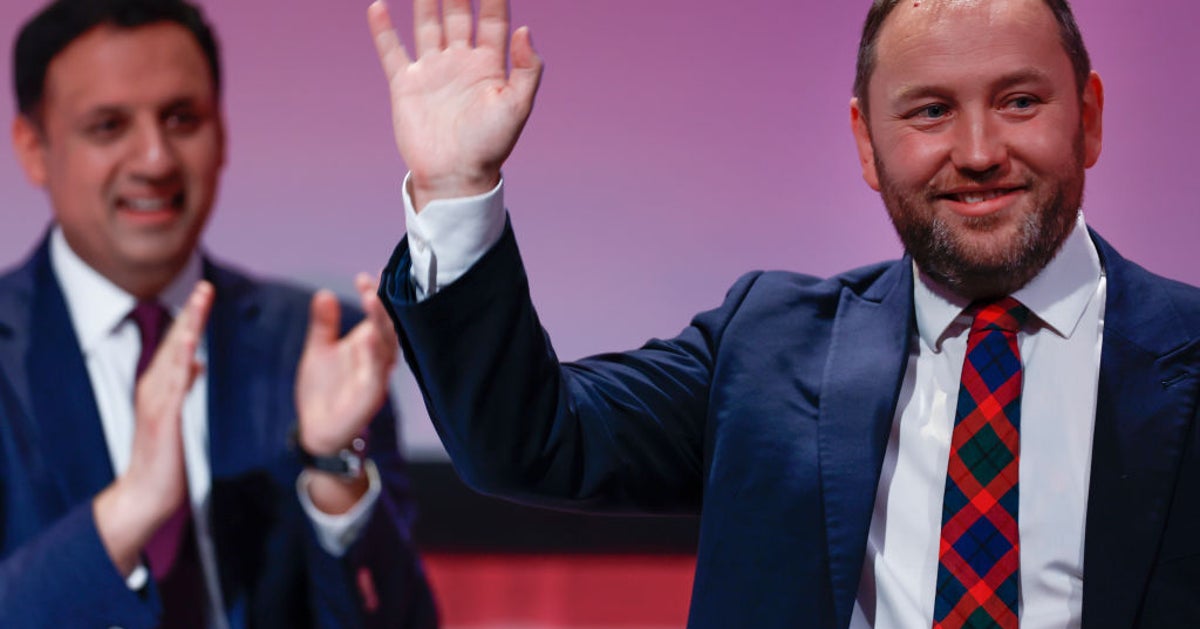
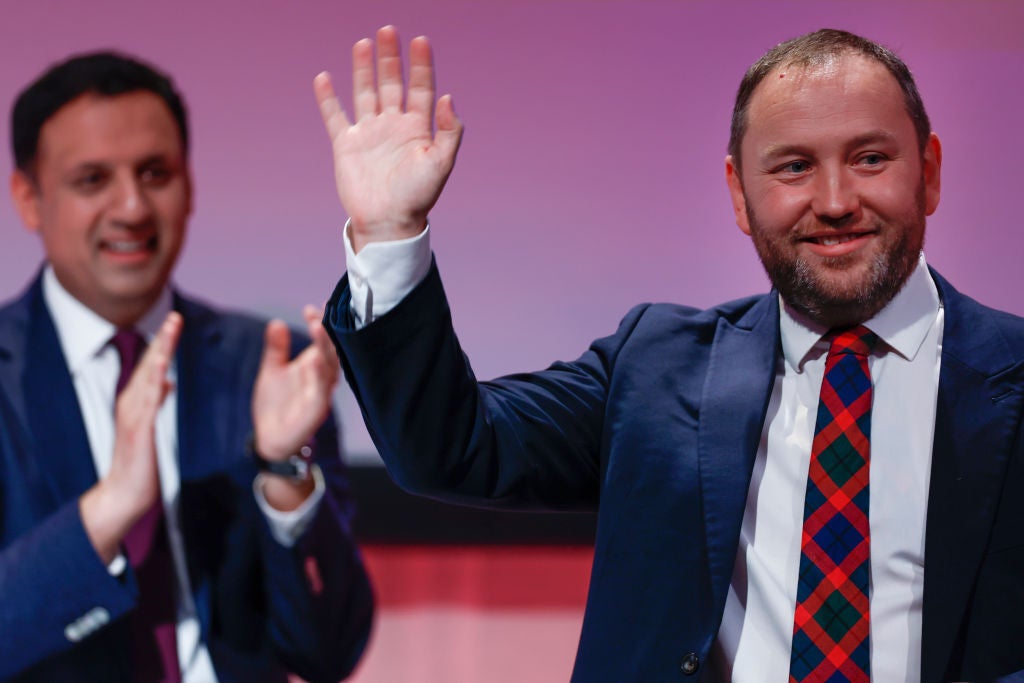
Keir Starmer has made a Labour MP a minister just 24 hours after sacking him from the cabinet.

Downing Street announced on Friday that Ian Murray had “left the government” after he was replaced as Scottish secretary by Douglas Alexander.

But in a remarkable turnaround, it was announced on Saturday that Murray, the MP for Edinburgh South, was being given two new ministerial jobs.

He will be a junior minister in both the Department of Culture, Media and Sport and the Department of Science, Innovation and Technology.

It is understood Starmer U-turned after his original decision to sack Murray sparked a furious backlash from Labour MPs.

Murray, the MP for Edinburgh South, was one of only two cabinet members to be ousted entirely from the prime minister’s top team during Friday’s reshuffle. The other was Commons leader Lucy Powell.

The announcement was greeted with shock by Labour figures, who believed Murray had been treated unfairly.

Relations between Murray and Morgan McSweeney, the PM’s chief of staff, have been strained since a Scottish Parliament by-election in Hamilton in June.

The pair fell out over Labour’s choice of candidate, who went on to defeat the SNP in a major upset.

Murray has been a Labour MP since 2010, and was the party’s only MP in Scotland between 2015 and 2017, and between 2019 and 2024.

Share Button

Strange new bacteria found in Amazon sand flies. Could it spread to humans?

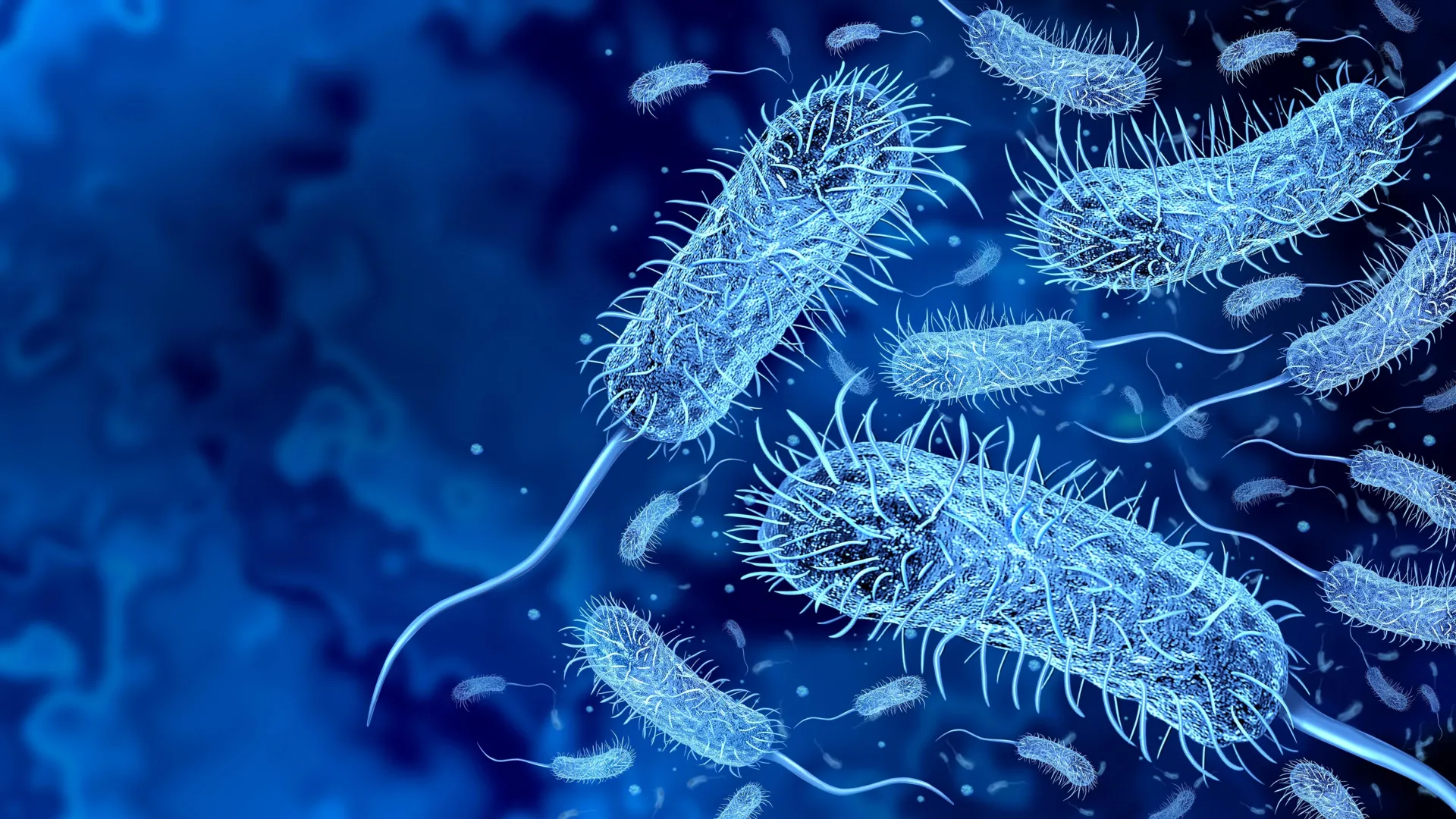
A new species of bacteria of the genus Bartonella has been found in the Amazon National Park in the state of Pará, Brazil, in phlebotomine insects, also known as sand flies. This type of insect is generally associated with transmitting leishmaniasis, but according to the researchers, the DNA of the newly discovered microorganism is similar to that of two other Andean species of bacteria, B. bacilliformis and B. ancashensis. These bacteria cause Carrión’s disease (also known as Peruvian wart and Oroya fever) and are both transmitted by phlebotomine sand flies.

There is currently no evidence in Brazil that this new species of bacteria can cause disease. However, since species of the genus Bartonella are responsible for several diseases in other countries, further studies are needed.

The research was conducted by Marcos Rogério André in partnership with Eunice Aparecida Bianchi Galati. Both researchers are affiliated with Brazilian institutions: the Faculty of Agricultural and Veterinary Sciences of São Paulo State University (FCAV-UNESP) in Jaboticabal campus and the School of Public Health of the University of São Paulo (FSP-USP). The study was supported by FAPESP through two projects (22/08543-2 and 22/16085-4).

It was published in the scientific journal Acta Tropica and included the participation of researchers Paulo Vitor Cadina Arantes, Israel de Souza Pinto, Daniel Antônio Braga Lee, Anna Cláudia Baumel Mongruel, and Rosângela Zacarias Machado.

What is the disease?

Bartonellosis is a term that refers to a group of diseases caused by bacteria of the genus Bartonella. These bacteria are transmitted by various vectors. In addition to sand flies, they can be transmitted by fleas and lice.

Symptoms usually include infections that take a long time to clear up in both humans and animals. These bacteria can remain in the body for a long time without being detected and end up harming patients with preexisting immune problems.

“Bartonellosis is a neglected disease. The disease best known to health professionals is cat scratch disease, caused by Bartonella henselae. It’s important to understand the real prevalence of these diseases, especially in isolated regions with low human development indices, where populations don’t have easy access to health services,” explains André.

The objective of the study was to investigate the presence of Bartonella spp. DNA in 297 specimens of female sand flies (Diptera: Psychodidae) collected in the Amazon National Park in the state of Pará. “This park has caves and receives many visitors, so it’s important to study it,” says the researcher.

The phlebotomine sand flies were collected between February 2022 and February 2023. Every month, the researchers collected samples along two trails near the banks of the Uruá and Tracoá rivers, which are located within the conservation unit.

“The discovery of Bartonella species in phlebotomine sand flies here in Brazil may indicate that B. bacilliformis and B. ancashensis, which cause Carrión’s disease or Peruvian wart, can adapt to non-Andean species and be transmitted in areas outside the Andes. This isn’t too much of an extrapolation, as two species that have been identified as vectors of B. bacilliformis, Pintomyia robusta and Pintomyia maranonensis in Peru, are very similar to species found in Brazil, namely Pintomyia serrana and Pintomyia nevesi,” explains Galati.

In recent years, the group has been studying the diversity of bacteria found in this genus and the diseases they cause in both humans and animals. According to the scientists, the sequences found in the Amazon differ from those found in Peru; however, the results corroborate data collected in a previous study.

According to André, this second article by the research group confirms evidence found in previous studies, such as the discovery of new species of Bartonella in Acre, another Brazilian state in the Amazon region. Therefore, they decided to expand the investigation and analyze samples from Pará and other locations.

“We’re detecting a strain here in Brazil that’s never been described and is very similar to two species of the Bartonella genus that cause disease in Andean countries. Despite this similarity, we don’t yet have information on whether it can cause disease with distinct symptoms. That’s why we need to study them further,” the professor points out.

To continue mapping the insects and the bacteria with which they may be infected, the researchers are collecting samples in various biomes.

“The next steps are to continue investigations involving more populations of phlebotomine sand flies and other diptera from different biomes in search of these strains, as well as to look for other strains,” says Galati.

According to the researcher, the next step would be to investigate what animals these insects feed on to find “reservoirs.”

“I have a project funded by FAPESP in which I was able to store many specimens of phlebotomine sand flies from the Atlantic Forest of São Paulo, and the idea is to explore this material in partnership with Professor André,” reveals Galati.

Although the results are preliminary, the project has helped the researchers uncover the possibility of finding disease agents that had not yet been detected.

According to André, since this is a new finding, it would be beneficial for doctors and researchers to collaborate on investigating this group of bacteria in individuals with fever of unknown origin.

“Could people with fever who are often sent home and who have repeated episodes of fever be infected with this pathogen? Could patients with Leishmania also be co-infected with this new species of Bartonella?” asks the professor.

Share Button

MIT scientists uncover shocking origin of the moon’s magnetic scars

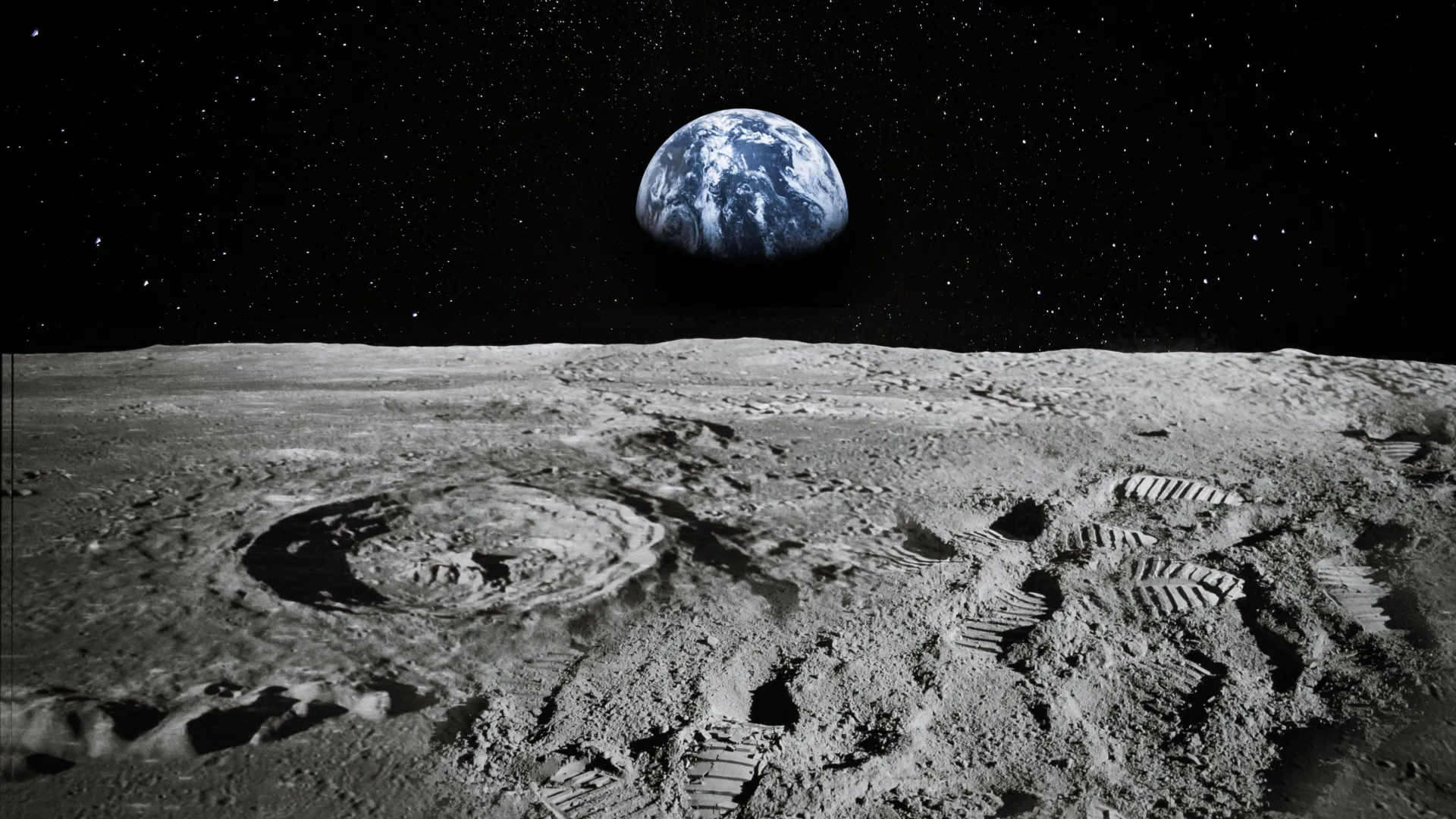
Where did the moon’s magnetism go? Scientists have puzzled over this question for decades, ever since orbiting spacecraft picked up signs of a high magnetic field in lunar surface rocks. The moon itself has no inherent magnetism today.

Now, MIT scientists may have solved the mystery. They propose that a combination of an ancient, weak magnetic field and a large, plasma-generating impact may have temporarily created a strong magnetic field, concentrated on the far side of the moon.

In a study appearing in the journal Science Advances, the researchers show through detailed simulations that an impact, such as from a large asteroid, could have generated a cloud of ionized particles that briefly enveloped the moon. This plasma would have streamed around the moon and concentrated at the opposite location from the initial impact. There, the plasma would have interacted with and momentarily amplified the moon’s weak magnetic field. Any rocks in the region could have recorded signs of the heightened magnetism before the field quickly died away.

This combination of events could explain the presence of highly magnetic rocks detected in a region near the south pole, on the moon’s far side. As it happens, one of the largest impact basins — the Imbrium basin — is located in the exact opposite spot on the near side of the moon. The researchers suspect that whatever made that impact likely released the cloud of plasma that kicked off the scenario in their simulations.

“There are large parts of lunar magnetism that are still unexplained,” says lead author Isaac Narrett, a graduate student in the MIT Department of Earth, Atmospheric and Planetary Sciences (EAPS). “But the majority of the strong magnetic fields that are measured by orbiting spacecraft can be explained by this process — especially on the far side of the moon.”

Narrett’s co-authors include Rona Oran and Benjamin Weiss at MIT, along with Katarina Miljkovic at Curtin University, Yuxi Chen and Gábor Tóth at the University of Michigan at Ann Arbor, and Elias Mansbach PhD ’24 at Cambridge University. Nuno Loureiro, professor of nuclear science and engineering at MIT, also contributed insights and advice.

Beyond the sun

Scientists have known for decades that the moon holds remnants of a strong magnetic field. Samples from the surface of the moon, returned by astronauts on NASA’s Apollo missions of the 1960s and 70s, as well as global measurements of the moon taken remotely by orbiting spacecraft, show signs of remnant magnetism in surface rocks, especially on the far side of the moon.

The typical explanation for surface magnetism is a global magnetic field, generated by an internal “dynamo,” or a core of molten, churning material. The Earth today generates a magnetic field through a dynamo process, and it’s thought that the moon once may have done the same, though its much smaller core would have produced a much weaker magnetic field that may not explain the highly magnetized rocks observed, particularly on the moon’s far side.

An alternative hypothesis that scientists have tested from time to time involves a giant impact that generated plasma, which in turn amplified any weak magnetic field. In 2020, Oran and Weiss tested this hypothesis with simulations of a giant impact on the moon, in combination with the solar-generated magnetic field, which is weak as it stretches out to the Earth and moon.

In simulations, they tested whether an impact to the moon could amplify such a solar field, enough to explain the highly magnetic measurements of surface rocks. It turned out that it wasn’t, and their results seemed to rule out plasma-induced impacts as playing a role in the moon’s missing magnetism.

A spike and a jitter

But in their new study, the researchers took a different tack. Instead of accounting for the sun’s magnetic field, they assumed that the moon once hosted a dynamo that produced a magnetic field of its own, albeit a weak one. Given the size of its core, they estimated that such a field would have been about 1 microtesla, or 50 times weaker than the Earth’s field today.

From this starting point, the researchers simulated a large impact to the moon’s surface, similar to what would have created the Imbrium basin, on the moon’s near side. Using impact simulations from Katarina Miljkovic, the team then simulated the cloud of plasma that such an impact would have generated as the force of the impact vaporized the surface material. They adapted a second code, developed by collaborators at the University of Michigan, to simulate how the resulting plasma would flow and interact with the moon’s weak magnetic field.

These simulations showed that as a plasma cloud arose from the impact, some of it would have expanded into space, while the rest would stream around the moon and concentrate on the opposite side. There, the plasma would have compressed and briefly amplified the moon’s weak magnetic field. This entire process, from the moment the magnetic field was amplified to the time that it decays back to baseline, would have been incredibly fast — somewhere around 40 minutes, Narrett says.

Would this brief window have been enough for surrounding rocks to record the momentary magnetic spike? The researchers say, yes, with some help from another, impact-related effect.

They found that an Imbrium-scale impact would have sent a pressure wave through the moon, similar to a seismic shock. These waves would have converged to the other side, where the shock would have “jittered” the surrounding rocks, briefly unsettling the rocks’ electrons — the subatomic particles that naturally orient their spins to any external magnetic field. The researchers suspect the rocks were shocked just as the impact’s plasma amplified the moon’s magnetic field. As the rocks’ electrons settled back, they assumed a new orientation, in line with the momentary high magnetic field.

“It’s as if you throw a 52-card deck in the air, in a magnetic field, and each card has a compass needle,” Weiss says. “When the cards settle back to the ground, they do so in a new orientation. That’s essentially the magnetization process.”

The researchers say this combination of a dynamo plus a large impact, coupled with the impact’s shockwave, is enough to explain the moon’s highly magnetized surface rocks — particularly on the far side. One way to know for sure is to directly sample the rocks for signs of shock, and high magnetism. This could be a possibility, as the rocks lie on the far side, near the lunar south pole, where missions such as NASA’s Artemis program plan to explore.

“For several decades, there’s been sort of a conundrum over the moon’s magnetism — is it from impacts or is it from a dynamo?” Oran says. “And here we’re saying, it’s a little bit of both. And it’s a testable hypothesis, which is nice.”

The team’s simulations were carried out using the MIT SuperCloud. This research was supported, in part, by NASA.

Share Button

A common supplement could reverse the hidden harm of sucralose

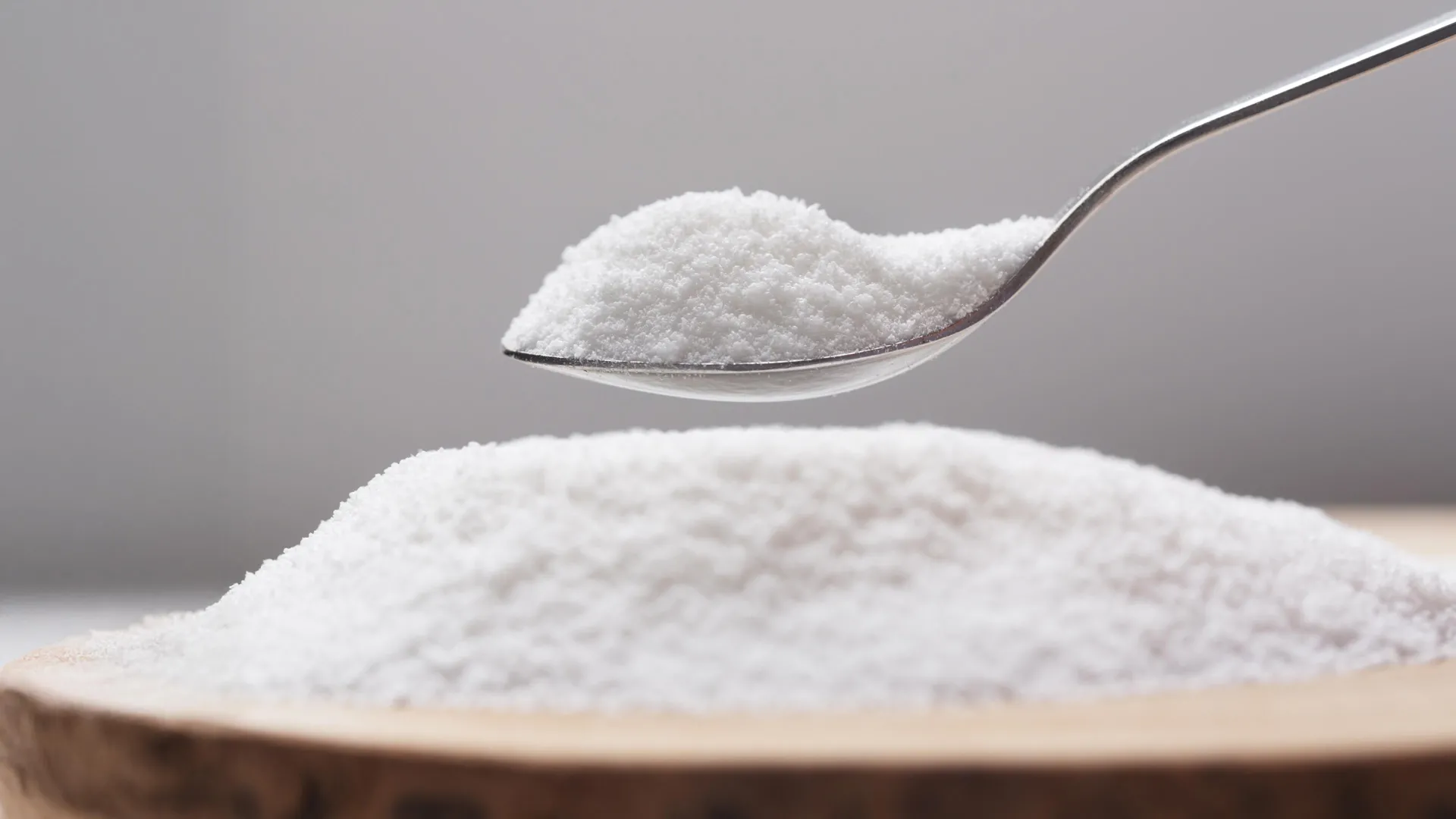
Sucralose is a popular sugar substitute for people who are cutting calories or managing blood sugar levels, but new research by the University of Pittsburgh and UPMC Hillman Cancer Center suggests that the artificial sweetener may not be the best choice for patients undergoing cancer immunotherapy.

Publishing recently in Cancer Discovery, a publication of the American Association for Cancer Research, the study found that patients with melanoma and non-small cell lung cancer who consumed high levels of sucralose had worse response to immunotherapy and poorer survival than those with diets low in the artificial sweetener.

Strikingly, supplements that boosted levels of the amino acid arginine mitigated the negative effects of sucralose on immunotherapy in mice, an approach that could now be tested in clinical trials.

“It’s easy to say, ‘Stop drinking diet soda,’ but when patients are being treated for cancer, they are already dealing with enough, so asking them to drastically alter their diet may not be realistic,” said lead author Abby Overacre, Ph.D., assistant professor in the Department of Immunology at Pitt and UPMC Hillman. “We need to meet patients where they are. That’s why it’s so exciting that arginine supplementation could be a simple approach to counteract the negative effects of sucralose on immunotherapy.”

Senior author Diwakar Davar, M.D., associate professor of medicine at Pitt and a medical oncologist and hematologist at UPMC Hillman, collaborating with Overacre and their team, used mouse models to show that the negative impacts of sucralose are driven by disruption to gut bacteria.

Sucralose shifted the composition of the mouse gut microbiome, increasing bacterial species that degrade arginine, which reduced levels of this amino acid in the blood, tumor fluid and stool.

Immune checkpoint inhibitor immunotherapies such as anti-PD1 work by ramping up T cell activity so that they can more effectively kill cancer cells. Arginine is essential for T cell function, especially in cancer.

“When arginine levels were depleted due to sucralose-driven shifts in the microbiome, T cells couldn’t function properly,” said Overacre. “As a result, immunotherapy wasn’t as effective in mice that were fed sucralose.”

In mouse models of adenocarcinoma and melanoma, adding sucralose to the diet inhibited anti-PD1 therapy, leading to larger tumors and poorer survival. But when the researchers gave sucralose-fed mice arginine or citrulline, which is metabolized into arginine in the body, the effectiveness of immunotherapy was restored.

To assess the relevance of these findings for humans, the researchers looked at 132 patients with advanced melanoma or non-small cell lung cancer who received anti-PD1 therapy alone or in combination with chemotherapy. Patients filled out detailed diet history questionnaires that included questions about how often they consumed artificial sweeteners in coffee, tea and diet soda.

“We found that sucralose impeded the effectiveness of immunotherapies across a range of cancer types, stages and treatment modalities,” said Davar. “These observations raise the possibility of designing prebiotics, such as targeted nutrient supplementation for patients who consume high levels of sucralose.”

The researchers hope to launch a clinical trial investigating whether citrulline supplements — which boost arginine levels more than arginine itself — affect the gut microbiome and anti-tumor immune response in patients.

They are also interested in looking at how other sugar substitutes, such as aspartame, saccharin, xylitol and stevia, impact the immune system and response to immunotherapy.

Other authors on the study were Kristin Morder, M.S., Madison Nguyen, Drew Wilfahrt, Ph.D., Zakaria Dahmani, Ansen Burr, M.D., Ph.D., Bingxian Xie, Ph.D., Michael Morikone, Ph.D., Hector Nieves-Rosado, M.D., Ph.D., William Gunn, M.S., Drew Hurd, Hong Wang, Ph.D., Steven Mullett, Kaitlin Bossong, Stacy Gelhaus, Ph.D., Dhivyaa Rajasundaram, Ph.D., Lawrence Kane, Ph.D., and Greg Delgoffe, Ph.D., and Jishnu Das, Ph.D., all of Pitt or UPMC.

This research was supported by the National Institutes of Health (DP2AI177967, S10OD023402, S10OD032141, R01CA206517, R01AI138504, T32GM008208, U01 CA271407, R01 CA257265, U01 CA268806 and P50 CA254865), the Damon Runyon Cancer Research Foundation and Gateway for Cancer Research (G-22-800).

Share Button

Internet Roasts ‘Department Of War’ Rebrand As Trump Chases Nobel Peace Prize

“It’s a much more appropriate name, especially in light of where the world is right now,” Trump said, after claiming the previous name was “woke.”

Maybe, but the decision to adopt a frankly more aggressive name for the department comes at a time when Trump has thirstily been lobbying for the Nobel Peace Prize since his first term in office.

Many people on social media noted the contrast between the war-centric rebranding of the Defense Department and Trump’s insistence on still being known as the ultimate “peacemaker.”

Others pointed out that the DOD name change comes at the behest of someone who avoided military service.

But one person was OK with the new name, provided other government agencies also get rebranded.

Share Button

Rosie O’Donnell Skewers ‘Deranged’ Trump After Wild Threat

Rosie O’Donnell has hit back at Donald Trump after the president reignited his longtime feud with the comedian by threatening to revoke her US citizenship again.

“He’s like a cornered rat and he doesn’t know where to go or what to do,” said O’Donnell on “The Jim Acosta Show.”

“So he goes into his bag of tricks and one of his tricks is, ‘Let’s make fun of Rosie O’Donnell and threaten her,’ even though he’s threatened me before and never done anything.”

Moments earlier, O’Donnell — who now lives in Ireland, having moved there in January — accused Trump of using the post about her to distract Americans from his administration’s handling of the so-called Jeffrey Epstein files.

“It’s unbelievable how obvious he is about everything that he does,” she explained, noting that the post — which Trump shared alongside a wonky distorted photo of her — occurred hours after victims of the late convicted sex offender spoke on Capitol Hill.

“Could you say I’m guilty without saying I’m guilty more than having a flyover during their press conference? As if he’s going to hold the tide?” she said.

O’Donnell — who said that the “time is up” for Trump and “he knows it” — claimed that the president has threatened to sue her for decades and to have “thugs” take away her wife.

“He is deranged,” O’Donnell stressed.

FILE: Rosie O'Donnell appears at the 2024 Elle Women in Hollywood celebration in Los Angeles, November 19, 2024. Trump referred to the comedian, who now lives in Ireland, as a "threat to humanity" back in July and threatened to take away her U.S. citizenship at the time.
FILE: Rosie O’Donnell appears at the 2024 Elle Women in Hollywood celebration in Los Angeles, November 19, 2024. Trump referred to the comedian, who now lives in Ireland, as a “threat to humanity” back in July and threatened to take away her U.S. citizenship at the time.

Michael Tran via Getty Images

She later turned her attention back to the Epstein saga, declaring that America will not stand for someone like Trump — who was found liable for sexual abuse — dismissing the victims of Epstein.

“This makes Watergate look like a joke!” she said.

“This is unbelievable! And the fact he would say Rosie O’Donnell is not a good American, she never can be. Well, I don’t think you’re a good American if you did what you did, Donald Trump!”

On Friday, the president again dismissed the Epstein saga as a “Democrat HOAX” and claimed that the Justice Department “has done its job” on the matter amid a bipartisan push to force the House to vote on a bill that would require the DOJ to release the files in their entirety.

<div class="js-react-hydrator" data-component-name="YouTube" data-component-id="8009" data-component-props="{"itemType":"video","index":18,"contentIndexByType":2,"contentListType":"embed","code":"

","type":"video","meta":{"author":"Jim Acosta","author_url":"https://www.youtube.com/channel/UC2fxRvKzrxnWKZcqUdmS_Xg","cache_age":86400,"description":"Rosie O’Donnell comes on the show to respond to the latest threat from Donald Trump to revoke her US citizenship. You don’t want to miss this. \n\n\nAbout Jim Acosta:\nJim Acosta is a fearless journalist who spent decades holding power accountable as Chief White House Correspondent, covering five presidential administrations and asking the tough questions others wouldn’t. From the White House briefing room to the world’s most dangerous places, Jim has never backed down from the truth.\nNow, Jim brings that same relentless pursuit of facts directly to you through independent media. In these critical times for our democracy, we can’t rely on corporate media to tell the whole story. We need journalists who will speak truth to power without fear or favor.\nThis is where real journalism happens.\nJim delivers the unvarnished truth about what’s happening in Washington and beyond – no corporate censorship, no billionaire owners calling the shots. Just straight talk from someone who’s been in the room where it happens.\nDemocracy depends on an informed citizenry. Join our community of truth-seekers fighting for facts over fiction.\n\n👆 SUBSCRIBE NOW and hit that notification bell to join the hundreds of thousands of people on Youtube and Substack who refuse to be misled. \nShare this content. Support independent journalism.\nTogether, we’re stronger. Together, we defend democracy.\n\n#TruthMatters #DemocracyDefenders #IndependentMedia","options":{"_cc_load_policy":{"label":"Closed captions","value":false},"_end":{"label":"End on","placeholder":"ex.: 11, 1m10s","value":""},"_start":{"label":"Start from","placeholder":"ex.: 11, 1m10s","value":""}},"provider_name":"YouTube","thumbnail_height":360,"thumbnail_url":"https://i.ytimg.com/vi/F8exE_HY60Q/hqdefault.jpg","thumbnail_width":480,"title":"EXPLOSIVE : ROSIE RESPONDS TO TRUMP’S LATEST THREATS – Acosta show exclusive","type":"video","url":"https://www.youtube.com/watch?v=F8exE_HY60Q","version":"1.0"},"flags":[],"enhancements":{},"fullBleed":false,"options":{"theme":"news","device":"desktop","editionInfo":{"id":"uk","name":"U.K.","link":"https://www.huffingtonpost.co.uk","locale":"en_GB"},"originalEdition":"uk","isMapi":false,"isAmp":false,"isMobile":false,"isAdsFree":false,"isVideoEntry":false,"isEntry":true,"isMt":false,"entryId":"68bbd560e4b0a78951968f03","entryPermalink":"https://www.huffingtonpost.co.uk/entry/rosie-odonnell-skewers-deranged-trump-after-wild-threat_uk_68bbd560e4b0a78951968f03","entryTagsList":"donald-trump,jim-acosta,rosie-odonnell,truth-social,@us_huffpost_now,@widget-imported","sectionSlug":"politics","deptSlug":null,"sectionRedirectUrl":null,"subcategories":"","isWide":false,"isShopping":false,"headerOverride":null,"noVideoAds":false,"disableFloat":false,"isNative":false,"commercialVideo":{"provider":"custom","site_and_category":"uk.politics","package":null},"isHighline":false,"vidibleConfigValues":{"cid":"60afc140cf94592c45d7390c","disabledWithMapiEntries":false,"overrides":{"all":"60b8e525cdd90620331baaf4"},"whitelisted":["56c5f12ee4b03a39c93c9439","56c6056ee4b01f2b7e1b5f35","59bfee7f9e451049f87f550b","5acccbaac269d609ef44c529","570278d2e4b070ff77b98217","57027b4be4b070ff77b98d5c","56fe95c4e4b0041c4242016b","570279cfe4b06d08e3629954","5ba9e8821c2e65639162ccf1","5bcd9904821576674bc55ced","5d076ca127f25f504327c72e","5b35266b158f855373e28256","5ebac2e8abddfb04f877dff2","60b8e525cdd90620331baaf4","60b64354b171b7444beaff4d","60d0d8e09340d7032ad0fb1a","60d0d90f9340d7032ad0fbeb","60d0d9949340d7032ad0fed3","60d0d9f99340d7032ad10113","60d0daa69340d7032ad104cf","60d0de02b627221e9d819408"],"playlists":{"default":"57bc306888d2ff1a7f6b5579","news":"56c6dbcee4b04edee8beb49c","politics":"56c6dbcee4b04edee8beb49c","entertainment":"56c6e7f2e4b0983aa64c60fc","tech":"56c6f70ae4b043c5bdcaebf9","parents":"56cc65c2e4b0239099455b42","lifestyle":"56cc66a9e4b01f81ef94e98c"},"playerUpdates":{"56c6056ee4b01f2b7e1b5f35":"60b8e525cdd90620331baaf4","56c5f12ee4b03a39c93c9439":"60d0d8e09340d7032ad0fb1a","59bfee7f9e451049f87f550b":"60d0d90f9340d7032ad0fbeb","5acccbaac269d609ef44c529":"60d0d9949340d7032ad0fed3","5bcd9904821576674bc55ced":"60d0d9f99340d7032ad10113","5d076ca127f25f504327c72e":"60d0daa69340d7032ad104cf","5ebac2e8abddfb04f877dff2":"60d0de02b627221e9d819408"}},"connatixConfigValues":{"defaultPlayer":"16b0ecc6-802c-4120-845f-e90629812c4d","clickToPlayPlayer":"823ac03a-0f7e-4bcb-8521-a5b091ae948d","videoPagePlayer":"05041ada-93f7-4e86-9208-e03a5b19311b","defaultPlaylist":"2e062669-71b4-41df-b17a-df6b1616bc8f"},"topConnatixThumnbailSrc":"https://img.connatix.com/a333d384-0fe5-4f63-9af1-cd4082b3dc79/1_th.jpg?crop=629:354,smart&width=629&height=354&format=jpeg&quality=60&fit=crop","customAmpComponents":[],"ampAssetsUrl":"https://amp.assets.huffpost.com","videoTraits":null,"positionInUnitCounts":{"buzz_head":{"count":0},"buzz_body":{"count":0},"buzz_bottom":{"count":0}},"positionInSubUnitCounts":{"article_body":{"count":10},"blog_summary":{"count":0},"before_you_go_content":{"count":0}},"connatixCountsHelper":{"count":1},"buzzfeedTracking":{"context_page_id":"68bbd560e4b0a78951968f03","context_page_type":"buzz","destination":"huffpost","mode":"desktop","page_edition":"en-uk"},"tags":[{"name":"Donald Trump","slug":"donald-trump","links":{"relativeLink":"news/donald-trump","permalink":"https://www.huffingtonpost.co.uk/news/donald-trump","mobileWebLink":"https://www.huffingtonpost.co.uk/news/donald-trump"},"relegenceId":2789214,"section":{"title":"News","slug":"news"},"topic":{"title":"Donald Trump","slug":"donald-trump","overridesSectionLabel":false},"url":"https://www.huffingtonpost.co.uk/news/donald-trump/"},{"name":"Jim Acosta","slug":"jim-acosta","links":{"relativeLink":"news/jim-acosta","permalink":"https://www.huffingtonpost.co.uk/news/jim-acosta","mobileWebLink":"https://www.huffingtonpost.co.uk/news/jim-acosta"},"relegenceId":6426635,"url":"https://www.huffingtonpost.co.uk/news/jim-acosta/"},{"name":"Rosie O’Donnell","slug":"rosie-odonnell","links":{"relativeLink":"news/rosie-odonnell","permalink":"https://www.huffingtonpost.co.uk/news/rosie-odonnell","mobileWebLink":"https://www.huffingtonpost.co.uk/news/rosie-odonnell"},"relegenceId":4337142,"url":"https://www.huffingtonpost.co.uk/news/rosie-odonnell/"},{"name":"Truth Social","slug":"truth-social","links":{"relativeLink":"news/truth-social","permalink":"https://www.huffingtonpost.co.uk/news/truth-social","mobileWebLink":"https://www.huffingtonpost.co.uk/news/truth-social"},"url":"https://www.huffingtonpost.co.uk/news/truth-social/"}],"isLiveblogLive":null,"isLiveblog":false,"backfillRelatedArticles":[],"cetUnit":"buzz_body","enableIncontentPlayer":false,"bodyAds":["

\r\n\r\n HPGam.cmd.push(function(){\r\n\t\treturn HPGam.render(\"inline-1\", \"entry_paragraph_1\", false, false);\r\n });\r\n\r\n","

\r\n\r\n HPGam.cmd.push(function(){\r\n\t\treturn HPGam.render(\"inline\", \"entry_paragraph_2\", false, false);\r\n });\r\n\r\n","

\r\n\r\n HPGam.cmd.push(function(){\r\n\t\treturn HPGam.render(\"inline-2\", \"entry_paragraph_3\", false, false);\r\n });\r\n\r\n","

\r\n\r\n HPGam.cmd.push(function(){\r\n\t\treturn HPGam.render(\"inline-infinite\", \"repeating_dynamic_display\", false, false);\r\n });\r\n\r\n"],"adCount":0,"midArticleAdPartner":null},"isCollectionEmbed":false}”>

Share Button