Keir Starmer Hit By Labour Commons Rebellion Over Plan To Axe Winter Fuel Payments

Keir Starmer has suffered his biggest Commons rebellion since becoming prime minister as Labour MPs made clear their anger at the decision to means test winter fuel payments to pensioners.

A total of 52 Labour backbenchers failed to vote in favour of the controversial policy, while one – Jon Trickett – voted against it.

In addition, five former Labour MPs who were suspended by the party in July for not backing its policy on the two-child benefit cap, also voted against the government.

However, the Tories’ attempt to cancel the policy was still comfortably defeated by 348 votes to 228, even though Labour’s 167-seat majority was slashed.

Rachel Reeves announced shortly after becoming chancellor that the winter fuel payment – which is worth up to £300 – would only be paid to those receiving pension credit.

That means that around 10 million old people who used to receive it will no longer do so.

Labour has said the move is necessary to help fill the £22 billion “black hole” in the government’s finances it says the Tories left behind.

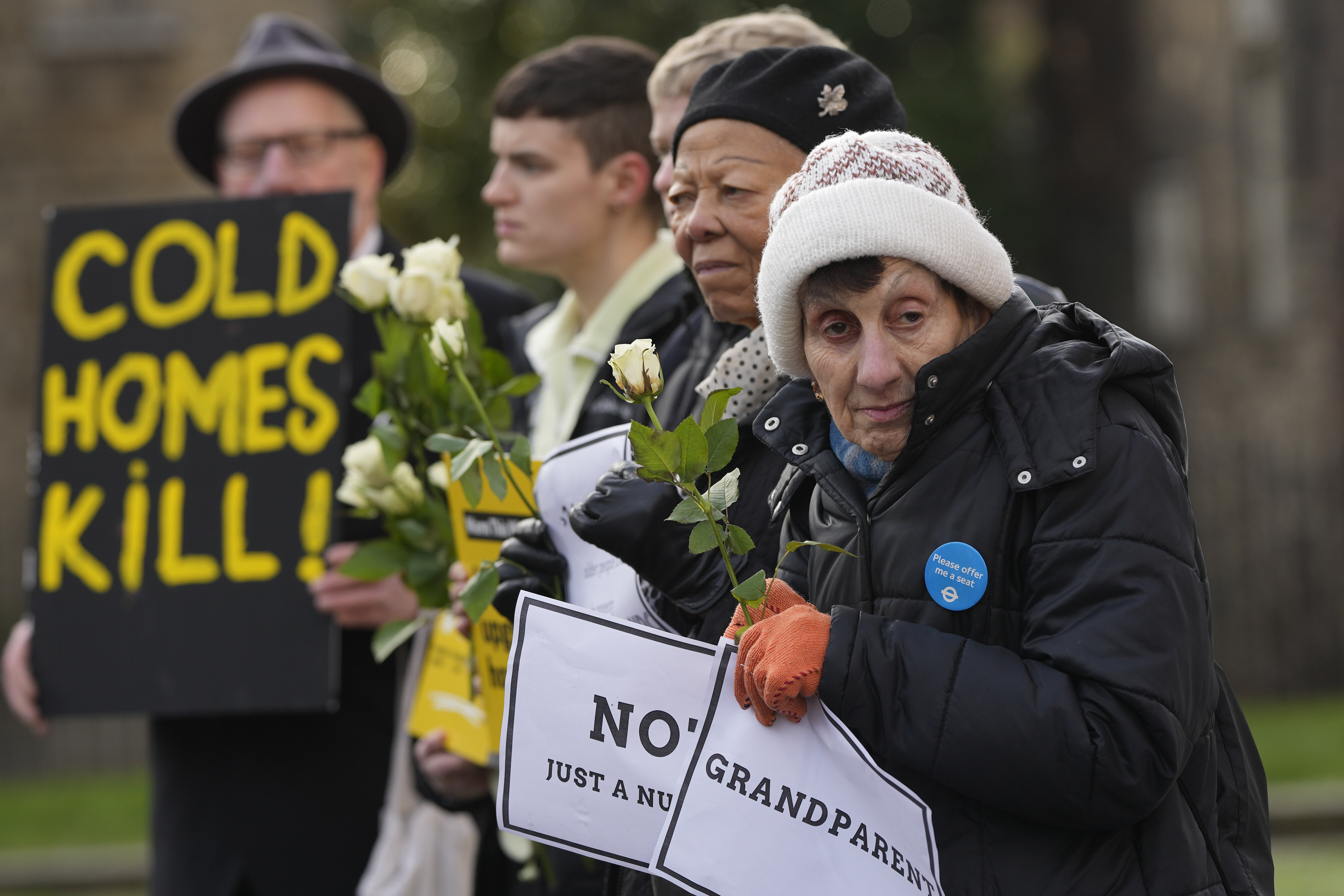
But critics have said the move will plunge many old people into poverty and could even lead to some of them dying from the cold.

Labour sources insisted that only 12 of the 52 MPs who failed to vote with the government had not had their absence authorised.

Explaining his decision to rebel, Jon Trickett said: “I fear that removing the payment from pensioners will mean that many more will fall into poverty this winter.

“We know that the consequences of pensioner poverty are devastating. It can even be a matter of life and death.

“I could not in good conscience vote to make my constituents poorer. I will sleep well tonight knowing that I voted to defend my constituents.”

Tory chairman Richard Fuller said: “The country should not forget that Labour made a political choice to make this callous decision that will hurt pensioners just as their energy bills are set to increase this winter.”

Lib Dem work and pensions spokesperson Wendy Chamberlain said: “Millions of pensioners will be left deeply worried about how they will get by this winter with this cut to the winter fuel payment.

“So many pensioners are already facing another winter of a cost of living crisis and this will make things worse.

“The damage left by the Conservatives to our economy is unforgivable but cutting payments to vulnerable pensioners is no way to bring about the change the country deserves.

“We’ll keep fighting this cut tooth and nail anyway we can, we’ll continue to be a constructive opposition to the new Government and we’re fighting for the real change people want to see.”

SNP Westminster leader Stephen Flynn said: “Voters in Scotland were promised ‘change’ but instead the Labour Party is wielding the austerity axe and cutting billions of pounds from public services and household incomes.”

Share Button

Inquest into contaminated baby feed deaths opens

The babies died after being given contaminated feed in hospital in 2014.

Share Button

Dad’s deep regret over daughter’s suicide

A national service has been launched across Wales for those affected by suicide.

Share Button

Bucket List Challenge Invite Video

Here’s a short video invitation for the Bucket List Challenge, which starts September 10, 2024 at 11:11 AM Pacific Time. Let’s bring some of your lifelong dreams across the finish line, so you can make them real and finally experience them.

Dozens of people have already signed up, so we’re just waiting on you to join when you’re ready. It’s going to be a deep and fascinating journey, spanning from now all the way to March 4, 2025.

See you in the challenge!

Share Button

No.10 Wants Everyone Eligible To Claim Pension Credit – But That Could Present 1 Problem

Downing Street wants every person eligible to go on pension credit, even though a think tank says it would undo any savings from the changes to the winter fuel allowance.

MPs will decide whether or not to back the government’s plan of restricting winter fuel payments just to individuals on pension credit on Tuesday.

The controversial move could mean around 10 million pensioners in England and Wales end up without the payment of up to £300.

It is also estimated around 880,000 (37%) eligible pensioners do not claim pension credit right now – which is why the government is encouraging anyone who thinks they may be entitled to the benefit to apply.

The proposed cuts are expected to save around £1.4bn a year.

The government claims this will go some way towards filling the ″£22bn black hole” left by the Tories.

However, reporters pointed out that if everyone signed up to pension credit, it would actually cost the government £2bn, therefore overshadowing any savings.

As ITV’s Anushka Asthana posted on X on Monday, the Institute for Fiscal Studies (IFS) has also confirmed the take-up would eliminate savings.

That counters a claims from ministers that winter fuel payments had to be cut in order to fill the “black hole” in our finances.

Yet, the spokesperson told reporters anyone eligible should apply for pension credit.

She also told reporters on Monday that the government’s efforts to boost those applying for pension credit had already had a significant result.

She said: “As a result of that work, we’ve seen a 115% increase in pension credit claims in the last five weeks compared to five weeks before – 38,500 pension credit claims, compared to 17,900.”

“This government is determined to make sure those who should be claiming pension credit are and are supporting them to do so,” she said. “We’ve seen the impact of that already.”

Asked if the prime minister was happy with this rate of progress, she said: “There is still more to do the campaign is ongoing, and there is activity from HMRC today as part of that.

“We continue to urge people to check their eligibility and support people in making those applications.”

She said that this level of effort towards increasing the applications in pension credit had not been “seen before.”

When pressed over the backlash PM Keir Starmer has faced because of the plan to restrict the winter fuel payments, the spokesperson said it was one of many “tough choices” the government have to make.

She said: “It is not a decision he wants to make, the government wants to make, but we have to fix the foundations of our economy and that means tough choices and one of those is making sure we are targeting to those who need it the most.”

Downing Street also added that there would be no softening of the impact of the policy after Home Office minister Diana Johnson “misspoke” during broadcast interviews this morning.

Johnson told BBC Breakfast: “We generally want to get energy bills down. We know over the past few years what trouble that’s caused to household budgets and the cost of living crisis, so there is a lot of work going on around that social tariff for the poorest members of our society.”

Shortly after the interview, the government said the minister had “misspoken” over this claim – and Downing Street later told journalists there would be no mitigating measures to ease the pain of the winter fuel payment restrictions.

Up to 50 Labour MPs are said to be uncomfortable with the idea of voting for the government’s plan, sparking speculation they could rebel and vote against Starmer.

It’s not clear if that could result in MPs losing the whip.

Labour suspended seven MPs just days after the party was elected when the rebels voted against the government over its two-child benefit cap.

Share Button

What do we know about Kate’s cancer journey?

The Princess of Wales is looking forward to returning to work, after finishing a course of chemotherapy.

Share Button

NHS was ‘creaking at seams’ when Covid hit

Lack of staff and beds hampered care for both Covid and non-Covid patients, the inquiry is told.

Share Button

Kate Middleton Reveals She Is Now ‘Cancer Free’ In Intimate Family Video: ‘A Renewed Sense Of Hope’

The Princess of Wales has just revealed she is “cancer free” in a heartfelt family video released on social media.

She did not specify the type of cancer, but explained in a video filmed with BBC Studios: “In January, I underwent major abdominal surgery in London and at the time, it was thought that my condition was noncancerous.

“The surgery was successful. However, tests after the operation found cancer had been present.”

“My medical team therefore advised that I should undergo a course of preventative chemotherapy and I am now in the early stages of that treatment,” she said at the time, explaining that the news was a “huge shock” to her family.

Since announcing the health news, the Princess of Wales has appeared at public events just twice.

She attended the military parade, Trooping the Colour, in June and attended the 2024 Wimbledon men’s final in July.

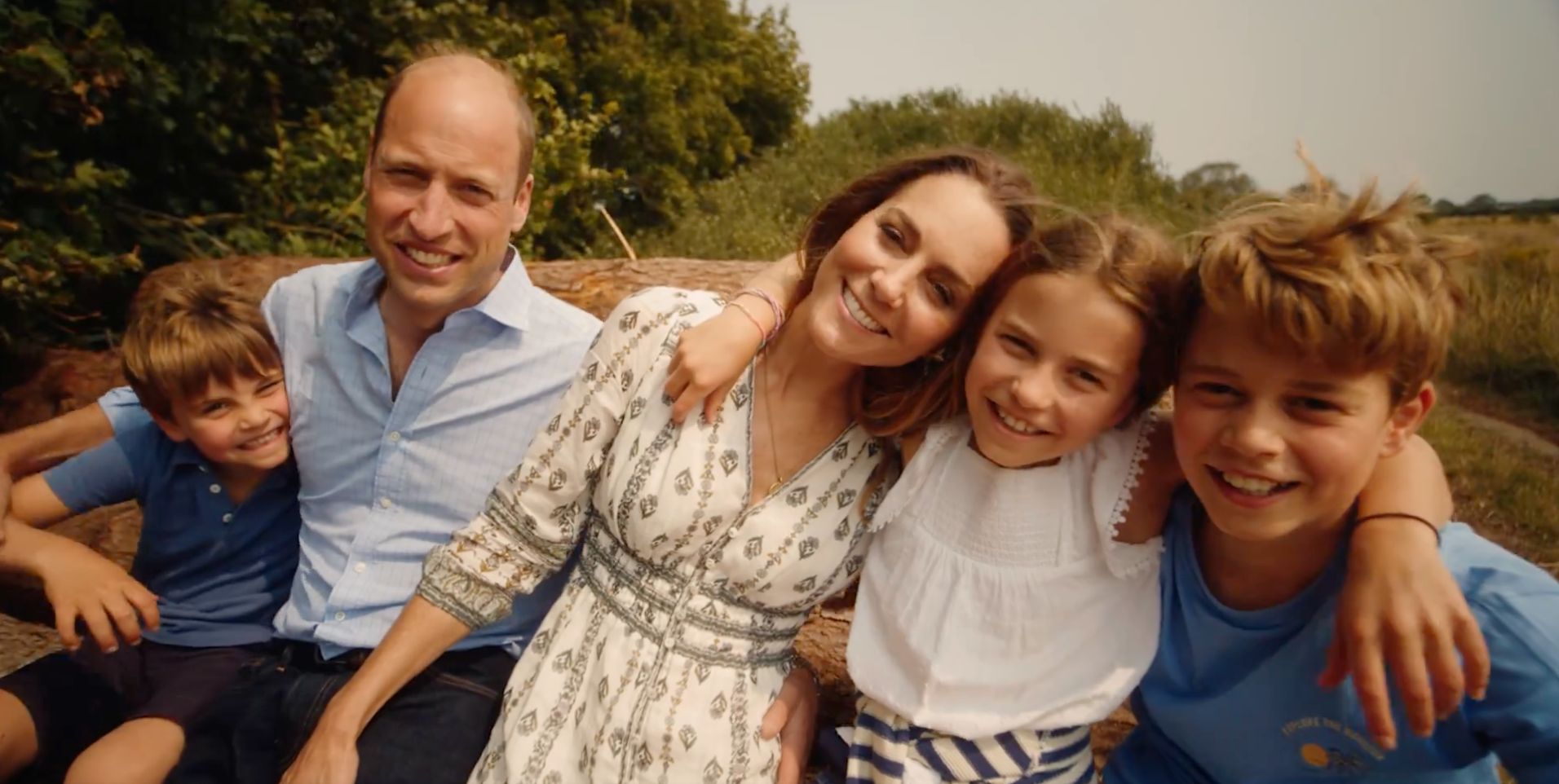
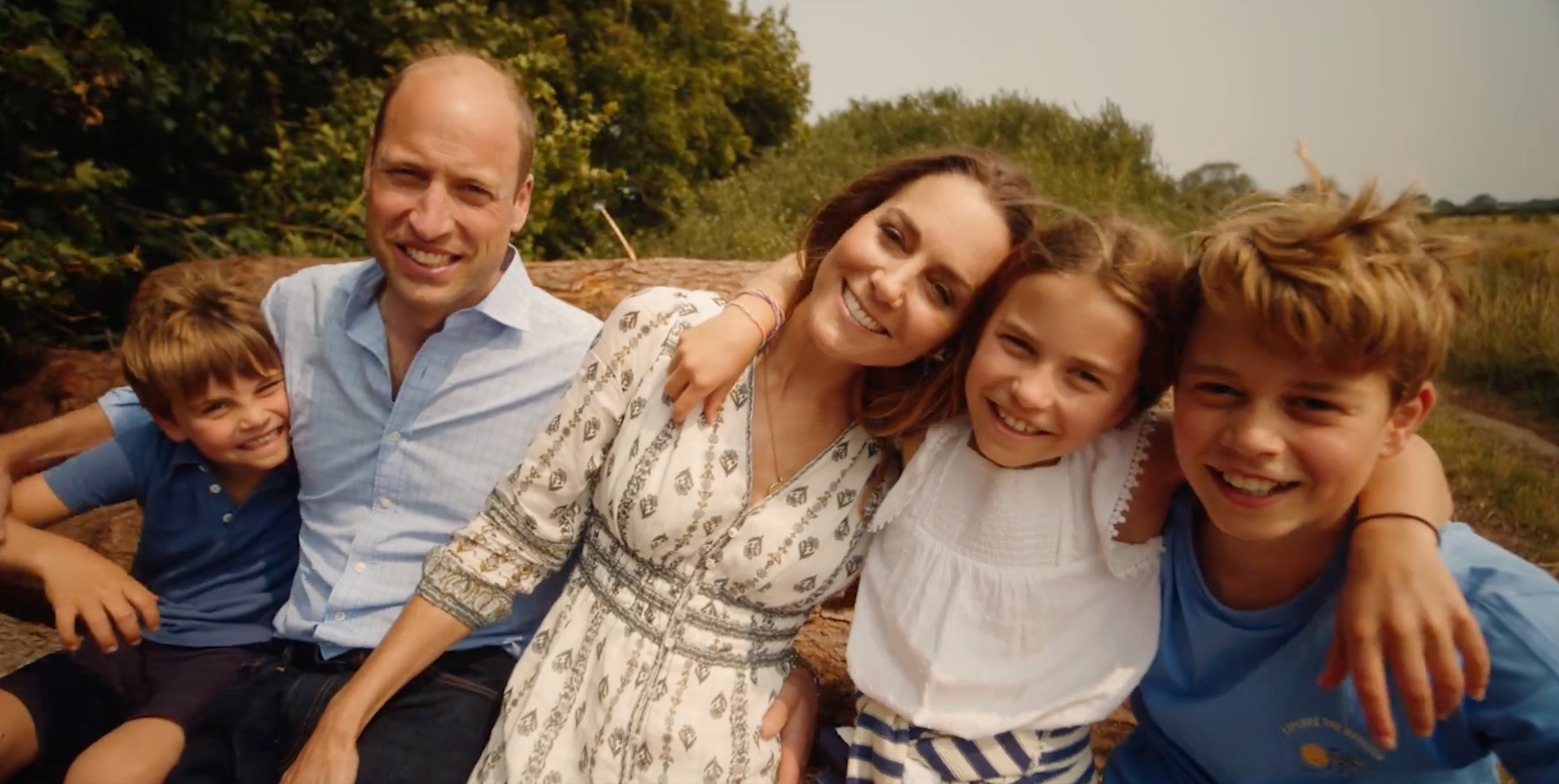
The heartfelt video posted on Monday showed Kate and her family having fun together in nature, while gentle music plays in the background.

The clip, filed by Will Warr, seems to show a different side to the royals, as the family appear much more affectionate with one another than they usually allow themselves to show in public, and in a more casual setting.

The children are also seen messing around together, while William and Kate have several quiet moments of reflection together.

In a voiceover accompanying the clip, she said:

“As the summer comes to an end, I cannot tell you what a relief it is to have finally completed my chemotherapy treatment.

“The last nine months have been incredibly tough for us as a family.

“Life as you know it can change in an instant and we have had to find a way to navigate the stormy waters and road unknown.

“The cancer journey is complex, scary and unpredictable for everyone, especially those closest to you.

“With humility, it also brings you face to face with your own vulnerabilities in a way you have never considered before, and with that, a new perspective on everything.

“This time has above all reminded William and me to reflect and be grateful for the simple yet important things in life, which so many of us often take for granted.

Of simply loving and being loved.

“Doing what I can to stay cancer free is now my focus.

“Although I have finished chemotherapy, my path to healing and full recovery is long and I must continue to take each day as it comes.

“I am however looking forward to being back at work and undertaking a few more public engagements in the coming months when I can.

“Despite all that has gone before I enter this new phase of recovery with a renewed sense of hope and appreciation of life.

“William and I are so grateful for the support we have received and have drawn great strength from all those who are helping us at this time.

“Everyone’s kindness, empathy and compassion has been truly humbling.

“To all those who are continuing their own cancer journey – I remain with you, side by side, hand in hand. Out of darkness, can come light, so let that light shine bright.”

Share Button

‘Out-of-body’ research could lead to new ways to promote social harmony

Out-of-body experiences, such as near-death experiences, can have a “transformative” effect on people’s ability to experience empathy and connect with others, a scientific paper from University of Virginia School of Medicine researchers explains.

The fascinating work from UVA’s Marina Weiler, PhD, and colleagues not only explores the complex relationship between altered states of consciousness and empathy but could lead to new ways to foster empathy during a particularly fractured time for American society — and the world.

“Empathy is a fundamental aspect of human interaction that allows individuals to connect deeply with others, fostering trust and understanding,” said Weiler, a neuroscientist with UVA’s Division of Perceptual Studies. “The exploration, refinement and application of methods to enhance empathy in individuals — whether through OBE [out-of-body experience]-related ego dissolution or other approaches — is an exciting avenue with potentially profound implications for individuals and society at large.”

How Out-of-Body Experiences Affect Empathy

Weiler’s paper examines the possibility that the dramatic increases in empathy seen in people who undergo out-of-body experiences may result from what is known as “ego dissolution” — the loss of the sense of self. In these instances, people feel they have been severed from their physical form and have connected with the universe at a deeper level. Sometimes known as “ego death” or “ego loss,” this state can be brought on by near-death experiences, hallucinogenic drugs and other causes. But people who undergo it often report that their viewpoint on the world, and their place in it, is radically changed.

“The detachment from the physical body often leads to a sense of interconnectedness with all life and a deepened emotional connection with others,” the researchers write. “These sensations of interconnectedness can persist beyond the experience itself, reshaping the individual’s perception and fostering increased empathy, thereby influencing personal relationships and societal harmony.”

Out-of-body experiences can seem more real than reality itself, the researchers note, and this sense of transcendental connectedness can translate into “prosocial” behaviors afterward. Experiencers often become more compassionate, more patient, more understanding. More than half in one study described their relationships with others as more peaceful and harmonious. Many become more spiritual and more convinced of the possibility of life after death.

In their paper, Weiler and her co-authors explore potential explanations for what is happening within the brain to cause these changes. But while that remains unclear, the lasting effects of OBEs are not. And by understanding how these life-changing experiences can enhance empathy, researchers may be able to develop ways to help foster it for society’s benefit during a conflicted age.

“Interest in cultivating empathy and other prosocial emotions and behaviors is widespread worldwide,” the researchers conclude. “Understanding how virtues related to consideration for others can be nurtured is a goal with personal, societal and potentially global implications.”

Share Button

Extreme weather to strengthen rapidly over next two decades

Nearly three quarters of the global population can expect strong and rapid changes in extreme temperatures and rainfall in the next 20 years unless greenhouse gas emissions are cut dramatically, according to a new study.

Led by scientists from the CICERO Center for International Climate Research and supported by the University of Reading, the research shows that 20 per cent of the population could face extreme weather risks if emissions are cut enough to reach the aims of the Paris Agreement, compared to 70% if limited action is taken.

The new paper, published in the journal Nature Geoscience, shows how global warming can combine with normal variations in the weather, to produce decade-long periods of very rapid changes in both extreme temperatures and rainfall.

Few studies have explored the impact extreme weather will have on different countries. Dr Carley Iles, lead author of the research at CICERO, said: “We focus on regional changes, due to their increased relevance to the experience of people and ecosystems compared with the global mean, and identify regions projected to experience substantial changes in rates of one or more extreme event indices over the coming decades.”

Unprecedented conditions

Large climate model simulations were used in the study to show that large parts of the tropics and subtropics, encompassing 70 percent of current population, are expected to experience strong joint rates of change in temperature and precipitation extremes combined over the next 20 years, under a high-emissions scenario. With strong emissions mitigation, the number is expected to drop to 20 percent, or around 1.5 billion people.

Rapid changes increase the risk of unprecedented conditions and extreme events that currently account for a disproportionate share of the realised impacts of climate change. For example, heatwaves may cause heat stress and excess mortality of both people and livestock, stress to ecosystems, reduced agricultural yields, difficulties in cooling power plants, and transport disruption. Similarly, precipitation extremes can lead to flooding and damage to settlements, infrastructure, crops and ecosystems, increased erosion and reduced water quality. Thus, society seems particularly vulnerable to high rates of change of extremes, especially when multiple hazards increase at once.

Clean-up risks

Dr Laura Wilcox, co-author at the University of Reading, said: “We also find that rapid clean-up of air pollution, mostly over Asia, leads to accelerated co-located increases in warm extremes and influences the Asian summer monsoons. While cleaning the air is critical for health reasons, air pollution has also masked some of the effects of global warming. Now, the necessary cleanup may combine with global warming and give very strong changes in extreme conditions over the coming decades.”

While the new paper focuses on the likelihood of rapid change, the authors emphasise that the results have important implications for climate adaptation. “In the best case, we calculate that rapid changes will affect 1.5 billion people. The only way to deal with this is to prepare for a situation with a much higher likelihood of unprecedented extreme events, already in the next 1-2 decades”, says Dr. Bjørn H. Samset at CICERO Center for International Climate Research. Samset has contributed to the newly published study.

Share Button