Does having a child with low birth weight increase a person’s risk of dementia?

People who give birth to infants less than 5.5 pounds may be more likely to have memory and thinking problems later in life than people who give birth to infants who do not have a low birth weight, according to a study published in the June 12, 2024, online issue of Neurology®, the medical journal of the American Academy of Neurology. The effect on memory and thinking skills was equivalent to one to two years of aging for those with low-birth-weight deliveries.

The study does not prove that delivery of a low-birth-weight infant causes memory and thinking problems. It only shows an association.

“Previous research has shown that people who have had a low-birth-weight delivery have a higher risk of cardiovascular disease and high blood pressure,” said study author Diana C. Soria-Contreras, PhD, of the Harvard T.H. Chan School of Public Health in Boston, Massachusetts. “Our study found that a history of having a child with a low birth weight may also be a marker of poorer cognition later in life.”

The study involved 15,323 female participants with an average age of 62 at completion of thinking and memory tests. All the participants had at least one birth. Of the total participants, 1,224 people, or 8%, had a history of low-birth-weight delivery. Low birth weight was defined as less than 5.5 pounds for pregnancies lasting more than 20 weeks.

Participants completed a questionnaire about their pregnancy complications, birth outcomes, birth weight and other information.

They also completed a series of thinking and memory tests.

Researchers then combined average scores of the two tests of participants’ memory and ability to quickly and accurately respond to a situation as well as the two tests of learning and working memory. Higher scores indicated better memory and thinking. On average, the difference in scores between those with and without a low-birth-weight delivery was -0.06 for speed and attention tests and -0.05 for learning and working memory. This is comparable to the difference associated with one to two additional years of age in this population.

The results were similar after researchers adjusted for factors that could affect both birth weight and cognitive function, such as age, smoking status and high blood pressure. The results were also similar when researchers did not include people with premature deliveries, pregnancies with twins or other multiples or those affected by pregnancy-related high blood pressure disorders.

In addition, they found that the more low-birth-weight deliveries people had, the lower their scores were.

“Future research is needed to confirm our findings and to look at whether screening women with a history of low-birth-weight deliveries for cognitive issues and taking steps to promote their brain health could help prevent or delay cognitive impairment and dementia later on,” Soria-Contreras said.

A limitation of the study is that most of the participants were non-Hispanic white people, so results may not be generalizable to other populations.

The study was supported by the National Institute of Mental Health, the National Institute of Environmental Health Sciences, the National Institute on Aging and the Office of Research on Women’s Health.

Share Button

£8m Longitude Prize won for tackling superbug rise

The winning test rapidly detects whether bacteria are causing an infection and identifies the best antibiotics.

Share Button

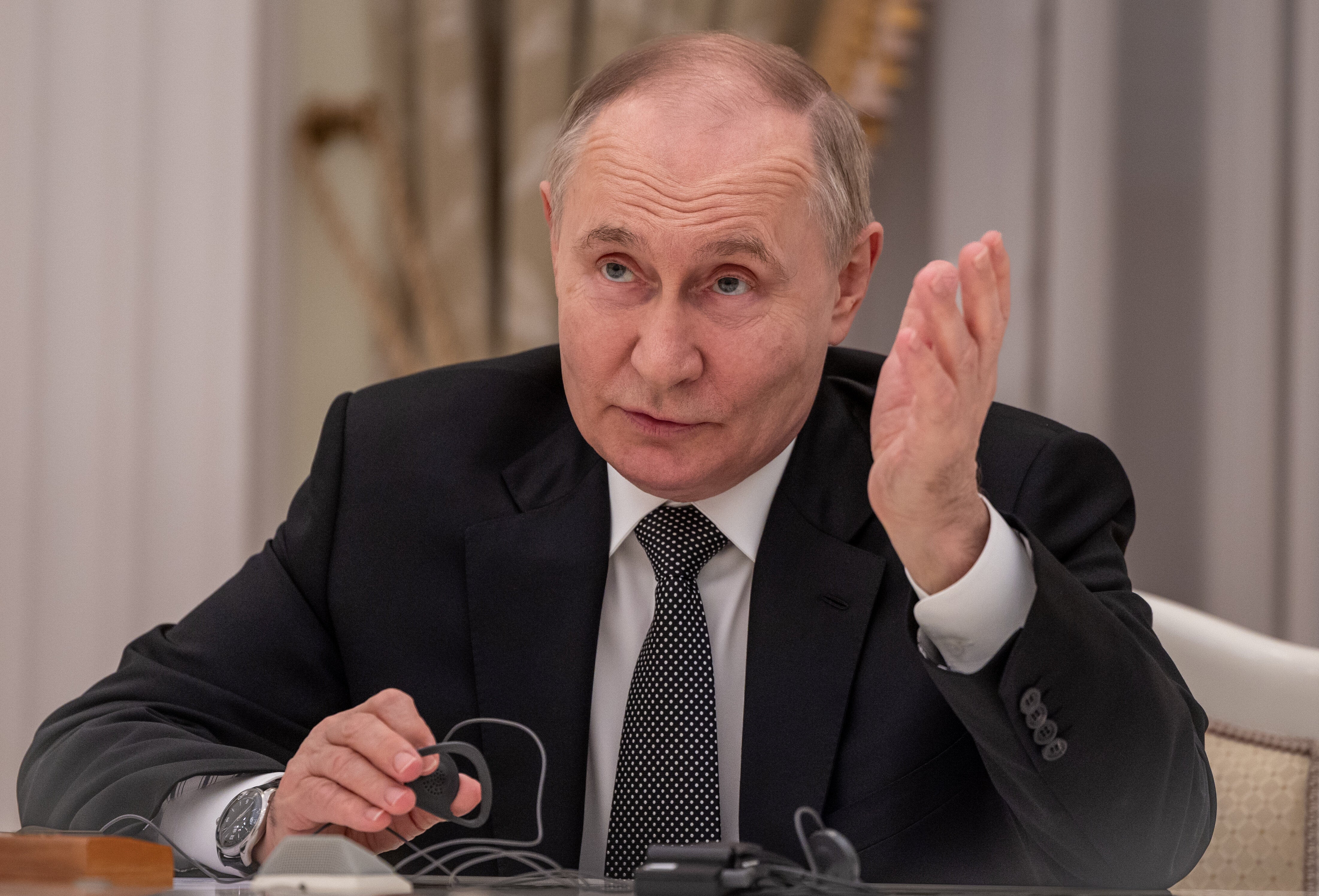
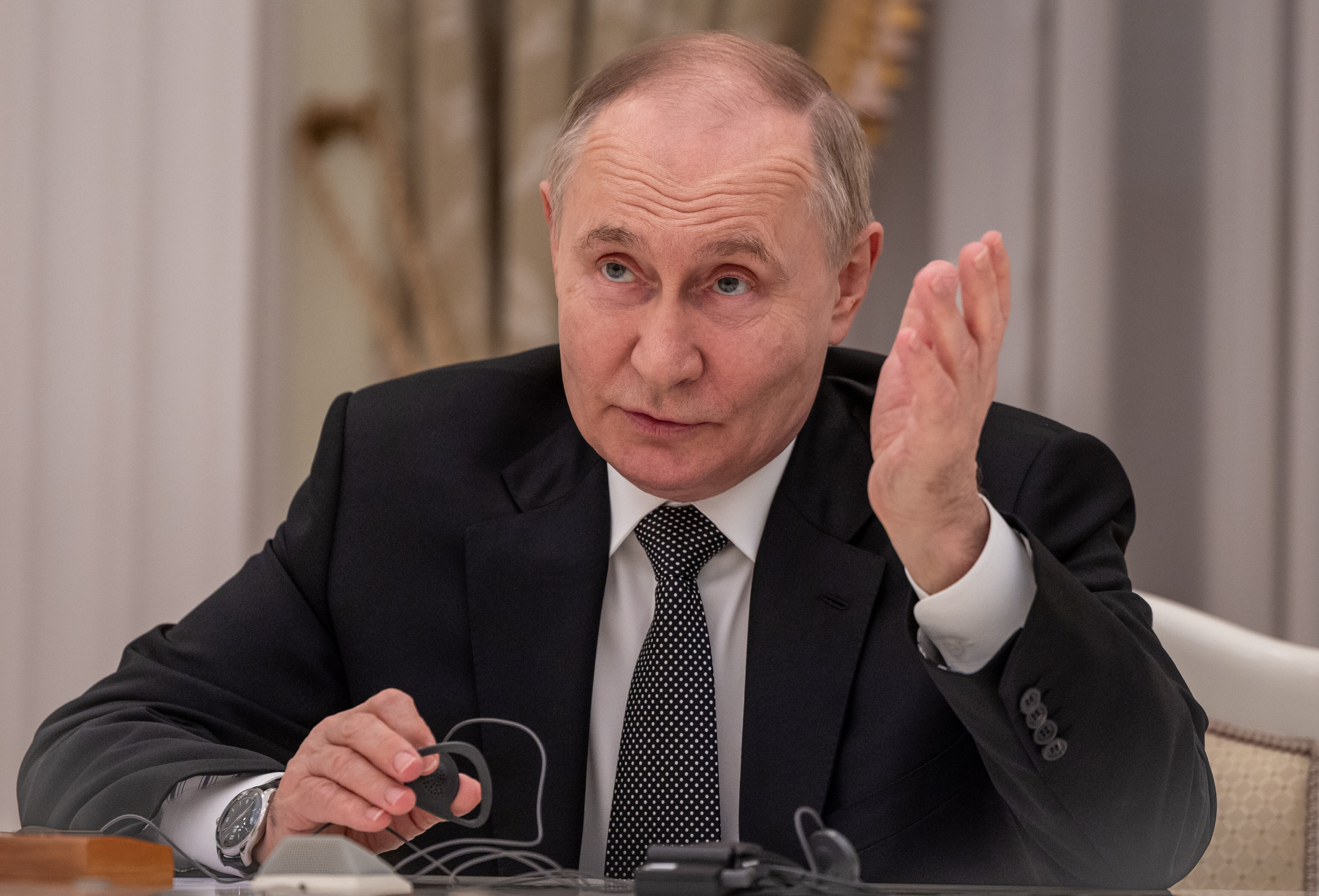
Putin Makes Rare Admission That Life Is ‘Not Easy’ For Russians Right Now

Vladimir Putin has just acknowledged life in Russia is “not easy” right now – although he dodged any explanation as to why.

Speaking on the national holiday of Russia Day, the president tried to convey a message of unity amid these times of difficulty.

According to state news agency TASS, Putin said: “At the time that is not easy for our country, we are again united by patriotism and responsibility for the fate of the Motherland.

“They serve as a reliable bedrock for the participants in the special military operation.”

This is the phrase the Kremlin has repeatedly used to refer to Russia’s invasion of Ukraine.

Putin has only used the word “war” in public on a handful of occasions since he ordered his troops into Ukraine more than two years ago.

As he continued to speak in these indirect phrases, Putin said: “It is possible to solve the major tasks our country is facing only together, only in a concerted way.”

This call for unity comes as small groups of protesters are starting to push back against the war.

Women are calling on Putin to return their loved ones from the frontline after they were forced to serve in the 2022 partial mobilisation.

Putin also claimed that, on Russia Day, the public should show “reverence” to the country’s “centuries-long history”.

He added: “I therefore consider necessary, historically proper to celebrate the Russia Day as the symbol of continuity of the millennia-old way of our Fatherland.”

Russia Day, first celebrated more than three decades ago after the fall of the Soviet Union, was meant to signal a new chapter for the country – and to stop the public looking back at its past.

And, earlier this week, the president bizarrely revealed that he had deliberately chosen not to take the controversial flag of the Russian Empire of a building down.

He said: “Everything happens for a reason. This is it. No need to look for any underlying connotations, for any sort of imperial ambitions in this regard. There are none.”

Meanwhile, Russia’s former president and Putin’s close ally Dmitry Medvedev posted a provocative video on social media to mark the national occasion.

It showed the Russian flag unfurling over the whole of the country – and Ukraine, suggesting they were completely one.

Share Button

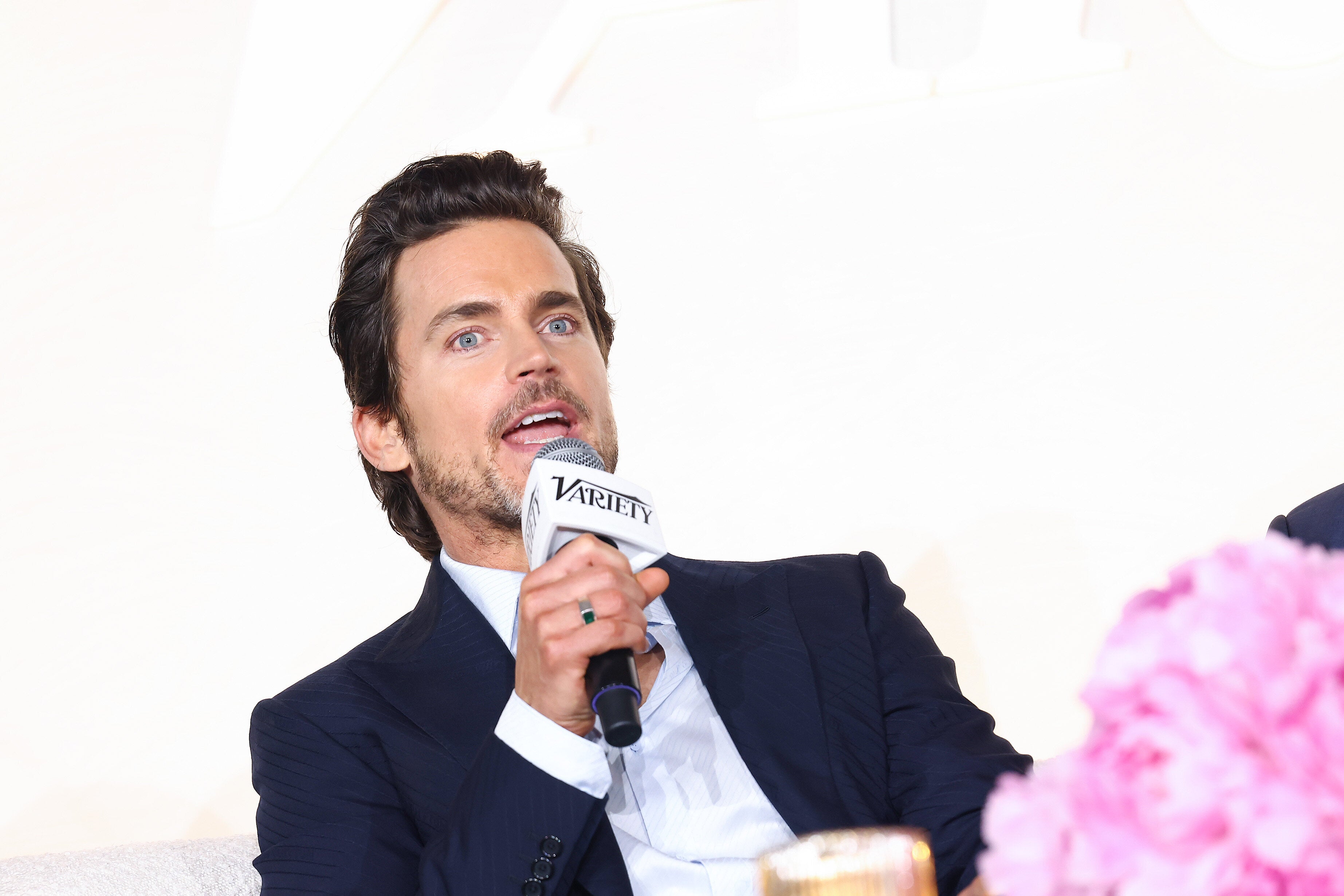
Matt Bomer Says He Lost Out On A Massive Superhero Role After He Was Outed As Gay

Matt Bomer has claimed he lost out on the role of a lifetime after being outed as gay.

The US actor – who is known for films like Magic Mike and The Normal Heart, as well as the TV show Fellow Travelers – has said he was in the running for the lead role in DC’s scrapped film Superman: Flyby in the early 2000s.

“It looked like I was the director’s choice for the role,” Matt claimed in an interview with The Hollywood Reporter’s Awards Chatter podcast, revealing he went as far as signing “a three-picture deal at Warner Bros.” to play the iconic superhero.

However, the film ultimately became one of the several axed Superman films in the hiatus between 1987’s Superman IV: The Quest for Peace and 2006’s Superman Returns.

While Matt came out as gay publicly in 2012, he himself is unsure of the exact circumstances around how he was outed earlier in his career, though believes it contributed to him missing out on the role.

Asked whether he believes his sexual orientation affected that outcome, Matt shared: “Yeah, that’s my understanding.”

He continued: “That was a time in the industry when something like that could still really be weaponised against you. How, and why, and who, I don’t know.”

Matt even left his role playing Ben Reade on the CBS soap Guiding Light, which he starred in between 2002 and 2003, for the Superman audition process.

“I went in on a cattle call for Superman, [which] turned into a one-month audition experience where I was auditioning again and again and again,” he said.

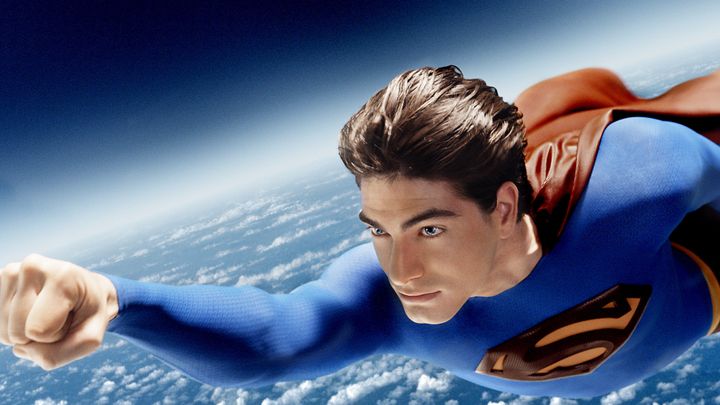
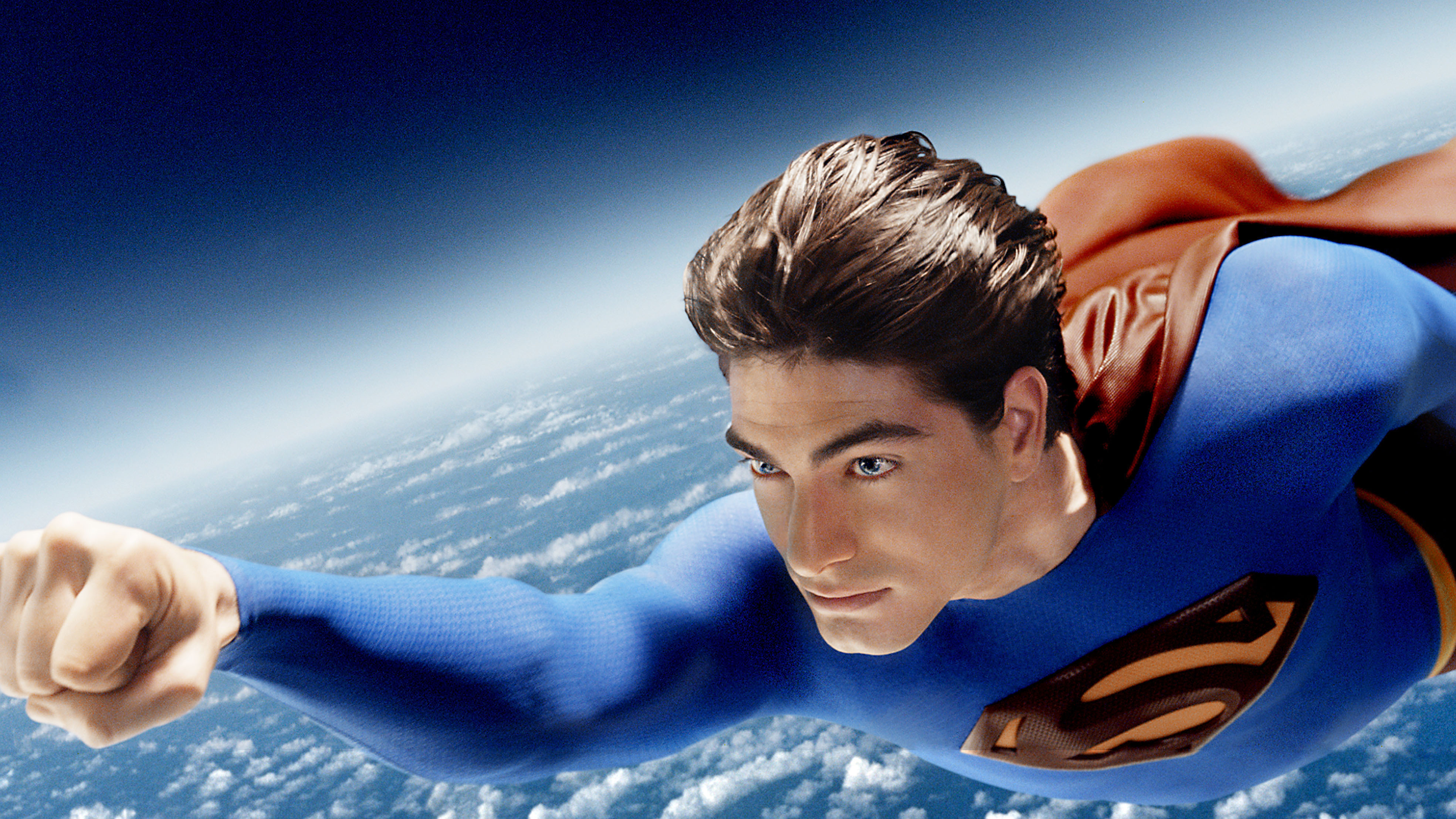
Superman: Flyby was eventually scrapped, with Brandon Routh playing the Man Of Steel in 2006's Superman Returns
Superman: Flyby was eventually scrapped, with Brandon Routh playing the Man Of Steel in 2006’s Superman Returns

Warner Bros/Dc Comics/Kobal/Shutterstock

The Superman film in question was an early version of a new instalment in the franchise penned by The Force Awakens co-writer and director J.J. Abrams.

Paul Walker, Josh Hartnett and Brendan Fraser were just some of the stars reportedly considered for the new Superman role, before the movie was ultimately shelved.

Matt did eventually lend his voice to Superman in the 2013 animated direct-to-video film Superman: Unbound, along with another recent role voicing The Flash in Justice League: Crisis on Infinite Earths – Part One.

Most recently, the American Horror Story star appeared opposite Bridgerton’s Jonathan Bailey in the 2023 miniseries Fellow Travelers, which follows two men who fall for each other during a volatile period in America’s history.

Share Button

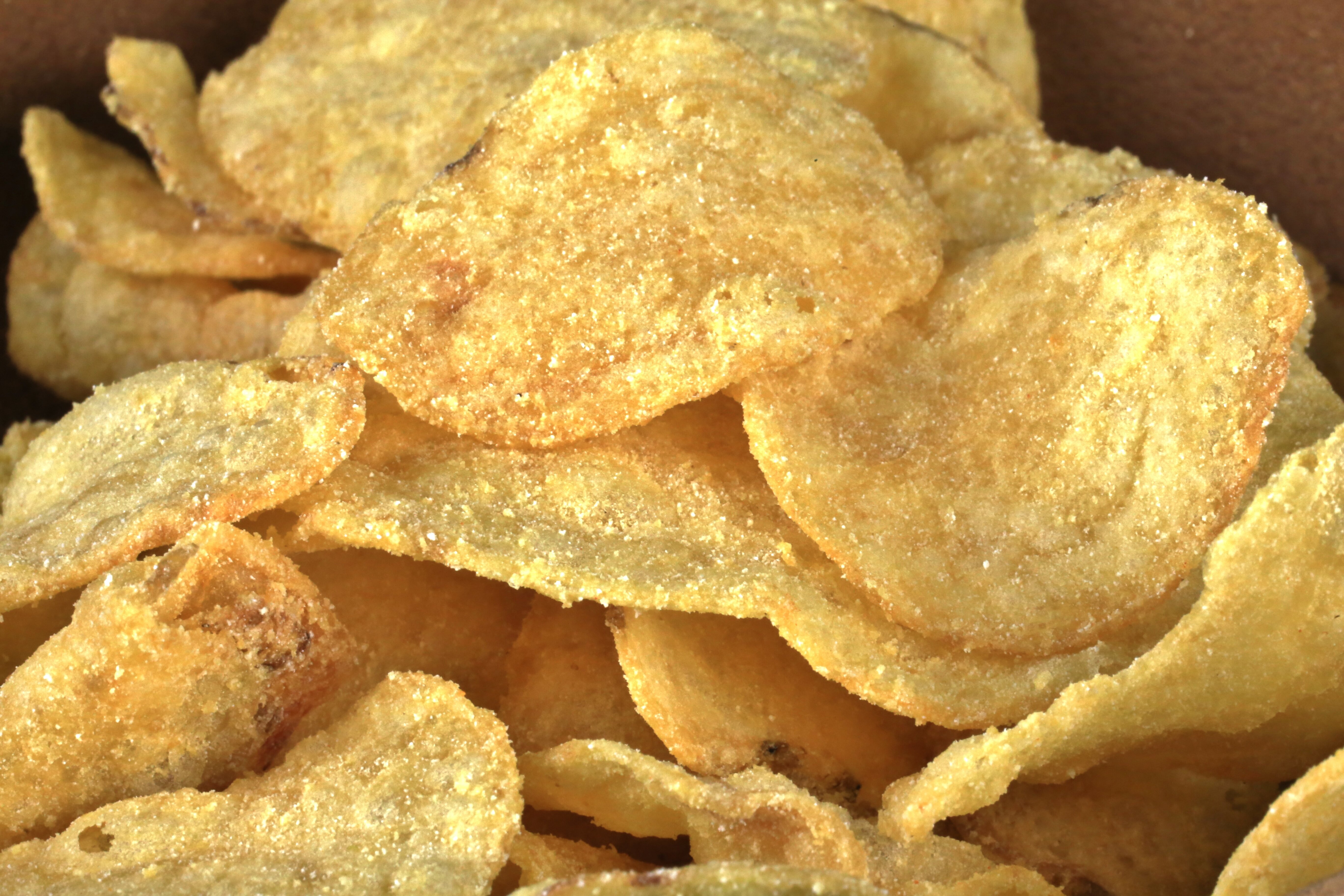
Here’s What ‘Kettle Crisps’ Really Stands For, And I Feel Stupid For Not Realising This Sooner

We’ve written before at HuffPost UK about why Hobnobs are called what they are.

We’ve even covered the complicated origins of the name Smarties ― and yep, one US brand did call their sweets that because they believed the candy would make their consumers smarter.

But what about kettle chips, the shattering sensation I feel took over Britain’s “nice little nibbles” industrial complex in about 2010?

Why are the crunchier, thicker, and respectfully, posher-feeling offerings “kettle,” while the regular sort must remain untitled?

It’s to do with how they’re cooked

Despite my misconception ― that “kettle” just meant “pricier” ― it turns out that the name refers to how thicker, crunchier crisps are cooked.

“The term kettle cooked refers to the vessel in which the chips [crisps] are fried,” food site Sporked revealed. They shared that throughout crisp history (crisptory?), people would finely slice spuds, fry ’em in oil, take them out when they were done, and begin another batch.

The container which holds the oil they’re cooked in is called a “kettle.”

That means crisps always used to take longer to cook than industrially-produced ones do, as the temperature of the oil drops every time you take an old batch of potatoes out.

The longer they’re left in the oil, the slower they cook, and the starches have longer to break down and become crunchier.

In order to keep crisp factories running at a fast pace, some companies don’t cook regular crisps in batches ― instead, they use what’s called “continuous processing,” which involves dipping or showering the slices in consistently-hot oil for a couple of minutes rather than cooking them in a “kettle.”

A Science Direct article shows a diagram of a machine with a hot oil river at its base and windmill-like paddles which lift the product into and out of the fat.

Huh!

Right! So despite my thinking kettle chips only became “a thing” after the naughties, they’re actually the old-school way to do things.

There is, of course, also a company called Kettle which makes chips the old-school way, and they account for 40% of the fancy crisp market in the UK.

But were I to take it back to my teenaged hungover habit of finely slicing some spuds, chucking them in the deep fat fryer, and dusting them with the contents of noodle packets (don’t knock it ’til you try it) ― yup, those are pretty close to being kettle crisps, too.

Share Button

Eva ‘doing really good’ after spinal surgery

Eva Tennent’s family were told her condition was inoperable following delays to her operation.

Share Button

Strictly’s Amy to tell cancer story in documentary

Dancer Amy Dowden was diagnosed after finding a lump on her breast the night before her honeymoon.

Share Button

Tiger mosquitoes behind dengue fever rise in Europe

Concerning rise in dengue fever cases as climate change pushes mosquitoes further north, warn experts.

Share Button

Painful truth about knee osteoarthritis: Why inactivity may be more complex than we think

Knee osteoarthritis (OA) is a common cause of pain and joint stiffness. And while physical activity is known to ease symptoms, only one in 10 people regularly exercise.

Understanding what contributes to patients’ inactivity is the focus of a world first study from the University of South Australia. Here, researchers have found that people with knee OA unconsciously believe that activity may be dangerous to their condition, despite medical advice telling them otherwise.

The study found that of those surveyed, 69% of people with knee pain had stronger implicit (unconscious) beliefs that exercise was dangerous than the average person without pain.

It’s an interesting finding that not only highlights the conflicted nature of pain and exercise, but also that what people say and what people think, deep down, may be entirely different things.

Lead researcher, and UniSA PhD candidate based at SAHMRI, Brian Pulling, says the research provides valuable insights for clinicians treating people with knee OA.

“Research shows that physical activity is good for people with knee OA, but most people with this condition do not move enough to support joint or general health,” Pulling says.

“To understand why people with OA might not be active, research studies typically use questionnaires to assess fear of moving. But unfortunately, questionnaires are limited — what we feel deep down (and how our system naturally reacts to something that is threatening) may be different to what we report. And we still know that many people are avoiding exercise, so we wanted to know why.”

To assess this, the researchers developed a tool that can detect and evaluate people’s implicit beliefs about exercise; that is, whether they unconsciously think activity is dangerous for their condition.

“We found that that even among those who said they were not fearful about exercise, they held unconscious beliefs that movement was dangerous,” Pulling says.

“Our research shows that people have complicated beliefs about exercise, and that they sometimes say one thing if asked directly yet hold a completely different implicit belief.

“People are not aware that what they say doesn’t match what they choose on the new task; they are not misrepresenting their beliefs.

“This research suggests that to fully understand how someone feels about an activity, we must go beyond just asking directly, because their implicit beliefs can sometimes be a better predictor of actual behaviour than what people report. That’s where our tool is useful.”

The online implicit association test presents a series of words and images to which a participant must quickly associate with being either safe or dangerous. The tool intentionally promotes instant responses to avoid deliberation and other influencing factors (such as responding how they think they should respond).

Associate Professor Tasha Stanton says that the new tool has the potential to identify a group of people who may have challenges increasing their activity levels and undertaking exercise.

“What people say and what people do are often two different things, Assoc Prof Stanton says.

“Having access to more accurate and insightful information will help health professionals better support their patients to engage with activity and exercise. It may also open opportunities for pain science education, exposure-based therapy, or cognitive functional therapy…things that would not usually be considered for someone who said that they were not scared to exercise.”

Researchers are now looking to see if implicit beliefs are directly associated with behaviour and are asking for people to complete the Implicit Association Test (takes seven minutes). At the end of the test participants are given their results in comparison to the rest of the population.

To take the test, please click here: https://unisasurveys.qualtrics.com/jfe/form/SV_0OZKUqzBNtiKGF0

Share Button

Wind from black holes may influence development of surrounding galaxies

Clouds of gas in a distant galaxy are being pushed faster and faster — at more than 10,000 miles per second — out among neighboring stars by blasts of radiation from the supermassive black hole at the galaxy’s center. It’s a discovery that helps illuminate the way active black holes can continuously shape their galaxies by spurring on or snuffing out the development of new stars.

A team of researchers led by University of Wisconsin-Madison astronomy professor Catherine Grier and recent graduate Robert Wheatley revealed the accelerating gas using years of data collected from a quasar, a particularly bright and turbulent kind of black hole, billions of light years away in the constellation Boötes. They presented their findings today at the 244th meeting of the American Astronomical Society in Madison.

Scientists believe black holes are situated at the center of most galaxies. Quasars are supermassive black holes surrounded by disks of matter being pulled in by the black hole’s enormous gravitational power.

“The material in that disk is always falling into the black hole, and the friction of that pulling and pulling heats up the disk and makes it very, very hot and very, very bright,” says Grier. “These quasars are really luminous, and because there’s a large range of temperatures from the interior to the far parts of the disk, their emission covers almost all of the electromagnetic spectrum.”

The bright light makes quasars nearly as old as the universe (as many as 13 billion light years away) visible, and the broad range of their radiation makes them particularly useful for astronomers to probe the early universe.

Researchers used more than eight years of observations of a quasar called SBS 1408+544, collected by a program carried out by the Sloan Digital Sky Survey now known as the Black Hole Mapper Reverberation Mapping Project. They tracked winds composed of gaseous carbon by spotting light from the quasar that was missing — light that was being absorbed by the gas. But instead of being absorbed at exactly the right spot in the spectrum that would indicate carbon, the shadow shifted farther from home with every new look at SBS 1408+544.

“That shift tells us the gas is moving fast, and faster all the time,” says Wheatley. “The wind is accelerating because it’s being pushed by radiation that is blasted off of the accretion disk.”

Scientists, including Grier, have suggested they’ve observed accelerating winds from black hole accretion disks before, but this had not yet been backed by data from more than a few observations. The new results came from about 130 observations of SBS 1408+544 made over nearly a decade, which allowed the team to solidly identify the increase in velocity with high confidence.

The winds pushing gas out from the quasar are of interest to astronomers because they are a way in which the supermassive black holes might influence the evolution of the galaxies that surround them.

“If they’re energetic enough, the winds may travel all the way out into the host galaxy, where they could have a significant impact,” Wheatley says.

Depending on the circumstances, a quasar’s winds could supply pressure that squeezes gas together and speeds the birth of a star in its host galaxy. Or it could scour away that fuel and keep a potential star from forming.

“Supermassive black holes are big, but they’re really tiny compared to their galaxies,” says Grier, whose work is supported by the National Science Foundation. “That doesn’t mean they can’t ‘talk’ to each other, and this is a way for one to talk to the other that we will have to account for when we model the effects of these kinds of black holes.”

The study of SBS 1408+544, published today in The Astrophysical Journal included collaborators at York University, Pennsylvania State University, University of Arizona and others.

This research was funded in part by grants from the National Science Foundation (AST-2310211 and AST-2309930).

Share Button