All 15 New Ryanair Routes From UK And EU Destinations

Though Ryanair recently cut flights across 19 airports, including those in the UK, Ireland, France, and Spain, they’ve also launched some brand-new routes for 2026.

But while Simple Flying reports the airline’s busiest bases include London Stansted, Dublin, Milan Bergamo, Brussels Charleroi, and Barcelona, none of the new routes are in those airports.

Instead, the 15 new routes, which were launched on 1 and 2 June respectively, include destinations like Poland’s Gdańsk and Albania’s Tirana.

The UK’s Manchester airport will get a brand-new Ryanair link to Spain’s Castellón, too.

Full list of 15 new Ryanair routes for summer 2026

Per The Daily Express, these include:

  1. Bologna – Castellón
  2. Forli – Cagliari
  3. Parma – Reggio Calabria
  4. Rimini – Cologne/Bonn
  5. Rimini – Catania
  6. Manchester – Castellón
  7. Gdańsk – Bucharest
  8. Gdańsk – Palermo
  9. Katowice – Aarhus
  10. Katowice – Lamezia Terme
  11. Tirana – Alghero
  12. Tirana – Genoa
  13. Tirana – Parma
  14. Tirana – Wroclaw
  15. Zadar – Cork.

Manchester fliers have a new route to an underrated Spanish destination

These changes mean passengers from Manchester Airport now have a direct Ryanair flight to Spain’s Castellón.

Lonely Planet wrote that while “you don’t hear a great deal about the province of Castellón, to the north of the Valencia region,” the region’s airport, which saw its first commercial flight in 2015, years after officially opening, made it more viable for visitors.

Ryanair was the first airline to fly to what was then dubbed a “ghost” airport, The Guardian reported in 2015.

Over a decade on, the carrier has added Manchester and Bologna connections to its existing routes at the Valencian base. They added an Essex route to the destination in April, too.

Airports aside, Castellón has often been lauded as a quieter Spanish location with fewer tourists but tonnes of local charm.

Stansted Airport described the area, located on the country’s East coast, as a hidden gem.

“Castellon de la Plana’s sleepy city streets hide many treasures for the discerning tourist. If you’re hunting for a holiday off the beaten track, away from the hustle and bustle of Barcelona or Madrid but still bursting with unique Spanish charm, there is nowhere better than Castellon de la Plana,” they wrote.

“It’s great for families too with loads of local attractions including nearby beaches, escape rooms and hot springs.”

Share Button

Struggling With Balance As You Age? Experts Say There Might Be A Simple Solution.

The experts consulted for this story do not necessarily endorse the products ahead unless otherwise noted.

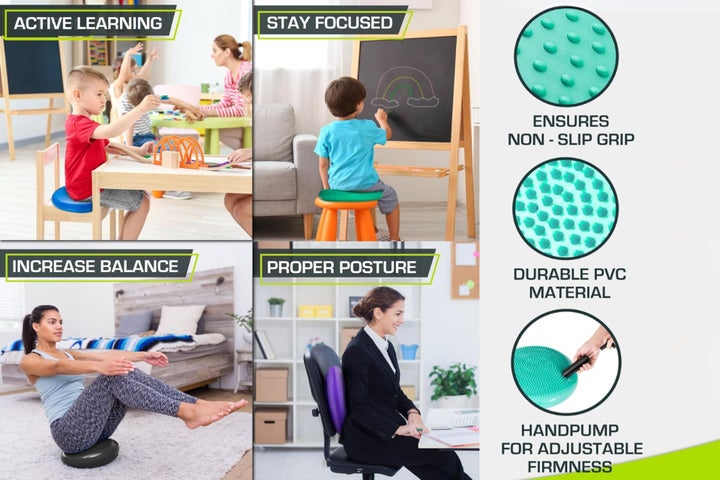
Experts tell us that balance is something that can likely decline with age, unless you take measures to train it — a worthwhile endeavor, according Annalise Calo, physical therapist at WAVE Physical Therapy & Pilates in Ohio. She said the risks associated with weaker balance come from a person’s reduced ability to quickly recruit the muscles needed to prevent a fall, which can lead to increased mortality in the case of pelvic fractures, some studies show. After coming across this popular $18 “balancing disc” online, we asked Calo if this is as effective a training tool as reviewers claim it is.

“These discs can be helpful when used in the right context,” Calo said of balancing tools like the ProsourceFit disc, which is a 15-inch inflatable cushion that can be used to perform a number of balancing and core-strengthening exercises. ”[They] move as your weight shifts, helping to improve proprioception (awareness of your position in space) and reaction time.”

Calo notes that a disc like this shouldn’t be first in line for balance training, but rather used as an adjunct tool, and it’s not for people who have severely compromised balance. Someone should be able to stand for at least 30 seconds in certain positions — with one foot in front of the other, for example, or on one leg only — if they are going to use this tool.

Calo also indicated that posture is something that is additionally impacted by age, “due to reduced joint space or disc height and decreased proximal muscle strength, which normally helps keep the body more upright,” she said.

The ProscourceFit disc aims to engage multiple core muscles that are required for maintaining a healthy posture, and can even be placed behind the back while sitting to provide support or as a cushion to help reduce sedentary habits while sitting for long periods of time. This is important to note because, as Calo pointed out, sitting more frequently can reduce hip flexor mobility, which also leads to a more bent-over posture.

“This pillow is particularly good when sitting at a computer. It allows me to move my spine as I sit. So much better than being locked in a postural slump. I also like being boosted a couple of inches taller, which helps with the angle of my hands on a keyboard,” one Amazon customer said.

Made with a dual-textured surface on both sides to prevent slipping, the disc can be inflated to your preferred firmness and intensity levels. The device will be more supportive when filled to capacity with air, making it easier to stand on. You can deflate the cushion to create a less stable surface and challenge yourself further.

“You can stand on these discs with both legs or a single leg. If you have mastered those activities, you can work towards closing your eyes while standing on one or both legs,” Calo said.

She said that you can even get more advanced and stand on the disc while passing a weight from hand to hand, or place the disc on a step and step up and down onto it, paying close attention that there is no risk of slipping.

One ProsourceFit balancing disc reviewer claimed that they used to have trouble walking, often tripping. Then, after about two weeks of regular use with the disc, they noticed a big difference.

“I now have more confidence in walking and getting in and out of the bathtub,” they wrote.

Before you try out these discs for yourself, Calo cautions that many older adults have worse balance than they realize and should see a professional, like a physical therapist, to assess it before training independently.

Promising Amazon reviews:

″I really like my balance disks. Had trouble walking, tripping n very unsteady. I now have more confidence in walking and getting in n out of the bathtub. I use mine most days 3 times a day. I stand balancing then I do a light bounce about 10 minutes at a time. I use mine close to the kitchen sink or counter so I have something to grab if I loose balance. Sooo glad I have them. Made a big difference in about a 2 weeks.” — Pamela Woodard

“Everyone in my house uses this! Best $10 I’ve spent. Really works your core strength while balancing. I do some yoga poses and I can definitely feel a difference.” — yvette c

“I bought this to work on my one leg balance, and it has done a great job! Easy to inflate, and perfect size for practicing standing on one leg. After practicing on this, my balance on the floor is greatly improved. Well worth the price just for that.” — Annie C.

I use this on my office chair for balance and posture. It allows me to ‘free sit’, encourages me to move and balance – thus strengthening my core muscles, keep my spine flexible and strengthen my back up to my shoulders.
I’m still recovering from being rear ended, and this is an easy tool to get more of a work out all day every day. It is helpful for balance – standing on it as well. It has helped re-train my brain through dizziness and balance issues.”Nancy Horne

If you want to explore more expert-recommended products to treat sore muscles, reduce pain and promote movement at home, take a look at the list below, gathered from previous HuffPost reporting:

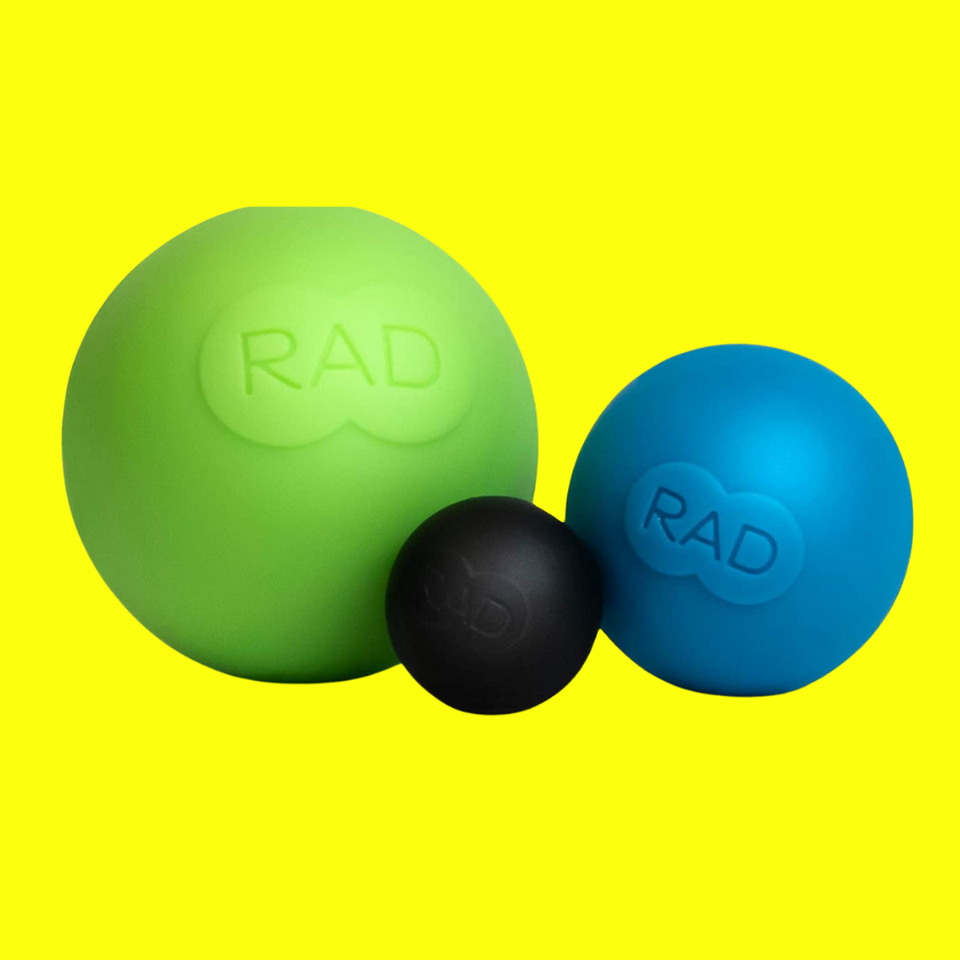
Rad Rounds: three-density massage balls

Melissa Oleson, a physical therapist, registered yoga instructor and integrative nutritional health coach, keeps Rad Rounds on standby at home. These balls relieve aches and pains associated with conditions like plantar fasciitis and myofascial pain. They’re designed for targeted massaging use, so you simply rub one around in circular motions on the affected areas for relief.

“Rad Rounds are essentials in my house to help keep me moving, work on my mobility, and trigger point trouble spots to help combat that forward posture we get from being behind our devices or as recovery tools from workouts,” Oleson previously said.

A high-density round foam roller

Lisa Mitro, a Virginia-based physical therapist who specialized in helping runners, always keeps a round foam roller at home to stretch out and soothe muscles.

“I keep this at home because not only is it great for self-massage, it can also double as an exercise tool. They are relatively cheap and easy to find!” Mitro previously said.

Foam rollers are lightweight and often used for balance, strengthening, flexibility and rehab exercises. They come in various sizes, including 12, 18, 24 and 36 inches. The one included here comes in blue, blue speckled, black and purple speckled colors.

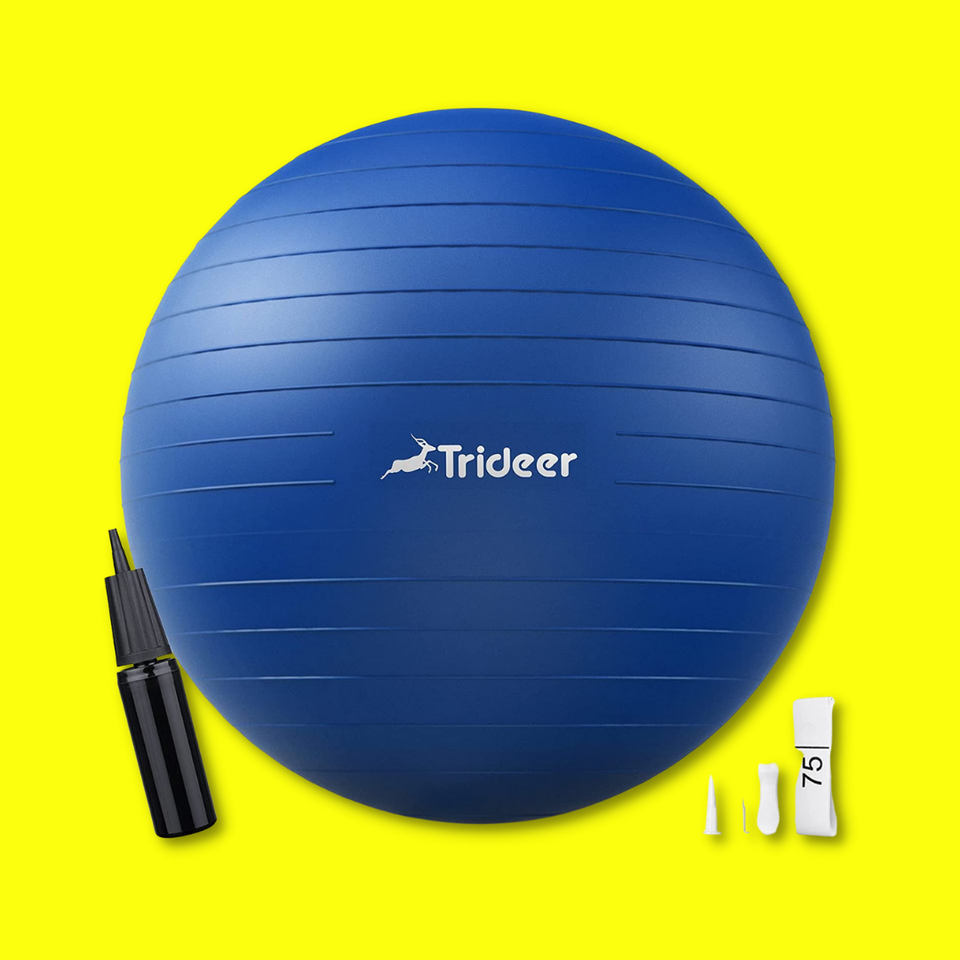
A Trideer exercise ball

For Monica Frydach, a Wisconsin-based physical therapist and founder of Moving Like A Mother, an exercise ball comes in handy as part of an everyday routine.

“An exercise ball is a great alternative to sitting on a chair as it promotes core activation and better posture. I use it for exercise, core strengthening, stretching, pregnancy and more,” Frydach previously said.

Share Button

More 2026 UK Heatwaves Are Likely Following 35°C Spring

On 1 June, the official start of summer, the Met Office released its three-month outlook for the UK.

The meteorological service explained on its site that this outlook is not an exact prediction or a guarantee of what will happen in the season. Instead, they say, it’s about broader trends; you can’t say for sure whether something like a heatwave will happen based on this information.

Nonetheless, they added, the most “notable” part of their most recent outlook is the expected hotter-than-usual UK summer temperatures.

“It follows that there is an increased chance of heatwave conditions developing at times,” they said.

We have already had an unusually hot start to the year, with temperatures reaching a record-breaking 35.1°C in Kew Gardens this May.

The Met Office has previously said that hotter summers are becoming more likely in the UK in general.

When will the next heatwaves be?

This outlook doesn’t aim to calculate exact dates, nor does it say there definitely will be heatwaves.

But it did mention that higher pressure, linked to hotter weather, is expected in the middle of June after a rainy start to the month.

“Towards the end of June, low pressure may begin to have more of an influence, especially across the south, where heavy showers and thunderstorms become more probable. It may also become hot in parts of the south,” the Met Office shared.

Why has this year been so hot?

Even for the UK, 2026′s weather has been especially volatile. We went from record-breaking heatwaves to floods in a matter of days.

The Met Office’s Dr Emily Carlisle previously said this is part of a broader warming trend.

“This spring highlights both the natural variability of the UK’s weather and the longer-term warming we are observing. While conditions varied through the season, all three months of meteorological spring recorded mean temperatures within the UK’s top ten warmest on record,” she stated.

“While we expect fluctuations from year to year, this spring shows some of the changes we’re seeing in our weather patterns, with more extreme conditions becoming more frequent. The fact that nine of the ten warmest springs in England have occurred since 2007 illustrates this ongoing shift in the UK’s climate.”

The Met Office added that factors like the predicted 2026 El Niño can inform their three-month outlooks.

Share Button

1 in 4 births in England now by emergency C-section

A quarter of all babies in England are now delivered by emergency caesarean operations, BBC analysis shows – marking a significant rise over the last five years.

Share Button

Giant fire tornadoes could clean up oil spills faster with less pollution

When a major oil spill occurs at sea, emergency crews often face a difficult choice. They can allow the oil to spread across the water, threatening coastlines and marine life, or they can set it on fire.

Burning the oil, a technique known as an in situ burn, can prevent the slick from expanding. However, it also produces thick clouds of black smoke, releases soot into the atmosphere, and leaves behind a layer of unburned residue floating on the ocean’s surface.

Now, researchers have demonstrated a striking new approach that could make this process far more effective. In a first-of-its-kind large-scale study, scientists created giant fire whirls, spinning columns of flame that resemble fire tornadoes, and found they burn oil faster and more cleanly than conventional methods.

The rotating vortex draws in large amounts of oxygen, creating a hotter and more efficient flame. As a result, the fire whirl consumed oil more rapidly while producing significantly less pollution.

The study, supported by the Bureau of Safety and Environmental Enforcement (BSEE), was led by Dr. Elaine Oran and Dr. Qingsheng Wang of Texas A&M University and Dr. Michael Gollner of the University of California, Berkeley.

“This the first time anyone has conceived using fire whirls for oil spill remediation, and it’s really just the beginning,” said Oran, professor of aerospace engineering in the College of Engineering. “Our goal is to harness the chaotic nature of fire whirls as a powerful, precise restoration tool, to protect coastlines, marine ecosystems and the environment as a whole.”

A Faster, Cleaner Way to Fight Oil Spills

The research introduces an unconventional strategy for dealing with one of the most damaging environmental emergencies.

The devastating Deepwater Horizon disaster in 2010 remains a powerful reminder of the impact offshore oil spills can have. The accident, the largest offshore oil spill in U.S. history, killed 11 workers, claimed the lives of thousands of marine animals, and caused widespread damage to ocean ecosystems.

“We are looking at environmental disasters like oil spills, and identifying ways to remediate them in faster, greener and more sustainable ways,” Oran said.

One of the most promising advantages of fire whirls is speed.

According to the researchers, fire whirls can burn crude oil nearly twice as fast as traditional in situ fire pools. Faster removal of oil could give response teams a critical advantage, allowing them to eliminate spills before they spread into sensitive habitats and protected coastal regions.

“Fire whirls burn through crude oil spills nearly twice as fast as in-situ fire pools, potentially giving cleanup crews faster operational and response times to eliminating the oils from spreading,” Oran said.

The technique could also reduce one of the biggest drawbacks of burning oil: smoke.

“One of the biggest challenges of burning oil spills is the sheer volume of smoke emitted,” Oran said. “Our results show that fire whirls, compared to in-situ fires, dramatically reduce overall emissions.”

Acting like a giant incinerator, the spinning flames destroy many of the particles responsible for dense smoke plumes. The process also vaporizes most of the oil before it can remain behind as a toxic tar-like residue on the water.

The findings may have applications beyond oil spill response. A better understanding of how fire whirls form and behave could help engineers develop more efficient combustion systems and improve efforts to predict and manage wildfires.

“Our study has universal applications,” Oran said. “By understanding the physical laws that govern fire whirls, we can harness their power beyond oil spill remediation.”

Building a 17-Foot-Tall Fire Whirl

Most previous studies of fire whirls have been conducted on a much smaller scale in laboratory settings.

To explore whether the phenomenon could be useful for real-world oil spill cleanup, the research team designed an experiment large enough to mimic more realistic conditions.

“The scale of our experiment is one of the reasons why our investigation is so unique, and what sets it apart as a first-of-its-kind,” Oran said.

The researchers built a 16-foot-tall triangular structure with three walls that allowed them to carefully control airflow. At the center, they placed a 1.5-meter-wide pool of crude oil floating on water.

Once ignited at the Texas A&M Engineering Extension Service (TEEX) Brayton Fire Training Field, the setup generated a powerful fire whirl that reached nearly 17 feet in height.

The results, published in Fuel, showed major improvements over conventional oil burning techniques.

“The fire whirls burned the oil about 40 percent faster, cut soot emissions by 40 percent, and achieved up to 95 percent fuel consumption efficiency compared to in-situ fire tests,” Oran said.

Finding the Fire Whirl “Goldilocks” Zone

Despite their impressive performance, fire whirls are not easy to control.

“Fire whirls are incredibly powerful, and can be incredibly beneficial,” Oran said. “But they’re also sensitive and only reach high efficiency when the conditions are just right.”

Strong winds can destabilize the spinning column or cause it to collapse altogether. Insufficient airflow control can prevent the vortex from forming, causing the fire to behave more like a conventional burn.

Researchers also discovered that the thickness of the oil layer plays an important role. When the slick became too deep, the fire whirls went out before consuming all of the fuel.

This narrow range of ideal conditions, described by the researchers as a “Goldilocks” zone, highlights both the promise and the challenge of bringing the technology into practical use.

Fire Tornadoes as Future Cleanup Tools

The team envisions a future in which portable systems could be deployed directly over burning oil spills to intentionally generate fire whirls on demand.

If successful, such systems could transform emergency oil spill response by converting ordinary fires into highly efficient cleanup tools.

“This study is more than just an experiment, it’s a glimpse into a future where fire isn’t a force of destruction, but a tool to protect our oceans and planet,” Oran said.

For now, the research stands as an impressive demonstration of what can happen when scientists rethink a familiar natural phenomenon.

It suggests that even one of nature’s most intimidating forces can potentially be redirected to address some of the world’s most urgent environmental challenges.


Share Button

One in four births in England is now emergency caesarean, BBC analysis shows

The shift marks a significant rise over the last five years, but experts say there is no single, clear explanation for the increase.

Share Button

‘World-first’ vaccine designed by artificial intelligence

Cambridge scientists say they have, for the first time, tested a vaccine designed by AI.

Share Button

People With Neck And Back Pain Say This 4-Piece Sleep Solution Really Works

Countless times, we’ve been told by pain experts, spinal doctors and other professionals that your pillow plays a critical role in managing neck and back pain. Case in point: this four-piece wedge pillow set that reviewers say offers “life-changing comfort and support.” Even better? A variety of these sets are currently on sale. According to our price trackers, the white and gray set, which is usually $129.99, is down to just $67.99 today. That’s almost 50% off!

The set features four high-density foam pillows that can accommodate your body in countless ways.

Whether you need leg elevation, or lumbar and back support, these pillows can help your alignment. You can angle the back pillow horizontally to keep you supported in more conventional supine sleep positions, while the elongated pillow can support the neck, back or arms.

“All the [different] pieces can be adjusted to fit you exactly, the best way for your pain,” one reviewer wrote. “…Having this with the knee rest made sleeping so much easier.”

The pillow’s covers, which are removable and machine-washable, are made with a soft fleece material. It also features anti-slip points so that your pillows stay exactly the way you want them. Reviewers also say this pillow set has come in clutch for post-surgery healing, pregnancy, reading in bed, or for anyone who suffers from chronic back pain.

“This set has been a game-changer for my sleep and relaxation,” shopper Mike said. “Each piece is thoughtfully designed and incredibly versatile — whether I’m reading in bed, elevating my legs, or needing back support, there’s a perfect wedge for the job.”

Fans say the memory foam gives “just the right balance of firmness and softness,” seriously helping with pain reduction.

“It conforms to the body without sinking too deep, offering real orthopedic support,” Mike added. “I’ve noticed a significant reduction in back and neck pain since I started using it.”

Another shopper, who was using the pillows after recovering from surgery, says the pillow doesn’t just offer physical comfort — it helps you feel better emotionally.

“There are 40 million versions of this out there on Amazon. THIS is the one you need for post-surgery,” they wrote. “…This is expensive for something you may only use for a few weeks, but I really think for your comfort and sanity, it is a purchase well worth making.”

“I’ve noticed a significant reduction in back and neck pain since I started using it,” one Amazon customer enthused.

The pillows may even help with snoring — something backed up by reviewers and research.

Inclined pillows aren’t just for physical pain relief. According to The Sleep Foundation, “a wedge pillow can help promote proper spinal alignment and relieve pressure on the back, neck, and shoulders.” There’s also research to suggest that sleeping in a supported, inclined position can reduce snoring and obstructive sleep apnea, as well as nasal congestion.

Fans who used to snore say the pillow is making their sleep partners happy, because with the lift “I seldom snore anymore.”

“Another unforeseen benefit is my lack of snoring while sleeping on them,” reviewer super duper wrote, saying the pillows have “made my recovery so much easier.”

Reviewers love this four-piece wedge pillow set relaxing comfort. Take a look at more promising reviews, and grab a set for yourself on sale.

Life-changing comfort and support! I recently purchased the Kingfun 4pcs Orthopedic Bed Wedge Pillow Set, and I couldn’t be happier. This set has been a game-changer for my sleep and relaxation. Each piece is thoughtfully designed and incredibly versatile—whether I’m reading in bed, elevating my legs, or needing back support, there’s a perfect wedge for the job.
The memory foam is high-quality, with just the right balance of firmness and softness. It conforms to the body without sinking too deep, offering real orthopedic support. I’ve noticed a significant reduction in back and neck pain since I started using it.
The covers are soft, breathable, and easy to remove for washing. I also appreciate how everything stays in place without sliding around, thanks to the smart design. Whether you’re recovering from surgery, managing chronic pain, or just looking to elevate your comfort, this wedge set is well worth it. Highly recommended!” —mike

“These pillows are well-made, firmness just perfect! They are used on the bed and couch. Great for people with a bad back, wonderful, elevation, head, arms, legs etc. I like that they have removable slips with a zipper, easy to wash. Comes with a bag to store when not in use.” — celia vanhoose

Worked out great for my husband’s recent full shoulder replacement surgery 2 weeks ago. The different pieces are making it easy to keep him comfortable wherever he is sitting or sleeping. The pieces have a soft, grip-like material so they can be changed around to help with different positions. He is able to sleep comfortably because it helps him not move, so he doesn’t risk injury by being able to lie back safely. Some reviews indicated the Velcro straps don’t line up. They are a little off, but can still strap if you feel it’s necessary, but honestly, I have not even needed to use them, as these stay in place because of the material. Soft and very comfortable. Definitely is helping with managing through the pain from surgery. Well worth the price. HIGHLY RECOMMEND.” —Kim

“I bought this wedge pillow when my second trimester started because I couldn’t sleep flat anymore without it being uncomfortable. Having this pillow got me through the rest of the pregnancy because I could Sleep at an incline. I would definitely recommend this pillow for anyone who finds it unbearable to sleep supine (on back). Also helps with heartburn.” —Connie Loh

The Real Deal: We use deal trackers and commerce experience to sift through “fake” hike-and-drop deals and other deceptive sales tactics. Products will usually be rated at least 4 stars with a minimum 15% discount. (And when there’s an exception, we’ll tell you why.)

Share Button

A study of 8,300 older adults revealed a surprising salt habit

For thousands of years, people have used salt to flavor and preserve food. While it remains a staple in kitchens around the world, consuming too much salt can increase the risk of high blood pressure, heart disease, kidney disease, and even faster cognitive decline. To help reduce these risks, the World Health Organization (WHO) recommends that adults consume no more than five grams of salt per day.

Although much of the salt people consume comes from processed and prepared foods, adding salt at the table still contributes between 6% and 20% of total intake. Researchers know that this habit varies among different groups of people, but it has not always been clear who is most likely to reach for the saltshaker in different cultural settings.

A new study published in Frontiers in Public Health sought to answer that question among older adults in Brazil.

“Adding salt to food at the table remains a relatively common habit among Brazilian older adults and occurs more frequently among men than among women,” said first author Dr. Flávia Brito, an associate professor at Rio de Janeiro State University.

“Women’s salt-adding behavior, however, was associated with a wider range of social and dietary characteristics than men’s,” added co-author Dr. Débora Santos, a titular professor at Rio de Janeiro State University.

Who Is Most Likely To Add Extra Salt?

The researchers analyzed survey data collected between 2016 and 2017 from more than 8,300 Brazilians aged 60 and older. Participants reported everything they had eaten and drunk during the previous 24 hours and answered whether they routinely added salt to food at the table.

The team also examined several factors that could influence this behavior, including sex, age, education level, household income, living arrangements, urban or rural residence, and whether participants regularly consumed fruits, vegetables, or ultra-processed foods.

The results showed that 12.7% of men reported adding extra salt to their meals, compared with 9.4% of women. However, the factors linked to this habit differed significantly between the sexes.

“Among men, few variables were associated with the habit of adding salt, suggesting that their behavior may be less directly related to specific dietary patterns,” Brito pointed out.

“On the other hand, women’s salt-adding behavior appeared to be more closely linked to broader dietary patterns and contextual characteristics,” added Santos.

Lifestyle and Diet Influence Salt Habits

Among men, only two factors were significantly connected to adding extra salt. Men following a special diet to manage high blood pressure were less than half as likely to add salt compared with those who were not following such a diet. Men who lived alone were 62% more likely to add salt than those living with other people.

Women showed a more complex pattern. Those who were not following a diet for high blood pressure had 68% higher odds of adding extra salt. Women living in urban areas were twice as likely to do so, and the same increase was observed among women who frequently consumed ultra-processed foods.

By contrast, women who regularly ate fruits were 81% less likely to add salt, while those who commonly consumed vegetables were 40% less likely to do so. According to the researchers, these findings may reflect greater attention to overall diet quality, including efforts to limit salt intake.

Why Do People Reach for the Saltshaker?

The researchers emphasized that the study does not establish cause-and-effect relationships. Because participants self-reported their habits, some responses may have been inaccurate. The authors also noted that salt-use patterns may have changed since the surveys were conducted.

According to the team, both taste preferences and long-standing habits may drive the urge to add salt. Regular consumption of high-sodium foods can reduce sensitivity to salty flavors, leading some people to prefer stronger levels of saltiness. In many cases, however, adding salt may simply be a routine behavior rather than a response to taste.

Reducing overall salt consumption will likely require efforts beyond individual choices. The researchers pointed to the need for lower sodium levels in industrialized and ultra-processed foods, which are major contributors to excessive salt intake.

At the same time, individuals can take practical steps to reduce their own salt use. Because the factors associated with salt-adding behavior differed between men and women, the researchers suggest that public health campaigns should be tailored to specific groups based on gender and lifestyle characteristics.

“The use of herbs and natural seasonings as alternatives to salt or culinary techniques such as using the acidity of citrus fruits may help reduce discretionary salt use while maintaining food palatability,” concluded Santos. “Practical strategies, such as avoiding the routine placement of saltshakers on the table, may also help reduce habitual salt use.”

Share Button

Scientists finally crack an “undruggable” pancreatic cancer target and nearly double survival

For a long time, the likelihood of surviving pancreatic cancer has been extremely low. For patients who were diagnosed with metastatic pancreatic cancer between 2015 and 2021, about 97% died within five years of their diagnosis.

Pancreatic cancer is so deadly in part because there are no effective screening tests, and it rarely causes noticeable symptoms in its earliest stages. By the time a patient experiences signs, such as jaundice – a yellowing of the skin – or abdominal pain, the cancer has often already spread to other organs.

As a gastrointestinal oncologist and researcher specializing in early-phase clinical trials, I have seen the critical need for more effective therapies for patients with pancreatic cancer. For decades, successfully targeting the central mechanism that causes the vast majority of pancreatic cancers was considered impossible.

However, that narrative is rapidly changing with a new drug that can shut down the key protein that drives pancreatic cancer, nearly doubling survival rates for patients with advanced stages of the disease.

‘Undruggable’ tumors

The standard treatment for advanced pancreatic cancer has historically relied on chemotherapy, potent drugs designed to kill rapidly dividing cells. While chemotherapy can slow the progression of the disease, its effectiveness is often limited by the ability of pancreatic cancer cells to develop resistance against these drugs.

Pancreatic cancer’s success lies in its genetics. More than 90% of pancreatic tumors are driven by mutations in a gene called KRAS. This gene codes for proteins that function as switches that turn cell growth on and off. When the KRAS gene is mutated, the switch becomes permanently stuck in the “on” position, commanding cancer cells to multiply endlessly.

For decades, scientists considered KRAS to be “undruggable.” The surface of the protein is exceptionally smooth, lacking the molecular pockets that standard drugs require to bind to and turn the switch off.

Because existing drugs haven’t been able to target this protein, treatment for pancreatic cancer has primarily relied on toxic drugs that act more like blunt instruments than precise tools. Chemotherapy attempts to control the disease through widespread cell destruction, causing significant collateral damage to healthy tissues that lead to side effects.

What is daraxonrasib?

A new drug called daraxonrasib offers a critical advance in treating metastatic pancreatic cancer.

Daraxonrasib is taken daily by mouth. Instead of binding to KRAS directly, it attaches to a molecule called cyclophilin A in cells that helps fold proteins into their final 3D structures. This protein complex is then able to bind to the active KRAS protein and shut down its ability to signal cancer cells to multiply.

The company developing the drug, Revolution Medicines, presented results on May 31, 2026, from its Phase 3 clinical trial of 500 patients with metastatic pancreatic cancer who had received prior treatment. Compared to standard chemotherapy, daraxonrasib nearly doubled overall survival from 6.7 months to 13.2 months after diagnosis. Overall, daraxonrasib reduced the risk of death for metastatic pancreatic cancer patients by 60%.

The most common side effect is a prominent skin rash, which affected more than 86% of patients in the study. Patients also frequently dealt with stomatitis – painful swelling and sores inside the mouth – as well as diarrhea, nausea and vomiting. However, patients taking daraxonrasib were far less likely to stop treatment due to severe side effects compared to chemotherapy, and they had improved quality of life with reduced pain.

Next steps for daraxonrasib

By successfully targeting the specific genetic mutation that drives the vast majority of pancreatic cancers, researchers have demonstrated that this “undruggable” disease is treatable with targeted therapy.

The immediate next step is regulatory review of the drug’s readiness for the clinic. With data now officially published, Revolution Medicines will use these findings to seek formal approval from the Food and Drug Administration and other global regulatory bodies.

Because advanced pancreatic cancer is notoriously difficult to treat, breakthrough therapies that demonstrate this kind of significant survival benefit are often granted expedited or priority review. When daroxonrasib becomes available to patients will depend on the review timeline. Should the drug obtain approval, it could be available in clinics within months.

For the broader landscape of drug development, this milestone represents a likely shift in pancreatic cancer treatment. I expect more clinical trials exploring combination therapies pairing KRAS inhibitors with other drugs to prevent tumors from developing resistance to treatment.

Should daraxonrasib succeed, it could help set the stage for more precise, personalized and effective treatments for pancreatic cancer in the years to come.The Conversation

Share Button