Record numbers are being tested for cancer but treatment targets are still being missed in England.


Record numbers are being tested for cancer but treatment targets are still being missed in England.

Florida Governor Ron DeSantis is now promising that if he’s elected president in 2024, he’ll pardon Donald Trump if the former president, who is facing 91 felony charges in four indictments, has been convicted.
The Republican presidential candidate, during a stop in Iowa, declared that he “already said that long ago” when questioned about whether he’d pardon the Republican nomination’s front-runner.
Advertisement
“I think we’ve got to move on as a country and, you know, like Ford did to Nixon, because the divisions are not in the country’s interest,” said DeSantis, adding that he “said that months ago” when asked about pardoning the former president.
A DeSantis campaign spokesperson responded simply “Correct” when asked by NBC News on Saturday to clarify if the Florida governor was committing to granting Trump a presidential pardon.
DeSantis’ recent remarks about the former president arrive months after he was asked whether he’d look at potentially pardoning Trump supporters convicted in the January 6, 2021, riot at the U.S. Capitol and Trump himself, whose charges include attempting to overturn the 2020 election and mishandling classified documents taken from the White House when he left office.
Advertisement
“On day one, I will have folks that will get together and look at all these cases, who are people, who are victims of weaponization or political targeting, and we will be aggressive at issuing pardons,” he said in May on “The Clay Travis & Buck Sexton Show,” a right-wing talk radio program.
“I would say any example of disfavoured treatment based on politics or weaponization would be included in that review, no matter how small or how big,” he said on the radio show.
In July, he said on “The Megyn Kelly Show” that he’s “going to do what’s right for the country,” adding that he didn’t think it’d be “good for the country to have an almost 80-year-old former president go to prison.”
“It doesn’t seem like it would be a good thing,” he continued, citing a pardon decision he deemed a historic mistake.
“And I look at, like, you know, Ford pardoned Nixon, took some heat for it, but at the end of the day, it’s like, do we want to move forward as a country?” Gerald Ford, who had been been Nixon’s vice president, pardoned him after Nixon resigned in 1974 amid the Watergate investigation, elevating Ford to the presidency.
Advertisement
Other 2024 Republican candidates have also weighed in on the pardon question, including former U.N. Ambassador Nikki Haley, who sided with doing “what’s in the best interest of the country,” and Ohio biotech entrepreneur Vivek Ramaswamy, who vowed he would pardon Trump as a first act as president.

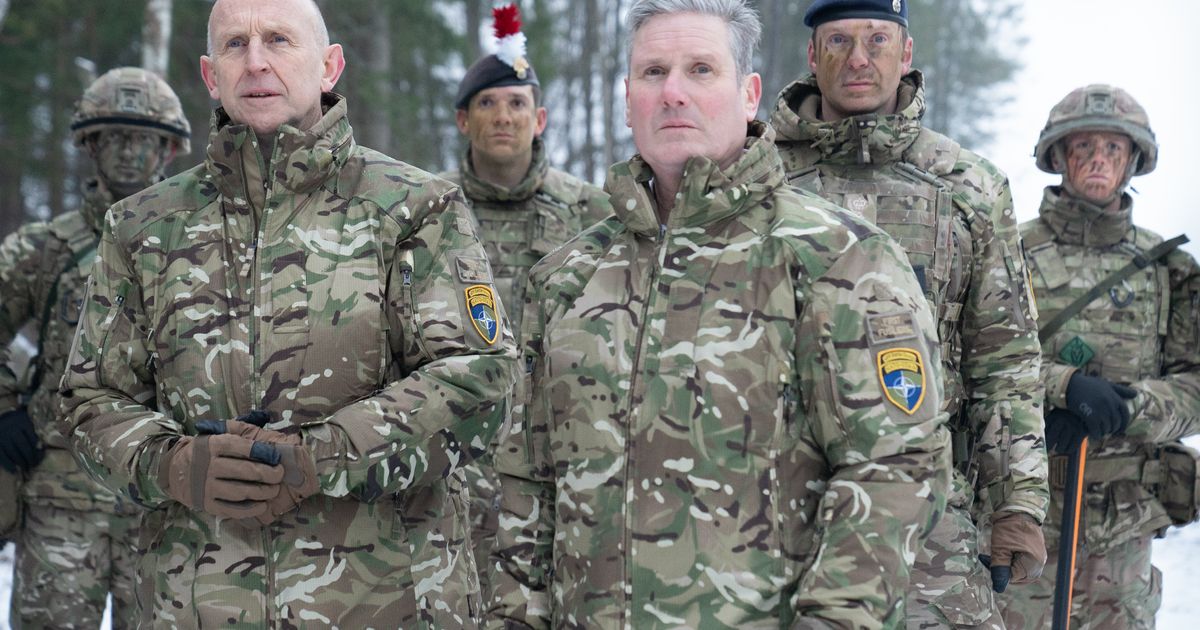
Voters in Rishi Sunak’s own seat think Keir Starmer would make a better prime minister, according to to a new poll.
The Focaldata survey for the Best for Britain group found that the Labour leader is top choice to be PM in 390 of the country’s 650 constituencies.
Advertisement
They include Sunak’s seat in Richmond, north Yorkshire.
By contrast, only four seats – Braintree, Castle Point, Clacton and North Bedfordshire – put the PM top.
However, ‘Don’t Know’ came top in 238 seats, suggesting millions of voters have yet to make up their minds who to vote for at the general election.
The poll also showed that 61% of voters want a general election by next June – with one in three demanding one as soon as possible.
Only 17% want to wait until next autumn, widely thought to be the most likely date.
The prime minister confirmed earlier this month that the general election will definitely take place in 2024.
Advertisement
However, it is still unclear whether the PM will opt to go to the country in the spring or wait until the autumn.
The latest the election can possibly be is January, 2025 – an option supported by just 9% of the public.
The poll also showed that three-quarters of Brits believe that Brexit has increased the cost of their weekly shop, while nearly two-thirds think it has stunted the UK’s economic growth.
Naomi Smith, chief executive of Best for Britain, said: “The message in our polling from voters is clear – they want an election, they think Brexit has hurt them in their pockets, and they’re prepared to vote tactically for change.
“Labour may be on course for a victory, but under our broken electoral system nothing can be taken for granted.
Advertisement
“With the possibility of Nigel Farage’s party offering a life raft to his vulnerable friends on the Conservative right, tactical voting will be more important than ever.”

Most voters want a general election by next summer – with one in three demanding one as soon as possible.
A new mega-poll also shows that just 17% want to wait until next autumn to give their verdict on Rishi Sunak’s government.
Advertisement
The prime minister confirmed earlier this month that the general election will definitely take place in 2024.
However, it is still unclear whether the PM will opt to go to the country in the spring or wait until the autumn.
The latest the election can possibly be is January, 2025 – an option supported by just 9% of the public.
According to the poll of more than 10,000 by Focaldata for the Best for Britain group, 61% want it to be held by June. Of those, 36% want it to be as soon as possible.
Advertisement
The findings echo a separate poll by the More in Common think-tank, which found that 73% want an election my next May.
The Focaldata poll also found that 38% of voters would consider voting tactically to change the government, with just 13% saying they would do so to keep Sunak in No.10.
JACOB KING via Getty Images
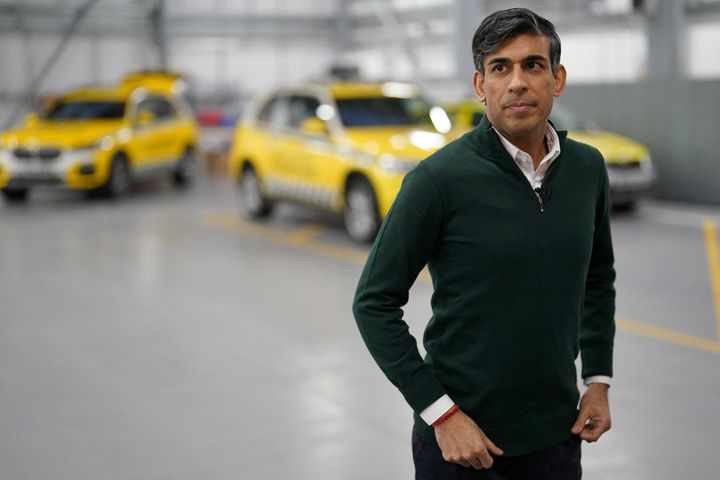
Meanwhile, Keir Starmer is the most popular choice to be prime minister in 390 of the country’s 650 constituencies, including Sunak’s seat of Richmond.
The poll also showed that three-quarters of Brits believe that Brexit has increased the cost of their weekly shop, while nearly two-thirds think it has stunted the UK’s economic growth.
Advertisement
Naomi Smith, chief executive of Best for Britain, said: “The message in our polling from voters is clear – they want an election, they think Brexit has hurt them in their pockets, and they’re prepared to vote tactically for change.
“Labour may be on course for a victory, but under our broken electoral system nothing can be taken for granted.
“With the possibility of Nigel Farage’s party offering a life raft to his vulnerable friends on the Conservative right, tactical voting will be more important than ever.”
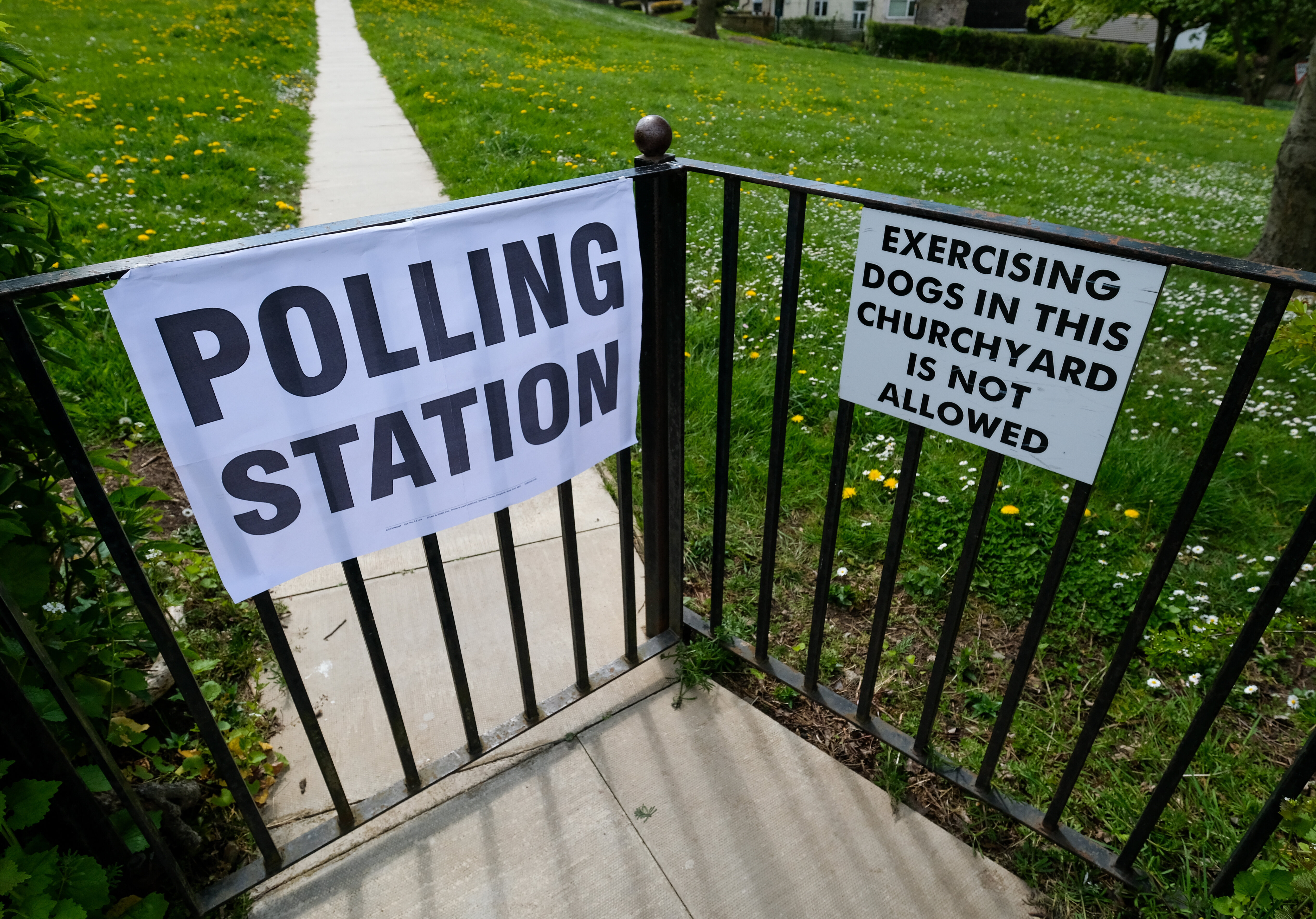

A staggering proportion of the world’s population will be able to head to the ballot box for major elections next year – a fifth, in fact – meaning the international stage as we know it could look very different next year.
Of course, politicians will probably still be grappling with many of the global issues which appeared in 2023 – the international cost of living crisis; the Israel–Gaza war; the Ukraine–Russia war; post-pandemic recovery; the climate crisis; among plenty of other geo-political issues – and that’s before we even look at domestic politics.
Advertisement
But, new faces in positions of power could help trigger incremental changes, which ripple around the world.
The first election will kick off in Taiwan, in January, but there will be total of 40 national elections, representing 41% of the world’s population (and 42% of GDP, according to Bloomberg) throughout the year.
So, just changes could a batch of newly elected political leaders bring – if any at all?
Here’s a look at just a handful of the elections which could have major consequences for international diplomacy.
WPA Pool via Getty Images
Advertisement
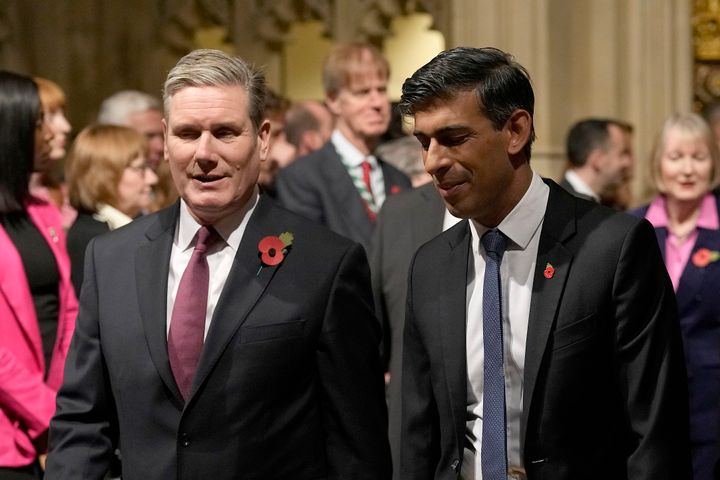
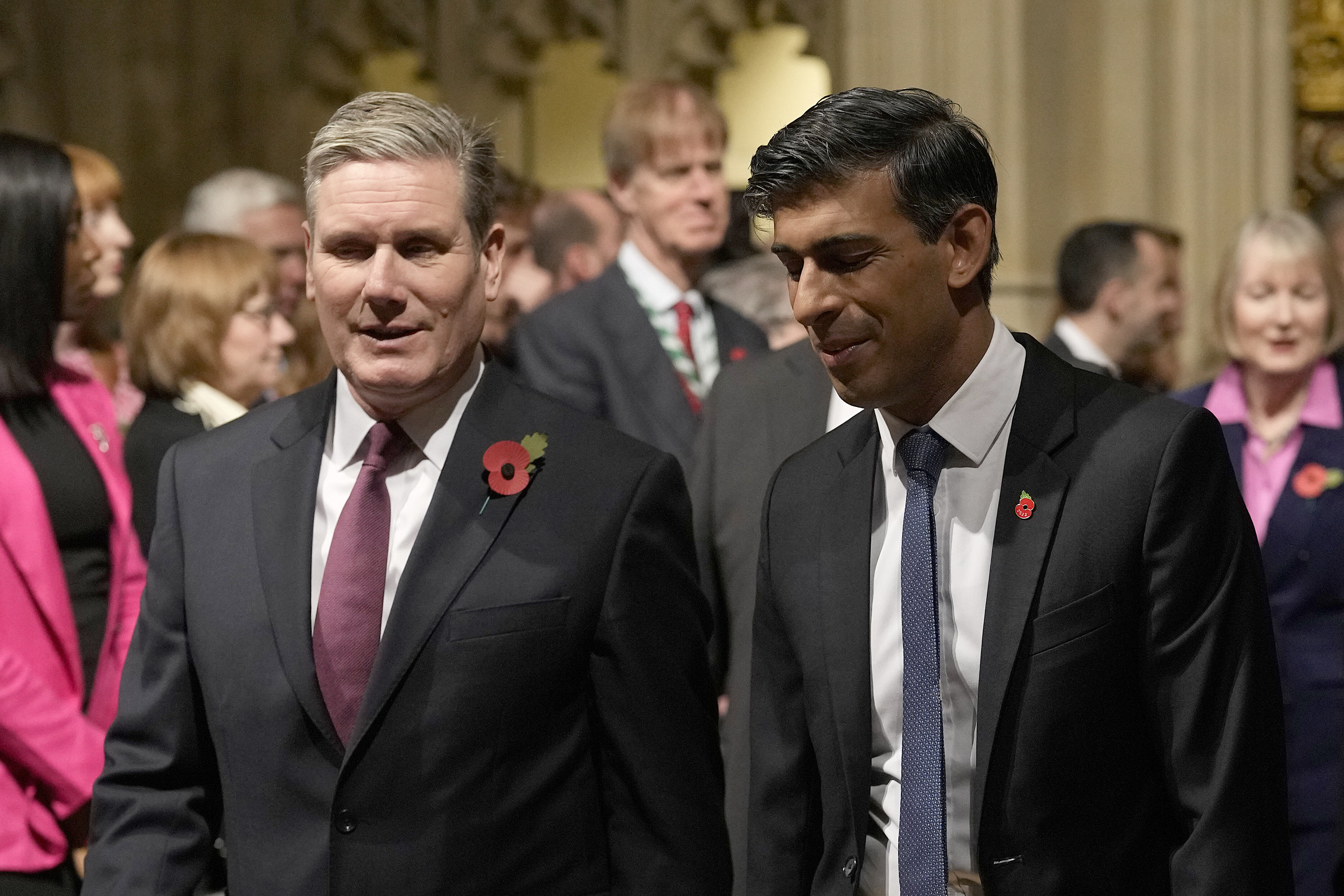
Looking at the most immediate change next year’s elections may bring, let’s start with the UK’s general election.
Technically, the Conservatives could choose not to call a slightly early election and hold on until January 28, 2025.
However, PM Rishi Sunak has said, “2024 will be an election year,” and there is speculation the Tories will call a snap election for May, after the date of the spring budget was announced.
The Conservatives are trailing in the polls though, meaning Labour’s Keir Starmer is widely expected to get into office. That would be the first time the party has been in Downing Street since 2010.
He is expected to improve the relationship between the UK and the rest of Europe in the wake of Brexit, and has vowed to provide 100% clean power by 2030 – following serious backlash over the Tories’ decision to water down green pledges – and plans to bring in 1.5 million new homes over the course of he next five years.
Advertisement
Labour want to invest an extra £1.1 billion in the NHS, too.
It’s perhaps not surprising then, that an Ipsos poll from October found voters think a Starmer-led Labour government is more likely to improve public services, offer a fresh start for the country, act with integrity and reduce regional inequalities.
via Associated Press
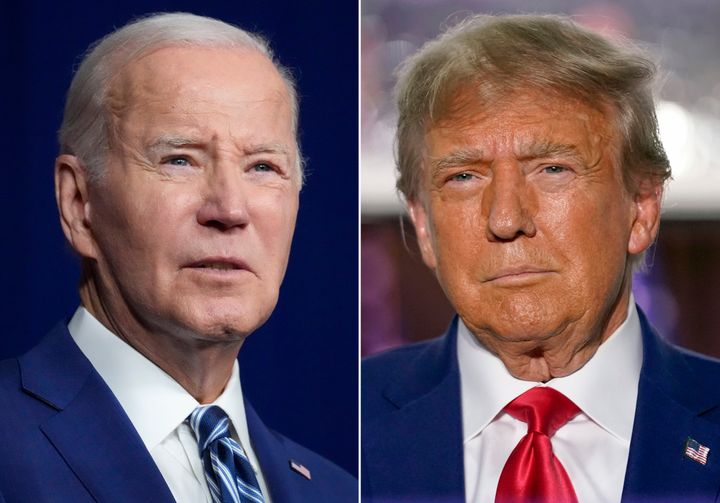
Looking further afield, people in North America head to the polls on November 5, 2024 – the last election of the year. The winner will serve four years from their inauguration on January 20, 2025.
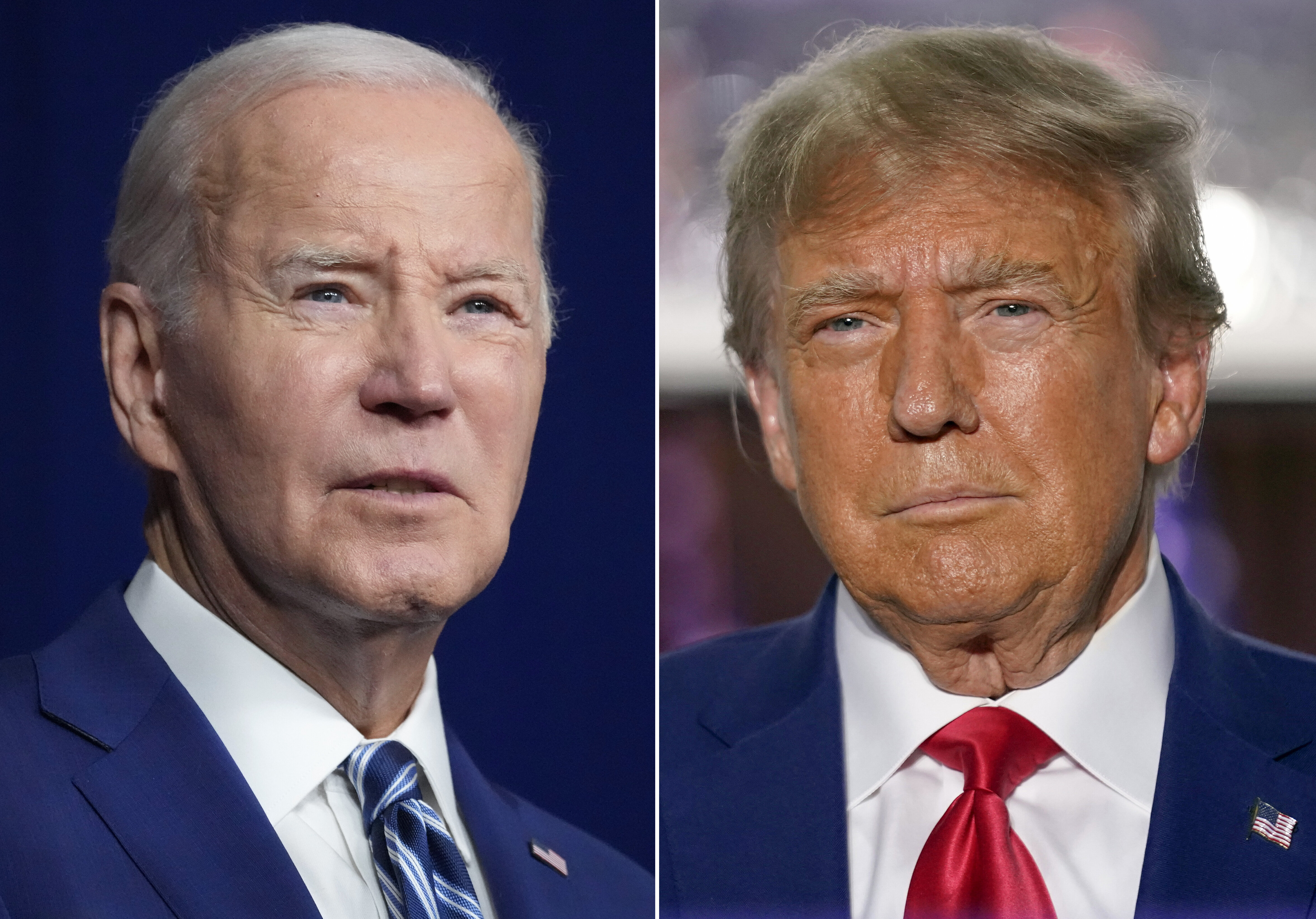
The Republican Party is yet to choose their final candidate, but it is widely expected that former US president Donald Trump will be on the Republican ticket against the incumbent Joe Biden will be on the Democrats – just like in the 2019 race.
Trump has been charged in four separate criminal cases and could be put on trial as soon as March. He has pleaded not guilty in all cases, but two states have already removed him from the primary ballot, Maine and Colorado.
Advertisement
However, if he does still manage to get into the Oval Office again, he has already hinted he would be even more controversial than in his previous stint.
He has accused immigrants of “poisoning the blood of our country” and has called “communists, Marxists, fascists and the radical-left thugs” “vermin”.
Trump has announced plans to “dismantle the deep state” too.
On the international stage, there’s a chance his presence in the White House could impact the Ukraine-Russia war in Vladimir Putin’s favour, while US-China tensions could skyrocket, too.
DMITRY ASTAKHOV via Getty Images
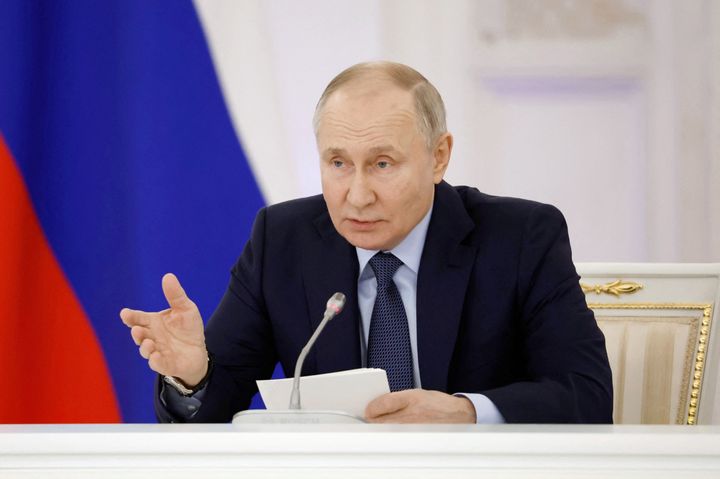
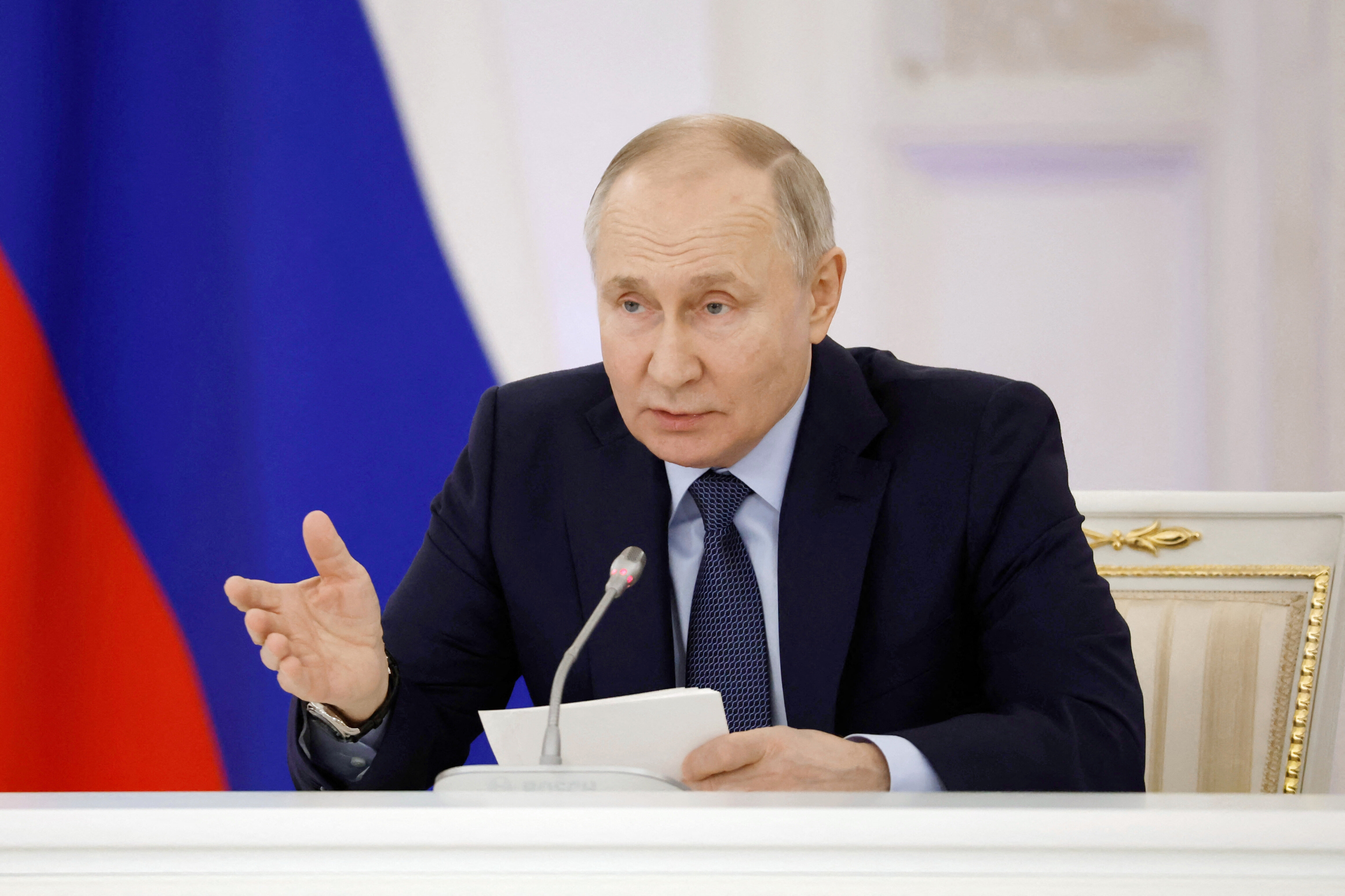
Vladimir Putin is almost definitely expected to win this election with a staggering proportion of the vote. As an authoritarian leader, he has been in office since 1999.
Advertisement
Set to take place in March 2024, the Russian election is not exactly going to be a level playing field.
Putin’s press secretary Dmitry Peskov told the New York Times that the “presidential election is not really democracy, it is costly bureaucracy”, and that Putin would be “re-elected next year with more than 90% of the vote”.
However, Peskov later claimed his comments had been interpreted “in an absolutely the wrong way”.
Still, Putin has no main political opposition – his primary opposition, Kremlin critic Alexi Navalny, in currently in a penal colony beyond the Arctic Circle as part of his 19-year sentence for extremism charges.
Another candidate, former TV journalist and anti-war campaigner Yekaterina Duntsova, has been banned for running against Putin supposedly after errors were discovered on her application.
That doesn’t mean there’s no risk for Putin, though.
As Chatham House pointed out, elections where there’s just one contender up for office again and again means they still have to “match or beat their own results in prior votes to maintain a winning image” – that could be a challenge, considering the fatigue towards the Ukraine war creeping into Russia.
Advertisement
Still, a fifth term of Putin would strengthen and legitimise his efforts in Ukraine, especially as this will be the first presidential election since he ordered the invasion back in February 2022.
In that time, Putin has been declared a war criminal by the International Criminal Court, thousands have fled the country and at least 300,000 mobilised to fight in the war.
via Associated Press
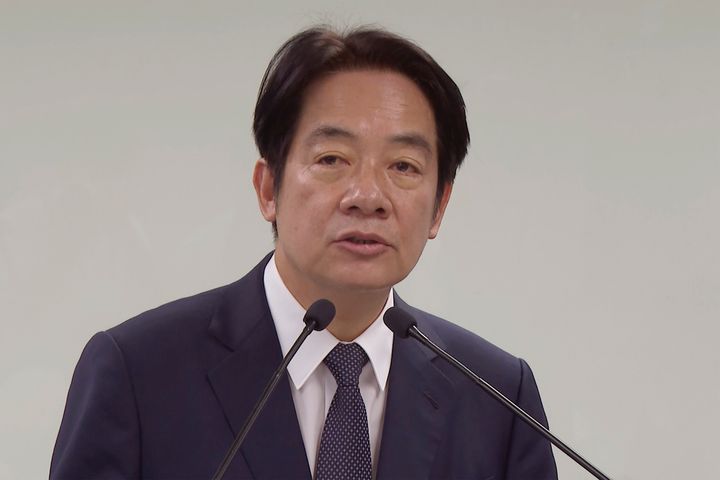
Taiwan may not be a huge country but the results of its presidential election in January could rock the boat for both China and the US.
Taiwan, split from China in a civil war in the 1940s, has since become self-governed with democratically elected leaders and around 300,000 active troops in its armed forces.
Advertisement
Beijing, however, thinks Taiwan should still be part of China – and has repeatedly hinted at seizing the island.
The US has irked China by offering Taiwan the means to defend itself, even if the White House insists that it does not officially recognise the state’s independence.
China has warned it will use force if Taiwan ever formally declares independence, while Taiwan has maintained it is still an independent state and it will still protect itself.
So, tensions are pretty high ahead of Taiwan’s January 13 elections – especially as the island plays an essential role in the global economy because of its supply of microchips.
China is expected to look for means to undermine the ruling Democratic Progressive Party in any possible.
Advertisement
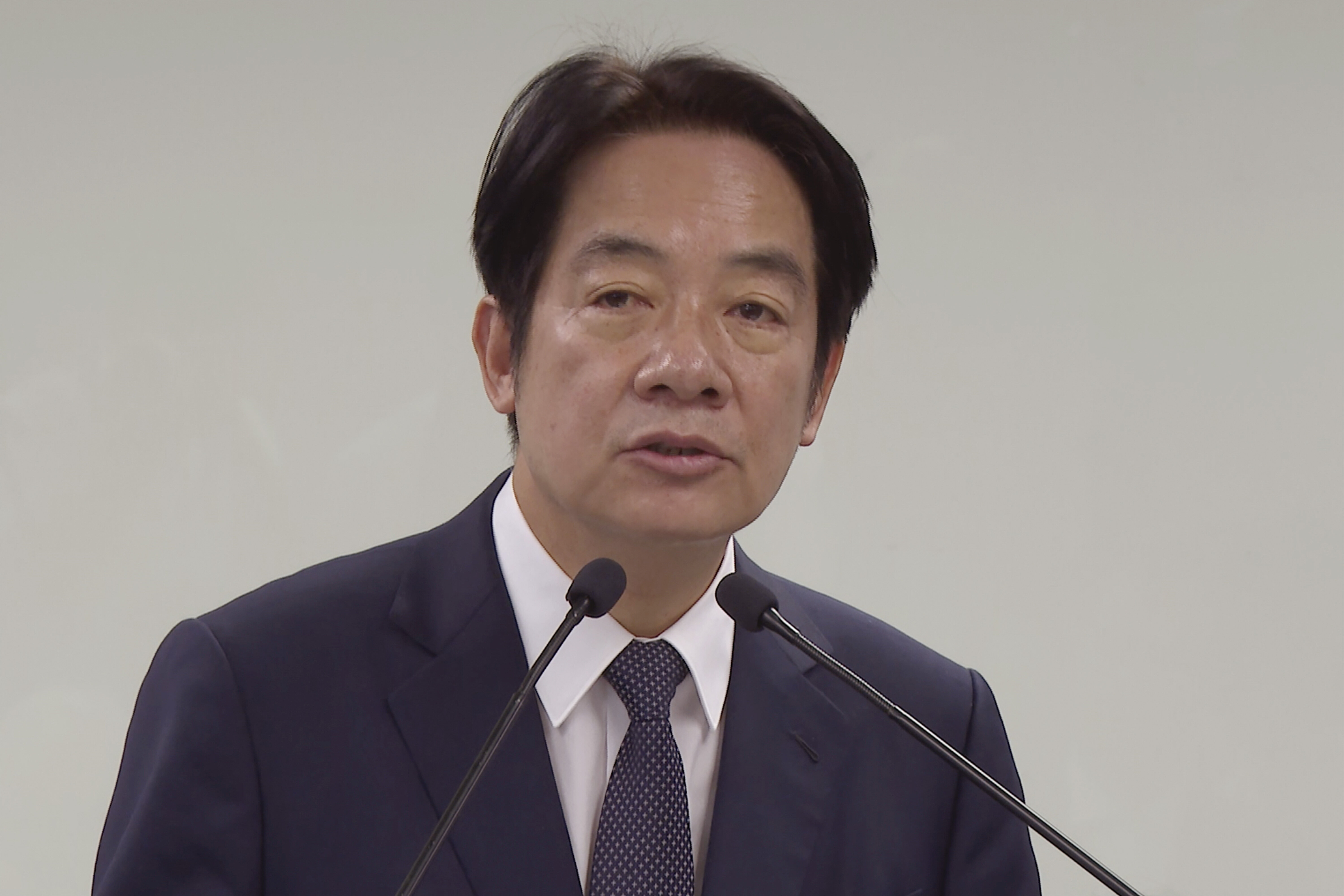
Right now, Tsai’s DPP vice-president William Lai, is the frontrunner and known for pushing for formal Taiwan independence, which means Beijing is desperately hoping he does not get into office.
Meanwhile, his main opposition, the candidate for the nationalist group Kuomintang, Jaw Shaw Kong, is looking to build a relationship with China by suggesting one day the two can be reunited again, without any form of war.
There are domestic issues at play, too, such as rising costs and a housing crisis, which has helped populist candidate Ko Wen-je of the Taiwan People’s Party win support. He has also promised to build a better relationship with Beijing.
Lai and the DPP are expected to win an unprecedented third term, but on a narrow margin – and the election itself could still mean China gets a chance to strengthen anti-DPP propaganda on social media.

The manager of Rishi Sunak’s favourite football team has delivered a brutal snub to the prime minister.
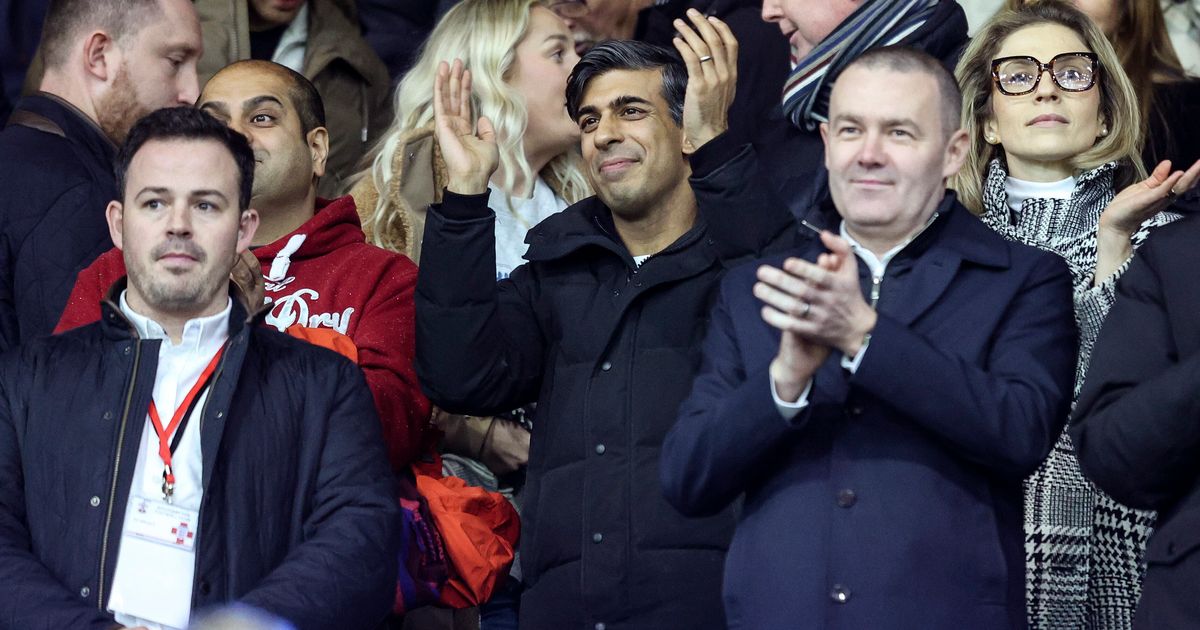
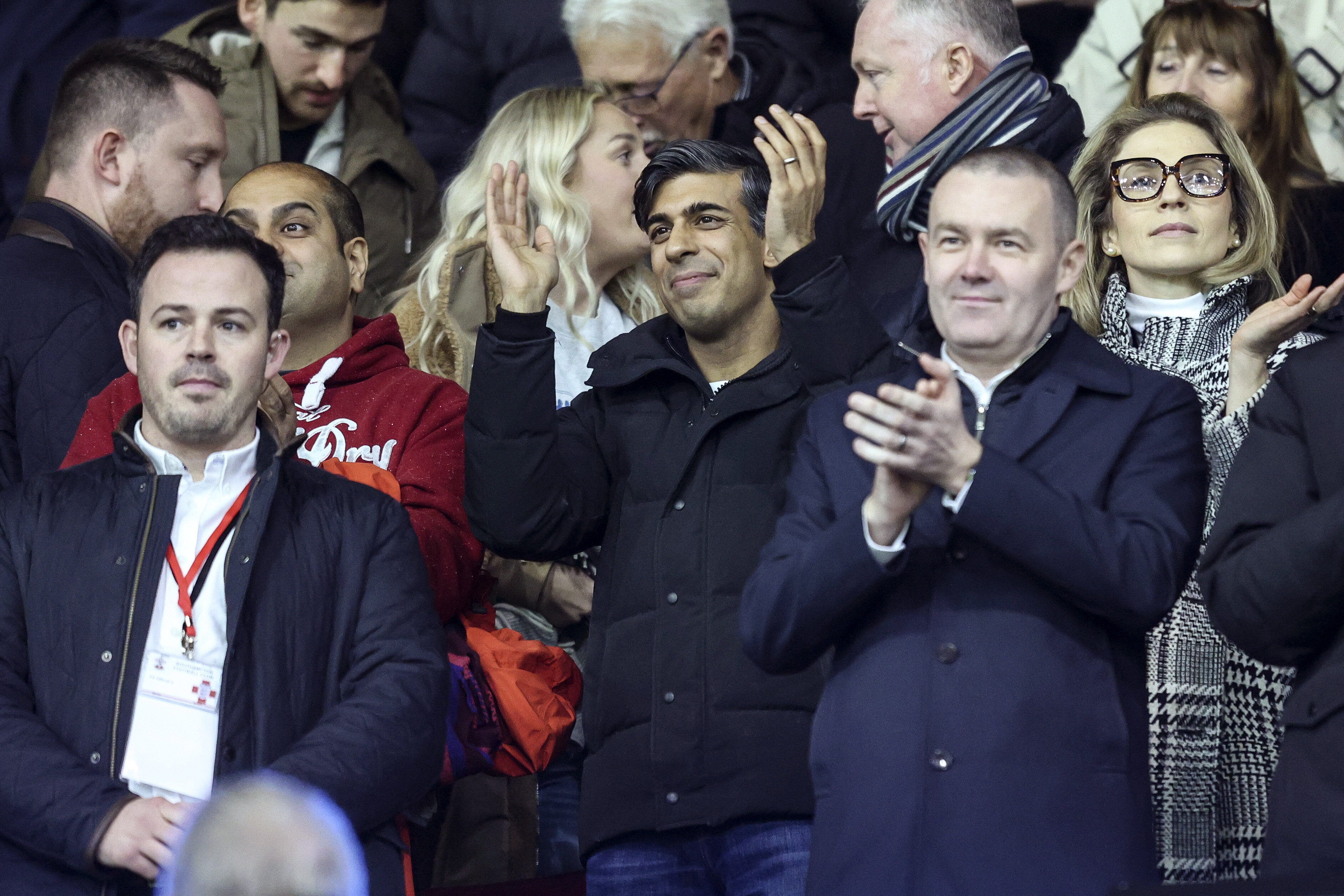
Sunak was at the St. Mary’s Stadium yesterday to cheer on Southampton as they beat Plymouth Argyle 2-1.
But speaking afterwards, Southampton boss Russell Martin said he had “no interest” in meeting the PM.
Sunak has often spoken about his love for the Saints, who are currently third in the Championship.
He was pictured being greeted by fellow supporters at yesterday’s match.
In his post-match interview, Martin was asked if the prime minister had come down to meet the team after the game.
The manager replied: “He might have come down, I’ve got no interest in saying ‘hello sir’. How’s that for honesty?”
Martin was praised on social media for his comments.
One user on X (formerly Twitter) described him as “an absolute legend”.

In 2002, I planned a monthlong solo trip to Australia.
On my second day on the trail, while crossing an ankle-deep stream, I slipped and my body flipped 180 degrees. I hit my head and then rolled off the side of a waterfall. The waterfall was about 3 feet high and I landed in a reservoir pool. A German tourist, who happened to be there, dragged me out of the pool.
After the fall, I sat on the riverbank — stunned, confused and very concussed — while my tour leader climbed down the bank to meet me.
Advertisement
“Do you want medical attention?” the 20-something tour leader asked.
My mind flashed back to the medical insurance I had booked for the trip. “Emergency helicopter evacuation costs an additional $250,000,” it read.
“I’m OK,” I replied quickly.
On the short hike to our base camp, I repeatedly tripped and bumped into things. My clothes were covered in blood and my body had cuts and bruises everywhere. I stayed at camp and skipped the hikes for the remaining two days. When I finally got back into Sydney, I walked into the hotel lobby and a guest looked at me before loudly announcing, “Can someone get this woman medical attention?”
With my cuts, bruises, disoriented demeanour, and the same muddy and torn trail pants, I can only imagine how alarming I looked.
At this point, I was too concussed to evaluate what my medical insurance would or wouldn’t cover. And so I refused medical attention and assured the staff I just needed to rest.
Advertisement
A few days later, I flew back to the States.
As my bruises and cuts healed, I thought the worst of it was over. I saw a doctor in New York who ran some tests.
“Everything looks clear to me. You’ve just had a bad concussion,” he said.
Before the accident, a regular day of my life included a 5 a.m. workout, working my corporate marketing job until 10 p.m., and then attending weekday drinks out with co-workers, friends or clients. Somehow, among all that, I maintained a social life and part-time freelance gigs.
A few months after returning from Australia, my co-workers and I were invited on a yacht trip hosted by Forbes magazine. As the boat left the dock, I knew something wasn’t right. I felt disoriented, unwell, and struggled to hold a conversation. I sat in one spot for the whole trip.
When we got back to the harbour, I held onto the rail as I took careful, unbalanced steps. “Wow Jill, it seems like you didn’t hold back on those cocktails,” a co-worker teased.
I hadn’t drunk at all. One of my colleagues helped me into a cab, and I assumed I was seasick.
A few more months went by and I attended a business lunch where something similar happened. I was looking out the windows of the restaurant watching the curtains float in the breeze and cyclists zoom past. I felt woozy and as if I were underwater. I couldn’t concentrate on what my colleagues were saying. When I tried to go to the bathroom, I struggled to stand up. My body flopped back into the chair like a rag doll.
Advertisement
“I think I need to leave,” I said. Strangely, I returned to the office for the rest of the workday. Somehow, I made it back in one piece.
“I don’t know what’s wrong with me but I’m seriously not right,” I remember thinking. I was scared.
I booked countless doctor appointments. Whenever a specialist realised they didn’t know how to help me, they stopped answering my phone calls. I had no answers. I was determined to figure it out so I started tracking my triggers: constant movement in my line of sight, flickering lights, loud ambulance sirens, the brakes of the New York City subway screeching to a stop, loud baritone voices — and the list went on. In other words, New York City had transformed itself from a bustling wonderland to a total vestibular nightmare.
Even though I was noticing triggers, I still had no explanation for regularly appearing drunk, slurring words, being unable to concentrate and exhausting easily.
Without a diagnosis or even the vocabulary to describe what was happening to me, I felt a tremendous amount of shame and guilt. I must have done something wrong. How could I be so dumb? I also feared what my injury would mean for my job security. It felt like everyone around me associated value only with high levels of productivity. I had reason to believe that my worth was based on my output. Who wants someone with an undiagnosed head injury on their team?
It is estimated that 10% of people in the United States have an invisible or non-apparent disability. I’d like to think that corporate culture has more awareness and training on disabilities than it did in the early 2000s. However, research shows that there’s still a long way to go. According to Harvard Business Review, most people with non-apparent or invisible disabilities choose not to disclose these to their managers for fear of being seen as less capable and having their career progress stalled.
Advertisement
In the years following my injury, my brain’s default was: If they know, I will lose out on opportunities. Eventually they will fire me. And if I lost my job, then the unthinkable would happen: I’d lose my employer-sponsored health insurance.
Outside of rent and food, all my income was going to medical practitioners that weren’t covered by insurance. Some years, I was paying $50,000 in medical bills (half my salary). I resented that I worked just as hard but I didn’t have the same financial freedom my co-workers had. (I was often asked why I didn’t own an apartment yet and the implication was that I must have spent all my money on shoes.) But without a steady income and health insurance, the diagnosis and treatment plan I desperately wanted would never happen.
For six years, I didn’t tell anyone at work, including HR. As the years went on, I occasionally opened up to a boss whom I saw as an “ally.” Most of the time, they didn’t really listen to me (or my admission was viewed as an inconvenience or it was a “private matter” like getting my period).
And so, I stopped speaking up. I tried to manage triggers as best I could to hide my disability. But “sucking it up” was slowly killing me. My symptoms were getting worse and my vestibular attacks were becoming longer and more frequent.
My catalyst to change my circumstances was a horrible appointment with a neurologist.
This doctor informed me that — to prevent continued deterioration — I needed to avoid all forms of transport or I’d eventually be completely bedridden because, after all, he had “seen this before.”
Advertisement
“Enough! You don’t get to tell me how my life is going to play out” was my primary thought. I resolved to figure out a solution for myself, since health care had failed me.
I read every book, web forum and magazine on brain health. Learning about vestibular disorders and accessing the vocabulary to describe my condition was my ultimate breakthrough. I realised it wasn’t all in my head. I learned why certain triggers caused vestibular attacks.
Discovering clinical language empowered me to be able to describe what I was experiencing. It also gave me evidence of triggers to avoid.
At this point, I had advanced to a higher level of leadership in corporate. My role in the company coupled with my deep knowledge of brain injuries meant I was able to advocate for myself.
I was no longer asking for permission to have my accommodations met.
Instead, I would simply ask people if they could stop swaying their bodies so we could finish our conversation. Or I’d ask them to please quit shaking their leg, which vibrated the floor and therefore me. Or to please cease pounding the conference room table when they wanted to make their point. I clearly explained that these actions created vibrations that triggered my vestibular disorder. It was not easy for people to understand or remember.
Advertisement
My entire life changed.
I started setting healthier work boundaries. I unequivocally prioritised my health. When I was working, I was fully present. Eventually, I transitioned into entrepreneurship, because I knew my skill set could be expertly translated to coaching and helping people working in corporate with their career strategy ― and I could maintain higher quality health on my own schedule.
From my own informal research, so many people with disabilities work for themselves because it’s often a more predictable environment than working for an employer.
Looking back, I wonder if my journey would have been different if I had felt comfortable telling people about my disability. Perhaps it would have if there was more awareness and compassion toward people with non-apparent and invisible disabilities. If employer handbooks mentioned non-apparent and invisible disabilities, maybe I would have felt safe speaking up. Or maybe when I did address my disability with leadership, my condition would have been met with compassion rather than criticism.
Instead of living in hiding for six years, perhaps it would have taken me one year to own my disability. Or a few months. Instead of living with shame and guilt, maybe I would have experienced a more inclusive experience.
I often describe my head injury as a gift. Because of it, I am a better leader. I have heightened empathy, I have more compassion, I seek diversity and inclusion in all spaces, and I have a totally positive outlook on life. Anything is possible. But it took me decades to realise this truth.
Advertisement
I truly hope to live in a society that makes this journey easier for anyone else who is born with — or acquires — a non-apparent or invisible disability. This all starts with a culture of support, openness and compassion.

Actress Emilia Clarke and her mother Jenny are named in the New Year Honours for brain charity work.

Last year, Typhoon Hinnamnor — which caused 36 fatalities — gained notoriety as the first super typhoon that developed at a high latitude as 25°N since Korea Meteorological Administration records began. This year in Osong, Chungcheongbuk-do, an unanticipated intense downpour, caused rivers to suddenly overflow, resulting in numerous casualties. Earth’s rising temperatures are triggering unprecedented typhoons, torrential rains, and other extreme weather events. Without reliable predictions of climate extremes prompted by global warming, mitigating the resultant damages remains a challenge.
Professor Seung-Ki Min and Dr. Minkyu Lee, from the Division of Environmental Science and Engineering at Pohang University of Science and Technology (POSTECH), have used a high-resolution climate model to conduct a pioneering quantitative analysis of the impact of global warming on typhoons making landfall on the Korean Peninsula. This research has been recently published in npj Climate and Atmospheric Science.
Notably, global warming is giving way to a surge in more powerful typhoons which maintain its intensity longer and thereby cause stronger damage. Accurate typhoon prediction and damage reduction necessitate better understanding of the global warming influences, for which climate model simulations with a km-scale resolution are eccential. However, studies quantifying the anthropogenic warming contribution to typhoons affecting Korea, especially research into the rainfall extremes accompanying typhoons, remain scant.
To overcome this, the research team designed a 3 km high-resolution regional climate model simulation to investigate the impact of global warming on typhoon intensity and extreme precipitation. Four extremely strong typhoons that made landfall on the Korean Peninsula between 2011 and 2020 were chosen for simulation under current climate condition and counterfactual condition without human-induced warming. To reduce the uncertainties in regional sea surface temperature changes due to global warming, they utilized diverse ocean warming patterns estimated from CMIP6multiple climate models.
The findings show that accounting for global warming from human activities augmented overall typhoon intensity and precipitation. The research team observed that the impact of warming was pronounced more strongly at maximum typhoon intensity than the average intensity. This implies more frequent occurrences of powerful super typhoons over East Asia in the future. Additionally, the area exposed to extreme rainfall generated by typhoons expanded 16 to 37 percent due to warmer climate conditions. Further, the expansion of extreme precipitation area is attributed to the strengthening of upward motion near the typhoon center and the increase in atmospheric water vapor due to the ocean surface warming.
Professor Min explained, “Our results from high-resolution climate model simulations provide conclusive evidence that global warming has amplified the strength of recent typhoons making landfall on the Korean Peninsula. Continued escalation of global warming could lead to stronger typhoons and more extensive occurrences of rainfall extremes, demanding heightened sector-specific preparedness measures.”
This study received support from the Mid-Career Researcher Program of the National Research Foundation of Korea and the Korea Meteorological Administration Research and Development Program on Climate and Climate Change Monitoring and Prediction Information Application Technology.

Of the world’s various weather phenomena, fog is perhaps the most mysterious, forming and dissipating near the ground with fluctuations in air temperature and humidity interacting with the terrain itself.
While fog presents a major hazard to transportation safety, meteorologists have yet to figure out how to forecast it with the precision they have achieved for precipitation, wind and other stormy events.
This is because the physical processes resulting in fog formation are extremely complex, according to Zhaoxia Pu, a professor of atmospheric sciences at the University of Utah.
“Our understanding is limited. In order to accurately forecast fog we should better understand the process that controls fog formation,” said Pu, who led a fog study focusing on a northern Utah valley.
Now, in a recent paper published by the American Meteorological Society, Pu and her colleagues have reported their findings from the Cold Fog Amongst Complex Terrain (CFACT) project, conceived to investigate the life cycle of cold fog in mountain valleys.
Also working on the project, funded by a $1.17 million grant from the National Science Foundation, were several other members of the U Department of Atmospheric Sciences, including Gannet Hallar and Sebastian Hoch, along with Eric Pardyjak of the Department of Mechanical Engineering, a group of scientists from the National Center for Atmospheric Research (NCAR), and Dr. Ismail Gultepe from Ontario Tech University, Canada.
Because it reduces visibility, fog poses serious hazards to the traveling public. For example, fog is the second leading cause of aircraft accidents after high winds. It leads to automobile crashes and disrupts ferry operations.
Between 1995 and 2004 in the United States, 13,720 have died in fog-related accidents.
Improving fog forecasting would make traveling more safe, Pu said.
Today, most forecasting uses a computer model known as Numerical Weather Prediction (NWP), which processes massive meteorological observations with computer models to output predictions for precipitation, temperature, and all sorts of other elements of the weather. However the current computer model doesn’t work well for fog, and Pu’s team hopes that improvements can be made using the masses of data they gathered over seven weeks in the winter of 2022 at several sites in the Heber Valley.
“Fog involves a lot of physics processes so it requires a computer model that can better represent all these processes,” Pu said. “Because fog is clouds near the ground, it requires a high-resolution model to resolve it, so we need models at a very fine scale, which are computationally very expensive. The current models (relatively coarser in resolution) are not capable of resolving the fog processes, and we need to improve the models for better fog prediction.”
Located bout 50 miles southeast of Salt Lake City, Heber Valley is nestled behind the Wasatch Mountains and framed by two major reservoirs on the Provo River.
This scenic basin is a typical mountain valley, hemmed by Mt. Timpanogos and other high peaks, with the reservoirs serving as a moisture source. The seven-week study window covered the time of year when Heber Valley is the foggiest.
Valley fog is a perfect example of how topography and atmospheric processes converge to create a distinctive weather phenomenon.
The ground is cooling overnight while denser, cooler air drops from mountain tops collecting in the valleys, in a phenomenon known as “cold air drainage.” Cooled by the ground, the dropping air temperature can approach the dew point, and if there is sufficient moisture in the air, fog begins to form, becoming the most dense around sunrise when surface temperatures are lowest.
Winter nights create favorable conditions for different forms of fog, such as cold-air pool fog, ephemeral mountain valley fog and radiative ice fog.
The Heber Valley project homed in on cold-air fog which forms in freezing temperatures below zero degrees Celsius, according to Pu. However by observing how these varying kinds of fog form and dissipate, the researchers are continuing to learn about the meteorological conditions and physical processes governing the formation of fog.
For the CFACT study, the NCAR and U team set up two major data-collecting stations, one near Deer Creek Reservoir and another a few miles up the Provo River. These are low spots in the valley, about 5,450 feet above sea level, that see the densest fog. These sites were equipped with 100-foot towers to support an array of instruments that captured various meteorological data associated with humidity, wind, visibility, temperature, even snow depths, and soil moisture. The recordings were made from both in situ and remote-sensing platforms.
Additionally, the team recorded a lesser array of data points at nine satellite sites.
During the seven-week CFACT field campaign, nine intensive observation periods (IOPs), each conducted over 24-hour periods, yielded a dataset that included high-frequency radiosonde profiles, tethered balloon profiles, remotely sensed thermodynamic and wind profiles, surface meteorological observations and microphysical and aerosol measurements.
Besides fog IOPs, the variety of non-fog IOPs provided valuable observations for understanding near-surface inversion, ice crystal formation, moisture advection and transportation, and stable boundary layers over complex terrain, all of which are essential factors related to fog formation. Comprehensive studies are ongoing for an improved understanding of cold fog over complex terrain.
The study appeared Nov. 15 in the Bulletin of the American Meteorological Society. U researchers involved with the study included Zhaoxia Pu, Sebastian Hoch, A. Gannet Hallar, Rebecca Beal, Geraldo Carrillo-Cardenas, Xin Li and Maria Garcia of the Department of Atmospheric Sciences and Eric Pardyjak and Alexei Perelet of the Department of Mechanical Engineering.
