Jack Black Reveals Where Things Stand With Tenacious D Bandmate After Cancelling Tour

Jack Black has insisted he and his Tenacious D bandmate Kyle Gass are still on good terms after abruptly cancelling the remaining dates of their tour last month.

The pair had been on tour in Australia in mid-July, when Jack announced they were pulling the rest of their scheduled performances, following a divisive joke Kyle made about the assassination attempt on former US president Donald Trump.

During one live show, the School Of Rock star presented Kyle with a birthday cake, imploring him to “make a wish”, to which he responded: “Don’t miss Trump next time.”

Jack later said he’d been “blindsided” by his friend and bandmate’s remark, and that they’d be cancelling the remainder of their tour.

Asked about where things now stand between them, the Emmy winner told Variety: “We need to take a break. Everybody needs a break sometime. And we’ll be back.”

Tenacious D performing live in 2022

via Associated Press

He added: “We’re friends. That hasn’t changed. These things take time sometimes… And we’ll be back when it feels right.”

Jack previously told his Instagram followers two days after the incident: “I was blindsided by what was said at the show on Sunday. I would never condone hate speech or encourage political violence in any form.

“After much reflection, I no longer feel it is appropriate to continue the Tenacious D tour, and all future creative plans are on hold. I am grateful to the fans for their support and understanding.”

For the past few years, Tenacious D had been working on a new album, which would be the first since 2018’s Post-Apocalypto.

Jack had previously claimed this would be released later in 2024, though it’s no longer clear whether these plans will be going ahead.

Share Button

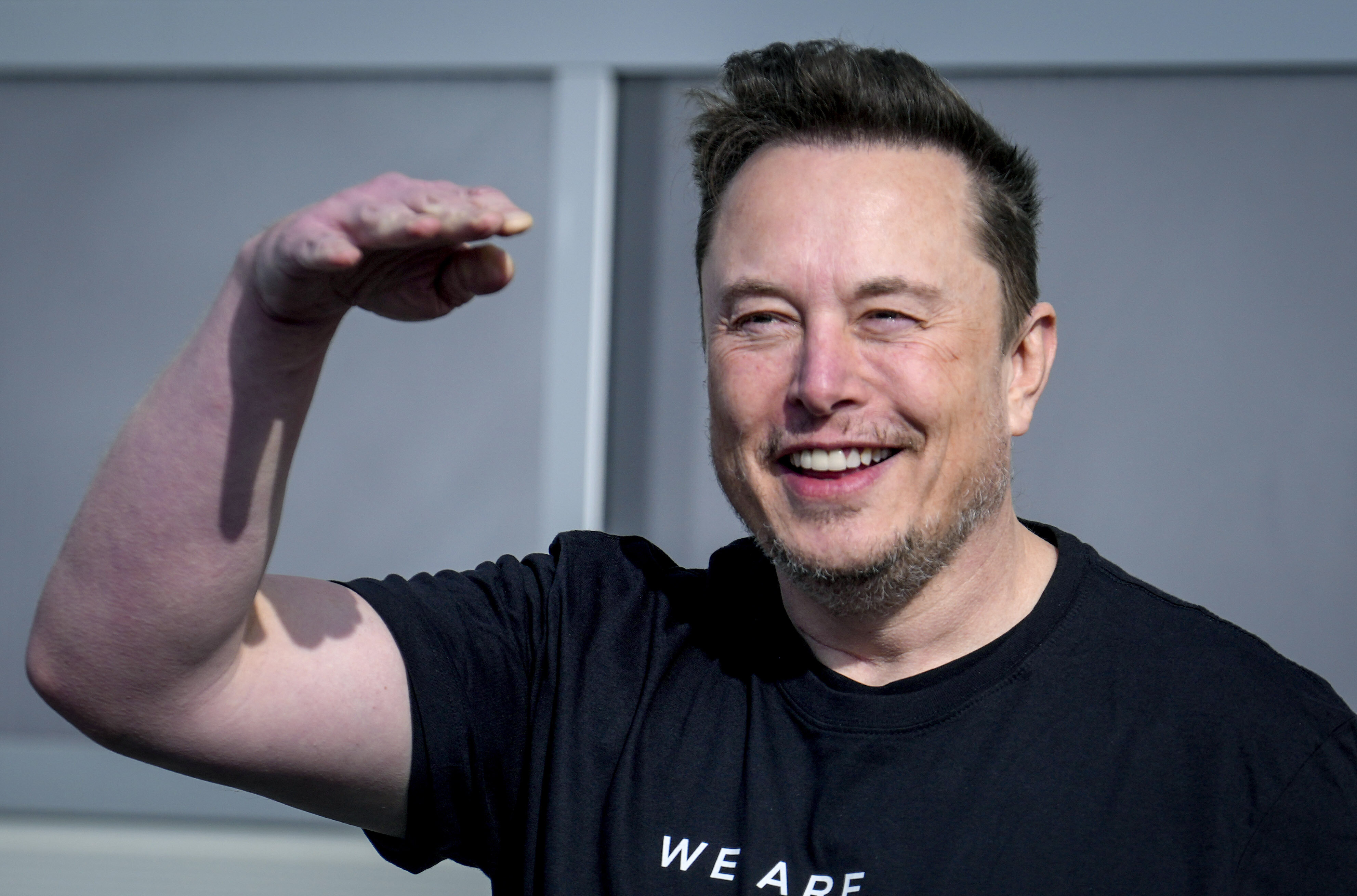
Donald Trump Teases ‘Major Interview’ With Elon Musk

Former President Donald Trump on Tuesday said he will sit for a “MAJOR INTERVIEW” with billionaire Elon Musk next week as the race for the White House heats up.

“ON MONDAY NIGHT I’LL BE DOING A MAJOR INTERVIEW WITH ELON MUSK — Details to follow!” Trump wrote.

“I am making some donations to America PAC, but at a much lower level and the key values of the PAC are supporting a meritocracy & individual freedom,” he wrote on X, formerly Twitter, in late July. “Republicans are mostly, but not entirely, on the side of merit & freedom.”

Musk was also reportedly one of those who privately pressed Trump to select Senator JD Vance (Republican, Ohio) as his running mate.

Meanwhile, over the weekend, Trump claimed he had an apparent change of heart on electric vehicles because of Musk. Musk is the CEO of Tesla, one of the biggest EV companies in the world.

“I’m for electric cars, I have to be because Elon endorsed me very strongly,” Trump told a rally in Atlanta on Saturday.

Share Button

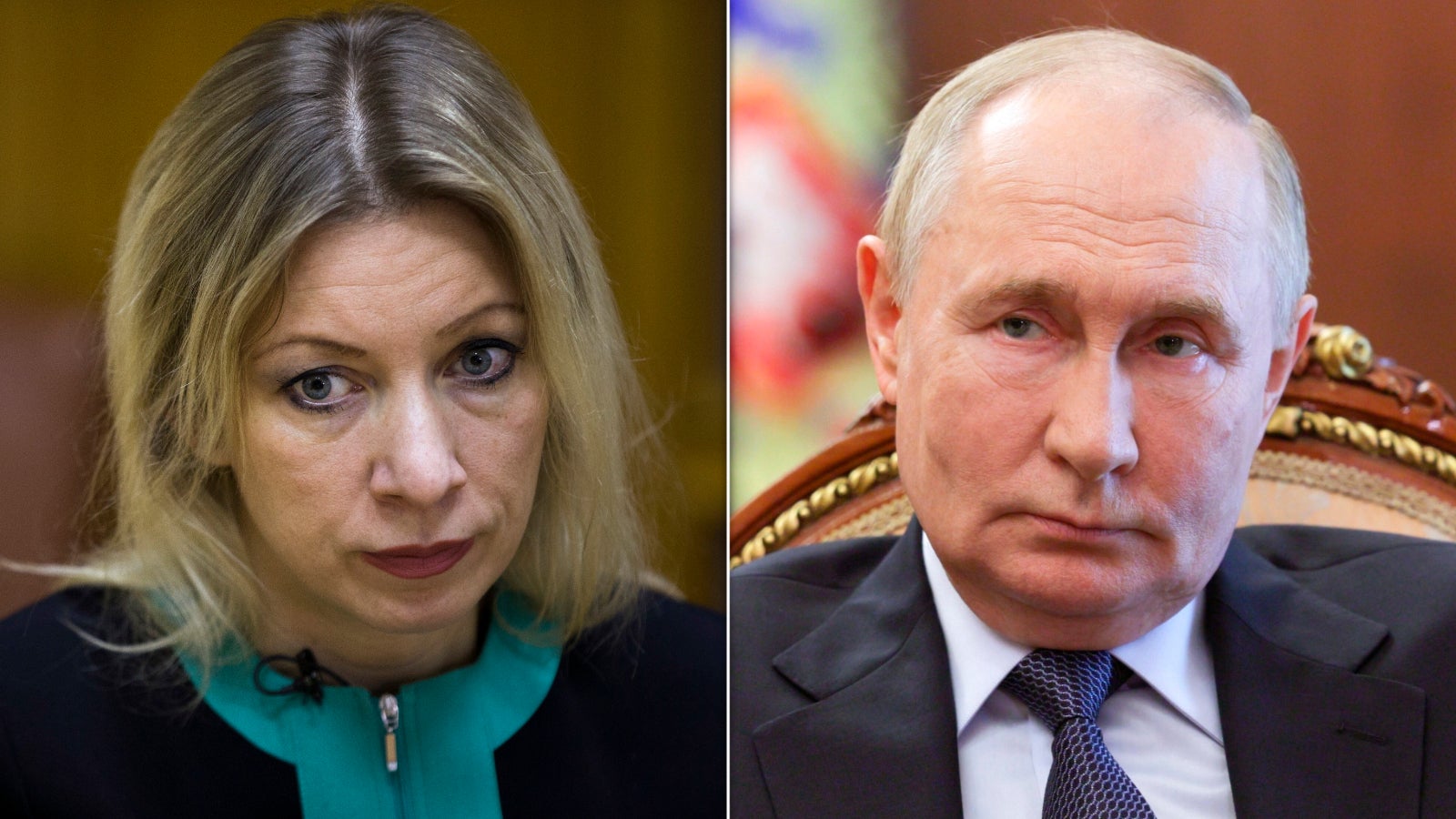
Russian Government Spokesperson Has A Rather Unhelpful Take On UK Riots – And Brits’ Right To Protest

A top Russian politician in Vladimir Putin’s government has weighed in on the far-right riots in the UK, claiming people “have every right to express their disagreement” with the government.

Maria Zakharova, the spokesperson for Russia’s foreign ministry, took aim at Downing Street rather than the anti-immigration extremists who have caused chaos up and down the country over the last week.

In a statement released on Russia’s ministry of foreign affairs’ website, she claimed the British government was paying “lip service to what it called the democratic principles” after home secretary Yvette Cooper told police to be as “tough and harsh as possible”.

More than 400 protesters have been arrested in the last week with many charged for their connection to the disorder.

It comes after social media misinformation incited looting, arson, disorder and violence up and down the country.

Zakharova said: “It is now up to the UK authorities and police to stay within the confines of the law.”

It’s worth remembering there is an international arrest warrant out against Putin for the unlawful deportation of Ukrainian children to Russia.

Still, Zakharova claimed: “It must be recalled that people have every right to express their disagreement with the government policies.

“In this context, Russia calls on London to refrain from any unjustified or unproportionate [sic] use of violence against protestors and ensure their right to freedom of assembly.”

Russia actually has a history of violently suppressing early signs of dissent itself.

Moscow even arrested peaceful protesters who held up blank pieces of paper shortly after Putin invaded Ukraine in February 2022.

Zakharova also claimed: “Russia is known for opposing and never allowing itself to meddle into the domestic affairs of other countries.”

Moscow has, over the years, been accused of interfering in major events in other countries, including the last UK general election and the ongoing Paris Olympics.

Russia has repeatedly denied such accusations, though.

Zakharova continued: “This is why our country refrains from lecturing others on ways of overcoming their internal challenges and crises.

“On the contrary, it is the Western countries, led by the United States, who act this way.

“They would have been better off paying more attention to their own challenges instead of seeking to undermine stability around the world.”

The UK, along with Ukraine’s other Western allies, has been providing military aid and financial support to Kyiv to protect it against Russia’s land grab over the last two and a half years.

Moscow has subsequently taken aim at the West repeatedly, often threatening to deploy its nuclear weapons.

Share Button

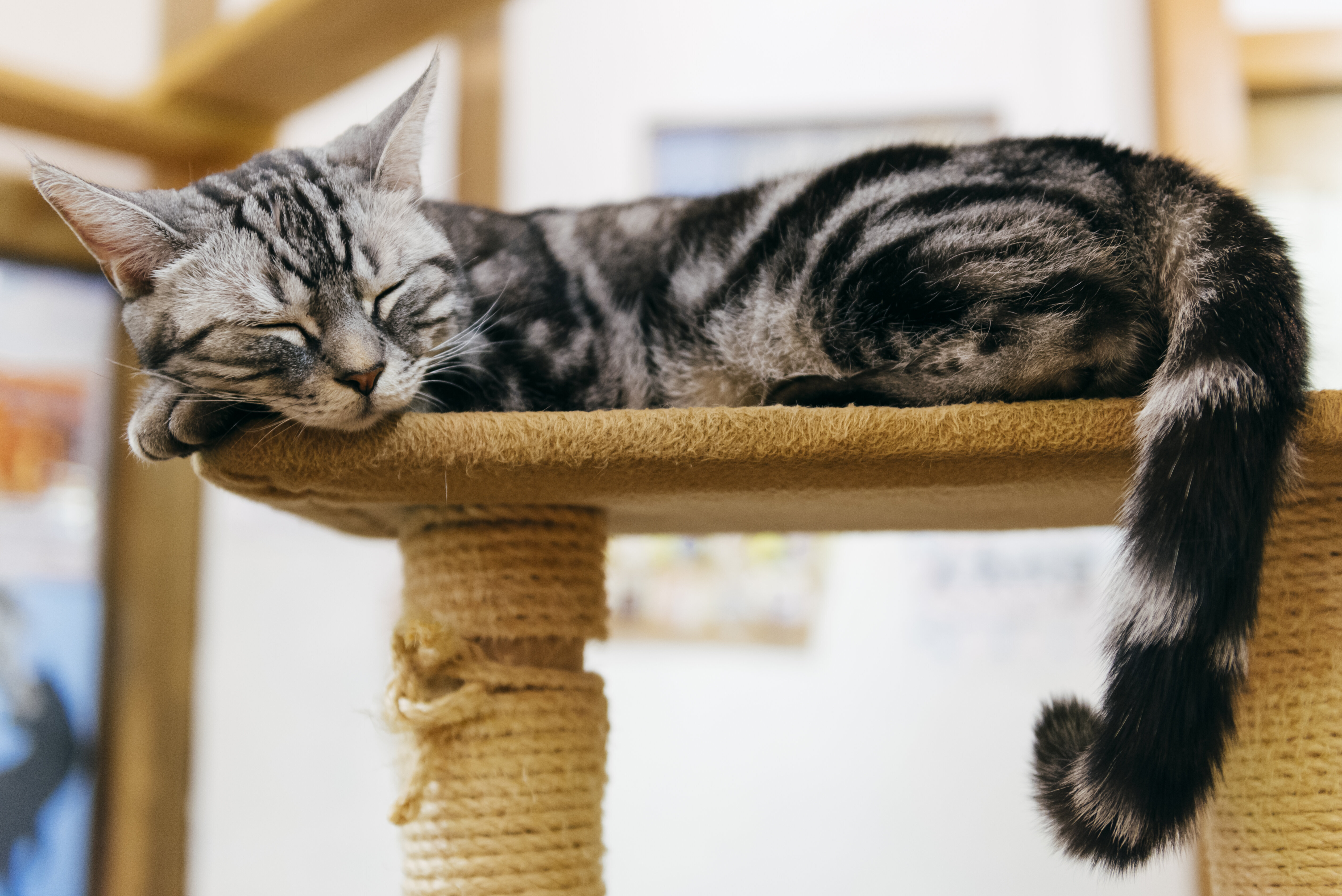
Cat Trees Are Actually Really Important For Cats’ Well-Being, According To A Behaviourist

If you share a home with a cat, you’ve probably noticed: Cats tend to seek out heights. What cat owner among us hasn’t caught their pet leaping onto counters or soaring onto shelves so high up that we can’t reach them without a ladder or stepping stool?

This love of high spaces is part of cats’ natural instincts, according to Stephanie Merlin, a certified feline behaviorist and cat well-being educator who runs the popular Instagram account @thefulfilledfeline.

“Cats are both predator and prey, so having a high vantage point is a natural way to help them feel safe and secure,” Merlin wrote. “This isn’t just about fun and games; it’s deeply rooted in their biology.”

One way to support your cat’s evolutionary need for heights is through investing in a cat tree, a dedicated structure with multiple tiers for cats to climb and perch on. The benefits of cat trees “go way beyond offering vertical space,” Merlin explained. “Many include scratching surfaces, cozy beds, hidden nooks and plenty of spots to leap and explore.”

Cat trees crucially provide cats with space to express their natural instincts, Merlin noted, and failing to provide this space can have consequences for you and your pet. “Without these outlets, cats can become bored and frustrated, leading to stress and potentially destructive behaviors, such as scratching furniture,” she explained. Cats may even “hid[e] out of fear because they lack the security of a high vantage point.”

Especially if your household has two or more cats, a cat tree “can be a game-changer,” Merlin wrote.

This is because, in multi-cat homes, cats are essentially sharing their territory and, in their view, competing for limited resources. “Without enough space and separate ‘pathways’ where cats can avoid each other, conflicts are more likely,” as well as increased tension, Merlin explained. “Vertical space offers a fantastic way to expand a cat’s ‘real estate’ and avoid these conflicts.”

Share Button

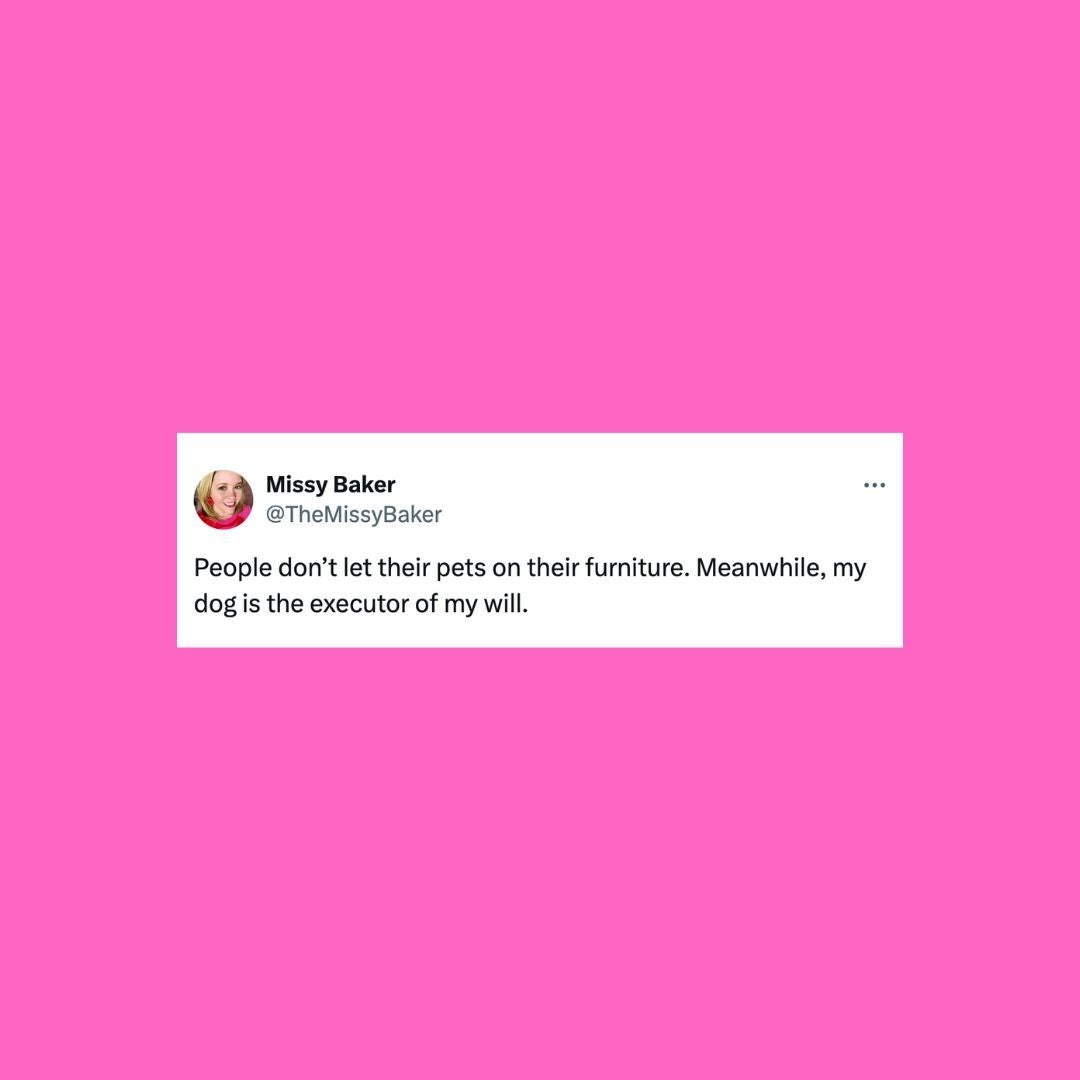
21 Of The Funniest Tweets About Cats And Dogs This Week (July 27-Aug. 2)

Share Button

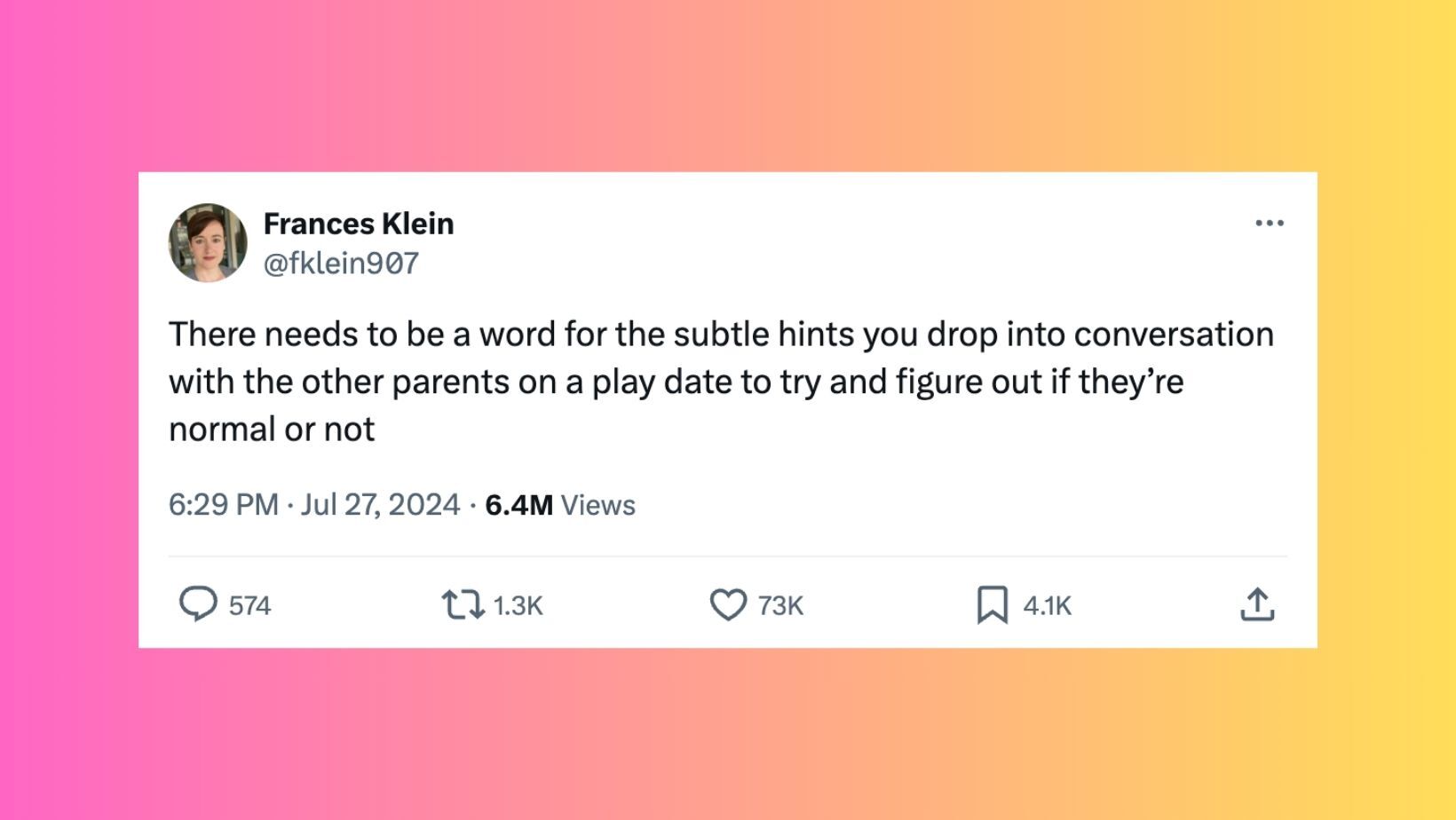
The Funniest Tweets From Parents This Week (July 27-Aug. 2)

Share Button

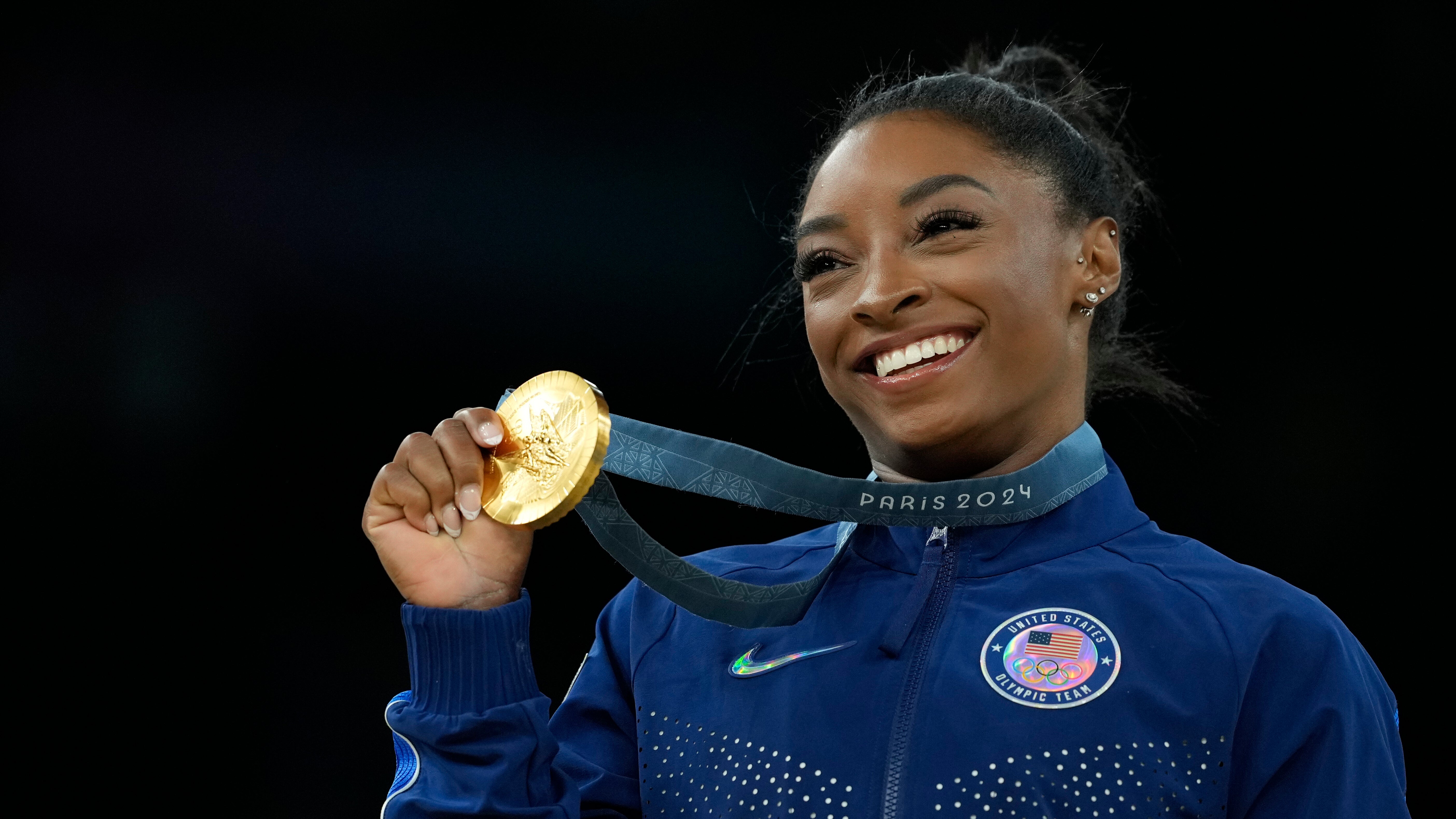
I Just Learned How Much Olympic Athletes Get For Winning Medals, And Wow, It’s Not What I Expected

The Olympic games aren’t all about the medals, except that they kind of are.

The discs of national glory are so valuable that athletes have sold, or donated, theirs for fortunes; collectors can cough up hundreds of thousands, or even a million plus, on the objects.

But how much do the athletes themselves get paid for placing themselves on the podium?

We’ve already written at HuffPost UK about how little Oscars hosts earn from the gig ― what about Olympic medallists?

It truly depends

Different countries offer different rates of pay for different medals, CNBC reports. And while some governments ― like that of Singapore ― will pay the medallist directly, others do it through different organisations.

Britain is a good example; Team GB offers athletes grants before they reach the games, while Sky says British Athletics “does reportedly pay out medal bonuses independent of the government.”

Though every decorated sportsperson will leave the 2024 Olympic Village with “a stuffed toy of the Olympics mascot and a ‘mysterious’ box containing the official event poster,” CNBC shared that a gold medallist for the US will earn £29,793 ($38,000).

That’s measly compared to Hong Kong’s £602,146 ($768,000) for gold, but decadent in comparison to Australia’s £10,192 (13,000).
What are the going rates for different countries?

We’ve converted the dollar sum into pounds, and the conversion rate will change. With that consideration, in order of payouts, they reportedly are (per CNBC):

Hong Kong

— Gold: £601,812 ($768,000)
— Silver: £300,906 ($384,000)
— Bronze: £150,453 ($192,000)

Singapore

— Gold: £583,789 ($745,000)
— Silver: £292,286 ($373,000)
— Bronze: £145,751 ($186,000)

Indonesia

— Gold: £235,083 ($300,000)
— Silver: £117,541 ($150,000)
— Bronze: £47,016 ($60,000)

Israel

— Gold: £212,358 ($271,000)
— Silver: £169,259 ($216,000)
— Bronze: £105,787 ($135,000)

Republic of Kazakhstan

— Gold: £195,902 ($250,000)
— Silver: £117541 ($150,000)
— Bronze: £58,770 ($75,000)

Malaysia

— Gold: £169,259 ($216,000)
— Silver: £50,934 ($65,000)
— Bronze: £17,239 ($22,000)

Spain

— Gold: £79,928 ($102,000)
— Silver: £40,747 ($52,000)
— Bronze: £25,859 ($33,000)

France

— Gold: £68,174 ($87,000)
— Silver: £33,695 ($43,000)
— Bronze: £17,239 ($22,000)

South Korea

— Gold: £35,262 ($45,000)
— Silver: £19,590 ($25,000)
— Bronze: £14,104 ($18,000)

United States

— Gold: £29,777 ($38,000)
— Silver: £18,023 ($23,000)
— Bronze: £11,754 ($15,000)

Japan

— Gold: £25,075 ($32,000)
— Silver: £10,186 ($13,000)
— Bronze: £4,701 ($6,000)

Poland

— Gold: £19,590 ($25,000)
— Silver: £14,888 ($19,000)
— Bronze: £10,970 ($14,000)

Germany

— Gold: £17,239 ($22,000)
— Silver: £12,537 ($16,000)
— Bronze: £8,619 ($11,000)

Australia

— Gold: £10,186 ($13,000)
— Silver: £7,836 ($10,000)
— Bronze: £5,485 ($7,000)

So how do athletes make money?

Not every Olympic athlete will place in the top three, and even if they did, most Olympians only go to the games once.

So how else do they make money?

Well according to The Telegraph, income sources range from plain ol’ day jobs to OnlyFans accounts and social media money.

Other athletes may secure brand deals through their work or get government or charitable grants.

This year, musician Flava Flav began supporting the US women’s Olympic water polo team after learning many of them were working ” one, two and three jobs.”

58% of Olympic athletes did not consider themselves financially stable when asked at the 2020 Tokyo Olympics, Forbes reports.

Share Button

Elon Musk Hits Back At Keir Starmer As War Of Words Over Riots Intensifies

Elon Musk has hit back at Keir Starmer as the war of words between the pair intensified.

The prime minister slapped down the billionaire tech boss for claiming “civil war is inevitable” in the UK in the wake of the far-right riots which have taken place across the country in the past week.

The PM’s official spokesman said: “There’s no justification for comments like that and what we’ve seen in this country is organised illegal thuggery which has no place on our streets or online.

“We’re talking about a minority of thugs that do not speak for Britain and in response to it we’ve seen some of the best of our communities coming out to clean up the mess and disruption.

“You can tell from that the prime minister doesn’t share those sentiments.”

But responding to a video posted on X by Starmer on Monday afternoon in which he said the government “will not tolerate attacks on mosques or on Muslim communities”, Musk replied: “Shouldn’t you be concerned about attacks on all communities?”

The clash came after the PM chaired a meeting of the government’s emergency Cobra committee on the riots.

Starmer said they agreed to set up a “standing army of duty officers” to swoop on any trouble that flares up.

Those arrested for taking part in the violence will be immediately named and shamed, the PM said, while they will also “feel the full force of the law” when they appear in court.

In a swipe at social media firms that spread misinformation and allow right-wing messages to be shared to millions of people, Starmer said: “The criminal law applied online as well as offline and I am assured that is the process that is being followed.”

Nearly 400 people have so far been arrested for taking part in the riots, with that number expected to rise in the days ahead.

Share Button

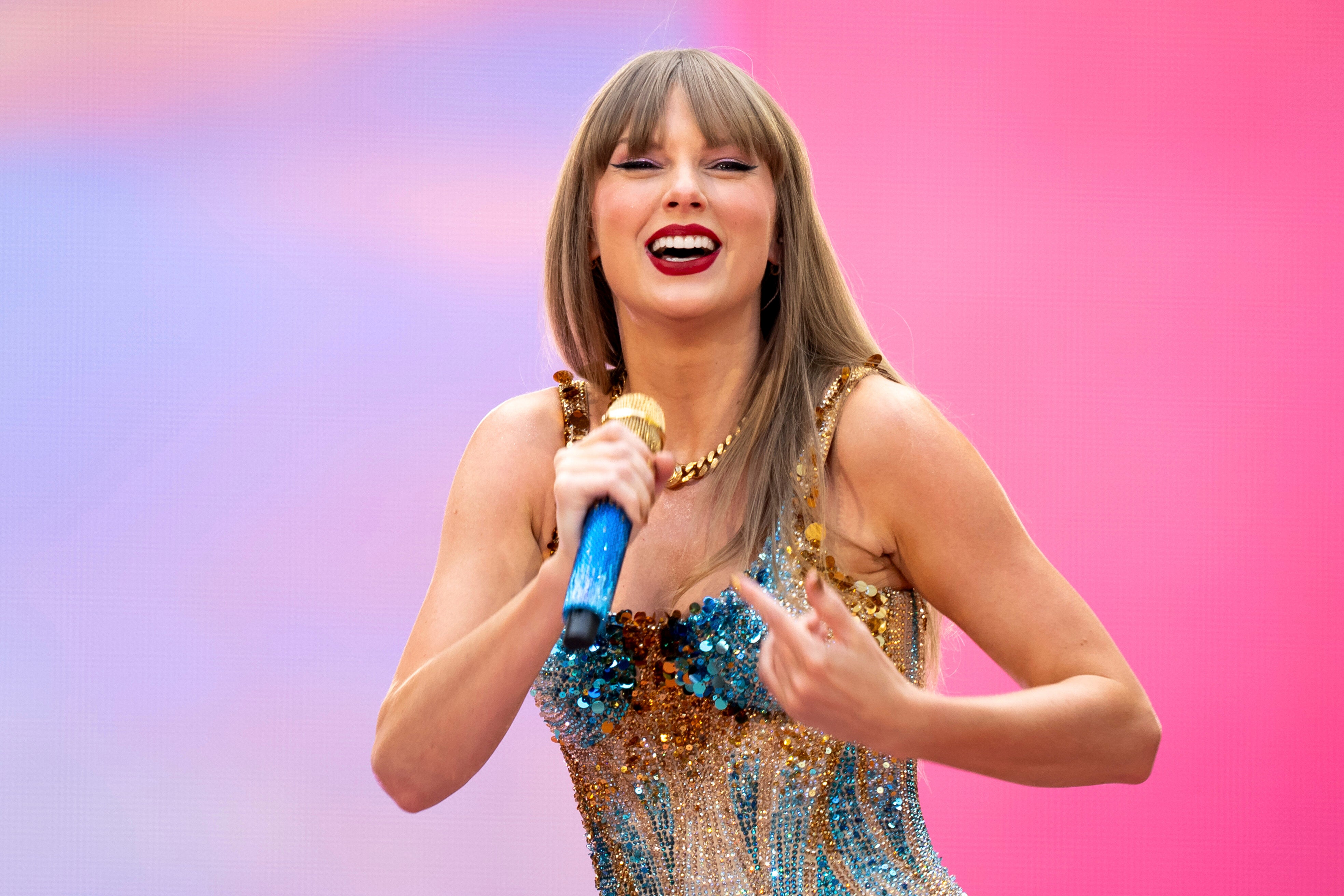
Here Are All The Singers Opening For Taylor Swift On The Final UK Dates Of Her Eras Tour

The Eras tour is back in London this month as Taylor Swift prepares to take to the stage for five more nights at Wembley stadium rounding off the European leg of her mammoth world jaunt.

From Thursday 15 August to Tuesday 20 August, the global pop sensation is coming back to the English capital, where she’ll be supported by Paramore and an additional, newly-announced artist on each night of the latest leg of the tour.

“Just wanted to tell you about something coming up that I’ve been so excited about: we’re adding five incredible artists to our five Wembley shows, going on right before Paramore,” the Fortnight singer shared on her Instagram story.

“I asked them to play on this tour because I love their music and I think they’ll absolutely smash it in Wembley Stadium,” she continued. “Go check out their music if you haven’t already. Gonna be a fun 5 nights.”

Those lucky five artists are…

16 August: Holly Humberstone

17 August: Suki Waterhouse

These acts will follow in the footsteps of Mette, Griff and Benson Boone who each performed before Paramore during Taylor’s June dates at Wembley.

As to be expected, they’ve already been sharing their ecstatic reactions to the news online…

Taylor’s first batch of Wembley shows were star-studded, to say the least.

Share Button

The Shame Of Acne Is Real — These People (Even Derms) Reveal How They Get Through It

I’ve struggled with acne since high school and sometimes had to skip school because I felt self-conscious, judged and afraid that people would whisper behind my back.

As a teen, I went to a dermatologist who put me on a course of treatments that was ineffective and, at times, painful. As my spots only grew redder, I felt insecure and ugly because of my acne, and I felt that no one understood me. Acne took a toll on my mental health. It made me feel I wasn’t worthy.

I’ve since grown in my confidence, but I know others are going through what I used to go through — and they should know they’re not alone. Acne affects over 50 million people in the U.S. every year, with 85% of those between the ages of 12 and 24.

Various studies have shown that skin conditions — like vitiligo, acne and psoriasis — can be debilitating both physically and mentally, often increasing anxiety and depression. Another study noted that people in their late teens with acne expressed “more depressive symptoms, lower self-attitude, more feelings of uselessness, fewer feelings of pride, lower self-worth, and lower body satisfaction than those without acne.”

There’s a myriad of acne products on the market, often targeting our insecurities. The size of the acne medication market in 2022 was at $9.9 billion, while Statista estimates it will reach $17.5 billion by 2032.

But sometimes just getting rid of the spots is a temporary fix. Self-acceptance, which doesn’t come easily, can be a more effective tool.

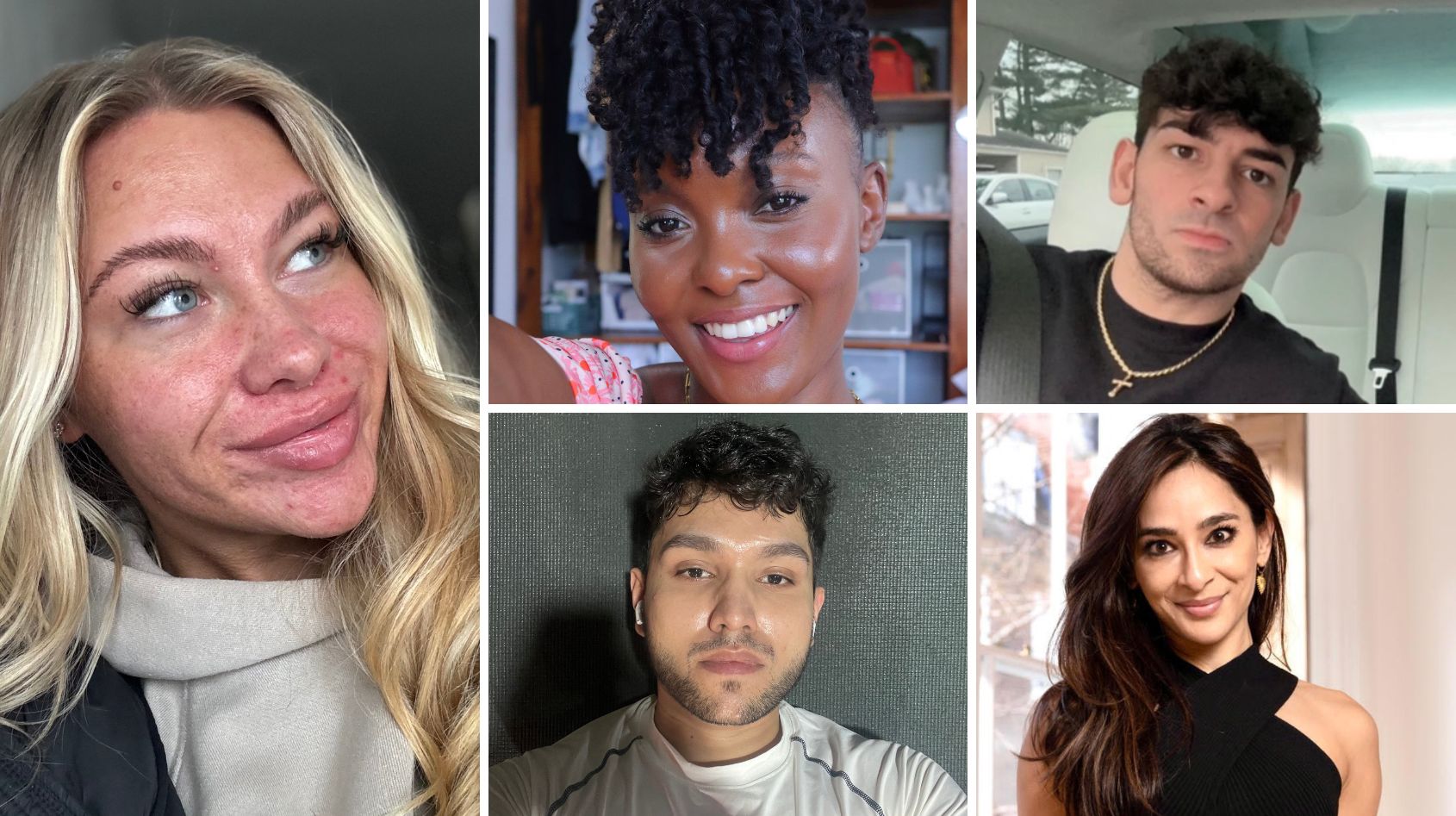
HuffPost spoke to people who struggled with acne and acceptance to learn the different ways their skin condition affected them, and how they got through it.

“My biggest advice to others is to seek help as early as possible.”

“I felt very insecure about my skin and I used to hate taking photos. It didn’t stop me from enjoying school or extracurricular activities, but it did make me feel much more self-conscious and negatively affected my self-esteem.

“Interestingly I didn’t feel judged by others, but I felt judged by myself. I wanted clear skin like most of my peers and I tried many different OTC products to ‘treat’ it, only to make it worse. I specifically remember going to a dermatologist for acne. It felt somewhat frivolous and fluffy, like I should be worried about things that actually ‘mattered’ and not acne. However, I remember going to a dermatologist and having a dedicated conversation about my acne and all the available treatments. He acknowledged my acne, validated my concerns, and actually came up with a very precise treatment plan. I remember feeling justified and reassured. It sounds silly, but I felt heard and it made an impact.

“There are so many effective treatments for acne, and they work incredibly well for the most part. The only treatment that really worked for me was Accutane, and I needed to take it twice. And I still have acne flares occasionally, but it’s much more manageable. My biggest advice to others is to seek help as early as possible. It’s much easier to manage earlier on and you can avoid deep acne scars that are very difficult to treat, so go see a board-certified dermatologist if it’s been bothering you. You don’t have to live with acne if you don’t want to.” — Dr. David Kim, board-certified dermatologist at IDRISS Dermatology in New York City

“I know I am not alone in this. These are the same sentiments I hear being echoed by my patients in-clinic, on a daily basis.”

As a teenager, my skin problems caused a world of pain. I was about 12 years old when my acne started. Sadly it developed around the same time as a bereavement, which resulted in my personal circumstances changing. In the space of a few short weeks, I was suddenly confronted with bereavement, a new school in an unfamiliar place, and trying to make friends, all whilst having dreadful acne. I was painfully shy and it was hard. I didn’t want people to look at me. All I could see in the mirror were my spots. My eyes would not catch the normal skin between them. They disgusted me and I was certain that anyone who looked at me would feel the same. Unsurprisingly, I didn’t make many friends.

“As an adult with acne, spots continue to evoke shame, embarrassment and feelings of inadequacy. It also generates anger: ‘I should have grown out of this by now!’ In meetings, you wonder if others are taking you seriously when inside you feel like a spotty teenager. Or, if your skin is bad enough, you cancel the meetings altogether for fear of being looked at or, worse still, judged. I know I am not alone in this. These are the same sentiments I hear being echoed by my patients in-clinic, on a daily basis. Acne can have profound effects on self-esteem and confidence.

“It was this personal firsthand experience of acne and how it can affect one’s mental health that led me to specialise in the treatment of acne. I know what it’s like to be in my patient’s shoes and I’m passionate about treating acne before it scars, which is much harder to treat.” — Dr. Anjali Mahto, consultant dermatologist at Self London

“My struggle has made me understand that it’s only human of me and how my skin looks doesn’t define me as a person.”

“I remember I started getting acne very early, as soon as I turned 13. It wasn’t severe in the beginning, but within a year, my face was full of painful cystic acne all over it, and suddenly that was the only thing people noticed about me wherever I’d go. From name-calling in my own house to visiting different dermatologists and ‘experts’ for wild advice, it was simply traumatic.

“The most difficult part was dealing with unsolicited opinions from people who weren’t even aware of the root cause but were always ready with tips that I never asked for. Even visiting dermatologists wasn’t very helpful, as most of them would put me on hardcore treatments, which would only make it worse. I remember I slowly started isolating myself and started making excuses for being home. I remember breaking down in front of my parents on multiple occasions just so that I could skip school on my worst days.

“After fighting severe cystic acne for almost two years, I started doing my own research just to understand my skin better. … Slowly, the condition improved. Almost 10 years down the line, I’m a content creator talking about beauty. While I still get a little conscious if someone talks about my skin (even good comments) and getting frequent breakouts as acne in most cases is chronic, my struggle has made me understand that it’s only human of me and how my skin looks doesn’t define me as a person.” — Yashwant Singh, content creator, @yashwantsngh

“Don’t let acne control your life.”

While my acne didn’t keep me from doing daily activities as a teen, it made me feel self-conscious. I was constantly worrying about what others were thinking of me. I remember I would always compare myself to others, whether they were friends or other people my age, basically asking why they weren’t struggling with this in the same way I was. So, in a way, I think I was judging myself. My confidence was impacted in a way I wasn’t expecting. I simply didn’t want to bring attention to myself but rather wanted to blend in. I know I wanted to try anything and everything to get rid of my acne because it started to become a defining feature for me, which I absolutely hated.

“The way I overcame these feelings was by reminding myself that this wasn’t the end of the world. I had to remember that I wasn’t the only one struggling with acne, especially as a teenager. Also having support was very important.

“For anyone struggling with acne, I know how difficult it can be to in the mirror and think that there’s no way it can get better, but it can. I’m now 28, and aside from the occasional blemish, I no longer struggle with acne. Surround yourself with a good support system and continue to do things that bring you joy. Don’t let acne control your life.” — David Triana, public relations consultant in Orlando, Flοrida

“A reminder: Not everything you see online is a reality at all.”

“I felt majorly insecure. I was young, and in the early years of middle school, I was consistently late making sure my makeup was right. As I grew up, I became more and more limited, never leaving the house without makeup and never letting anyone see my bare skin.

“I felt judged in so many ways, I felt like people thought I was dirty or just didn’t take care of myself. People would stare and make remarks about my skin and I felt really excluded. I felt like people just avoided me where they could because of my skin, and it was so debilitating.

“Overcoming these feelings came after I started taking pictures of my skin and posting about it. Finding a community that was open and welcoming and seeing other people who looked like me on my socials was a big help — it made it feel more normal, less different and more included. Realising acne is so normal and widely experienced really helped shift my perspective of it being a bad thing.

“And a reminder: Not everything you see online is a reality at all. I feel my generation has so much pressure to look a certain way 24/7, which isn’t possible. It’s OK to have skin problems, and it’s OK to just be YOU in whatever capacity that looks like!” — Abigail Collins, content creator, @abis_acne

“These unsolicited comments sometimes get to me.”

“I was so insecure when I first started developing cystic hormonal acne. It’s been something that subconsciously has been holding me back from enjoying events, going out and creating content as much as I wanted to, especially since I’m in the skin care niche on social media. Someone is constantly asking, ‘Why isn’t your skin clear when you use so many products?’ These unsolicited comments sometimes get to me. I feel judged and embarrassed for the condition of my skin.

“But I’m slowly figuring things out, including how to ignore unsolicited advice and stop questioning the condition of my skin and whether my acne will ever improve. Instead, I’m focusing on being present and being more mindful instead of having negative thoughts, and also stepping away from the mirror and friendships that bring me down. All these things have helped change my perspective.” — Abby Rose Maureen, content creator, @abbyrosemaureen

“I feel like my struggle with acne shaped who I am today.”

“I struggled with acne on my face and back throughout high school and in college. It’s been quite a journey, to say the least. At first, it took a toll on my self-esteem. I felt like people were constantly staring at my skin instead of seeing me for who I am. It made me feel judged and self-conscious in social situations, and even simple tasks like changing my shirt during gym class or swimming with friends became stressful. I would make sure my back was against a wall while changing my shirt to ensure no one could see my back. I was also the only one to wear a swim shirt when swimming with friends to hide my back acne.

“Overcoming these feelings wasn’t easy. I started by understanding that acne is an issue many people struggle with. I spoke to dermatologists about medical treatments, and my skin slowly improved. Beyond medical treatments, I found that self-acceptance was crucial. I realised that my worth shouldn’t be defined by the state of my skin. I began to surround myself with only supportive friends and family who didn’t judge me based on my acne which was out of my control. Today, I still get some acne breakouts, but I no longer let it affect my self-esteem.

“Through my journey, I learned the importance of perseverance and self-acceptance. I feel like my struggle with acne shaped who I am today. I never judge people by their appearance, because I know what it feels like. I enjoy sharing my acne story to help others know they’re not alone and that they will get through it just like I did!” — Vin Cirisano, content creator, @sirisano

Share Button