After Years Of Infertility, I Got Pregnant At 46. I Had No Idea That Would Be The Easiest Part.

I turned 51 this year, and one of the many things I’ve learned over the course of five decades on this planet is that our dreams rarely manifest exactly as we envisioned them. We can spend years and years longing for something and then, when it finally arrives, we either don’t realise it or we’re disappointed because it doesn’t look quite the way we expected it to.

I never dreamed that a “normal” family was in the cards for me. It was something that happened to other people. People who were better at finding themselves in the right places at the right times. People who weren’t so guarded with their hearts. People who were unbroken. But a part of me yearned for it. I remember thinking that a loving family must feel like the safest place in the world.

I’d been told, my entire adult life, by a battery of soft-spoken doctors and specialists, that I would never conceive a child naturally. While there were times when I considered alternative avenues to motherhood, ultimately I felt content in my child-free life. I was a dog mom and an auntie, and I relished those roles. I was also a mountain girl: adventuring into the alpine each weekend in my Jeep or on foot to leap into remote crystalline lakes. I loved my adventurous single gal existence and my freedom. I had plans to travel, continue building my creative business so I could work from anywhere, and collect stories that I would one day, just maybe, compile into a book.

One month after my 46th birthday, I missed a period. Though I’d been casually dating someone, I assumed, considering my history, that this was menopause rearing its head at last. A couple more weeks passed and I started to have some other symptoms that were unusual for me. I figured these were further indications that my hormones were changing. But — maybe on a whim, maybe at the urging of my best friend, maybe in a burst of intuition — I bought a pregnancy test at my local drugstore and went into the bathroom at the adjacent Whole Foods to take it.

I sat there in the stall staring in disbelief at a very crisp, clear blue line in the little window on the test stick. Surely this was an error — yet another artefact of my hormones gone awry. I immediately consulted Dr. Google and learned there is a kind of ovarian cyst that can release hormones that mimic the signs of pregnancy. That was it. I was certain I had one of those cysts. I just needed to get the confirmation from my doctor.

That confirmation wouldn’t come. What would arrive was a phone call from a jovial nurse, the announcement that my HCG levels were so high it was in fact possible I was pregnant with twins, and a referral for an ultrasound that would reveal what was now undeniable: I was pregnant. PREGNANT. Impossibly. At 46. With a man who was certain about few things in life save for the fact that he didn’t want to be a father.

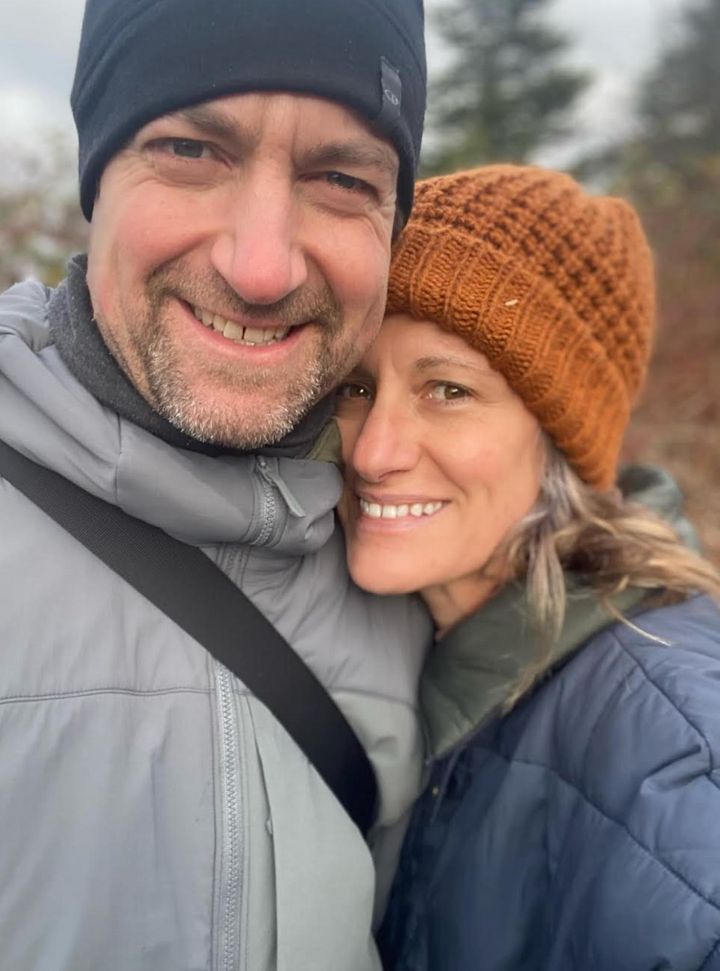
The author and her partner, unwitting parents at midlife, in 2023.

Courtesy of Natasha Dworkin

The author and her partner, unwitting parents at midlife, in 2023.

He was a performing circus artist — an aerial acrobat seven years my junior. We’d dated briefly several years prior and had at this point been rekindled for a few months. Our connection was mostly physical and it was far from serious. On our first date, I texted my best friend, “I’m not gonna spend the rest of my life with him, but he sure is cute.” He told me on many occasions that he didn’t want to have kids, and I thought I couldn’t conceive, so we were well-matched, in that regard at least.

Now I had to bestow on him a piece of news that could forever alter the course of his life. I remember driving to his apartment the evening I planned to tell him, half in a daze, almost numb with uncertainty. We had already made plans for that particular night — get pho and hang out at his place listening to podcasts — so I remember him opening the door with a smile, then ducking back inside to grab his coat. I recall that, as usual, he was warm when he hugged me, warm and strong. And he seemed happy to see me. My heart was leaden in my chest as I asked him if we could sit down for a minute before we left. As soon as we did, I began to cry. He put his hand on my knee and looked at me in a way that said, “Hey, whatever it is, I’m here.” You have no idea, I thought.

I managed to utter the words, and he managed to receive them, setting in motion a period that was both miraculous and fraught. I felt stunned, terrified, sad, thrilled, hopeful and humbled all at once. He felt disempowered, grieving for a future he’d envisioned that might not come to fruition in the ways he’d hoped. I think back on that time as both a whirring blur and a slow-motion free-fall.

We attended therapy together, spent hours and hours talking about all the possible scenarios. He promised he’d be there for me no matter what I decided to do, but he also begged me not to have our baby. I came close so many times to assuring him that I wouldn’t, but I always, inexplicably, stopped short. I wondered: If I chose to have an abortion, would I have regrets? And would that experience, and those regrets, leave me forever heartbroken? I also thought about how I’d be in my mid-60s when this child graduated high school, and about the end of those solo summer days high in the mountains, the travels, and the book.

While I’ve always vehemently supported a woman’s right to determine what she does with her own body — and while I was very clear about the choice in front of me — the gravity of that choice, now that it was mine to make, was almost too much to bear. I felt crushed under the weight of making it for the both of us. For the three of us. Crushed and paralysed. In my state, in-clinic abortion is legal into the second trimester, and other options are available until a foetus is viable. I would need every single minute, hour, day, week and month I could get to process my own conflicting emotions, to be counselled, to get clear with myself, to gain some level of certainty that I was making a decision that was truly right for me, that was pure of heart, that was mine.

Ultimately, my choice was to meet my child.
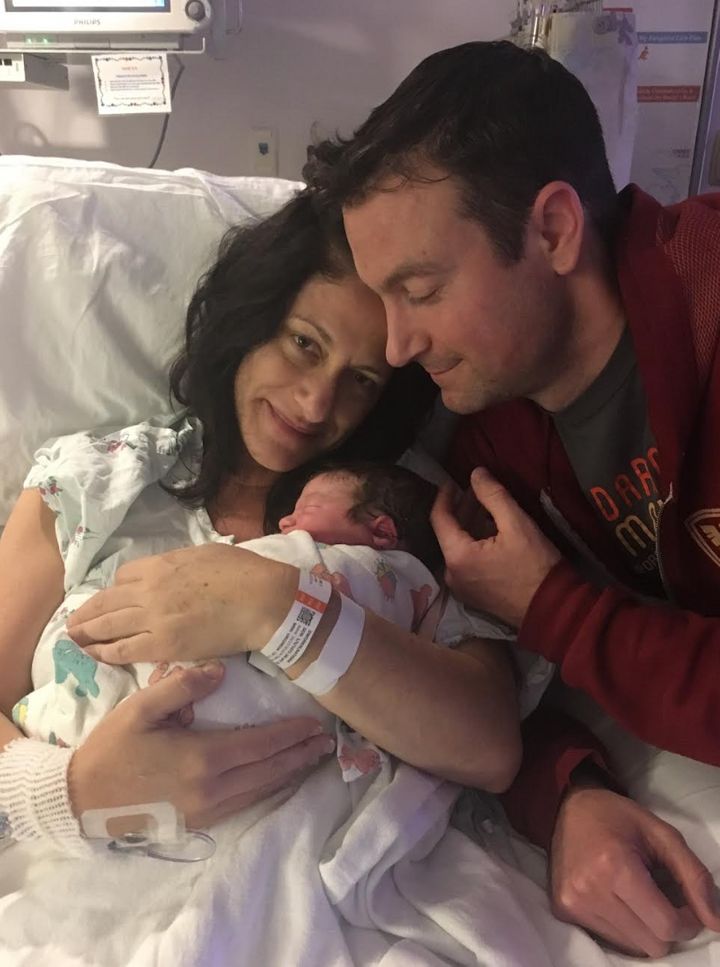
The author and her family.

Courtesy of Natasha Dworkin

The author and her family.

When I finally knew what I was going to do, and when I eventually began telling my friends and family about the decision I’d made, what stood out to them was the unlikeliness of my story. I got pregnant naturally at midlife, after decades of infertility. Their faces lit up with the news that perennially single me would now, along with my soon-to-arrive babe and his inadvertent father, have a family. Congratulatory texts arrived from people I hadn’t spoken to in years, cards came in the mail, packages appeared containing hand-knitted baby blankets and wise, loving notes. People used words like “miracle,” “wonder,” “blessing,” “full circle.” And so much of that was true. It was a wonder. My son was a tiny miracle.

But the journey of the midlife mother is rarely so black and white. No matter which road leads us to motherhood, we each end up in a place where we have to reconcile the woman we spent half our lifetimes becoming with the mother we’ll spend the rest of our lives being. Even after my son was born, big and healthy after an uneventful pregnancy, I found that my identity was still firmly rooted in the soil — for lack of a better word — of childlessness. I still felt like the woman at the party who couldn’t relate to the moms in the corner swapping milestones, like the auntie whose nieces confide in her things they’d never tell their moms, like the single gal sneaking peeks at the handsome dad in the grocery store wearing his baby, wondering about the partner waiting at home, and if it would ever be me.

I still felt like her because I still was her. But I was a mom now, too. This clumsy dance of identities is one of the more profound grapplings of later-in-life motherhood: straddling adjacent chapters, one just beginning, the other not yet closed, attempting in real time to bridge the two. It’s disorienting to lose access to things we’ve always known. But we also get the thrill and delight of peeking into new places in our hearts that we didn’t know were there before and of discovering new pieces of ourselves in the process.

Four years later, I’m a mother and partner, fully immersed in a family of my own. It doesn’t look like the family I imagined. My son’s father and I stumbled from non-exclusive dating into sudden partnership and parenting in a matter of months. Our road to becoming parents together, and eventually a family, has been a winding one, but we are a family nonetheless. We rallied to bring our child into an environment of love and laughter and kindness and mutual respect. Along the way we had to get to know ourselves, each other, and a new vision for what the rest of our lives would look like. We are still growing and fumbling and learning every day but we are among the most devoted parents you’ll ever meet.

And now, I find myself planning different travels, collecting different stories, working on a different book.

One recent weekend, my partner packed me up and sent me off to my cabin in the country on my own so I could write, refresh and connect with the land where I grew up. While I was there, a neighbour invited me to pick apples from her tree. I picked a huge bag full and then brought them back to the city, to my boys, and made a lovely apple tart. It was an offering of thanks for these two magical souls who have become my accidental dream come true.
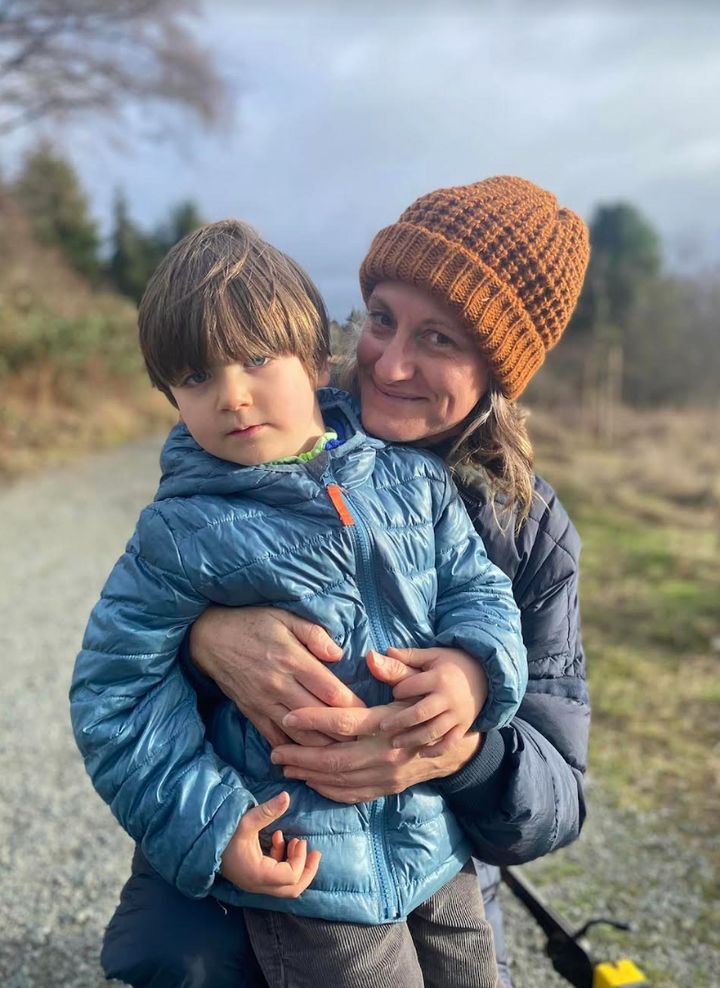
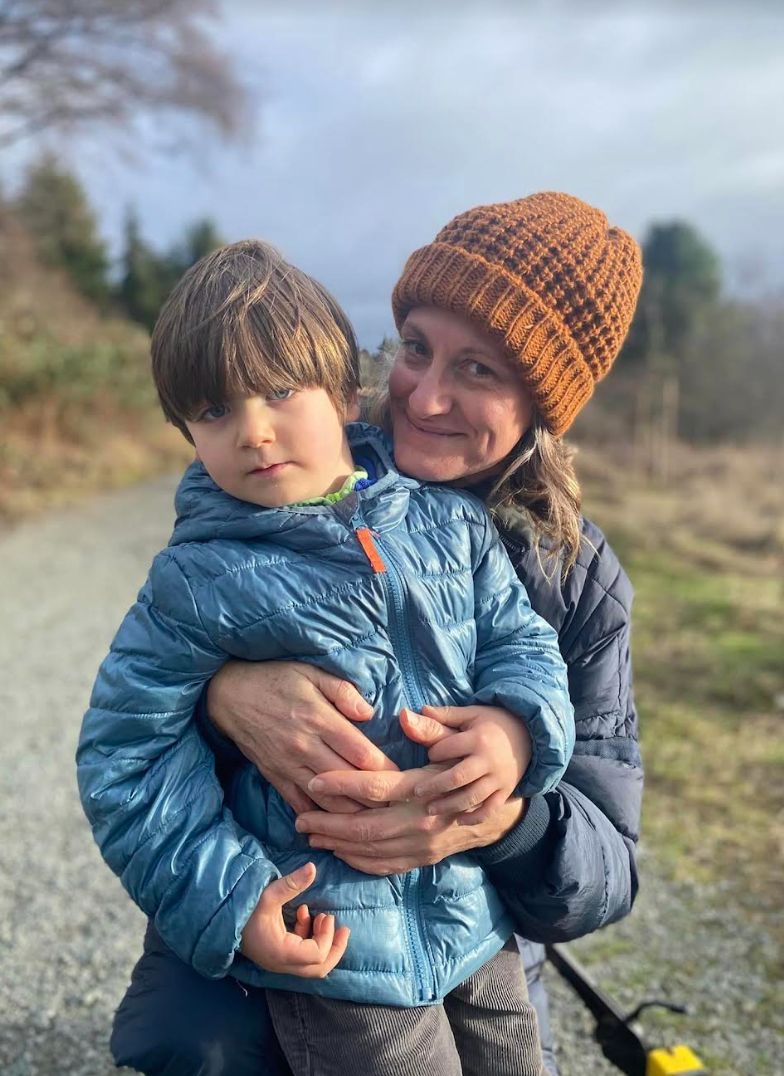
The author and her son in 2023.

Courtesy of Natasha Dworkin

The author and her son in 2023.

Natasha Dworkin is an agency founder, strategic storyteller, and midlife mama. For more than 20 years, she has helped her purpose-driven clients tell their stories, amplify their impact, and change the world. She now leverages her professional expertise with her personal experience becoming a first-time mom at the age of 46, to help other midlife women make transformative change in their own lives and communities. Connect with her through her website, natasha-dworkin.com, on Substack at natashadworkin.substack.com, and on Instagram at @midlife.mama.
Share Button

My Daughter Wasn’t Expected To Live Past 31. A New Drug Saved Her — But There’s 1 Big Catch.

My daughter, Sammie, was three months shy of her second birthday when she was diagnosed with cystic fibrosis (CF). All I knew about CF at the time was that long ago, on my dad’s side of the family, a couple I never met lost two children to a disease.

Our paediatrician gently broke it to us before sharing the “good news” that the average lifespan of a person with CF had reached 31 years. My husband and I sat in stunned silence. I was 31.

Cystic fibrosis is a progressive genetic disease that clogs the airways, pancreas and other organs with a thick, sticky mucus, impeding breathing and digestion as it slowly destroys the lungs. While there’s still no cure for the disease, the newest generation of treatments targets the underlying defect — a dysfunctional protein — to prevent that sticky mucus at a cellular level.

The most powerful of these drugs is called Trikafta, and Sammie, now 26, is lucky to be on it. She still has a life-threatening, chronic illness — but she was offered a lifeline not everyone gets.

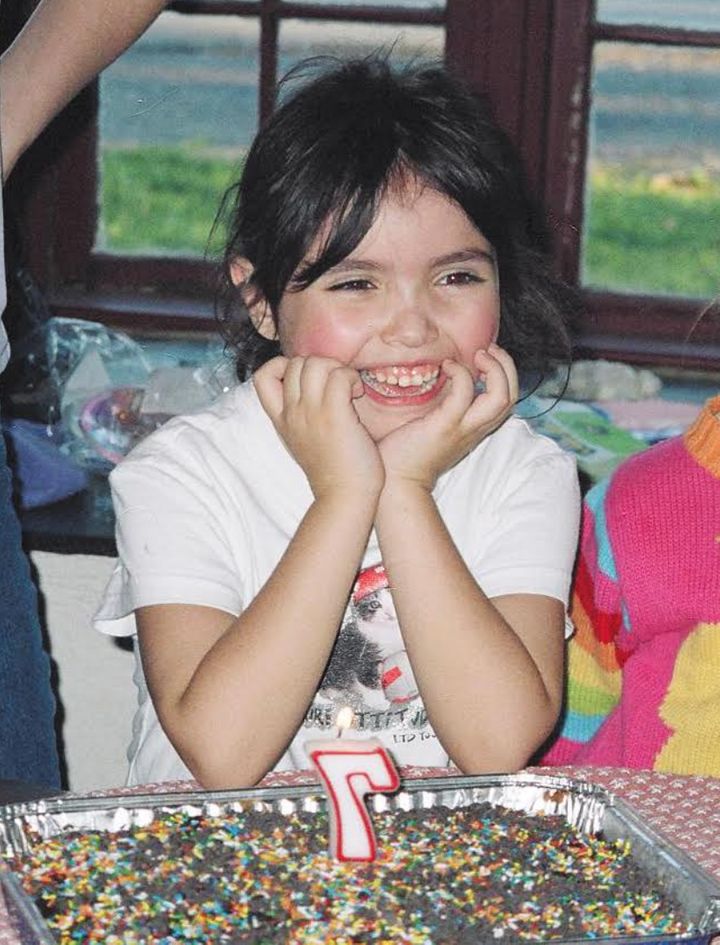
Sammie’s 7th birthday party.

Courtesy of Abby Alten Schwartz

Sammie’s 7th birthday party.

Recently, our good fortune was underscored by two experiences in the same week — polar extremes that encapsulate the emotional rollercoaster of life as a CF parent.

On Facebook, I posted messages of love and remembrance to two different friends on their daughters’ birthdays. Though more than a decade has passed since they died from CF, these vivacious young women will be forever frozen at ages 22 and 13.

Days later, I read the results of a recent U.K. study on the long-term clinical prognosis for CF patients taking Kaftrio (sold as Trikafta in the United States). Based on a simulation model, researchers concluded that the triple-combination drug can substantially increase survival for people with CF, and when started between the ages of 12 and 17, could lead to a “near-normal life expectancy” of over 82 years.

I knew this drug was a game-changer, but reading those words in a medical journal felt surreal. I cried, exhaling the breath I hadn’t realized I was still holding.

The author and her husband with Sammie on a trip to NYC after high school graduation in 2015.

Courtesy of Abby Alten Schwartz

The author and her husband with Sammie on a trip to NYC after high school graduation in 2015.

Five years ago, my daughter enrolled in the Phase 3 clinical trials for the triple-combo drug. We were thrilled when her CF care centre was selected as one of the research sites and relieved she met the criteria. She’d been too sick for inclusion during Phase 2.

Within hours of taking her first pills, Sammie coughed so violently she had to leave class. Her lungs were expelling mucus — what the CF community now refers to as “the purge.” When she told me what was happening, I felt the first stirrings of hope. I wondered, “Could this really make a difference?”

The pills made a difference. Within a week, her lung function reached levels she hadn’t attained since middle school. Within months, her blood sugars stabilised, and she was able to stop injecting herself with insulin for her CF-related diabetes, a frequent complication of the disease. Most noticeable was the disappearance of her telltale cough.

My daughter still takes dozens of medications to maintain her health, but the burden of treatment has lightened substantially. She no longer needs twice-daily nebuliser treatments and respiratory therapy using a pulsating vest to shake the mucus from her airways (this varies by patient — some still need daily therapy, others only when sick).

In October 2019, the FDA approved the new drug. Three-and-a-half years later, I’m still overcome with gratitude for this miracle of science — the most significant research breakthrough in the history of cystic fibrosis since the discovery of the CF gene in 1989.

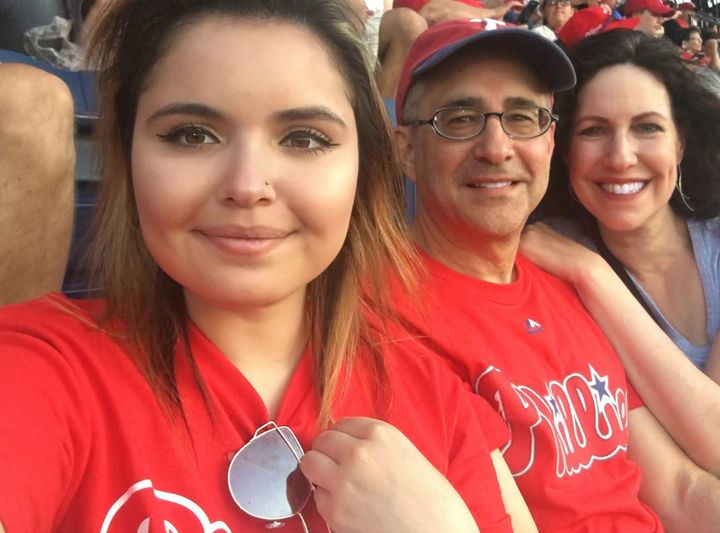
The author and her husband with Sammie cheering on the Phillies at Citizens Bank Park in 2019.

Courtesy of Abby Alten Schwartz

The author and her husband with Sammie cheering on the Phillies at Citizens Bank Park in 2019.

Genetically, I am linked to that history. It turns out those distant relatives, my cousins Dr. Milton “Billy” Graub and his wife, Evelyn, were among the group of parents who started the Cystic Fibrosis Foundation in Philadelphia in 1955. Now based in Bethesda, Maryland, the organisation has since expanded into a nationwide network of accredited care centres and a model of venture philanthropy, an innovative approach to funding research that has been widely lauded.

For the first time since her diagnosis, my daughter has a good chance at living a long and healthy life. At the very least, this drug is buying us time until scientists reach the next milestone.

I feel deep appreciation for the countless individuals who gave time, money and effort to support the research and programs that help CF families like mine. I’m also mindful that CF progresses differently in each patient and continues to take lives every day. I’m in awe of the families grieving loved ones who choose to keep fighting to eradicate this disease.

Not every patient can take this drug. For some, side effects like liver problems or extreme depression outweigh the benefits. For others, the high cost of the drug, disparities in insurance coverage, and barriers to access in certain countries mean more lives will be lost while an effective treatment remains just out of reach. And though it targets the gene mutation (F508del) found in 90% of the CF population, the triple-combo doesn’t help all mutations, leaving some patients waiting and hoping they won’t be forgotten.

The author and Sammie flying pre-pandemic. "People with CF have to be cautious about exposure to respiratory viruses — even a cold can develop into a lung infection," she writes.

Courtesy of Abby Alten Schwartz

The author and Sammie flying pre-pandemic. “People with CF have to be cautious about exposure to respiratory viruses — even a cold can develop into a lung infection,” she writes.

Being one of the lucky ones comes with responsibility. I’m profoundly grateful to the scientists who very likely saved my daughter. I also know it could just as easily have been her receiving posthumous birthday wishes. Every age Sammie reaches that my friends’ girls never will is a blessing and a gut-punch. Every major moment — from college graduation and her first full-time job to all the possibilities ahead — sparks happiness tempered by humility.

I shared my thoughts with a friend, referring to my conflicting emotions as a kind of survivor’s guilt. My friend pointed out that I haven’t survived anything. What is the term, then, for feeling simultaneously thankful my child has been granted the gift of a future and loath to celebrate too loudly?

I don’t want to hurt my fellow CF parents who, by random genetic selection, are witnessing a segment of the CF population improve while their loved ones decline. Or worse — are mourning a child who might have been helped had this drug arrived sooner.

I don’t take our good fortune for granted. Though my daughter’s health and prognosis have improved, CF affects her every day, and I’ve seen too many times how quickly the course of this disease can accelerate or take an unexpected turn. I’m also painfully aware of the fragility of our situation. A change in the supply chain, health insurance, or her tolerance of the drug could suddenly revert my daughter to her previous condition — with a chronic cough, compromised lungs and a precarious future.

Sammie graduated from Temple University in August 2020 without a ceremony.

Courtesy of Taylor Melchior

Sammie graduated from Temple University in August 2020 without a ceremony.

Earlier this month, the triple-combo pill was approved in the U.S. by the FDA for expanded use by children ages 2-5 with the targeted mutations. As with every step forward in fighting this disease, it’s vital that we recognise the systemic problems that keep many individuals who need this drug from accessing it.

Like many specialty drugs, this one comes with a prohibitive price tag — over $300,000 per year. Thankfully, because of its proven effectiveness, most insurance companies have added it to their formularies. But not everyone has insurance. And while the manufacturer helps families like mine with copay assistance, other families were shocked to learn their assistance would be limited this year due to controversial “copay accumulators” some insurance companies started adding to their policies. Many affected by this change were able to get grants from groups like The HealthWell Foundation, solving one problem but highlighting the unpredictable — and inequitable — reality of living with a chronic or life-threatening illness.

The disease itself is only one of the threats families like ours face. Whenever there’s movement to dismantle the Affordable Care Act, it’s not just people with preexisting conditions at risk, but anyone who needs an expensive drug or treatment — or one day will. The ACA prohibits insurance companies from setting annual and lifetime maximums for essential coverage, including prescriptions.

In recent years, we’ve had major medical advances from CAR T-cell immunotherapy for blood cancers to a new drug for ALS, with many exciting possibilities in the pipeline. What’s the purpose of creating life-changing treatments if those who stand to benefit most never get to use them?

Sammie with her best buddy (2023).

Courtesy of Abby Alten Schwartz

Sammie with her best buddy (2023).

My intention isn’t to demonise Big Pharma or private insurance — I’ve experienced the best and worst of both, and these issues are far too complex to tackle here. In countries with publicly funded health insurance, CF patients had to wait longer than those in the U.S. for access to the triple-combo drug and some are still waiting. There are no easy answers.

My path forward resides in the space between gratitude and remembrance. Like the Cystic Fibrosis Foundation and so many in our community, I am in this for life. That means advocating for every person with this disease, supporting continued research, lobbying for health insurance protections, and using my voice to share the stories of people who are working to cure this disease — and the stories of those we mustn’t forget.

Recently, it dawned on me that my daughter would be turning 27 this year. What if we couldn’t afford access to this drug? What if it had never been discovered? The realisation grabbed me by the throat.

I texted a close friend: “Sammie is less than five years from 31.” And then I broke down.

Abby Alten Schwartz is a Philadelphia healthcare writer and communications consultant for hospital systems. Her reported stories and essays have appeared in The Washington Post, Reader’s Digest, WIRED, Salon, Scary Mommy, and elsewhere. Read her work and learn about her memoir-in-progress at abbyaltenschwartz.com.

Share Button

Tory MP Pleads With Party To ‘Just Leave Boris Johnson Alone’

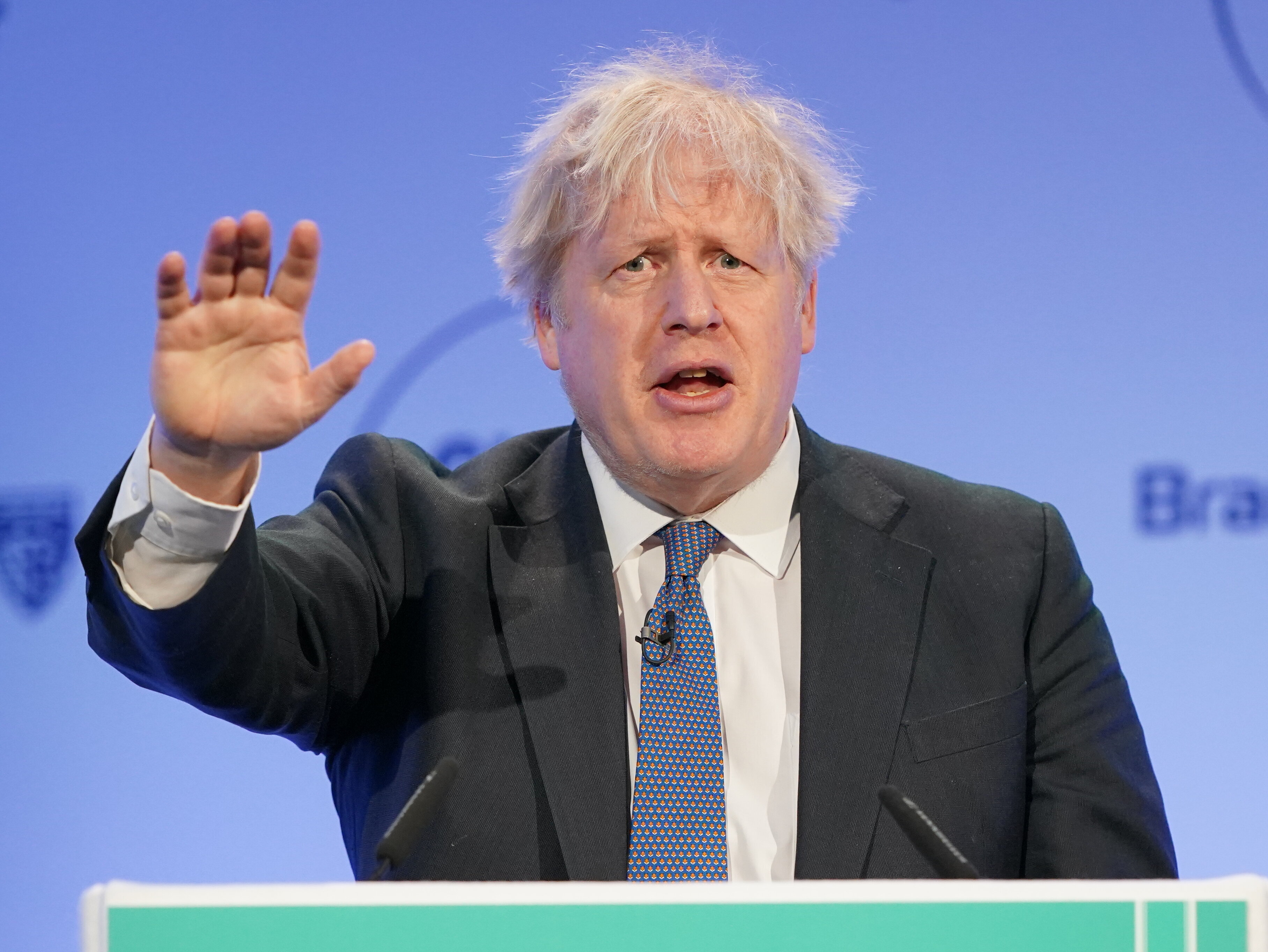
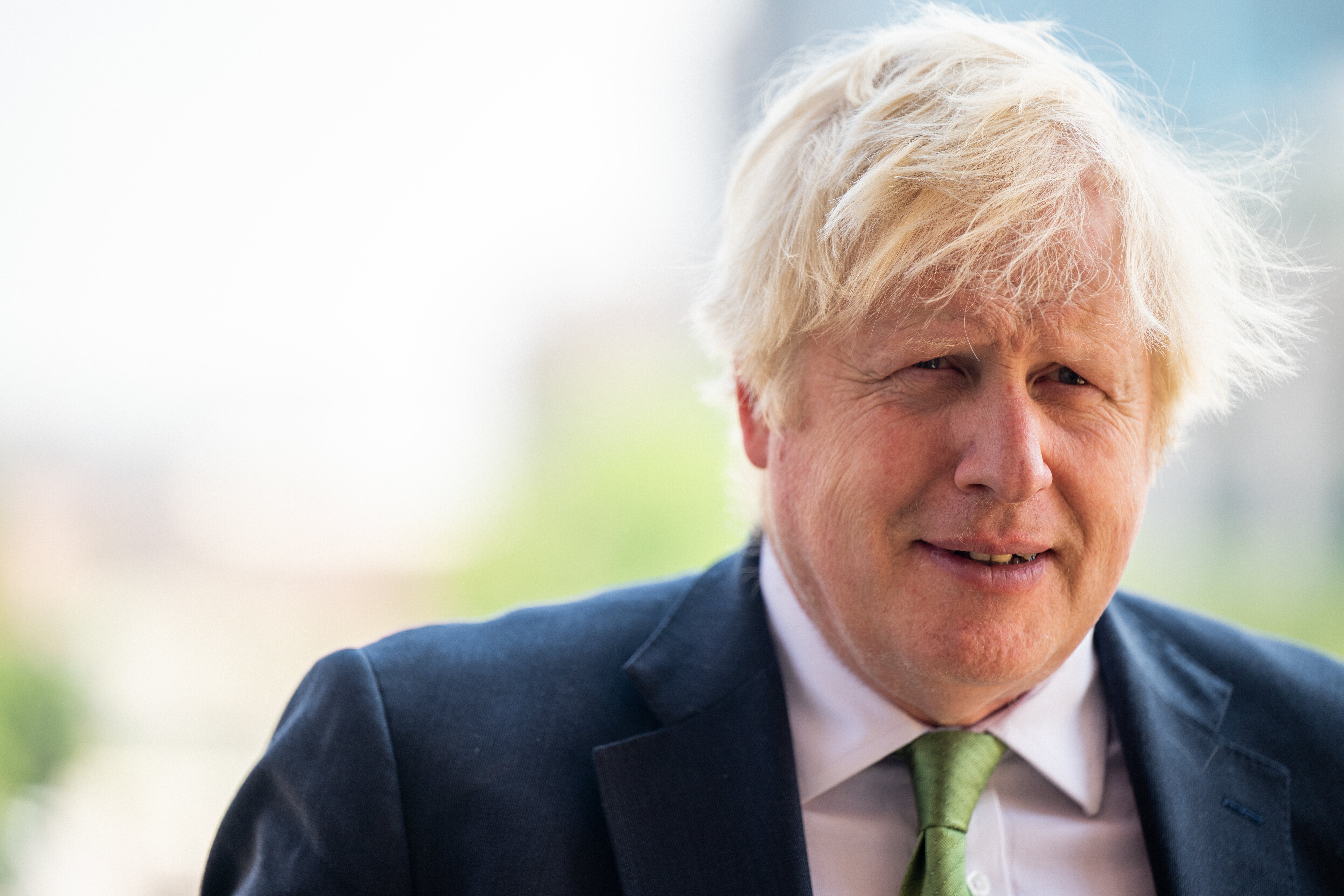
A Tory MP has pleaded with her colleagues to just “leave” Boris Johnson “alone”, after the former prime minister was referred to police over further potential lockdown breaches.

Speaking to Sky News’ Sophy Ridge on Sunday programme,Andrea Jenkyns said there was an “orchestrated campaign” against Johnson from within the Conservative Party.

She also said her support for Rishi Sunak remaining party leader and PM in the run-up to the next election “depends on the polling”.

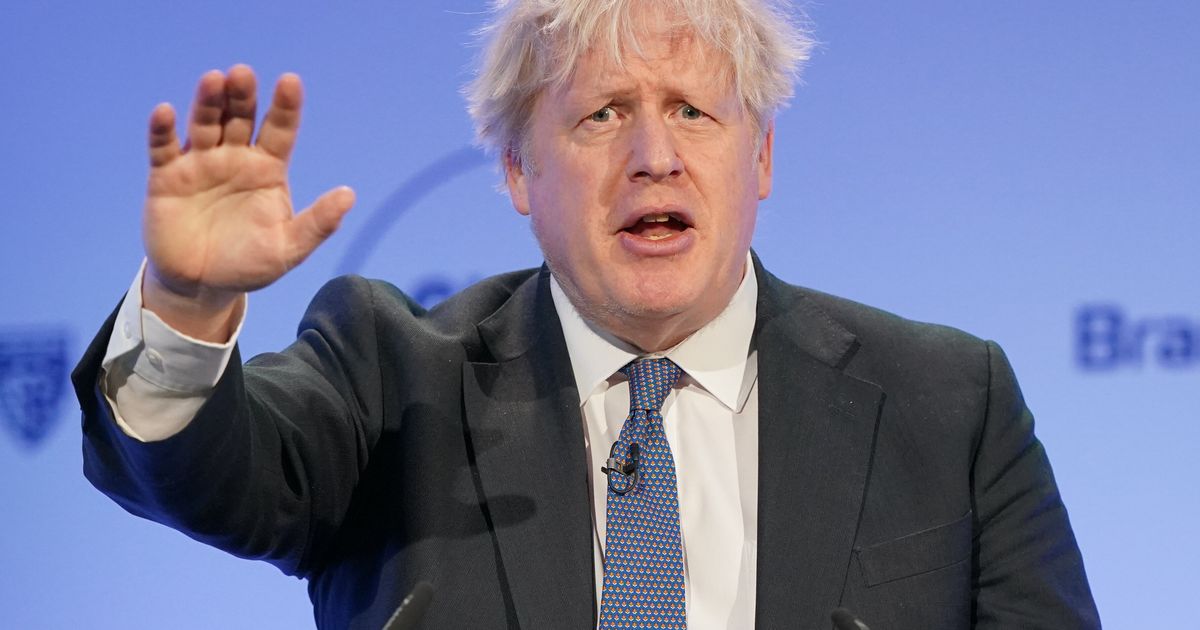
Johnson appeared flustered when he was approached by Sky News at an airport in Washington DC on Friday and quizzed about entries from his ministerial diary which have been referred to two police forces.

The Times, which broke the story, reported the documents show visits by friends to Chequers – the prime minister’s grace and favour country residence – and further events in Downing Street.

The new information came to light during a review by taxpayer-funded lawyers ahead of the Covid public inquiry.

Jenkyns said of Johnson’s removal as prime minister: “The left got what they want.

“I think Boris, and Carrie is heavily pregnant, just leave him alone.

“But honestly, there has been an orchestrated campaign not only in my own party as well, because let’s face it, most of my fellow MPs who are One Nation, to the left of the party,

“They have got the leader that they wanted in Rishi, they never accepted Boris, they never accepted Liz Truss and they are out of synch with the party membership who are big Boris fans.”

In a separate interview this morning, health secretary Steve Barclay insisted Johnson has a “huge role to play” in politics and should remain an MP after the next general election.

Share Button

Holly Willoughby Speaks Out After Phillip Schofield’s ITV Exit And Admission Of Affair With A Colleague

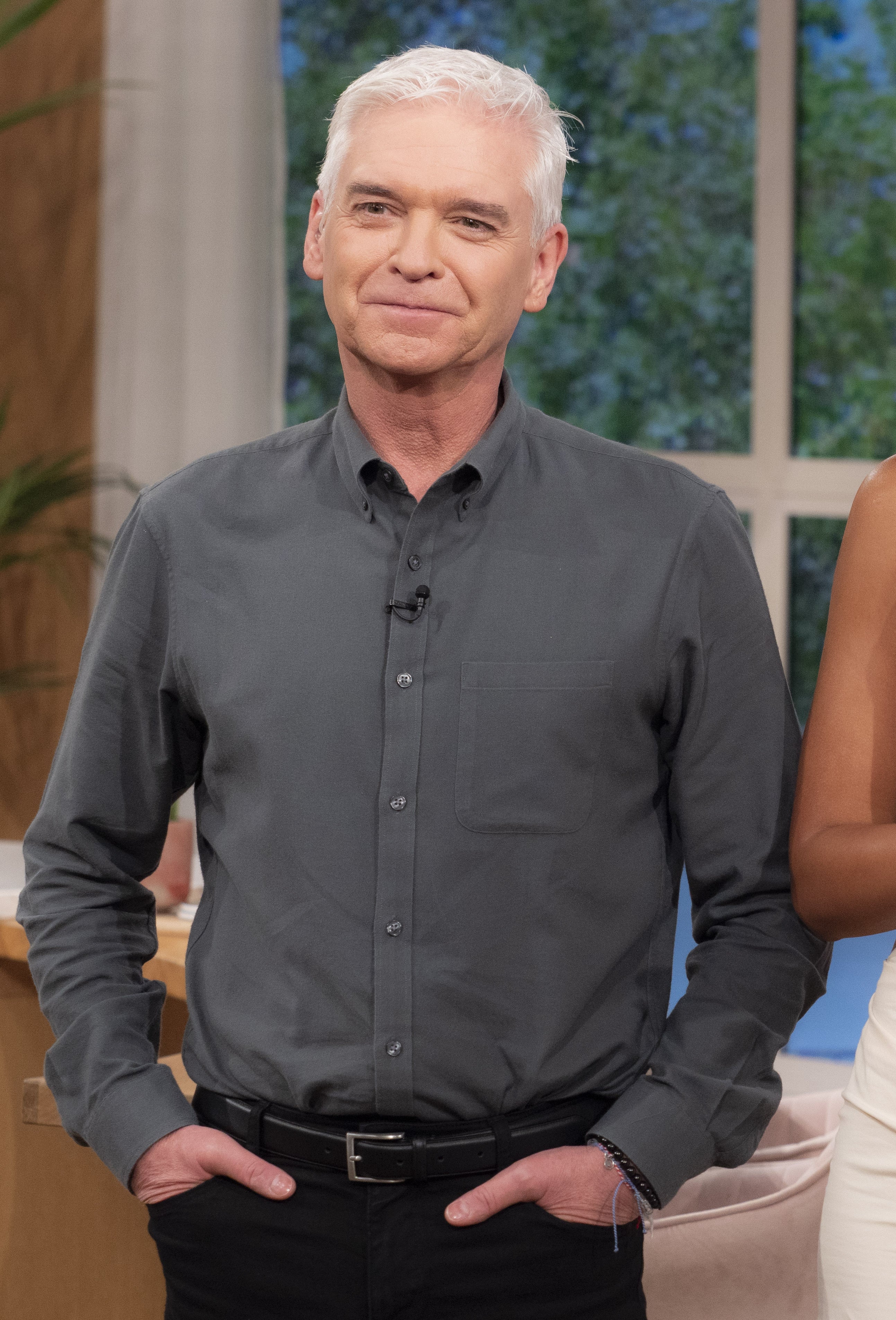
Holly Willoughby has broken her silence following Phillip Schofield’s exit from ITV, which came after he admitted to having an affair with a This Morning colleague.

On Friday, Phillip released a statement to the Daily Mail, in which he said he’d previously had a “consensual on-off relationship with a younger male colleague”, which he said was “unwise, but not illegal”.

The news he would be leaving ITV altogether in light of his admission came just a week after he’d announced his exit from This Morning after 21 years, the reason for which he’s claimed is “unrelated” to his affair

Now Holly – who is currently on a break from the daytime show – has spoken out about the recent developments in a statement via her Instagram Stories which read:

“It’s taken time to process yesterday’s news. When reports of this relationship first surfaced, I asked Phil directly if this was true and was told it was not. It’s been very hurtful to now find out that this was a lie. Holly.”

ITV previously confirmed that Holly is due to return to This Morning on Monday 5 June, where she will be joined by other members of the on-air team.

Holly and Phillip pictured on This Morning earlier this month

Ken McKay/ITV/Shutterstock

Phillip left the show last Saturday “with immediate effect” following mounting reports of a rift between him and Holly – something he’d previously put out a statement to deny.

Holly and Phillip had co-hosted the ITV daytime show together since 2009 – having first been paired up on Dancing On Ice in 2006 – with Phillip originally joined the presenting team in 2002.

After Phillip’s exit from the show last week, Holly posted a short statement on Instagram, in which she thanked him for “his knowledge, his experience and his humour”, adding: “The sofa won’t feel the same without him.”

Phillip said his departure from the show had “fuelled speculation and raised questions” about previous suggestions of a relationship between him and a former colleague on the show, stating it was now “important for me to be honest”.

Speaking to the Daily Mail, Phillip said: “I am making this statement via the Daily Mail to whom I have already apologised personally for misleading, through my lawyer who I also misled, about a story which they wanted to write about me a few days ago.

“The first thing I want to say is: I am deeply sorry for having lied to them, and to many others about a relationship that I had with someone working on This Morning.”

“I did have a consensual on-off relationship with a younger male colleague at This Morning,” he confirmed. “Contrary to speculation, whilst I met the man when he was a teenager and was asked to help him to get into television, it was only after he started to work on the show that it became more than just a friendship.

“That relationship was unwise, but not illegal. It is now over. ”

Phillip Schofield left This Morning last week

Ken McKay/ITV/Shutterstock

Phillip then insisted that when he came out as gay in February 2020, he “did so entirely for my own wellbeing”, and was not “forced” to do so.

“In an effort to protect my ex-colleague I haven’t been truthful about the relationship,” he said. “But my recent, unrelated, departure from This Morning fuelled speculation and raised questions which have been impacting him, so for his sake it is important for me to be honest now.

“I am painfully conscious that I have lied to my employers at ITV, to my colleagues and friends, to my agents, to the media and therefore the public and most importantly of all to my family. I am so very, very sorry, as I am for having been unfaithful to my wife.

“I have therefore decided to step down from the British Soap Awards, my last public commitment, and am resigning from ITV with immediate effect expressing my immense gratitude to them for all the amazing opportunities that they have given me.

“I will reflect on my very bad judgement in both participating in the relationship and then lying about it.”

He also called for the media to respect the privacy of his unnamed former colleague.

Phillip’s statement was published shortly after it was revealed he had parted ways with his management company, YMU, after 25 years.

YMU’s CEO Mary Bekhait said: “Honesty and integrity are core values for YMU’s whole business, defining everything we do. Talent management is a relationship based entirely on trust.

“This week, we have learned important new information about our client Phillip
Schofield. These facts contradicted what Phillip had previously told YMU, as well as the external advisors we had brought in to support him. As a result, on Thursday we agreed to part company with Phillip, with immediate effect.”

Share Button

Documents Reveal FBI Uncovered Alleged Plot To Kill Queen Elizabeth During 1983 US Visit

Newly released documents from the FBI reveal that there was a potential threat to assassinate Britain’s Queen Elizabeth II during her trip to the U.S. over 40 years ago.

The late Queen Elizabeth, Britain’s longest-reigning monarch, was scheduled to visit the U.S. with her husband, Prince Philip, in 1983. More than 100 pages of documents released by the FBI on Tuesday outline a serious threat made ahead of that trip and safety concerns that came up in other visits the queen made to the U.S.

The documents, which were posted publicly on the FBI’s website after a Freedom of Information Act request by NBC News, reveal that an unidentified San Francisco police officer received a tip about the potential plot to assassinate the queen on Feb. 4, 1983 — just a few weeks before the royal couple was scheduled to arrive in the U.S.

According to the documents, a man said that he was going to “attempt to harm Queen Elizabeth II,” and that he intended to try to kill her either while she was at Yosemite Park or “by dropping some object off the Golden Gate Bridge onto the Royal Yacht Britannia when it sails underneath.”

The documents didn’t include information on whether any arrests were made following the threat.

The man claimed that his daughter had been killed in Northern Ireland by a rubber bullet, according to the documents.

The 1983 trip to the U.S. occurred during a decadeslong period of sectarian conflict in Northern Ireland known as the Troubles. During this period, the unionists, most of whom were Protestants, wanted Northern Ireland to remain within the United Kingdom, while the nationalists, many of whom were Irish Catholics, and the Irish Republican Army wanted it to join the rest of Ireland.

The British deployed its military to Northern Ireland during the bloody conflict, which lasted for 30 years until a peace agreement was signed in 1998.

The FBI closely monitored the queen’s visits to the U.S. over the years with the help of the U.S. Secret Service, and security continued to be a concern.

“While [the FBI] is unaware of any specific threats against the Queen, the possibility of threat against the British monarchy is everpresent from the Irish Republican Army,” the FBI wrote in one document ahead of the queen’s 1989 visit to Kentucky.

During another visit in 1991, Irish groups organised protests at a baseball game and White House event where the queen was scheduled to appear, according to a document.

The FBI cited an article published in Irish Edition, a Philadelphia newspaper, that stated “anti-British feelings are running high” ahead of her trip.

The document added that while there were no threats against the queen or the president, who would also be attending the events, the statements “could be viewed as being inflammatory.”

Queen Elizabeth died in September at the age of 96; Prince Philip died in 2021 at 99.

Share Button

Serena Williams Telling Her Daughter She’s Pregnant Is Unfiltered Family Fun

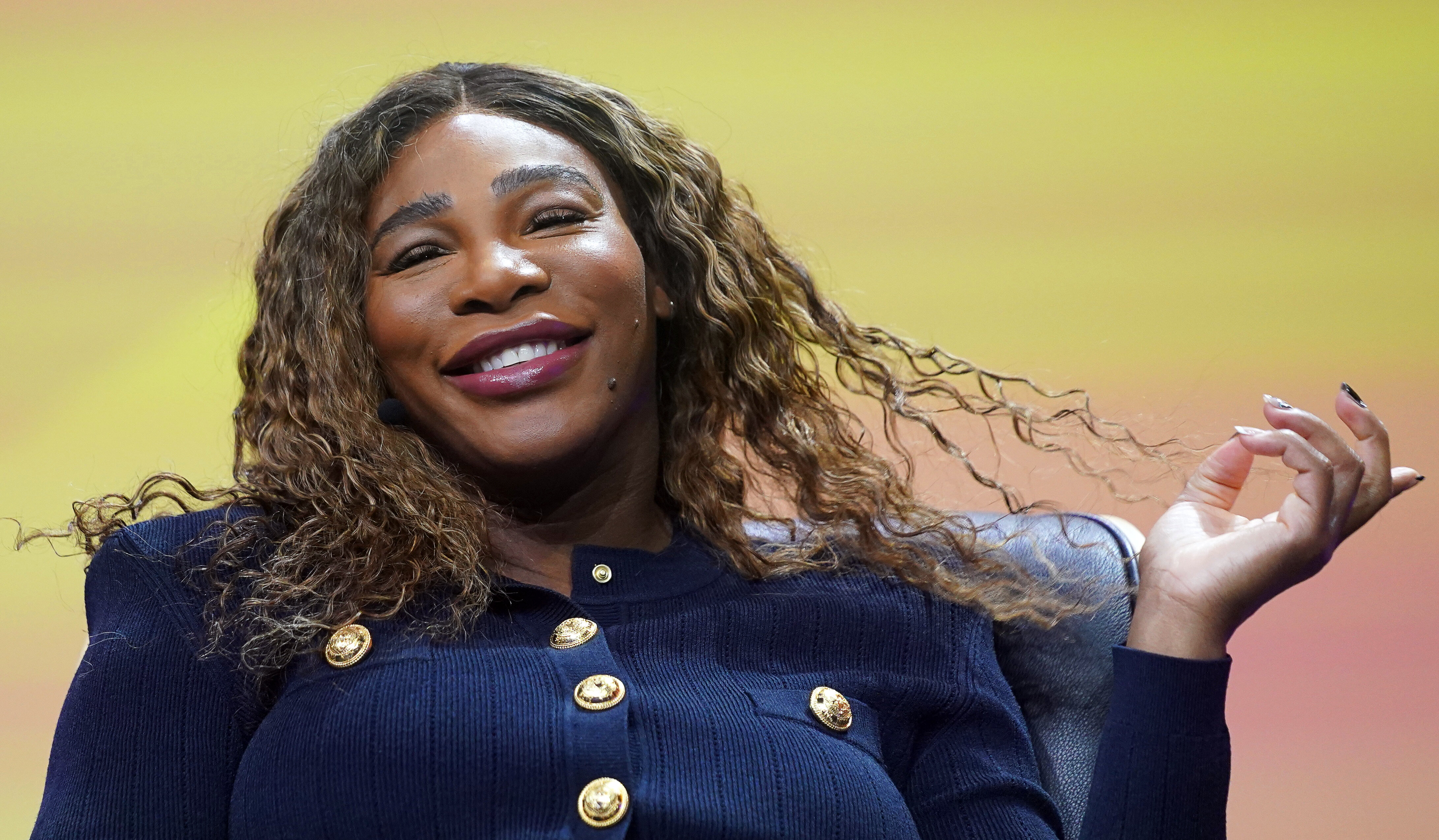
Tennis great Serena Williams can still serve up entertainment – and now she’s doing it at home.

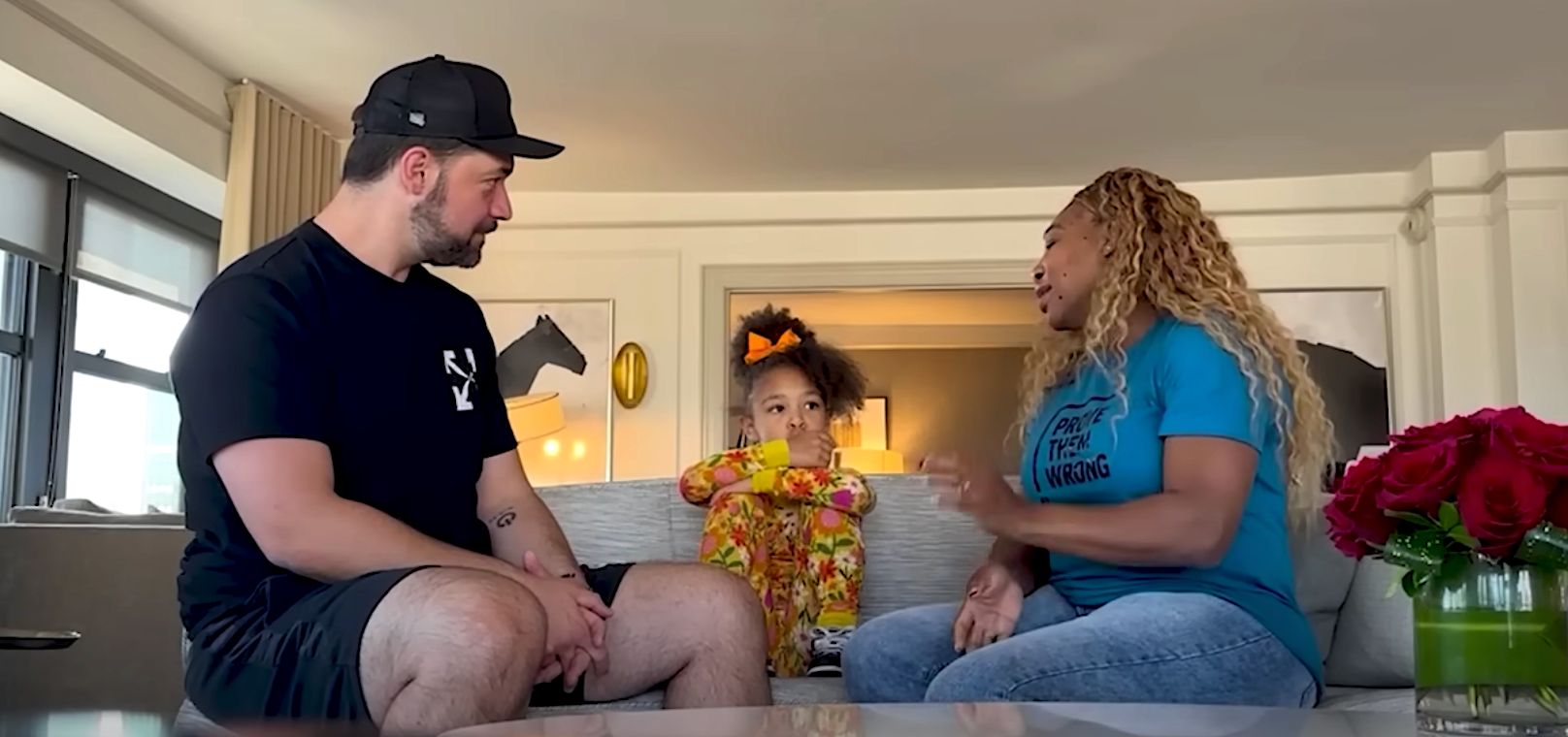
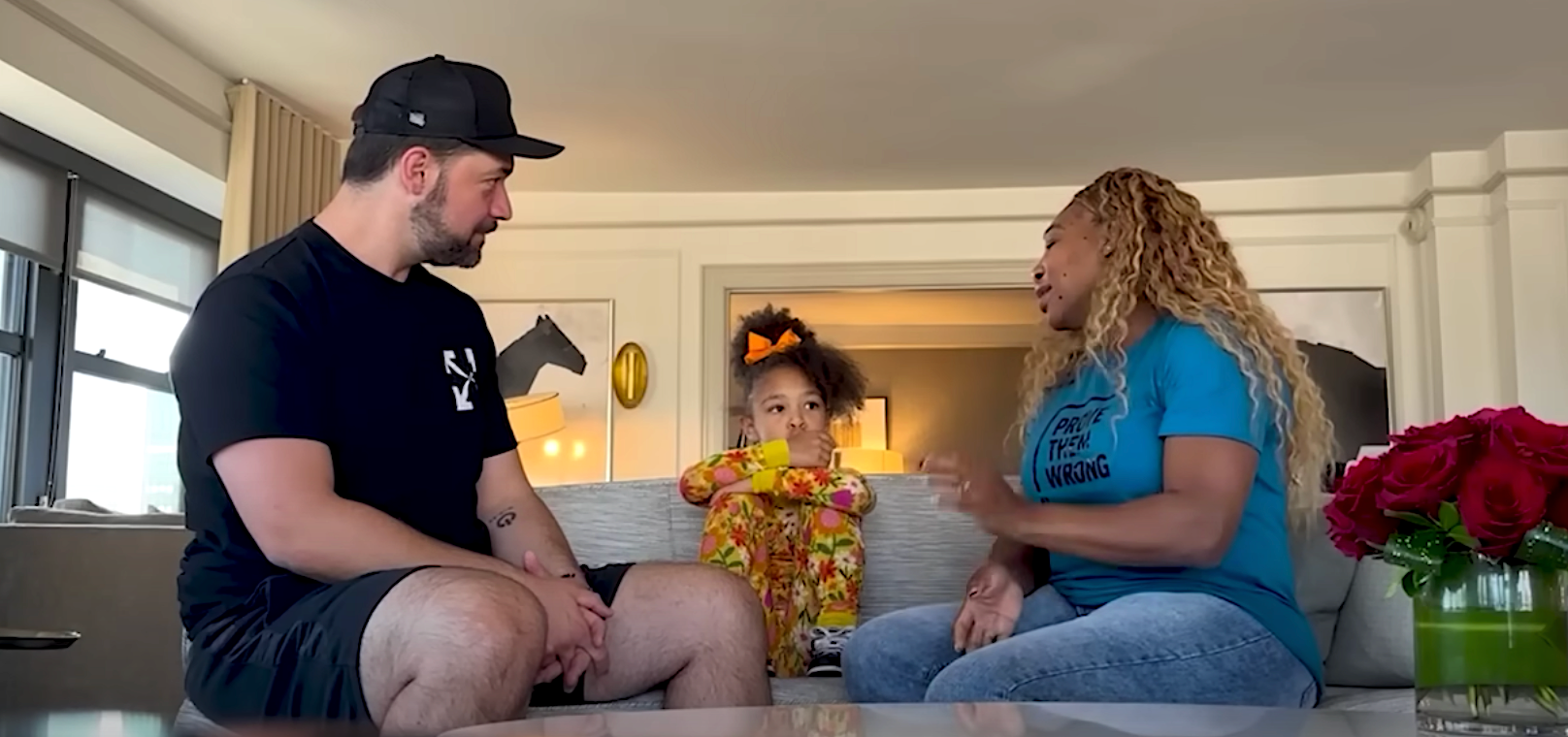
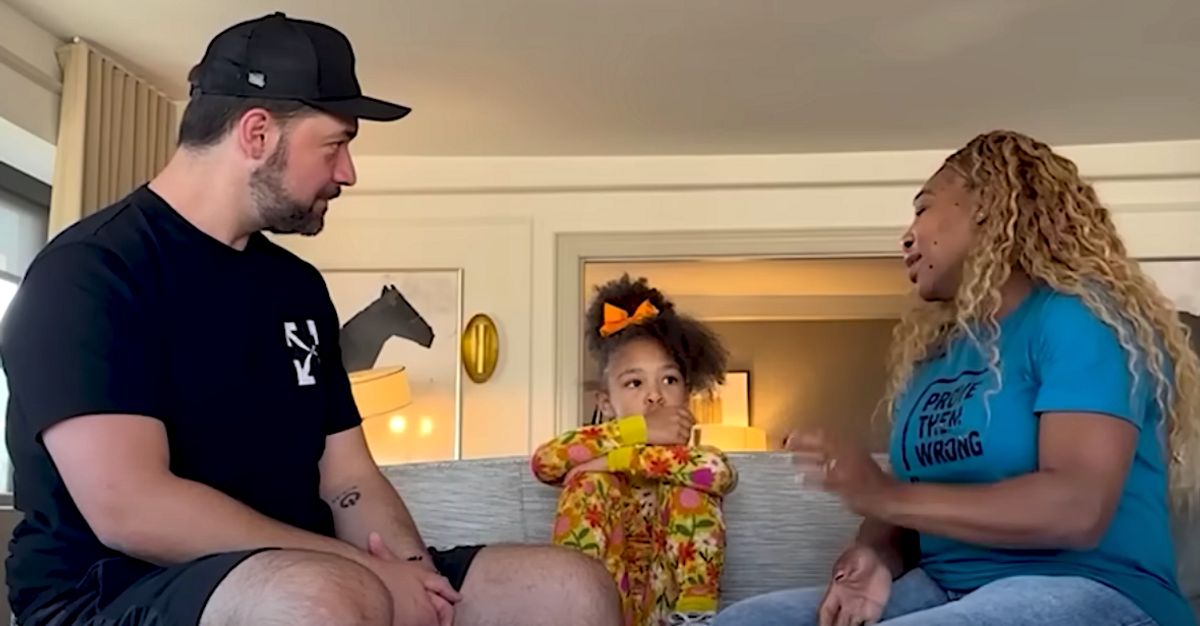
The 23-time Grand Slam singles champion shared a video this week of her telling daughter Olympia that she’s pregnant.

The five-year-old, whom Williams was carrying when she won the Australian Open in 2017, had been worrying about Serena’s weight gain, the athlete explains in the video.

“Remember how you’ve been praying/planning for a little sister or brother?” Williams says to her daughter. “Well, we went to the doctor, and it turns out I’m not getting fat, but I have a baby in my belly.”

“Are you kidding me?” Olympia replies.

“You’re gonna be a big sister,” confirms Alexis Ohanian, Williams’ husband and Olympia’s father.

Olympia shrieks and hugs her mum.

“Oh, my god! I’m so excited!” she says.

She screams again as she sprints out of the room ― where she apparently falls.

“I’m OK!” Olympia yells off-camera.

Williams, 41, has ostensibly been retired since last year’s U.S. Open, and one of the reasons she cited was to grow her family.

But the new video shows the funny exchange in full:

Share Button

Boris Johnson: Covid Rule-Breaking Claims ‘A Load Of Nonsense’

Boris Johnson has branded suggestions he may have taken part in further rule-breaking during the pandemic “a load of absolute nonsense”.

The former prime minister would not say who he believes is trying to “stitch him up”, having previously claimed he appears to be the victim of a politically motivated plot.

But he insisted that the Cabinet Office decision to hand over entries from his official diary during the pandemic to police without first querying them with him was “ridiculous”.

No 10 and the Cabinet Office are adamant that ministers were not involved when Whitehall officials passed concerns to the Metropolitan Police and Thames Valley Police.

The entries revealed visits by Johnson’s friends to Chequers – the prime minister’s country estate – and events in Downing Street during the pandemic, according to The Times, which broke the story.

The new information is said to have come to light during a review by taxpayer-funded lawyers ahead of the Covid public inquiry.

Johnson was catching a flight in Washington DC on Friday as part of his trip to the US, where he is speaking about the war in Ukraine, when he was approached by a Sky News journalist asking about the revelations.

“You want my honest view, I think this whole thing is completely nonsensical,” he said.

Asked what the entries show, he replied: “They merely record events in my day.”

Johnson was previously fined for attending a gathering in Downing Street to mark his birthday in June 2020 – one of a series of political crises that ultimately led to the end of his premiership.

“This whole thing is a load of nonsense from beginning to end… I think it’s ridiculous that elements in my diary should be cherry-picked and handed over to the police, to the Privileges Committee without even anybody having the basic common sense to ask me what these entries referred to,” he said.

Asked whether he believes Sunak is trying to stitch him up, he said: “I just think it’s totally nonsensical and bizarre. There are tens of thousands of entries in the prime ministerial diary… None of them constitute a breach of the rules during Covid.”

Johnson suggested none of the entries in question relate to periods when the country was in lockdown, but times when other restrictions were in place.

He added: “For reasons that – somebody, somewhere, thinks it’s sensible to do this – I don’t.”

The privileges committee, which is conducting an inquiry into whether Johnson lied to Parliament about the partygate scandal, has also been informed of the new information.

The fallout adds to the problems confronting Sunak, who was handed a fixed penalty alongside Johnson over the June 2020 event and now faces unrest from the former prime minister’s allies.

Sunak “definitely” did not go to the grace-and-favour retreat in contravention of coronavirus rules when he was chancellor during the pandemic, his press secretary said.

The rime minister has not discussed the controversy with his predecessor, the spokeswoman said.

Johnson, in a letter to the chair of the Covid inquiry, indicated he was severing ties with taxpayer-funded lawyers representing him.

It is understood he lost confidence in the Cabinet Office.

Labour leader Keir Starmer said earlier on Friday the public was “fed up to the back teeth” with stories about the former prime minister.

“These are deeply personal things and increasing revelations about Boris Johnson, I think, just add to that sense of hurt and people are fed up with it,” he said.

“I do think there are questions now about why have these allegations not come out before, all these allegations.

Share Button

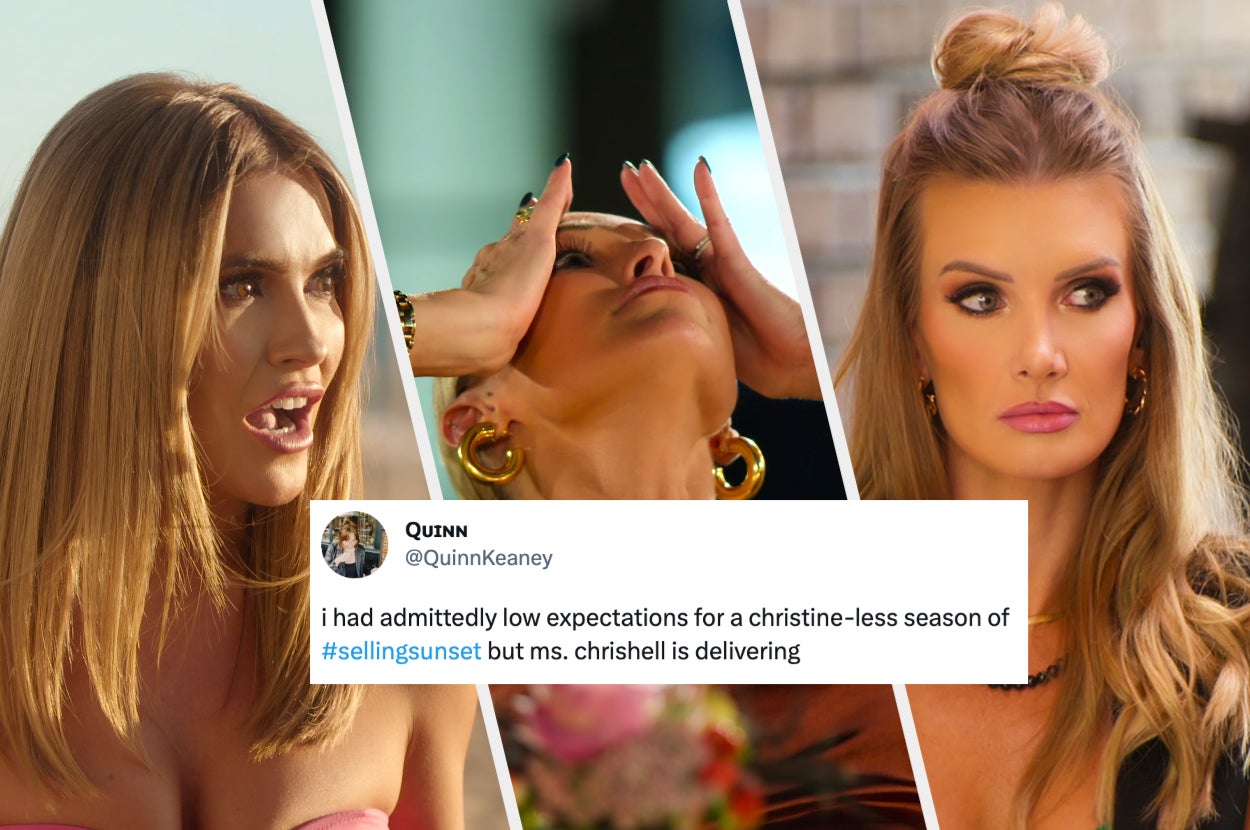
The Absolute Drama And Chaos Of Selling Sunset Season 6 Summed Up In 29 Hilarious Tweets

A mixture of gripping drama, OTT outfits and multi-million dollar houses can only mean one thing – Selling Sunset is back for a new season.

The realtors of the US’ most chaotic property brokerage are up to their usual antics in the hit reality show’s sixth series, which is now available to stream on Netflix.

And as always, there have been plenty of memes, reactions and discourse on social media – which have almost been as entertaining as watching Selling Sunset itself.

Here’s the new season summed up in 29 hilarious tweets…

Anyone concerned that the absence of Christine would impact the drama levels need not have worried…

Although Bre has definitely given quite a few people Christine vibes…

We knew we’d seen new cast member Nicole somewhere before too…

Her beef with Chrishell seemed to come from nowhere…

Chrishell was definitely thriving in a post-Christine Oppenheim Group, and refused to take any BS…

The whole Palm Springs trip – including *that* dinner scene – was reality TV at its peak…

Mary’s complete inability to deal with conflict did not go unnoticed…

The bartender at Heather’s baby shower became one of the unlikely stars of the series…

While the series was largely Davina-less, when she did turn up, it was always pretty iconic…

Oh, but in case you were wondering…

Heather remained a plant-based queen…

And was Chelsea the only one seemingly closing deals this series?

That’s when a fly wasn’t crawling down her throat, of course…

Jason may have had a new girlfriend, but there was another new love of his life in season six…

The outfits went up several levels this season…

Emma basically telling her boss “do some fucking work” was a total mood…

As was Chrishell telling Mary that Jason’s penthouses were overpriced…

And it sounds like there’s some unexpected drama between Chrishell and Amanza on the way…

Here’s to people causing absolute chaos in the workplace…

Selling Sunset seasons 1-6 are available to stream on Netflix now.

Share Button

Rihanna Wore A Stunning Diamond Ring On Her Toe And It’s Everything

Rihanna shines bright like a diamond from her head down to her toes.

The We Found Love singer showed off a gorgeous diamond ring ― which she wore on the third toe of one of her feet ― on her TikTok page earlier this week.

The 38-second video, captioned “quiet luxury”, starts with a shot of the entertainer’s feet before she begins walking.

Scott Friedman, a master gemologist appraiser at the International Gemological Institute, told HuffPost more about the accessory on Friday.

“Judging by the photos, the stone itself appears to be a classic pear brilliant cut diamond, weighing around 15-20 carats,” Friedman estimated, adding that it is “set in a classic solitaire setting, most likely using platinum metal.”

A closer look at the diamond ring Rihanna was wearing on her toe.

TikTok/Rihanna

Rihanna captioned the video Quiet luxury. The popular term and trend are often used to describe a type of dress and lifestyle that members of the 1% typically employ.

The descriptor ― also synonymous with stealth wealth ― has become more popular lately because of the HBO hit Succession.

On the show, characters that embody quiet luxury typically shun clothing or accessories with loud, designer labels and opt for lowkey displays of wealth that only other members of their class would recognise.

“So-called ‘quiet luxury’ is so much more than a passing trend; it’s a lifestyle,” Chris Reid, head designer at Carl Friedrik, told HuffPost earlier this year. “Born out of subtlety, the style is softer than minimalism but has a more polished look than other style trends, like normcore, for example.”

Rihanna appears to be winking at the term while also starting a “toe ring revolution” amongst her fans, according to her TikTok comments.

“Rihanna rocks a toe ring, so I went out and bought a toe ring,” one commenter said.

“And on that day, a toe ring revolution began,” another added.

Others pointed out that the singer might’ve been announcing her engagement ― or wearing what they wish was their engagement ring.

“She said YES!” one fan joked, while another wrote: “Not the queen wearing most peoples DREAAM ENGAGEMENT RING on her little toe… not even the big toe 🥲.”

Share Button

Laura Trott Leaves Frustrated Theo Paphitis Head In Hands On Question Time

Conservative minister Laura Trott has left entrepreneur Theo Paphitis exasperated on BBC Question Time over her response to questions about immigration.

The former judge on TV’s Dragon’s Den hit out at the Conservative politician for attacking Labour party policies when asked to explain why her government was failing on immigration.

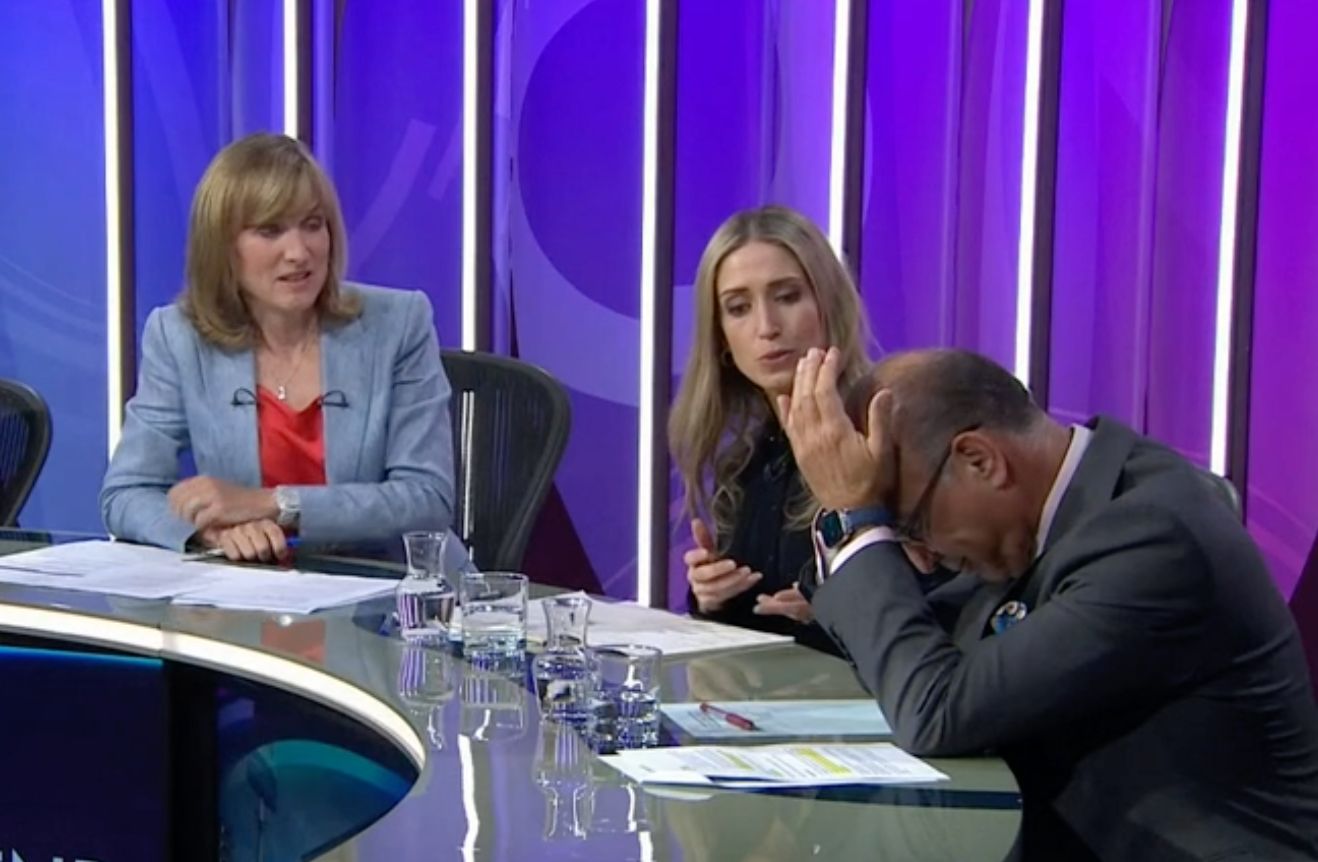
He later literally put his head in his hands as Trott struggled to explain how her party would keep migration numbers down after 13 years in power.

It comes as net migration into the UK has hit a record high, according to official figures published on Thursday.

<img class="img-sized__img landscape" loading="lazy" alt="Fiona Bruce, Laura Trott and Theo Paphitis on BBC Question Time, which this week came from Gravesend.” width=”719″ height=”470″ src=”https://www.wellnessmaster.com/wp-content/uploads/2023/05/laura-trott-leaves-frustrated-theo-paphitis-head-in-hands-on-question-time-1.jpg”>
Fiona Bruce, Laura Trott and Theo Paphitis on BBC Question Time, which this week came from Gravesend.

BBC Question Time

In a major embarrassment for Rishi Sunak, the Office for National Statistics show 606,000 more people entered the country than left it in 2022.

That is up from the estimated 504,000 it was at in the year to June 2022.

At the last election, the Tories promised to bring immigration down from the 226,000 it was then.

Ministers have insisted that the war in Ukraine, as well as the political upheaval in Hong Kong, has played a major part in the surge in numbers coming to Britain.

On Question Time, in response to the first question on the show – What is the right level of immigration? – Trott essayed the Ukraine and Hong Kong influx and said that the Tories have “got a plan to bring immigration down”, including the small boats crackdown.

She added: “The last thing I’ll say is you can’t trust Labour on this one. They went into the last election saying they wanted freedom of movement. As recently as 2020, Keir Starmer said he wanted to defend free movement.”

When it came to Paphitis, he said: “I’ve never been (so) disappointed when a politician comes on, gets asked a question, and the first thing they do rather than answering a question is attack the opposition. It was a question that needed an answer.”

Later, when discussing the same question, host Fiona Bruce asked Trott repeatedly who currently on work visas would the Conservative government prefer not to be coming to the UK.

“It’s really important we have more training for people in the UK,” said Trott, who would only point to lorry drivers as an example, which a frustrated Bruce suggested would not make much of a dent in the 606,000 figure.

When Trott said “I would like lots of jobs to be done by British people …” after the fifth time of asking, she was interrupted by Bruce who said: “(Paphitis) has got his head in his hands so we’re not getting anywhere.”

This week’s programme came from Gravesend in Kent. The other panellists were Labour’s Peter Kyle, Munira Wilson of the Lib Dems and journalist Janet Street-Porter.

Share Button