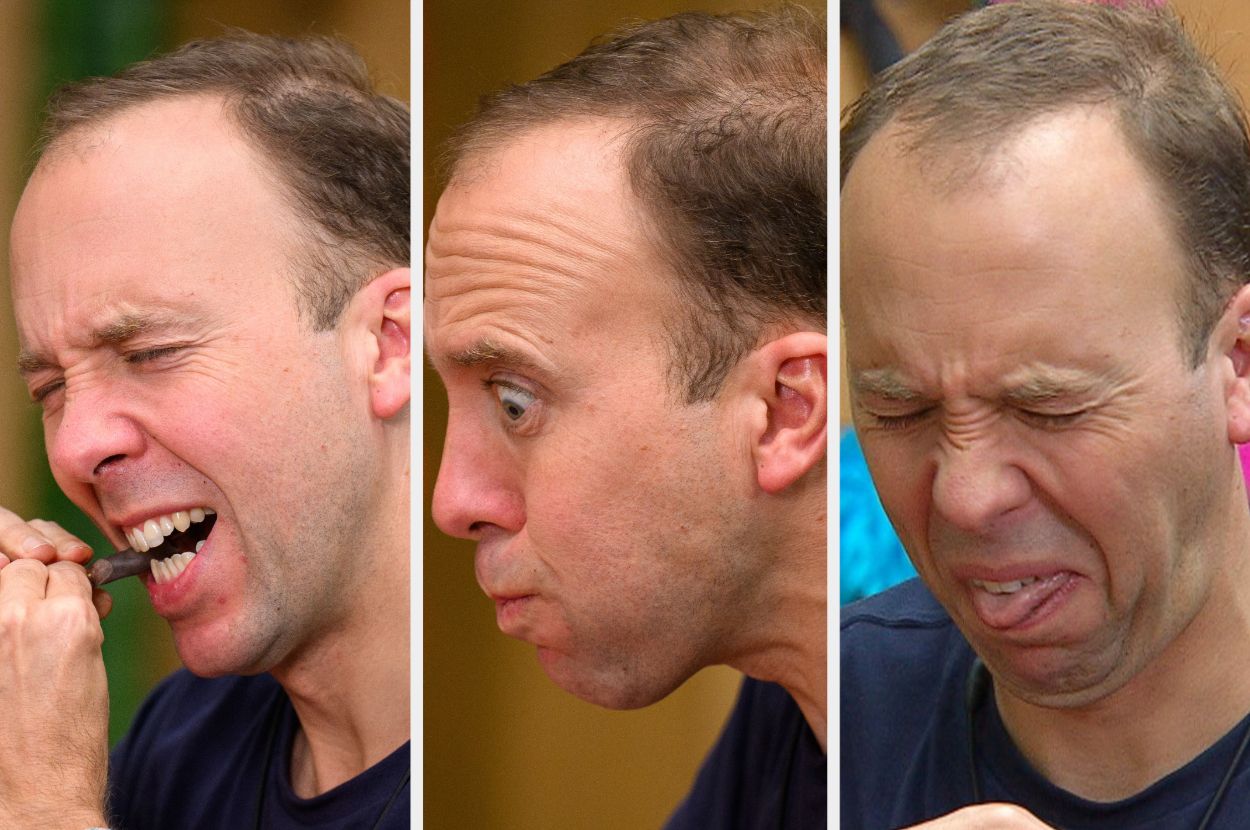
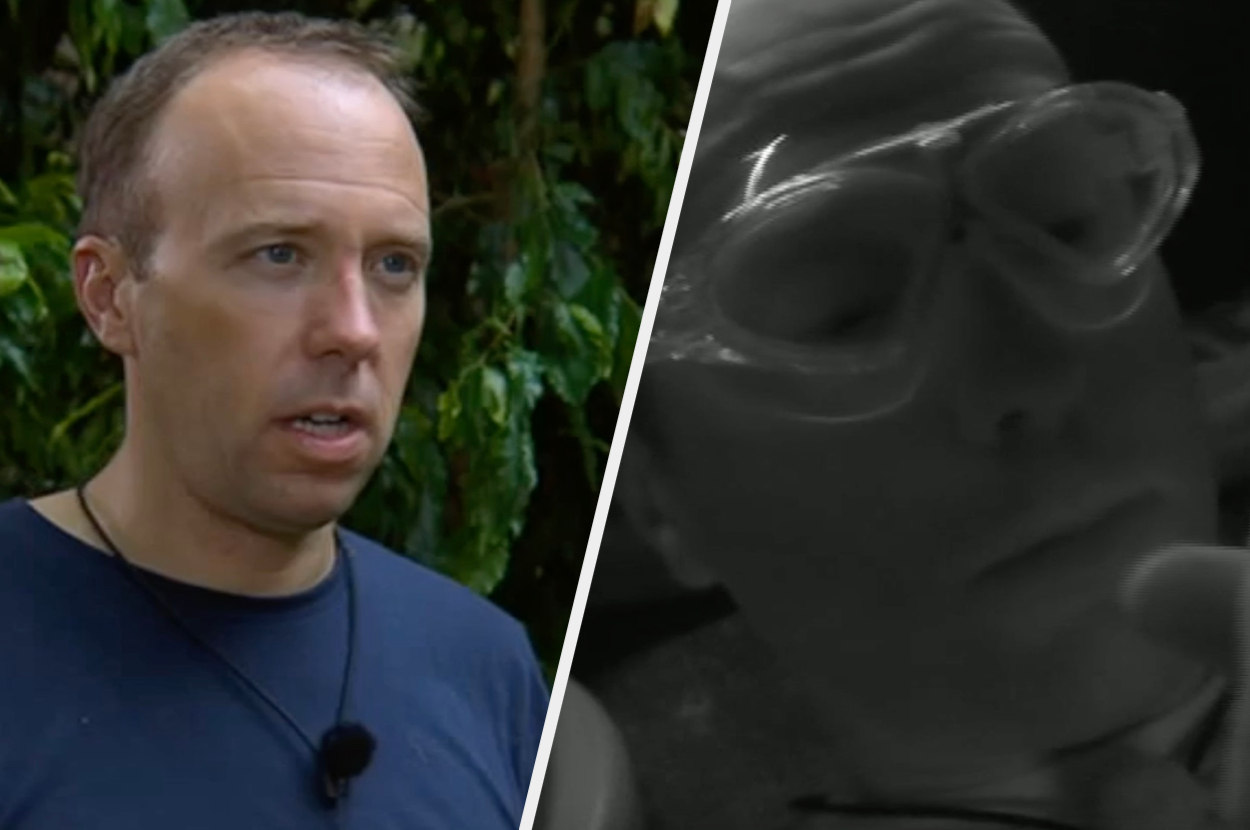
Parliament’s standards watchdog has received dozens of complaints about Matt Hancock swapping Westminster for I’m A Celebrity – including one criticising his decision to eat “a buffet of animal genitalia” in a Bushtucker Trial on Remembrance Day.
Parliamentary commissioner for standards Kathryn Stone told MPs on Tuesday that her office had receive “dozens of complaints” about the former health secretary’s decision to join the reality TV show.
“It raises really important questions about members’ proper activities while they’re supposed to be fulfilling their parliamentary duties and representing their constituents,” she said.
“One member of the public contrasted the dignity of veterans on Remembrance Sunday with a former secretary of state and they said this individual was waiting for a buffet of animal genitalia and they wondered what had happened to the dignity of public office.”
On Remembrance Day on Friday, Hancock munched on a camel’s penis, sheep’s vagina and cow’s anus.
Stone, who is soon to leave her role, said “there is no job description for MPs but we have to think very carefully about the conflict between public and private interests, bringing the House into disrepute and so on”.
But she said it was not something that would fall to her office to investigate, telling the Commons Standards Committee, “it doesn’t breach a rule per se, unless we are thinking about the conflict between personal and public interest, and settling that conflict in the interests of the public”.
Hancock has come in for widespread criticism for his decision to fly out to compete on the popular ITV show, which has seen him take part in several Bushtucker Trials already.
Reports that Russian missiles have crossed into Nato member Poland, killing two people, have prompted alarm over the possibility of the war in Ukraine escalating into a much wider conflict.
A violent act on a Nato member – which Ukraine is not, but neighbouring Poland is – could trigger Article 5 of the military alliance’s charter. This “one-for-all and all-for-one” principle of collective defence means an attack on one is seen as an attack on all, and all members are expected to respond to assist their ally.
Advertisement
What makes this especially worrying is triggering the article would increase tensions between the US and Russia, the world’s two biggest nuclear powers.
But, with details of the incident yet to be confirmed, the prospects of a World War Three-like scenario very much depends on whether it was a deliberate act or an error.
What is Nato and Article 5?
The military alliance goes by the acronym of Nato.
The North Atlantic Treaty Organisation was formed in 1949 to prevent a resurgence of nationalism and militarism in Europe after two world wars, and to deter the Soviet Union’s expansion.
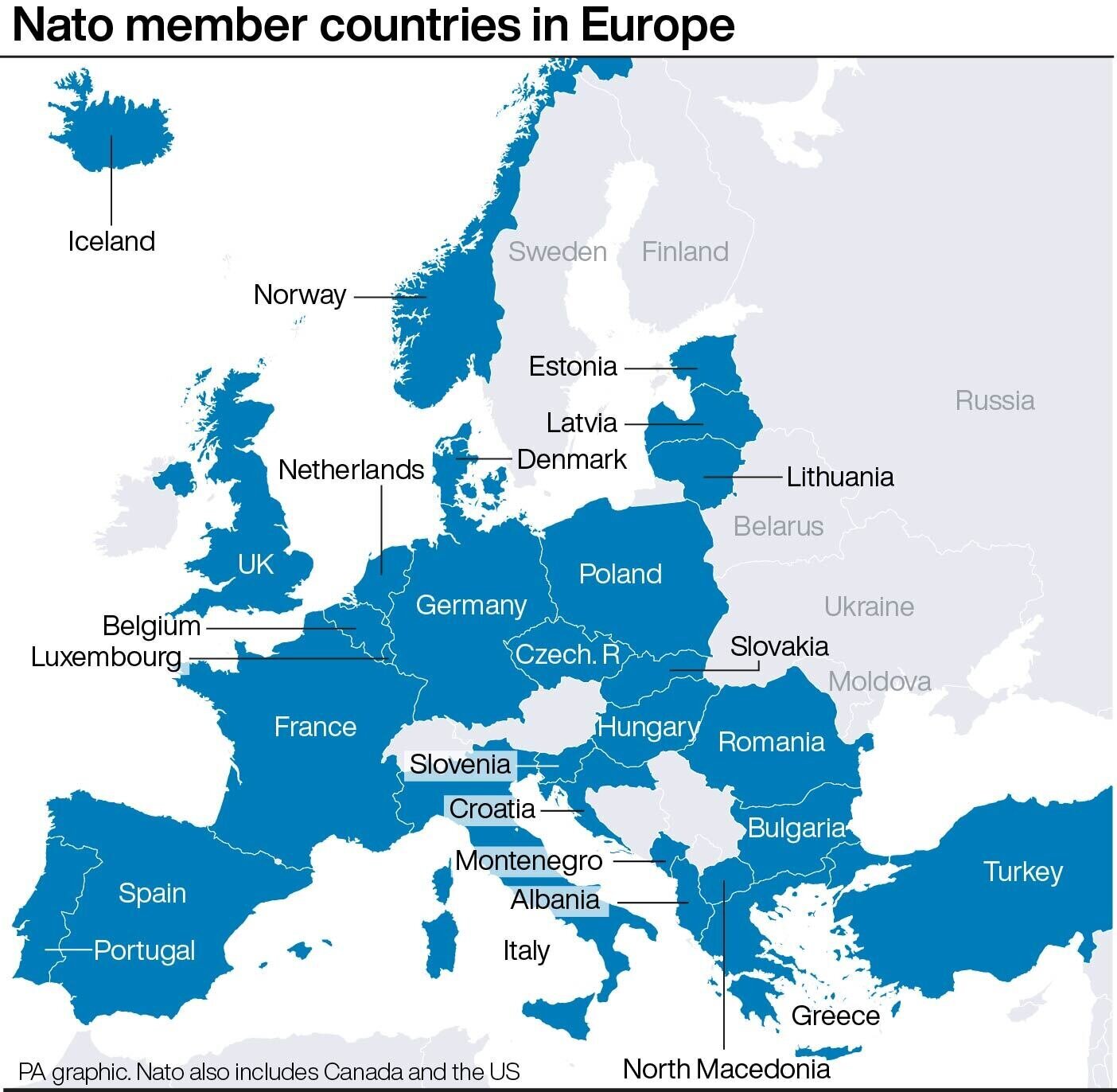
Its membership has swelled to 30 member nations, and over the 1990s and 2000s its enlargement stretched further east to include the former Soviet republics of Estonia, Latvia and Lithuania. Poland joined in 1999.
Advertisement
Since the start of the Ukraine war, Sweden and Finland, which shares a 1,300-km (810-mile) border with Russia, have sought membership, marking a radical break in the policy of both north east European countries given their staunch military neutrality.
Members agree to mutual defence – military action – in response to an enemy attack. The principle goes: “An attack against one ally is considered as an attack against all allies.” This is Article 5 of the Nato constitution.
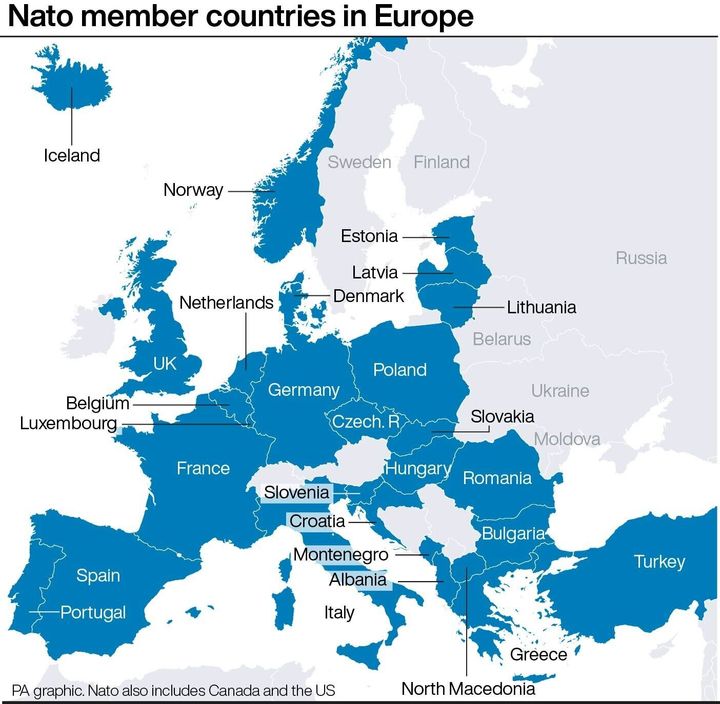
Nato member countries in Europe.
PA Graphics via PA Graphics/Press Association Images
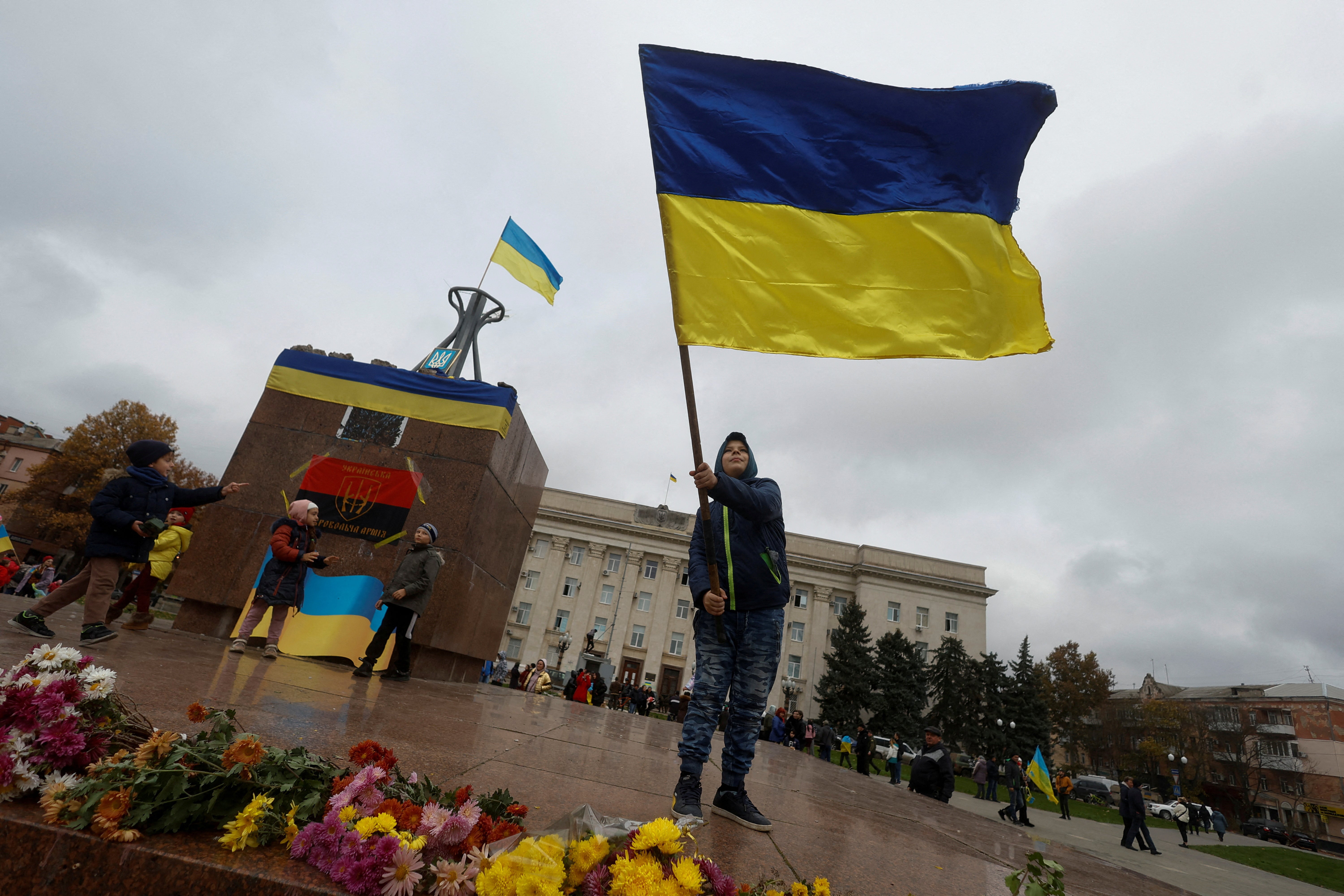
Because Ukraine is not a member of Nato, Western support for Volodymyr Zelenskyy has fallen short of putting their troops on the ground. US president Joe Biden has made clear his concern about further escalating tensions with Russian president Vladimir Putin.
Ukraine’s admission to Nato has been a stated goal going back to its constitution in 2002. And while Zelenskyy has announced Ukraine is formally applying for fast-track membership, it seems unlikely Nato will accept his application while a war is raging.
Advertisement
Nato invoked Article 5 for the first and only time in its history after the 9/11 terrorist attacks against the US.
What has happened in Poland?
Since the war began eight months ago, there have been fears clashes with neighbouring countries such as Poland would up the ante dramatically.
On Tuesday, two people were killed in an explosion in Przewodow, a village in eastern Poland near the border with Ukraine. The Associated Press cited a senior US intelligence official as saying the blast was due to Russian missiles crossing into Poland.
The Polish Foreign Ministry late on Tuesday said that a Russian-made missile fell in eastern Poland and killed two people.
The ministry said foreign minister Zbigniew Rau summoned the Russian ambassador and “demanded immediate detailed explanations”.
Advertisement
Biden, in his call with Polish president Andrzej Duda, “offered full US support for and assistance with Poland’s investigation” and “reaffirmed the United States’ ironclad commitment to Nato”.
Biden also spoke to Nato secretary general Jens Stoltenberg, who was among those to hold a call with Duda.
The Russian defence ministry denied being behind “any strikes on targets near the Ukrainian-Polish border” and said in a statement that photos of purported damage “have nothing to do” with Russian weapons.
So will it mean all-out war?
Experts seem to think the gravity of the situation depends on whether it was a deliberate attack – either to escalate the war or to test the West’s response – or an accidental misfire. In any case, it is up to Poland to decide the next steps.
Poland could instead invoke Article 4 – consultation with fellow Nato members if they fear their territorial integrity has been breached. This would likely give Poland more clout within the alliance and encourage the West to offer more military support to both Poland and Ukraine – support that falls short of attacking Russia.
Advertisement
Too early to say if 🇷🇺 missiles/rockets hitting Polish territory were intentional or unintended.
But enough ground for Poland to invoke Article 4 – one ally consulting all others – followed by clear defensive actions such as augmenting 🇵🇱 air defence to re-draw @nato red line
Fabrice Pothier, former director of policy planning for Nato, told Sky News: “It’s too early to say if this was an intended attack, an intended strike on a Nato territory, or whether it was the misfiring of a missile or a rocket.
“However, even if that were the case, I think there is enough grounds for triggering what is just below Article 5, which is Article 4, which is Poland asking all Nato members to come to the Nato headquarters to consult each other to assess the threat and to take concrete action.
“This can be defensive, not going after Russia, but augmenting Poland’s air defence and obviously also augmenting Ukraine’s air defence, because Ukraine is the de facto first line of defence of the alliance.”
In October, British defence secretary Ben Wallace explained that the government is “deliberately ambiguous” about scenarios under Article 5 being triggered.
Advertisement
He said: “Article 5 is very clear, an attack on one is an attack on all, that is solid and in concrete and will be stood by.
“Article 5 doesn’t necessarily mean all-out war, people sometimes think it means the whole thing, but nevertheless there would be a response to an attack on Nato.”
Matt Hancock has admitted he is “starting to enjoy” the I’m A Celebrity Bushtucker trials as the politician completed his sixth consecutive challenge.
The public voted on Sunday night for the former health secretary, 44, to take part in another trial, which saw the MP for West Suffolk lying on his back in an underground pit as he attempted the Deserted Down Under.
Advertisement
Before the trial, he said: “I’m growing in confidence. I quite like a challenge anyway. So, you know, I don’t think I should say this … I’m starting to enjoy them and look forward to it.”
Hancock struggled through the challenge, which saw him given 11 minutes to unlock 11 stars while faced with spiders and cockroaches, as well as his biggest fear, snakes.
At one point Hancock told the show’s presenters, Ant McPartlin and Declan Donnelly: “I’m just trying to talk about them (the snakes) as if they’re completely normal.”
Later Hancock got a fright, shouting: “Something’s going up my leg. It’s inside my shorts.”
It comes after he faced his fear of snakes in his previous trial House of Horrors, where a snake attempted to strike him at eye level.
Advertisement
Approximately four minutes into Deserted Down Under, Hancock said: “I can’t get this done.”
The politician became frustrated with himself during certain points of the challenge, and at one point the lights went out and he was left to complete the challenge in the dark.
At the end of the trial, it was confirmed that Hancock had won seven out of a possible 11 stars.
Reflecting on the experience and being in close proximity to snakes during the challenge, Hancock said: “I just managed to keep really calm. I had to be gentle with them, but they were fine.”
Adding: “My biggest fear [was snakes]. I kind of feel like I’ve faced that. I’ve conquered a fear.”
Hancock seemed disappointed with himself, commenting on the number of stars he managed to secure: “It’s not 11 is it? Fine for dinner, haven’t hit it out of the park.”
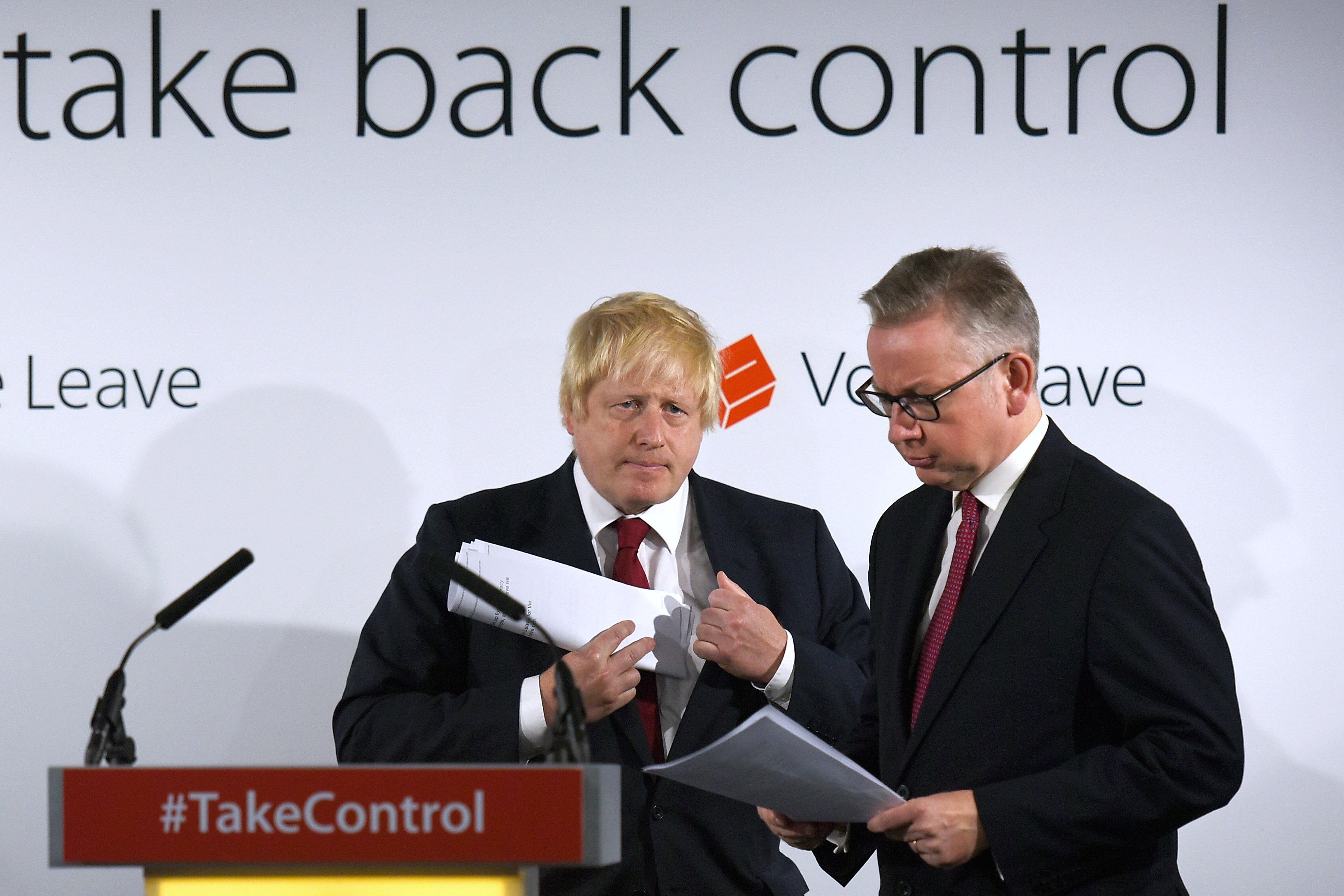
Former environment secretary George Eustice has admitted the UK’s post-Brexit trade deal with Australia is “not very good” in a barely disguised attack on Liz Truss’s time as international trade secretary.
Eustice served in the cabinet under Boris Johnson, but was sent to the backbenches when Truss became prime minister.
Advertisement
Speaking during a general debate on the Australia and New Zealand deals in the Commons, Eustice said he is enjoying “the freedom of the backbenches”, particularly as “I no longer have to put such a positive gloss on what was agreed”.
Ex-environment secretary George Eustice says post-Brexit trade deal with Australia “is not actually a very good deal for the UK”: “The UK gave away far too much for far too little in return.” So Liz Truss with a Union Jack umbrella in front of Sydney Harbour Bridge didn’t cut it? pic.twitter.com/BhDXfWn46r
Eustice blamed Truss, who served as international trade secretary from 2019 until 2021, for setting an arbitrary target.
He warned that “unless we recognise the failures that the Department for International Trade made during the Australia negotiations, we won’t be able to learn the lessons for future negotiations”.
Advertisement
The first step, he said, is “to recognise that the Australia trade deal is not actually a very good deal for the UK”, adding: “It wasn’t for lack of trying on my part.”
Eustice went on: “The UK went into this negotiation holding the strongest hand, holding all of the best cards, but at some point in early summer 2021, the then trade secretary (Truss) took a decision to set an arbitrary target to conclude heads of terms by the time of the G7 summit, and from that moment the UK was on the back foot repeatedly.
“In fact, at one point that then trade secretary asked her opposite number from Australia what he would need in order to be able to conclude an agreement by G7, and of course the Australian negotiator very kindly set out the Australian terms, which then shaped eventually the deal.”
Truss became notorious for the photoshoots during her overseas trips when trying to forge new trading partnerships. Perhaps the most infamous came when she posed with a Union Jack umbrella atop a London-made Brompton bicycle in front of Australia’s iconic Sydney Harbour Bridge. “Get on your bike and look for exports,” Truss tweeted.
Advertisement
Eustice also has called for the resignation of the interim permanent secretary for the Department for International Trade, Crawford Falconer, after telling the Commons he “resented” people who understood technical trade issues better than he did.
The ex-cabinet minister said Falconer’s approach during the negotiations was to “internalise” Australian demands even if they were against UK interests, and that his advice was “invariably to retreat and make fresh concessions”.
Eustice insisted on having always been a “huge fan” of the British civil service, but added: “I do want to make comment about personnel within the Department for International Trade, because Crawford Falconer, who is currently the interim permanent secretary, is not fit for that position, in my experience.
“His approach always was to internalise Australian demands, often when they were against UK interests, his advice was invariably to retreat and make fresh concessions and all the while he resented people who understood technical issues greater than he did.
“He has now done that job for several years. I think it would be a good opportunity for him to move on and to get a different type of negotiator in place, somebody who understands British interests better than I think he’s been able to.”
A former Bank of England policymaker has said that the UK economy has been “permanently damaged” by Brexit, because it reduced the country’s potential output and resulted in reduced investment into UK businesses.
In an interview on Bloomberg TV, Michael Saunders said that Jeremy Hunt’s “austerity budget” this week is a consequence of leaving the EU.
Advertisement
Saunders joined the rate-setting Monetary Policy Committee shortly after the Brexit referendum in 2016, and left the role in August this year.
He said: “The UK economy as a whole has been permanently damaged by Brexit. It’s reduced the economy’s potential output significantly, eroded business investment.
“If we hadn’t had Brexit, we probably wouldn’t be talking about an austerity budget this week. The need for tax rises, spending cuts wouldn’t be there if Brexit hadn’t reduce the economy’s potential output so much.”
Advertisement
This message needs to be repeated loudly and often. Brexit is ONE OF the causes of the pain that will be felt by everyone as austerity bites. To turn things around, it will be necessary (but not sufficient) to join the single market and customs union. We need to face reality. https://t.co/UMsvhW2api
On Sunday, Hunt denied that Brexit has made the UK poorer – despite the government’s own Office for Budget Responsibility saying it has.
The chancellor, who campaigned for Remain in the 2016 referendum, insisted the UK can make a “tremendous success” of leaving the EU.
He said it is important to consider the effects of Brexit “in the round”, and that Brexit brings both “costs” and “opportunities”.
The chairman of the OBR, Richard Hughes, last year said that Brexit would reduce the UK’s potential gross domestic product by 4% in the long term.
Advertisement
Saunders, who is now senior economist at Oxford Economics, added some of the ambitions behind Liz Truss’s failed mini-budget were correct in that “raising potential output is the big challenge”, but her “suggested solution to cut taxes and deregulate are wrong”.
He added: “I put the emphasis more on improving trade links with the EU, improving education, training, and also fixing this worrying rise in long-term sickness, which has been reducing the workforce so much.”
Saunders said the economy has faced a “challenging period with the Brexit vote, the depreciation of sterling, a long period of political uncertainty, the pandemic and then renewed political uncertainty”.
Last week, former Bank of England governor Mark Carney doubled down on his claims the move has taken a toll on the pound, suggesting the decision to leave the EU continues to play a part in the UK’s financial woes.
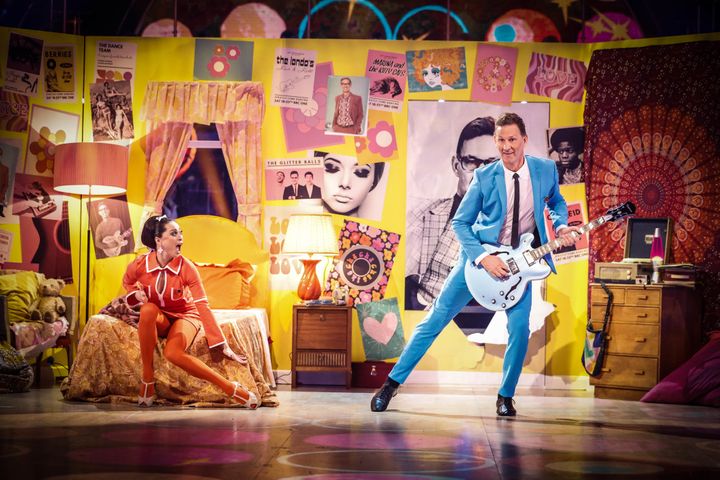
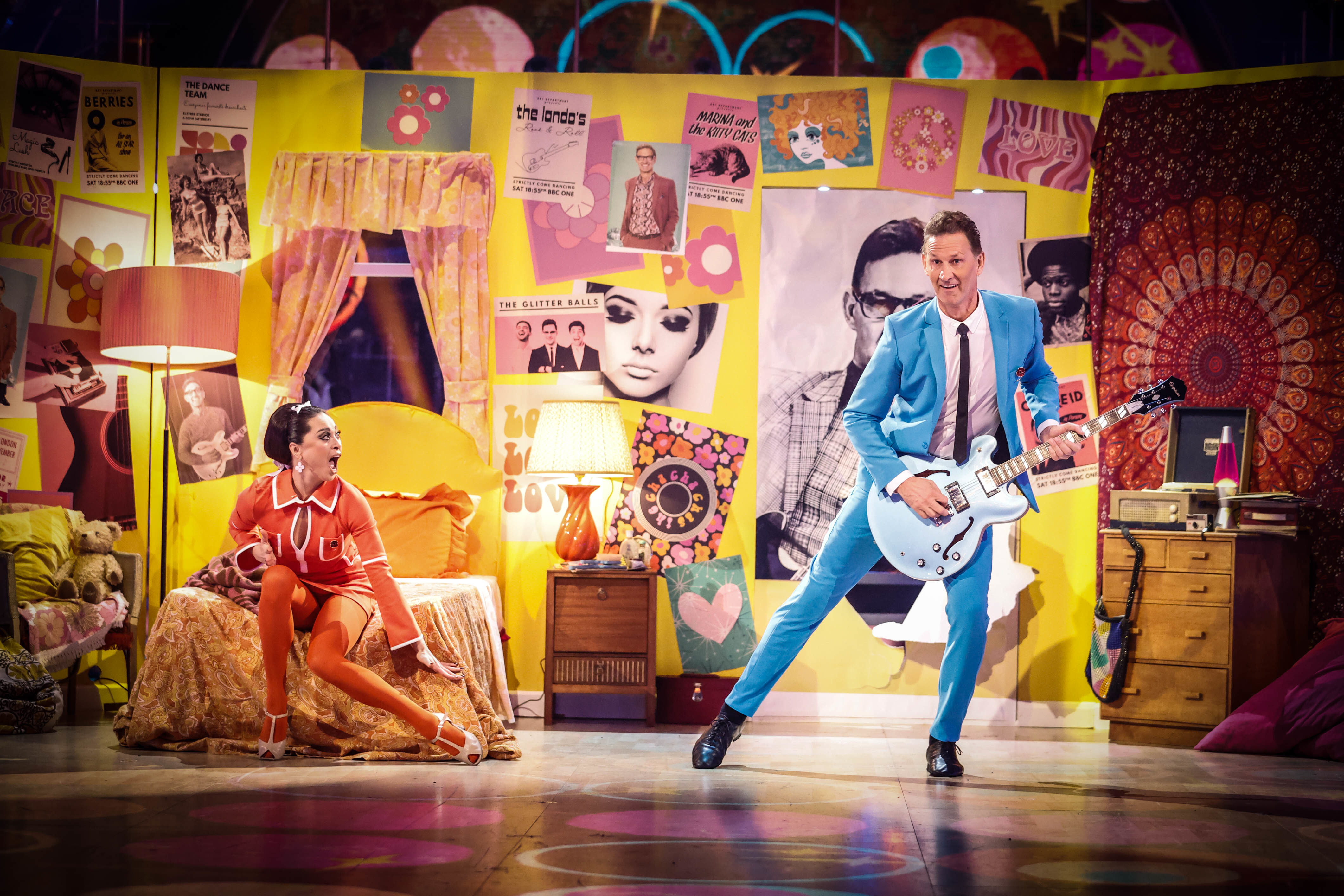
The BBC ballroom show had to cancel its latest elimination after the former footballer sustained an injury ahead of having to perform in the dance-off.
Host Tess Daly explained to viewers: “Due to an injury sustained on Saturday night, Tony is unable to take part in the dance-off and has decided to withdraw from the competition. This means there will be no dance-off tonight and Tyler and Dianne are through to Blackpool.”
Tony later said of his time on the show: “It’s been emotional guys, I cried for the first month. I came in here with one message, if you’ve got an issue with mental health then please don’t suffer in silence and reach out for help.
“Little did I know that I was going to learn a lot about myself in the process. I thought this ‘journey’ rubbish was nonsense, but my god the rollercoaster of emotion. I’ve got to be honest, it’s tough, physically it’s really tough out there, but dancing is really fantastic for you. Go out there and enjoy it and pick up new skills and explore. I suppose I had better mention this one [Katya] hadn’t I, she is an exceptional human being, she really is.”
Tony and Katya performed a Jive on Saturday’s live show
BBC/Guy Levy
Advertisement
Katya was then asked if she had any words for her partner.
“Tony Adams, I will be forever grateful that I was partnered up with you, do you know what I loved? I loved us, I loved that we didn’t care what people thought, we did every single dance our way!” she said.
“You have come here with a message, you led by example, and put yourself out there, and showed everyone you can do anything. And everyone deserves love and to be loved! I love you.”
Head judge Shirley Ballas added: “On behalf of the judges, we’ve enjoyed watching every second, you are truly what this show is all about, and we can only wish you the very best as you move forward. Please carry on dancing, carry on entertaining people, because you are a star.”
The remaining eight couples will take to the dancefloor next when Strictly Come Dancing returns to the Blackpool on Saturday 19 November at 7.45pm, with the results show following on Sunday at 7:20pm on BBC One.
Jeremy Hunt has denied that Brexit has made the UK poorer – despite the government’s own Office for Budget Responsibility saying it has.
The chancellor – who campaigned for Remain in the 2016 referendum – insisted the UK can make a “tremendous success” of leaving the EU.
Advertisement
He said it is important to consider the effects of Brexit “in the round”, and that Brexit brings both “costs” and “opportunities”.
Hunt told the BBC’s Sunday with Laura Kuenssberg that he would set out “some of the ways that I think we can make a success of it” in Thursday’s autumn statement.
Asked if he denies Brexit has slowed the UK’s economic growth at home, Hunt said: “What I don’t accept is the premise that Brexit will make us poorer.
“I don’t deny there are costs to a decision like Brexit, but there are also opportunities, and you have to see it in the round.
Advertisement
“Literally within months of formally leaving the EU we had a once-in-a-century pandemic, which has meant the process of outlining what the opportunities are has taken longer, but I think we need to do that now.”
But Twitter users pointed out that the chairman of the OBR, Richard Hughes, last year said that Brexit would reduce the UK’s potential gross domestic product by 4% in the long term.
“I don’t accept the premise that Brexit will make us poorer,” says Jeremy Hunt.
If chancellor @Jeremy_Hunt is in denial about the economic harms of Brexit, it doesn’t bode well for his solutions to UK debt. If you get your diagnosis wrong, your treatments are pointless and often harmful. https://t.co/biuQOGR3aJ
Last week, former Bank of England governor Mark Carney doubled down on his claims the move has taken a toll on the pound, suggesting the decision to leave the EU continues to play a part in the UK’s financial woes.
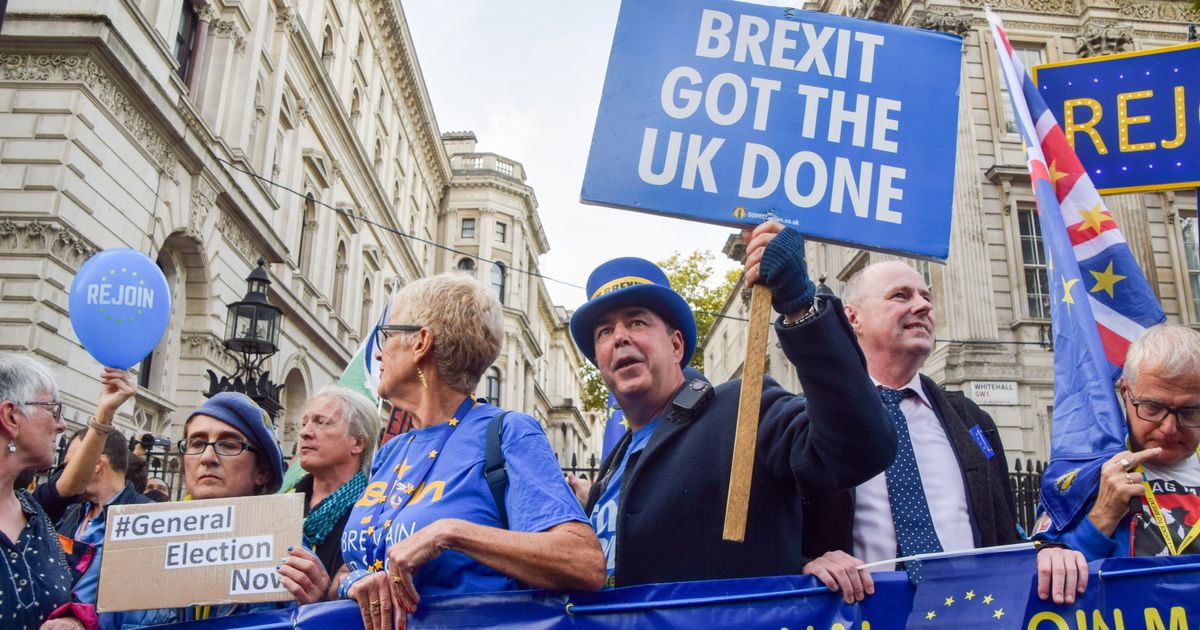
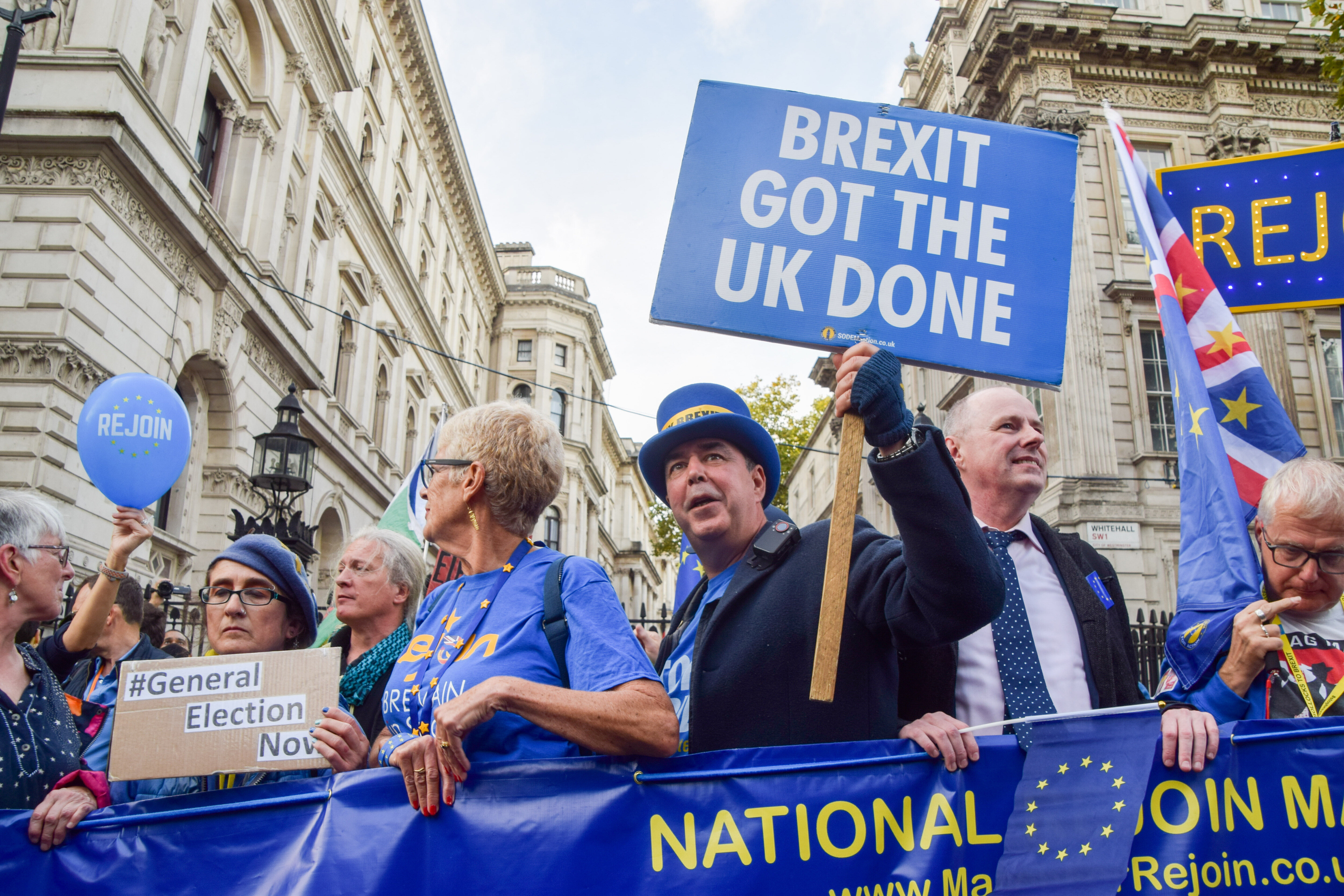
Downing Street has suggested Rishi Sunak is no longer dwelling on the “clear decision” made by the British people six years ago.
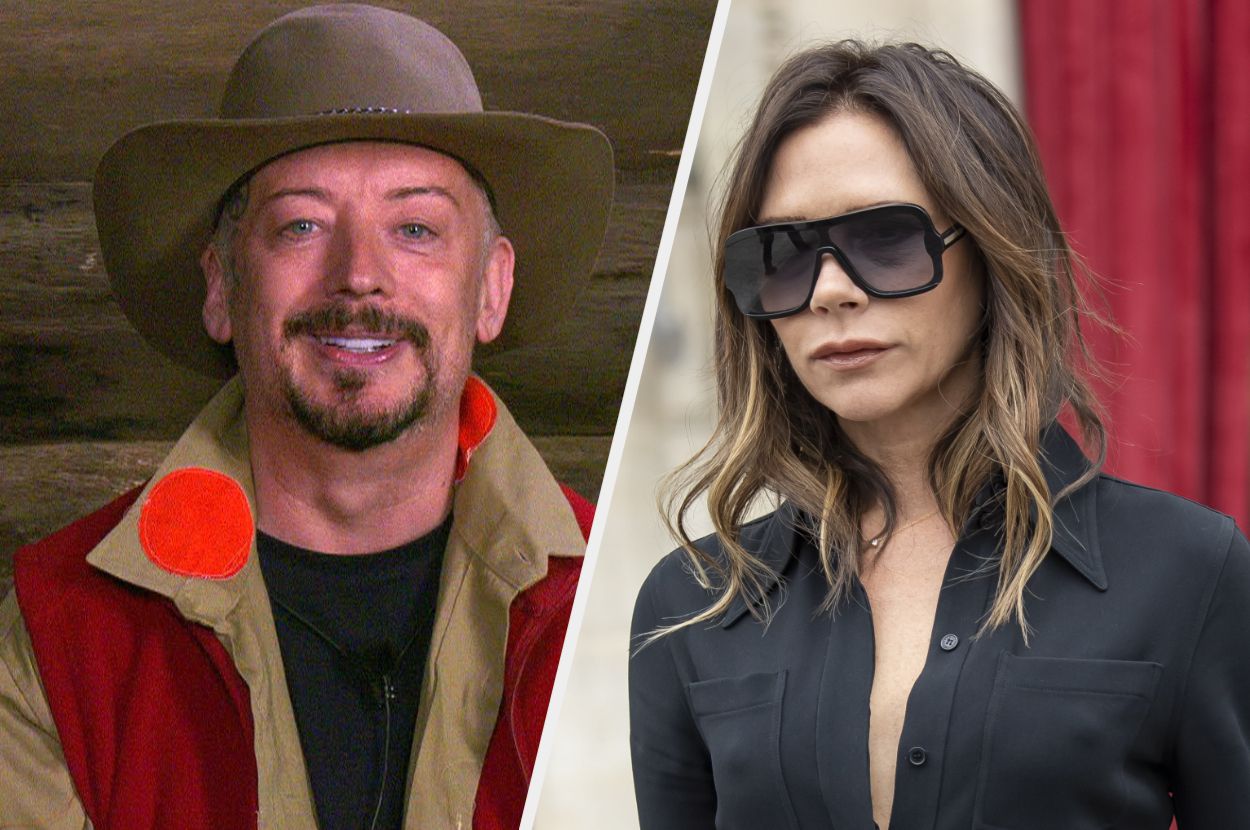
Boy George has revealed he apologised to Victoria Beckham after mistakenly tweeting she’d received preferential treatment on a flight they were both on.
The singer had tweeted back in June: “Nice touch for @britishairways to leave everyone in first class waiting for steps while Victoria Beckham’s car picks her up at the aircraft. Proper going to avoid flying BA for a while!”
However, he later found out that Posh had apparently paid a lot extra to alight the plane first.
Discussing his hasty tweet with his fellow I’m A Celebrity… Get Me Out Of Here! campmates, Boy George revealed: “You know when you’ve been on a long flight and you wake up and you’re in a grumpy mood and you’re trying to get off the plane and they take Posh Spice off before you…
“I was like ‘Why are we having to wait? She’s just walked off the plane, I could have gone with her.’
“I do that a lot when I tweet something and then I think, ‘Why did I tweet that?!’, so I said to my friend who knows her, I said: ‘Just tell her I’m so sorry, I didn’t realise that she’d paid extra for concierge service, it was nothing to do with me!’”
Shortly after finding out he’d been mistaken about Posh’s exit from the plan, George confessed his error on Twitter.
“I’m an impulse tweeter but I get over it faster than most!” he tweeted back in June.
“Myself and @britishairways are back in love. Now I know it costs 6,000 to get off the plane before everyone else.”
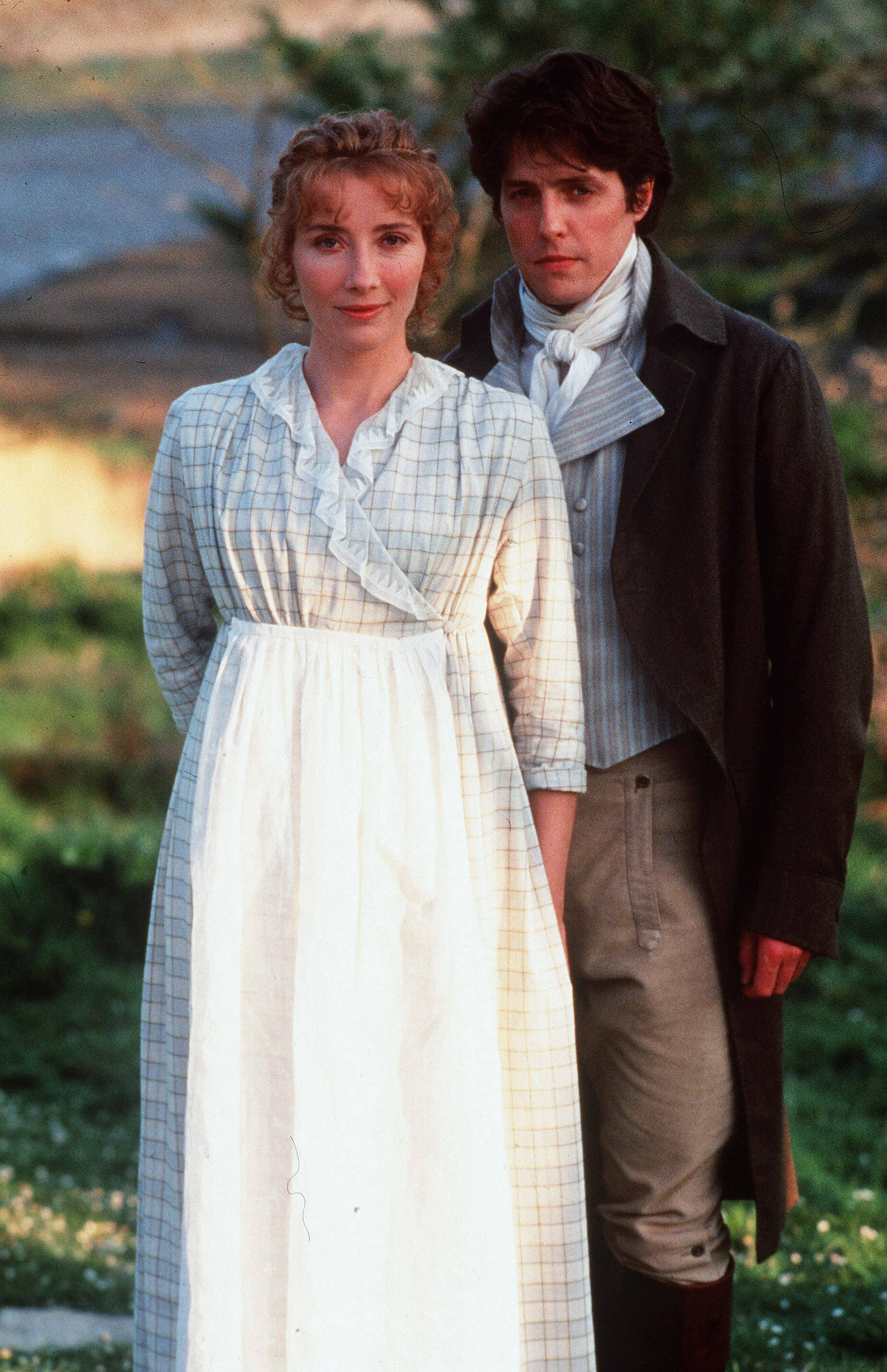
The actor starred as Elinor Dashwood, who is secretly in love with Hugh’s character Edward Ferrars, in the 1995 big-screen adaptation of Jane Austin’s novel.
In a scene near the end of the film, Emma’s character is overcome with emotion when Edward reveals to her he did not get married to the woman he’d been engaged to.
Speaking to the New Yorker, Emma revealed that Hugh was not exactly impressed when she decided to cry over his character’s monologue.
“She was not aware of what was inside her, and it suddenly emerges,” she said, previously writing in her diary, “I was trying to make it as involuntary as possible. A case of the diaphragm taking over.”
She continued: “Hugh Grant was so cross. He said, ‘You’re going to cry all the way through my speech?’ I said, ‘Hugh, I’ve got to. That’s the gag. It’s funny.’ And he says, ‘Yeah, but I’m speaking.’ I said, ‘I know.’”
Watch the scene in question below…
Emma and Hugh have maintained a friendship over the years since first becoming co-stars, and reunited on screen in 2003 festive favourite Love Actually.
Back in 2018, Hugh hailed Emma as “a genius” in an interview with People, but quipped that she is “not remotely sane”.
“She’s nuttier and nuttier as the years go,” he said.
The Great British Bake Off judge had written of how she was plagued by the memory of her mum forcing her to kill the bag of newborn cats just hours after their birth when she was just 11-years-old.
Advertisement
As a result of her sharing the story, some people called for Prue to be removed as a judge from Bake Off, with her now revealing how the criticism affected her in an interview with People.
Sharing that she felt like “public enemy No.1”, Prue said: “They don’t read the story and they feed off each other. Somebody says, ‘My God! That woman drowns kittens!’ And it just spiralled from there.
“I can’t bear the thought that people on Twitter really think that I would want to drown kittens.”
She continued: “It was so awful because people were saying things like, ‘I’ll never watch Bake Off again.’ I mean, what’s it got to do with Bake Off? Bake Off is the kindest, most inclusive, most friendly show in the world. They wouldn’t have me on if they thought I was a kitten drowner.”
Prue had written in her memoir I’ll Try Anything Once: “My mother and I, then 11, had just drowned some kittens… and for weeks I imagined those poor dead creatures.
Advertisement
“Too many kittens was a frequent occurrence and there had come a day when my mother, unable to find homes for yet another litter, decided to drown the latest batch.”
Prue said she tried to persuade her mother against it, but her protests “were met with a firm, ‘Darling, it has to be done. They are only a few hours old. They will hardly know it’s happening’”.
Despite her mother’s assurances, the TV personality said the kittens “fought like the devil for life”.
Prue has been a judge on Bake Off since 2017
Channel 4/Mark Bourdillon
Prue previously explained to HuffPost why she decided to include this story in her new memoir.
“This happened in the early 1940′s, when I was 11 years old, being brought up on a farm in South Africa,” she wrote in an emailed statement.
Advertisement
“I wrote about it honestly in my book, as an 11 year old it was an extremely traumatic experience, not one I would forget, however it is what happened 70 years ago.”
She also advocated neutering and spaying pets.
“Thankfully today in the UK we have the choice of neutering our cats and have more options to home kittens, although sadly in some parts of the world it is still an issue.”