PM Under Fire For ‘Empty Promises’ Made To British Biotech Firms Over NHS Covid Tests

WPA Pool via Getty Images

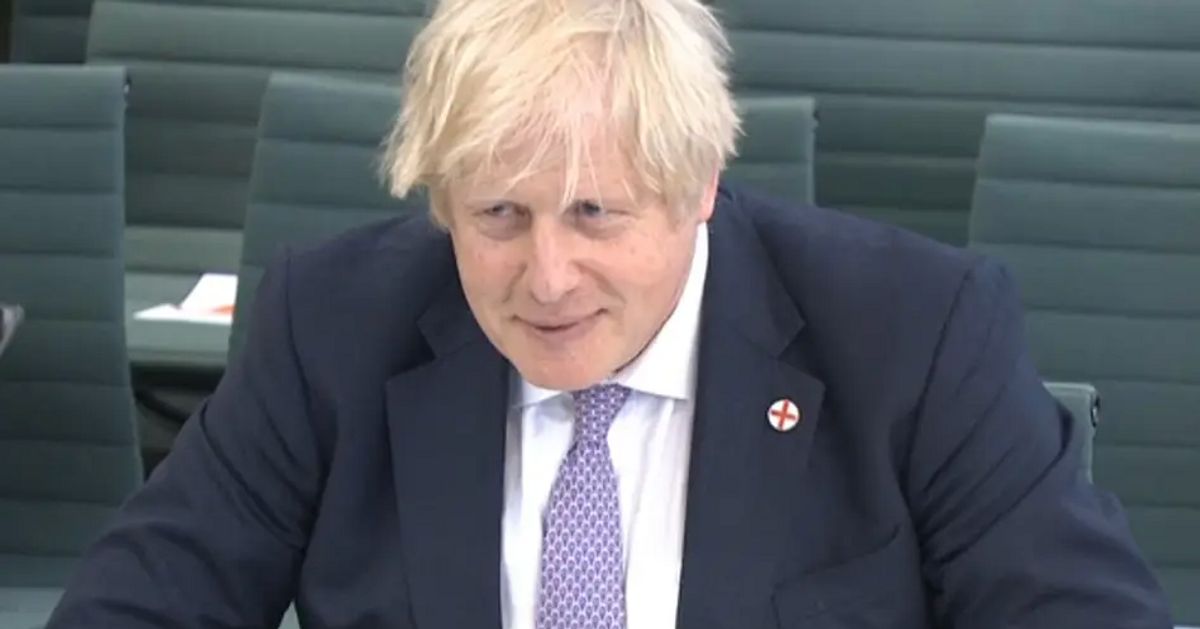
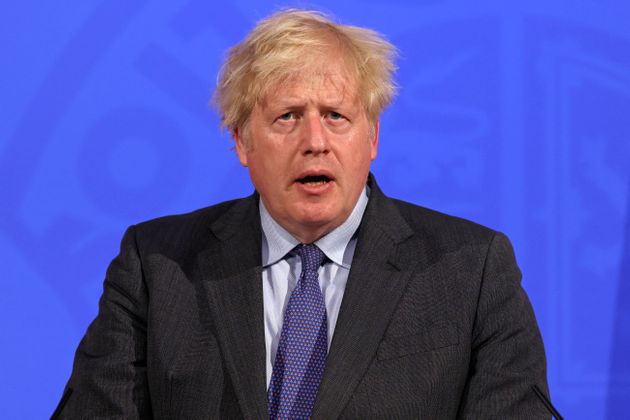
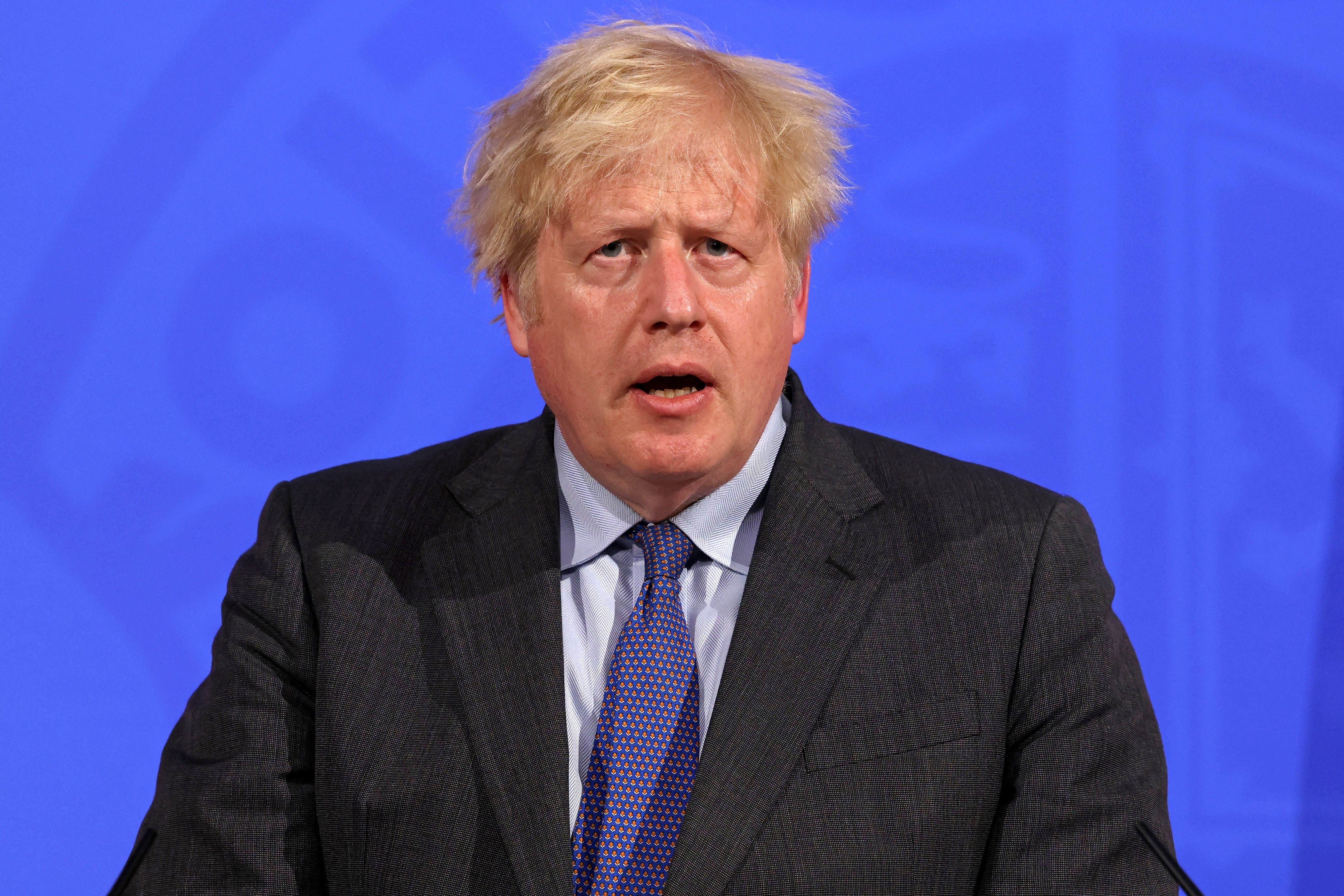
Boris Johnson has been accused of making “empty promises” to British bioscience firms after it emerged that new rapid Covid tests offered to NHS staff are manufactured by a Chinese firm.

Lateral flow tests made by Zhejiang Orient Gene Biotech, based near Shanghai, have been bought up at undisclosed cost by the Department of Health and Social Care.

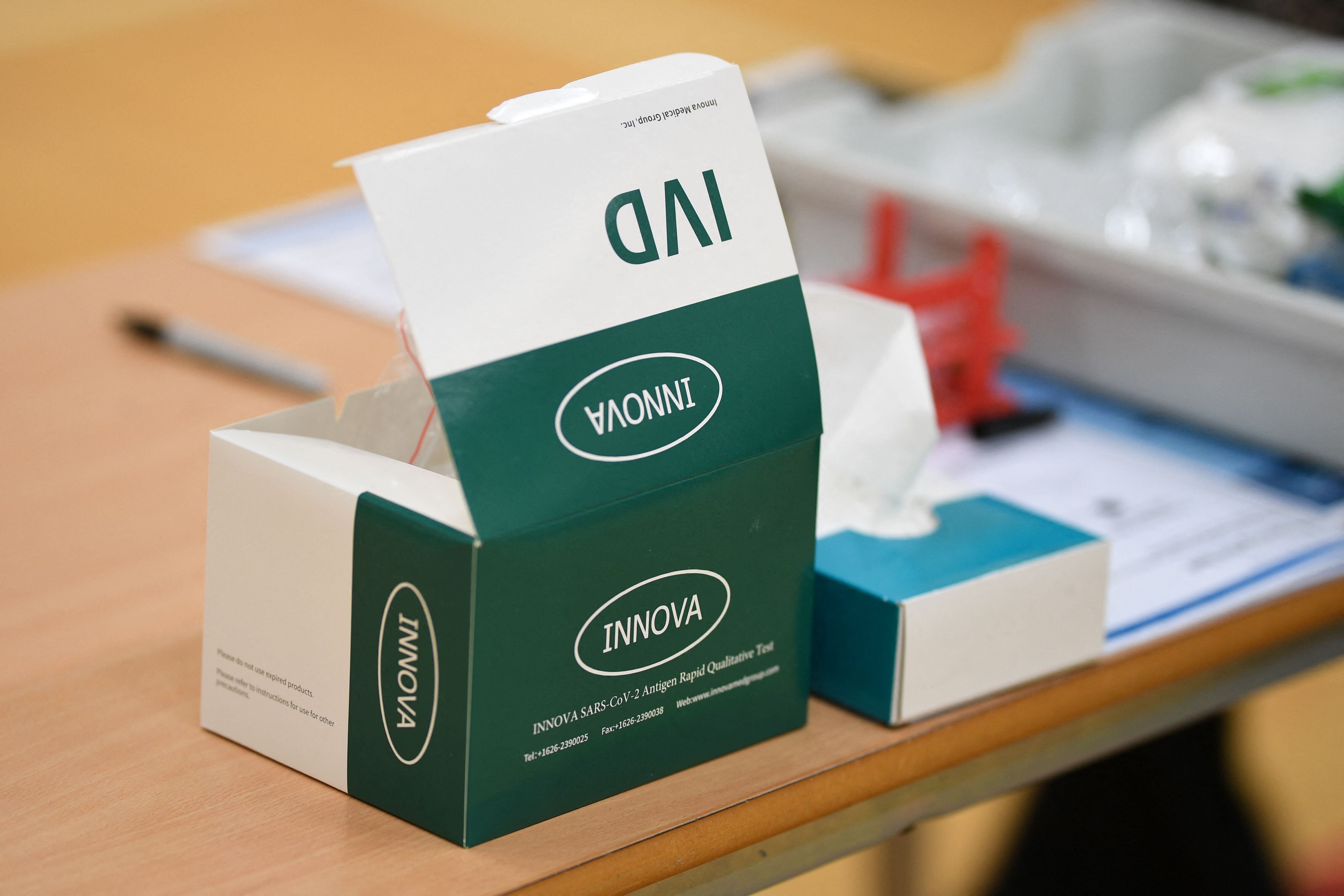
HuffPost UK has learned that the DHSC is shifting away from its reliance on tests made by Innova Medical Group, a US-registered company that has won nearly more than £2bn in contracts for its own Chinese-made products.

The move had sparked hopes that home-grown firms, which claim to offer more reliable and cheaper tests, would finally get a share of Test and Trace’s huge £37bn budget.

But only one small British firm, SureScreen in Derby, has been contracted to provide rapid tests, and the much bigger ‘Orient Gene’ – as it is known – is being used to provide large numbers of diagnostics instead. 
OLI SCARFF via Getty Images

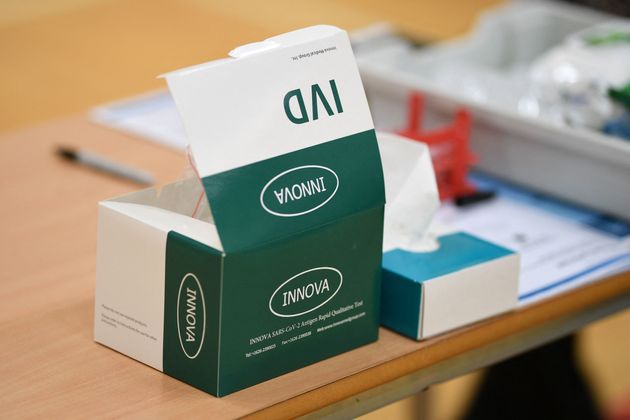
Innova’s tests

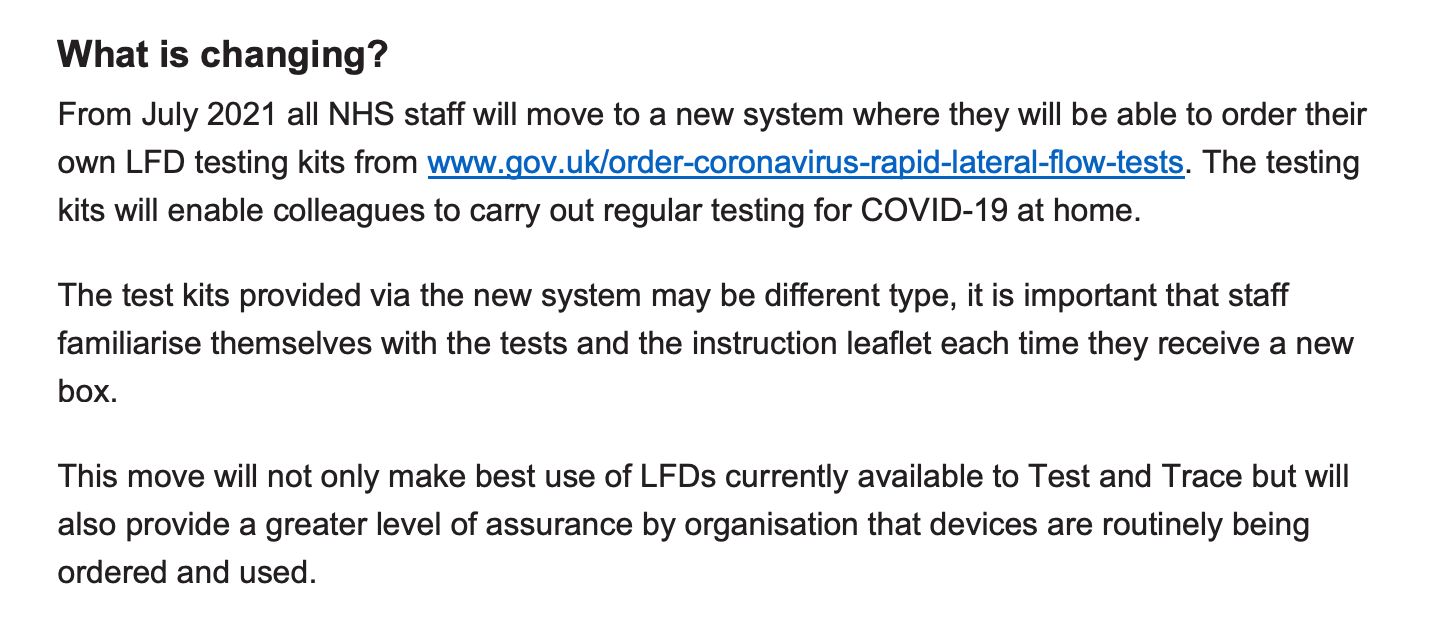
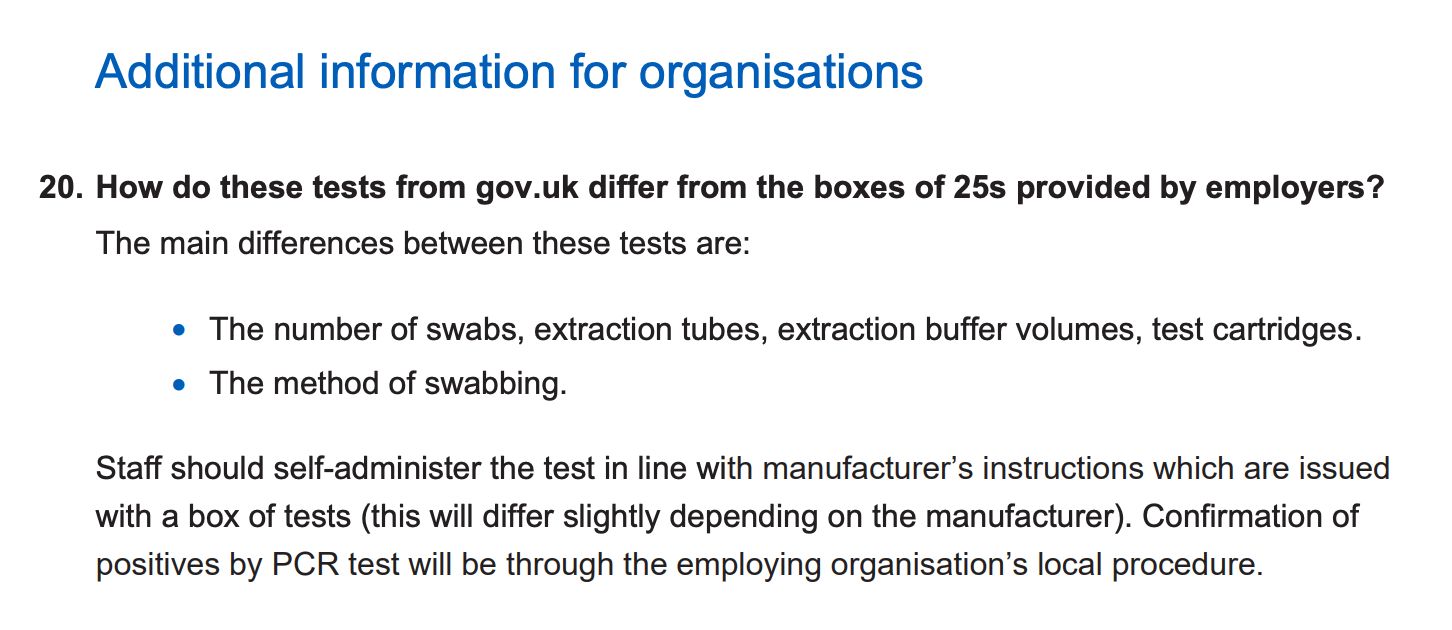
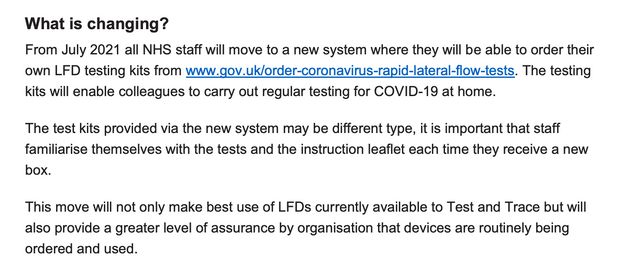
The first clue to the shift away from Innova came in new guidance for NHS managers and staff, which says they should expect a new test which differs in “the method of swabbing”.

The Innova test requires a swab from the back of the throat as well as the nose, a practice that is seen as uncomfortable for many. The OrientGene and SureScreen tests only need nasal swabs.

The new guidance, seen by HuffPost UK, states that all NHS staff can from July order their boxes of tests directly from the gov.uk website rather than have them supplied by their hospital trust.

Staff will be expected to use up their current Innova boxes, which contain 25 tests, before shifting to the new system.
HuffPost UK
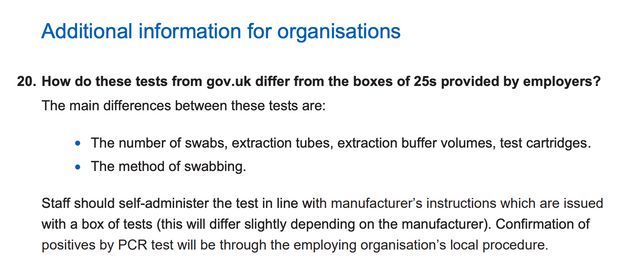
NHS lateral flow test guidance

HuffPost UK

NHS lateral flow test guidance

The change also appears designed to ensure that tests are more accurately registered, following scathing criticism from the National Audit Office that nearly 600 million Innova tests were not being tracked.

Bridget Phillipson, Labour’s shadow chief secretary to the Treasury, said: “Handing this work to a Chinese company right after saying they wanted more lateral flow tests made in Britain is typical of this government’s empty promises to support British jobs and industries.

“Instead of using the powers they have to boost industry in Britain, they are instead happy to leave our economy weak and see British businesses losing out.

“Labour has a plan to buy, make and sell more in Britain to get our economy firing on all cylinders and for us to build up skills and businesses for the future as we recover from the pandemic.”

Speaking at the government’s Porton Down laboratory in November, Boris Johnson said: “We are seeing real progress on a UK-made lateral flow test. We’re not quite there yet but in the months ahead we’ll be making them in this country as well.”

Johnson went further earlier this year, when he declared: “We’ve created an indigenous industry not just to conduct lateral flow testing, but to make lateral flow tests.”

The DHSC told HuffPost UK it was “committed to ensuring that the UK has the testing supplies and equipment it needs”.

“As part of this, people may receive the DHSC branded Innova self LFD test, or an Orient Gene branded self LFD test. If the test will be conducted in an assisted setting, Innova, Orient Gene tests may be used.

“Collaboration between industry and government continues to be a priority and we are hugely grateful to all the manufacturers and suppliers who have come forward to offer their assistance in producing Lateral Flow Devices (LFDs).

“We are planning to diversify the supply of LFDs and have started to procure through fair and transparent competition via our LFD Dynamic Purchasing System.”

The DHSC insisted British innovation was at the forefront of its response to the pandemic and partnerships with British firms would help it “to build back better by tapping into the UK’s domestic talent, ingenuity and industry”.

Orient Gene tests have already been used by Test and Trace in its supplies to some schools and colleges, partly because their nasal swabbing is easier to use than back-of-the-throat swabs.

As part of the PM’s ‘moonshot’ plan to offer mass testing to the public, two free lateral flow tests per week have been offered in recent months, but that scheme is set to end in September.

If individuals are forced to pay for their own tests, a lucrative market could open up for those tests approved by regulators.

British firms have spent many months trying to persuade the Department of Health and Social Care (DHSC) to move away from the Chinese-made tests.

Earlier this year, DHSC agreed contracts with Omega Diagnostics, headquartered in Alva in Scotland and Global Access Diagnostics in Bedfordshire to provide manufacturing capacity for mass production of British alternatives.

Omega plans to use provide capacity for rapid tests tests using key pieces of manufacturing equipment loaned by the UK government, but it is still waiting for confirmation on which test it will be required to manufacture.

One UK company, Mologic, was so infuriated with the delays in approving its own test – which it says has passed WHO standards – that it threatened to sue the government.

One problem has been that British-made tests have failed to win full approval from the government lab at Porton Down, even though their own independent studies suggests they work well.

Frustrated biotech firms may end up selling their tests in Europe and the US rather than the UK, and some in Whitehall sympathise with their complaint that Porton Down processes are overly bureaucratic.

Neale Hanvey, MP for the Alba party, raised in prime minister’s question time on Wednesday the issue of Innova’s big government contracts and the failure to use rival tests made by Scottish-based firms such as Omega Diagnostics.

Hanvey pointed to the lack of progress since health minister James Bethell tweeted in March that British companies would be used to supply tests by May.

Hanvey asked: “Can the Prime Minister explain why his government is undermining the superior domestic diagnostics tests, while propping up discredited Chinese imports, to the tune of 3 billion pounds?”

Johnson replied: “I don’t think that’s an entirely fair characterisation of what the government is is doing. On the contrary, we have worked night and day to build up our domestic lateral flow capacity, and continue to do so.”

Innova, which is based in California and funded by a private capital group by a Chinese born businessman, uses tests produced by Chinese Biotime Biotechnology, in Xiamen city, Fujian province.

Concerns about cost and reliability have been raised repeatedly by critics, underscored when the US Food and Drug Administration (FDA) refused to approve its test after the firm made unfounded claims about its clinical data.

Americans were told last month to stop using Innova tests and throw them in the bin, but the UK’s Medicines and Healthcare products Regulatory Agency (MHRA) did its own risk assessment and found no similar action was needed here.

Despite the criticism, the UK government leaned heavily on Innova during the recent second wave of Covid in early 2021.

The gov.uk website shows that the most recent contract was worth a massive £1.2bn for tests supplied from March to April. However, there are no published contracts for Orient Gene. 

Following pressure from the government to get costs down, industry sources say that British manufacturers have managed to now offer their own tests at around £5 each, cheaper than Chinese rivals.

British company Avacta had its own AffiDX rapid test approved for professional use by the Medicines and Healthcare products Regulatory Agency (MHRA) in June. But there is slow progress in wider approval for public use.

Innova’s tests have come under fire for their reliability during the pandemic, with some academics pointing out that while they can pick up cases they are unsuitable for ‘test and release’ policies. 

A new study published in the British Medical Journal on Wednesday, which looked in depth at Innova tests used in mass testing in Liverpool, found “the LFT missed 10% of people with a high viral load…and most of the cases with a viral load…who might have contributed to virus transmission.

“This suggests that care is needed when conveying negative LFT results so as not to give false reassurance,” it said.

However, a technical update published by DHSC on Wednesday defended the continued use of the Innova test, also known as the ‘Biotime Lateral Flow Device’, a reference to the Chinese factory where it is made.

“The Biotime LFD remains suitable for deployment as part of the asymptomatic testing programme to identify infectious individuals in the population and to reduce onward transmission risk at a local and national population level.

“There is no difference in performance in its ability to detect the Delta variant in comparison to the Alpha variant.”

However the update did hint at the greater use of British-made tests to cope with more variants of the virus.

“As further new variants emerge, and with increased diversity of LFD product manufacturers planned for deployment in the future, the combination of routine in vitro and clinical post-market surveillance will remain a critical tool for rapid surveillance of device performance in a changing landscape.”

Share Button

Covid Travel Restrictions: Your Ultimate Guide To The Latest Rules

Going on holiday this summer just got a little bit easier, because the government has relaxed some of the quarantine rules on international travel.

From July 19, those who have had both doses of the coronavirus vaccine will no longer have to quarantine upon return from amber list destinations.

In addition, children under the age of 18 will not have to quarantine on their return to England from amber list destinations, transport secretary Grant Shapps confirmed.

The long awaited announcement will be music to the ears of Brits dreaming of sunshine, particularly those who’ve already got holidays booked to destinations such as Portugal, which moved from the green to amber list last month.

But there’s still a lot to consider before you jet off. Here are the essentials you need to know.

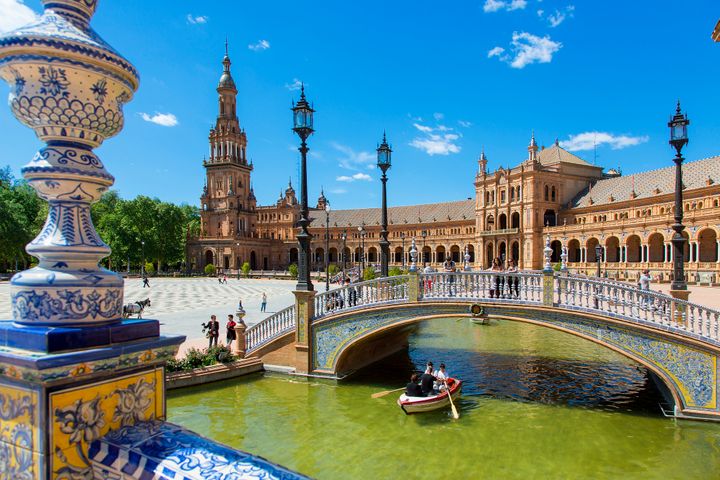
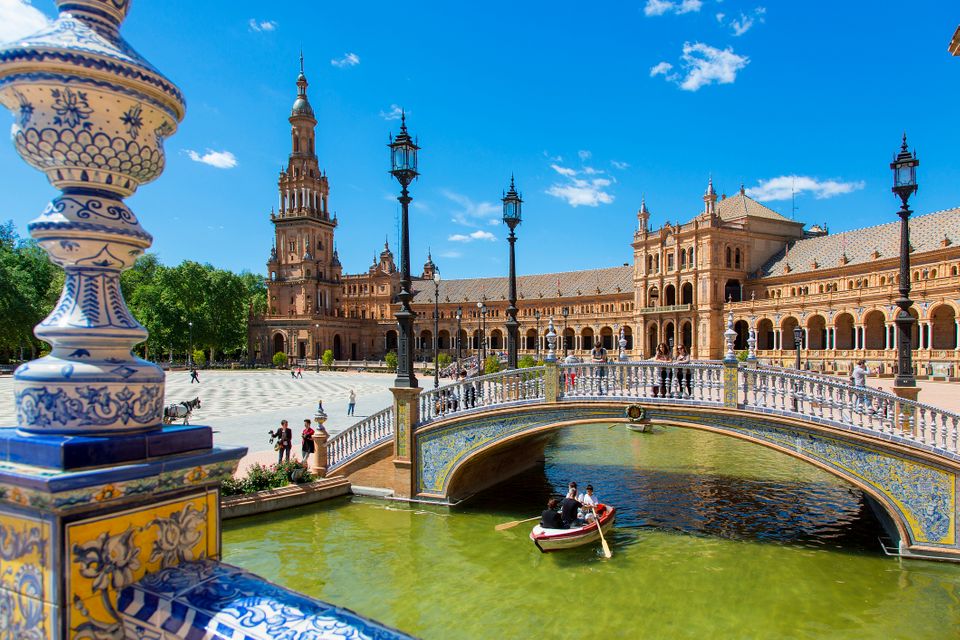
Plaza de Espana, Seville, Spain

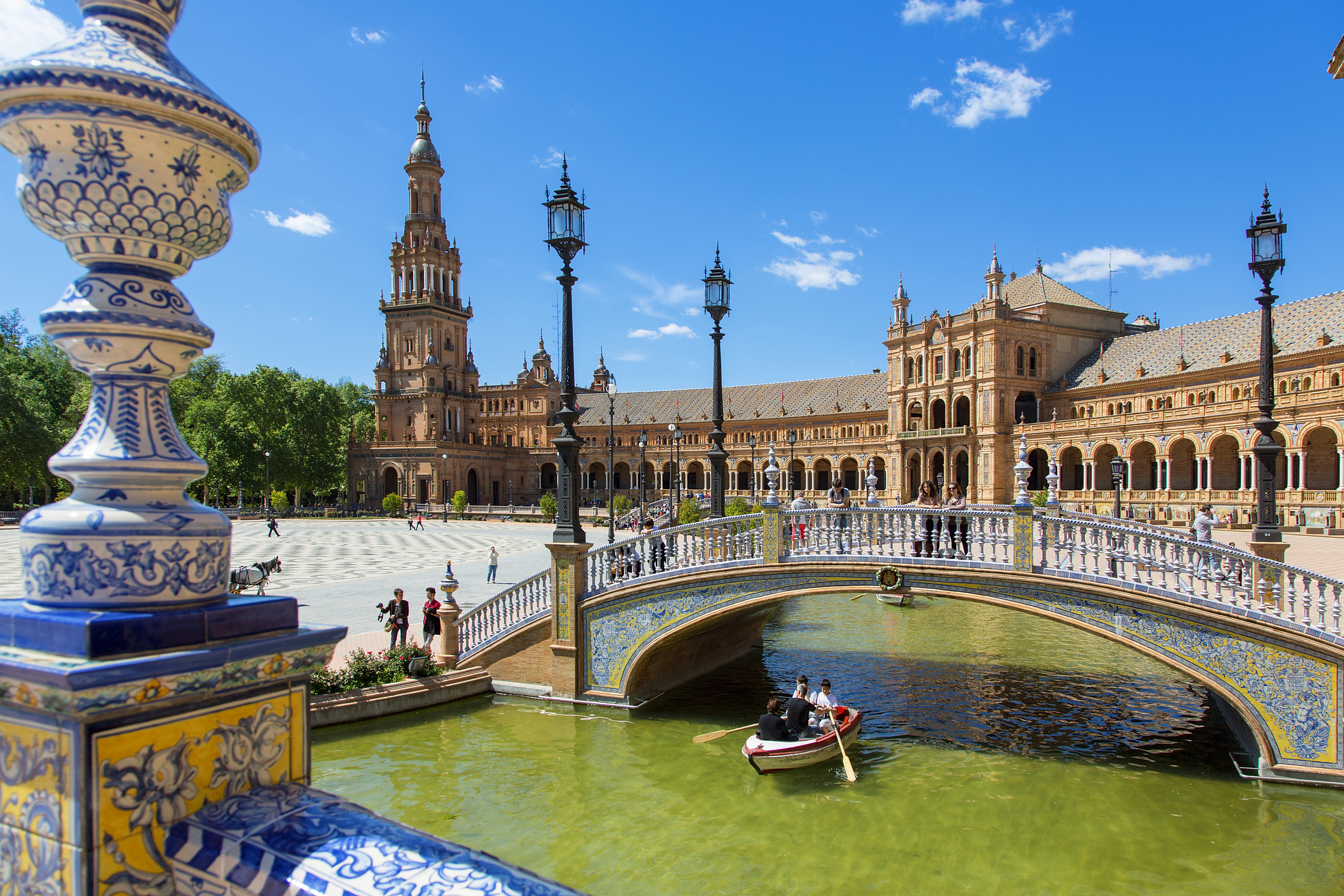
Plaza de Espana, Seville, Spain

There’s still a traffic light system to contend with:

The traffic light system is still in place and while the quarantine rules may have softened a little, you’ll still need to take a number of coronavirus tests before and after travel. Here’s a reminder:

Green countries

People returning from green destinations must take a test before they depart, then another test on or before the second day of their return. You do not need to quarantine unless the test result is positive.

Amber countries

People returning from amber destinations, such as France, mainland Spain, and Portugal, will still be required to take a Covid-19 test before returning to the UK.

They will also have to take a test on or before the second day of their return, but will be exempted from the day eight test from July 19.

While double jabbed and under 18s are exempt from quarantine, adults who have only received one coronavirus vaccine (or none at all) will still need to self-isolate at home for 10 days after returning from an amber country. You need to have had your second vaccine at least 14 days before travel in order for it to kick and for you to be exempt.

Red countries

People returning from red destinations must take a test before they return to the UK. They’ll then be required to book a quarantine package in a government-approved quarantine hotel, plus two more tests, on or before day two and on or after day eight of quarantining.

You’ll need to find the correct test

There’s been a lot of confusion about which tests you can take for travel. The Department for Transport confirmed to HuffPost UK that lateral flow tests are allowed for pre-departure tests, as long as they abide by the sensitivity required (performance standards of ≥97% specificity, ≥80% sensitivity at viral loads above 100,000 copies/ml). The jargon is complicated, but do check your test to make sure it meets this requirement

You cannot take an NHS test abroad with you to use on yourself before you return. Instead, the government says you must buy a test from a reputable private company. It’s your responsibility to ensure the test meets the minimum standards for sensitivity, specificity and viral load details.

Once you’ve arrived back in the UK, tests taken on day two and day eight must be PCR tests, the Department for Transport confirmed. Again, you must use a test that meets the government’s minimum standards.

You’re required to book a “test pack” before you travel and leave enough time for tests to be delivered to your address in England.

If you’re struggling to find a test that meets the government’s standards, the government’s website has a list of providers that meet the threshold.

Remember: the traffic light system is not reciprocal

Just because a country is on the UK’s green or amber list, it does not necessarily mean Brits are able to travel there quarantine-free. Every country sets its own entry requirements.

Take Portugal, which is currently on the UK’s amber list, as an example. Portugal recently updated its rules to say all adults and children over the age of 12 must have proof of a negative Covid-19 test to travel to or through Portugal.

If you’ve travelled from the UK to mainland Portugal, you must also quarantine for 14 days in the place you’re staying – or at a place indicated by the Portuguese health authority – unless you can prove you’ve been double jabbed with an EU approved Covid-19 vaccine at least 14 days prior to travel.

The Portuguese tourist board confirmed to HuffPost UK “children under the age of 12 do not need to quarantine or show a negative test or proof of vaccination”. It means that those travelling with teens – who are not exempt from quarantine but can not yet get a vaccine in the UK – can’t now holiday in Portugal.

Malta, on the UK’s green list, also has strict rules. You can only enter Malta if you’re double-vaccinated. Children under 12 will be permitted to enter the country if they’re holidaying with parents who have been double jabbed. Although exempt from quarantine, those aged between five and 11 must also show evidence of a negative PCR test taken within the previous 72 hours before arrival.

The Balearic Islands of Mallorca, Menorca and Ibiza are other popular options for families this summer, as they recently moved to the UK’s green list. However, all visitors to the Spanish islands must present evidence of double vaccination or a negative coronavirus test.

Children under 12 are “not required to present these certificates or supporting documents”. If you’re travelling with kids aged 13-18 years old, they can enter the country as long as they can demonstrate a negative test.

It’s vital to check the entry requirements of a country before you book flights or accommodation. You can search your holiday destination on the Foreign, Commonwealth and Development Office (FCDO) website to see the latest guidance. And remember, all the rules are subject to change if Covid cases go up or down.

Share Button

Will Boris Johnson’s Chaos Theory Of Leadership Catch Up With Him?

You’re reading The Waugh Zone, our daily politics briefing. Sign up now to get it by email in the evening.

It was just four seconds, but it felt like an age. That was the heavily pregnant pause, the strange silence amid the bearpit hubbub, that marked Boris Johnson’s delayed response to a direct hit from Keir Starmer in PMQs.

The Labour leader had picked up on widespread disruption being caused in schools and workplaces by the soaring numbers of people forced to isolate because of Covid’s Delta variant. Businesses were losing staff, holidays were being put at risk, parents and kids were missing school sports days, and some were even denied the chance to watch England in the pub, Starmer said.

Instead of a careful controlled unlocking of restrictions, didn’t the PM’s ‘big bang’ approach mean “we are heading for a summer of chaos and confusion?” Then came that pause. Johnson was still seated, reading his notes, and apparently unaware of Speaker Hoyles’ call to answer the question. “….er, no, Mr Speaker…” he finally blurted out.

PMQs is a chance for an Opposition leader to vent real-time frustrations on behalf of the public, simultaneously making a PM squirm while trying to act as a voice of the voters. And Starmer had been wise to use the weekly exchange to highlight the real concerns many are now feeling as they are ‘pinged’ by the NHS app, even if they are double jabbed.

With Tory newspapers as well as Tory MPs expressing fury at the four-week delay in changes to isolation policy until August 16, this was undoubtedly ripe territory. Starmer knew the real reason for the delay was a sensible fear that ditching isolation now could lead to even higher cases (possibly 25% higher, the Guardian has been told), but he exploited the issue for all it was worth.

Without crediting Dominic Cummings (not least as he’s irretrievably tarnished in the eyes of many of the public), Starmer picked up on the former No.10 adviser’s withering description of Johnson as a wonky supermarket trolley that crashes around uncontrollably. “He is doing what he always does, crashing over to the other side of the aisle,” he said.

It’s unclear if Cummings wants to assert his copyright, but The Trolley is a good attack line on the PM as it focuses not on his ability to mislead or his lack of moral fibre (which the public appear to have spotted and dismissed) but on his competence and that of his government. A fair chunk of floating voters don’t mind a quasi-comedian in charge, they do dislike chaos that affects them directly.

It was Cummings who revealed recently that the PM had told him: “The chaos means everyone will look to me as the man in charge.” The difficulty is that while you can get away with editing the Spectator in such a fashion, it’s hard to run the country on similar lines.

That Johnson replied to Starmer with a tired set of greatest hits (European Medicines Agency, vaccines-vaccines-vaccines) underscored the complacency that some of his own MPs have been worried about since his failure to sack Matt Hancock. And the string of similar non-sequitur answers to the Liaison Committee later may have confirmed that impression.

Asked if he had sacked Hancock, he replied that his Vote Leave bus’s £350m-a-week NHS claim was an underestimate and not worthy of all the ‘hoo-ha’. Asked about today’s confirmed cut in the £20 uplift to Universal Credit, he said jobs were better than welfare. Asked what he meant at the G7 by ‘building back better in a more feminine way’, he talked about the number of women diplomats.

This wasn’t a supermarket trolley with a mind of its own, it was a dodgem car veering forwards, backwards, sideways, moving in any direction other than one that answered a question. The problem may come when the public sees itself in the passenger seat. One man’s cheerful funfair ride is another’s painful whiplash, a condition felt not immediately but sometime afterwards.

Normally, the PM can get away with his chaos theory of leadership because he does it with a smile. The risk comes when, as with his replies to Tory equalities committee chair Caroline Nokes, he does it with a smirk that borders on a snarl. Claiming she “would find fault with almost anything that we did Caroline, with the greatest of respect”, he then added she should “send me a postcard” to suggest a better way to explain his own surreal phrase about building back in a feminine way.

On everything from his lack of a plan for climate change to the absence of a 10-year funding plan for schools, Johnson either changed the subject or promised action would come some day soon. The pauses in policy don’t feel pregnant so much as prevaricating.

As the committee was wrapping up, the PM suggested the public just weren’t that interested anyway right now. “I’m sure our viewers may be switching over to the football,” he joked. He was probably correct about the England football team’s rival appeal compared to the dull business of government. But one suspects the long pause can’t last beyond this summer.

Share Button

Boris Johnson Defends Cut To £20-A-Week Universal Credit Uplift

Boris Johnson has defended his decision to cut Universal Credit (UC), despite a warning from six former Tory work and pensions secretaries that this would “damage living standards, health and opportunities”.

In April last year, as the Covd pandemic hit, the government increased the benefit by £20-a-week to avoid families being left destitute. This was extended in March 2021 by another six months.

On Wednesday the government confirmed the benefit it would soon be reduced. 

Appearing before the Commons liaison committee of senior MPs, Johnson said he wanted there to be a “different emphasis” and his “instincts” were to cut UC.

The Joseph Rowntree Foundation anti-poverty charity has warned removing the uplift in UC payments risks forcing 500,000 people into poverty.

Asked if he accepted this could cause hardship to many people, the prime minister said: “I think that the best way forward is to get people into higher wage, higher skilled jobs.

“That’s the ambition of this government and if you ask me to make a choice between more welfare or better, higher paid jobs, I’m going to go for better, higher paid jobs.”

When asked if the government would review the policy between now and September, Johnson added: “Of course we keep everything under constant review but I’ve given you a pretty clear steer about what my instincts are.”

Six former Tory work and pensions secretaries, Iain Duncan Smith, Stephen Crabb, Damian Green, David Gauke, Esther McVey and Amber Rudd, have signed a joint letter to chancellor Rishi Sunak urging him to abandon the cut.

Duncan Smith, the former Tory leader who also came up with UC, said the benefit system had been “one of the greatest, but unremarked, successes of the government’s response to Covid”.

“Universal Credit has held up well as a system for distributing money to those who need it, and the extra £20 added to has been essential in allowing people to live with dignity,” he said in the letter.

To cut it, he added, would “damage living standards, health and opportunities”.

Torsten Bell, chief executive of the Resolution Foundation economics think-tank, said the decision was “bad economics, as well as bad politics”.

He said: “This huge cut will fall not on the families that have amassed large savings during the crisis, but on poorer families who have been more likely to take on additional debt.

“There are difficult trade-offs with all major spending decisions, but taking a gamble with family finances and the strength of the recovery this autumn is the wrong choice.”

Jonathan Reynolds, Labour’s shadow secretary of state for work and pensions, added:  “There is near universal opposition to this cut, including from prominent Conservatives.

“It is time the Government saw sense, backed struggling families and cancelled their cut to Universal Credit.” 

Share Button

Boris Johnson’s Next Headache Is How To Pay For The Pandemic

You’re reading The Waugh Zone, our daily politics briefing. Sign up now to get it by email in the evening.

Follow the money. That line from All The President’s Men has ever since been a pretty good guide to a lot of politics ever since, on both sides of the Atlantic. And as the row continues over Boris Johnson’s ‘big bang’ removal of Covid restrictions on July 19, all the prime minister’s men (and women) are switching focus to the financial and economic consequences of the pandemic.

After spending unprecedented peacetime sums on direct wage support, the Treasury is obviously keen to start balancing the books as soon as possible. Last month, the most significant clue that the PM would not allow further delay beyond July 19 came not in any Department of Health announcement but in Rishi Sunak ruling out any change to his timetable for furlough.

Indeed, despite the four-week extension of lockdown, the state’s element of furlough support was cut as planned on July 1. With struggling hospitality firms forced to find extra cash to support workers, it would have been politically unsustainable to further extend lockdown at the same time as Treasury help was withdrawn. The full removal of furlough by the end of September is another reminder of Sunak’s determination to start going ‘back to normal’.

Economic issues certainly dominated the cabinet meeting today, with Sunak leading the discussion to mark nearly a year since his ‘Plan for Jobs’ was unveiled. He also pointed to the fourth month in a row of falling unemployment, and new OBR figures showing two million fewer people were out of work compared to their original forecast.

Liz Truss gave an update on a new Global Investment Summit in October, building on the new giga-battery factory investment in Sunderland. Business secretary Kwasi Kwarteng told colleagues of his forthcoming “innovation strategy”. So, it’s easy to see why the PM summed up at the end by telling his cabinet that “jobs, investment and innovation” would be at the core of his government’s mission “as we emerge from this pandemic”.

But even as the chancellor cited the OBR, there was less welcome news from the watchdog in its latest “fiscal risks” report, which warned he would have to find £10bn a year to fund a black hole on health, education and transport spending caused by the pandemic. Health alone needs £7bn more than current plans allow.

As well as the pandemic, record public debt and climate change (or rather a failure to act early enough on climate change) were the other big risks, the OBR said. No.10 insisted the figures were merely “illustrative”, but those ministers and Tory MPs who back carbon taxes will have been emboldened by predictions that delaying climate action will cost more in the long term.

The black hole in the public finances looks all the more stark when set against the £37bn earmarked for Test and Trace for two years. Which is why I suspect the Treasury will end up raiding that budget as the number of tests actually decreases in coming months (the Test and Trace budget is already underspent for last year, though few have noticed).

Meanwhile, Gavin Williamson confirmed under-18s who had contact with positive Covid cases would no longer need to isolate from August 16. Sajid Javid said adults with two jabs would also be free of the need to isolate, and would not need regular testing to remain free either (such people would be ‘advised’ to take one PCR test, not a daily lateral flow test).

Of course, simply allowing many more people to avoid isolation will be welcome news not just for the individual but also for the Treasury. More people can keep earning and, surely not a coincidence, there will be less demand for people to be paid by the state to stay at home. Sunak strongly resisted calls from people like Jeremy Hunt to offer a simple salary-replacement payment to encourage more people not to infect others.

If you’re worried about losing income from being forced into self-quarantine, you do indeed ‘follow the money’ – via your wages, because the Treasury isn’t going to offer the generous sick pay many have called for. Yet with spending cuts ruled out by the PM, he and Sunak are going to have to work out whether they tax more or borrow more.

The third option of funding public services from ‘the proceeds of growth’ looks unlikely, with anaemic growth rates forecast once the ‘bounceback’ runs its course this year and next. With inflation causing jitters about servicing the current debt mountain, it may be that Tory tax rises (perhaps with the cover of climate change) become a reality.

The PM is taking a risk on unlocking a country with soaring case rates, but the OBR warning shows he faces equally difficult calls on the public finances – even if his public health gamble pays off. Get it wrong and both our health and wealth will suffer from yet another winter lockdown.

That’s why perhaps the most damaging OBR data was this: the UK fall in GDP in 2020 was the second worst behind Spain and the worst in the G7. Johnson messaged Dominic Cummings last year that the UK could end up with “the double distinction of being the European country with the most fatalities and the biggest economic hit”.

Though the UK is not quite the worst, we are certainly near the top of the wrong kind of league tables. The PM will be hoping the feelgood factor of England winning the Euro football championship helps him politically, and everyone is desperate to have some kind of summer joy after our long, long hibernation. But the facts of life of the UK’s finances are as tricky for him as the facts of death of our Covid record.

Share Button

Emma Willis Reveals Her Strictly Come Dancing Dreams And We Are Absolutely Here For It

As Strictly Come Dancing bosses finalise this year’s line-up, they may want to consider approaching Emma Willis if they have not already. 

The former Big Brother presenter has admitted she would take part in the BBC ballroom show “in a heartbeat”.

Emma – who hosts The Voice UK and fronted The Circle before it was cancelled in May – said she would jump at the chance if she can find room in her diary.

David M. Benett via Getty Images

Emma Willis 

David M. Benett via Getty Images

Maya Jama is one of the stars rumoured for Strictly this year

One person who won’t be joining the line up though is Joe Wicks – and the Body Coach’s reason for “definitely not” ever appearing isn’t exactly the healthiest of excuses.

Speaking to Radio Times, he said: “Publicly dancing on a dance floor, out there and exposed on my own, is my worst fear,” he explains.

“I can only ever really have a dance when I’ve had a drink, so to do Strictly I’d have to be steaming.”

Strictly Come Dancing returns to BBC One in the autumn. 

Share Button

Is Boris Johnson’s ‘Big Bang’ Just The Levelling Down Of England’s Covid Protections?

You’re reading The Waugh Zone, our daily politics briefing. Sign up now to get it by email in the evening.

You know it’s time to get worried when Boris Johnson starts talking about honesty. Last year, when he was still refusing to trigger lockdown ahead of the first Covid wave, he actually said “I must level with you, level with the British public, many more families are going to lose loved ones before their time”.

He wasn’t so much levelling with us as admitting belatedly that his own inaction was going to lead to large numbers of fatalities. We now know that “herd immunity”, or at least a mistaken belief that the public wouldn’t accept lockdown, lay behind that apparently fatalism on the part of the PM. Patrick Vallance’s warning that a “good outcome” would be 20,000 deaths was more right than anyone guessed.

On Monday, as he set out his ‘Big Bang’ plan to remove all restrictions on July 19, he was at it again. “We must be honest with ourselves,” he said, “that if we can’t reopen our society in the next few weeks, when we will be helped by the arrival of summer and by the school holidays, then we must ask ourselves: when will we be able to return to normal?”

Of course, there was nothing honest about the false choice he then presented (Dominic Cummings reminded us that Johnson “lies – so blatantly, so naturally, so regularly – that there is no real distinction possible with him, as there is with normal people, between truth and lies.). The PM claimed those who wanted a further delay to the lifting of restrictions wanted to reopen “in the winter”, when the virus will have an advantage, “or not at all this year.”

In fact, his own new timetable, of mid-September for every adult being double-jabbed, presented a real alternative for some critics. Greater Manchester Metro Mayor Andy Burnham, hardly a man who wants restrictions to stay a minute longer than necessary, said that deadline would be the perfect time to think about ending mask wearing.

In other areas of unlocking, such as the end of the work-from-home guidance, a slight further delay to September is attractive to others. And even this prime minister’s gift for shape-shifting can’t turn September into “winter”. Several scientists had been urging less of a “Big Bang” and more of a further phased removal of curbs to smooth out their impact.

To be fair, Johnson did have Chris Whitty on hand to say that “at a certain point” further delay doesn’t reduce hospitalisations and deaths, it just postpones them. But Whitty’s and Sir Patrick Vallance’s caution was palpable on the key issue of mask-wearing, their unease reflected in the way the PM talked swiftly about making decisions on economic and not just health grounds.

The chief medical officer set out his three scenarios for personally using a face covering, but more important perhaps was the immediate context in which he placed those conditions. He pointedly said he would keep wearing a mask right now, “particularly at this point when the epidemic is clearly significant and rising”.

But all the caveats Whitty used for when he would deploy a mask – any situation with an indoor crowded space, when told to by a ‘competent authority’, and when others feel ‘uncomfortable’ – just made the case for continued regulation to avoid individuals having to negotiate and police each scenario themselves.

The real significance of the masks debate is that it gets to the heart of the PM’s shift from governmental action to individual action. With previous Conservative administrations having sold off several nationalised industries, there’s little left to flog off other than Channel 4. But on Covid protections, it now feels as if Boris Johnson wants to privatise government responsibility too. Forget levelling up, this seems to be a levelling down of the morality tale of the pandemic.

One problem with this outsourcing of responsibility is that wearing face coverings is actually (as Vallance pointed out) about protecting others rather than yourself, it’s about public health, not private morality. That sense of duty is precisely why many people get jabbed: it protects them but ultimately protects the whole of society from transmission of a highly infectious virus.

At one point on Monday, some in government even hinted that the clinically vulnerable who want to travel on Tubes should only do so off-peak. There is certainly going to be a battle royal with groups such as Blood Cancer UK, which point out that ditching masks is going to effectively force people off public transport. Let’s see if London Mayor Sadiq Khan makes it a condition of carriage.

The PM’s “if not now, when?” approach was also a real contrast with his earlier pledge to be driven by data not dates. And in his punchiest response to any of the coronavirus updates since the start of the pandemic, Keir Starmer was quick to say Johnson was being “reckless”. Starmer also said ministers should hold off on ditching masks, introduce proper ventilation support and promise to pay more to people to self isolate.

The confused public health message on masks left Johnson saying he would wear one on a packed Tube but not in an empty, late night, inter-city train carriage. Most worrying of all however is not the lack of clarity but the potential tensions it sets up. Appeals to ‘courtesy’ may not work when both mask-backers and mask-haters have strongly held views.

I was struck recently by polling showing that lockdown sceptics tend to be Brexiteers, while lockdown supporters tend to be Remainers. Risk maximisers versus risk minimisers. Gamblers versus safety-firsts. As if the nation isn’t riven enough.

With his latest laissez faire policy on masks, the PM appears yet again prepared to let those divisions play out. Which in turn gives Starmer, if he somehow captures a weariness of all the them-and-us politics, the chance to present himself as potentially a healer of the nation, post-Brexit, post-pandemic.

All of us will be crossing our fingers that the government has got its unlockdown calculations right. But if hospitalisation numbers do start going up, Johnson’s political nerve really will be tested. It’s also worth remembering, as Patrick Vallance reminded us, that we will have to wait until next week for the very latest modelling on the actual number of deaths this ‘Freedom Day’ policy entails.

Share Button

Kind Strangers Track Down Discontinued Toy For Disabled Teen

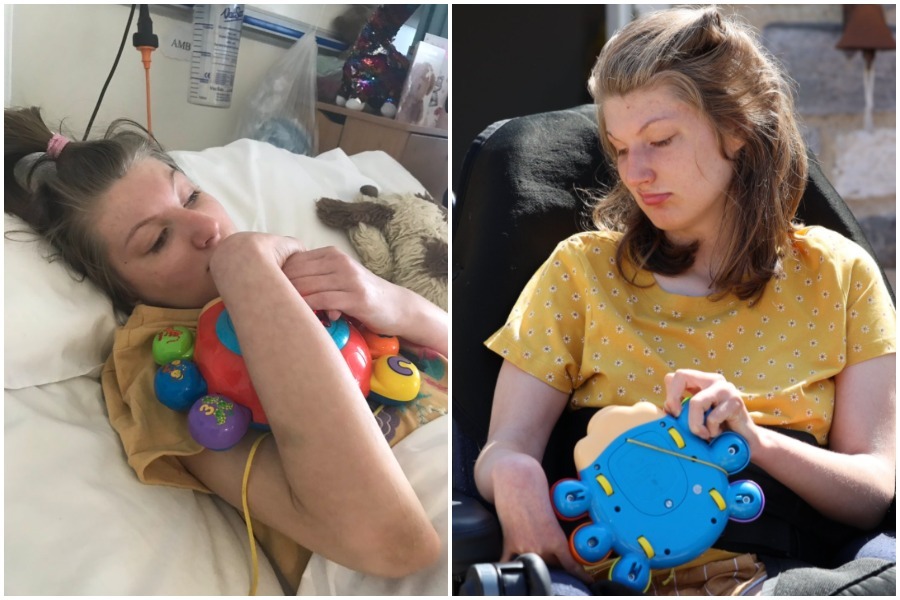
A teenager has been blown away by the kindness of strangers, who’ve rallied together to track down a discontinued toy her disabled sister loves to bits.

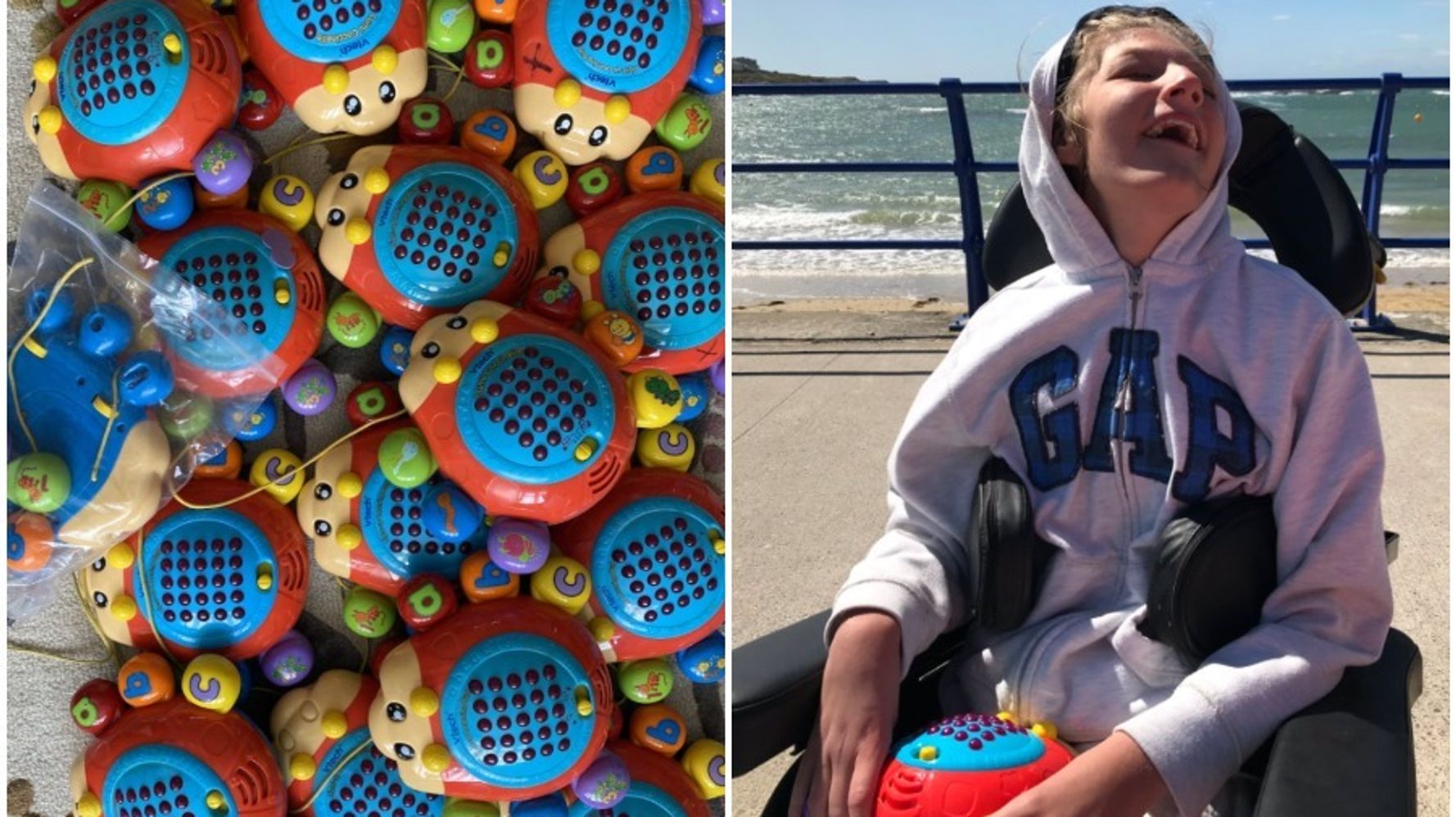
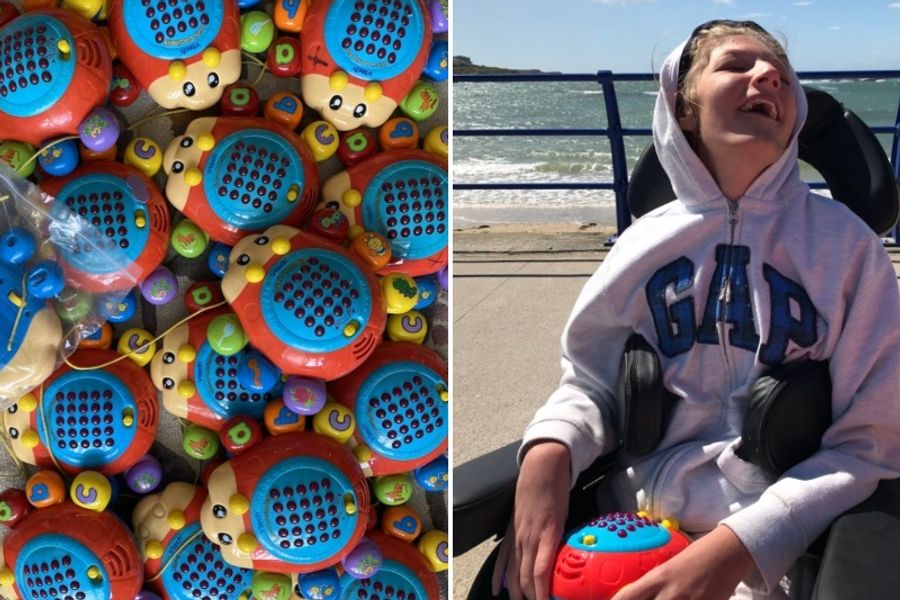
Josie Wheel, 18, from Coventry, tweeted to ask if anyone had access to a Vtech Light Up Learning Bug, which has been her 15-year-old sister’s favourite toy since her second birthday. Her sister, Rosie, has Profound Multiple Learning Difficulties, or PMLD, and Josie says she’s grown to rely on her beloved toy.

“Rosie loves everything about her ladybug – it fulfils all her sensory needs as it’s tactile, has flashing lights, and sings songs,” Josie Wheel tells HuffPost UK.

“Ladybug is her whole life, it goes on holiday with her, to hospital, she has one at school. It is the first thing she wants when she wakes up and the last thing she has before she goes to bed.”

Wheel asked for those who have a working toy to get in touch and was quickly contacted by people around the world. “Countless people” have offered to try to fix Rosie’s broken toys, while others have been bombarding Vtech with emails to see if they can do anything to help.

People in the UK have located toys from local sellers and strangers from countries including Malta, Spain and France have helped to translate messages from sellers abroad.

“The offers have been so crazy!” says Wheel. “It feels pretty surreal because we had no idea that this would take off as much as it has. We have searched for her ladybug before and it’s never had this kind of reach! It’s so amazing to see so many people offer to help in so many ways.”

Share Button

Double-Jabbed Adults Will No Longer Have To Isolate At Home After Covid ‘Contact’

JONATHAN BUCKMASTER via Getty Images

Double-jabbed adults will no longer be forced to isolate at home after coming into contact with someone with Covid, Boris Johnson has declared.

The prime minister announced the radical new move as he also revealed that the gap between first and second vaccine doses would be slashed from 12 weeks to just 8 weeks for all under-40s, with the aim of getting everyone fully protected by mid-September.

The proposals, which depend on the final data on the spread of the virus being confirmed next Monday, were part of a raft of measures set to kick in on so-called Freedom Day on July 19.

The changes to the home quarantine restrictions for double-vaccinated individuals will mean that for the first time in more than a year the public can continue to go about their daily life even after being classed as a “contact” of someone with Covid.

However, some people will still have to isolate at home for 10 days, including those who test positive or those who are explicitly asked to quarantine by the Test and Trace service.

Speaking at a Downing Street press conference, Johnson said: “We will continue from Step Four [of his ‘roadmap’ out of lockdown], to manage the virus with a test, trace and isolate system that is proportionate to the pandemic.

“You will have to self isolate if you test positive, or are told to do so by NHS test and trace. But we’re looking to move to a different regime for fully vaccinated contacts of those testing positive, and also for children.”

Johnson and his fellow ministers have come under huge pressure in recent weeks to show that double-vaccination with Pfizer or AstraZeneca will finally have real benefits in terms of personal freedoms.

Both vaccines reduce the chances of serious Covid illness by more than 90%, including the Delta variant of the virus, and the government is keen to continue the UK’s reputation as the least vaccine hesitant nation in the world.

On Monday, the issue was highlighted when the Duchess of Cambridge was required under current rules to stay at home despite being double-jabbed, after she was told she had come into contact with someone with Covid in recent days.

Under the new system, a “proportionate” test, trace and isolate system will be kick in from July 19m with symptomatic testing continuing and free basic rapid testing extended until 30th September. Contact tracing will continue.

The vaccine rollout will be accelerated across England by reducing the dose interval for under-40s, from 12 weeks to eight. This will mean every adult has the chance to be double-jabbed by mid September.

In recent days, vaccine centres have been inundated with over-18s who want to get their second jab much sooner than the 12 weeks technically allowed at present.

Pfizer’s guidance is that a gap of just three weeks is required for minimum protection and some GPs and health centres have been allowing such fast-tracked dosing rather than have to throw away valuable vaccines at the end of their working day.

All over-50s are already allowed to cut the dosing gap to eight weeks and that will apply to all age groups under Johnson’s latest proposals.

Share Button

Boris Johnson To Give Glimpse Of July 19 Covid Freedoms In No.10 Press Conference

WPA Pool via Getty Images

Boris Johnson will signal how England can “learn to live with” Covid when he uses a press conference on Monday to set out his plans to restore people’s freedoms from July 19.

The prime minister will give an update of reviews into social distancing guidelines, working from home and vaccine passports, ahead of a formal announcement on the full lifting of lockdown next week.

The live televised briefing from Downing Street is aimed at giving the public and businesses more time to prepare for unlocking on July 19.

It appears that the PM will go for a “big bang” approach, ditching a whole raft of current requirements to work from home and wear masks on public transport.

The public are also expected to be allowed to order drinks at the bar in pubs for the first time in months, and to attend outdoor mass events. The idea of Covid ‘passports’ has also been shelved.

Some public health experts have warned that lifting all the restrictions at once may risk fuelling the current third wave of Covid cases triggered by the Delta variant of the virus.

On Sunday, Communities Secretary Robert Jenrick said he expected life to “return to normality as far as possible” in England after the “terminus date” due to the success of the vaccine rollout in preventing serious illness.

The cabinet minister told the BBC the country had moved into the “final furlong” of coronavirus restrictions.

Officials said the Prime Minister would on Monday give an update on the next steps on the one metre-plus rule in hospitality venues, the use of masks, and working from home.

As well as publishing the taskforce reviews, an update will also be provided on what is next for care home visits, No 10 said.

Speaking before his announcement, the prime minister said people would have to “exercise judgment” to protect themselves from Covid-19, in a sign the government will shift from legally enforced restrictions to affording people personal choice.

“Thanks to the successful rollout of our vaccination programme, we are progressing cautiously through our road map,” Johnson said.

“Today we will set out how we can restore people’s freedoms when we reach Step 4.

“But I must stress that the pandemic is not over and that cases will continue to rise over the coming weeks.

“As we begin to learn to live with this virus, we must all continue to carefully manage the risks from Covid and exercise judgment when going about our lives.”

With Johnson due to address the nation, Health Secretary Sajid Javid will take responsibility for announcing the government’s plans to parliament on Monday afternoon.

The move follows stern rebukes from Commons Speaker Sir Lindsay Hoyle in recent weeks for ministers deciding to make statements to the press before MPs.

The government said it will not be known until July 12 – seven days before the target date for easing restrictions – whether its four tests for unlocking have been met, given the need to consult the latest data.

Labour said Johnson must reveal how many Covid-related deaths it is willing to accept in the face of rising cases of the Indian strain – also know as the Delta variant – if restrictions are abolished.

Shadow health secretary Jonathan Ashworth said: “We are all desperate to move on from restrictions but with infections continuing to rise steeply thanks to the Delta variant, Boris Johnson needs to outline the measures he will introduce such as ventilation support for building and sick pay for isolation to push cases down.

“Letting cases rise with no action means further pressure on the NHS, more sickness, disruption to education and risks a new variant emerging with a selection advantage.

“So far ‘learning to live with the virus’ had been no more than a ministerial slogan.

“Now we know this is the Government’s strategy, when Sajid Javid addresses the Commons he must explain what level of mortality and cases of long Covid he considers acceptable. And what support will be in place for the most deprived areas where cases are highest and vaccination rates lowest.

“These are important questions ministers now must answer.”

Share Button