HuffPost is part of Verizon Media. Verizon Media and our partners need your consent to access your device and use your data (including location) to understand your interests, and provide and measure personalised ads. Verizon Media will also provide you with personalised ads on partner products. Learn more.
How Verizon Media and our partners bring you better ad experiences
To give you a better overall experience, we want to provide relevant ads that are more useful to you. For example, when you search for a film, we use your search information and location to show the most relevant cinemas near you. We also use this information to show you ads for similar films you may like in the future. Like Verizon Media, our partners may also show you ads that they think match your interests.
If you buy something through a link on this page, we may earn a small commission. How this works.
N-acetylcysteine (NAC) is a supplement that has been available for several decades. People take it for various reasons, including to help treat medical issues ranging from psychological disorders to chronic lung conditions and to improve athletic performance.
Doctors believe that NAC may stimulate the synthesis of glutathione — a compound that helps fight free radicals, unstable atoms that can cause inflammation and damage.
Keep reading to learn how NAC may benefit the body. We also describe risks, including side effects, associated with the supplement.
Researchers have investigated the potential for NAC to help treat a wide variety of health issues. Some research indicates that NAC supplementation may help in the following ways.
Increasing the amount of NAC in the body may boost levels of some neurotransmitters, and this may improve a person’s mental function.
According to a 2011 review, NAC may also help alleviate symptoms of various psychiatric conditions, including:
While research into NAC as a means of relieving psychiatric symptoms may be promising, most doctors would not recommend it as a sole treatment.
Instead, a person should rely upon evidence-based treatments, such as therapy and medication, when applicable. A doctor can provide advice about using NAC to supplement traditional treatment.
Treating lung conditions and excess mucus
For people with chronic lung conditions, such as bronchitis or cystic fibrosis, some doctors recommend NAC. It is available in an inhalable form that may help reduce excess mucus.
That said, clinical trials of NAC as a treatment for lung disease have arrived at mixed results, according to the Memorial Sloan Kettering Cancer Center.
Improving insulin sensitivity in people with PCOS
Authors of a 2017 review in Cell Journal concluded that taking NAC may benefit people with polycystic ovary syndrome (PCOS).
This syndrome can lead to insulin resistance and increases in blood sugar. The researchers reported evidence that NAC may help reduce high blood sugar in people with PCOS.
However, NAC is no substitute for medications such as insulin or other methods of blood sugar control. It may only be helpful as a supplement.
Reducing the risk of preterm birth
According to the same 2017 review, NAC supplements may help reduce the risk of preterm birth.
Infections such as bacterial vaginosis may increase the risk of preterm delivery, and the body’s inflammatory response may further raise the risk. Because NAC combats inflammation, the authors report, it may help counter this risk factor for preterm birth.
The authors refer to a study in which taking 0.6 grams of NAC per day, as well as progesterone, after 16 weeks of pregnancy helped prevent preterm delivery in women with histories of preterm delivery and bacterial vaginosis.
NAC may have a similar effect when a woman takes it in combination with folic acid, the authors report.
However, as with any supplement, it is important to consult a doctor about its safety before taking it during pregnancy.
Treating acetaminophen overdose
Doctors can use NAC to treat acetaminophen overdoses.
Acetaminophen is an analgesic that can relieve aches, pains, and a fever. If a person experiences an overdose of this drug, administering NAC within 10 hours may help reduce the risk of associated liver damage.
Other potential benefits
Some very small studies and case reports indicate that NAC may help with:
Preliminary studies in animals also demonstrate that NAC may help with heroin dependence and the adverse effects of alcohol consumption.
NAC is available over the counter in pharmacies and health stores.
If you buy something through a link on this page, we may earn a small commission. How this works.
Coenzyme Q10, or CoQ10, is a naturally occurring chemical that exists in almost every cell of the human body. CoQ10 carries out several vital roles, including promoting energy production and neutralizing harmful particles called free radicals.
A deficiency in CoQ10 can adversely affect a person’s health. People can get CoQ10 through foods and supplements.
In this article, we discuss the benefits, side effects, and recommended dosages of CoQ10.
CoQ10 is an essential nutrient present in almost every cell of the human body. The following foods also contain CoQ10:
CoQ10 plays a vital role in energy production and DNA replication and repair. It also acts as an antioxidant, neutralizing harmful free radicals.
Several factors can lower CoQ10 levels in the body. These include:
aging
taking statins, which are cholesterol-lowering medications
genetic mutations that affect the production of CoQ10
disorders of the mitochondria, which are the parts of the cell that generate energy
CoQ10 deficiency is associated with numerous diseases, including:
For the body to use CoQ10, it must convert it from its inactive form, ubiquinone, into it its active form, ubiquinol.
Mitochondria are responsible for powering the body’s cells. To do this, they use CoQ10 to produce the chemical adenosine triphosphate (ATP). This process is known as ATP synthesis. ATP is the primary source of energy for the body’s cells.
However, mitochondria produce free radicals during ATP synthesis.
Under normal conditions, free radicals regulate communication between cells and defend the body against infectious microbes. However, excess free radicals cause DNA damage, which can lead to the following:
CoQ10 acts as an antioxidant by neutralizing free radicals. In this way, CoQ10 helps protect cells from the harmful effects of DNA damage.
The exact recommended dose of CoQ10 will vary according to the following factors:
a person’s age
a person’s health
the condition receiving treatment
Standard daily doses of CoQ10 range from 60 milligrams (mg) to 500 mg. The highest recommended dose is 1,200 mg. However, clinical trials have used dosages as high as 3,000 mg per day.
Different types of CoQ10 supplements may also require different dosages. Most supplements contain the inactive form of CoQ10, ubiquinone, which is harder to absorb than ubiquinol.
A 2018 randomized trial compared the effects of 200 mg daily doses of ubiquinone and ubiquinol supplements on CoQ10 levels in older men. Ubiquinol supplementation led to a 1.5-fold increase in the amount of CoQ10 in the blood. Supplements containing ubiquinone did not have a significant effect on CoQ10 levels.
CoQ10 protects cells against oxidative damage. It also plays a vital role in producing the body’s primary source of energy, ATP. CoQ10 could, therefore, provide a range of health benefits. Some examples include:
Improving heart health
The heart contains some of the highest concentrations of CoQ10 in the body. The vast majority of people with heart disease also have low CoQ10 levels. Researchers now consider low CoQ10 levels to be an indicator of the severity and long term outcome of various heart diseases.
In one 2018 pilot study, ten children with cardiac muscle dysfunction received 110–700 mg of liquid ubiquinol per day. At weeks 12 and 24 of treatment, the children had significantly higher CoQ10 plasma levels and improved heart function.
Reducing muscle pain from statin use
Cardiovascular disease (CVD) is an umbrella term for conditions that affect the heart or blood vessels. Doctors often prescribe statins to treat CVD. These drugs work by reducing the cholesterol production that can contribute to the disease.
Although statins reduce cholesterol production, they also lower CoQ10 levels. Reduced CoQ10 levels can lead to mitochondrial dysfunction, which can cause muscle pain, or myopathy.
CoQ10 supplements may help relieve muscle pain related to statin use.
A 2019 randomized controlled trial investigated the effect of CoQ10 on statin-related muscle pain. The study involved 60 participants who had previously reported muscle pain while taking statins. Over 3 months, each participant received daily doses of either 100mg of CoQ10 supplement or a placebo.
The participants who took the CoQ10 supplements had significantly reduced statin-related muscle pain. Those who received the placebo reported no change in muscle pain.
However, the authors of a 2015 meta-analysis evaluated the efficacy of CoQ10 supplementation for treating statin-related muscle pain. The meta-analysis included six studies with a combined total of 302 patients. The authors found no evidence that CoQ10 significantly improves statin-related muscle pain.
Further large-scale RCTs are necessary to determine whether CoQ10 is a viable treatment for people experiencing statin-related muscle pain.
Treating migraines
Chronic migraines may be due to inflammation of neurons and cells in a part of the brain called the trigeminovascular system.
A 2018 clinical trial investigated whether coQ10 supplements could reduce inflammation in 45 women with episodic migraines. The women took 400 mg daily doses of either a CoQ10 supplement or a placebo. The women who took the CoQ10 supplements had fewer and less intense migraines when compared to the placebo group.
Women who took the CoQ10 supplements also showed lower levels of certain inflammatory biomarkers. Inflammatory biomarkers are substances in the blood that indicate the presence of inflammation somewhere in the body.
A 2018 meta-analysis reexamined five studies investigating the use of CoQ10 supplements for migraines. The meta-analysis concluded that CoQ10 is more effective than a placebo at reducing the duration of migraines. However, CoQ10 did not appear to affect migraine severity or frequency.
Protecting against age-related diseases
Mitochondrial function decreases as the body’s CoQ10 levels naturally deplete with age.
Research suggests that mitochondrial dysfunction can contribute to age-related neurodegenerative diseases, including Alzheimer’s disease and Parkinson’s disease. These diseases are associated with free radical damage.
A 2015 study investigated the effect of a Mediterranean diet combined with CoQ10 supplementation on metabolism in elderly adults. This combination led to an increase in antioxidant biomarkers in the urine.
The authors concluded that taking CoQ10 and eating a diet low in saturated fat may help protect against diseases caused by free radical damage.
In another 2015 study, older adults received CoQ10 and selenium supplements for 48 months. The participants reported improvements in vitality, physical performance, and overall quality of life.
CoQ10 supplements appear to be safe, and most people tolerate them even at high doses. However, CoQ10 supplements can cause the following side effects:
CoQ10 supplements may interfere with certain medications, including:
People should consult a doctor before taking any new medications or dietary supplements, including CoQ10.
CoQ10 is an antioxidant that exists in almost every cell of the human body. CoQ10 deficiency is associated with various medical conditions, such as heart disease, cancer, and Alzheimer’s disease.
Although the body naturally produces CoQ10, some people may benefit from taking supplements. Overall, CoQ10 supplements appear relatively safe and cause few side effects. Supplements are not regulated by the Food and Drug Administration (FDA) for purity or verified for labeling accuracy, so purchase only those products that have been tested by an independent lab.
People who are interested in trying CoQ10 supplements may want to consult a healthcare professional first. Experts do not recommend CoQ10 for people taking blood-thinning medications, insulin, or certain chemotherapy drugs.
CoQ10 is available in some drug stores, pharmacies, and online.
We picked linked items based on the quality of products, and list the pros and cons of each to help you determine which will work best for you. We partner with some of the companies that sell these products, which means Healthline UK and our partners may receive a portion of revenues if you make a purchase using a link(s) above.
HuffPost is part of Verizon Media. Verizon Media and our partners need your consent to access your device and use your data (including location) to understand your interests, and provide and measure personalised ads. Verizon Media will also provide you with personalised ads on partner products. Learn more.
How Verizon Media and our partners bring you better ad experiences
To give you a better overall experience, we want to provide relevant ads that are more useful to you. For example, when you search for a film, we use your search information and location to show the most relevant cinemas near you. We also use this information to show you ads for similar films you may like in the future. Like Verizon Media, our partners may also show you ads that they think match your interests.
HuffPost is part of Verizon Media. Verizon Media and our partners need your consent to access your device and use your data (including location) to understand your interests, and provide and measure personalised ads. Verizon Media will also provide you with personalised ads on partner products. Learn more.
How Verizon Media and our partners bring you better ad experiences
To give you a better overall experience, we want to provide relevant ads that are more useful to you. For example, when you search for a film, we use your search information and location to show the most relevant cinemas near you. We also use this information to show you ads for similar films you may like in the future. Like Verizon Media, our partners may also show you ads that they think match your interests.
HuffPost is part of Verizon Media. Verizon Media and our partners need your consent to access your device and use your data (including location) to understand your interests, and provide and measure personalised ads. Verizon Media will also provide you with personalised ads on partner products. Learn more.
How Verizon Media and our partners bring you better ad experiences
To give you a better overall experience, we want to provide relevant ads that are more useful to you. For example, when you search for a film, we use your search information and location to show the most relevant cinemas near you. We also use this information to show you ads for similar films you may like in the future. Like Verizon Media, our partners may also show you ads that they think match your interests.
If you buy something through a link on this page, we may earn a small commission. How this works.
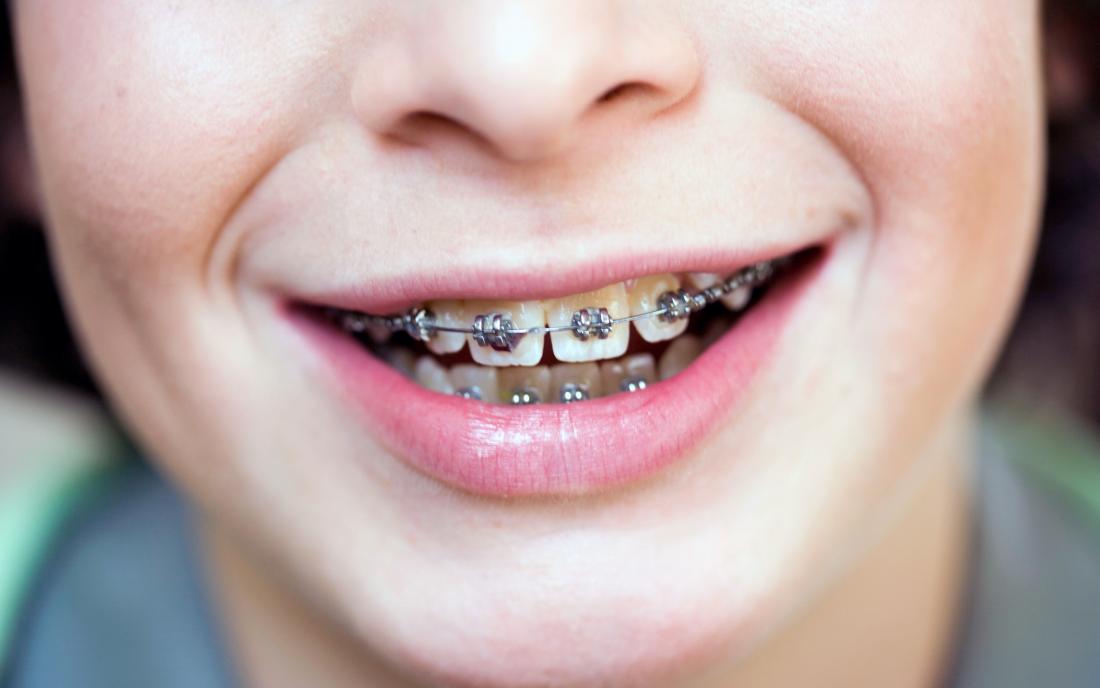
Braces are a type of orthodontic treatment that orthodontists use to help correct overcrowded or crooked teeth. Braces can also help correct an overbite. People who are getting braces soon or are considering them may wonder whether they hurt.
According to the American Dental Association, abnormal bites become apparent between the ages of 6 and 12 years, when children get their adult teeth. Orthodontic treatment typically begins between the ages of 8 and 14 years. In some cases, an adult may consider getting braces.
Although everyone is different, most people experience some pain for a few days when they first get braces and after brace tightening. However, others may experience only mild discomfort that goes away within a few hours.
Keep reading for more information on whether braces hurt and what to expect while they are on the teeth.
Each person will have a different experience with braces, but the following should provide a general idea of what to expect at each stage of the treatment process.
Getting braces
Share on PinterestThe experience of wearing braces differs among individuals.
Some people may have to wear spacers, or separators, between their teeth for a week or two before getting braces.
These spacers may feel tight and sore for a few days, resembling the feeling of having food caught between the teeth, but the discomfort should go away.
When an orthodontist first fits the braces, a person will not usually experience any immediate pain.
An orthodontist will often attach bands around the back molars. This process may be temporarily uncomfortable because it involves some pressure and can pinch, but it is not painful.
Once the bands are in place around the molars, the orthodontist will clean or “etch” the teeth with a solution that tastes a bit sour. They will then wash this off and apply glue to the face of the top or bottom set of teeth or both.
A person may dislike the taste of the etch and glue, but these steps should not cause any discomfort or pain.
When the glue is in place, the orthodontist mounts brackets to each tooth individually, using blue light to harden the glue. Again, this part of the process should not hurt.
Finally, when the brackets are in place, the orthodontist will connect them all with a wire. They will attach each end of the wire to the bands around the molars in the back of the mouth. The final step is adding elastic bands to hold the wire in place.
Wearing braces
When the braces first go on, a person might not experience any pain or discomfort straight away. However, within a few hours, the gentle pressure that the braces put on the teeth will start to take effect.
The pressure of the braces slowly pulling the teeth into alignment can create pain and discomfort, which could last from a day or two to about a week.
Some things to expect during the first week include:
sore gums
scrapes or sores on the inside of the cheeks due to the metal brackets rubbing against them
potential for cuts on the tongue if the person uses their tongue to feel the braces
the teeth may feel sore, especially when eating food
After some time, a person may not notice their braces as much as their body adjusts. However, for braces to work, the orthodontist needs to tighten them periodically.
When an orthodontist tightens the braces, they may:
replace the current wires
place or tighten springs
tighten bands on the braces to put additional pressure on the teeth
Typically, tightening occurs once a month or as necessary, depending on the person’s progress.
When tightening occurs, a person is likely to experience a level of discomfort similar to that when they first got the braces. In some cases, it may be less uncomfortable.
After tightening, many people only feel pain in the teeth and gums. The cheeks and tongue have usually adjusted to the braces by now, so new abrasions on these parts of the mouth are less likely.
Removing braces
Although everyone is different, braces typically stay on for about 1 to 3 years. When it is time to take the braces off, a person may experience some discomfort as an orthodontist removes them.
An orthodontist will remove the brackets, bands, and wires before cleaning the teeth to remove any glue.
To complete the process, an orthodontist will fit the person for a retainer. A retainer is a device that helps keep teeth in their new position after braces.
People may need to wear a removable retainer for a set period after the removal of the brace, either during the day or just at night. The retainer should not cause any additional discomfort.
Some retainers are permanent and will require an orthodontist to glue them to the teeth in a similar way to braces.
It is not uncommon for people to have trouble cleaning their teeth properly while wearing braces or a retainer. This difficulty can lead to cavities and tooth decay, which can be painful.
Keeping the mouth as clean as possible with good oral hygiene and avoiding sticky, sugary foods can help prevent cavities and tooth decay.
If you buy something through a link on this page, we may earn a small commission. How this works.
Many people have tried using toothpaste as a spot treatment for pesky blemishes, but it could do more harm than good.
This particular home remedy has no scientific support, and it is difficult to pinpoint its exact origins.
Toothpaste might seem to be an effective spot treatment because it contains drying agents and antibacterial compounds. However, the ingredients in toothpaste may have more risks than benefits when it comes to skin care.
Read this article to learn more about the risks of using toothpaste as a treatment for pimples. We also provide some ideas for alternative remedies and treatments.
Share on PinterestThe ingredients in some toothpastes may be harsh on the skin.
Historically, toothpaste contained an antibacterial agent called triclosan. However, in 2017, the Food and Drug Administration (FDA) banned triclosan as an ingredient in antiseptic washes after finding evidence to suggest that it can decrease thyroid hormone levels and potentially contribute to antibiotic resistance.
As of early 2019, commercially available toothpaste no longer contains triclosan.
Toothpaste contains many ingredients that benefit dental health, such as:
However, many of these ingredients are too harsh to use on the skin. People may find that toothpaste irritates or dries their skin out. This effect could be particularly dangerous for those with dry or sensitive skin.
Having overly dry skin can stimulate excess oil production, which could, in turn, trigger further breakouts of spots and pimples.
Having a new pimple pop up the night before a big event or experiencing a stubborn breakout that lingers for weeks on end can be frustrating. However, before people reach for their toothpaste, they may wish to consider the following alternative pimple remedies instead.
People who experience frequent breakouts can try using over-the-counter (OTC) or prescription strength acne treatments.
Although these treatments can be highly effective, they may also lead to side effects and might not be right for everyone. A person should work with a doctor or dermatologist to find the best treatment for them.
OTC treatments usually work well for mild-to-moderate breakouts of acne and pimples. These treatments come in various forms, including gels, creams, and cleansers, and they generally contain the following ingredients:
salicylic acid
benzoyl peroxide
alpha hydroxy acids
sulfur
charcoal
Doctors can prescribe topical or oral treatments for people who have severe acne. Some of these medications include:
In a 2019 comparative study, researchers found that herbal extracts were equally as effective in treating acne as a solution containing 2.5% benzoyl peroxide. In this particular study, those using the herbal extracts were also more satisfied with the treatment. Below are some examples of natural remedies for pimples and spots:
Tea tree oil
Tea tree oil comes from the Melaleuca alternifolia tree. Compounds in tea tree oil have powerful anti-inflammatory and antimicrobial properties, which may help kill acne-causing bacteria and soothe irritated skin.
In a 2016 pilot study, researchers asked 14 individuals between the ages of 16 and 39 years with moderate acne to use tea tree oil products twice a day. The tea tree oil products reduced the number of acne lesions by 54% after 12 weeks.
Four of the participants experienced minor side effects, including minor itching and moderate scaling, peeling, and dryness. However, these side effects cleared up within a few days.
In a 2018 randomized trial, 60 individuals between the ages of 14 and 34 years with mild-to-moderate facial acne received one of the following treatments:
natural acne treatment containing 3% tea tree oil, 20% propolis, and 10% aloe vera
The researchers concluded that the natural treatment containing tee tree oil was significantly more effective than the other two treatments.
Aloe vera
The aloe vera plant contains at least 75 different minerals, amino acids, and vitamins. These compounds promote wound healing, reduce skin irritation and inflammation, and prevent skin infections.
The anti-inflammatory and antimicrobial compounds in aloe vera may help fight blemishes.
In one 2019 study, 60 participants with mild-to-moderate acne received either a natural gel containing aloe vera, mangosteen peel, and camellia tea extracts or a 1% clindamycin gel. The participants used these products twice daily for 28 days.
The participants using the natural gel experienced significant reductions in skin redness, hyperpigmentation, and the number of acne lesions compared with those in the group using the clindamycin gel.
However, some people may experience adverse skin reactions to pure aloe vera and commercial products containing it. It is advisable to perform a skin patch test before using aloe vera on the face.
Many of the trillions of microbes living on the skin play vital roles in wound healing and fighting infection. Researchers have found evidence linking imbalances in the skin microbiota to numerous skin conditions, including eczema, psoriasis, and acne.
In a 2018 study, researchers found that the balances of bacterial genera were different in people who had severe acne. These individuals also had lower levels of beneficial gut bacteria than the participants without acne.
The increasing awareness of the gut and skin microbiomes and how they influence people’s overall health has led many researchers and manufacturers to believe that manipulating the microbiome could improve skin health.
Prebiotics are dietary fibers that feed beneficial bacteria. Probiotics are strains of live bacteria that can help increase the number of beneficial bacteria on the skin and prevent the growth of acne-causing bacteria.
In a 2013 study, researchers found that oral supplementation with a probiotic strain called Lactobacillus paracasei reduced skin sensitivity and improved the skin’s natural barrier function.
In 2014, an 8 week trial involving 34 individuals found that fermented cypress, another probiotic, appeared to be more effective than tea tree oil in reducing the number of acne lesions and decreasing oil production.
These preliminary findings suggest that prebiotics and probiotics may be effective alternatives to current acne medications.
It is not a good idea to use toothpaste as a treatment for pimples and acne. Although toothpaste contains ingredients that keep the mouth clean and prevent dental disease, it does not follow that it will benefit the skin in the same way.
The chemicals in toothpaste can irritate the skin, causing dryness that can stimulate the oil glands in the face. Excess oil production may result in new or worsening breakouts of acne.
Instead of toothpaste, people who struggle with pimples might want to consider using an OTC acne treatment or an herbal extract, such as tea tree oil or aloe vera.
People who have severe acne can speak with a dermatologist about other prescription treatment options.
SHOP FOR NATURAL PIMPLE REMEDIES
All of the products in this article are available in health food stores and online.
We picked linked items based on the quality of products, and list the pros and cons of each to help you determine which will work best for you. We partner with some of the companies that sell these products, which means Healthline UK and our partners may receive a portion of revenues if you make a purchase using a link(s) above.
HuffPost is part of Verizon Media. Verizon Media and our partners need your consent to access your device and use your data (including location) to understand your interests, and provide and measure personalised ads. Verizon Media will also provide you with personalised ads on partner products. Learn more.
How Verizon Media and our partners bring you better ad experiences
To give you a better overall experience, we want to provide relevant ads that are more useful to you. For example, when you search for a film, we use your search information and location to show the most relevant cinemas near you. We also use this information to show you ads for similar films you may like in the future. Like Verizon Media, our partners may also show you ads that they think match your interests.
HuffPost is part of Verizon Media. Verizon Media and our partners need your consent to access your device and use your data (including location) to understand your interests, and provide and measure personalised ads. Verizon Media will also provide you with personalised ads on partner products. Learn more.
How Verizon Media and our partners bring you better ad experiences
To give you a better overall experience, we want to provide relevant ads that are more useful to you. For example, when you search for a film, we use your search information and location to show the most relevant cinemas near you. We also use this information to show you ads for similar films you may like in the future. Like Verizon Media, our partners may also show you ads that they think match your interests.