HuffPost is part of Verizon Media. Verizon Media and our partners need your consent to access your device and use your data (including location) to understand your interests, and provide and measure personalised ads. Verizon Media will also provide you with personalised ads on partner products. Learn more.
How Verizon Media and our partners bring you better ad experiences
To give you a better overall experience, we want to provide relevant ads that are more useful to you. For example, when you search for a film, we use your search information and location to show the most relevant cinemas near you. We also use this information to show you ads for similar films you may like in the future. Like Verizon Media, our partners may also show you ads that they think match your interests.
HuffPost is part of Verizon Media. Verizon Media and our partners need your consent to access your device and use your data (including location) to understand your interests, and provide and measure personalised ads. Verizon Media will also provide you with personalised ads on partner products. Learn more.
How Verizon Media and our partners bring you better ad experiences
To give you a better overall experience, we want to provide relevant ads that are more useful to you. For example, when you search for a film, we use your search information and location to show the most relevant cinemas near you. We also use this information to show you ads for similar films you may like in the future. Like Verizon Media, our partners may also show you ads that they think match your interests.
Rosehip oil comes from the seeds of the rosehip fruit. Its rich antioxidant content suggests it may be useful for treating a number of skin conditions. As an oil, it may also have potential as a cleanser and makeup remover.
Many skincare companies now offer rosehip oil either in its pure form or as an ingredient in other products.
Read on to find out the benefits and possible uses of rosehip oil. We also outline its potential side effects and other drawbacks.
Rosehip oil may have many potential uses when a person applies it to their skin. Its benefits include the following:
Harsh chemicals and environmental pollutants can damage the outermost layer of the skin. This damage can leave the skin dry and itchy, and unable to retain adequate moisture.
A 2018 review suggests that rosehip and other oils may be useful for repairing the skin as a natural barrier.
People who have dry, itchy facial skin should apply the oil immediately after a bath or shower. Doing so helps to create a physical barrier over the surface, which traps in moisture.
Treating scars
According to a 2015 study, rosehip oil may reduce the appearance of scars, and improve scar-related skin discoloration.
The study involved 108 participants who were having surgery to remove skin tumors. Following surgery, some applied rosehip oil to their scars, while those in a control group did not.
After 6 weeks, the participants in the treatment group saw significant reductions in skin redness. By 12 weeks, the same individuals saw significant reductions in skin atrophy and skin discoloration.
The American Academy of Dermatology state that keeping a wound moist may help to prevent scars. Thus, applying rosehip oil may help prevent wounds from drying out while reversing some signs of scarring.
Rosehip oil is rich in antioxidants that can help fight inflammation. It may, therefore, help to reduce the severity of eczema, especially if a person uses it alongside conventional eczema treatments.
Since rosehip oil can also prevent water loss from the skin, it may help to tackle chronic skin dryness.
Removing makeup
Traditional cleansers and face washes may contain harsh chemicals that can aggravate dry and sensitive skin. Rosehip oil is a good alternative that will not strip the skin of moisture. It may be particularly suited to people with dry or allergy prone skin.
Oil based cleansers can help dissolve even waterproof makeup, including mascara and long lasting foundation.
Lightening age spots
Some people claim that rosehip oil can help to prevent or reduce age-related skin discoloration such as age spots. However, there is no direct research investigating this claim.
Nonetheless, rosehip oil is very high in vitamin C. This vitamin helps to protect skin cells from the damaging effects of sun exposure. According to a 2011 review, vitamin C could help reduce a person’s chances of developing age spots, while allowing the skin to repair previous sun damage.
Caring for acne prone skin
The skin absorbs rosehip oil quickly, which means that it is unlikely to clog pores. This makes it an ideal cleansing oil for people with oily or acne prone skin.
Additionally, rosehip oil contains compounds called retinoids, which may help reduce the appearance of acne.
A 2012 clinical trial investigated the anti-acne potential of a herbal cream containing rosehip oil and four other retinoid-rich plant oils. Some 60 participants with acne vulgaris took part. One group of participants applied the cream for at least 2 weeks, while a control group applied a placebo cream.
Participants who applied the herbal cream showed a significant reduction in the number of acne lesions, in comparison to the placebo group. Those using the herbal cream also had an overall reduction in skin inflammation.
However, as the herbal cream incorporated five different plant oils, it is not clear how much of the acne reducing effects were due to the rosehip oil.
Some potential free radical fighting benefits of rosehip oil include:
protecting the skin from sun damage
reversing some sun-induced signs of aging
reducing skin inflammation that can cause conditions, such as eczema and acne
Most research reports that rosehip oil is safe and that the risk of side effects is low. However, as with any other natural or artificial product, rosehip oil can cause an allergic reaction.
Allergic reactions can range from a mild rash or irritation up to life threatening anaphylaxis. To reduce the risk of side effects, people should add rosehip oil to their skincare routine gradually.
A person who experiences skin irritation when applying rosehip oil should stop using the oil and seek an alternative treatment.
Another potential drawback of rosehip oil is its shelf life. Rosehip oil tends to go rancid quickly once a person exposes it to the air. Oil that has gone bad may have an unpleasant odor and may not work effectively. To avoid replacing the oil frequently, people can buy small bottles and store them in the refrigerator.
Rosehip oil is not the only antioxidant-rich oil that people can use on their face. Several other oils can remove makeup, prevent moisture loss, and improve skin health. They include:
Some essential oils, such as tea tree, may also help to alleviate skin problems. However, essential oils contain botanical allergens which can trigger skin irritation and allergies.
People who are interested in incorporating natural oils into their skincare routine should start with a gentle oil. Rosehip oil and sesame oil are good options.
Rosehip oil is a gentle oil that most people tolerate well. This makes it a good choice for people with eczema or sensitive skin.
Rosehip oil is also rich in antioxidants, so it may ease skin irritation and inflammation and target signs of skin aging.
However, rosehip oil can cause skin irritation and allergies in some cases. People who wish to try the oil should start by applying a small amount daily. A dermatologist or herbalist knowledgeable about skincare and natural remedies may be able to offer further guidance.
If you buy something through a link on this page, we may earn a small commission. How this works.
Saw palmetto is a popular herbal remedy. Some people use it to reverse or prevent hair loss, but there is not yet enough scientific evidence to confirm that it is effective.
Serenoa repens, or saw palmetto, is a small palm tree that grows in the United States. Saw palmetto is native to the West Indies, and Native Americans have used it as a healing plant for some time.
In this article, we examine the research into saw palmetto and hair loss. We also explain how to use saw palmetto and discuss other possible remedies for hair loss.
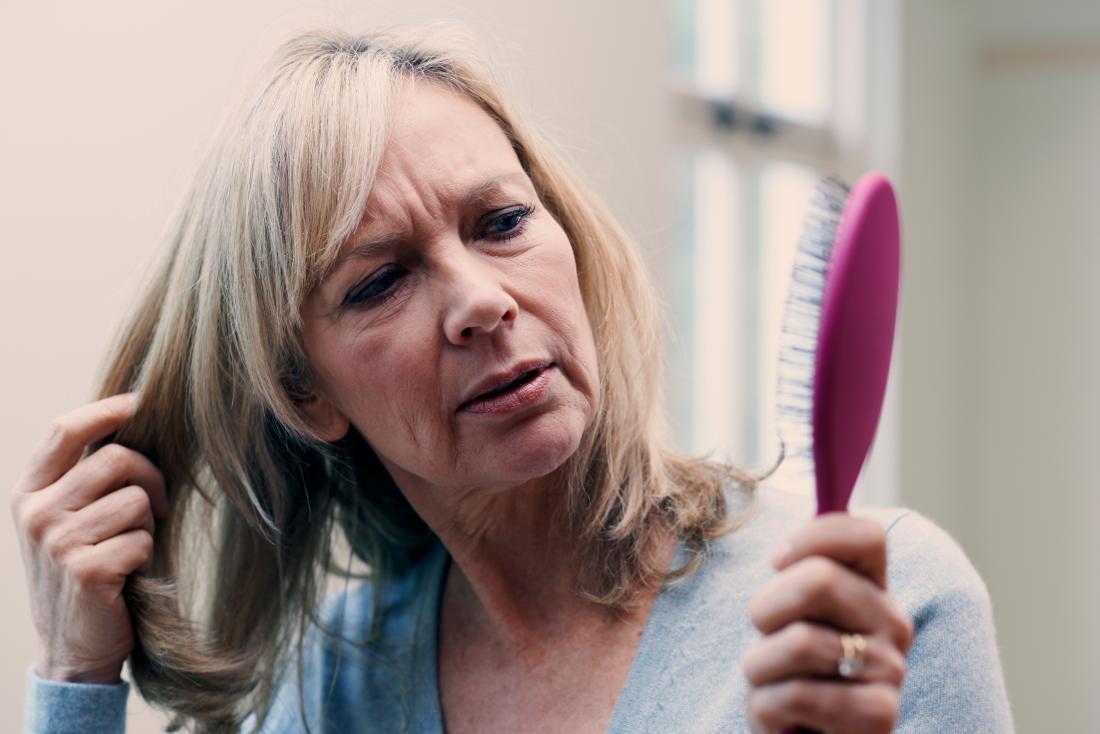
Share on PinterestThere is no scientific evidence to confirm that saw palmetto reduces hair loss.
To date, scientific research on saw palmetto for hair loss remains limited. According to the National Center for Complementary and Integrative Health (NCCIH), there is not enough scientific evidence to support people using saw palmetto for any health condition.
However, some researchers have looked into saw palmetto and hair loss.
According to a 2012 study, saw palmetto might inhibit an enzyme called 5-alpha reductase. A medication called finasteride (Proscar) uses this mechanism to treat hair loss in males. By inhibiting 5-alpha reductase, finasteride blocks the conversion of testosterone to dihydrotestosterone, which is the hormone responsible for male pattern hair loss.
Saw palmetto may also have anti-inflammatory effects on the body, which could offer protection from some causes of hair loss.
In a small 2002 study, researchers gave 10 males with androgenetic alopecia a supplement that contained both saw palmetto and beta-sitosterol. The researchers noted improvements in 6 of the 10 males. As this study was very small, additional research is necessary to support these findings.
In a 2012 study, researchers enrolled 100 males with mild-to-moderate androgenetic alopecia. Over 2 years, one group took 320 milligrams (mg) of saw palmetto each day, while the other group received 1 mg of finasteride daily.
In the end, 38% of those who took saw palmetto had an improvement in their hair loss, compared with 68% of those who took finasteride. This finding suggests that both treatments had an effect but that finasteride was more effective. The researchers also noted that the more severe the hair loss, the less likely saw palmetto was to work.
While smaller studies have shown that saw palmetto might have promise as a treatment for hair loss, there is a need for additional, larger scale studies.
Saw palmetto is available in a variety of preparations, including oral supplements and hair care products, such as shampoos and conditioners. As researchers have not proven that saw palmetto prevents or treats hair loss, there is no official recommended dosage.
According to the NCCIH, research has not shown that saw palmetto interacts with any medications. However, it is still a good idea for people to talk to their doctor before taking saw palmetto in case new information about interactions becomes available.
Another concern for males taking saw palmetto is that the supplement can reduce levels of prostate-specific antigen (PSA). One article notes that levels of PSA may decrease by 50% after 6–12 months of taking saw palmetto. Doctors test PSA levels during prostate cancer screening, so saw palmetto could make these tests less accurate.
A person’s diet can have an important effect on keeping the skin and hair healthy. Specific foods can help promote the growth of the hair and improve its strength and volume. These foods include eggs, Brazil nuts, and fatty fish.
The American Academy of Dermatology advise people to ensure that they get enough of certain nutrients in their diet. These include protein and iron, which the body uses to build strong, healthy hair. Eating too few calories may also affect the growth and health of the hair.
Few studies have looked into other home remedies for hair loss. However, there is some evidence to suggest that scalp massage and aromatherapy may help.
Like saw palmetto, pumpkin seed oil is a 5-alpha reductase inhibitor. A 2014 study found that males who took 400 mg of pumpkin seed oil daily for 24 weeks had an average hair count increase of 40%. However, more research is necessary before researchers can determine the effectiveness of this supplement.
Many doctors will recommend making lifestyle changes relating to hair care. In some people, these steps may help prevent further hair loss:
washing and conditioning the hair using gentle and moisturizing products
refraining from using hot oil treatments, chemical straighteners, chemical relaxers, and heat styling products, such as flat irons, hot combs, and curling irons
limiting the use of a hair dryer and only using the lowest setting possible
avoiding adopting hairstyles that pull the hair back tightly — including buns, pigtails, cornrows, or braids — because the twisting and pulling can lead to hair loss
brushing the hair as gently as possible
Saw palmetto is a supplement that may help the hair grow. However, the current evidence to support the use of this treatment is limited, and official bodies do not recommend it.
This supplement can affect PSA levels, so people should always tell their doctor when they take this supplement.
We picked linked items based on the quality of products, and list the pros and cons of each to help you determine which will work best for you. We partner with some of the companies that sell these products, which means Healthline UK and our partners may receive a portion of revenues if you make a purchase using a link(s) above.
Fever occurs when a person’s body temperature rises above the normal range. Although fevers tend to be harmless, they can cause great discomfort. A very high or persistent fever sometimes requires medical attention, though most fevers only require treatment with home remedies.
Infection is the most common cause of fever. In fact, developing a fever is the body’s way of helping fight off the infection.
Some other causes include inflammatory conditions, certain cancers, and reactions to drugs or vaccines.
However, there are many ways to treat a fever at home. In this article, learn about some safe and effective fever home remedies for people of all ages.
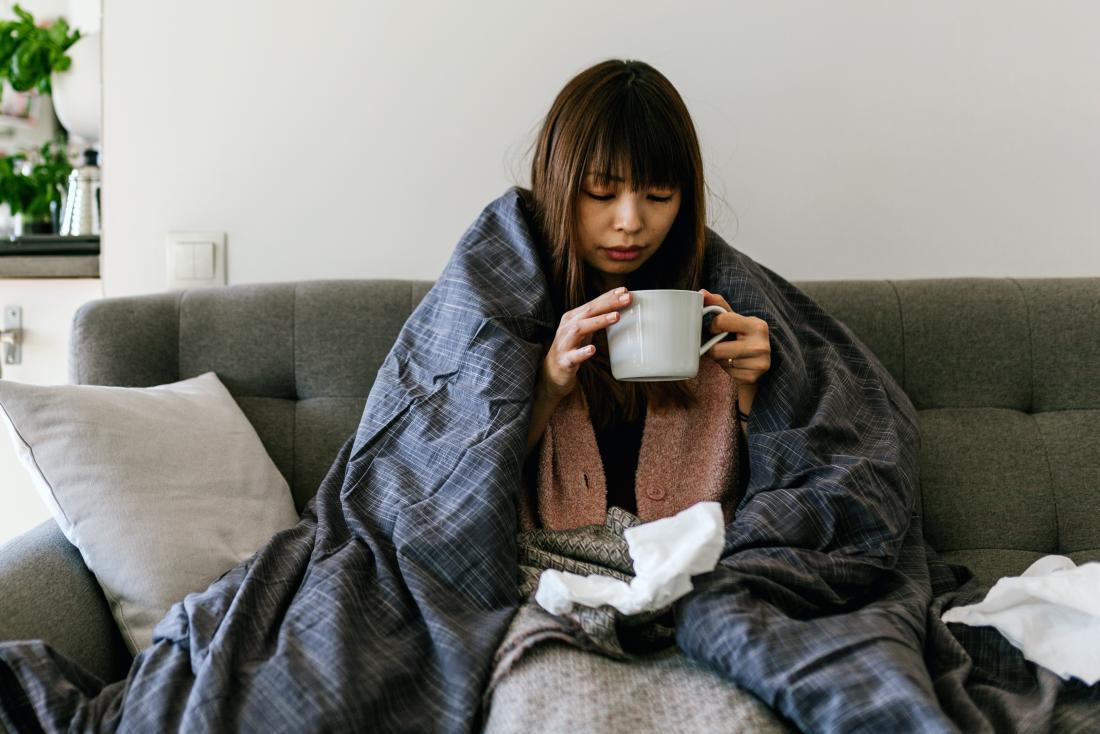
Share on PinterestA person should drink lots of fluids when they have a fever.
The average body temperature is around 98.6°F (37°C). However, body temperature fluctuates naturally throughout the day, especially with physical activity.
A low grade fever occurs when a person’s body temperature reaches 100–102°F (37.8 to 39°C). A high grade fever occurs when a person’s body temperature exceeds 104°F (40°C).
Aside from a higher body temperature, a person with a fever may also experience:
Febrile seizures tend to last a few minutes and do not usually cause any serious health problems. However, a child who has had a febrile seizure is more likely to have them again in future.
There are several things an adult can do to feel more comfortable when they have a fever. These include:
Drinking lots of fluids
During a fever, the body needs to use more water to compensate for its elevated temperature. This can lead to dehydration.
Drinking water or an electrolyte replacement drink can help rehydrate the body.
Resting
Fighting an infection takes a lot of energy. People should rest as much as possible to help the body recover.
Taking a tepid bath
Many people consider taking a cold bath when they have a fever. However, doing so can cause shivering, which will increase body temperature even more.
Instead, people can take a lukewarm or tepid bath to help the body cool off. A bath can also help soothe tired muscles.
Using over-the-counter medications
Medications are not usually necessary to treat a fever. However, some over-the-counter (OTC) medications can help reduce a fever and make a person feel more comfortable. These medications include:
Dressing lightly
Having a fever can cause a person to feel hot one minute and cold the next. Wearing too many layers can trap heat against the body, raising body temperature further.
People should wear few layers and add more if they start to feel cold.
The treatments for fever in children are very similar to those for adults. However, there are a few subtle differences.
For example, to treat a fever, children and infants should try:
Drinking plenty of fluids
Like adults, children with a fever also need plenty of fluids. However, it can be difficult to get young children to drink extra water.
Some more appealing alternatives include:
warm chicken broth
popsicles
flavored jello
diluted fruit juice
Resting
Children may feel better after taking OTC medications. As a result, they may feel more energetic and playful.
However, it is important to ensure that children rest until the fever or illness has passed.
If a child cannot sleep or relax, parents and caregivers can try reading them a story or playing them some gentle music.
Taking warm baths
Children are unlikely to appreciate bathing when they are sick. An alternative option is to place a warm washcloth on the child’s forehead to help soothe the fever.
People should never apply rubbing alcohol to a child’s skin in an attempt to soothe a fever. Alcohol can be dangerous when absorbed into the skin.
Taking OTC medications
As with adults, medication is not usually necessary for a child with fever. However, taking OTC medications can help reduce a fever and make a child feel more comfortable.
One drug that is suitable for children of most ages is acetaminophen. It is available under the brand name Tylenol.
Tylenol’s manufacturers state that it is suitable for use even in very young infants. However, the Food and Drug Administration (FDA) do not supply dosage instructions for acetaminophen in children under 2 years of age.
People who wish to treat a young infant should ask their doctor’s or pharmacist’s advice on appropriate dosages.
Some medications are not suitable for children under certain ages. These include aspirin, which is not suitable for people under 16 years of age, and ibuprofen, which is not suitable for children under 3 months of age or those who weigh under 5 kilograms.
Ibuprofen is also not suitable for children with asthma.
People should be sure to see a doctor if they or their child experience a very high or persistent fever that does not respond to medication.
It is also important to seek medical attention if the fever is accompanied by any of the following symptoms:
These symptoms could indicate a more serious infection, such as meningitis.
The threshold for seeking medical treatment is typically lower for children and infants than it is for adults. In general, people should seek medical treatment for a child who:
is 3–6 months old and has a temperature of 102.2°F (39°C) or higher
has a fever that has lasted for longer than 5 days
has other signs of illness, such as a rash
has symptoms of dehydration, such as sunken eyes, a lack of tears when crying, or nappies that are not very wet
is not eating and seems generally unwell
Fever is a common symptom of infection and inflammation. In most cases, a person can help soothe a fever at home.
A fever does not usually require medical treatment. However, taking OTC medications can lower a person’s body temperature and help them feel more comfortable.
It is important to remember that some medications are not suitable for children under certain ages. Always check appropriate treatments and dosages with a doctor or pharmacist before administering them to a child or infant.
A person should see a doctor if they or their child experience a high or persistent fever that does not respond to medication. A fever that is accompanied by more serious signs of illness also requires medical attention.
HuffPost is part of Verizon Media. Verizon Media and our partners need your consent to access your device and use your data (including location) to understand your interests, and provide and measure personalised ads. Verizon Media will also provide you with personalised ads on partner products. Learn more.
How Verizon Media and our partners bring you better ad experiences
To give you a better overall experience, we want to provide relevant ads that are more useful to you. For example, when you search for a film, we use your search information and location to show the most relevant cinemas near you. We also use this information to show you ads for similar films you may like in the future. Like Verizon Media, our partners may also show you ads that they think match your interests.
HuffPost is part of Verizon Media. Verizon Media and our partners need your consent to access your device and use your data (including location) to understand your interests, and provide and measure personalised ads. Verizon Media will also provide you with personalised ads on partner products. Learn more.
How Verizon Media and our partners bring you better ad experiences
To give you a better overall experience, we want to provide relevant ads that are more useful to you. For example, when you search for a film, we use your search information and location to show the most relevant cinemas near you. We also use this information to show you ads for similar films you may like in the future. Like Verizon Media, our partners may also show you ads that they think match your interests.
HuffPost is part of Verizon Media. Verizon Media and our partners need your consent to access your device and use your data (including location) to understand your interests, and provide and measure personalised ads. Verizon Media will also provide you with personalised ads on partner products. Learn more.
How Verizon Media and our partners bring you better ad experiences
To give you a better overall experience, we want to provide relevant ads that are more useful to you. For example, when you search for a film, we use your search information and location to show the most relevant cinemas near you. We also use this information to show you ads for similar films you may like in the future. Like Verizon Media, our partners may also show you ads that they think match your interests.
Nose hairs are a natural part of the human body, and everyone has them. Nose hairs help prevent potential allergens and other foreign objects from entering the nostrils. They also help keep air moist as it comes into the nasal passages.
Although nose hairs are perfectly normal, some people find long hairs that protrude from the nostrils to be a source of embarrassment that they wish to remove.
However, not all methods of nose hair removal are safe. Read on to discover the safest and most effective ways to remove nose hair.
It is generally safe for people to remove nose hair by either trimming it with a nose hair trimmer or undergoing laser hair removal.
Nose hair trimmers can be manual or electric. Manufacturers have designed both types to fit into a person’s nostril safely without damaging the sensitive tissues inside it.
Manual nose hair trimmers are small scissors with blunt or rounded ends.
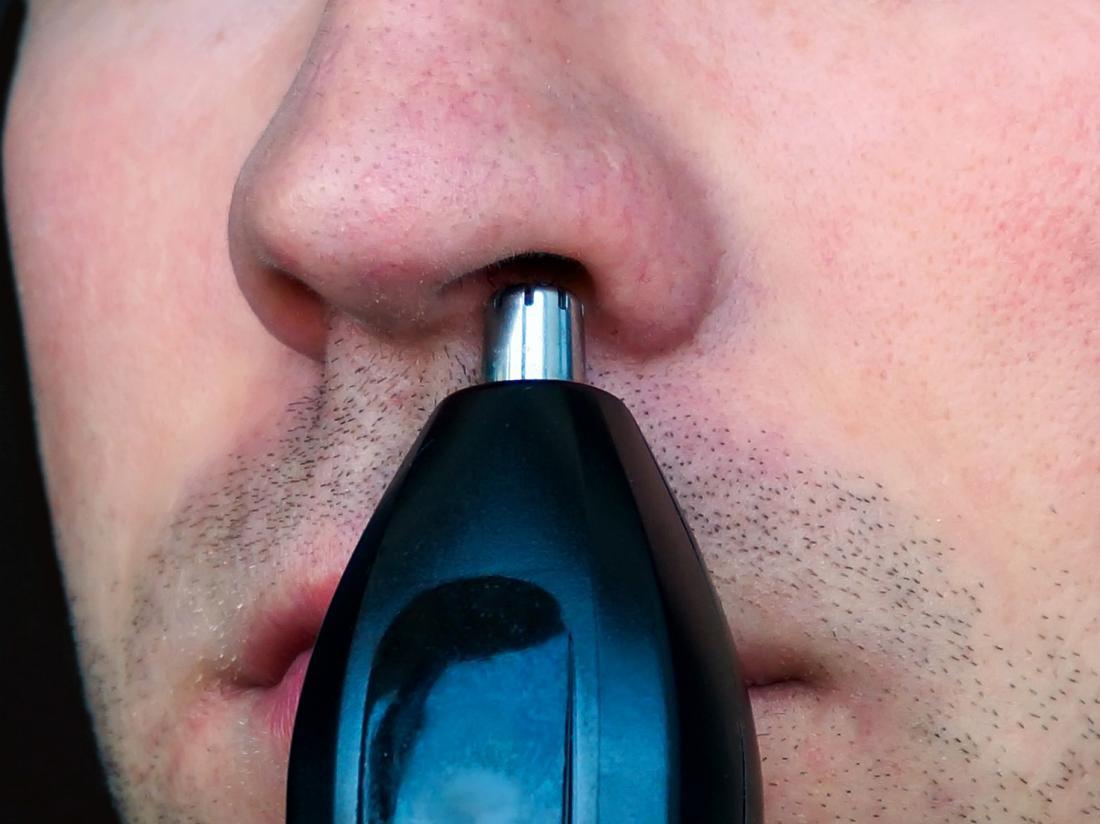
Electric trimmers are handheld devices with small, rotating cutting blades at one end. The blades sit inside a plastic or metal guard, which stops them from contacting the skin. Small slits in the guard allow longer hairs to enter the cutting mechanism below.
A person should be able to find both manual and electric nose hair trimmers at their local drugstore or pharmacy. The trimmers may be available separately or as part of a personal grooming kit.
Nose hair trimmers are very easy to use. Some general tips for using these devices include:
blowing the nose before trimming to get rid of any mucus around the hairs
using a magnifying mirror to see the hairs in more detail
leaning the head back when trimming to increase visibility inside the nostrils
placing the trimmers close to the skin when trimming
cutting only the most visible hairs and leaving the rest intact
blowing the nose again afterward to remove any loose hairs
The advantage of nose hair trimmers is that they allow a person to shorten only one or two protruding hairs. As a result, the majority of hairs remain intact and able to protect the airways.
The most significant disadvantage of nose trimmers is that the hairs will grow back. When this happens, a person will need to trim them again.
Laser hair removal
Laser hair removal is another safe option for removing nose hair. However, it is an expensive option, and a person’s health insurance will not cover the costs.
Laser hair removal targets hairs that are visibly protruding from the nose. It works by heating up and destroying the hair follicle at the root of the hair.
Unlike trimming, laser hair removal offers a more permanent solution for problematic nose hairs. However, people usually require at least six sessions for the hair to stop growing back.
People should ensure that only a board-certified dermatologist or cosmetic surgeon performs laser hair removal. It is also important to have a consultation with the laser therapy practitioner before going ahead with the treatment. Some questions to ask during this consultation include:
People may also request to see before-and-after photos of the practitioner’s previous clients.
A person should avoid other nose hair removal techniques, which include:
Using hair removal cream: Hair removal creams may burn the delicate skin and mucous membranes inside the nostril. They may also produce toxic fumes, which a person could breathe in through the nose.
Waxing and plucking: Waxing or plucking the nasal hair can lead to ingrown hairs and infections. These methods could also damage the sensitive tissues inside the nostrils.
Using pointed scissors: A person should also avoid trimming the nose hair with nail scissors or other small scissors with sharp points. The points can easily puncture the delicate mucous membranes inside the nostril, and this could lead to pain and infection.
According to the findings of a 2011 study, nasal hair has a protective function as it helps prevent allergens from entering the nostril. Removing too much hair means that a person with seasonal allergies or asthma may be more vulnerable to allergens.
As a result, people should only ever target the visible hairs that they deem to be unsightly. Keeping the other hairs intact allows them to fulfill their important functions.
Trimming and laser hair removal are two methods of removing nose hair that are generally safe.
Trimming is a relatively inexpensive method of nose hair removal. However, a person will need to repeat the procedure each time the hair grows back.
A more permanent but expensive option is laser hair removal. People should only receive this treatment from a board-certified dermatologist or cosmetic surgeon.
People should keep in mind that nose hairs serve important functions. Therefore, when removing nose hairs, it is best to trim or treat only the visible hairs.
Neuropathy is nerve damage that often occurs in people with diabetes and as a side effect of chemotherapy. Although lifestyle changes and conventional treatments may ease symptoms of neuropathy, supplements may also help.
experiencing extreme changes in temperature, usually in the feet
having other unusual sensations
Although any of the body’s peripheral nerves can develop neuropathy, most people experience symptoms in the feet or hands.
Treatment for neuropathy usually involves managing the condition that has caused it and relieving symptoms. Research into using supplements and natural remedies for neuropathy is ongoing. Supplements may have fewer side effects than conventional treatments and have other health benefits.
As with any medication, anyone wanting to try supplements should discuss the risks and benefits with a doctor first. Anyone experiencing severe side effects should seek medical advice as soon as possible.
In this article, we examine vitamin and supplements that may help reduce symptoms of neuropathy, prevent it from occurring, or even reverse nerve damage. We also discuss dietary and lifestyle tips for neuropathy and look at when to seek advice from a doctor.
Share on PinterestAcetyl-l-carnitine may help improve nerve function in people with neuropathy due to diabetes.
Acetyl-l-carnitine (ALC) is a popular supplement for treating a wide variety of symptoms. The liver and kidneys naturally produce it.
People undergoing chemotherapy may find relief from neuropathy with ALC. However, the data supporting its use are mixed.
While some small early studies produced promising results with the supplement, other data suggest that ALC does not work.
Other studies show that ALC helps control pain and may improve nerve function in people with neuropathy due to diabetes.
B-12, B-6, other B-complex vitamins may also ease symptoms of neuropathy.
B-complex vitamins play an essential role in nerve health, metabolism, and sensory perception. B-complex deficiencies are relatively common, and a person can develop a deficiency after just a few weeks of inadequate intake.
A person needs to consult a doctor before supplementing with B vitamins.
Some B-complex supplements that may help neuropathy include:
folate (vitamin B-9), which is also present in dietary sources, such as oatmeal and fortified cereals
vitamin B-1, which is present in many types of meat, as well as oranges and peas
A handful of studies suggest that ALA may offer relief from some neuropathy symptoms, especially burning and stabbing pains, within a few weeks.
A 2006 study evaluated symptoms of neuropathy after 5 weeks of taking oral doses of ALA once a day. The researchers divided participants into three groups according to ALA dosages of 600 milligrams (mg), 1,200 mg, and 1,800 mg.
Participants received a single oral dose of ALA each day, and researchers compared them with a placebo group. At all three dosages, participants reported fewer symptoms. However, people who took higher doses experienced more side effects.
Another study found that people taking 300 mg of alpha-lipoic acid along with 150 mg irbesartan showed increased blood flow in the brachial artery, which is in the upper arm. They also experienced lower levels of inflammation, suggesting the supplement may help with both blood flow and inflammatory processes.
The Foundation for Peripheral Neuropathy also suggest that calcium could help with chemotherapy-related neuropathy, but again, research is limited.
However, the study published in Nutrients found that high dietary calcium had no effect on chemotherapy-induced neuropathy in some people.
Rich dietary sources of calcium include dairy foods, such as milk and cheese.
Glutamine is the body’s most abundant amino acid. It may improve many side effects of chemotherapy, including inflammation, muscle pain, and neuropathy.
Glutamine is also available as a pill or an injection.
Several small studies have found that glutamine may eliminate or reduce the severity of neuropathy in people having chemotherapy. However, researchers need to carry out further research to confirm these findings.
Glutathione is an antioxidant that the body produces naturally. It is an increasingly popular supplement, and some foods, such as okra, asparagus, and avocados, contain high levels of it. However, digestion breaks up glutathione, and the body does not absorb it, so people may need to use other methods. Talk to a doctor about the best ways to take in glutathione.
Preliminary research has found that glutathione may help with chemotherapy-related neuropathy, diabetic neuropathy, and neuropathy of unknown origin.
Not all studies have found that glutathione works, so more research must assess its role in nerve health.
N-acetyl cysteine (NAC) is present in foods such as lentils, beans, and bananas. NAC may protect the neurological system from inflammation and damage, which may help prevent or treat neuropathy.
A 2018 review highlights several small studies linking NAC to improvements in several neurological disorders, including neuropathy.
Some people develop neuropathy because they have a deficiency in particular vitamins and nutrients. Supplements can help reverse or reduce symptoms.
Some vitamin and mineral deficiencies that may cause neuropathy include:
Vitamin B-12. People who do not eat any animal products are more vulnerable to B-12 deficiency. Vitamin B-12 deficiency may also cause anemia.
Copper. Copper deficiency may damage nerves and lead to excess zinc in the blood. People with too little copper may need lifelong treatment.
Vitamin E. Vitamin E is an important antioxidant. Being deficient in vitamin E can damage the nerves. A disease called spinocerebellar syndrome can cause vitamin E deficiency, though unusual diets and other conditions may also lead to low vitamin E.
Vitamin B-6. Vitamin B-6 can cause peripheral neuropathy if a person gets too much or too little. A poor diet and eating disorders may cause B-6 deficiency.
Taking too much of any supplement can cause serious health problems, including worsening neuropathy. People who suspect they have a nutrient deficiency should ask a doctor to check their levels and then consult with a nutrition expert about which supplement to use and at what dosage.
Neuropathy is a complex symptom, and the right treatment varies from person to person.
Diet and lifestyle strategies that may help a person to reduce their symptoms or even prevent neuropathy include:
Controlling blood glucose levels. A person can manage their levels by eating a balanced diet rich in fiber and low in simple carbohydrates. People with diabetes may need to take medication.
Physical activity. Exercise improves blood flow, helps a person maintain a healthy weight, and can prevent some conditions that may cause neuropathy. Exercise also plays an important role in blood glucose management.
Quitting smoking. Smoking narrows the arteries and increases the risk of neuropathy in people with diabetes. Quitting smoking can help.
Eating foods that reduce inflammation. Good choices include fatty fish, such as salmon and tuna, flaxseed, and fruits and vegetables.
People with conditions that may cause neuropathy should discuss prevention strategies with a healthcare professional.
It is also important to see a doctor if:
neuropathy symptoms appear for the first time
neuropathy symptoms are unbearable or are getting worse
treatment for neuropathy is not working
the feet go completely numb, or neuropathy makes walking difficult or impossible
Neuropathy can be unpredictable and may suddenly get better or worse.
Many people with neuropathy find that they have to try several treatments to see improvements. Neuropathy is a treatable symptom, especially with the right combination of medication, lifestyle changes, and treatment for the underlying condition.
A person should talk to a healthcare professional about strategies for managing neuropathy.
Some people find that tracking their symptoms over time helps them understand which interventions or medications have worked and allows them to establish links between their lifestyle and neuropathy symptoms.