Mary Berry’s Unexpected Secret Ingredient For Crispy Roast Potatoes And Parsnips


It takes a lot for me to change my tried-and-tested roast parsnip recipe, but if there’s anyone who can convince me to alter my beloved roaster routine, it’s Mary Berry.

Writing for Love to Cook, the author and cooking guru shared that “Crunchy sweet parsnips are the perfect side dish. The addition of semolina gives them a lovely crispy outside.”

The trick works for spuds, too, she says ― “With the addition of semolina, these golden parsnips become extra crisp in the oven. Throw some in with your roast potatoes for something a bit different this Sunday.”

So, we thought we’d share why it works, as well as some other root veg-roasting tips:

Semolina has a moisture content of around 14%, which is why you need to hydrate it with milk or another liquid to access its fluffy deliciousness.

Meanwhile, spuds sit between 75% and 85% moisture. Parsnips are 80% water. That means that both veg tend to steam a little as they bake, providing the softer, fluffier texture we love on the inside of our roasters.

So, when you coat either option in small, dry semolina, the cereal stays dry and crispy when you bake them while the insides of the veg grow fluffy.

And because the grain is so fine and small, it clings easily to the outside of your roasted roots.

Yep! Mary Berry recommends cutting your parsnips into eighths rather than quarters for that extra-crisp finish, as you’ll have a larger surface area (and corners) for the oil to cover.

For both parsnips and potatoes, the semolina trick takes a similar pattern. Par-boil the veg (par-boiling should take four minutes for parsnips and up to ten minutes for spuds).

Cool them a little before placing some oil in a baking tray to get hot when you’re ready to prep the veggies for roasting.

Then, coat the parboiled veg salt, pepper, and a little oil before adding semolina and your herbs of choice. Cook until golden and deliciously, perfectly crisp.

Share Button

I’m A Chef — This Simple Recipe Will Level Up Your Carrots On Christmas Day

We all know that we’re going to spend Christmas day fighting over roast potatoes with our families and that the meat of choice comes after deep consideration but according to one chef, we’re actually missing a trick when it comes to our carrots.

Yes, that’s right, our collective disregard of the humble carrot has led us astray and we’ve been taking their essential spot on our dinner plates for granted, especially around this time of year.

Outrageous, really, since carrots are the ideal snack for reindeers.

Michael Lawson, head chef at Atlantic Brasserie said: “Carrots are great produce to cook with; they’re available year round and are super versatile.

“For Christmas dinner there are countless ways to elevate this humble veggie into the star of the show.”

How to elevate your Christmas carrots

Lawson promises that this recipe can “transform carrots into a stunning holiday centrepiece, that’s as delicious as it is eye-catching.”

All you need is honey, butter, pistachios, orange zest and, if you’re feeling extra fancy — chives.

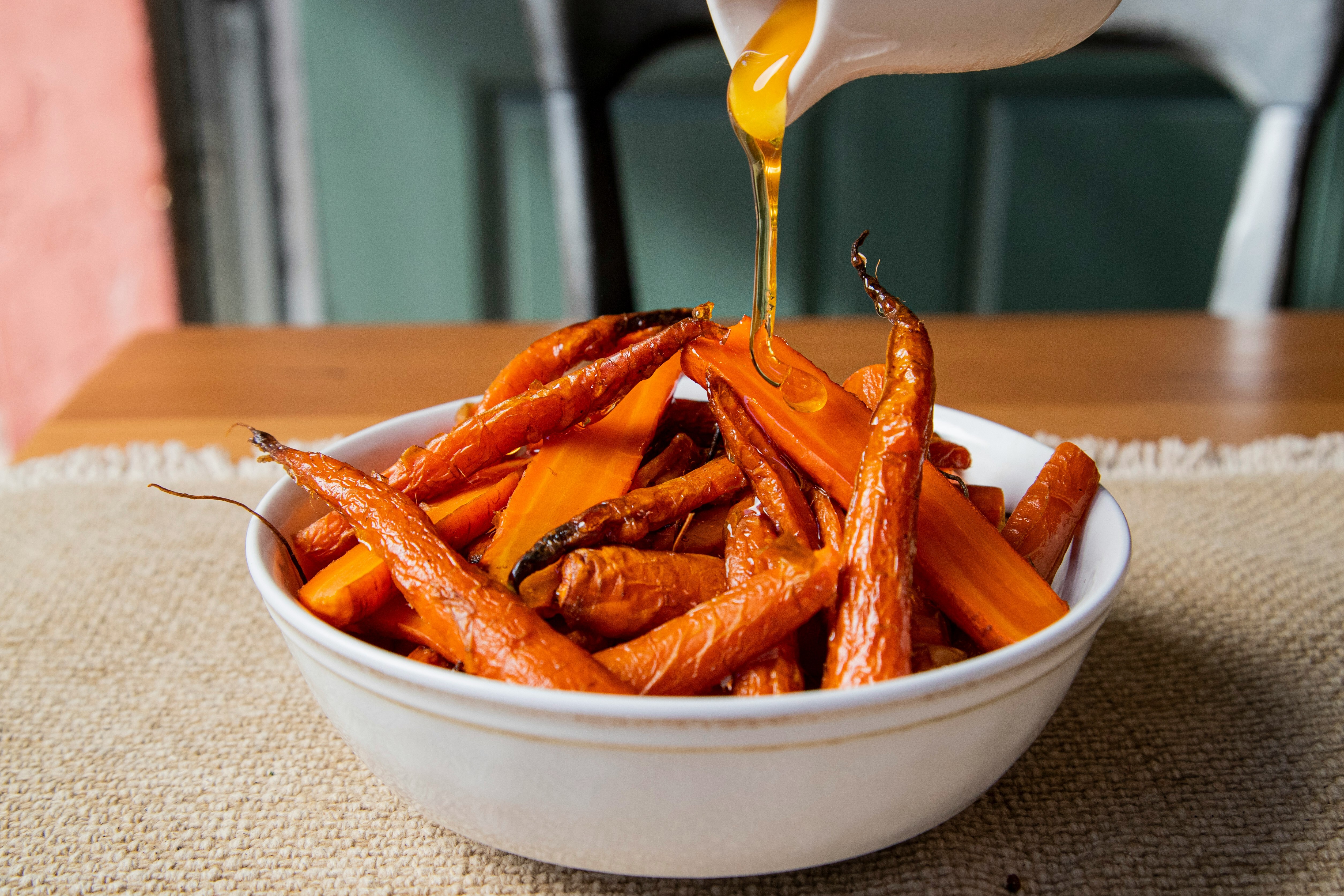
Lawson says: “I start with glazing carrots with honey and butter, which gives them a rich and sticky finish.

“My secret ingredient is pistachios – they might not be the first garnish you think of when you’re cooking carrots, but they give the dish a nice crunch and a contrasting savoury flavour which is just mouthwatering. You can also add in some chives for colour and a more complex flavour”

Once you’ve done this, roast your carrots in olive oil for 45 minutes until fully cooked. Then, Lawson advises: “Make a glaze with the zest of an orange and around 20 ml of honey, cover the carrots in this and roast for a further ten minutes.

“Sprinkle the pistachios and chopped chives before serving. It’s a super easy way to level up what can be a basic side – and it’s perfect for Christmas dinner.”

I think it’s fair to say I’ll be tucking into this treat throughout the year, too.

Share Button

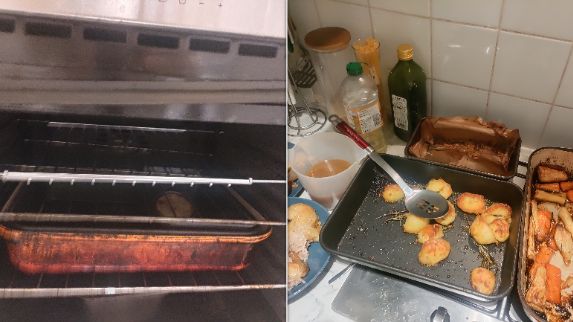
This £12 Amazon Find Gave Me A Third More Usable Oven Space

We hope you love the products we recommend! All of them were independently selected by our editors. Just so you know, HuffPost UK may collect a share of sales or other compensation from the links on this page if you decide to shop from them. Oh, and FYI — prices are accurate and items in stock as of time of publication.

As Christmas draws near, I’ve been feeling the panic pretty much anyone who’s hosted a big dinner has experienced ― how am I meant to cook everything I need to when I’ve only got one oven?

Don’t get me wrong, I love my slow cooker (where I’m planning to make some spiced apple red cabbage on the day), and I’m not completely against steamed veggies.

But with Yorkies, stuffing, pigs in blankets, roast parsnips, spuds, and some kind of fowl in the mix, I genuinely started to lose sleep over how it was all going to come together.

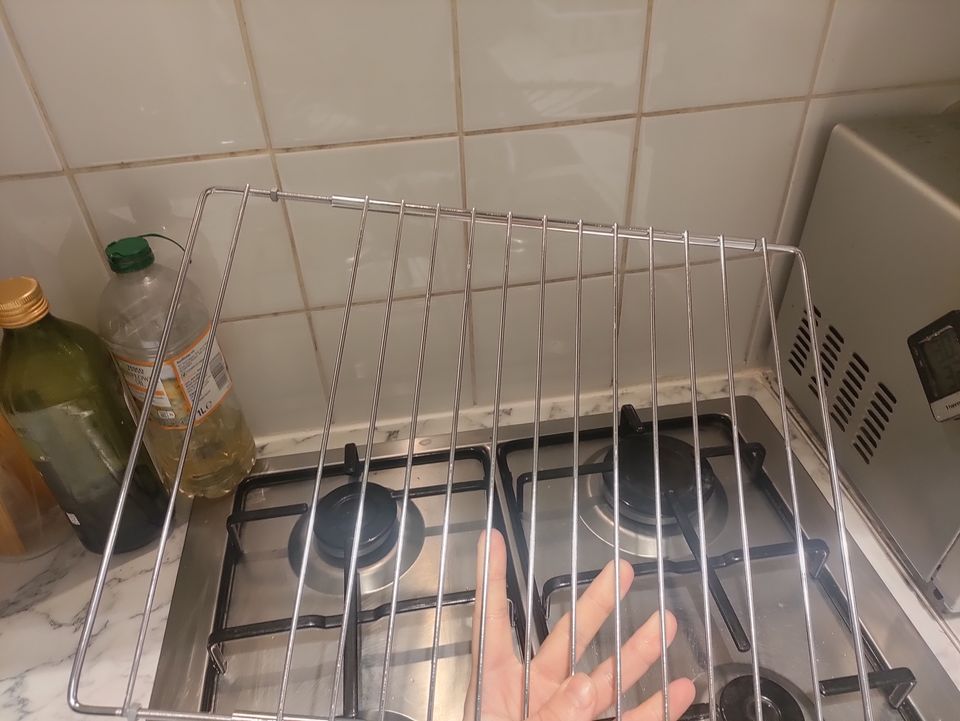
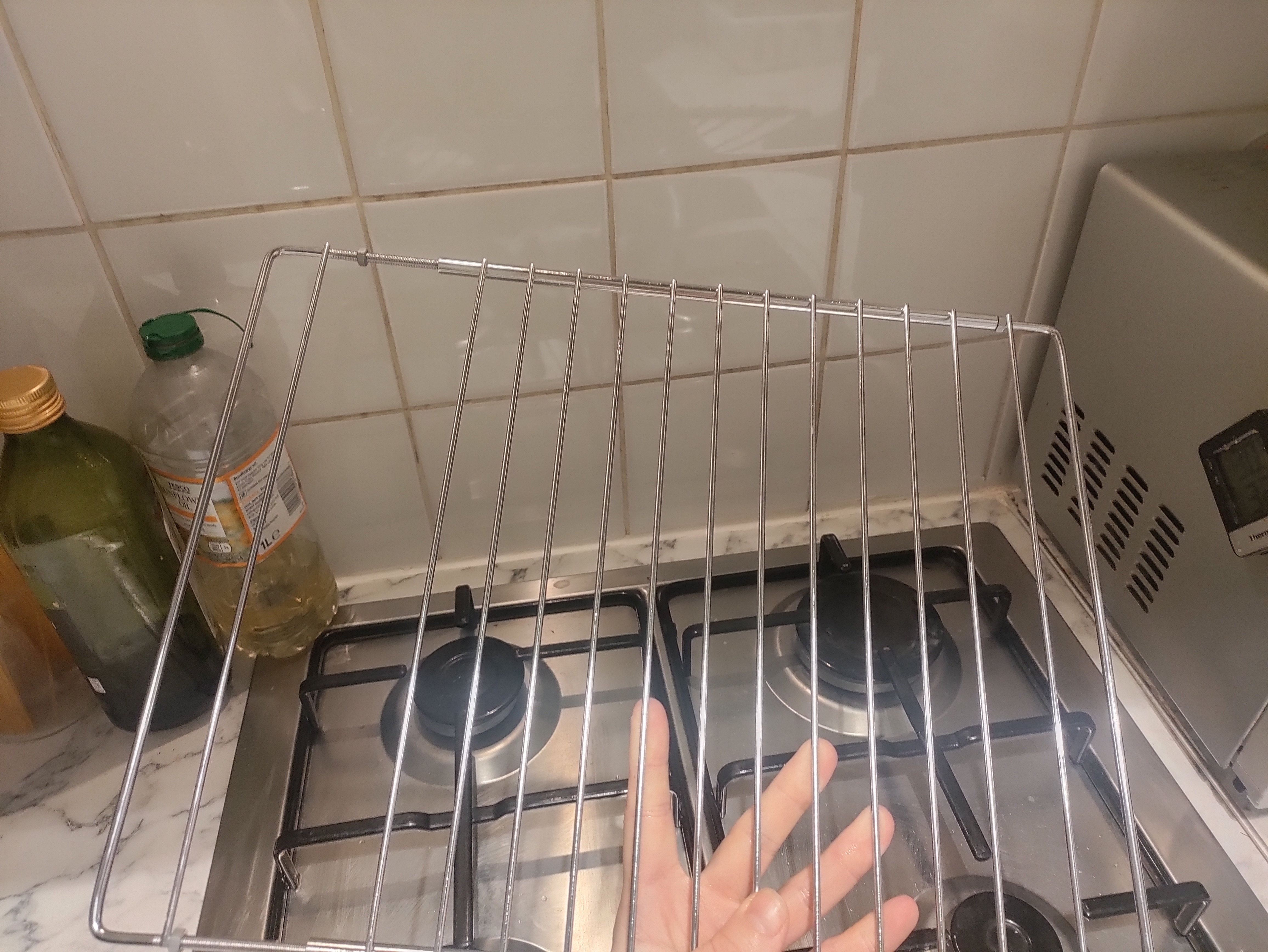
That was, of course, before I spotted this £12 universal oven rack from Amazon, which instantly made all my fears look ridiculous.

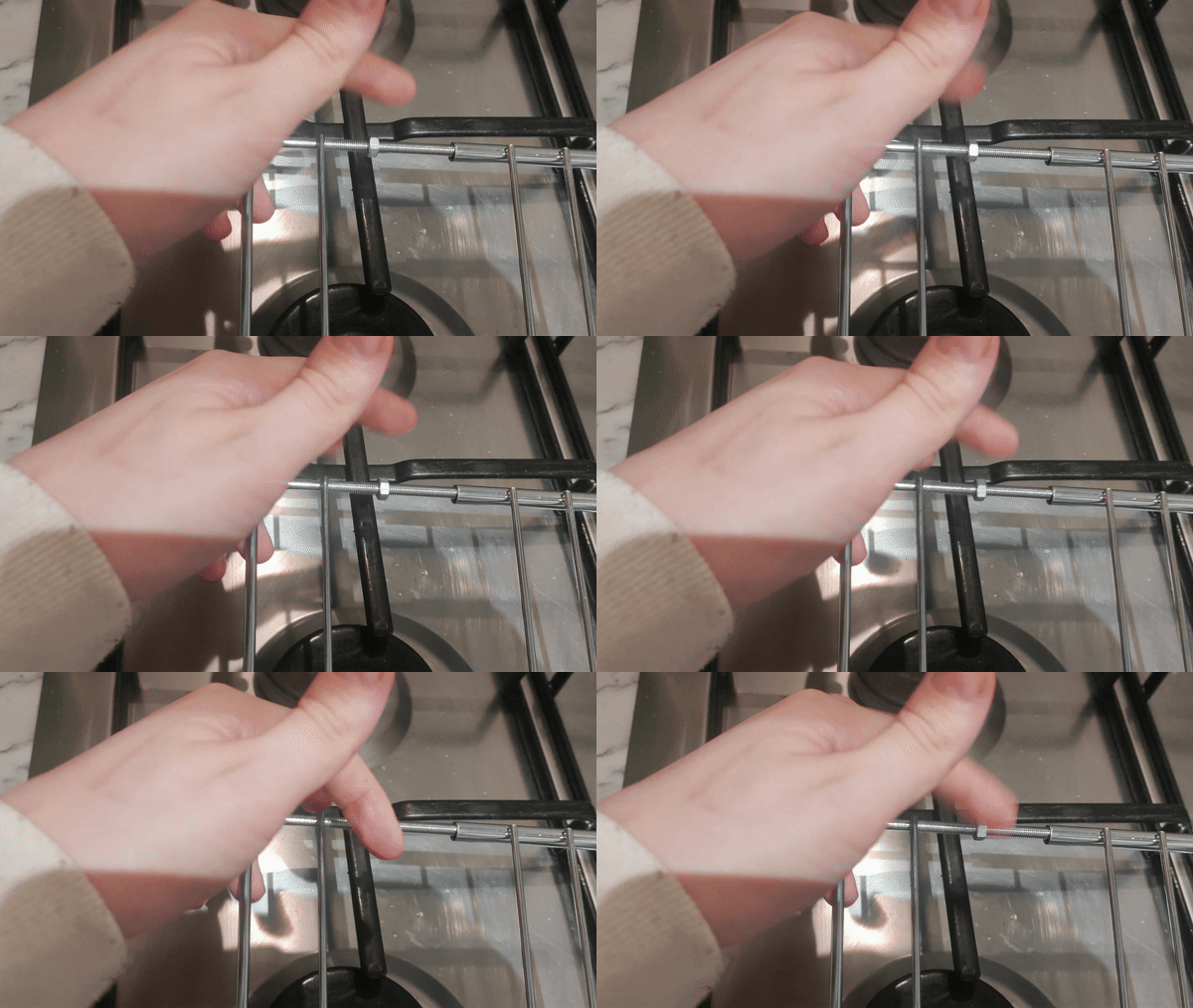
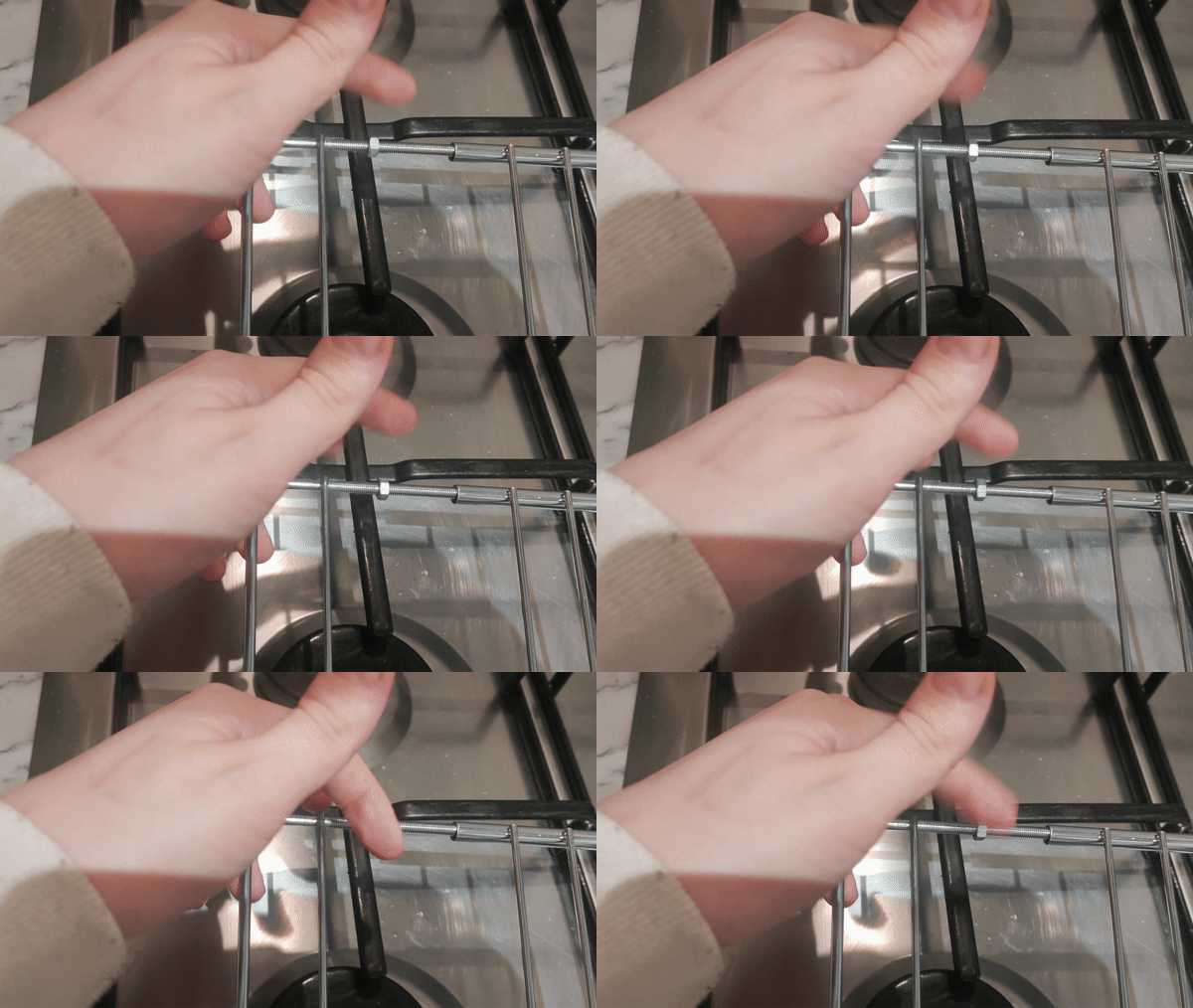
It’s got adjustable arms that you can tighten or loosen with the bolts attached to both sides of the rack.

You don’t need any tools to tighten or loosen it ― a simple twist with your thumb and forefinger is more than enough.

It extends from 36cm to 59cm, making it perfect for most ovens (it only took about a minute to make it fit mine).

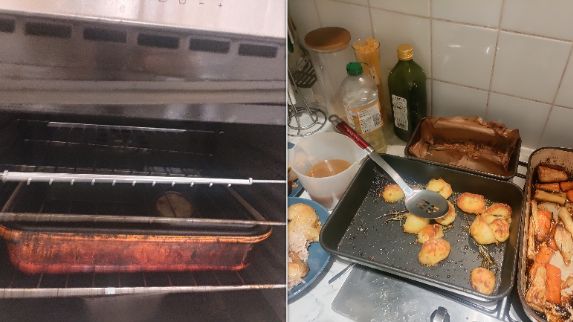
After I’d fitted it into my oven, my first step was to try a dry run of the Crimbo dinner (basically, I did a roast).

I’ll be honest; I was worried there wouldn’t be enough height in my oven to properly accommodate everything I wanted to include, but by placing the top and bottom racks at the highest and lowest ridges respectively, I got away with a lot more than I thought I would.

So it’s pretty safe to say I’m sold on the addition ― you can nab your own here, if you like.

Share Button

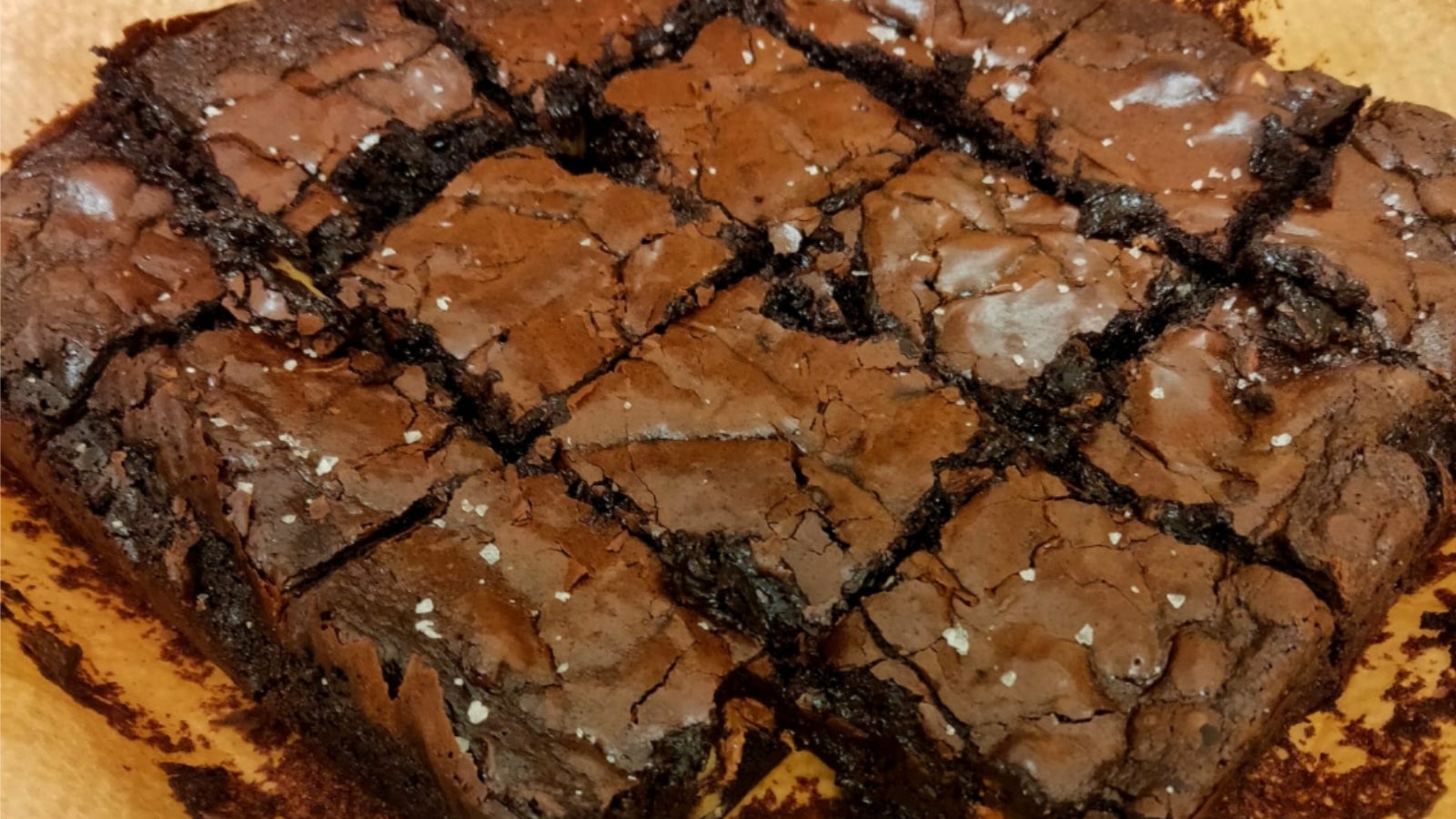
I’ve Tried Over 30 Brownie Recipes ― The Best Ones All Omit This Common Ingredient

Some people treat fudgy vs cakey brownie discourse like it’s a debate. It’s not; the latter is a chocolate traybake, and the former is a proper, you know, brownie.

After all, no less than the Cambridge Dictionary defines them as “a small, square chocolate cake that is soft in the middle.”

With that understanding, I’ve long been on the hunt for the fudgiest, densest, most chocolate-y of chocolate brownie recipes.

I’ve tried Gordon Ramsay’s (fine, but not quite the right texture), Nigella Lawson’s (delicious but, again, not as relentlessly squidgy as I prefer), and even Mary Berry’s (dare I say it; they were a little lacklustre too).

Only a few recipes stood up to my gooey-base, paper-thin crispy top standards; and all of them had a counterintuitive secret in common.

Which is?

It sounds completely wrong, but the densest, fudgy-est brownies I’ve made have never featured melted chocolate in the batter.

Part of the reason why that feels so untrue is that melted chocolate is so luxurious, so extravagant, and so, well, chocolate-y. Why would something so cocoa-lly good make a chocolate dessert less sumptuous?

All I can say is it turns out Bon Appetit found the same thing I did when testing brownie recipes: “As compared to those made with just chocolate or a combination of the two, cocoa brownies are reliably superior in terms of texture and flavour,” they shared.

That’s partly because chocolate contains a fat called cocoa butter, which is solid at room temperature (hence, you bite a chocolate bar rather than spread it on your toast).

But when you include cocoa powder, which contains next to none of the fat, your batter is forced to rely on the other fat in the mix for its texture ― butter.

Dairy butter is just about solid at room temperature, but much less so than its cocoa cousin.

That means brownies made without melted chocolate in the batter take on more of the properties of the butter; they’re softer, more velvet-y, and gooier when cold.

Then, there’s a question of taste; good cocoa is, well, 100% cocoa, while chocolate will always be somewhat tempered.

That leads to a darker, denser, more chocolate-y flavour.

So what’s the best recipe?

I do actually add some chocolate chunks (never chips) to the brownie mix after it’s all combined. Because it’s not incorporated into the batter, it doesn’t affect the brownie’s texture as much, and it tastes amazing.

But if you ask me, a person who has tried about 32 different variations, the best recipe around is from Hugh Fearnely-Whittingstall.

I have screenshotted, sent, and then saved his steps on multiple email accounts and written them out physically in more than two notebooks in case The Guardian ever take the page down.

“For me, brownie nirvana is a crackled, shiny top beneath which lies a rich, dense and chewy middle, verging on the underdone,” the food pro wrote ― and he delivered.

The only note I have is to skip the walnuts he suggests as an optional add-in in place of chocolate chips. Come on ― we all know why we’re really here.

Share Button

This Is The Simple Reason Why Sourdough Bread Is Much Healthier

If you’ve ever gone through a breadmaking phase, you’ve likely dabbled in creating your own sourdough using either a starter of your own or one given to you.

However, if you weren’t familiar, BBC Good Food has a pretty explanation of what it is: “Sourdough is naturally leavened bread, which means it doesn’t use commercial yeast to rise. Instead, it uses a ‘starter’ – a fermented flour and water mixture that contains wild yeast and good bacteria – to rise.

“This also produces the tangy flavour and slightly chewy texture you’ll find in sourdough.”

It’s also delicious. Perfect for sandwiches, toasting, dipping in soup, on the side of salads… you name it, sourdough is the perfect accompaniment.

However, the hidden benefit of sourdough isn’t its taste or how easy it is to create. It turns out that sourdough is actually very good for your health, too.

The health benefits of sourdough

According to Web MD, sourdough is rich in nutrients that make the bread overall good for our bodies, disease prevention and lowering blood sugar.

However, it’s our gut health that sees the most benefits, especially in comparison with other breads.

The health experts said: “Sourdough bread may be easier to digest than white bread for some people.

“According to some studies, sourdough bread acts as a prebiotic, which means that the fibre in the bread helps feed the “good” bacteria in your intestines. These bacteria are important for maintaining a stable, healthy digestive system.”

How to make a sourdough starter

If you want to try your hand at making sourdough, you’ll first need to make a starter.

For a starter, according to Jamie Oliver, you’ll need 100g strong white bread flour, 100g dark rye flour, 200ml of water and a container that can be sealed — around 1L is ideal.

View Jamie’s recipe full here, and good luck!

Share Button

Do This 1 Trick Immediately After Using A Sieve To Prevent Stuck-On Food

Ah, sieves ― they’d be such a handy tool if they weren’t nigh-on impossible to clean.

As someone who tends to be much kinder to “current me” than I am for “future me,” – I still end up using mine about once a day.

It’s perfect for draining pasta (except for the washing). It’s a great way to ensure no lemon seeds end up in the juice (except for the washing). It’s useful for sifting flour, too, except… well, you get the message.

So you can only imagine how relieved I was to find that taking one simple step immediately after using the tool can prevent an awful lot of stuck-on food.

Which is?

Food magazine Bon Appétit wrote that whacking the utensil against your sink as soon after using it as possible is really, really helpful.

“As soon as you finish using your sieve, bang it against the sink,” they shared.

“This helps dislodge some of those smaller pieces that haven’t had time to mush up and settle in.”

They add that you should also soak your sieve in very hot, soapy water for 15 minutes “right away.”

A dash of distilled white vinegar added to the mix can make cleaning it even more effective, the publication says.

However, for both methods, speed is key.

Is that the only hack?

Far from it. In a Reddit thread about the cooking conundrum, site users were full of recommendations.

“I turn it upside down in the sink, and use the sprayer to blast the back side. This usually cleans it pretty well,” one Redditor wrote.

Many advised against letting your sieve rest after use, even for a minute ― more people than I’d expected knew about the “banging it against the sink” trick too (am I the only one this is news to?).

Yet another person suggested using a toothbrush if the debris gets really dire (Bon Appétit reccomends this too).

With all the resentment I’ve built up to that accursed mesh, hitting it against the sink should be easy…

Share Button

Here’s Why You Should Never Use Oil Alone When Frying Eggs

If you’ve ever tried to fry an egg in a nonstick pan, you’ll know how tricky the supposedly easy protein can be to cook.

It’s not just ensuring the whites don’t rip off in a jagged, uneven strip, or preventing the yolk from splitting; there’s also the struggle of getting that lacy, crunchy base and runny yolk without keeping any slimy, uncooked whites.

There’s lots of advice for those looking. For instance, “hot pan, cold oil” has proven a consistent way for me to achieve unstuck eggs every time; I’ve found that using room-temperature eggs is also a helpful tidbit.

But there’s only one egg trick I use every time I fry one; you should be using water as well as oil in the process.

Why should I use water as well as oil when frying an egg?

Once you’ve got the bottom of your egg cooked, water is essential to steam its top. This keeps the egg runny and the whites firm.

As Food & Wine’s culinary director, Justin Chapple, explained, “You start by adding a small amount of oil to the skillet and cracking in the eggs, just like you normally would.”

“Then, about 30 seconds in, you add hot water to the pan, basting the eggs until the whites are set and the yolks are still runny. It creates tender, soft fried eggs with no overdone edges in sight.”

Not only does this prevent rubbery or runny eggs, but it also cooks them more evenly than just oil ― so you won’t have to flip them (just be careful to keep everything on a medium heat to prevent evaporation).

In case you thought we were alone, none other than Best Recipes Australia swears by the hack for “that perfect, gooey yolk” (I’m drooling).

Of course, basting the egg with hot oil can have a similar result ― but even when chefs like Gordon Ramsay use fats only, they ensure it’s not just oil.

Gordon revealed in a video on the topic that he only uses a “tiny drop” of oil followed by a heartier “knob” of butter, which has a lower smoke point and can be used to banish that “raw egg white” that “can be uncomfortable.”

Any other fried egg hacks?

If you’re really willing to go out of the box, food blogger and cookbook author Lisa Steelewrote for her account Fresh Eggs Daily that you can fry your eggs in cream.

When you think about it, it’s kind of the same philosophy as using butter (which none other than Gordon Ramsay swears by for the job).

She places a thin layer of heavy cream at the base of a cold pan, heats it on medium until it’s bubbling, then adds the eggs.

“The cream will continue to bubble and eventually begin to separate and then caramelize as the eggs cook,” the caption of her Instagram post reads.

Having seen the results in her video, I’m tempted to give it a go (for journalism, of course).

Share Button

I Just Learned How Much Water Italians Use To Cook Pasta, And I Have Been Doing It Wrong

These days, I’m a great cook, but until maybe around 5-10 years ago, I was a bad cook who could throw together a pasta dish no problem. If there’s one thing I’ve always been able to do, it’s fire up a pasta dinner.

It’s simple, right? Bit of water, boil it, put some olive oil in, put some pasta in and cook for around 12 minutes until it’s soft, done. Right?!

Well, the fact that I’ve never been to Italy has never been quite as evident as when I recently learned that actually, no, my process is all wrong and I’ve been serving up what I can only describe as an offence to Italians and food-lovers alike.

For starters, did you know there’s a real science to how much water you should use to boil pasta and it isn’t just measured on vibes alone?

How to cook pasta the Italian way

According to the Italian cuisine experts at Eataly, you should use about 4 pints of water for every 450g of pasta. They added: “In general, the more pasta you are cooking, the more water you should use to prevent the pasta from clumping up too much in the pot.”

Additionally, you shouldn’t boil water before adding it to the pasta. Which I definitely wasn’t doing. Ahem.

The experts said: “While warm or hot water will boil faster, it may contain more dissolved minerals from your pipes, giving the water – and anything boiled in it–- a slightly metallic taste.”

As for the hotly-debated subject of adding salt or oil to the water, the experts recommend adding 1-2 teaspoons to the water once it’s boiled. As for adding oil? That’s a big no-no.

Eataly said: “You should never add olive oil to the water or to the pasta after draining. While it might help the pasta strands from sticking to each other, olive oil will also block other sauces from sticking to the pasta.”

Lesson learned.

Share Button

I Am A Chef, This Is The Secret To Cooking Bacon Restaurant-Style

Bacon is one of the most popular breakfasts in the UK, and with good reason. A few rashers placed in a sarnie with lashings of butter or a sauce of your choice? An unreal combination, tbh.

However, according to one chef, we’ve been getting something wrong when it comes to cooking bacon and it all comes down to how we cook it.

Posting on the /r/Cooking subreddit, user CleopatrasBungus asked: “What are some kitchen hacks that chefs use in the industry that home cooks would benefit from?”, and one chef really stepped up with their bacon hack.

The best way to cook bacon, according to a chef

User thePHTucker said: “Bake your bacon. It’s much more consistent, and there’s less chance of splatter burns. Any restaurant that cooks bacon in large amounts is going to cook it this way.”

To do this, line your baking pan with parchment paper, set the oven between 190-200°C for around 15-18 minutes, making sure to turn the bacon halfway through and cook until your desired level of crispiness is reached.

Oven cooked bacon can be stored in a sealed container and refrigerator for up to two days.

The best type of bacon to cook with

If you’re anything like me, you’ve probably spent time in the supermarket looking at all the different types of bacon, wondering which one is best for your dish.

Well, thankfully, the folks at BBC Good Food have exactly the answer that we’re looking for. They said: “To achieve super-crispy bacon, opt for the streaky kind. It can be used in salads, crumbled over macaroni cheese or sprinkled on soups.”

Brb, need to make a bacon sarnie.

Share Button

I Can’t Un-Read Mary Berry’s Tomato-Less Tomato Soup Recipe From The 70s, So I’m Sharing It

Now, I am a Mary Berry STAN. I love her. I love her recipes, I love seeing her on TV and I stopped watching Bake Off when she left because, truly, what’s the point?

That being said, my vintage Mary Berry cookbook from the 70s is not always… perfect, shall we say.

Take, for example, the tomato soup that I found in there today. It’s a ‘summer’ tomato soup which means it’s eaten cold and not cooked but also… there are… no actual tomatoes that need to be chopped for this recipe?

I swear, I had to keep re-reading because I thought I’d missed a step but apparently I didn’t and neither did Mary herself because this is still an entire soup.

I can only put it down to the 70s being a little weird.

Mary Berry’s Tomato-Less Tomato Soup Recipe

So. If you’re feeling like a yoghurty gazpacho is on your bucket list, you may want to try this vintage recipe. It’s not for me personally but as Mary says in the recipe itself, “it’s very much a sophisticated taste” and what can I say? I’m an uncultured buffoon.

So, for this alternative tomato soup recipe, you’ll need:

  • 500ml of natural yoghurt
  • 500ml of tomato juice
  • The juice and grated rind of a lemon
  • 1/2 cucumber, cut into 5cm cubes
  • Salt
  • Ground black pepper
  • Worcester sauce
  • Cucumber slices for garnish

… Told you! No tomatoes! Juice tomato juice!

Then you simply:

  • Whisk together yoghurt and tomato juice
  • Stir in lemon juice, grated lemon rind and cucumber
  • Season well and add Worcester sauce
  • Serve chilled and garnished with thin slices of cucumber

This comes from a vintage cookbook of Mary’s from 1975: Beating The Cost Of Cooking and while I likely wouldn’t choose this meal, I’ll cherish this throwback cookbook forever.

Share Button