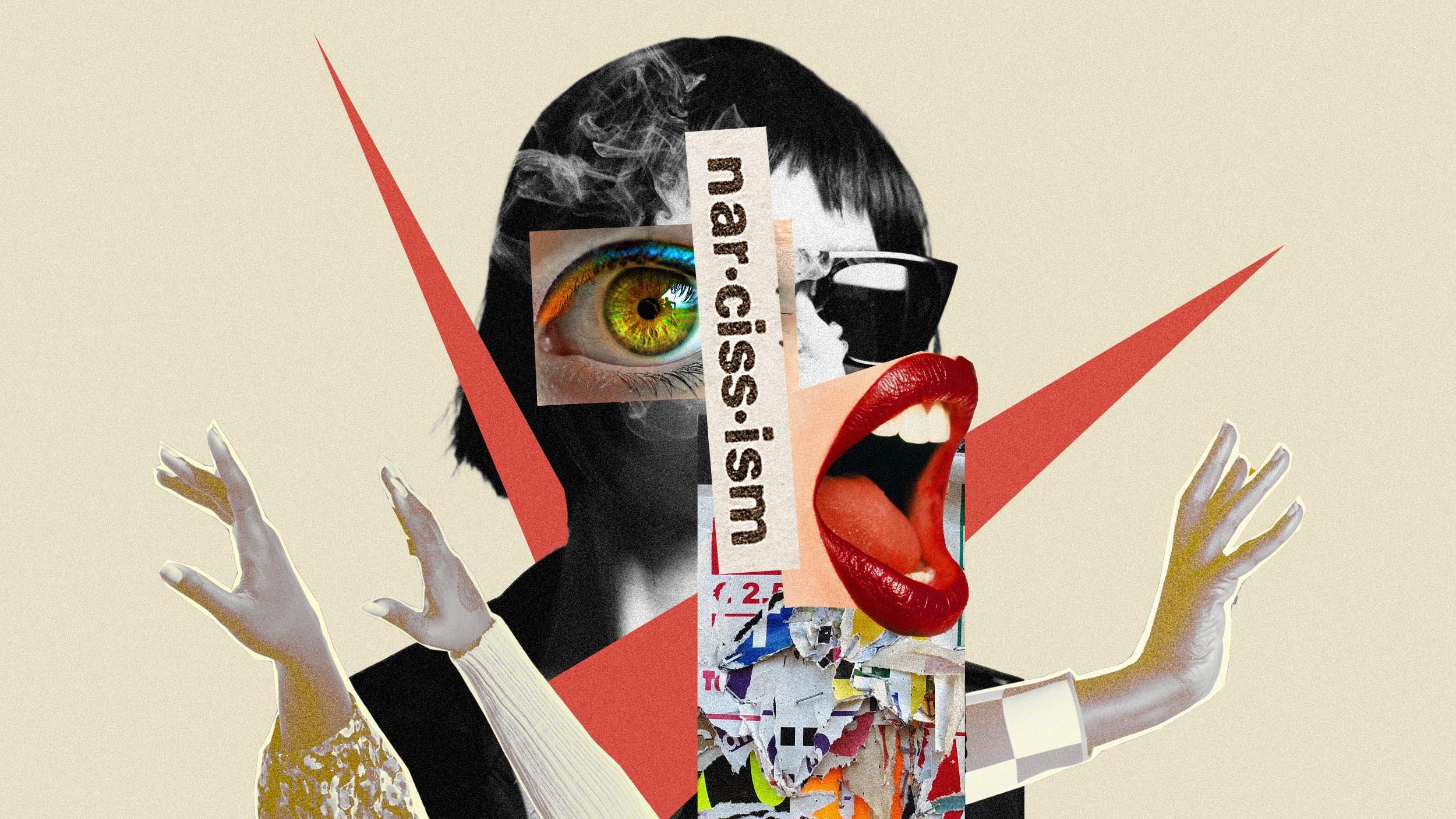
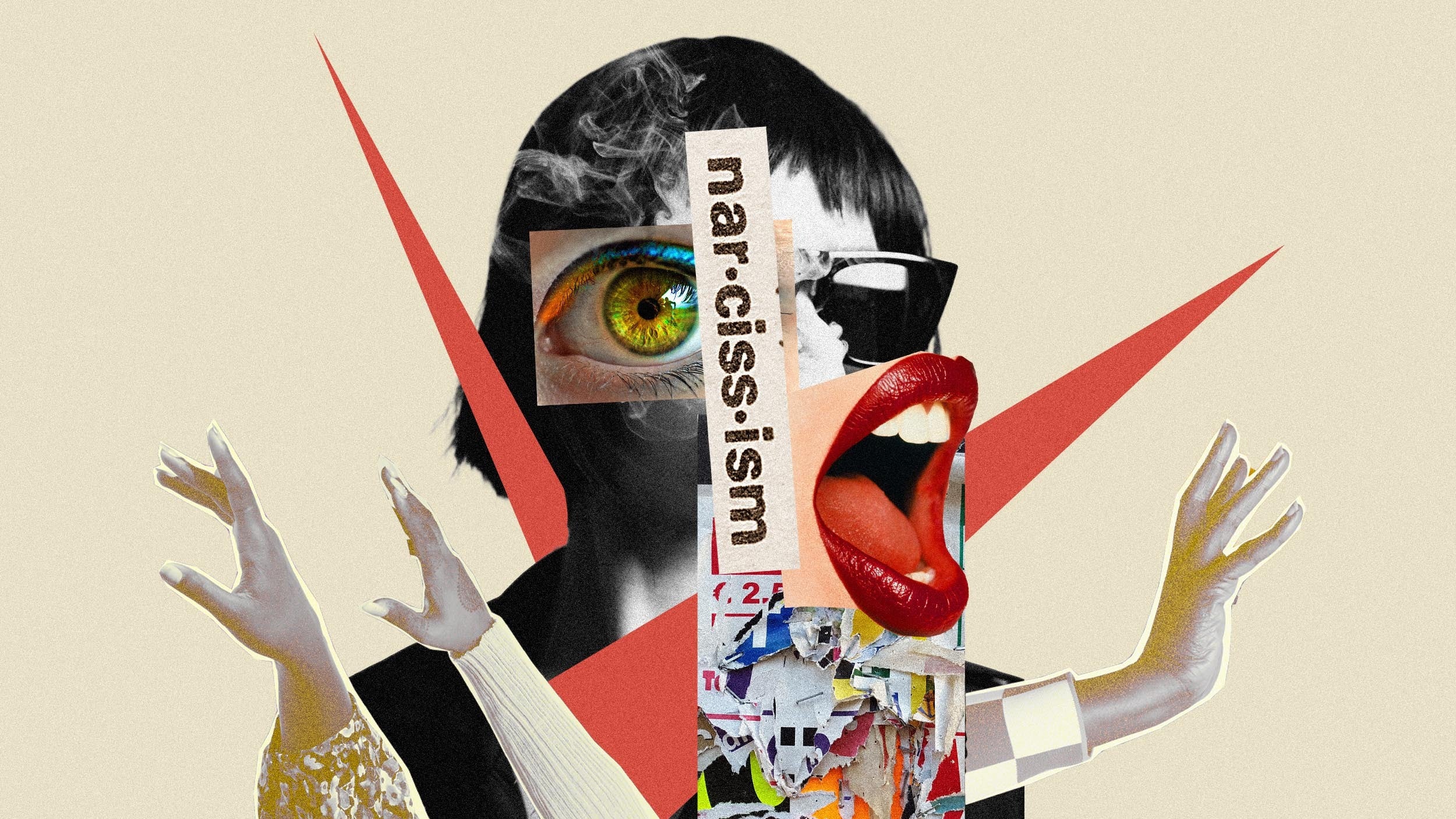
A healthy conversation has a natural rhythm, a give-and-take in which both people feel heard, understood and valued. But with some people, that balance never quite happens.
That’s the case with what experts call “conversational narcissism.”
“Conversational narcissism is a communication style wherein an individual centres themselves in conversations, engages in oneupmanship, fails to ask follow-up questions and has a difficult time maintaining interest in what other people have to say,” Natalie Moore, a licensed marriage and family therapist, told HuffPost.
Advertisement
A conversational narcissist can leave you feeling drained and like you couldn’t get a word in edgewise. They tend to be inattentive and lack curiosity.
“Whatever you share is quickly met with a more extreme or more compelling version of their own experience,” said Tracy Ross, a licensed clinical social worker specializing in couples and family therapy. “Over time, the conversation stops feeling like an exchange and starts to feel one-sided. It results in leaving an interaction feeling unsatisfied and empty.”
Conversational narcissists don’t necessarily have narcissistic personality disorder, though some may fall somewhere on the narcissism spectrum.
Advertisement
“It’s also important to note that many of us have been guilty of conversational narcissism from time to time,” said Lauren Maher, a licensed marriage and family therapist specializing in anxiety, trauma and narcissistic abuse recovery. “If you notice that you’ve inadvertently done this, take a breath, make sure that you bring the conversation back to the original speaker and follow up by asking them questions about their experience.”
There are also best practices for those who find themselves interacting with a conversational narcissist. Below, experts break down ways you can navigate these situations while protecting your energy and reclaiming your voice.
Acknowledge your feelings ― but try not to take it personally.
“First, acknowledge any feelings that are arising for you ― such as frustration, indignation, anger, disappointment or loneliness,” Moore said. “Engaging in an interaction with someone who is a conversational narcissist can bring up lots of intense feelings, especially if you’re someone who spends effort maintaining balance in conversations who values reciprocity in relationships.”
Advertisement
If I’m grabbing lunch with a friend who tends to over-talk, I might say right at the start, ‘I’ve had such a heavy week and I really need to vent for a few minutes ― is it OK if I go first?’
– Dr. Sue Varma, clinical assistant professor of psychiatry at New York University Grossman School of Medicine
Try not to take someone’s conversational narcissism too personally.
“Know that what you’re experiencing has nothing to do with how interesting or valuable you are, but has more to do with the other person’s ability to take an interest in you,” Moore said.
Consider that a conversational narcissist might also be a kind and generous person in other ways.
“Look at the overall, bigger consistent picture,” said Dr. Sue Varma, a clinical assistant professor of psychiatry at New York University Grossman School of Medicine and author of “Practical Optimism: The Art, Science, and Practice of Exceptional Well-Being.”
Advertisement
“Is the person able to celebrate your wins and be happy for you and be there for you in your time of need? That to me is most important. If they are a true, solid, loyal friend, you can and should give them grace.”
Be direct about what you need.
“Keep in mind what your objective is in your communications with this individual,” Moore advised. “If your goal is to be seen, heard and understood, you will probably be frustrated and not get what you want. But if your goal is to communicate something specific, find a pause or an opportunity to interrupt and get straight to the point.”
Take a more efficient, practical approach. Adding a little structure to your conversation can ensure you achieve your goal. Being clear and direct about what you need is crucial.
Advertisement
“Set the intention,” Varma said. “If I’m grabbing lunch with a friend who tends to over-talk, I might say right at the start, ‘I’ve had such a heavy week and I really need to vent for a few minutes ― is it OK if I go first?’”
Set limits.
“Protect your peace and walk away if the conversation doesn’t become two-sided or beneficial in any way,” said communications consultant and author Amelia Reigstad.
Setting limits around how much you engage and share can help keep intense emotions at bay.
“If you find that a person is not willing to take accountability for their behaviour, or you feel drained, resentful or even a bit ‘used’ after conversations with this person, then this may be a sign that you need to set much stronger boundaries with this person,” Maher said. “This may include excusing yourself from the conversation or setting a time limit for yourself on how long you will participate in the conversation.”
Advertisement

Fiordaliso via Getty Images
If the conversational narcissist in question is also a fundamentally narcissistic person, you’re better off saving your energy than continuing to engage with them or falling under their control.
“Don’t ‘over-fuel,’” Varma said. “Sometimes, being a ‘great listener’ actually encourages the behaviour. If you’re giving 100% of your focus to someone who isn’t giving it back, it’s OK to lean back, give shorter responses, and politely wrap things up when you’ve hit your limit.”
Advertisement
Adjust your expectations.
“If the pattern continues, it’s also important to adjust your expectations and protect your own energy,” Ross said. “Not every relationship will offer the kind of mutuality you’re looking for, and recognising that can help you engage more intentionally, rather than leaving interactions feeling depleted.”
Come to terms with what the a conversational narcissist can actually provide.
“Manage your expectations,” said therapist and “Disarming The Narcissist” author Wendy Behary. “You’re not going to get a whole lot back in the way of a real, reciprocal conversation ― the real give and take of ‘I see you, I feel you. I sense you. You see me, you feel me. You sense me.’”
Practice empathic confrontation.
“I think if it’s someone who’s really intimate in your life, you may want to use the beautiful strategy of empathic confrontation,” Behary said. “Say, ’I know you’re very excited about what you want to share with me, but I have to tell you, I’m feeling a little bit forgotten in what I just shared with you. I feel like we moved very quickly from my experience into your experience, and I just want to be honest with you because you’re my dear friend, or because you’re my husband or whoever.”
Advertisement
With an acquaintance, you might choose to simply set limits or avoid them, but a more direct approach could be preferable for someone with whom you’re more intimately involved.
“Empathically confront them and hold them accountable for this very self-absorbed way of communicating,” Behary said.
Use gentle pivots to redirect the conversation.
“I’m a big fan of the ‘gentle pivot,’” Varma said. “You can say, ‘I love hearing about your trip, but before we move on, I really wanted to finish telling you about my new project.’ Believe it or not, the other person may genuinely be interested in hearing what you have to say and want to know what you’ve been up to.”
Advertisement
A person who is not narcissistic will usually reflect on their behavior, take accountability, and try to make more space for you in future conversations.
– Lauren Maher, licensed marriage and family therapist
You can “reclaim the ball,” so to speak, in a way that still protects your energy.
“Re-direct the conversation back to you ― ‘Thanks for that, great point, however, I’d love to share my perspective,’” Reigstad said.
Humour is another way to get a word in edgewise. Make a playful comment or joke to ease the tension of this dynamic.
Advertisement
“If you find yourself regularly interacting with a conversational narcissist, you can first try lightly interjecting with something along the lines of ‘Hang on… I’d love to finish that thought,’” Maher said.
Talk about their conversational narcissism.
“If this type of behaviour is coming from a lack of awareness or habit, then gently bringing this behaviour to their attention could shift the pattern,” said Chelsey Brooke Cole, psychotherapist and author of “If Only I’d Known! How to Outsmart Narcissists, Set Guilt-Free Boundaries, and Create Unshakeable Self-Worth.”
“You can start by saying things like, ‘I’d like to talk about something else for a while,’ ‘Our conversations are starting to feel very unbalanced,’ or ‘I feel like when I’m speaking you’re not really listening. Can we talk about that?’”
Advertisement
With time and accountability, the habit of conversational narcissism can shift.
“A person who is not narcissistic will usually reflect on their behaviour, take accountability, and try to make more space for you in future conversations,” Maher said.
The key is to be honest about your feelings and the patterns you’re noticing, but in a relational way.
“Rather than criticising, speak from your own experience,” Ross said. “‘I notice that when I share something important, I feel more supported when you stay with what I’m saying, rather than shifting to your own experience.’ Being clear about what you need ― more listening, more presence ― can sometimes create an opening for change, especially if the person isn’t aware of how they come across.”
Advertisement