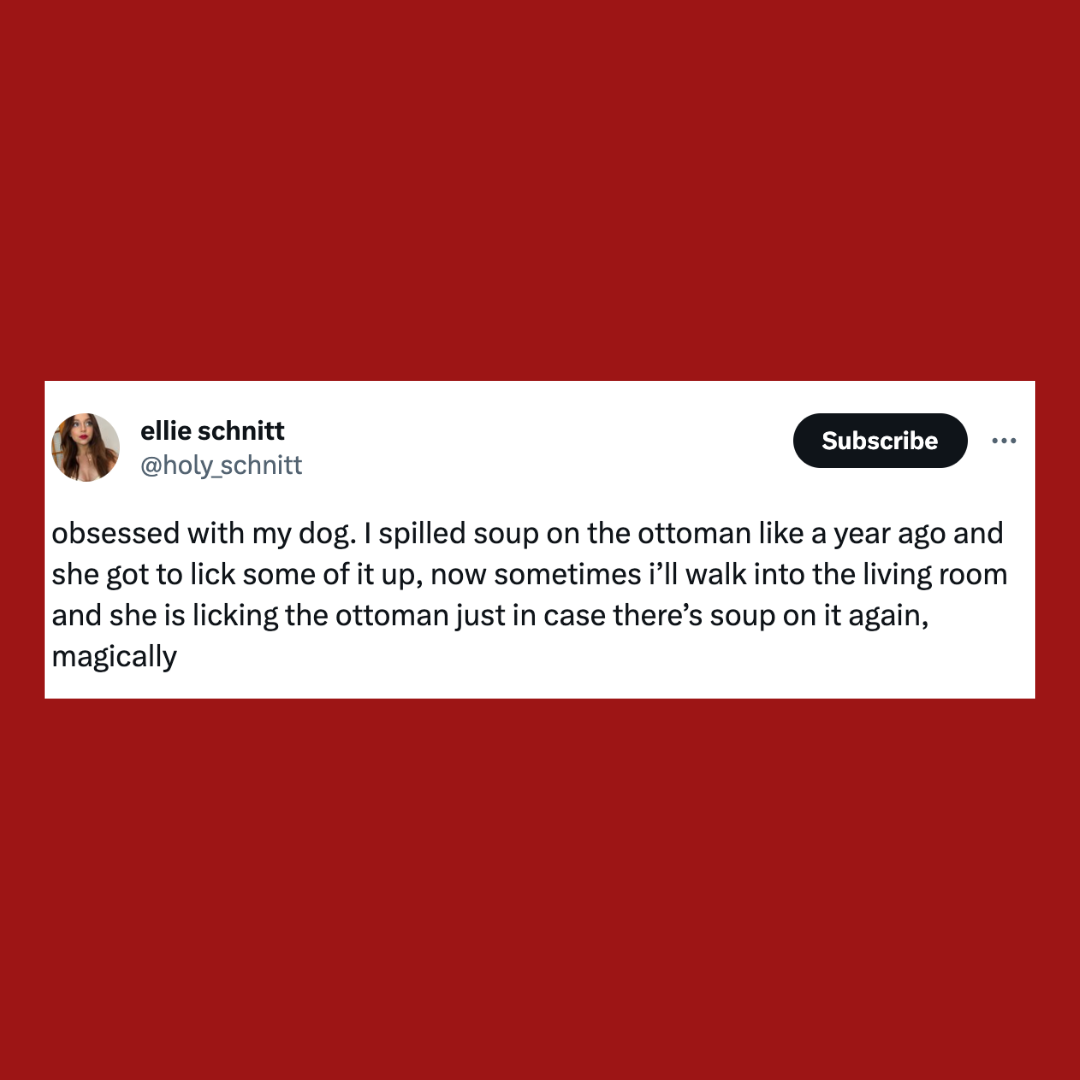
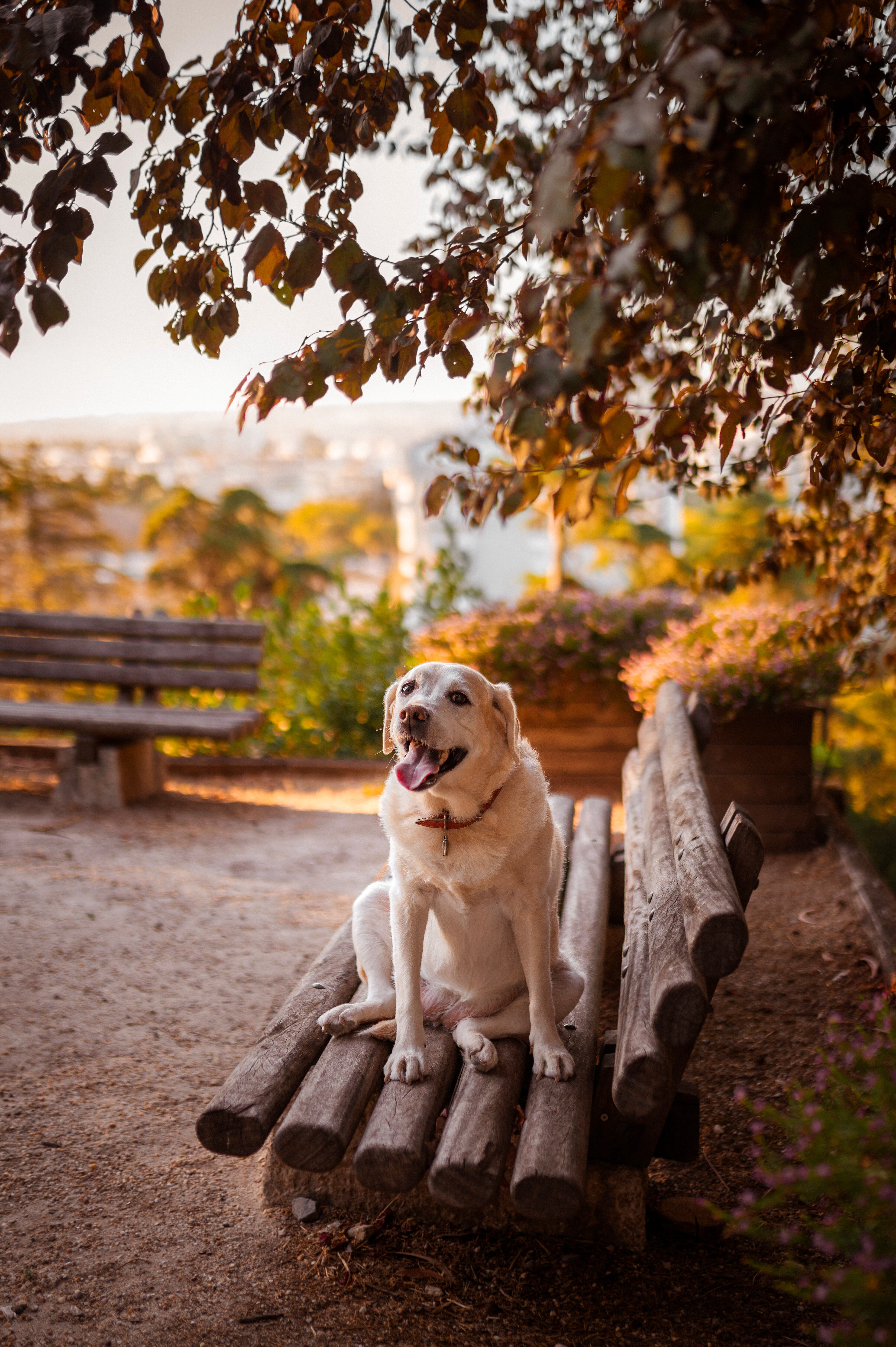
If you feel like you’ve been working like a dog, let us offer you the internet equivalent of a big pile of catnip: hilarious tweets about pets.
Each week at HuffPost, we scour Twitter X.com (is Elon Musk fur real?) to find the funniest posts about our furballs being complete goofballs. They’re sure to make you howl.
(And if you want more, no need to beg ― you can check out last week’s batch right here.)
A huge male tiger left his kill and got angry when he returned to find a tigress snacking on it, a new online video shows. (Watch the clip below.)
The footage, taken at India’s Ranthambore National Park and posted by the website Latest Sightings, opens with the male sinking his teeth into a sambar deer. But safari planner Vijay Kumawat, who shared the clip with Latest Sightings, said the big cat got spooked by the roar of a motorcycle and left the area.
The smaller tigress emerged to begin eating the deer and dragging it away. But the massive male then came back to reclaim his meal.
The two growled, clawed and lunged at each other with one tense intermission before the female appeared to submit. The male finally ambled over to the deer and dragged it into the brush as the tigress watched.
It wasn’t a fair fight.
Tigers can eat up to 90 pounds in a sitting. This particular cat seemed intent on getting his fill without interruption.
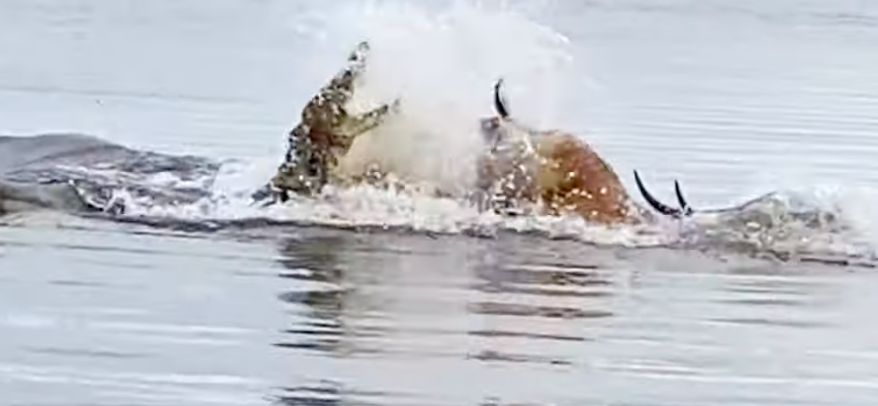
A crocodile sped through the water like a torpedo toward a desperate red lechwe antelope in Botswana recently, prompting a life-and-death dash to shore. (Watch the video below.)
In footage posted Tuesday by the wildlife platform Latest Sightings, observers on a boat can be heard cheering for the buck as it leaps and swims as fast as it can ahead of the closing reptile in the Chobe River.
The croc gets distracted by the boat for a moment before churning into high gear at the antelope. The suspense soars as the croc catches and pounces on the red lechwe.
But the antelope manages to buck off the predator and bound onto land. Race over.
The red lechwe is suited for running in water partly because of a water-repellent substance on its fur.
Good thing for this antelope. Bad thing for the croc.
“It was a truly incredible experience to witness such a dramatic and intense struggle,” videographer Caitlyn Earwaker and Lucy Whitehead told Latest Sightings.
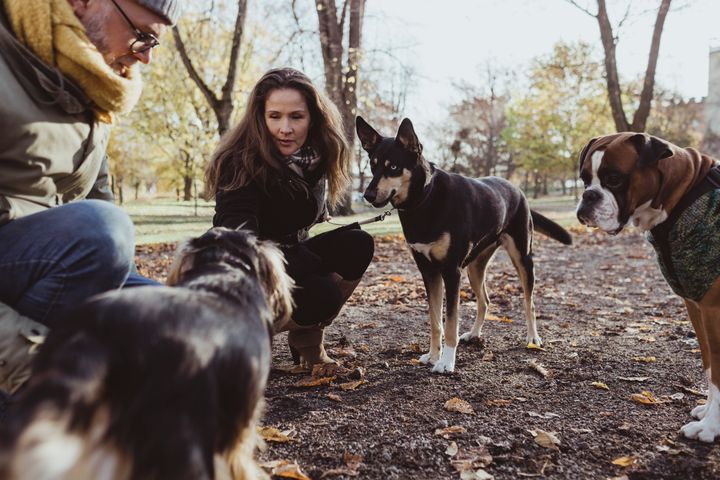
Going to the park with a dog is a great way to help your pet socialise, exercise and get some fresh air. But not every canine knows how to behave there.
The same goes for humans. In fact, there are several rude boo boos that dog owners display in this setting.
Advertisement
“Etiquette is all about being mindful of other people, which certainly applies to the dog park,” Nick Leighton, an etiquette expert and co-host of the Were You Raised by Wolves? podcast, tells HuffPost.
To help make the dog park a safe and enjoyable setting for everyone, HuffPost asked Leighton and other etiquette experts to share the faux pas they’ve observed – and their advice for avoiding these missteps. Here are eight of the rudest things you can do at the dog park.
Advertisement
Not cleaning up after your dog
“The rules about picking up after your pet aren’t suspended in a dog park,” Leighton noted.
Advertisement
When your dog goes, it’s your responsibility to clean it up, and there’s little excuse for failing to do so.
“Most parks are well-supplied with waste pickup bags and plenty of trash cans, so please do your part,” says Camp Bow Wow animal health and behaviour consultant Erin Askeland.
Failing to pay attention to your dog
“Be sure to pay attention to your dog at all times,” Leighton advises.
Advertisement
Keep a close eye on what your pup is doing and resist the urge to tune out. Stay vigilant and keep your leash handy in case the two of you need to make an early exit.
“In addition to monitoring your dog’s behaviour, it’s common courtesy to be sociable with the other pup parents, complimenting them on the cuteness of their canine companion and making pleasant conversation,” said Thomas P. Farley, aka Mister Manners. “To let one’s dog roam free while you catch up on email, disengaging with everyone in the enclosure – including your pet – is a no-no.”
If you’re distracted on your phone, you’ll also miss out on the opportunity to “engage with your dog, practice recall, ensure play is appropriate, provide breaks in play, and monitor your dog’s body language,” Askeland notes.
Anna Belova / 500px via Getty Images
Bringing small children
Avoid bringing young children who need constant supervision to the dog park, if possible, as their presence will make it difficult to monitor your dog.
“You don’t know the other dogs and need to keep your focus on your own dog,” Askeland said. “Adding small children is dangerous to the child and the dogs in the park.”
Toddlers and babies may also be at risk of harm from rowdy dogs, especially if there are animals present who are unfamiliar with little kids.
Not intervening when necessary
“While at the dog park, people should ensure their dog is interacting with other dogs in an appropriate manner,” says animal behaviorist and consultant Kate Mornement. “Dogs that are aggressive or reactive towards other dogs should not be taken to dog parks. Try to ensure your dog and the other dog it interacts with are having a good time. If your dog is playing too rough with another dog, it’s best to intervene and call your dog away.”
Don’t allow your dog to bully other dogs or steal and shred up their toys. Look out for any aggressive, dangerous behaviour.
Advertisement
“Dog parks are wonderful places for well-behaved and socialised dogs who enjoy the company of other dogs,” Mornement says. “However, not all dogs are well-behaved or socialised and this can cause problems at the dog park.”
Leaving gates open
“In some ways, dog runs can be for canines what Las Vegas is for humans: For these lucky pups, what happens on the dog run stays in the dog run!” Farley says. “Being off-leash, doggies excitedly embrace the rare sensation of liberation. But while dogs will let down their guards, their humans should not. Being aware of securing the dog-run gate while coming and going is rule number one.”
Pay attention to the gates at fenced-in dog parks. Many of these have double-gated entrances to prevent off-leash dogs from escaping. Pause before you open a gate, especially if you notice lots of dogs hanging around the area, and look out for any pets trying to make a hasty exit. Be sure to properly close and latch any gates behind you as well.
Maskot via Getty Images
Don’t feed other dogs without permission from their owners.
Giving food to other dogs
“Don’t give food to other dogs at the park,” Askeland advises. “You don’t know the other dogs and whether or not they can have food you may offer.”
On a similar note, don’t bring your own human food to snack on in this space. In addition to potentially endangering other dogs, you probably won’t enjoy being swarmed by pups looking for a snack.
Bringing an unvaccinated dog
Don’t go to the dog park with a canine that is unvaccinated, sick or under 4 months old. In addition to being vulnerable, they might also put other pets at risk. Only bring your dog if they are up to date with their shots and any other requirements the park may have in place.
“Make sure your pup is vaccinated and protected against fleas, ticks and other parasites,” Askeland said. “This helps keep other pups safe too.”
Advertisement
Forcing an uncomfortable dog to go to the park
“Dogs that are fearful and nervous around unfamiliar dogs should also not be taken to dog parks,” Mornement said. “This is because these dogs are not enjoying the dog park environment and this can make their behaviour worse.”
Make sure your dog’s behaviour is appropriate for a dog park before you take them to one.
“This is not the place to test whether your dog enjoys playing with other dogs or a place to help a dog learn to play,” Askeland says. “If you’ve recently added a dog to your home, you should wait until your dog has adjusted to his/her home and you have gotten to know your dog and his/her body language and normal interactions before deciding whether the dog park is the right place to visit.”
That way, you can watch your dog’s body language at the park and remove them if they’re showing signs that they aren’t comfortable.
“Understand that not all dogs are great with a dog park, and it’s OK if your dog does not go to a dog park,” Askeland adds.
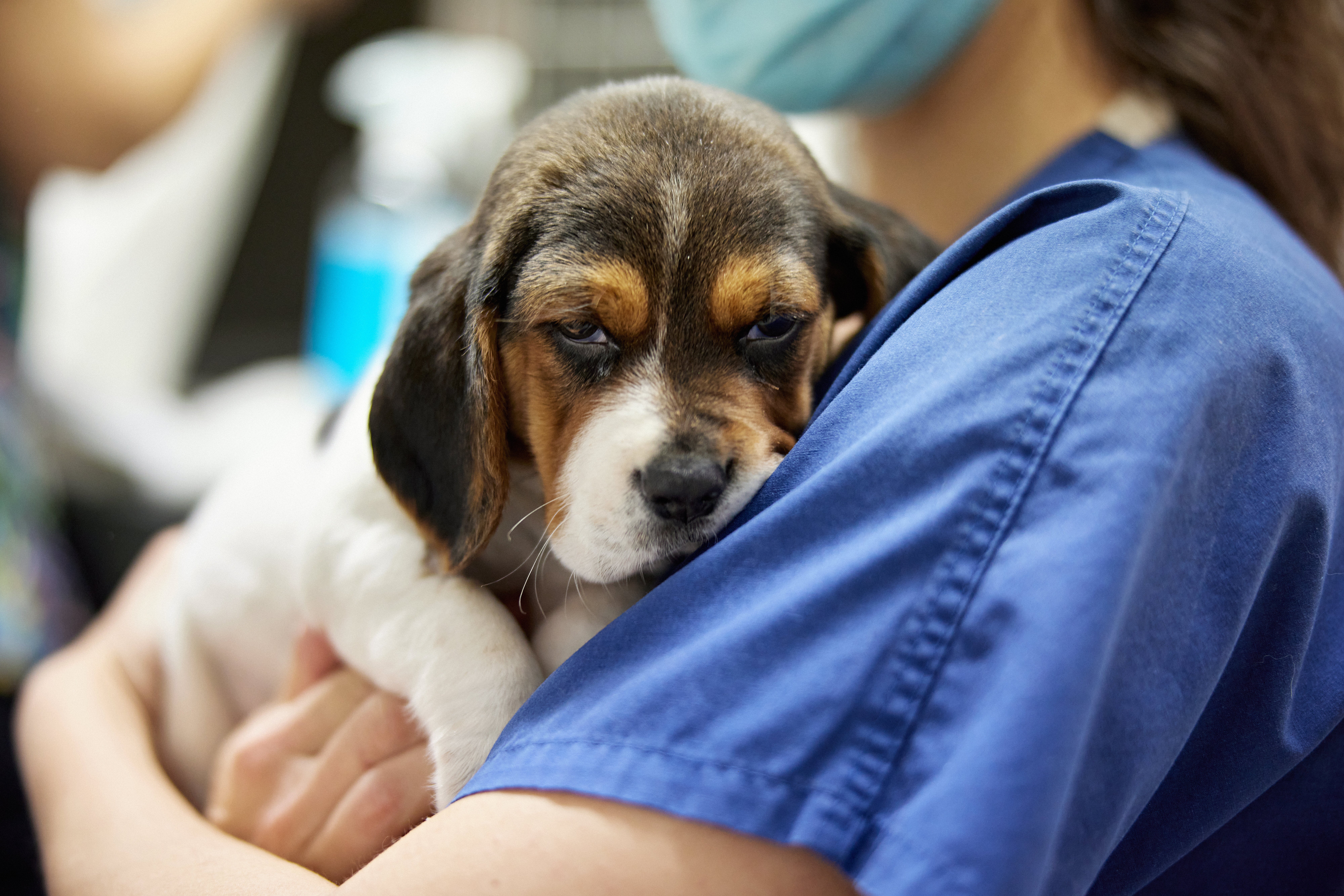
The first dog in the UK has tested positive for Covid-19 after apparently catching the virus from its owners. Following a series of tests, the infection was confirmed at the Animal and Plant Health Agency (APHA) laboratory in Weybridge, Surrey, on November 3.
This isn’t the first animal to become infected with coronavirus though. In 2020, a cat caught Covid from its owners. The infection was again confirmed at the APHA laboratory.
Advertisement
There’s no evidence that the infected dog was involved in the transmission of the disease to its owners or that pets or domestic animals are able to transmit the virus to people.
The pup was undergoing treatment for another unrelated condition when the virus was detected, and is now recovering at home.
Advertisement
The dog’s owners tested positive for Covid-19, so it’s believed the dog contracted the virus from its owners. This is the first confirmed case of a dog catching Covid-19 in the UK.
So, should other pet owners be worried about their furry friends catching coronavirus?
Advertisement
martinedoucet via Getty Images
What have studies and experts indicated about coronavirus in pets?
Dr Katherine Russell, consultant medical epidemiologist at the UK Health Security Agency, said: “Covid-19 is predominantly spread from person to person but in some situations the virus can spread from people to animals.
“In line with general public health guidance, you should wash your hands regularly, including before and after contact with animals.”
Scientists in the Netherlands have found that coronavirus is common in pet cats and dogs where their owners have Covid-19.
Advertisement
Scientists from the University of Glasgow have also researched the prominence of Covid in cats specifically. Sadly, one of the cats the researchers identified with Covid – a four month-old female Ragdoll kitten – died from lung damage as a result of the virus.
Should pet owners be worried?
Most pets will not experience severe symptoms of Covid-19, so owners shouldn’t worry too much.
Commenting after the most recent dog case, the UK’s chief veterinary officer Christine Middlemiss said: “It is very rare for dogs to be infected and they will usually only show mild clinical signs and recover within a few days.”
However, while cases of owners passing on Covid-19 to their pets presents a “negligible” risk to public health, the scientists said there is a “potential risk” that domestic animals could act as a “reservoir” for coronavirus and reintroduce it to humans. Research continues in that area.
How can you tell if your pet has Covid?
Most of the small number of animals that have tested positive for Covid-19 have either not had symptoms, or had mild symptoms that include:
How do they test animals for Covid?
Covid-19 testing for animals requires swabs of the nose, throat and the conjunctiva of the eyes. Covid-19 tests for animals aren’t widely available because they’re being prioritised for use during scientific studies or when an animal is a very high risk (e.g. an endangered species). Therefore Covid tests for animals are given on a case by case scenario.
Advertisement
If you think your pet has covid, contact your vet for more guidance.
How can you keep your pets safe?
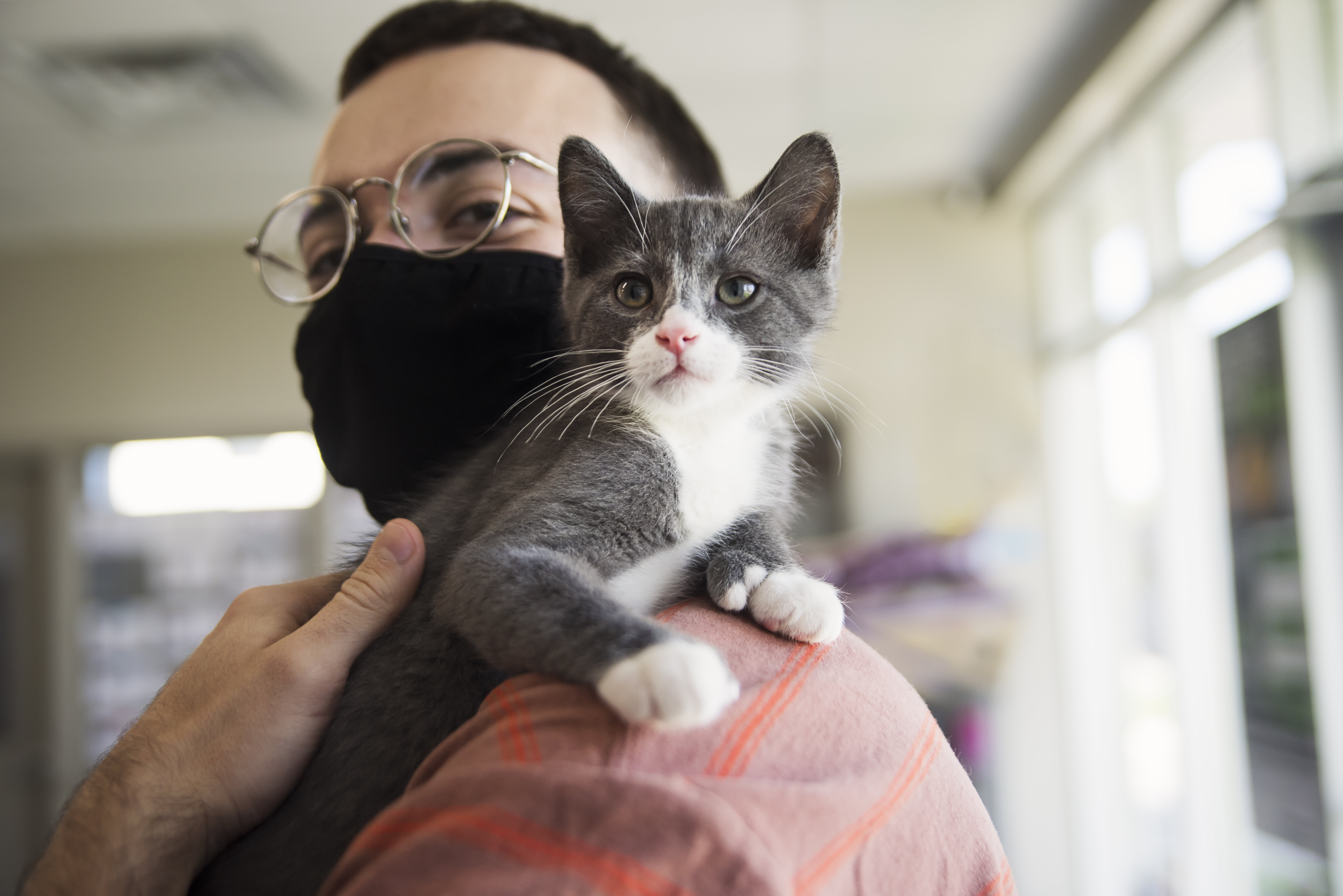
Keep following general Covid advice such as washing hands and self-isolating when necessary. The RPSCA advises that you can keep your pets safe by avoiding contact with them if you’ve caught the virus. If you’ve tested positive, avoid petting, snuggling, kissing, sharing food and sleeping in the same bed with them until the virus is gone.
If possible, get another house member to take care of the pet. If you must be in contact with the pet, wear a mask and wash your hands before interacting with them. Masks should not be put on pets.
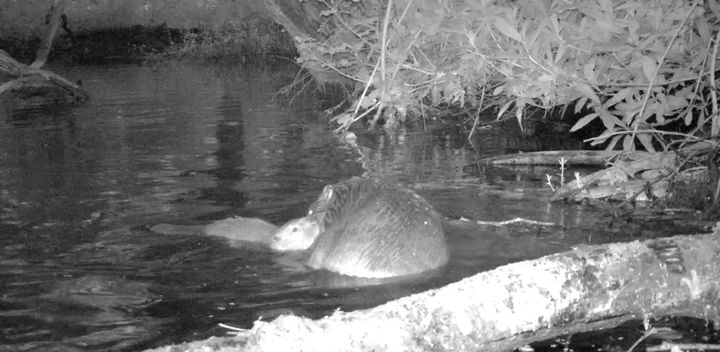
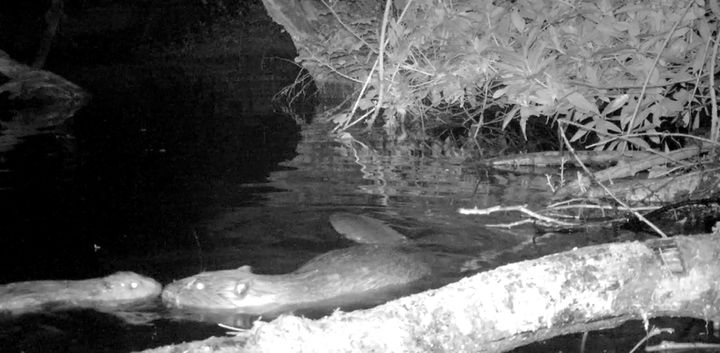
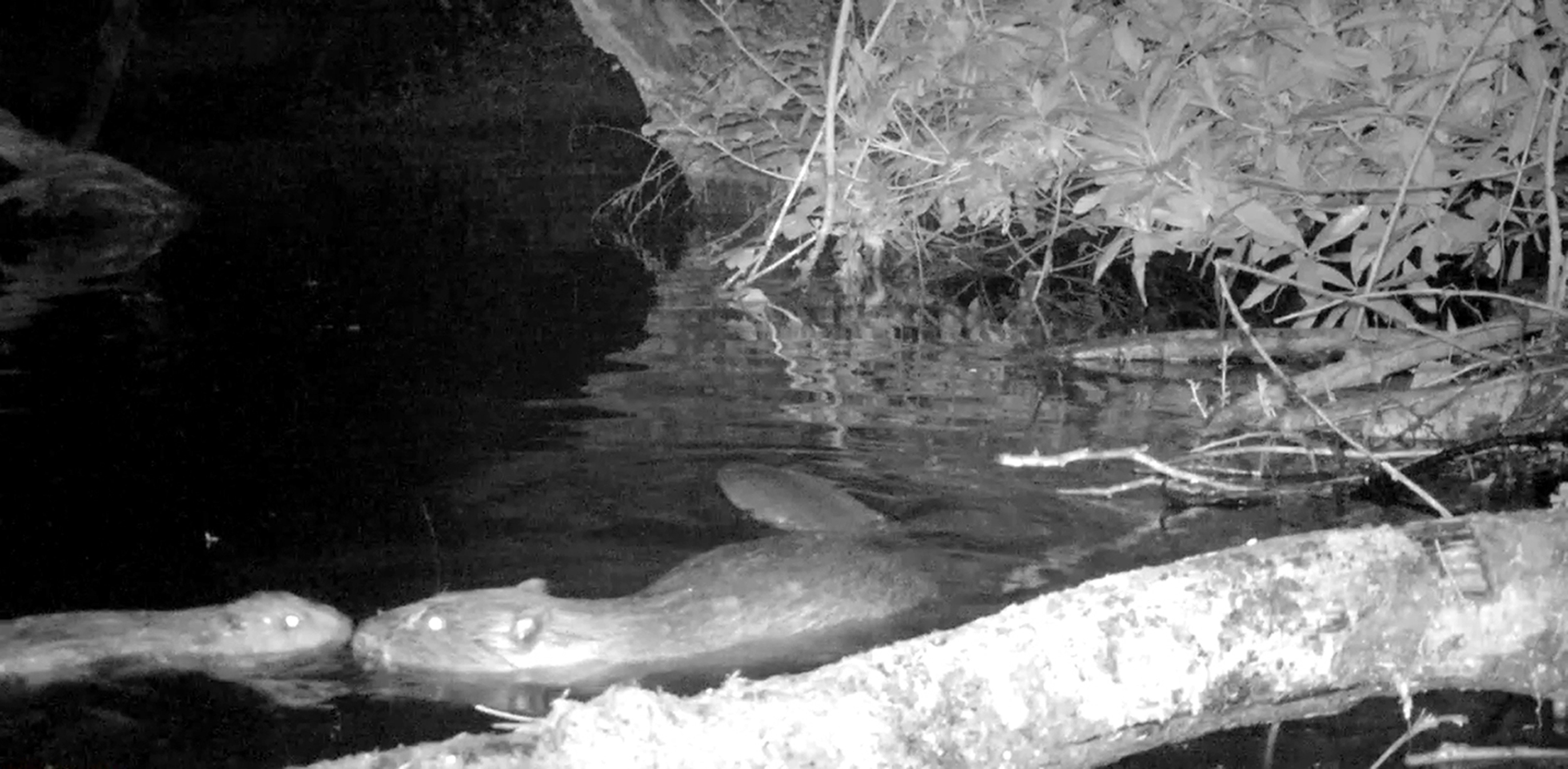
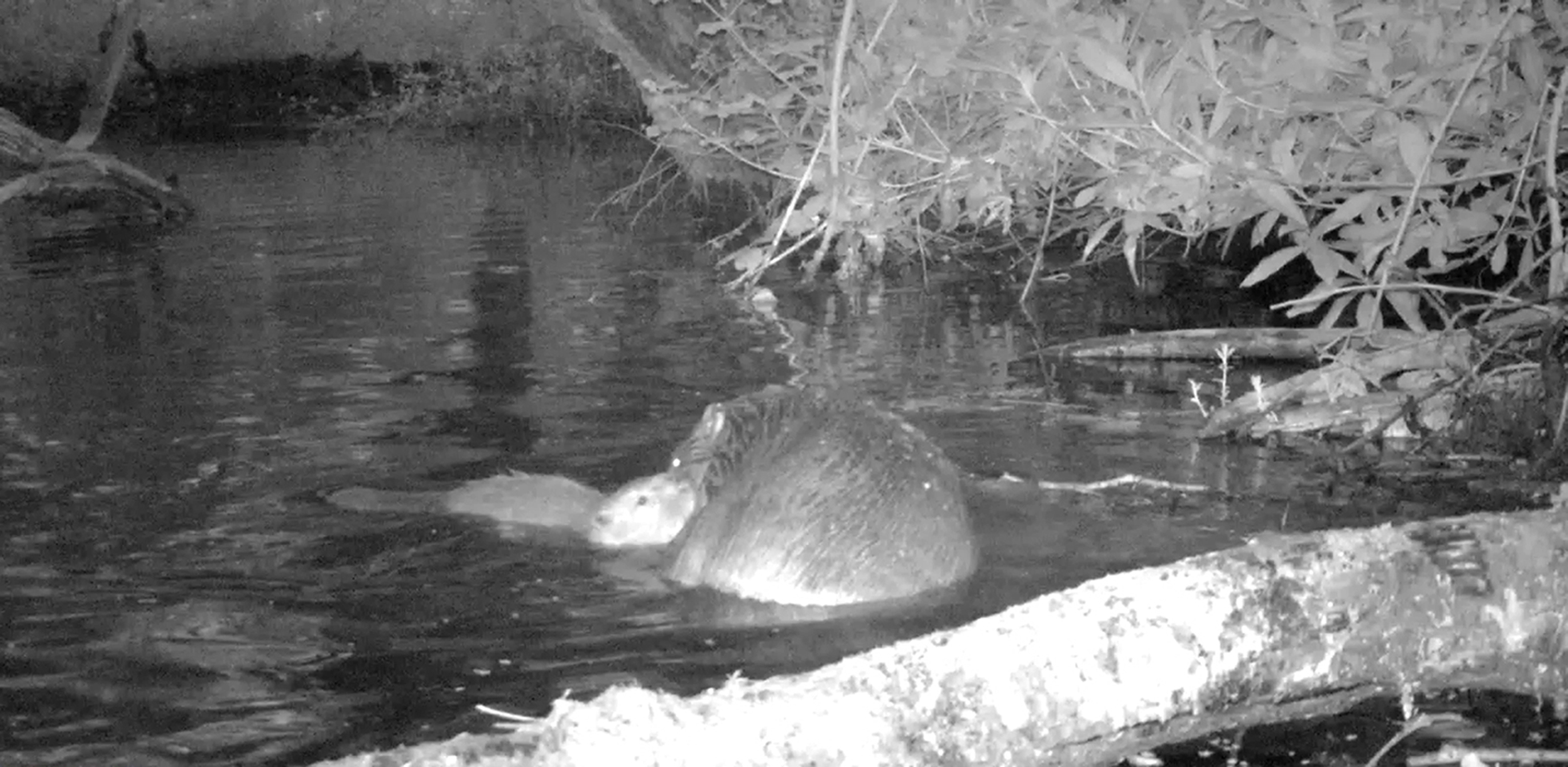
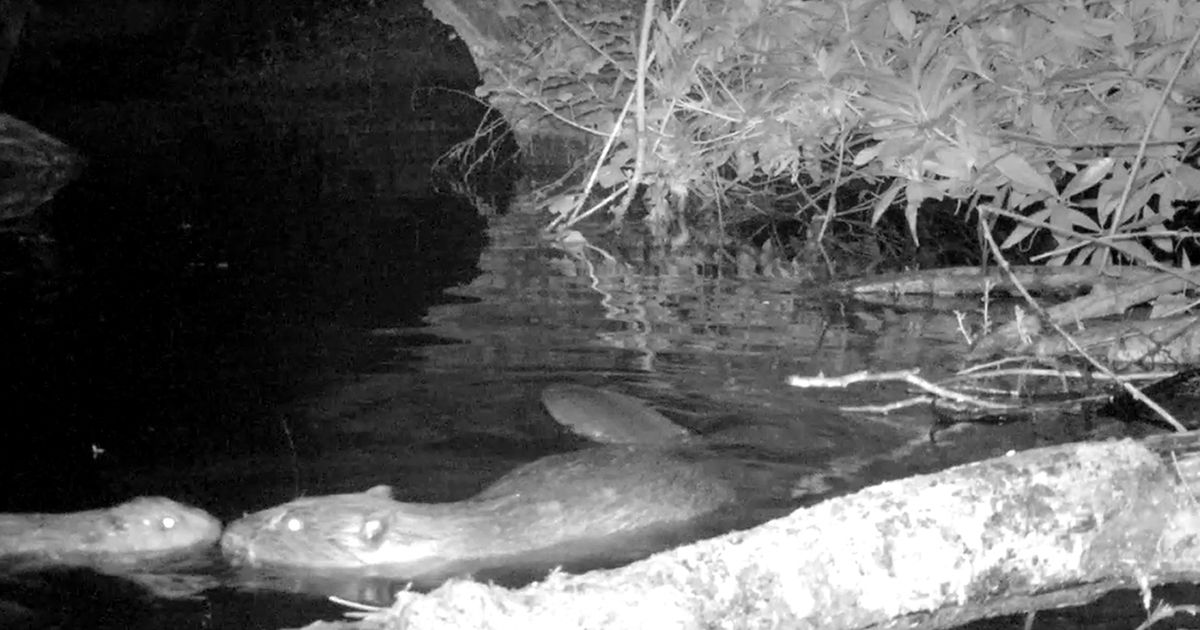
Camera footage has captured shots of the first baby beaver to be born on Exmoor for 400 years.
The youngster, known as a kit, was caught on film at the Holnicote Estate in Somerset, where beavers were introduced to an enclosure in January 2020.
Advertisement
Once-native to Britain but more better known for their fictional portrayal in The Lion, The Witch and The Wardrobe, the semi-aquatic mammals are finally making a return to the wild after being hunted to extinction for their fur, glands and meat in the 16th century.
Beavers are often referred to as “nature’s engineers” for their restoration of wetland habitats through dam-building and felling trees. This process slows, stores and filters water in the landscape, which attracts other wildlife and reduces flooding downstream.
Advertisement
They have transformed the 2.7 hectare enclosure where they were released at Holnicote from unmanaged woodland to a more open wetland in just 18 months, according to the National Trust, which owns the estate.
Now footage shows the beavers have successfully bred. Images from a static camera reveal a six-week-old kit swimming with its mother back to the family lodge while she stops to nibble a branch.
Advertisement
National Trust / PA
Camera footage has captured shots of the first baby beaver to be born on Exmoor for 400 years.
“We first had an inkling that our pair of beavers had mated successfully when the male started being a lot more active building and dragging wood and vegetation around the site in late spring,” said Jack Siviter, one of the rangers on the Holnicote estate.
“The female also changed her usual habits, and stayed out of sight, leaving the male to work alone. It was then several weeks until we spotted her again, and this is when our suspicions were confirmed that she had given birth, due to having very visible teats.”
He added: “We are particularly pleased for our female, nicknamed Grylls due to her survival instincts, as she didn’t have the easiest start to life, being orphaned at an early age. As a first-time mum she seems to be thriving and it’s great to see her with her new kit.”
The family should now stay together for the next two years before the kit will want to go off to create a territory of its own – when it will be relocated into another enclosure or a wild release site if regulations permit in the near future.
Advertisement
A number of organisations and landowners across England are introducing beavers to enclosed sites to help boost nature and reduce flooding, and they are now also found wild on several rivers in England and Scotland.
National Trust PA
Conservationists back the return of beavers to restore wetland habitats, boost other wildlife, curb flooding, improve water quality and support eco-tourism – though landowners raise concerns about the impact locally. A consultation on the approach to beavers in England is expected to take place this summer.
The two beavers at Holnicote are the first to be introduced on National Trust land in the charity’s 125-year history, with another pair released into a large enclosure in the South Downs.
The National Trust said they had transformed the habitat on the Exmoor estate, building a dam network from trees, mud, stones and vegetation which has created ponds and new channels, and felling some trees, which has allowed more light to the woodland floor.
This wet woodland habitat is now attracting wildlife from bats to dragonflies, kingfishers and sparrowhawks. Ben Eardley, project manager for the National Trust at Holnicote, said: “The beavers are doing a lot of what we want to see in terms of conservation and land management.
“They are letting the light and the water into the site, helping natural processes and providing opportunities for a host of other wildlife.”
HuffPost is part of Verizon Media. We and our partners will store and/or access information on your device through the use of cookies and similar technologies, to display personalised ads and content, for ad and content measurement, audience insights and product development.
Your personal data that may be used
Information about your device and internet connection, including your IP address
Browsing and search activity while using Verizon Media websites and apps
To enable Verizon Media and our partners to process your personal data select ‘I agree‘, or select ‘Manage settings‘ for more information and to manage your choices. You can change your choices at any time by visiting Your Privacy Controls.
HuffPost is part of Verizon Media. Click ‘I agree‘ to allow Verizon Media and our partners to use cookies and similar technologies to access your device and use your data (including location) to understand your interests, and provide and measure personalised ads. We will also provide you with personalised ads on partner products. Learn more about how we use your data in our Privacy Centre. Once you confirm your privacy choices here, you can make changes at any time by visiting your Privacy dashboard.
Click ‘Learn more‘ to learn and customise how Verizon Media and our partners collect and use data.
HuffPost is part of Verizon Media. Verizon Media and our partners need your consent to access your device and use your data (including location) to understand your interests, and provide and measure personalised ads. Verizon Media will also provide you with personalised ads on partner products. Learn more.
How Verizon Media and our partners bring you better ad experiences
To give you a better overall experience, we want to provide relevant ads that are more useful to you. For example, when you search for a film, we use your search information and location to show the most relevant cinemas near you. We also use this information to show you ads for similar films you may like in the future. Like Verizon Media, our partners may also show you ads that they think match your interests.
HuffPost is part of Verizon Media. Verizon Media and our partners need your consent to access your device and use your data (including location) to understand your interests, and provide and measure personalised ads. Verizon Media will also provide you with personalised ads on partner products. Learn more.
How Verizon Media and our partners bring you better ad experiences
To give you a better overall experience, we want to provide relevant ads that are more useful to you. For example, when you search for a film, we use your search information and location to show the most relevant cinemas near you. We also use this information to show you ads for similar films you may like in the future. Like Verizon Media, our partners may also show you ads that they think match your interests.