The cellular response that protects pigs from COVID-19

Iowa State University scientists may have uncovered an important clue that sheds light on why pigs don’t get sick when exposed to the coronavirus.

Studies since the start of the pandemic have noted that pigs can be infected by the virus if exposed to high doses, but the infection is self-limited and pigs don’t show clinical signs of disease nor do they transmit the virus to other animals. So Rahul Nelli, a research assistant professor of veterinary diagnostic and production animal medicine, and Luis Gimenez-Lirola, an associate professor of veterinary diagnostic and production animal medicine, set out to find out why in a newly published study in the academic journal Cell Death Discovery. What they found could lead to new ways to treat humans who contract COVID-19, the disease that results from infection by the virus SARS-CoV-2, said Nelli and Gimenez-Lirola.

Nelli and Gimenez-Lirola have studied how coronaviruses affect pigs for years. They’ve developed models that allow them to study in detail how viruses infect pigs and pig cells and how the cells respond to fight the infection. For the latest experiments, they introduced the virus to cultured porcine and human respiratory epithelial cells, which line most of the respiratory tract. They found the pig cells underwent apoptosis, or controlled cell death, in response to infection at a higher rate than human epithelial cells.

“When we looked under the microscope there was an interesting phenomenon going on inside the cells,” Nelli said. “The nuclei of the infected pig cells were starting to shred into fragments but not uninfected pig cells.”

That shredding of the nucleus is a telltale sign of apoptosis, which may be a key in helping pigs avoid symptoms after exposure to SARS-CoV-2. Triggering apoptosis early in the infection essentially causes minimal tissue damage and confines viral replication, thus limiting severe illness. Human cells can undergo apoptosis in response to coronavirus infection as well, but the study found human cells do so much less frequently than porcine cells. Pig cells are roughly 100 times more likely to undergo apoptosis than human cells, according to the study.

Human cells are more likely to go through necrosis, another form of cell death that’s less controlled than apoptosis. During necrosis, the contents of a cell release into the surrounding space, provoking a strong hyperimmune response that isn’t triggered during apoptosis.

The researchers surmise that a wide-scale apoptosis response is helpful for avoiding disease because it disposes of infected cells quickly without the immune system overreacting, while wide-scale necrosis and the resulting hyperimmune response is less favorable to host cells.

“We don’t want to over-conclude, but this response is probably something intrinsic to the pig immune system that is innate and not acquired,” Giminez-Lirola said. “The idea is to kill the virus subtly but fast enough so there’s not an excessive immune response triggered.”

The researchers said further study could lead to therapies designed to trigger apoptosis in human cells, allowing people infected with the coronavirus to avoid severe symptoms.

The next step for the ISU research team is to identify all the genes activated during the infectious process and compare them with other animal species in which those genes are present. That could give them further clues about how and why other animals, such as deer, can carry the virus without suffering symptoms of disease.

In addition to Nelli and Gimenez-Lirola, the research team included Kruttika Phadke, Gino Castillo, Lu Yen and Bryan Bellaire at Iowa State. Amy Saunders, Rolf Rauh and William Nelson of Maryland-based Tetracore, Inc., are also listed as co-authors of the study.

Story Source:

Materials provided by Iowa State University. Note: Content may be edited for style and length.

Share Button

Cancer treatment may inhibit immune response to COVID-19 vaccination

A study by researchers at Mayo Clinic Cancer Center has found that patients with cancer who receive chemotherapy — and some targeted therapies, such as CDK4/6 inhibitors and therapies targeted at B cells — may mount an inadequate immune response to COVID-19 vaccination. The findings are published in Mayo Clinic Proceedings: Innovation, Quality & Outcomes.

“It is important for patients with cancer who are receiving chemotherapy to receive a COVID-19 vaccine,” says Saranya Chumsri, M.D., a Mayo Clinic hematologist and oncologist, and author of the paper. Dr. Chumsri says this advice also applies to patients with cancer who are taking a CDK 4/6 inhibitors. These inhibitors are a newer class of medicines used to treat hormone-receptor-positive and HER2-negative breast cancers.

Dr. Chumsri says that while CDK 4/6 inhibitors are not conventionally considered to be as immunosuppressive as chemotherapy, her research on patients with breast cancer who take these drugs found that they exhibited less optimal neutralizing antibody activity. Dr. Chumsri recommends that antibody levels be tested in these patients after vaccination, and they should consider receiving booster vaccinations for COVID-19.

Dr. Chumsri anticipates having additional data later this year regarding broader immune responses to COVID-19 vaccinations, including cellular and antibody responses in patients receiving chemotherapy and targeted therapies with booster vaccinations.

Story Source:

Materials provided by Mayo Clinic. Original written by Joe Dangor. Note: Content may be edited for style and length.

Share Button

Social isolation among older adults linked to having fewer teeth

Older adults who are socially isolated are more likely to have missing teeth — and to lose their teeth more quickly over time — than those with more social interaction, according to a new study of Chinese older adults led by researchers at NYU Rory Meyers College of Nursing. The findings are published in Community Dentistry and Oral Epidemiology.

“Our study suggests that maintaining and improving social connections may benefit the oral health of older adults,” said Xiang Qi, a PhD student at NYU Meyers and the study’s first author. “The findings align with previous studies demonstrating that structural indicators of social disconnection can have powerful effects on indicators of health and well-being.”

Social isolation and loneliness in older adults are major public health concerns around the world and are risk factors for heart disease, mental health disorders, cognitive decline, and premature death. In some countries, including the United States and China, up to one in three older adults are lonely, according to the World Health Organization. The COVID-19 pandemic has exacerbated these issues among older adults, as many in-person interactions have been interrupted to protect older adults from infection.

Social isolation and loneliness are related but different. Social isolation is an objective measure defined as having few social relationships or infrequent social contact with others, while loneliness is the feeling created by a lack of social connection.

“While social isolation and loneliness often go hand in hand, it’s possible to live alone and be socially isolated but to not feel lonely, or to be surrounded by people but still feel lonely,” said Bei Wu, Dean’s Professor in Global Health at NYU Meyers and the study’s senior author.

Older adults are also at risk for another health concern: losing teeth. In China, older adults aged 65 to 74 have fewer than 23 teeth on average (adults typically have 32 teeth, or 28 if wisdom teeth have been removed) and 4.5% of this age group has lost all of their teeth. Gum disease, smoking, lack of access to dental care, and chronic illnesses like diabetes and heart disease increase the risks of tooth loss. Missing teeth can have a significant impact on one’s quality of life, affecting nutrition, speech, and self-esteem.

To understand the relationship between social isolation, loneliness, and tooth loss in older adults in China, the researchers used the Chinese Longitudinal Healthy Longevity Survey to analyze data from 4,268 adults aged 65 and up. The participants completed surveys at three different timepoints (2011-12, 2014, and 2018), which captured measures of social isolation and loneliness, how many teeth people had and lost over the 7-year study, and other factors. More than a quarter (27.5%) of the study participants were socially isolated, and 26.5% reported feeling lonely.

The researchers found that higher levels of social isolation were associated with having fewer teeth and losing teeth more quickly over time, even when controlling for other factors such as oral hygiene, health status, smoking and drinking, and loneliness. Older adults who were socially isolated had, on average, 2.1 fewer natural teeth and 1.4 times the rate of losing their teeth than those with stronger social ties.

“Socially isolated older adults tend to be less engaged in social and health-promoting behaviors like physical activity, which could have a negative impact on their overall functioning and oral hygiene, as well as increase their risk for systemic inflammation,” said Wu. “This functional impairment seems to be a major pathway linking social isolation to tooth loss.”

Surprisingly, loneliness was not associated with the number of remaining teeth, nor with the rate of tooth loss.

“While social isolation can result in a lack of support that can affect health behaviors, for older adults who feel lonely, it’s possible that their social networks are still in place and can help them to keep up healthy behaviors,” said Qi.

The findings — which are relevant to countries beyond China, given that social isolation and tooth loss are global issues — highlight the importance of developing interventions to reduce social isolation. Programs could aim to foster intergenerational support within families and improve older adults’ peer and social connections within their local communities.

Additional study authors include Yaolin Pei of NYU Meyers, Katherine Wang of Duke University, and Shuyu Han of Fudan University in China. The research was supported by the National Institute on Aging (1R56AG067619) and the National Institute of Dental and Craniofacial Research (U01DE027512).

Share Button

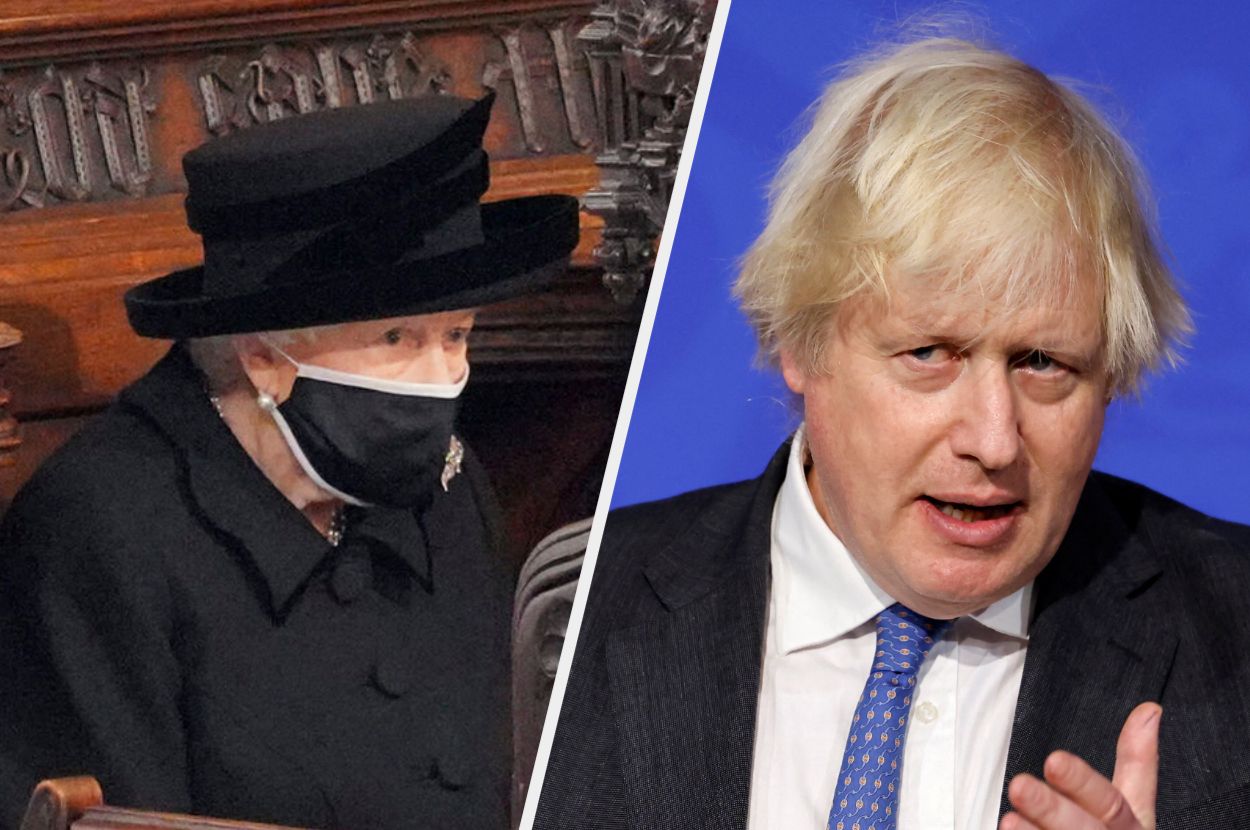
The Queen Teaches Boris Johnson A Lesson On How To Follow Covid Rules

The Queen reportedly refused to waive Covid restrictions during Prince Philip’s funeral in April last year, which was held the day after Downing Street hosted two leaving parties for staff.

The image of the monarch sat alone in St George’s Chapel while saying goodbye to her husband of 73 years stuck with many people who were also grieving at the time.

As none of the other 29 attendees were in her bubble, she was the only person in the chapel on her own.

Recent reports have since claimed that Downing Street staff actually filled up a suitcase with bottles of Co-op wine and then took it to No.10 for two parties just the night before the Duke of Edinburgh’s televised funeral.

Private Eye, who broke the story this week, claimed that the Queen was actually also offered an exception to the lockdown rules for the solemn occasion after Philip’s death on April 9.

Reportedly, this was because the next stage of Boris Johnson’s “roadmap” out of the restrictions was set to happen in May – so the palace would only be a few weeks ahead of the general public.

The government reportedly asked if she wanted to invite more than 30 mourners but the Queen declined, “on the grounds she wanted to set an example rather than be an exception to the rules”.

As the news outlet pointed out, Downing Street subsequently “threw two parties instead” while the rest of the country was in a period of national mourning.

The Palace has not spoken out about Partygate, but Downing Street did admit that it recently issued an apology to the Queen over those particular social gatherings.

Johnson’s deputy spokesperson also told reporters it was “deeply regrettable” that the parties occurred during a period of national mourning.

Leader of the Opposition, Sir Keir Starmer, hit out at the prime minister over Partygate during Wednesday’s PMQs by comparing his behaviour to the monarch.

Starmer said: “Last year Her Majesty the Queen sat alone when she marked the passing of the man she’d been married to for 73 years, she followed the rules of the country that she leads.

“On the eve of that funeral, a suitcase was filled with booze and wheeled into Downing Street, a DJ played and staff partied late into the night.

“The prime minister has been forced to hand an apology to Her Majesty the Queen.

“Isn’t he ashamed that he didn’t hand in his resignation at the same time?”

Before Johnson could reply, the Speaker of the Commons, Sir Lindsay Hoyle, interjected and said: “We normally would not, quite rightly, mention the Royal Family.

“We don’t get into discussions on the Royal Family.”

Erskine May, a famous publication which outlines parliamentary procedure, does state: “No question can be put which brings the name of the sovereign or the influence of the Crown directly before Parliament, or which casts reflections upon the sovereign or the Royal Family.”

MPs are allowed to pose questions on matters related to costs to the public or palaces.

Share Button

Naturally, Tommy Lee’s Penis Is Its Own Character In New Drama Pam & Tommy

The upcoming drama Pam & Tommy has already sparked plenty of conversation on social media before a single episode has even aired – but we’ve a feeling there’s one scene in particular that’s going to really get people talking.

Pam & Tommy – which arrives on Disney+ next month – casts Lily James and Sebastian Stan in the roles of Pamela Anderson and Tommy Lee as the former couple deal with the fall-out from the leak of their private sex tape.

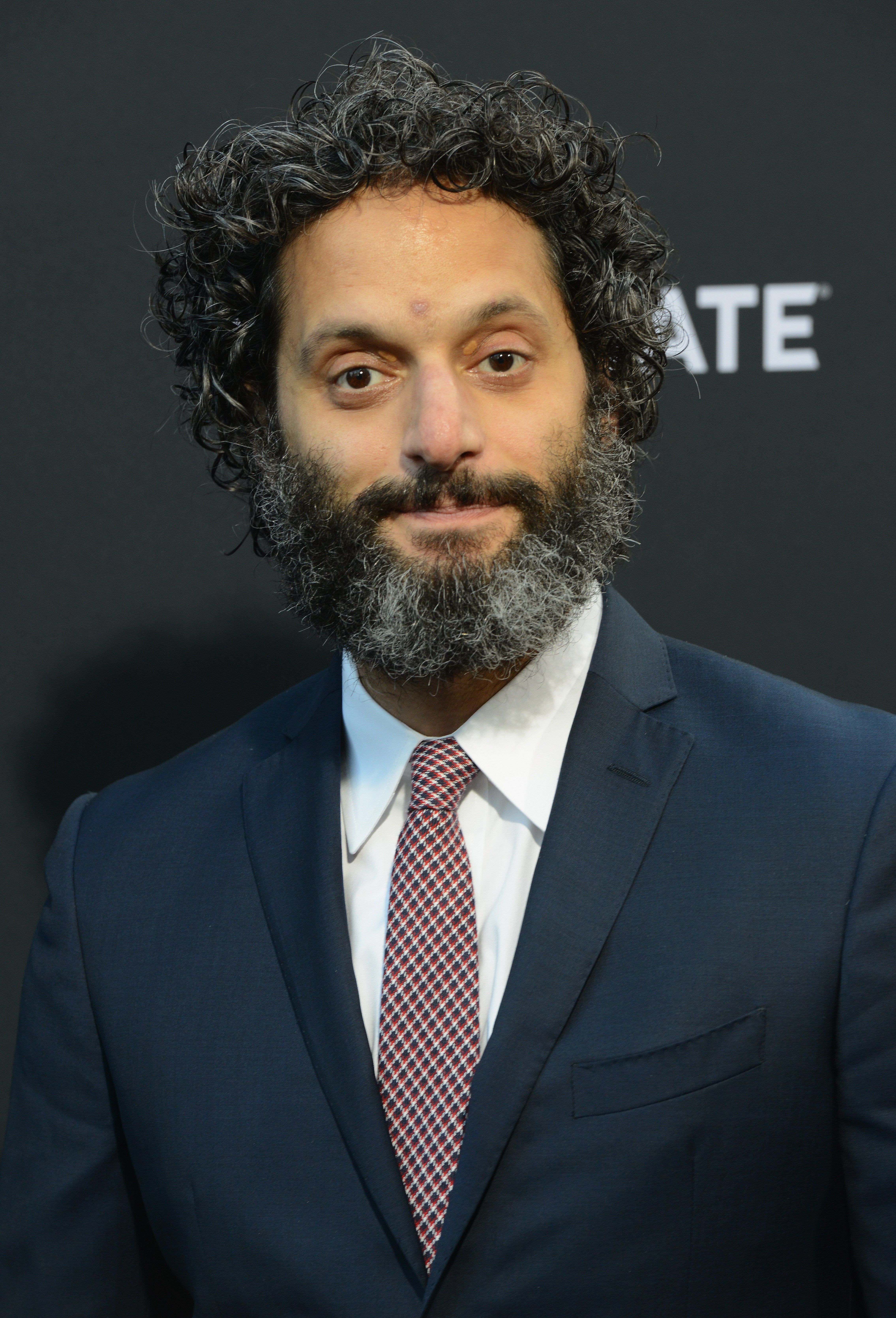
In the lead-up to the show, one surprising “member” of the cast has now been revealed, with Jason Mantzoukas set to voice Tommy Lee’s penis in what promises to be a true scene-stealer.

As it turns out, the scene in question is actually heavily inspired by a passage in Tommy Lee’s autobiography Tommyland, in which the rocker and his genitalia have something of a “heart-to-heart”.

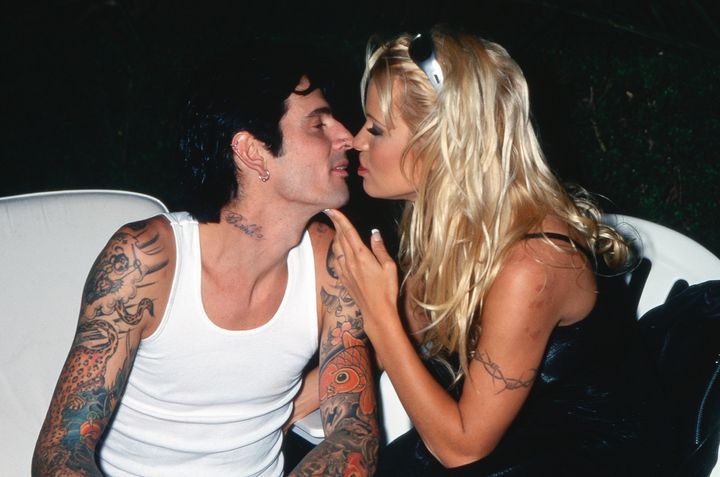
Tommy Lee and Pamela Anderson pictured in 1994

Stephane Cardinale – Corbis via Getty Images

“As much as I’d like to take credit for that, I was simply adapting a chapter from his memoir,” writer Robert D Siegel told Variety. “I think it might be a first [for television].

“There was gentle pushback, because you’ve got to push back a little when a talking penis is presented to you. But Hulu [who are showing the new show in the US] was extremely supportive.”

Director Craig Gillespie admitted that filming the scene in question was “just awkward”.

“You’ve got four puppeteers working with an animatronic penis,” he explained.

“And then, how much is too much, [before] you start to lose his emotional torment of what’s going on? Hopefully it works.”

Meanwhile, actor Sebastian Stan added: “By the end of it, I treated it like it was an intimate buddy conversation that one might have when they’re falling in love.”

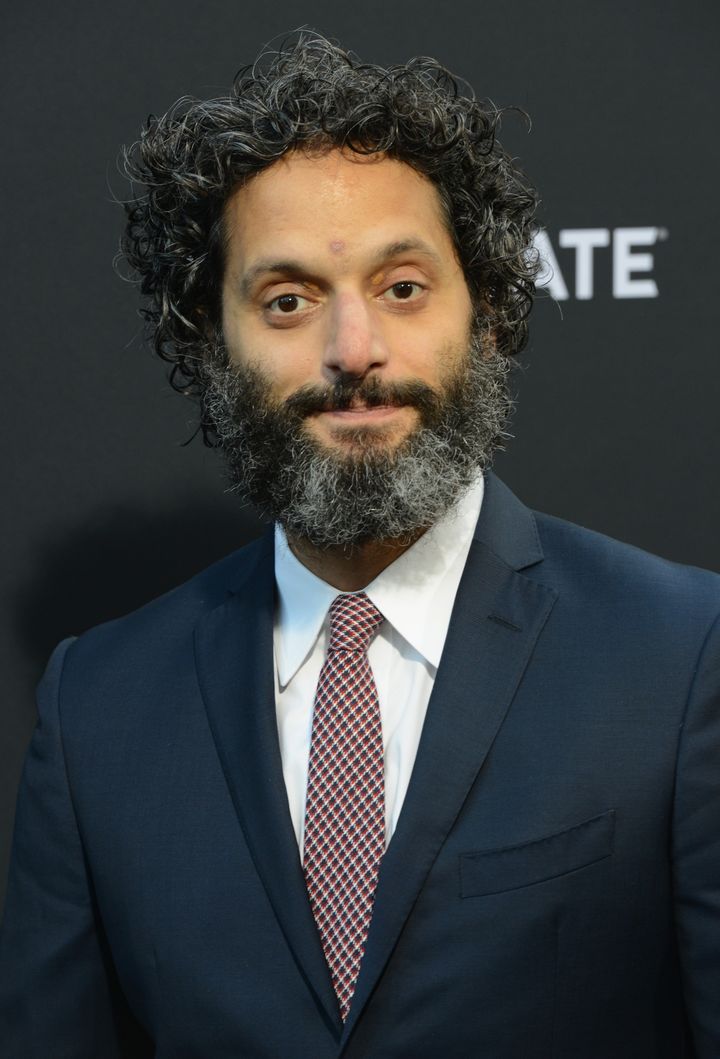
Jason Mantzoukas
Jason Mantzoukas

Albert L. Ortega via Getty Images

Before landing what we can only imagine was the career high of voicing Tommy Lee’s penis, Jason Mantzoukas was known for his roles in sitcoms like Parks & Recreation, The Good Place and Brooklyn Nine-Nine.

He also plays Jay Bilzerian in the Netflix cartoon Big Mouth.

The first three episodes of Pam & Tommy will arrive on Disney+ on 2 February, with new instalments following every Wednesday.

HuffPost may receive a share from purchases made via links on this page. Prices and availability subject to change.

Share Button

Care home staff jailed for degrading acts to vulnerable man

They mistreated a vulnerable 54-year-old man they were employed to look after on a seaside break.

Share Button

Public told not to delay cancer check-ups

NHS chiefs are worried pressures on the NHS may deter people coming forward with symptoms.

Share Button

NHS Start4Life Slammed For Advising Breastfeeding As A ‘Weight Loss Hack’

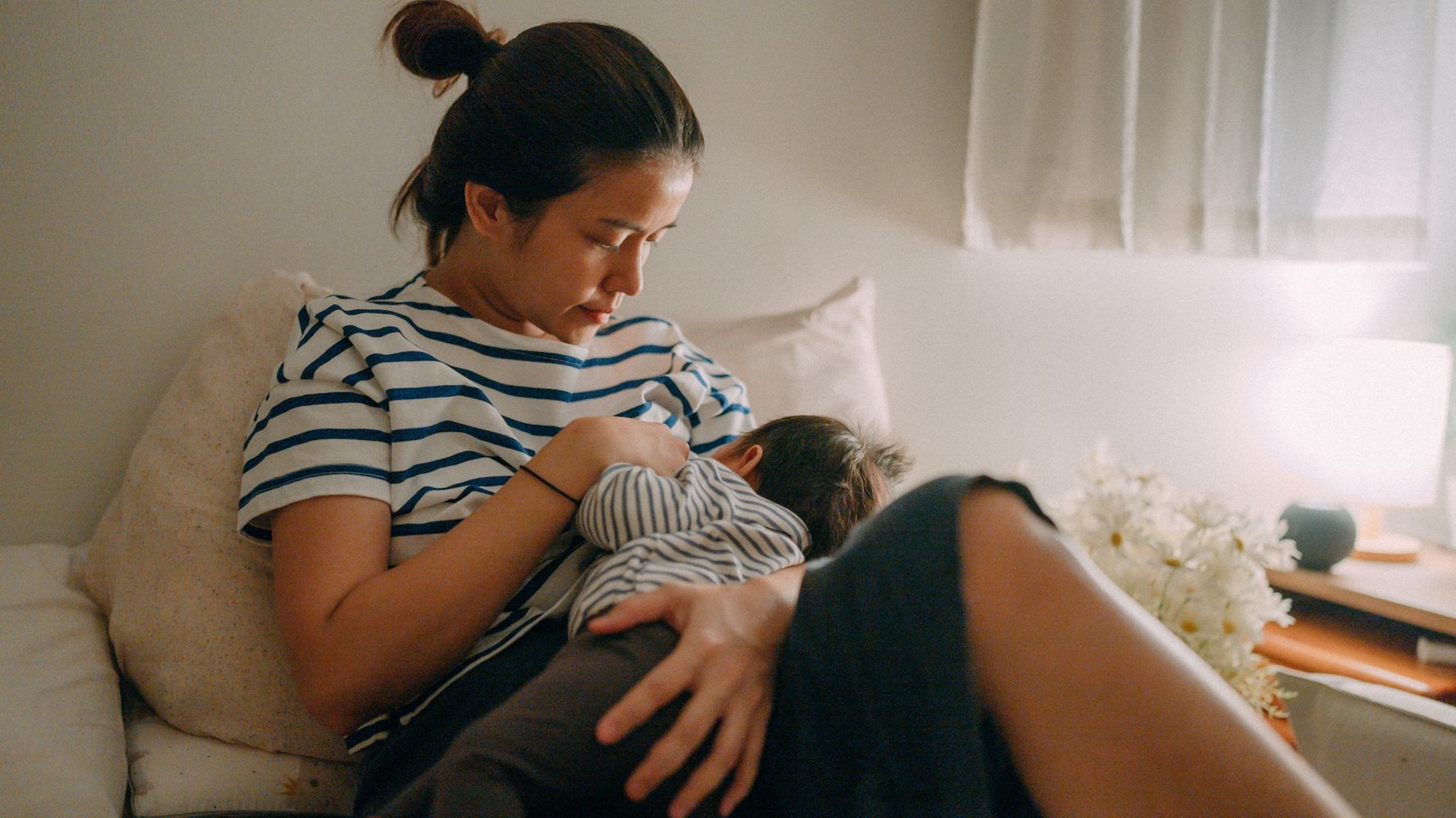
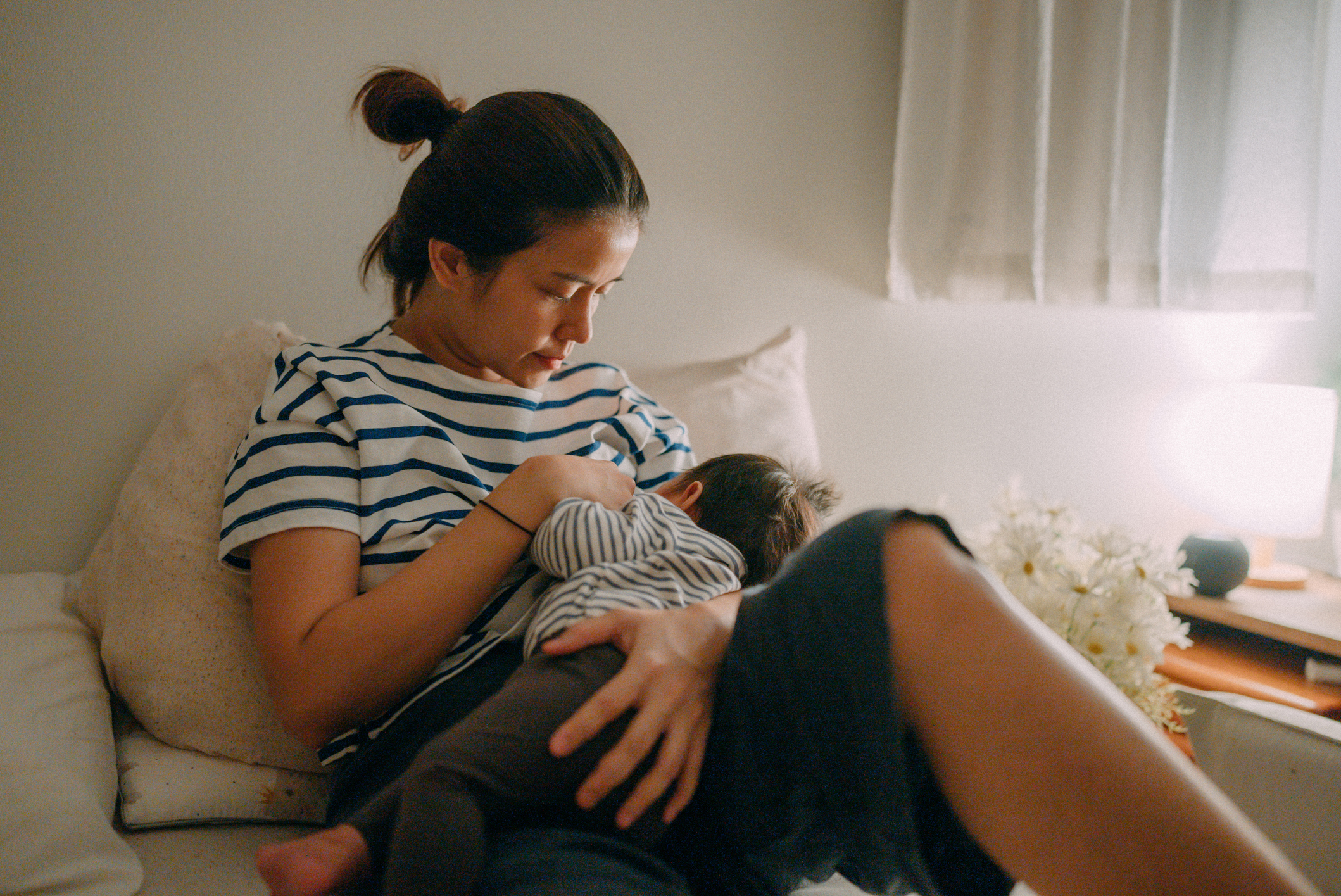
The NHS has been telling new mums to breastfeed in order to lose weight and get back into shape after giving birth. Yes, really.

On its Start4Life website – a programme that supposedly supports pregnant women and new mums – the health service told women about ‘seven things you might not expect when your baby’s born’.

Number seven on the list was the fact that you might look pregnant for a while after giving birth.

“It can take six weeks for your womb to go back to the size it was, and even longer to lose any extra weight,” the site said. “Breastfeeding is a great way to get your body back, as it burns around 300 calories a day, and helps your womb to shrink more quickly. Also try to eat healthily and take gentle exercise.”

The advice sparked outrage online after it was shared by London-based writer Maggy Van Eijk, who has a three-year-old daughter and is 38 weeks pregnant with a baby boy.

“Toxic AF from the NHS’s week by week pregnancy guide,” she tweeted ”[Breastfeeding] is not a weight loss tool. Your body never went anywhere – you don’t need to get it ‘back’, it’s just changing, evolving and growing and it will keep doing so until you’re deceased.”

HuffPost UK contacted the Department of Health and Social Care about the criticism and the wording on the NHS site has now been changed.

Still, it’s worth asking how something like this made it onto the NHS website in the first place.

Speaking to HuffPost UK, Van Eijk says she’s found most of the week-by-week guide helpful during pregnancy, but it was “such a shock” to see Start4Life include breastfeeding as a “weight loss hack”.

“It was such outdated language, really steeped in diet culture which new mums especially really don’t need,” she says. “I did breastfeed with my first but it was hard work and I pumped at first because I was so adamant to keep trying. The pumping and feeding became an obsession.

“Instead of letting go and opting for formula I filled my fridge and freezer with milk. Basically equating the amount I could produce with how good of a mother I was being. It wasn’t healthy and there are so many other signifiers of good parenting we should be showing new mums. Not how you feed your baby and especially not what your body looks like.”

Other women share her view, with many on Twitter pointing out that this “tip” only added to the shame some women feel if they can’t breastfeed.

Start4Life was initially a Public Health England initiative, which now falls under the UK Health Security Agency (UKHSA). Start4Life content is published on the NHS website, with NHS-branded leaflets also given to pregnant women.

HuffPost UK contacted each of the bodies, as well as the Department of Health and Social Care, for response to the criticism.

A Department of Health and Social Care spokesperson said: “The Start4Life website provides guidance and advice for new and expectant families.

“Our insight has shown that some women find this information helpful, however, we keep the wording of public health initiatives under review, and in response to some of the feedback received we have updated the website today.”

The Start4Life advice now reads: “It can take six weeks for your womb to go back to the size it was. Breastfeeding can speed this process up as it makes your womb contract. Find out more about your body after the birth on the NHS website.”

Still, the response from women is clear: new parents are already under enough pressure to be “perfect mums” and “snap back into shape” after giving birth. The language used by a publicly-funded initiative really does matter.

Keeping a tiny human alive is a huge achievement – it doesn’t matter what size you are or how many packets of biscuits you consume in the process.

Update: This article has been updated to reflect that the Start4Life website has amended its advice.

Share Button

Millions are dying from drug-resistant infections, global report says

The death toll, worst in poorer countries and among the under-fives, needs urgent action, experts say.

Share Button

Patients ‘wait two years’ for check-ups as dentists drop NHS work

Investigation reveals almost 1,000 dentists left the health service last year.

Share Button