The Ministry of Defence has agreed to help fill staff shortages across the capital this month.


The Ministry of Defence has agreed to help fill staff shortages across the capital this month.
The predicted rise in cases is largely down to ageing populations with unhealthy lifestyles, experts say.
90 Day Fiancé star Stephanie Matto and her $200K “farts in a jar” business made headlines the world over this week when it was revealed she’d been rushed to hospital with chronic wind in the most ironic ailment ever.
Well, if you thought that was shocking, you should hear the “science” behind her pongy product.
Advertisement
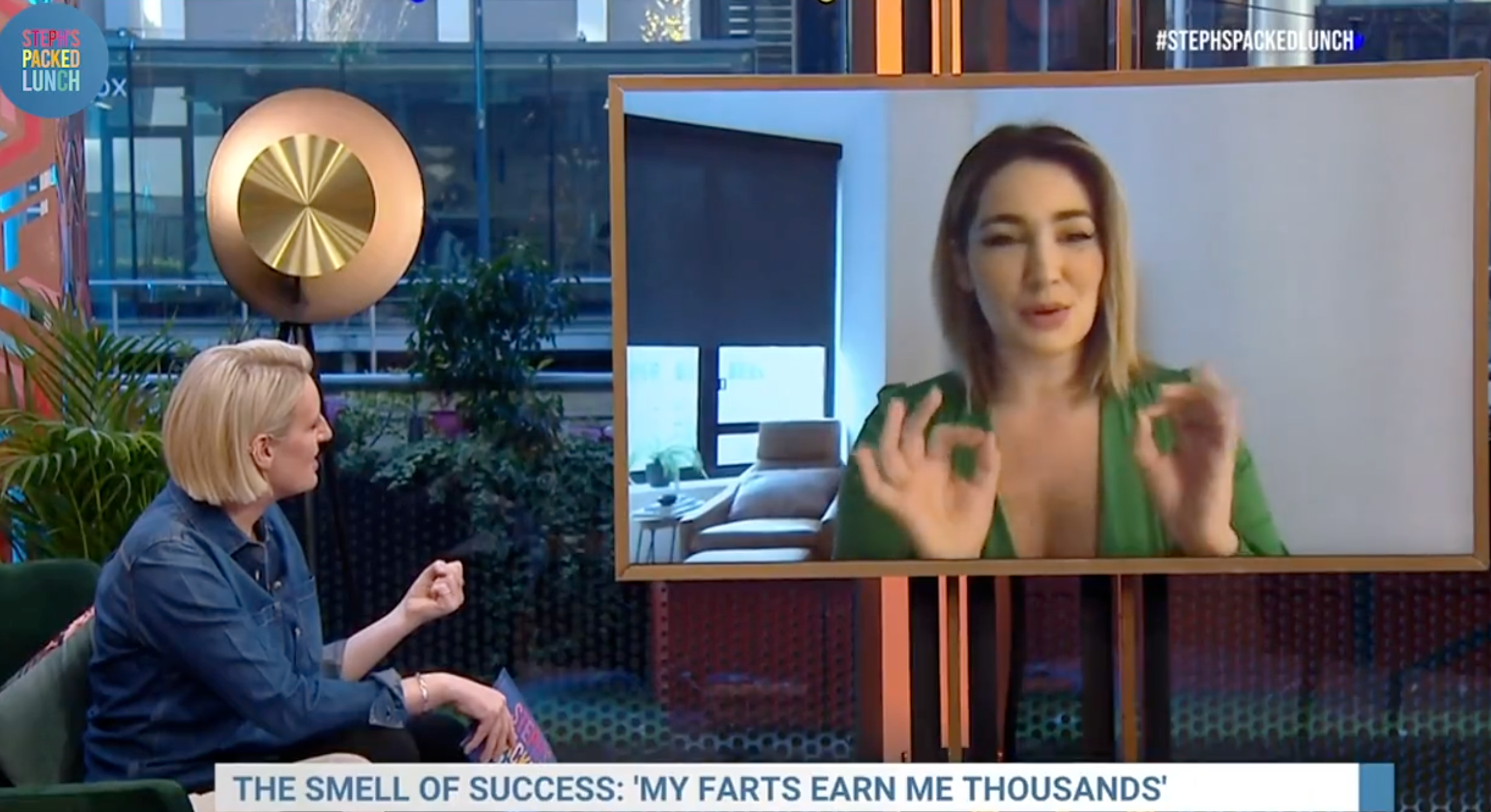
The reality star risked putting Steph’s Packed Lunch viewers off their sarnies on Thursday, when she appeared on the Channel 4 daytime show to discuss her £38k-a-month business.
When host Steph McGovern asked Stephanie about the process of farting in a jar, she revealed it actually involves more than you might think.
Advertisement
“I have it down to a pretty good science,” she said. “I bought these fabric flower petals and I fart directly on them because the fabric really captures the scent better.
“And then I just put that flower petal into a jar, I seal it up, I tape it and then I ship it out.”
Advertisement
Revealing how she got into sending people farts in a jar in the first place, Stephanie said: “I have a YouTube channel for about eight years and a lot of my fans that were into me were asking for strange items, articles of clothing. But one repeat request I’ve been getting throughout the years is a fart.
“I thought it was just a joke, people just messing with me, but one day I decided to throw them up on sale and see if people would buy them. I wasn’t expecting people to but they actually sold out within two days.”

Jam Press/@stepankamatto
Earlier this week, Stephanie revealed how producing so much wind eventually took its toll after she consumed three protein shakes and a huge bowl of black bean soup in one day to fulfil her surprisingly popular product.
Feeling that “something was not right” with a pressure in her stomach that moved upwards throughout her body, Stephanie says she thought she was “having a stroke”.
After arriving at the hospital, it was made clear to Stephanie that she wasn’t experiencing a stroke or heart attack, but “very intense gas pains”.
“I was advised to change my diet and to take a gas suppressant medication, which has effectively ended my business,” she said.
Steph’s Packed Lunch airs weekdays at 12.30pm on Channel 4.
Advertisement


Over the past several years, research from University of California San Diego biologist Gürol Süel’s laboratory has uncovered a series of remarkable features exhibited by clusters of bacteria that live together in communities known as biofilms.
Biofilms are prevalent in the living world, inhabiting sewer pipes, kitchen counters and even the surface of our teeth. A previous research study demonstrated that these biofilms employ sophisticated systems to communicate with one another, while another proved biofilms have a robust capacity for memory.
Süel’s laboratory, along with researchers at Stanford University and the Universitat Pompeu Fabra in Spain, has now found a feature of biofilms that reveal these communities as far more advanced than previously believed. Biological Sciences graduate student Kwang-Tao Chou, former Biological Sciences graduate student Daisy Lee, Süel and their colleagues discovered that biofilm cells are organized in elaborate patterns, a feature that previously only had been associated with higher-level organisms such as plants and animals. The findings, which describe the culmination of eight years of research, are published Jan. 6 in the journal Cell.
“We are seeing that biofilms are much more sophisticated than we thought,” said Süel, a UC San Diego professor in the Division of Biological Sciences’ Section of Molecular Biology, with affiliations in the San Diego Center for Systems Biology, BioCircuits Institute and Center for Microbiome Innovation. “From a biological perspective our results suggest that the concept of cell patterning during development is far more ancient than previously thought. Apparently, the ability of cells to segment themselves in space and time did not just emerge with plants and vertebrates, but may go back over a billion years.”
Biofilm communities are made up of cells of different types. Scientists previously had not thought that these disparate cells could be organized into regulated complex patterns. For the new study, the scientists developed experiments and a mathematical model that revealed the genetic basis for a “clock and wavefront” mechanism, previously only seen in highly evolved organisms ranging from plants to fruit flies to humans. As the biofilm expands and consumes nutrients, a “wave” of nutrient depletion moves across cells within the bacterial community and freezes a molecular clock inside each cell at a specific time and position, creating an intricate composite pattern of repeating segments of distinct cell types.
The breakthrough for the researchers was the ability to identify the genetic circuit underlying the biofilm’s ability to generate the biofilm community-wide concentric rings of gene expression patterns. The researchers were then able to model predictions showing that biofilms could inherently generate many segments.
“Our discovery demonstrates that bacterial biofilms employ a developmental patterning mechanism hitherto believed to be exclusive to vertebrates and plant systems,” the authors note in the Cell paper.
The study’s findings offer implications for a multitude of research areas. Because biofilms are pervasive in our lives, they are of interest in applications ranging from medicine to the food industry and even the military. Biofilms as systems with the capability to test how simple cell systems can organize themselves into complex patterns could be useful in developmental biology to investigate specific aspects of the clock and waveform mechanism that functions in vertebrates, as one example.
“We can see that bacterial communities are not just globs of cells,” said Süel, who envisions research collaborations offering bacteria as new paradigms for studying developmental patterns. “Having a bacterial system allows us to provide some answers that are difficult to obtain in vertebrate and plant systems because bacteria offer more experimentally accessible systems that could provide new insights for the field of development.”
Coauthors of the paper include: Kwang-Tao Chou (UC San Diego graduate student), Dong-yeon Lee (former UC San Diego graduate student, now a postdoctoral scholar at Stanford University), Jian-geng Chiou (UC San Diego postdoctoral scholar), Leticia Galera-Laporta (UC San Diego postdoctoral scholar), San Ly (former UC San Diego researcher), Jordi Garcia-Ojalvo (Universitat Pompeu Fabra Professor) and Gürol Süel (UC San Diego Professor).
Story Source:
Materials provided by University of California – San Diego. Original written by Mario Aguilera. Note: Content may be edited for style and length.

In Down syndrome, the third copy of chromosome 21 causes a reorganization of the 3D configuration of the entire genome in a key cell type of the developing brain, a new study shows. The resulting disruption of gene transcription and cell function are so similar to those seen in cellular aging, or senescence, that the scientists leading the study found they could use anti-senescence drugs to correct them in cell cultures.
The study published in Cell Stem Cell therefore establishes senescence as a potentially targetable mechanism for future treatment of Down syndrome, said Hiruy Meharena, a new assistant professor at the University of California San Diego who led the work as a Senior Alana Fellow in the Alana Down Syndrome Center at MIT.
“There is a cell-type specific genome-wide disruption that is independent of the gene dosage response,” Meharena said. “It’s a very similar phenomenon to what’s observed in senescence. This suggests that excessive senescence in the developing brain induced by the third copy of chromosome 21 could be a key reason for the neurodevelopmental abnormalities seen in Down syndrome.”
The study’s finding that neural progenitor cells (NPCs), which develop into major cells in the brain including neurons, have a senescent character is remarkable and novel, said senior author Li-Huei Tsai, but it is substantiated by the team’s extensive work to elucidate the underlying mechanism of the effects of abnormal chromosome number, or aneupoloidy, within the nucleus of the cells.
“This study illustrates the importance of asking fundamental questions about the underlying mechanisms of neurological disorders,” said Tsai, Picower Professor of Neuroscience, director of the Alana Center, and of The Picower Institute for Learning and Memory at MIT. “We didn’t begin this work expecting to see senescence as a translationally relevant feature of Down syndrome, but the data emerged from asking how the presence of an extra chromosome affects the architecture of all of a cell’s chromosomes during development.”
Genomewide changes
Meharena and co-authors spent years measuring distinctions between human cell cultures that differed only by whether they had a third copy of chromosome 21. Stem cells derived from volunteers were cultured to turn into NPCs. In both the stem cells and the NPCs, the team examined 3D chromosome architecture, several metrics of DNA structure and interaction, gene accessibility and transcription, and gene expression. They also looked at the consequences of the gene expression differences on important functions of these developmental cells, such as how well they proliferated and migrated in 3D brain tissue cultures. Stem cells were not particularly different, but NPCs were substantially affected by the third copy of chromosome 21.
Overall, the picture that emerged in NPCs was that the presence of a third copy causes all the other chromosomes to squish inward, not unlike when people in a crowded elevator must narrow their stance when one more person squeezes in. The main effects of this “chromosomal introversion,” meticulously quantified in the study, are more genetic interactions within each chromosome and less interactions among them. These changes and differences in DNA conformation within the cell nucleus lead to changes in how genes are transcribed and therefore expressed, causing important differences in cell function that affect brain development.
Treated as senescence
For the first couple of years as these data emerged, Meharena said, the full significance of the genomic changes were not apparent, but then he read a paper showing very similar genomic rearrangement and transcriptional alterations in senescent cells.
After validating that the Down syndrome cells indeed bore such a similar signature of transcriptional differences, the team decided to test whether anti-senolytic drugs could undo the effects. They tested a combination of two: dasatinib and quercetin. The medications improved not only gene accessibility and transcription, but also the migration and proliferation of cells.
That said, the drugs have very significant side effects — dasatinib is only given to cancer patients when other treatments have not done enough — so they are not appropriate for attempting to intervene in brain development amid Down syndrome, Meharena said. Instead an outcome of the study could be to inspire a search for medications that could have anti-senolytic effects with a safer profile.
Senescence is a stress response of cells. At the same time, years of research by former MIT biology professor Angelika Amon, who co-directed the Alana Center with Tsai, has shown that aneuploidy is a source of considerable stress for cells. A question raised by the new findings, therefore, is whether the senescence-like character of Down syndrome NPCs is indeed the result of an aneuploidy induced stress and if so, exactly what that stress is.
Another implication of the findings is how excessive senescence among brain cells might affect people with Down syndrome later in life. The risk of Alzheimer’s disease is much higher at a substantially earlier age in the Down syndrome population than among people in general. In large part this is believed to be because a key Alzheimer’s risk gene, APP, is on chromosome 21, but the newly identified inclination for senescence may also accelerate Alzheimer’s development.
The Alana Foundation, the LuMind Foundation, Burroughs Wellcome Fund, UNCF-Merck and the National Institutes of Health funded the research.

In the most comprehensive analysis to date, researchers found that the shapes of fingerprints — whether they are circular, wavy, or winding — are influenced by the genes responsible for limb development instead of skin patterning. The study, presented January 6 in the journal Cell, could help scientists better understand the association between genes and phenotypical traits in humans.
“People may wonder why our team is working on fingerprints,” says Sijia Wang, a geneticist at the Shanghai Institute of Nutrition and Health, of Chinese Academy of Sciences, and co-senior author on the paper. “We started the work purely out of curiosity. But later it turns out fingerprint pattern is associated with genes for limb growth, which are critical for fetal development. This provides another classic example of pleiotropy, when multiple phenotypes are interrelated to each other and are affected by the same genes.”
While fingerprints are unique to individuals, they are generally categorized into three types: arch, loop, and whorl. These furrows and ridges begin to form on a fetus’ fingers and toes after the third month of pregnancy. Scientists have suspected that fingerprints have potentially evolved to help grab objects and sense their textures, but exactly how these patterns are formed remains unknown.
Wang and colleagues scanned the DNA of more than 23,000 people across ethnic groups and found that at least 43 regions on the genome are associated with fingerprint patterns. One of the most influential regions appeared to be regulating the expression of a gene called EVI1, which is known for its role in embryonic limb development.
To test their finding, the team modified the DNA of mice so their expression of EVI1 was turned down. They found that mice with downregulated EVI1 developed abnormal skin patterns on their digits compared with wild-type mice.
Analysis of human data revealed that fingerprint patterns are genetically correlated with finger length. For example, people with whorl-shaped fingerprints on both of their little fingers tend to have longer little fingers than those who do not, and this correlation is strongly linked to genes involved ini limb development.
“We don’t know exactly how the genes shape fingerprint patterns, but it could be determined by the amount of strength from growth that’s put on an embryonic tissue called volar pads that plays an important role in the formation of different patterns of fingerprint,” says Jinxi Li, a geneticist at the Human Phenome Institute at Fudan University in Shanghai, and a co-first author on the paper. She explains that as a fetus’ hands grow, the palms and fingers would stretch and elongate. These forces could turn a whorl into a loop, for example.
Notably, previous research has suggested that EVI1 is linked to risk of leukemia, and some studies have observed that people with more whorl patterns are more susceptible to the disease,” Wang says.
“Many congenital genetic disorders are related to different dermatoglyphic patterns, such as fingerprints,” he says. For example, children with Down’s syndrome are more likely to have a single crease running across the palm of their hands. “Our study suggests that dermatoglyphic patterns are affected by crucial development genes, which provides a strong theoretical basis for this kind of pleiotropy.”
The research is part of the International Human Phenome Project led by Fudan University in Shanghai that aims to map how the human phenotypical traits are correlated with each other. Next, the team plans to conduct more research on how dermatoglyphic patterns are related to diseases and the underlying pleiotropic mechanism.
Story Source:
Materials provided by Cell Press. Note: Content may be edited for style and length.

Long Covid has been shrouded in mystery for much of the pandemic. But new research has finally shone a light on those who suffer a whole range of symptoms weeks or even months after they stopped being infectious.
New data from the Office of National Statistics has now revealed approximately 1.3 million people in the UK have self-reported long Covid as of December 6.
Advertisement
These estimates are based on participants who responded to a survey, rather than everyone in the population who had been clinically diagnosed with long Covid. This is a staggering number, adding up to 2% of the population.
Advertisement
They tend to be between 35 and 69 years.
They are usually female.
They might live in a more deprived area.
They work in health, social care or teaching and education.
They deal with another activity-limiting health condition or disability.
ONS reported that 64% of people who self-reported long Covid said it affected their daily activities.
Advertisement
And among those who told ONS they had long Covid – in the month leading up to December 6 – 21% said they had confirmed or suspected Covid less than 12 weeks before.
Around 70% said they had confirmed or suspected Covid at least 12 weeks ago, while 40% said they had it at least one year ago.
Fatigue
Loss of smell and taste (parosmia)
Shortness of breath
Difficulty concentrating (brain fog)
Insomnia
Dizziness
Pins and needles
Joint pain
Depressing and anxiety
Chest pain or heart palpitations
Tinnitus or earaches
Feeling sick, diarrhoea, stomach aches of loss of appetite
High temperature
cough
Sore throat
Rashes
Advertisement
Support worker Quincy Dwamena, 31, told PA reporters that he was a “healthy young guy” who “went to the gym often” before getting seriously ill from Covid.
Speaking in August 2021, he said: “I ended up being hospitalised and thought I was going to die.
“My advice is to get the vaccine: don’t put yourself and others at risk, I wish I’d got mine as soon as it was offered.”
Special needs tutor from London, Megan Higgins, 25, also told PA: “It’s now been eight months since I tested positive, and I can’t even walk around the shops without getting exhausted.
“Long Covid is debilitating, so please, get vaccinated. I wouldn’t want anyone else to go through what I have.”
Ella Harwood, 23, also contracted long Covid. She told reporters: “I’m young and fit but I was bed-bound for seven months with Covid.
“Before I caught the virus, I was super active and had no health concerns but I now suffer with asthma which I didn’t have before and a number of allergies.
“I fear I’ll never be the same again but I’m making progress and I’m very grateful that I’m still alive.”
However, some hopeful studies around long Covid have been published in recent months.
Advertisement
Being double-vaccinated can halve your risk of developing long Covid, while the overall numbers of people reporting long Covid is thought to be falling.

The number of UK daily Covid cases has fallen for a second day in a row.
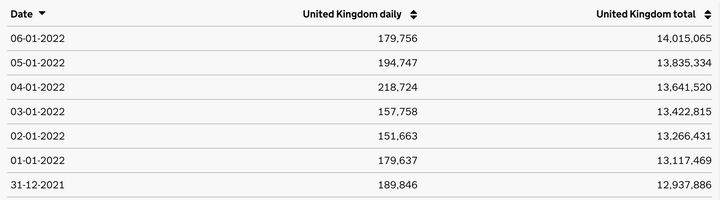
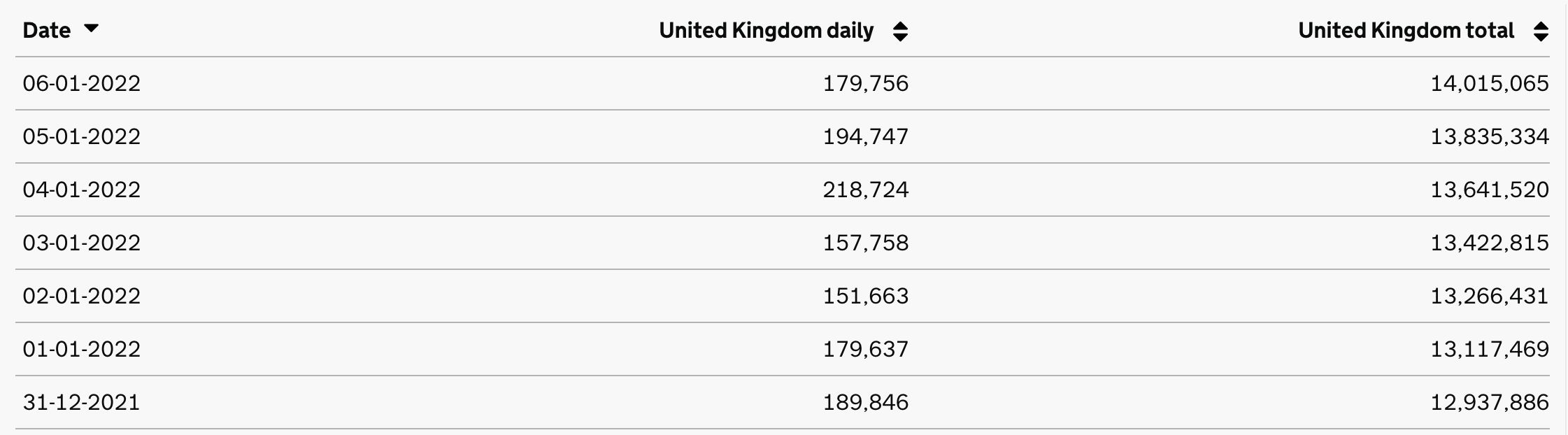
The government said lab-confirmed coronavirus cases were 179,756 as of 9am on Thursday, and a further 231 people had died within 28 days of testing positive for Covid.
Advertisement
On Tuesday, 218,724 infections were reported – a record high – and fell to 194,747 on Wednesday.
UK Government
It comes as Boris Johnson said hospitals will be offered increased support to deal with the “very difficult circumstances” they face, as he encouraged more people to take up the offer of a booster jab.
Advertisement
The prime minister said that “perhaps 30-40%” of the 17,000 patients in hospital with Covid “haven’t actually been vaccinated at all” as he urged the public to “behave sensibly” in the face of high daily Omicron cases.
Both Johnson and chancellor Rishi Sunak made visits to vaccination centres on Thursday as ministers made a fresh push for people to come forward for their third coronavirus vaccination dose.
Advertisement
Speaking to broadcasters during a visit to Northamptonshire, the prime minister said: “What we’ve got to do is make sure that people understand the pressures that Omicron is causing.
“And the way to deal with it is for everybody to stick to Plan B, which we are, make sure that they behave sensibly, but also recognise the vital importance of vaccination.
“When you look at what’s happening to patients coming into hospital, a large number of them, perhaps 30-40% of them, haven’t actually been vaccinated at all.
“And that’s increasingly true of people who go into ICU, into intensive care – the large majority of them have not been vaccinated at all, and the overwhelming majority of them have not been boosted.”
Advertisement
The Conservative Party leader said that, as well as “increasing support massively” to struggling hospitals – including by helping trusts to source extra staff while dealing with high proportions of the workforce being in self-isolation – a key target was to “make sure that the people who are likely to get ill get vaccinated first”.
Hitting out at anti-vaxxers for posting “mumbo jumbo” on social media, Johnson added: “The saddest words in the English language are too late – when you’re in ICU, and you haven’t been vaccinated, sadly it’s too late to get vaccinated. So get boosted now.”
A total of 247,478 booster and third doses of Covid-19 vaccine were reported across the UK on Wednesday, new figures show, with around 65% of all adults in the UK having now received a booster or third dose.
However, fewer than half of all adults in some of the biggest cities in England are among those to receive a top-up jab.
Figures published by NHS England, accounting for vaccinations delivered up to January 2, estimate that in Liverpool, 49.1% of all people aged 18 and over have had a third jab, along with 46.9% in Birmingham, 45.7% in Manchester and 42.8% in Nottingham.
It is understood that 17 hospital trusts in England currently have critical incidents – an alert to signal that there are fears priority services cannot be safely delivered – as hospitals are confronted by a wave of Omicron admissions.

Love Island star Molly Mae, who was already an influencer before she entered the villa for the ITV dating show, has come under fire for her comments on a YouTube channel.
Speaking on Steven Barlett’s Diary of a CEO show, Mae explained how she became creative director of clothing brand PrettyLittleThing.
Advertisement
The 22-year-old, who is one of the UK’s most followed people on Instagram, was quizzed on several aspects of her life, including her relationship with Tommy Fury – the contestant she left the Love Island villa with, who she’s been seeing since. She also opened up about a recent burglary which saw the theft of prized items.
But the part which ruffled many feathers included a segment on hustle culture and entrepreneurship.
Advertisement
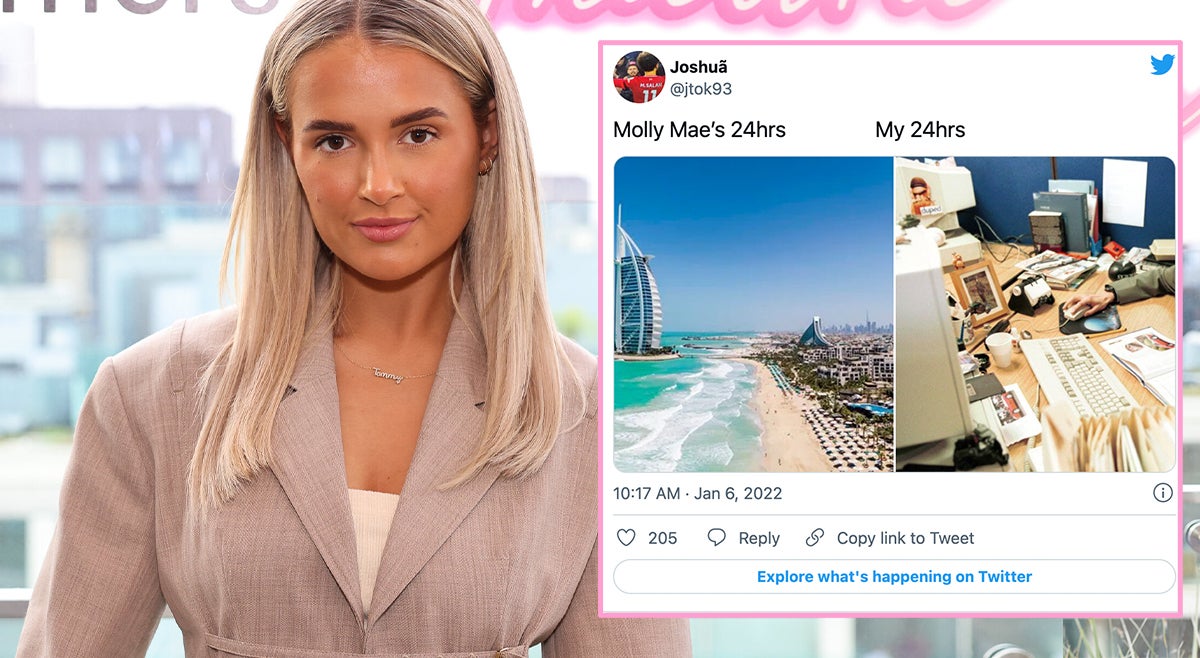
Citing the popular adage that ‘Beyonce has the same 24 hours as us’ as a motivator to just get things done, Mae told Barlett: “You have one life, it’s up to you what you do with it…I’ve worked my absolute arse off to get where I am today.”
Mae explained how she has had criticisms levelled at her in the past regarding this attitude, but doubled down saying: “Technically, that is correct, we do have the same 24 hours in a day.
Advertisement
“We do all come back from different backgrounds and financial situations, but if you want something enough, you can achieve it.”
The comments hit a nerve, though, as many pointed out that while we do in fact have the same amount of hours in a day, our opportunities, socio-economic background and general positions in life vary to Mae, a millionaire.
Many pointed out on Twitter the myths of meritocracy that Mae seemed to be championing – showing that the playing field isn’t level for all.
Others questioned her role as creative director of PLT – a brand regularly criticised for its fast fashion – asking whether they could simply achieve their dreams by working as hard as her.
Advertisement
And many, many more simply pointed out how ridiculous the whole “we all have the same hours in the day” idea is.
Sorry Molly Mae, this was not the inspirational talk we needed.

Boris Johnson has been forced to issue a “humble and sincere apology” for mislaying texts about his flat makeover.
In letters published on Thursday, Johnson earned a strong rebuke from his own ethics adviser, Christopher Geidt, for his failure to disclose messages between himself and Tory donor David Brownlow, who contributed £52,000 towards the refurbishment of his flat above 11 Downing Street.
Advertisement
However, he said he stood by his original findings in May that Johnson had not broken the ministerial code.
“The new disclosure did not in fact result in change to my original assessment of your interests insofar as they related to the ministerial code,” he said.
Advertisement
In his report into the flat refurbishment published in May, Geidt reported that Johnson said he did not know that Brownlow had donated the £52,000 from his own pocket until shortly before media reports circulated in February 2021.
However, a separate probe into the flat makeover by the Electoral Commission discovered that Johnson had in fact messaged Brownlow over WhatsApp about the revamp in November 2020.
Advertisement
In a sharply-worded letter, Geidt told the prime minister that his failure to disclose the texts exposed a “signal deficiency in the standards upon which the independent adviser and, by extension, the prime minister have an absolute right to rely in establishing the truth in such matters”.
He added: “Indeed, the episode shook my confidence precisely because potential and real failures of process occurred in more than one part of the apparatus of government.
“I am very grateful to have your apology for these shortcomings and to know of your determination to prevent such a situation from happening again.”
What the texts to Brownlow said
Johnson described parts of his Downing Street flat as “a bit of a tip” as he solicited authorisation for renovations to his official residence
The WhatsApp messages show the PM trying to hurry Brownlow to give the go-ahead as he was “keen” for luxury interior designer Lulu Lytle to progress the work.
On November 29 2020, the prime minister wrote: “Hi David I am afraid parts of our flat are still a bit of a tip and am keen to allow Lulu Lytle to get on with it. Can I possibly ask her to get in touch with you for approvals?”
Later that day, Brownlow replied: “Sorry for the delay I was out for a walk and didn’t have my ‘work’ phone with me. Of course, get Lulu to call me and we’ll get it sorted ASAP!”
He subsequently added: “I should have said, as the Trust isn’t set up yet (will be in January) approval is a doddle as it’s only me and I know where the £ will come from, so as soon as Lulu calls we can crack on.”
Advertisement
In his letter to Geidt, dated December 21, Johnson offered a “sincere and humble apology” for his failure to submit the texts to his investigation, which he said was due to a change in his phone number that meant that he “did not have access to my previous device and did not recall the message exchange”.
And he said it was “unacceptable” that the Cabinet Office did not inform Geidt of the existence of the messages.
He said Brownlow had offered to share the messages with the Cabinet Office but that the department had felt this was inappropriate to receive them while the commission carried out its investigation.
“It is unacceptable that the Cabinet Office did not at the very least inform you of the position they had taken,” the prime minister said.
Following the letter exchange Labour deputy leader Angela Rayner accused Johnson of breaking the ministerial code and of offering “pathetic excuses”.
“Boris Johnson has little regard for the rules or the truth,” she said.
“The ministerial code requires ministers to act with transparency and honesty.
“It is simply impossible to read these exchanges and conclude that the prime minister has not breached these aspects of the code.
“Once again, by attempting to hide the truth, Boris Johnson undermines his own office.
“The prime mInister’s pathetic excuses will fool no-one and this is just the latest in a long line of sorry episodes.”
Advertisement
The Geidt report centres on a row over how the prime minister’s flat above 11 Downing Street was funded.
Reports suggest that the final bill may have topped £200,000, but with the PM only receiving an annual grant of £30,000 for such renovations, the remaining sum needed to be made up somewhere.
Enter Tory peer and donor David Brownlow, who was found to have made a £52,000 donation go help transform the flat — from a so-called “John Lewis nightmare” into a luxury Lulu Lytle abode.
However, Johnson originally failed to declare the donation in line with parliamentary rules, leading critics to demand an investigation over fears of a conflict of interest.
Two probes were then kicked off: one by the Electoral Commission and one by Geidt himself.
In his initial investigation into the flat makeover in May 2021, Geidt found that Johnson had “acted unwisely” by commissioning it without full knowledge of how it would be paid for, but cleared the PM of a conflict of interest.
He said Johnson did not breach the ministerial code by failing to declare the donation, and noted that this was eventually done by the prime minister — even if late.
Geidt also said that Johnson appeared not to be aware Lord Brownlow had contributed from his own pocket, saying he was told by the PM that he “knew nothing about such payments until immediately prior to media reports in February 2021”.
Advertisement
Geidt was forced to take another look at the flat saga after central findings he came to appeared to be contradicted by the Electoral Commission’s parallel probe.
The commission fined the Conservative party nearly £18,000 for failing to properly report a donation of £67,801.72 from Brownlow’s Huntswood Associates Limited in October 2020, including £52,801.72 connected to the costs of refurbishment to 11 Downing Street.
It also revealed that Johnson sent Brownlow a WhatsApp message in November 2020 requesting additional money for the refurb, in an apparent contradiction of what he told Geidt last May.
Geidt was reportedly left furious that the Whatsapp exchange had not been submitted to his investigation and was potentially on the verge of resigning.
According to the Sun, Johnson has blamed a change in his mobile phone number — after it was made freely available online — for the non-disclosure of the messages with Brownlow.
Following the findings, Downing Street denied that Johnson misled the ethics adviser over the refurb and claimed: “Lord Brownlow did not make a decision about becoming the person to cover the costs until after that exchange.”
It alleged Johnson was asking for a “blind trust” when he sent the texts.