UK Warns EU Not To Block Export Of Coronavirus Vaccines

Ben Wallace, the defence secretary, has issued a warning to the European Commission that any attempt to block coronavirus vaccine exports to the UK would be “counterproductive”.

Commission president Ursula von der Leyen ramped up the rhetoric at the weekend, saying the EU had the power to “forbid” exports, adding; “That is the message to AstraZeneca.”

The warning reflects growing frustration on the continent that the EU is not getting the supplies it expected from the British-Swedish manufacturer.

Ireland’s commissioner Mairead McGuinness said no decisions had been taken but that EU leaders would consider the matter when they meet on Thursday.

“European citizens are growing angry and upset at the fact that the vaccine rollout has not happened as rapidly as we had anticipated,” she told BBC1’s The Andrew Marr Show.

“Both the EU and the UK have contracts with AstraZeneca and my understanding is the company is supplying the UK but the European Union.

“We are supplying the UK with other vaccines, so I think this is just about openness and transparency.”

Wallace, however, hit back by warning the manufacture of the Pfizer vaccine depended on supplies from the UK.

“The grown-up thing would be for the European Commission and some of the European leaders to not indulge in rhetoric but to recognise the obligations that we all have,” he told The Andrew Marr Show.

“We will all hold each other to our contracts. Making a vaccine is like baking a cake. We all have different ingredients and the European Commission will know that.

“You pointed out the point about Pfizer. They will know you wouldn’t want to cut off your nose to spite your face.”

Speaking earlier on Sky News’s Sophy Ridge on Sunday programme, he said the EU would suffer “severe reputational” damage if it tried interfering with vaccine exports.

“If contracts and undertakings get broken that is a very damaging thing to happen for a trading bloc which prides itself on the rule of law,” he said.

“It would be counterproductive because the one thing we know about vaccine production and manufacturing is that it is collaborative.

“If we start to unpick that, if the commission were to start to do that, I think they would undermine not only their citizens’ chances of having a proper vaccine programme, but also many other countries around the world with the reputational damage to the EU, I think, they would find very hard to change over the short-term.”

Share Button

Covid-19: Record day for UK with 711,156 vaccinations given

More than 26.8 million first and 2.1 million second doses have now been given in the UK since December.

Share Button

Glastonbury Bosses Reveal They’ve Put The Wheels In Motion For A September Event

Harry Durrant via Getty Images

Glastonbury’s iconic Pyramid stage in 2019

“For those asking for an update on our plans later this year, we have put an application in for a licence for a concert at the farm in September,” she wrote on Instagram.

“Of course, we’ve no idea yet whether we’ll able to do that, but we wanted to get the application in to be in with a chance. Unlikely we’ll have any news for a couple of months – but will let you know right here when we do.”

Emily noted that the Eavis family had also “put an application in for a family-friendly (ie not for partying!) campsite at the farm for this summer”.

“Again, it’s not definite that it’ll go ahead, but needed to set the early wheels in motion now,” she added.

“It’s so good to dream up plans and hope that some of these things could potentially happen later this year.”

Announcing Glasto’s cancellation earlier in the year, organisers said that “tickets for this year will roll over to next year”, and thanked those who had already paid deposits for their “faith and trust placed in us”.

“We are very confident we can deliver something really special for us all in 2022,” they said. 

Rapper Kendrick Lamar, Beatles star Paul McCartney and chart-topping singer Taylor Swift had all been booked to headline what would have been Glastonbury’s 50th anniversary festival last year, before the event was eventually scrapped.

Share Button

The Cast Of Gogglebox Reacting To Naked Attraction Was Obviously A Match Made In Comedy Heaven

Seeing the cast of Gogglebox’s take on the past seven days of telly has been the highlight of our week for some time now, so when we saw that they’d be tackling one of Naked Attraction’s most iconic episodes ever, we knew we were in for a treat.

During Friday night’s show, the Goggleboxers sat down in their respective homes to watch a classic Naked Attraction episode that had aired on Channel 4 earlier in the week.

Things got off to a promising start, with long-serving cast member Stephen keeping his fingers crossed for “willies”, and Shirley declaring she “wouldn’t want to show my fanny to everyone, love”.

The episode in question introduced 57-year-old Judith, a church-going woman who decided that after surviving breast cancer and caring for her elderly mother, she deserved a bit of a treat.

“Who does she want to meet at 57?” Shirley questioned, to which her husband Dave suggested: “Someone half-tidy, I expect. With a big knob.”

Fan favourites Jenny and Lee were engrossed from the beginning, with the former declaring: “Let’s see what she’s got on offer.”

However, there was no preparing for some of the lines Judith would end up coming out with as she whittled down her prospective dates, including her suggestiion she’s happy with anything from “eight to 11 inches” and the immortal line: “God what a c**k!”

And pretty much everyone was speechless as the iconic Shirley performed a rendition of The Lord Is My Shepherd, accompanying herself on the keyboard, while her prospective dates swayed nude in the background.

As Louis Michael put it: “Just when you think it can’t get any more surreal, she whips out a piano and puts on a one-woman show. For the penises.”

“We all need a little bit of Judith in us really, don’t we?” Stephen said at the end of the episode.

Frankly, we can not agree more.

Gogglebox airs every Friday night at 9pm on Channel 4.

Share Button

Revealed: Unheard Stories Of Asylum Seekers Stuck In Limbo Because Of Covid

Asylum seekers who escaped war and oppression to seek refuge in the UK have been left penniless and in limbo during a national crisis, HuffPost UK can reveal.

Coronavirus has put their hopes for a new life on hold and many are struggling to clothe or feed their children.

The Covid-19 crisis has also delayed asylum claim assessments, leaving some families living in hotel rooms or B&Bs or forbidden from working.

The UK’s National Zakat Foundation (NZF) told HuffPost UK it received 11,740 applications for help from those seeking asylum in 2020.

Zakat is an obligatory religious levy and the third pillar of Islam, which requires Muslims to give up 2.5% of their qualifying wealth each year to help those in need. During 2020, the foundation distributed £3.8m in grants, a 27% rise on the previous year.

A Sudanese mother-of-three who escaped to the UK told HuffPost UK she has been living in a hotel room with her three children for the last five months and became ill with coronavirus while they all lived in the same space.

Saira,* 43, moved to Qatar from Sudan in 2008 with her husband, and the couple had three children.

But when her husband briefly returned to Sudan for his mother’s funeral in October, he was arrested.

Terrified she would be deported to Sudan and arrested too, Saira fled to the UK with her children to apply for asylum.

However, due to the backlog of asylum claims – which she believes is exacerbated by Covid-19 – Saira and her children have been living in hostels and hotel rooms since their arrival in the UK which she admitted is very difficult.

Getty images

Saira, an asylum seeker, has been living with her three children in a hotel room for the last five months

“My children are really struggling and home schooling in one hotel room is very hard,” Saira told HuffPost UK.

“My kids are fighting and crying and asking when we can go to live in a home, and they miss their dad.”

Saira’s children – aged 12, 10 and four – managed to attend school for a month before the third national lockdown.

But even in that time one of her kids contracted Covid-19 and brought it home, and Saira became ill. “I felt pain all over my body and I started to cough and I could not move from the bed,” she said.

Home schooling in one hotel room is very hard. My kids are fighting and crying and asking when we can go to live in a home.”Saira, an asylum seeker from Sudan

Saira wore a mask all the time and kept the window open, even though it was cold, to try to protect her children from the virus.

“My youngest son wanted to be near me and when I told him to keep away, he didn’t understand and cried,” she said. “I felt very ill and still feel weak now.”

She came to the UK following her husband’s disappearance as she was frightened of being deported to Sudan from Qatar herself. She had visited Sudan in 2018 and was arrested, imprisoned for a month and treated very badly.

Saira believes her arrest then was related to fundraising and support for the people of Darfur, where her parents are from. “We made donations after collecting clothing and money to help people’s human rights,” she said.

“When they arrested me, I was shocked. They told me they knew everything about me and treated me badly.

“They pushed us around using their feet and I have problems in my back and shoulders because of this.

“I was alone in a dark room with no light and no water. I had to go to the toilet in the same room. It was very bad.”

She added: “I can’t go back to Sudan. Everyone I know there is trying to escape.”

Getty images

Asylum seekers, who are already vulnerable, have been hit hard by the coronavirus pandemic

Then when lockdown began, Saira was forced to home school the children in the London hotel room they all share. “It was so stressful,” she said. “I felt very depressed and the children were restless and shouting and screaming and kept asking me questions that I couldn’t answer.”

Saira and her children are given food at the hotel, but it is not what they are used to and she admits often her children only eat the bread and rice.

“The hotel provides halal Indian food, but it is very spicy and my children cannot eat it. A few times, the hotel reception staff have ordered pizza for my children, but I feel too ashamed to ask for food.”

Saira was given shopping vouchers by the National Zakat Foundation when the organisation heard of her plight.

She has used these to buy food and snacks for her children and essential household items to use in the hotel room. “They helped me too much,” said Saira of the NZF.

Saira now longs for a home where she can cook for her own children and follow the procedure for seeking asylum. “All we need is to live a simple life,” she said. “We just want to be in a home where we can start our life in a safe place.”

For Ahmad,* a 40-year-old asylum seeker, the hardest part of being stuck in limbo with the asylums process is not being able to work and constantly having to say no to his children as he can’t afford to buy them things.

When the kids ask for something and as a father you cannot provide it, it is very disturbingAhmad, an asylum seeker living with his family in Greater Manchester

Ahmad lives with his wife and four young children in Bolton, Greater Manchester. He told HuffPost UK: “When the kids ask for something and as a father you cannot provide it, it is very disturbing.”

Ahmad was born and brought up in Dubai to parents from Balochistan in Pakistan.

He claimed asylum in the UK two years ago after being told his name was “on a list” because of his work raising awareness of human rights abuses in Balochistan and Dubai.

“In Dubai, carrying out human rights awareness was considered a crime,” he said. “It is forbidden and taboo. They thought of us as outsiders and foreigners and one of my friends told me my name was on a list, so we came to the UK two years ago.”

Getty images

Ahmad, an asylum seeker in Greater Manchester, feels frustrated at not being able to work and provide for his family

Ahmad applied for asylum but his case was refused. He appealed and is now awaiting an outcome. But in the meantime, he isn’t allowed to work despite his many skills.

Ahmad speaks several languages and was working as a customer care manager for a hospitality firm in Dubai. He is also able to work as a mechanic.

“If they gave me approval to work, at least I could provide more for my family,” he said. Instead, they rely on money from the government, which is just enough to cover the bare essentials.

“I am not bothered about myself, but it is very hard not being able to buy things for my kids,” he said. “I don’t even want to take them to the shops with me as I’m afraid if they ask me to buy something, I’ll have to say no as I can’t afford it.”

Ahmad says Covid-19 has also taken a mental toll on the family. “I feel like we are on a drowning ship and cannot move,” he said. “We just have to stand still and wait for something good to happen. It’s like your life is paused.”

A friend told Ahmad about the National Zakat Foundation and he applied for support. Within days, he and his family were given money to help them.

“I bought my children some new clothes and shoes and I have kept the rest for emergency,” he said. “I was very grateful for this support.”

We just have to stand still and wait for something good to happen. It’s like your life is pausedAhmad

Iqbal Nasim, the foundation’s chief executive, told HuffPost UK the stories of vulnerable asylum seekers during the pandemic had gone largely unheard.

“These people, many of them families, have travelled hundreds of miles in treacherous conditions to escape war and oppression,” he said.

“They’ve found themselves in a new country, with barely a penny in their pockets, and then been faced with the added strain of being left in limbo during a national crisis.

“Covid has delayed asylum claim assessments and left many struggling on meagre incomes, housed in hotels or B&Bs in obscure locations and unable to apply for additional support.”

Nasim said the charity had been able to use zakat to provide food and other essentials to thousands of asylum seekers, but much more needed to be done to help them.

Haaris Karim – Islamic Relief

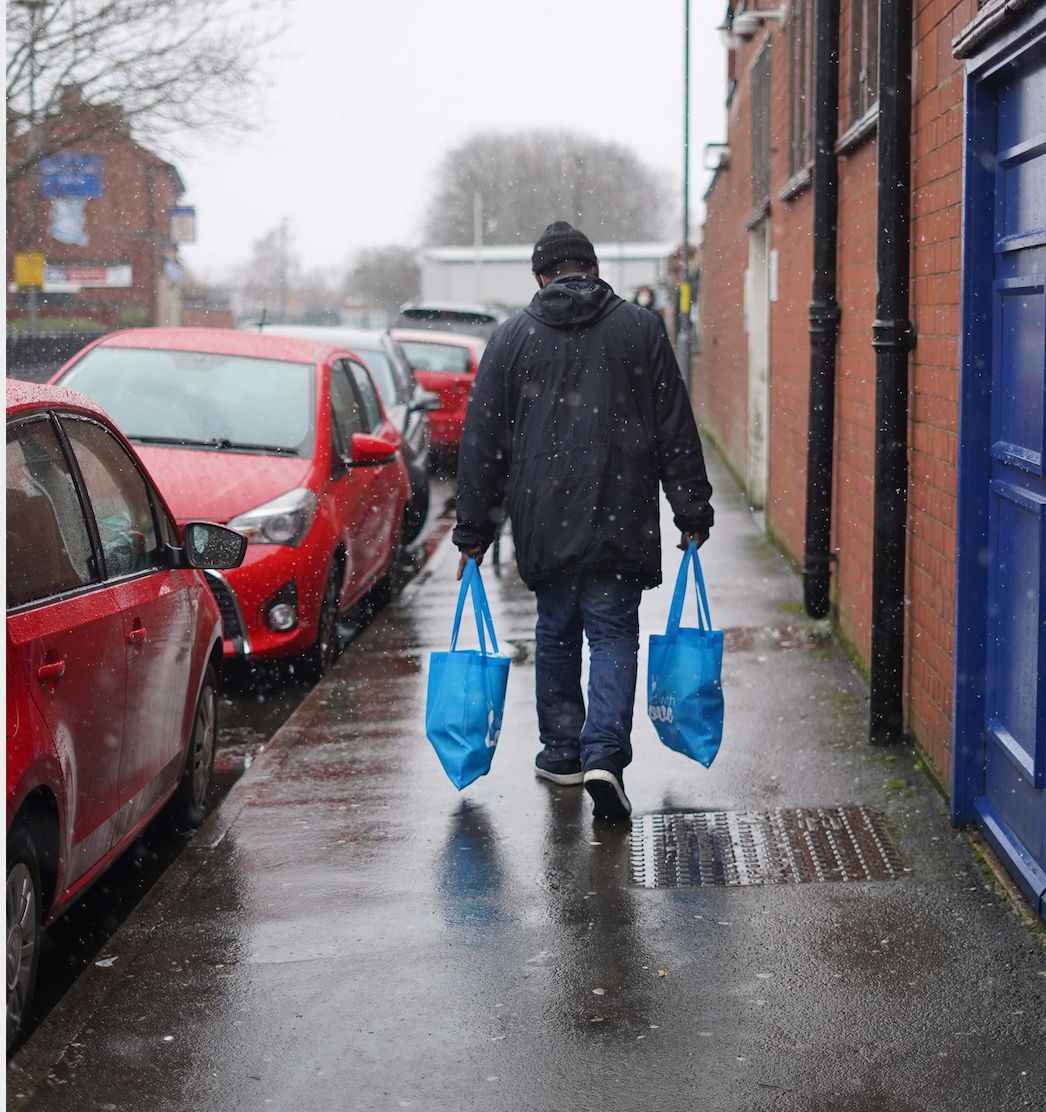
A man carrying food parcels to help those in need

Islamic Relief UK, which works to end poverty, teamed up with the National Zakat Foundation to deliver hardship relief to asylum seekers.

Zia Salik, Islamic Relief UK director, told HuffPost UK people are experiencing suffering all over the country. “As Muslims, we cannot abandon anyone in need and must urgently provide help wherever we can,” he said.

“There is still a long way to go in terms of drawing attention to the effect Covid-19 has had on an already suffering community.

“We hope our partnership will inspire other charities and individuals to come forward and offer their help, especially as we approach Ramadan.”

* Names have been changed

Share Button

Why are some towns struggling to shake off Covid-19?

Some towns in the North of England and the Midlands are struggling to get Covid infection rates down.

Share Button

COVID-19 transmission rare in schools with masking, distancing, contact tracing, study finds

In-school COVID-19 transmission is rare — even among close school contacts of those who test positive for the virus — when schools heed public health precautions such as mandatory masking, social distancing and frequent hand-washing, according to results of a pilot study in Missouri aimed at identifying ways to keep elementary and secondary schools open and safe during the pandemic. A close contact is anyone who has been within 6 feet for more than 15 minutes in a 24-hour period with someone infected with COVID-19.

The study is part of a larger, ongoing collaboration involving the Centers for Disease Control and Prevention (CDC), Washington University School of Medicine in St. Louis, the Missouri Department of Health and Senior Services, the Missouri Department of Elementary and Secondary Education, Saint Louis University, the Springfield-Greene and St. Louis County health departments, and school districts in the St. Louis and Springfield, Mo., areas.

The findings are published March 19 in the CDC’s journal, Morbidity and Mortality Weekly Report. The Missouri school findings mirror those of schools in other states, demonstrating that COVID-19 prevention efforts can significantly curb the spread of SARS-CoV-2 among students, teachers and staff.

“This work is imperative because keeping kids in school provides not only educational enrichment but also social, psychological and emotional health benefits, particularly for students who rely on school-based services for nutritional, physical and mental health support,” said senior author Johanna S. Salzer, DVM, PhD, a veterinary medical officer with the CDC’s National Center for Emerging and Zoonotic Infectious Diseases.

The pilot study involved 57 schools in the Pattonville School District in St. Louis County and the Springfield Public School District in Greene County in southwest Missouri, as well as two private schools in St. Louis County. All schools in the pilot study required students, teachers, staff and visitors to wear masks while on campus or buses.

Other safety measures included a focus on hand hygiene, deep cleaning of facilities, physical distancing in classrooms, daily symptom screenings for COVID-19, installing physical barriers between teachers and students, offering virtual learning options, and increasing ventilation.

For two weeks in December, the schools involved in the pilot project notified the research team of students, teachers and staff who were either infected with COVID-19 or quarantined due to being considered a close contact of someone who had tested positive. In St. Louis, close contacts of students or teachers who had tested positive were placed in quarantine, meaning they were not to leave their homes for 14 days from when last exposed to a positive case. In Springfield, however, some of the close contacts of those who had tested positive were placed in modified quarantine — meaning they could stay in school if they and the infected person were wearing masks when in close contact; in this scenario, the infected person still isolated at home.

Participants in the pilot study included 193 persons across 22 of the 57 schools — 37 who tested positive for COVID-19 and 156 of their close contacts. Among participants who were COVID-19 positive, 24 (65%) were students, and 13 (35%) were teachers or staff members. Of the close contacts, 137 (88%) were students, and 19 (12%) were teachers or staff members.

Among the 102 close contacts who agreed to testing for COVID-19 using saliva tests, only two people received positive test results indicating probable school-based SARS-CoV-2 secondary transmission. Further, no outbreaks were identified in participating schools despite the high rates of community spread in December, even among the Springfield schools that followed modified quarantine protocols allowing some close contacts of positive individuals to remain in school.

“Schools can operate safely during a pandemic when prevention strategies are followed,” said one of the study’s leading researchers, Jason Newland, MD, a Washington University professor of pediatrics, who treats patients at St. Louis Children’s Hospital. Newland led the pilot program with the CDC and has advised multiple school districts in Missouri on plans for reopening schools. “The pilot study demonstrates low transmission in schools and no student-to-teacher transmission — and this was during the height of the pandemic in December, with high rates of community spread.”

Added Randall Williams, MD, director of the Missouri Department of Health and Senior Services: “Schools with proper prevention strategies remain a safe environment for students and teachers during the pandemic.”

Since mid-January, the CDC, Washington University and Saint Louis University researchers, and the St. Louis County and Springfield-Greene County health departments, along with three school districts from St. Louis County, and three school districts in Greene County have been participating in a larger study to further examine the COVID-19 prevention strategies and quarantine policies. The St. Louis County school districts involved are Rockwood, Pattonville and University City; the Greene County school districts involved are Springfield, Republic and Logan-Rogersville.

In addition, the researchers are going into classrooms to measure the distances between desks to evaluate whether the 6-foot social distancing rule can be relaxed in school settings. They’re also sending surveys to parents, teachers and staff to assess the stress and mental health challenges surrounding quarantine. In Springfield, the researchers are continuing to study modified quarantine policies.

“We are pleased to continue to work on this joint project with the CDC, Washington University, and the Springfield-Greene County Health Department,” said Jean Grabeel, director of health services for Springfield Public Schools. “The initial results helped verify that our mitigation strategies have been successful in the school setting. This continued work will help to further guide the full-time return of students to in-person learning, five days a week, in a safe manner. We deeply appreciate this unique opportunity to collaborate on such a meaningful, impactful project.”

Added Mark T. Miles, PhD, superintendent of the Rockwood School District, the largest school system in St. Louis County and one of the largest in the state, with 22,268 students: “I am grateful for Rockwood’s opportunity to participate in this collaboration. We all share the same priority: keeping schools safe for students, teachers and staff as well as the community at large.”

Dawson P, Worrell MC, Orscheln RC, Williams RW, Newland JG, Salzer JS et al and the COVID-19 Surge Laboratory Group. Pilot investigation of SARS-CoV-2 secondary transmission in Kindergarten through Grade 12 schools implementing mitigation strategies — St. Louis County and City of Springfield, Missouri, December 2020. Centers for Disease Control and Prevention Morbidity and Mortality Weekly Report. March 19, 2021.

Share Button

Stroke risk higher than expected among COVID-19 patients

New research found patients hospitalized with COVID-19 had a higher risk of stroke, compared with patients who had similar infectious conditions such as influenza and sepsis in prior studies. Those who had an ischemic stroke were more likely to be older, male, Black race, or have high blood pressure, Type 2 diabetes or an irregular heartbeat (atrial fibrillation) compared with other COVID-19 patients, according to late-breaking science presented today at the American Stroke Association’s International Stroke Conference 2021. The meeting is being held virtually, March 17-19, 2021 and is a world premier meeting for researchers and clinicians dedicated to the science of stroke and brain health.

For this analysis, researchers accessed the American Heart Association’s COVID-19 Cardiovascular Disease Registry to investigate stroke risk among patients hospitalized for COVID-19, their demographic characteristics, medical histories and in-hospital survival. The COVID-19 Registry data pulled for this study included more than 20,000 patients hospitalized with COVID-19 across the U.S. between January and November 2020.

“These findings suggest that COVID-19 may increase the risk for stroke, though the exact mechanism for this is still unknown,” said lead study author Saate S. Shakil, M.D., a cardiology fellow at the University of Washington in Seattle. “As the pandemic continues, we are finding that coronavirus is not just a respiratory illness, but a vascular disease that can affect many organ systems.”

Two hundred eighty-one people (1.4%) in the COVID-19 CVD Registry had a stroke confirmed by diagnostic imaging during hospitalization. Of these, 148 patients (52.7%) experienced ischemic stroke; 7 patients (2.5%) had transient ischemic attack (TIA); and 127 patients (45.2%) experienced a bleeding stroke or unspecified type of stroke.

The analysis of COVID-19 patients also found:

  • Those with any type of stroke were more likely to be male (64%) and older (average age 65) than patients without stroke (average age 61);
  • 44% of patients who had an ischemic stroke also had Type 2 diabetes vs. about one-third of patients without stroke, and most of the ischemic stroke patients had high blood pressure (80%) compared to patients without stroke (58%);
  • 18% of ischemic stroke patients had atrial fibrillation, while 9% of those without stroke also had atrial fibrillation;
  • Patients who had a stroke spent an average of 22 days in the hospital, compared to 10 days of hospitalization for patients without stroke; and
  • In-hospital deaths were more than twice as high among stroke patients (37%) compared to patients without stroke (16%).

In addition, stroke risk varied by race. Black patients accounted for 27% of the patients in the COVID-19 CVD Registry pool for this analysis; however, 31% of ischemic stroke cases were among Black patients.

“We know the COVID-19 pandemic has disproportionately affected communities of color, but our research suggests Black Americans may have higher risk of ischemic stroke after contracting the virus, as well,” Shakil said. “Stroke on its own can have devastating consequences and recovering from COVID-19 is often a difficult path for those who survive. Together, they can exact a significant toll on patients who have had both conditions.”

Shakil added, “It is more important than ever that we curb the spread of COVID-19 via public health interventions and widespread vaccine distribution.”

In April 2020, the American Heart Association created the COVID-19 CVD Registry within weeks of the declaration of the global pandemic to rapidly collect and provide insights into patients hospitalized with the novel coronavirus. The Association’s robust Get With the Guidelines registry infrastructure has allowed for rapid data collection, including over 37,000 patient records and more than 135,000 lab reports, with more than 160 registry sites enrolled (data as of 2/23/21).

Co-authors are Sophia Emmons-Bell, B.A.; Christine Rutan, B.A.; Jason Walchok, B.A., N.R.P.; James A. de Lemos, M.D.; Babak Navi, M.D., M.S.; Alexander E. Merkler, M.D., M.S.; Gregory A. Roth, M.D., M.P.H.; and Mitchell S.V. Elkind, M.D., M.S., FAHA, FAAN. Disclosures are available in the abstract.

This study was funded by the American Heart Association.

Story Source:

Materials provided by American Heart Association. Note: Content may be edited for style and length.

Share Button

How do humpback whales rest?

An international research collaboration has used an omnidirectional camera attached to humpback whale to reveal how these creatures rest underwater. These findings demonstrate how wide-angle lens cameras can be useful tools for illuminating the ecology of difficult-to-observe animals in detail.

The research group consisted of Assistant Professor Takashi Iwata of Kobe University’s Graduate School of Maritime Sciences, Researcher Martin Biuw of the Norwegian Institute of Marine Research, Assistant Professor Kagari Aoki and Professor Katsufumi Sato of the Atmosphere and Ocean Research Institute, the University of Tokyo, and Professor Patrick Miller of the University of St. Andrews.

These research results were published online in Behavioural Processes on February 25, 2021.

Main Points

  • The researchers attached an omnidirectional (360°) camera to a humpback whale and discovered that these animals rest while drifting underwater. Whales can rest either on the surface or underwater, and it is believed that they choose which of these different environments to rest in depending on the situation.
  • The omnidirectional camera recorded a wide range of information on the environment surrounding the tagged whale, revealing that humpback whales rest in groups rather than on their own.
  • These results have demonstrated that animal-borne omnidirectional cameras are useful for learning more about animals that are difficult to observe.

Research Background

It is difficult to observe the ecology of marine animals directly as they spend the majority of their lives underwater. However, studies on the ecology of difficult-to-observe marine animals have been recently conducted using a method called bio-logging. This method involves attaching a camera to an animal and recording environmental information related to their behavior and surroundings. Various kinds of data can be recorded and measured, and this information can be used to understand aspects such as animal behavior and diving physiology. Such data includes depth, swimming speed, acceleration (which can be used to understand the animal’s posture and detailed movements), vocalizations, heart rate and GPS (Global Positioning System) location data.

Cameras in particular are a powerful tool as they enable researchers to view the individual animal’s surroundings, which in turn helps them to understand the animal’s behavior. However, the camera’s limited field of view has been an issue with animal-borne cameras up until now. For example, research using a camera attached to a humpback whale (Megaptera novaeangliae) revealed that the whale would quickly move away from foraging sites if a competitor was present. However, the competitor was not visible due to the limited scope of the camera, therefore its presence was merely assumed. A camera with a wide-angle lens is therefore necessary to film the animal’s entire surroundings.

This research focused on the humpback whale, a species of baleen whale that is found in oceans around the globe. Using bio-logging, researchers have learned more about humpback whales’ foraging habits, however little is known about their resting behaviors. Foraging events can be identified from the recorded depth, swimming speed and acceleration (movement) of the whale that are characteristic signs that it is chasing prey. However, researchers have not identified the characteristic signs of resting, and it is not understood what the differences are between resting and swimming slowly. Information about an animal’s resting behavior is necessary in order to understand their ecology. For example, if we consider animal behaviors in terms of their time budget, the percentage of time for other activities such as foraging decreases if their resting periods increase. Even though information about resting behaviors is essential for understanding animal ecology, hardly anything is known about baleen whales’ resting habits.

This research group used an omnidirectional camera (with a 360° field-of-view on land and a 270° field-of-view underwater) and a behavioral data logger in order to illuminate the resting behavior of humpback whales.

Research Methodology and Findings

RICOH supplied the basic THETA camera module for this research, which was made pressure-resistant and waterproofed using epoxy glue by Little Leonardo Corp., leading to the development of a new type of animal-borne omnidirectional camera. A suction cup tag was made out of buoyant materials that could be attached to the whale. The tag contained an omnidirectional camera, a behavioral data logger and a radio transmitter.

The field study was conducted in January 2016, off the Tromsø coast in Norway. To tag the whale, the researchers approached it in a small vessel (5-6m) and used a 6m pole to attach the tag to the animal. The tag was designed so that it would fall off naturally after several hours and float up to the surface. The tag was then recovered by determining its location via the signal from the transmitter.

The research team were able to tag one individual, obtaining around one hour of video data and approximately eleven hours of behavioral data. From the behavioral data, the researchers discovered that the whale was inactive during the first half of the recorded period and demonstrated active behavior in the latter half.

Based on past research, it was assumed that this active movement in the latter half was foraging activity. The video data was captured during the first half of the behavioral data recording period when the whale did not move much. In this videoed period, the tagged whale’s deepest dive was 11m on average and its average swimming speed (cruising speed) was 0.75m/s-1. It has been reported that humpback whales’ regular swimming speed is 1.45m/s-1, however the tagged whale was moving much more slowly during this period. Whales usually move their flukes (tails) when they swim but there were no signs that the individual whale moved its fluke in the behavioral data recorded during the videoed period. In the footage, two other whales that are drifting underwater without moving their flukes are visible. It was determined that the tagged individual was also drifting underwater from its slow swimming speed, lack of fluke movement and the continued presence in the video footage of other individuals that were drifting. Seal species, sperm whales and loggerhead turtles are known to drift underwater while they are resting. Therefore, it is believed that the tagged humpback whale in this study was also resting. Previous research has reported that baleen whale species rest on the surface but this study has revealed that they also rest while drifting underwater. It is thought that whales consider factors such as marine conditions and their own physical condition when choosing from the two different resting environments: on the surface or underwater. In addition, the footage from the omnidirectional camera shows that whales rest underwater in a group rather than on their own.

Further Research

Researchers have been using animal-borne cameras as a tool to investigate the ecology of marine animals. For example, a backwards-facing camera attached to a mother seal recorded images of a pup swimming behind her. However, to ascertain the significance of these images (for example, whether or not the mother was teaching the pup how to hunt) it is necessary to use a camera with a wide field of view so that we can obtain knowledge about the surrounding environment. Still camera images of touching behaviors between whales have also been recorded; however, a wide-lens camera would aid researchers in determining the frequency at which this behavior occurs. These examples show how necessary wide-lens cameras, such as omnidirectional cameras, are for investigating the ecology of marine animals. Such cameras enable researchers to record the environment surrounding the tagged animal, enabling them to determine whether other individuals (such as competitors, collaborators, or predators) are present or not, and understand the frequency and distribution of food sources.

This research group inferred that the tagged whale was resting based on the captured footage of nearby individuals at rest, demonstrating the usefulness of omnidirectional cameras. It is hoped that these cameras can be utilized to illuminate the ecology of marine animals that are difficult to observe.

Video of whale tagging: https://www.youtube.com/watch?v=oCESDySblqM

Share Button

Substantially higher burden of COVID-19 compared to flu, new research shows

In a paper published in the Journal of General Internal Medicine, physician-researchers at Beth Israel Deaconess Medical Center (BIDMC) assessed the relative impact of COVID-19 on patients hospitalized with the viral infection in March and April 2020, versus patients hospitalized with influenza during the last five flu seasons at the medical center. Overall, the team demonstrated that COVID-19 cases resulted in significantly more weekly hospitalizations, more use of mechanical ventilation and higher mortality rates than influenza.

COVID-19 and influenza are both contagious respiratory viral diseases that can lead to pneumonia and acute respiratory failure in severe cases. However, detailed comparison of the epidemiology and clinical characteristics of COVID-19 and those of influenza are lacking.

“COVID-19 has been compared to influenza both by health care professionals and the lay public, but there’s really limited detailed objective data available for comparing and contrasting the impact of these two diseases on patients and hospitals,” said corresponding author Michael Donnino, MD, Critical Care and Emergency Medicine physician at BIDMC. “We compared patients admitted to BIDMC with COVID-19 in spring 2020 to patients admitted to BIDMC with influenza during the last five flu seasons. We found that COVID-19 causes more severe disease and is more lethal than influenza.”

Donnino and colleagues included a total of 1,634 hospitalized patients in their study, 582 of whom had laboratory-confirmed COVID-19 and 1,052 of whom had confirmed influenza. The team found that, on average, 210 patients were admitted to BIDMC during each eight-month flu season, compared to the 582 patients with COVID-19 admitted in March and April 2020. While 174 patients with COVID-19 (or 30 percent) received mechanical ventilation during the two-month period, just 84 patients with influenza (or 8 percent) were placed on ventilation over all five seasons of influenza. Likewise, the proportion of patients who died was much higher for COVID-19 than for influenza; 20 percent of admitted patients with COVID-19 died in the two-month period, compared to three percent of patients with influenza over five seasons.

Further analysis revealed that hospitalized patients with COVID-19 tended to be younger than those hospitalized with influenza. Among patients requiring mechanical ventilation, patients with COVID-19 were on ventilation much longer — a median duration of two weeks — compared to just over three days for patients with influenza. Moreover, among patients requiring mechanical ventilation, patients with COVID-19 were far less likely to have had pre-existing medical conditions.

“Our data illustrate that 98 percent of deaths of patients hospitalized with COVID-19 were directly or indirectly related to their COVID-19 illness, illustrating that patients did not die with COVID but rather from COVID pneumonia or a complication,” said Donnino.

The authors note that the stringent social distancing guidance in effect last spring may have impacted these findings by limiting the incidence and lethality of COVID-19 toward the end of April 2020. Conversely, some treatment practices have evolved over the course of the pandemic, potentially improving outcomes for patients with COVID-19.

Co-authors included Ari Moskowitz, MD, Garrett S. Thompson, MPH, Stanley J. Heydrick, PhD, Rahul D. Pawar, MD, Katherine M. Berg, MD, Shivani Mehta, Parth V. Patel, BSN, RN, and Anne V. Grossestreuer, PhD, all of Beth Israel Deaconess Medical Center.

This work was supported by internal funding. Donnino, Moskowitz and Berg are supported in part by grants from the National Institutes of Health (K24HL127101, R01HL136705 and 1R01DK112886; K23GM128005; and K23HL128881404).

Share Button