My Son Was 1 Day Old When I Learned Our Family Had Been Exposed To Measles. Here’s What Happened Next.

I’m at the hospital when I get the call. It’s a Thursday morning, not even 24 hours since my C-section. I’m watching my newborn son nap in his bassinet and trying to enjoy my first meal since surgery.

The caller ID says CHKD Children’s Hospital, so I answer. My 16-month-old daughter was just released from that hospital earlier in the week following a severe bacterial infection that caused her lymph nodes to swell an extraordinary amount.

“Hello?” I say, worried that they uncovered something concerning in her bloodwork.

“Hello, I’m a paediatrician at Norfolk Children’s Hospital. I’m calling to check on Camille, and to let you know that she may have been exposed to the measles during her stay with us.”

My heart dropped, and the post-surgery nausea that had nearly subsided suddenly returned.

The doctor proceeded to tell me that she was reading from a script, and that they (under the advisement of the Virginia Department of Health) were recommending that all young children exposed receive their second measles vaccine as soon as possible. She then asked me about the vaccination status of everyone else who visited my daughter at the hospital, including myself, my parents, my husband and my almost-3-year-old.

Thankfully, both of my daughters had their first measles shot, which grants immunity in up to 95% of individuals. However, I now have a vulnerable infant to consider, and even a small chance of exposing him to this virus with no protection is too big of a risk.

So, under the advice of our paediatrician, I decided to give both of my daughters their second measles-mumps-rubella vaccine early. I didn’t feel entirely comfortable with this decision — especially with my 16-month-old just recovering from an infection and borderline immunocompromised. But it was the best decision available to me.

And because of parents who opt out of vaccinating their kids, I was put in the position to make it.

The recent measles scare in Virginia came from a student at a local elementary school. Though the individual’s vaccination status was not directly stated in a letter from the Virginia Beach Department of Health or in an interview with officials, several local outlets have taken this opportunity to advocate for the safety and continued necessity of childhood vaccinations. Of the 1,491 confirmed cases of measles in the U.S. this year, 92% occurred in individuals who were unvaccinated (or who had an unknown vaccination status).

In fact, 2025 boasts more measles cases since the disease was considered eliminated in 2000 — and more than any other year in the past three decades.

Low vaccination rates caused by vaccine hesitancy and anti-vaccine movements are largely to blame.

In other words, parents who choose not to vaccinate their children play a major role in these outbreaks ― which will continue to rise if nothing changes.
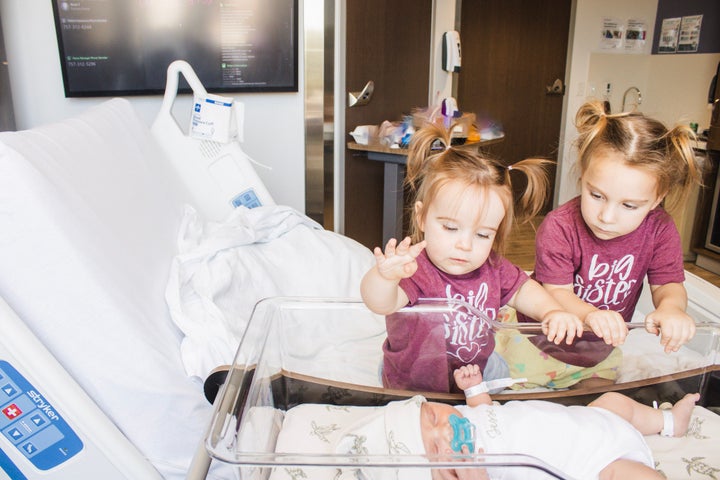
The author's two daughters visiting their newest sibling at the hospital.

Photo Courtesy Of Lauren Gumpert

The author’s two daughters visiting their newest sibling at the hospital.

As parents, we make hundreds of decisions on a daily basis — some inconsequential, others less so. We’re constantly weighing pros and cons, risks and benefits. In a world that feels more disconnected than ever — when we can bury our heads into our phones and surround ourselves with an echo chamber of conspiratorial ideas — it’s easy to lose sight of the bigger picture.

So let’s zoom out for a minute. In 1900, infectious diseases (such as pneumonia, influenza and measles) killed about 18% of children. Before vaccines and other public health measures, 1 in 5 children did not live to see their first birthday.

Compare that reality to today, when less than 1% of children die before their fifth birthday.

Back then, childhood was inherently dangerous. Even if they lived, those who became infected with a virus such as measles often suffered long-term side effects such as brain damage and a permanently weakened immune system.

The success of public health measures such as vaccines has given people a false sense of security, leading many to conclude that once-tragic diseases are no longer a threat. But it’s only thanks to science that illness and death among children is no longer commonplace.

Nowadays, it’s easy to take our health for granted — especially with anti-vaccine conspiracy theorist Robert F. Kennedy Jr. steering the narrative at the helm of the Department of Health and Human Services. We have the luxury of arguing over genetically modified organisms and artificial food colors and doubting the effectiveness of the very things that have kept us safe for the past half-century.

I won’t pretend to understand the various circumstances that might lead a parent not to vaccinate their child.

But I do know that as parents (and human beings), we have a responsibility to protect all children. I’m reminded of a quote by author and activist Glennon Doyle who said, “There’s no such thing as other people’s children.” We have an obligation to protect those who cannot opt to protect themselves. This is why I keep my kids home when they’re sick, why I advocate for stricter gun laws and — yes — why I vaccinate my kids.

Because measles is an airborne disease, one infected person can easily pass it on to 18 other people. To achieve herd immunity, 95% of the population must be fully vaccinated. Unfortunately, vaccination rates among children have continued to decline since the COVID-19 pandemic, with only 92.5% of kindergartners in the U.S. reportedly vaccinated against measles last year.

Just this week, a school-aged child in California died due to a delayed measles-related complication known as subacute sclerosing panencephalitis (SSPE). The child contracted the disease in infancy before they were eligible for vaccination. If infected, my newborn son could suffer the same fate.

I don’t want my kids — or anyone else’s — to become another preventable casualty.

So, both of my daughters received their second MMR vaccine ahead of schedule. However, we still aren’t out of the woods, because measles symptoms can appear as late as 21 days after exposure. Additionally, about 5% of children who receive their second vaccine develop a measles-like rash and fever, so it can be difficult to determine whether they have the disease.

Now I’m left to wonder and stress about every little bump that surfaces on my daughters’ skin. And if one of them does develop symptoms, I’ll have to contact the Virginia Department of Health to get them tested, because I can’t bring them to the paediatrician and risk exposing other vulnerable children.

I understand why many parents have grown to distrust medical institutions. I’ve also had my fair share of negative experiences that sometimes make me doubt doctors’ recommendations and interventions.

With so much misinformation circulating on social media, knowing whom to trust can be difficult. But I’m asking you to trust me — a fellow parent, personally affected by your choices, who sincerely wants the best for all of our kids. I’m asking you to trust the health care professionals who have treated your sick child instead of the influencers on social media (who are trying to sell you something) or the corrupt politicians like RFK Jr., who seems to change his opinion often to suit his political agenda.

Despite the fact that a link between vaccines and autism has been disproven over and over, RFK Jr. continues to spread lies and misinformation. He promised Americans that he would find a cause for the “autism epidemic” — a pursuit that won him support among many parents. However, with no formal medical or public health training, the secretary of health continues to undermine the scientific process by hiring incompetent individuals and misappropriating resources to maintain his base of support. For example, he recently employed a known pseudoscientist to uncover a link between vaccines and autism (which, as previously stated, studies have found does not exist).

In light of recent threats to vaccine access, 34 scientific and medical organisations including the American Association of Immunologists and the American College of Physicians have come together to produce a statement reaffirming the safety and effectiveness of vaccines.

With so many conspiracy theories circulating on the internet, it can be difficult to know who to trust. As a result, many parents fail to recognise the far-reaching implications of their choices. A once-standard public health measure has become politicised and exploited — and our children will suffer because of it.

Mother Teresa said: “If we have no peace, it is because we have forgotten that we belong to each other.”

The consequences of a decision like not vaccinating your child are not hypothetical. By now, hundreds of families in Virginia Beach like mine have been affected by one family’s choices. None of us live on an island, and our actions continue to ripple outward and affect others in unexpected ways.

In this life, we have no choice but to rely on each other. As parents, we have the power to end preventable deaths by vaccinating our children. I hope the vaccine skeptics among us will find the strength to do what’s necessary to keep all of our children safe.

Do you have a compelling personal story you’d like to see published on HuffPost? Find out what we’re looking for here and send us a pitch at pitch@huffpost.com.

Share Button

Marjorie Taylor Greene Slammed For Saying Vaccines Cause Autism

The congresswoman declared on social media that she believes in the debunked idea that vaccines cause autism, a claim that has been researched again and again and found to be baseless.

I fully believe vaccines cause Autism,” Greene wrote on X, formerly Twitter. ”It’s another example of crimes against humanity. And innocent babies, children, and their families are the victims.”

Greene’s post quickly received a community note pointing out that “the scientific literature on this is so extensive, that claiming otherwise can only be explained through sheer ignorance, or some sort of nefarious political purpose.”

The note included links to many, many sources explaining the issue in more detail.

Greene’s post got quite a bit of attention, and a great deal of mockery.

Share Button

Millions Can Book UK Covid Vaccines Online From Today

In light of the new Pirola variant, the UK Health and Safety Authority (UKHSA) recently announced their plans to move Covid-19 and flu vaccination dates forward.

“Health chiefs have ensured there is enough capacity to offer the flu and Covid vaccines to all those eligible by the end of October, reflecting the risk of the new variant,” the NHS said.

Millions of eligible people can book their Covid vaccines online from today, September 18.

Almost 5,000 sites ― more sites than ever before ― will be involved in the vaccine’s distribution.

Eligible people, including “all aged 65 and over, pregnant women and those with an underlying health condition,” will be contacted by the NHS from this week to encourage them to arrange a booking. Many will also receive an invitation to receive a flu jab.

“Over 30 million people are eligible to receive a flu vaccine and over 20 million are able to get a Covid jab,” the NHS explained.

You can book your vaccine here via the National Booking System, on the NHS app, or by calling 119.

Care home residents and people who are housebound began receiving their vaccines from last Monday, September 11.

Experts urge those eligible to take both the Covid and flu vaccines

Dr Ranee Thakar, President of the Royal College of Obstetricians and Gynaecologists (RCOG), said: “We are urging all pregnant women to get their free Covid-19 and flu vaccines, to give themselves and their babies the best protection this winter.”

“Pregnant women are more vulnerable to Covid-19 and flu infection, and both viruses can cause severe illness in pregnancy.

“Covid-19 infection in pregnancy means you are more likely to develop severe illness and need hospital care compared to someone who is not pregnant,” the doctor explained.

Even if you’ve had a Covid or flu top-up jab before, immunity fades over time. And new viruses, like Priola, are mutations of the diseases you’ve already been vaccinated against ― so your body can’t recognise them.

“We are already seeing a slow rise in cases of Covid-19, as well as increases in hospitalisations, particularly among the over 75s. Older people and those in clinical risk groups remain at higher risk of severe illness, so it’s important all those eligible come forward when offered and get protected against flu and Covid,” said Dr Mary Ramsay, Head of Immunisation at UKHSA.

Covid vaccination dates for those 18 and under will start later in the year, and families will be alerted when this happens.

Flu vaccinations for those aged two to seventeen have begun, and the first invitations to parents of children aged two and three are also being sent today.

Share Button

Monkeypox Vaccine: Who Will Soon Be Offered A Jab?

People who are at highest risk of catching the monkeypox virus will soon be offered a vaccine in an effort to reduce transmission.

The UK’s Health Security Agency (UKHSA) has revealed that some men who have sex with men will soon be offered the Imvanex jab – originally designed to treat smallpox – to curb the largest recent outbreak outside of Africa.

Here’s why.

Who is at high risk and why?

Monkeypox is not sexually transmitted, but can be passed on through close contact which is why it has become associated with sex.

The World Health Organisation (WHO) believes that the outbreak stemmed from sexual activity by men at raves in Spain and Belgium.

More than 99% of the current 793 reported UK cases are among men, most of whom identify as gay or bisexual.

Anyone – regardless of sexual orientation – is at risk of contracting the virus if they are in close contact with someone infected with monkeypox, or infected clothing or bedsheets.

But, men who have sex with men and who have multiple partners are considered at the highest risk – this includes those who take part in group sex, or go to venues where sex occurs on the premises – due to the origins of this particular outbreak.

The agency said data suggests there are higher levels of transmission “within, but not exclusive to, the sexual networks of gay, bisexual and other men who have sex with men”.

UKHSA’s head of immunisation Dr Mary Ramsay said: “By expanding the vaccine offer to those at higher risk, we hope to break chains of transmission and help contain the outbreak.”

Is this the first group to be offered the vaccine?

No – vaccines were offered to health workers who look after monkeypox patients as well as cleaners disinfecting areas which may have been exposed to the virus.

Close contacts of confirmed cases were also offered the vaccine.

NHS England will soon provide more details about how those who are eligible can receive a jab, although people are advised not to approach the NHS until contacted.

Vaccines have never been used in Africa to impact monkeypox, even though it is endemic in some countries.

It’s also worth noting that this vaccine is not designed specifically for monkeypox. Although Imvanex was used to eradicate smallpox worldwide, it has been found to be 85% effective against this current virus.

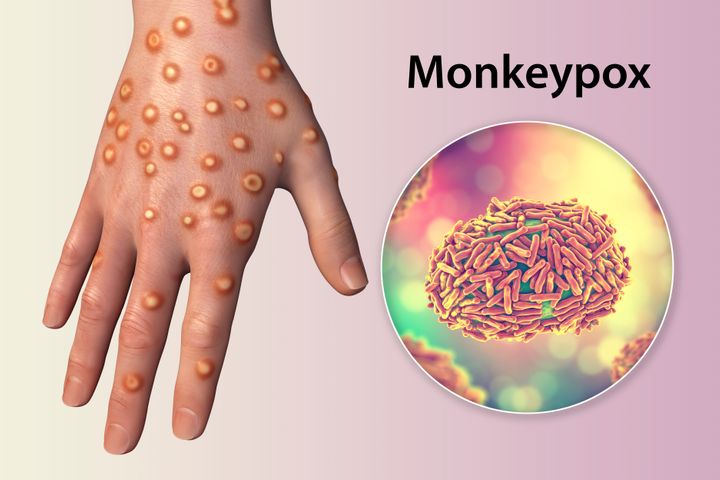
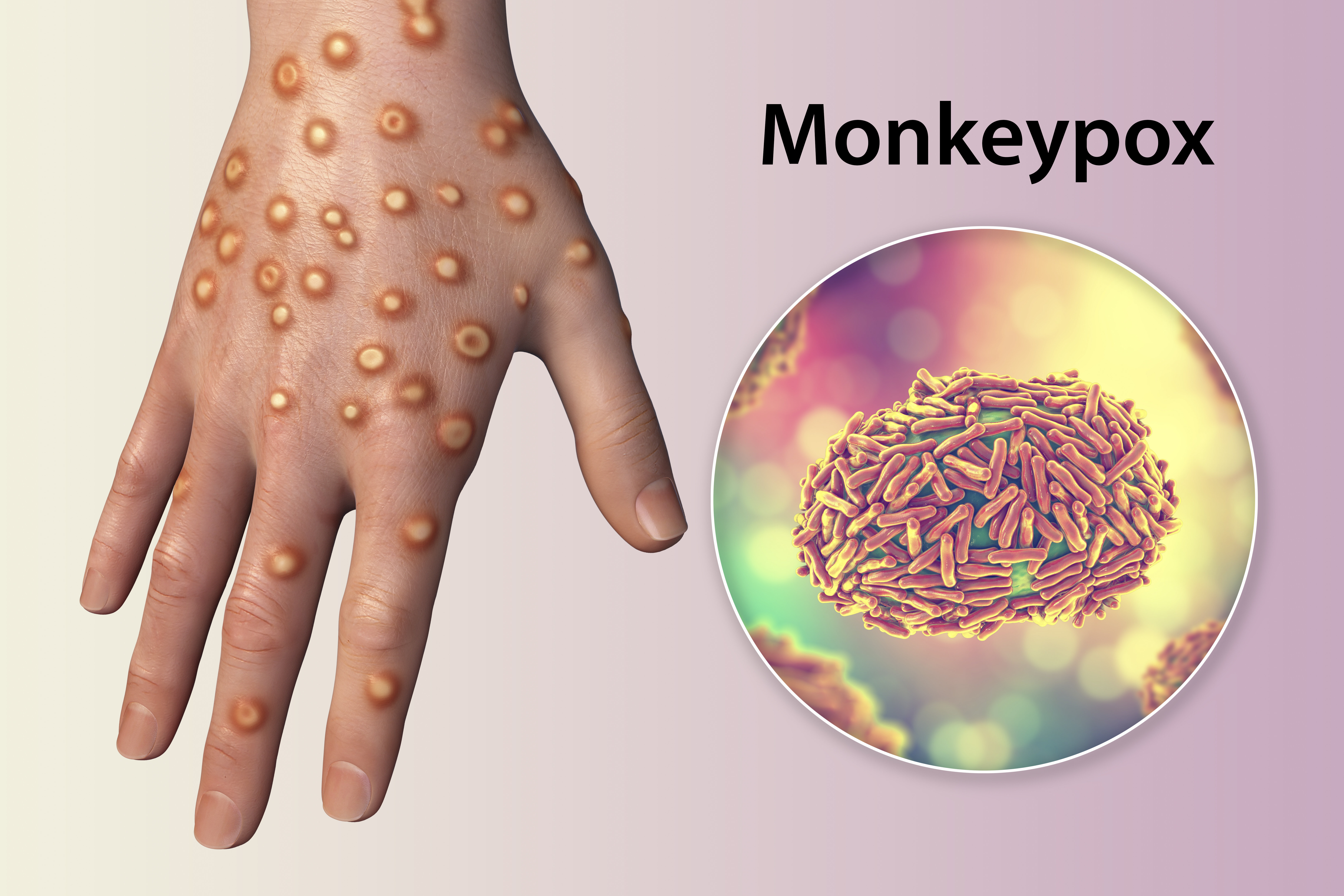
Hand of a patient with monkeypox infection and close-up view of monkeypox virus particles, computer illustration

KATERYNA KON/SCIENCE PHOTO LIBRARY via Getty Images

Hand of a patient with monkeypox infection and close-up view of monkeypox virus particles, computer illustration

Does this news mean there’s cause for concern?

Well, it’s unclear at the moment.

No deaths outside of Africa have yet been reported from this outbreak, although confirmed cases have suffered from fever, swollen glands and a rash which develops into fluid-filled lumps.

There are currently 793 cases in the UK out of more than 2,100 cases around the world – far lower numbers compared to when the Covid vaccine rollout first began.

However, the Joint Committee on Vaccinations and Immunisations (JCVI) supported the decision to start handing out the smallpox vaccine. This panel advised the government to start its vaccination programme for Covid last year.

The WHO has described the outbreak outside of the continent as “unusual and concerning”, and is considering declaring it a global emergency.

Dr Ramsay warned: “Although most cases are mild, severe illness can occur in some people, so it is important we use the available vaccine to target groups where spread is ongoing.”

Professor Paul Hunter from University of East Anglia’s school of medicine also told Sky News that vaccination was “the right thing to do”.

He added: “What we have seen with monkeypox is a significant and continuing increase of the second wave despite control measures having been in place for a few weeks.

“So it is certainly looking like the current strategy of ring vaccination is not working.

“This is probably down to difficulties in identifying cases and their contacts rapidly enough, possibly due to stigma.”

He suggested that “we should be ready to start offering the vaccine to female sex workers” as well, because the virus does not discriminate by sexual orientation or sex.

The WHO has also called for the virus to be renamed after experts appealed for a “non-discriminatory” alternative.

If you think you have monkeypox…

You’ll have to do a PCR test similar to the Covid test. For monkeypox, it involves three swabs, two for the skin, and a throat swab.

You are still allowed to travel on public transport if you suspect you’ve caught the virus, but wear a mask and cover any lesions.

If you need to isolate, do not share a bathroom if you can avoid it and isolate in one room. Make sure not to share bedding or towels, avoid contact with your pets and have no sexual contact.

Try to avoid other communal spaces, too, such as the kitchen.

Share Button

Covid Latest: Boris Johnson Confirms 90% Of ICU Patients Have Not Had Their Booster Jabs

Boris Johnson has told broadcasters that approximately 90% of the patients in ICU with Covid have not received their booster jabs.

During a tour of a vaccine centre on Wednesday, the prime minister said doctors had passed him the data about who had been hospitalised with the virus recently.

The prime minister said: “If you’re not vaccinated, you’re eight times more likely to get into hospital altogether.”

He continued: “The Omicron variant continues to cause real problems. You are seeing cases rising in hospitals.

“But it is obviously milder than the Delta variant and we are able to proceed in the way that we are.”

He claimed it was clear that the boosters are having an impact on reducing the severity of infection, before touching on his controversial decision not to announce any new restrictions ahead of New Year’s Eve.

“I think everybody should enjoy New Year but in a cautious and sensible way,” Johnson said.

While restrictions have been tightened in Wales, Scotland and Northern Ireland, England remains under ‘Plan B’ measures. This includes mandatory face masks in some settings, the use of Covid passes for indoor venues and working from home guidance – but no caps on indoor or outdoor gatherings.

Instead, Johnson urged the public, “take a test, ventilation, think about others – but, above all, get a booster,” in preparation of the annual celebrations on December 31.

The prime minister has been championing the renewed booster drive since the highly transmissible Omicron variant was first identified in November.

He even clashed with some NHS chiefs after he said he wanted every eligible adult to receive a jab by the end of the year – meaning the health service would have to vaccinate around one million people per day.

Johnson said on Wednesday that 2.4 million eligible double-jabbed people have still not taken up the offer a booster vaccine.

The UK also recorded a record number of Covid infections on Tuesday, with 129,471 people testing positive. This data does not include the figures for Scotland and Northern Ireland, due to a difference in reporting practices during the festive season.

However as the Omicron variant supposedly carrying a lower risk of hospitalisation and there is always a lag between infection and hospital admissions, the government has said it is waiting for further data before implementing further restrictions.

Share Button

5 Myths Debunked About How The Covid Vaccine Affects Pregnancy And Fertility

There is no pattern from any reports so far which suggest any of the vaccines used in the UK, or reactions to them, increase the risk of miscarriage or stillbirth, the Medicines and Healthcare products Regulatory Agency (MHRA) said.

It said the numbers of reports of miscarriages and stillbirth are “low in relation to the number of pregnant women who have received Covid-19 vaccines to date and how commonly these events occur in the UK outside of the pandemic”.

Myth 2: The jab will affect your fertility

There is no evidence to indicate the Covid-19 vaccine will affect fertility or the ability to have children, according to the UK’s medical regulator.

The rigorous evaluation completed to date did not show a link between changes to menstrual periods and related symptoms and Covid-19 vaccines.

The number of reports of menstrual disorders and vaginal bleeding is low in relation to both the number of people who have received vaccines to date and how common menstrual disorders are generally.

The menstrual changes reported are mostly transient in nature. There is no evidence to suggest that Covid-19 vaccines will affect fertility and the ability to have children.

Myth 3: The vaccine will affect birth outcomes

There is no evidence that having the coronavirus vaccine when pregnant is altering birth outcomes, a UK study concluded.

The research – which was the first from the UK focusing on safety outcomes for pregnant women – found similar birth outcomes for those who have had a Covid-19 vaccine and those who have not. Similar studies have been conducted abroad.

There were no statistically significant differences in the data, with no increase in stillbirths or premature births, no abnormalities with development and no evidence of babies being smaller or bigger, the research team at St George’s, University of London said.

Thousands of pregnant women in England have been vaccinated against coronavirus, with no safety concerns reported.

Myth 4: The vaccine is riskier than Covid

Some parents-to-be are worried about what the vaccine will mean for their unborn child. However, several studies have shown that the vaccine is safe for pregnant mums and their babies, especially as the vaccine does not include a live strain of the virus.

In fact, if mums choose not to get vaccinated but catch Covid, this is more likely to affect the baby.

Pregnant women who do get symptomatic Covid-19, particularly in the third trimester, are two to three times more likely to give birth to their baby prematurely, according to data from the UK Obstetric Surveillance System. Premature birth remains the leading cause of death, illness and disability in babies.

Myth 5: There are too many ‘mixed messages’ about the vaccine

Over half of pregnant women (58%) have declined the Covid-19 vaccination, according to the Royal College of Obstetricians and Gynaecologists (RCOG) and the Royal College of Midwives (RCM). The groups blame “mixed messages” about the vaccine and pregnancy earlier in the pandemic.

However, both the NHS and CDC (US Centres for Disease Control), plus the UK’s Medicines and Healthcare products Regulatory Agency (MHRA), all recommend vaccinations for pregnant people.

Earlier in the pandemic, when the vaccine was newer and research only emerging, healthcare officials did warn against vaccinations for expectant mums. However, we now know far more about the virus and the vaccines, and earlier on in the year, healthcare officials said it was safe for this cohort to get the jab and actively encouraged them to do so.

So, there are plenty of reasons to go for the jab. If you have any other concerns about the jab while pregnant or trying for a baby, chat to your doctor or midwife.

Share Button

Conservative, Vaccine-Skeptic Talk Radio Host Dead After Contracting Covid-19

A US conservative radio host and vaccine skeptic, who said he wouldn’t get vaccinated because he had a “low risk” of getting Covid-19 and dying from it, has died after being hospitalised with the virus, his employer said.

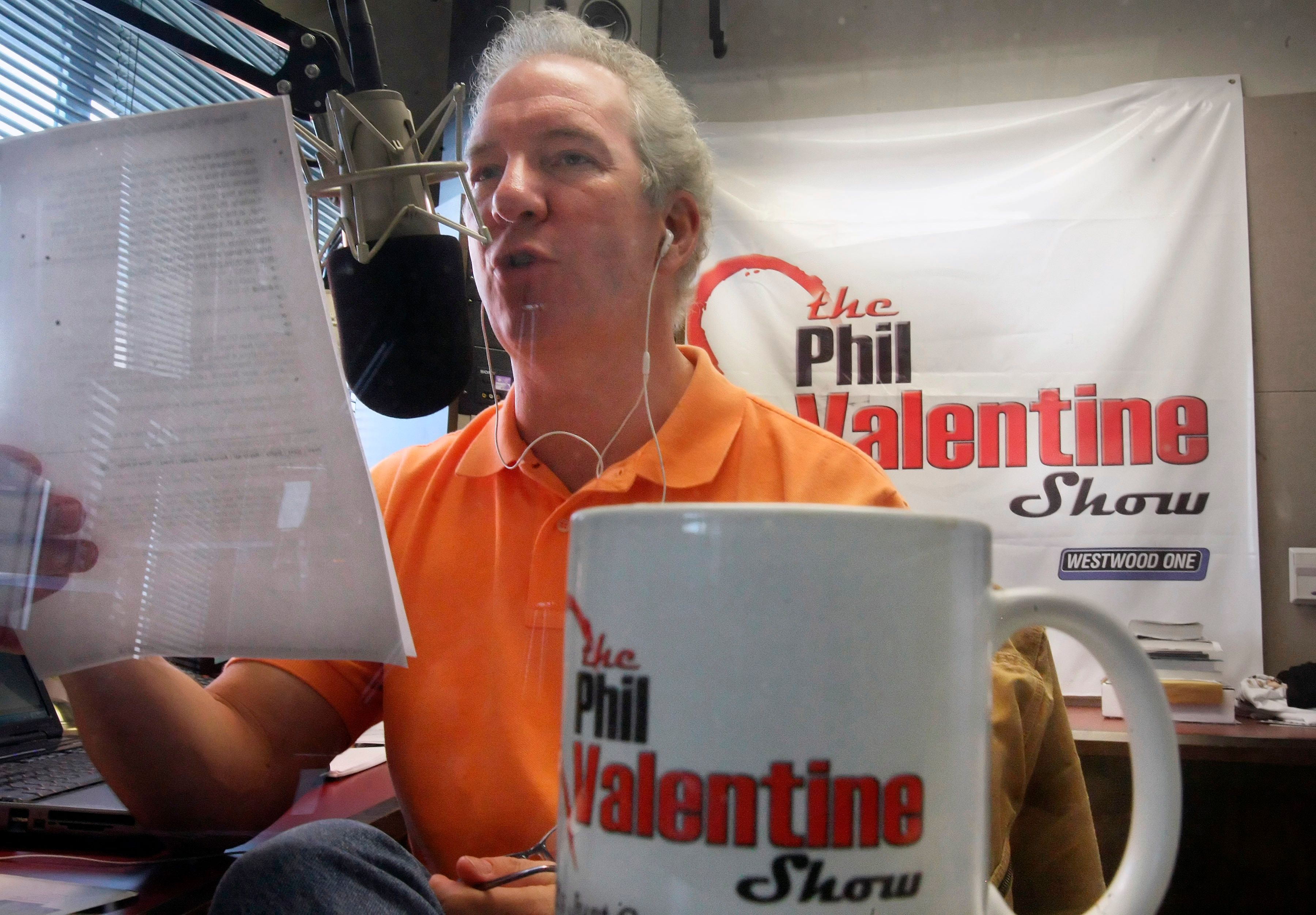
Phil Valentine’s death at age 61 was announced Saturday by Nashville radio station SuperTalk 99.7 WTN. The Tennessee-based talk radio host was first hospitalised in late July with the virus.

A statement from his family at the time of his hospitalisation said his illness led him to have second thoughts and regrets about the vaccines’ significance and encouraged people to “go get vaccinated.”

John Partipilo via AP

Conservative talk show host Phil Valentine, seen in 2009, has died after being hospitalised with Covid-19, his employer announced.

“Phil would like for his listeners to know that while he has never been an ‘anti-vaxer’ he regrets not being more vehemently ‘Pro-Vaccine’, and looks forward to being able to more vigorously advocate that position as soon as he is back on the air, which we all hope will be soon,” his family said in a statement posted to Facebook by the radio station.

Valentine had expressed his skepticism of the coronavirus vaccines and masks on his radio program and social media, with one of his last tweets on July 15 questioning the safety of the Johnson & Johnson vaccine.

Back in December, he tweeted that people should do a “risk assessment” on whether they should get vaccinated.

“I have a very low risk of A) Getting COVID and B) dying of it if I do. Why would I risk getting a heart attack or paralysis by getting the vaccine?” he posted.

He also recorded a Beatles parody song, “Vaxman,” that mocked the vaccine.

Share Button

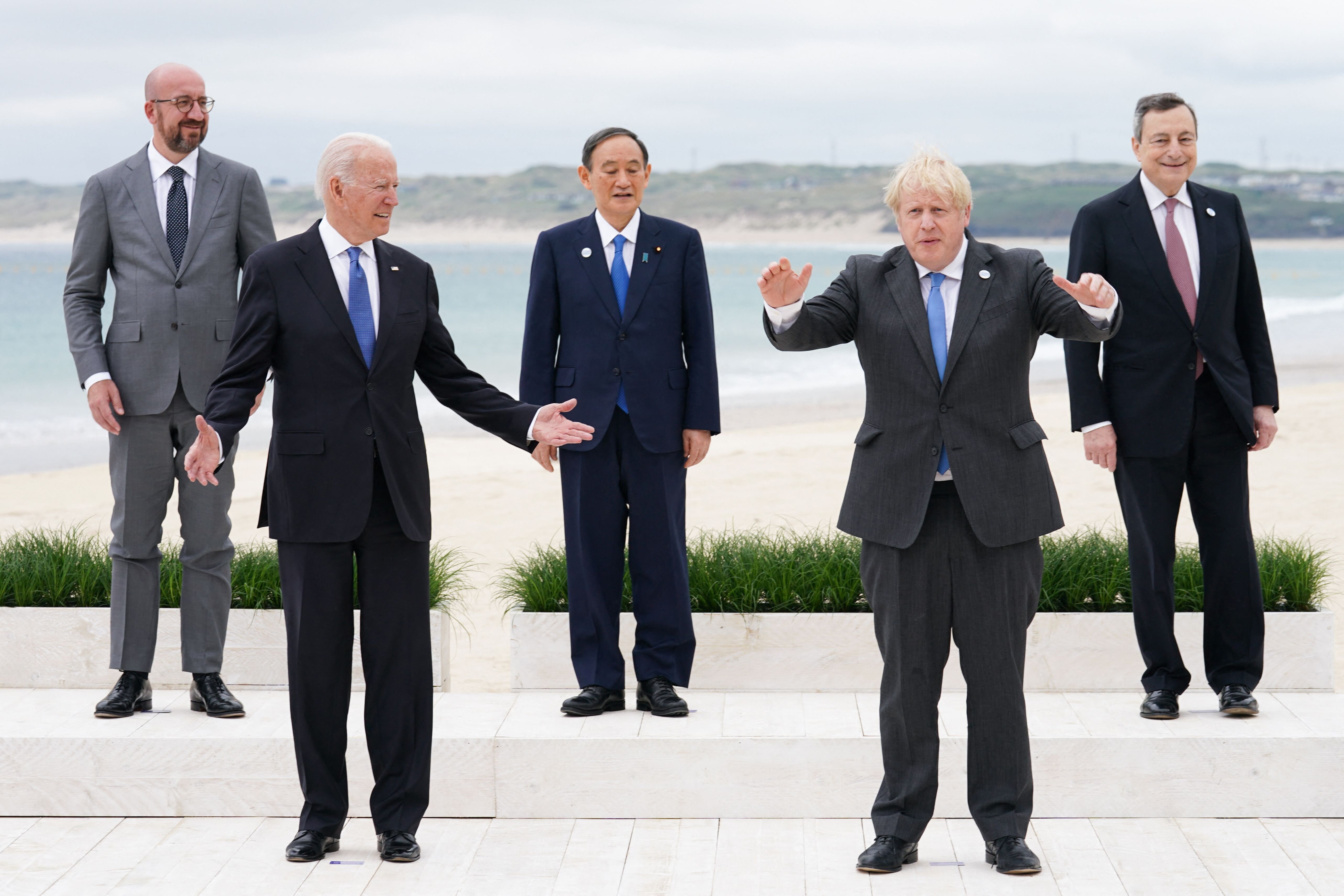
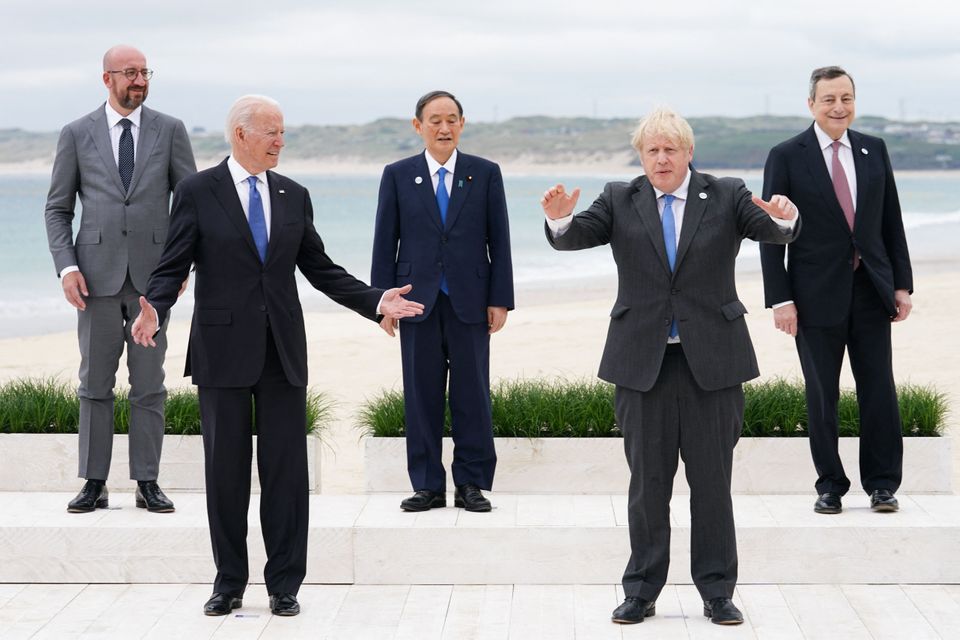
G7 Leaders Fall Short Of Directly Sharing 1bn Vaccine Doses Around The World

Leaders of the G7 group of wealthy nations have fallen short of directly providing one billion Covid vaccine doses to poorer countries over the next year.

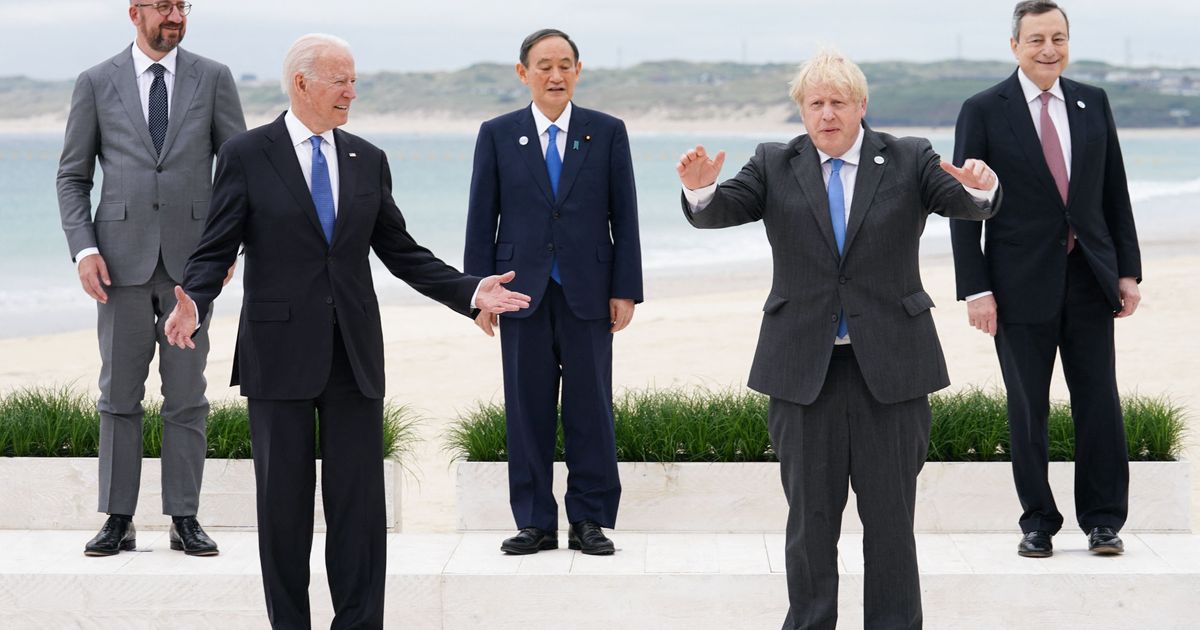
The final communique of the Boris Johnson-hosted summit in Cornwall revealed that the leaders only managed to commit to sharing 870m spare doses over the next year, despite a high profile commitment to a billion.

The document insists that taken together with separate financial commitments it would mean the G7 has shared more than two billion doses since the start of the pandemic, and has met the 1bn target for the next year.

But the leaders are facing criticism from the likes of Oxfam, which accused leaders of “cooking the books” with its vaccine figures.

“A billion vaccine doses would have been a drop in the bucket, but they didn’t even manage that,” the charity said.

Earlier, former UK prime minister Gordon Brown said the summit will go down as “unforgivable moral failure” as the World Health Organisation (WHO) estimates that 11bn doses – more than ten times the number pledged – are needed to stamp out the pandemic.

At his closing summit press conference, Johnson rejected Brown’s criticism, highlighting US president Joe Biden’s commitment to providing 500m Pfizer vaccines for 92 low and lower-middle income countries and the African Union.

 “This is another billion made up of a massive contribution by the United States and other friends,” the UK prime minister said.

He said the UK’s contribution is another 100m from now to next June of the vaccines.

He said: “Already of the 1.5bn vaccines that have been distributed around the world, I think that people in this country should be very proud that half a billion of them are as a result of the actions taken by the UK government in doing that deal with the Oxford scientists and AstraZeneca to distribute it at cost.”

He added: “We are going flat out and we are producing vaccines as fast as we can, and distributing them as fast as we can”. 

The target to vaccinate the world by the end of next year will be done “very largely thanks to the efforts of the countries who have come here today”, according to Johnson.

But Oxfam’s head of inequality policy Max Lawson said leaders had “cooked the books” on vaccines and “completely failed” to meet the challenge of the biggest health emergency in a century.

“This G7 summit will live on infamy,” he concluded.

Edwin Ikhuoria, of the anti-poverty campaign One, said: “Throughout the summit we have heard strong words from the leaders but without the new investment to make their ambitions a reality.

“Crucially, the failure to get life-saving vaccines to the whole planet as fast as possible, means this was not the historic moment that people around the world were hoping for and leaves us little closer to ending the pandemic.”

What else was agreed at the G7 summit? 

Covid

G7 leaders renewed calls for a further investigation into the origin of Covid-19, following Biden’s surprise decision to order US intelligence agencies to continue probing the Wuhan “lab leak” theory.

The final summit communique called for a “timely, transparent, expert-led, and science-based WHO [World Health Organisation]-convened phase 2 Covid-19 origins study” including in China.

Johnson said that the best advice available to him remained that the virus jumped species from an animal.

However he said that it was important to keep an open mind as to what exactly happened.

“At the moment, the advice that we have had is that it doesn’t look as though this particular disease of zoonotic origin came from a lab,” he said.

“Clearly anybody sensible would want to keep an open mind about that.”

China

America’s wariness of China is continuing despite Biden replacing Donald Trump in the White House.

The president managed to convince leaders to sign up to a rival to Beijing’s influential Belt and Road investment programme in an effort to counter growing Chinese influence.

The Build Back Better World (B3W) programme will fund infrastructure, including green technology, and support growth in developing countries.

Leaders meanwhile pledged to call on China to “respect human rights and fundamental freedoms”, including in Xinjiang where Uighurs are believed to be suffering brutal human rights abuses that some say amount to genocide.

It also raised the situation in Hong Kong, calling on Beijing to respect its “rights, freedoms and high degree of autonomy”.

But reports suggest that there were some disagreements over how strong the language on China should be.

Environment

The G7 is committed to supporting a green revolution that creates jobs, cuts emissions and seeks to limit the rise in global temperatures to 1.5 degrees

Leaders set out the action they will take to slash carbon emissions, including measures like ending the use of unabated coal power – although they were unable to set a deadline for this.

The leaders did commit to ending funding for carbon-emitting overseas projects by the end of the year but the failure to agree a timeline may worry Johnson in the run-up to the Cp26 climate summit in Glasgow at which he is hoping to strike a much bigger global deal.

The G7 also set a goal of conserving or protecting at least 30% of their land and marine areas by 2030 as part of a push to reach that level of protection globally.

But Oxfam criticised the failure to make new pledges of climate finance, arguing that developing nations were looking for progress ahead of Cop26.

“Vague promises of new financing for green development projects should not distract from this goal,” the charity said.

Share Button

When Will I Get The Vaccine? How The Rollout Could Look Between Now And July

The news that under-30s may be offered a different vaccine to the AstraZeneca jab (where possible) will understandably leave some people questioning what effect that will have on the vaccine schedule.

After all, around 8.5 million people will need to be offered either the Pfizer or Moderna vaccine instead – and that’s not a small group. So, does this mean the end of July deadline for all UK adults to be offered the jab will be pushed back?

For now, the answer is no. The government has confirmed to HuffPost UK it stands by its end of July deadline date.

So far, more than 31 million first doses and over five million second doses have been issued in the UK. At the end of March, the government said half of the UK’s adult population had been vaccinated.

There are thought to be more than 66m people living in the UK – this includes about 12m children (aged 16 and under) who are not yet eligible for vaccines. That leaves around 54m adults who need to be vaccinated with two doses. If we’ve already issued 31m first doses, we’re left with 23m people waiting for their first dose in the next few months.

Different countries within the UK are working at different timeframes, which makes things slightly more complicated. For example, the NHS in England and Scotland is still trying to get the over-50s vaccinated, while in Wales, all of this group have been offered their first dose. In Northern Ireland, those aged 40-45 are now eligible for vaccination, according to the BBC.

Here’s a rough timeline of how the Covid vaccine programme could pan out in the coming months.

April

It’s likely many of the doses issued in April will be among those who are expecting a second dose. This is due to a large batch of AstraZeneca vaccines needing to be retested and a delay in a shipment from India.

That said, the Moderna vaccine is being rolled out in Wales, meaning some will be given their first dose of the jab. Initially, it’s likely people from the key priority groups who haven’t yet been given their vaccine will be prioritised, followed by the under-50s.

The UK government has an aim of ensuring everyone aged 50 and over is called up to be vaccinated by April 15. The Joint Committee on Immunisation and Vaccination (JCVI) has said once the over-50s have been given their first dose, those aged 40-49 should be next in line.

May

If you’re 49 and under – without an underlying medical condition – you’re likely to have your first jab near the end of April, or into May.

When the UK government announced the vaccine slowdown, it confirmed people in their 40s are likely to have to wait until May to get their jab.

Based on the rate people have been vaccinated so far, it could be fair to assume the 40-49 cohort might’ve been jabbed by the end of May. However, the Department of Health and Social Care (DHSC) would not provide a rough timeframe when HuffPost UK asked.

It’s hoped supply will be back up and running by May, and in addition to the AstraZeneca and Pfizer jabs, the NHS will also be rolling out the Moderna vaccine more widely.

Two other vaccines are also being assessed by the Medicines and Healthcare products Regulatory Agency (MHRA) that could help speed things up. According to reports, Novavax could be approved for use soon, while the Johnson & Johnson jab (a single dose shot) is also awaiting approval.

June

Based on how quickly the vaccines have been issued so far in 2021 – and the impending deadline of getting everyone invited for vaccination by the end of July – those in the 30-39 bracket could be called up for the jab in June if they don’t have an underlying health condition.

July

All being well, it makes sense that the last group to be vaccinated – the 18-29 year olds – are likely to be waiting until the end of June, and into July, to get the jab – depending on how quickly the vaccines are rolled out in the earlier months.

Health secretary Matt Hancock told Sky News 1.6m of this cohort have already received their first jab (because they have underlying conditions or are unpaid carers). He said the remaining 8.5m would be able to say if they would prefer to have the Pfizer or Moderna vaccine when the time comes – saying there will be enough of each to go around.

The change has been made because the Joint Committee on Vaccination and Immunisation (JCVI) altered its recommendations for the under-30s over a very rare risk of blood clots linked to the AstraZeneca vaccine.

Even with the change in guidance surrounding the under-30s, and the various delays in shipments throughout April, the government says it’s on track to offer jabs to all adults over the age of 18 by the end of July.

“When people are called forward, they should get their jab,” a spokesperson said. “Vaccines are the best way out of this pandemic and provide strong protection against Covid-19.”

Share Button

Moderna Vaccine Will Arrive In April, Oliver Dowden Says

Yui MokPA

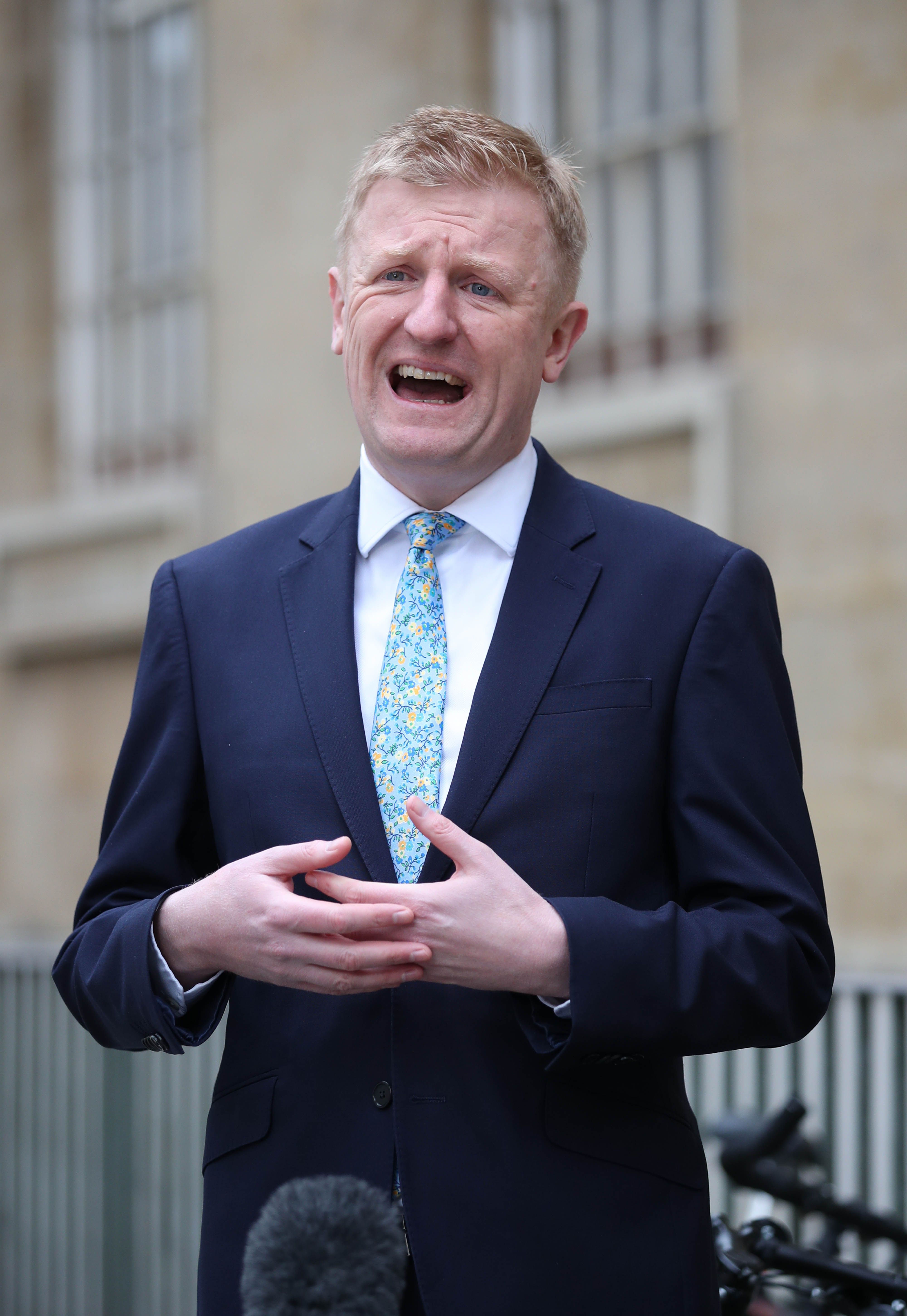
Culture Secretary Oliver Dowden takes part in an on air interview outside BBC Broadcasting House in central London before appearing on the BBC1 current affairs programme, The Andrew Marr Show. Picture date: Sunday March 28, 2021.

The Moderna vaccine will arrive in the UK by the end of April, culture secretary Oliver Dowden has said. 

Speaking on Sunday, the cabinet minister sought to reassure Brits shipments of the new jab were still on course to reach the health service, after reports last week that the UK vaccine rollout could slide. 

He also confirmed all people would get their second jab of the Covid shot within 12 weeks of their first. 

Dowden cast doubt over whether people could begin booking summer holidays abroad, however, as a third wave of the pandemic appeared to be taking hold in mainland Europe. 

Ministers have insisted they will meet the target of giving a jab to all adults by July, but supplies have been affected by issues in India and a row with the European Union over exports has raised concerns.

Dowden insisted that the vaccination programme remains “on course”, telling BBC One’s Andrew Marr: “We expect that in April Moderna will come.”

The US vaccine has been approved for use in the UK and would be the third to be rolled out after Oxford/AstraZeneca and Pfizer.

The culture secretary said he could guarantee that everyone will get a second dose of a coronavirus vaccine within 12 weeks of their first after doubts were raised by French foreign minister Jean-Yves Le Drian.

“Yes, of course, we’ve been planning that all the way through. It’s one of the most important considerations as we’ve rolled out the vaccine,” Dowden told Sky’s Sophy Ridge on Sunday.

Ian WestPA

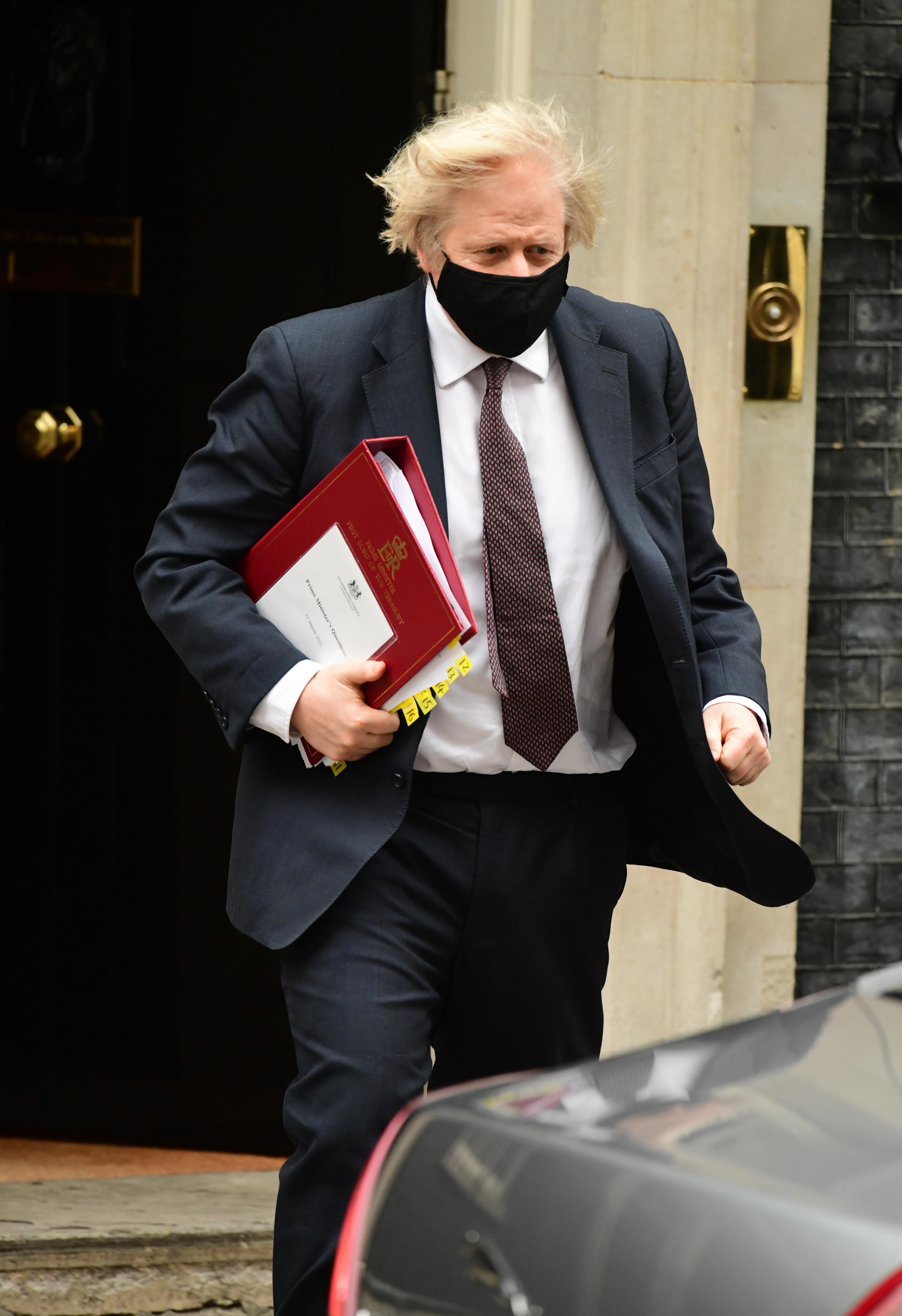
Prime Minister Boris Johnson leaves 10 Downing Street to attend Prime Minister’s Questions at the Houses of Parliament, London. Picture date: Wednesday March 17, 2021.

He said that “we clearly don’t currently have a surplus of vaccines” when asked about suggestions the UK was planning to offer 3.7 million jabs to Ireland.

Professor Mark Woolhouse, who advises the government on the Scientific Pandemic Influenza Group on Modelling (Spi-M), said he was “a little bit nervous about a full relaxation” planned for June 21.

He told the BBC the road map to easing restrictions in England must be “guided by the data” particularly on vaccines, adding: “The idea that we can suddenly emerge from this in one great bound, I think, is a little over-optimistic.”

Dowden said another lockdown “is the last thing in the world we would want to do” but acknowledged dates in the road map may slip if things worsen.

“Of course they could be delayed if the situation deteriorates but at the moment we’re on track,” he told Marr.

Travel abroad is currently illegal other than for a few reasons but a government taskforce will on April 12 detail a review on whether foreign holidays can return.

Dowden said “all options” are being considered when asked about a possible system that could allow shorter quarantine periods with greater testing for countries deemed less risky.

But he told Ridge there are “challenges around international travel”, pointing towards rising infection rates in Europe.

Share Button