Search For Missing UK Case Of Brazil Covid Variant Narrowed To 379 Households

The search for the unidentified person who has tested positive for the Brazilian variant of Covid in the UK has been narrowed to 379 households in the south east of England.

Speaking in the Commons on Tuesday, Matt Hancock said the government was contacting “each one”.

Six cases of the variant, known as P1, have been found in England and Scotland.

But on Monday health officials announced they were still hunting for the identity of one of the six.

Hancock said: “We know that five of these six people quarantined at home as they were legally required to do.”

“Unfortunately one of these six cases completed a test but didn’t successfully complete the contact details. Incidents like this are rare and only occur in around 0.1% of tests.”

The health secretary told MPs: “We’ve identified the batch of home test kits in question, our search has narrowed from the whole country down to 379 households in the south-east of England and we’re contacting each one.

“We’re grateful that a number of potential cases have come forward following the call that we put out over the weekend.”

Hancock said the current vaccines being rolled out had not yet been studied against the P1 variant.

“We’re working to understand what impact it might have, but we do know that this variant has caused significant challenges in Brazil,” he said.

“We’re doing all we can to stop the spread of this new variant in the UK, to analyse its effects and to develop an updated vaccine that works on all these variants of concern and protect the progress that we’ve made as a nation.”

He added: “We have no information to suggest the variant has spread further.”

Share Button

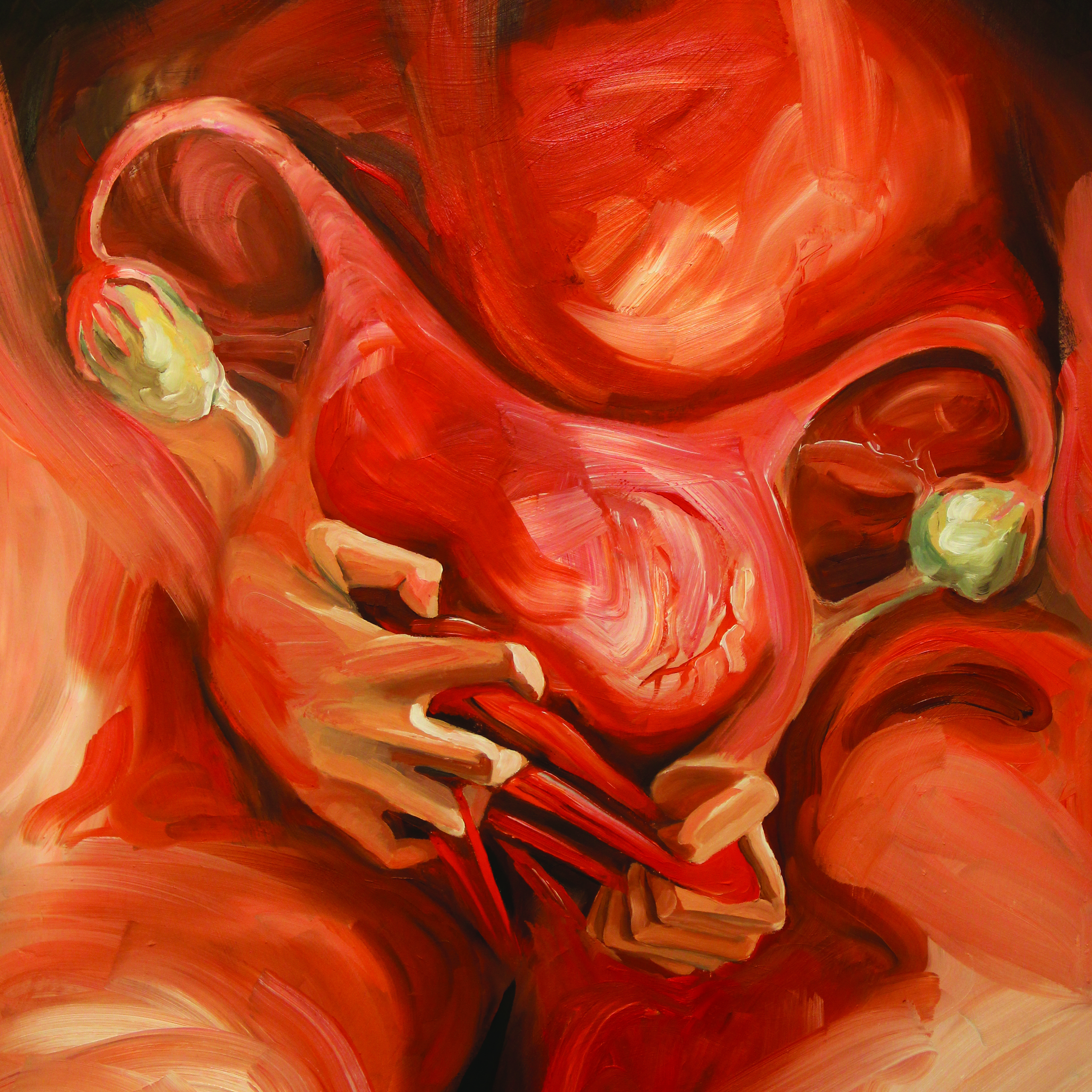
‘A Womb Full Of Nails’: These Pictures Show The True Pain Of Endometriosis

Like “tightening barbed wire” or “a womb full of nails and daggers” – these are just two ways women describe the debilitating pain of endometriosis, in a new “pain dictionary” that aims to reduce diagnosis times for the condition.

One in 10 women are thought to experience endometriosis – which equates to 176 million women globally – yet astonishingly, it still takes an average of seven and a half years to be diagnosed.

Endometriosis occurs when tissue similar to the lining of the womb grows outside the womb. This tissue bleeds monthly, but there’s nowhere for this blood to go.

It can cause excruciating pain, like “organs wrapped in slowly-tightening barbed wire, followed by sudden intense tightening pain which can be so intense it’s almost difficult to breathe”, says Emma Sutt, one of the illustrators involved in the project, who has endo herself.

Barbing, by Emma Sutt

Barbing, by Emma Sutt

Many women experience delays in diagnosis and treatment due to perceptions that even severe period pain is ‘normal’. Over half (51%) of women and men (52%) think period pain is something women should endure, according to research by Bodyform.

It means many endometriosis sufferers are shamed into silence, while medical professionals underestimate the impacts of living with the condition.

In reality, endo can destroy women’s confidence, sex lives, careers and mental health. In one study of 7,000 women across 52 countries, over 40% had given up or lost their job because of endometriosis.

Monster, by Augustine Cerf.

Monster, by Augustine Cerf.

The pain dictionary is now available as an e-book and in hard copy for GPs who want to gain a better understanding of the condition. It’s hoped it will also give women “new language” to describe their pain.

Currently, healthcare professionals tend to ask patients to describe their pain on a scale of one to 10, but the experience of pain is often highly individual – and often can’t be reduced to a number.

The dictionary is part of #PainStories, a campaign by Essity, the creator of Libresse and Bodyform, designed to tackle the gender pain gap.

“A lot of women think painful periods is normal but actually, it’s not, particularly when the periods are starting to affect activities in your daily life,” says Dr Shireen Emadossadaty, a GP and women’s health specialist who has worked on the campaign.

“Opening up the conversation around period pain will encourage women to see their GP, to be persistent about their symptoms and hopefully we can bring down that diagnosis time. You’re not alone, period pain is common but it’s not normal and it’s not something you should be suffering with.”

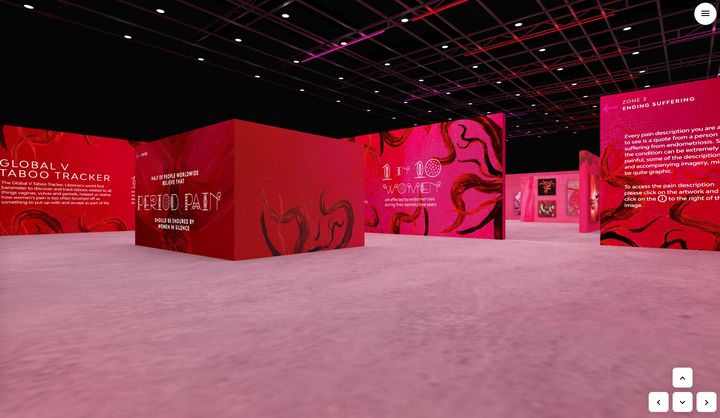
Bodyform's digital museum. 

Bodyform’s digital museum. 

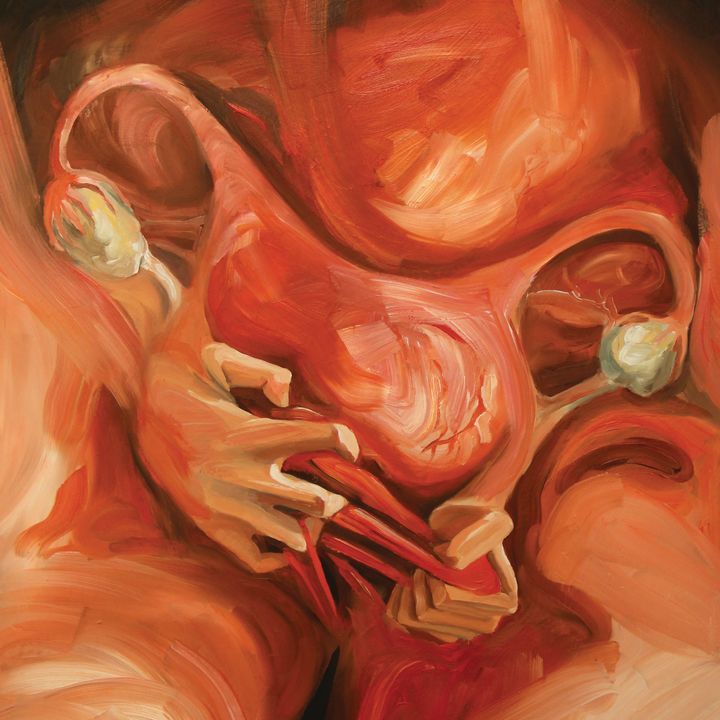
People with endometriosis were asked to describe their pain, and their testimonials were then turned into striking illustrations.

These illustrations appear in the book, as well as a new digital ‘Pain Museum’, an exhibition offering more information about endometriosis.

Here are just some of the artworks, coupled with quotes about how it really feels to live with endometriosis.

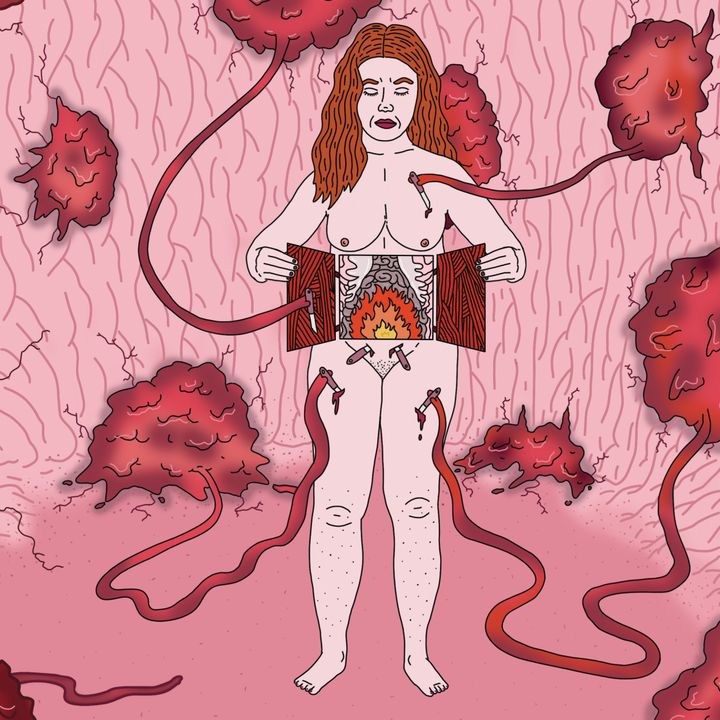
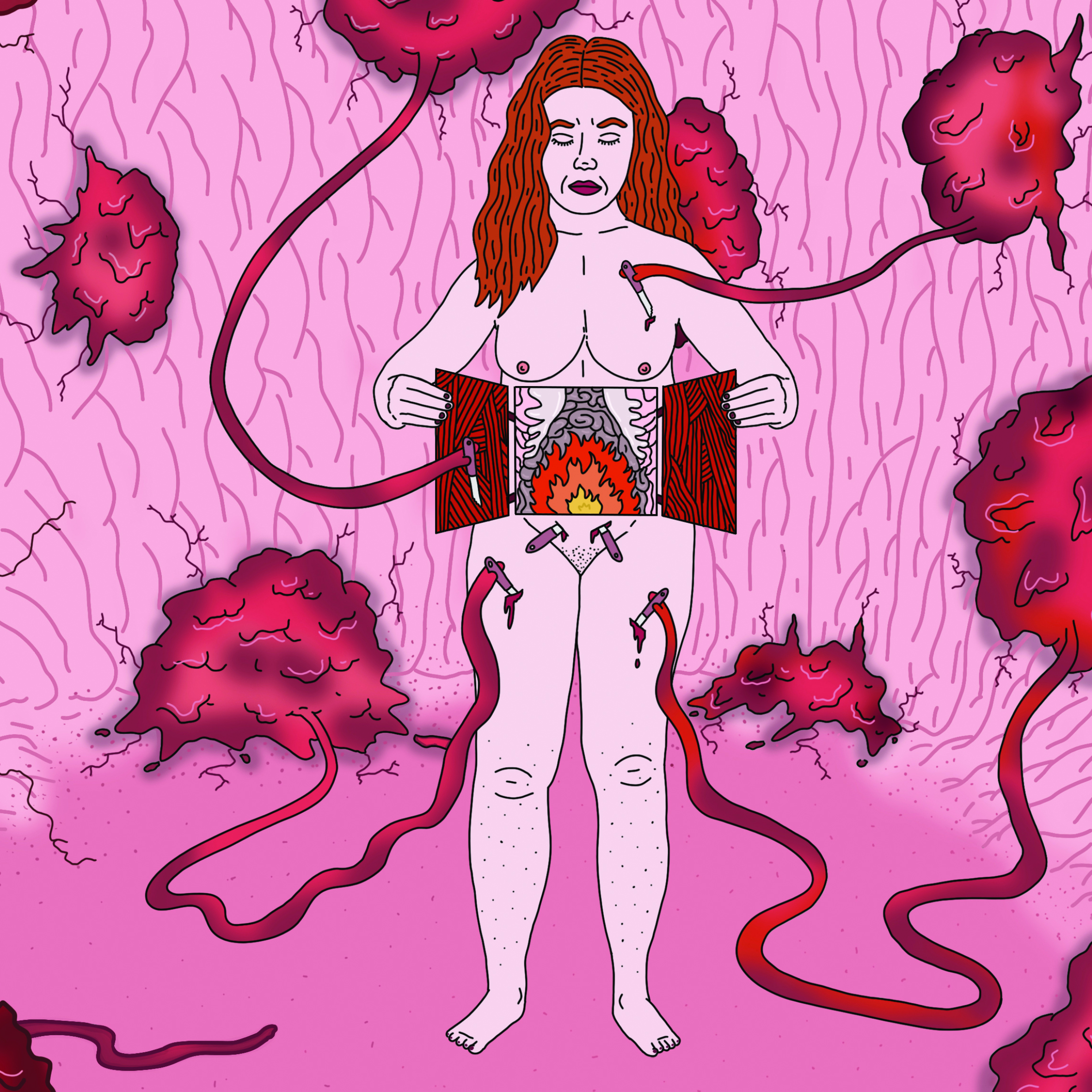
Fire sickness, by Venus Libido

“The pain burns, stings and aches sometimes all at once. I feel it build up in my lower body like fire, and hot knives pushing from the inside out. The pain travels from my uterus across my stomach and around my sides, down through my legs and up my back until it starts all over again from the source. I feel sick and exhausted from the pain overriding every part of me.”

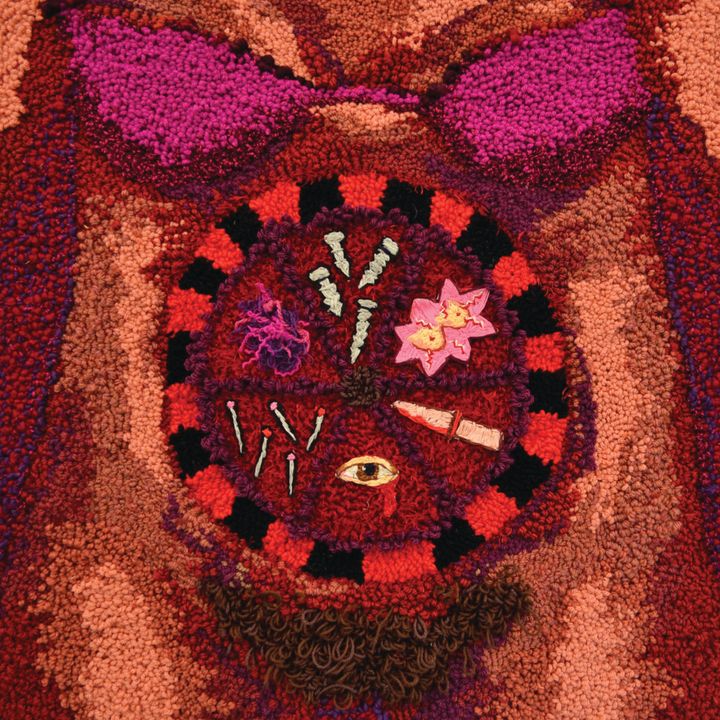
Misery Roulette, by Selby Hurst

“It’s a fun-sponge roulette of misery. Cramps that stop me moving, yo-yoing emotions, gut-wrenching nausea, being sick, wanting to eat nothing and then everything, back pain, breast pain, alarmingly painful constipation, diarrhoea so bad you can’t leave the house, headaches, migraines, worsening depression, fatigue, anxiety, stress and a whole heap more.”

Misery Roulette by

Misery Roulette by

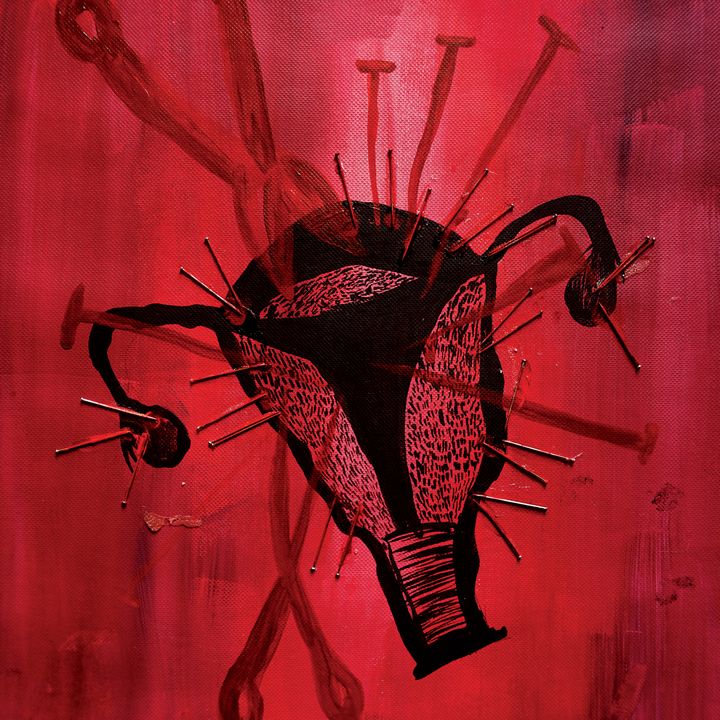
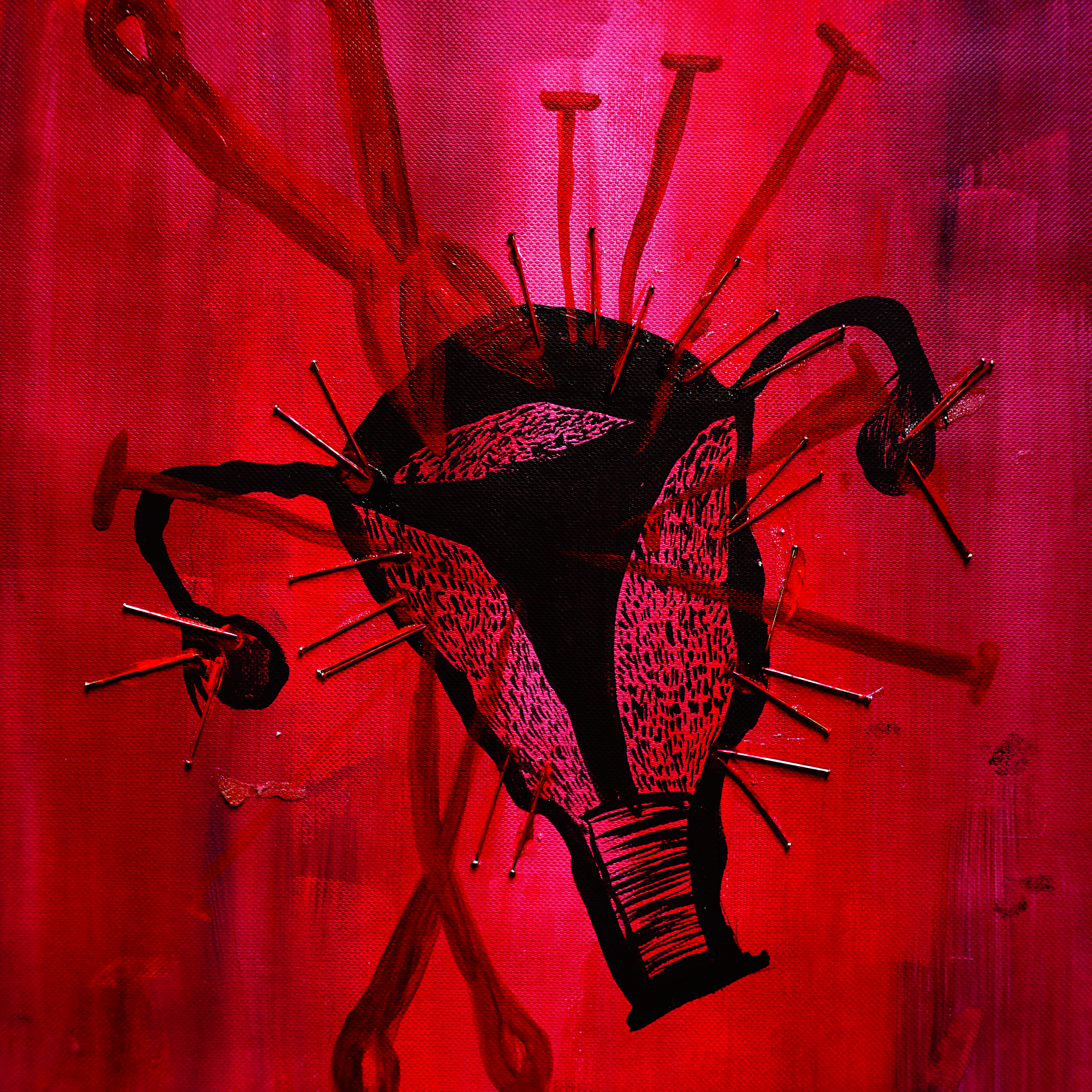
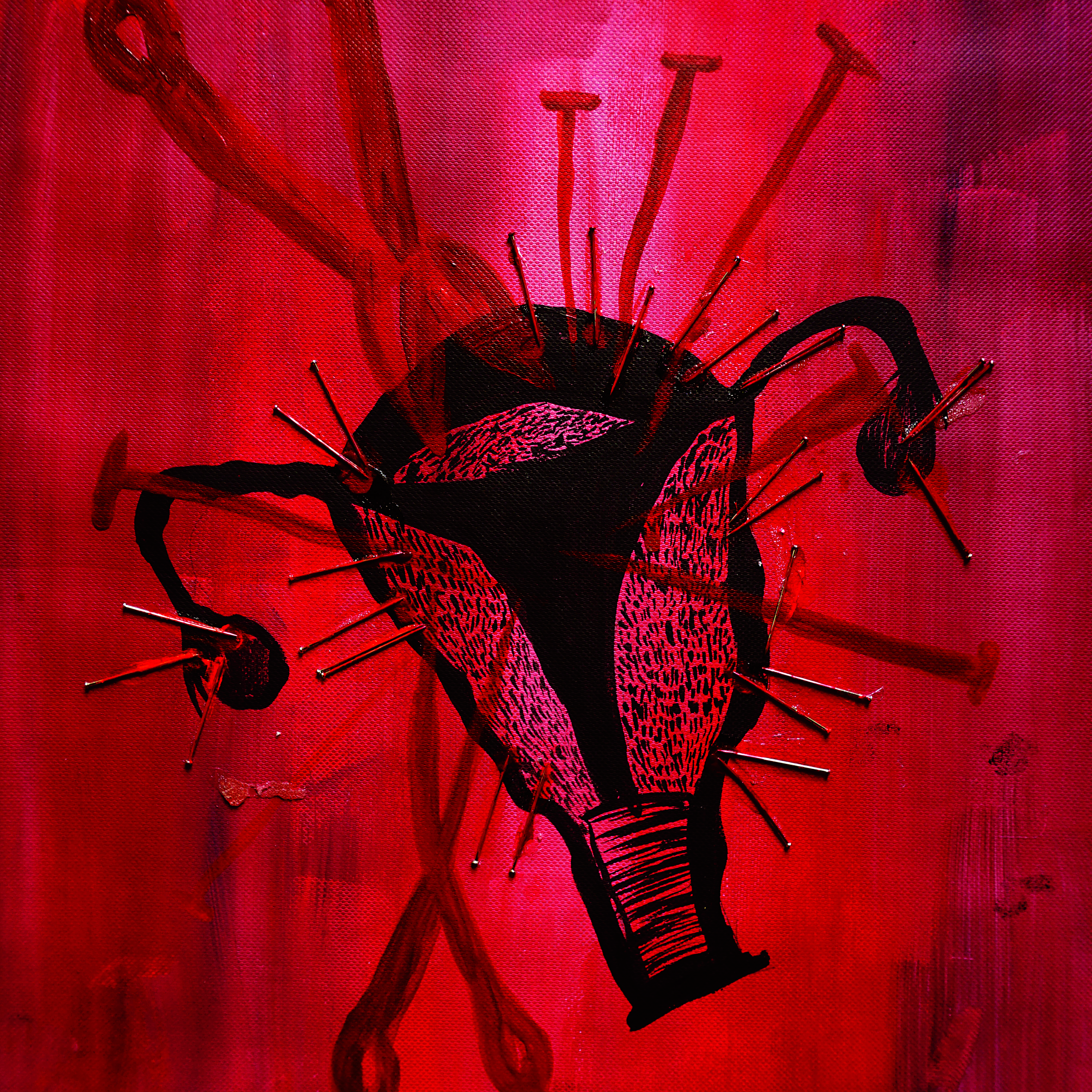
Inner Nails, by Augustine Cerf

“Hundreds of nails piercing my uterus, my whole pelvis in agony. The pain radiates down my legs, and through my whole body. From one second to the next, I can’t stand up.”

Torture Grips, by Em Cooper

“Like torture. Like somebody is gripping, squeezing, cutting, prodding, stabbing you inside, and won’t let go. The waves of pain last for so long you can only take some painkillers, curl into a ball, and cry yourself to sleep.”

Torture Grips, by

Torture Grips, by

Inner Wringing by Augustine Cerf

“It’s like someone’s wringing my organs. And unbelievable tugging.”

Share Button

Rarest seal breeding site discovered

Scientists have discovered a previously unknown breeding site used by the world’s rarest seal species.

The Mediterranean monk seal is classified as “endangered,” with a total population of about 700.

The new study — by the University of Exeter and the Society for the Protection of Turtles (SPOT) — used camera-traps to confirm breeding in caves in northern Cyprus, with at least three pups born from 2016-19 at one cave.

Only certain caves are suitable for monk seal breeding and resting, so — although the numbers are small — the researchers say urgent action is needed to protect these caves.

“This area of coastline in being developed rapidly, especially for construction of hotels,” said Dr Robin Snape, of the Centre for Ecology and Conservation on Exeter’s Penryn Campus in Cornwall.

“A survey of the coast in 2007 found 39 possible breeding caves, and some of these have already been destroyed.

“The main breeding site we identify in this study currently has no protected status, and we are working with local authorities to try to change this.”

Lead author Dr Damla Beton, of SPOT, added: “Another major threat to monk seals in this area is bycatch (accidental catching by fisheries).

“We are working with fishers and government ministries to ensure protection areas at sea, because at present no measures are implemented to mitigate bycatch in the core areas used by these seals.”

The team has now established long-term monitoring of the breeding caves, aiming to determine the size of this seal population.

The study, carried out in collaboration with the Middle Eastern Technical University with the support of the local authorities, received funding from the MAVA Foundation.

Story Source:

Materials provided by University of Exeter. Note: Content may be edited for style and length.

Share Button

The time is ripe! An innovative contactless method for the timely harvest of soft fruits

Most people are probably familiar with the unpleasant feeling of eating overripe or underripe fruit. Those who work in agriculture are tasked with ensuring a timely harvest so that ripeness is at an optimal point when the fruit is sold, both to minimize the amount of fruit that goes to waste and maximize the quality of the final product. To this end, a number of techniques to assess fruit ripeness have been developed, each with their respective advantages and disadvantages depending on the type of produce.

Although biochemical and optical methods exist, mechanical techniques are the most widely used. They indirectly assess ripeness based on the fruit’s firmness. In turn, firmness is quantified by observing the vibrations that occur on the fruit when mechanical energy is accurately delivered through devices such as hammers, pendulums, or speakers. Unfortunately, these approaches fall short for softer fruits, which are more readily damaged by the contact devices used.

In a recent study published in Foods, a team of scientists from Shibaura Institute of Technology (SIT), Japan, addressed this issue through an innovative method for measuring the firmness of soft fruits using laser-induced plasma (LIP). This work is a sort of follow-up of a previous study in which LIP was used to quantify the firmness of harder fruits.

But what is LIP and how is it used? Plasma is a state of matter similar to the gaseous state but in which most particles have an electric charge. This energetic state can be produced in normal air by focusing a high-intensity laser beam onto a small volume. Because the generated plasma “bubble” is unstable, it immediately expands, sending out shockwaves at ultrasonic speeds. Professor Naoki Hosoya and colleagues at SIT had successfully used LIP shockwaves generated close to the surface of apples to excite a type of vibration called 0S2 mode, colloquially referred to as “football mode vibration” because of how the resulting deformation looks on spherical bodies. They then verified that the frequency of the 0S2 mode vibrations was correlated with the firmness of the fruit.

However, soft fruits do not exhibit 0S2 mode vibrations, so the team had to analyze an alternative type of oscillation: Rayleigh waves. These are waves that occur exclusively on the surface of bodies without penetrating far into the interior. Using Kent mangoes, a setup for generating LIP, and commercially available laser-based vibrometers, the scientists verified that the velocity at which Rayleigh waves propagate is directly related to the firmness of the mangoes. Because the propagation velocity markedly decreases with storage time, it provides a reliable way to indirectly assess ripeness.

The team went further and looked for the best position on the mangoes’ surface to determine the velocity of Rayleigh waves. Mangoes, as well as other soft fruits, have large seeds inside, which can alter the propagation of surface waves in ways that are detrimental to measurements. “The results of our experiments indicate that Rayleigh waves along the ‘equator’ of the mango are better for firmness assessment compared to those along the ‘prime meridian’,” explains Hosoya. The experiments also revealed that cavities within the fruit’s flesh or decay can greatly affect the results of the measurements. Thus, as Hosoya adds, they will keep investigating which is the best area to measure firmness in mangoes using their novel approach.

In short, the team at SIT has engineered an innovative strategy to assess the ripeness of soft fruits from outside. “Our system,” remarks Hosoya, “is suitable for non-contact and non-destructive firmness assessment in mangoes and potentially other soft fruits that do not exhibit the usual 0S2 mode vibrations.” Further refinement of such firmness assessment methods will hopefully make them more reliable and accessible for the agricultural industry. With any luck, their widespread adoption will ensure that fruits reach your plate only when the time is ripe!

Story Source:

Materials provided by Shibaura Institute of Technology. Note: Content may be edited for style and length.

Share Button

Predicting microbial interactions in the human gut

The human gut consists of a complex community of microbes that consume and secrete hundreds of small molecules — a phenomenon called cross-feeding. However, it is challenging to study these processes experimentally. A new study, published in Nature Communications, uses models to predict cross-feeding interactions between microbial species in the gut. Predictions from such computational methods could eventually help doctors get a more complete understanding of gut health.

The microbial community, or microbiome, of the gut is known to influence human health. Previous studies have focused on determining the types of microbes that are present. Unfortunately, this information is not enough to understand the microbiome.

“The gut environment is shaped by small molecules known as metabolites, which are excreted by the microbial community,” said Sergei Maslov (BCXT/CABBI), a professor of bioengineering and Bliss faculty scholar. “Although it is possible to measure these metabolites experimentally, it is cumbersome and expensive.”

The researchers had previously published a study where they used experimental data from other studies to model the fate of metabolites as they pass through the gut microbiome. In the new study, they have used the same model to predict new microbial processes that have not been determined before.

“What we eat passes into our gut, and there is a cascade of microbes which release metabolites,” said Akshit Goyal, a postdoctoral fellow at MIT and a collaborator of the Maslov lab. “Biologists have measured these molecules in human stools, we have shown that you can use computational models to predict the levels of some.”

Measuring every metabolite and trying to understand which microbe might be releasing it can be challenging. “There is a large universe of possible cross-feeding interactions. Using this model, we can aid experiments by predicting which ones are more likely to occur in the gut,” Goyal said.

The model was also supported by genomic annotations, which explain which microbial genes are responsible for processing the metabolites. “We are confident of our modelling predictions because we also checked whether the microbes contain the genes necessary for carrying out the associated reactions. About 65% of our predictions were supported by this information,” said Veronika Dubinkina, a PhD student in bioengineering.

The researchers are now working to improve the model by including more experimental data. “Different people have different strains of gut microbes. Although these different strains have many genes in common, they differ in their capabilities,” Dubinkina said. “We need to collect more data from patients to understand how different microbial communities behave in different hosts.”

“We are also interested in determining how fast the microbes consume and secrete the metabolites,” said Tong Wang, a PhD student in physics. “Currently the model assumes that all the microbes consume metabolites at the same rate. In reality, the rates are different and we need to understand them to capture the metabolite composition in the gut.”

Story Source:

Materials provided by Carl R. Woese Institute for Genomic Biology, University of Illinois at Urbana-Champaign. Original written by Ananya Sen. Note: Content may be edited for style and length.

Share Button

Covid vaccines cut risk of serious illness by 80% in over-80s

The UK will soon be in a “very different world”, government scientists promise after the success of the jabs.

Share Button

Covid: Teachers’ risk ‘similar’ to other under-65s

The study measured infection rates in school staff and pupils in November and December.

Share Button

Golden Globes: ‘Amazing, Weird And Wonderful’

ENTERTAINMENT

The Golden Globes for film and television, organized by the Hollywood Foreign Press Association, were handed out at a virtual ceremony hosted by comedians Tina Fey and Amy Poehler. Big winners included Anya Taylor-Joy, Catherine O’Hara and a posthumous award for Chadwick Boseman. But the awards, with most nominees joining via video-link, were not without their glitches including Daniel Kaluuya being muted while trying to give his acceptance speech.

Share Button

Trump Returns To Political Stage And Hints At 2024 Presidential Run

NEWS & POLITICS

Former President Donald Trump took to the stage on February 28, for the first time since leaving office, with a typically fiery speech at the Conservative Political Action Conference (CPAC). Trump called for Republican Party unity as he continued to stoke divisions across America with misinformation about the 2020 election.

Share Button

Boris Johnson Says Tough Border Controls Introduced ‘As Fast As We Could’

Boris Johnson has said he moved “as fast as we could” to impose strict border controls, as health officials hunt for a person in the UK infected with a Brazil variant of Covid.

The prime minister said the government’s hotel quarantine programme, introduced on February 15, was “a very tough regime”.

The variant, known as P1, was first identified on January 10 in people arriving in Japan from Brazil and is thought to have originated in the Brazilian city of Manaus.

On January 14 the government banned travel to the UK from Brazil and other South American countries.

British nationals were still allowed to return but had to isolate for 10 days at home.

On January 27, the government announced plans to force arrivals from a “red list” of 33 countries, including Brazil, to quarantine in hotels.

But it did not come into force until 19 days later.

Public Health England (PHE) has found six UK cases of the P1 variant in the UK.

But one of the infected people, who was thought to have been tested on February 12 or 13, has yet to be identified. 

Asked on Monday if the government had been too slow to implement quarantine hotel measures. Johnson said: “I don’t think so, we moved as fast as we could to get that going.

“It’s a very tough regime. You come here, you immediately get transported to a hotel where you are kept for 10 days, 11 days.

“You have to test on day two, you have to test on day eight, and it’s designed to stop the spread of new variants while we continue to roll out the vaccination programme.

“We don’t have any reason at the present time to think that our vaccines are ineffective against these new variants of all types.”

The prime minister said PHE did not think the cases of the variant were a “threat to the wider public”.

Nick Thomas Symonds, Labour’s shadow home secretary, said the situation showed “unforgivable incompetence” from the government. 

“Despite being warned time and time again, they have failed to act to protect our borders against emerging Covid variants and could put at risk the gains from the vaccine,” he said.

“People will be appalled to hear someone with the Brazilian variant cannot be identified, raising questions about how many others may have been missed by quarantine measures.

“There is no excuse for continuing to ignore Labour’s call for a comprehensive hotel quarantine system.”

Labour has demanded a blanket approach that would see all arrivals placed into hotel quarantine, not just those from a limited number of countries.

MPs were told last week that only 1% of people arriving in the UK every day are required to isolate in hotels. 

Share Button