‘Ikigai’ Could Hold The Secret To Happier Ageing. I Asked A GP How To Find Yours

Medical comment provided by Dr Suzanne Wylie, GP and medical adviser for IQdoctor.

You might already know that having a sense of purpose is linked to greater longevity and a longer cognitive healthspan.

Those who are passionate and knowledgeable about their interests may face a lower dementia risk, too.

When Héctor Garcia, who co-wrote Ikigai: The Japanese Secret to a Long and Happy Life, went to the “village of longevity,” Ogimi Village, he noticed that the “healthy and active seniors” there often said they had an “ikigai”.

The term refers to something that brings value, meaning, and purpose to life. Here, we asked GP Dr Suzanne Wylie to share her thoughts on the topic.

What is “ikigai”?

It’s a compound of two Japanese words, “life” (iki) and “value, benefit” (-gai).

The Japanese government’s site describes it as “that which brings value and joy to life: from people, such as one’s children or friends, to activities including work and hobbies.”

Japanese psychologist Katsuya Inoue said it has two elements. These are “sources or objects that bring value or meaning to life,” and “a feeling that one’s life has value or meaning because of the existence of its source or object”.

It is a “broad term”, which can include everything from gardening to art to butterflies.

Ikigai is a practice as much as it is a passion. “Everyone knows what the source of their zest for life is, and is busily engaged in it every day,” Garcia wrote.

What are the benefits of “ikigai”?

Dr Wylie told us she approaches the concept of Ikigai with “a mix of curiosity and cautious optimism.

“There is certainly a growing body of observational evidence suggesting that having a sense of purpose in life is associated with better health outcomes, including reduced risk of cardiovascular disease, lower rates of depression, and even increased longevity,” she added.

So, though we can’t be as sure it’ll benefit us as much as, e.g., controlling blood pressure or quitting smoking, “it is plausible that [ikigai] contributes [to longevity] indirectly by encouraging engagement in meaningful activities, fostering social connections, and reducing stress, all factors known to influence physical and cognitive health as people age”.

For instance, Dr Wylie shared, people who garden, engage in creative hobbies, or even spend time with loved ones, “tend to have better emotional regulation, lower inflammatory markers, and are more likely to maintain an active lifestyle.

“These factors can contribute to what we would call healthy ageing, meaning a later onset of frailty, preserved cognitive function, and a greater quality of life, even if the absolute extension of lifespan is modest.”

How can I find an “ikigai”?

Dr Wylie told us there’s no set prescription.

Instead, it’s “more about encouraging people to reflect on what genuinely matters to them and finding ways to integrate that into daily life.

“This might mean advising someone to take up a hobby they have always enjoyed, join social or community groups, or even structure their day around small, purposeful tasks that bring them satisfaction”.

But simply learning what you like isn’t enough, the GP added.

“The key is consistency and meaningful engagement rather than intensity; it is the regular, ongoing sense of purpose that appears to be protective,” she explained.

“For older adults, in particular, maintaining social connections and pursuing interests can mitigate loneliness and cognitive decline, which in itself may confer measurable health benefits.”

Share Button

2.9 Million People In The UK With Poor Mental Health Feel Always Or Often Alone

According to the World Health Organisation, about 16% of people worldwide are facing social isolation and loneliness. In 2024, 22% of UK adults said they felt lonely at least some of the time.

But that loneliness is not shared equally. Younger generations seem to be lonelier than older ones, while almost half of people in poverty say they feel lonely compared to 15% of high earners.

And new data from the Belonging Forum’s 2026 Belonging Barometer has found that “people reporting poor mental health are five times more likely to feel lonely” than those with good mental health.

What did the research find?

The survey, conducted with Opinium, involved 10,000 UK adults.

It’s part of the Belonging Barometer, which the Belonging Forum says is designed to look at “how connected people feel to others, their communities, and their sense of purpose”.

  • Roughly one in five people with poor mental (21%) or physical health (20%) say they have no close friends,
  • Only 27% of those with poor mental health say the things they do in life are worthwhile, compared to 85% in good mental health,
  • Only 33% of people with poor mental health said they feel a strong sense of belonging to their neighbourhood, compared to 65% in good mental health,
  • Nearly two-thirds (64%) of people with poor mental health reported high anxiety yesterday, vs 29% of those in good mental health,
  • Though 76% of those with good mental health say they are satisfied with their friendships, this falls to 52% among those reporting poor mental health,
  • Two in five people with poor mental health report feeling lonely often or always, compared to 3% of people in good mental health.

That means about 2.9 million people in the UK with poor mental health say they feel lonely often or always – “roughly the population of Greater Manchester”.

“Health and belonging are closely connected”

Kim Samuel, founder and chief architect of the Belonging Forum, said: “Health and belonging are closely connected. When people struggle with their physical or mental health, they are much more likely to experience loneliness, weaker friendships, and higher levels of anxiety.”

She added, “These findings show that belonging is not only about community or identity. It is also about wellbeing. When people are unwell or facing barriers in their daily lives, it becomes harder to build and maintain the relationships that help us be connected and supported.

“A society where people cannot participate fully in social life is a society where belonging becomes harder to sustain.”

Share Button

Could More Parents Get ‘Free’ Hours? The Government Is Looking Into UK’s Childcare System

Education secretary Bridget Phillipson has revealed she’s reviewing the free childcare eligibility thresholds impacting parents in England.

Under the current system, working parents are entitled to 30 hours of free childcare a week (for 38 weeks a year) after their child turns nine months old, up until they start school.

However if both parents earn less than £195 per week, or one parent earns more than £100,000 per year, this support isn’t available.

Phillipson told The Times: “We are going to continue to look at eligibility through the childcare review that we’re undertaking, and it does need to be simpler for parents.”

How does the current threshold work?

There is a lower and higher threshold, which means thousands of parents aren’t able to access support.

People who are aged 21 or over need to be earning more than £195.36 per week to be eligible for the free childcare offering. This drops to £160 per week for 18-20 year-olds and £120.80 per week for under-18s or apprentices.

Coram Family and Childcare’s latest annual Childcare Survey found families who are not eligible for the free hours – because they are not in work, do not earn enough or do not meet other criteria – have to pay an average of £189 per week for a part-time nursery place for a child under two.

It warned there is a risk that disadvantaged children are being priced out of accessing the same early years education as those in working families.

Lydia Hodges, from Coram, said the government’s childcare expansion is a “welcome support” for working families, but added there’s a “stark divide” between those eligible for support, and those who are not.

She said: “The focus on children being ‘school ready’ is gathering pace, but we have to ask a question about how much more difficult this will be to achieve for disadvantaged children in England, when they will now get only a third of the government-funded early education that children with working parents get, by the time they start school.”

There is also a higher threshold where one parent earning over £100,000 means couples aren’t able to access 30 free hours to pay for childcare either.

This means two parents could hypothetically earn £99,999 and receive 30 hours of free childcare a week; while another couple could have one person earning £101,000 and the other earning £5,000, and they would lose out.

As a result, parents have refused pay rises and bonuses, The Times reported, as the free childcare offering is better value.

All parents are able to access 15 free hours of childcare when their child turns three years old, regardless of income.

When will the changes be made?

We know both the lower and higher thresholds are under review between now and the next general election, which will be August 2029 at the latest.

Any changes that will be made are not imminent and form part of the government’s early years strategy.

Ultimately, Phillipson is keen to make the free childcare offering “more straightforward” for parents and the childcare sector, while also “getting the best possible outcomes from the money that’s being invested”.

HuffPost UK has contacted the government about when the outcome of the review is likely to be shared and will update the piece when we hear back.

Share Button

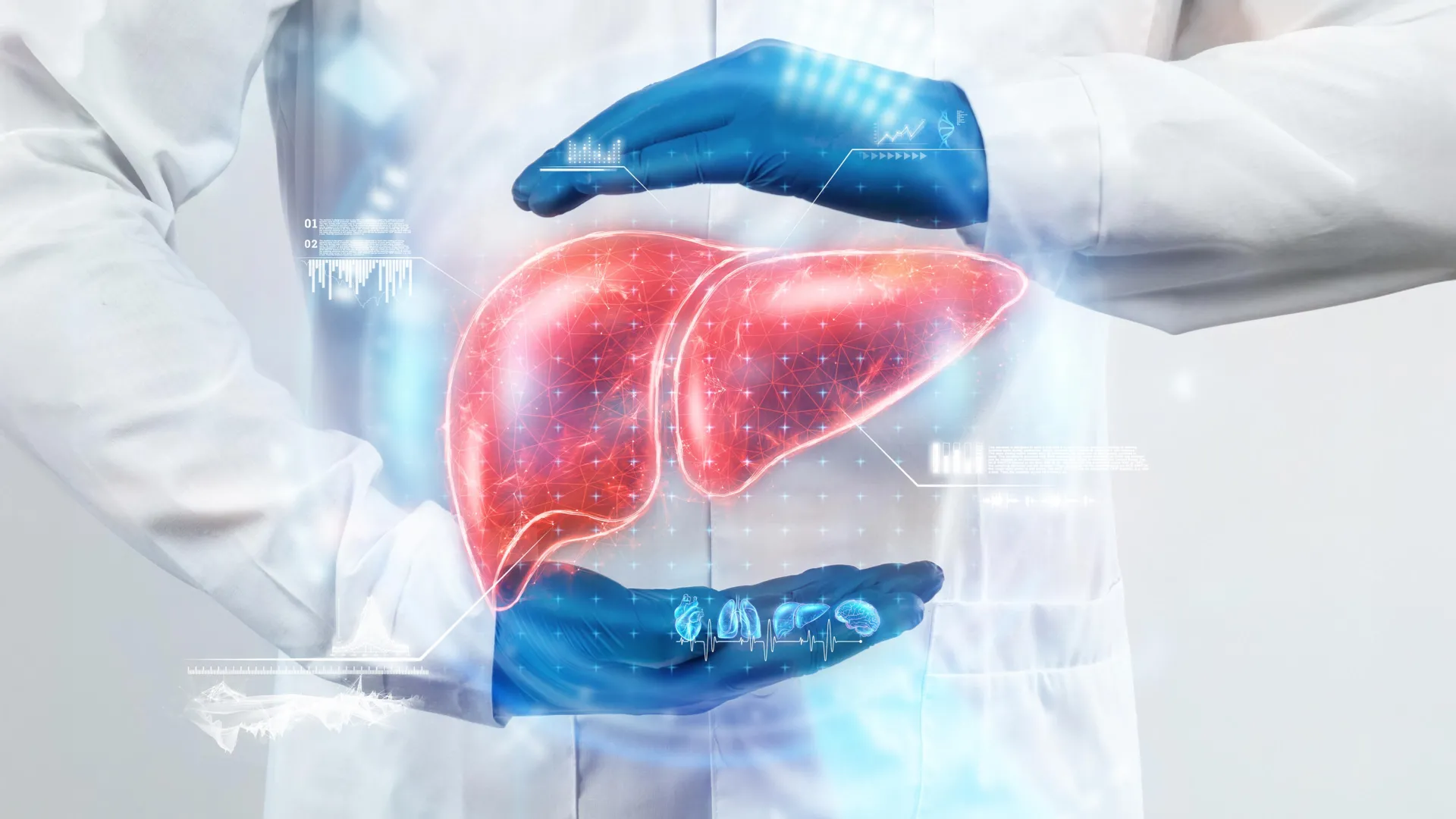
Fatty liver breakthrough: A common vitamin shows promise

Metabolic-associated fatty liver disease (MASLD) impacts roughly 30% of people globally and has long lacked effective, targeted therapies. Now, researchers have uncovered a key genetic factor that worsens the condition. Even more surprising, the most effective way to target this factor may be an already approved and widely available treatment: vitamin B3.

An international research team led by Professor Jang Hyun Choi at UNIST, working with Professor Hwayoung Yun at Pusan National University (PNU) and Professor Neung Hwa Park at Ulsan University Hospital (UUH), has identified microRNA-93 (miR-93) as a central regulator in MASLD. This marks the first time this molecule has been clearly linked to how the disease develops and progresses.

How miR-93 Disrupts Liver Function

MiR-93 is a small RNA molecule found in liver cells that controls the activity of certain genes. The researchers discovered that levels of miR-93 are unusually high in both people with fatty liver disease and in animal models. Their analysis showed that miR-93 drives fat buildup, inflammation, and scarring in the liver by suppressing SIRT1, a gene that plays a key role in managing fat metabolism inside liver cells.

To better understand its role, the team used gene editing to stop the production of miR-93 in mice. These animals showed significantly less fat accumulation in the liver, along with improved insulin sensitivity and better overall liver function. In contrast, mice engineered to produce excess miR-93 experienced more severe metabolic problems in the liver.

Vitamin B3 Emerges as a Potential Treatment

The researchers then screened 150 FDA-approved drugs to see if any could reduce miR-93 levels. Niacin (vitamin B3) stood out as the most effective option. In mice treated with niacin, miR-93 levels dropped sharply, while SIRT1 activity increased. This helped restore normal fat-processing pathways in the liver and improved overall lipid balance.

The research team explained, “This study precisely elucidates the molecular origin of MASLD and demonstrates the potential for repurposing an already approved vitamin compound to modulate this pathway, which has high translational clinical relevance.”

They added, “Given that niacin is a well-established and safe medication used to treat hyperlipidemia, it holds promise as a candidate for combination therapies targeting miRNA pathways in MASLD.”

Study Support and Publication Details

This work was supported by several organizations, including the National Research Foundation of Korea (NRF) and the Korea Research Institute of Bioscience and Biotechnology (KRIBB). The findings were published online in Metabolism: Clinical and Experimental. Key contributors include Dr. Yo Han Lee and Kieun Park from UNIST, along with Professor Joonho Jeong from Ulsan University Hospital and Jinyoung Lee from Pusan National University, who served as co-first authors.

Share Button

Insulin pills may soon replace daily injections

For more than 100 years, scientists have pursued the idea of insulin in pill form, often described as a “dream” treatment for diabetes. The challenge has been the body itself. Enzymes in the digestive system break down insulin before it can work, and the intestine lacks a natural way to absorb it into the bloodstream. As a result, many patients still depend on daily injections, which can take a toll on their quality of life.

A team at Kumamoto University, led by Associate Professor Shingo Ito, has now developed a promising solution. Their approach uses a cyclic peptide that can pass through the small intestine, known as the DNP peptide. This platform allows insulin to be delivered orally in a way that was not previously possible.

Two Effective Strategies for Intestinal Absorption

To make this work, the researchers designed two different methods to help insulin cross the intestinal barrier:

  • Mixing method (interaction-based): The team combined a modified “D-DNP-V peptide” with zinc-stabilized insulin hexamers. When given orally to several diabetes models, including chemically induced (STZ mice) and genetic (Kuma mice) models, this mixture quickly brought blood sugar levels down to normal. Stable glucose control was maintained with once-daily dosing for three consecutive days.
  • Conjugation method (covalent-based): Using click chemistry, the researchers attached the DNP peptide directly to insulin, creating a “DNP-insulin conjugate.” This version lowered blood sugar just as effectively as the mixing method, confirming that the peptide actively helps transport insulin through the intestine.

Lower Doses Make Oral Insulin More Practical

One of the biggest obstacles for oral insulin has been the need for extremely high doses, sometimes more than ten times higher than injections. This new platform significantly reduces that requirement. It achieved a pharmacological bioavailability of about 33-41% compared to subcutaneous injection. That level of efficiency suggests oral insulin could become far more practical for real-world use.

Future Potential for Diabetes Treatment

“Insulin injections remain a daily burden for many patients,” said Associate Professor Shingo Ito. “Our peptide-based platform offers a new route to deliver insulin orally and may be applicable to long-acting insulin formulations and other injectable biologics.”

The findings were published in the journal Molecular Pharmaceutics. The researchers are now moving forward with additional studies, including testing in larger animal models and systems that replicate the human intestine, as they work toward eventual clinical applications.

Share Button

UK’s transplant system was world-leading – now it lags behind other Western nations

The UK has failed to keep pace with the rest of the world. Can it regain its status, and how?

Share Button

Cuba’s mothers-to-be prepare to give birth in a country plunged into darkness

Two pregnant women tell the BBC’s Will Grant of their hopes and fears as their nation is mired in crisis.

Share Button

Women over 50 lost 35% more weight with this surprising combo

A Mayo Clinic-led study reports that postmenopausal women using menopausal hormone therapy experienced significantly greater weight loss when taking tirzepatide, a Food and Drug Administration-approved medication for overweight and obesity. On average, these women lost about 35% more weight compared to those using tirzepatide alone. The results, published in The Lancet Obstetrics, Gynaecology, & Women’s Health, point to new possibilities for treating obesity and related health conditions in women after menopause.

Menopause is often associated with increased weight gain and a higher risk of developing overweight and obesity. These changes can raise the likelihood of serious health problems, including cardiovascular disease and type 2 diabetes. In addition to weight gain, declining estrogen levels during menopause can trigger other changes in the body that may further increase cardiovascular risk. “This study provides important insights for developing more effective and personalized strategies for managing cardiometabolic risk in postmenopausal women,” says Regina Castaneda, M.D., postdoctoral research fellow at Mayo Clinic and first author of the study.

Exploring the Role of Hormone Therapy in Weight Loss

Hormone therapy remains the most effective first-line option for relieving common menopausal symptoms such as hot flashes and night sweats, which affect up to 75% of postmenopausal women. However, its potential role in enhancing weight-loss medications has not been well understood. Earlier studies have suggested that women using hormone therapy may lose more weight when treated with GLP-1-based drugs like semaglutide, but data on tirzepatide had been lacking.

To address this gap, researchers analyzed data from 120 adults with overweight or obesity who were treated with tirzepatide for at least 12 months. They compared outcomes between those who also used hormone therapy and those who did not, ensuring both groups had similar baseline characteristics.

Study Findings and Key Limitations

The analysis showed that women receiving both treatments lost significantly more weight. “In this observational study, women who used menopausal hormone therapy lost about 35% more weight than women taking tirzepatide alone. Because this was not a randomized trial, we cannot say hormone therapy caused additional weight loss,” says Maria Daniela Hurtado Andrade, M.D., Ph.D., endocrinologist at Mayo Clinic and senior author of the study.

“It is possible that women using hormone therapy were already engaged in healthier behaviors, or that menopause symptom relief improved sleep and quality of life, making it easier to stay engaged with dietary and physical activity changes.”

Potential Synergy Between Estrogen and GLP-1 Medications

Although more controlled studies are needed, researchers say the findings are clinically meaningful. Dr. Castaneda notes that the size of the observed difference justifies further investigation into how hormone therapy and GLP-1-based medications may work together. “The magnitude of this difference warrants future studies that could help clarify how GLP-1-based obesity medications and menopausal hormone therapy may interact. Interestingly, preclinical data suggest a potential synergy, with estrogen appearing to enhance the appetite-suppressing effects of GLP-1,” says Dr. Castaneda.

What Comes Next for Research

Future research will focus on confirming these results in randomized clinical trials and exploring whether the benefits go beyond weight loss. “Next, we plan to test these observations in a randomized clinical trial and determine if benefits extend beyond weight loss — specifically, whether hormone therapy also enhances the effects of these medications on cardiometabolic measures,” adds Dr. Hurtado Andrade. “If confirmed, this work could speed the development and adoption of new, evidence-based strategies to reduce this risk for millions of postmenopausal women navigating this life stage.”

This research was funded by the Mayo Clinic Center for Women’s Health Research.

Share Button

Starmer Tells Trump: You Can’t Pressure Me Over Iran War

Keir Starmer has told Donald Trump he won’t be “pressured” into changing his position on the Iran war.

The prime minister said he “will not be wavering” in his belief that America and Israel’s attacks were illegal and that the president has no plan for what comes next.

Starmer angered Trump by initially refusing permission for American jets to use RAF bases to launch bombing raids.

Giving evidence to the Liaison Committee of senior MPs, the PM said: “The principles I’ve applied throughout is that for any UK action, there must be a lawful basis, and a viable and thought-through plan. That is why we didn’t join the original offensive strikes.”

He added: “This is not our war, and we are not getting dragged into this war.”

Trump has launched a series of attacks on the PM since the war began more than three weeks ago.

His most recent jibe came on Sunday when he shared a Saturday Night Live UK sketch portraying Starmer as weak, indecisive and scared of Trump.

Asked by Liaison Committee chair Meg Hillier about the president’s “quite rude” behaviour, the PM said: “I’m utterly focused on what is in the best interests of our country and I am unapologetic about that.

“Notwithstanding the pressure that comes from elsewhere, I will remain laser focused on what is in the British national interest.

“And a lot of what is said or done is undoubtedly said and done to put pressure on me, I have no doubt about that. I understand what is going on.

“But I am not going to waver on this. I am the British prime minister and my job is to be absolutely focused on what is in the British national interest.

“That has served me well in recent weeks and that is the principle that I will continue to adhere to as we go forward taking difficult decisions.”

Share Button

‘This Is Not Our War’: Starmer Distances Himself From Trump’s Attacks On Iran

Keir Starmer has said America and Israel’s bombing of Iran is “not our war” as he defending his approach to the conflict.

In comments which risk further angering Donald Trump, the prime minister said the UK is “not getting dragged into” the war, despite giving US jets permission to fly their missions from RAF bases.

He also repeated his claim that there is no “lawful basis” for Trump’s war or “a viable and thought-through plan” for what comes next.

His comments, while giving evidence to a committee of senior MPs, came after Trump backed down over his threat to “obliterate” Iran’s power plants unless they re-open the Strait of Hormuz.

The US president said his decision followed “very good and productive conversations” with Tehran over the weekend.

Starmer said: “On Iran, the principles I’ve applied throughout is that for any UK action, there must be a lawful basis, and a viable and thought-through plan. That is why we didn’t join the original offensive strikes.

“It is why we did take defensive action, collective self-defensive action on our own behalf, when it came to the work that we are doing with our allies in the region, taking missiles out that are coming from Iran. It is also why we allowed our bases to be used for the purposes of collective self-defence.

“But that’s an important divide. So collective self-defence, yes, we’ve taken appropriate action. But this is not our war, and we are not getting dragged into this war.”

Trump has made a number of outspoken attacks on Starmer since the war began more than three weeks ago.

And on Sunday, he posted on Truth Social a Saturday Night Live UK sketch which portrayed the PM as weak, indecisive and afraid of the president.

Asked how he is personally facing the challenges posed by the unpredictable president, Starmer said: “I will remain laser-focused on what is in the British national interest.

“A lot of what is said and done is undoubtedly said and done to put pressure on me, I have no doubt about that, I understand exactly what is going on.

“But I’m not going to be wavering on this. I’m the British prime minister and my job is to be absolutely focused on what is in the British national interest.

“That has served me well in recent weeks and that is the principle that I’ll continue to adhere to going forward, taking difficult decisions, notwithstanding the pressure than comes from a number of different places.”

Share Button