This sweet fruit is packed with hidden health compounds

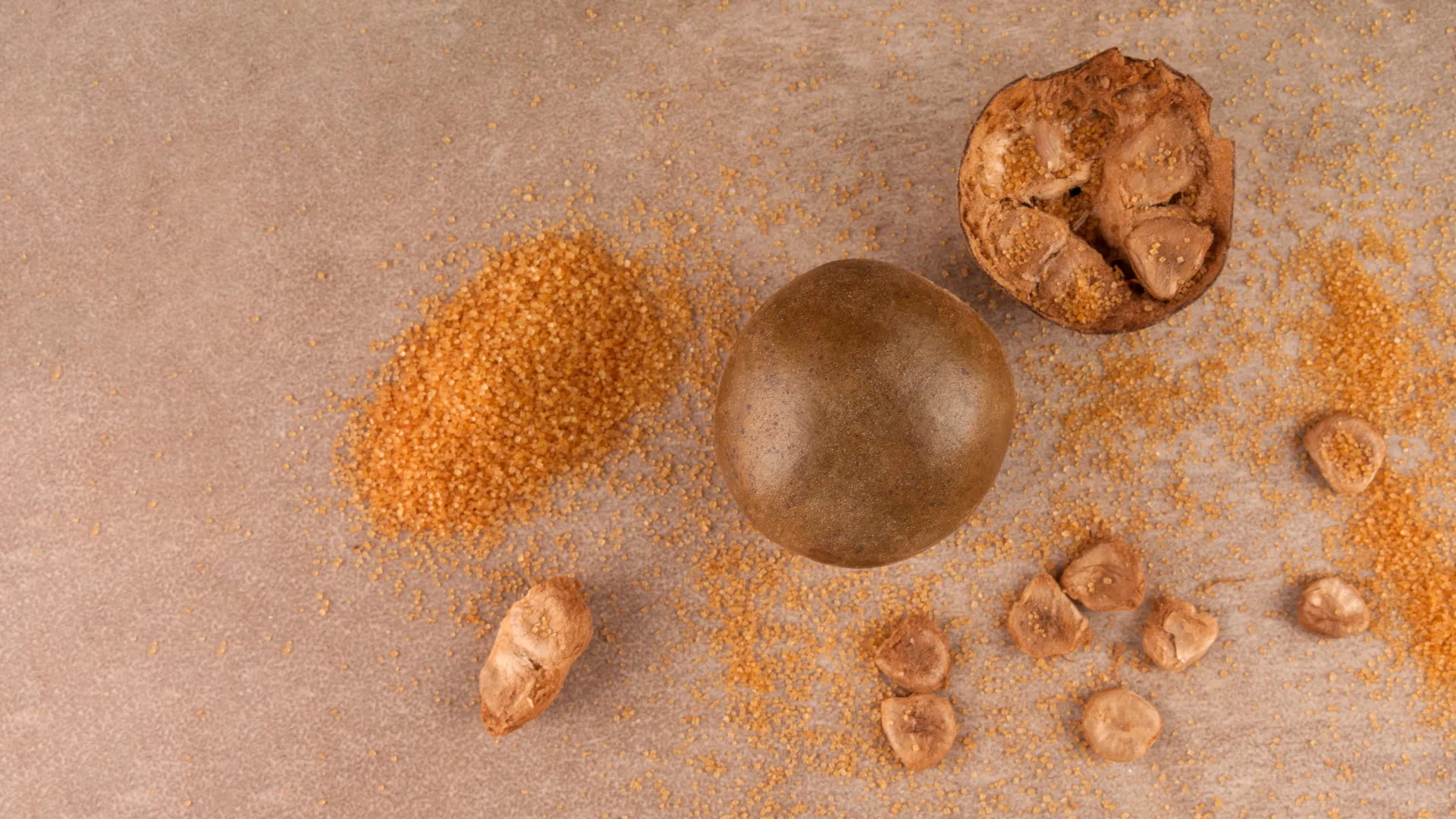
Luo Han Guo (Siraitia grosvenorii), more commonly known as monk fruit, is a long living vine that belongs to the gourd family, the same plant group as cucumbers and squash. It is native to southern China, where it has been used for centuries in traditional foods and remedies. In recent years, monk fruit has drawn modern scientific attention because it contains high levels of antioxidants. Antioxidants are substances that help protect cells from damage caused by unstable molecules known as free radicals, which are linked to aging and many chronic diseases.

New findings published in the Journal of the Science of Food and Agriculture take a closer look at what makes this fruit biologically active. The research focuses on the specific chemical compounds inside Luo Han Guo and how they may support health.

The Compounds Inside Monkfruit

One of the most important features of Luo Han Guo is its abundance of what scientists call secondary metabolites. These are natural plant chemicals that are not required for basic growth, but often play a role in defense, color, flavor, and health effects in humans. In this case, researchers concentrated on three major groups: terpenoids, flavonoids, and amino acids.

Terpenoids are compounds commonly found in plants that can have antioxidant and anti inflammatory properties. Flavonoids are another large class of plant compounds known for their ability to neutralize free radicals and support heart and metabolic health. Amino acids, which are the building blocks of proteins, are essential for many processes in the body, including tissue repair and immune function.

The scientists examined both the peel and the pulp of four different Luo Han Guo varieties. By doing so, they were able to identify where these compounds are concentrated and how they behave biologically.

How These Compounds Interact With the Body

Beyond simply identifying these substances, the study explored how they interact with antioxidant receptors and other biological targets. Receptors are structures in cells that receive chemical signals and trigger responses in the body. These interactions influence various biological pathways, which are step by step processes that help regulate functions such as inflammation, metabolism, and cellular protection.

Understanding these pathways helps explain why monk fruit may have health promoting properties beyond its use as a natural sweetener.

Why Researchers Studied Multiple Varieties

The researchers emphasized that not all monkfruit is chemically identical. Different varieties can contain different levels and combinations of active compounds. As the authors explained, “it is crucial to conduct an in-depth investigation on the high-resolution metabolic profiles of different Luo Han Guo varieties, providing valuable insights into the nutritional and health characteristics as well as the manufacturing suitability of the various resources available from this plant.”

This type of detailed chemical mapping helps scientists determine which varieties may be best suited for food products, supplements, or other uses.

Monk Fruit at a Glance

Monk fruit is a perennial vine native to China and a member of the gourd family. It is best known today as a zero calorie natural sweetener, but research shows it also contains a wide range of bioactive compounds. These include antioxidants, plant metabolites, and amino acids that interact with important biological systems in the body. As scientists continue to study its chemistry, monk fruit is emerging as more than just a sugar substitute, offering potential nutritional and health benefits rooted in its unique natural makeup.

Share Button

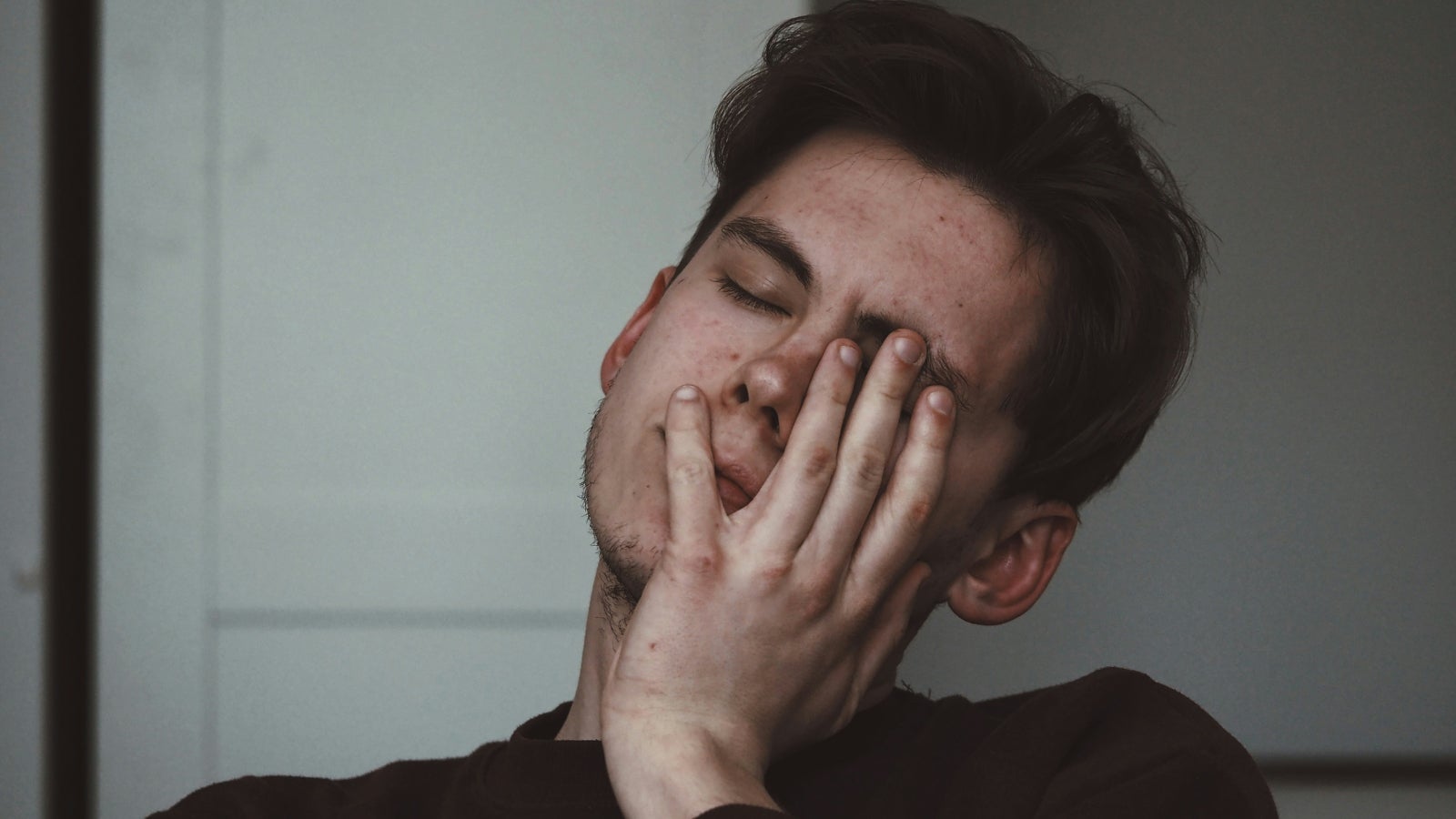
Tired All The Time? 6 Conditions To Consider Checking For

One in eight people in the UK say they feel tired “all the time,” YouGov reported in 2022.

In fact, the feeling is so common that the NHS says it has its own acronym, TATT (tired all the time).

But while the health service said most causes of TATT are “obvious,” like overwork or having a young child, Amir Bhogal, director and superintendent pharmacist at Pyramid Pharmacy Group, told us that “there are several hidden causes that may be easy to overlook”.

Here, he shared seven potential causes:

1) Iron deficiency

“Iron helps transport oxygen throughout the body via red blood cells. When iron levels are low, your body struggles to carry enough oxygen to your muscles and organs, leading to constant tiredness and weakness,” Bhogal said.

These are common signs of iron deficiency anaemia. Others include shortness of breath, headaches, paler than usual skin, and palpitations.

It “is surprisingly common, especially among women, due to regular menstrual blood loss, as well as those who follow a strictly vegetarian or vegan diet. While symptoms can be subtle at first, fatigue can interfere with daily activities and overall quality of life,” Bhogal added.

A blood test can confirm whether you have iron deficiency anaemia.

2) Thyroid issues

The thyroid is a gland in your neck that produces hormones. These affect things like your heart rate and body temperature.

“An underactive thyroid (hypothyroidism) can slow down metabolic processes and reduce the body’s ability to produce energy efficiently, leading to sluggishness or temperature sensitivity,” Bhogal said.

And an overactive thyroid can do the opposite, causing bursts of energy sometimes followed by crashes. It can create difficulty sleeping, too.

“Thyroid issues can develop slowly, with subtle symptoms ranging from unexplained changes in weight and mood, as well as dry skin or thinning hair. However, blood tests can confirm a thyroid imbalance,” the pharmacist said.

3) Low blood pressure

Though high blood pressure can make you tired, that usually happens indirectly through organ changes or associated lifestyle choices. But “low blood pressure (hypotension) can also sap energy,” the pharmacist told us.

“When blood pressure is too low, your organs and muscles may not receive enough oxygen-rich blood, leading to dizziness and constant tiredness.”

Sometimes, he added, low blood pressure can be created by dehydration, nutritional deficiencies, and some medications, and even some heart conditions.

“If fatigue is accompanied by lightheadedness or fainting, please consult with a medical professional immediately,” Bhogal stated.

“Getting your blood pressure tested regularly, even without symptoms, can help detect underlying issues early and support long-term health.”

4) Dehydration

Lots of us don’t drink enough water in winter, but Bhogal said this mistake could be making us very tired.

“Water is essential for just about every function in the body, including energy production. Even just mild dehydration can reduce blood volume, making the heart work harder and leaving you feeling lethargic,” he told us.

“The reality is that many people underestimate their daily fluid needs, especially when the weather is warm, or they are physically active. Instead, they compensate with sugary drinks, alcohol, or caffeine, all of which are diuretics that can worsen dehydration.”

Drinking more water and eating more water-rich foods, like fruits and vegetables, can help a lot.

5) Chronic infections

Sometimes, conditions like the flu or glandular fever can stay in your system for longer than you realise. This, Bhogal explained, can keep you feeling run-down after sneezes, sniffles, and sore throats have abated.

This, he continued, can even be the case with UTIs and chronic sinusitis.

“Often, these infections present with subtle symptoms like low-grade fever or mild muscle aches that are easy to dismiss. Identifying the underlying infection usually requires medical testing, and treatment may involve antibiotics or antiviral therapy to restore energy levels,” he said.

6) Sleep conditions

When it comes to feeling rested, sleep quality can sometimes matter as much as the number of hours slept.

And, Bhogal said, “Frequently waking up can be caused by environmental disturbances, and sometimes from conditions like sleep apnoea or restless leg syndrome, which can prevent the body from entering deep, restorative rest.

“Fatigue caused by poor sleep often presents as brain fog and irritability that manifests as low motivation throughout the day. Overuse of electronic devices before bedtime can also interfere with the natural sleep cycle, so I advise putting away gadgets at least two hours before bedtime.”

If you’re concerned about your sleep, speak to your GP.

Share Button

“Marine darkwaves”: Hidden ocean blackouts are putting sealife at risk

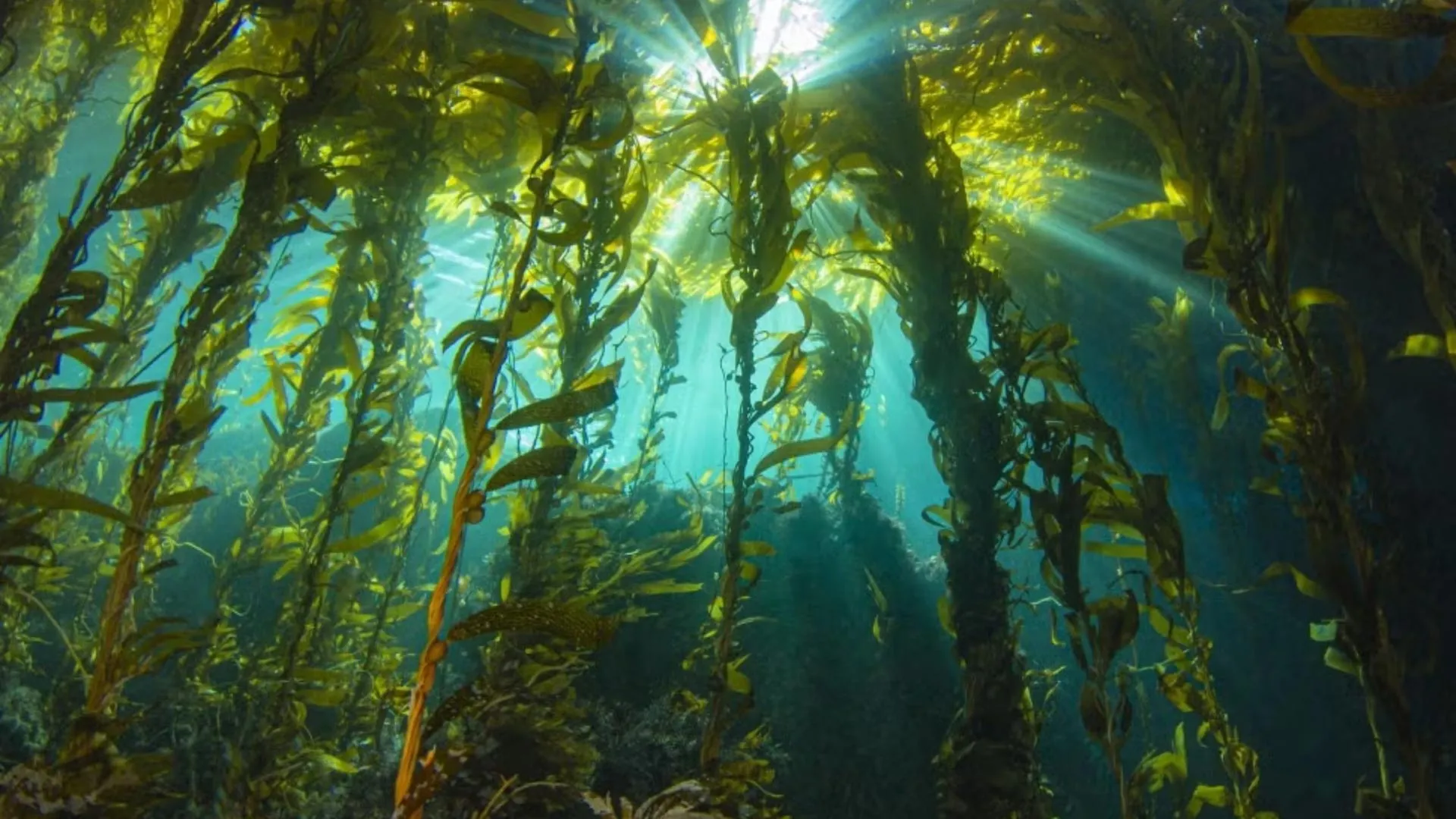
Clouds, smoke, and fog can block sunlight in the sky, but beneath the ocean surface, very different forces can plunge the seafloor into darkness. Sediment runoff, algae blooms, and organic debris can sharply reduce underwater light, sometimes transforming bright coastal waters into near night. To better understand these events, an international team of scientists has developed the first system designed to identify and compare what they call marine blackouts.

The research, published in Communications Earth & Environment, introduces the concept of a marine darkwave. These events are short-lived but intense periods of underwater darkness that can seriously disrupt kelp forests, seagrass meadows, and other marine organisms that depend on light to survive.

Why Light Matters in the Ocean

“We have long known that light levels are critical for photosynthetic organisms — like algae, seagrasses and corals — and that factors that reduce light to the seafloor can impact them,” said co-author Bob Miller, a research biologist at UC Santa Barbara’s Marine Science Institute. “This study creates a framework for comparing such events, which we call darkwaves.”

Until now, scientists lacked a shared method for evaluating extreme losses of underwater light across different regions. The goal of the new framework is to make these events measurable and comparable worldwide.

“Light is a fundamental driver of marine productivity, yet until now we have not had a consistent way to measure extreme reductions in underwater light,” said lead author François Thoral, a postdoctoral fellow at the University of Waikato and Earth Sciences New Zealand.

Decades of Data Reveal a Hidden Pattern

To build the framework, researchers analyzed long-term data from multiple coastal regions. The study used 16 years of measurements from the Santa Barbara Coastal Long Term Ecological Research Site (LTER) and 10 years of observations from New Zealand coastal locations in Hauraki Gulf/Tīkapa Moana, in the Firth of Thames. The team also examined 21 years of seafloor light estimates derived from satellite data along New Zealand’s East Cape.

Across these areas, marine darkwaves ranged from brief events lasting only a few days to prolonged episodes that persisted for more than two months. In some cases, light reaching the seabed was almost completely eliminated.

The researchers identified between 25 and 80 darkwave events along the East Cape since 2002. Many were associated with powerful storms and large-scale weather systems, including Cyclone Gabrielle.

Short-Term Darkness With Lasting Consequences

For years, scientists have focused on slow, long-term declines in water clarity as a major threat to coastal ecosystems. The new findings suggest that sudden darkwave events may be just as damaging.

“Even short periods of reduced light can impair photosynthesis in kelp forests, seagrass and corals,” Thoral said. “These events can also influence the behaviour of fish, sharks and marine mammals. When darkness persists, the ecological effects can be significant.”

A New Tool for Tracking Ocean Stress

The marine darkwave framework adds to existing tools used to monitor marine heatwaves, ocean acidification, and deoxygenation. Together, these systems offer coastal communities, conservation groups, and resource managers a clearer way to recognize when marine ecosystems are under intense and immediate stress.

Because the Santa Barbara Coastal LTER is one of the few programs worldwide that collects long-term measurements of light on the seafloor, Miller and his colleagues at UCSB plan to expand their work. They aim to investigate how sedimentation and turbidity — which are influenced by fires and mudslides — affect California’s kelp forests.

Share Button

First leukaemia patient to receive pioneering treatment on NHS says it is ‘very sci-fi’

Oscar Murphy has an aggressive form of the blood cancer and is the first to get CAR-T therapy in the UK.

Share Button

First leukaemia patient to get new form of treatment on NHS says it is ‘very sci-fi’

Oscar Murphy has an aggressive form of the blood cancer and is the first to get CAR-T therapy in the UK.

Share Button

Keir Starmer Ditches Compulsory Digital ID In 13th U-Turn Since Becoming Prime Minister

Keir Starmer has ditched plans to force all workers to have digital ID cards in his 13th U-turn since becoming prime minister.

In a major humiliation for the PM, the Cabinet Office confirmed that the controversial cards would no longer be compulsory for those seeking employment.

When the policy was announced in September last year, Starmer said: “Let me spell it out, you will not be able to work in the United Kingdom if you do not have digital ID.”

But Starmer’s latest climbdown means that the digital ID cards will be optional, giving workers the choice of whether to use other ways of proving their identity.

A government spokesperson said: “We are committed to mandatory digital right to work checks.

“Currently, right to work checks include a hodge podge of paper-based systems with no record of checks ever taking place. This is open to fraud and abuse.

“We have always been clear that details on the digital ID scheme will be set out following a full public consultation which will launch shortly.

“Digital ID will make everyday life easier for people, ensuring public services are more personal, joined-up, and effective, while also remaining inclusive.”

The U-turn follows climbdowns on other flagship government policies like scrapping winter fuel payments and cuts to disability benefits.

But Tory MP Mike Wood, the shadow Cabinet Office minister, said: “While we welcome the scrapping of any mandatory identification, this is yet another humiliating U-turn from the government.

“Keir Starmer’s spinelessness is becoming a pattern, not an exception.

“What was sold as a tough measure to tackle illegal working is now set to become yet another costly, ill-thought-out experiment abandoned at the first sign of pressure from Labour’s backbenches.

“Only the Conservatives have the plan and the team to restore common sense to public policy.”

Liberal Democrat Cabinet Office spokeswoman Lisa Smart said: “Number 10 must be bulk ordering motion sickness tablets at this rate to cope with all their U-turns.

“It was clear right from the start this was a proposal doomed to failure, that would have cost obscene amounts of taxpayers’ money to deliver absolutely nothing.”

Share Button

You Probably Need More Age-Gap Friendships

The numbers 15 and 20 might sound reasonable when you’re deciding how much to tip your server at a restaurant. But when they refer to an age gap between romantic partners, they’re more likely to raise eyebrows.

Even if you’re not a fan of May-December romances, experts say that age-gap friendships are one type of intergenerational relationship we can all get behind. According to research, we tend to gravitate toward people who are similar to us, a phenomenon called homophily.

Consequently, our friend groups often include people who share our interests, education, politics and life experience.

When your friends are of a similar age, it’s hard to avoid comparing your life to theirs. “One of the benefits of having older friends who are in a different life stage is the freedom to share without conflicted feelings,” a licensed clinical psychologist said.

SDI Productions via Getty Images

When your friends are of a similar age, it’s hard to avoid comparing your life to theirs. “One of the benefits of having older friends who are in a different life stage is the freedom to share without conflicted feelings,” a licensed clinical psychologist said.

And while it might seem like a good idea to prioritise friendships with people you can relate to, you might be missing out on what other generations have to offer. Below, experts discuss the benefits of befriending someone who is 10-plus years older or younger than you.

The real benefits to having older friends

You’re less likely to doubt your pace in life.

When your friends are of a similar age, it’s hard to avoid comparing your life to theirs. Maybe they just received a promotion or set off on their honeymoon. On the outside, you might be congratulating them for reaching these milestones, but it’s only natural to worry about falling behind.

“One of the benefits of having older friends who are in a different life stage is the freedom to share without conflicted feelings,” Charlynn Ruan, a licensed clinical psychologist and the founder of Thrive Psychology Group, told HuffPost. “We can share our wins without feeling like we are bragging or triggering our friends who might not be doing well in that area.”

Jenny Woo, a Harvard-trained emotional intelligence researcher and founder/CEO of Mind Brain Emotion, and author of 52 Essential Relationships, agreed, saying, “Age-gap friendships help younger people zoom out from the comparison trap by reminding them that timelines are flexible and growth is nonlinear.” An older friend can provide a safe space to talk without the pressure of having to compete or project an image of success.

They act as mentors and surrogate family members.

“Historically, across many cultures we used to live in much more supportive multi-generational communities where younger people had access to older individuals who had more life experience and advice to pass down,” Natalie Moore, LMFT, owner of Space for Growth Therapy & Coaching, told HuffPost. She said that many of her clients, most of whom are in their 20s and 30s, don’t have emotional support from mentors or role models.

“So, it makes sense that younger adults would seek out older friends to fill that gap,” she said. “Additionally, so many adults do not have positive relationships with their parents, so an older friend can act as almost a surrogate parent to provide the type of support they need.”

Aside from support, an older friend can promote a sense of continuity by sharing memories and traditions. For example, they can pass along recipes or inspire you to take up so-called “grandma hobbies,” like crocheting, knitting and gardening. We know from research that taking a break from your phone can improve your mental health.

Aside from support, an older friend can promote a sense of continuity by sharing memories and traditions.

zeljkosantrac via Getty Images

Aside from support, an older friend can promote a sense of continuity by sharing memories and traditions.

They can enhance your personal growth

If you spend a lot of time interacting with same-age peers, especially online, this can limit your perspective on the world. “We often see this where millennials and Gen Zs complain about the tone-deaf responses of older generations to their struggles to buy houses and afford to move out,” Ruan said. In this politically divisive climate, it’s important to be able to have respectful conversations with people who see the world differently than you do.

“An older friend can offer candid, judgment-free feedback without the power dynamics of a parent or boss,” Woo said. Whereas a peer can empathise with the current job market, an older friend can tell you what it was like to make a career pivot or adjust to life in a new city.

In addition, someone who is 20 years your senior is more likely to have experience with navigating career uncertainty, identity questions or relationship concerns. “Younger people often feel more motivated to invest in their physical and emotional well-being when they see the real impacts in someone older,” Woo said.

It’s not just the younger friend who benefits — here’s why you might want a younger bestie

They add variety and spontaneity to your life.

“Being around someone younger can reignite a sense of vitality, spontaneity and playfulness,” Woo said. You can learn about new trends and technologies, or rediscover past hobbies and interests. For instance, a 2024 study found that playing a musical instrument can keep your mind sharp as you age.

Similar to young adults, the trend of having friends who are similar to you persists as you get older. “This can cause people to become narrow-minded and judgmental, so having younger friends can help keep your mind open and curious,” Ruan said.

Moore agreed, explaining that a younger friend may expose an older friend to new ideas or ways of seeing the world. “This can challenge them to be more relevant with current events, technology or the ever-changing zeitgeist,” she added.

You can share without competing

“Sadly, social comparisons don’t lessen that much with age,” Ruan said. An older friend may struggle to find support from same-age peers. For example, they might feel judged for having their adult children move back home or continuing to work because they can’t afford to retire.

“Sharing these concerns with a younger friend can feel liberating because the younger adult can just listen and express comfort without the compulsion to give unhelpful advice,” she said. A younger friend may also be more empathetic about marriage and kids, considering they’re closer to the beginning of their journey.

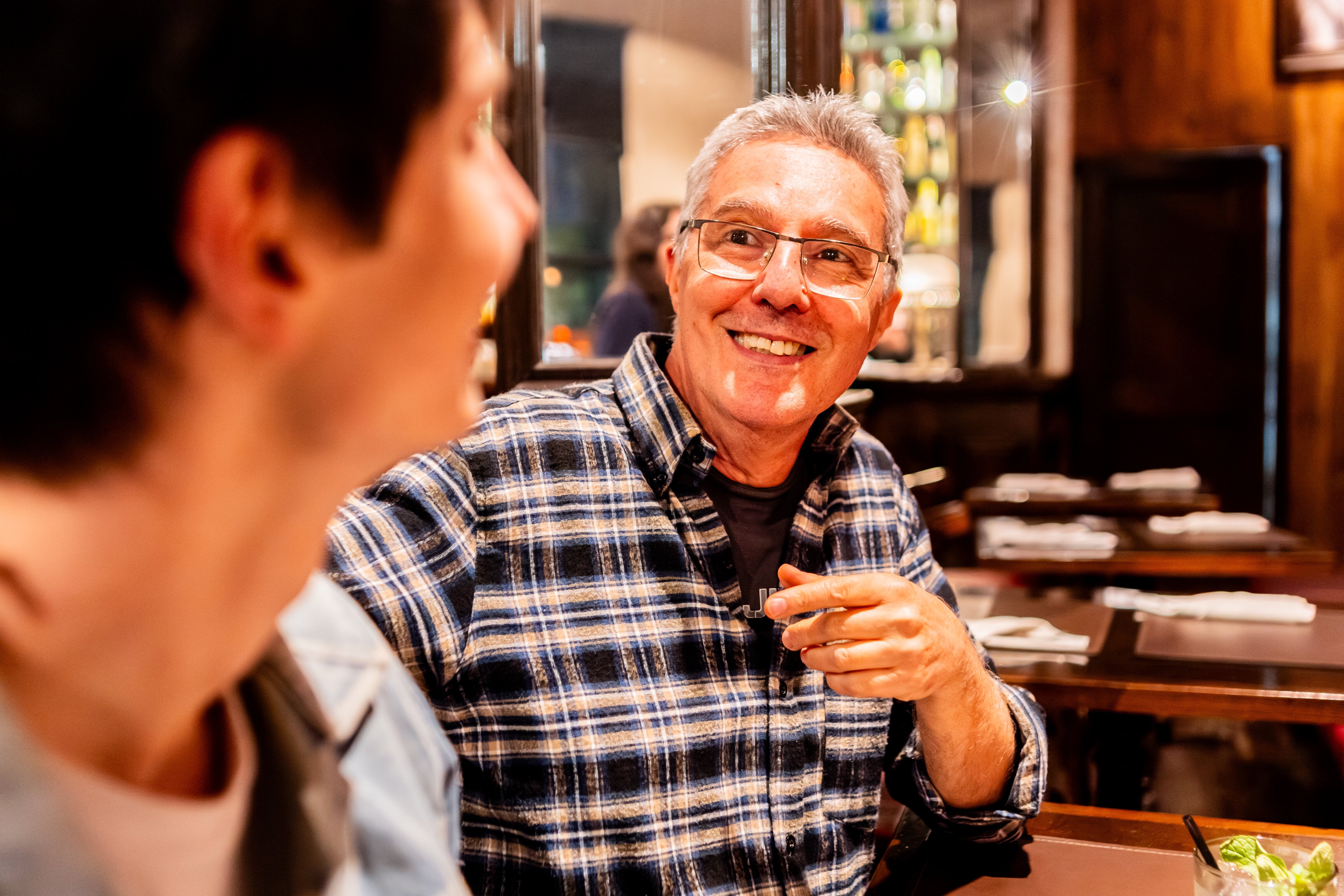
“Being around someone younger can reignite a sense of vitality, spontaneity and playfulness,” a Harvard-trained emotional intelligence researcher said.

Frazao Studio Latino via Getty Images

“Being around someone younger can reignite a sense of vitality, spontaneity and playfulness,” a Harvard-trained emotional intelligence researcher said.

Their friendship can offer a renewed sense of purpose

“The act of sharing hard-earned wisdom gives older friends a sense of purpose and value, which can counteract ageism and a fear of irrelevance,” Woo said. Research shows that having a sense of meaning and direction can help you weather life transitions such as divorce, retirement or an illness diagnosis.

In fact, “There’s a phenomenon of brain development where younger adults are more geared toward learning, whereas adults in midlife and beyond are more inclined toward sharing what they’ve learned,” Moore said. She said that this makes sense from an evolutionary perspective because a younger person with less life experience has more learning to do than someone who has knowledge that can benefit future generations.

How to make sure your age-gap friendship doesn’t become one-sided

Sometimes, age-gap friendships can resemble a mentorship relationship where the younger person is expecting career advice or networking opportunities. In such cases, an older friend might have a hard time being vulnerable because they feel pressured to have all the answers.

“If an older friend is falling into a role of providing all the advice and not receiving any, they could point that out or adjust their behavior,” Moore said. Likewise, Ruan suggested encouraging your older friend to speak about their struggles, so it becomes a two-way street. You can also make a habit of asking them for updates on things they’ve shared recently to avoid doing all the talking or advice-seeking.

Over time, the younger friend may eclipse their older friend’s accomplishments. “This can cause a strain on the relationship if there is an undercurrent of teacher and student in their dynamic,” Ruan said. Your relationship is more likely to survive if you’re both willing to be vulnerable and support each other through periods of loss and transition.

Woo agreed, saying that it’s best to avoid having an age-gap friendship that’s focused primarily on mentorship. Her advice was to set boundaries, so the younger friend doesn’t come to rely on the older friend as a therapist or life coach. She also suggested participating in activities that aren’t centered on advice-giving, such as physical activity and shared interests like art projects or a book club.

“Healthy age-gap friendships are built on mutual respect and curiosity,” Woo said. “Both people should bring effort and energy to the relationship.”

Share Button

‘We Feel Betrayed’: Greenland Minister Condemns Donald Trump Over Invasion Threat

A member of Greenland’s government says they feel “betrayed” by Donald Trump’s threat to take over the Arctic island.

The US president has said he plans to seize Greenland “one way or the other” and has refused to rule out sending in American troops.

But speaking at Westminster following talks with MPs, Naaja Nathanielsen said the island – which is part of the kingdom of Denmark – has no interest in becoming American.

Nathanielsen, who is Greenland’s minister for business, mineral resources, energy, justice and gender equality, said: “If you ask the people of Greenland, people are concerned about the messages from the US about annexing or buying Greenland.

“People are reporting difficulties to sleep. This is fuelling the discussions around the households. We are trying to keep calm and work our way through it.”

She added: “We have no intention of becoming American. We have worked towards more collaboration with the Americans, but we are quite happy being part of the kingdom of Denmark.

“We feel betrayed. We feel the rhetoric is offensive and bewildering. We have done nothing but support the US.

“We are allies of allies of the US and are bewildered that we have to discuss possible selling of annexing of Greenland. This is not something we deserve. We have been good partners.”

Trump has said that America needs to “own” Greenland to stop China and Russia from trying to take it over.

But Nathanielsen said Greenland wanted a “peaceful solution” to the crisis, and warned that the whole world would be thrown into crisis if Trump orders troops to invade the Arctic island.

She said: “If that scenario was to happen, everybody in your countries will have a focus on what the new world order is about. We will be in a new situation.

“We would all be under attack. It would be a breakdown of international law and existing treaties, and that would be a bad outcome for all of us. I do hope we will not get to that situation.”

Nathanielsen also insisted that Greenland is facing no “imminent threat” from Russia or China, despite Trump’s claims to the contrary.

Share Button

Critical incidents declared at two hospital trusts

NHS bosses are urging people to only come to A&E if it is an emergency.

Share Button

This AI spots dangerous blood cells doctors often miss

A new artificial intelligence system that examines the shape and structure of blood cells could significantly improve how diseases such as leukemia are diagnosed. Researchers say the tool can identify abnormal cells with greater accuracy and consistency than human specialists, potentially reducing missed or uncertain diagnoses.

The system, known as CytoDiffusion, relies on generative AI, the same type of technology used in image generators such as DALL-E, to analyze blood cell appearance in detail. Rather than focusing only on obvious patterns, it studies subtle variations in how cells look under a microscope.

Moving Beyond Pattern Recognition

Many existing medical AI tools are trained to sort images into predefined categories. In contrast, the team behind CytoDiffusion demonstrated that their approach can recognize the full range of normal blood cell appearances and reliably flag rare or unusual cells that may signal disease. The work was led by researchers from the University of Cambridge, University College London, and Queen Mary University of London, and the findings were published in Nature Machine Intelligence.

Identifying small differences in blood cell size, shape, and structure is central to diagnosing many blood disorders. However, learning to do this well can take years of experience, and even highly trained doctors may disagree when reviewing complex cases.

“We’ve all got many different types of blood cells that have different properties and different roles within our body,” said Simon Deltadahl from Cambridge’s Department of Applied Mathematics and Theoretical Physics, the study’s first author. “White blood cells specialize in fighting infection, for example. But knowing what an unusual or diseased blood cell looks like under a microscope is an important part of diagnosing many diseases.”

Handling the Scale of Blood Analysis

A standard blood smear can contain thousands of individual cells, far more than a person can realistically examine one by one. “Humans can’t look at all the cells in a smear — it’s just not possible,” Deltadahl said. “Our model can automate that process, triage the routine cases, and highlight anything unusual for human review.”

This challenge is familiar to clinicians. “The clinical challenge I faced as a junior hematology doctor was that after a day of work, I would face a lot of blood films to analyze,” said co-senior author Dr. Suthesh Sivapalaratnam from Queen Mary University of London. “As I was analyzing them in the late hours, I became convinced AI would do a better job than me.”

Training on an Unprecedented Dataset

To build CytoDiffusion, the researchers trained it on more than half a million blood smear images collected at Addenbrooke’s Hospital in Cambridge. The dataset, described as the largest of its kind, includes common blood cell types, rare examples, and features that often confuse automated systems.

Instead of simply learning how to separate cells into fixed categories, the AI models the entire range of how blood cells can appear. This makes it more resilient to differences between hospitals, microscopes, and staining techniques, while also improving its ability to detect rare or abnormal cells.

Detecting Leukemia With Greater Confidence

When tested, CytoDiffusion identified abnormal cells associated with leukemia with much higher sensitivity than existing systems. It also performed as well as or better than current leading models, even when trained with far fewer examples, and was able to quantify how confident it was in its own predictions.

“When we tested its accuracy, the system was slightly better than humans,” said Deltadahl. “But where it really stood out was in knowing when it was uncertain. Our model would never say it was certain and then be wrong, but that is something that humans sometimes do.”

Co-senior author Professor Michael Roberts from Cambridge’s Department of Applied Mathematics and Theoretical Physics said the system was evaluated against real-world challenges faced by medical AI. “We evaluated our method against many of the challenges seen in real-world AI, such as never-before-seen images, images captured by different machines and the degree of uncertainty in the labels,” he said. “This framework gives a multi-faceted view of model performance which we believe will be beneficial to researchers.”

When AI Images Fool Human Experts

The team also found that CytoDiffusion can generate synthetic images of blood cells that look indistinguishable from real ones. In a ‘Turing test’ involving ten experienced hematologists, the specialists were no better than random chance at telling real images apart from those created by the AI.

“That really surprised me,” Deltadahl said. “These are people who stare at blood cells all day, and even they couldn’t tell.”

Opening Data to the Global Research Community

As part of the project, the researchers are releasing what they describe as the world’s largest publicly available collection of peripheral blood smear images, totaling more than half a million samples.

“By making this resource open, we hope to empower researchers worldwide to build and test new AI models, democratize access to high-quality medical data, and ultimately contribute to better patient care,” Deltadahl said.

Supporting, Not Replacing, Clinicians

Despite the strong results, the researchers emphasize that CytoDiffusion is not intended to replace trained doctors. Instead, it is designed to assist clinicians by quickly flagging concerning cases and automatically processing routine samples.

“The true value of healthcare AI lies not in approximating human expertise at lower cost, but in enabling greater diagnostic, prognostic, and prescriptive power than either experts or simple statistical models can achieve,” said co-senior author Professor Parashkev Nachev from UCL. “Our work suggests that generative AI will be central to this mission, transforming not only the fidelity of clinical support systems but their insight into the limits of their own knowledge. This ‘metacognitive’ awareness — knowing what one does not know — is critical to clinical decision-making, and here we show machines may be better at it than we are.”

The team notes that additional research is needed to increase the system’s speed and to validate its performance across more diverse patient populations to ensure accuracy and fairness.

The research received support from the Trinity Challenge, Wellcome, the British Heart Foundation, Cambridge University Hospitals NHS Trust, Barts Health NHS Trust, the NIHR Cambridge Biomedical Research Centre, NIHR UCLH Biomedical Research Centre, and NHS Blood and Transplant. The work was carried out by the Imaging working group within the BloodCounts! consortium, which aims to improve blood diagnostics worldwide using AI. Simon Deltadahl is a Member of Lucy Cavendish College, Cambridge.

Share Button