Scientists were wrong for decades about DNA knots

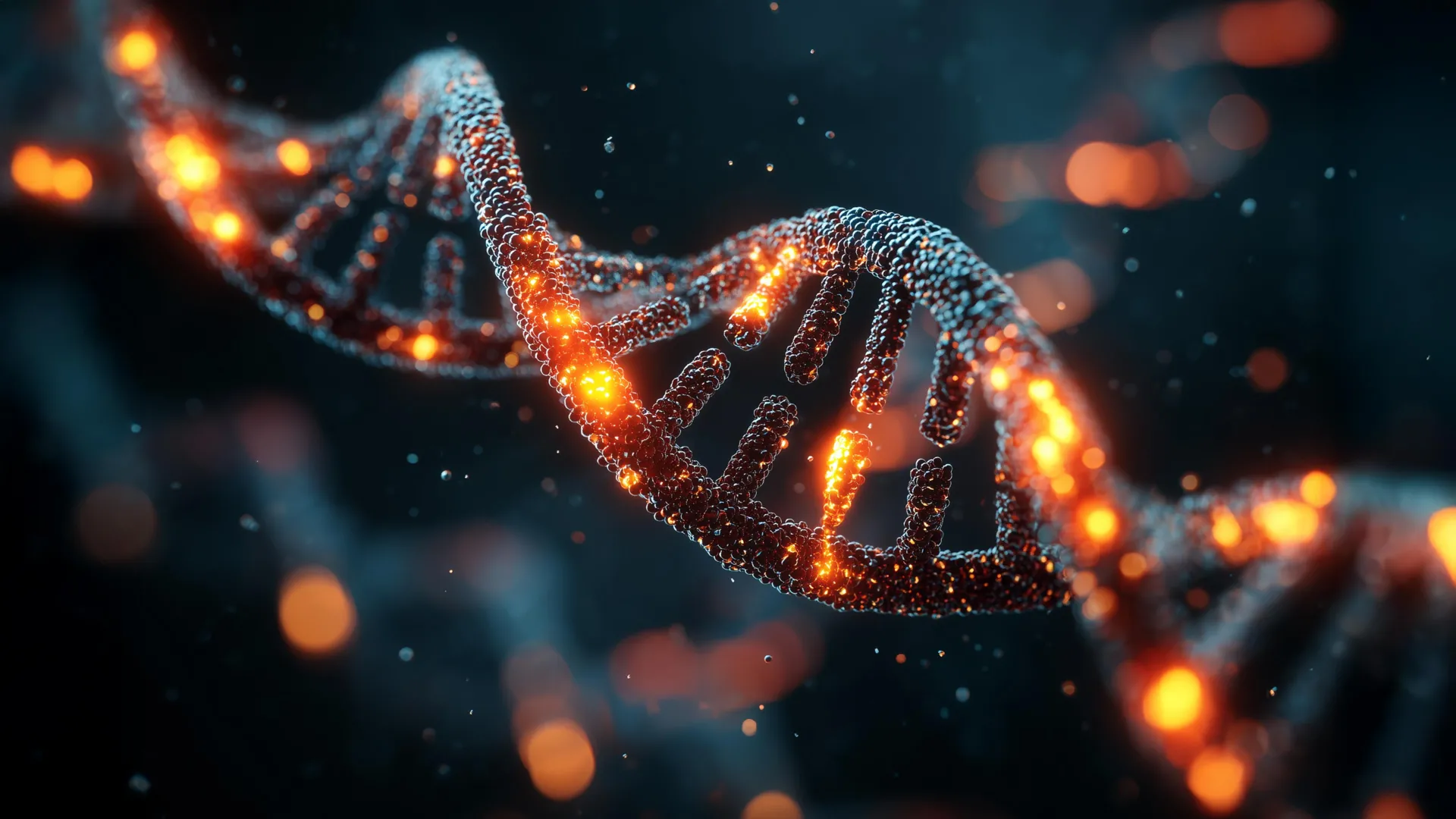
Scientists at the University of Cambridge, working with international collaborators, have identified a crucial process that shapes how DNA behaves as it moves through nanoscale pores. This process is fundamental to many biological activities and to fast-growing DNA sensing technologies. The research highlights a long-overlooked DNA structure called plectonemes, a finding that could influence future advances in genomics and biosensing.

Nanopores are extremely small openings that allow single strands of DNA to pass through while producing electrical signals. These signals help researchers analyze genetic material in detail. Until now, important features of those signals had been misunderstood.

Why Scientists Thought DNA Was Forming Knots

For many years, researchers believed that complex electrical patterns seen during nanopore experiments were caused by DNA forming knots. The idea was easy to picture. Pulling a shoelace through a narrow hole becomes uneven if the lace tangles, and scientists assumed DNA behaved in the same way. Any irregular signal was thought to mean the strand had knotted as it moved through the pore.

That explanation shaped how nanopore data was interpreted for decades.

Twists, Not Knots, Explain the Signals

The new study, published in Physical Review X, shows that this long-standing assumption was often wrong. Instead of forming true knots, DNA frequently twists around itself during nanopore translocation. These twisted structures, known as plectonemes, resemble a coiled phone cord rather than a tied knot.

This distinction matters because twists and knots affect electrical signals in very different ways.

“Our experiments showed that as DNA is pulled through the nanopore, the ionic flow inside twists the strand, accumulating torque and winding it into plectonemes, not just knots. This ‘hidden’ twisting structure has a distinctive, long-lasting fingerprint in the electrical signal, unlike the more transient signature of knots,” explained lead author Dr Fei Zheng from the Cavendish Laboratory.

Experiments Point to a Missing Mechanism

To reach this conclusion, the researchers tested DNA using both glass and silicon nitride nanopores across a wide range of voltages and conditions. They noticed that so-called “tangled” events, when more than one section of DNA occupied the pore at the same time, occurred far more often than knot theory could explain.

These events became even more frequent as voltage increased and as DNA strands grew longer. This pattern suggested that another force was at work.

How Flowing Water Twists DNA

The team found that the twisting comes from electroosmotic flow, the movement of water driven by electric fields inside the nanopore. As water flows past the DNA, it applies a spinning force to the helical molecule. This torque travels along the strand, causing sections outside the pore to coil into plectonemes.

Unlike knots, which tighten under pulling forces and typically disappear quickly, plectonemes can grow larger and remain present throughout the entire translocation process. Computer simulations that applied realistic forces and torques confirmed this behavior and showed that plectoneme formation depends on DNA’s ability to transmit twist along its length.

Blocking Twists Confirms the Discovery

To test the idea further, the researchers created “nicked” DNA, strands that were interrupted at specific points. These interruptions prevented twist from spreading along the molecule and sharply reduced the formation of plectonemes during experiments.

This result confirmed that twist propagation is essential to the process. It also hints at new ways nanopores could be used to detect DNA damage, since breaks in the strand interfere with twisting behavior.

Reading DNA Signals With New Precision

“What’s really powerful here is that we can now tell apart knots and plectonemes in the nanopore signal based on how long they last,” says Prof Ulrich F. Keyser, also from the Cavendish Laboratory and a co-author of the study.

“Knots pass through quickly, just like a quick bump, whereas plectonemes linger and create extended signals. This offers a path to richer, more nuanced readouts of DNA organization, genomic integrity, and possibly damage.”

Broader Implications for Biology and Technology

The findings extend beyond nanopore sensing. In living cells, DNA regularly twists and tangles as enzymes act on it, and both knots and plectonemes play important roles in genome organization and stability. Understanding how these structures form could improve models of cellular DNA behavior.

For diagnostics and biosensing, the ability to detect or control DNA twisting could lead to more sensitive tools capable of identifying subtle genetic changes and early signs of DNA damage linked to disease.

“From the perspective of nanotechnology, the research highlights the power of nanopores, not only as sophisticated sensors but also as tools for manipulating biopolymers in novel ways,” concluded Keyser.

Share Button

This popular diet was linked to a much lower stroke risk

Women who follow a Mediterranean-style eating pattern may face a lower risk of stroke, according to research published on February 4, 2026, in Neurology Open Access, a journal of the American Academy of Neurology. The study found a strong relationship between this diet and reduced stroke risk, though it does not show that the diet directly prevents strokes. Instead, it identifies an association between dietary habits and long-term health outcomes.

Researchers observed lower rates of stroke overall among women who most closely followed the Mediterranean diet. This included both ischemic strokes and hemorrhagic strokes. Ischemic strokes occur when blood flow to part of the brain is blocked and are the most common form of stroke. Hemorrhagic strokes happen when a blood vessel ruptures and causes bleeding in the brain.

What Defines the Mediterranean Diet

The Mediterranean diet centers on eating plenty of vegetables, fruits, legumes, and fish, along with healthy fats such as olive oil. It limits foods like dairy products, meat, and items high in saturated fatty acids.

“Our findings support the mounting evidence that a healthy diet is critical to stroke prevention,” said study author Sophia S. Wang, PhD, of City of Hope Comprehensive Cancer Center in Duarte, California. “We were especially interested to see that this finding applies to hemorrhagic stroke, as few large studies have looked at this type of stroke.”

How the Study Followed More Than 100,000 Women

The study included 105,614 women who had no history of stroke at the beginning of the research and an average age of 53. Each participant completed a detailed diet questionnaire at the start of the study. Researchers then assigned a score ranging from zero to nine based on how closely each person’s diet matched Mediterranean diet guidelines.

Participants earned one point for consuming more than the population average of whole grain cereals, fruits, vegetables, legumes, olive oil, and fish, as well as for drinking a moderate amount of alcohol. They also earned a point for eating less red meat and dairy than average. About 30% of participants scored between six and nine — the highest group. Another 13% scored between zero and two, placing them in the lowest group.

Stroke Outcomes Over 21 Years

Participants were monitored for an average of 21 years. During that period, researchers recorded 4,083 strokes, including 3,358 ischemic strokes and 725 hemorrhagic strokes. Among women in the highest diet score group, 1,058 ischemic strokes occurred, compared with 395 cases in the lowest group. For hemorrhagic stroke, 211 cases were reported in the highest group and 91 in the lowest group.

After accounting for other stroke risk factors such as smoking, physical activity, and high blood pressure, the differences remained significant. Women with the highest Mediterranean diet scores were 18% less likely to experience any stroke than those with the lowest scores. Their risk of ischemic stroke was 16% lower, and their risk of hemorrhagic stroke was 25% lower.

Why the Findings Matter and Study Limitations

“Stroke is a leading cause of death and disability, so it’s exciting to think that improving our diets could lessen our risk for this devastating disease,” said Wang. “Further studies are needed to confirm these findings and to help us understand the mechanisms behind them so we could identify new ways to prevent stroke.”

One limitation of the study is that dietary information was self reported, which means some participants may not have recalled their eating habits accurately.

The research was funded by the National Institute of Neurological Diseases and Stroke.

Share Button

A secret cell alliance may explain why ovarian cancer is so deadly

Ovarian cancer is the deadliest gynecological cancer, largely because it is usually discovered too late. In most cases, doctors diagnose the disease only after it has already spread widely throughout the abdomen. Although researchers have long known that ovarian cancer progresses rapidly, the biological reason behind this speed has remained unclear.

A new study led by Nagoya University now sheds light on this long-standing mystery. The research, published in Science Advances, shows that ovarian cancer cells do not act alone. Instead, they enlist help from mesothelial cells, which normally serve as a protective lining inside the abdominal cavity. These mesothelial cells move ahead of the cancer cells, creating pathways that cancer cells then follow. Together, they form hybrid cell clusters that are more resistant to chemotherapy than cancer cells by themselves.

Cancer Cells Form Hybrid Clusters in Abdominal Fluid

To understand how this happens, researchers analyzed abdominal fluid from patients with ovarian cancer. What they found challenged previous assumptions. Cancer cells were rarely drifting freely on their own. Instead, they frequently attached themselves to mesothelial cells, forming compact, mixed cell spheres.

The researchers estimated that roughly 60% of these cancer spheres included recruited mesothelial cells. The cancer cells release a signaling molecule known as TGF-β1, which alters the mesothelial cells. In response, the mesothelial cells develop sharp, spike-like protrusions capable of cutting through surrounding tissue.

How Ovarian Cancer Moves Through the Abdomen

As ovarian cancer grows, some cells detach from the main tumor and enter the fluid-filled space within the abdomen. This fluid is constantly in motion due to normal breathing and body movement. As a result, cancer cells are carried to many different areas of the abdominal cavity.

This method of spread differs sharply from that of many other cancers. In diseases such as breast or lung cancer, tumor cells enter blood vessels and travel through the bloodstream to distant organs. Because blood flows through defined pathways, doctors can sometimes monitor these cancers using blood tests.

Ovarian cancer cells largely bypass blood vessels. Instead, they drift through abdominal fluid that lacks a predictable route. This floating phase occurs before the cells attach to new organs. Until now, scientists did not fully understand what occurred during this stage or how cancer cells coordinated their spread so efficiently.

Invadopodia Drive Tissue Invasion

The research team found that during this floating stage, ovarian cancer cells actively recruit mesothelial cells that have naturally shed from the abdominal lining. Once joined together, the two cell types form hybrid spheres. The mesothelial cells then produce invadopodia, which are spike-like structures that drill into nearby tissue.

These hybrid spheres pose a particular threat. When they reach an organ, they invade tissue more rapidly and withstand chemotherapy drugs more effectively than cancer cells alone.

Watching Cancer Spread in Real Time

Using advanced microscopy, the scientists were able to observe this process directly in abdominal fluid samples from patients. They validated their observations with experiments in mouse models and by analyzing gene activity at the single-cell level.

Lead author Dr. Kaname Uno, a former PhD student and current Visiting Researcher at Nagoya University’s Graduate School of Medicine, explained that the cancer cells themselves remain relatively unchanged. “They manipulate mesothelial cells to do the tissue invasion work. They undergo minimal genetic and molecular changes and just migrate through the openings that mesothelial cells create.”

Before entering research, Dr. Uno spent eight years working as a gynecologist. One patient profoundly shaped his decision to pursue this line of study. She had received normal screening results just three months before doctors diagnosed her with advanced ovarian cancer. Existing diagnostic tools failed to detect the disease early enough to save her life. That experience motivated Dr. Uno to investigate why ovarian cancer spreads so quickly and escapes early detection.

New Opportunities for Treatment and Monitoring

The findings point to potential new approaches for treating ovarian cancer. Current chemotherapy drugs focus on destroying cancer cells but do not target the mesothelial cells that assist in invasion. Future therapies could aim to block the TGF-β1 signal or prevent the formation of these harmful cell partnerships.

The study also suggests a possible new way to track the disease. Monitoring these hybrid cell clusters in abdominal fluid could help doctors better predict how ovarian cancer will progress and how patients respond to treatment.

Ovarian cancer kills more women than any other gynecological cancer. Most patients receive their diagnosis only after the disease spreads throughout the abdomen. Until now, scientists have never fully understood why this cancer advances so fast.

A new study led by Nagoya University explains why. Published in Science Advances, the study shows that cancer cells recruit help from protective mesothelial cells that normally line the abdominal cavity. Mesothelial cells lead the invasion and cancer cells follow the pathways they create. These hybrid cell clusters resist chemotherapy better than cancer alone.

Researchers examined abdominal fluid from ovarian cancer patients and found something unexpected. Cancer cells do not float alone in the abdominal cavity. Instead, they often grab onto mesothelial cells and form hybrid spheres. About 60% of all cancer spheres contain these recruited mesothelial cells. The cancer cells release a protein called TGF-β1 that transforms the mesothelial cells and causes them to develop spike-like structures that cut through tissue.

Invadopodia, spike structures that do the digging for cancer

When ovarian cancer develops, cancer cells break off from the tumor. These cells enter the abdominal fluid and float freely. The fluid moves around as you breathe and move your body. This movement carries the cancer cells to different spots in the abdomen.

Most other cancers spread differently. Breast cancer or lung cancer cells enter blood vessels. They travel through the bloodstream to reach distant organs. Doctors can sometimes track these cancers through blood tests because blood moves in predictable paths through vessels.

Ovarian cancer cells avoid blood vessels entirely. They float in fluid that has no fixed path. This floating stage happens before the cancer cells attach to new organs. Scientists did not fully understand what happened during the floating period or how cells worked together to spread cancer so quickly.

The research team discovered that cancer cells recruit protective mesothelial cells that have shed from the abdominal cavity lining during this floating stage. The two cell types stick together and form hybrid spheres. The mesothelial cells then grow invadopodia, spike-like structures that drill into surrounding tissue. The hybrid spheres resist chemotherapy drugs more effectively and invade tissues faster when they land on organs.

Outsourcing the hard work of cell invasion

The researchers examined abdominal fluid from ovarian cancer patients using advanced microscopy to watch this process in real time. They confirmed their findings with mouse models and single-cell genetic analysis.

Lead author Dr. Kaname Uno, a former PhD student and current Visiting Researcher at Nagoya University’s Graduate School of Medicine, explained that the cancer cells do not need to become more invasive themselves. “They manipulate mesothelial cells to do the tissue invasion work. They undergo minimal genetic and molecular changes and just migrate through the openings that mesothelial cells create.”

Dr. Uno worked as a gynecologist for eight years before he pursued research. One of his patients changed his career path. She had clear screening results just three months before doctors found advanced ovarian cancer. Current medical tools failed to detect the cancer early enough to save her life. This motivated Dr. Uno to investigate why ovarian cancer spreads so rapidly.

This discovery opens new treatment possibilities. Current chemotherapy targets cancer cells but ignores the mesothelial accomplices. Future drugs could block the TGF-β1 signal or prevent the formation of these dangerous partnerships. The research also suggests that doctors could monitor these cell clusters in abdominal fluid to predict disease progression and treatment response.

Share Button

Why are fewer people donating their organs?

The number waiting for an organ is at a record high as loved ones increasingly block donations.

Share Button

‘Weight-loss jab helped me find my cancer’

Rebecca Combellack says she found out she had breast cancer after losing weight and finding a lump.

Share Button

I Was A Disillusioned Waiter In New York. A Chance Encounter With Catherine O’Hara Changed My Life.

“What’s your name?” Catherine O’Hara asked me, leaning forward in the booth. “What’s your story?”

I was standing in a swanky restaurant in New York City wearing a black dress short enough to satisfy management, my hands clasped behind my back in case a manager appeared. I had just broken the most important rule of the job: Never acknowledge a celebrity.

Three months earlier, I had dropped off my resume anywhere I could in hopes of securing a job that would supplement what my $35-a-week publishing intern stipend wouldn’t get me, which was, of course, everything but my subway fare.

I was hungry in every sense of the word. By the end of the day, I was offered three serving jobs and took them all. One was at this legendary restaurant continuously full of rock stars, Oscar-winning actors and models.

During my interview, the manager had ignored my flimsy (both in substance and content) resume and assessed my body instead. My waist. My chest. My legs. He said they had a place for me as a cocktail server in the private lounge where the windows were tinted, the tables were low and loungy, and the only clientele allowed in were ultra-wealthy patrons and celebrities.

The manager told me to show up later that night for my first training shift and emphasised that the dress code was all black, dresses only, hemlines not to exceed the end of my fingertips when my arms were hanging by my sides.

“We prefer the skirt to graze your first knuckles,” he said, making a fist and pointing to the ridged top of his hand to make his point.

I was 22, fresh out of college, and ready to do whatever it took to become a writer. If I can make it here… I thought.

When I walked in for my first shift, I was surprised to see a friend from college working at the host stand. Back in Colorado, he’d been a boisterous theater kid — lanky with bright blue eyes and flamboyant energy. Now he looked hollowed out — dark under the eyes, less “youthfully thin” and more underfed. He seemed tired and nervous, and his eyes flicked around as if we might get in trouble for hugging.

The author celebrating her first story being accepted for publication in 2011 — a year before she decided to move to New York City.

Courtesy of Sammi LaBue

The author celebrating her first story being accepted for publication in 2011 — a year before she decided to move to New York City.

The server I was assigned to shadow approached the host stand to retrieve me. She was gorgeous, waifish, and in place of the air of sadness my college acquaintance had, she’d built a bitter bubble of sarcasm around herself.

She walked me quickly through the labyrinthine back-of-house, dodging catcalls from her co-workers and managers deftly. She listed off rules as I struggled to keep up. Three of them stuck out.

1. We were required to try everything on the menu, which perked me up as a hungry, broke person used to only eating family meal slop before a shift.

2. We were a “pooled house,” which meant the managers gathered and then divvied up our tips (after shaving a cut).

3. We were not allowed — under any circumstances — to reveal that we recognised a celebrity. We were to treat everyone as an anonymous guest. Asking for an autograph, a photo, or even announcing that you were a fan of anyone famous would result in immediate termination.

Perhaps this last rule sounds easy enough to follow, but during my first training shift, Jay-Z, Adam Sandler and Mariah Carey were among our guests.

I lasted one month at this restaurant. Long enough to eat my way through the menu and gather enough celebrity run-in anecdotes to last a lifetime. My cocktail party stories suddenly involved run-ins with Bill Belichick, Jon Bon Jovi, Jonah Hill and Josh Hartnett, among many, many others. But not even these exciting encounters could make up for the depleting atmosphere of working in a place where every staff member was a hopeful singer, model, actor or artist.

After my first shift, I witnessed the server who was training me earn over $1,000 in tips — then walk out the door with only $220 after management’s cut. When I asked about the tip breakdown, my manager was finishing a line of cocaine in his windowless basement office. His explanation made little sense, but he laughed at my confusion, and I left his office feeling dejected and violated.

However, what really convinced me that I couldn’t survive there long was when I realised that my co-workers all seemed to be struggling with disordered eating. Years earlier, after my dad had died suddenly of a heart attack, I’d developed my own eating disorder — a coping mechanism that came with consequences. I’d slowly healed in college, partly thanks to a tight circle of wonderful friends. Now, without them and being surrounded by behaviours that I instantly recognised as potentially damaging, I felt my anxiety rising in a new — though disturbingly familiar — way.

During my work shifts, my trainer-server and I worked through the restaurant’s menu, each night picking something new for me to try, and we’d sit on the back staircase (there was no break room) while she explained the dish to me. No matter what it was — tuna on crispy rice, a black truffle pizza, half a roast chicken on a mountain of garlic mashed potatoes — she refused to have a bite.

“No way. I’m trying to be an actress,” she told me. “I wouldn’t even eat a cucumber here. They put sesame oil on everything.”

She joked about it — “I don’t eat, really. None of us do.”

Though I wasn’t attempting to make it as an actress, I still began to leave food on the plate, uneasy about doing so, but also worried she might have a point. She was putting her goals first. Hunger as discipline. Emptiness as a badge of ambition. Maybe fed girls didn’t make it in NYC.

The author right after she moved to New York City in 2012.

Courtesy of Sammi LaBue

The author right after she moved to New York City in 2012.

By the time I walked in for my last training shift on a Sunday night, I was thinner, my spirit was beaten down, and I was worried about the road I seemed to be headed back down.

I was also still broke. I’d trained for seven shifts at $10 an hour, and I was relieved when my trainer asked me to take this shift alone. The managers were nowhere to be found, as usual, and she wanted to meet up with her boyfriend — a musician who was always cheating on her. The restaurant was slow, she told me I now knew what I was doing, and, best of all, she would let me take all of the tips I made home.

At nearly 9 o’clock, three women walked in: two women I’d never seen before and the one and only Catherine O’Hara. I froze. My mind flashed to O’Hara’s squiggly sideburns in “Beetlejuice.” Her iconic “Kevin!” in “Home Alone.” The dozens and dozens of times my sister and I had watched “Best in Show.” All of the characters she’d played that shaped my sense of humour. My sense of joy. How could I possibly serve her without telling her I loved her?

They sat in a window booth with Catherine in the centre. When I went to greet her party, her friends enthusiastically interrupted to tell me they were taking her out for her birthday. She shook her head sheepishly, embarrassed and amused.

“We’ve been friends forever,” she told me. “They don’t let me get away with anything.”

As a writer, I try to avoid cliches, but reader, her eyes truly sparkled with life and kindness.

Soon, they were my only table. I folded napkins a short distance away from them and watched the three friends enjoy each other’s company — and one of everything from the starter section, plus a burger, the tuna and the chicken. They shared a bottle of wine and giggled like girls.

Over the course of their meal, I realised that in just a few weeks, the restaurant I stood in had distorted what success should look like, but no one could extinguish the aura of true success that radiated off Catherine. She had “it” — that thing I’d come to NYC to prove I had, too, and “it” wasn’t thinness or ambition at all costs, or even talent, though of course she had that, too. It was her sense of self — how she held herself and confidently, yet humbly, moved through the world — that no one could rival… or take away from her.

By the time I dropped the chocolate soufflé off, their table held the last lit candle in the restaurant.

I placed the dessert in front of Catherine, and then I took a breath.

“I’m not supposed to bother our famous diners,” I said, “but I just have to tell you how much your acting means to me and my sister. ‘Best in Show’ is our favourite movie, and your character is my favourite.”

“Me?” she said, genuinely incredulous. “Your favourite!”

“I’m sorry to bother you. I just had to say something. Happy birthday.” I quickly turned away, mortified.

“It was her sense of self — how she held herself and confidently, yet humbly, moved through the world — that no one could rival… or take away from her.”

“Wait,” she called after me, “What’s your name? What’s your story?”

She insisted that I join them in their booth and asked what kind of artist I was.

“Every server in this city has an interesting story,” she said, gesturing her spoon toward me, her mouth full of birthday soufflé, and the trio’s attention now fully, yet comfortably, on me.

I told her all about my dream to be an author and about the short story I was working on.

“What if one of the characters dies?” she riffed, delighted.

Were we collaborating? I could hardly breathe.

I was glad to have refused their offer of a bite of soufflé because the manager suddenly appeared from his basement lair, and I immediately popped out of the booth.

“I’ll just grab you the check,” I said, with my arms behind my back again, in an attempt to look professional. She winked at me as I walked away.

She paid the bill herself, though her friends tried, and though my tip out didn’t reflect it, she left me 100% on their $400 bill and a note that read, “I know your day will come. Keep writing.”

The manager wouldn’t let me keep the receipt, but I didn’t need it.

Catherine had given me something invaluable that night. Her kindness has always stayed with me. She showed me a different way to be an artist — to be a person. She chose passion, curiosity, individuality and humility in an industry that often made that feel impossible.

I never went back to the restaurant again after that night. I left before the thinness of the place convinced me I had to disappear to deserve a future. There were plenty of other workplace cultures ahead of me that would also try to normalise self-erasure as ambition, but years later, when I sat down to write this essay just days after Catherine O’Hara’s death, I could still clearly conjure that moment with her. Thanks to her, I still try to follow my appetite, to seek fullness and to believe, even on my hungriest days, that my day will come.

Sammi LaBue is the founder of Fledgling Writing Workshops (“Best Writing Workshops,” Timeout NY) and basically obsessed with the feeling of having an idea and writing it down. Her latest project is a recently finished memoir written in collaboration with her mom titled “Bad Apples.” Some of her other essays can be found in BuzzFeed, Slate, Literary Hub, The Sun, Glamour and more. To follow her writing journey and find opportunities to write with her flow, visit fledgling.substack.com.

Do you have a compelling personal story you’d like to see published on HuffPost? Find out what we’re looking for here and send us a pitch at pitch@huffpost.com.

Help and support:

Share Button

Psychologists Say Your Airplane Seat Choice Reveals Way More Than You Realise About Your Personality

As I settled in for the 17-hour flight from Australia to the United States, I turned to the vacant seat between my wife and me and smiled. While other passengers might have thought it was a stroke of luck, they didn’t know this was deliberate. It was the result of my seat selection obsession.

The ritual starts the moment I book a flight: I check legroom measurements and read seat reviews, then study the airline’s seat map to predict which seats will stay open. There are rules: I go for an aisle seat on the right side of the aircraft, and on wide-body planes with a 3-3-3 configuration, I pick one in the middle section.

Even after I’ve locked in my seat, I can’t stop. In the days leading up to departure, I’m refreshing the “Manage My Booking” page, monitoring which seats fill up, debating whether to switch to 12D or stick with 11D.

Turns out, plenty of travelers have their own versions of this routine. Some travelers insist on the same side of the plane every time. Others will only sit in odd-numbered rows. A few refresh seat maps obsessively, fixated on bathroom proximity or meal service order.

Performance psychology specialist Sam Wones said this quirk runs deeper than seat preference. “It reflects a need for control in environments where individuals feel they lack it,” he explained. “Ritualistic actions like seat-map checking can reduce anxiety about the unknown.”

When everything about air travel feels chaotic, securing a specific seat sends a signal to your nervous system that something is manageable.

These rituals can be remarkably specific. Georgia Hopkins, a freelance travel writer, only sits in odd-numbered rows: 11A ideally, or 13A/15A if that’s taken. Rows 12 or 14 simply don’t exist in her world. “I can’t do even numbers. If not 11, I have to sit in an odd-numbered row,” she said. She also insists on a window seat as far forward as possible, so she boards earlier, exits faster and is served first.

Row 25. Always row 25. Amanda Kendle is so committed to this specific row that she will not change it, even if a better option opens up. Not because it has extra legroom or is closer to the exit, but because it is her lucky number.

“Some part of my anxious flyer mentality tells me if I change my seat, the plane will crash and my original seat would have been safer,” she explained. When traveling with her teenage daughter, who insists on a window seat, Kendle still claims row 25; she just takes the middle instead of the aisle. Her flexibility still operates within strict boundaries.

Your plane seat preference might reveal a lot about you, according to travelers and experts.

wera Rodsawang via Getty Images

Your plane seat preference might reveal a lot about you, according to travelers and experts.

These rituals feel personal, even irrational. Chris Lipp, a social psychologist at Tulane University who studies power dynamics, said they expose how confident we feel in public spaces.

“People who feel more powerful are less sensitive to sitting next to someone,” Lipp explained. “They’re comfortable with less interpersonal space, less worried about others encroaching on their space, and less vigilant because they don’t feel threatened by others.”

The dreaded middle seat, which most people avoid, illustrates this power dynamic. Lipp notes that powerful people can tolerate it. They will claim both armrests without hesitation, exuding a confidence that likely extends beyond the cabin. Anxious travellers either guard the armrest like a border wall or avoid it completely to prevent any contact.

Seat location also reflects travellers’ approach to control and efficiency, Wones says. Front-of-plane passengers want to disembark quickly and avoid feeling trapped, valuing efficiency and a faster process. Back-of-plane flyers operate differently. They’re more relaxed about waiting, less concerned with being first off the aircraft and often actively avoid the chaos of the front rows. Neither preference is inherently better, but they reflect different tolerances for waiting.

Beyond front vs. back, another choice reveals personality: window or aisle. Wones said introverts gravitate toward window seats for privacy and control, while extroverts prefer aisle seats for mobility and easier interaction.

Lisa Burns, founder of The Travel Photography Club, understands this completely. On a flight from Tokyo to Helsinki over the Arctic Circle, she ended up in an aisle seat with the window passenger asleep, shutter closed. “All I could imagine were icebergs and glaciers below,” she said. “I had to practice deep breathing because it took so much self-control not to lean across and look out the window.” For a travel photographer, being trapped on the aisle meant missing exactly what she needed to see.

I’m firmly in the aisle camp, though my reasons are less about interaction and more about autonomy. I can move whenever I want without performing a gymnastics routine to climb over a sleeping passenger or getting the side-eye when I’m up and down for the third time in an hour. On a long flight, this freedom matters. Maybe it makes me someone who needs to feel in charge of something, even if it’s just bathroom breaks. Or perhaps I just drink too much water.

My right-side preference has a practical foundation. Analysis of Air Canada and American Airlines seat data shows passengers disproportionately choose the left side, which means the right side offers better odds of an empty seat beside me.

Wones said that once you unconsciously favour one side, your brain locks onto it. “Some people unconsciously favour one side due to how their brain processes spatial awareness or comfort,” he explained. Maybe it felt slightly better once, or you had a good flight on that side. The reason doesn’t matter. Once the pattern exists, you stick with it, even when both sides are identical. It becomes less about logic and more about what feels right.

If you’re reading this thinking, who obsesses over seats?, that reaction itself reveals something, according to Wones. Strategic planners are highly conscientious and prefer control. Acceptors are more adaptable, with lower anxiety and a higher tolerance for uncertainty.

When my wife catches me refreshing the seat map days before a flight, she thinks I’m ridiculous. She’s probably right. But 17 hours squeezed into economy with an empty seat next to us? That’s when ridiculous becomes genius.

Share Button

Super Bowl Halftime Show 2026: Before Bad Bunny’s Performance, 18 Most Shocking Moments

You really know you’ve made it as an A-list music star when the NFL invites you to perform during the Super Bowl Halftime Show.

In the past few years alone, massive names as varied as The Weeknd, Jennifer Lopez, Usher, Kendrick Lamar and, of course, Rihanna have all wowed with their performances – but there have been a fair few shocking moments along the way.

This year, the honour falls to music superstar Bad Bunny, fresh from his Album Of The Year win at the 2026 Grammys, and the world is sure to be watching to see what he pulls out of the bag on one of the world’s most-watched music events.

Indeed, as history has proved time and time again, the Super Bowl Halftime Show hasn’t always been just about the music – with plenty of shocking and headline-grabbing moments taking place at the annual sports event.

As we get ready for what could easily become one of the year’s biggest nights in music, here are 18 more of the biggest Super Bowl shockers from years gone by…

18. Blackout Bowl (2013)

Jamie Squire via Getty Images

This shocking moment didn’t come during Beyoncé’s Halftime Show but shortly after it, with the football game that followed (snooze…) having to suspend play for a full 34 minutes due to a power outage.

Evidently, the power of the Queen Bey is so strong, it can even plunge an entire stadium into darkness. Bow down, bitches indeed.

Watch the full performance here.

17. Usher Bowl (2024)

Christopher Polk via Getty Images

Usher’s jam-packed set included powerful vocals, surprise A-list guests and impressive choreo.

Looking back, though, we think this impromptu shirtless moment is probably what we think of most when we reflect on the Burn singer’s Super Bowl appearance…

Watch the full performance here.

16. #LeftShark Bowl (2015)

She’s not always the first person you think of when it comes to great live performers, but Katy Perry proved a massive point when she really brought it at the Super Bowl.

Over the course of her Halftime Show, Katy entered atop a giant lion, floated through the air while singing Firework, introduced Missy Elliott and convincingly rocked out to I Kissed A Girl with Lenny Kravitz.

And yet… the next day all anyone seemed to want to talk about was the “Left Shark” incident, when one of her dancers lost their way in the middle of a routine, while dressed as a shark.

It’s a pity, really, because Katy’s was one of the most impressive and elaborate Super Bowl shows of the 2010s.

But also… what was that shark doing?!

Watch the full performance here.

15. Madonna Bowl (2012)

PictureGroup/REX/Shutterstock

There were plenty of shockers during Madonna’s Super Bowl show (one of which we’ll get to a bit later on in this list).

Her entrance? Iconic. Her guest performers? Alarming. Her choreo? Near perfect, even if she did trip just a little bit while shuffling with LMFAO.

Luckily, this would be the last time Madonna ever had to worry about a slip-up on live television. Apart from this, of course. Oh, and this.

Watch the full performance here.

14. Hip-Hop Bowl (2022)

Kevin C. Cox via Getty Images

If nothing else, the 2022 Halftime Show will be remembered for the epic level of stars that took part, with singer Mary J Blige and rappers Kendrick Lamar, Eminem and 50 Cent among those sharing the stage in a celebration of hip-hop music throughout the years.

There were some big headline-grabbing moments, too – not least when 50 Cent recreated his upside down entrance from his In Da Club music video, and Eminem made a show of solidarity by taking the knee in the middle of the performance.

Watch the full performance here.

13. Boss Bowl (1996)

via Associated Press

Diana Ross’ Super Bowl performance was jam-packed with hits, dating back from the music legend’s days in the Supremes right through to her solo success.

Arguably the most iconic moment of the lot came right at the end, though, when she left the field in a helicopter. There’s travelling in style, and then there’s this…

Watch the full performance here.

12. Prince Bowl (2007)

Frank Micelotta/REX/Shutterstock

Nobody would question that Prince is one of the greatest live performers in pop history, but he really cemented this at the 2007 Super Bowl. As well as covering tracks by Queen, Foo Fighters and Bob Dylan, he effortlessly performed his own songs Let’s Go Crazy and Baby I’m A Star.

He closed the show with a version of his signature hit, Purple Rain, made all the more significant by the literal downpour that accompanied it – the real shocker being that Prince still managed to retain his cool throughout. What a man.

Watch the full performance here.

11. Disney Bowl (1991)

Gin Ellis via Getty Images

If you want to talk about shockers, just wait.

Before it was so commonplace for huge musicians to perform at the Halftime Show, organisers used to think a little more outside the box. That’s why in 1991, they handed over the reins to the Walt Disney Company.

Disney’s show is not one that’s looked back on particularly fondly, with a wave of local child performers sharing the stage with the company’s iconic characters (as well as New Kids On The Block, for some reason), while also somehow shoehorning in a tribute to those fighting in the Gulf war, and a message from then-president George Bush.

Fortunately for everyone involved, this was also the year Whitney Houston blew everyone away with her rendition of the National Anthem, which is what most of us remember about the Super Bowl that year.

Watch the full performance here.

10. Gaga Bowl (2017)

Known for making a statement in some way or another whenever she performs live, we were curious to see how Lady Gaga would kick things off when given the massive platform of the Super Bowl Halftime Show.

And really, what better way is there to make an entrance than a pre-recorded patriotic tune sung from the top of a stadium, before leaping off it to perform your hits on the field below?

Watch the full performance here.

9. Timberlake Bowl (2018)

Icon Sportswire via Getty Images

After a great run of successive mega-stars performing at the Super Bowl , beginning with Madonna and ending with Lady Gaga, the stakes were high when it was announced that Justin Timberlake would be taking the stage for the first time since 2004.

Regrettably, his performance didn’t quite live up to expectations, with many criticising his unusual fashion choices, as well as the decision not to invite Janet Jackson to perform with him following their ill-fated performance more than a decade earlier (more on that later, unsurprisingly).

Watch the full performance here.

8. Diva Bowl (2020)

Focus On Sport via Getty Images

In 2020, the NFL lined up two legendary artists to share top billing with Jennifer Lopez and Shakira teaming up for the Halftime Show.

The pair’s performance was packed full of memorable moments, with Shakira showing off her famous belly-dancing skills, crowd-surfing and paid homage to both her Colombian and Lebanese heritage.

Meanwhile, J-Lo sneaked in a cameo appearance from her teenager Emme, and turned her hit Let’s Get Loud into a unifying (and surprisingly effective) protest anthem.

However, some more conservative critics took issue with the star when she showed off some of the pole-dancing skills she’d honed while making the film Hustlers. There’s clearly just no pleasing some people…

Watch the full performance here.

7. Weeknd Bowl (2021)

Kevin C. Cox via Getty Images

Given that The Weeknd’s Halftime Show performance came pretty much slap-bang in the middle of the pandemic, there was a big question mark over exactly how he would be able to pull it all off.

True to form, he managed just fine.

Embodying the “lounge lizard” character that he took on while promoting his After Hours album, the singer put an unusually eerie spin on the Super Bowl Halftime Show, at one point getting lost in a creepy maze before heading out onto the pitch, where he was met by an army of identically-dressed backing dancers in facial bandages.

Watch the full performance here.

6. Kendrick Bowl (2025)

Kendrick Lamar during a memorable moment in his 2025 Super Bowl routine

via Associated Press

It’s tough to know quite where to start with Kendrick Lamar’s performance from 2025.

One of the best showman of his generation, it says something that above all of that, what we best remember Kendrick holding court at the centre of it all.

Watch the full performance here.

5. Rihanna Bowl (2023)

Rihanna performing at the Super Bowl in 2023

Focus On Sport via Getty Images

Having been away from the stage for a number of years, the world was waiting with baited breath for Rihanna’s Super Bowl performance, which she’d previously teased would include a mysterious surprise guest.

What no one could have anticipated, though, was that Rih was talking about her unborn child, not least because she’d welcomed her son RZA only a few months earlier.

Reports claimed that the chart-topping star even managed to conceal her pregnancy from almost everyone involved in putting the performance together – which made it almost using the Super Bowl Halftime Performance as her way of announcing to the world she had another baby on the way all the more surprising.

She has since welcomed a second son, Riot, with her partner, fellow musician A$AP Rocky.

Watch the full performance here.

4. Reunion Bowl (2013)

It had been one of the worst kept secrets in music, but we still did a little squeal when the other two members of Destiny’s Child popped up during Beyoncé’s Super Bowl performance (and what a pop up it was, we could happily watch Michelle Williams finding her feet after shooting up from the floor for a good two hours without getting bored).

The trio whizzed through Bootylicious and Independent Women before joining Beyoncé for Single Ladies, complete with the video’s original choreo.

Watch the full performance here.

3. Middle Finger Bowl (2012)

Madonna was the main event during the 2012 Halftime Show, but it was M.I.A. who wound up generating the most headlines.

Upon finding out that her pre-recorded vocals would be cutting out the word “shit” as she appeared during Give Me All Your Luvin’, the British rapper decided to take matters into her own hands, or rather fingers, by flipping off the camera at the end of her part of the performance.

Although the incident only lasted a split second, it had big repercussions for M.I.A., who wound up facing a lawsuit for millions of dollars from the NFL over the unplanned incident.

Watch the full performance here.

2. Formation Bowl (2016)

Thearon W. Henderson via Getty Images

Beyoncé had already begun addressing social issues, specifically feminism, on her self-titled album at the end of 2013, but she cranked things up a good few notches when she kicked off the Lemonade era.

This stage of her career began with a guest spot during Coldplay’s Super Bowl show, where her first ever live performance of Formation wound up creating a buzz thanks to its allusions to Malcolm X, the Black Panthers and the Black Lives Matter movement.

Beyoncé’s fans lapped it up, and her empowering Super Bowl performance built anticipation for when Lemonade arrived a few months later, following similar themes.

Watch the full performance here.

1. Hey Jude Bowl (2005)

Brian Bahr via Getty Images

Just kidding…

1. Janet Jackson Bowl (2004)

KMazur via Getty Images

“Play at the Super Bowl,” they told Janet Jackson. “Invite Justin Timberlake along,” they told Janet Jackson. “This will give your career a massive boost,” they told Janet Jackson.

The story goes that Justin went to tear off the front of Janet’s outfit at the end of their performance, but also wound up ripping her lace bra too, exposing her breast, which was covered by a nipple shield.

Although the so-called “wardrobe malfunction” didn’t even last a full second, it had the power to bring Janet’s career to a temporary halt, and while she’s certainly enjoyed success since, we can’t help but wonder how far the talented and unique star could have gone had this scandal not defined her for so many years.

In more recent years, Janet and Justin’s Super Bowl performance has been used as an example of gender double standards in the entertainment industry.

Janet had her performance at the 2004 Grammys – which took place just seven days after the Super Bowl – unceremoniously dropped in the fallout. Justin, meanwhile, not only performed during the show but took home Album Of The Year, even cracking a joke about the Super Bowl during his acceptance speech.

Jeff Kravitz via Getty Images

In early 2018, Justin disclosed that he and Janet were on good terms despite the scandal, but sadly those “good terms” didn’t extend to an invitation to join him on stage, which is unfortunate, because that would certainly have livened up what was ultimately a fairly poorly-received performance.

Three years later, Justin publicly apologised to both Janet and his ex-girlfriend Britney Spears, stating (in a since-deleted Instagram post): “I care for and respect these women and I know I failed”.

He added: “The industry is flawed. It sets men, especially white men, up for success. It’s designed this way. As a man in a privileged position I have to be vocal about this. Because of my ignorance, I didn’t recognise it for all that it was while it was happening in my own life but I do not want to ever benefit from others being pulled down again.”

Watch the full performance here.

Share Button

New drug resets the body clock and cuts jet lag recovery nearly in half

A research team led by scientists from several Japanese institutions has identified a compound called Mic-628 that directly influences the body’s internal timing system. The group included Emeritus Professor Tei H. (Kanazawa University), Associate Professor Takahata Y. (Osaka University), Professor Numano R. (Toyohashi University of Technology), and Associate Professor Uriu K. (Institute of Science Tokyo). Their experiments showed that Mic-628 specifically activates Per1, a core gene that helps regulate daily biological rhythms in mammals.

The researchers found that Mic-628 works by attaching to CRY1, a protein that normally suppresses clock gene activity. This interaction encourages the formation of a larger molecular complex known as CLOCK-BMAL1-CRY1-Mic-628. Once formed, this complex switches on Per1 by acting at a specific DNA site called a “dual E-box.” Through this mechanism, Mic-628 shifts the timing of both the brain’s master clock located in the suprachiasmatic nucleus (SCN) and clocks in other organs, including the lungs. Notably, these clock shifts occurred together and did not depend on when the compound was given.

Faster Recovery From Jet Lag in Animal Tests

To test real-world relevance, the team used a mouse model designed to mimic jet lag by advancing the light-dark cycle by six hours (6-hour light-dark phase advance). Mice that received a single oral dose of Mic-628 adjusted to the new schedule much faster, taking four days instead of seven. Further mathematical analysis showed that this steady, one-direction shift forward is driven by a built-in feedback loop involving the PER1 protein, which helps stabilize the clock change.

Why Advancing the Clock Is So Difficult

Adjusting to earlier schedules, such as traveling east across time zones or working night shifts, requires the body clock to move forward. This type of adjustment is typically slower and more stressful for the body than delaying the clock. Common approaches like light exposure or melatonin depend heavily on precise timing and often produce uneven results. Because Mic-628 consistently advances the clock regardless of dosing time, it offers a fundamentally different drug-based approach to circadian reset.

What Comes Next for Mic-628

The researchers plan to continue studying Mic-628 to better understand its safety and effectiveness in additional animal studies and in humans. Since the compound reliably moves the body clock forward through a clearly defined biological pathway, it could become a model “smart drug” for addressing jet lag, sleep problems linked to shift work, and other disorders caused by circadian misalignment.

The findings were published in the Proceedings of the National Academy of Sciences of the United States of America (PNAS).

Share Button

Scientists found a gut compound that helps protect the liver

Children whose mothers eat a diet high in fat and sugar during pregnancy and breastfeeding face a greater chance of developing fatty liver disease later in life. New findings from the University of Oklahoma suggest that this risk may be lowered. In the study, pregnant and nursing mice given a naturally occurring compound made by healthy gut bacteria had offspring with much lower rates of fatty liver disease as they grew older.

The compound studied is called indole. It is produced by beneficial gut bacteria when they break down tryptophan, an amino acid found in foods like turkey and nuts. The results add to growing research focused on preventing metabolic dysfunction-associated steatotic liver disease (MASLD). This form of fatty liver disease affects both adults and children, but it often advances more quickly in children and is closely linked to diabetes.

“The prevalence of MASLD in children is about 30% in those with obesity and about 10% in children without obesity,” said Jed Friedman, Ph.D., director of the OU Health Harold Hamm Diabetes Center and professor of biochemistry and physiology in the OU College of Medicine. “Unfortunately, the risk is higher if a mother is obese or consumes a poor diet. The disease in children is silent and typically isn’t discovered until a parent seeks help for their child for liver-related symptoms.”

Testing the Role of the Microbiome

Friedman led the study alongside Karen Jonscher, Ph.D., associate professor of biochemistry and physiology in the OU College of Medicine. Their work was published in the journal eBioMedicine. The team set out to explore whether gut bacteria, known together as the microbiome, influence how fatty liver disease develops.

To investigate this, female mice were fed a high-fat, high-sugar (Western-style) diet throughout pregnancy and lactation. Some of the mice also received indole. After they were weaned, the offspring were placed on a standard diet and later switched to a Western-style diet to encourage the development of fatty liver disease.

“Because offspring inherit their microbiome from their mother, a poor maternal diet can shape the infant’s microbiome in harmful ways,” Friedman said.

Healthier Livers and Lasting Benefits

Offspring born to mothers that received indole showed multiple health advantages. They had healthier livers, gained less weight, maintained lower blood sugar levels, and developed smaller fat cells, even after being exposed to an unhealthy diet later in life. The researchers also observed activation of a protective gut pathway involving the acyl hydrocarbon receptor (AHR).

The study found no increase in harmful liver fats known as long-chain ceramides, while levels of beneficial very long-chain ceramides rose. In a key experiment, gut bacteria from the protected offspring were transferred to other mice that had not received indole. Those mice also experienced less liver damage, reinforcing the idea that the microbiome itself plays a central protective role.

Implications for Preventing Childhood MASLD

Although the research was conducted in animals and cannot yet be applied directly to humans, the findings point to new strategies for reducing the growing impact of MASLD through early prevention.

At present, weight loss is the only effective treatment option for pediatric MASLD once the disease is established, and there are no approved medications. “Anything we can do to improve the mother’s microbiome may help prevent the development of MASLD in the offspring,” Jonscher said. “That would be far better than trying to reverse the disease once it has already progressed.”

Share Button