I’m going to be honest: I find travelling with other people pretty draining.
There’s the compromise. There’s constantly being “on”. There’s the horrifying prospect of someone you love seeing you at your post-airport worst, and the nightmarish possibility of being expected to talk on a plane.
So I’ll admit I’m sympathetic with TikTok’s “solo honeymoon” trend, which cuts arguments, different itineraries, and “active vs resting” holiday discrepancies completely out of the question.
Advertisement
Instead, “solo honeymooners” – often single people who are sick of waiting ’til they find a spouse to enjoy their dream honeymoon – are taking matters into their own hands.
Here, experts from TrustedHousesitters shared how to achieve the perfect one.
What is a “solo honeymoon”?
It’s basically booking a holiday by yourself, but the term seems to have helped some TikTokers to navigate the feelings and motives behind solo travel.
In one video, an app user said she’s calling her trip to Bali a solo honeymoon because “while I’m not married to a human being, I am kind of married to my work”.
Advertisement
She decided to give herself a break after closing an important business project.
Yet another person said they were “travelling to a honeymoon destination as a very single person” because “you don’t have to wait until you’re in a relationship to go somewhere”.
He added, “I never thought I’d be here single, but here I am”.
Commenters often said they wish they’d felt OK doing something like that sooner. “I should’ve done this after I finished my master’s degree,” an app user wrote: “You have no idea how you have encouraged me to do let go of the fear and do this,” another stated.
And in response to a TikToker’s video about taking a safari trip for her “solo honeymoon,” a commenter wrote, “This was my honeymoon idea, and now I’m like F it I need to go.”
Advertisement
How can I plan a “solo honeymoon”?
Trusted Housesitter advised people seeking a “solo honeymoon” to consider the following:
Checking flight times: “For those who love sitting back for a long time with a book, make the most of the solo flying time and travel long haul, but if you’re a little more on the nervous side, choose a shorter, familiar route to start your me-moon stress-free.”
Checking the area’s safety: “Make sure to research ahead and make sure where you head to has good contact points.”
Planning activities in advance: “Many activities are designed for couples or groups. So make sure you won’t face extra costs, and don’t be deterred if something is marketed primarily to pairs or groups; you can still participate and enjoy the experience.”
Not worrying about others’ expectations: “Plan activities that support your own well-being. Whether it’s spa treatments, meditation sessions, hiking, or simply time to read and reflect, tailor your itinerary around what makes you feel recharged and happy.”
Choosing accommodation carefully: “Think about the type of place you want to stay and whether it will enhance your self-care.”
Keir Starmer’s premiership is hanging by a thread this weekend as new details about Peter Mandelson’s friendship with the convicted paedophile Jeffrey Epstein continue to drip into the public consciousness.
When the prime minister sackedMandelson as the UK’s ambassador to Washington over his Epstein ties in September, he must have hoped the scandal was dealt with. The events of the past week show how wrong he was.
Advertisement
The latest chapter in the saga was triggered by the US Department of Justice publishing more than three million documents on the late sex offender and his connections to the rich and powerful.
The files revealed that Mandelson was even more entwined with the disgraced financier than previously assumed – putting Starmer’s judgement in appointing him to the plum diplomatic role into sharp focus.
Amid mounting anger from the public and his own MPs, the prime minister ended up apologising on Thursday for ever believing Mandelson’s “lies”.
Advertisement
Here’s a breakdown of how we got to this point – and what might happen next.
Who Is Peter Mandelson?
Mandelson has been in Labour circles for decades, often referred to as the “Prince of Darkness” because of his ruthless nature, capacity for scandals and love of political intrigue.
He worked as the director of communications to then-party leader Neil Kinnock in the 1980s before being elected as the Labour MP for Hartlepool in 1992.
A key architect of the New Labour project, he helped Tony Blair win the party leadership in 1994 and ran Labour’s successful general election campaign in 1997.
Advertisement
Blair rewarded Mandelson with the post of minister without portfolio, a roving commission which gave him enormous power over the government machine.
However, the personal frailties – and the attraction to money – which would later bring about his downfall led to his resignation after barely a year when he failed to declare a loan from a cabinet colleague whose business dealings Mandelson’s own department was investigating.
After a year on the backbenches licking his wounds, Blair brought him back into the cabinet as Northern Ireland secretary the following year, at the time a key role as the peace process faltered.
Advertisement
But once again, barely a year later, Mandelson was forced to resign, this time for lying about his role in brokering a British passport for a wealthy donor to the Millennium Dome project.
After famously declaring he was “a fighter, not a quitter” when retaining his Hartlepool seat in 2001, Mandelson stood down as an MP in 2004 to become a European trade commissioner, a post he held until he made another dramatic political comeback in 2008.
Gordon Brown, who had succeeded Blair the previous year, stunned Westminster by making Mandelson – his New Labour nemesis – a life peer and appointing him business secretary and de facto deputy prime minister.
Advertisement
He finally left frontline politics, apparently for good, when Labour lost the 2010 general election.
Ex-Prime Minister and Labour Party leader, Gordon Brown, right, and then-Business Secretary Peter Mandelson react as they speak to the media about economy in a press conference in London, Monday, April 19, 2010.
via Associated Press
How Did Mandelson Come Back Into Government?
Despite his complete lack of diplomatic experience, Mandelson was appointed the UK’s ambassador to Washington a year ago.
He quickly established a rapport with President Donald Trump and was a key figure in negotiations on a UK/US trade deal and technology partnership.
Advertisement
Mandelson also helped to smooth over American concerns around the UK government’s decision to hand sovereignty over the strategically-important Chagos Islands to Mauritius.
His return to the heart of British politics was seen as a reward for his years of behind-the-scenes work with Morgan McSweeney – now Starmer’s chief of staff – to help return Labour to government.
McSweeney is known to have pushed the PM to give Mandelson the ambassador’s role, a judgement call which has intensified calls from Labour MPs for him to be sacked.
Advertisement
What Was Mandelson’s Relationship To Epstein?
The nature of their friendship has come out in drips and drabs over the years. Here’s a breakdown of what is currently public knowledge – and when it was first revealed.
The report was commissioned to shed light on JPMorgan’s 15-year relationship with Epstein and refers to a range of meetings between the disgraced financier and Mandelson.
Advertisement
The dossier also found Mandelson had stayed at Epstein’s lavish townhouse in Manhatten when he was the UK’s business secretary while the convicted criminal was in prison for soliciting underage sex from a minor.
In this image provided by the New York State Sex Offender Registry, Jeffrey Epstein has his photo taken March 28, 2017.
via Associated Press
February 2025
Mandelson was appointed as US ambassador in February last year, after going through routine due diligence and security vetting.
Advertisement
When asked about his Epstein connection by the Financial Times’ George Parker during an extensive interview, the former Labour cabinet minister said: “I regret ever meeting him or being introduced to him by his partner Ghislaine Maxwell.”
Maxwell is currently in prison for recruiting and trafficking underaged girls for the financier.
Mandelson added: “I regret even more the hurt he caused to many young women.”
However, according to the FT report, “an icy chill” then descended during their conversation on the train, and Mandelson added: “I’m not going to go into this. It’s an FT obsession and frankly you can all fuck off. OK?”
When later asked about Mandelson’s language, the prime minister’s spokesperson told reporters: “The prime minister has made clear the expertise and the experience Lord Mandelson has in relation to becoming ambassador to the US.”
Advertisement
September 2025
The seeds of Mandelson’s political demise were sown last autumn, when US lawmakers released a tranche of documemts relating to Epstein.
They included a “birthday book” which contained a message from Mandelson in which he described Epstein as his “best pal”.
But it was a further revelation, that Mandelson told Epstein in an email that “your friends stay with you and love you” even as he was facing child underage sex charges in 2008, that proved to be the final straw.
Advertisement
Despite telling MPs that he had “confidence” in his ambassador, Starmer eventually sacked Mandelson, just seven months after appointing him.
“The emails show that the depth and extent of Peter Mandelson’s relationship with Jeffrey Epstein is materially different from that known at the time of his appointment,” the Foreign Office said.
President Donald Trump, left and former UK ambassador to the United States Peter Mandelson, in the Oval Office.
via Associated Press
Advertisement
January 2026
Despite being sacked in disgrace, Mandelson appeared poised to make another remarkable comeback thanks to a series of high-profile media appearances at the start of this year.
They included an interview on Sunday with Laura Kuenssberg, the BBC’s flagship political programme.
However, he caused outrage when he failed to apologise to Epstein’s victims, saying only that he was sorry “for a system” which did not listen to victims’ voices.
After an angry backlash, Mandelson rowed back the following day, saying: “I did not want to be held responsible for his [Epstein’s] crimes of which I was ignorant, not indifferent, because of the lies he told me and so many others.
“I was wrong to believe him following his conviction and to continue my association with him afterwards. I apologise unequivocally for doing so to the women and girls who suffered.”
February 2026
A new tranche of documents from the US’s Department of Justice (DoJ) came out at the start of February and finally sealed Mandelson’s fate.
Advertisement
They appeared to show he had accepted $75,000 from the disgraced financier between 2003 and 2004, though Mandelson has said he has no recollection of receiving those payments and did not know if the documents were genuine.
But amid mounting public anger, he announced he was quitting the Labour Party to avoid “further embarrassment” last Sunday.
The scandal has only intensified since then, with Mandelson now facing a criminal investigation over allegations he passed market sensitive information to Epstein when he was business secretary and the government was dealing with the aftermath of the global financial crash.
Other emails show Mandelson and Epstein sharing crude jokes when the latter was released from prison – an occasion described as “Liberation Day” by the peer.
","type":"rich","meta":{"author":"Steven Swinford","author_url":"https://twitter.com/Steven_Swinford","cache_age":86400,"description":"Lord Mandelson described Jeffrey Epstein’s release after he served his sentence for child sex offences as ‘Liberation Day!’Mandelson asked Epstein how they should celebrateEpstein responded with a crude joke about two strippers: ‘With grace and modesty (these are the names of… pic.twitter.com/i4WuDmP5ZK— Steven Swinford (@Steven_Swinford) February 4, 2026\n\n\n","options":{"_hide_media":{"label":"Hide photos, videos, and cards","value":false},"_maxwidth":{"label":"Adjust width","placeholder":"220-550, in px","value":""},"_theme":{"value":"","values":{"dark":"Use dark theme"}}},"provider_name":"Twitter","thumbnail_height":234,"thumbnail_url":"https://pbs.twimg.com/media/HATlZb_WIAA9eSI.jpg:large","thumbnail_width":513,"title":"Steven Swinford on Twitter / X","type":"rich","url":"https://twitter.com/Steven_Swinford/status/2018990917315702849","version":"1.0"},"flags":[],"enhancements":{},"fullBleed":false,"options":{"theme":"featured","device":"desktop","editionInfo":{"id":"uk","name":"U.K.","link":"https://www.huffingtonpost.co.uk","locale":"en_GB"},"originalEdition":"uk","isMapi":false,"isAmp":false,"isMobile":false,"isAdsFree":false,"isVideoEntry":false,"isEntry":true,"isMt":false,"entryId":"6982069ae4b040ef290a6206","entryPermalink":"https://www.huffingtonpost.co.uk/entry/how-has-mandelsons-downfall-endangered-starmer_uk_6982069ae4b040ef290a6206","entryTagsList":"labour-party,keir-starmer,peter-mandelson,@ai_seo_headline","sectionSlug":"politics","deptSlug":null,"sectionRedirectUrl":null,"subcategories":"","isWide":true,"isShopping":false,"headerOverride":null,"noVideoAds":false,"disableFloat":false,"isNative":false,"commercialVideo":{"provider":"custom","site_and_category":"uk.politics","package":null},"isHighline":false,"vidibleConfigValues":{"cid":"60afc140cf94592c45d7390c","disabledWithMapiEntries":false,"overrides":{"all":"60b8e525cdd90620331baaf4"},"whitelisted":["56c5f12ee4b03a39c93c9439","56c6056ee4b01f2b7e1b5f35","59bfee7f9e451049f87f550b","5acccbaac269d609ef44c529","570278d2e4b070ff77b98217","57027b4be4b070ff77b98d5c","56fe95c4e4b0041c4242016b","570279cfe4b06d08e3629954","5ba9e8821c2e65639162ccf1","5bcd9904821576674bc55ced","5d076ca127f25f504327c72e","5b35266b158f855373e28256","5ebac2e8abddfb04f877dff2","60b8e525cdd90620331baaf4","60b64354b171b7444beaff4d","60d0d8e09340d7032ad0fb1a","60d0d90f9340d7032ad0fbeb","60d0d9949340d7032ad0fed3","60d0d9f99340d7032ad10113","60d0daa69340d7032ad104cf","60d0de02b627221e9d819408"],"playlists":{"default":"57bc306888d2ff1a7f6b5579","news":"56c6dbcee4b04edee8beb49c","politics":"56c6dbcee4b04edee8beb49c","entertainment":"56c6e7f2e4b0983aa64c60fc","tech":"56c6f70ae4b043c5bdcaebf9","parents":"56cc65c2e4b0239099455b42","lifestyle":"56cc66a9e4b01f81ef94e98c"},"playerUpdates":{"56c6056ee4b01f2b7e1b5f35":"60b8e525cdd90620331baaf4","56c5f12ee4b03a39c93c9439":"60d0d8e09340d7032ad0fb1a","59bfee7f9e451049f87f550b":"60d0d90f9340d7032ad0fbeb","5acccbaac269d609ef44c529":"60d0d9949340d7032ad0fed3","5bcd9904821576674bc55ced":"60d0d9f99340d7032ad10113","5d076ca127f25f504327c72e":"60d0daa69340d7032ad104cf","5ebac2e8abddfb04f877dff2":"60d0de02b627221e9d819408"}},"connatixConfigValues":{"defaultPlayer":"16b0ecc6-802c-4120-845f-e90629812c4d","clickToPlayPlayer":"823ac03a-0f7e-4bcb-8521-a5b091ae948d","videoPagePlayer":"05041ada-93f7-4e86-9208-e03a5b19311b","defaultPlaylist":"2e062669-71b4-41df-b17a-df6b1616bc8f"},"topConnatixThumnbailSrc":"data:image/png;base64,iVBORw0KGgoAAAANSUhEUgAAAAEAAAABCAQAAAC1HAwCAAAAC0lEQVR42mNkYAAAAAYAAjCB0C8AAAAASUVORK5CYII=","customAmpComponents":[],"ampAssetsUrl":"https://amp.assets.huffpost.com","videoTraits":null,"positionInUnitCounts":{"buzz_head":{"count":0},"buzz_body":{"count":0},"buzz_bottom":{"count":0}},"positionInSubUnitCounts":{"article_body":{"count":18},"blog_summary":{"count":0},"before_you_go_content":{"count":0}},"connatixCountsHelper":{"count":0},"buzzfeedTracking":{"context_page_id":"6982069ae4b040ef290a6206","context_page_type":"buzz","destination":"huffpost","mode":"desktop","page_edition":"en-uk"},"tags":[{"name":"labour party","slug":"labour-party","links":{"relativeLink":"news/labour-party","permalink":"https://www.huffingtonpost.co.uk/news/labour-party","mobileWebLink":"https://www.huffingtonpost.co.uk/news/labour-party"},"relegenceId":4172183,"section":{"title":"Politics","slug":"politics"},"topic":{"title":"Labour Party","slug":"labour-party","overridesSectionLabel":false},"url":"https://www.huffingtonpost.co.uk/news/labour-party/"},{"name":"keir starmer","slug":"keir-starmer","links":{"relativeLink":"news/keir-starmer","permalink":"https://www.huffingtonpost.co.uk/news/keir-starmer","mobileWebLink":"https://www.huffingtonpost.co.uk/news/keir-starmer"},"relegenceId":4156282,"url":"https://www.huffingtonpost.co.uk/news/keir-starmer/"},{"name":"peter mandelson","slug":"peter-mandelson","links":{"relativeLink":"news/peter-mandelson","permalink":"https://www.huffingtonpost.co.uk/news/peter-mandelson","mobileWebLink":"https://www.huffingtonpost.co.uk/news/peter-mandelson"},"url":"https://www.huffingtonpost.co.uk/news/peter-mandelson/"}],"isLiveblogLive":null,"isLiveblog":false,"signInUrl":"https://login.huffpost.com/login?dest=https%3A%2F%2Fwww.huffpost.com%2Fentry%2Fhow-has-mandelsons-downfall-endangered-starmer_uk_6982069ae4b040ef290a6206%3Fhp_auth_done%3D1","cetUnit":"buzz_body","enableIncontentPlayer":true,"bodyAds":["
Mandelson announced last Tuesday that he was quitting the House of Lords, although it will require a special law to be passed to formally remove his title.
Advertisement
In a self-pitying interview with The Times carried out before the latest revelations, he tried to portray himself as a victim over his sacking as US ambassador.
“It was like a 5.30am drive-by shooting,” he said. “I was at the edge of something. Suddenly, I was put at the centre of it — as a result of historical emails of which I have no memory and no record.”
Suggesting he still had a contribution to make to British politics, he said: “Hiding under a rock would be a disproportionate response to a handful of misguided historical emails, which I deeply regret sending.
Advertisement
“If it hadn’t been for the emails, I’d still be in Washington. Emails sent all those years ago didn’t change the relationship that I had with this monster.
“I feel the same about the recent download of Epstein files, none of which indicate wrongdoing or misdemeanour on my part.”
What Happens Next?
After a Labour rebellion, the government has agreed to publish all documents relating Mandelson’s appointment as ambassador.
Advertisement
It’s thought there could be close to 100,000 government files related to the former Labour peer.
The police inquiry into Mandelson is also likely to continue for months, if not years, drawing out the political pain for Starmer and his government.
Scotland Yard confirmed on Friday they are searching two properties in their investigation, but Mandelson has not been “arrested and enquiries are ongoing”.
What Does This Mean For Starmer?
Questions about Starmer’s judgment – which was already in doubt after a slew of government U-turns – have only intensified over the Mandelson scandal.
Advertisement
While the PM says he was lied to by Mandelson, his critics say the warning signs were already there long before the decision was taken to send him to Washington.
Harriet Harman, for the former Labour deputy leader and a party loyalist, told the Electoral Dysfunction podcast: “He’s got to stop blaming Mandelson and saying ‘he lied to me’ because actually he should never have been considering him in the first place.
“And to say ‘he lied to me’ makes it look weak and naive and gullible. So it’s just completely the wrong thing.”
Advertisement
She added: “If he doesn’t take the path which is necessary, yes, this will finish him off and that will be a tragedy for the government, a tragedy for the country and tragedy for Keir Starmer.”
Mutinous Labour MPs believe Morgan McSweeney’s sacking is a necessary first step in repairing the huge political damage caused by the Mandelson scandal.
However, questions about Starmer’s own future continue to swirl, and are only likely to intensify in the days ahead.
Advertisement
One MP told HuffPost UK: “Taking refuge in constituency stuff this weekend seems appealing.
“But trying to pretend it’s all a bad dream for a few days won’t work, as constituents will be taking the chance to make very clear how they feel about Starmer and Mandelson and that’ll end up feeding into things back in parliament next week.”
While his rivals sharpen their knives, Starmer tried to win back public favour by issuing a frank apology on Thursday, telling Epstein’s victims he’s “sorry” for ever believing Mandelson.
Will it be enough to save him, or is this scandal going to bring him down?
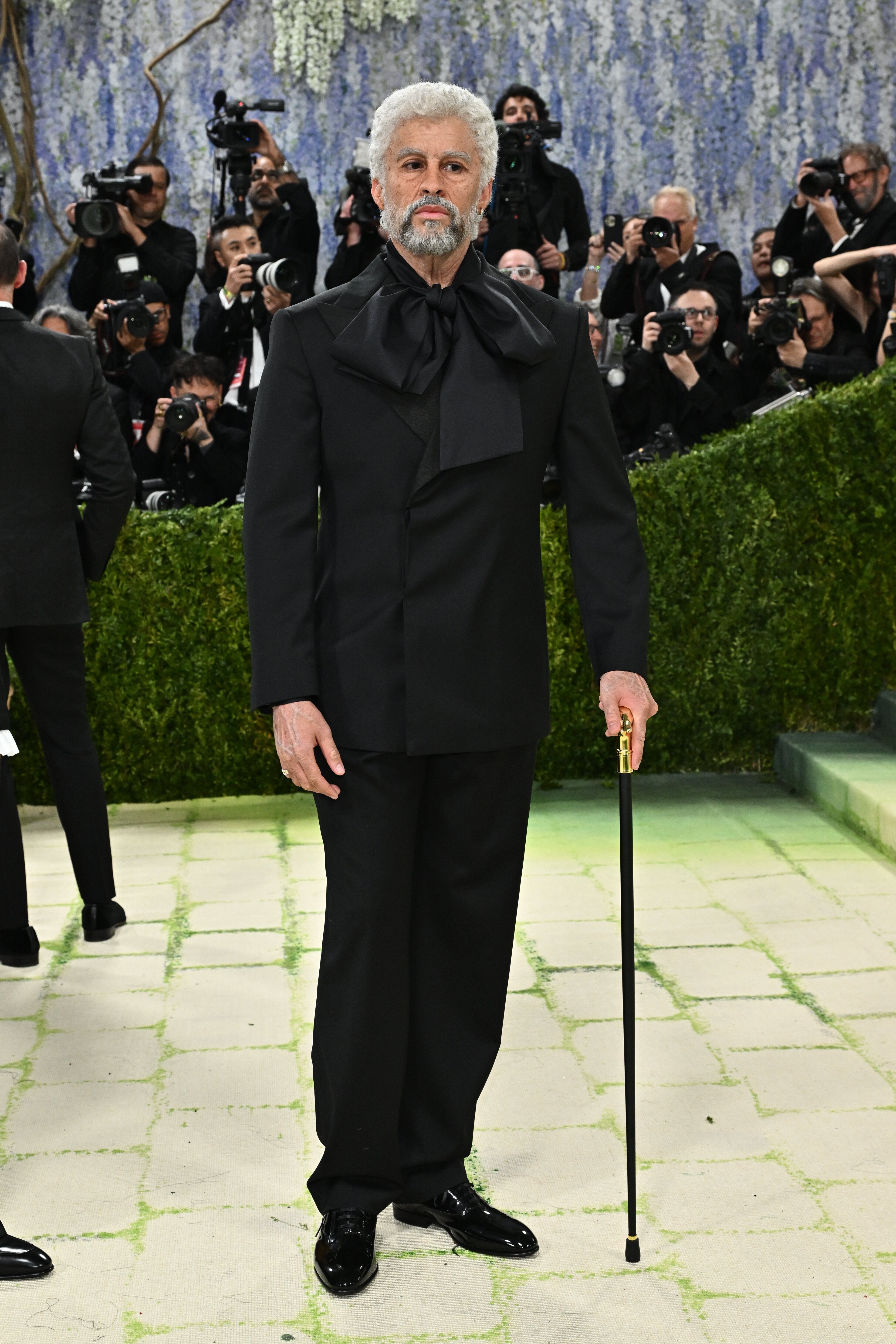
A growing list of Labour backbenchers are speaking out against Keir Starmer over the Peter Mandelson scandal – while some are turning on each other.
The prime minister apologised for believing the ex-Labour peer’s “lies” over his relationship with dead paedophile Jeffrey Epstein on Thursday in an attempt to win back public favour.
Advertisement
But scrutiny over his decision to appoint Mandelson as the UK’s ambassador to Washington continues to grow, especially as their friendship was public knowledge even before Starmer gave him the plum job.
Labour MPs began the week by privately slamming the prime minister but now – after Starmer still insisted he had no reason to believe Mandelson had misled him over his Epstein ties until US lawmakers released new files on the convicted sex offender – a growing number of those on the left of the party are going on the record with their criticisms.
Paula Barker told the BBC she was “deeply ashamed” of the government’s initial attempts to block the release of documents surrounding Mandelson’s appointment.
Advertisement
However, she said “there’s nobody who I would be prepared to back at this stage” to replace him.
Simon Opher also told the New Statesman that Starmer’s chief of staff Morgan McSweeney – a close ally to Mandelson – “needs to go”, blaming the “poor decision-making of those around the prime minister” for the current crisis.
Bell Ribeiro-Addy told ITV News that appointing Mandelson was an “unforgivable betrayed of our stance on violence against women and girls”.
Others, like Neil Duncan-Jordan, went further, calling for the “Number 10 operation in its entirety” to change.
Advertisement
Similarly, Kim Johnson said: “If this is their idea of leadership, No.10 needs gutting from top to bottom.”
Jo White, leader of Labour’s Red Wall group, said on X: “The only way through this is an ethical reset at the heart of government. ”
And former Labour shadow chancellor John McDonnell warned: “This could bring this government down.
“It could certainly bring Keir Starmer down and this whole team around him, that’s the seriousness of it.”
Advertisement
Rachael Maskell, a known Labour rebel, said on Thursday: “We need to now move forward as a party to ensure that we can gain that support back.
“I don’t believe we can with the PM in place – it is inevitable that the PM is going to have to step down.”
But Loyalist MP Luke Akehurst played down the impact of these statements, saying: “I’m not sure Morgan McSweeney should lose much sleep over this small collection of my PLP colleagues, all policy rebels on various issues, calling for his departure.

Advertisement
“The same names repeatedly take the opportunity to share their hot takes with the media.”
This sparked further disquiet within the party as fellow MP and government critic Karl Turner hit back.
Replying on X, he said: “I don’t think McSweeney will give a monkeys, Luke. But our PM should. And so should you. We aren’t some sort of fast food franchise. We are the Labour Party.
“Getting clever like this about those of us that have got the bottle to speak says more about you than it does about me.”
Advertisement
Meanwhile, a Labour source was exasperated to see the chaos erupting within the party, telling HuffPost UK: “Why are they publicly fighting? What’s wrong with them all?”
Synthetic materials are widely used across science, engineering, and industry, but most are designed to perform only a narrow range of tasks. A research team at Penn State set out to change that. Led by Hongtao Sun, assistant professor of industrial and manufacturing engineering (IME), the group developed a new fabrication technique that can produce multifunctional “smart synthetic skin.” These adaptable materials can be programmed to perform a wide variety of tasks, including hiding or revealing information, enabling adaptive camouflage, and supporting soft robotic systems.
Using this new approach, the researchers created a programmable smart skin made from hydrogel, a soft, water-rich material. Unlike conventional synthetic materials with fixed behaviors, this smart skin can be tuned to respond in multiple ways. Its appearance, mechanical behavior, surface texture, and ability to change shape can all be adjusted when the material is exposed to external triggers such as heat, solvents, or physical stress.
The findings were published in Nature Communications, where the study was also selected for Editors’ Highlights.
Inspired by Octopus Skin and Living Systems
Sun, the project’s principal investigator, said the concept was inspired by cephalopods such as octopuses, which can rapidly alter the look and texture of their skin. These animals use such changes to blend into their surroundings or communicate with one another.
“Cephalopods use a complex system of muscles and nerves to exhibit dynamic control over the appearance and texture of their skin,” Sun said. “Inspired by these soft organisms, we developed a 4D-printing system to capture that idea in a synthetic, soft material.”
Sun also holds affiliations in biomedical engineering, material science and engineering, and the Materials Research Institute at Penn State. He described the process as 4D printing because the printed objects are not static. Instead, they can actively change in response to environmental conditions.
Printing Digital Instructions Into Material
To achieve this adaptability, the team used a method called halftone-encoded printing. This technique converts image or texture data into binary ones and zeros and embeds that information directly into the material. The approach is similar to how dot patterns are used in newspapers or photographs to create images.
By encoding these digital patterns within the hydrogel, the researchers can program how the smart skin reacts to different stimuli. The printed patterns determine how various regions of the material respond. Some areas may swell, shrink, or soften more than others when exposed to temperature changes, liquids, or mechanical forces. By carefully designing these patterns, the team can control the material’s overall behavior.
“In simple terms, we’re printing instructions into the material,” Sun explained. “Those instructions tell the skin how to react when something changes around it.”
Hiding and Revealing Images on Demand
One of the most eye-catching demonstrations involved the material’s ability to conceal and reveal visual information. Haoqing Yang, a doctoral candidate in IME and the paper’s first author, said this capability highlights the potential of the smart skin.
To demonstrate the effect, the team encoded an image of the Mona Lisa into the hydrogel film. When the material was washed with ethanol, it appeared transparent and showed no visible image. The hidden image became clear only after the film was placed in ice water or gradually heated.
Yang noted that the Mona Lisa was used only as an example. The printing technique allows virtually any image to be encoded into the hydrogel.
“This behavior could be used for camouflage, where a surface blends into its environment, or for information encryption, where messages are hidden and only revealed under specific conditions,” Yang said.
The researchers also showed that concealed patterns could be detected by gently stretching the material and analyzing how it deforms using digital image correlation analysis. This means information can be revealed not only visually, but also through mechanical interaction, adding an extra level of security.
Shape Shifting Without Multiple Layers
The smart skin also demonstrated remarkable flexibility. According to Sun, the material can easily shift from a flat sheet into complex, bio-inspired shapes with detailed surface textures. Unlike many other shape-changing materials, this transformation does not require multiple layers or different substances.
Instead, the changes in shape and texture are controlled entirely by the digitally printed halftone patterns within a single sheet. This allows the material to replicate effects similar to those seen in cephalopod skin.
Building on this capability, the team showed that multiple functions can be programmed to work together. By carefully designing the halftone patterns, they encoded the Mona Lisa image into flat films that later transformed into three-dimensional forms. As the sheets curved into dome-like shapes, the hidden image slowly appeared, showing that changes in shape and visual appearance can be coordinated within one material.
“Similar to how cephalopods coordinate body shape and skin patterning, the synthetic smart skin can simultaneously control what it looks like and how it deforms, all within a single, soft material,” Sun said.
Expanding the Potential of 4D-Printed Hydrogels
Sun said the new work builds on earlier research by the team on 4D-printed smart hydrogels, which was also published in Nature Communications. That earlier study focused on combining mechanical properties with programmable transitions from flat to three-dimensional forms. In the current research, the team expanded the approach by using halftone-encoded 4D printing to integrate even more functions into a single hydrogel film.
Looking ahead, the researchers aim to create a scalable and versatile platform that allows precise digital encoding of multiple functions within one adaptive material.
“This interdisciplinary research at the intersection of advanced manufacturing, intelligent materials and mechanics opens new opportunities with broad implications for stimulus-responsive systems, biomimetic engineering, advanced encryption technologies, biomedical devices and more,” Sun said.
The study also included Penn State co-authors Haotian Li and Juchen Zhang, both doctoral candidates in IME, and Tengxiao Liu, a lecturer in biomedical engineering. H. Jerry Qi, professor of mechanical engineering at Georgia Institute of Technology, also collaborated on the project.
A new study published in JNeurosci reports how experiences before birth may shape the brain and behavior later in life. Led by Mary Schneider and Alexander Converse at the University of Wisconsin-Madison, the interdisciplinary research examined how exposure to alcohol and stress during pregnancy affects rhesus monkey offspring once they reach adulthood.
How Alcohol and Stress Were Studied Before Birth
In the study, pregnant rhesus monkeys were placed into different conditions. Some consumed moderate amounts of alcohol, some were exposed to mild stress, and others experienced both. When the offspring became adults, researchers examined changes in the brain’s dopamine system and measured how the animals consumed alcohol.
Both prenatal alcohol exposure and prenatal stress altered the dopamine system in the adult offspring. Monkeys exposed to alcohol before birth also drank alcohol more quickly as adults. Notably, measurements of the dopamine system taken before the animals had any alcohol were able to predict their later drinking behavior. These findings align with evidence from human studies of alcohol use disorder and suggest that certain brain differences may be present even before problematic drinking begins.
Brain Changes That Continue With Drinking
As the adult offspring consumed alcohol, researchers observed additional changes in the dopamine system. These changes influenced how much alcohol each individual drank and differed from one animal to another. The research team suggests that these individualized brain responses to alcohol may help drive the shift from typical drinking patterns to alcohol use disorder in some individuals.
Implications for Pregnancy and Human Health
According to the researchers, the findings reinforce the message that drinking during pregnancy is not advisable, linking prenatal alcohol exposure to unhealthy drinking patterns later in life. While the study did not find a direct association between prenatal stress and adult drinking behavior, the authors note that prenatal stress may still affect other behaviors not examined in this work.
The researchers also emphasize that their experimental design closely reflects how prenatal alcohol exposure and stress occur in humans. This strengthens the clinical relevance of the findings and helps bridge the gap between animal research and human health outcomes
Researchers in Australia have developed a promising new strategy to combat deadly bacteria that no longer respond to antibiotics. The team engineered antibodies that lock onto a sugar found only on bacterial cells, an approach that could support a new generation of immunotherapies for multidrug resistant infections acquired in hospitals.
The study, published in Nature Chemical Biology, shows that an antibody created in the laboratory was able to eliminate a normally fatal bacterial infection in mice. It works by binding to a distinctive bacterial sugar and alerting the immune system to destroy the invading pathogen.
The project was co led by Professor Richard Payne of the University of Sydney, working with Professor Ethan Goddard Borger at WEHI and Associate Professor Nichollas Scott from the University of Melbourne and the Peter Doherty Institute for Infection and Immunity.
Professor Payne is also set to lead the newly announced Australian Research Council Centre of Excellence for Advanced Peptide and Protein Engineering. This center will build on discoveries like this one to speed the transition from basic research to applications in biotechnology, agriculture, and conservation.
“This study shows what’s possible when we combine chemical synthesis with biochemistry, immunology, microbiology and infection biology,” Professor Payne said. “By precisely building these bacterial sugars in the lab with synthetic chemistry, we were able to understand their shape at the molecular level and develop antibodies that bind them with high specificity. That opens the door to new ways of treating some devastating drug-resistant bacterial infections.”
Why a Bacterial Sugar Is a Unique Target
The antibody developed by the team targets a sugar molecule called pseudaminic acid. Although it resembles sugars found on human cells, this molecule is made only by bacteria. Many dangerous pathogens use it as a key part of their outer surface, helping them survive and evade immune defenses.
Because the human body does not produce this sugar, it offers a highly specific target for developing immunotherapies that avoid harming healthy cells.
Designing a Broad Acting Antibody
To take advantage of this weakness, the researchers first synthesized the bacterial sugar and sugar decorated peptides entirely from scratch. This work allowed them to determine the molecule’s exact three dimensional structure and how it appears on bacterial surfaces.
Using this detailed information, the team created what they describe as a “pan-specific” antibody. It can recognize the same sugar across many different bacterial species and strains.
In mouse infection studies, the antibody successfully cleared multidrug resistant Acinetobacter baumannii. This bacterium is a well known cause of hospital acquired pneumonia and bloodstream infections and is especially difficult to treat.
“Multidrug resistant Acinetobacter baumannii is a critical threat faced in modern healthcare facilities across the globe,” Professor Goddard-Borger said. “It is not uncommon for infections to resist even last-line antibiotics. Our work serves as a powerful proof-of-concept experiment that opens the door to the development of new life-saving passive immunotherapies.”
How Passive Immunotherapy Could Protect Patients
Passive immunotherapy involves giving patients ready made antibodies to quickly control an infection, rather than waiting for the body’s adaptive immune system to respond. This approach can be used both to treat active infections and to prevent them.
In hospital settings, it could be used to protect vulnerable patients in intensive care units who are at high risk from drug resistant bacteria.
Associate Professor Scott noted that the antibodies also offer an important new way to study how bacteria cause disease.
“These sugars are central to bacterial virulence, but they’ve been very hard to study,” he said. “Having antibodies that can selectively recognise them lets us map where they appear and how they change across different pathogens. That knowledge feeds directly into better diagnostics and therapies.”
Moving Toward Clinical Use
Over the next five years, the team plans to turn these findings into antibody treatments ready for use in the clinic, with a focus on multidrug resistant A. baumannii. Achieving this goal would remove one of the most dangerous members of the ESKAPE pathogens and mark a significant step forward in the global effort to fight antimicrobial resistance.
“This is exactly the kind of breakthrough the new ARC Centre of Excellence is designed to enable,” Professor Payne said. “Our goal is to turn fundamental molecular insight into real-world solutions that protect the most vulnerable people in our healthcare system.”
The authors declare no competing interests. Funding was received from the National Health and Medical Research Council; Australian Research Council; National Institutes of Health; the Walter and Eliza Hall Institute of Medical Research; Victorian State Government. Researchers acknowledge support of the Melbourne Mass Spectrometry and Proteomics Facility at the Bio21 Molecular Science and Biotechnology Institute.
All animal handling and procedures were conducted in compliance with the University of Melbourne guidelines and approved by the University of Melbourne Animal Ethics Committee (application ID 29017).