My Mum Tortured Me And Made My Brothers Her Enforcers. Years Later, I Finally Discovered Why.

If the plane crashes, I will finally be free.

The thought came to me often when I was a young teenager, as easily as breathing. My mother was away, and I imagined what life would be without her. The fantasy didn’t last — she always came home — and everything exploded.

One night in 1969, I was in the car with my friends. I was running 30 minutes late. I’d tried to call my mom from a public phone booth, but the rotary dial was broken. My stomach tightened. I knew what awaited me.

As the headlights swept across the driveway, I saw her standing there — stiff and stern, her body rigid with rage. One hand clutched our dog’s leash, the other gripped a glass of water and was trembling slightly — not from fear, but from fury held barely in check. Her jaw was so tight, it looked like it might snap.

Brightly lit by the car lights, she hurled the water in my face before I could even say hello.

“Walk the dog,” she snapped. “I don’t care if you get raped — if you weren’t already.”
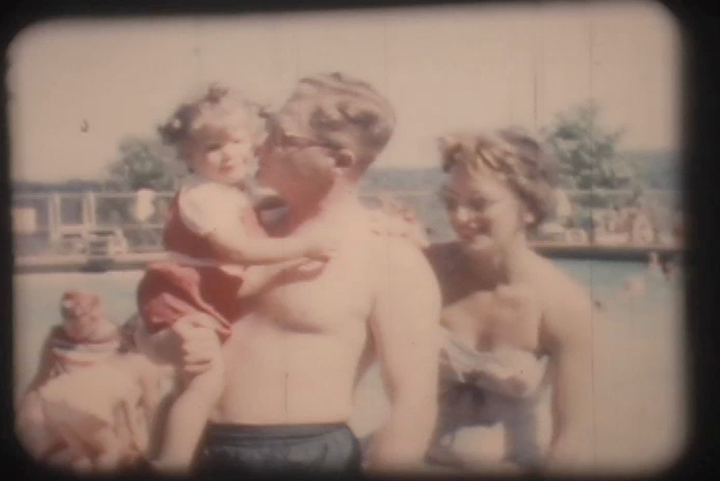
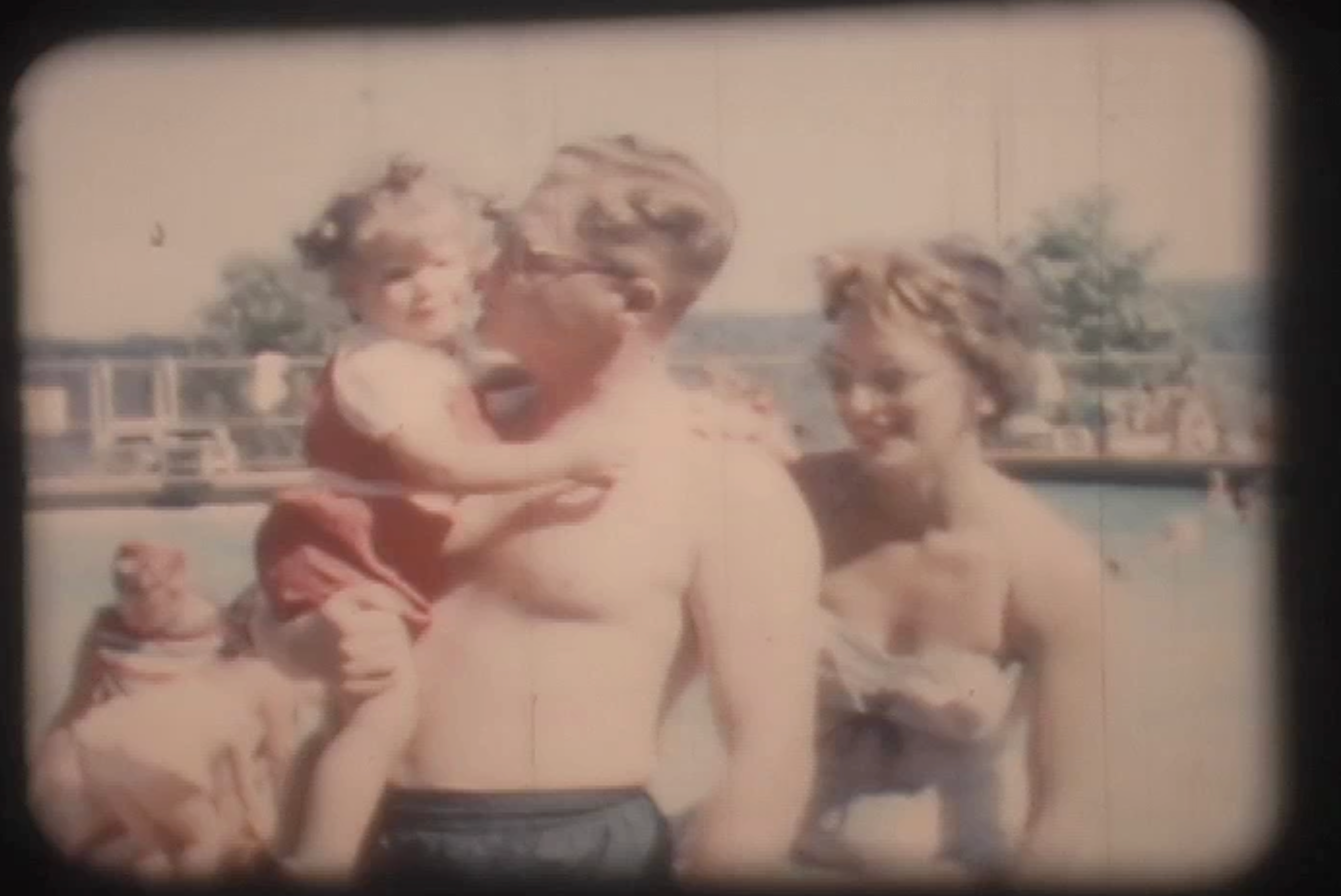
The author with her father and mother in 1955.

Courtesy of Gayle Kirschenbaum

The author with her father and mother in 1955.

She marched to the car and demanded everyone’s phone numbers. I burned with humiliation. I knew this wasn’t the end — it was only the beginning.

Inside, she ordered me upstairs. Her angry breath followed me like a shadow. My father was asleep. She ripped every item from my closet and screamed at me to put everything back. Every time I tried, she tore it all out again. Her rage was unstoppable. It was as if she saw the devil… and that devil was me. Her fury was always aimed at me.

If you believe in deeply personal journalism — the kind that connects us in our hardest, most honest moments — please consider becoming a HuffPost member today.

That night bled into the next day. At our cabana at the local beach club, she forced me into a skimpy bikini. I was painfully thin and flat-chested, and ashamed of my body. My mother refused to let me wear my cover-up. My brother teased me constantly, saying things like, “The carpenters need you — they need flat boards.”

Mother had a solution, one I didn’t want. She stuffed my bikini top — the hard-cup kind — with foam falsies.

My worst fear happened. During swimming lessons, the pads floated out, one at a time. Everyone saw them and started laughing. I wanted to sink to the bottom of the pool and stay there.

Humiliation was routine for me.

My brothers became my mother’s enforcers. At her command, they once hoisted me onto the refrigerator and left me there, terrified, while the family ate dinner. I begged to be taken down. They laughed. She stayed silent.

One brother frequently pinned me down and shoved the dog’s blanket into my mouth as I squirmed and screamed. Mother’s voice would ring out from downstairs: “Leave your brother alone.” I was blamed even when I was the one being attacked.

My body responded to the unpredictable attacks. I experienced dizzy spells. Headaches. Nausea. I lived in a constant state of fight-or-flight.

Childhood friends saw glimpses of my torment. They heard my mother call me in her high-pitched voice, order me around, and constantly interrupt my time with them. She forced-fed me oatmeal as my friends watched and were told to eat it too. They stopped sleeping over.
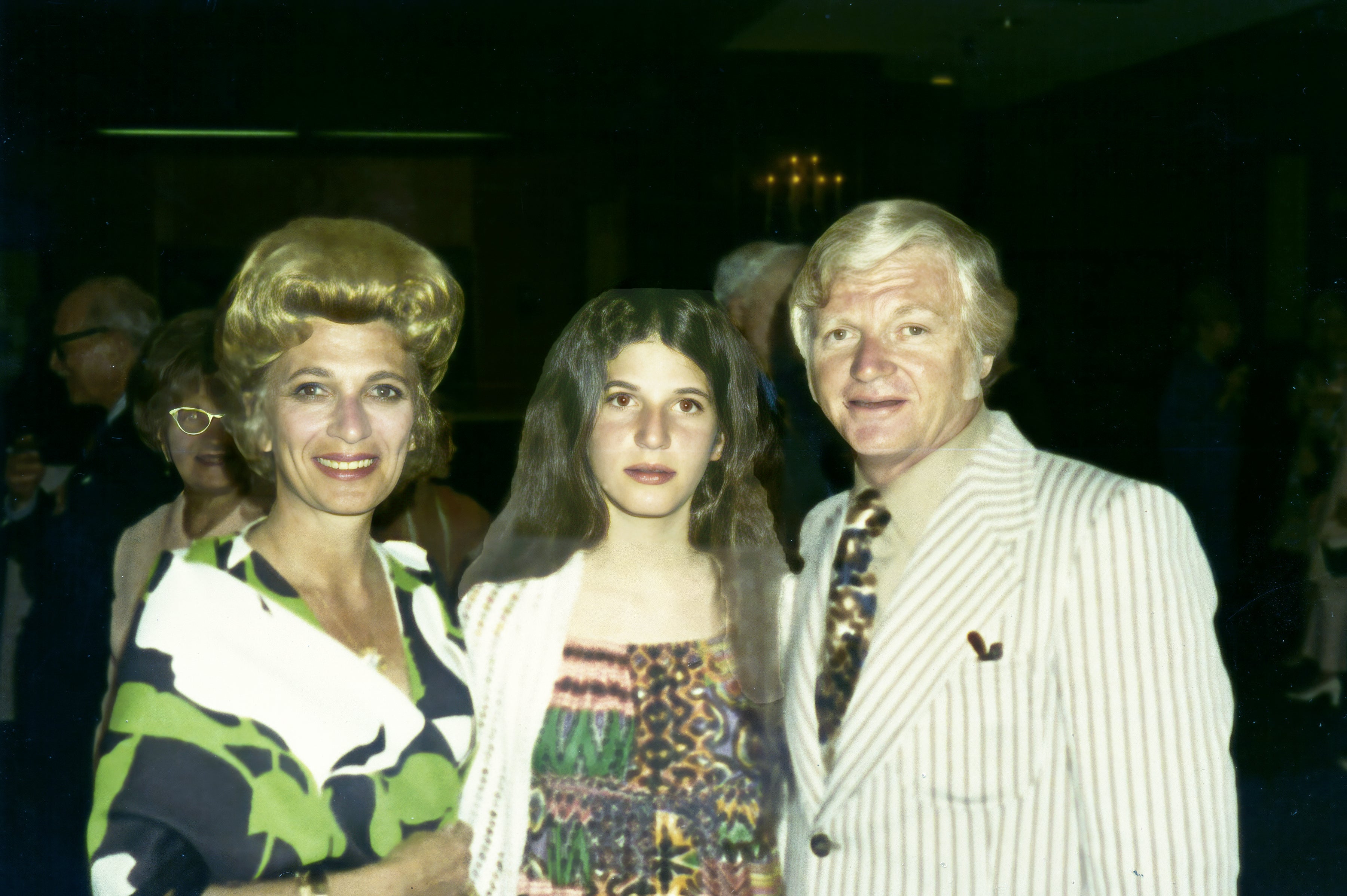
The author with her parents in 1969.

Kirschenbaum Family Archives

The author with her parents in 1969.

At 16, a social worker — likely from school — told me I had to get out. I can’t remember much about her; my memory has gaps so large that pages and even chapters of my life are gone. People get frustrated when I can’t recall them or our shared experiences. I do remember a sense of urgency and finding out how to graduate high school early, which I did.

By January 1972, I had fled 200 miles away to college at SUNY Binghamton. It was a hippie school then, and I fit right in. My long, thick, frizzy hair — which my mother constantly straightened when I was a child — was suddenly admired. I dove into the fine arts department, and began painting and drawing. I was surrounded by people who praised me instead of tearing me apart.

But I was still desperate to be loved. I said yes to too many boys because I thought saying no would make them leave. I fell in love for the first time, and experimented with drugs. I had relationships, but they didn’t last. I had made a vow: No one will ever hurt me again. My walls stayed high.

I couldn’t outrun the wounds.

My relationship with my mother remained toxic. She craved control. Once, she drove up for a surprise visit. When I walked into my apartment, she was sitting with my roommates, having already rummaged through my drawers.

When I was 20, she became convinced I was dying of lymphoma because I had slightly enlarged lymph nodes. Every doctor told her I was fine. She told friends I was dying anyway. Eventually, she found an elderly ENT at Mount Sinai who was willing to operate on me.

The night before my surgery, she jokingly said, “Now that you’re here, you might as well get a nose job.” It was something I never wanted, but she’d been campaigning for it since I was 14. She’d had her first facelift by then.

When I woke up from the anaesthesia, she was standing over me saying, “You’ll never guess what we’ve done?” I lifted my hand and patted my nose in fear that she had them do it when I was out.

The lymph nodes were benign, but the surgeon had cut against the grain of my neck, leaving a scar like a slash across my throat. I covered it for years with a scarf. Twenty-five years later, I decided to get a copy of the surgical report. I learned then that the doctor had accidentally cut my jugular vein. Many people die from that. I didn’t because the surgeon quickly stitched it closed with vascular sutures.
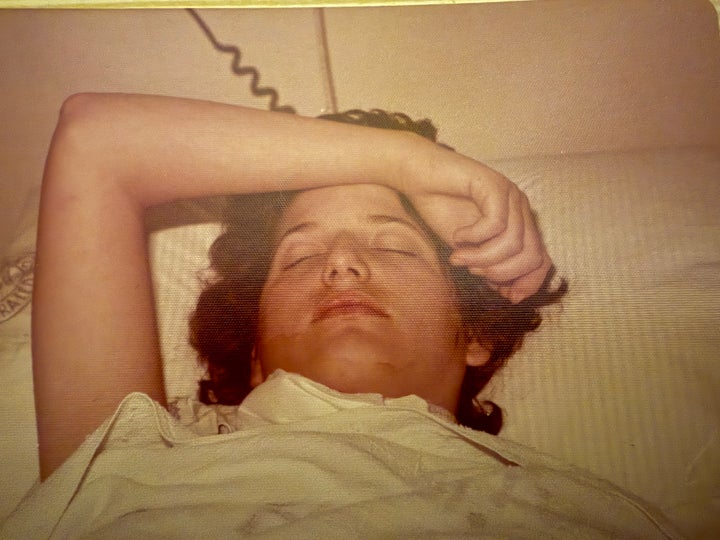
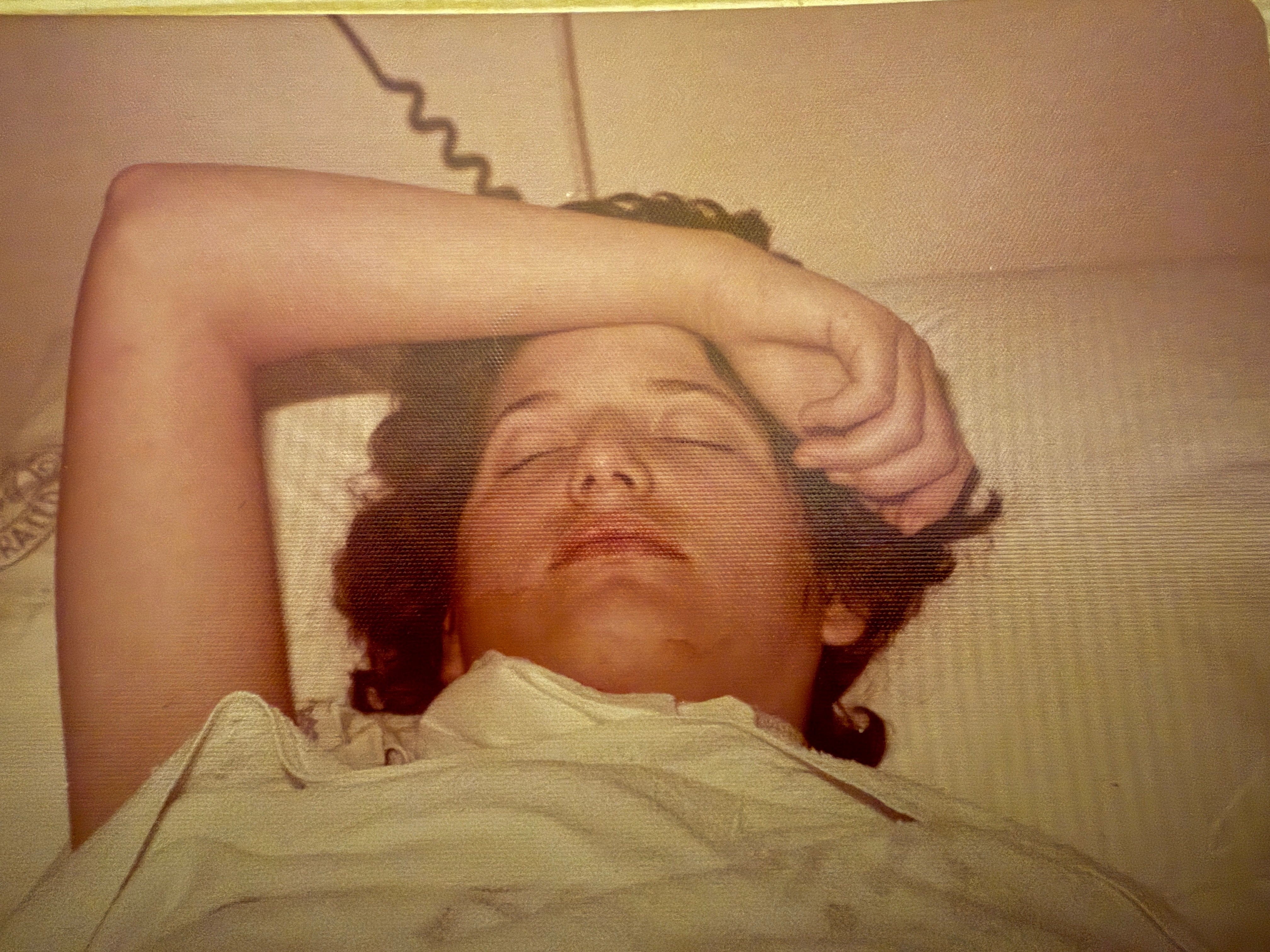
The author after neck surgery in 1975.

Courtesy of Gerald Kirschenbaum

The author after neck surgery in 1975.

Friends urged me to cut off contact with my mother. They heard my stories, my complaints, and some even witnessed the terror that she inflicted. I couldn’t do it. Even as a child, I’d sensed she must have been deeply wounded to be so cruel. I used to ask her brother, my Uncle Sonny, “What happened to Mommy when she was little? What happened in your childhood?” But I never got an answer. They grew up in a time when they learned not to share bad things. Instead, they buried them.

The truth is, I didn’t want to cut my mother off completely. Part of it was fear — the idea of losing her felt like another rupture I couldn’t survive. Part of it was that she wasn’t always cruel. We took countless road trips — on weekends, weeklong trips, even a cross-country drive. Mom had a sense of adventure and curiosity about life, which I inherited from her. And part of it was something harder to admit: I still wanted a mother. Even a damaging connection with her felt less painful than no connection at all. So when she pushed and pushed, I gave in to her.

When I was 51, I agreed to visit three plastic surgeons with her for consultations about my nose — but only if I could bring a camera crew. My mother instantly said yes. She loved attention. What resulted was a funny short film called “My Nose” about her relentless campaign to get me to have the surgery.

At film festivals, when I got off the stage after the Q&A, there was always a line of people who wanted to chat with me. They usually said the same three things:

“I love your nose. Don’t touch it.”

“I can’t stand your mother. How do you talk to her?”

“Let me tell you my story.”

Often their tale had nothing to do with their nose. Instead, it was about the childhood trauma they were still struggling with. Some of the people I met were much older than me, and their mothers were long deceased. I realised I wasn’t alone, and I wanted to do something to help others.

When “My Nose” played in Washington, D.C., The Washington Post ran a story about it on the cover of the style section. The first line of the piece was “Whatever your holiday woes this season, be glad you don’t have a mother like Gayle Kirschenbaum, and if you do, get thee to a psychotherapist.”

When Mom read it, she said, “Bad press is better than no press. I’m on the cover of The Washington Post.”

That told me everything. She loved attention at all costs.
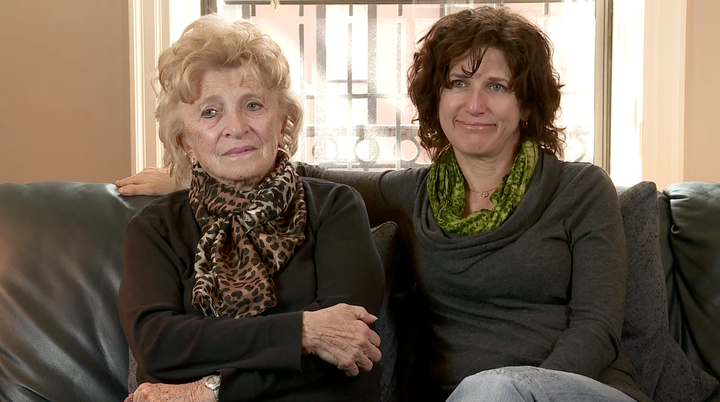
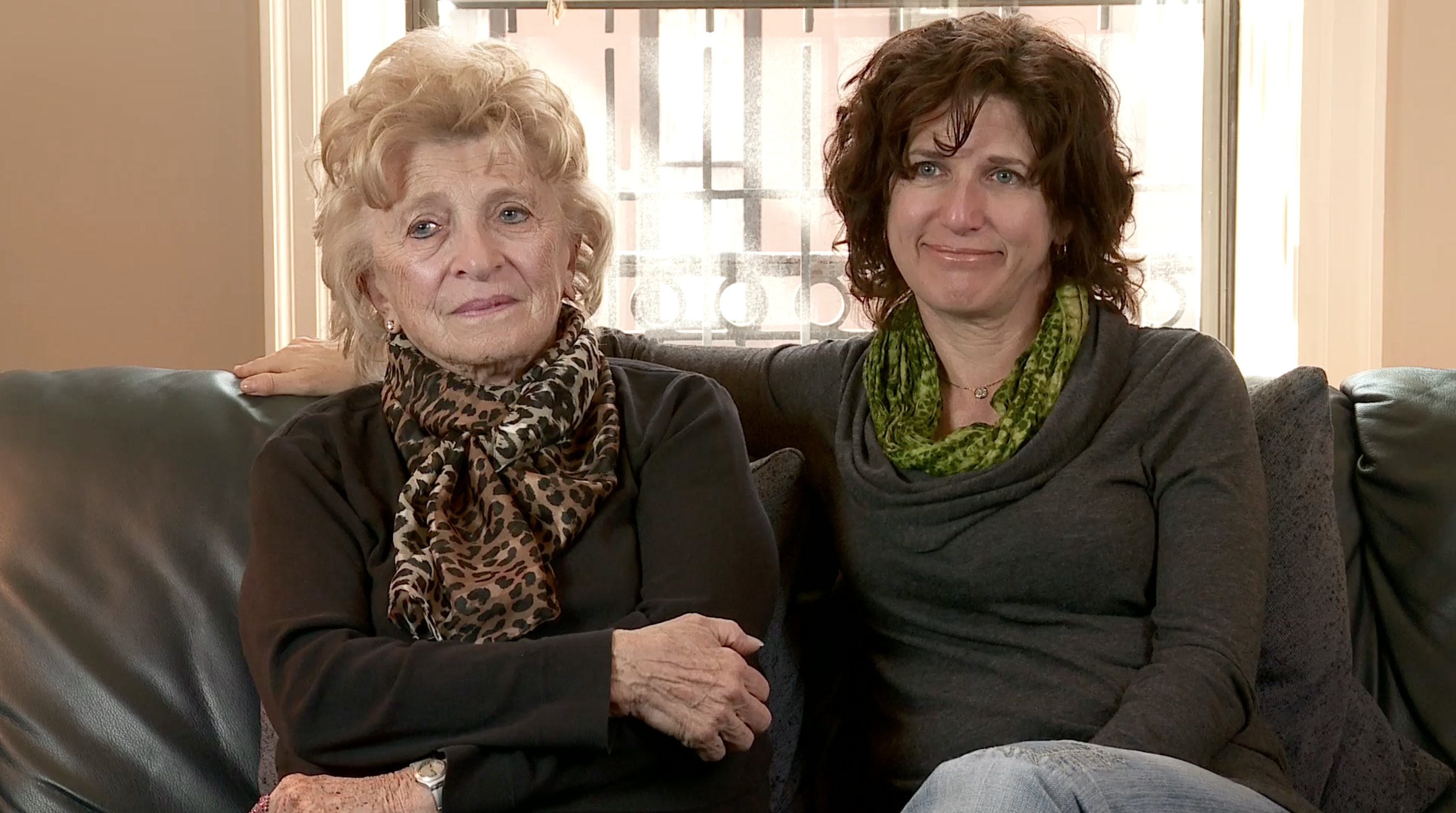
The author and her mother in a still from the author's film, "Look At Us Now, Mother!"

Courtesy of Gayle Kirschenbaum

The author and her mother in a still from the author’s film, “Look At Us Now, Mother!”

I asked her if she’d be willing to work on our relationship in front of the cameras. She said yes. I felt like I won the lottery. At the time, she was in her late 80s — funny, smart, happy, living well in a Florida country club community. I had a treasure trove of archival material: the 8mm films my father began shooting in the 1950s, old love letters, my childhood diaries, and tons of genealogy records I had dug up.

The resulting film ― “Look At Us Now, Mother!” ― is about our journey. The cameras rolled as I confronted her in therapy sessions. At first, she denied everything, but slowly, cracks formed.

“I once pulled a ‘Mommie Dearest’ on her,” she admitted, referencing the infamous movie about Joan Crawford’s abuse of her daughter Christina. The closet-and-clothes-hanger night? I was Christina. I was Christina many nights.

“I don’t remember why,” she told the therapist.

But I remembered.

I reminded her of the night with the water, the closet, the threats. I reminded her of the baby boy she told everyone she was giving birth to — Gary — and the baby girl — me — she got instead.

“You weren’t welcomed,” my brother confirmed. “She was just warmer to the males in the house.”

The therapists in the film helped me piece together my mother’s hardships: her father’s mental health issues and his two suicide attempts, the untimely death of her 18-month-old sister, and her family’s financial troubles. My grandmother had to roll up her sleeves and start a business as she was the only provider because her husband was depressed in bed. My mother told me, while wiping the tears from her eyes, how she’d spent more than one summer sitting alone in the lobby of Kings County Hospital while her mother visited her father for hours each day because children weren’t allowed upstairs then. It was the first time I had ever seen her get emotional like that.
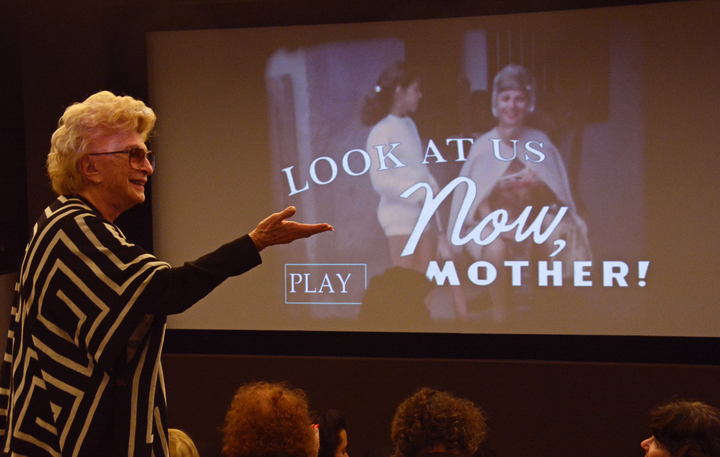
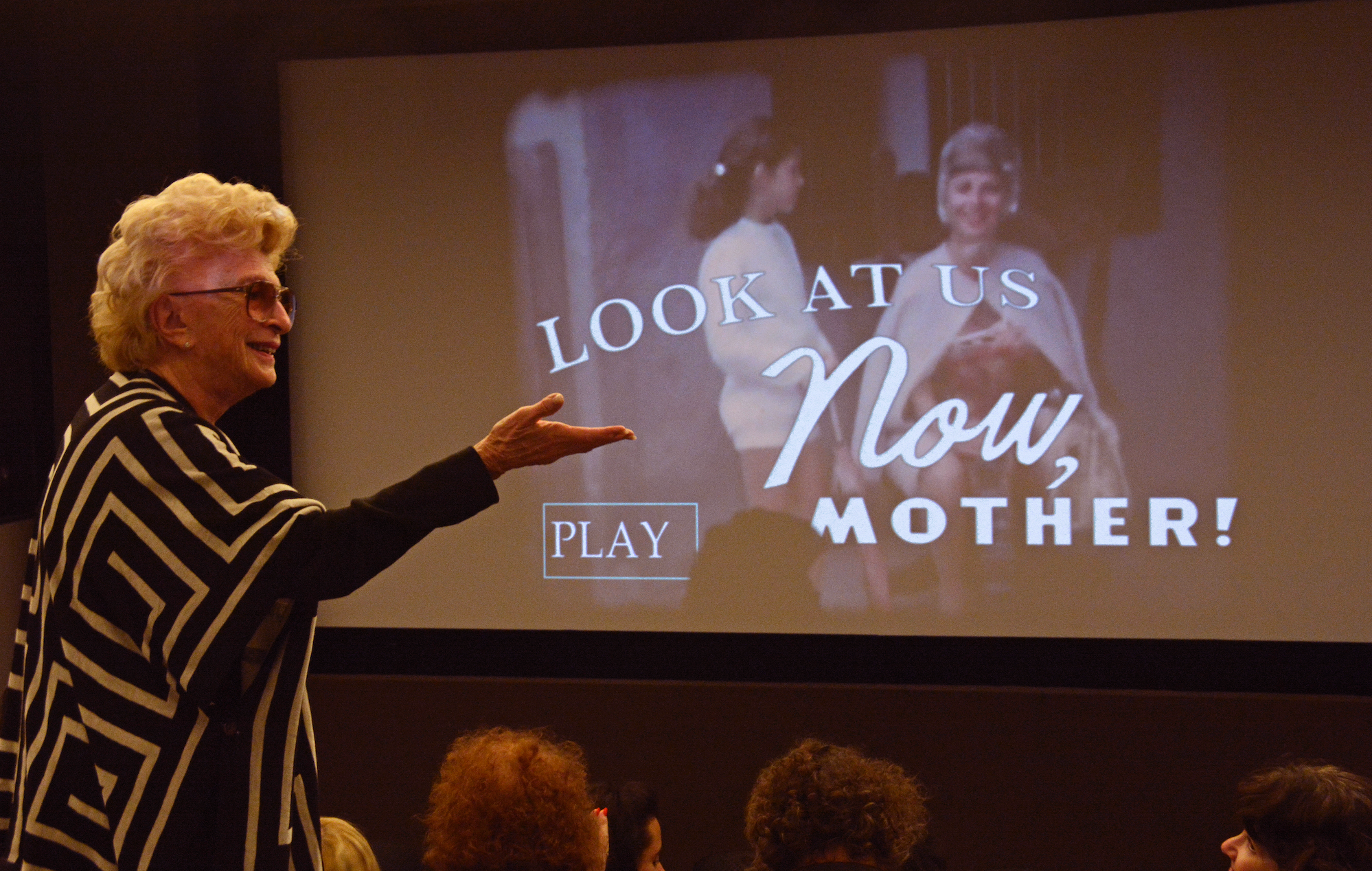
The author's mother at the screening of "Look At Us Now, Mother!"

Tina Buckman

The author’s mother at the screening of “Look At Us Now, Mother!”

A true turning point in my life came when a facilitator asked me to close my eyes and imagine my mother as a little girl. An image of my mother as a wounded child came into my mind. The facilitator then told me to imagine myself as a little girl. I knew I was a wounded child. Lastly, I was guided to imagine my younger self walking toward my mother’s younger self. She was no longer my mother or responsible for loving and nurturing me. We were just two wounded little girls who had finally met each other without any of our baggage.

That was the start of my forgiveness journey. It showed me how to reframe the person who had hurt me so much. When I began to see her as a hurt child, my expectations of her changed. When she unleashed her criticism on me, I no longer reacted — there was no more cowering or firing back with rage and anger. Instead, I dismissed it, ignored it, refused to feed it. She lost her power to hurt me, and slowly, she stopped trying.

I was no longer the pincushion that flinched with every stab — no longer the designated scapegoat.

And I chose to forgive her.

Not because she deserved it. Not because she asked. But because I could no longer carry her pain in my body. Forgiveness wasn’t letting her off the hook — it was taking me off it.

At 99, my mother made a video. It was around Yom Kippur, the Jewish day of atonement.

“Gayle, I was very harsh to you in so many ways, and for that, I ask your forgiveness. In my heart, I know you forgave me, but now I’m trying to forgive myself.”

The clip went viral.

Many people responded with some version of, “You’re so lucky. My mother never said sorry.”

What they didn’t know was that I didn’t need the apology. I had already forgiven her.

She’s now 102. We’re close — very close.
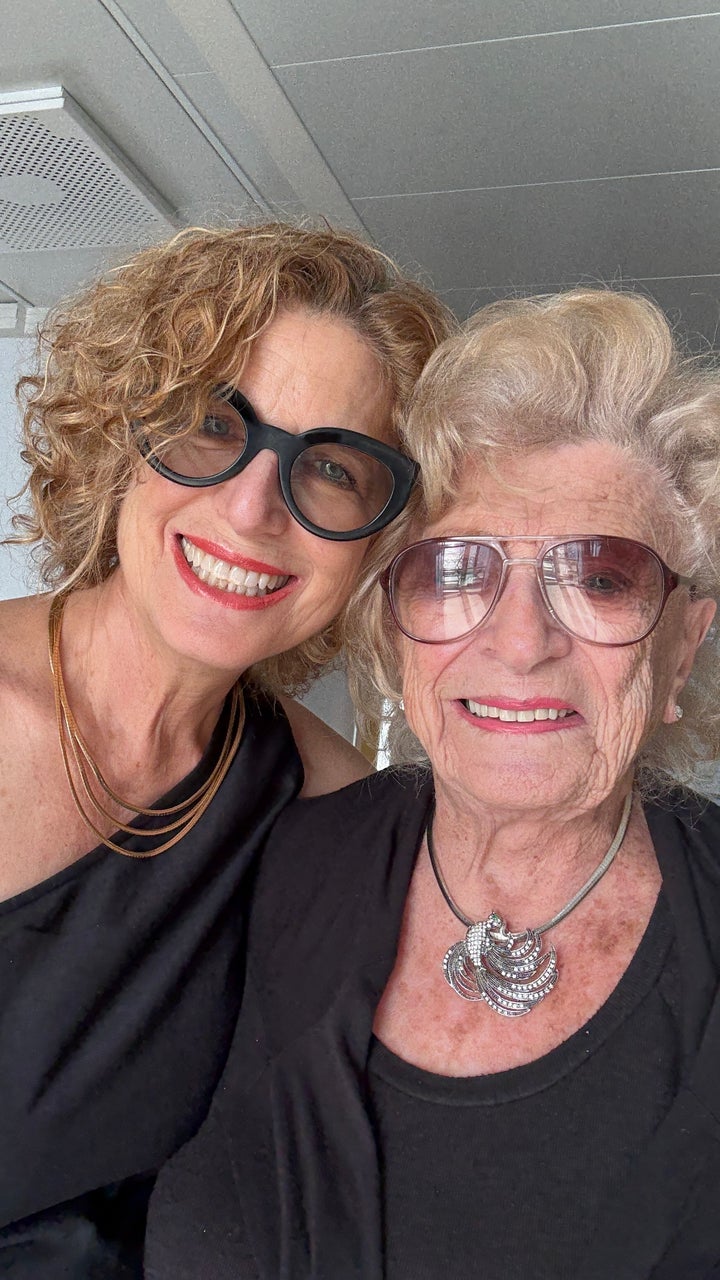
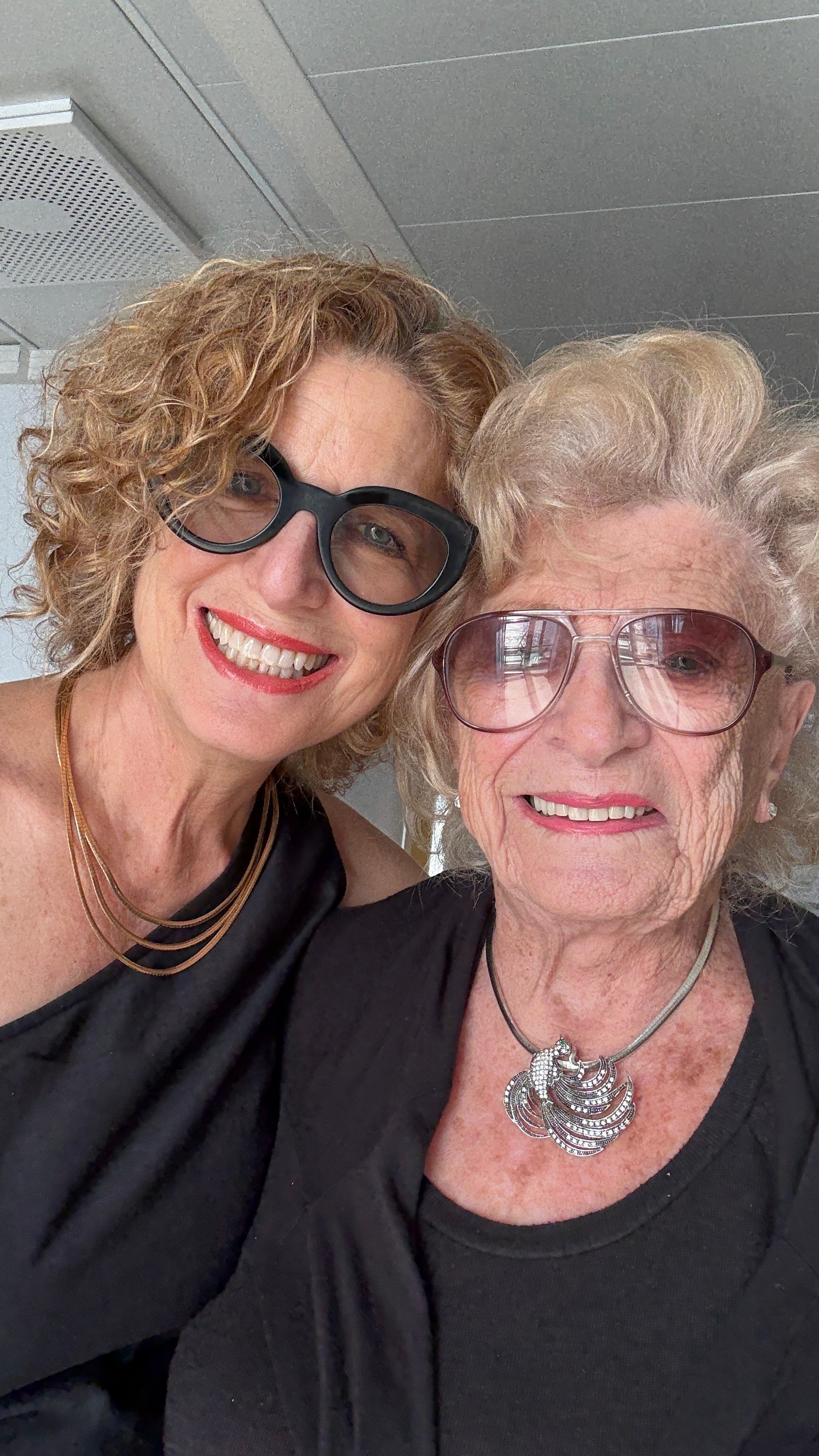
The author and her mother in 2025.

Courtesy of Gayle Kirschenbaum

The author and her mother in 2025.

Forgiveness didn’t come easily. But it came because I stopped waiting for her to change. I did the changing.

It’s not about forgetting the past. It’s about reclaiming yourself in the face of it.

My mother is not the woman she once was, and I’m no longer the girl she tried to destroy.

Sometimes, peace doesn’t come when someone apologises. It comes when you decide it’s time.

I did. And I’m finally free.

Gayle Kirschenbaum is an Emmy-winning filmmaker, writer, photographer, and forgiveness coach. Her film “Look At Us Now, Mother!” premiered on Netflix and has been credited with transforming lives. She co-authored “Mildred’s Mindset: Wisdom From A Woman Centenarian” with her mother, centenarian influencer Mildred Kirschenbaum. Her debut memoir, “Bullied To Besties: A Daughter’s Journey To Forgiveness,” has been praised by Publishers Weekly as “riveting and beautifully wrought.”

Share Button

Scientists reveal the best exercise to ease knee arthritis pain

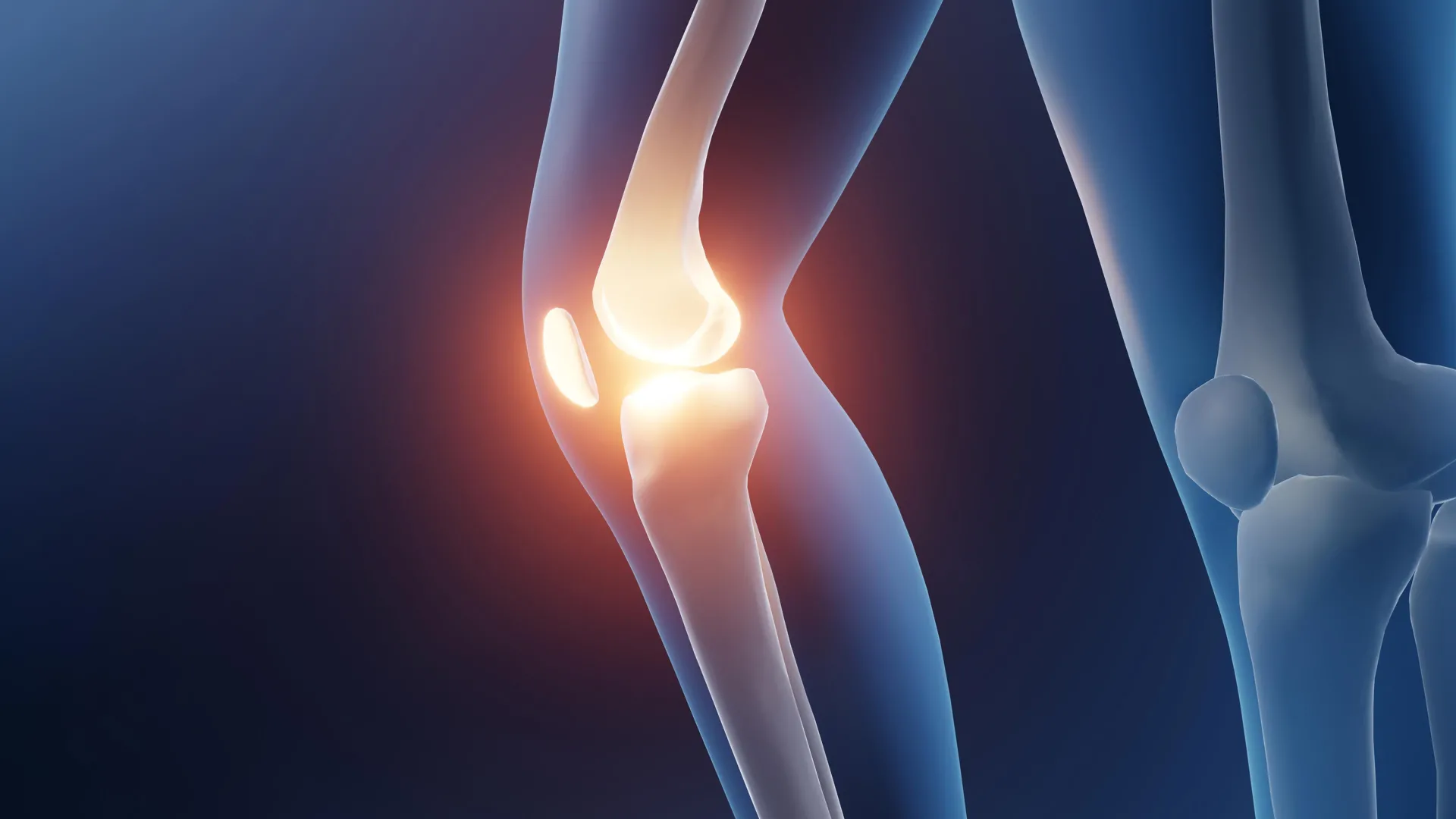
People living with knee osteoarthritis may find the greatest relief from aerobic activities such as walking, cycling, or swimming, according to a new study published in The BMJ. Researchers found that these forms of exercise were the most effective for easing pain, improving movement, and enhancing overall quality of life.

Although other exercise types can provide added benefits, the researchers emphasized that aerobic activity should remain the foundation of treatment. Osteoarthritis develops when the cartilage cushioning the ends of bones wears down, leading to swelling, stiffness, and discomfort. It can affect any joint, but the knees are most commonly impacted. About 30% of adults over age 45 show signs of knee osteoarthritis on x-rays, and roughly half of them experience significant pain and mobility problems.

Filling the Evidence Gap in Exercise Guidance

Exercise is a cornerstone of osteoarthritis care, yet many medical guidelines lack clear direction on which kinds are most beneficial for knee osteoarthritis specifically. To clarify this, researchers analyzed the effectiveness and safety of several exercise approaches.

Their comprehensive analysis drew on 217 randomized clinical trials conducted between 1990 and 2024. In total, the research included 15,684 participants and compared multiple exercise categories — including aerobic, flexibility, strengthening, mind-body, neuromotor, and mixed programs — against control groups.

Evaluating Pain Relief, Function, and Mobility

The trials varied in quality, but the team assessed the strength of the evidence using the internationally recognized GRADE system. They examined several key outcomes: pain reduction, physical function, gait performance, and quality of life. Each was measured at short term (four weeks), mid-term (12 weeks), and long term (24 weeks) follow-ups.

Across these studies, aerobic exercise consistently ranked highest in improving outcomes among all exercise types tested.

Aerobic Activity Delivers the Broadest Benefits

Moderate-certainty evidence showed that, compared with control groups, aerobic exercise effectively reduced short- and mid-term pain and improved function in both the short and long term. It also enhanced gait performance and quality of life over short and mid-term periods.

Other exercise forms showed value too. Mind-body workouts likely provided a notable improvement in short-term function, neuromotor exercises likely boosted short-term gait performance, and strengthening or mixed routines improved function in the mid-term.

Safe and Effective for Long-Term Use

Importantly, none of the exercise types resulted in more adverse events than the control groups, indicating that these therapies are generally safe.

The authors did acknowledge some study limitations. Many results came from indirect comparisons, certain outcomes lacked long-term data, and smaller studies may have influenced some early findings.

Clear Takeaway for Patients and CliniciansDespite these limitations, the researchers describe their work as one of the most complete and current evaluations of exercise for managing knee osteoarthritis. They believe the findings will help clinicians make more targeted recommendations.

Based on the evidence, the team advises aerobic exercise “as a first line intervention for knee osteoarthritis management, particularly when the aim is to improve functional capacity and reduce pain” and say if aerobic exercise is not possible owing to individual limitations, “alternative forms of structured physical activity may still be beneficial.”

Share Button

Inquiry announced into Leeds NHS maternity failings

More than 70 families have described traumatic care at Leeds Teaching Hospitals maternity units.

Share Button

Your DNA may shape how you use cannabis

Researchers at the University of California San Diego School of Medicine, working with the genetic testing company 23andMe, have pinpointed regions of the human genome linked to cannabis use. Their discoveries reveal new genetic connections to psychiatric, cognitive, and physical health, offering insights that could eventually guide prevention and treatment strategies for cannabis use disorder. The findings were published on October 13, 2025, in Molecular Psychiatry.

“Cannabis is widely used, but its long-term effects on health remain poorly characterized,” said Sandra Sanchez-Roige, Ph.D., associate professor of psychiatry at UC San Diego School of Medicine and senior author of the study. The researchers were also interested in the relationship between genetics and traits that contribute to the development of cannabis use disorder, which can interfere with a person’s daily life.

“While most people who try cannabis do not go on to develop cannabis use disorder, some studies estimate that nearly 30% will,” said Sanchez-Roige. “Understanding the genetics of early-stage behaviors may help clarify who is at greater risk, opening the door to prevention and intervention strategies.”

To explore these connections, the researchers performed a genome-wide association study (GWAS) using genetic data from 131,895 23andMe research participants. Participants completed surveys about whether they had ever used cannabis, and those who had were asked about their frequency of use.

“We’ve known for decades that genetic factors influence whether or not people will try drugs, how frequently they use those drugs, and the risk that they will become addicted to them,” said Abraham A. Palmer, Ph.D., professor and vice chair for basic research in the department of psychiatry at UC San Diego School of Medicine and co-author of the study. “Genetic tools like GWAS help us identify the molecular systems that connect cannabis use to brain function and behavior.”

The study identified two genes significantly associated with lifetime cannabis use. The first, Cell Adhesion Molecule 2 (CADM2), plays a role in how nerve cells form connections and communicate in the brain. Earlier research has tied CADM2 to traits such as impulsivity, obesity, and cancer metastasis. This same gene was also linked to how often people use cannabis.

The second gene, Metabotropic Glutamate Receptor 3 (GRM3), influences how neurons communicate and how the brain adapts over time. GRM3 has previously been connected to psychiatric disorders including schizophrenia and bipolar disorder.

“We showed that the genetics of cannabis use — both trying it and using it more often — are tied to the genetics of other psychiatric traits, cognitive measures, and even physical health problems,” said Sanchez-Roige.

A secondary analysis revealed an additional 40 genes associated with lifetime cannabis use and four genes associated with frequency of cannabis use. Twenty-nine of these genes had not previously been associated with cannabis-related traits.

The researchers then analyzed which health conditions were correlated with a genetic predisposition for cannabis use. They analyzed thousands of traits in two large independent datasets from the National Institutes of Health’s (NIH) All of Us Research Program and Vanderbilt University Medical Center’s biobank.

Across the genome, lifetime cannabis use and frequency of cannabis use were genetically correlated with more than 100 different traits including psychiatric conditions (e.g., schizophrenia, ADHD, anxiety and depression), cognitive traits (e.g., executive function and risk-taking) and physical health (e.g., diabetes, chronic pain and coronary artery disease). They were also associated with an increased risk for tobacco use, infectious diseases including HIV and viral hepatitis, and autoimmune diseases.

The study is one of the first genome-wide association studies to examine behaviors that precede cannabis use disorder.

“Cannabis use exists on a continuum,” said first author Hayley Thorpe, Ph.D., a visiting scholar in Sanchez-Roige’s lab and postdoctoral researcher at Western University. “By studying these intermediate traits, we can begin to map how genetic risk unfolds before cannabis use disorder develops.”

There are currently no FDA-approved drug therapies to treat cannabis use disorder. The authors hope that the biological discoveries generated by GWAS will support future efforts to identify therapeutic targets and preventative interventions against the disorder.

Additional co-authors on the study include: John J. Meredith, Mariela V. Jennings, Renata B. Cupertino, Shreya Pakala, UC San Diego; Pierre Fontanillas, Sarah L. Elson and the 23andMe Research Team at 23andMe, Inc.; Jibran Y. Khokhar, Western University; Emma C. Johnson, Washington University in St. Louis; and Lea K. Davis, Vanderbilt University Medical Center.

The study was funded, in part, by the National Institutes of Institute on Drug Abuse (grants R01 DA050721, P50DA037844 and P30DA060810) at the NIH, and the Tobacco-Related Disease Research Program (grant T32IR5226).

The 23andMe Research participants provided informed consent and volunteered to participate in the research online, under a protocol approved by the Association for Accreditation of Human Research Protection Programs, Inc. (AAHRPP)-accredited Salus IRB.

Share Button

This new iron supplement heals anemia without hurting your gut

Iron-deficiency anemia is a widespread health problem that often leads to fatigue, headaches, or even cravings for ice. Traditional oral iron supplements can help, but they often leave behind unabsorbed iron that irritates the digestive tract and triggers inflammation. Researchers reporting in ACS Applied Materials & Interfaces have developed a new type of supplement that blends iron with prebiotics and probiotics. In animal studies, this innovative formula successfully restored healthy blood iron levels in anemic mice while preventing inflammation and keeping the gut microbiome balanced.

“By advancing biomaterial-based iron delivery, this research offers a transformative approach to address anemia, directly contributing to improved nutrition and long-term public health,” explains Poonam Sagar, an author of the study.

Anemia develops when the body lacks enough red blood cells to transport oxygen efficiently. It can result from infections, inherited conditions, or, most commonly, a shortage of dietary iron. Doctors typically prescribe oral iron tablets to treat the condition. However, the body absorbs only a small fraction of the iron they contain. The remaining iron can upset the balance of gut bacteria and cause inflammation, which is why probiotics are sometimes prescribed alongside iron to protect digestive health.

In earlier research, scientists had already tried combining iron with probiotics. Sagar, Nitin Kumar Singhal, and their team expanded on this concept by adding prebiotics (nutrients that feed beneficial bacteria) to create a three-part supplement designed to be more effective and gentler on the gut.

The new formulation combines dietary fiber extracted from millet (a grain), the probiotic Lactobacillus rhamnosus, and an iron-containing complex. The researchers first tested the supplement’s compatibility with human cells, then evaluated its effects in mice with iron-deficiency anemia. After two weeks, the treated mice showed:

  • Restored hemoglobin levels (the main iron-rich molecule in red blood cells).
  • Iron excretion levels similar to healthy control mice, showing improved absorption.
  • Increased activity of genes involved in iron transport and metabolism.
  • Very low signs of inflammation in the colon.
  • A recovery of beneficial gut bacteria populations that had been depleted by anemia.

While more research is needed, the team believes this approach could lead to a new generation of iron supplements that restore iron safely, improve gut health, and reduce unwanted side effects.

The study received support from the Ministry of Science and Technology of India and the National Agri-Food Biotechnology Institute.

Share Button

Why medical students are choosing Bulgaria over UK

The BBC has spoken to students choosing Bulgaria due to UK’s strict cap on medical school places.

Share Button

5 Steps A Sleep Expert Takes To Wake Up Feeling Refreshed

It’s not just you: autumn is a uniquely fatiguing season.

And with the upcoming clock changes, some of us might feel even more tired than usual. Some research suggests that even though we technically “gain” an hour’s sleep, most of us don’t actually rest for an extra 60 minutes.

Instead, Harvard Health writes, we’re actually more likely to wake up in the middle of the night, get up earlier, and struggle to nod off in the first place.

This makes the advice from Dr Deborah Lee, a sleep expert from Doctor Fox, more welcome.

Working alongside Comfybedss, the doctor shared five tips for waking up more refreshed in this exhausting period.

1) Exercise in the morning if you can

OK, Dr Lee admits, most of us don’t exactly crave an early morning gym session – especially in cold, dark winter.

But “research has shown that doing a 30-minute workout with a medium effort will help you wake up a lot quicker than if you weren’t to reduce sleepiness,” she wrote.

It doesn’t have to be a HIIT session or anything intense: a walk will suffice, she said (plus, morning light is uniquely good at regulating our body clocks).

2) Protect your Circadian rhythm

Speaking of which, the doctor said keeping your Circadian rhythm (or body clock) regular is important in the winter months.

“A huge factor in this is routine, and ensuring you’re going to sleep at the same time each night and waking up at the same time each morning,” Dr Lee said.

“It isn’t just your sleeping pattern that needs to be kept in routine, but your daily meals, your shower and bath routine and your technology ‘switch off’ time.”

Sadly, the sleep expert said, that includes weekends too – tough, “but if you push through, then it will make your Monday wake-up a lot easier!”

3) Use natural light or a SAD lamp to wake up in the morning

If waking up to an inky sky is getting you down, Dr Lee says you’re not alone.

“When your eyes see light in the morning, it gives signals to your brain that it’s time to wake up,” she wrote, which can be “really confusing for the mind”.

The best option, she advised, is to “utilise natural light by opening the curtains and getting outside as soon as possible”.

But if that’s not possible, “Invest in a night lamp so that you can put it on first thing in the morning. Or, a [SAD] lamp.

“These lamps will wake you, so it won’t be such a shock to the eyes when there’s a big, bright light next to you.”

4) Be picky about your breakfast

Though you might be tempted to grab some toast or a cereal bar in a rushed weekday morning, “but a breakfast that is rich in both carbohydrates and protein should make you feel more alert quickly,” the doctor said.

Opting for something sugary, like sweet cereals, can cause your blood sugar to spike and then crash, Dr Lee added – not ideal if you want to feel alert during that morning meeting.

5) Wait before grabbing that cup of morning coffee

It’s natural to reach for caffeine on a groggy morning. But per the sleep expert, the best results actually happen when you wait.

“You shouldn’t be reaching for the caffeine until at least 45 minutes after you wake up, as this is when the caffeine will give you the biggest fix,” she stated.

Share Button

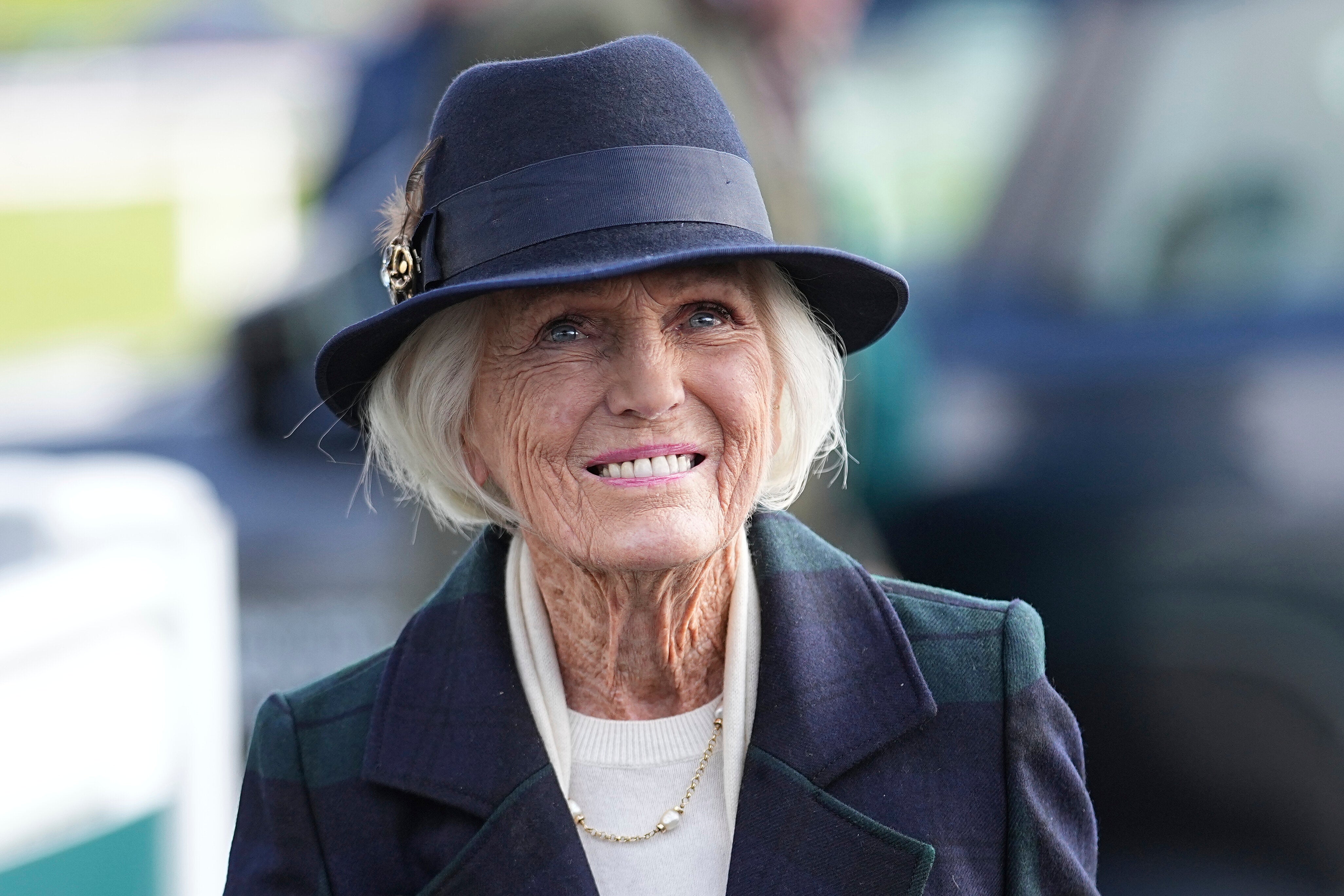
Mary Berry’s 2 Rules For Foolproof Bakes

You might already know that Mary Berry’s favourite cake is a Victoria sponge (made using the all-in-one method, please – she doesn’t see the point of creaming the ingredients separately).

But her culinary wisdom doesn’t end there. Far from it. She whacks some butter in with her stewed apples, a process I’ve since nicked, and puts Thai curry paste in her tomato soup (I stole that, too).

And recently, speaking at a Q&A in The Castle Hotel, Windsor, while promoting her new book Mary 90: My Very Best Recipes, the former Great British Bake-Off judge explained her two rules for perfect bakes.

These are:

1) Weigh your ingredients carefully

“The main thing about baking is to… weigh the ingredients,” the baking legend said.

You should ideally do this “with digital scales”, she noted, as those are more accurate.

It sounds obvious, but baking is, after all, a series of chemical reactions.

In order for your bakes to rise, become fluffy, form a crispy edge, or whatever else you want to achieve, you’ll need to be as precise as possible with their measurements.

That’s why even some American bakers recommend metric digital scales, despite living in a country that’s historically used cups to measure ingredients.

2) Use the right-sized tin

Hands up: I’m guilty of baking a 20-inch cake in a 15-inch tin, and then complaining that the results weren’t up to par.

According to Mary, that was a foregone conclusion.

She stressed we should “put it in the right size tin” no matter what we’re baking.

“The number of times that people [have] said, ‘Oh, I can’t make such and such,’ and it’s in the tin that, in fact, is too big…and they’ll swear that it’s the right size,” she said.

This mistake can cause bakes to overflow (if the tin’s too small) or overcook (if it’s too big and spreads the batter too thin).

The baking pro urged us to “get the tape measure” out next time we want to get cooking.

Noted, Mary…

Share Button

Here’s How To Tell Regular Flu From Covid (According To A Doctor)

As we head into winter, cases of flu and Covid (including variants like Stratus and Nimbus) are expected to rise.

We’ve previously shared how to tell which form of Covid you’re likely to be dealing with if you notice symptoms.

But how can you tell Covid from a “regular” flu in the first place?

According to Dr Neel Patel from LloydsPharmacy Online Doctor, telling one apart form the other may be key as the cooler weather settles in.

“With [both flu and Covid circulating at higher rates, it’s important to know the difference between a cold and flu, or coronavirus and flu,” he said.

“Knowing which illness you might have means you can best treat yourself and protect others.”

Here are the different symptoms the doctor usually sees for both:

Symptom duration may tell them apart

Both flu and Covid share a lot of symptoms, including a fever, headache, chills, a runny nose, tiredness, aching muscles, and a dry cough.

“People with flu normally feel very unwell for two or three days and will continue to experience symptoms for around another five days. After that, you may feel tired and run down for a further two or three weeks,” the doctor said.

But “People with coronavirus usually begin to show symptoms five to six days after being exposed and symptoms commonly last up to two weeks,” he added.

Then, there’s the question of severity.

“It can be difficult to tell coronavirus apart from the flu as they share many of the same symptoms, however, they may feel more intense than having a flu,” Dr Patel said.

He added that you should seek immediate medical help if you notice:

  • Difficulty breathing at rest.

  • Confusion.

  • Loss of consciousness or drowsiness.

  • Constant pressure or pain in the chest.

  • Cold, clammy, blue, or pale skin.

  • Loss of speech or movement, regardless of whether it’s flu or Covid.

The only way to be sure is to take a Covid test

Though the flu and Covid can have different symptoms, Dr Patel said that “The only way to be certain whether you have the flu or coronavirus is to take a Covid test.

“While COVID-19 tests are no longer freely available on the NHS, you can still buy lateral flow, PCR and antibody tests online.”

Share Button

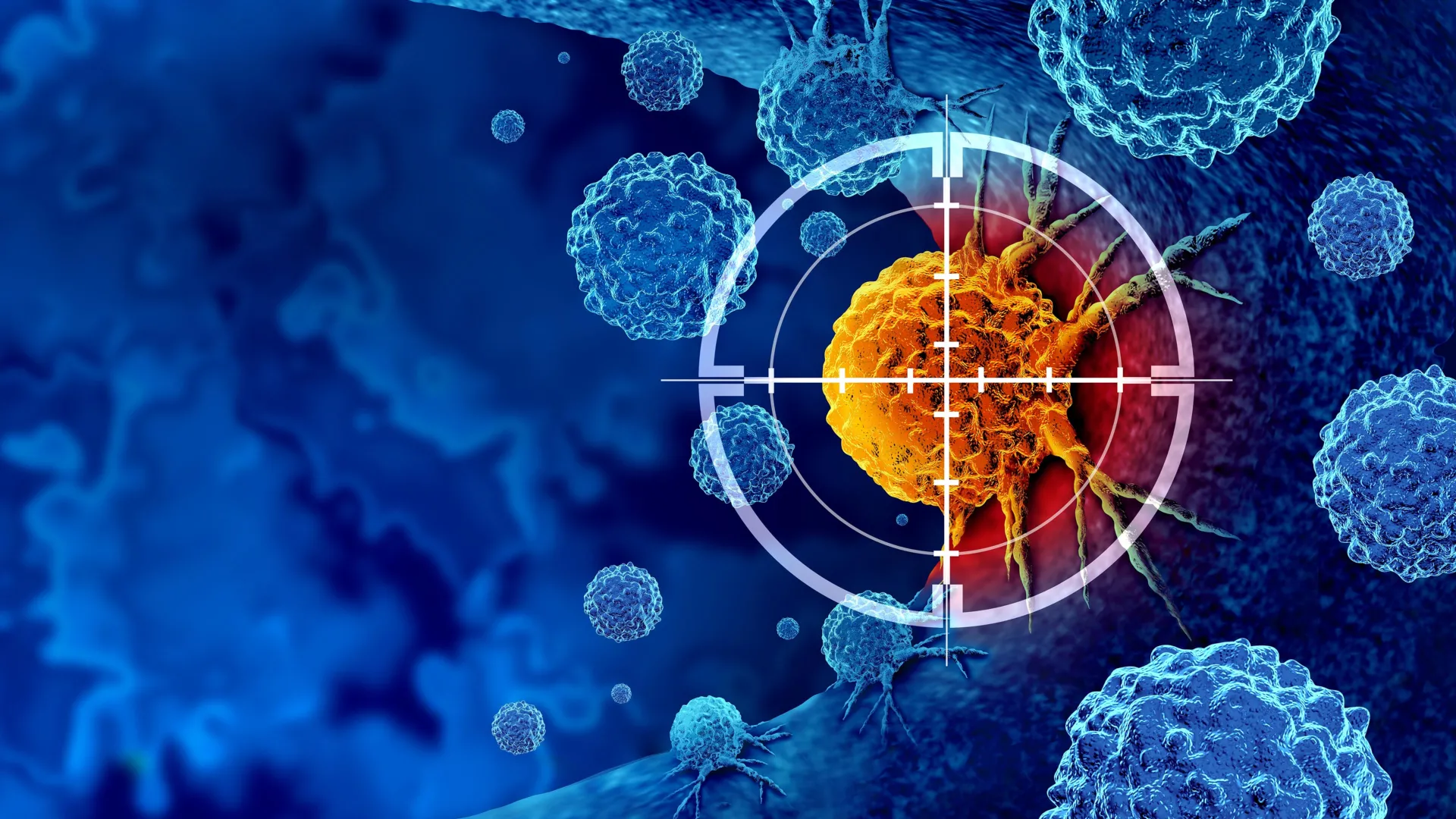
Breakthrough cancer therapy stops tumor growth without harming healthy cells

Scientists at the Francis Crick Institute and Vividion Therapeutics have discovered chemical compounds that can precisely prevent the cancer-driving gene RAS from connecting with a key pathway responsible for tumor growth.

The potential treatment is now moving into its first human clinical trial. If proven safe and effective, it could become a way to treat a wide range of cancers while minimizing harm to healthy cells.

The RAS gene plays a central role in controlling how cells grow and divide, but mutations in this gene occur in roughly one in five cancers. When mutated, RAS becomes permanently active, continually sending signals that push cells to keep growing and multiplying.

Inside the cell, RAS sits on the membrane and acts as the starting signal in a chain of growth processes. Completely shutting down RAS or the enzymes it controls has proven difficult, because these same pathways are essential for normal cell function. One of the enzymes linked to RAS, called PI3K, also helps regulate blood sugar through insulin. Blocking PI3K entirely can lead to side effects such as hyperglycemia.

In their study, published on October 9 in Science, the team combined chemical screening with biological testing to identify compounds that stop RAS and PI3K from interacting, while leaving normal cell activity intact.

Researchers at Vividion Therapeutics pinpointed a set of small molecules that permanently attach to the surface of PI3K near the spot where RAS would normally bind. Using an assay created by the Crick researchers, they confirmed that these compounds successfully blocked the RAS-PI3K interaction but still allowed PI3K to perform its other roles, including those related to insulin signaling.

The Crick team and their collaborators at Vividion then tested one of the compounds in mice with RAS-mutated lung tumors. The treatment stopped tumor growth, and the researchers found no signs of elevated blood sugar levels.

Next, they tried combining the new compound with one or two additional drugs that target enzymes within the same pathway. Together, the treatments produced stronger and longer-lasting tumor suppression than any of the drugs used alone.

The scientists also tested the compound in mice with tumors carrying mutations in another cancer-linked gene, HER2, which is often overactive in breast cancer and also connects with PI3K. Tumor growth was again halted, even though the effect did not rely on RAS. This finding suggests that the new compound could potentially help stop the growth of a broader range of cancers.

The drug has now entered the first clinical trial in humans to test for safety and side effects in people with both RAS and HER2 mutations. The trial will also assess if the potential treatment is more effective in combination with other drugs targeting RAS.

Julian Downward, Principal Group Leader of the Oncogene Biology Laboratory at the Crick, said: “Given the RAS gene is mutated across a wide range of cancers, we’ve been exploring how to stop it interacting with cell growth pathways for many years, but side effects have held back the development of treatments.

“Our collaborative effort has overcome this challenge by targeting the PI3K and RAS interaction specifically, leaving PI3K free to bind with its other targets. It’s exciting to see these clinical trials starting, highlighting the power of understanding chemistry and fundamental biology to get to something with potential to help people with cancer.”

“This discovery is a great example of how new discovery approaches can open up completely novel ways to tackle cancer,” said Matt Patricelli, Ph.D., Chief Scientific Officer of Vividion. “By designing molecules that stop RAS and PI3K from connecting, while still allowing healthy cell processes to continue, we’ve found a way to selectively block a key cancer growth signal. It’s incredibly rewarding to see this science now progressing in the clinic, where it has the potential to make a real difference for patients.”

Share Button