The Health Improvement Commission says it is to help people get a clearer picture of their intake.


The Health Improvement Commission says it is to help people get a clearer picture of their intake.
Consultant Dr John Gibbs worked at the hospital during the period in 2015 to 2016 when Letby murdered seven babies.
As many as half of people report working when sick. The reasons for this are complex, experts say.
Inquiry chair Lady Justice Thirlwall set out how the culture of the health system created the conditions that enabled poor care and criminality.

Menopause and perimenopause – the lead-up to losing your period, which can last for years – are linked to symptoms like hot flushes, palpitations, poor sleep, stiff joints, and many more.
All in, the entire process can take over a decade. But less is said about the next life stage – postmenopause – in which women remain for the rest of their lives.
The Cleveland Clinic points out that this is not always a neutral or symptomless state. Some menopause symptoms can continue years into postmenopause, and low oestrogen levels increase the risk of heart conditions and osteoporosis.
Advertisement
Postmenopause is also linked to depression, urinary incontinence, changes in sex drive, and dry skin.
Nonetheless, there are some benefits to the life stage, too.
Compared to those in menopause, women in postmenopause have better memory. In general, over-70s sleep better, and following a lull in our mid-50s, life satisfaction rates seem to rise again soon, peaking at about 69.
So what do postmenopausal women themselves say about the experience?
On Reddit’s r/Menopause, site user u/wlftn asked: “when menopause is finally over do you feel better mentally, physically?”
Advertisement
Here are some of the top responses:
For poster u/leftylibra, the experience of menopause never really felt “over”, even though she found her mood swings settled as her hormones stopped fluctuating as “wildly”.
“We are led to believe that all other symptoms stop once we reach post-menopause, and this simply isn’t true,” she wrote.
“For instance, according to Harvard Health, studies indicate that 30% of women still had hot flashes 10 to 19 years after menopause, and 20% had hot flashes more than 20 years after menopause.”
Advertisement
Postmenopausal symptoms, including aches, the thinning and drying of the vaginal lining, and bone and muscle loss, continue, the poster added.
She saw some benefits from lifting weights (which has been described as “critical” for maintaining muscle mass and improving bone health after menopause).
Advertisement
“Menopause is a time to look inward and figure out how we want to spend the next 40-50 years of our lives, and that means taking an active role in our health by managing exercise, sleep, stress, dietary needs, etc. Overall, we do feel better without the nagging cycles, but it’s a whole new different way of being,” the Redditor ended.
Site user u/curiously71 said that her long-standing issues with sleeplessness seem to have stopped after menopause. Early postmenopause seems a particularly good period for sleep, especially compared to menopause.
But this poster added that for her, a “lack of energy and motivation” has continued three years after menopause.
Advertisement
One study found that “postmenopausal women endorsed higher levels of anxiety, as well as lower levels of vitality and overall mental wellbeing compared to perimenopausal women”.
Another showed that early postmenopausal women were about two to four times more likely to experience a major depressive episode than women who hadn’t experienced menopause yet.
The NHS has information on its site on how to access its mental health services.
“I think there is a sense of relief that the ‘ride’ of peri[menopause] has concluded,” writes u/citychickindesert.
Advertisement
“Once you know the periods are over, for example, there is some sense of calm – there is for me anyway.”
The Cleveland Clinic notes on its site that while issues remain for some, many women feel relief from menopause symptoms during postmenopause.
Though postmenopause can bring its own challenges, one survey showed that about 65% of women feel happier than they did before menopause.
Advertisement
This seems to be the case for u/HelicopterJazzLike73, who shared that leaving menopause “was like a weight being lifted from my shoulders and 30 lbs from my body.
“I feel a lot less angry, and the hot flashes are once every six months now. I’m so glad it’s over”.
Redditor u/Secretvault-tH20 added, “I actually do not feel like any hormones are out of balance. The only problem I have is less tolerance to being hot.”
Some experts think changes in temperature tolerance like these are down to differences in vascular function, which is controlled in part by oestrogen.
Advertisement
A now-deleted user said that for her, things did get better after menopause.
“Some symptoms may stay, but they are way less intense. My insomnia is almost gone; I get hot flashes maybe once or twice a week, but less intense,” the poster stated.
“Anxiety got… better, but [I] still sometimes feel the waves. It’s definitely better than in the midst of it.”
Still, she pointed out that everyone is “different”.
Perhaps unsurprisingly, research has her back here. The NHS says that some women will see a complete cessation of menopause symptoms once it’s done, but for others, they can remain for years.
Advertisement
While a high percentage of postmenopausal women say they’re happier and more confident than they’ve ever been, a notable section faces mental health issues.
Physically and mentally, the postmenopause experience can vary from person to person. The NHS says you should speak to your GP if you experience vaginal bleeding after sex and/or recurring or chronic UTIs, and if your mental health is suffering, reach out to a qualified expert.
A healthy diet, strength training, and attending scheduled screenings can also help to keep you well during postmenopause.
Advertisement


Reform UK’s leader in Wales has dramatically resigned after being arrested on suspicion of assault and engaging in controlling coercive behaviour.
In a hammer blow for the party, Dan Thomas said he was was quitting “for personal reasons”.
He said he did not want “the coming headlines to be a distraction” from Reform’s work in the Welsh Senedd.
Advertisement
A spokesman for Gwent Police said: “On Sunday, September 13, a 45-year-old man, from the Aberbargoed area, was arrested on suspicion of assault and engaging in controlling coercive behaviour. He has been bailed pending further enquiries.”
Thomas was released without charge and insisted he has done nothing wrong.
In a statement, he said: “It has been the honour of my life to have been the leader of Reform Wales and see this party go from zero to 34 elected members and become the largest opposition group in Welsh history.
“With deep regret, I am now standing down from this position due to personal reasons.
“Over the weekend, I was reported to the police and was released without charge.
“I stress that I have done nothing wrong, but I do not want the coming headlines to be a distraction from the fantastic work our Senedd team is doing in holding this government to account.
Advertisement
“I will continue to serve my constituents in Casnewydd Islwyn and will fully back whoever the group selects as its next leader.”
Thomas’s resignation comes less than two weeks after he appeared on stage with Nigel Farage and other senior Reform figures at the party’s annual conference in Birmingham.
In a further blow for the party, a Reform member of the Welsh Senedd defected to Plaid Cymru.
Sarah Cooper-Lesadd said the national party “has no interest in Wales” so she was leaving.
She said: “Reform has no interest in the work I came here to do. They are not serious about governing Wales. They are far more interested in division, opposition and headlines than in finding solutions.”
Advertisement
Listen to Commons People, the podcast that makes politics easy. Every week, Kevin Schofield and Kate Nicholson unpack the week’s biggest stories to keep you informed. Join us for straightforward analysis of what’s going on at Westminster.

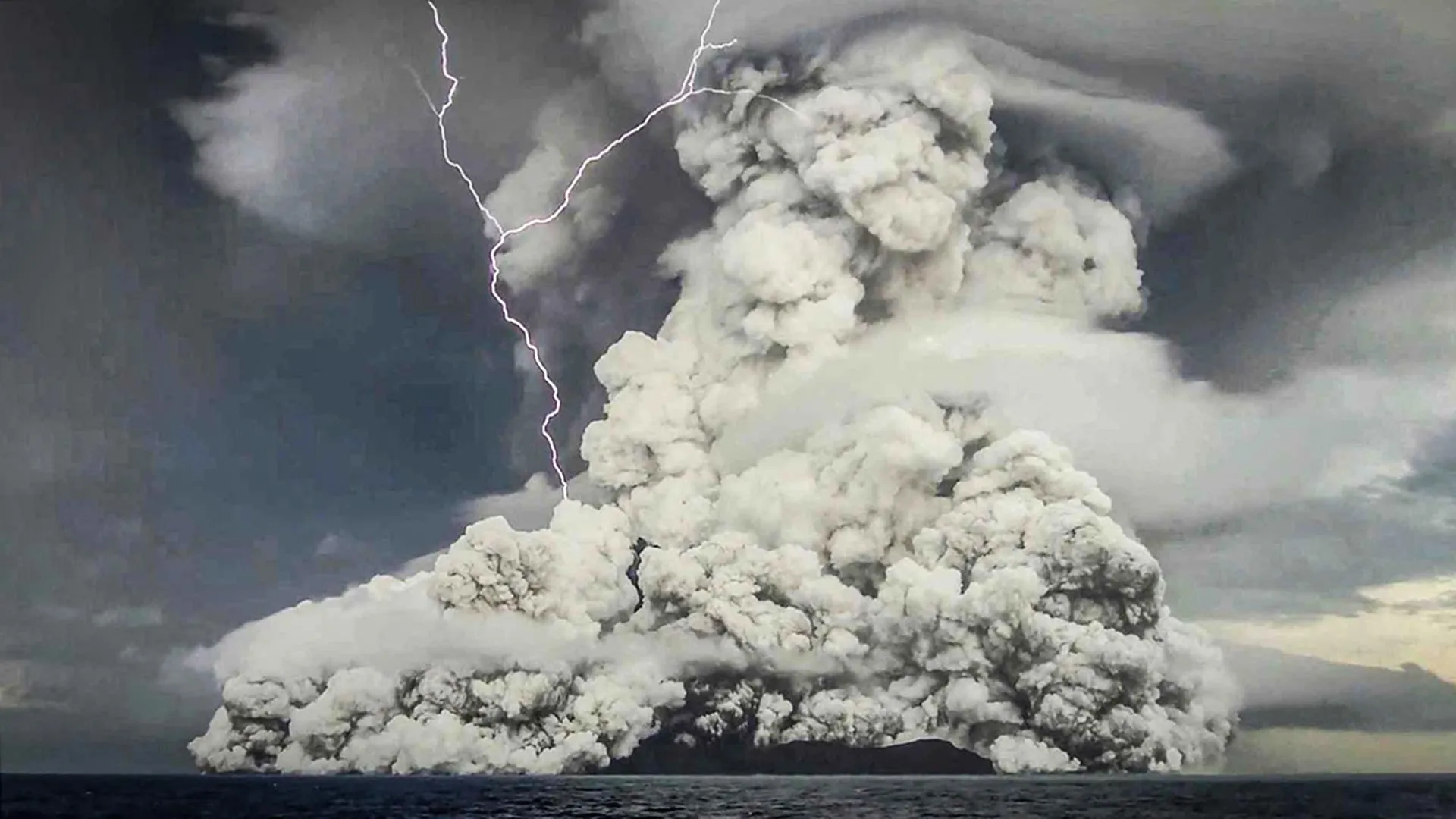
When Hunga Tonga-Hunga Ha’apai erupted beneath the South Pacific in January 2022, the explosion ranked among the most powerful volcanic events of the modern era. But researchers have now uncovered an unexpected consequence of that eruption: the enormous volcanic cloud appears to have helped destroy some of the methane pollution produced by the volcano itself.
The finding could have implications far beyond a single eruption. Scientists are increasingly interested in ways to reduce methane in the atmosphere because the gas is a major contributor to global warming and disappears much faster than carbon dioxide. Understanding how nature can accelerate that process could eventually help researchers develop new strategies for slowing near-term warming.
A Strange Signal in the Volcano Cloud
Researchers made the discovery using satellite observations of the huge plume created by the eruption. They detected exceptionally high levels of formaldehyde, a chemical that provided an important clue about what was happening inside the cloud.
Formaldehyde is produced briefly during the chemical reactions that break methane apart in the atmosphere. Because it survives for only a short time, unusually large amounts of formaldehyde can act as a chemical fingerprint showing that methane destruction is actively taking place.
“When we analyzed the satellite images, we were surprised to see a cloud with a record-high concentration of formaldehyde. We were able to track the cloud for 10 days, all the way to South America. Because formaldehyde only exists for a few hours, this showed that the cloud must have been destroying methane continuously for more than a week,” explains Dr. Maarten van Herpen from Acacia Impact Innovation BV, first author of the study, which was published in Nature Communications.
“It is known that volcanoes emit methane during eruptions, but until now it was not known that volcanic ash is also capable of partially cleaning up this pollution,” he adds.
Daily Emissions From 2 Million Cows
According to the researchers’ calculations, the volcano released around 300 gigagrams (Gg) of methane during the eruption. That is roughly equivalent to the annual methane emissions of more than two million cows.
At the same time, the plume removed approximately 900 megagrams (Mg) of methane per day, an amount comparable to the daily emissions of two million cows.
Salt, Sunlight and Unexpected Chemistry
The researchers believe the explanation involves an unusual combination of volcanic ash, seawater and sunlight. The basic chemistry was first identified by scientists in 2023, although in a very different environment.
In that earlier research, scientists found that Saharan dust carried across the Atlantic Ocean can mix with sea salt released by breaking waves. Together, these materials form tiny airborne particles called iron salt aerosols. Aerosols are microscopic particles suspended in the atmosphere.
When sunlight strikes those particles, chemical reactions can release chlorine atoms. Chlorine is highly reactive, allowing it to attack methane molecules and help break them apart. The discovery added a previously underappreciated process to scientists’ understanding of chemistry in the troposphere, the lowest major layer of Earth’s atmosphere where most weather occurs.
“What is new — and completely surprising — is that the same mechanism appears to occur in a volcanic plume high up in the stratosphere, where the physical conditions are entirely different,” says Professor Matthew Johnson from the Department of Chemistry at the University of Copenhagen, one of the researchers behind both discoveries.
The Hunga Tonga eruption created unusually favorable conditions for this chemistry. Because the volcano erupted beneath the ocean, it blasted enormous quantities of salty seawater upward along with volcanic ash. Some of that material reached the stratosphere, the atmospheric layer above the troposphere.
Researchers propose that sunlight striking this mixture produced highly reactive chlorine. Those chlorine atoms then reacted with methane in the plume, helping destroy some of the methane released during the eruption. The extraordinary amounts of formaldehyde detected from space provided evidence that this process was taking place.
Why Destroying Methane Matters
Methane currently accounts for about one third of global warming. Although it is far less abundant than carbon dioxide, methane traps heat extremely efficiently. Over a 20-year period, methane is about 80 times as potent as CO2.
There is also an important difference between the two greenhouse gases. Methane typically remains in the atmosphere for about 10 years before chemical reactions remove it, while a portion of carbon dioxide can influence the climate for far longer.
That relatively short atmospheric lifetime makes methane an especially attractive target for rapid climate action. Cutting methane emissions today could begin producing a noticeable climate benefit within about a decade.
For that reason, researchers sometimes describe methane reduction as an “emergency brake” on climate change, because rapidly lowering methane levels could help reduce warming during the coming decades and potentially lower the risk of crossing dangerous climate tipping points.
Reducing methane, however, is not a substitute for reducing carbon dioxide. Long-term temperature stabilization still requires major reductions in CO2 emissions.
Could Scientists Copy What the Volcano Did?
The discovery could also provide inspiration for researchers and companies investigating ways to accelerate methane destruction deliberately.
One emerging area of climate research focuses on atmospheric methane removal. Instead of only preventing new methane emissions, scientists are exploring whether chemical processes could safely increase the rate at which methane already in the atmosphere is broken down.
Hunga Tonga may have provided a dramatic natural demonstration of one possible mechanism.
A major challenge, however, is proving that any proposed technology actually removes methane. Atmospheric methane is spread across enormous areas, making relatively small changes difficult to measure with confidence.
“How do you prove that methane has been removed from the atmosphere? How do you know your method works? It’s very difficult. But here we address that problem by showing that methane breakdown can in fact be observed using satellites,” says Dr. Jos de Laat from the Royal Netherlands Meteorological Institute, senior author of the study.
Changing the Methane Budget
The findings may also force scientists to reconsider calculations of the global methane budget.
The methane budget is essentially an accounting system for the gas. Scientists estimate how much methane enters the atmosphere from sources such as wetlands, agriculture, fossil fuels and geological activity, then compare that with the amount removed through atmospheric chemistry and other processes.
According to the researchers, atmospheric dust has not previously been fully incorporated into those calculations. If volcanic ash and other forms of mineral dust can accelerate methane destruction, estimates of how methane moves through the atmosphere may need to be adjusted.
“We now know that atmospheric dust — for example from a volcanic eruption — impacts the methane budget, meaning the budget of how much methane is added to the atmosphere and how much is removed. Because dust has not previously been taken into account, it is important that we correct the data on which these estimates are based,” says Matthew Johnson.
Satellites Watched the Chemistry Unfold
The researchers used measurements from TROPOMI, an advanced instrument aboard the European Space Agency’s Sentinel-5P satellite. TROPOMI scans Earth’s atmosphere every day, monitoring gases associated with air pollution and climate change.
Detecting formaldehyde inside a volcanic plume in the stratosphere, however, pushed the instrument well beyond the conditions for which its standard measurements are normally designed.
“Retrieving formaldehyde from TROPOMI in a stratospheric volcanic plume is far outside the instrument’s standard operating conditions — we had to carefully correct the satellite’s sensitivity for the unusual altitude of the signal and account for interference from the high sulfur dioxide concentrations. Getting these corrections right was essential to confirm that what we were seeing was real,” said Dr. Isabelle De Smedt, Royal Belgian Institute for Space Aeronomy.
Those corrections allowed the researchers to conclude that the unusually strong formaldehyde signal was genuine and could be used to track methane destruction within the volcanic cloud.
A Possible Blueprint From Nature
The team believes the discovery could encourage engineers to investigate whether the natural chemistry observed after Hunga Tonga can be reproduced safely and effectively.
“It’s an obvious idea for industry to try to replicate this natural phenomenon — but only if it can be proven to be safe and effective. Our satellite method could offer a way to help figure out how humans might slow global warming,” concludes Matthew Johnson.
Any attempt to manipulate atmospheric chemistry would require careful study to understand potential unintended effects. But Hunga Tonga provides researchers with an unusual real-world example of methane destruction occurring on a huge scale, along with a possible way to monitor the process from space.
About the Study
The scientific article was published in Nature Communications.
The researchers behind the study are Maarten van Herpen (Acacia Impact Innovation BV, Netherlands); Isabelle De Smedt (Royal Belgian Institute for Space Aeronomy, Belgium); Daphne Meidan and Alfonso Saiz-Lopez (CSIC, Spain); Matthew Johnson (University of Copenhagen, Denmark); Thomas Röckmann (Utrecht University, Netherlands); and Jos de Laat (Royal Netherlands Meteorological Institute, Netherlands).
The research was supported by Spark Climate Solutions.

A tough leg day may have an unexpectedly simple boost: the smell of chocolate. According to a new study published in Frontiers in Physiology, exposure to chocolate aromas before and during resistance exercise helped participants complete more repetitions without making the workout feel more difficult.
“Exposing moderately trained men to chocolate odors right before and between sets of resistance exercise significantly increased their overall training volume without increasing their perceived exertion,” said senior author Dr. Mohamed Nashrudin bin Naharudin, an assistant professor at the Faculty of Sports and Exercise Science at the University of Malaya. “Seeing a substantial increase in repetitions without the athletes feeling like they were exerting themselves any harder is a fascinating psychobiological outcome.”
Testing Chocolate Scents During Exercise
The study included 23 healthy men in their early to mid-20s who were moderately trained. Researchers separated them into three groups and exposed each group to one of three samples: liquified dark chocolate containing 90% cocoa, liquified milk chocolate containing 60% cocoa, or water as a control.
“We know olfaction is powerfully wired into the brain’s appetite and emotion networks, but surprisingly, no study has systematically looked at the three-way interaction between smell, appetite, and actual resistance exercise capacity,” said Nashrudin Naharudin.
Before exercising, the participants had gone without food for at least 10 hours. They then performed leg extensions, an exercise in which a person sits and straightens the lower legs against resistance to lift a weight.
Researchers measured leg extension performance both before and during the training session. Before exercising, participants also rated their hunger, fullness, desire to eat, and intention to eat in the near future. While completing their sets, researchers measured hunger and desire to eat after each 30-second exposure to one of the scent samples.
Dark and Milk Chocolate Produced Different Effects
The two chocolate aromas influenced appetite in notably different ways.
Compared with both the water control and milk chocolate conditions, smelling dark chocolate was consistently associated with lower hunger, less desire and intention to eat, and greater feelings of fullness before exercise. The dark chocolate aroma therefore appeared to reduce appetite mainly by decreasing hunger and increasing perceived fullness.
Milk chocolate had a different effect. Participants rated its smell as more pleasant than either dark chocolate or water, but the aroma did not significantly change their hunger or appetite.
The effects were not limited to appetite. Chocolate aromas also appeared to influence how much exercise the participants could complete.
“Sniffing a 90% dark chocolate odor added about 18 more repetitions to participants’ leg extensions, while a 60% milk chocolate odor added about nine repetitions compared to the water control,” said Nashrudin Naharudin.
How Smell Could Influence the Brain
The researchers think learned associations with food may help explain the results. From an early age, people repeatedly experience certain smells alongside eating. Over time, those aromas can become signals that lead the brain and body to anticipate what normally happens after food is consumed.
Those expectations may even shift a person’s perception from hunger toward fullness before any food has actually been eaten.
“The dark chocolate scent serves as a learned cue for a rich, bitter, and highly satiating food, which essentially tricks the system into an anticipatory state of fullness,” said Nashrudin Naharudin. “Conversely, the sweeter milk chocolate scent acts more like a hedonic reward cue, enhancing training volume by creating a highly pleasant sensory environment rather than by shifting basic metabolic hunger signals.”
The findings raise the possibility that simply anticipating food could trigger some responses resembling those caused by actually eating it. That possibility is especially intriguing because the participants had been fasting when the effects were observed.
Food aromas may prepare the digestive system for an upcoming meal or produce psychological and physiological changes as the body anticipates eating. Some of these responses could resemble changes that normally happen after food consumption.
Important Limitations of the Study
The researchers caution that the biological explanation remains speculative. They did not measure blood hormones or neural activity, so the study cannot show exactly which biological pathways were responsible for the changes in appetite and exercise performance.
There were other limitations as well. The intensity of the dark and milk chocolate aromas may not have been perfectly identical. Because the control sample was odorless water, participants also may have realized when they were in the control condition.
The study was also small and included only healthy, moderately trained young men. Research involving larger and more diverse groups will be needed to determine how broadly the findings apply.
Could Other Food Smells Work Too?
Another unanswered question is whether chocolate has something special about it or whether other familiar foods could produce similar effects.
“We don’t think chocolate is entirely unique, though it is a food cue with incredibly strong, universally recognized reward associations,” Nashrudin Naharudin concluded.
Other foods strongly associated with feeling satisfied after eating might potentially produce comparable responses, although researchers have not yet tested that idea.
“A person likely needs to find the odor familiar and appealing – or at least not repulsive – to trigger the psychological shift in appetite that’s needed to see a performance boost.”
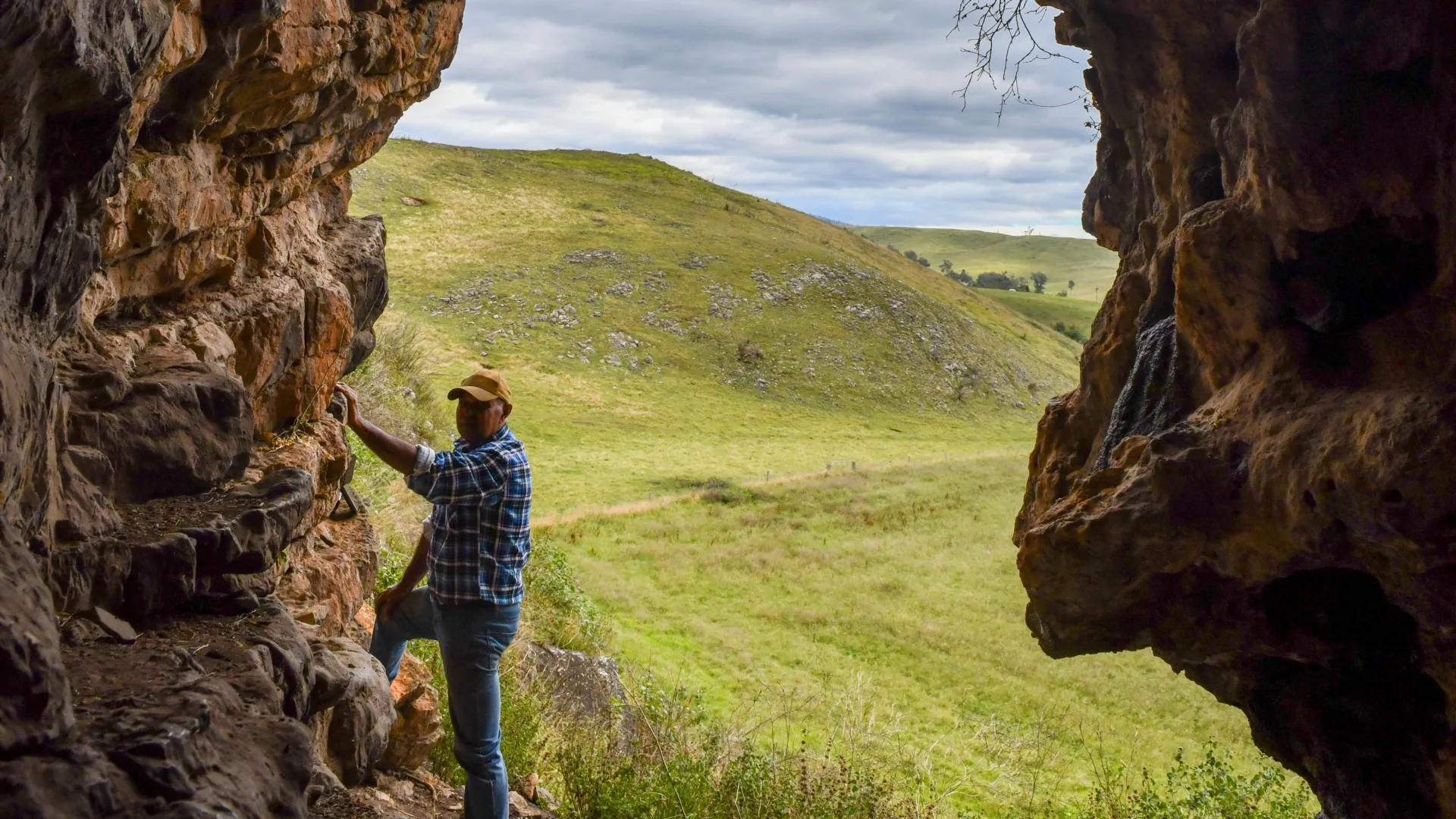
The GunaiKurnai, an Australian Aboriginal nation, are recognized as the traditional custodians of Gippsland and the southern Victorian Alps. Caves within their lands have long been linked to spiritual practices. Accounts recorded in the 19th century, together with oral traditions, describe them as places where powerful learned women and men known as ‘mulla-mullung’, along with other spiritual practitioners, carried out rituals involving magic, healing, and cursing.
Archaeological evidence now shows that one of these sites, Cloggs Cave, was used for such activities over an extraordinary span of roughly 25,000 years.
“Here we show that the Old Ancestors selected whole grasses from the wider landscape and carried them into Cloggs Cave to spread out in thin layers and burn. Over time, sediments covered these burnt layers, preserving each layer on top of another over thousands of years,” said Dr Elle Grono, a postdoctoral researcher at the Australian National University and the corresponding author of a new study published in Frontiers in Environmental Archaeology.
Microscopic Clues From Ancient Plants
Grono and researchers from Australia, France, and New Zealand examined phytoliths recovered from buried sediments inside Cloggs Cave. Phytoliths are microscopic silica structures that form within plant tissues and can survive long after the plants themselves have disappeared.
The research grew out of archaeological excavations carried out in 2019 and 2020. Those excavations were designed to determine how people collected and used plants inside the cave in the distant past. The work was requested by the GunaiKurnai Land and Waters Corporation, and GunaiKurnai representatives were involved in the research design, fieldwork, interpretation, and communication of the findings.
“Unlike pollen, which is dispersed by wind or insects, phytoliths mostly accumulate at the spot where a plant decays. No plants grow inside the cave due to a lack of light, so the phytoliths must have been carried in by people or by animals such as possums on their fur or through their scats,” explained Grono. “We focused on half-burnt phytoliths from ashy layers, which can only have been brought in by people, as unburnt ones might have arrived through either means.”
Because vegetation cannot grow naturally inside the dark cave, the burned plant remains offered especially strong evidence that people had intentionally carried grasses into the site.
Layers of Ash and a Standing Stone
Using microscopy, the researchers classified thousands of phytoliths collected from two excavation pits measuring 1.5 m and 2.3 m deep.
The upper sections of those pits contained 73 thin layers of ash deposited by people between approximately 4,400 and 1,600 years ago. Researchers established those ages using optically stimulated luminescence and carbon dating via accelerator mass spectrometry.
Hidden among the layers was another striking discovery: a standing stone measuring 28 cm high. Later analysis showed that Old Ancestors had intentionally placed the stone inside the cave for ritual purposes around 2,000 years ago.
Grasses Were Carefully Chosen
The team identified 29 different kinds of phytoliths representing grasses, herbs, and woody plants. Many were exceptionally well preserved, including delicate silica structures such as hair cells.
Grass phytoliths dominated the samples, accounting for as much as 97% of the total. They included members of the Pooideae subfamily, which favor temperate or cool conditions, as well as Panicoideae grasses, which generally thrive in warmer and more humid environments.
Phytoliths from Chloridoideae grasses, which tolerate drought and are adapted to warm, dry arid conditions, appeared less frequently. Remains from herbs and woody plants were also uncommon.
The pattern suggests that Old Ancestors did not simply gather whatever vegetation was nearby. Instead, they deliberately selected particular grasses.
Before European settlement, the landscape around Cloggs Cave included riparian forest and open woodland containing many different plant species. Yet those plants were largely absent from the archaeological deposits. The people using the cave instead chose grasses growing relatively close to its entrance.
“The phytoliths found at Cloggs Cave were from different parts of grass plants such as stems, leaves, flowers and roots, indicating that whole grasses were brought in, including the inedible parts,” said Grono.
Evidence of Ritual Burning Across Millennia
As much as 18% of the phytoliths showed signs of burning or melting. Those altered plant remains occurred throughout the dated deposits, suggesting that people repeatedly carried vegetation into the cave and burned it there across the span of the past 25,000 years.
The finding fits with other archaeological evidence indicating that Cloggs Cave was a place of long-lasting ritual activity rather than an ordinary living site.
Professor Bruno David from Monash University, who co-led the excavations with GunaiKurnai Land and Waters Corporation, concludes that “their burning is consistent with GunaiKurnai traditional practices of using ash to perform magic and rituals, and also to track the footsteps of anyone coming in, including spirit-Beings. Other macro-botanical evidence, such as fat-smeared, trimmed wooden sticks from Casuarina trees, was also found in deeper and older deposits, indicating that other kinds of rituals using woody plants were also performed.”
Eligible women will be able to order a free self-testing kit online through the NHS app.
