I Fell For A Man 28 Years Older Than Me. Here’s Why Our Marriage Works So Well.

I was only 8 when an older man first caught my attention. It was during “The Parent Trap” that I felt an illicit flutter when Dennis Quaid’s Nick Parker reclined, chest hair exposed, while Meredith Blake, played by Elaine Hendrix, sat on his lap, stroking the tuft of hair.

Throughout my adolescence, there was a rotating list of older men who caught my eye: George Clooney, Russell Crowe, and my parents’ friend Raúl, whose salt-and-pepper beard made me dizzy. I wanted a man who’d been around long enough to have stories — someone whose confidence I could run my fingers through.

But even still, I hadn’t planned on marriage, let alone marrying a man nearly three decades my senior. And then I met Christopher.

The first time I heard his voice, I was hunched over a laptop at Frothy Monkey, a coffee shop in Nashville, the city where we both were living at the time.

“Want to join our book club?” he asked the server.

I turned and saw a man with silver-streaked hair sitting with an older woman with a brightly printed sweater, both of them smiling at the server. I approached their table to ask if I could join. The two of them — Christopher and Dorinda, I found out — were so excited to have a new member that they offered to let me pick the first book.

Every Thursday, we met at Frothy Monkey. We read books like “Migrations” by Charlotte McConaghy, “Planes Flying Over a Monster” by Daniel Saldaña París, and “Poor Things” by Alasdair Gray. We didn’t always have the same taste in books, but we could spend hours talking about them. I felt a pull toward Christopher after he helped me take my car to the shop when I got a flat tire. I knew he was older than me, but I wasn’t sure of his age. I only knew I left each meeting starving for the next.

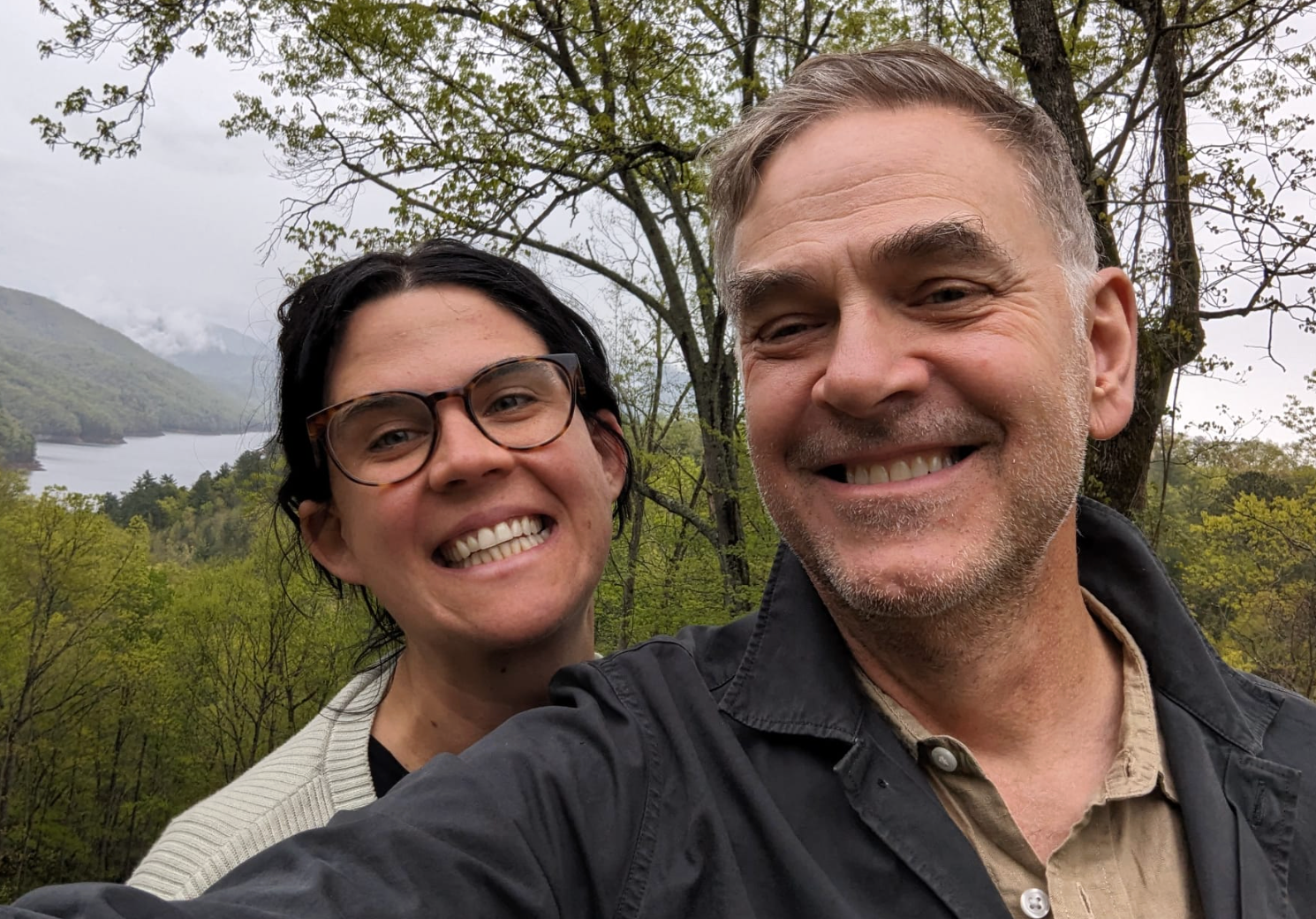
The author and Christopher on a road trip from Asheville, North Carolina, to Nashville.

Courtesy of Nicole Reed

The author and Christopher on a road trip from Asheville, North Carolina, to Nashville.

I wasn’t actively seeking an older man, but, then again, I wasn’t necessarily seeking anything. I had dated men in their 30s and 40s when I was in my 20s. At the time, the age gap was too noticeable. These men either had young kids or they were fresh out of a divorce. I had been using dating apps at that time and my age range was set from 32 to 60, but I had little luck and decided to get off them. My friend Kelcey and I printed out date cards with brief bios and our phone numbers, and we passed them out at bars. We wanted a real-life meet-cute.

Around the same time, Christopher and I began to spend time together outside the book club, mostly dinner and drinks at his favourite restaurants. I always insisted on paying for myself — I didn’t want him to think I was looking for a sugar daddy (not that there’s anything wrong with that — it just wasn’t what I was looking for).

We had so much more in common than two people of different generations; we both had lived in Arabic-speaking countries, were in creative fields, and were very (very) anti-Trump. Christopher checked off traits that I wanted in a partner: well-traveled, artsy and liberal. But even though we had been spending a lot of time together, I couldn’t tell if we were heading to friends or flirtation. I was growing impatient and knew I needed to find out one way or another.

I invited him to my house for Thanksgiving for an intimate meal with my parents, cousin and friend. During dinner, I found out Christopher was actually in his 60s and that he had been married for 16 years. Was I shocked? Yes. But it wasn’t a deal-breaker. It excited me because it meant he wasn’t afraid of commitment — that was until my mom asked him if he would ever get married again, and he replied, “Hell no!” I couldn’t tell exactly what I felt for him yet, but when I heard him say that and I felt a twinge inside of me, I suspected I was falling for him.

Not long after, I decided to go on a weekend trip to Shaker Village in Kentucky and invited Christopher to go with me. I hoped being away from our everyday lives would give me the boost of confidence I needed to make a move and finally figure out what there was between us — if anything. We booked separate rooms, but as we were unloading the car and dropping off his bags to his room, I kissed him. There was no buildup: I simply walked over, wrapped my arms around his waist, and kissed him. He kissed me back.

“I was really hoping you would do that,” he admitted.

Afterward, he pulled out an additional key to his room and handed it to me.

The night we kissed, Christopher explained that I had to be the one to make a move because he respected me and wanted to make sure he was reading the signs correctly.
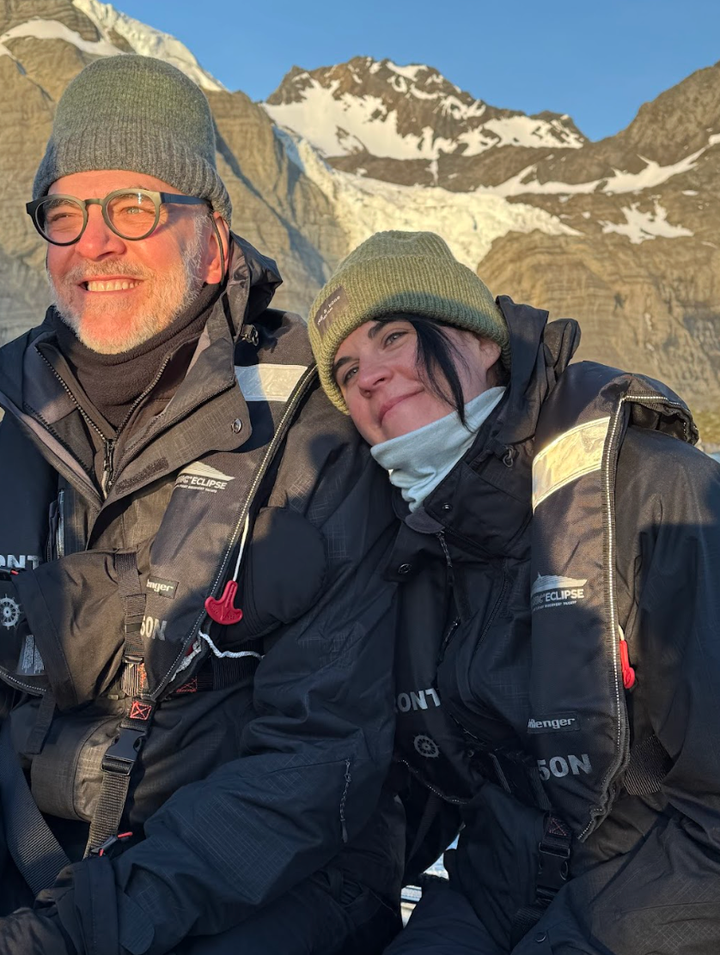
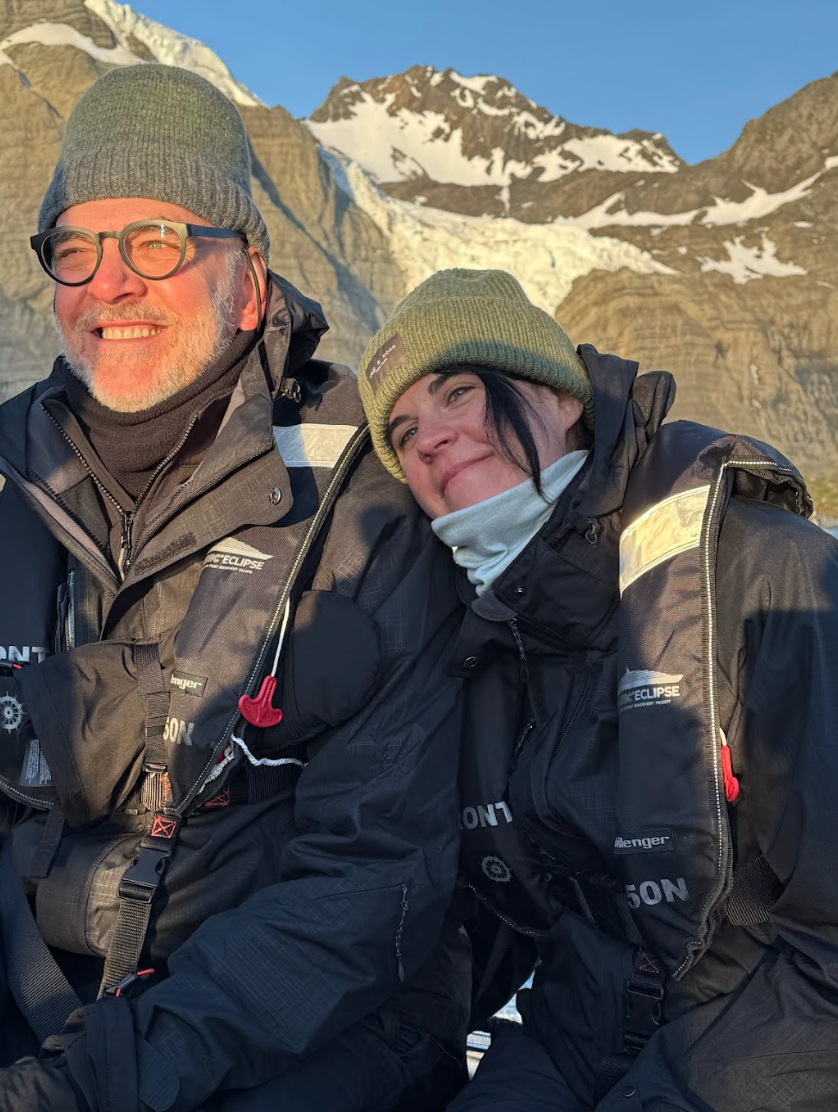
The author and Christopher at sunrise off of South Georgia Island.

Courtesy of Nicole Reed

The author and Christopher at sunrise off of South Georgia Island.

I saw Christopher in a new way that weekend. He was the one who initiated conversations that others I had been with shied away from. I was no stranger to moving quickly in relationships, so when we cuddled up in bed the next night, I had every intention of having sex with him because I wanted to know if we were physically compatible. Before we were intimate, he asked me about STIs — something I’ve never had anyone do. We confirmed that neither of us was sleeping with other people. We left the weekend agreeing that if we were to go on dates with other people, we would be transparent about it, but neither of us saw other people after that.

Christopher was initially self-conscious about holding hands or kissing in public. He said women would give him this look, like how dare you take advantage of this younger woman? I never noticed. It didn’t bother me. Once Christopher saw how confident I was around him, he loosened up too.

My concerns didn’t stem from the knee-jerk pop-culture associations people often make the moment they learn I’m 28 years younger than Christopher. No, I’m not concerned that he’ll dump me for someone younger once I “get too old.” I know he loves me because I’m me, not because of how old I am.

My worries boiled down to longevity — in years and in novelty. At the age of 62, were there any firsts left for him to share with me? What would our future look like when he got older? Would the age gap be noticeable when it came to our hobbies and interests?

And though I have some anxiety about what happens when Christopher gets older, he isn’t the only one aging in this relationship. I, too, will go through changes, including menopause. Though he’s older than me, that doesn’t mean that he will necessarily die first — though statistically, he will — but ultimately, that’s not something I spend my time worrying about.

A few weeks after our first kiss, we were lying in a hotel bed in Denver.

“I almost bought a ring,” Christopher told me.

“I would say yes if you asked,” I told him.

“So should we … get married?”

In previous relationships, we both had played it safe. This time around, we were in love. We didn’t want to talk ourselves out of what we had. When I told my parents we were getting married — ideally in a few months — they were more worried. They said they weren’t uneasy about the age gap — even though Christopher is only five years younger than my dad — but the speed at which we were moving concerned them. However, as they spent more time with Christopher, their initial hesitation gave way to a realisation of how much we love each other and they gave us their blessing.
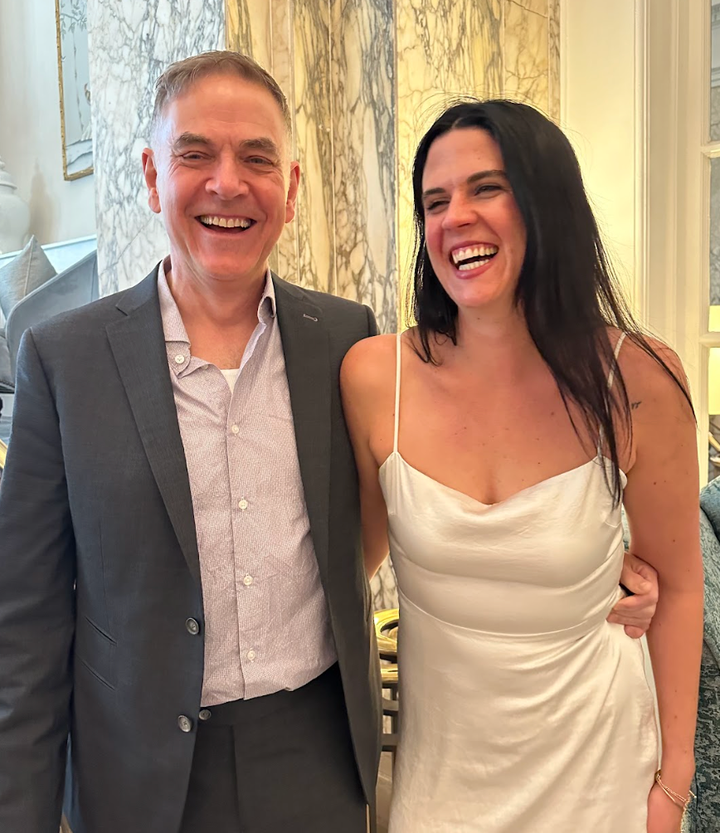
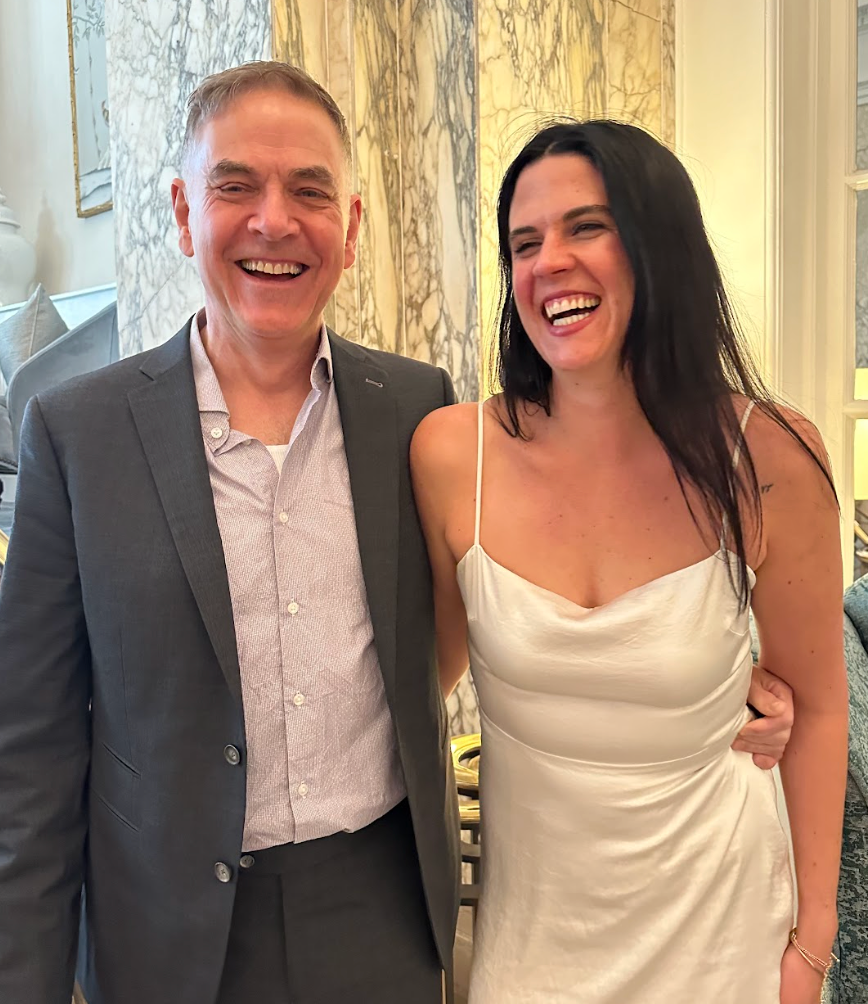
The author and Christopher in Nashville on their wedding day.

Courtesy of Nicole Reed

The author and Christopher in Nashville on their wedding day.

Not everyone was quite as supportive.

“Won’t it be weird bringing him around your friends? What if you decide you want kids? What’s it going to be like in 20 years?” My friend Kelcey fired off. She wasn’t the only one with questions. But others could see how happy I was and welcomed Christopher into their worlds. My friend Jessica and Christopher have the same music taste and bonded over bands I had never heard of. Drew chatted with him about politics while Christopher made silly faces at Drew’s 1-year-old son. My cousin and Christopher have inside jokes, like calling each other the wrong names, which was their lighthearted way of poking fun at my dad, who referred to Christopher as “Steven” for the longest time.

Before I met Christopher, I knew I wasn’t interested in having children, and he was happy with the three grown children he already had. We both loved what opportunities a child-free life could bring us: taking vacations whenever we wanted, not having an obligation to live in an any particular city, and extra income to spend on travel. He offered to get a vasectomy, and I happily got off birth control.

Being with someone older also means they’ve seen a lot. That time I needed to rush off the subway because I thought I was about to shit my pants? It didn’t faze Christopher a bit. When I got that bump on my ass and I didn’t know what it was, he took a picture and offered to pop it for me when it was ready. With people I dated previously, I often felt that I needed to impress them. I was self-conscious of my body. Early on, when Christopher and I were still new in bed together, I was on my period and he didn’t care.

Having a nearly 30-year age gap means we know different things. We have different passions and experiences. It’s not just him — the more experienced one — teaching me. I’ve introduced him to silicon instead of single-use bags, kink in the bedroom, and “Legally Blonde” (he has the “bend and snap” down). Christopher and I are both Virgos; we tend to be serious and care what other people think, but it’s much easier to play, to be silly, when you’re not alone. I told him the theory about how dogs look like their owners, and now we can’t pass a dog and their human without comparing the two. He’s taught me about brutalist architecture, introduced me to my new favourite kitchen tool, the mouli grater, and one of my new favourite podcasts, “The Ezra Klein Show.” Sometimes he’ll reference a film, and he’ll be surprised I never saw it, until he remembers I was 2 when it came out.

The author and Christopher in Austin, Texas.

Courtesy of Nicole Reed

The author and Christopher in Austin, Texas.

We’ve had candid conversations about how our age difference could impact our sex life, what our financial future looks like, and balancing our life with my parents, who are also aging. Our therapist helped us map our short-, medium-, and long-term goals. We planned what we could by setting up a joint banking account, making a will, and having weekly “state of the unions,” a designated time for us to discuss finances, weekly schedules, and anything else on our minds.

Since our marriage in March 2024, we’ve had to navigate a series of traumatic deaths — four in one year — the end of my parents’ 36-year-old marriage, and we’ve made a major move from Nashville to New York. Nothing has been too much for Christopher. He’s stuck by my side — not just because he’s already experienced it all, but because he loves me.

We’ve had so many firsts as a couple: the first time he ever used a vibrator on someone. Our first time visiting Antarctica. The first time either of us has lived in New York. I couldn’t believe that at 63 years old he had never had an apple cider doughnut. Turns out, there are plenty of firsts left for us to share. It took falling for someone much older to realise that time doesn’t make love more real — or less worth it. And age isn’t a reason to be afraid of falling.

Christopher often tells me, “I’ve never loved anyone the way I love you.” The same is true for me.

Nicole Reed is a Brooklyn-based writer. She is currently pursuing her master’s in happiness studies and working on her first-person essay collection that explores her marriage in relation to her parents’ gray divorce. You can read more of her work at www.nicolelouisereed.com.

Do you have a compelling personal story you’d like to see published on HuffPost? Find out what we’re looking for here and send us a pitch at pitch@huffpost.com.

Share Button

Hidden seismic signals hint at a tsunami threat in Alaska

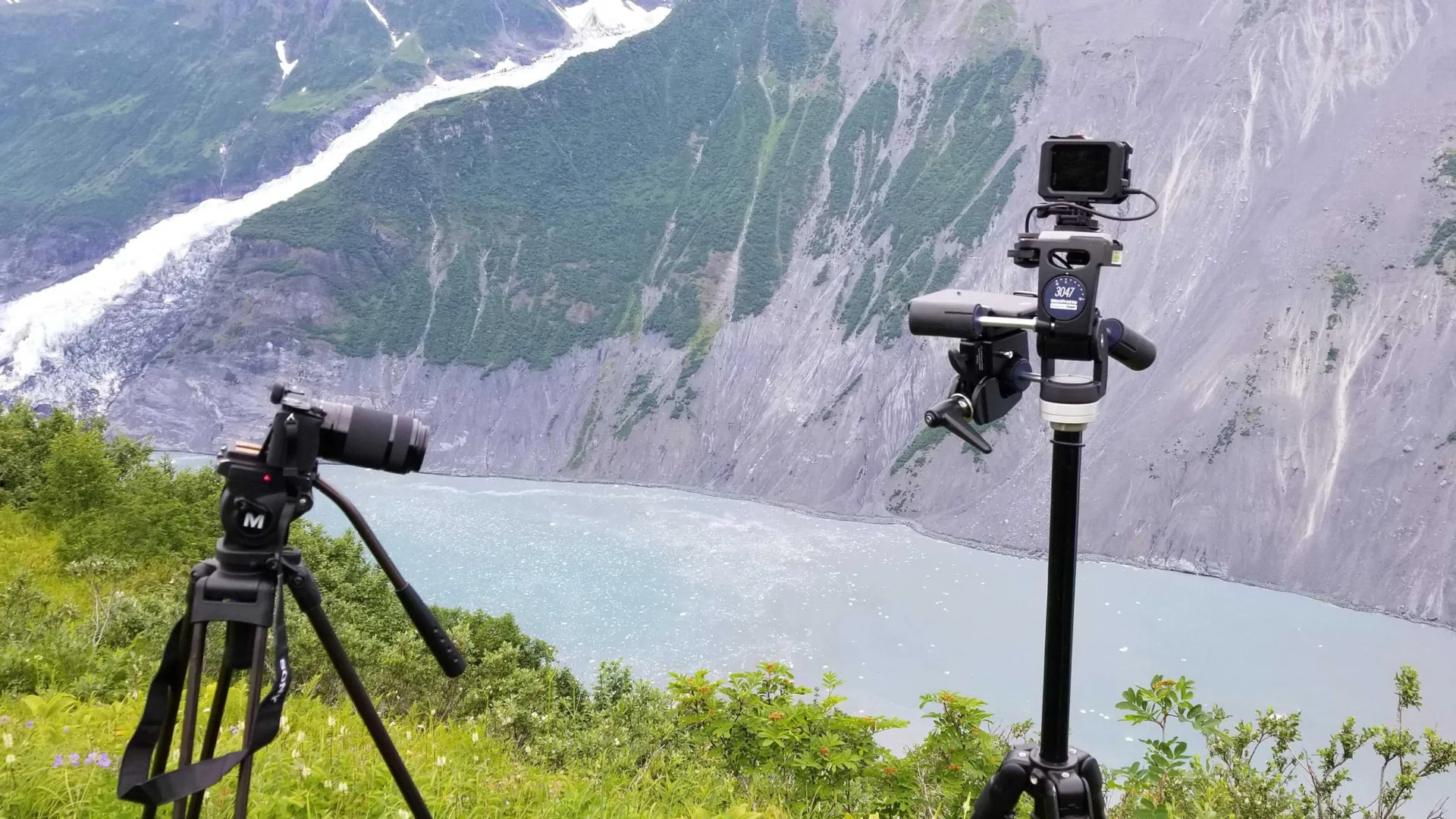
Since 2020, scientists have installed monitoring instruments around the Barry Landslide in Alaska’s Prince William Sound to closely track seismic activity in the area. Their goal is to detect warning signs early, before a sudden landslide could trigger a destructive tsunami.

By analyzing these seismic recordings, researchers identified a previously unrecognized type of signal. These events are marked by sharp, high-frequency pulses that become more common from late summer through mid-winter, then suddenly stop in late winter or early spring.

Strange Signals Linked to Freezing and Thawing Rock

Writing in Seismological Research Letters, Gabrielle Davy of the University of Alaska Fairbanks and her colleagues propose that the signals are caused by water freezing and thawing inside tiny cracks in the rock beneath the nearby Cascade Glacier. The research team is the first to carry out a systematic analysis of these short, impulsive seismic events near the Barry Landslide.

The scientists emphasize that these signals are not signs that the landslide itself is moving. However, they may still provide valuable insight into changes in underground water conditions behind the slope. Those changes could eventually play a role in triggering slope movement.

Why the Barry Landslide Poses a Serious Risk

Searching for seismic warning signs at Barry Arm is especially important because the landslide sits in a highly unstable setting. The slope is steep and underlain by weak, heavily fractured bedrock, making it prone to failure. It has also lost critical support from Barry Glacier, which has rapidly melted and retreated over the last century.

“What makes Barry Landslide especially concerning is the size of the landslide,” Davy explained. “It’s a large, slowly moving mass — on the order of about 500 million cubic meters — that has been creeping for decades.”

“If a rapid collapse were to occur, the material would fall directly into the fjord, and that could generate a tsunami with potentially high wave heights,” she added. “Barry Arm is visited by kayakers and cruise ships, and nearby communities such as Whittier could be affected, so understanding the hazard is important from both a scientific and a public-safety perspective.”

Sorting Through a Year of Seismic Data

Because of these risks, the landslide area has been extensively instrumented since 2020. The study by Davy and her colleagues is among the first to carefully examine the large volume of seismic data collected by those instruments.

For this research, the team manually reviewed an entire year of continuous seismic waveform recordings. They searched for signals that might help determine when and where a landslide could occur.

This hands-on approach allowed the researchers to recognize the wide range of signals present in the data. These included vibrations from small earthquakes, glacier motion, slope deformation, and other sources of seismic background noise.

“We needed to build a clear baseline understanding of the types of signals that routinely occur in the area, so that any unusual or previously unrecognized signals would stand out. By spending time with the raw data, you train your eye to recognize what ‘normal’ looks like” before developing classification tools and detection algorithms, Davy explained.

Seasonal Patterns Reveal a Freeze-Thaw Process

After learning how to identify the unusual short-impulsive events in the seismic records, the researchers compared them with weather and rainfall data. They also used ground-based radar to track subtle changes in slope movement. This combination allowed them to study when and where the signals occurred.

The timing, location, and characteristics of the signals pointed to small, brittle events that happen seasonally as water freezes and thaws inside cracks in the rock.

“Similar seismic signals have been documented in other settings, although they are not widely reported,” Davy said. She pointed to a recent study from Norway that observed comparable signals near an unstable rock slope and “suggested that their signals may be linked to freeze-thaw processes acting on cracks within the bedrock.”

Toward Better Landslide Early Warning Systems

Co-author Ezgi Karasözen said the Alaska Earthquake Center is now testing a regional landslide detection system at the Barry Landslide site. According to Karasözen, the system “will alert us to any slope failures in this area.”

“As research on landslide seismology grows, there’s increasing recognition that precursor seismic activity — when it does occur — can be an important source of early warning,” Karasözen said. “That motivates broader investigations not only at Barry Arm, but also at other sites in southern Alaska where similar hazards exist.”

Share Button

Science says we’ve been nurturing “gifted” kids all wrong

Exceptional performers play a major role in driving innovation and tackling some of the world’s most urgent challenges. Because of this, societies have a strong stake in understanding how top-level talent develops. A new review published in the journal Science argues that many long standing approaches to gifted education and talent development rest on flawed assumptions. For the first time, an international and interdisciplinary research team has brought together evidence on how world-class performers emerge in science, classical music, chess, and sports.

For decades, research on giftedness and expertise has followed a familiar model. Outstanding achievement was thought to depend on strong early performance, such as excelling in school subjects, sports, or concerts, combined with specific abilities like intelligence, physical coordination, or musical talent. These traits were believed to need years of intense, discipline-focused training to produce elite results. As a result, many talent programs concentrate on identifying the top young performers early and pushing them to specialize quickly.

According to new findings led by Arne Güllich, professor of sports science at RPTU University Kaiserslautern-Landau, this approach may not be the most effective way to nurture future high achievers.

Why Earlier Research Missed the Full Picture

Until recently, most studies of giftedness focused on young or sub-elite performers. These groups included school and college students, youth athletes, young chess players, and musicians training at conservatories. However, evidence drawn from adult world-class athletes has begun to challenge conclusions based on these earlier samples.

“Traditional research into giftedness and expertise did not sufficiently consider the question of how world-class performers at peak performance age developed in their early years,” Arne Güllich explains. The goal of the new Review was to address this gap by examining how elite performers actually progressed over time.

To do this, Güllich worked with an international research team that included Michael Barth, assistant professor of sports economics at the University of Innsbruck, D. Zach Hambrick, professor of psychology at Michigan State University, and Brooke N. Macnamara, professor of psychology at Purdue University. Their findings are now published in Science.

Pooling Evidence Across Fields

The researchers reexamined large datasets from many previous studies, analyzing the developmental histories of 34,839 top-level performers from around the world. The group included Nobel Prize winners in the sciences, Olympic medalists, elite chess players, and leading classical music composers. This effort made it possible, for the first time, to compare how world-class performers develop across very different disciplines.

Early Stars Are Rarely Future Legends

One of the most striking conclusions is that elite performers follow a developmental path that differs from long-held assumptions. “And a common pattern emerges across the different disciplines,” Güllich notes.

First, individuals who stand out as the best at a young age are usually not the same people who become the best later in life. Second, those who eventually reached the highest levels tended to improve gradually during their early years and were not top performers within their age group. Third, future world-class achievers typically did not focus on a single discipline early on. Instead, they explored a range of activities, such as different academic subjects, musical genres, sports, or professions (e.g., different subjects of study, genres of music, sports, or professions).

How Variety Builds Stronger Performers

The researchers propose three ideas that may help explain these patterns. “We propose three explanatory hypotheses for discussion,” says Güllich.

The search-and-match hypothesis suggests that exposure to multiple disciplines increases the likelihood of eventually finding the best personal fit. The enhanced-learning-capital hypothesis proposes that learning in diverse areas strengthens overall learning capacity, making it easier to continue improving later at the highest level within a chosen field. The limited-risks hypothesis argues that engaging in multiple disciplines reduces the chance of setbacks such as burnout, unhealthy work-rest imbalances, loss of motivation, or physical injury in psychomotor disciplines (sports, music).

Arne Güllich summarizes the combined effect of these factors: “Those who find an optimal discipline for themselves, develop enhanced potential for long-term learning, and have reduced risks of career-hampering factors, have improved chances of developing world-class performance.”

Encouraging Breadth Instead of Early Specialization

Based on these findings, Güllich offers clear guidance on how young talent should be supported. The evidence suggests avoiding early specialization in a single field. Instead, young people should be encouraged and given opportunities to explore several areas of interest and receive support in two or three disciplines.

These areas do not need to be closely related. Combinations like language and mathematics, or geography and philosophy, can be equally valuable. Albert Einstein provides a famous example — one of the most important physicists, who was also deeply engaged with music and played the violin from an early age.

Implications for Policy and Practice

The authors argue that these insights should inform changes in how talent development programs are designed. Policymakers and program leaders can move toward approaches grounded in evidence rather than tradition.

As Güllich concludes, “This may enhance opportunities for the development of world-class performers — in science, sports, music, and other fields.”

Share Button

Ancient sewers expose a hidden health crisis in Roman Britain

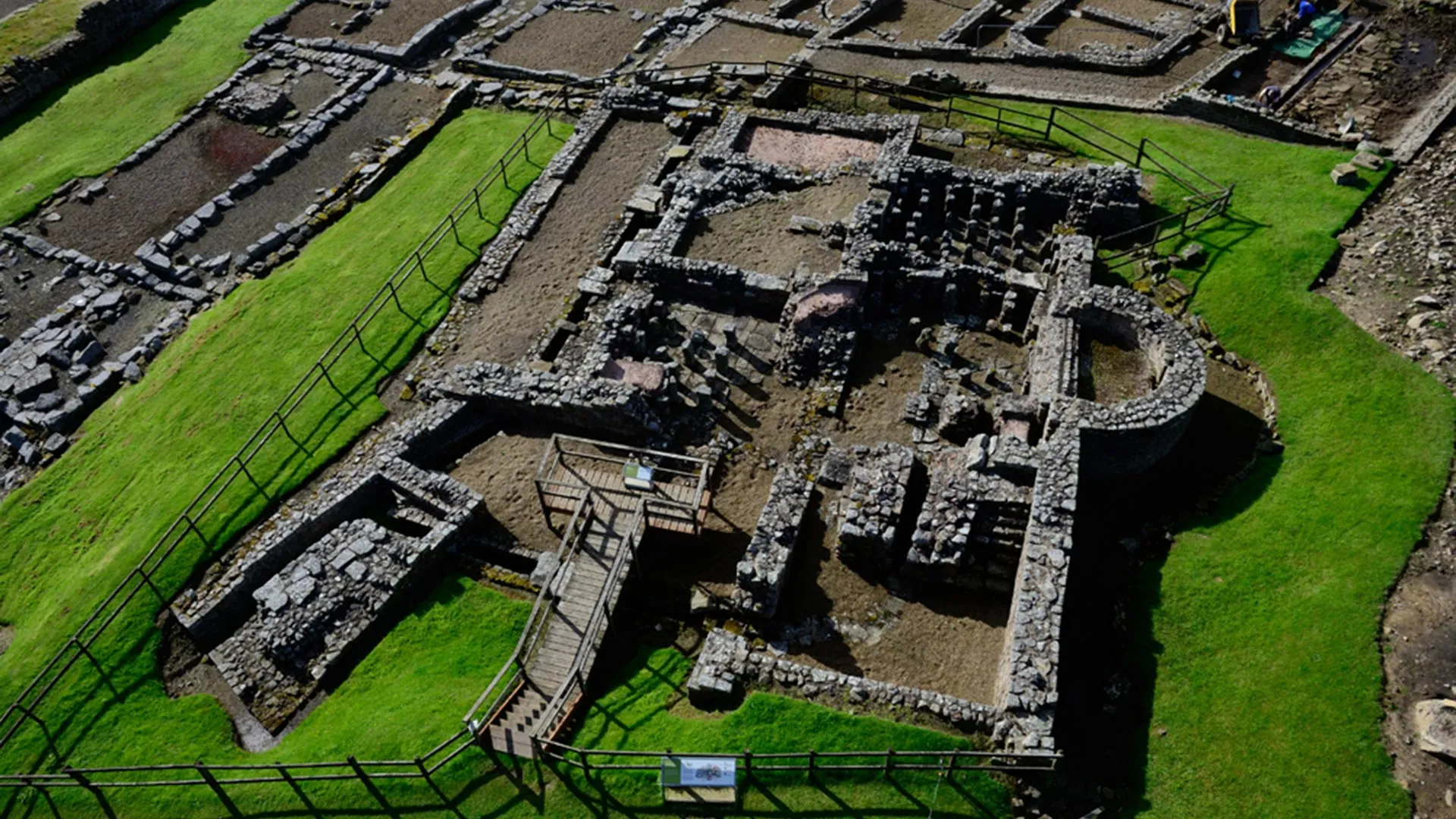
Scientists studying ancient sewer drains at the Roman fort of Vindolanda, located near Hadrian’s Wall, have uncovered evidence that the people living there were infected with three different intestinal parasites: roundworm, whipworm, and Giardia duodenalis.

All three parasites spread through poor sanitation, typically when food, water, or hands are contaminated with human feces. Roundworms can grow to 20-30cm in length, while whipworms reach about 5cm. Giardia duodenalis is a microscopic protozoan parasite known for causing outbreaks of severe diarrhea. The discovery marks the first confirmed evidence of Giardia duodenalis in Roman Britain.

Vindolanda and the Roman Frontier in Britain

Vindolanda sat close to Hadrian’s Wall in northern England. The wall was constructed by the Romans in the early 2nd century AD to protect the province of ‘Britannia’ from northern tribes and remained in use until the late 4th century. The fort itself lies between Carlisle and Corbridge in what is now Northumberland, Britain.

Stretching east to west from the North Sea to the Irish Sea, Hadrian’s Wall featured a series of forts and towers placed at regular intervals. It was defended by a mix of infantry, archers, and cavalry drawn from across the Roman Empire.

A Site Known for Remarkable Preservation

Vindolanda is well known among archaeologists for its exceptional preservation of organic materials, thanks to the site’s waterlogged soil. Discoveries include more than 1,000 thin wooden writing tablets that provide rare insight into everyday life at the fort, along with over 5,000 Roman leather shoes.

How Researchers Studied the Ancient Sewers

The parasite analysis focused on sediment taken from a sewer drain connected to the latrine block of a bath complex dating to the 3rd century CE. The research was carried out jointly by scientists from the universities of Cambridge and Oxford and published in the journal Parasitology.

Researchers collected 50 sediment samples from along the drain, which stretched roughly nine meters and carried waste from a communal latrine into a stream north of the fort. Along with the sediment, archaeologists recovered artifacts such as Roman beads, pottery fragments, and animal bones.

The samples were divided between laboratories at Cambridge and Oxford, where scientists examined them under microscopes to search for ancient helminth eggs, which are produced by parasitic worms that infect humans and animals.

Evidence of Worms and Giardia Infection

About 28% of the samples contained eggs from either roundworm or whipworm. One sample showed traces of both parasites. That same sample was further tested using a bio-molecular method called ‘ELISA’, a technique in which antibodies bind to proteins produced by single-celled organisms. This analysis revealed the presence of Giardia duodenalis.

The research team also examined a sample linked to an earlier fort from the 1st century CE. That fort was built around 85 CE and abandoned by 91/92 CE. The sediment came from a defensive ditch and also contained roundworm and whipworm eggs.

How Parasites Affected Roman Soldiers

“The three types of parasites we found could have led to malnutrition and cause diarrhea in some of the Roman soldiers,” said Dr. Marissa Ledger, who led the Cambridge portion of the research as part of her PhD at the University of Cambridge’s Department of Archaeology.

“While the Romans were aware of intestinal worms, there was little their doctors could do to clear infection by these parasites or help those experiencing diarrhea, meaning symptoms could persist and worsen. These chronic infections likely weakened soldiers, reducing fitness for duty. Helminths alone can cause nausea, cramping and diarrhea.”

Study senior author Dr. Piers Mitchell, an Affiliated Scholar at Cambridge’s McDonald Institute for Archaeological Research, explained that Giardia outbreaks could have been especially dangerous. “Some soldiers could have become severely ill from dehydration during summer outbreaks of Giardia, which are often linked to contaminated water and can infection dozens of people at a time. Untreated giardiasis can drag on for weeks, causing dramatic fatigue and weight loss.”

Mitchell added that “The presence of the fecal-oral parasites we found suggests conditions were ripe for other intestinal pathogens such as Salmonella and Shigella, which could have triggered additional disease outbreaks.”

How Vindolanda Compares to Other Roman Sites

According to the researchers, the dominance of fecal-oral parasites at Vindolanda mirrors findings from other Roman military sites, including Carnuntum in Austria, Valkenburg on Rhine in the Netherlands, and Bearsden in Scotland. In contrast, large urban centers like London and York show a wider range of parasites, including fish and meat tapeworms.

“Despite the fact that Vindolanda had communal latrines and a sewer system, this still did not protect the soldiers from infecting each other with these parasites,” said Dr. Patrik Flammer, who analyzed samples at the University of Oxford.

What Ancient Parasites Reveal About the Past

“The study of ancient parasites helps us to know the pathogens that infected our ancestors, how they varied with lifestyle, and how they changed over time,” said Prof Adrian Smith, who led the Oxford laboratory involved in the research.

Dr. Andrew Birley, CEO of the Vindolanda Charitable Trust and leader of ongoing excavations at the site, said the findings add to a growing picture of life on Rome’s northern frontier. “Excavations at Vindolanda continue to find new evidence that helps us to understand the incredible hardships faced by those posted to this northwestern frontier of the Roman Empire nearly 2,000 years ago, challenging our preconceptions about what life was really like in a Roman frontier fort and town.”

W. H. Auden once wrote of a miserable Roman soldier guarding a cold, rain-soaked wall in northern Europe, mentioning “lice in my tunic and a cold in my nose.” Based on this new evidence, chronic stomach trouble could easily be added to that list.

Share Button

Christmas Season Triggers That Can Make Menopause Symptoms Worse

The Edward Pola and George Wyle song says that Christmas is the “most wonderful time of the year” but when you’re having hot flushes from some of the ‘best’ parts of the season, it can suddenly feel like the most overwhelming time of the year.

Adrienne Benjamin, in-house expert nutritionist explains: “At Christmas we see the perfect mix of alcohol, stress, late nights, richer food, and drastic indoor and outdoor temperature variations, which can all nudge the gut out of balance.

“When the gut is under strain, the whole body can feel more uncomfortable and reactive, including the brain and blood vessels that drive hot flushes.”

Thankfully, Benjamin has shared her tips for getting through the festive season comfortably.

How to reduce menopausal hot flushes at Christmas

Central heating and overheated homes

Gone are the days when having a warm home felt ‘cosy’. Benjamin explains: “Warm indoor air is one of the most common hot-flush triggers as it raises core temperature quickly and it can be difficult to cool down in this environment.”

Of course, it’s not reasonable to expect your loved ones to endure cold homes in December. Instead she suggests: “Try lowering the heating slightly where possible, have a window open whilst cooking, and always have a glass of water at hand to sip when a flush starts.”

Crowded shops and busy venues

Yes, Christmas shopping looks very romantic in Love Actually and YES, Christmas markets appeal to many of us but these crowded spaces can be overly warm, elevating stress levels and cortisol.

Benjamin adds: “Sudden stress itself can trigger a hot flush, and stress also impacts gut motility and microbiome balance, which may make the body more prone to sudden flush ‘waves’ in menopause.”

She advises choosing quieter times to shop, taking breaks outside or chjilling in a cafe and adds: “stepping into cooler spaces during events can help the nervous system settle without needing to leave the fun entirely.”

A lovely winter breeze will feel like BLISS.

Too many layers

While getting bundled into heavy coats and gorgeous thick scarves can be a treat, Benjamin warns: “Multiple thick layers can create a heat ‘lock-in’, especially when moving between outdoors and warm interiors.”

Instead, she says, wear breathable base layers and ‘easy off’ outer layers so you can adjust quickly rather than feeling trapped in rising heat. Yuck.

Shapewear and tight festive outfits

Gorgeous glittery dresses with sheer tights, isn’t this what Christmas parties were designed for? However, Benjamin says that tight waistbands, shapewear, and high-compression fabrics don’t just trap heat, they can compress the abdomen and worsen bloating, reflux, or gut discomfort.

You don’t have to hang up your dancing shoes just yet, though. Benjamin says: “Prioritise comfort, choosing looser silhouettes or natural fibres that don’t constrict the stomach, and allow the body to cool itself more effectively. ”

Extra caffeine in cold-weather routines

Whether you’re rushed off your feet, finding time to get coffee with friends or just warming up with more cups of tea and coffee throughout the day, Benjamin warns that caffeine can be a risk.

She says: “Warming coffee, strong tea, and seasonal hot drinks can stimulate the blood vessels to widen and increase blood flow triggering flushes, and may also increase gut sensitivity and discomfort, particularly in women who are prone to reflux or IBS-type symptoms in midlife.”

She suggests altering these drinks with herbal tea or water will help moderate stress signalling and digestive irritation.

Happy holidays!

Share Button

No, Labour Has Not Said It Might Delay The Next General Election

The Labour Party chair sparked a row on Sunday with her response after she was asked on live TV if the government would delay the next general election.

The government is currently facing intense backlash over offering to postpone local in 63 councils next year.

Ministers claim this would help local authorities who are struggling with the administrative effort of setting up a voting system while also implementing Labour’s plans to abolish two-tier councils.

However, that would mean some local authorities will have been in place for up to seven years without facing voters.

Critics claim this delay is politically motivated, and that Labour is hoping Reform will fall in the polls by the time these councils actually go to the ballot box – although the government has rejected such allegations.

Sky presenter Trevor Phillips asked Labour chair Anna Turley on Sunday if Labour intended to postpone the next general election beyond 2029, too.

But doing so would require breaching the law.

Turley immediately said: “No, not at all. We are undertaking the biggest change to local government in 50 years and that takes time.”

But Phillips pushed: “If I were interviewing someone in Latin America or Africa, and they said to me what you’ve just said to me, you’d already be saying, ‘banana republic,’ speechifying about the dangers of authoritarianism.”

He then suggested Labour could use its plans to also reform the House of Lords as a reason to “put off a general election in 2029”.

Turley said: “We’ve still got a huge amount of elections coming up this year in Scotland, in Wales, all of London, we’ve got a huge amount of elections coming up in May…”

Phillips said: “So even if things are difficult and there is reorganisation of Westminster, as I say, you promised to get rid of the House of Lords, there is going to be no delay on general election?”

She said work to get rid of hereditary peers is ongoing, and general elections “always come at the decision of the prime minister”.

The presenter replied: “What I’m not hearing is that this Labour government can’t see any circumstances by which you would choose to do what you’ve done in local authorities and delay a general election, which, I’ve got to say, I’m finding surprising, that you can’t just say, ’no general election will go beyond the five-year term.”

She replied: “Of course a general election will come.

“The House of Lords isn’t elected. So I’m a bit confused as to why House of Lords reform would impact on a general election. There are no plans for a change to the general election.”

Her comments sparked major backlash from political opponents, with ex Tory prime minister Liz Truss calling her remarks “sinister” and Conservative MP Alicia Kearns wrote on X: “Either there is a terrifying reality where they’ve discussed delaying it… or Turley is terrified she won’t take the ‘right line’ and be punished… which is everything the public hates.

“This was simple. There was only one answer: of course we won’t delay the next general election. And they better not.”

But Turley also later told Times Radio this had been a “misunderstanding”.

“He was talking about House of Lords reform, which is not going to affect the general election at all,” she said. “There’s no change to the general election.

“The law is very clear. We will have a general election by 2029. That won’t change. I’m not quite sure where he was going with that, I’m afraid.”

Governments can call snap elections before their five-year term is up but they cannot extend their time in office beyond that, according to law.

The maximum time a parliament can sit is five years from the day on which it first meets.

Share Button

Weight-loss jabs: What happens when you stop?

You may have lost the weight you wanted to lose – but now you’ve stopped the jabs, how easy is it to keep it off?

Share Button

This “mushroom” is not a fungus, it’s a bizarre plant that breaks all the rules

In the damp shade beneath moss-covered trees, high in the mountains of Taiwan and mainland Japan or deep within the subtropical forests of Okinawa, an unusual organism quietly grows. At first glance, it resembles a mushroom. In reality, it is a plant called Balanophora, and it possesses some of the smallest flowers and seeds known in the plant world.

Unlike most plants, Balanophora contains no chlorophyll and cannot perform photosynthesis. It also lacks a conventional root system to draw water from the soil. Instead, it survives entirely by attaching itself to the roots of specific nearby trees and stealing the nutrients it needs. Some species and populations take this strangeness even further by producing seeds without fertilization — a reproductive strategy that is extremely rare among plants.

Scientists uncover the secrets of a long-mysterious plant

The genus Balanophora takes its name from its acorn-like appearance (Greek: balanos, acorn; phoros, bearing), and it has puzzled scientists for generations. Because the plant is rare and restricted to highly specific habitats that are increasingly threatened by human activity, most research has been limited to isolated populations.

That is now changing. A collaborative team from the Okinawa Institute of Science and Technology (OIST), Kobe University, and the University of Taipei has conducted a broad survey of Balanophora across its scattered and hard-to-reach habitats. Their findings, published in New Phytologist, trace the plant’s evolutionary history, reveal how its internal structures have adapted to a parasitic lifestyle, and open new doors for future research into this unusual lineage.

As study lead author Dr. Petra Svetlikova, Science and Technology Associate at OIST, explains: “Balanophora has lost much of what defines it as a plant, but retained enough to function as a parasite. It’s a fascinating example of how something so strange can evolve from an ancestor that looked like a normal plant with leaves and a normal root system.”

Shrinking plastids and life without photosynthesis

Parasitic plants often undergo dramatic internal changes as they become more dependent on their hosts. One common trend is the reduction or loss of plastids — a category of plant organelles that includes chloroplasts, which enable photosynthesis in most plants.

Even though Balanophora relies completely on its host trees for nutrition, the researchers found that it has not eliminated its plastids. Instead, these structures have been pared down to a minimal form. While non-parasitic plants may use up to 200 genes to build and maintain plastids, Balanophora retains only about 20. Despite this extreme reduction, more than 700 proteins are still transported into these plastids from the surrounding cell, indicating that they continue to perform essential functions.

Professor Filip Husnik, head of the Evolution, Cell Biology, and Symbiosis Unit at OIST, notes the surprise of this discovery. “That Balanophora plastids are still involved in the biosynthesis of many compounds unrelated to photosynthesis was surprising. It implies that the order and timing of plastid reduction in non-photosynthetic plants is similar to other eukaryotes, such as the malaria-causing parasite, Plasmodium, which originated from a photosynthetic ancestor.”

An ancient lineage shaped by islands

By examining samples from many different populations, the team reconstructed the evolutionary tree of Balanophora and traced how it spread across subtropical regions of East Asia. The plant belongs to the family Balanophoraceae, one of the oldest known groups of fully parasitic plants.

This family began diversifying during the mid-Cretaceous period, roughly 100 million years ago — making it one of the earliest land plant lineages to abandon photosynthesis entirely.

Reproduction without sex and the risks of survival

Balanophora‘s reproductive strategies are just as unusual as its appearance and lifestyle. Reproductive methods vary widely between species and even between populations. Some require fertilization to produce seeds, while others can also reproduce without fertilization, a process known as facultative agamospermy. In the most extreme cases, some species are obligately agamospermous, meaning they never reproduce sexually at all.

“Obligate agamospermy is exceedingly rare in the plant kingdom, because it typically carries a lot of negative downsides — lack of genetic diversity, accumulation of bad mutations, dependence on specific conditions, higher extinction risk, and so on,” says Dr. Svetlikova. “Fascinatingly, we found that the obligately agamospermous Balanophora species were all island species — and we speculate that more Balanophora species may be facultative, or even obligate, agamosperms.”

One advantage of this reproductive approach is that a single female plant can establish a new population after reaching an island. This ability allows Balanophora to spread quickly into the narrow ecological niche it prefers: dark, moist forest undergrowth where few other plants can survive.

A fragile future for a highly specialized plant

Despite its ability to clone itself, Balanophora is extremely selective about its hosts. Each population typically parasitizes only a small number of tree species. This specialization makes the plant especially vulnerable to environmental change.

Dr. Svetlikova emphasizes the importance of collaboration and conservation. “We’re very thankful to our collaborators Dr. Huei-Jiun Su and Dr. Kenji Suetsugu, experts on parasitic plants, for their help in sampling the studied Balanophora species, and to local authorities in Okinawa that allowed us to study these extraordinary plants,” she says. “Most known habitats of Balanophora are protected in Okinawa, but the populations face extinction by logging and unauthorized collection. We hope to learn as much as we can about this fantastic, ancient plant before it’s too late. It serves as a reminder of how evolution continues to surprise us.”

Share Button

What scientists found inside Titan was not what anyone expected

A new examination of spacecraft data collected more than ten years ago suggests that Saturn’s largest moon, Titan, probably does not contain a massive ocean beneath its frozen surface, as scientists once believed. Instead, moving downward through Titan’s icy shell would likely reveal additional layers of ice that gradually transition into slushy pathways and isolated pockets of liquid water closer to the moon’s rocky interior.

Earlier interpretations of data from NASA’s Cassini mission to Saturn led scientists to propose a deep ocean of liquid water hidden beneath Titan’s ice. When researchers tested that idea using computer models, however, the results did not align with the physical characteristics seen in the data. A closer reanalysis produced new — slushier — conclusions. These results may prompt scientists to revisit assumptions about other icy worlds and refine how they search for life on Titan.

“Instead of an open ocean like we have here on Earth, we’re probably looking at something more like Arctic sea ice or aquifers, which has implications for what type of life we might find, but also the availability of nutrients, energy and so on,” said Baptiste Journaux, a University of Washington assistant professor of Earth and space sciences.

The study, published Dec. 17 in Nature, was led by NASA, with contributions from Journaux and Ula Jones, a UW graduate student of Earth and space sciences in his lab.

Cassini’s Legacy and Titan’s Unusual Surface

The Cassini mission began in 1997 and continued for nearly two decades, gathering extensive information about Saturn and its 274 moons. Titan — shrouded by a hazy atmosphere — stands out as the only place besides Earth where liquid is known to exist on the surface. With temperatures near -297 degrees Fahrenheit, that liquid is methane, not water. Methane forms lakes on Titan and even falls from the sky as rain.

As Titan travels around Saturn in an elongated orbit, scientists noticed that the moon stretches and compresses depending on its position relative to the planet. In 2008, researchers argued that this pronounced flexing could only occur if a large ocean existed beneath Titan’s crust.

“The degree of deformation depends on Titan’s interior structure. A deep ocean would permit the crust to flex more under Saturn’s gravitational pull, but if Titan were entirely frozen, it wouldn’t deform as much,” Journaux said. “The deformation we detected during the initial analysis of the Cassini mission data could have been compatible with a global ocean, but now we know that isn’t the full story.”

A Subtle Time Lag Reveals a Slushy Interior

The new research adds an important factor that earlier studies did not fully consider: timing. Titan’s changes in shape lag roughly 15 hours behind the strongest pull from Saturn’s gravity. Moving a thick, sticky material requires more energy than shifting a free flowing liquid, similar to how stirring honey takes more effort than stirring water. By measuring this delay, scientists could estimate how much energy Titan absorbs as it deforms, offering insight into how thick or viscous its interior must be.

The amount of energy lost, or dissipated, inside Titan turned out to be far greater than expected if a global liquid ocean were present.

“Nobody was expecting very strong energy dissipation inside Titan. That was the smoking gun indicating that Titan’s interior is different from what was inferred from previous analyses,” said Flavio Petricca, a postdoctoral fellow at NASA’s Jet Propulsion Laboratory and lead author of the study.

Based on these findings, the researchers propose an interior made up largely of slush, with significantly less liquid water than previously assumed. This slushy material is thick enough to explain the delayed response to Saturn’s gravity, while still containing enough water to allow Titan to change shape.

Radio Signals and Extreme Physics Support the Model

Petricca reached these conclusions by analyzing the frequencies of radio waves transmitted from the Cassini spacecraft during close fly-bys of Titan. Journaux helped interpret the results using thermodynamics. His work focuses on how water and minerals behave under intense pressure, knowledge that is critical for understanding whether other planetary environments might support life.

“The watery layer on Titan is so thick, the pressure is so immense, that the physics of water changes. Water and ice behave in a different way than sea water here on Earth,” Journaux said.

At his planetary cryo-mineral physics laboratory at UW, researchers have spent years developing methods to recreate the extreme conditions found on other worlds. Using this work, Journaux provided Petricca and his colleagues with data describing how water and ice are expected to behave deep inside Titan.

“We could help them determine what gravitational signal they should expect to see based on the experiments made here at UW,” Journaux said. “It was very rewarding.”

What Slush Could Mean for Life on Titan

“The discovery of a slushy layer on Titan also has exciting implications for the search for life beyond our solar system,” Jones said. “It expands the range of environments we might consider habitable.”

While the idea of a vast ocean once fueled optimism about life on Titan, the researchers suggest the updated picture may actually improve the odds. Their analysis indicates that Titan’s freshwater pockets could reach temperatures as high as 68 degrees Fahrenheit. In these smaller volumes of water, nutrients would be more concentrated than in a large ocean, potentially making it easier for simple life forms to survive.

Although scientists do not expect to find fish swimming through Titan’s slushy channels, any life discovered there might resemble organisms found in Earth’s polar regions.

Journaux is also part of NASA’s upcoming Dragonfly mission to Titan, which is scheduled to launch in 2028. The findings from this study will help inform that mission, and Journaux hopes future data will provide both evidence of life and a definitive answer about the presence of an ocean beneath Titan’s ice.

Co-authors include Steven D. Vance, Marzia Parisi, Dustin Buccino, Gael Cascioli, Julie Castillo-Rogez, Mark Panning and Jonathan I. Lunine from NASA; Brynna G. Downey at Southwest Research Institute; Francis Nimmo and Gabriel Tobie from the University of Nantes; Andrea Magnanini from the University of Bologna; Amirhossein Bagheri from the California Institute of Technology and Antonio Genova from Sapienza University of Rome.

This research was funded by NASA, the Swiss National Science Foundation and the Italian Space Agency.

Share Button

Deaths of despair were rising long before opioids

A new study suggests that falling participation in organized religion among middle-aged white Americans with lower levels of education may have contributed to the rise in so-called “deaths of despair.” These deaths include fatalities linked to drug overdoses, suicide, and alcoholic liver disease.

The researchers found a clear pattern at the state level. States that experienced the sharpest drops in church attendance between 1985 and 2000 also saw the largest increases in deaths from these causes during the same period.

A Trend That Began Before the Opioid Crisis

Deaths of despair are often associated with the arrival of OxyContin and other powerful opioids in the late 1990s. However, the new analysis indicates that the upward trend started earlier, at the same time religious participation began to decline.

“What we see in this study is the beginning of the story, before opioids became a major issue, and it shows rises in deaths of despair were already beginning to happen when the opioid crisis hit,” said Tamar Oostrom, co-author of the study and an assistant professor of economics at The Ohio State University.

Oostrom worked on the research with Tyler Giles of Wellsley College and Daniel Hungerman of the University of Notre Dame. The study was published online in the Journal of the European Economic Association.

Data Sources and Affected Populations

The research team combined survey data on religious involvement from the General Social Surveys with mortality records from the Centers for Disease Control and Prevention.

Their findings showed that the decline in religious participation was concentrated among white, middle-aged adults without a college degree. This was the same group that experienced the most pronounced increases in deaths of despair, Oostrom said.

The relationship between lower church attendance and higher mortality appeared consistently across genders and was seen in both rural and urban areas of the United States.

Blue Laws and Changes in Church Attendance

To strengthen their findings, the researchers examined the repeal of “blue laws,” which had previously restricted many businesses from operating on Sundays. These laws limited competition with church attendance by reducing alternative activities.

A major wave of repeals took place in 1985, when Minnesota, South Carolina, and Texas eliminated their blue laws. The researchers compared outcomes in those states with others that did not make similar changes at that time.

The analysis showed that repealing blue laws led to a 5- to 10-percentage-point drop in weekly attendance at religious services. In later years, those same states also experienced higher rates of deaths of despair.

Mortality Trends Before and After Opioids

Oostrom noted that deaths of despair among middle-aged white Americans had been steadily declining from the late 1970s through the early 1990s. That decline eventually stalled, a shift that aligns with both falling church attendance and the repeal of blue laws.

After OxyContin was introduced in 1996, mortality rates rose sharply.

“OxyContin and the opioid crisis made a bad situation worse, but the deaths of despair were already on the rise,” Oostrom said.

Why Churchgoing May Matter for Health

The study raises an important question: how could lower church attendance contribute to higher death rates?

Oostrom explained that people who stop attending religious services often lose social ties, which past research has shown play a crucial role in physical and mental health. However, the findings suggest that social connection alone does not fully explain the pattern.

The researchers did not observe similar declines in other types of social activities during the same period when church attendance was falling.

“Religion may provide some way of making sense of the world, some sense of identity in relation to others, that can’t easily be replaced by other forms of socialization,” Oostrom said.

She also emphasized that belief itself did not fade during the years studied.

“What changed is whether people identified as religious and whether they go to church. Those are the things that matter when it comes to deaths of despair,” she said.

Can Community Participation Reverse the Trend?

The findings raise the possibility that renewed involvement in religious organizations or even secular community groups might help counter rising mortality rates. However, the authors caution that existing evidence does not offer much optimism.

“To our knowledge, findings on this point have so far been pessimistic,” the researchers wrote.

Oostrom added that there is no clear sign that broader declines in community participation are reversing. She also noted that the positive effects of religious involvement on life satisfaction are difficult to reproduce through other forms of social engagement.

The growing role of social media in the 21st century may further reduce the likelihood of a meaningful reversal, she said.

“People are less religious now, and there hasn’t been a substitute that provides what religion provided to many people. And our paper suggests this could have long-term impacts on health and mortality,” Oostrom said.

Share Button