Gene-edited CAR-T cells erase aggressive T-cell leukemia

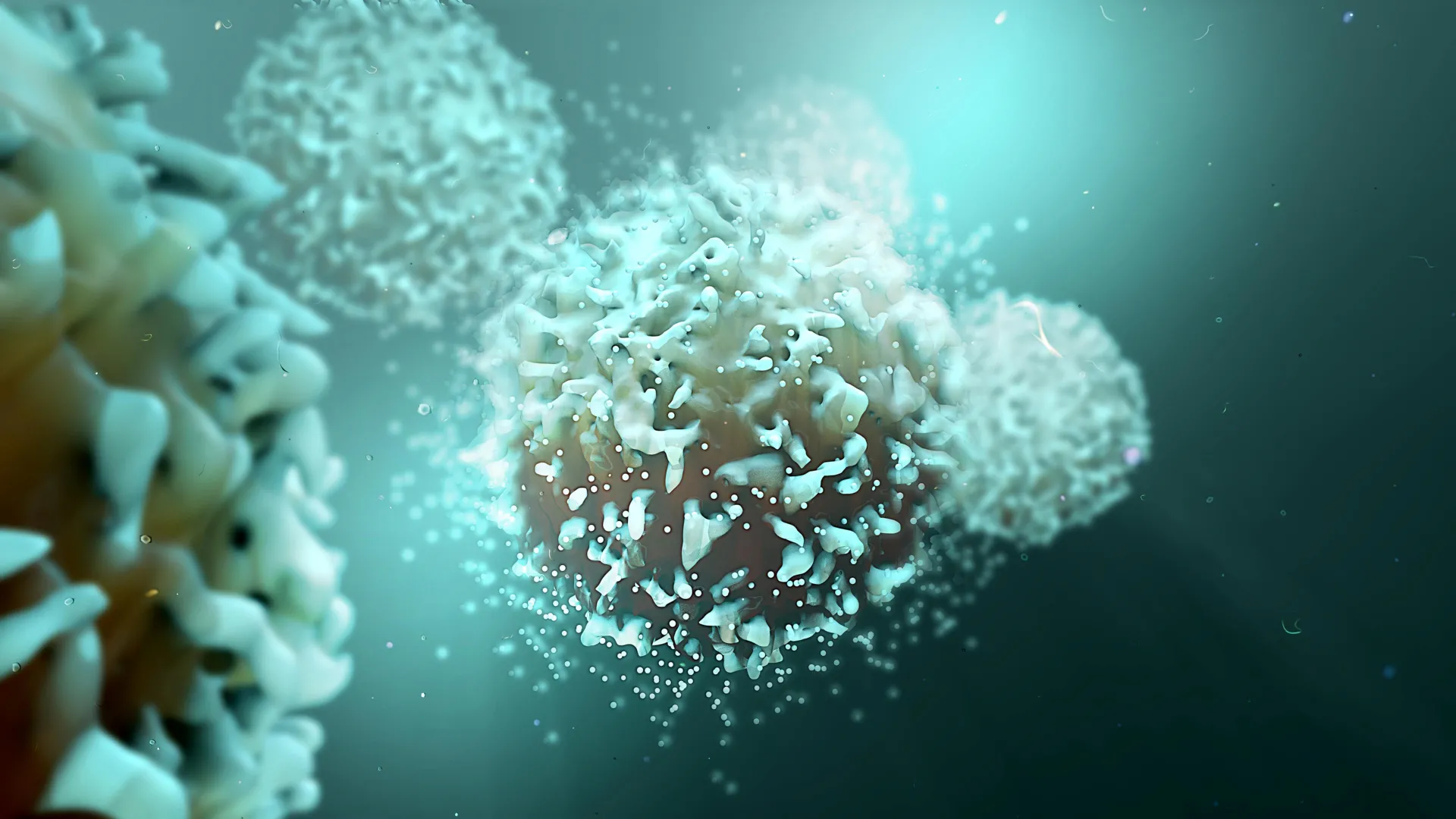
A new treatment created by scientists at UCL (University College London) and Great Ormond Street Hospital (GOSH) is offering promising results for children and adults with T-cell acute lymphoblastic leukemia (T-ALL), a fast-moving and uncommon blood cancer. The approach uses genome-edited immune cells to target the disease in patients who often have very limited treatment options.

This first-of-its-kind gene therapy, known as BE-CAR7, relies on base-edited immune cells to attack types of T-cell leukemia that historically could not be treated effectively. Base-editing is an advanced form of CRISPR that changes individual DNA letters inside living cells with high precision.

In 2022, researchers at GOSH and UCL used this technology to treat Alyssa, a 13-year-old girl from Leicester, marking the first time a base-edited therapy had been used in a patient anywhere in the world.

Since then, the treatment has been given to eight more children and two adults at GOSH and King’s College Hospital (KCH).

Clinical trial results show strong remission rates

Findings from the early clinical trial have been published in the New England Journal of Medicine and shared at the 67th American Society of Hematology Annual Meeting. Key outcomes reported by the research team include:

  • 82% of patients reached very deep remission after receiving BE-CAR7, which allowed them to move forward to a stem cell transplant without detectable disease
  • 64% remain free of leukemia, and the earliest treated patients have now been disease-free and off therapy for three years
  • Side effects such as low blood counts, cytokine release syndrome and rashes were expected and manageable, although the highest risks were linked to viral infections while the immune system was rebuilding

How CAR T-cell therapy works

CAR-T cell immunotherapy has become an important option for several blood cancers. The process modifies a patient’s T-cells so they carry a customized protein called a chimeric antigen receptor (CAR). This receptor helps the modified cell identify unique markers or “flags” on cancer cells and destroy them.

Developing CAR T-cell therapies for leukemias that originate in T-cells has been especially difficult. The challenge is that the treatment must wipe out cancerous T-cells without triggering the engineered cells to attack one another.

Base-editing enables the creation of universal CAR T-cells

BE-CAR7 T-cells are created with a next-generation genome editing method that does not cut DNA, which lowers the chances of chromosomal damage. Using CRISPR-based tools, researchers altered single DNA letters to reprogram the cells. In 2022, these edits allowed the team to produce banked stores of “universal” CAR T-cells that can be delivered to different patients and still recognize and attack T-cell leukemia.

For this study, the universal CAR T-cells came from the white blood cells of healthy donors. The engineering steps took place in a clean room facility at GOSH using custom RNA, mRNA and a lentiviral vector in an automated system the team previously refined. Key steps included:

  • Removing existing receptors so donor cells can be stored and given to any patient without the need for a match, creating “universal” T-cells
  • Removing the CD7 marker that identifies cells as T-cells (CD7 T-cell marker). Without removing CD7, T-cells designed to kill T-cells would destroy one another in “friendly-fire”
  • Removing CD52, a second marker. This alteration prevents a strong antibody medication used to suppress the immune system from eliminating the engineered cells
  • Adding a Chimeric Antigen Receptor (CAR) that detects CD7 on leukemic T-cells. A disabled virus provided extra DNA instructions so the cells can find and attack CD7-positive leukemia

From cancer clearance to immune rebuilding

When patients receive base-edited CAR T-cells, the engineered cells quickly locate and destroy T-cells throughout the body, including the cancerous ones. If leukemia is cleared within the first month, patients then undergo a bone marrow transplant that restores a functioning immune system over the following months.

Professor Waseem Qasim, who led the research and is professor of cell and gene therapy at UCL and honorary consultant immunologist at GOSH, said: “We previously showed promising results using precision genome editing for children with aggressive blood cancer and this larger number of patients confirms the impact of this type of treatment. We’ve shown that universal or ‘off the shelf’ base-edited CAR T-cells can seek and destroy very resistant cases of CD7+ leukemia.”

He added: “Many teams were involved across the hospital and university and everyone is delighted for patients clearing their disease, but at the same time, deeply mindful that outcomes were not as hoped for some children. These are intense and difficult treatments — patients and families have been generous in recognizing the importance of learning as much as possible from each experience.”

New hope for patients who do not respond to standard therapy

Dr. Rob Chiesa, a study investigator and bone marrow transplant consultant at GOSH, said: “Although most children with T-cell leukemia will respond well to standard treatments, around 20% may not. It’s these patients who desperately need better options and this research provides hope for a better prognosis for everyone diagnosed with this rare but aggressive form of blood cancer.

“Seeing Alyssa go from strength-to-strength is incredible and a testament to her tenacity and the dedication of an array of small army of people at GOSH. Team working between bone marrow transplant, hematology, ward staff, teachers, play workers, physiotherapists, lab and research teams, among others, is essential for supporting our patients.”

Dr. Deborah Yallop, consultant hematologist at KCH, said: “We’ve seen impressive responses in clearing leukemia that seemed incurable — it’s a very powerful approach.”

Funding expands access to more T-ALL patients

The trial is sponsored by GOSH and supported by the Medical Research Council, Wellcome and the National Institute for Health and Care Research (NIHR). Patients eligible for NHS care who are interested in taking part should speak with their healthcare team.

GOSH Charity has also committed funding to support treatment for an additional 10 T-ALL patients. This more than £2m investment helps broaden access to the trial and contributes to GOSH Charity’s fundraising campaign for a new Children’s Cancer Centre designed to advance cutting-edge research.

Alyssa’s recovery continues to inspire progress

Alyssa Tapley, now 16, became the first person in the world to receive a base-edited cell therapy. She shared her story in 2022, when her leukemia was undetectable but she remained under careful monitoring. She has since moved to long-term follow-up and is fully engaged in daily life with her friends.

She was diagnosed with T-cell leukemia in May 2021 after months of what appeared to be repeated viral illnesses and fatigue. Standard treatments such as chemotherapy and a first bone marrow transplant did not work, and discussions about palliative care had begun when the research team offered the experimental therapy.

Alyssa said: “I chose to take part in the research as I felt that, even if it didn’t work for me, it could help others. Years later, we know it worked and I’m doing really well. I’ve done all those things that you’re supposed to do when you’re a teenager.

“I’ve gone sailing, spent time away from home doing my Duke of Edinburgh Award but even just going to school is something I dreamed of when I was ill. I’m not taking anything for granted. Next on my list is learning to drive, but my ultimate goal is to become a research scientist and be part of the next big discovery that can help people like me.”

Research infrastructure and continued support

BE-CAR7 cells were manufactured through a long-term research program at the UCL Great Ormond Street Institute of Child Health, led by Professor Qasim, who also serves as an honorary consultant at GOSH. Support from NIHR, Wellcome, the Medical Research Council and GOSH Charity has helped drive the development of innovative genome editing treatments.

The team now operates from the Zayed Centre for Research into Rare Disease in Children, a partnership between UCL and GOSH made possible through a £60 million gift in 2014 from Her Highness Sheikha Fatima bint Mubarak in honor of her late husband, Sheikh Zayed bin Sultan Al Nahyan.

The researchers expressed their thanks to Anthony Nolan and to the volunteer blood and stem cell donors, as well as the patients and families who chose to take part in this work.

Share Button

New research reveals how everyday cues secretly shape your habits

Researchers at Georgetown University Medical Center have identified a way the brain’s learning system can shift depending on the activity of a particular protein. Their work shows that the ability to connect cues with rewarding outcomes can be strengthened or weakened when this protein becomes more or less active. This process helps determine whether the brain responds to signals that lead to positive behaviors or ignores cues tied to harmful habits, including those involved in smoking addiction.

“Our ability to link certain cues or stimuli with positive or rewarding experiences is a basic brain process, and it is disrupted in many conditions such as addiction, depression, and schizophrenia,” says Alexey Ostroumov, PhD, assistant professor in the Department of Pharmacology & Physiology at Georgetown University School of Medicine and senior author of the study. “For example, drug abuse can cause changes in the KCC2 protein that is crucial for normal learning. By interfering with this mechanism, addictive substances can hijack the learning process.”

The study, supported by the National Institutes of Health (NIH), was published December 9 in Nature Communications.

How KCC2 Shapes Dopamine Activity and Reward Learning

The team found that changes in learning can occur when levels of the KCC2 protein shift. When KCC2 levels are reduced, dopamine neurons fire more rapidly, which encourages the formation of new reward associations. These dopamine neurons produce and release dopamine, a neurotransmitter essential for motivation, reward processing, and motor control.

To better understand this relationship, researchers studied rodent brain tissue and monitored the behavior of rats during Pavlovian cue-reward tests. In these classic experiments, a brief sound alerts the rats that a sugar cube is on the way. Beyond analyzing how KCC2 affects the pace of neuron firing, the investigators discovered that neurons firing in a coordinated pattern can amplify dopamine activity in a surprising way. Short bursts of dopamine appear to serve as potent learning signals that help the brain assign meaning and value to shared experiences.

Why Everyday Cues Can Trigger Cravings

“Our findings help explain why powerful and unwanted associations form so easily, like when a smoker who always pairs morning coffee with a cigarette later finds that just drinking coffee triggers a strong craving to smoke,” notes Ostroumov. “Preventing even relatively benign drug-induced associations with situations or places, or restoring healthy learning mechanisms, can help develop better treatments for addiction and related disorders.”

How Diazepam and Other Drugs Influence Neuron Coordination

The researchers also examined whether drugs that act on specific cellular receptors, including benzodiazepines such as diazepam, could alter learning processes. Earlier work showed that shifts in KCC2 production, and therefore in neuron activity, can change how diazepam (valium) produces its calming effects in the brain. The current study adds another layer to this understanding by showing that neurons do more than increase or decrease activity. They can coordinate their firing patterns, and when that coordination occurs, they transmit information more effectively. The team found that diazepam can support this coordinated activity in their experiments.

Methods and the Importance of Using Rats for Behavioral Tests

“To reach our conclusions, we combined many experimental approaches, including electrophysiology, pharmacology, fiber photometry, behavior, computational modeling, and molecular analyses,” says the study’s first author Joyce Woo, a PhD candidate in Ostroumov’s lab.

She explained that rats were chosen for the behavioral portion of the research because they typically perform more consistently than mice on longer and more complex tasks. Their reliability in reward-learning experiments allowed the research team to gather more stable and informative data.

Broader Implications for Brain Disorders and Treatment Strategies

“We believe these discoveries extend beyond basic learning research,” says Ostroumov. “They reveal new ways the brain regulates communication between neurons. And because this communication can go wrong in different brain disorders, our hope is that by preempting these disruptions, or by fixing normal communication when it’s impaired, we can help develop better treatments for a wide range of brain disorders.”

Additional Georgetown contributors include Ajay Uprety, Daniel Reid, Irene Chang, Aelon Ketema Samuel, Helena de Carvalho Schuch and Caroline C Swain.

Ostroumov and his co-authors report having no personal financial interests related to the study.

This work was supported by NIH grants MH125996, DA048134, NS139517, DA061493, as well as grants from the Brain & Behavior Research Foundation, the Whitehall Foundation and the Brain Research Foundation.

Share Button

Campaigners question ethics of puberty-blocker trial in legal letter to Streeting

Researchers and the UK regulator say the study is going to help improve care for children questioning their gender.

Share Button

Flu wave hits England’s busiest A&E – hundreds of patients are arriving a day

The BBC visits Leicester Royal Infirmary to witness first-hand how it’s coping with an early surge in cases of winter bugs.

Share Button

Last minute offer may avert strike by resident doctors

Deal put forward by ministers includes rapid expansion of training posts, but no promises on pay.

Share Button

Trump’s ‘Absolutely Crazed’ Threat To Those Who Question His Health Sparks Outrage

Donald Trump flipped out in a post on his Truth Social platform on Tuesday as he issued an ominous warning to anyone who questions his health, suggesting “it’s seditious, perhaps even treasonous” and libelous.

Trump – apparently still fuming from an article in The New York Times that highlighted his recent lightened workload and asked about his energy levels – insisted in a furious, lengthy screed there “has never been a President that has worked as hard as me” with his hours “the longest” and results “among the best.”

Trump touted some of his administration’s purported accomplishments that he claimed had “created an ‘aura’ around the United States of America that has led every Country in the World to respect us more than ever before.”

On his health, he then wrote:

“In addition to all of that, I go out of my way to do long, thorough, and very boring Medical Examinations at the Great Walter Reed National Military Medical Center, seen and supervised by top doctors, all of whom have given me PERFECT Marks — Some have even said they have never seen such Strong Results. I do these Tests because I owe it to our Country. In addition to the Medical, I have done something that no other President has done, on three separate occasions, the last one being recently, by taking what is known as a Cognitive Examination, something which few people would be able to do very well, including those working at The New York Times, and I ACED all three of them in front of large numbers of doctors and experts, most of whom I do not know. I have been told that few people have been able to ‘ace’ this Examination and, in fact, most do very poorly, which is why many other Presidents have decided not to take it at all.”

“Despite all of this, the time and work involved, The New York Times, and some others, like to pretend that I am ‘slowing up,’ am maybe not as sharp as I once was, or am in poor physical health, knowing that it is not true, and knowing that I work very hard, probably harder than I have ever worked before. I will know when I am ‘slowing up,’ but it’s not now!”

The president then warned:

“After all of the work I have done with Medical Exams, Cognitive Exams, and everything else, I actually believe it’s seditious, perhaps even treasonous, for The New York Times, and others, to consistently do FAKE reports in order to libel and demean ‘THE PRESIDENT OF THE UNITED STATES.’ They are true Enemies of the People, and we should do something about it.”

Critics on social media slammed the post as “absolutely crazed” and pointed out the hypocrisy, given Trump’s repeated attacks on the health of his predecessor, former President Joe Biden.

Share Button

Ask A GP: What Is ‘Superflu’, And How Can I Tell It From ‘Normal’ Flu?

Though the influenza H3N2 strain, a variant of the flu currently making headlines, has sometimes been termed a “superflu,” Dr Suzanne Wylie, GP and medical adviser for IQdoctor, told HuffPost UK that “the term ‘superflu’ isn’t a recognised medical diagnosis.”

Instead, she said, it usually describes, “A combination of genuine influenza, circulating Covid-19 variants, RSV, and other viral illnesses that overlap in symptoms and timing.

“This can make the overall picture feel more intense and prolonged than a typical flu season.”

This is not to say, however, that the NHS is not experiencing an extraordinarily busy flu season (they are), or that patients are not “experiencing symptoms that persist longer than usual”.

Here, the GP shared how to spot “normal” flu from what some might term a “superflu,” as well as why influenza might be so rife right now.

How can I tell a “normal” flu from a “superflu”?

Dr Wylie explained that her definition of what some might term a “superflu” is “co-infection with more than one virus, or catching a second virus before fully recovering from the first”.

In that context, she explained, “true influenza tends to come on very suddenly, often within the space of a few hours.

“High fever, profound fatigue, muscle aches, headaches, a dry cough and a sense of being completely ‘wiped out’ are characteristic. People often describe being unable to get out of bed or perform basic tasks.”

She added, “What’s sometimes labelled this year as ‘superflu’ is essentially this classic influenza picture, but with the added complication that many individuals are experiencing symptoms that persist longer than usual, lingering coughs, extended fatigue, and a slower return to normal activity.”

And, the GP said, many cases of what people believe to be flu are actually a bad cold or another respiratory infection. These “develop more gradually” than flu, “with runny noses, sore throats, congestion and milder fevers.”

You will typically still be able to function somewhat with a cold, she continued.

“The distinction can blur, especially when multiple viruses are circulating, but influenza tends to be more abrupt and systemically draining.”

Why is flu so bad this winter?

“Immunity in the population fluctuates year to year, depending on which strains have circulated previously and how closely the current strains match the [flu] vaccine,” she explained.

“If the circulating strain is one the community has not been exposed to recently, or if vaccine uptake has been lower, more people are left susceptible, leading to higher case numbers and more severe symptoms.”

The BBC notes that many people have not been exposed to the mutated H3N2 strain much in the past few years.

This is partly, Dr Wylie said, “the after-effects of the pandemic: reduced exposure to seasonal viruses over several years means people’s baseline immunity to common respiratory pathogens may be lower than it once was.”

And increased strain on healthcare may mean that people are waiting longer to get help for the flu, meaning they’re worse off by the time they’re seen, she added.

“Environmental and behavioural factors also play a role: winter gatherings, indoor living, and schools acting as hubs for virus transmission all contribute to a more intense season,” she continued.

“Many patients are also experiencing simultaneous stresses, poor sleep or chronic conditions that can make any viral illness feel harder to shake off.”

So, “the combination of genuine influenza, overlapping viruses, reduced background immunity and a challenging winter has created the sense of a particularly tough respiratory season.”

And while Dr Wylie is sceptical of the use of the word “superflu,” she advised: “If someone is unsure whether their symptoms are typical of a cold, flu or something more serious, it’s always sensible to seek medical advice, especially if symptoms are severe, prolonged or worsening.”

Share Button

People Are Just Realising Stuart Little Isn’t A Mouse, And I Need To Lie Down

There are some things I thought I could take for granted. I always assumed paprika came from some spicy variety of pepper, but while traditional ones can contain varying degrees of heat, many large manufacturers use a type of sweet bell pepper instead.

I’d believed “wi-fi” stood for something, like “wifeless fidelity,” too. Nope: its name “doesn’t stand for anything. It is not an acronym. There is no meaning”.

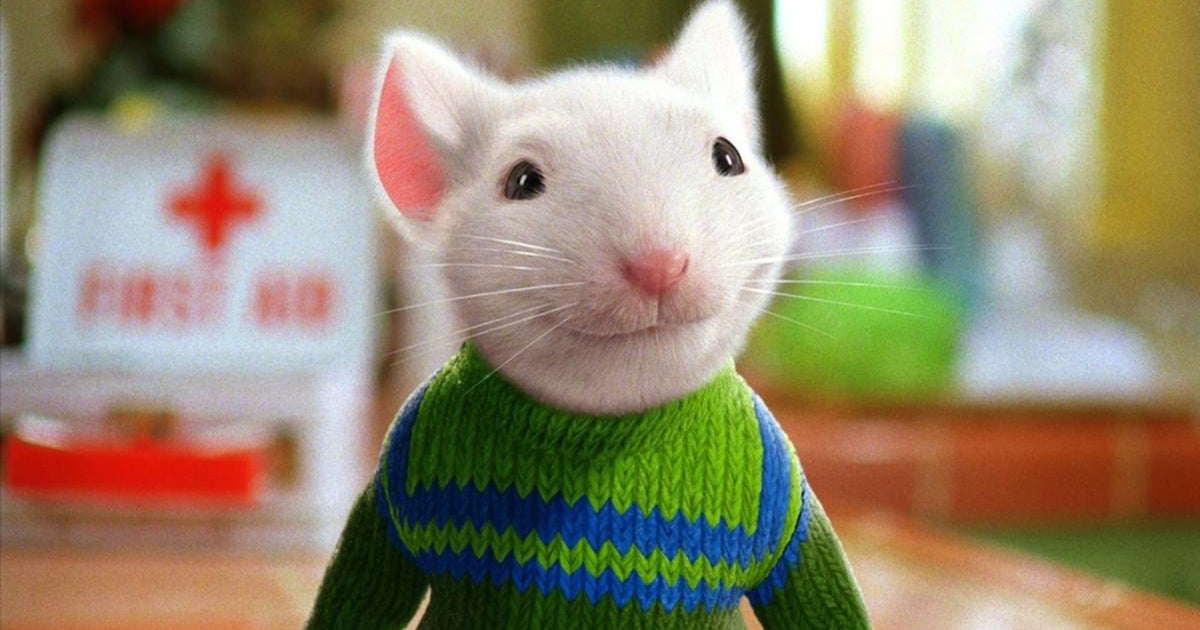
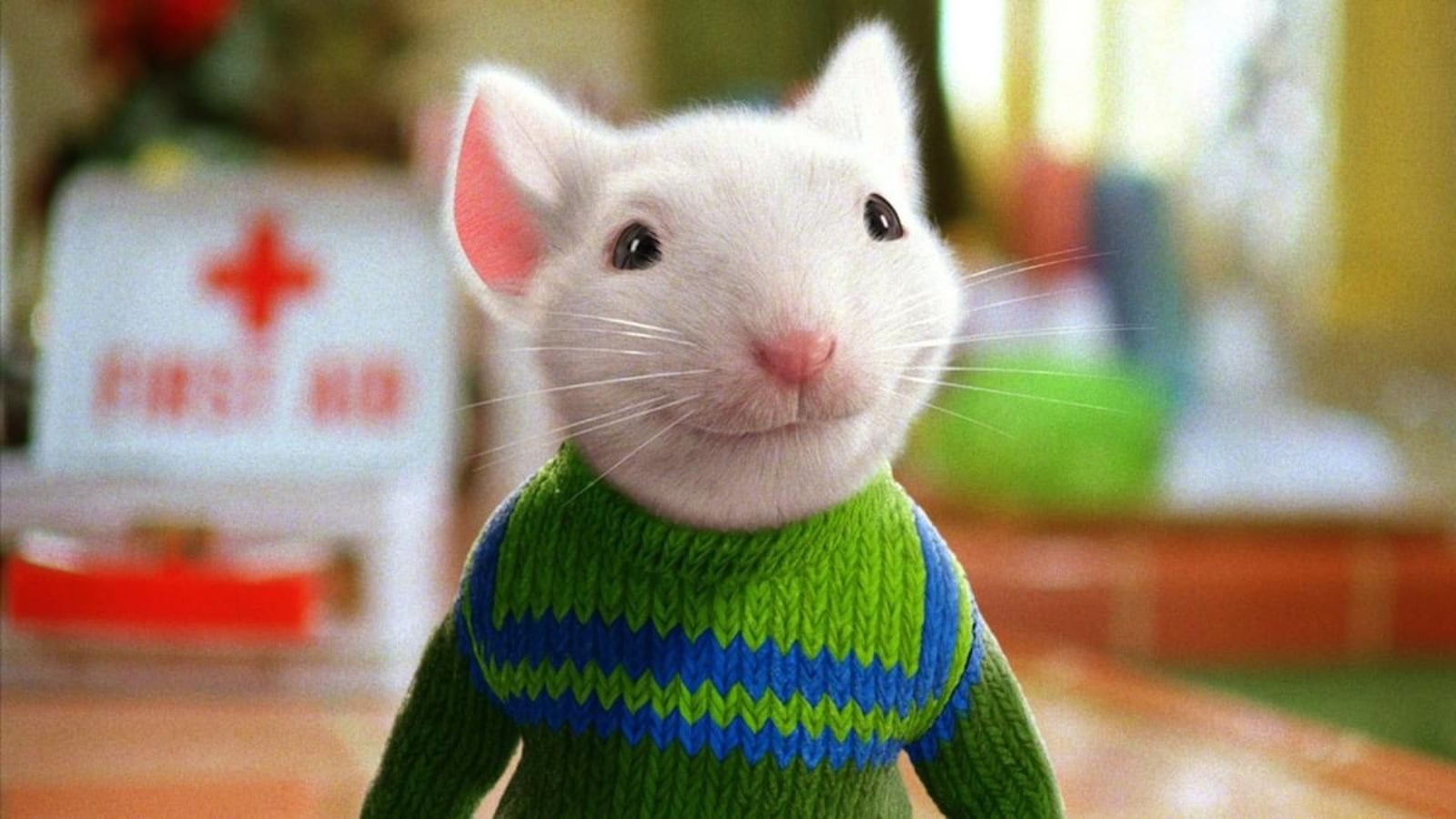
But even I, a person who could fairly be described as “professionally bemused,” was uniquely surprised to learn that Stuart Little is not actually a mouse.

And looking at the responses to an X post from film critic and editor of Slash Film, Chris Evangelista, it seems I’m not alone.

<div class="js-react-hydrator" data-component-name="Twitter" data-component-id="8623" data-component-props="{"itemType":"rich","index":6,"contentIndexByType":2,"contentListType":"embed","code":"

I’ve just now learned that in the STUART LITTLE book, Stuart is not actually a mouse but a human boy who looks like a mouse, and I don’t know how to process this pic.twitter.com/W2mGvwWula

— Chris Evangelista (@cevangelista413) December 8, 2025

","type":"rich","meta":{"author":"Chris Evangelista","author_url":"https://twitter.com/cevangelista413","cache_age":86400,"description":"I’ve just now learned that in the STUART LITTLE book, Stuart is not actually a mouse but a human boy who looks like a mouse, and I don’t know how to process this pic.twitter.com/W2mGvwWula— Chris Evangelista (@cevangelista413) December 8, 2025\n\n\n","options":{"_hide_media":{"label":"Hide photos, videos, and cards","value":false},"_maxwidth":{"label":"Adjust width","placeholder":"220-550, in px","value":""},"_theme":{"value":"","values":{"dark":"Use dark theme"}}},"provider_name":"Twitter","thumbnail_height":799,"thumbnail_url":"https://pbs.twimg.com/media/G7qwfUXWkAAsXVP.jpg:large","thumbnail_width":1170,"title":"Chris Evangelista on Twitter / X","type":"rich","url":"https://twitter.com/cevangelista413/status/1998103439646368241","version":"1.0"},"flags":[],"enhancements":{"fonts":{"primary":{},"accent":{},"caption":{}}},"fullBleed":false,"options":{"theme":"news","device":"desktop","editionInfo":{"id":"uk","name":"U.K.","link":"https://www.huffingtonpost.co.uk","locale":"en_GB"},"originalEdition":"uk","isMapi":false,"isAmp":false,"isMobile":false,"isAdsFree":false,"isVideoEntry":false,"isEntry":true,"isMt":false,"entryId":"6939735be4b0447a52b94db2","entryPermalink":"https://www.huffingtonpost.co.uk/entry/staurt-ittle-human-explained_uk_6939735be4b0447a52b94db2","entryTagsList":"twitter,trivia,reddit,books,movies","sectionSlug":"entertainment","deptSlug":null,"sectionRedirectUrl":null,"subcategories":"","isWide":false,"isShopping":false,"headerOverride":null,"noVideoAds":false,"disableFloat":false,"isNative":false,"commercialVideo":{"provider":"custom","site_and_category":"uk.entertainment","package":null},"isHighline":false,"vidibleConfigValues":{"cid":"60afc140cf94592c45d7390c","disabledWithMapiEntries":false,"overrides":{"all":"60b8e525cdd90620331baaf4"},"whitelisted":["56c5f12ee4b03a39c93c9439","56c6056ee4b01f2b7e1b5f35","59bfee7f9e451049f87f550b","5acccbaac269d609ef44c529","570278d2e4b070ff77b98217","57027b4be4b070ff77b98d5c","56fe95c4e4b0041c4242016b","570279cfe4b06d08e3629954","5ba9e8821c2e65639162ccf1","5bcd9904821576674bc55ced","5d076ca127f25f504327c72e","5b35266b158f855373e28256","5ebac2e8abddfb04f877dff2","60b8e525cdd90620331baaf4","60b64354b171b7444beaff4d","60d0d8e09340d7032ad0fb1a","60d0d90f9340d7032ad0fbeb","60d0d9949340d7032ad0fed3","60d0d9f99340d7032ad10113","60d0daa69340d7032ad104cf","60d0de02b627221e9d819408"],"playlists":{"default":"57bc306888d2ff1a7f6b5579","news":"56c6dbcee4b04edee8beb49c","politics":"56c6dbcee4b04edee8beb49c","entertainment":"56c6e7f2e4b0983aa64c60fc","tech":"56c6f70ae4b043c5bdcaebf9","parents":"56cc65c2e4b0239099455b42","lifestyle":"56cc66a9e4b01f81ef94e98c"},"playerUpdates":{"56c6056ee4b01f2b7e1b5f35":"60b8e525cdd90620331baaf4","56c5f12ee4b03a39c93c9439":"60d0d8e09340d7032ad0fb1a","59bfee7f9e451049f87f550b":"60d0d90f9340d7032ad0fbeb","5acccbaac269d609ef44c529":"60d0d9949340d7032ad0fed3","5bcd9904821576674bc55ced":"60d0d9f99340d7032ad10113","5d076ca127f25f504327c72e":"60d0daa69340d7032ad104cf","5ebac2e8abddfb04f877dff2":"60d0de02b627221e9d819408"}},"connatixConfigValues":{"defaultPlayer":"16b0ecc6-802c-4120-845f-e90629812c4d","clickToPlayPlayer":"823ac03a-0f7e-4bcb-8521-a5b091ae948d","videoPagePlayer":"05041ada-93f7-4e86-9208-e03a5b19311b","defaultPlaylist":"2e062669-71b4-41df-b17a-df6b1616bc8f"},"topConnatixThumnbailSrc":"https://img.connatix.com/09fb54e9-b866-443f-a6dd-599526561256/1_th.jpg?crop=629:354,smart&width=629&height=354&format=jpeg&quality=60&fit=crop","customAmpComponents":[],"ampAssetsUrl":"https://amp.assets.huffpost.com","videoTraits":null,"positionInUnitCounts":{"buzz_head":{"count":0},"buzz_body":{"count":0},"buzz_bottom":{"count":0}},"positionInSubUnitCounts":{"article_body":{"count":13},"blog_summary":{"count":0},"before_you_go_content":{"count":0}},"connatixCountsHelper":{"count":1},"buzzfeedTracking":{"context_page_id":"6939735be4b0447a52b94db2","context_page_type":"buzz","destination":"huffpost","mode":"desktop","page_edition":"en-uk"},"tags":[{"name":"Twitter","slug":"twitter","links":{"relativeLink":"news/twitter","permalink":"https://www.huffingtonpost.co.uk/news/twitter","mobileWebLink":"https://www.huffingtonpost.co.uk/news/twitter"},"url":"https://www.huffingtonpost.co.uk/news/twitter/"},{"name":"trivia","slug":"trivia","links":{"relativeLink":"news/trivia","permalink":"https://www.huffingtonpost.co.uk/news/trivia","mobileWebLink":"https://www.huffingtonpost.co.uk/news/trivia"},"url":"https://www.huffingtonpost.co.uk/news/trivia/"},{"name":"Reddit","slug":"reddit","links":{"relativeLink":"news/reddit","permalink":"https://www.huffingtonpost.co.uk/news/reddit","mobileWebLink":"https://www.huffingtonpost.co.uk/news/reddit"},"url":"https://www.huffingtonpost.co.uk/news/reddit/"},{"name":"books","slug":"books","links":{"relativeLink":"news/books","permalink":"https://www.huffingtonpost.co.uk/news/books","mobileWebLink":"https://www.huffingtonpost.co.uk/news/books"},"relegenceSubjectId":978205,"url":"https://www.huffingtonpost.co.uk/news/books/"},{"name":"Movies","slug":"movies","links":{"relativeLink":"news/movies","permalink":"https://www.huffingtonpost.co.uk/news/movies","mobileWebLink":"https://www.huffingtonpost.co.uk/news/movies"},"relegenceSubjectId":981358,"url":"https://www.huffingtonpost.co.uk/news/movies/"}],"isLiveblogLive":null,"isLiveblog":false,"backfillRelatedArticles":[],"signInUrl":"https://login.huffpost.com/login?dest=https%3A%2F%2Fwww.huffpost.com%2Fentry%2Fstaurt-ittle-human-explained_uk_6939735be4b0447a52b94db2%3Fhp_auth_done%3D1","cetUnit":"buzz_body","enableIncontentPlayer":false,"bodyAds":["

\r\n\r\n HPGam.cmd.push(function(){\r\n\t\treturn HPGam.render(\"inline-1\", \"entry_paragraph_1\", false, false);\r\n });\r\n\r\n","

\r\n\r\n HPGam.cmd.push(function(){\r\n\t\treturn HPGam.render(\"inline\", \"entry_paragraph_2\", false, false);\r\n });\r\n\r\n","

\r\n\r\n HPGam.cmd.push(function(){\r\n\t\treturn HPGam.render(\"inline-2\", \"entry_paragraph_3\", false, false);\r\n });\r\n\r\n","

\r\n\r\n HPGam.cmd.push(function(){\r\n\t\treturn HPGam.render(\"inline-infinite\", \"repeating_dynamic_display\", false, false);\r\n });\r\n\r\n"],"adCount":0,"midArticleAdPartner":null},"isCollectionEmbed":false}”>

I’ve just now learned that in the STUART LITTLE book, Stuart is not actually a mouse but a human boy who looks like a mouse, and I don’t know how to process this pic.twitter.com/W2mGvwWula

— Chris Evangelista (@cevangelista413) December 8, 2025

In the books, Stuart Little is a human

The film Stuart Little is based on the book Stuart Little by EB White (also the author of Charlotte’s Web).

And I sincerely regret to inform you that the first chapter of that cursed tome novel, “In The Drain,” begins in this haunting manner:

“When Mrs Frederick C. Little’s second son arrived, everybody noticed that he was not much bigger than a mouse. The truth of the matter was, the baby looked very much like a mouse in every way. He was only about two inches high; and he had a mouse’s sharp nose, a mouse’s tail, a mouse’s whiskers, and the pleasant, shy manner of a mouse. Before he was many days old he was not only looking like a mouse but acting like one, too – wearing a grey hat and carrying a small cane. Mr and Mrs Little named him Stuart, and Mr Little made him a tiny bed out of four clothespins and a cigarette box.

So, while publisher Harper Collins markets the children’s book as a “classic novel about a small mouse… born to a family of humans,” the perhaps less invested Britannica is more alive to its body horror realities.

It is, they point out, about a “two-inch-tall boy who resembles a mouse”.

Which begs the question, A24 Stuart Little remake when?

People had… thoughts

In response to the recent X post, one netizen called the news “disturbing”.

Another pointed to the historical myth of sooterkins. These were believed to be the rat-like afterbirth of some Dutch women (great! Normal!).

But it is not the first time innocent internet users have become aware of the fact.

A post shared to Reddit’s r/todayilearned pointed out the “mouse”’s true species in 2018.

“He also tries to get frisky/date a girl who is tiny like him and looks like a human,” wrote u/Atoning_Unifex.

Yup, that’d be Harriet Ames, who does not look like a mouse. Stuart got the hots for her after hearing that she was a little “shorter” than him, and after a shopkeeper “gave [him] a most favourable report of [her] character and appearance”.

They did not work out. But notably, Stuart Little began a letter to her by saying, “I am a young person of modest proportions” (italics mine).

All in all, I’m with u/MattheJ1: “If I were Mr Little, I’d be asking some questions”.

Share Button